

Gramercy Cellars
Walla Walla Westside, Walla Walla
Winery in Walla Walla, United States
 Book with Pearl
The Read
Rhône-Oriented Precision
Price
$30–50tasting
Why go
Prioritize Gramercy Cellars if the goal is a serious, wine-led Walla Walla tasting rather than a scenery-first estate stop. With Greg Harrington as winemaker and a first vintage in 2005, it is a strong fit for first-timers who want producer focus and a quieter appointment, but less ideal for large groups seeking a flexible drop-in.
About Gramercy Cellars
Gramercy Cellars is a Walla Walla venue with Greg Harrington listed as chef/owner and a smart-casual dress code. Its recognition is Pearl 3 Star Prestige in 2025.
For readers, the best way to approach Gramercy Cellars is as a Walla Walla listing with notable recognition. If a particular format, timing, availability, or hospitality style matters to your itinerary, confirm it through the venue's current channels.
A Walla Walla stop with confirmed recognition
Gramercy Cellars holds Pearl 3 Star Prestige for 2025, which makes it a notable Walla Walla entry in this guide. Greg Harrington is listed as chef/owner, and the dress code is smart casual.
Because other operational details are not included here, avoid building a plan around assumptions about appointment style, group flexibility, visit structure, food service, or purchase options. Treat the listing as a starting point, then confirm current details directly before visiting.
How to compare it with other notable names
Choose Gramercy Cellars if you want a Walla Walla venue with confirmed Pearl 3 Star Prestige recognition and a smart-casual profile. If you are comparing it with other notable names, consider Cayuse Vineryards, Horsepower Vineyards, K Vintners (Charles Smith), Seven Hills Winery, and Spring Valley Vineyard as separate points of reference rather than assuming they offer the same kind of visit.
For a broader Walla Walla weekend, pair the venue search with other Walla Walla dining, hotels, bars, and experiences, including our full Walla Walla hotels guide. Keep the final plan flexible until you have confirmed current hours, booking requirements, and services directly with each venue.
Readers comparing Walla Walla with other travel plans should focus on confirmed details rather than matching Gramercy Cellars to venues in other regions. For this listing, the grounded facts are the Walla Walla location, Greg Harrington as chef/owner, smart-casual dress, and Pearl 3 Star Prestige recognition in 2025.
Planning details
- Location
- 635 N 13th Ave, Walla Walla, WA 99362
- Website
- gramercycellars.com
- Phone
- +1 509-876-2427
The take
The Take
The Vibe
Gramercy Cellars reads as a quietly confident, terroir-focused producer that prioritizes craft over volume. Operating from North 13th Avenue since its first 2005 vintage, the winery sits within an allocation-driven tier where critical recognition and constrained distribution reinforce one another. The copy emphasizes long-term identity building—decades spent sourcing from specific sites and refining winemaking—so the overall impression is measured and classic rather than flashily commercial. Visitors meet a producer that trades on reputation and vintage performance, attracting collectors and serious wine drinkers more than casual passersby.
Best For
This is a destination for people who want to dig into Washington terroir: collectors tracking allocations, visitors focused on tasting and learning, and couples or groups marking a special moment. The winery’s position in the allocation circuit and its emphasis on mailing lists and on-site tasting room visits make it especially well suited to wine-education outings and solo exploration—guests who appreciate focused storytelling about vineyard sources and vintage variation. It’s less about high-volume hospitality and more about curated, appointment-driven discovery.
Tasting Tips
Expect scarcity and plan ahead: Gramercy is described as an allocation-driven producer whose bottles primarily move through mailing lists and on-site visits. Prospective buyers should join the mailing list or visit the tasting room to access releases and allocations. Because the brand’s profile is built on critical recognition and limited distribution, popular wines can be constrained; consider enquiring directly through the tasting room about allocation policies and release timing to secure bottles of interest.
Venue details
Ambiance
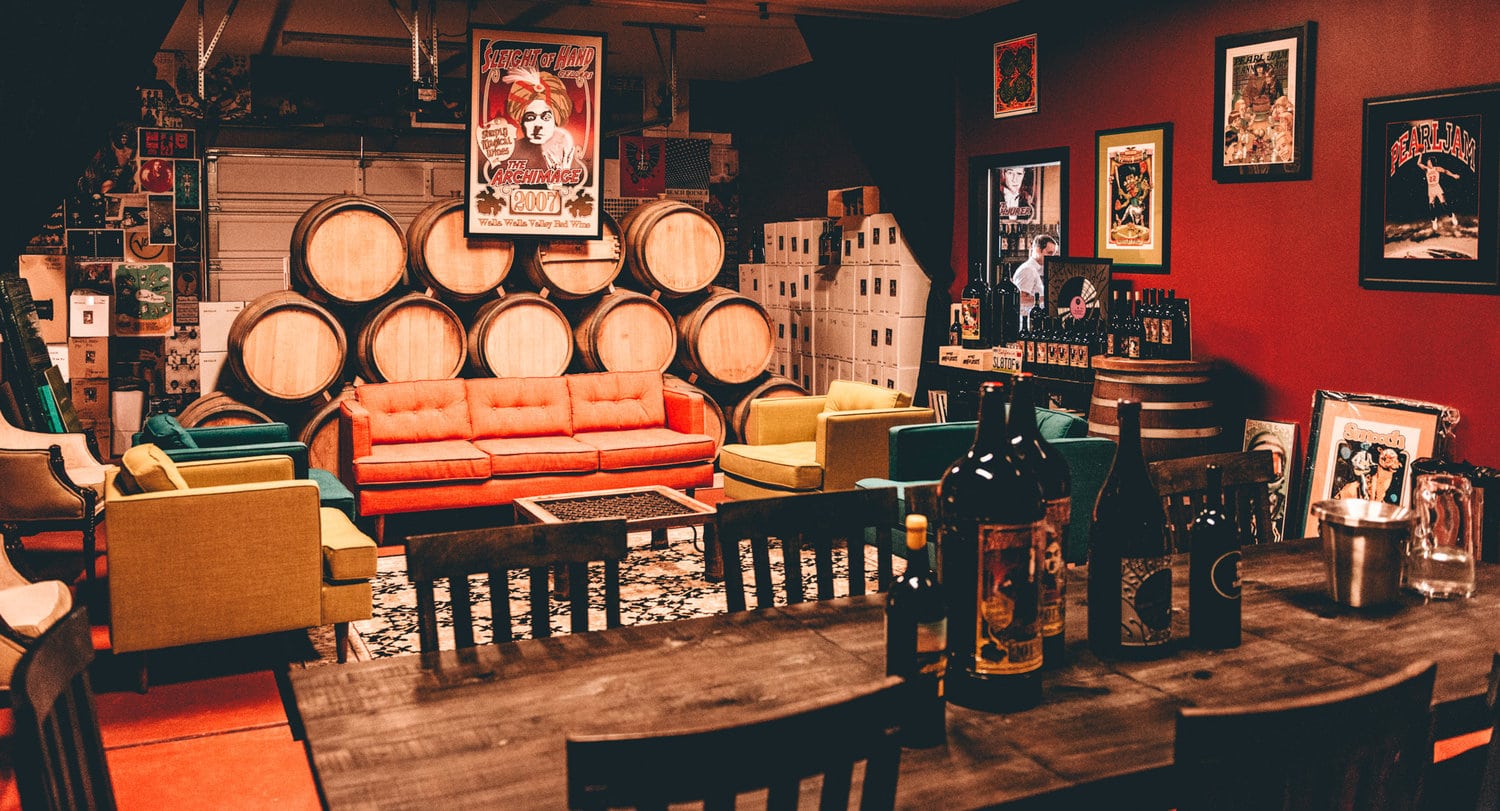
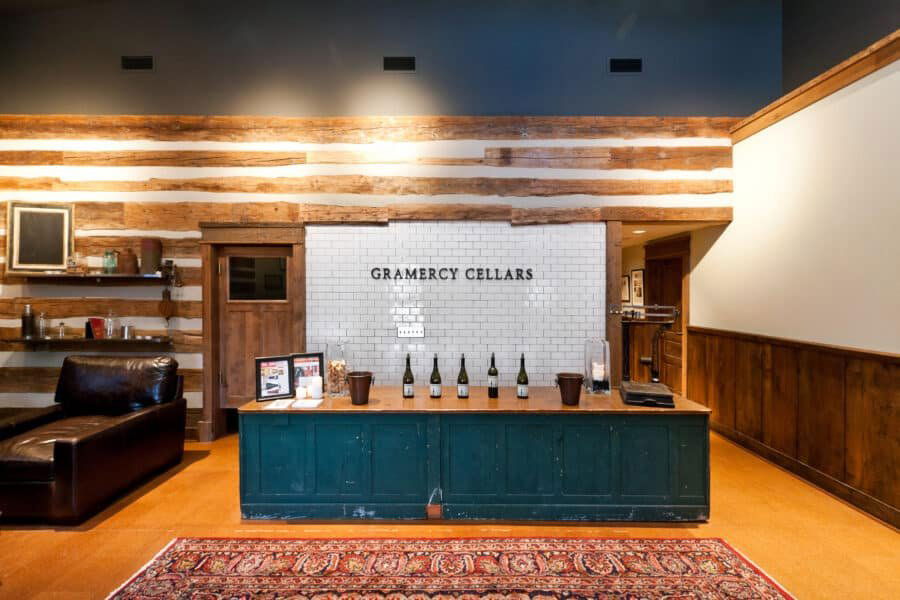
Comfortable and welcoming tasting room with a nice vibe, knowledgeable staff, and focus on exceptional wines.
Tags
Vibe
Best For
Sourcing
View
At the Vineyard
- Appellation
- Walla Walla Valley AVA
- Varietals
- Syrah, Grenache, Mourvedre, Carignan, Cabernet Sauvignon
- Tour Duration
- 60-90 minutes
- Visits
- By reservation
- Farming
- Sustainable
- Wine Styles
- Still Red, Still White, Still Rose
- Shipping
- Available
- Wine Club
- Available
Know before you go
Know Before You Go
- Getting there
- 635 N 13th Ave, Walla Walla, WA 99362
Planning details
Location
Recognition and awards

Also consider
Also Consider
- Seven Hills Winery, Notable alternative
- Spring Valley Vineyard, Notable alternative
- Cayuse Vineryards, Notable alternative
- Horsepower Vineyards, Notable alternative
- K Vintners (Charles Smith), Notable alternative
Winery context
How it compares in Walla Walla
Seven Hills Winery and Spring Valley Vineyard are the safer cross-shops if the visit needs to feel relaxed, scenic, or easier to fold into a broader Walla Walla day. Gramercy Cellars is the better choice when the tasting itself is the point and the group is small enough to appreciate a more focused cellar conversation.
Cayuse Vineryards and Horsepower Vineyards are the higher-friction plays for collectors chasing scarcity. Choose them if access is the thrill. Choose Gramercy Cellars if the goal is a serious Walla Walla benchmark without making the whole day revolve around the hardest appointment in town.
K Vintners (Charles Smith) is the stronger fit for visitors who want a more recognizable, personality-driven stop. Gramercy Cellars is the pick for a quieter, wine-first visit where ambiance matters, but does not outweigh what is in the glass.
Explore Walla Walla
Around this place
Discover more on Pearl
Unlock the full Gramercy Cellars guide in Pearl, including awards, comparisons, FAQs, planning details, and nearby places.
Compare Gramercy Cellars
| Venue | Location | Awards |
|---|---|---|
| Gramercy Cellars | Walla Walla | 2026 Falstaff Winery Guide2025 Pearl 3 Star Prestige |
| Seven Hills Winery | Walla Walla | No published awards |
| Spring Valley Vineyard | Walla Walla | No published awards |
| Cayuse Vineryards | Walla Walla | No published awards |
| Horsepower Vineyards | Walla Walla | 2026 Falstaff Winery Guide2025 Pearl 4 Star Prestige |
| K Vintners (Charles Smith) | Walla Walla | 2026 Falstaff Winery Guide |
How Gramercy Cellars Walla Walla compares with similar nearby venues.
FAQ
Frequently Asked Questions
Does Gramercy Cellars offer shipping?
Shipping details are not included in this guide. Contact Gramercy Cellars directly before ordering or planning a purchase that depends on delivery.
When is the best time to visit Gramercy Cellars?
Specific hours and ideal visit times are not included here. Check the venue's current channels before planning a Walla Walla visit.
Are membership details available for Gramercy Cellars?
Membership details are not included in this guide. If membership matters to your plans, ask Gramercy Cellars directly about current terms, access, and benefits.
How long should I plan for a visit to Gramercy Cellars?
A specific visit length is not included here. Build extra flexibility into your Walla Walla schedule and confirm the current format with the venue before you go.
What should I ask about before visiting Gramercy Cellars?
No specific menu, beverage, or purchase details beyond the profile are included in this guide. Check Gramercy Cellars' official channels or ask the venue directly for current recommendations.
Do I need a reservation at Gramercy Cellars?
Reservation requirements are not included here. Plan ahead by checking directly with Gramercy Cellars, especially if your day also includes Seven Hills Winery or Spring Valley Vineyard.
What other venues should I compare with Gramercy Cellars?
For comparison, consider Seven Hills Winery, Spring Valley Vineyard, Cayuse Vineryards, Horsepower Vineyards, and K Vintners (Charles Smith). Confirm each venue's current details directly before building an itinerary.