

2026 Falstaff Winery Guide: The Ultimate Wine Authority — Page 80
Falstaff's 2026 Wineries guide.

Venues on this list
Chesa Druschauna
Gofis, Austria
Chesa Druschauna is a sensible Gofis wine-country stop if you are already building a Vorarlberg itinerary and want a quieter, less programmed visit. Its Falstaff Listed status for 2026 adds credibility, but confirm tasting format, group suitability, and food availability before making it the anchor of the day.
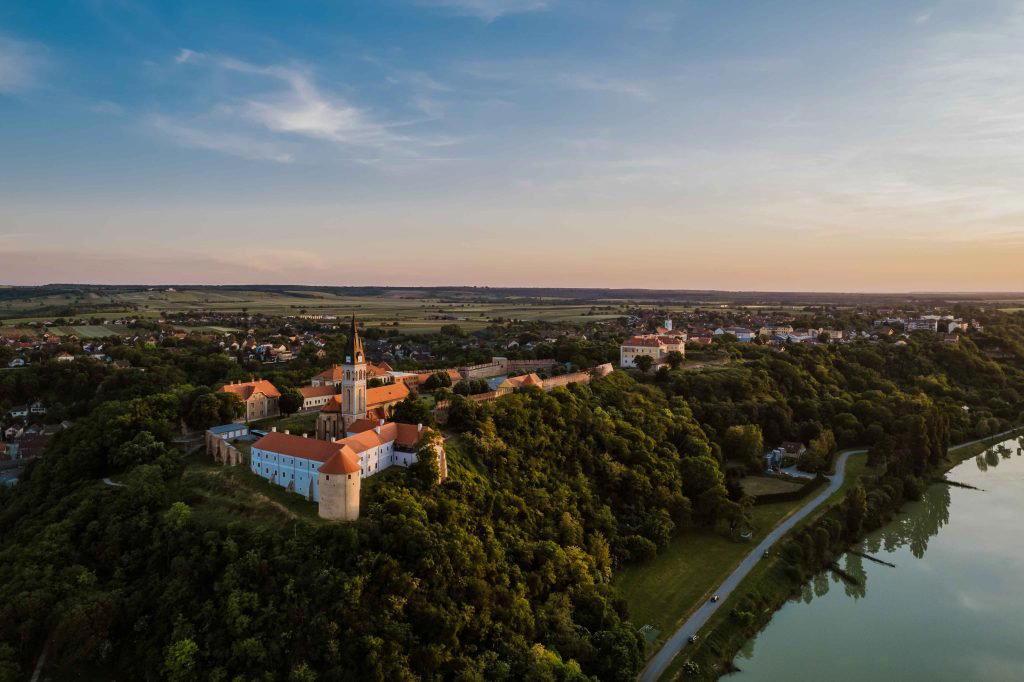
Iločki Podrumi
Ilok, Croatia
Book Iločki Podrumi if you want Ilok’s wine history, white-wine focus, cellar touring, and restaurant hospitality in one stop. It is better suited to a slower half-day plan than a quick tasting, especially for returning visitors who want to compare Traminac, Graševina, Chardonnay, Riesling, and estate-linked releases.
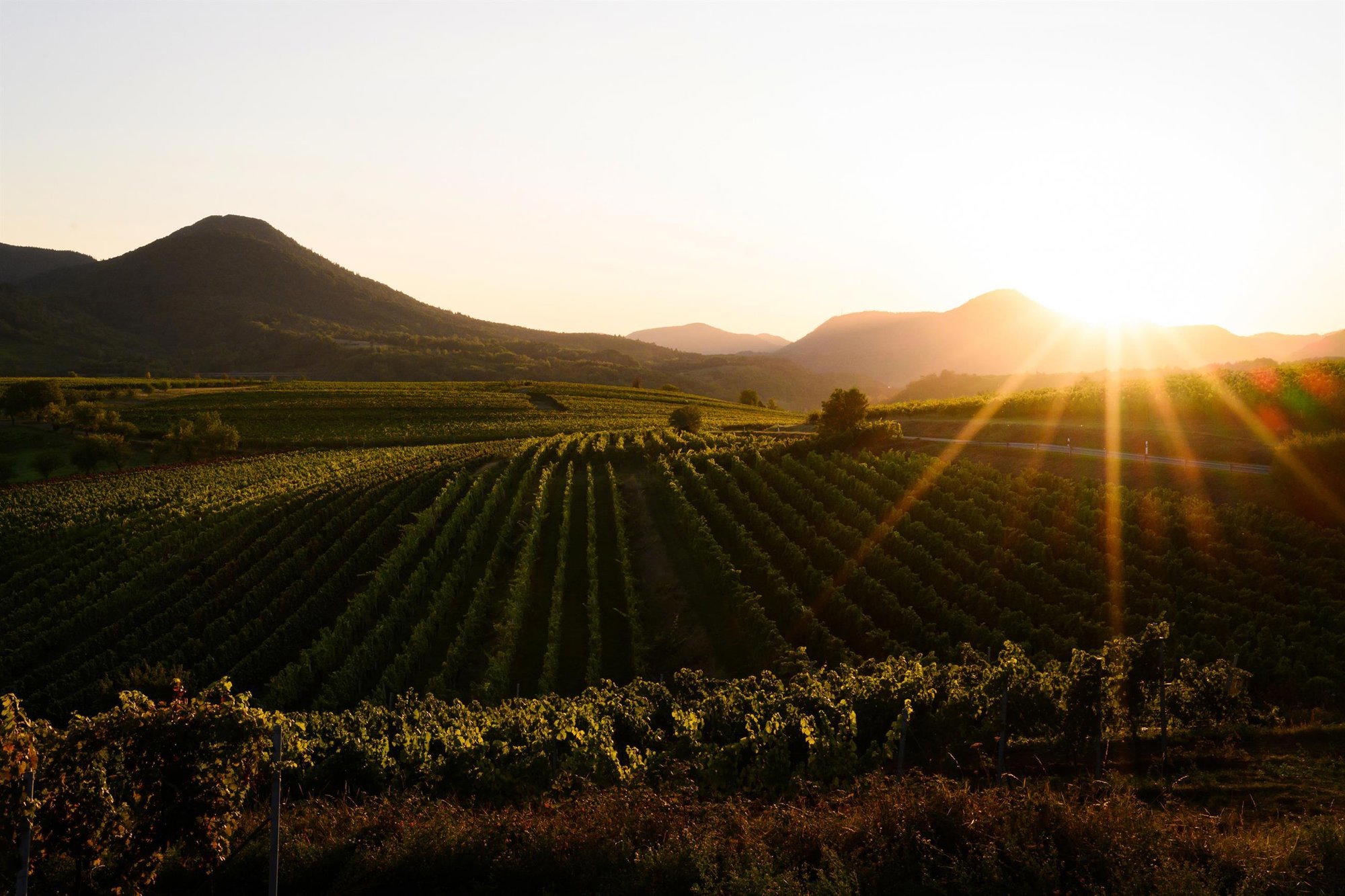
Ellermann-Spiegel
Kleinfischlingen, Germany
Book Ellermann-Spiegel if the priority is a focused Pfalz wine stop with credible recognition rather than a restaurant-style outing. The 2026 Falstaff listing gives it a useful trust signal; for a repeat visit, a private tasting is worth pursuing if available, especially for couples or small groups who want a more focused read on the range.
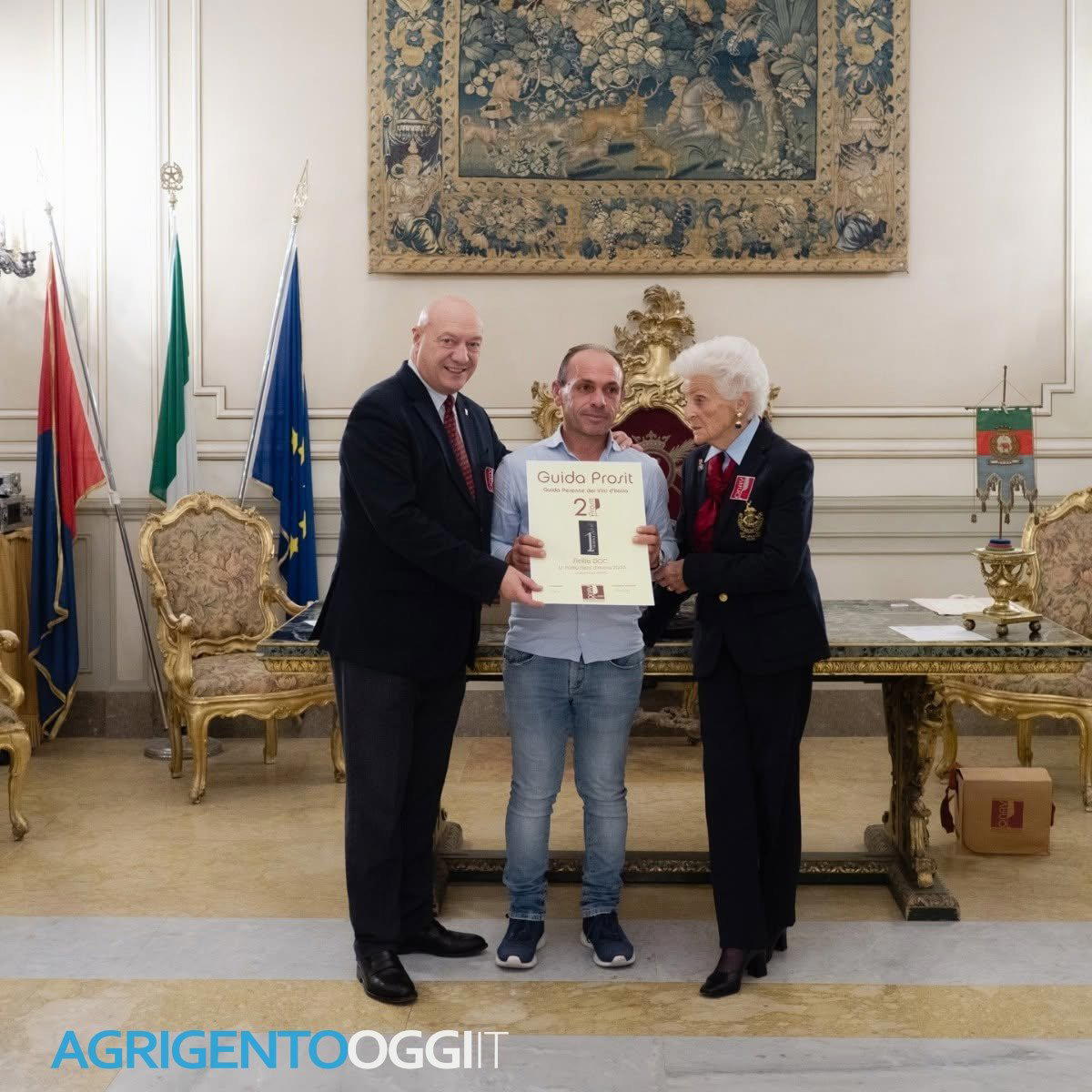
Campisidrasi
Agrigento, Italy
Campisidrasi works if the goal is a focused Agrigento winery stop built around coastal Sicilian Grillo and Nero d’Avola. The appeal is the Punta Bianca setting, recent D.O.C. releases and family production depth; skip it if the group wants a large-estate tasting format or a broad portfolio.
Château Haut-Fontenelle
Bordeaux Blanc A C, France
A quiet, appointment-led Bordeaux Blanc AOC producer that makes the most sense for travelers focused on approachable white and rosé rather than a full château hospitality day. The draw is a traditional, fresh, fruit-forward style with credible critic scores for the 2023 rosé and blanc; skip it if you need a polished visitor-center experience.
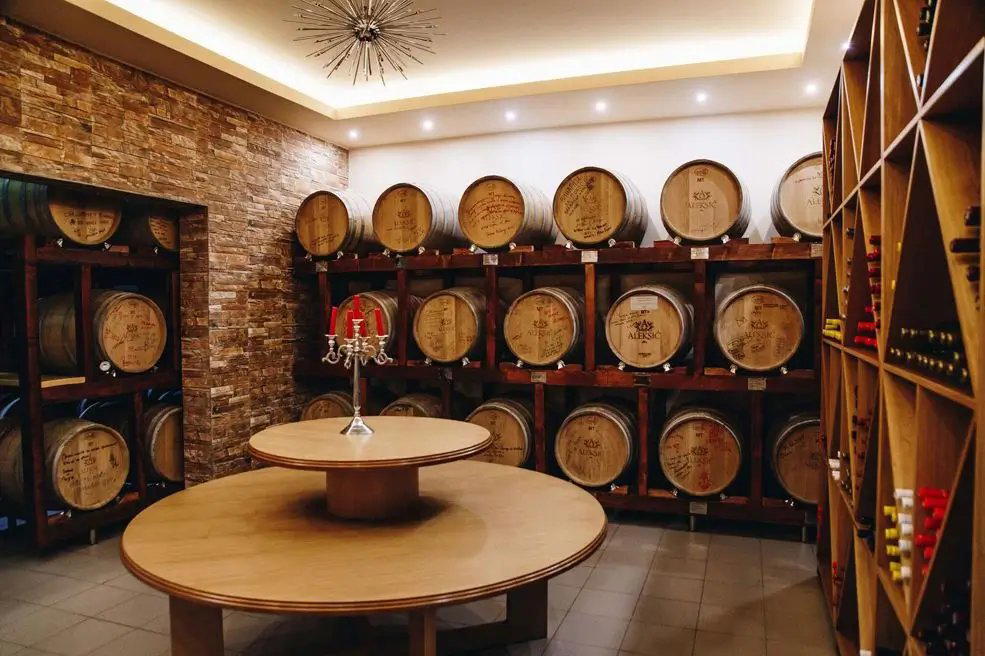
Aleksić Winery
Vranje, Serbia
Prioritise Aleksić Vinarija if the goal is a serious introduction to southern Serbian wine, especially Prokupac, Vranac, and Tamjanika. The Vranje setting makes it a deliberate detour, but the 20-year milestone, family-run structure, 13-label range, and Falstaff 1 Star recognition give the visit enough substance for wine-focused travelers.
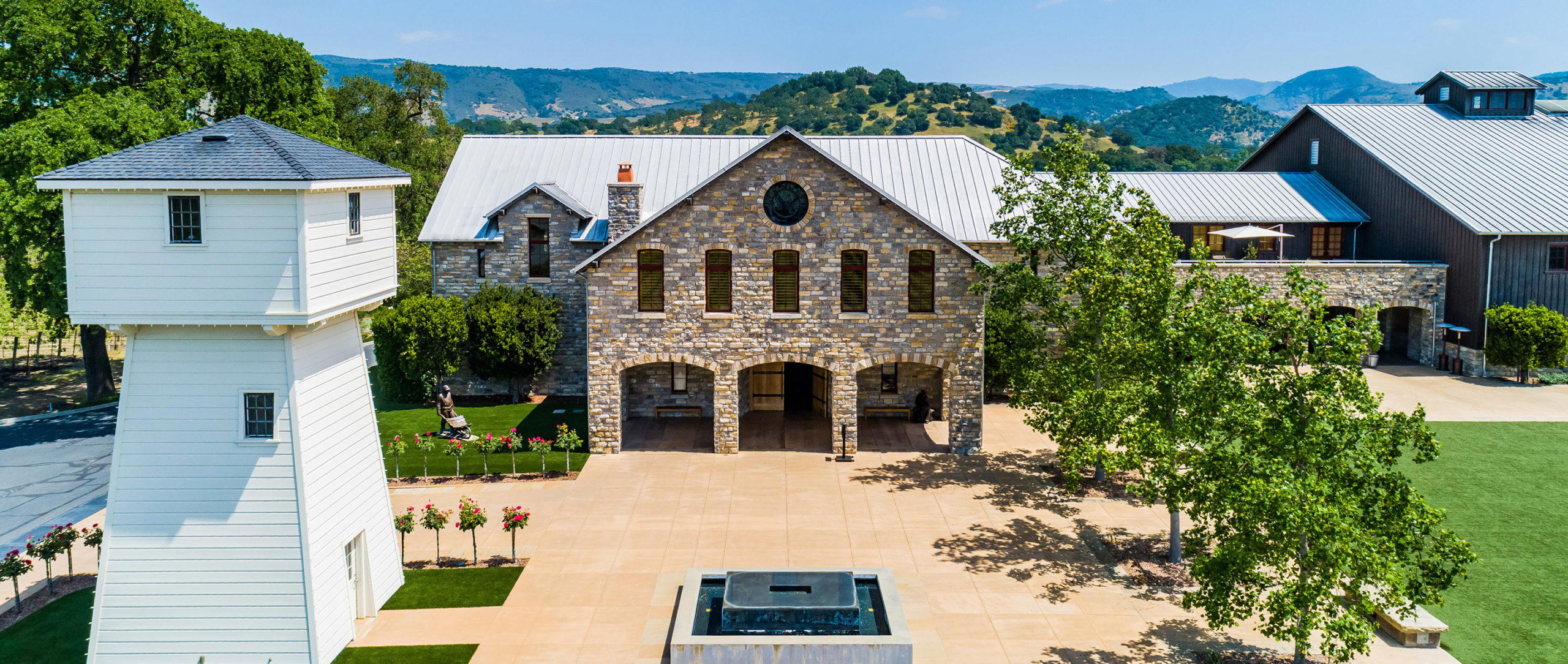
Silver Oak Napa Valley
Oakville, United States
Silver Oak Napa Valley is the right Oakville booking when the occasion calls for a polished Cabernet-focused winery with long Napa history. It is less compelling for guests chasing experimental small-production discovery, but strong for celebrations, client hosting, and visitors who value reliability over surprise.
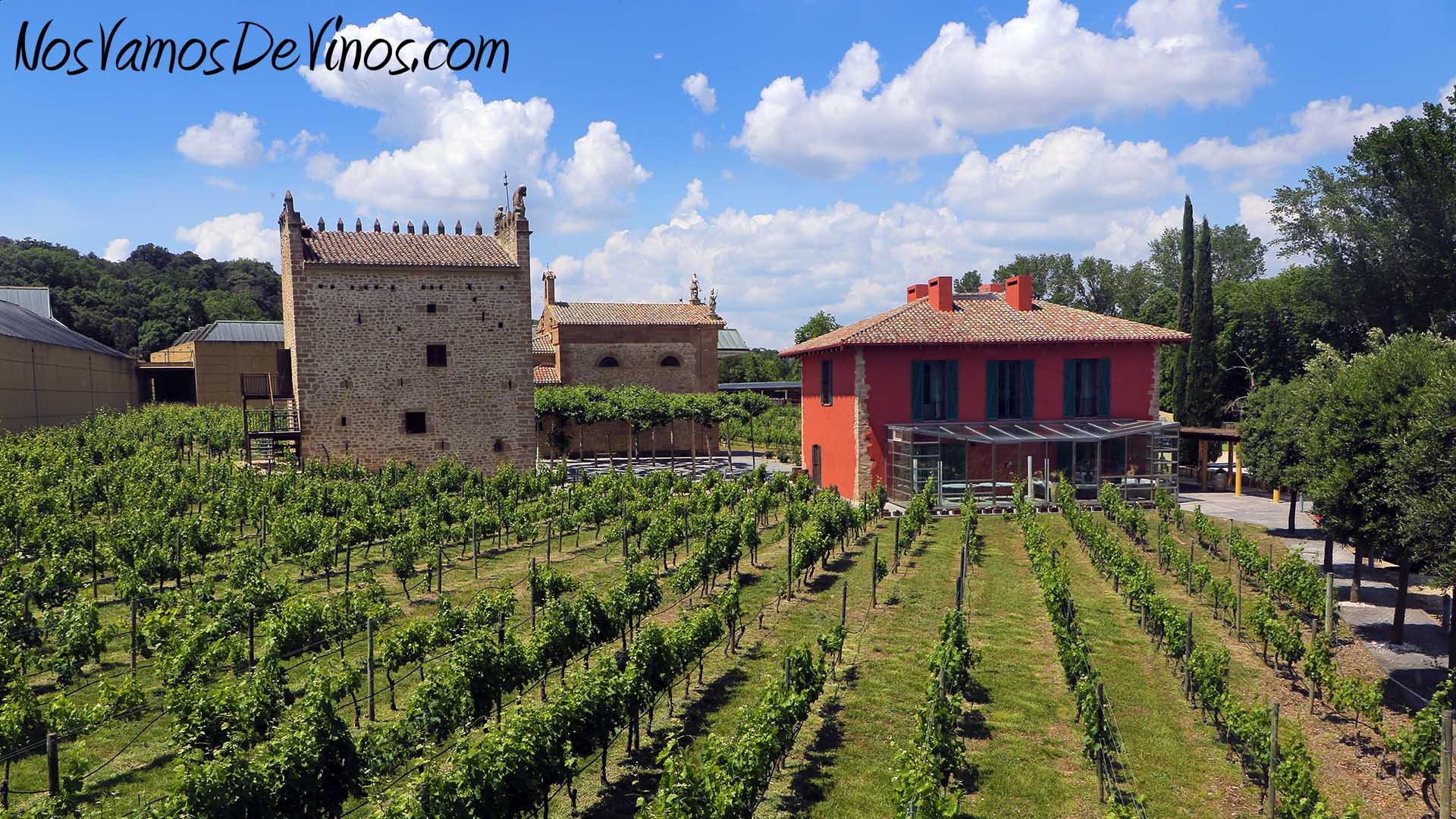
Bodegas Ateca & Gil
Ateca, Spain
A wine-focused Ateca stop with Falstaff 2 Stars (2026), better suited to travelers building a serious Aragón wine itinerary than casual visitors seeking a clearly packaged tasting room experience. Worth pursuing if discovery matters and planning ahead is acceptable; less compelling if food service, pricing, or visitor-format certainty is the priority.
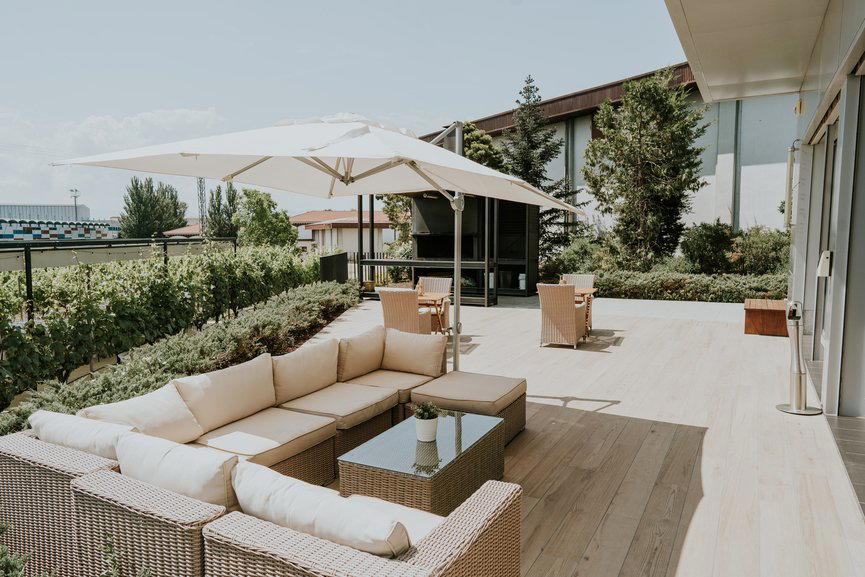
Bodegas Valdemar
Oyon Alava, Spain
Book Bodegas Valdemar if you want a clear, good-value introduction to Rioja Alavesa rather than a quick pour. The $$ estate has Falstaff 4 Stars for 2026, a family history dating to 1889, guided tastings, wines by the glass, and a portfolio broad enough to compare young Rioja, aged reds, whites, and single-vineyard styles in one visit.
Cantina Val di Luna
Milan, Italy
Cantina Val di Luna works if the goal is small-production Piedmont wine rather than a polished Milan tasting-room circuit. The $$$ price tier makes sense for Barbera d’Asti Superiore DOCG, Viognier Piemonte DOC, and limited 3,000-bottle-per-variety production, but appointment-only access means it works better as a planned wine stop than a casual add-on.
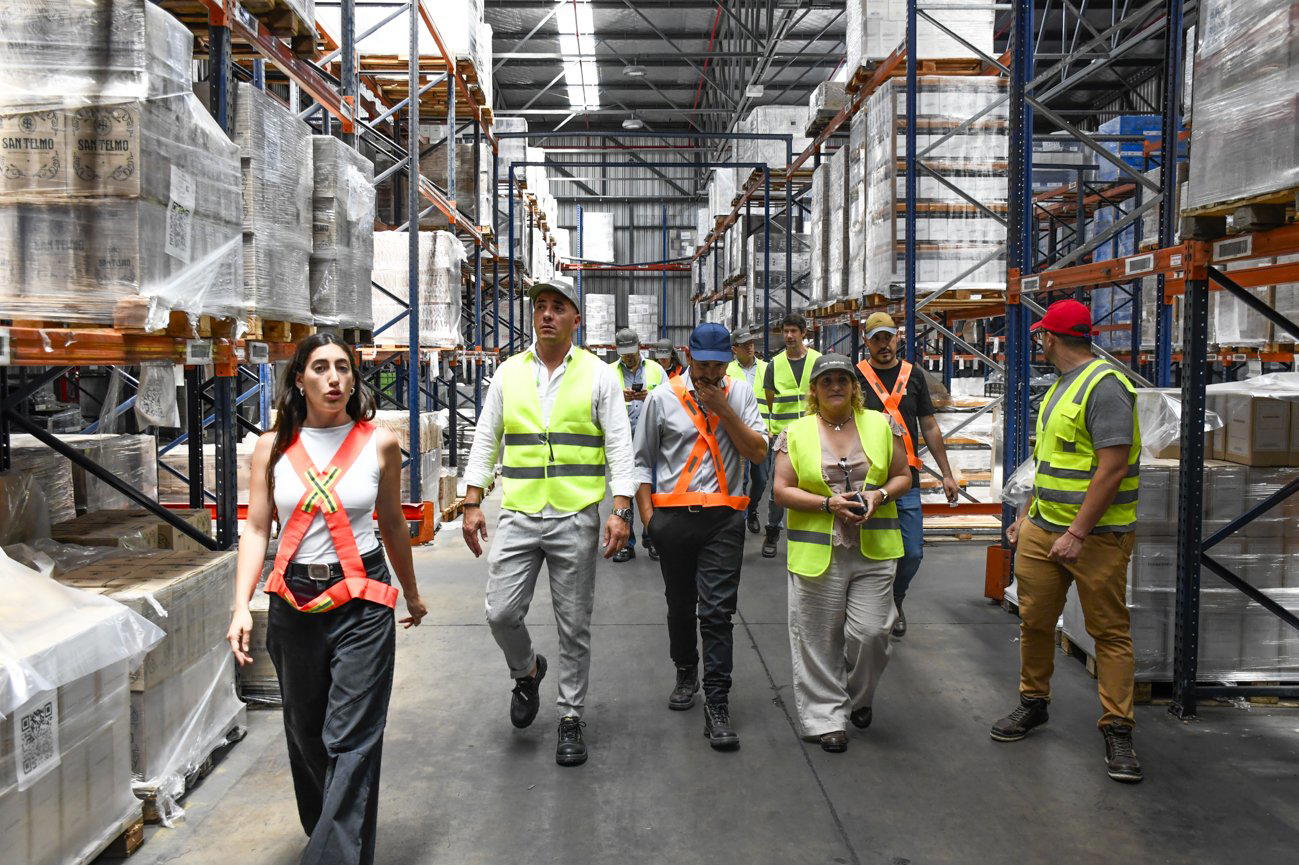
Bodegas Santa Ana
Villa Nueva, Argentina
Bodegas Santa Ana works for Mendoza wine travelers who want heritage and context more than a luxury tasting-room showcase. Its 1891 founding, centennial cellar spaces, modern production setup, and Falstaff Listed 2026 recognition make it a practical Villa Nueva stop, especially for a shorter itinerary near Mendoza city.
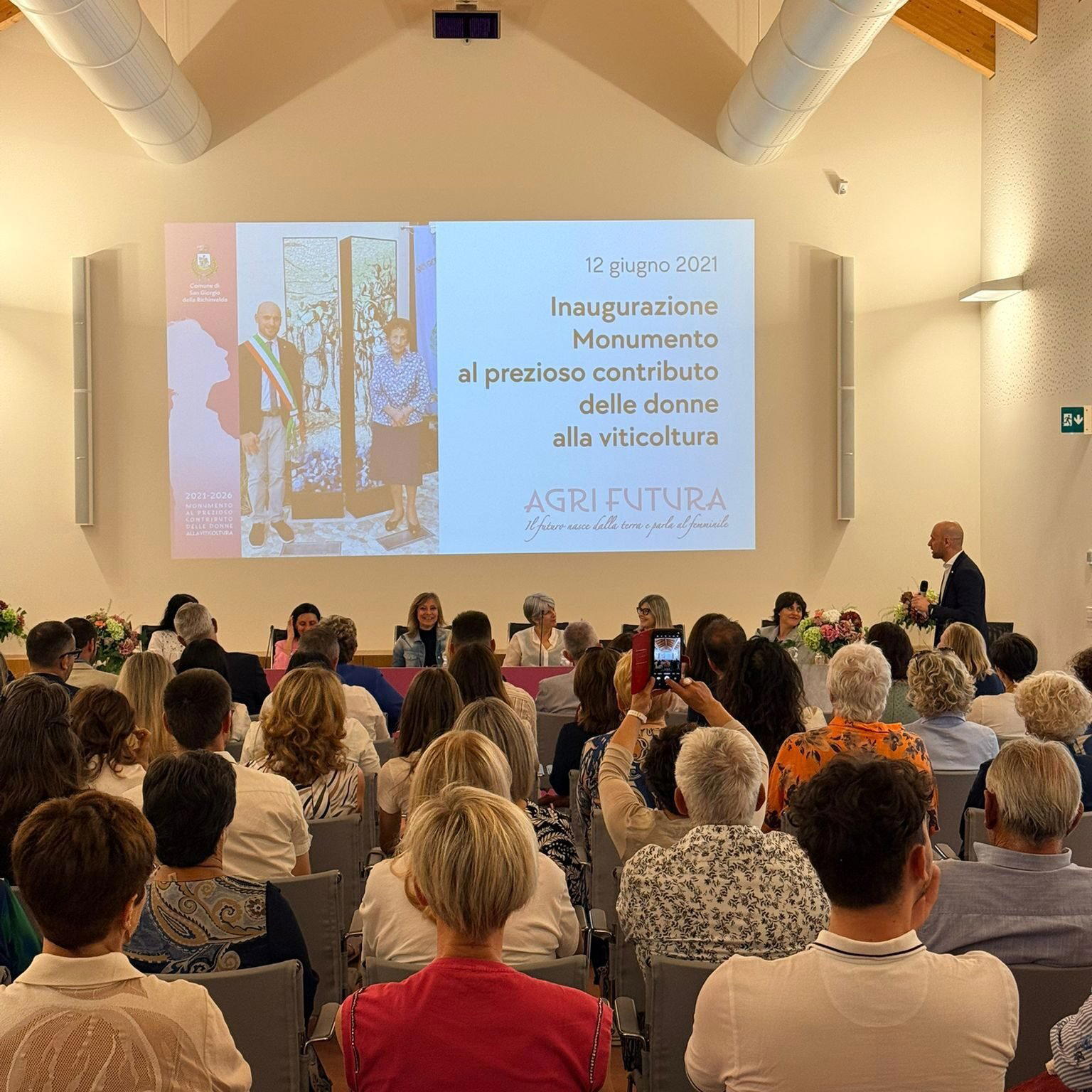
Cantina Rauscedo
San Giorgio della Richinvelda, Italy
Book Cantina Rauscedo if you want a practical Friuli winery visit built around cooperative production, accessible wines, and a grounded cellar experience rather than luxury staging. It is strongest for guests who care about how a village-scale farming network shapes everyday regional bottles, especially whites from Friuli Grave and DOC Friuli.
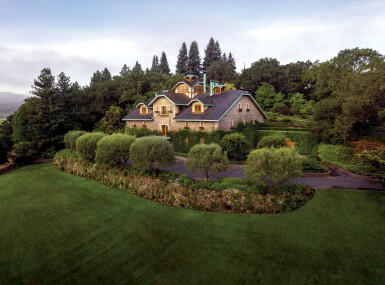
Rombauer Vineyards
Napa, United States
Rombauer Vineyards is a strong Napa pick for a polished, celebration-friendly tasting built around an established name rather than a discovery hunt. Book it as the relaxed anchor of the day, especially for guests who want a dependable visit with clear Napa credibility.
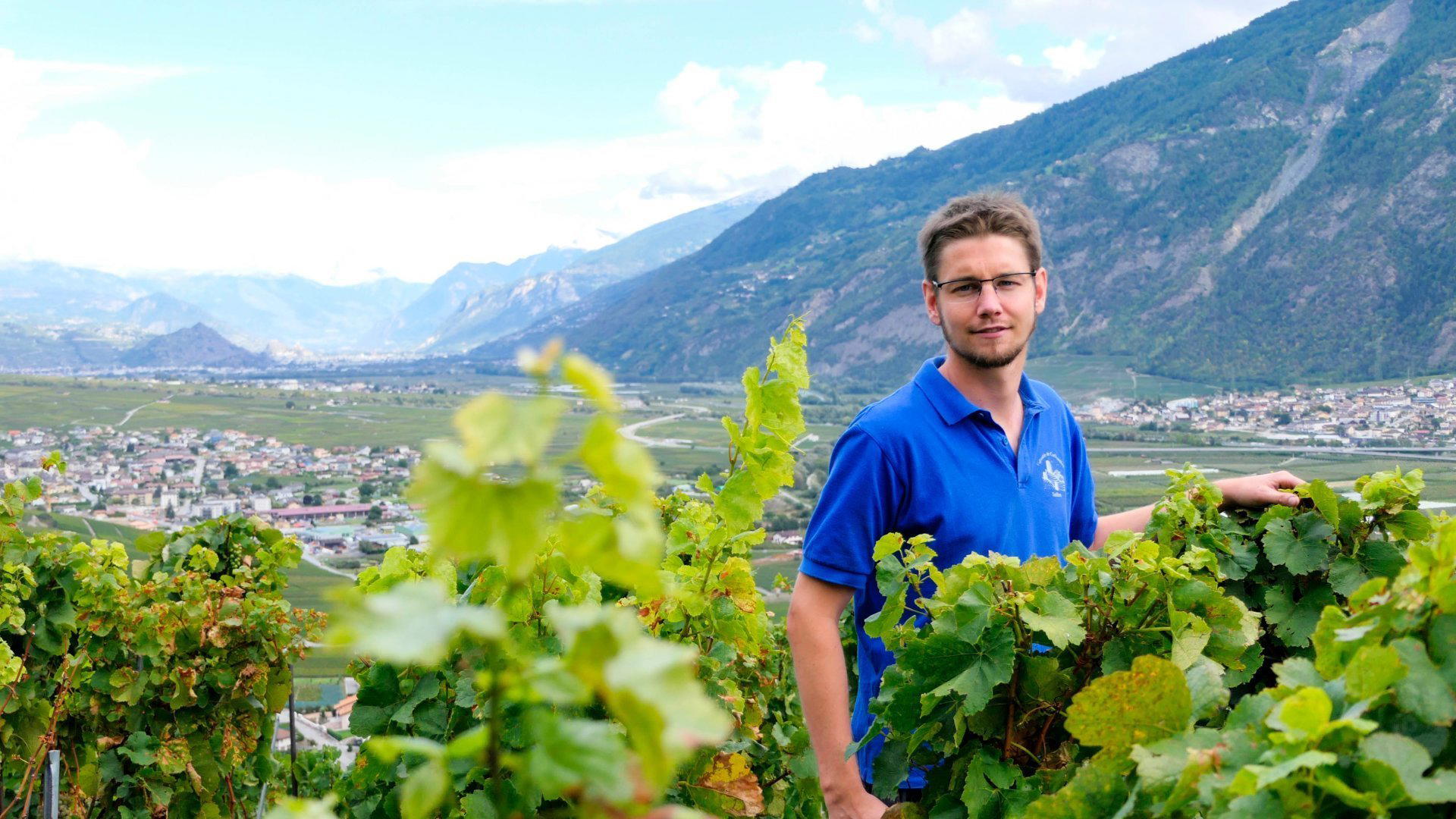
Cave Corbassière
Saillon, Switzerland
For 2026 Saillon wine planning, Cave Corbassière is worth booking if you want a relaxed, small-room Valais tasting built around estate-grown range rather than showy hospitality. The Falstaff Listed winery works best for curious drinkers who want local grapes, family-run context, and a moderate Swiss winery price tier.
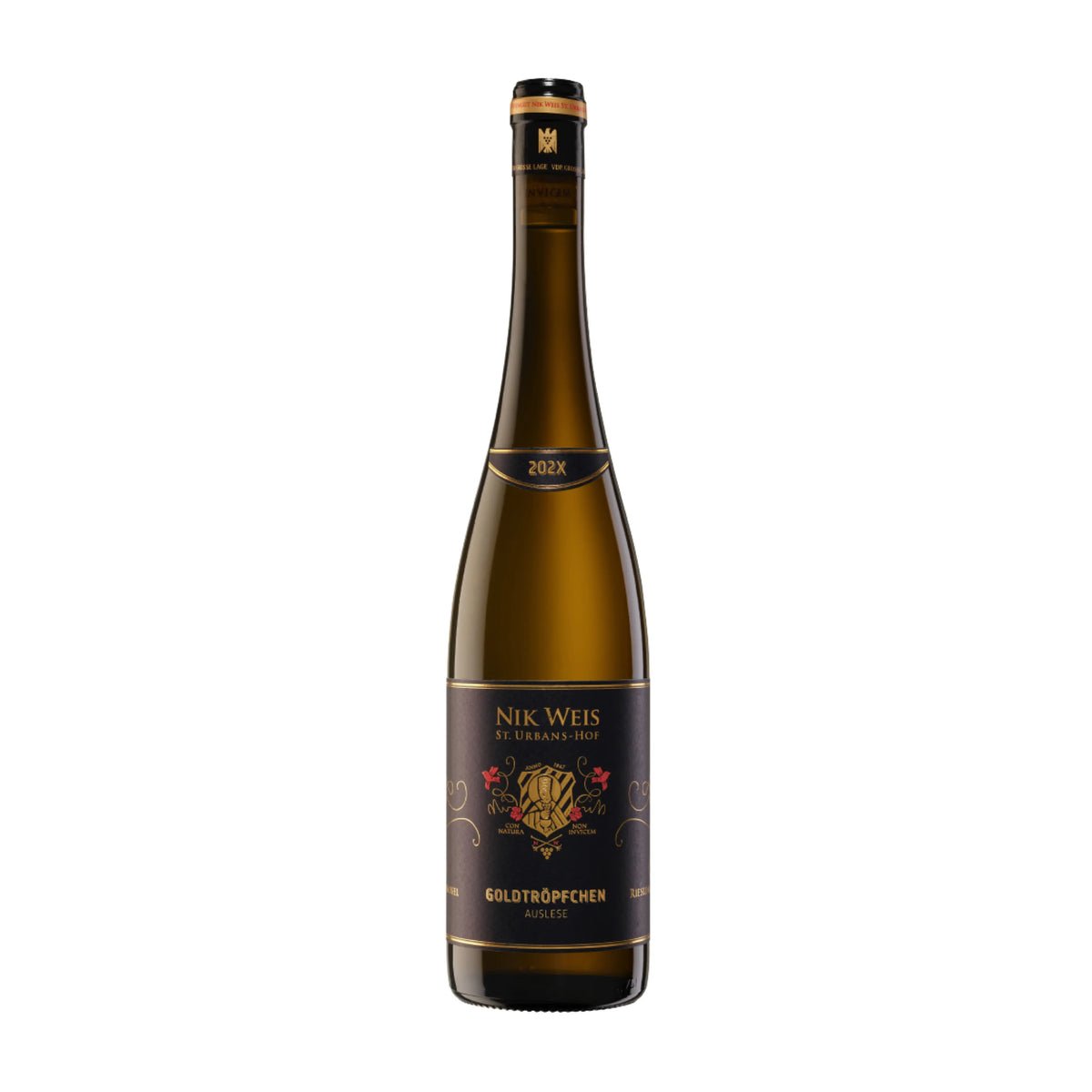
Weingut Nik Weis – St. Urbans-Hof
Leiwen, Germany
Book Weingut Nik Weis – St. Urbans-Hof as a planned Mosel wine stop, not a casual walk-in. It suits serious Riesling drinkers, special-occasion tastings, and visitors building a Leiwen itinerary around one high-priority winery appointment; for more flexible scheduling, compare Weingut Carl Loewen and Weingut Grans-Fassian first.
Giardini Ripadiversilia
Seravezza, Italy
Book Giardini Ripadiversilia for a quiet, rustic Versilia winery stop rather than a formal estate deep dive. Its Falstaff listing gives it a credible wine-tourism signal, and the hillside setting between olive groves, vineyards, the Apuan Alps, and the sea is the main reason to go. Best for couples or small groups planning a calm Seravezza detour.
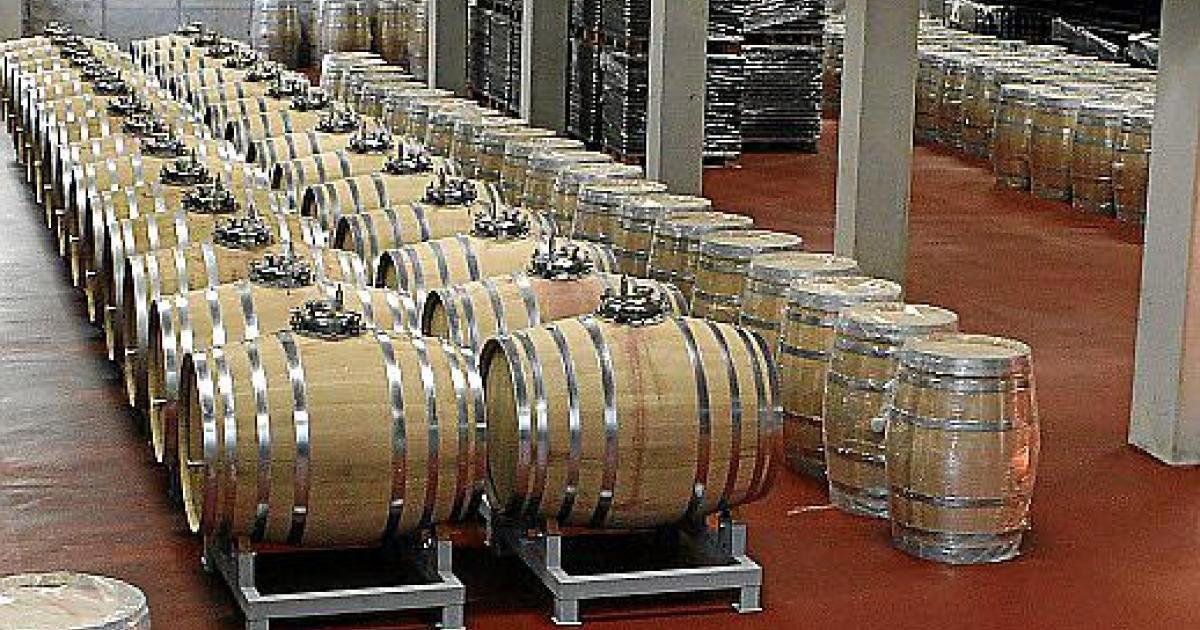
José L. Ferrer
Binissalem, Spain
A strong pick for first-time Binissalem wine visitors who want heritage, cellar architecture, and an organized tasting rather than a tiny-producer feel. The value is strongest if the tour format matters to you: old bodega spaces, modern production areas, barrel rooms, and a broad Mallorca-focused portfolio.
Domaine Fontanel
Tautavel, France
Domaine Fontanel is worth booking if the goal is a grounded Roussillon tasting with real range, especially fortified and oxidative wines. The draw is not luxury polish; it is a family-run Tautavel cellar, organic vineyard work, and bottles that explain the region better than a generic tasting stop. Falstaff Listed in 2026.
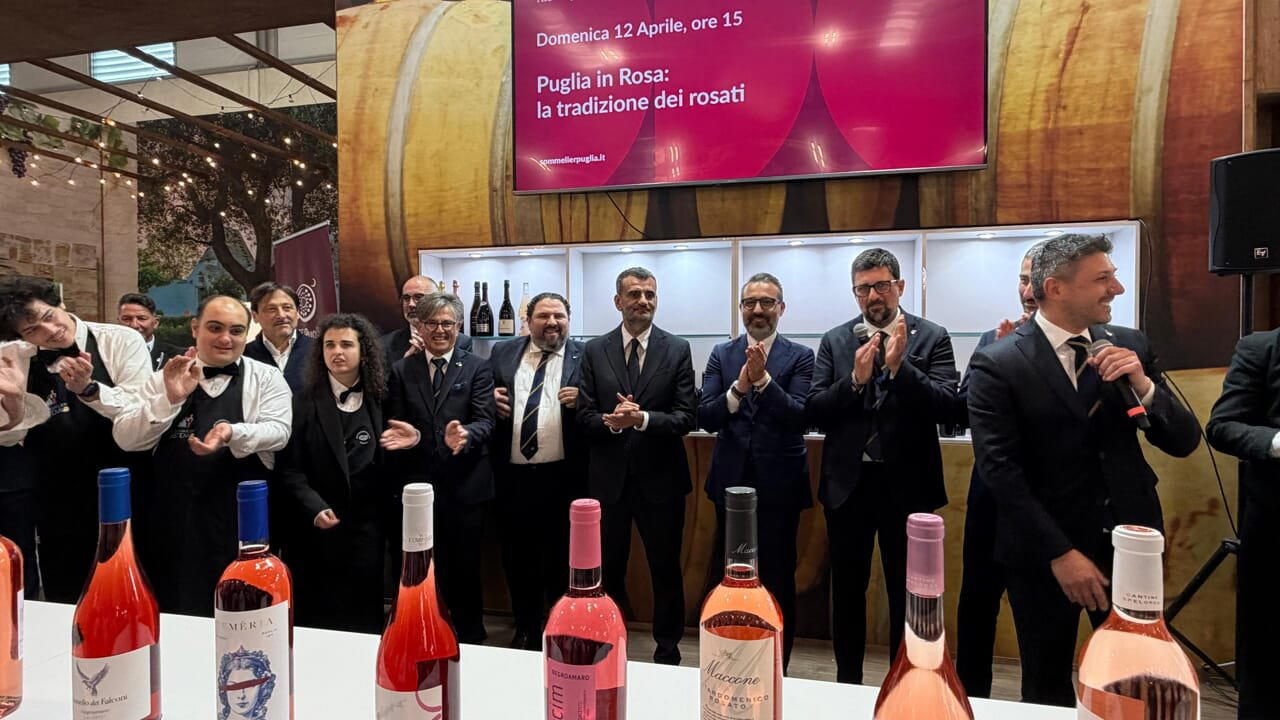
Cantine Spelonga
Stornara, Italy
Cantine Spelonga is a good fit for travelers who want a focused Stornara winery visit built around indigenous Puglian grapes, especially Nero di Troia. The setting is more working production facility than polished cellar-door experience, so book for substance, quiet, and context rather than design-led hospitality.
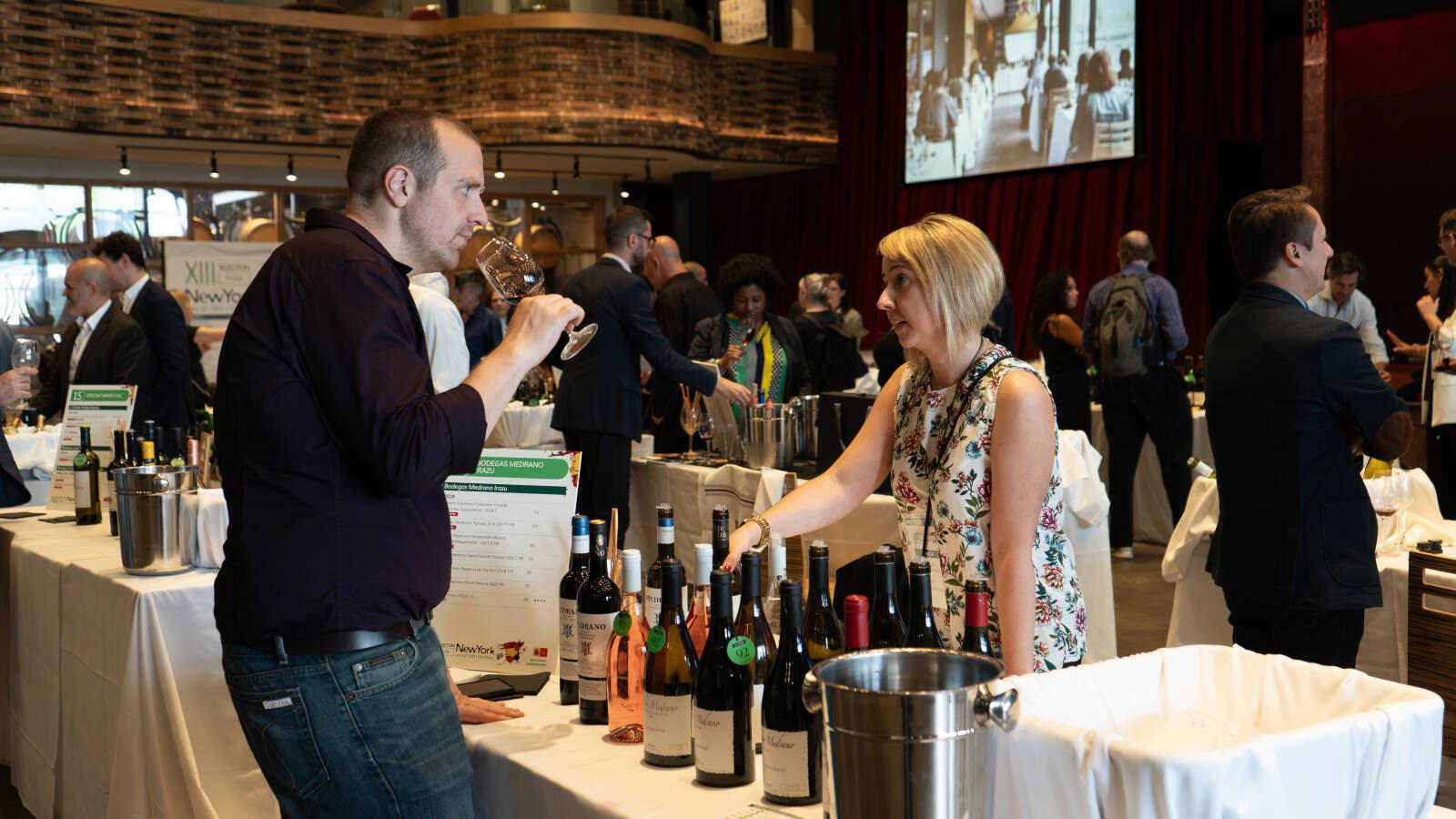
Binigrau Vins i Vinyes
Biniali, Spain
Book Binigrau Vins i Vinyes if the goal is a serious inland Mallorca winery visit with biodynamic farming, visible production areas, and a calm, contemporary setting. It is better for curious wine travelers than casual drop-ins, so plan ahead and make it a focused Biniali stop rather than a filler between beach or lunch plans.
Fattoria della Aiola
Castelnuovo Beradegna, Italy
Book Fattoria della Aiola if your Tuscany wine day is centered on Chianti Classico and Sangiovese rather than a broad countryside lunch. The value is strongest for drinkers who want Gran Selezione context, historic-estate atmosphere, and a quieter tasting format in the Castelnuovo Beradegna area.
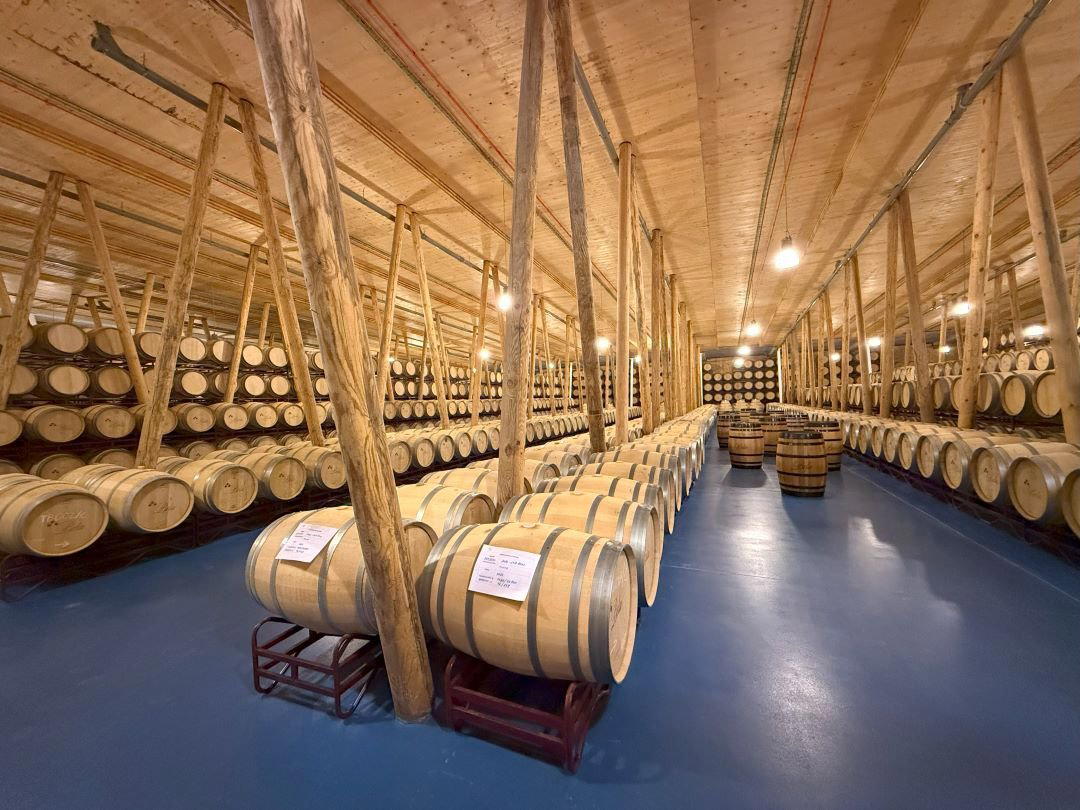
Bodegas El Inicio
Peñafiel, Spain
A serious Ribera del Duero candidate for wine-focused travelers, backed by Falstaff 1 Star recognition in 2026. Book only if the bottle assessment matters more than a clearly packaged visitor experience, since public practical details are thin and groups should confirm arrangements before planning around it.
Jean et Pierre Testuz SA Le Treytorrens
Cully, Switzerland
A good fit if you want a quiet, traditional winery stop in Cully, not a collector-grade appointment built around named releases. The Lavaux setting and 2026 Falstaff listing make it worth a look, but wine-club value should be judged only after tasting and confirming the terms.
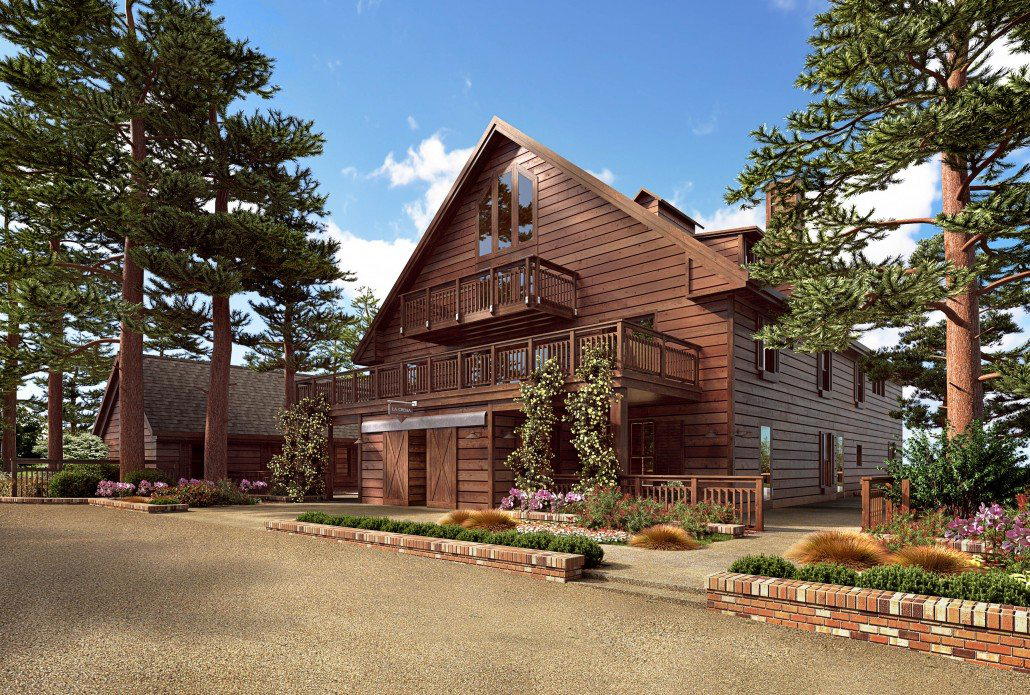
La Crema
Windsor, United States
La Crema is a practical Windsor pick for a polished Sonoma County wine stop, especially for celebrations or mixed-experience groups. Its Falstaff listing adds credibility, but with no published price range or flagship wine here, value should be judged by the tasting format and bottles offered on the day.
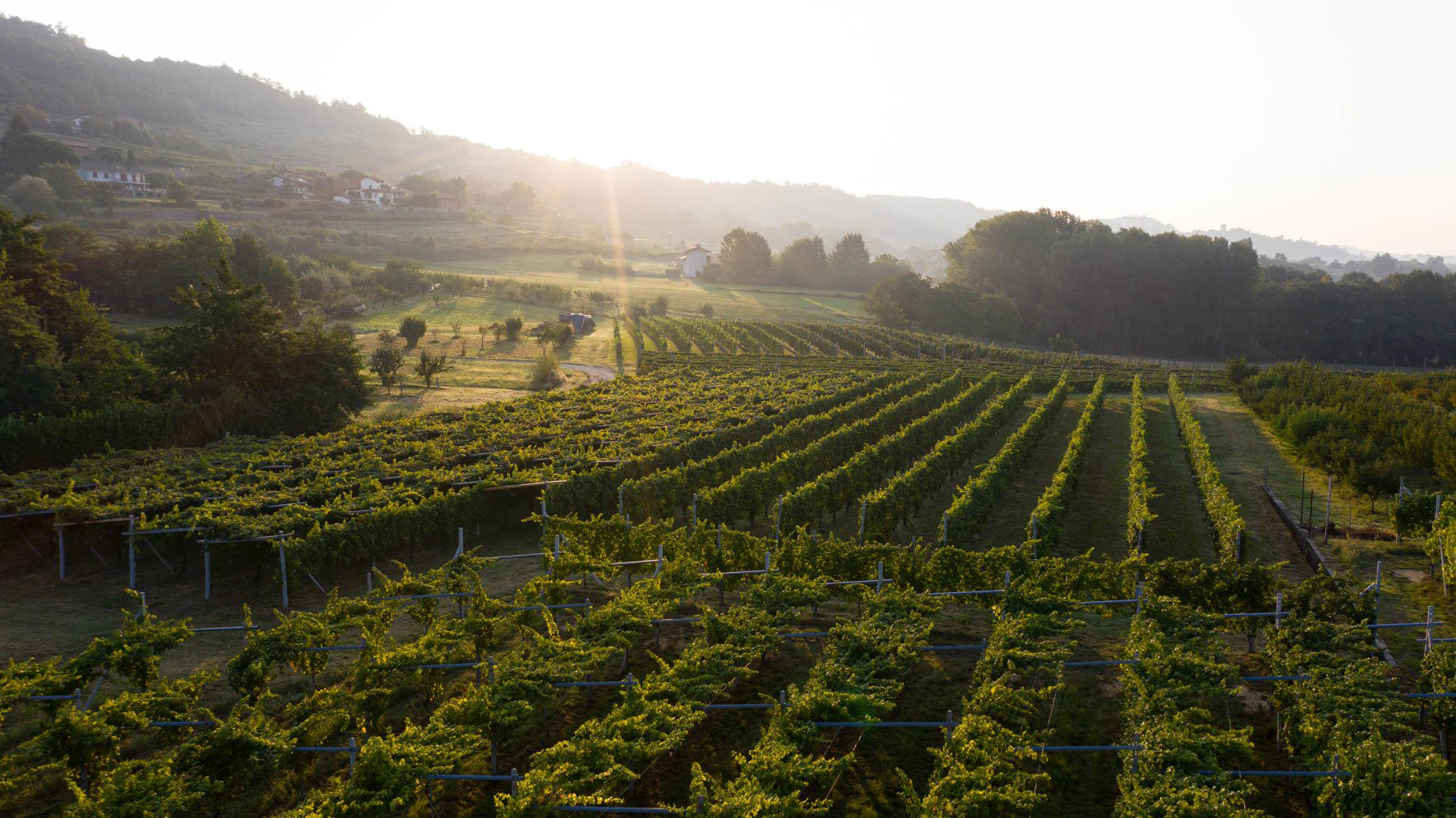
Cantina della Serra
Piverone, Italy
Book Cantina della Serra if you want a practical, good-value introduction to Canavese wines rather than a polished luxury tasting. The draw is Erbaluce di Caluso, supported by Barbera, Nebbiolo, and Caluso Passito DOCG, with Falstaff listing in 2026 adding a useful trust signal for a $$ cooperative cellar.
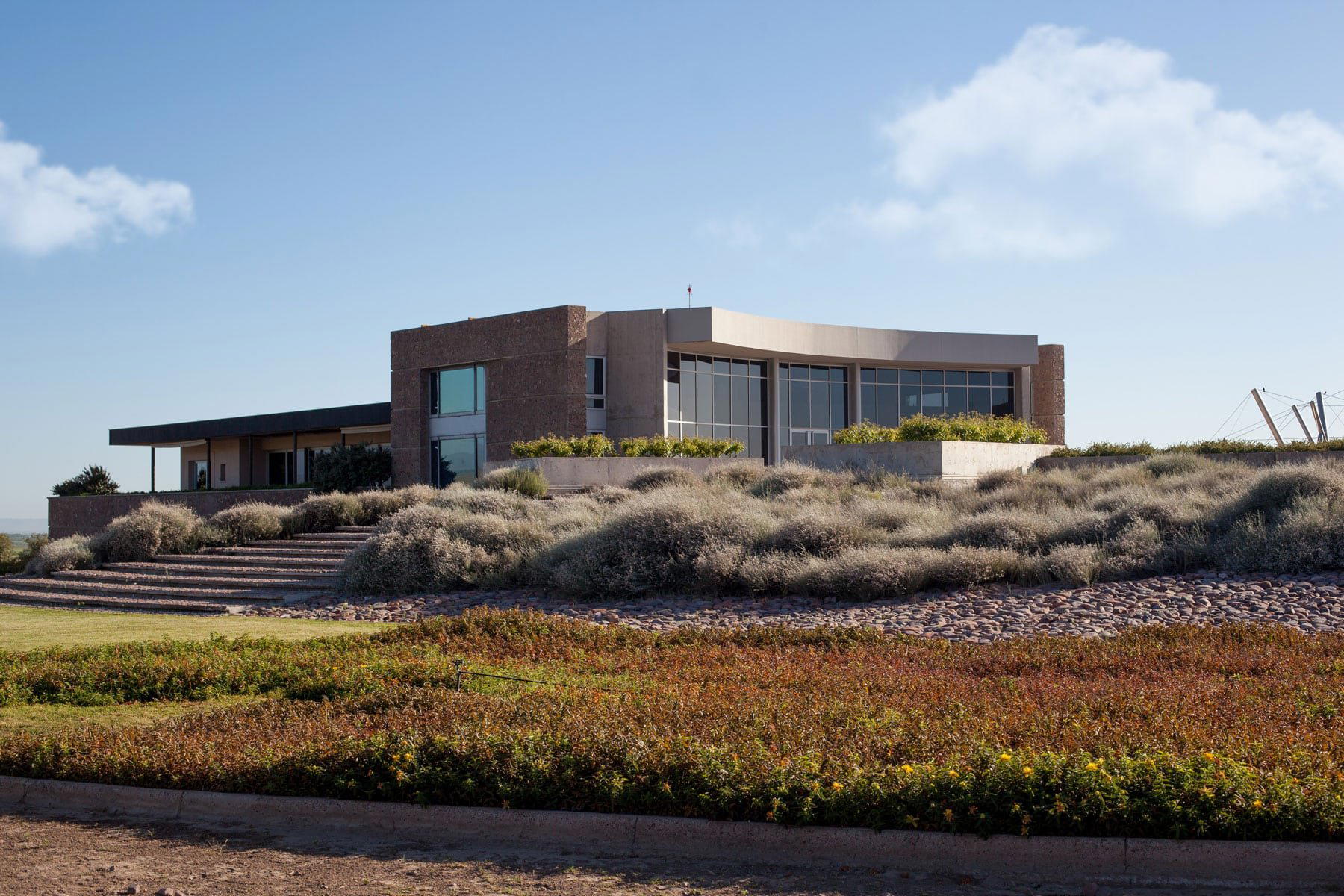
Bodega DiamAndes
Tunuyán, Argentina
Prioritize Bodega DiamAndes if the trip is built around a serious Tunuyán wine day rather than a casual drop-in. It is strongest for travelers who want Vista Flores context, external recognition, and a polished Mendoza winery stop; cross-shop Bodega Monteviejo, Antucura, or Bodega Cuvelier Los Andes if availability is tight.
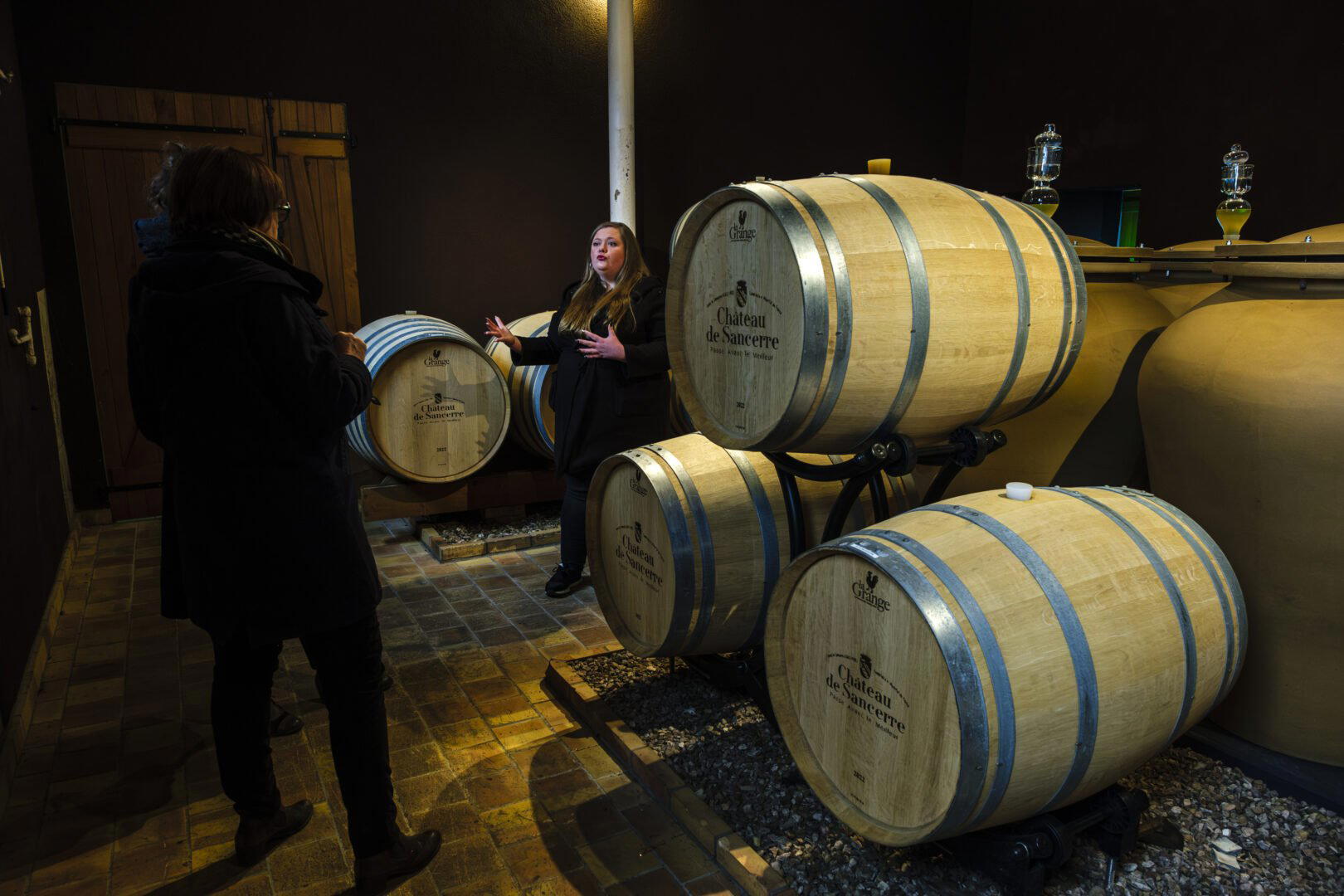
Caves des Vins de Sancerre
Sancerre, France
Book Cave des Vins de Sancerre as an orientation stop, not a luxury tasting. The cooperative format gives a practical read on Sauvignon Blanc, Pinot Noir, and Sancerre terroir, with the private option worth it mainly for groups or visitors who want guided cellar context before choosing bottles or planning smaller estate visits.
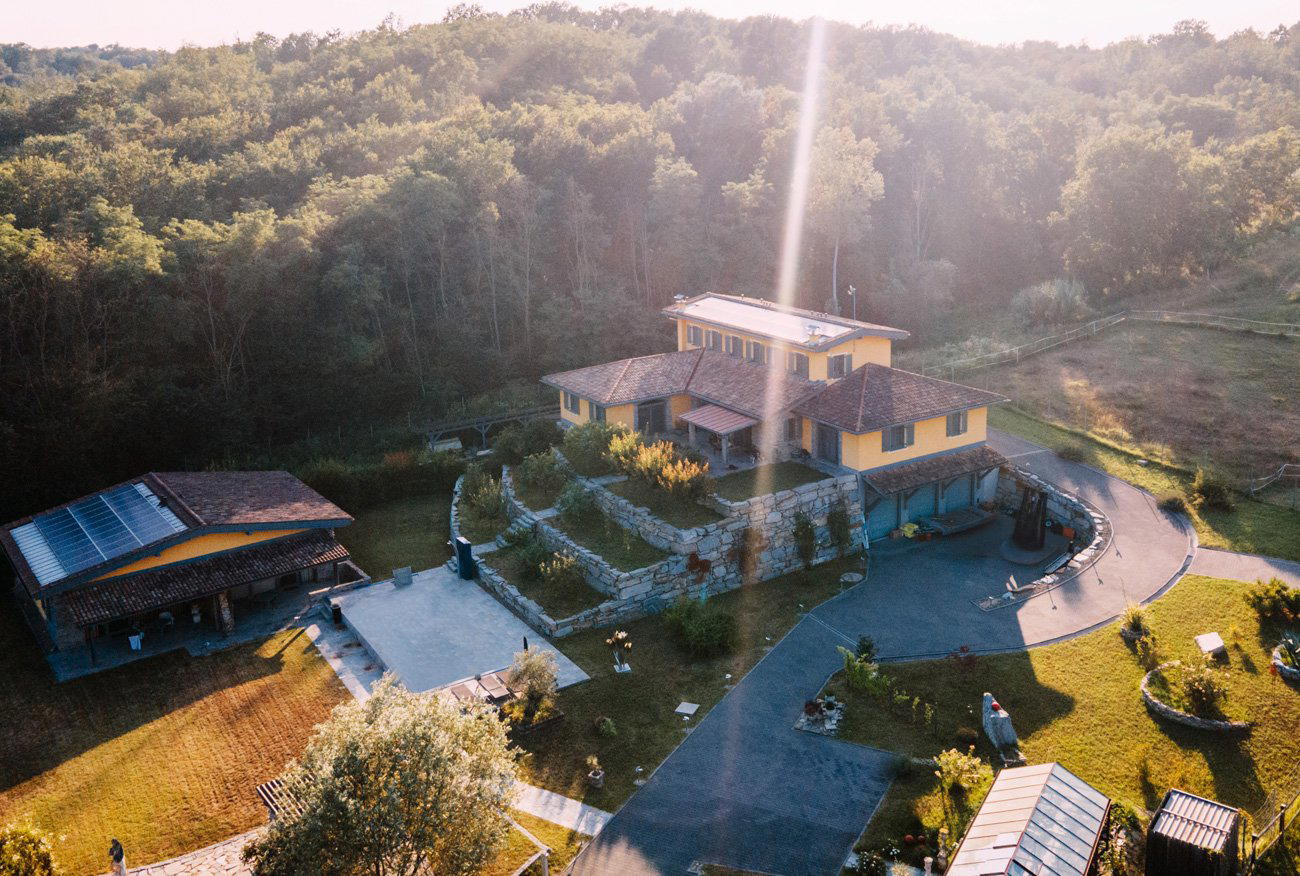
Il Sogno
Mombaruzzo, Italy
Il Sogno is worth booking for a quiet Piedmont wine stay where the small estate setting, ecological cellar design, and two-suite format are central to the experience. It suits couples and serious wine travelers better than large groups or anyone looking for a busy tasting-room setup.
Clos Marsalette
Martillac, France
Clos Marsalette works for a serious, appointment-led Pessac-Léognan visit focused on gravel terroir, red-and-white Bordeaux production, and small-estate detail. It is a stronger fit for wine enthusiasts than casual tasters: the value is in the technical context, not a high-production hospitality experience.
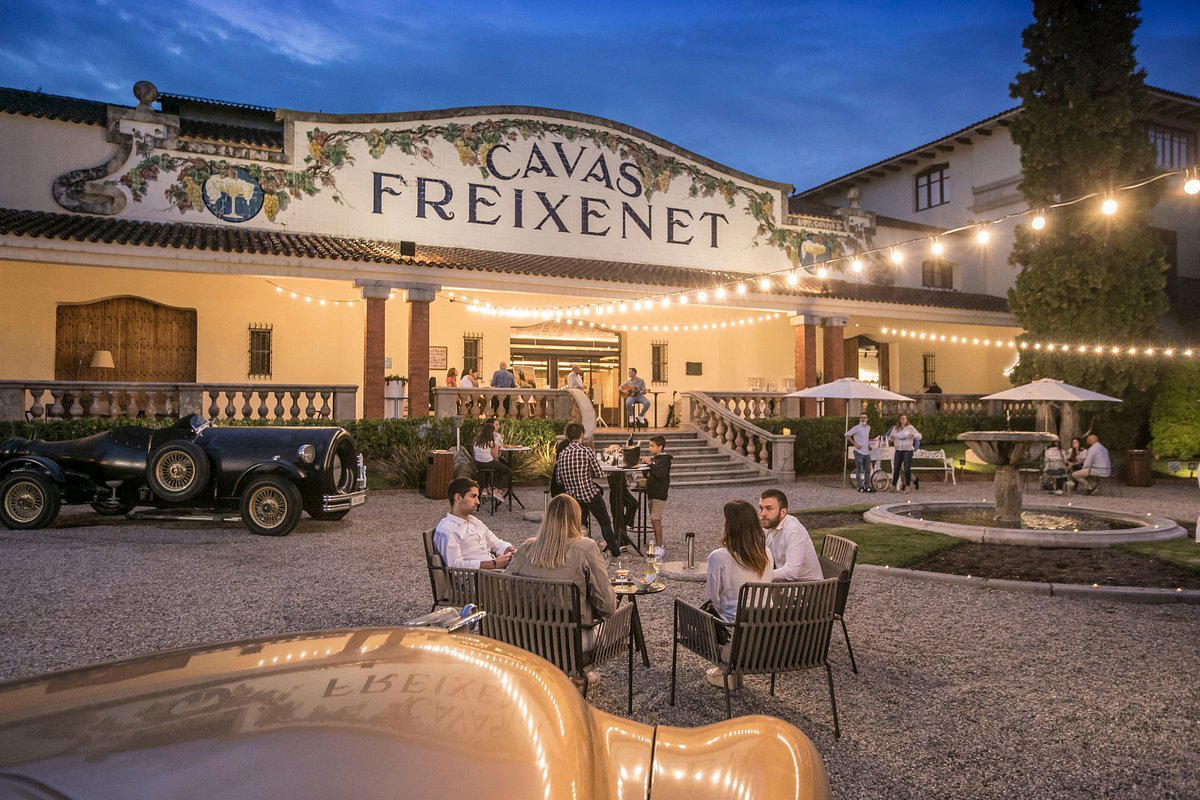
Freixenet
Sant Sadurní d'Anoia, Spain
Freixenet is the practical choice in Sant Sadurní d'Anoia when the group wants a polished, recognisable cava visit rather than a narrow specialist tasting. Book it for celebrations, first-time cava context, or mixed-interest groups; cross-shop Gramona, Recaredo, or Raventós i Blanc if the priority is a more technical producer comparison.
Encavage de l'État
Auvernier, Switzerland
Encavage de l'État works as a practical Auvernier wine stop, not as a polished tasting-room destination. Go for regional context, bottle shopping, and a clearer sense of Neuchâtel’s cantonal wine system; skip it if the priority is a hosted private tasting or a long hospitality experience.
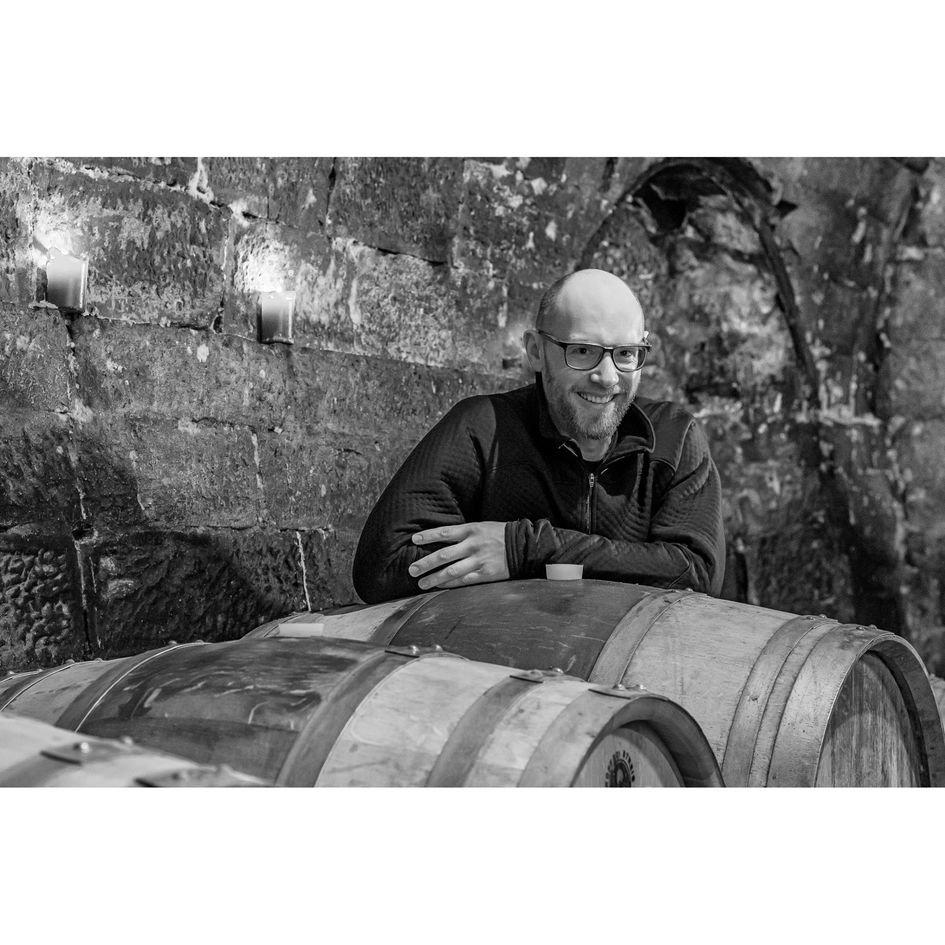
Christian Hirsch Weine e.K.
Leingarten, Germany
Christian Hirsch Weine e.K. is a practical Leingarten wine stop for travelers already exploring Württemberg, not a destination to build an entire trip around. The strongest signal is Falstaff Listed recognition for 2026; booking difficulty is easy, but confirm tasting format, food availability, shipping, and group capacity before planning around it.
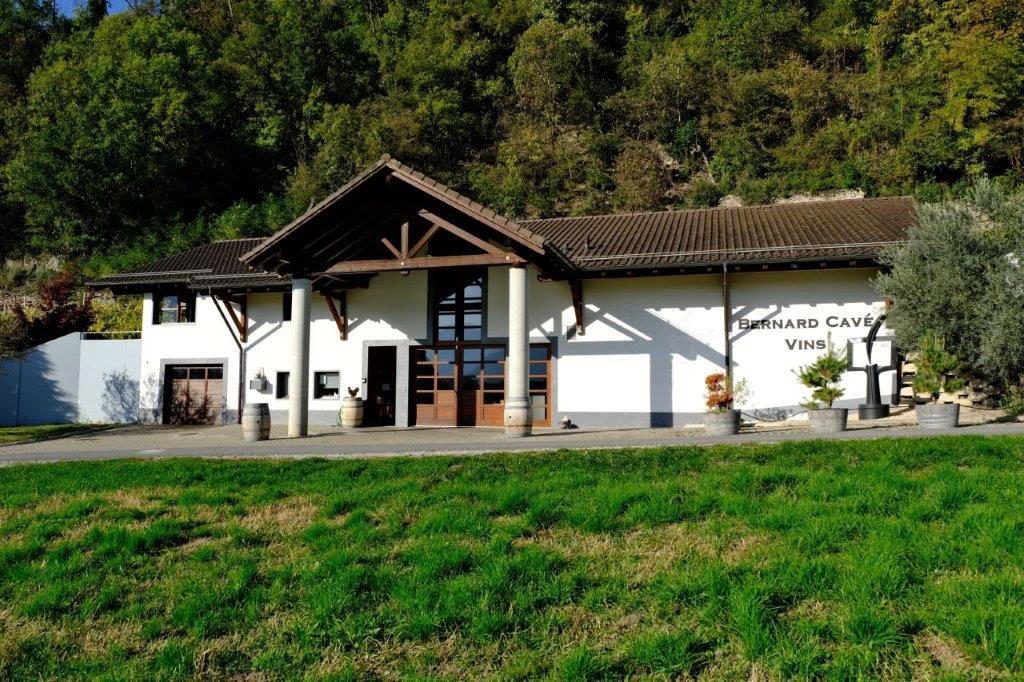
Bernard Cavé
Ollon, Switzerland
A wine-focused Ollon address with Falstaff 2 Stars for 2026, Bernard Cavé is better for a planned Vaud wine-country stop than a casual drop-in. Treat it as the anchor of a small-group or special-occasion itinerary, and arrange food, timing, and onward plans separately.
Giovanni Valentini
Massa Marittima, Italy
Worth arranging if the setting matters as much as the wine. Giovanni Valentini is a family-run Massa Marittima estate in the Monteregio DOC, with grapes, olives, wine, extra virgin olive oil, and farm accommodation forming the core appeal. Falstaff listing for 2026 adds a modest trust signal, but the better reason to go is the rural Maremma context.
Château La Gorce
Aquitaine, France
Château La Gorce is a good Médoc booking for travelers who want a quiet, educational estate visit rather than a polished prestige tasting. The draw is Cru Bourgeois heritage, estate-grown red wine, guided cellar-and-vineyard context, and a post-2018 push toward organic viticulture. Book by appointment and treat it as a focused stop within a broader Aquitaine wine itinerary.
Germanier Cave du Tunnel
Conthey, Switzerland
Book Germanier Cave du Tunnel if you want a structured Valais winery visit with cellar and vineyard context, not just a quick tasting. The draw is the combination of tunnel-made sparkling wine, a broad regional grape portfolio, family continuity since 1968, and hospitality formats that can work for private groups.
Domaine Emmanuel Darnaud
La Roche Du Glun, France
A sensible Crozes-Hermitage choice for travelers who want a focused wine stop in La Roche du Glun rather than a heavily produced visitor experience. The 2026 Falstaff listing gives Domaine Emmanuel Darnaud a useful credibility signal; book it for value-minded Rhône drinking, small celebrations, or a wine-led itinerary where logistics are confirmed ahead.
Grgić
Trstenik, Croatia
Book Grgić if you want a focused Pelješac tasting built around Plavac Mali, Pošip, and Croatian-Napa winemaking heritage. It is a relaxed, walk-in-friendly cellar rather than a luxury hospitality production, with a moderate price signal and Falstaff Listed recognition for 2026.
Cortese
Vittoria, Italy
Cortese is worth booking for travelers who want an organic, low-intervention Vittoria winery visit anchored by Cerasuolo di Vittoria DOCG. Expect a rural, production-focused estate rather than a design-led tasting lounge, and plan ahead because visits are by appointment only.
How many of these have you visited?
Find out on Pearl and keep score across every place in 2026 Falstaff Winery Guide.