

Bodega DiamAndes
Vista Flores, Tunuyán, Tunuyán
Winery in Tunuyán, Argentina
 Book with Pearl
The Read
Andean Altitude Viticulture
Why go
Prioritize Bodega DiamAndes if the trip is built around a serious Tunuyán wine day rather than a casual drop-in. It is strongest for travelers who want Vista Flores context, external recognition, and a polished Mendoza winery stop; cross-shop Bodega Monteviejo, Antucura, or Bodega Cuvelier Los Andes if availability is tight.
About Bodega DiamAndes
Bodega DiamAndes is a Tunuyán venue with two recognition points: Pearl 3 Star Prestige (2025) and World's 50 Best Vineyards #48 (2023). These accolades are a strong reason to put it on an itinerary, especially for travelers who want to prioritize recognized venues rather than choose only by convenience.
The recommendation is direct: consider Bodega DiamAndes if your Tunuyán plans are built around recognized wine-country venues and external recognition matters to you. Details such as cuisine, tasting format, visit length, pricing, reservations, and food service may vary, so plan conservatively and verify practical arrangements directly before building a tight schedule around the stop.
Choose it for a recognized Tunuyán stop
This is a better fit for travelers who want a recognized venue in Tunuyán than for visitors looking for a fully specified drop-in plan. If the plan is to compare several venues, consider Bodega Cuvelier Los Andes, Antucura, or Bodega Monteviejo as part of the same research process rather than treating DiamAndes as the only possible stop.
For ambiance and format, information is limited: Bodega DiamAndes is a Tunuyán venue with smart casual dress code and recognized accolades. Restaurant format, chef-led experience, set visit length, menu, or food program are not specified, so the safest approach is to confirm current visit details directly with the venue. For travelers building a broader trip, the useful supporting page is Our full Tunuyán hotels guide.
Where it sits among nearby options
Compared with Bodega Piedra Negra, Bodega DiamAndes has a clearer prestige signal because of its Pearl 3 Star Prestige (2025) recognition and World's 50 Best Vineyards #48 (2023) placing. Against Bodega Monteviejo, the decision should be based on the kind of itinerary you are building and on availability from each venue, rather than on assumptions about format or service.
If you are widening the search, Antucura, Bodega Cuvelier Los Andes, Bodega Piedra Negra, Bodega Monteviejo, and SuperUco are natural names to compare with Bodega DiamAndes. Use them as reference points while checking each venue's current practical details directly.
Quick reference: prioritize Bodega DiamAndes for a planned Tunuyán itinerary when recognition is an important factor; cross-shop other venues if timing, availability, or preferred format is unclear.
Planning details
- Location
- Clodomiro Silva S/N, M5565 Vista Flores, Mendoza
- Website
- diamandes.com
- Phone
- +54 9 261 657-5472
The take
The Take
The Vibe
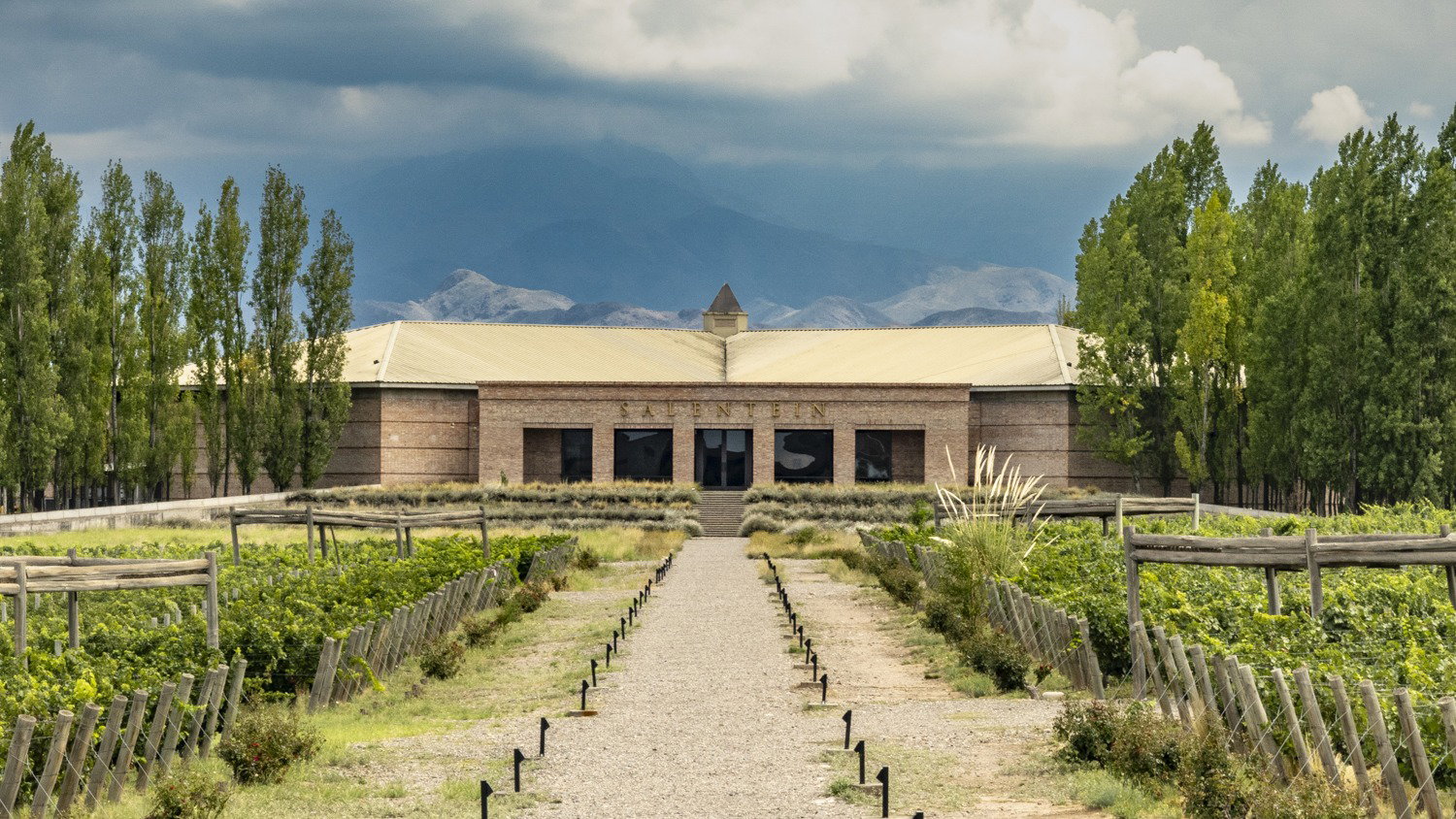
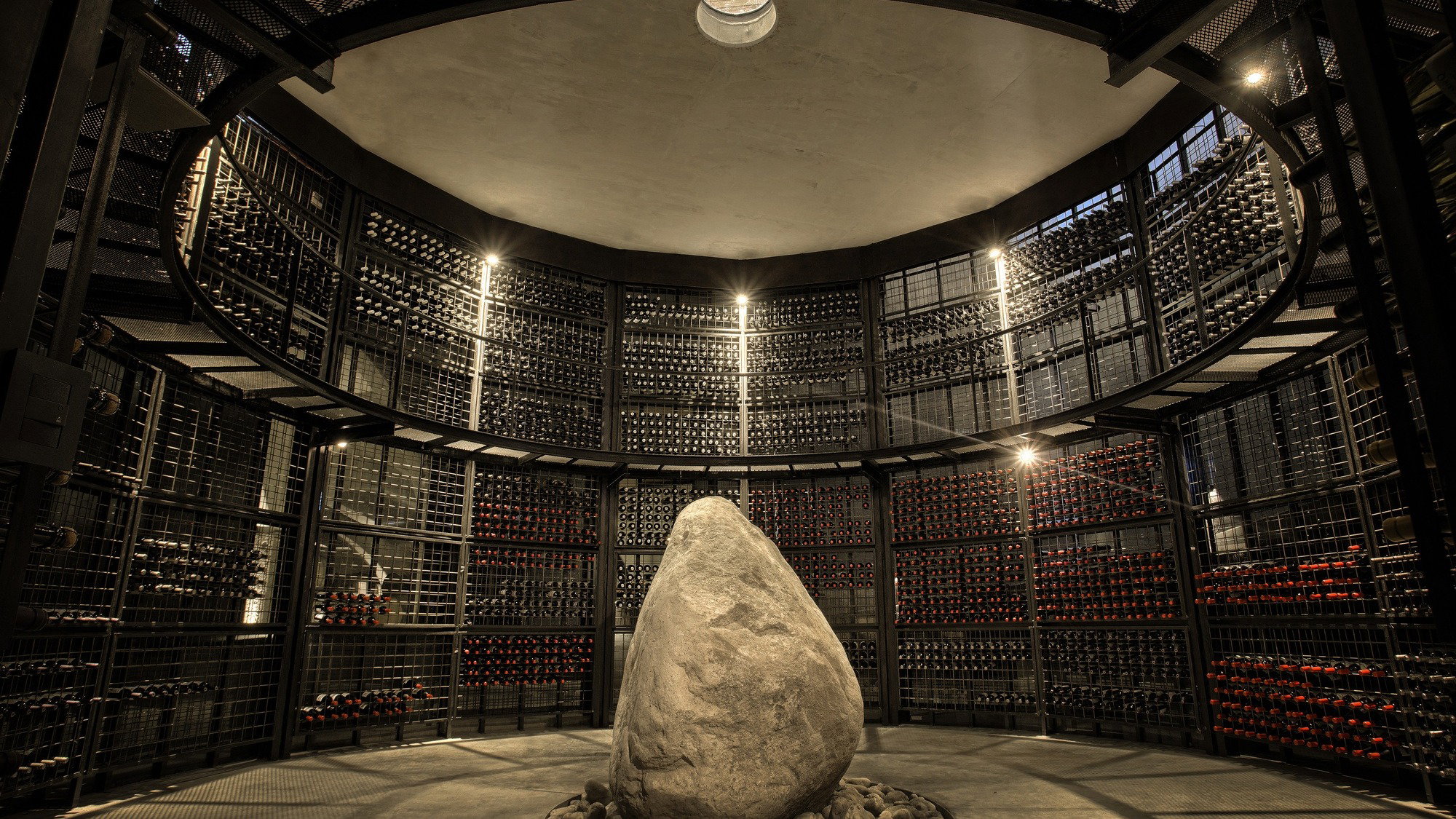
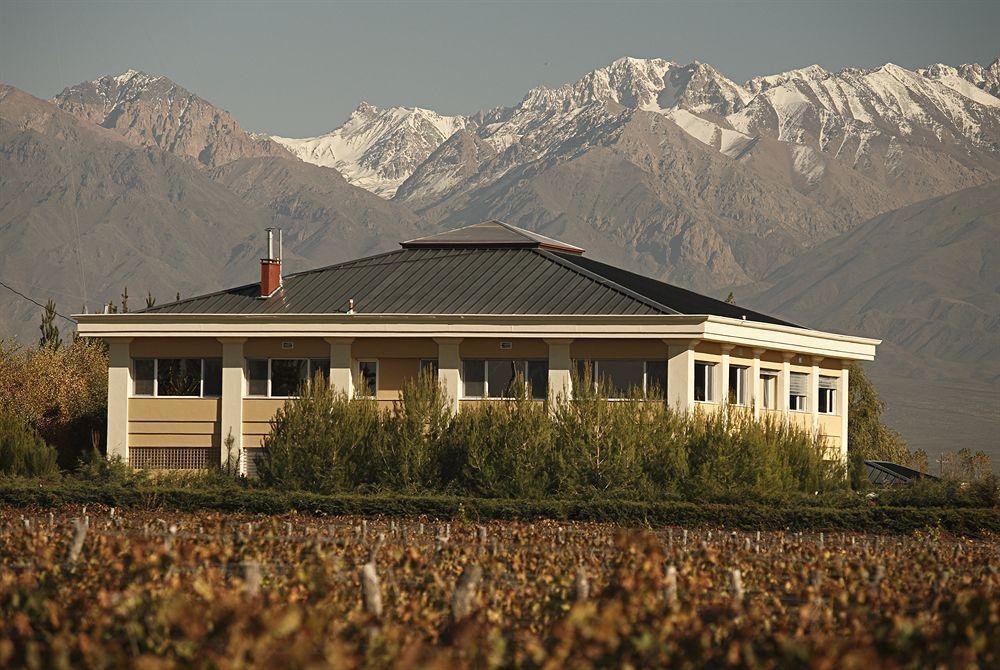
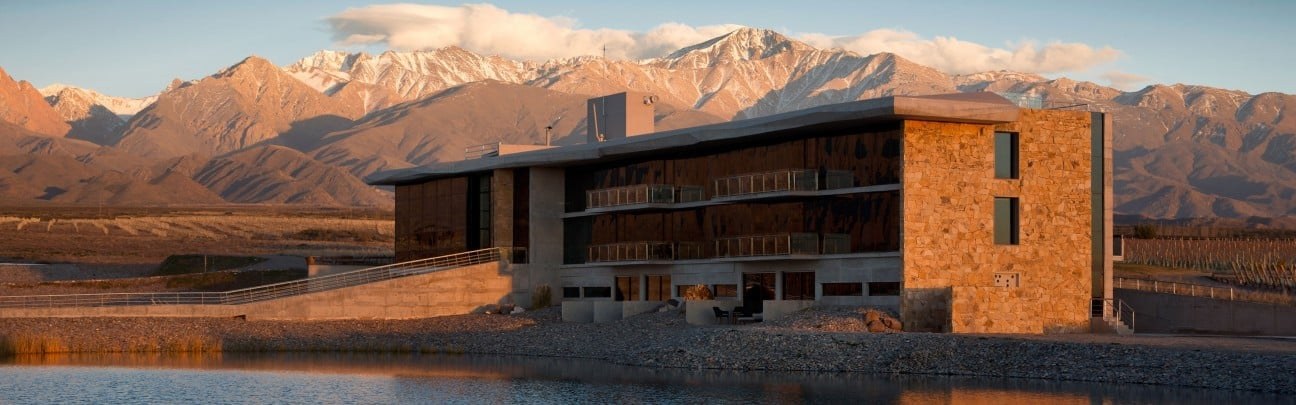
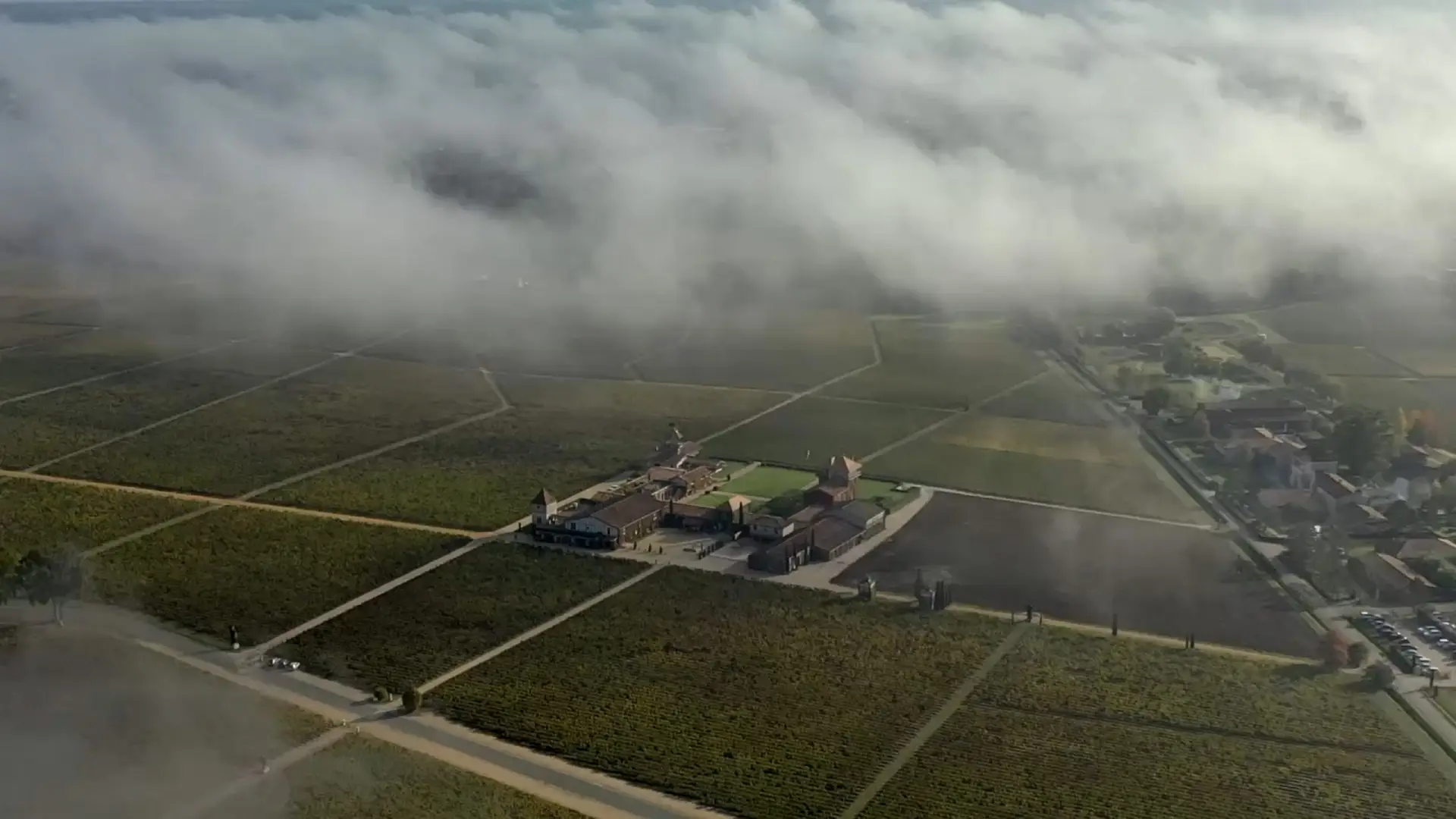
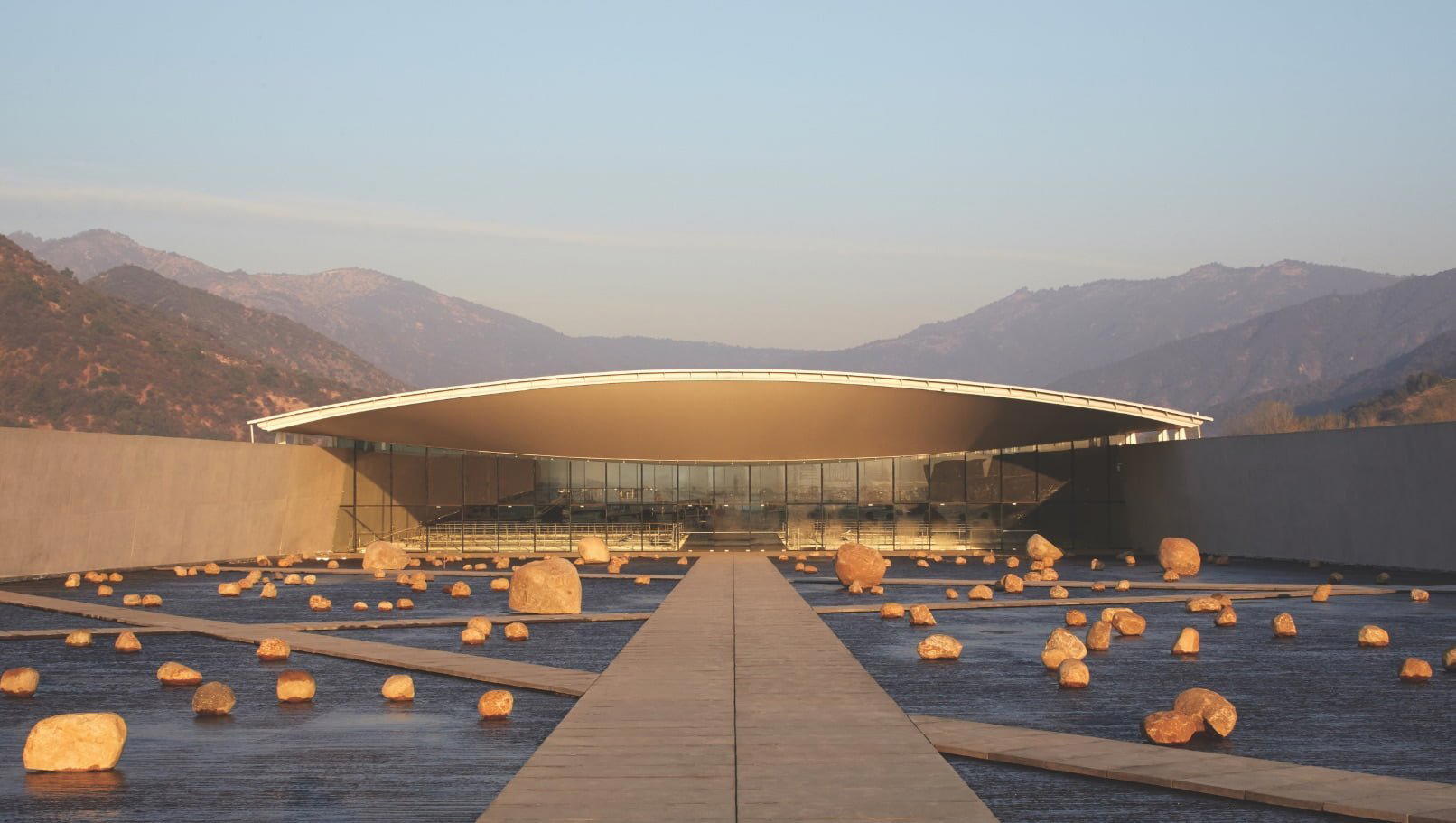
Bodega DiamAndes presents a composed, landmark presence rather than theatricality. Built into the slope of the Andes, the architecture deliberately reads as an extension of the terrain: the building descends with the land and the gravity-flow production layout becomes both a functional system and an aesthetic gesture. High‑altitude light and visible snowlines give the estate a crystalline clarity; the careful, European-inflected winemaking lineage lends a quietly authoritative air. Visiting feels like encountering a thoughtful fusion of landscape and craft—serene, measured, and unmistakably tied to place.
Best For
This estate suits visitors who come for the landscape, the lineage and the mechanics of production. The gravity‑flow facilities and prominent architecture make DiamAndes especially relevant to those interested in winemaking practice and design-minded wine study; its membership in the Clos de los Siete cluster and the Bonnie family ownership give the property a prestige that fits milestone visits. Framed by the Andes and set on a sizable estate, it’s a compelling stop for people seeking a terroir-focused, visually striking winery experience.
Venue details
Ambiance
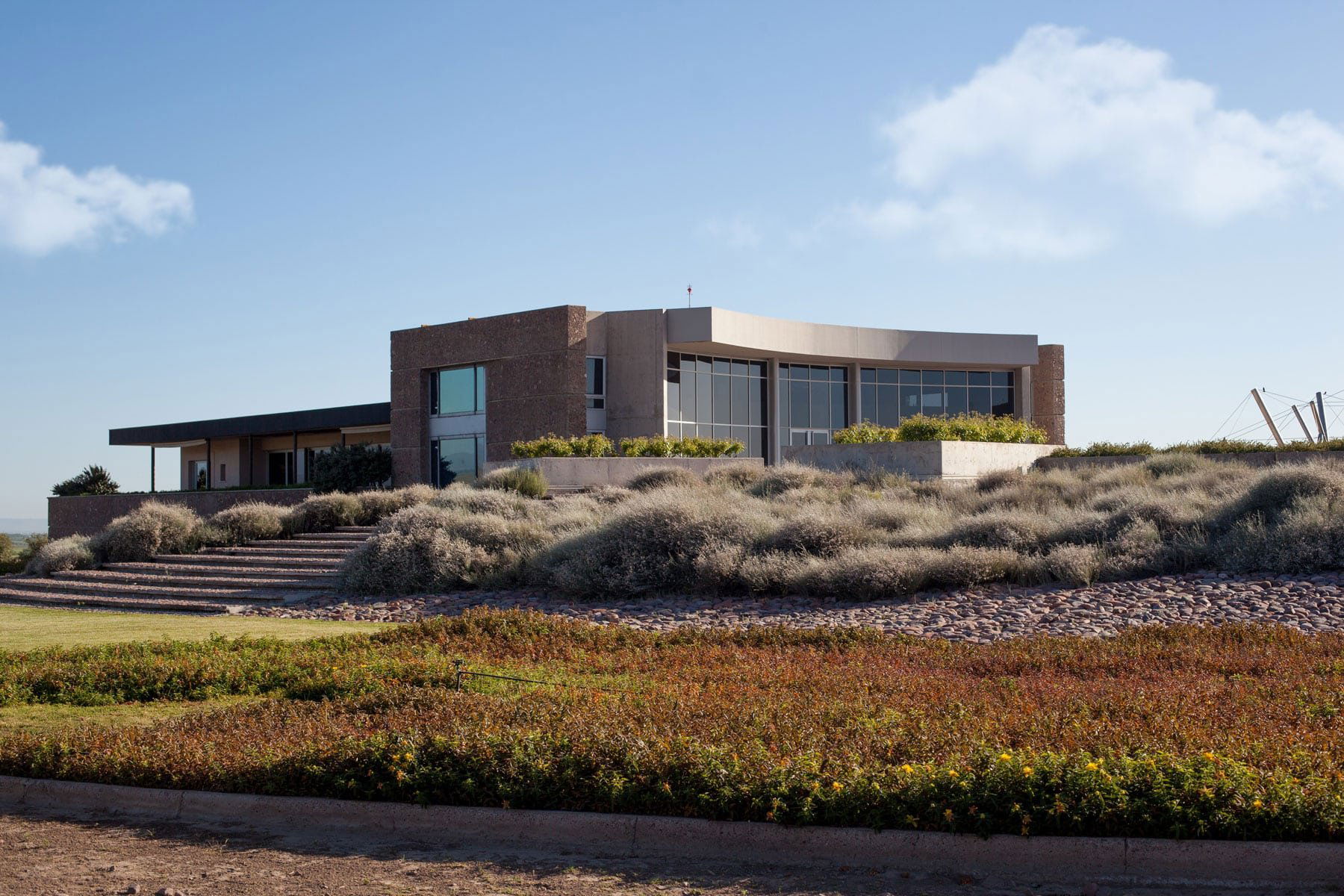
Sophisticated and elegant atmosphere with modern architecture harmoniously integrated into the Andean landscape, praised for its stunning vistas and serene, luxurious setting.
Tags
Vibe
Best For
Experience
Sourcing
View
At the Vineyard
- Appellation
- Uco Valley
- Varietals
- Malbec, Cabernet Sauvignon, Merlot, Syrah, Petit Verdot
- Tour Languages
- Spanish, English
- Visits
- By reservation
- Farming
- Sustainable
- Wine Styles
- Still Red, Still White, Still Rose
- Food Pairing
- Offered
- Wine Club
- Not available
Know before you go
Know Before You Go
- Getting there
- Clodomiro Silva S/N, M5565 Vista Flores, Mendoza
Planning details
Location
Recognition and awards


Also consider
Where to go if you cannot get in
Try Bodega Monteviejo first if you want to stay close to the same Tunuyán wine-country context. Antucura is the other practical fallback for keeping the day in the area without rebuilding the whole itinerary.
Winery context
How it compares in Tunuyán
Bodega DiamAndes is the prestige-led pick in this Tunuyán set, especially for travelers who want a Vista Flores winery with external recognition. Bodega Cuvelier Los Andes and Antucura are the smarter cross-shops if the priority is building a flexible tasting day around nearby producers rather than anchoring the itinerary around one name.
Against Bodega Monteviejo, DiamAndes is the better choice for travelers who care about recognition and a polished winery stop; Monteviejo is a strong alternative when the plan is to compare several established Tunuyán producers in one day. Bodega Piedra Negra works better as a nearby backup if timing or availability pushes you away from the first choice.
SuperUco sits outside the immediate Tunuyán peer group, so treat it as a broader Uco Valley comparison rather than a direct substitute. If value for time matters, keep the day geographically tight around Vista Flores; if depth matters more, use SuperUco to widen the regional read.
Explore Tunuyán
Around this place
Discover more on Pearl
Unlock the full Bodega DiamAndes guide in Pearl, including awards, comparisons, FAQs, planning details, and nearby places.
Compare Bodega DiamAndes
| Venue | Location | Awards |
|---|---|---|
| Bodega DiamAndes | Tunuyán | 2026 Falstaff Winery Guide2025 World's 50 Best Vineyards · #932024 World's 50 Best Vineyards · #392023 World's 50 Best Vineyards · #48 |
| Bodega Cuvelier Los Andes | Tunuyán | No published awards |
| Antucura | Tunuyán | 2025 Decanter Winery Prestige |
| Bodega Monteviejo | Tunuyán | No published awards |
| Bodega Piedra Negra | Tunuyán | 2026 Falstaff Winery Guide |
| SuperUco | Mendoza | 2026 Falstaff Winery Guide2021 World's 50 Best Vineyards · #42 |

How Bodega DiamAndes Tunuyán compares with similar nearby venues.
FAQ
Frequently Asked Questions
How long should I plan for a visit to Bodega DiamAndes?
A specific visit length is not specified. Treat Bodega DiamAndes as a planned Tunuyán stop and confirm timing directly with the venue before arranging the rest of your day.
When is the best time to visit Bodega DiamAndes?
No specific best time or operating hours are specified. Check directly with Bodega DiamAndes before visiting, especially if you are pairing it with another stop.
What should I know before planning a visit to Bodega DiamAndes?
Do I need a reservation at Bodega DiamAndes?
A reservation requirement is not specified. Because practical visit details can change, contact Bodega DiamAndes directly before planning your Tunuyán itinerary around it.
What other venues can I compare with Bodega DiamAndes?
Bodega Piedra Negra, SuperUco, Bodega Cuvelier Los Andes, Antucura, and Bodega Monteviejo are useful comparison points when you are building an itinerary around Bodega DiamAndes.