
    Winery in Napa, United States

    Rombauer Vineyards

    250pts

    Estate Continuity Winemaking

    Rombauer Vineyards, Winery in Napa

    About Rombauer Vineyards

    Rombauer Vineyards has operated from its Silverado Trail address since its first vintage in 1980, building a reputation across more than four decades of California winemaking. Under winemaker Richie Allen, the estate earned a Pearl 1 Star Prestige rating in 2025. The tasting room sits along one of Napa's most established wine corridors, placing it within a peer set defined by estate heritage and consistent critical recognition.

    Silverado Trail and the Long Game in Napa

    The Silverado Trail runs parallel to Highway 29 but operates at a different pace. Where the main corridor through Napa Valley concentrates foot traffic and tourist volume, the Trail has historically attracted producers with a quieter confidence in their vineyards and long-term commitments to place. Rombauer Vineyards, positioned along the northern stretch near St. Helena, fits that profile. The address at 3522 Silverado Trail North places it in a corridor where estate heritage carries weight, and where a winery's 1980 founding date functions less as a marketing footnote and more as evidence of accumulated knowledge about the site. For context, see our full Napa restaurants and wineries guide for the broader picture of what the valley offers across price tiers and styles.

    What Arrival Tells You

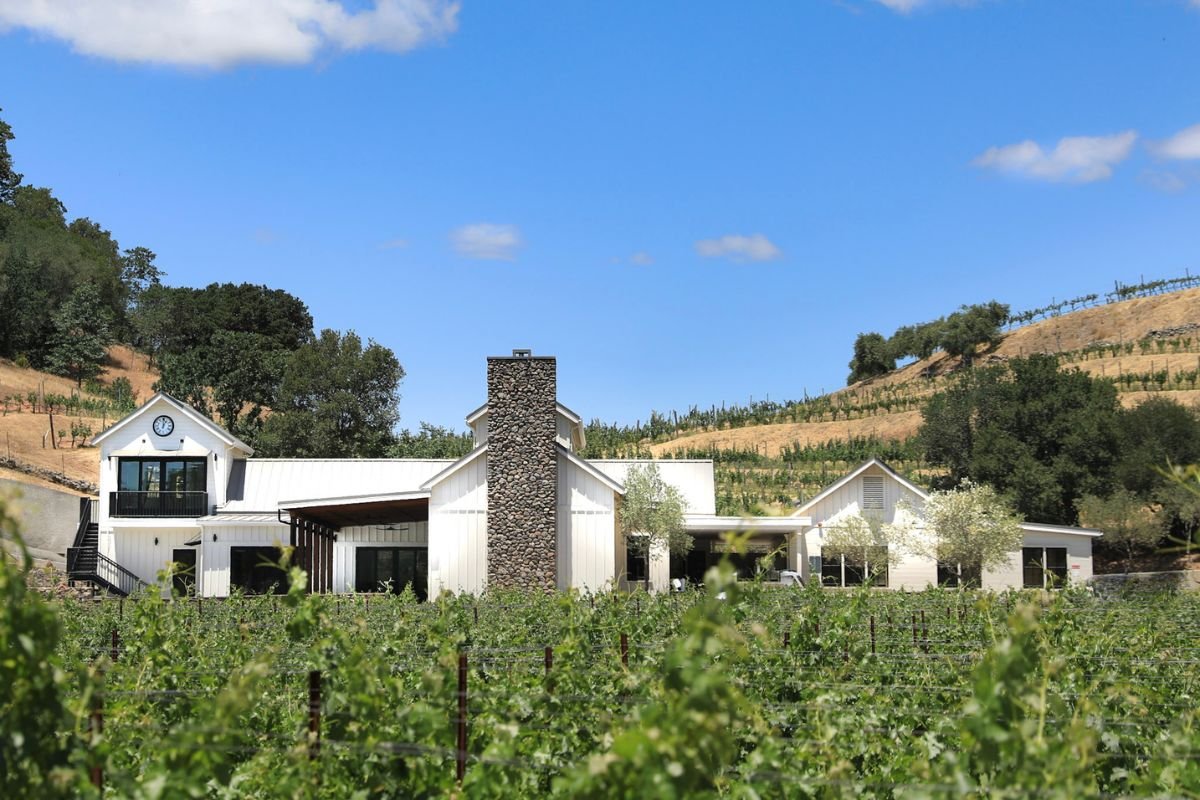
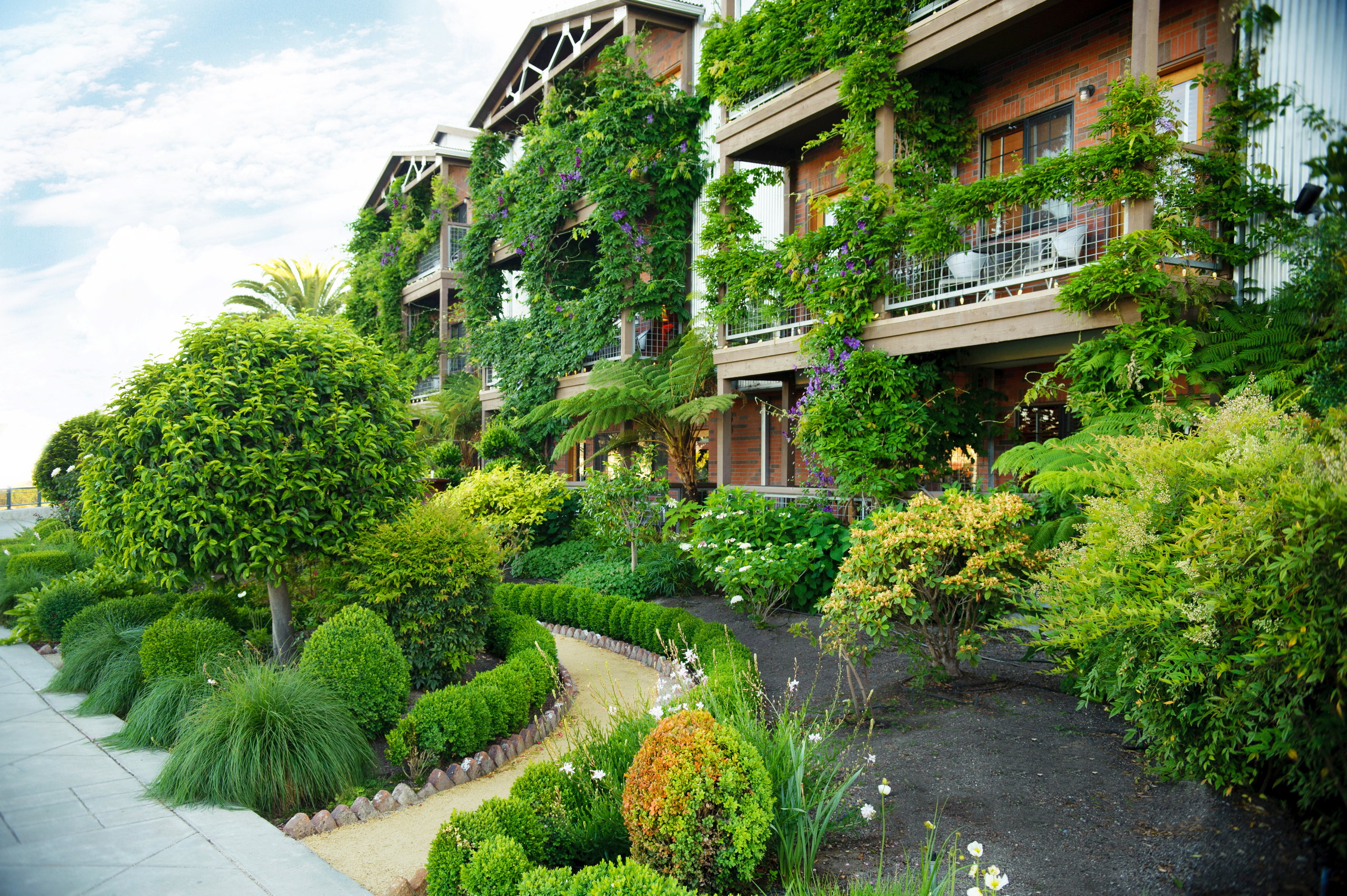
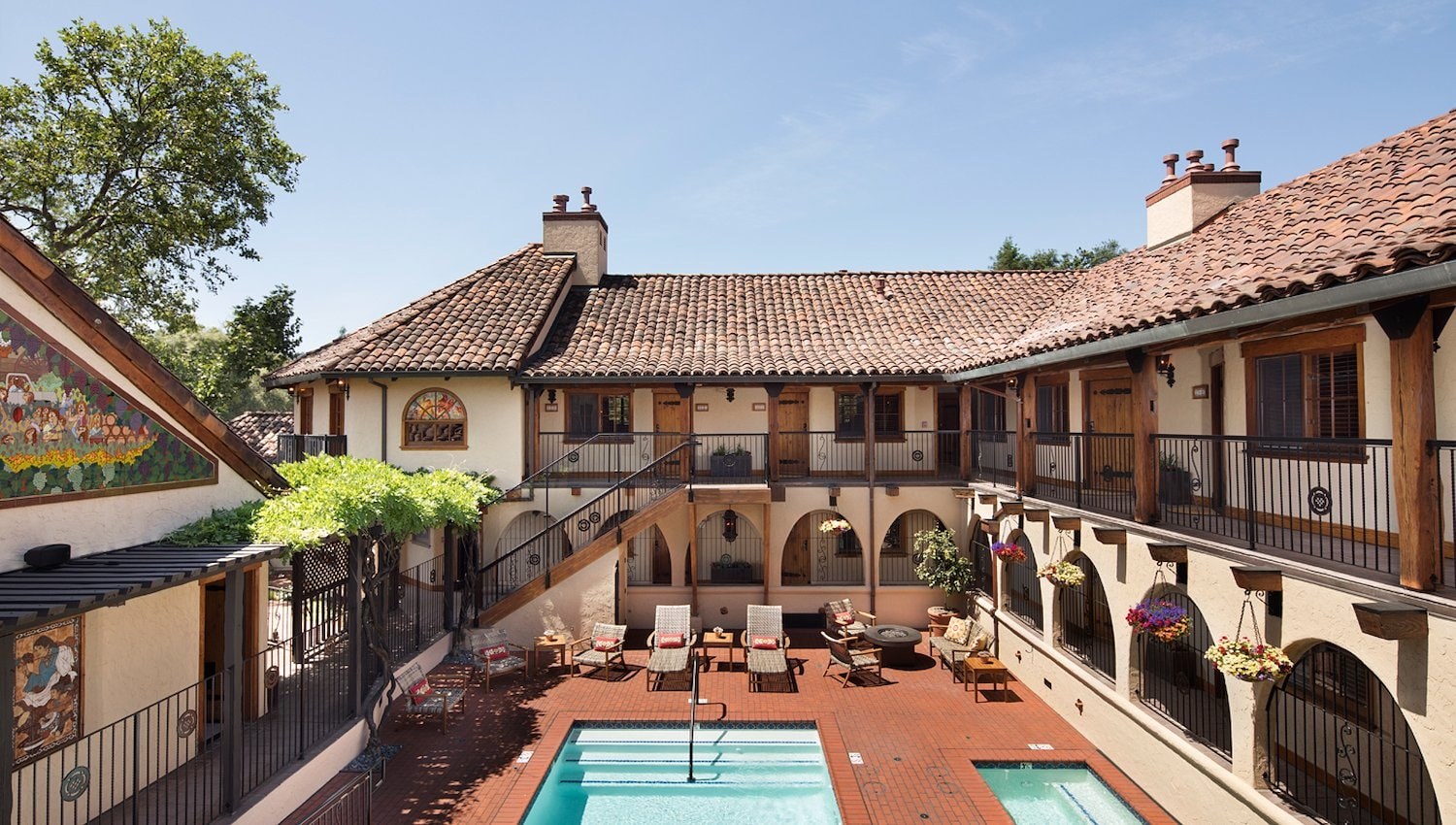
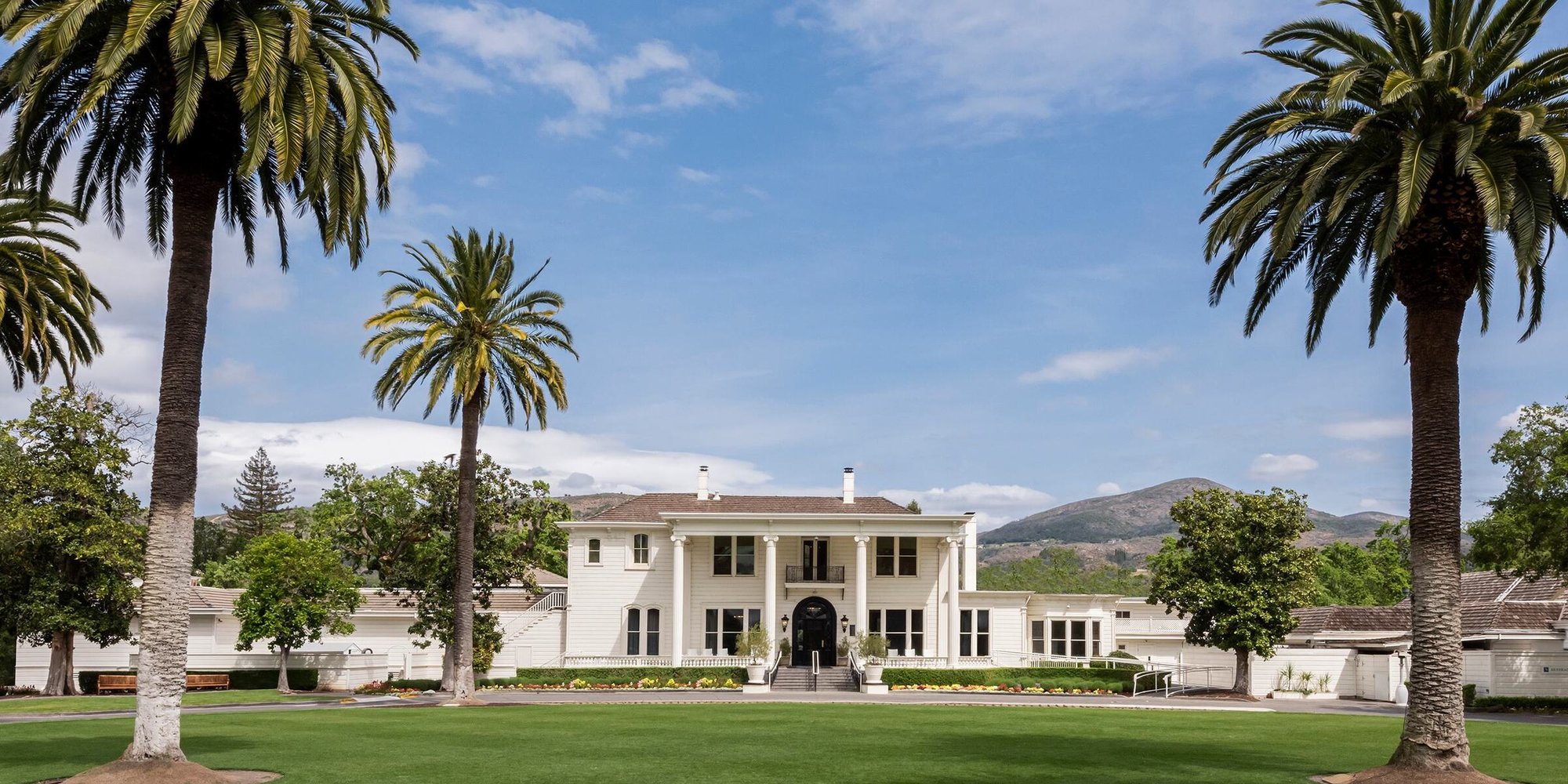
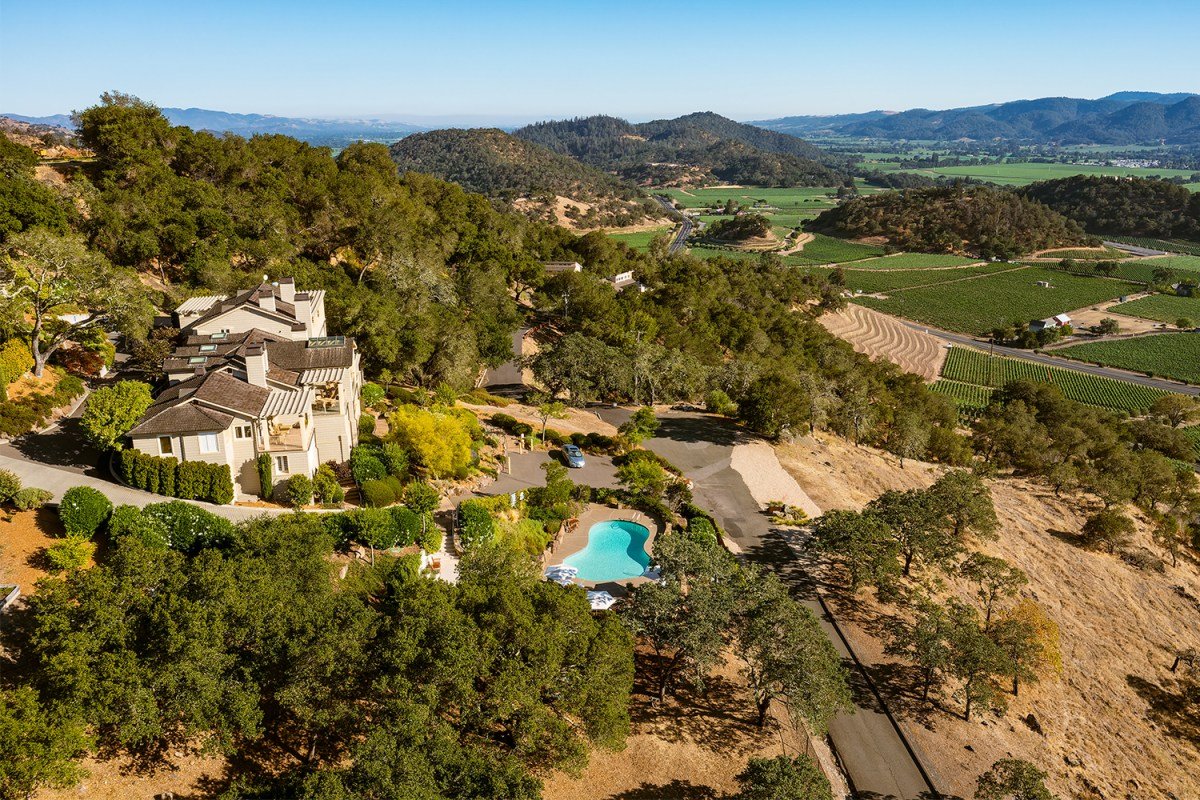
    Approaching a tasting room on the Silverado Trail, the physical grammar of the experience tends to be deliberate. Properties here are not competing on proximity to town or ease of walk-in access. The journey itself signals who the audience is. Rombauer's tasting room, set back from the road on the hillside edge of the valley floor, works within this tradition. The Napa tasting experience at this tier generally prioritises unhurried formats, and the estate model that Rombauer operates under since its first vintage in 1980 places it firmly in the category of producers who expect their guests to arrive with some degree of intention.

    This matters because the tasting format shapes the visit. Napa's premium tier has diverged sharply between high-throughput walk-in operations along the main highway and reservation-oriented estate experiences where the ratio of staff to guests stays low and the conversation about what's in the glass can actually happen. At Artesa Vineyards and Winery, for instance, the architectural drama of the space is part of the offering. At Ashes and Diamonds Winery, the mid-century design language does similar work, cueing a certain type of guest. Rombauer's identity is less about visual concept and more about the durability of its position within the valley's wine community.

    Winemaker Richie Allen and the Role of Continuity

    In California wine, continuity of winemaking staff is a data point worth taking seriously. The house style at any estate is the accumulated product of hundreds of decisions made across consecutive vintages, and changes at the winemaker level almost always produce shifts that require years to settle. Rombauer, operating under winemaker Richie Allen, works within a tradition of estate-first production that has defined the property since its 1980 founding. The specific contours of Allen's approach are better assessed through tasting than through summary, but the structural fact of his tenure at the property places Rombauer in the company of California estates where vintage-to-vintage coherence is treated as an achievement in itself.

    That coherence is part of what the 2025 Pearl 1 Star Prestige award recognises. Pearl ratings function within a framework that weights consistency alongside quality, meaning the recognition is as much about what the estate delivers across multiple years as it is about any single standout release. Producers working at a similar level of recognition in the broader California wine map include estates like Blackbird Vineyards and Darioush Winery, both of which operate with strong estate identity and defined house styles built over time.

    The Tasting Room Format in Context

    Napa's tasting room culture has shifted considerably since Rombauer poured its first vintage. In 1980, the model was largely informal: producers were grateful for visitors and the format reflected that. By the 2010s, the economics had inverted. Premium tastings became revenue centres in their own right, tasting fees climbed, and the experience was increasingly choreographed. The current moment sits somewhere more considered, with the better estate operations distinguishing themselves through staff knowledge, the quality of what's poured, and a format that allows the wines to be the primary subject rather than an occasion for theatre.

    At this level of the market, the tasting experience at Rombauer is leading approached with context about what its peer set looks like. Accendo Cellars in St. Helena operates on an allocation and appointment model that keeps volume very low. Alpha Omega Winery in Rutherford works across a wider production range and offers a more structured tasting menu with more entry points. Rombauer occupies its own position: a family estate with four decades of production history, a named winemaker, and a prestige-tier award signal that places it among the valley's more seriously regarded producers.

    For visitors planning a Napa itinerary around winery visits, the Silverado Trail properties reward a slightly different approach than the Highway 29 corridor. Travel time between stops is longer, the properties themselves tend to be more spread out, and the experiences at the estate level generally require more advance planning. The practical implication: Rombauer is the kind of property where arriving without a reservation is a gamble. Given the estate's award profile and the demand that accompanies prestige-tier recognition in Napa, booking ahead is the direct approach.

    Beyond Napa: The Wider California Context

    Understanding what Rombauer represents is easier when placed against the full range of California wine production. The state spans everything from high-volume commercial operations to micro-producers making fewer than 500 cases annually. Rombauer sits in neither extreme. Its production history since 1980 implies a scale that allows for consistent market presence, while the prestige award recognition places it outside the commodity tier entirely. Properties at comparable positions in other California regions offer a useful reference frame: Adelaida Vineyards in Paso Robles, Alban Vineyards in Arroyo Grande, and Andrew Murray Vineyards in Los Olivos each represent estate production with defined regional identity and serious critical attention, as does Alexander Valley Vineyards in Geyserville in Sonoma County. What differentiates Napa within this group is the concentration of international attention and the corresponding premium on tasting room access.

    Internationally, estates with parallel histories, like Adelsheim Vineyard in Newberg for Oregon Pinot or Achaia Clauss in Patras for European context, demonstrate how founding-era estates develop institutional weight over decades. Rombauer's 1980 vintage date places it in that category within the Napa framework. The property predates much of the valley's current infrastructure and has produced through multiple shifts in California wine culture, from the post-Judgement of Paris confidence of the early 1980s through the Cabernet monoculture years and into the more varied present.

    For a more complete picture of Napa's winery options across different price points and styles, Clos Selene Winery and Aberlour each represent distinct points on the quality spectrum worth understanding. Within Napa itself, properties like Accendo Cellars in St. Helena represent a concentrated, appointment-only approach at the leading of the market.

    Planning the Visit

    Rombauer Vineyards is located at 3522 Silverado Trail North, St. Helena, CA 94574. The northern Silverado Trail section places it closer to the Calistoga end of the valley than to the city of Napa itself, which should factor into any multi-stop itinerary planning. Given the 2025 Pearl 1 Star Prestige recognition and the estate's profile, demand for tasting appointments can be expected to reflect that award visibility. Booking directly through the winery's official channels in advance is the practical approach, particularly during peak season from late spring through harvest in autumn. The estate's first vintage dates to 1980, placing Rombauer among the longer-established properties on the Trail, a fact worth mentioning when contacting for appointments, as longer-standing estates sometimes offer different tasting formats for guests demonstrating genuine collector or enthusiast interest.

    Frequently Asked Questions

    What wines is Rombauer Vineyards known for?

    Rombauer Vineyards has operated in Napa's estate-production tier since its first vintage in 1980, with winemaker Richie Allen shaping its house style. The 2025 Pearl 1 Star Prestige recognition signals consistent quality across the portfolio. Specific varietal information is leading confirmed directly with the estate, as California producers at this level often work across both white and red programs that shift by vintage and allocation.

    What makes Rombauer Vineyards worth visiting?

    The combination of a 1980 founding date and a 2025 Pearl 1 Star Prestige award places Rombauer in a relatively small group of Napa estates that can claim both historical depth and current critical recognition. Its Silverado Trail location puts it within a corridor associated with serious estate production rather than high-volume tourism. For visitors prioritising the quality of the tasting experience over convenience of access, that context matters.

    Is Rombauer Vineyards reservation-only?

    Specific booking policies are not confirmed in available data, but Napa's prestige-tier estates, particularly those on the Silverado Trail with award recognition like Rombauer's 2025 Pearl 1 Star Prestige, typically operate on an appointment or reservation basis rather than open walk-in access. The practical guidance is to contact the winery directly before visiting, as demand at this level of recognition generally exceeds casual walk-in capacity, especially during the spring and harvest seasons.

    What kind of traveler is Rombauer Vineyards a good fit for?

    Rombauer suits visitors for whom the production history and critical standing of a winery carry more weight than the theatrical elements of a tasting experience. The estate's four-decade track record and 2025 prestige recognition place it in a peer set where the conversation about what's in the glass takes priority. Travellers building a focused Napa itinerary around estate-level quality rather than maximising stops will find the Silverado Trail location and Rombauer's profile a coherent match.

    How does Rombauer Vineyards' founding history affect what you taste today?

    Estates with founding dates as early as 1980 in Napa have something structurally different to offer than newer operations: access to old-vine material and decades of site knowledge that shapes vine age and rootstock decisions made long before many current producers arrived in the valley. Under winemaker Richie Allen, that accumulated vineyard history informs the approach to each vintage. The 2025 Pearl 1 Star Prestige award reflects performance built on that foundation, not simply on any single year's conditions.

    Recognized By

    Keep this place

    Save or rate Rombauer Vineyards on Pearl

    Keep this venue in your Pearl passport, rate it after you visit, and track it alongside every other place you collect.