


Hundred Acre
St. Helena, Napa
Winery in Napa, United States
 Book with Pearl
The Read
Single-Vineyard Allocation Cabernet
Price
$150–200tasting
Why go
Hundred Acre is a wine producer based in St. Helena in Napa Valley.
About Hundred Acre
Hundred Acre is a Napa venue associated with Jayson Woodbridge. Public details are limited, so it is best approached with a conservative plan: confirm current availability, visit format, and practical details directly before building an itinerary around it. In a region where many venues require advance coordination and where the experience can vary significantly from place to place, that cautious approach matters. The draw here is not a long list of publicly available amenities, but the specific Napa name and the need to understand exactly what is being offered before making it central to a trip.
The basics are direct: Hundred Acre is in Napa, Jayson Woodbridge is the chef/owner, the dress code is smart casual, and the venue holds 5 Star Prestige recognition for 2025. Beyond those points, specific claims about menu, tasting format, pricing, hours, food service, group capacity, or beverage program should not be assumed. That makes the planning posture straightforward: rely on direct information, ask clearly about anything that affects your visit, and avoid filling in gaps with expectations borrowed from other Napa venues.
Book it for a serious Napa occasion, not a casual stop
For a date, client trip, or milestone weekend, Hundred Acre can make sense if the group is specifically interested in this Napa name and is willing to confirm the practical details in advance. Because public information is thin, avoid treating it as a casual, flexible stop unless the venue confirms that the timing and format work for your plans. This is especially important for occasions where the experience needs to feel seamless: the more important the day, the less you want to rely on assumptions about access, pacing, food, or the structure of the visit.
Plan conservatively: do not assume food, large-group flexibility, same-week access, or a particular service style. Treat Hundred Acre as the anchor only after the venue confirms the details you need, then fill the rest of the itinerary with options that are easier to schedule. A smart-casual dress code gives a general sense of polish without requiring a formal approach, but it still leaves the essential logistics to be confirmed directly. For broader planning, use Our full Napa wineries guide, plus nearby trip support from Our full Napa restaurants guide, Our full Napa hotels guide, Our full Napa bars guide, and Our full Napa experiences guide.
Where it fits in a Napa itinerary
Hundred Acre is best considered a premium Napa stop where its appeal rests on the name, Jayson Woodbridge, smart-casual presentation, and 5 Star Prestige recognition. Those points give it a clear place in a higher-intent itinerary, particularly when the visit is being planned around a specific venue rather than a broad day of casual stops. If you are comparing other premium options, you can also research Abreu Vineyards, Massican Winery, Orin Swift Cellars, Snowden Vineyards, and TOR Wines without assuming they offer the same format or setting. The comparison is useful for trip planning, but each venue should be treated on its own terms, with details confirmed directly.
The practical recommendation is simple: pursue Hundred Acre when it is specifically the reason for the trip, and confirm details directly before committing the rest of the day. If the itinerary is more about variety, easy scheduling, or a group outing, keep alternative Napa options in mind and return to Hundred Acre when the details match your plans. That approach protects the occasion without overstating what is publicly available, and it keeps the final itinerary grounded in direct access rather than hopeful guesswork.
Planning details
- Location
- 1345 Railroad Ave, St Helena, CA 94574
- Website
- hundredacre.com
- Phone
- +1 707-967-9398
The take
The Take
The Vibe
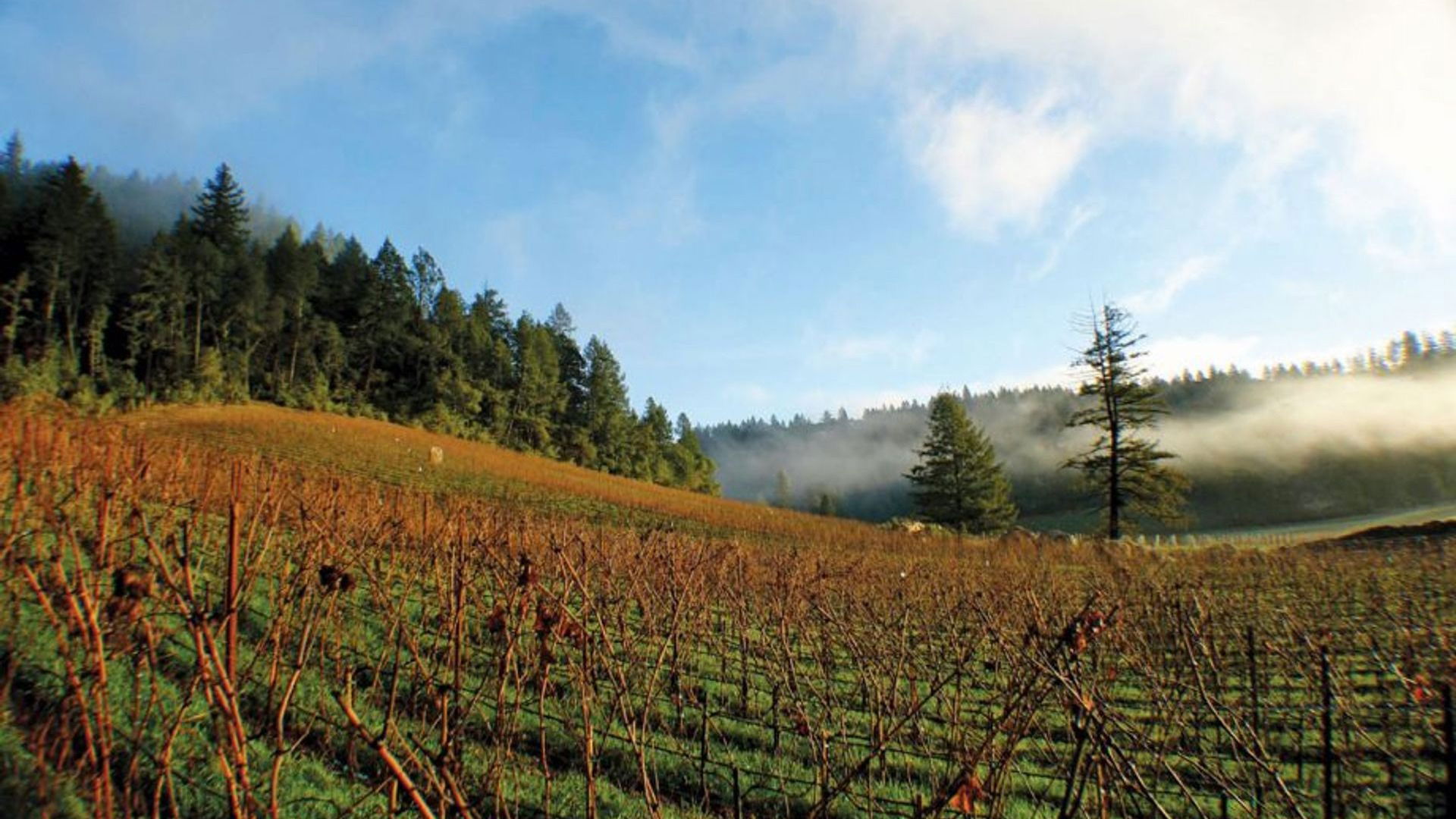
Hundred Acre reads as a quietly exclusive, terroir-forward winery that prizes site identity over house uniformity. The operation emphasizes small-lot farming and block-by-block expression, which fosters a restrained, intimate atmosphere rather than flash. Long-tenured winemaking under Jayson Woodbridge and a production model built around allocations and collector relationships give the place a focused, artisanal feel: refined, deliberate and anchored in vineyard provenance. Visitors who appreciate nuanced Cabernet and vintages that vary with place and year will find Hundred Acre’s personality understated but unmistakable, the kind of winery that reveals itself to patient tasting and close attention.
Best For
Hundred Acre is best for curious wine collectors, serious tasters and anyone who visits Napa for vineyard-driven study or a special purchase. Its allocation-focused approach and emphasis on distinct site expression appeal to people who want to compare single-vineyard bottlings and trace differences in soil and microclimate. The project’s reputation among trade and collectors, along with external honors, also makes it a natural stop for celebratory buys and milestone-focused visits where the priority is quality and provenance rather than a casual pour.
Tasting Tips
When engaging with Hundred Acre, center conversations on site provenance and vintage variation: the estate keeps its vineyard blocks separate, so ask which block or site a bottle represents and how the year influenced that expression. Given the allocation model and trade/collector orientation, inquire about current allocations or mailing-list releases if you’re planning a purchase. If you’re researching the winery, mention Jayson Woodbridge by name—his long tenure and philosophy shape the wines—and request focused tastings that spotlight the individual vineyard bottlings rather than blended house-style offerings.
Venue details
Ambiance
Exclusive, minimalist aesthetic reflecting the winemaker's contrarian philosophy; intimate tasting environment focused entirely on wine quality and terroir expression.
Tags
Vibe
Best For
Experience
Sourcing
View
At the Vineyard
- Appellation
- Napa Valley AVA
- Varietals
- Cabernet Sauvignon, Cabernet Franc
- Tour Duration
- 90-120 minutes
- Tour Languages
- English
- Visits
- By appointment only
- Farming
- Sustainable
- Wine Styles
- Still Red, Fortified
- Shipping
- Available
- Wine Club
- Available
Know before you go
Know Before You Go
- Getting there
- 1345 Railroad Ave, St Helena, CA 94574
Planning details
Location
Recognition and awards
Also consider
Also Consider
- Orin Swift Cellars, Notable alternative
- Massican Winery, Notable alternative
- Snowden Vineyards, Notable alternative
- Abreu Vineyards, Notable alternative
- TOR Wines, Notable alternative
Winery context
How it compares in Napa
Hundred Acre is the higher-friction, collector-led choice in this set. Compared with Orin Swift Cellars, it is less suited to visitors who want a more public-facing, brand-driven tasting stop and more suited to guests chasing a serious bottle-focused occasion. If the priority is ease, Orin Swift Cellars is the safer cross-shop; if the priority is scarcity and occasion value, Hundred Acre is the stronger target.
Massican Winery is the better comparison for drinkers who want Napa with a different stylistic lens and less emphasis on the Cabernet trophy hunt. Snowden Vineyards and Abreu Vineyards sit closer to the serious-collector mindset, so they make more sense as backup targets than casual alternatives.
TOR Wines is the practical cross-shop for guests who want a focused premium Napa experience without making the whole trip depend on one scarce appointment. For a celebration, start with Hundred Acre; for a smoother multi-stop day, build around TOR Wines or Orin Swift Cellars instead.
Around this place
Discover more on Pearl
Unlock the full Hundred Acre guide in Pearl, including awards, comparisons, FAQs, planning details, and nearby places.
Compare Hundred Acre
| Venue | Location | Awards |
|---|---|---|
| Hundred Acre | Napa | 2025 Pearl 5 Star Prestige |
| Orin Swift Cellars | St. Helena | 2026 Falstaff Winery Guide |
| Massican Winery | Napa | 2025 Pearl 3 Star Prestige |
| Snowden Vineyards | St. Helena | No published awards |
| Abreu Vineyards | St. Helena | 2026 Falstaff Winery Guide |
| TOR Wines | Oakville | 2025 Pearl 3 Star Prestige |

How Hundred Acre Napa compares with similar nearby venues.
FAQ
Frequently Asked Questions
Where is Hundred Acre?
Who is associated with Hundred Acre?
Jayson Woodbridge is the chef/owner associated with Hundred Acre. Other operational details should be confirmed directly with the venue.
How long should I plan for a visit to Hundred Acre?
What is the dress code at Hundred Acre?
What other venues can I compare with Hundred Acre?
For comparison research, consider Abreu Vineyards, Massican Winery, Orin Swift Cellars, Snowden Vineyards, and TOR Wines. Confirm each venue's location, format, and availability directly before planning a route.
Does Hundred Acre serve food?
Food service details are not available. If you want to pair your visit with a meal, plan a separate Napa restaurant and confirm Hundred Acre's current offering directly.
Can Hundred Acre handle large groups?
Group-capacity details are not available. Contact Hundred Acre directly before planning a large-party visit.