



BOND Winery
Oakville, Napa
Winery in Napa, United States
 Book with Pearl
The Read
Site-Specific Allocation Wines
Why go
BOND is a Napa Valley wine producer focused on Cabernet Sauvignon.
About BOND Winery
BOND Winery is a Napa winery with weekday hours and a confirmed Pearl 5 Star Prestige recognition for 2025. The most reliable planning details are direct: Cory Empting is listed as chef/owner, the dress code is smart casual, and the venue is open Monday through Friday from 9 AM to 5 PM. Beyond those basics, specific claims about tasting format, pricing, wine styles, food service, or appointment policies should be confirmed directly with the winery before building a trip around them.
For travelers comparing Napa wine stops, the honest value question is practical rather than speculative: does BOND Winery fit your weekday schedule, and do you want to prioritize a recognized Napa venue with limited public detail? If the trip is broader than wine, pair the planning with our full Napa restaurants guide and our full Napa hotels guide; for evening planning, our full Napa bars guide may be more useful than trying to overpack the day. For wider trip design, our full Napa experiences guide can help if the group includes travelers with different priorities.
Book this for a focused Napa winery visit, not an improvised stop
The clearest reason to prioritize BOND Winery is that it is a confirmed Napa venue with weekday daytime hours and Pearl 5 Star Prestige recognition in 2025. That makes it a reasonable candidate for travelers who want a smart-casual winery stop and are willing to verify the current visit process directly before arriving.
Keep expectations grounded. Treat BOND Winery as a focused Napa planning target, then confirm the details that matter most to your group with the venue.
The value question depends on access and fit
Because no price or service format is available here, the sharper question is whether BOND Winery fits your schedule and priorities. It is open Monday through Friday from 9 AM to 5 PM and closed Saturday and Sunday, so it works well for travelers who can plan a weekday Napa visit. If transparent pricing, weekend availability, or a known food program is essential, confirm those details before committing.
Other wine venues that may be useful to compare while planning include BOND Winery, Cakebread Cellars, Detert Family Vineyards, Inglenook, ONEHOPE Wine, and STAGLIN Family Vineyard. Use those names as starting points for your own itinerary research rather than assuming identical formats, pricing, or access.
Verdict: consider BOND Winery if you want a recognized Napa winery visit during weekday hours and are comfortable confirming the finer details directly. Skip or postpone it if your trip depends on weekend availability, a published price, a stated food offering, or a clearly defined tasting format.
Planning details
- Location
- 1551 Oakville Grade, Oakville, CA 94562, United States
- Website
- bondestates.com
- Phone
- +17079449445
The take
The Take
The Vibe
BOND Winery presents an intimate, focused tasting experience that leans into appointment-only, allocation-tier customs. The estate’s identity is rooted in hillside and benchland sites across Oakville Grade, and the tasting unfolds at a deliberate pace so each single-vineyard Cabernet can open in the glass. The ritual is comparative rather than casual: visitors move through site-specific bottlings to read the same winemaker’s hand across geologically distinct parcels. The result is a restrained, contemplative atmosphere where attention to terroir and precision takes precedence over bustle, and where the experience rewards prepared, attentive guests.
Best For
This tasting program is best for serious wine enthusiasts, collectors, and anyone already familiar with Napa Cabernet who wants to explore site-specific expressions. BOND’s allocation-tier approach and appointment-driven format favor guests who arrive informed or on tasting lists and who value measured, comparative flights rather than introductory pours. The wines demand time in glass and thoughtful tasting, so the visit suits people seeking depth and nuance—whether as part of a focused education in site variation or a special-occasion tasting among small groups who appreciate precision and provenance.
Tasting Tips
Book in advance and expect an appointment-driven service model: the description emphasizes organized tastings, appointments, and allocation standing. Joining the mailing list or arranging access through existing relationships is commonly necessary at this tier. Treat each flight as comparative—allow the wines time in glass to reveal their tonal differences between sites—and come prepared to evaluate terroir-driven nuances rather than seeking a general introduction to Napa Cabernet. Walk-ins are unlikely to be accommodated, so secure a scheduled tasting and plan for a paced, seated experience.
Venue details
Ambiance
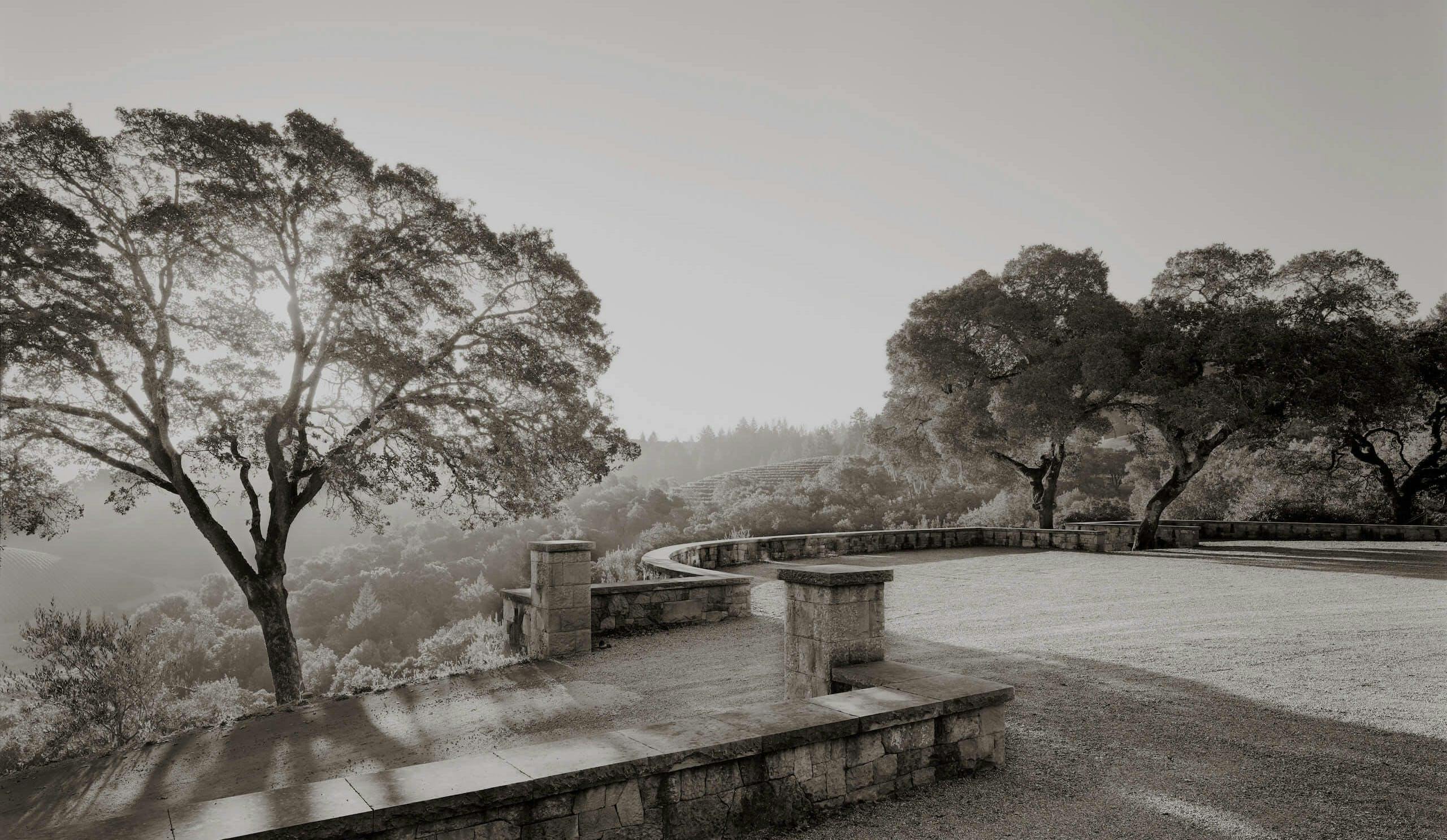
Elegant and sophisticated with a sense of grandeur, power, and finesse in a hillside winery setting.
Tags
Vibe
Best For
Experience
View
At the Vineyard
- Appellation
- Napa Valley AVA
- Varietals
- Cabernet Sauvignon
- Tour Duration
- 60-90 minutes
- Wine Club
- Available
Know before you go
Know Before You Go
- Getting there
- 1551 Oakville Grade, Oakville, CA 94562, United States
Planning details
Location
Recognition and awards

Also consider
Where to look if access does not work
If BOND Winery is not available, start with Inglenook for a Napa estate visit with broader group appeal, or STAGLIN Family Vineyard if the trip is still centered on serious Cabernet. For a less high-friction day, Cakebread Cellars is the safer practical backup.
Winery context
How it compares in Napa
Choose BOND Winery over Cakebread Cellars if the goal is collector-level Cabernet rather than an easier, broader Napa visit. Cakebread is the safer pick for travelers who want a more accessible day; BOND is the higher-friction choice for people who care more about scarcity and site focus than convenience.
Inglenook is the stronger cross-shop for history and estate atmosphere, while BOND is better for a tighter Cabernet lens. If the group includes design-minded or heritage-focused travelers, Inglenook may land better. If everyone at the table is comparing serious Napa producers, BOND is the more targeted booking.
STAGLIN Family Vineyard, Detert Family Vineyards, and ONEHOPE Wine serve different needs: STAGLIN and Detert make sense for focused Napa wine travelers, while ONEHOPE is the more approachable social choice. BOND is the splurge-and-scarcity play, not the easiest value call.
Around this place
Discover more on Pearl
Unlock the full BOND Winery guide in Pearl, including awards, comparisons, FAQs, planning details, and nearby places.
Compare BOND Winery
| Venue | Location | Awards |
|---|---|---|
| BOND Winery | Napa | 2026 Falstaff Winery Guide2025 Pearl 5 Star Prestige |
| STAGLIN Family Vineyard | Rutherford | 2026 Falstaff Winery Guide |
| ONEHOPE Wine | Rutherford | No published awards |
| Detert Family Vineyards | Oakville | No published awards |
| Inglenook | Rutherford | 2026 Falstaff Winery Guide |
| Cakebread Cellars | Rutherford | 2026 Falstaff Winery Guide2025 Pearl 3 Star Prestige |
How BOND Winery Napa compares with similar nearby venues.
FAQ
Frequently Asked Questions
Do I need a reservation at BOND Winery?
The information does not state a reservation policy. BOND Winery is open Monday through Friday from 9 AM to 5 PM and closed Saturday and Sunday, so confirm the current visit process directly before going.
Can BOND Winery handle large groups?
No group-capacity information is available. If you are planning for a larger party, contact BOND Winery directly and compare logistics with other wine options such as Cakebread Cellars if group planning is a priority.
How long should I plan for a visit to BOND Winery?
No visit length is available. Plan around the confirmed weekday schedule: BOND Winery is open 9 AM–5 PM Monday through Friday and closed on Saturday and Sunday.
What recognition does BOND Winery have?
BOND Winery has confirmed Pearl 5 Star Prestige recognition for 2025. Other specific details about visit format, pricing, or offerings should be checked directly with the winery. ONEHOPE Wine may also be worth researching if you are comparing wine options.
What other wineries should I compare with BOND Winery?
STAGLIN Family Vineyard, Inglenook, Cakebread Cellars, Detert Family Vineyards, and ONEHOPE Wine are useful comparison names when planning around BOND Winery. Confirm each venue's current hours, visit format, and booking requirements directly.
When is the best time to visit BOND Winery?
Visit during its operating window: Monday through Friday from 9 AM to 5 PM. BOND Winery is closed Saturday and Sunday.