

2026 Falstaff Winery Guide: The Ultimate Wine Authority — Page 81
Falstaff's 2026 Wineries guide.

Venues on this list
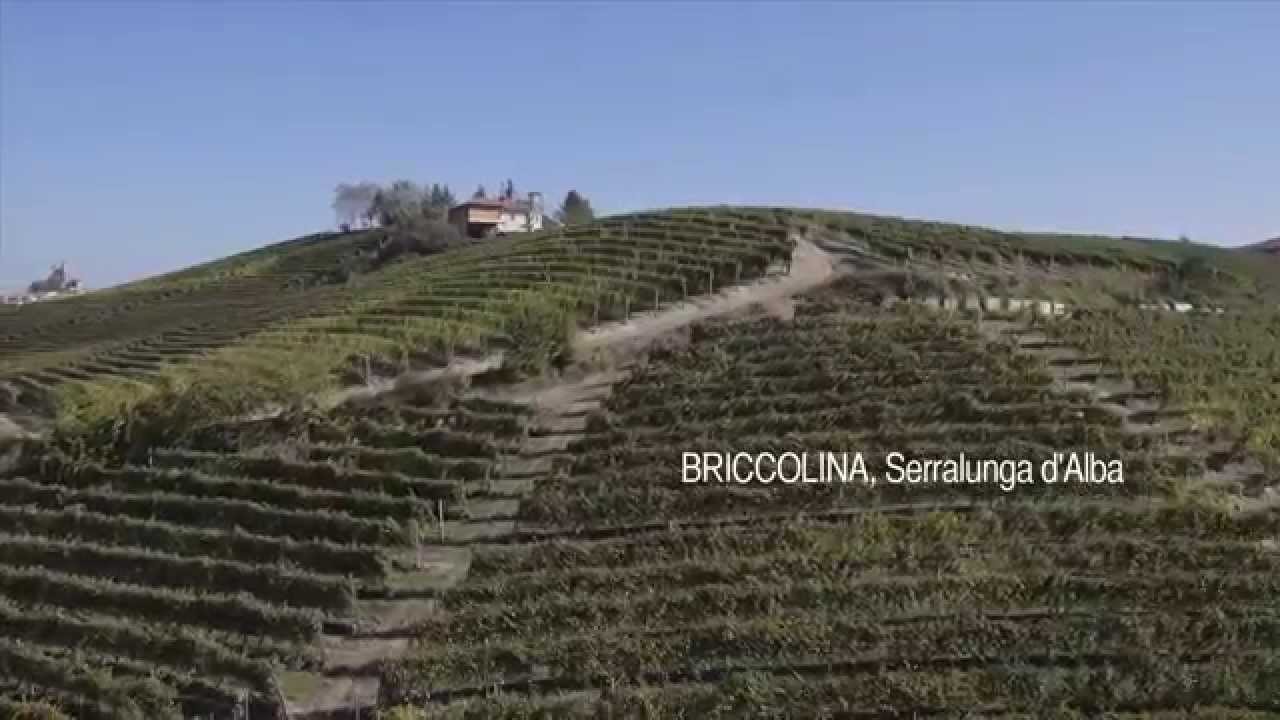
Batasiolo
La Morra, Italy
Book Batasiolo if you want a composed Barolo estate visit with heritage, cellar context, and a tasting format that works for a special occasion. It is better for couples, client outings, and wine-curious groups than for travellers chasing a tiny cellar encounter.
JM Cazes Sélection
Macau, Macau
A focused Macau wine stop that works better for buyers with a clear brief than for casual groups seeking a full tasting experience. Consider it for special-occasion sourcing, gifting, or dinner planning, but confirm food, group handling, shipping, and visit format before relying on it as the main event.
Château Ségur
Parempuyre, France
Château Ségur works if you want an independent Haut-Médoc visit with a value-first lens rather than a prestige-château production. The draw is a family-run estate, a 39-hectare contiguous vineyard, a classic Bordeaux red blend, and calm appointment-based hospitality in Parempuyre.
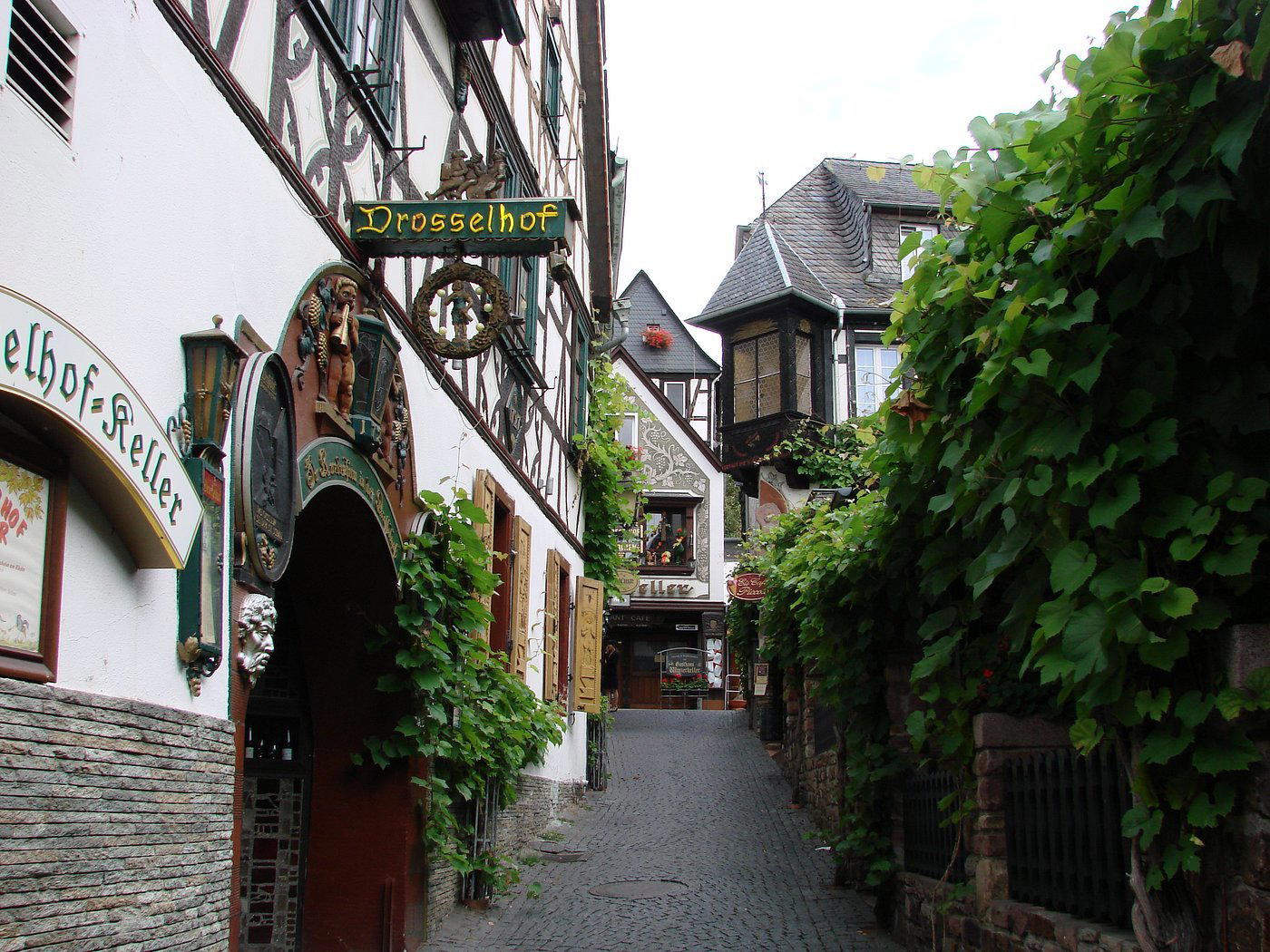
Bischöfliches Weingut Rüdesheim GmbH
Rüdesheim am Rhein, Germany
Prioritise Bischöfliches Weingut Rüdesheim GmbH if the purpose is a serious Rheingau wine stop with recognised quality rather than a casual, amenity-heavy visit. It is better suited to small special-occasion tastings and allocation-minded buyers than to groups needing food, fixed public planning details, or a low-friction cellar-door experience.
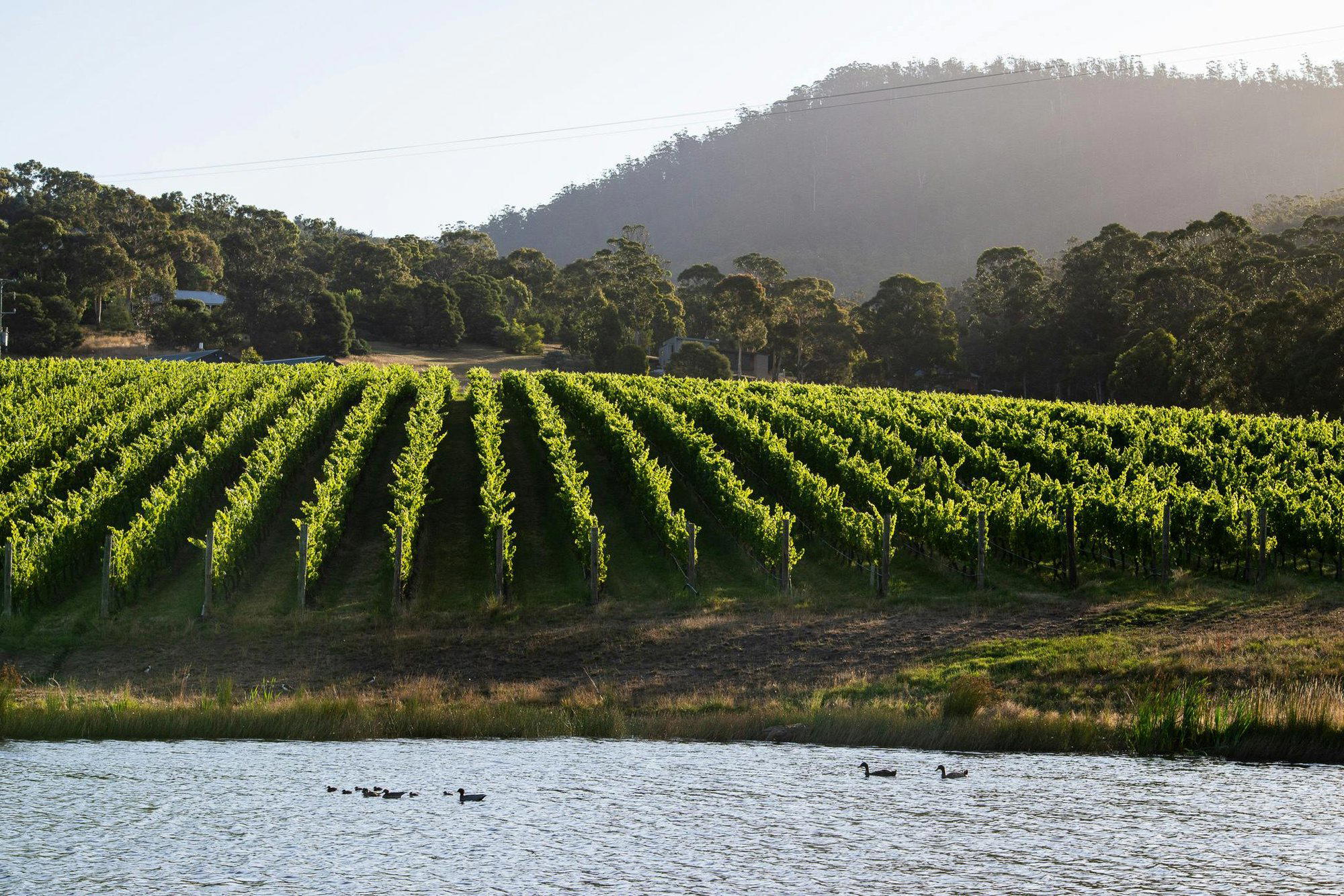
Tolpuddle Vineyard
Richmond, Australia
Book Tolpuddle Vineyard if your Richmond day is built around serious wine context rather than a casual all-in-one outing. It is strongest as a focused vineyard stop, especially when paired with Pooley or Killara Distillery for contrast; choose a broader peer if the group needs food, easy logistics, or a spirits-led afternoon.
Herb Lamb Vineyards
St. Helena, United States
Book Herb Lamb Vineyards if you want a quiet, appointment-led St. Helena tasting with a more personal feel than a large hospitality stop. It is strongest for couples, collectors, and small groups who value focused conversation and a Napa Sauvignon Blanc angle alongside the region’s red-wine focus.
Flaherty Wines Limitada
Valparaiso, Chile
Book Flaherty Wines Limitada if a focused Chilean wine stop with Falstaff recognition is enough to justify the detour. It is a weaker fit for travelers who need published food, fixed hours, or a large-group visitor setup before planning the day.
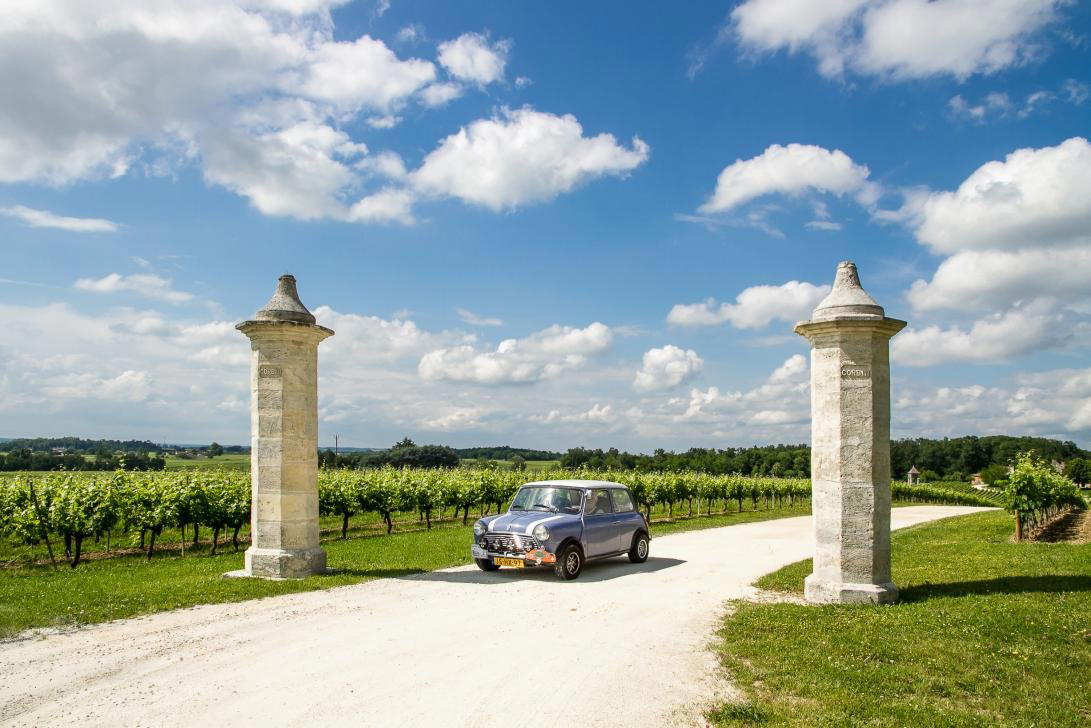
Château Corbin
Montagne, France
Château Corbin is worth booking for a calm, tradition-led Saint-Émilion visit focused on Merlot, heritage, and a single-block vineyard near the Pomerol border. It is a strong fit for a date, anniversary, or focused Bordeaux tasting, but less compelling if the priority is food pairings, a lively room, or a broad portfolio experience.
Château d’Anglès
Fleury, France
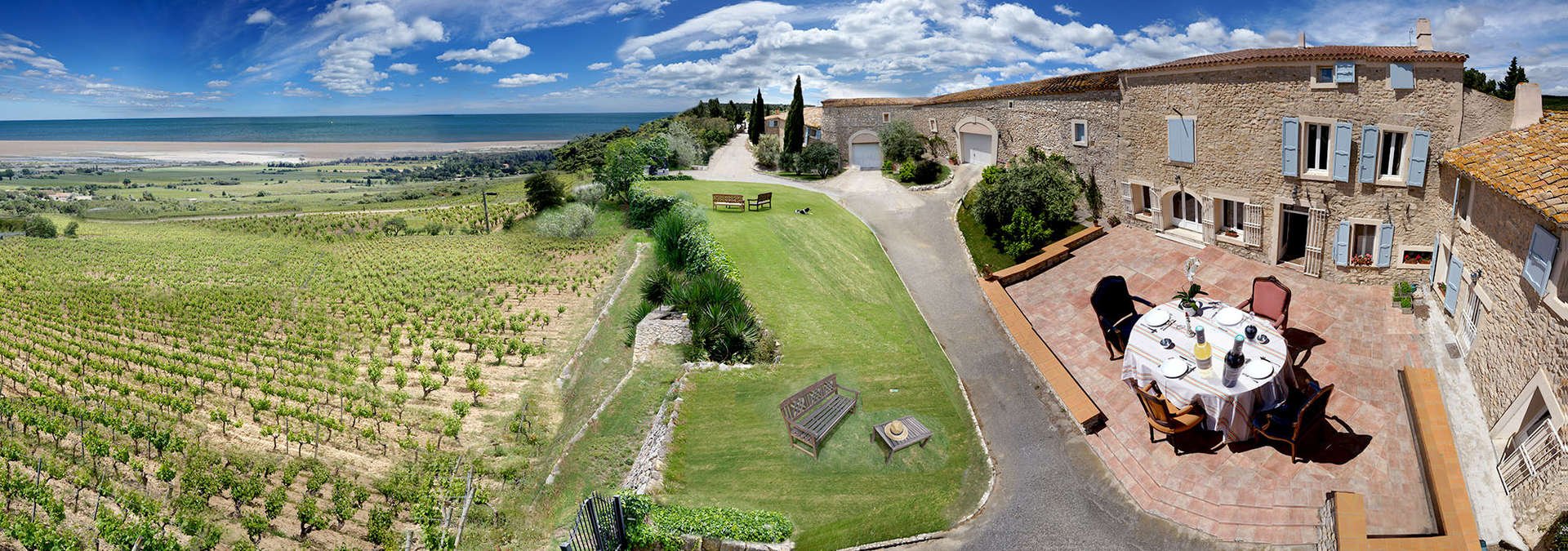
Sea spray and citrus define the useful lens here: Château d’Anglès is a smart Fleury stop for wine travellers who care about La Clape terroir, organic-minded whites, and cellar choices. Go for production insight and calm estate atmosphere, especially if freshness, structure, and Mediterranean blends matter more than elaborate hospitality extras.
Ochota Barrels
Adelaide Hills, Australia
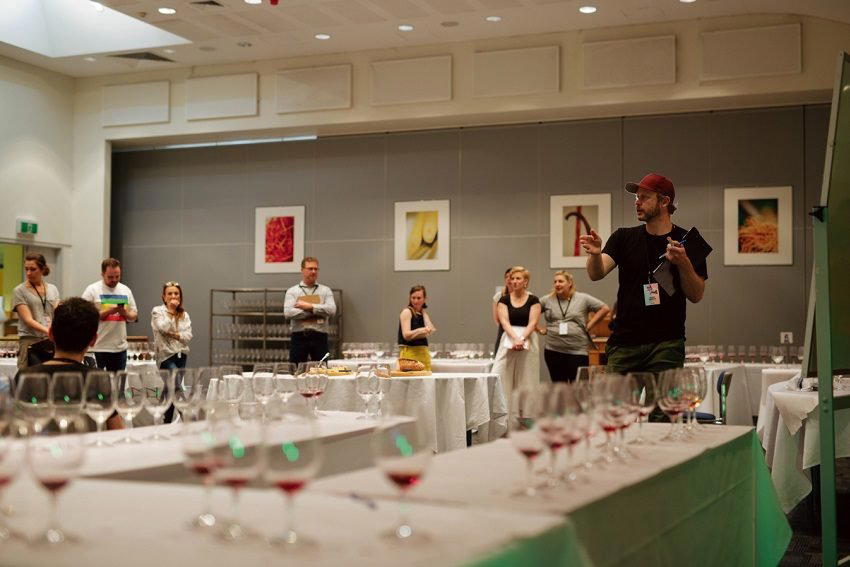
A small Basket Range producer for drinkers who want lo-fi Adelaide Hills wine rather than a polished cellar-door circuit. Pursue it for minimal-intervention bottlings, small-batch scarcity and a strong house point of view; skip it if the day needs easy logistics, food service or a conventional tasting-room format.
Cave Delta
Venthone, Switzerland
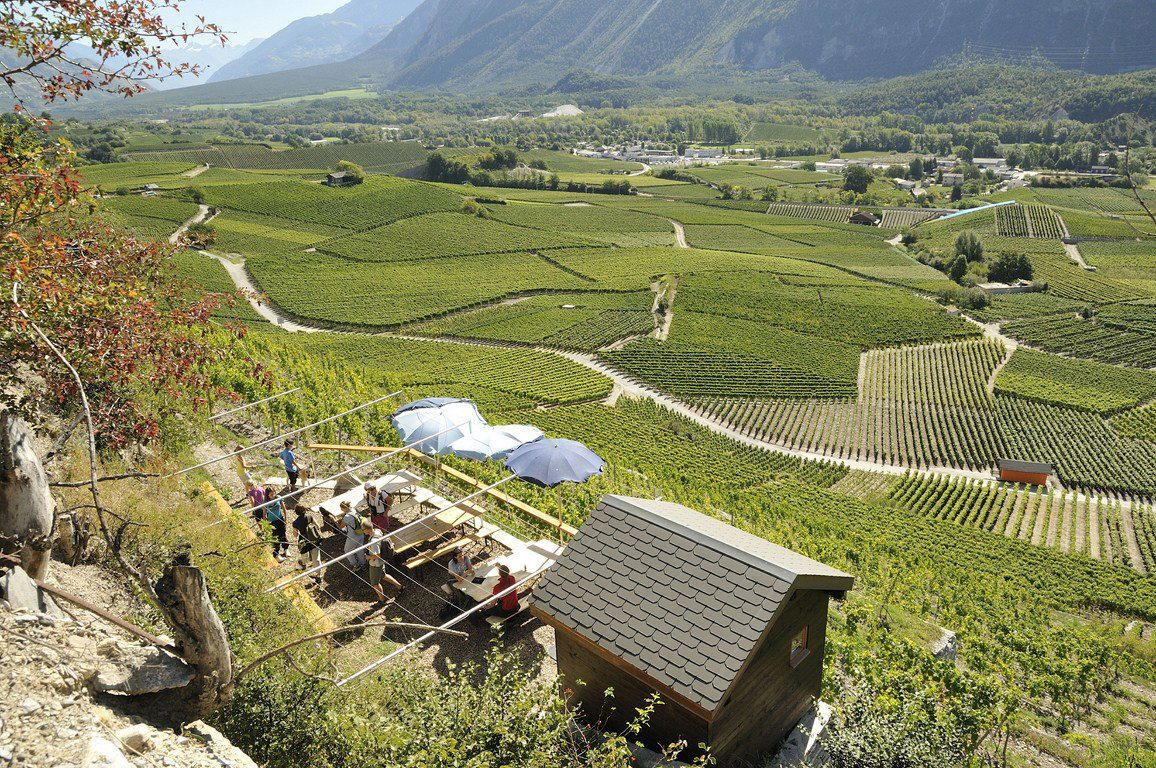
Cave Delta is a good Venthône pick if you want a relaxed Valais cellar visit with family-run production and direct sales, not a luxury tasting-room experience. Plan ahead because booking is recommended, and use it as one stop in a broader Sierre-area wine day. Falstaff listing in 2026 adds a useful quality signal.
Domaine des Rothis
Dardagny, Switzerland
Domaine des Rothis is worth planning as an easy, good-value Mandement wine stop, especially if you want to taste Geneva Gamaret without a formal appointment-heavy itinerary. It is Falstaff Listed for 2026 and works best for flexible visitors who want a relaxed cellar-door feel, direct purchases, and a short stop folded into a wider Dardagny or Russin wine day.
Allesverloren
Riebeeck West, South Africa
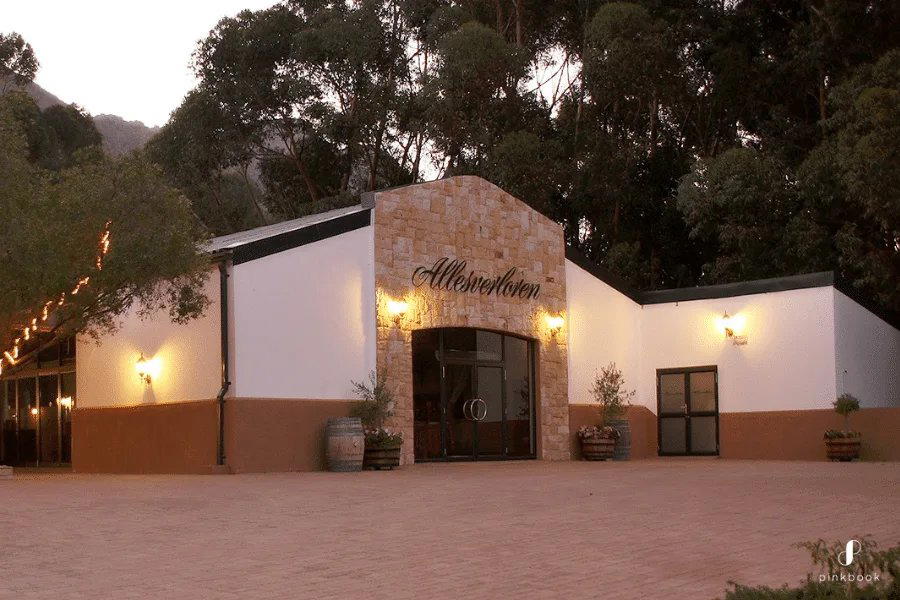
Choose Allesverloren if the goal is a Swartland-focused wine stop in Riebeeck West rather than a resort-style estate visit. Its Falstaff listing for 2026 gives it a clear trust signal, but the smarter move is to treat it as part of a wider wine-country day with flexible timing and a wine-first agenda.
Château Lafleur-Gazin
Pomerol, France
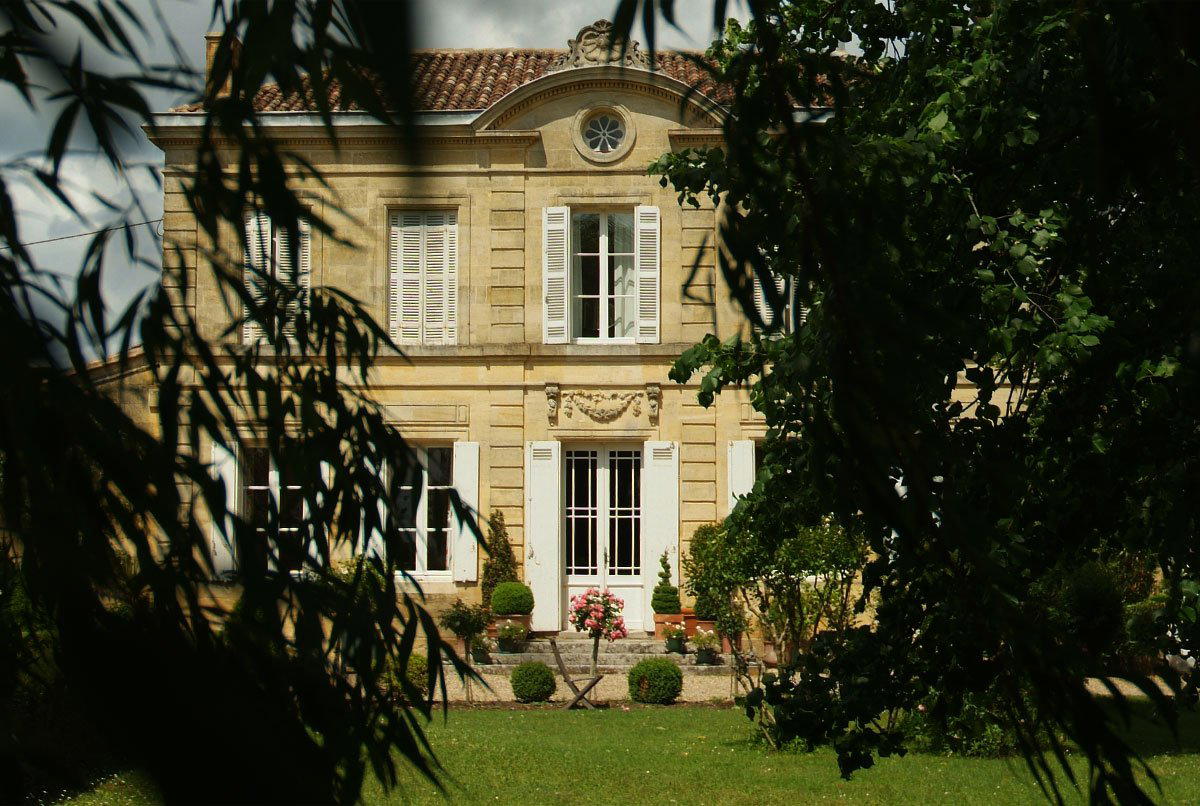
Château Lafleur-Gazin is worth prioritizing if the aim is to understand the quieter, more perfumed side of Pomerol rather than chase the appellation’s densest expressions. Its northern-plateau position, Merlot-led profile, Moueix ownership, and Falstaff 2-star recognition make it a serious choice for collectors and wine travelers who value restraint and regional context.
Ramey Wine Cellars
Healdsburg, United States
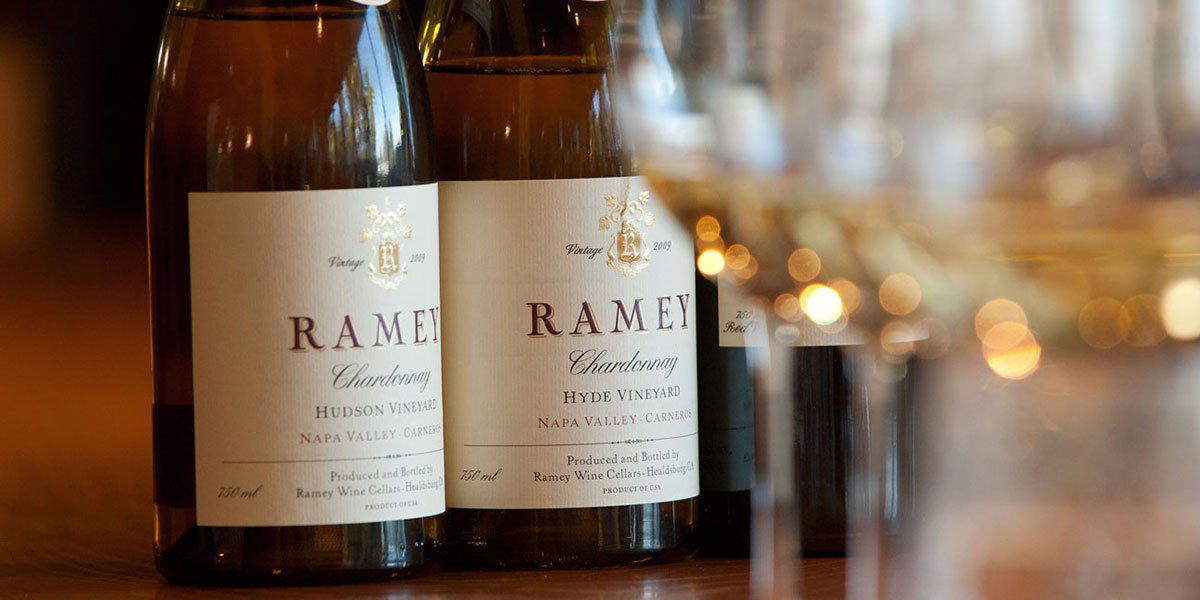
Ramey Wine Cellars is worth prioritizing for a Healdsburg itinerary if the goal is a serious wine-focused stop rather than a casual tasting crawl. Availability is the main friction, so plan it as the anchor of the day and keep easier fallbacks nearby if the schedule is tight.
Château Livran
Saint-Germain-d'Esteuil, France
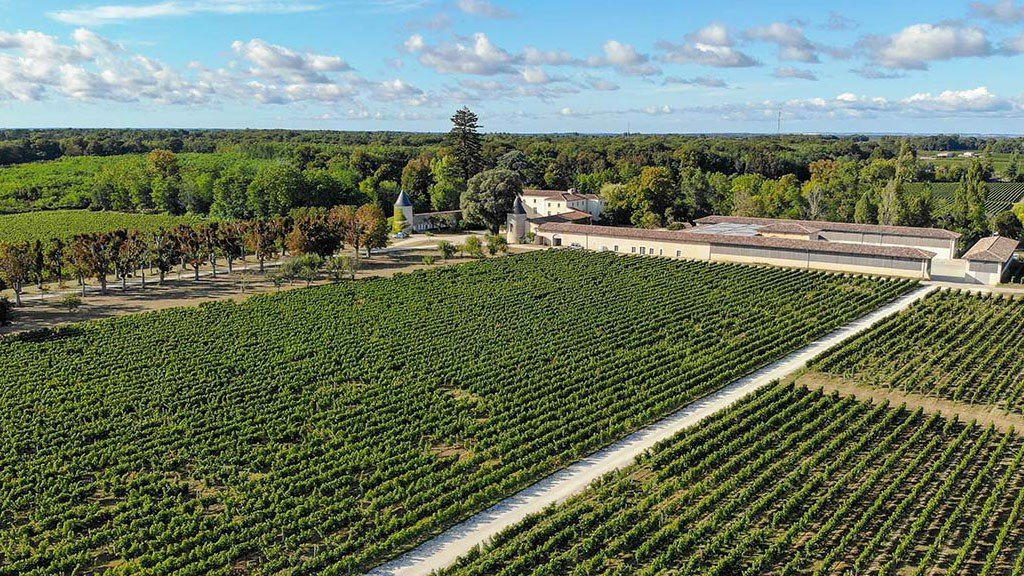
Château Livran works for a heritage-led Médoc visit rather than a flashy tasting circuit. The draw is a 1280-founded Saint-Germain-d’Esteuil estate, compact red-wine portfolio, 27 hectares of vines, and accessible bottle pricing from €13 to €80, with the flagship Merlot-Cabernet blend the clearest place to start.
Charles Fox Cap Classique Wines Estate
Elgin, South Africa
Book Charles Fox Cap Classique Wines Estate if the goal is a focused sparkling-wine tasting in Elgin rather than a broad cellar-door stop. The estate’s specialist Cap Classique format, intimate setting, and Falstaff Listed recognition for 2026 make it a strong choice for return visitors who want more depth on South African bottle-fermented sparkling wine.
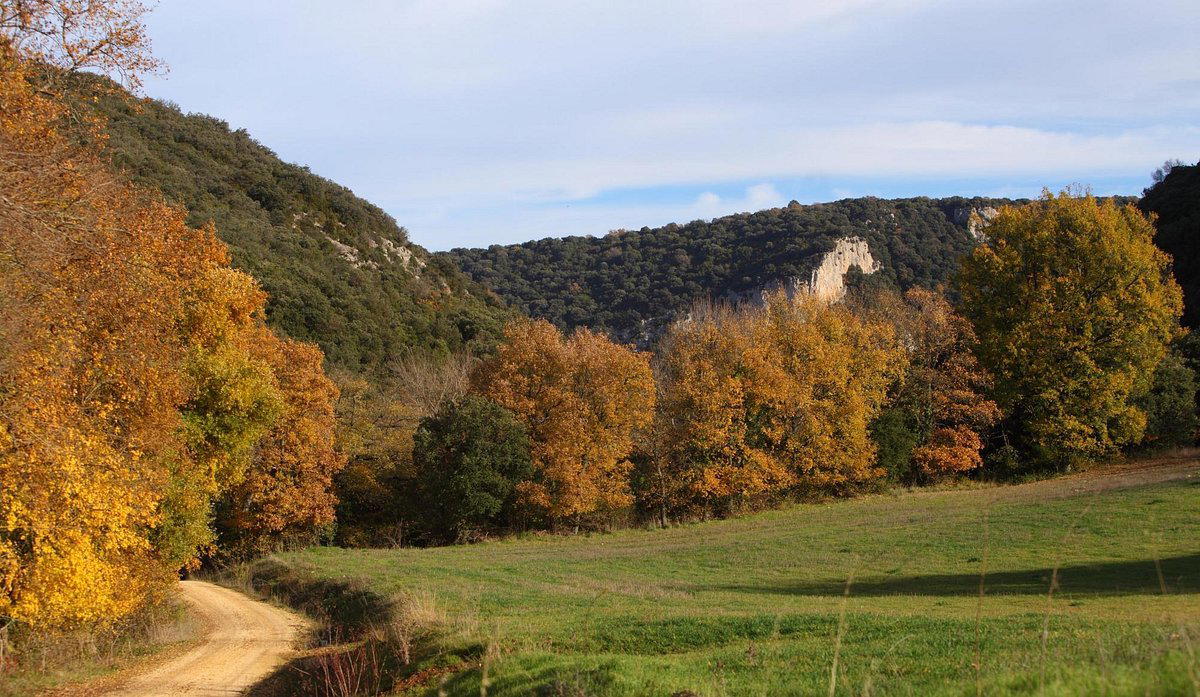
Bodegas de la Marquesa Valserrano
Villabuena De Alava, Spain
Book this if you want a serious Rioja Alavesa cellar visit focused on estate fruit, traditional ageing, and family continuity rather than a glossy tourism stop. The draw is the old underground cellar setting and the chance to understand classic Rioja production choices in a compact, educational format.
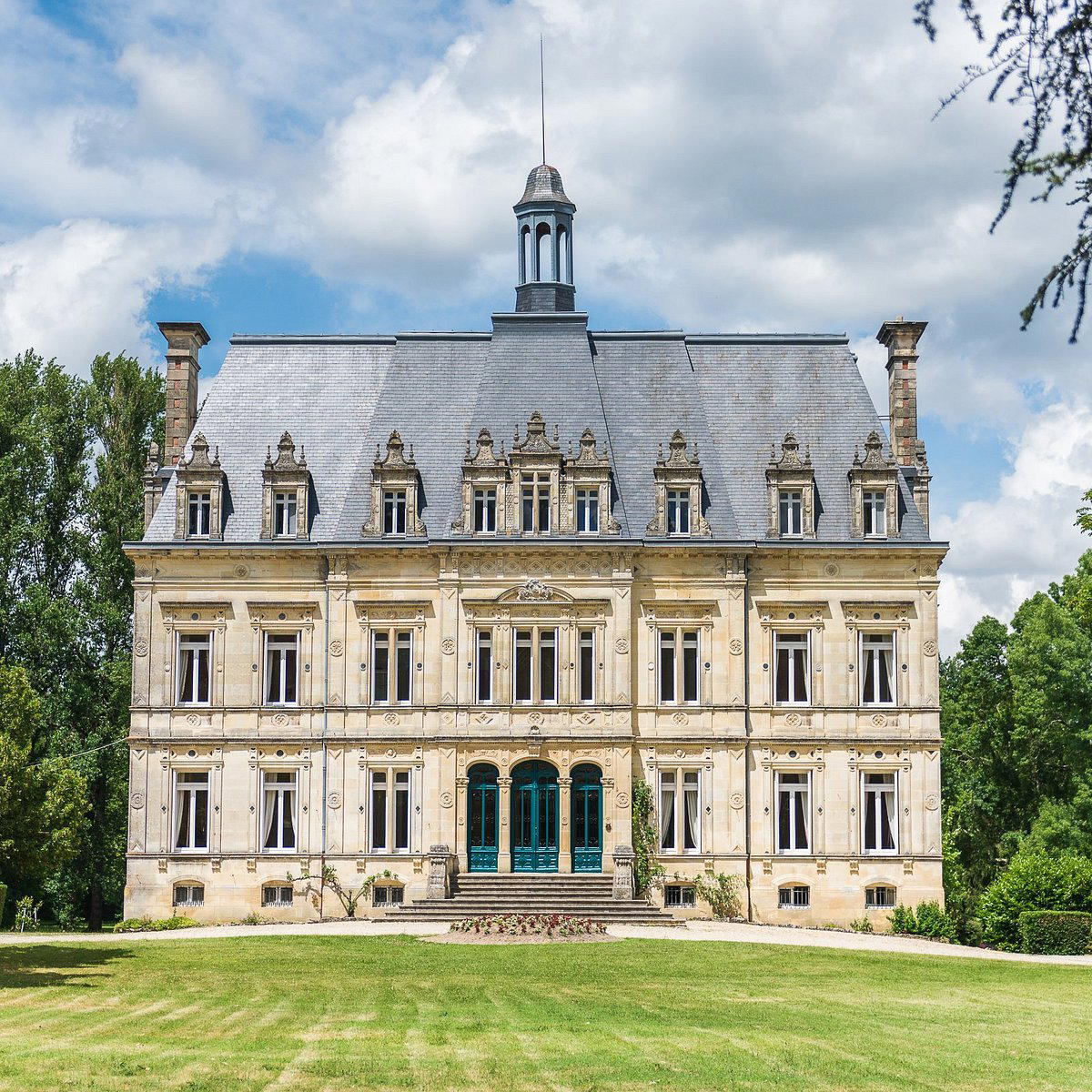
Château Bibian
Listrac-Médoc, France
Château Bibian is worth booking if you want a serious, approachable Listrac-Médoc tasting without grand-château gloss. The value is in the Cru Bourgeois Supérieur credentials, classic Left Bank setting, and chance to compare the flagship wine with La Fleur Bibian for different drinking windows.
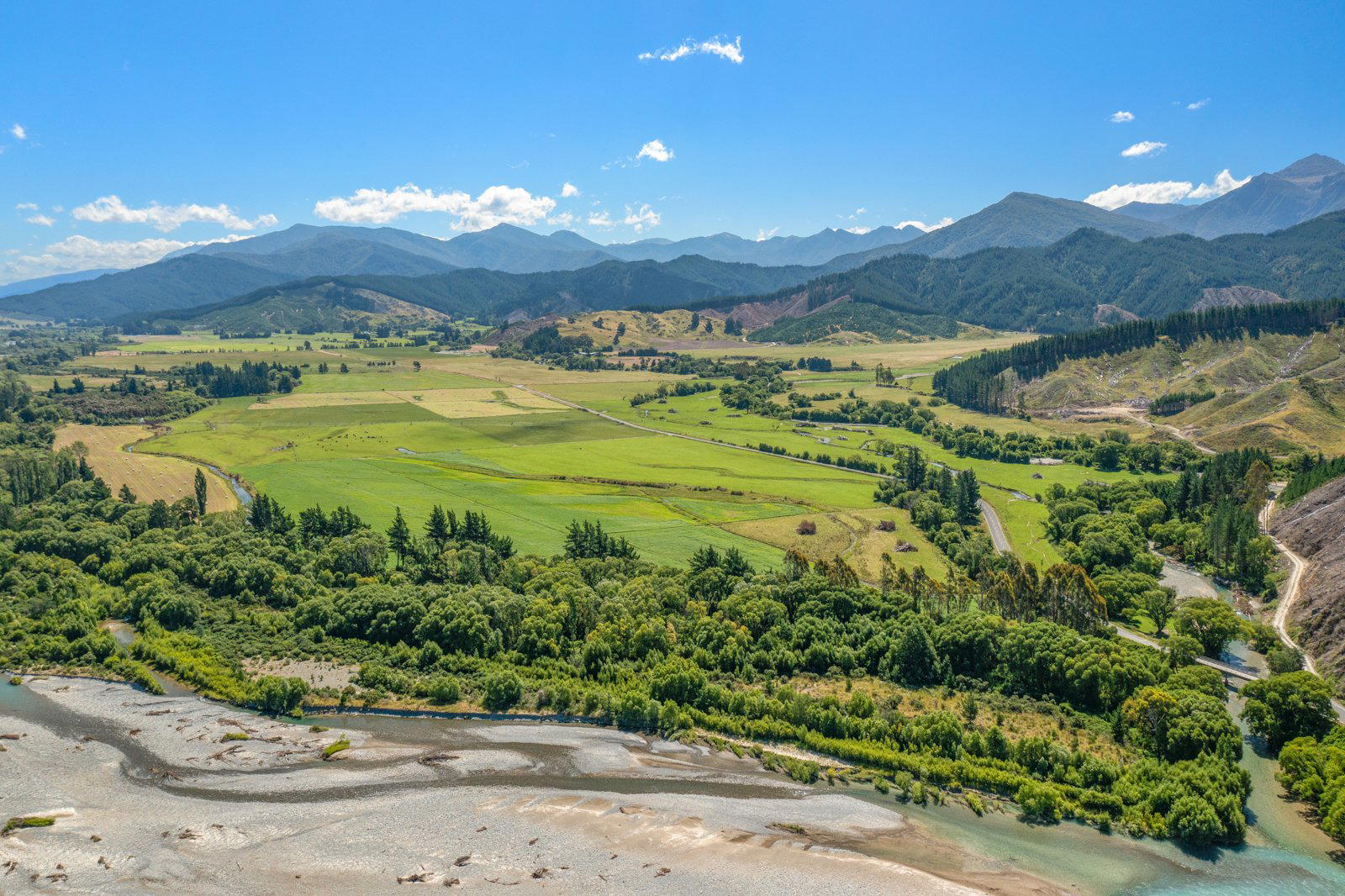
Babich Wines
Auckland, New Zealand
Babich Wines is worth planning for if you want an Auckland winery visit built around family history, Marlborough Sauvignon Blanc, and a down-to-earth tasting style. Choose it for producer context and easy-drinking wines, especially if a guided or private format helps your group get more from the visit.
Hirt Weine
Ligerz, Switzerland
Book Hirt Weine if the goal is a relaxed, traditional Ligerz cellar stop rather than a formal winery experience. It works better as part of a village wine route than as a standalone destination, especially for couples or small groups keeping the day flexible.
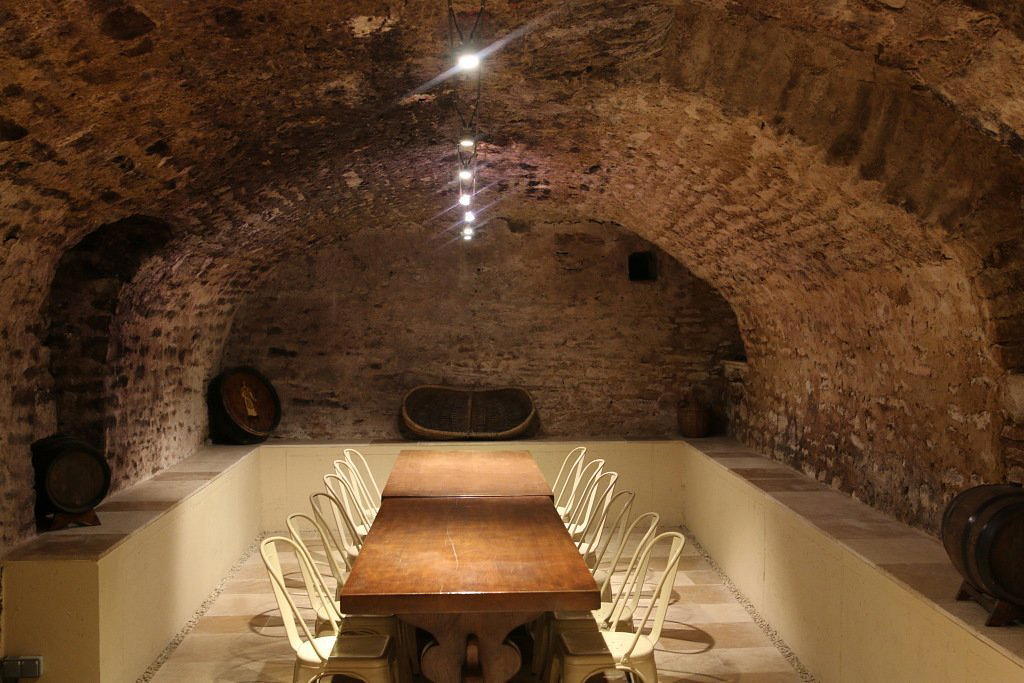
Domaine Pierre Guillemot
Savigny-lès-Beaune, France
Book Domaine Pierre Guillemot if the goal is a serious, intimate Savigny-lès-Beaune tasting rather than a polished visitor-center experience. The draw is classic Pinot Noir, older-vine Savigny, and a family-run domaine with eight generations behind it. It is strongest for collectors, couples, or small groups who want appellation detail and a quieter private appointment.
Donne Fittipaldi
Castagneto Carducci, Italy
Donne Fittipaldi is worth booking for wine travelers who want a Bolgheri visit with production depth: amphora-aged Cabernet Franc, Malbec, ancestral-method rosato and Orpicchio alongside the expected red blends. It suits appointment-led planning and higher-tier buying better than casual drop-in tasting.
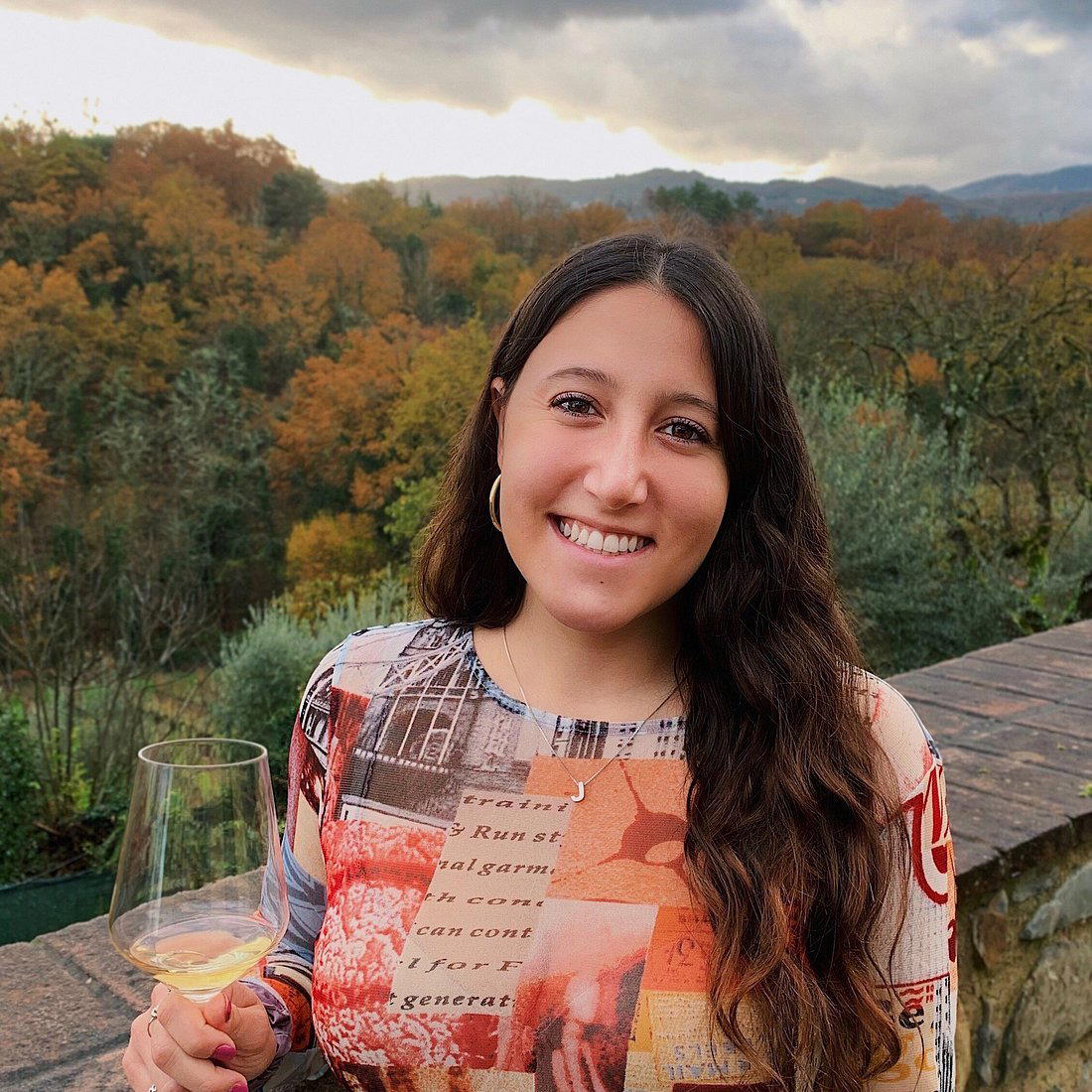
Azienda Agricola Fabio Motta
Livorno, Italy
Azienda Agricola Fabio Motta works for a Livorno wine itinerary focused on coastal Tuscany rather than a highly structured cellar visit. The Falstaff listing adds credibility, but visitor details are sparse, so it works better for flexible wine travelers than for groups needing confirmed food, hours, and tasting logistics in advance.
Campagnola Giuseppe
Marano di Valpolicella, Italy
A worthwhile Valpolicella visit if Amarone, appassimento, and cellar context are the reason for the trip. Campagnola Giuseppe suits wine travelers who want production depth over architectural drama, with historic family continuity and a broad regional portfolio. Skip it for a casual drop-in or scenery-led tasting.
Cantina Horus
Acate, Italy
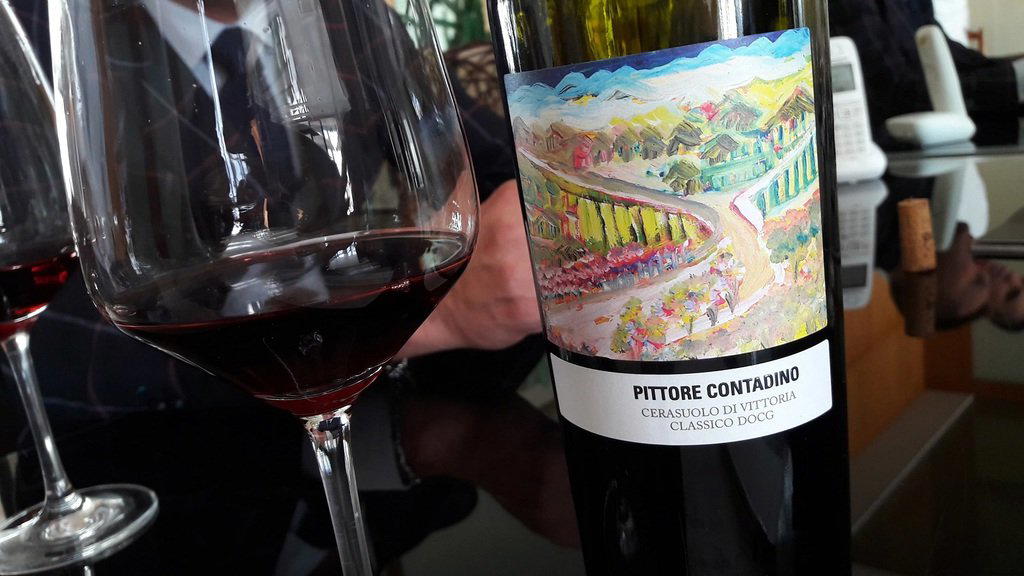
Cantina Horus is a good Acate-area winery pick if organic Sicilian viticulture, native grapes, and guided context matter more than a casual walk-in tasting. The stronger play is the fuller tasting format, especially for visitors who want to understand Nero d’Avola, Frappato, Grillo, and Cerasuolo di Vittoria DOCG through local food pairings.
Château Buera
Telavi, Georgia
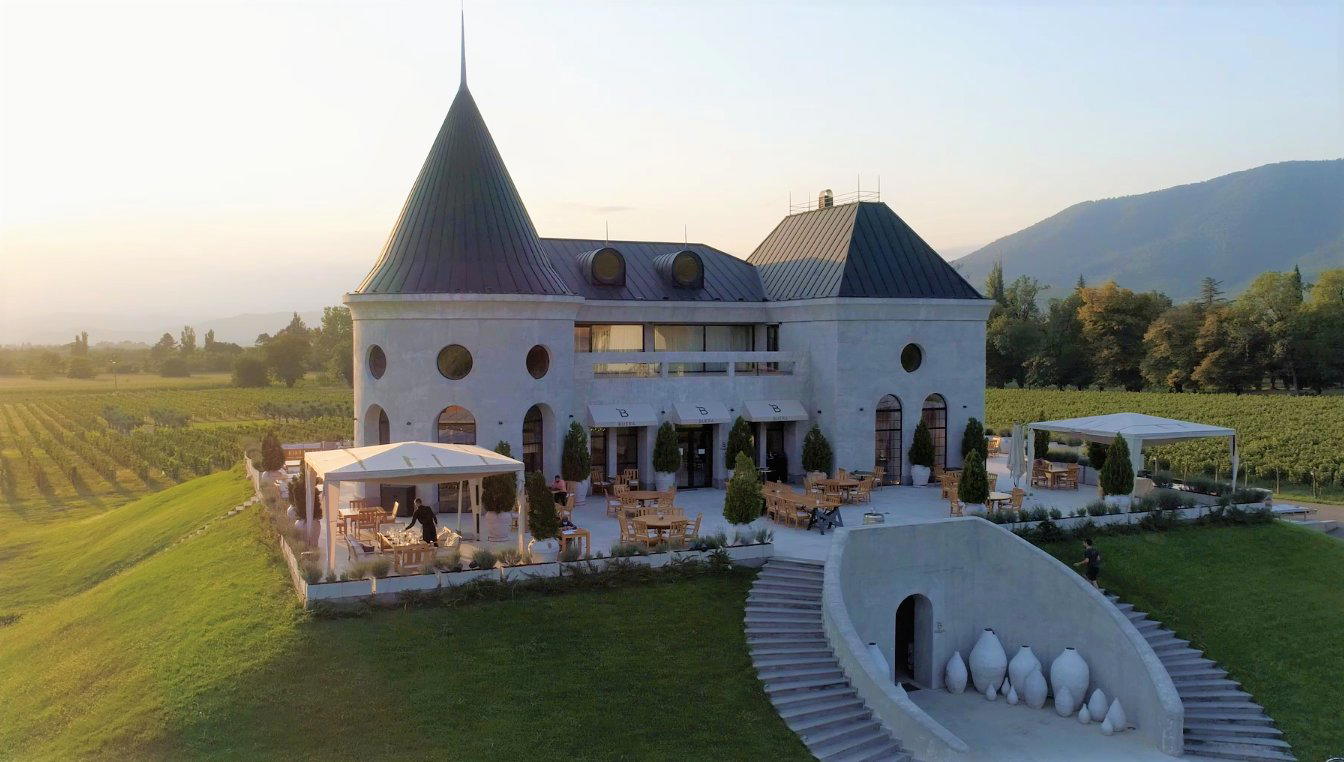
Château Buera is the Telavi-area pick for travelers who want a planned estate winery visit rather than a quick tasting stop. Its 2025 global vineyard recognition makes it worth prioritizing, but the lack of published practical detail means first-timers should confirm availability and format before building the day around it.
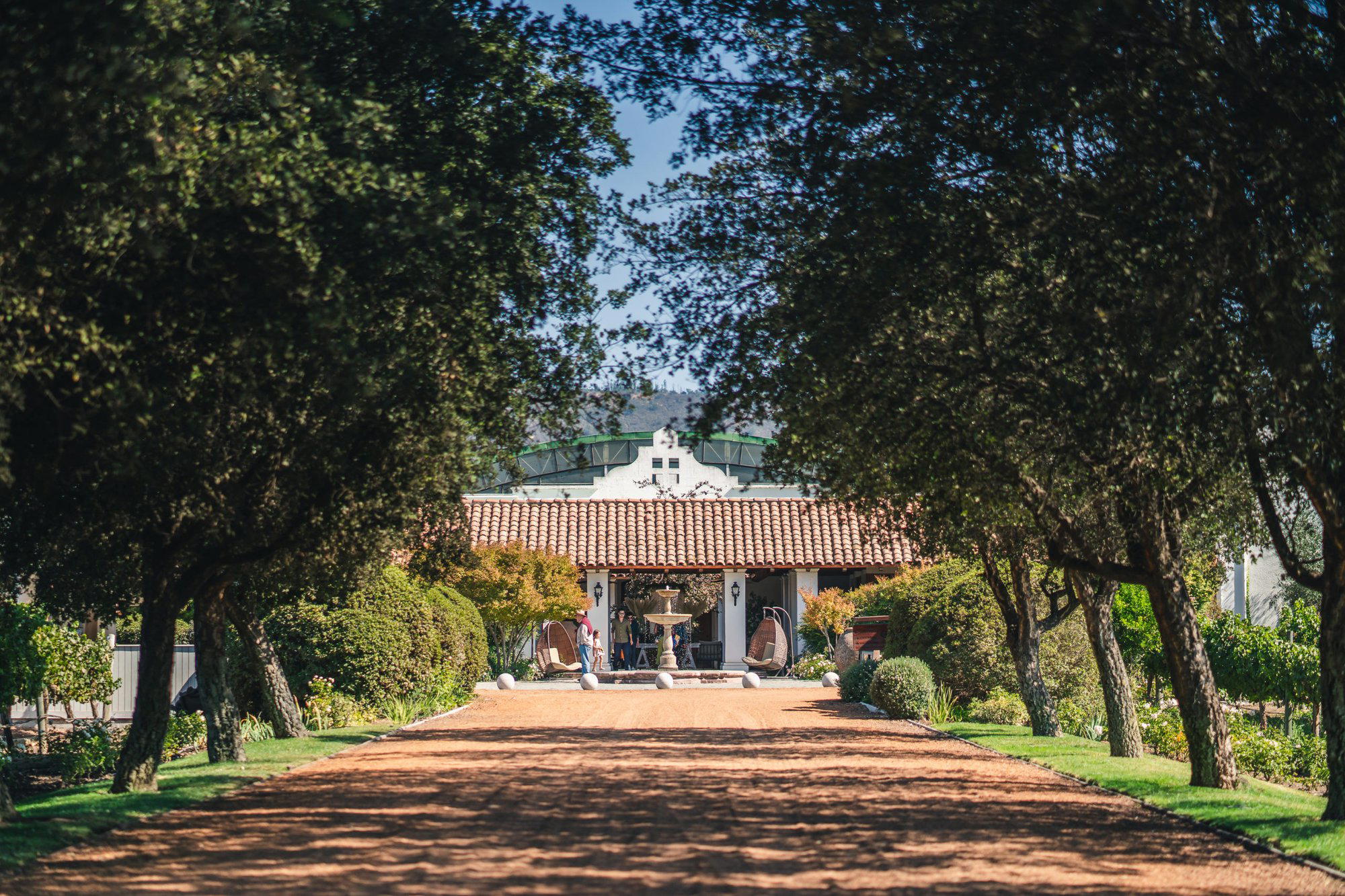
Casas del Bosque
Santiago, Chile
Book Casas del Bosque if you want a polished Casablanca Valley winery visit built around cool-climate wines and a proper food component. At $25 per person, it is easy to justify for a guided tasting or lunch-led plan, especially for travelers interested in Sauvignon Blanc, Chardonnay, Riesling, Pinot Noir, and Syrah rather than a quick pour-and-go stop.
Gracin Winery (Vinoteka d.o.o.)
Primosten, Croatia
A small, relaxed Primošten winery choice for couples or quiet small groups who want a coastal Dalmatian wine stop rather than a large visitor-center experience. The strongest reason to book is its local setting plus Falstaff-listed credibility; the reason to pause is that detailed tour, portfolio, and group-format information should be treated conservatively.
Château Moine Vieux
Saint-Sulpice-de-Faleyrens, France
Worth booking if you want a quiet, wine-first Saint-Émilion Grand Cru stop focused on Merlot-led Right Bank structure rather than château theater. The draw is the compact 6-hectare scale, clay-limestone soils, manual harvest, and direct estate focus; skip it if your group wants a broad hospitality program or food-pairing experience.
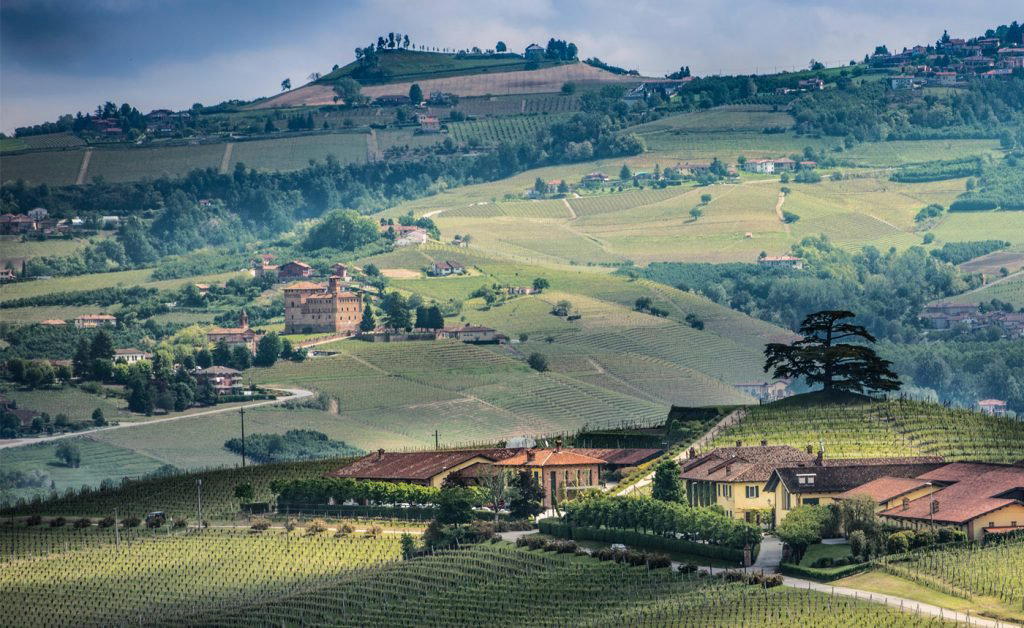
Cordero di Montezemolo
La Morra, Italy
Prioritise Cordero di Montezemolo if you want a serious, appointment-led Barolo estate visit in La Morra rather than a casual tasting-room stop. The value is in the Monfalletto vineyard context, organic farming story, and guided progression through Langhe wines, with snacks playing a supporting role rather than replacing a meal.
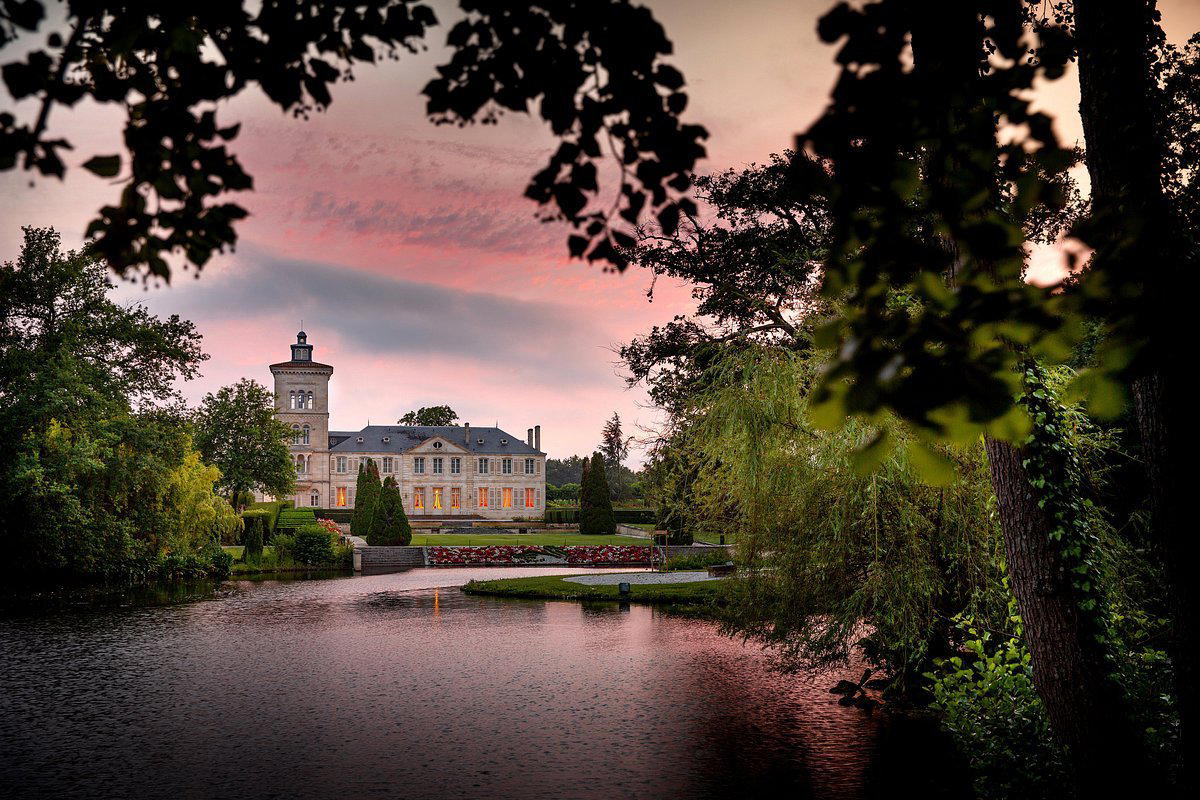
Château Lagrange
Saint-Julien-Beychevelle, France
Château Lagrange is worth prioritizing if the plan is a serious Saint-Julien winery visit rather than a loose tasting crawl. Booking should be treated as difficult, so first-timers are better off anchoring the day here and cross-shopping Château Talbot or Château Gloria only if timing does not work.
Isolabella Della Croce
Loazzolo, Italy
Plan this as a quiet Loazzolo winery stop if Moscato d’Asti and a relaxed hillside setting are the draw. Isolabella Della Croce is better for a focused, low-pressure tasting than for visitors who need a documented full portfolio, food program, or structured cellar tour.
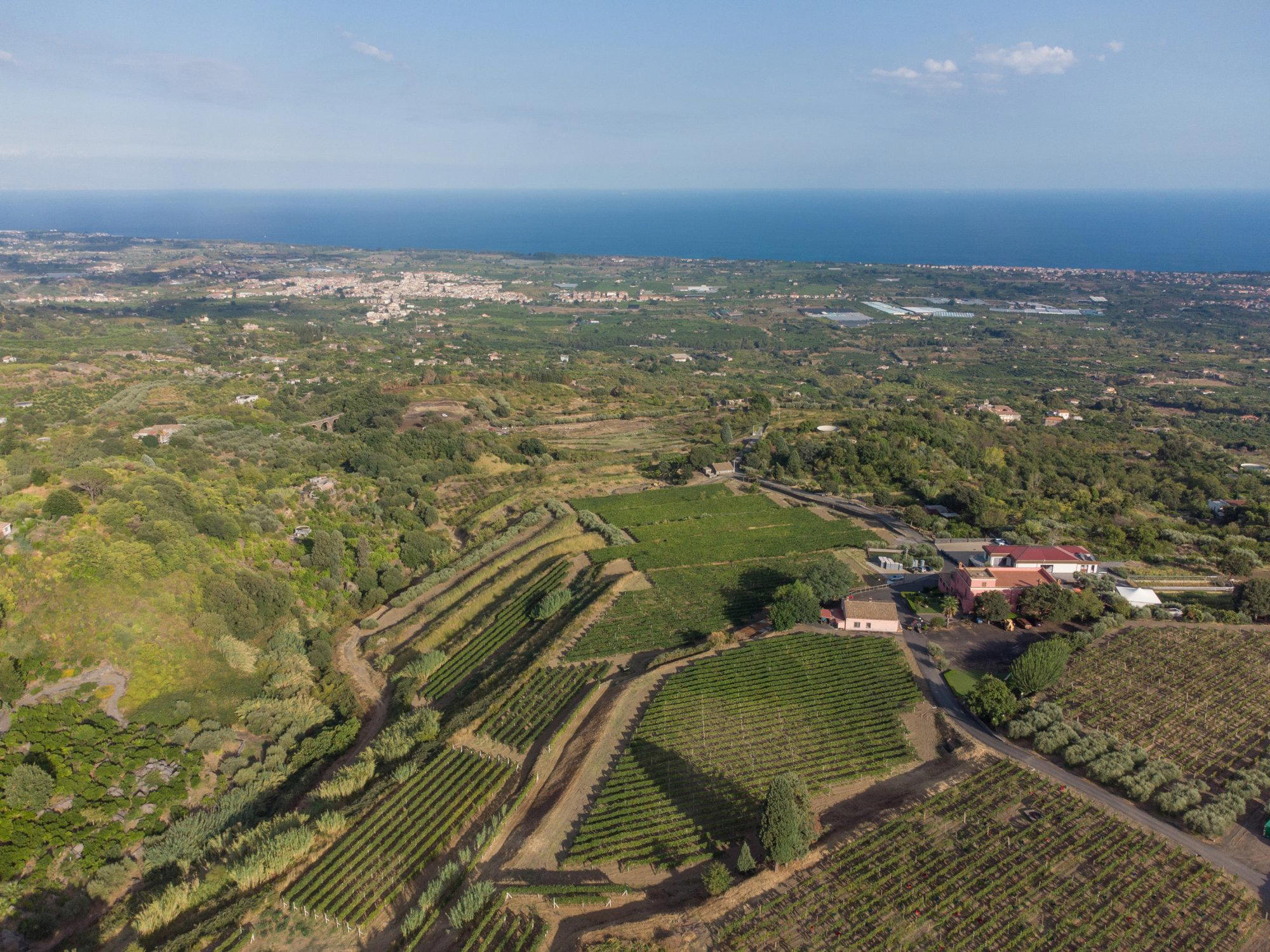
Cantine la Contea
Mascali, Italy
Book Cantine la Contea if you want an Etna winery visit where food pairings, vineyard setting, and a historic palmento atmosphere matter as much as the tasting itself. It is better for celebrations and slower afternoon plans than for a quick sample-and-go stop, especially if Nerello Mascalese and eastern Etna wines are the reason for the trip.
Gaus Weinbau
Bassersdorf, Switzerland
Gaus Weinbau works if the goal is buying local Swiss wine by appointment, not building a full tasting-room itinerary. The draw is a regional Zurich Unterland identity and a broad range that appears to cover reds, whites, lighter styles and sparkling; the tradeoff is minimal verified hospitality detail, pricing transparency or flagship-bottle information.
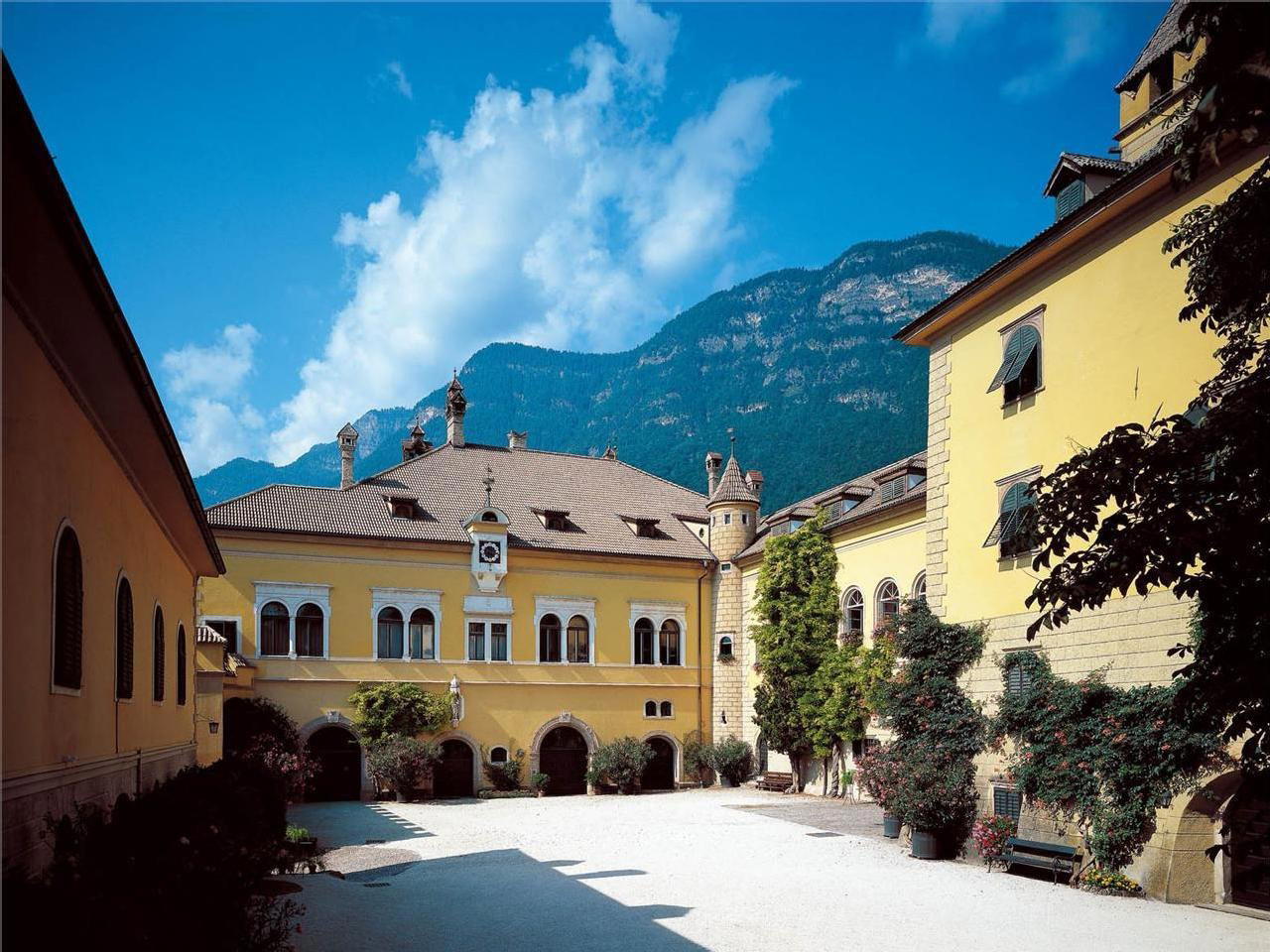
Castel Sallegg
Kaltern An Der Weinstrasse, Italy
Book Castel Sallegg if you want a compact South Tyrolean wine-estate stay where the room, Vineria, tasting base, vineyards, and castle setting are all part of one easy plan. It is better for couples and first-time Kaltern visitors than for travelers seeking a large resort or restaurant-led stay.
Falkensteiner Hof
Konz Niedermennig, Germany
Falkensteiner Hof is worth targeting for traditional, dry-tasting Saar Riesling at a sensible price level, especially for drinkers who care more about vineyard source and winemaking method than visitor polish. Plan ahead, keep the group small, and treat it as a focused winery appointment rather than a food-led countryside outing.
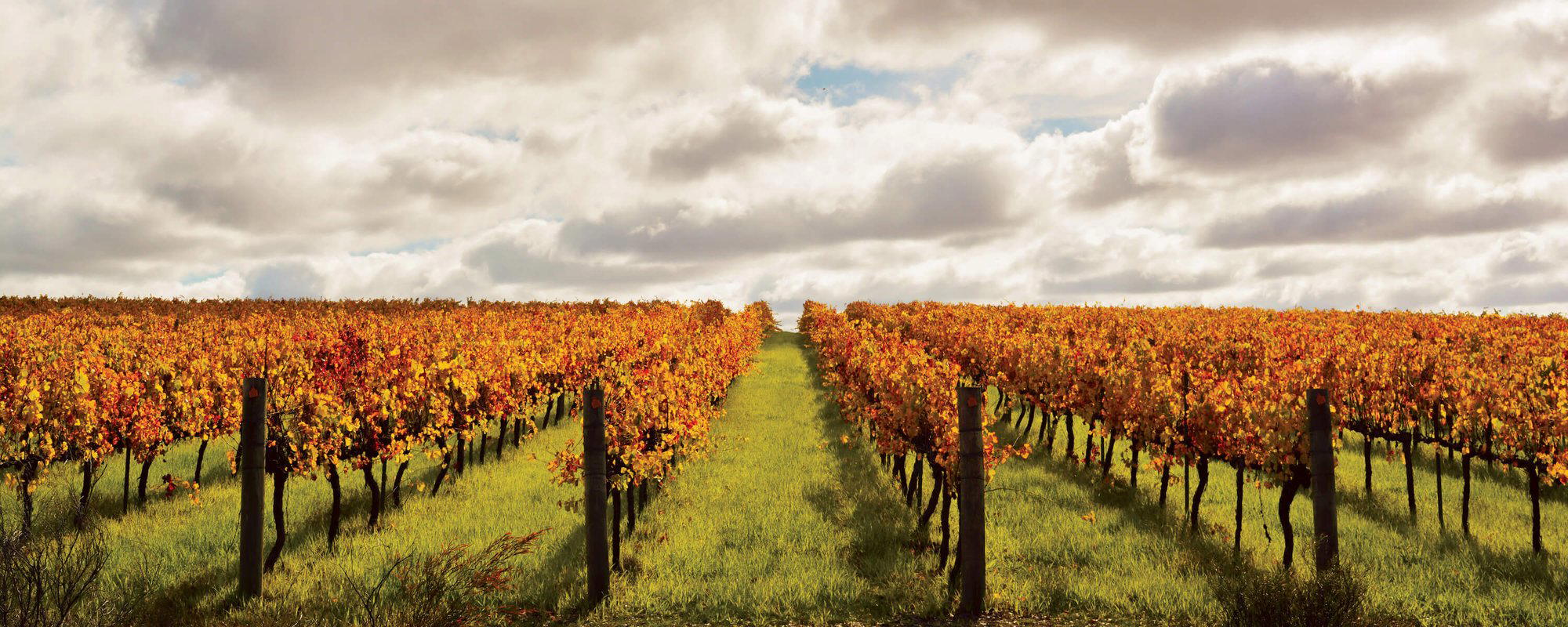
Frankland Estate
Great Southern, Australia
Frankland Estate is a wine-first Great Southern choice for visitors who care more about producer access than cellar-door extras. Plan ahead, treat the trip as a Frankland River anchor rather than a casual stop, and cross-shop Plantagenet Wines if you want an easier Great Southern comparison.
Dirupi
Montagna In Valtellina, Italy
Dirupi is worth pursuing if Valtellina is already a serious part of the wine plan, especially for drinkers who value focused regional depth over broad Italian variety. Falstaff 4 Stars in 2026 gives it a credible quality signal, but tight booking difficulty means it works better as a planned specialist stop than a casual add-on.
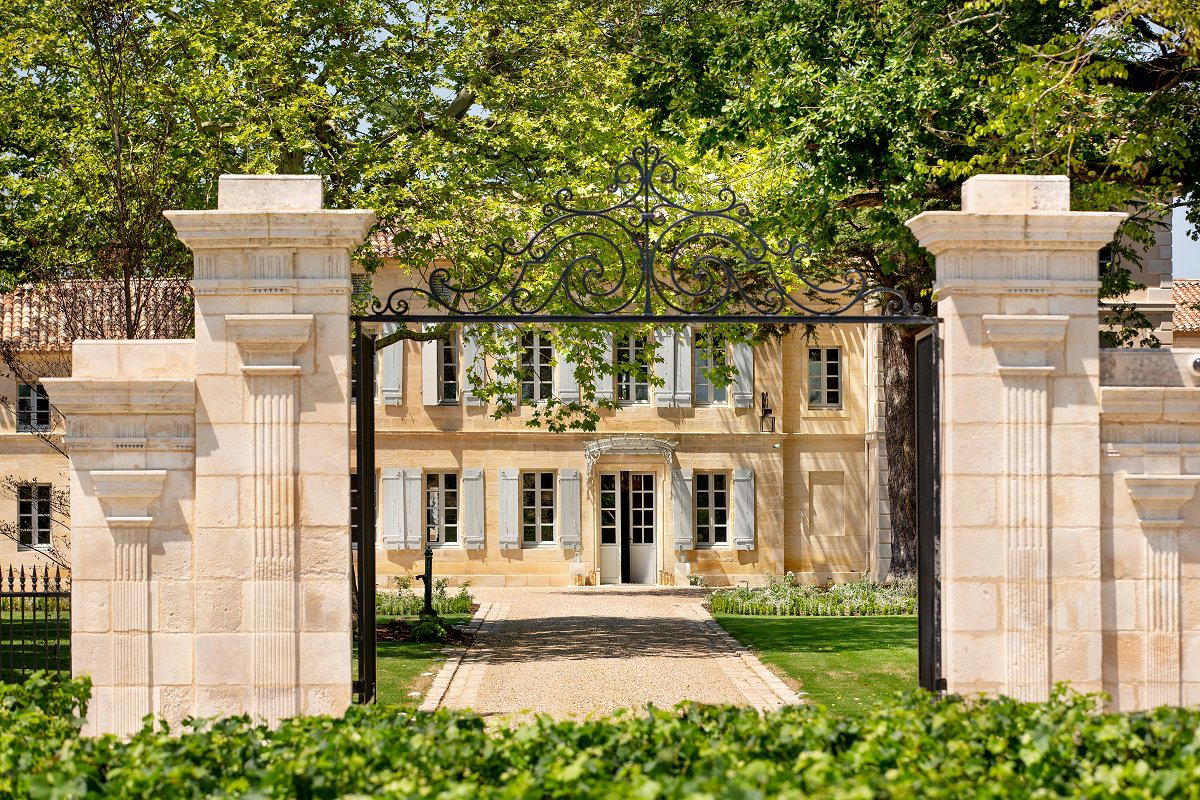
Château Monlot
Saint Hippolyte, France
Book Château Monlot if you want a calm, heritage-led Saint-Émilion tasting with real vineyard context rather than a food-focused winery stop. The draw is the blonde-stone estate setting, Grand Cru identity, and classic Merlot-Cabernet Franc production story; it is better for curious wine travellers than for groups looking for a long lunch or lively tasting-room energy.
Domaine Aléofane
Mercurol, France
A practical Mercurol winery pick for first-timers who want a focused, wine-led stop rather than a full hospitality production. Domaine Aléofane is listed by Falstaff for 2026, which gives it a useful trust signal, but the better reason to consider it is simple: it fits a value-minded northern Rhône itinerary when Mercurol is already on the route.
Johannes E.F. Strudler
Podersdorf am See, Austria
A relaxed, family-run Podersdorf am See winery that makes sense for an easy Lake Neusiedl tasting rather than a formal destination appointment. The value case is helped by an accessible price bracket and Falstaff listing recognition for 2026, but guests wanting detailed tasting formats, food, or private hospitality should confirm before building a special occasion around it.
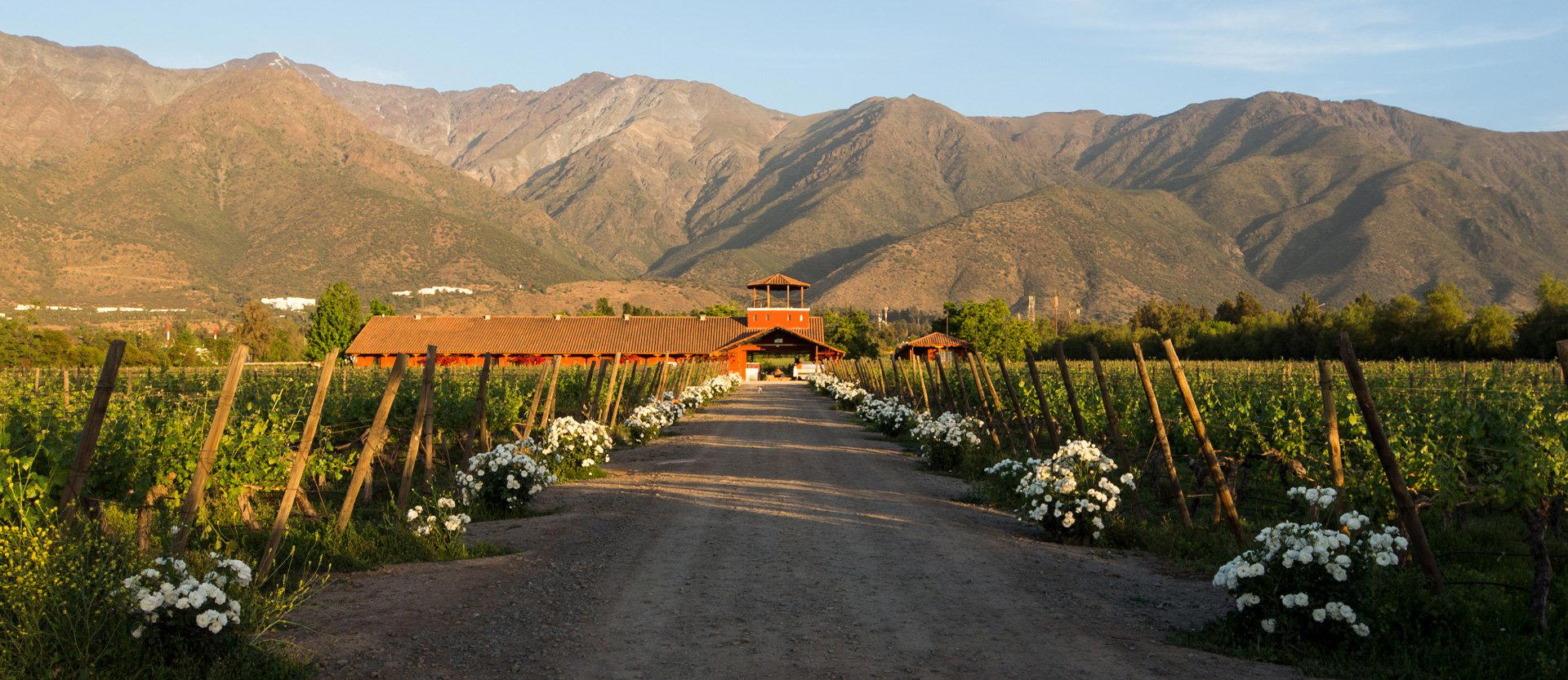
Viña Aquitania
Santiago, Chile
Viña Aquitania works for a quiet, wine-led Santiago celebration, especially if the goal is a focused tasting with Peñalolén's foothill setting rather than a full-day valley itinerary. For easier planning or a more conventional visitor format, compare it with Viña Cousiño-Macul, Viña Santa Carolina, and Viña Ventisquero before committing.
Domaine du Vissoux
Saint Verand, France
Domaine du Vissoux works if the goal is a calm Saint-Vérand winery stop with outside recognition rather than a heavily programmed visitor experience. The useful signal is its Falstaff Listed status for 2026; plan it as part of a wider local itinerary, especially for a couple or small group focused on wine.
Château l’Éuzière
Fontanes, France
Château l’Éuzière is worth booking for a quiet, wine-first Pic Saint-Loup visit, especially if you already like Languedoc reds and rosés and want to focus on terroir rather than hospitality extras. Expect a rural, family-run feel in Fontanes; choose it for serious regional context, not for a heavily programmed tasting experience.
Gulfi
Chiaramonte Gulfi, Italy
Gulfi works for a quiet Sicilian countryside visit at a $$ price tier, especially if the occasion calls for rural atmosphere over a formal tasting script. The draw is Chiaramonte Gulfi’s hill-country setting, agricultural character, and Falstaff Listed recognition in 2026. Confirm logistics before planning around it.
Domaine Thomas Labaille
Chavignol, France
Book Domaine Thomas Labaille if the priority is serious Chavignol Sancerre rather than a polished tasting-room experience. The draw is old-vine Sauvignon Blanc, Monts Damnés sourcing, native-yeast fermentation, and a traditional cellar approach; it is less suited to visitors looking for food, set hospitality formats, or resort-style service.
Folding Hill Wine Company
Dunedin, New Zealand
A good fit for wine travellers who prefer a quiet, small-producer cellar-door visit over a busy hospitality complex. Folding Hill Wine Company is moderate in price and Falstaff Listed for 2026, but the practical appeal depends on planning ahead and valuing a low-key Otago wine stop rather than a food-led winery day.
Cantina Castelsina Società Agricola
Sinalunga, Italy
A practical, value-tier Tuscan winery stop near Sinalunga with a quiet, classic feel and Falstaff Listed recognition for 2026. Book it for an easy Chianti-focused visit, especially if flexibility matters; skip it if the occasion needs a polished private tasting or destination-level hospitality.
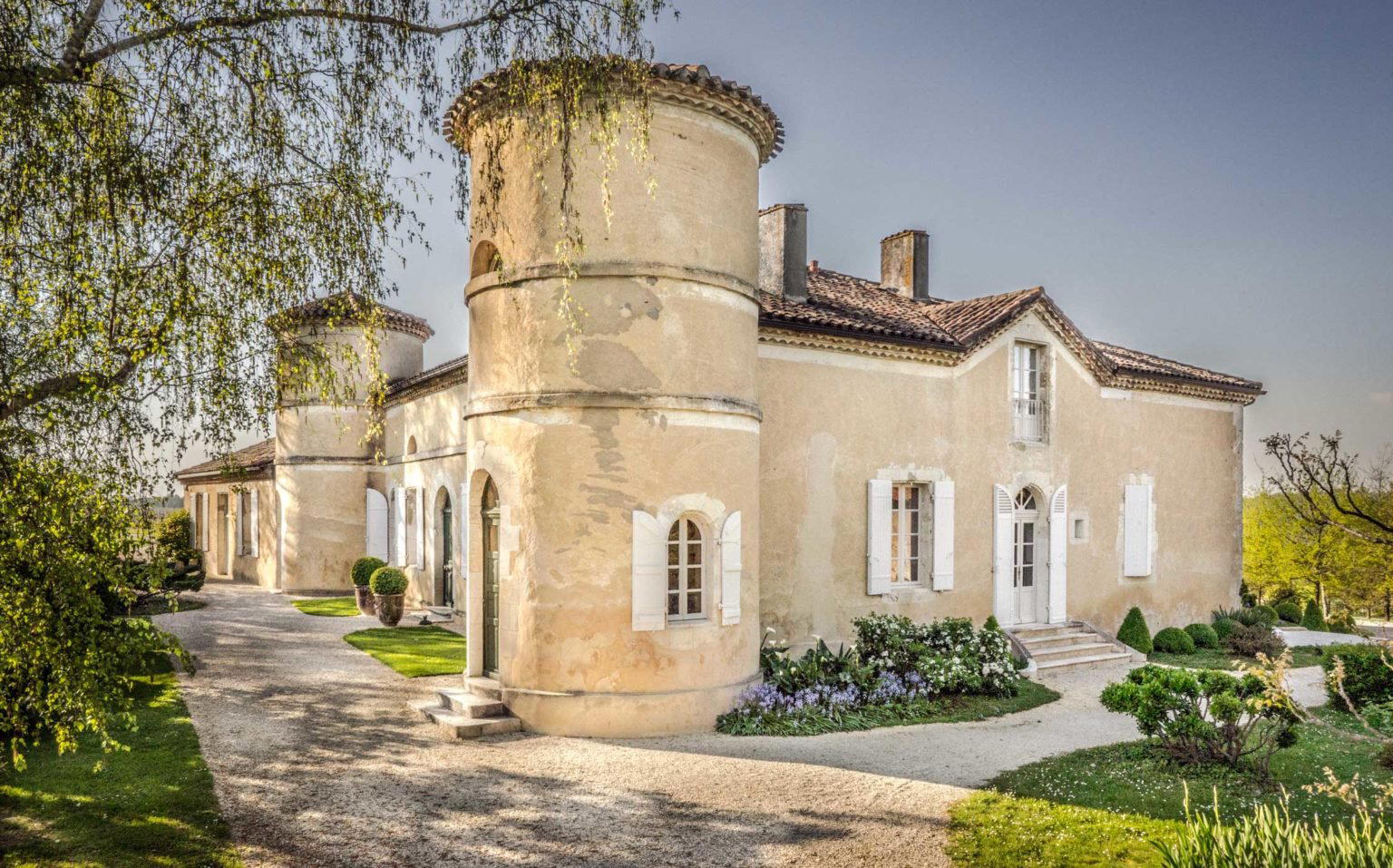
Château du Tariquet
Eauze, France
Château du Tariquet is worth planning around if you want a Gascony visit that connects white wine, Bas-Armagnac, cellar context, and local food pairings in one stop. It suits curious wine travelers better than casual tasters, especially if the visit includes the guided estate component rather than only a quick pour.
Domaine Burnier
Sugiez, Switzerland
A focused Sugiez winery pick for travelers who want Swiss wine discovery rather than a meal-led outing. The Falstaff listing gives Domaine Burnier a credible recognition signal, but the visit makes sense as part of a wider local wine itinerary, not as a standalone hospitality splurge.
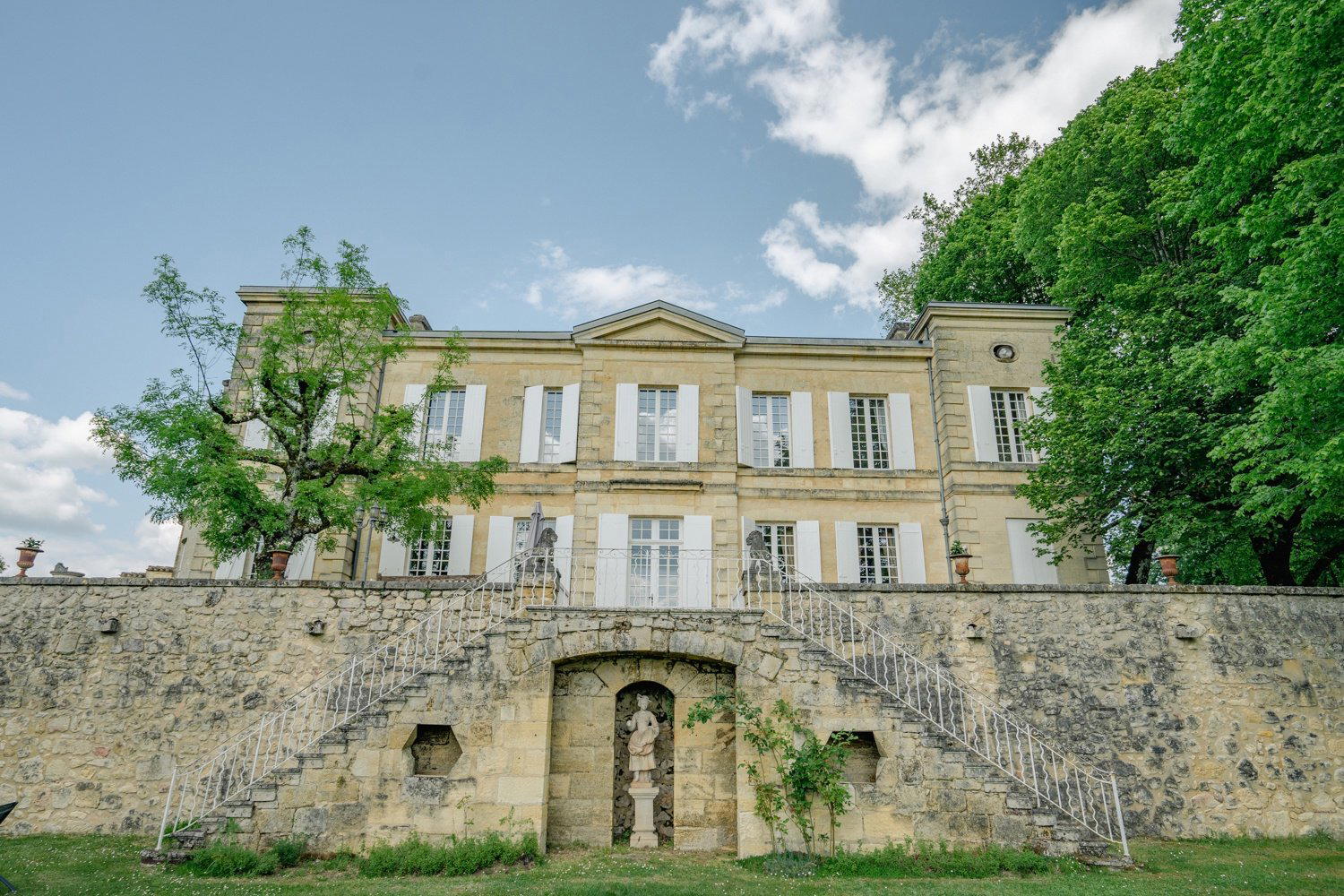
Château Lamothe de Haux
Haux, France
A good pick for a relaxed Bordeaux estate visit if balanced, everyday wines matter more than collector prestige. The dry whites deserve special attention, since they make up the majority of production, while Première Cuvée is the red benchmark to taste for the house style. The underground troglodyte cellars give the visit its strongest practical reason to go.
How many of these have you visited?
Find out on Pearl and keep score across every place in 2026 Falstaff Winery Guide.