
Frankland Estate
Frankland River, Great Southern
Winery in Great Southern, Australia
 Book with Pearl
The Read
Continental Cool Viticulture
Why go
Frankland Estate is a wine-first Great Southern choice for visitors who care more about producer access than cellar-door extras. Plan ahead, treat the trip as a Frankland River anchor rather than a casual stop, and cross-shop Plantagenet Wines if you want an easier Great Southern comparison.
About Frankland Estate
Frankland Estate is a Great Southern venue with a casual dress code and 2 Star Prestige recognition for 2025.
If Frankland Estate is part of a Great Southern itinerary, confirm the practical details directly with the venue before arranging the rest of the day.
Make the trip for confirmed recognition, not extras
The strongest reason to keep Frankland Estate on a shortlist is its 2 Star Prestige recognition in 2025. The confirmed dress code is casual, and practical details such as the restaurant format, food program, public tasting schedule, wine club, shipping, prices, or hours should be confirmed directly.
For comparison, consider Frankland Estate alongside Castle Rock Estate, Flowstone Wines, Picardy Wines, Plantagenet Wines, and Swinney. The useful question is not which venue has the longest list of extras, but which confirmed details match the kind of Great Southern stop you are planning.
Great Southern works better as a planned route than a single stop
Frankland Estate is best approached as a planned Great Southern stop with details checked in advance. Do not rely on assumptions about meals, appointments, delivery, or tasting availability unless the venue has confirmed them directly.
If your itinerary needs more certainty, build in other Great Southern options generically and confirm each venue's current arrangements before travelling. For Frankland Estate, the grounded takeaway is simple: it is a casually dressed Great Southern venue with 2 Star Prestige recognition for 2025, and the rest of the practical planning should be before you go.
Planning details
- Location
- 530 Frankland-Rocky Gully Rd, Frankland River WA 6396
- Website
- franklandestate.com.au
- Phone
- +61 8 9855 1544
The take
The Take
The Vibe
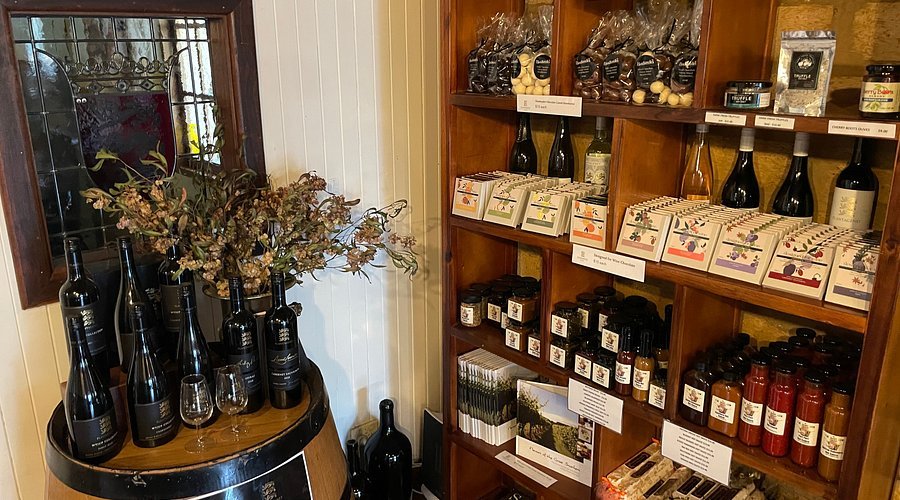
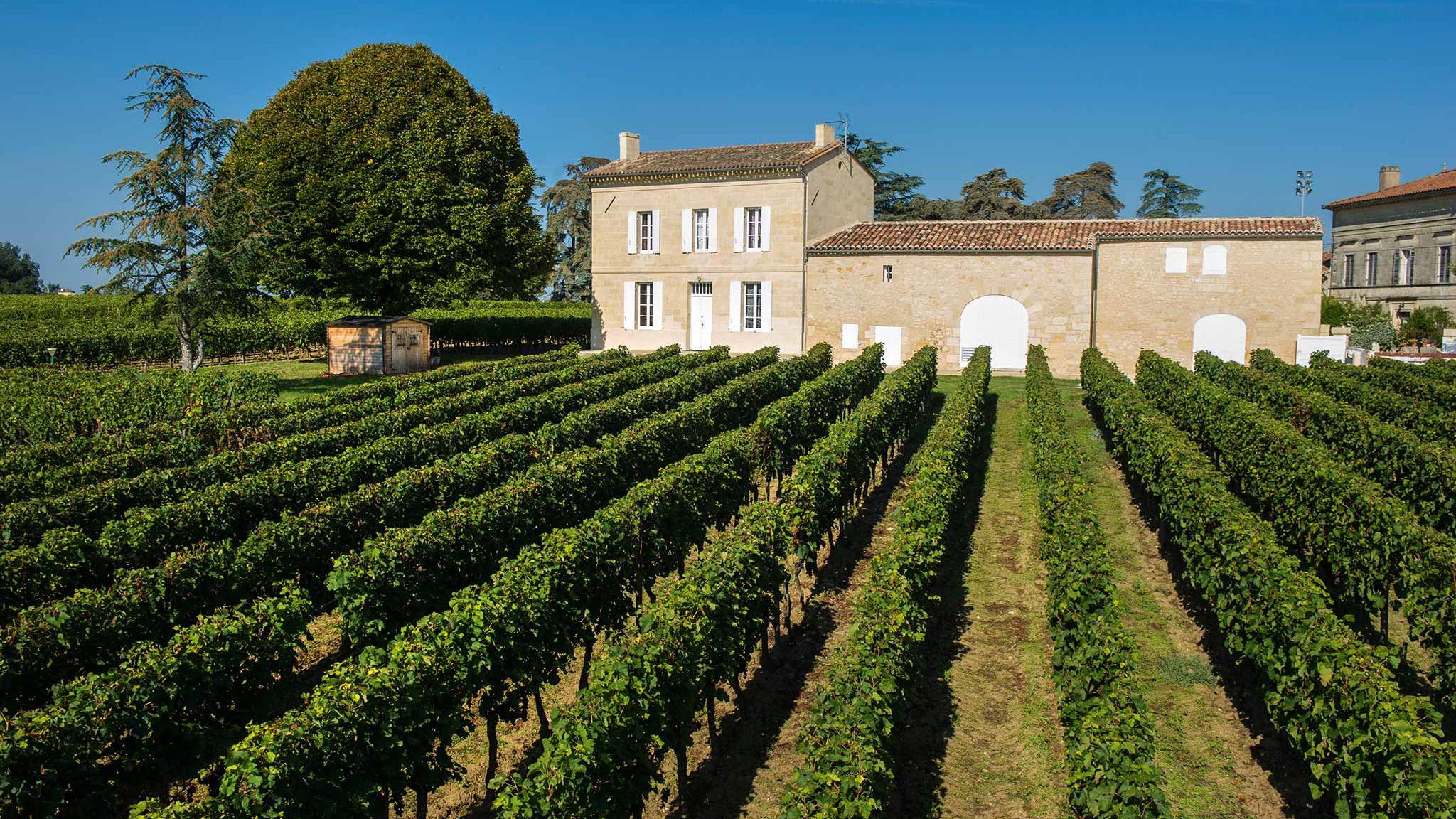
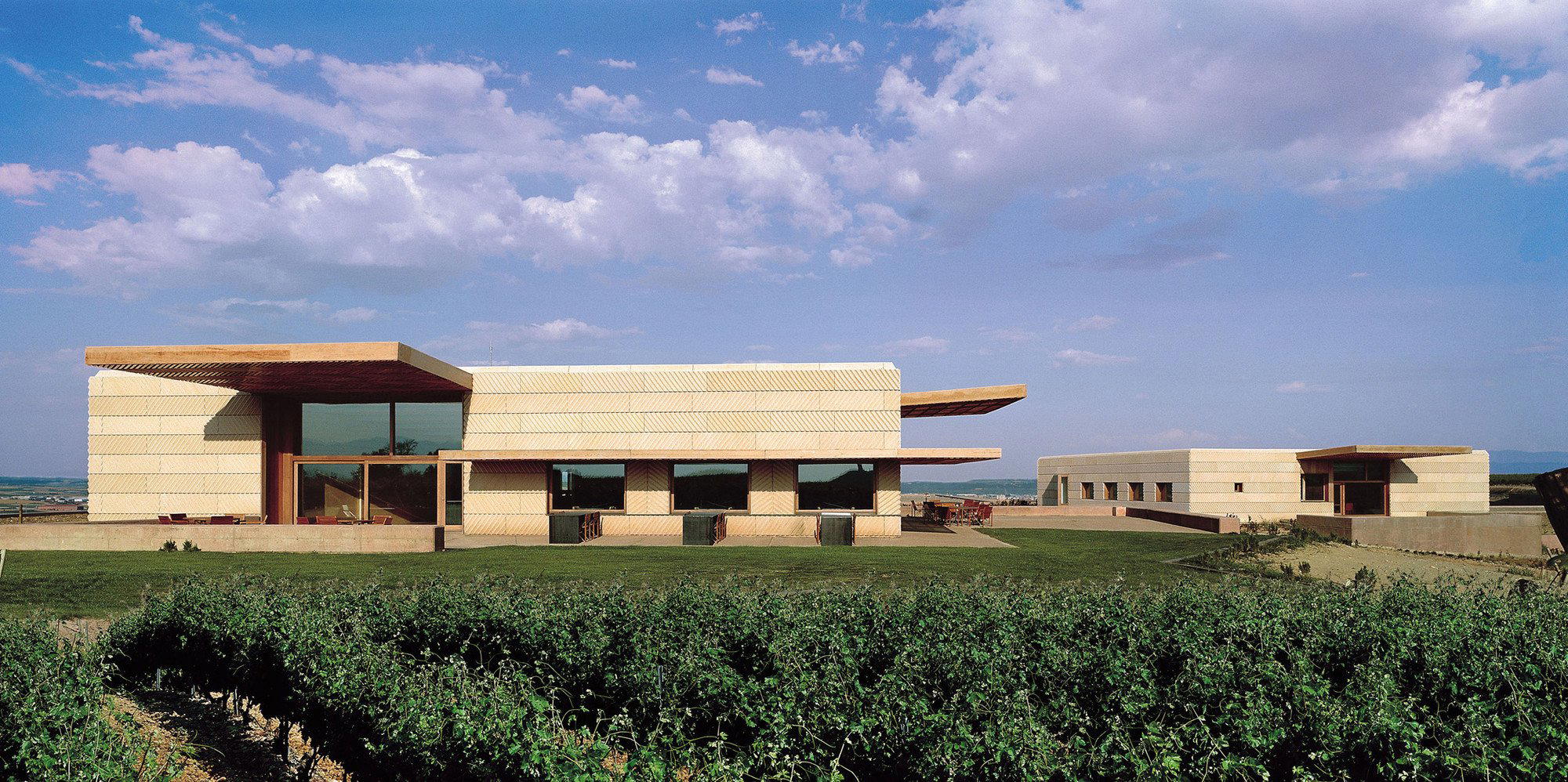
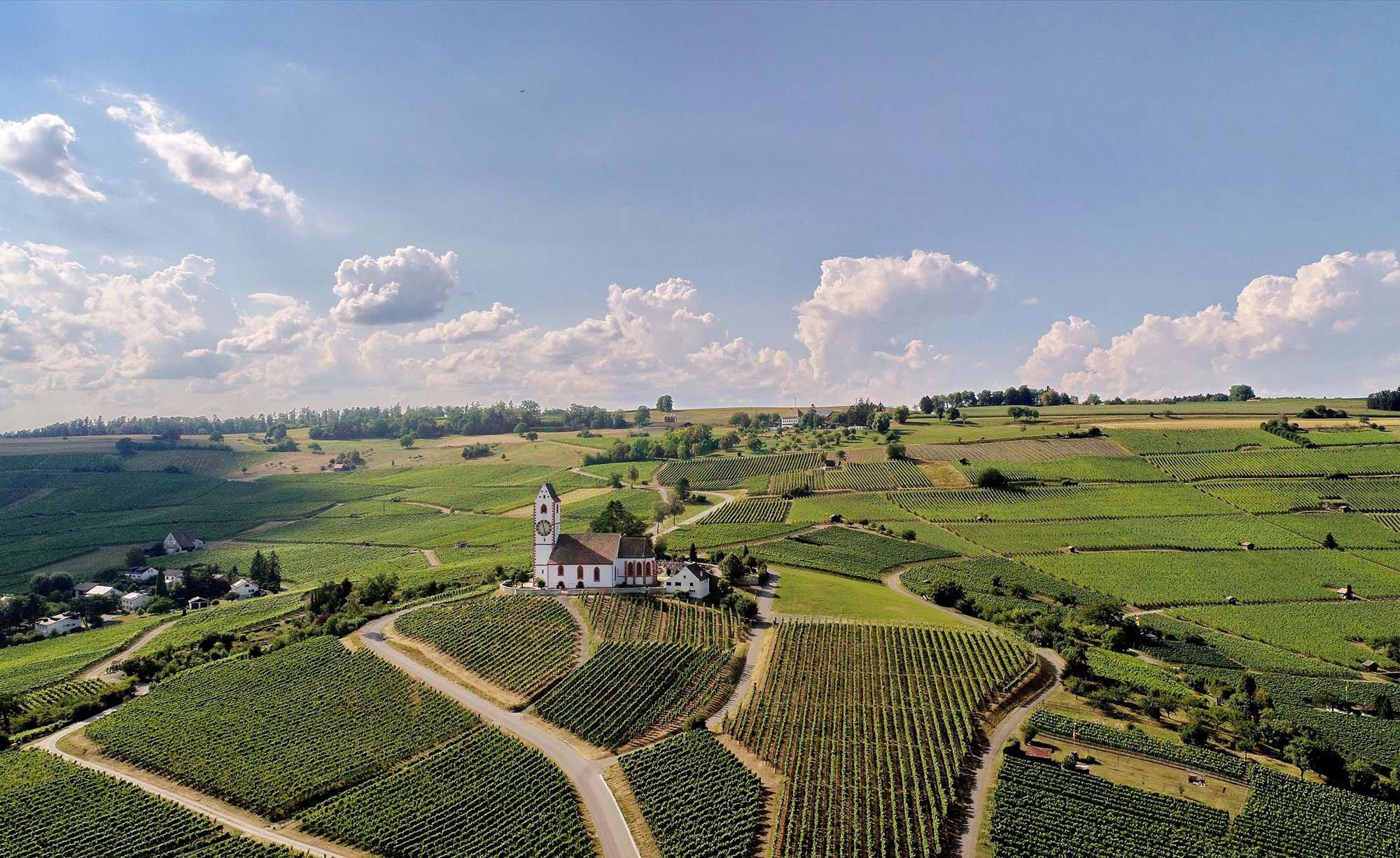
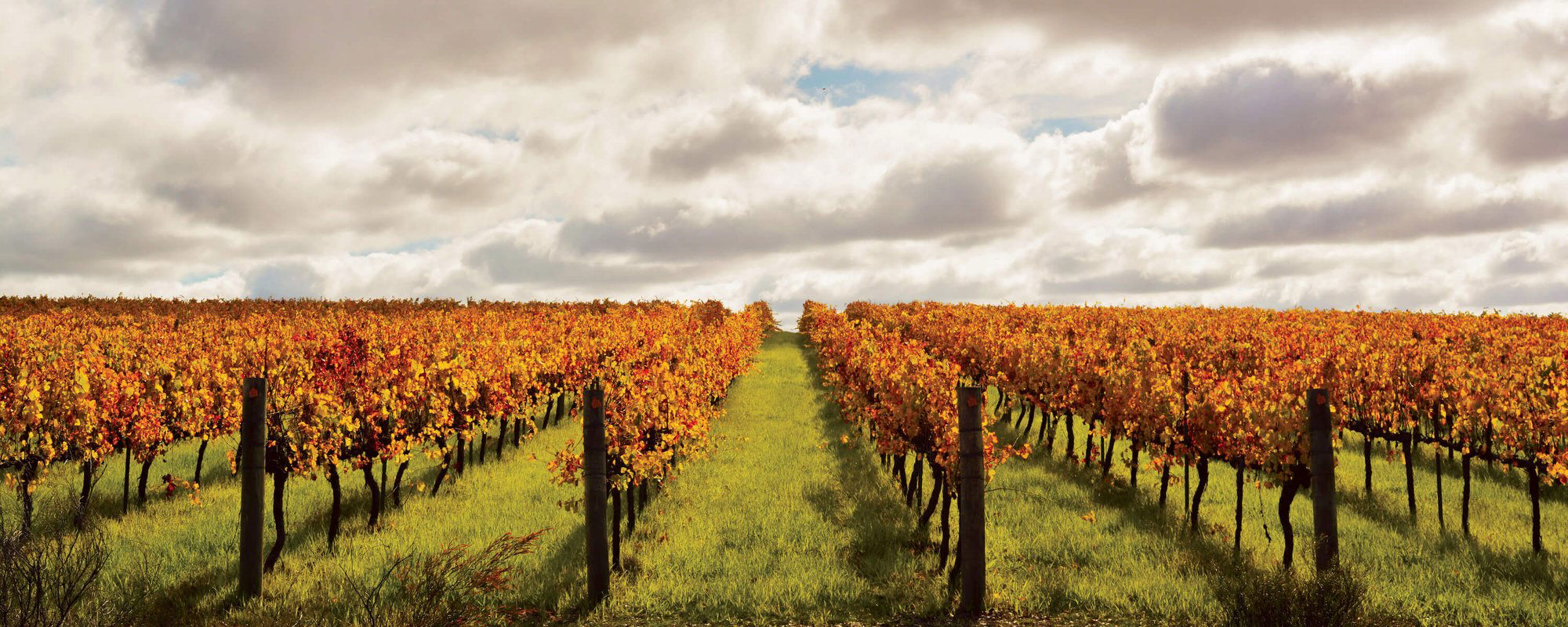
Frankland Estate reads as a contemplative, rural retreat: arrival is defined by long drives through farmland, the hush of karri and marri forest, and a low‑slung winery that looks outward to the land. The write‑up stresses space and silence rather than theatrical tasting‑room theatre; the tone is patient and restrained, with a clear focus on the landscape and the climatic conditions that shape the wines. Visitors encounter a serene, quietly confident place where cool‑climate precision matters more than showy hospitality, and where the experience feels quietly distinctive compared with busier Australian wine regions.
Best For
This estate suits people who come to learn and to reflect. It is a wine‑focused destination for serious tasters, students of terroir and solo visitors who appreciate quiet observation over bustling cellar‑door socialising. The copy emphasises climatic distinctiveness and varietal performance—Riesling, Cabernet, Shiraz and Chardonnay—making the estate a natural stop for those studying cool‑climate expressions. Its remoteness (roughly 350 kilometres from Perth) also makes it a better fit for planned day trips or multi‑winery itineraries rather than drive‑by tasting room stops.
Tasting Tips
When you taste here, lean into the place: ask to try the region’s Riesling and the cooler‑climate expressions of Cabernet, Shiraz and Chardonnay mentioned in the copy. Conversations about the diurnal temperature swing, the slow growing season and site selection will deepen appreciation of the wines, so seek staff insights into vineyard practices and vintage variation. Allow a little extra time at the tasting to sense the subtle, concentrated flavours that result from the estate’s cool nights and extended ripening.
Venue details
Ambiance
Serene and wild isolation with pristine natural landscape, clean growing environment free from noise and light pollution.
Tags
Vibe
Best For
Experience
Sourcing
View
At the Vineyard
- Appellation
- Frankland River
- Varietals
- Riesling, Shiraz, Cabernet Sauvignon, Chardonnay
- Tour Duration
- 60-90 minutes
- Visits
- By reservation
- Farming
- Organic
- Production
- Boutique
- Wine Styles
- Still White, Still Red
- Wine Club
- Not available
Know before you go
Know Before You Go
- Getting there
- 530 Frankland-Rocky Gully Rd, Frankland River WA 6396
Planning details
Location
530 Frankland-Rocky Gully Rd, Frankland River WA 6396 · Directions
Recognition and awards

Also consider
If you cannot secure Frankland Estate
Try Plantagenet Wines first if the group needs an easier Great Southern fallback. Choose Swinney instead if the priority is staying with a serious Western Australian producer-led experience and the itinerary can handle more planning.
Winery context
How it compares in Great Southern
Choose Frankland Estate when the priority is serious wine access and a quieter Frankland River plan. Swinney is the closer cross-shop for another producer-led experience, while Plantagenet Wines is the safer pick for visitors who want a more straightforward Great Southern stop with less pressure on advance planning.
Picardy Wines and Castle Rock Estate make more sense for drinkers comparing regional style across Western Australia rather than trying to maximise one Frankland River day. If the group includes people who are only mildly interested in wine, Plantagenet Wines is the easier recommendation; if the group is cellar-focused, Frankland Estate earns the attention.
Flowstone Wines is the better alternate when Margaret River context matters. Against that set, Frankland Estate is less about convenience and more about commitment: worth the planning when the wines are the reason for the trip, less useful when ambiance, food, or flexible walk-in timing matter more.
Explore Great Southern
Around this place
Discover more on Pearl
Unlock the full Frankland Estate guide in Pearl, including awards, comparisons, FAQs, planning details, and nearby places.
Compare Frankland Estate
| Venue | Location | Awards |
|---|---|---|
| Frankland Estate | Great Southern | 2026 Falstaff Winery Guide |
| Swinney | Frankland River | No published awards |
| Plantagenet Wines | Great Southern | 2026 Falstaff Winery Guide |
| Picardy Wines | Pemberton | No published awards |
| Castle Rock Estate | Porongurup | No published awards |
| Flowstone Wines | Margaret River | No published awards |
How Frankland Estate Great Southern compares with similar nearby venues.
FAQ
Frequently Asked Questions
Is the wine club at Frankland Estate worth joining?
Frankland Estate is in Great Southern, has a casual dress code, and carries 2 Star Prestige recognition for 2025. Check directly with the venue for current wine club details, allocation access, release timing, or member benefits before making any membership decision.
How long should I plan for a visit to Frankland Estate?
Does Frankland Estate serve food?
Food service should be confirmed directly with Frankland Estate before you plan around a meal.