
Il Poggione
Sant'Angelo in Colle, Montalcino
Winery in Montalcino, Italy
 Book with Pearl
The Read
Southern-Slope Brunello Production
Price
$50–100tasting
Why go
Il Poggione is the Montalcino booking to prioritise when the goal is a serious Brunello-focused visit rather than a broad hospitality day. It suits repeat visitors weighing bottles for shipment, especially if they want a southern Montalcino stop to compare against names like Biondi-Santi Tenuta Greppo, Argiano, Castello Banfi, and Poggio di Sotto.
About Il Poggione
Il Poggione is a Montalcino venue with a smart casual dress code and Pearl 2 Star Prestige recognition for 2025.
For planning, keep the location reference to Montalcino rather than relying on a more specific address or landmark. If you are building a broader Montalcino itinerary, use Our full Montalcino restaurants guide and compare Il Poggione with clearly relevant options such as Biondi-Santi Tenuta Greppo, Argiano, Castello Banfi, L'Enoteca Banfi, and Poggio di Sotto.
Consider this for a confirmed Montalcino profile
The strongest reasons to consider Il Poggione are simple: it is in Montalcino, it carries Pearl 2 Star Prestige recognition for 2025, and the dress code is smart casual. Any more specific expectation should be checked directly before making plans.
That approach is especially important if your day depends on a particular format, time window, purchase opportunity, food service, or group arrangement. Il Poggione is best approached as a Montalcino listing to confirm directly rather than a fully documented experience.
How to think about the visit
Use Il Poggione as one Montalcino option within a carefully confirmed itinerary. Biondi-Santi Tenuta Greppo, Argiano, Castello Banfi, L'Enoteca Banfi, and Poggio di Sotto are natural comparison points, but the best choice depends on the details each venue confirms for your date.
Because the details are limited, avoid assuming a particular service style or offering. Confirm the essentials directly, dress smart casual, and leave room in the schedule in case the visit is shorter or more focused than expected.
Planning details
- Location
- Montalcino, Province of Siena, 53024 Sant'Angelo In Colle SI
- Website
- tenutailpoggione.it
- Phone
- +39 0577 844029
The take
The Take
The Vibe
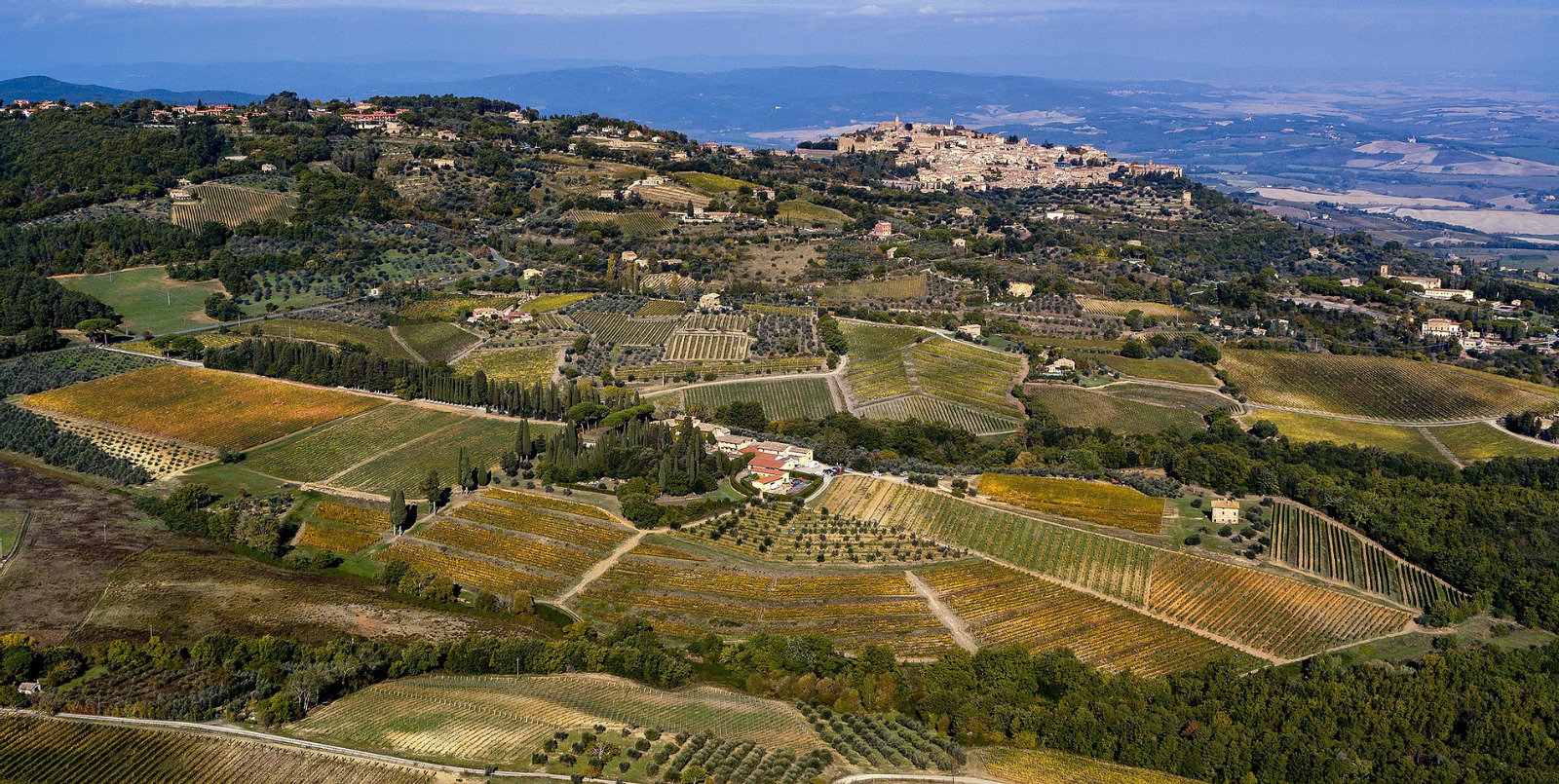
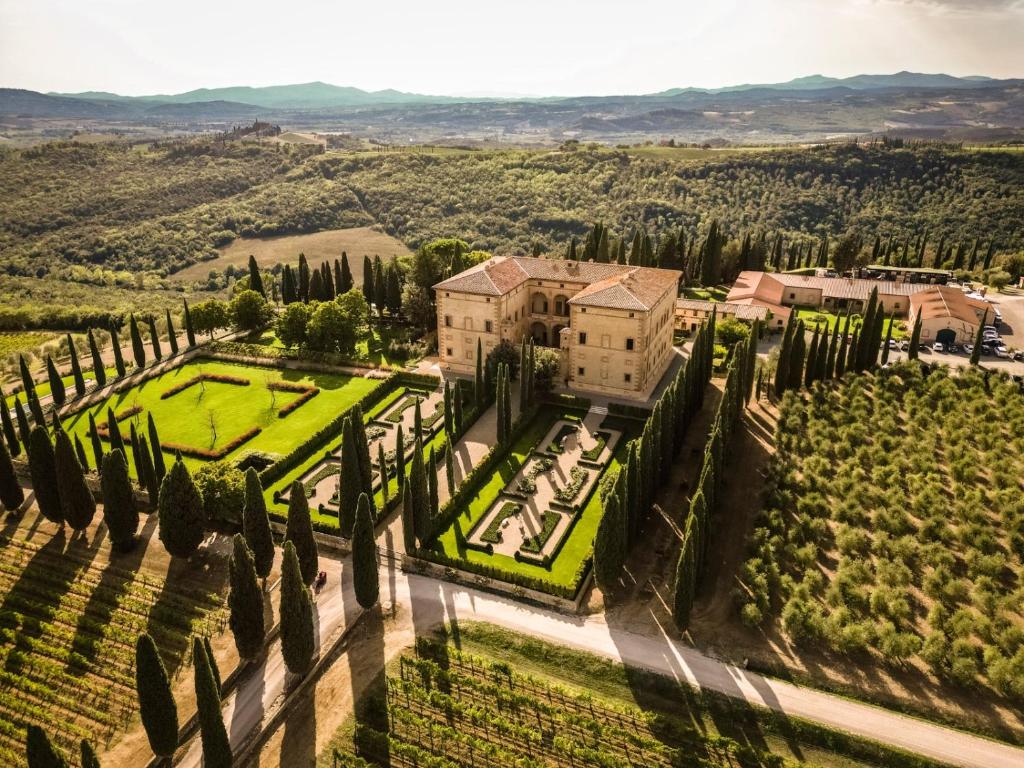
Il Poggione presents as a multi‑generational Montalcino estate rooted on the southern ridge of the appellation. The copy emphasizes its long institutional memory and steady, measured quality — qualities that read as both historic and sophisticated. The writing locates the property within a distinct terroir of clay and limestone over galestro schist and highlights the immediate structure of Sangiovese Grosso from these warmer ridge conditions. Overall the tone is serious and respected rather than trendy; it feels like a canonical address for collectors and enthusiasts who value terroir-driven Brunello and the continuity of an estate that has shaped its place in the region over decades.
Best For
Il Poggione is best for visitors focused on wine study and comparative tasting. The description repeatedly frames the estate as important for anyone "tracking Brunello di Montalcino seriously," so it appeals to students of vintage variation, collectors assessing southern‑slope expressions, and solo or small‑group travelers intent on understanding terroir differences. The Pearl 2 Star Prestige recognition reinforces its suitability for deliberate tastings rather than casual visits. This is a place to engage with vineyard management, regional nuance, and the structured character of southern Montalcino Sangiovese.
Tasting Tips
When planning a visit, orient your tasting around terroir and vintage: ask about the estate's southern‑slope parcels, soil types, and how warmer ridge conditions influence phenolic ripeness. Given the writeup's focus on vineyard management and comparative expression, request to taste Brunellos from several vintages or any estate bottlings that illustrate differences between southern and northern zone characteristics. Prioritize wines that demonstrate the "immediate structure" noted in the description to understand how Il Poggione’s site manifests in bottle; avoid expecting generic, entry‑level commentary and instead focus on provenance and vinification details.
Venue details
Ambiance
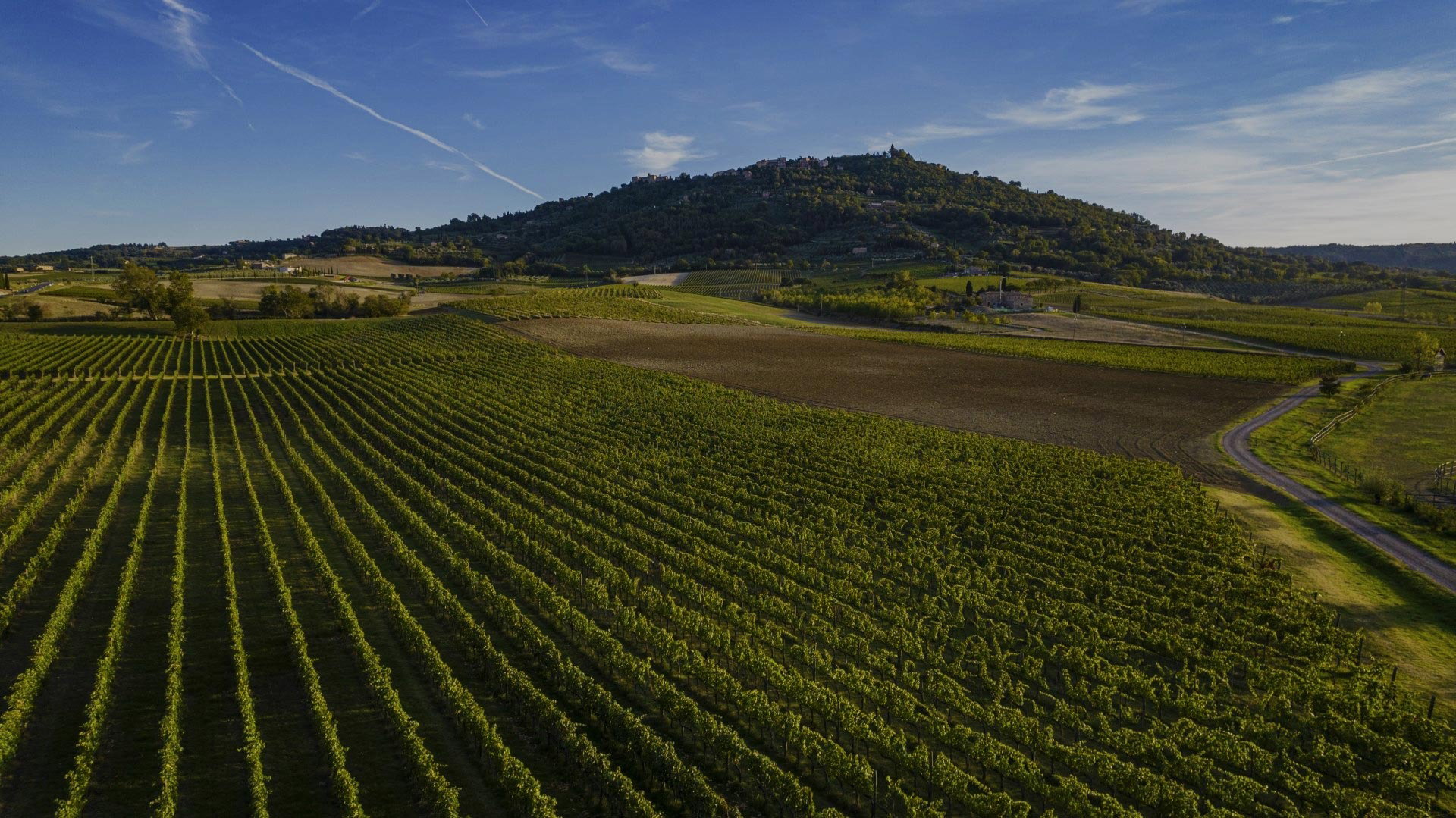
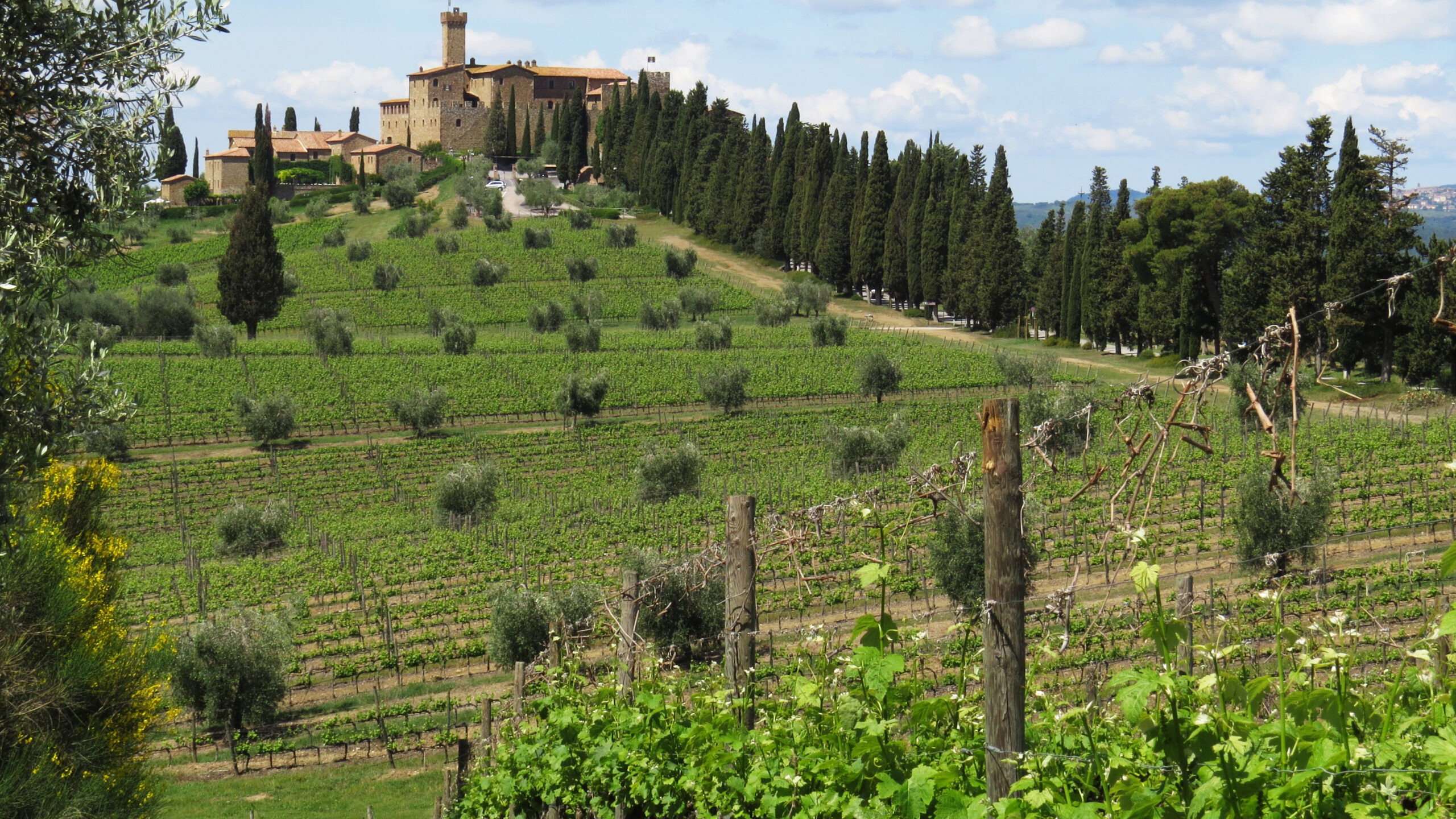
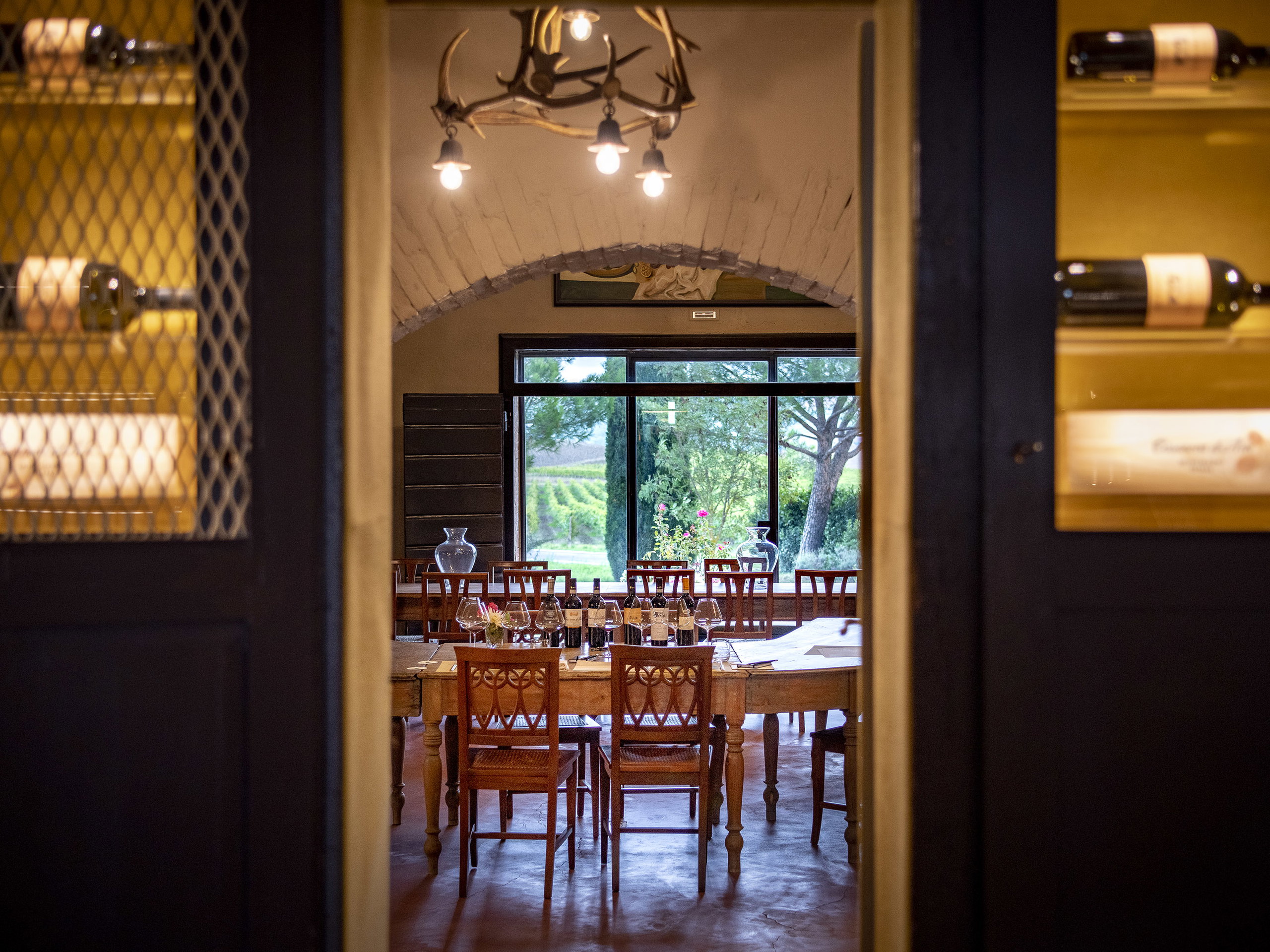
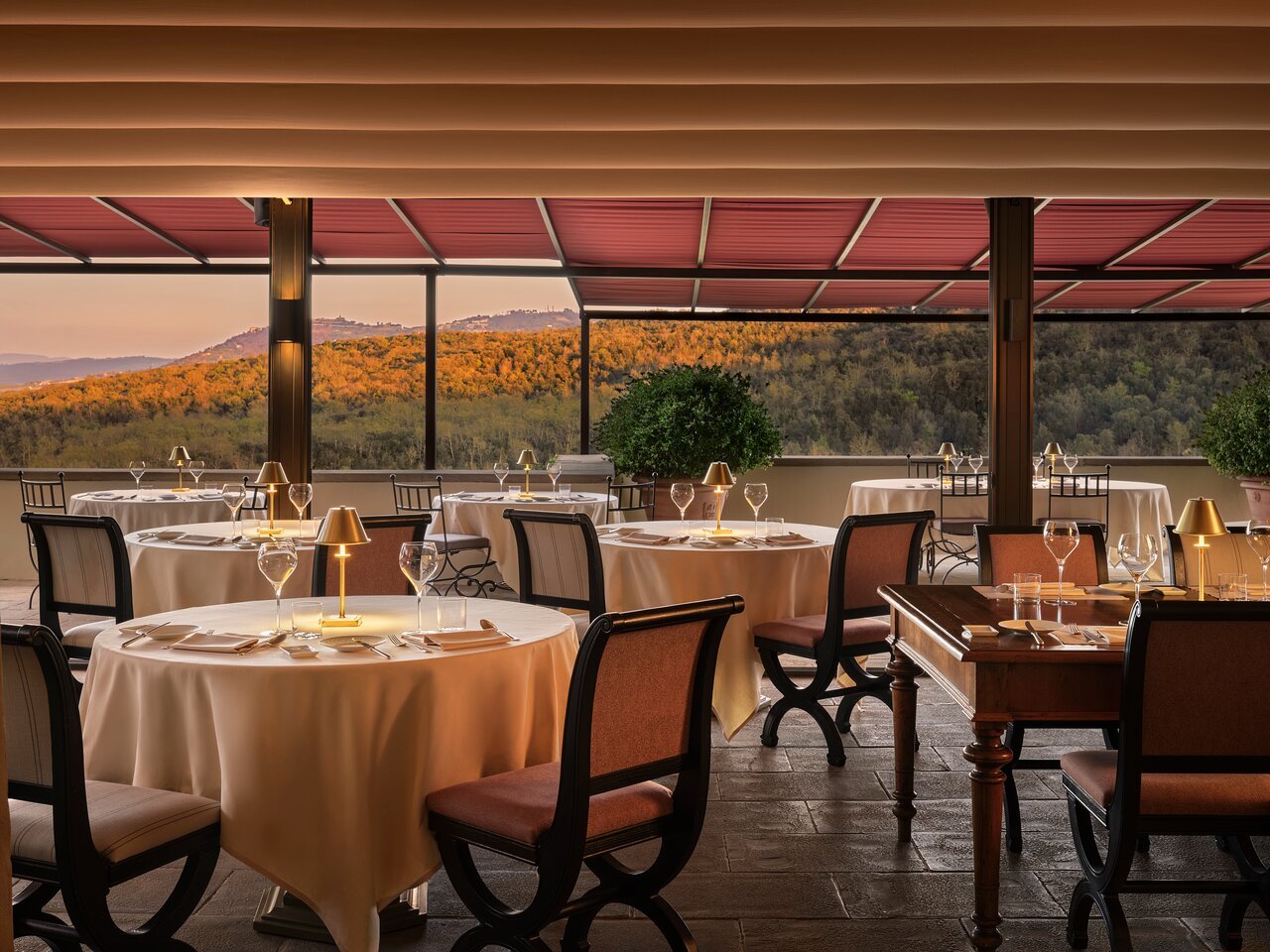
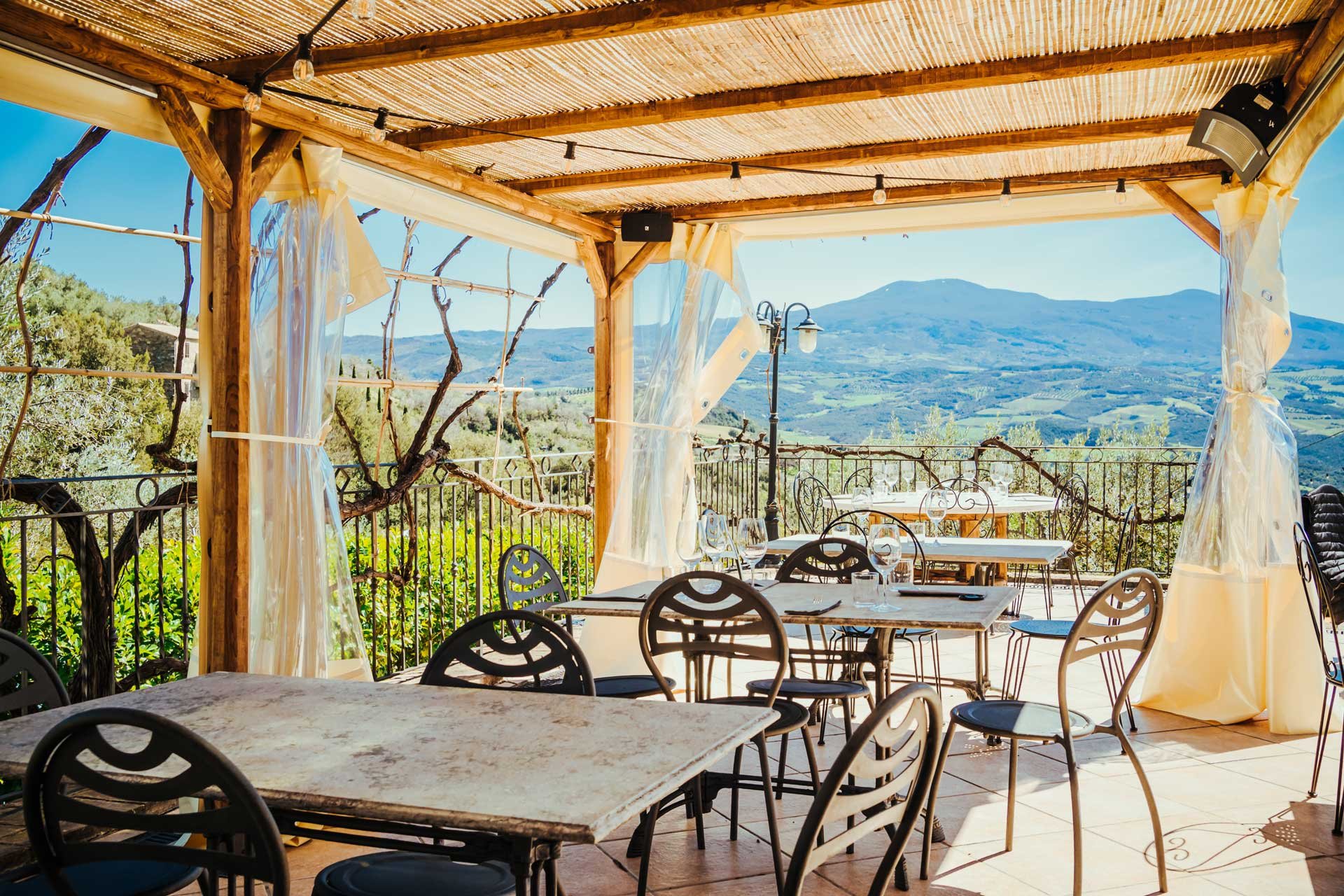
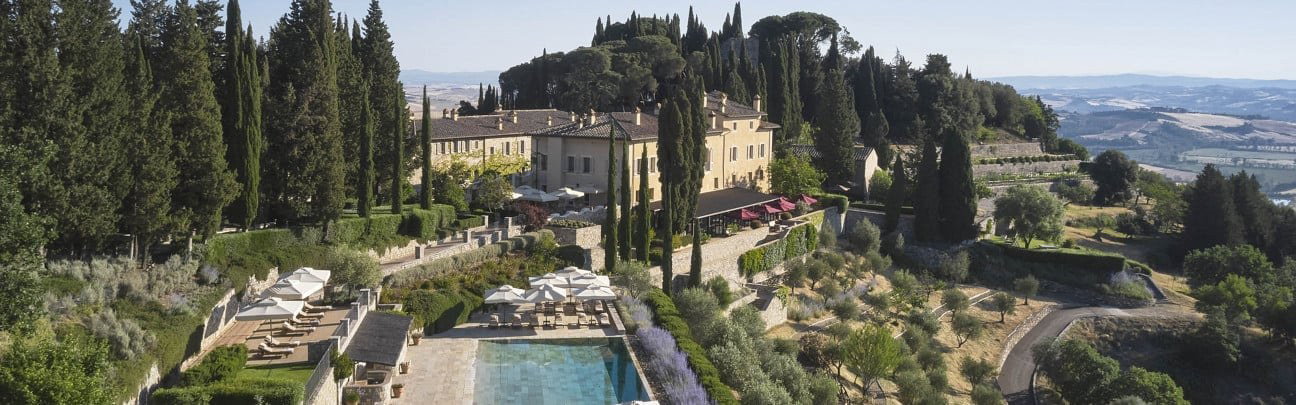
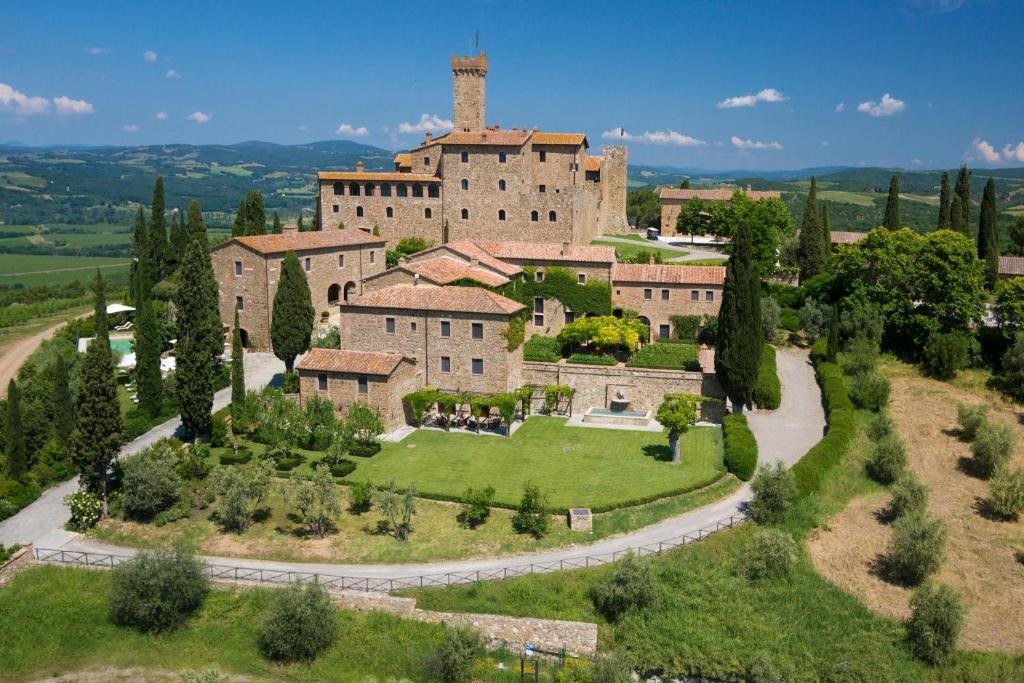
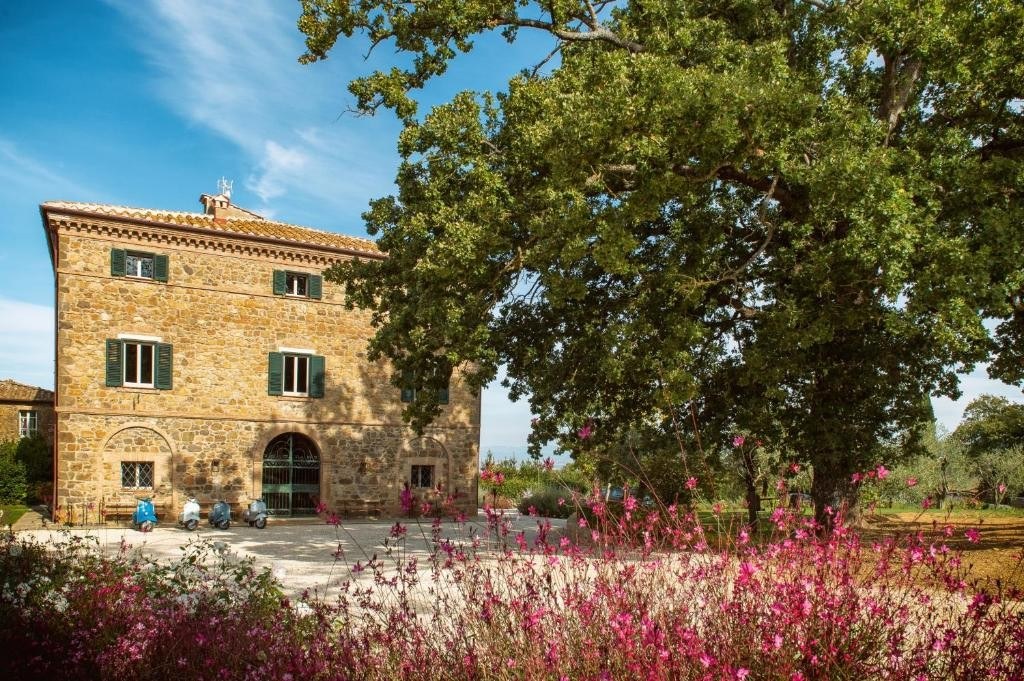
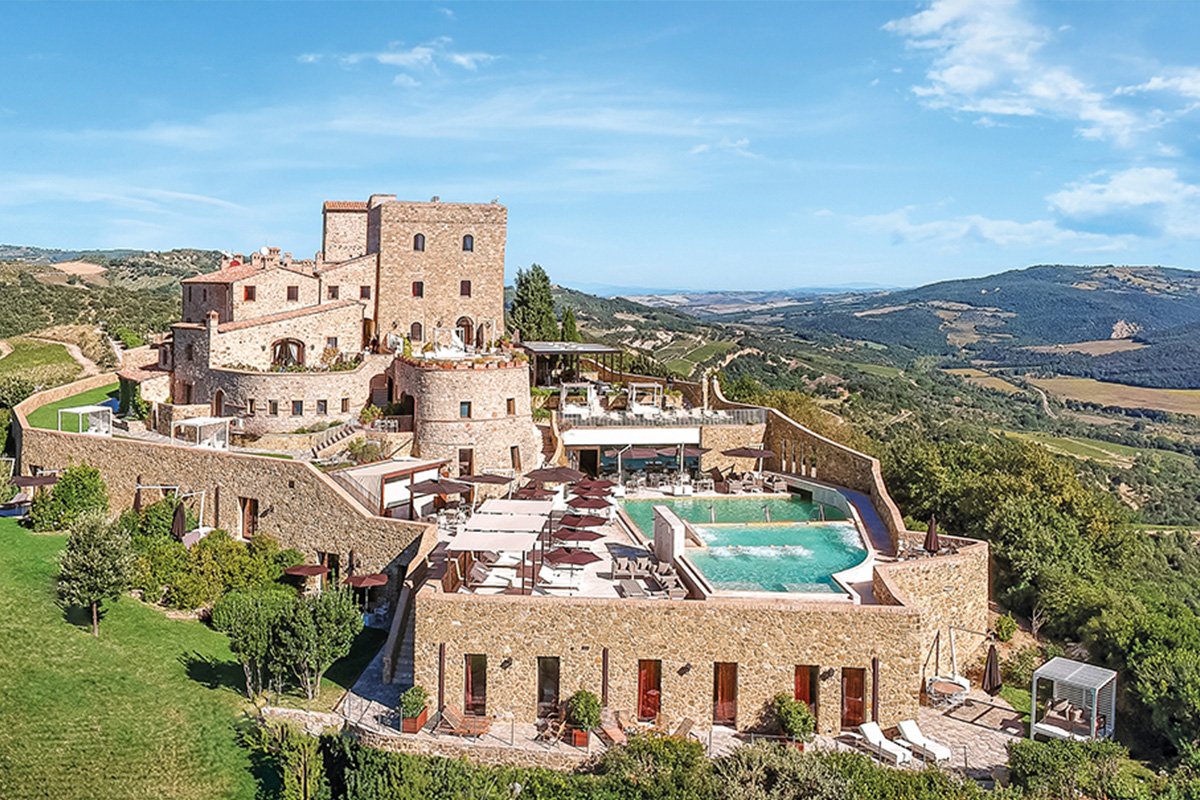
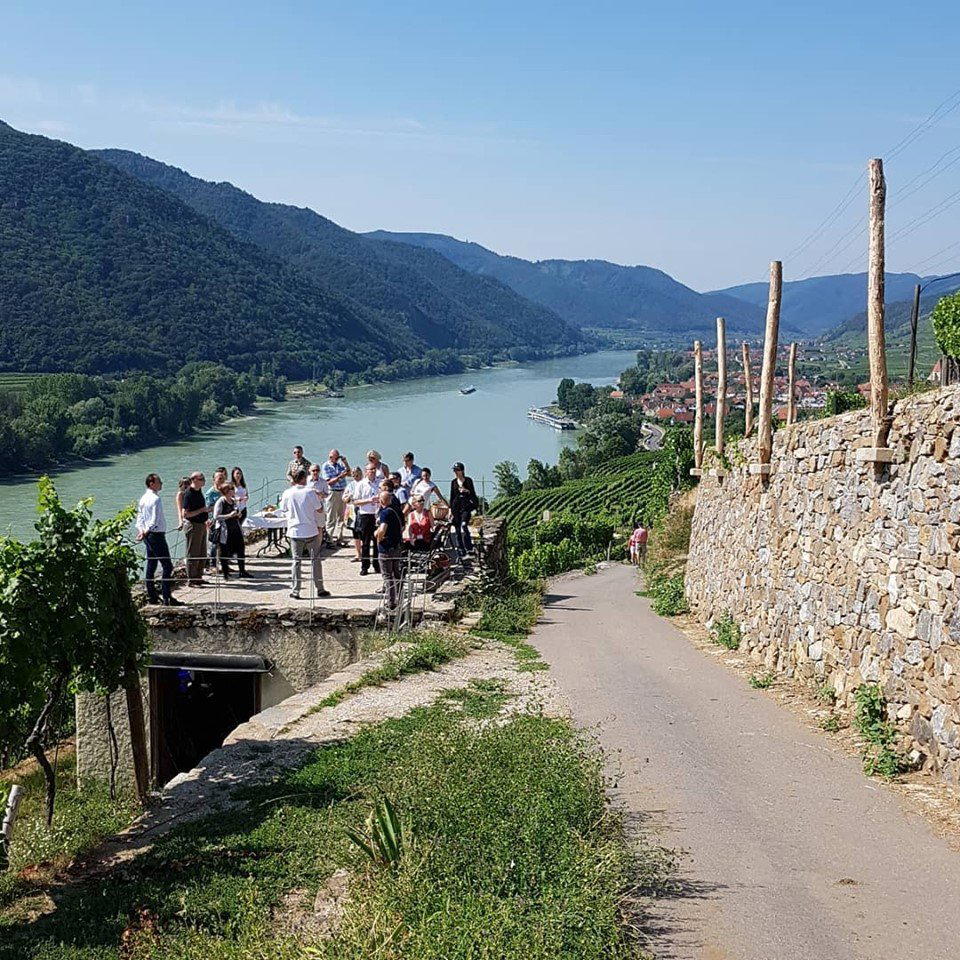
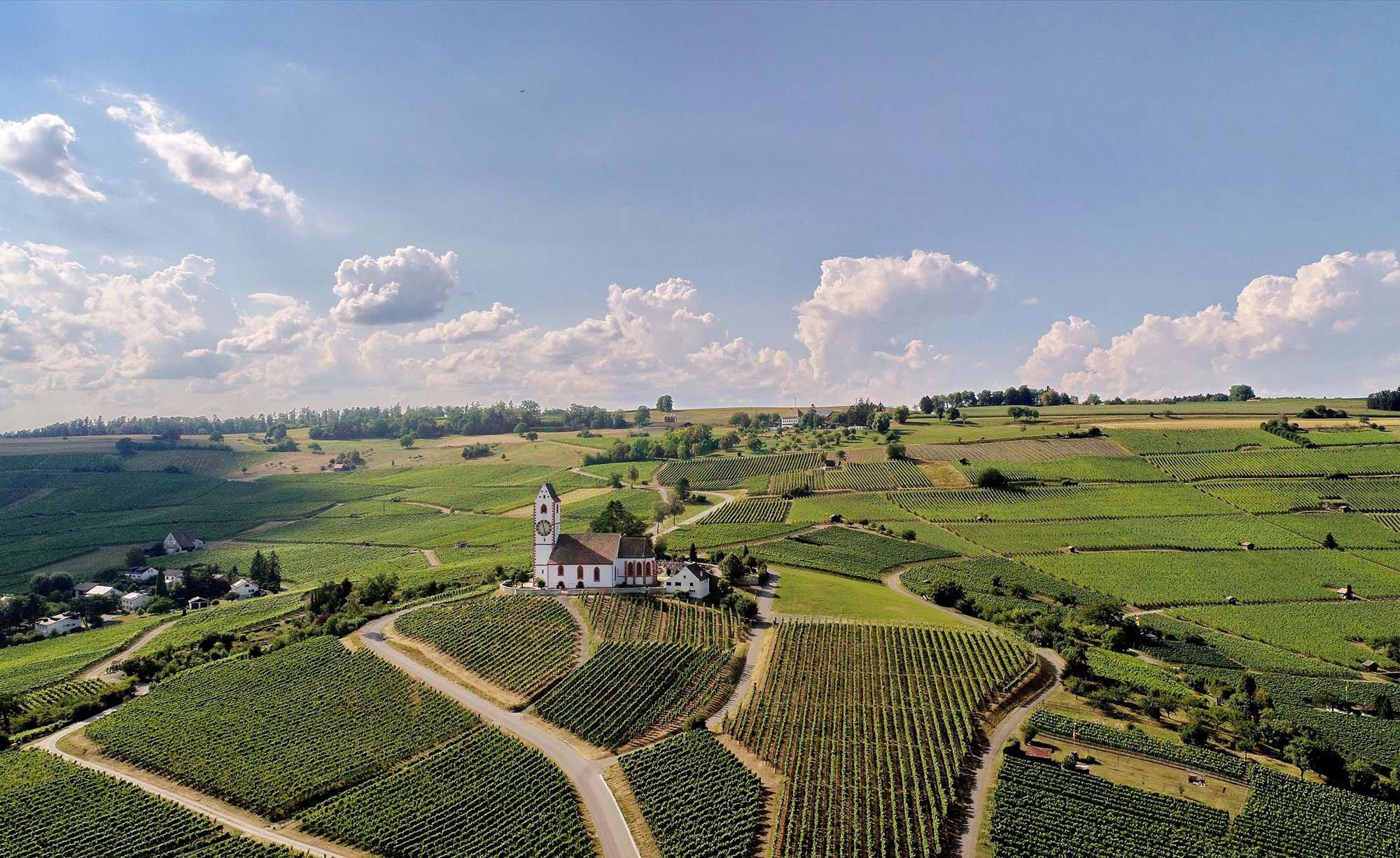
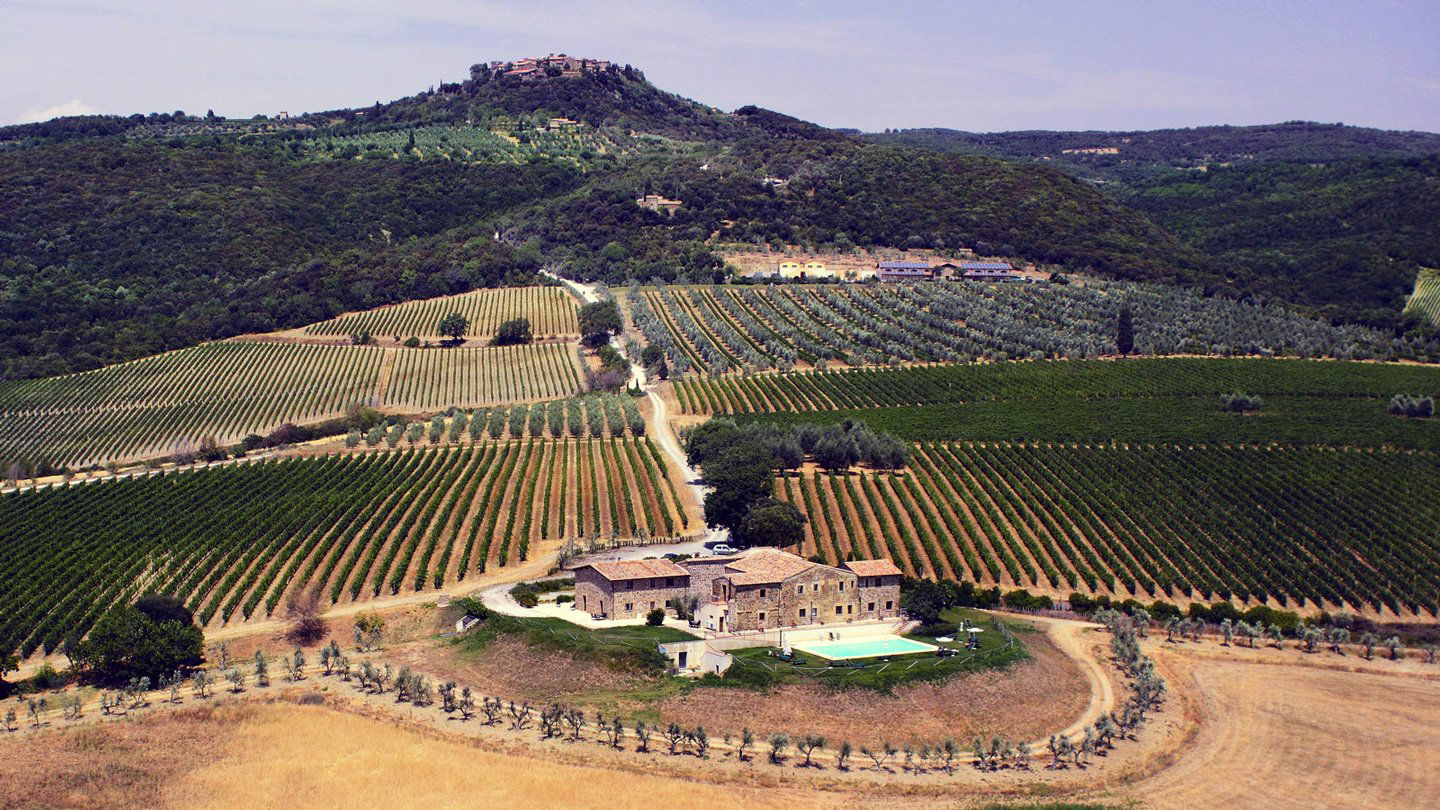
Peaceful Tuscan countryside atmosphere amid vineyards with breathtaking views, offering a relaxing and magical setting.
Tags
Vibe
Best For
Experience
View
At the Vineyard
- Appellation
- Brunello di Montalcino DOCG
- Varietals
- Sangiovese
- Tour Duration
- 60-90 minutes
- Tour Languages
- Italian, English
- Visits
- By appointment only
- Production
- Large producer
- Wine Styles
- Still Red
- Wine Club
- Not available
Know before you go
Know Before You Go
- Getting there
- Montalcino, Province of Siena, 53024 Sant'Angelo In Colle SI
Planning details
Location
Montalcino, Province of Siena, 53024 Sant'Angelo In Colle SI · Directions
Recognition and awards

Also consider
Also Consider
- Argiano, Notable alternative
- L'Enoteca Banfi, Notable alternative
- Castello Banfi, Notable alternative
- Poggio di Sotto, Notable alternative
- Biondi-Santi Tenuta Greppo, Notable alternative
Winery context
How it compares in Montalcino
Choose Il Poggione if the priority is a focused Brunello visit and bottle assessment. Biondi-Santi Tenuta Greppo is the stronger heritage benchmark, but it is also the tougher emotional and logistical target for many collectors. Argiano is the better cross-shop for a polished estate visit with broader appeal.
For visitors who want the easiest all-day plan, Castello Banfi and L'Enoteca Banfi are safer choices because they fit a more hospitality-led Montalcino itinerary. Il Poggione makes more sense when the day is built around wine decisions rather than scenery, lunch, and browsing.
Poggio di Sotto is the sharper comparison for collectors who want a quieter, quality-led visit. If only one serious producer can fit into the day, pick based on your buying goal: Il Poggione for a Brunello-first cellar decision, Poggio di Sotto for a more selective counterpoint, Banfi for the easier visitor experience.
Around this place
Discover more on Pearl
Unlock the full Il Poggione guide in Pearl, including awards, comparisons, FAQs, planning details, and nearby places.
Compare Il Poggione
| Venue | Location | Awards |
|---|---|---|
| Il Poggione | Montalcino | 2026 Falstaff Winery Guide |
| Argiano | Montalcino | 2026 Falstaff Winery Guide2025 Pearl 4 Star Prestige |
| L'Enoteca Banfi | Montalcino | 2025 Pearl 3 Star Prestige |
| Castello Banfi | Montalcino | 2025 World's 50 Best Vineyards · #612025 Relais Chateaux Award2024 World's 50 Best Vineyards · #22 |
| Poggio di Sotto | Montalcino | 2025 Pearl 4 Star Prestige |
| Biondi-Santi Tenuta Greppo | Montalcino | 2026 Falstaff Winery Guide2025 Pearl 5 Star Prestige |



How Il Poggione Montalcino compares with similar nearby venues.
FAQ
Frequently Asked Questions
Is Il Poggione recognized by Pearl?
Yes. Il Poggione in Montalcino has Pearl 2 Star Prestige recognition for 2025.
What should I wear to Il Poggione?
The confirmed dress code is smart casual.