

2026 Falstaff Winery Guide: The Ultimate Wine Authority — Page 67
Falstaff's 2026 Wineries guide.

Venues on this list
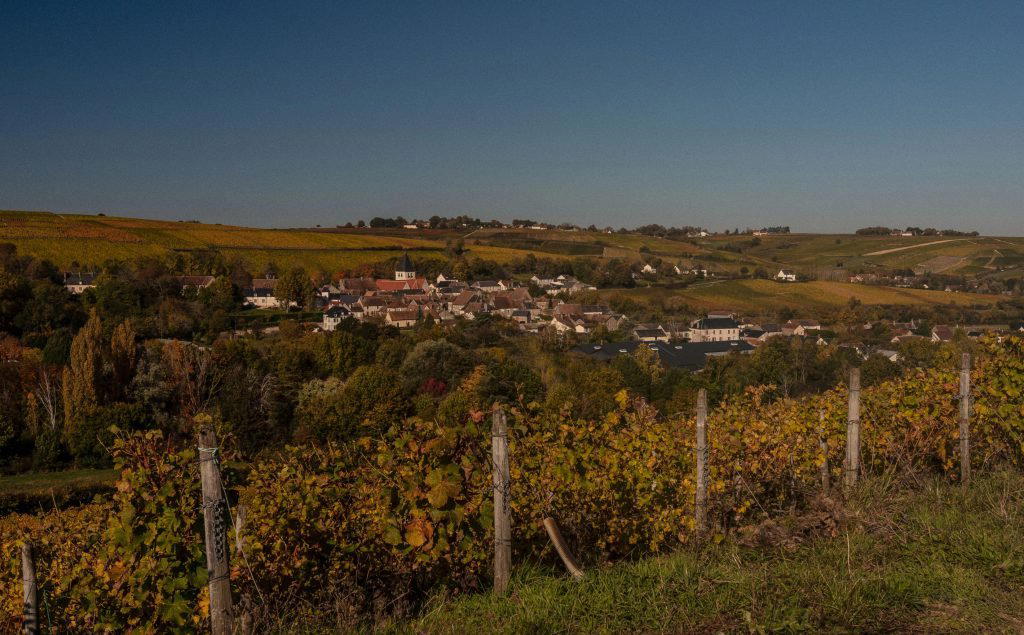
Domaine Vincent Gaudry
Sury En Vaux, France
Domaine Vincent Gaudry is worth targeting for a serious Sancerre wine stop, especially if external recognition matters: it carries Falstaff 5 Stars for 2026. Access should be treated as difficult, so it suits flexible couples or small groups more than large parties or tight itineraries.
Edlinger & Unger
Furth Palt, Austria
Book Edlinger & Unger if the goal is a quiet, serious Kremstal tasting focused on Riesling, Grüner Veltliner, organic farming, and family-run vineyard work. It is better for small, wine-minded visits than for large groups or high-design hospitality, with the strongest value in understanding Furth-Palt’s loess soils and Danube-influenced whites.
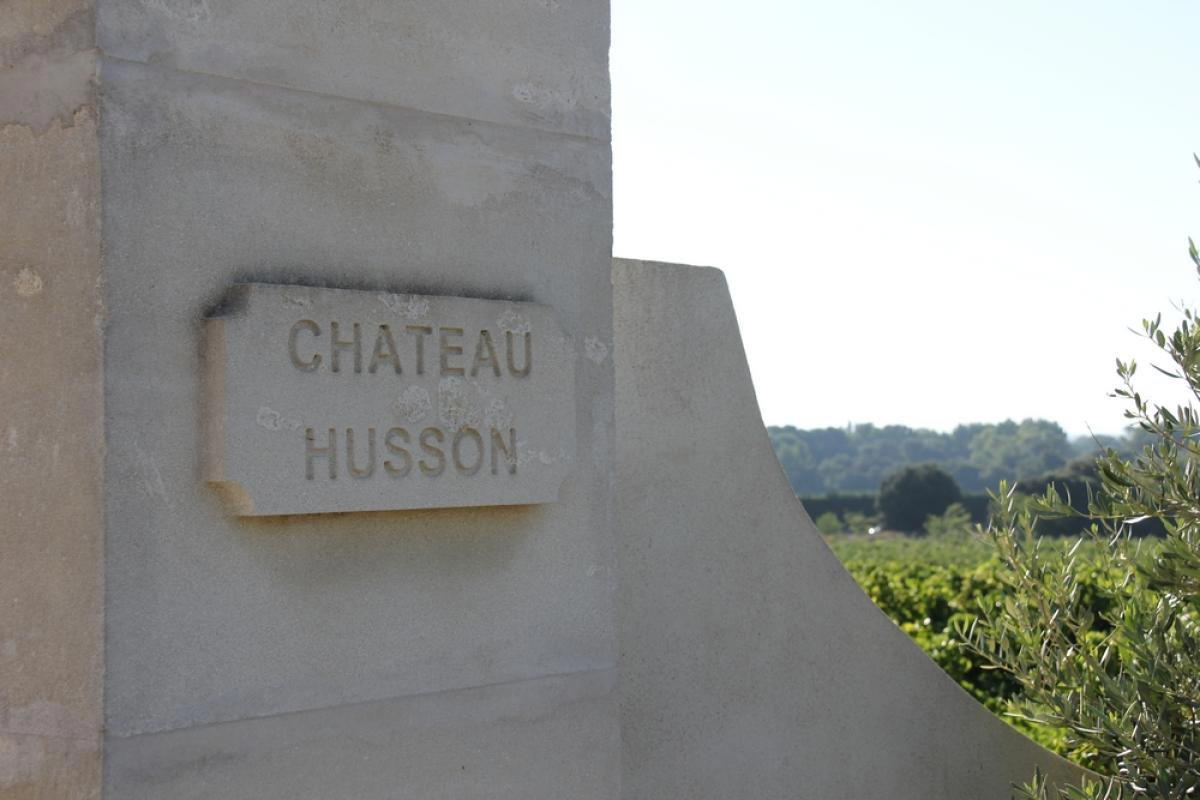
Chateau Le Grand Retour
Travaillan, France
A worthwhile Travaillan stop for Rhône drinkers who want appellation range over polished estate theatrics. Chateau Le Grand Retour is strongest for classic Grenache-led southern Rhône context, family-run continuity since 1981, and a tasting format that should suit curious travelers building a serious wine route.
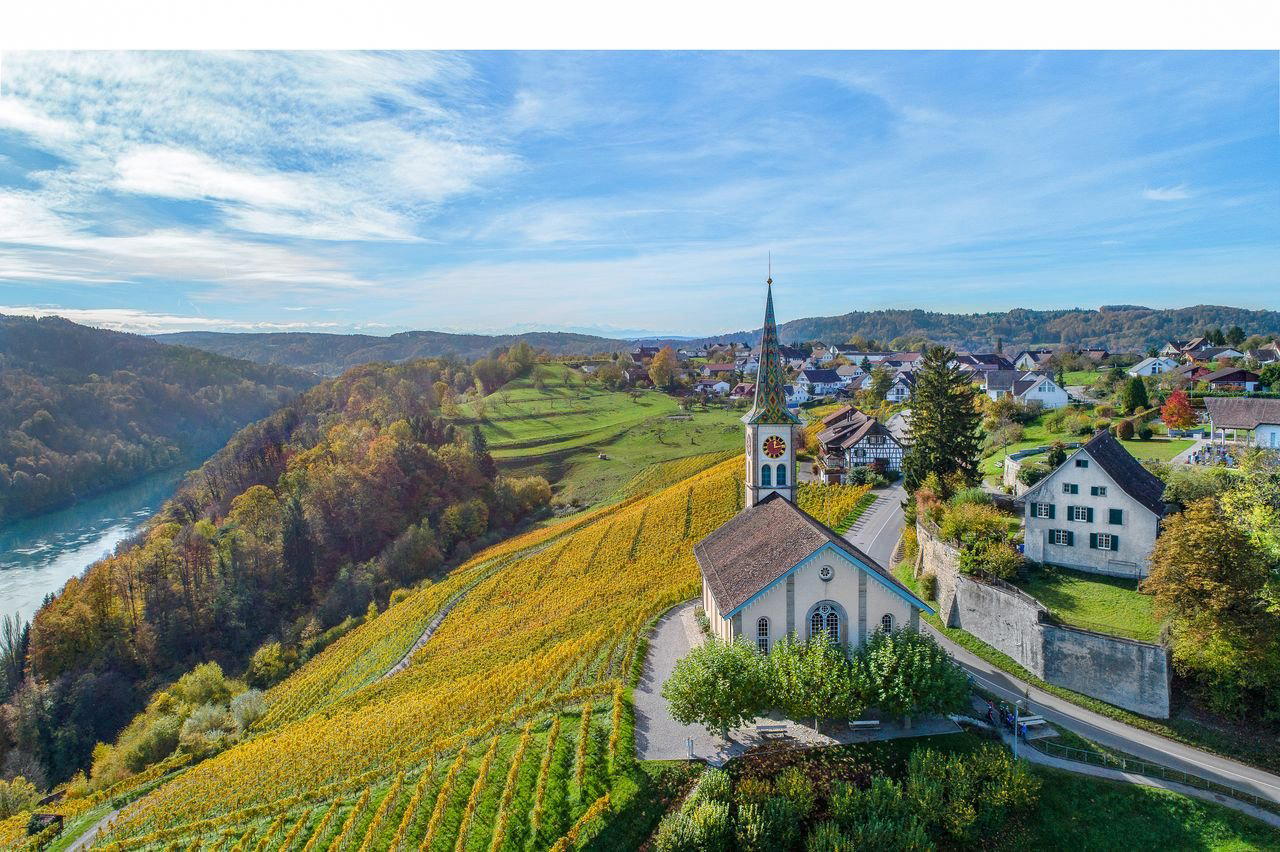
Biovin Martin
Ligerz Am Bielersee, Switzerland
Book Biovin Martin as a concise Ligerz am Bielersee wine stop, not a meal-led destination. The 2026 Falstaff listing is the useful trust signal; the safer plan is to pair the visit with separate dining and use it as one part of a broader Lake Biel winery day.
Hasher Familiy Wines
Hermanus, South Africa
Hasher Familiy Wines is the right call for a relaxed Upper Hemel-en-Aarde tasting rather than a formal cellar-door sprint. The appeal is the cool-climate focus, family-owned estate setting, and comfortable indoor-outdoor hospitality, with Falstaff Listed recognition in 2026 adding a useful trust signal for travellers deciding where to spend tasting time in Hermanus.
Château Pictet-Lullin - Séléné
Dully, Switzerland
Worth considering for Swiss wine travellers who want organic Grand Cru Dully bottles in a quiet château setting above Lake Geneva. The draw is the Séléné portfolio, especially Chasselas, Pinot Noir, and Divico, not a flashy tasting format. Go if regional identity and certified organic farming matter more than elaborate hospitality extras.
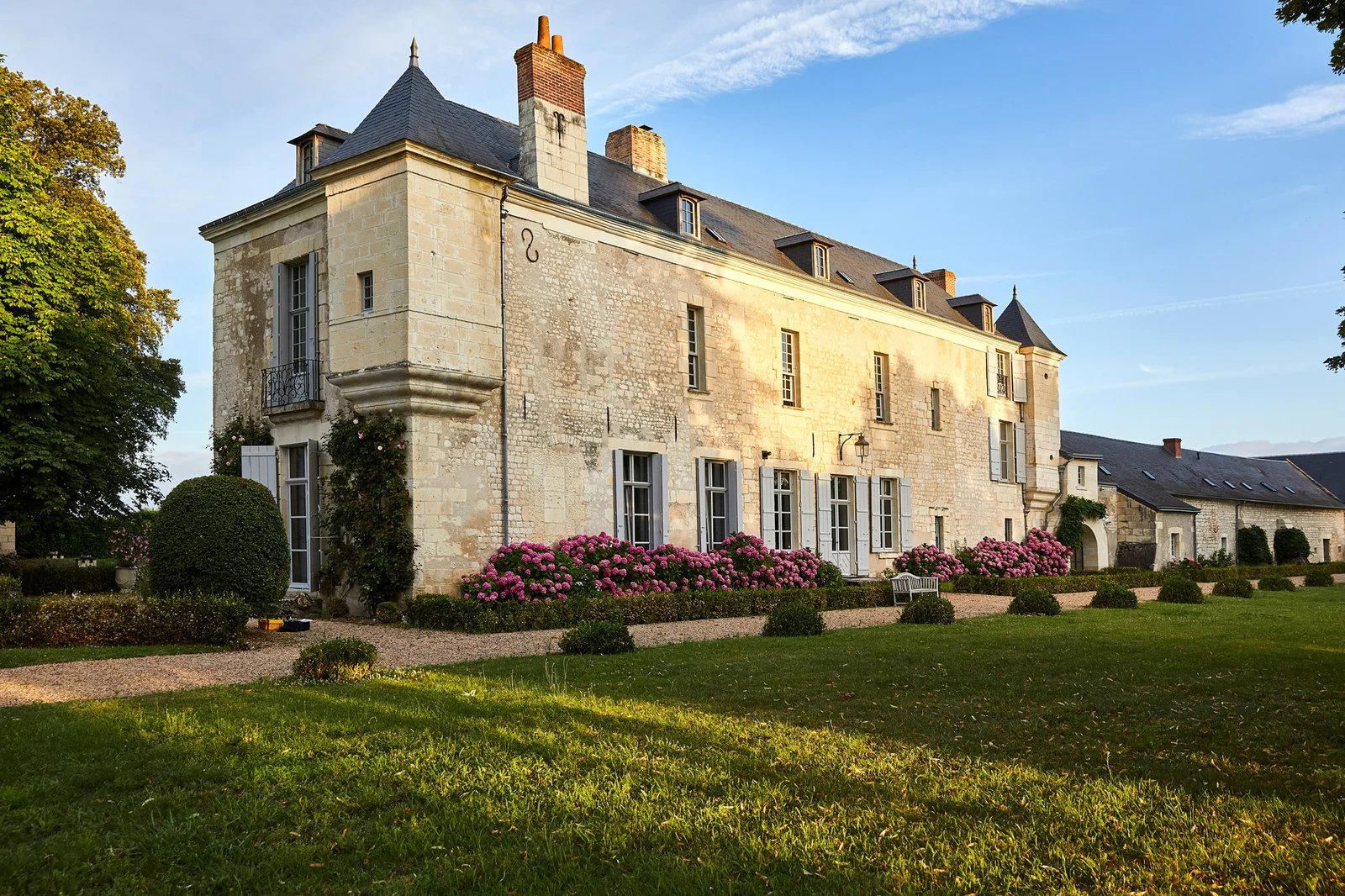
Château de Minière
Coteaux Sur Loire, France
Worth booking if you want a relaxed Bourgueil tasting with real occasion value rather than a quick counter pour. Château de Minière is strongest for Cabernet Franc fans, couples, and small groups who will use the château, vineyard, and park setting, especially through the picnic format.
J. A. Kickinger Weinbau
Schonberg Am Kamp, Austria
Book J. A. Kickinger Weinbau as a low-key Kamptal producer stop, not as a polished wine-tourism centerpiece. It is a better fit for travelers who want rural context in Schönberg am Kamp than for groups seeking a published tasting format, named flagship wines, or full hospitality infrastructure.
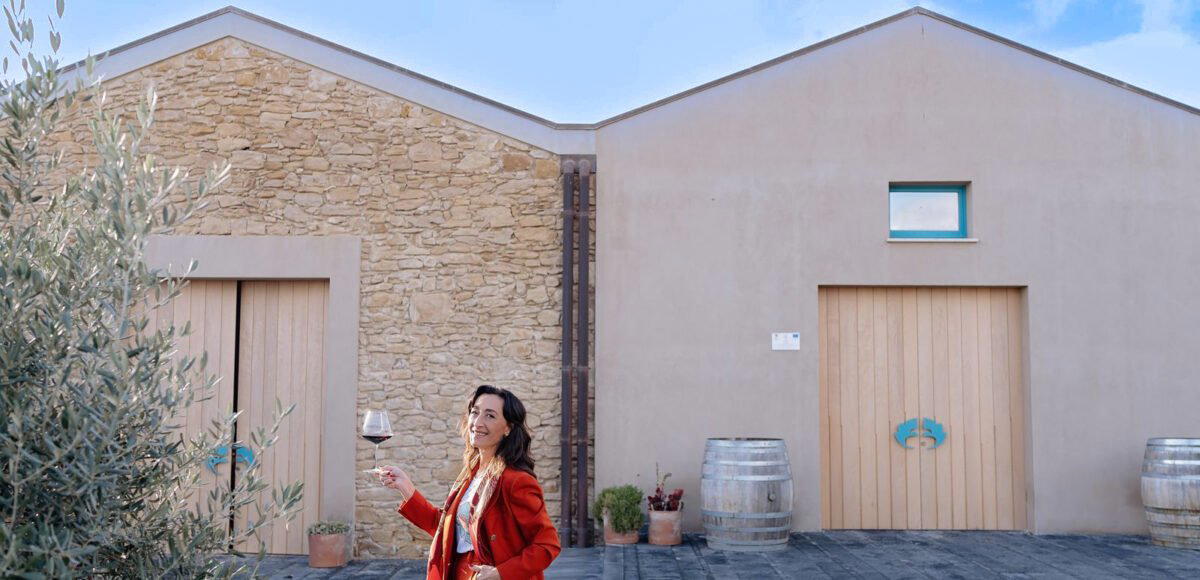
Casa Grazia
Gela, Italy
Casa Grazia works for a relaxed wine-focused stop in Gela, especially if the setting and a Falstaff Listed 2026 signal matter more than a highly structured tasting itinerary. Treat it as an easy-to-plan addition to a Sicilian day rather than the sole anchor for a celebration.
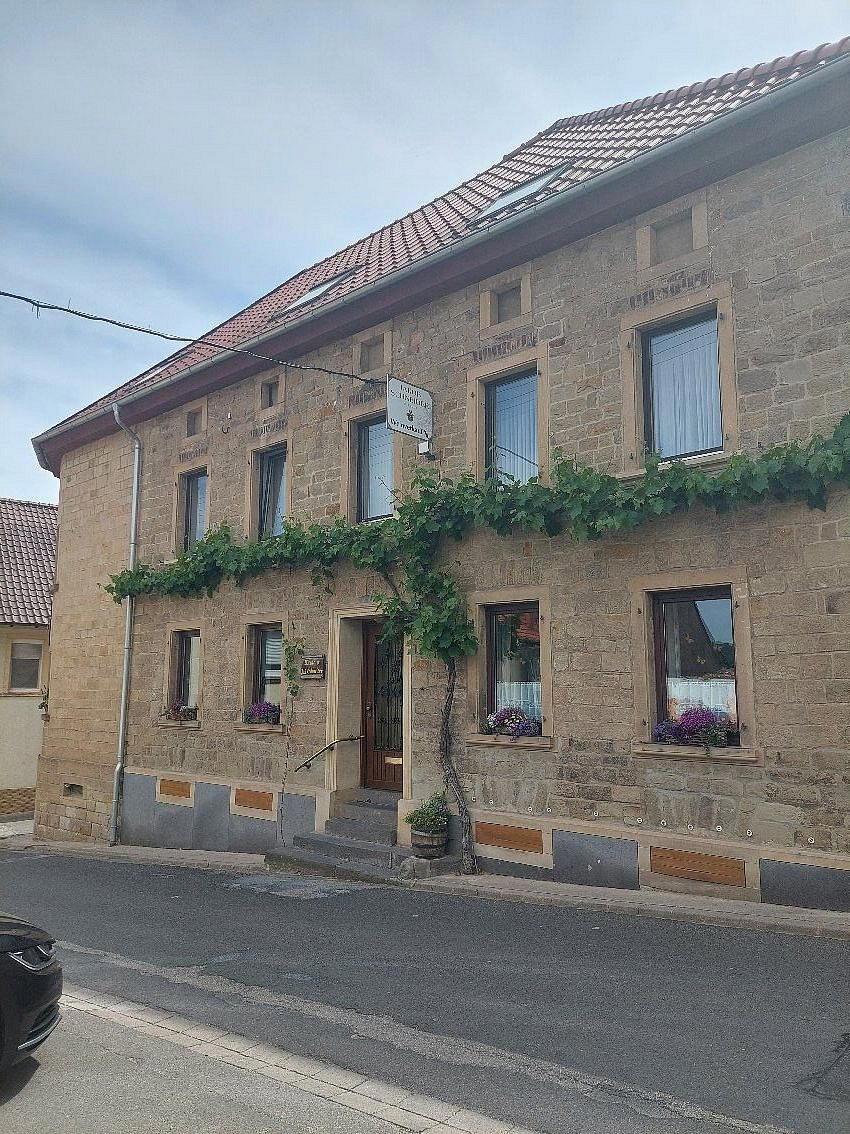
Weingut Jakob Schneider
Niederhausen, Germany
Weingut Jakob Schneider is worth prioritizing if the goal is a focused Niederhausen winery appointment rather than a casual tasting stop. It suits small groups and returning Nahe drinkers better than first-timers trying to cover every major name in one day; cross-shop Gut Hermannsberg if you want a larger destination-style visit nearby.
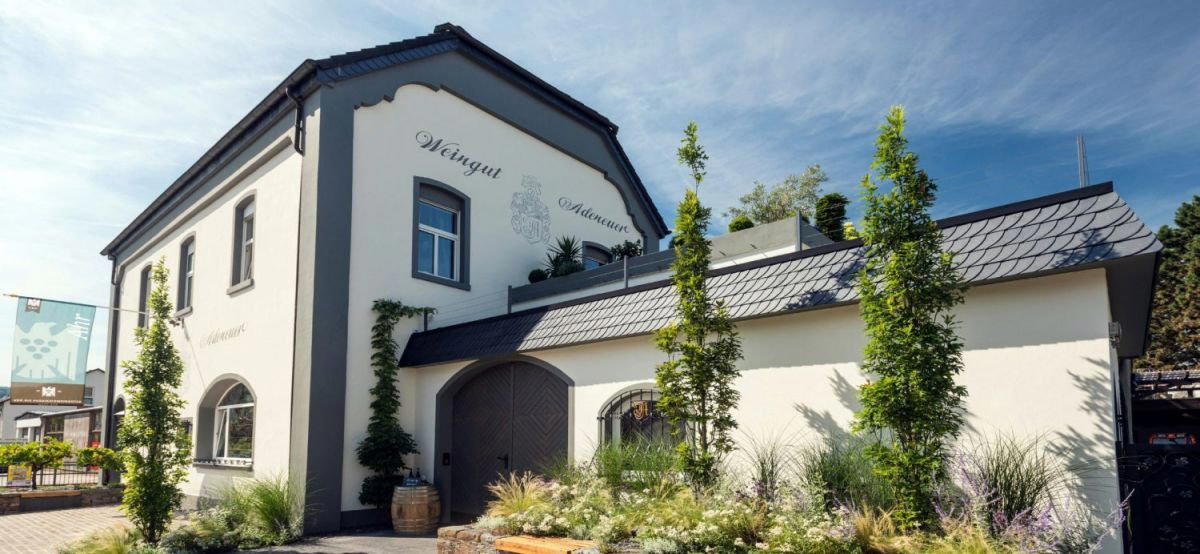
Weingut J.J. Adeneuer
Bad Neuenahr-Ahrweiler, Germany
A strong pick for travelers building an Ahr-focused wine day rather than a casual tasting crawl. Weingut J.J. Adeneuer makes the most sense when planned ahead, paired with one other serious regional stop, and supported by local restaurant or hotel plans in Bad Neuenahr-Ahrweiler.
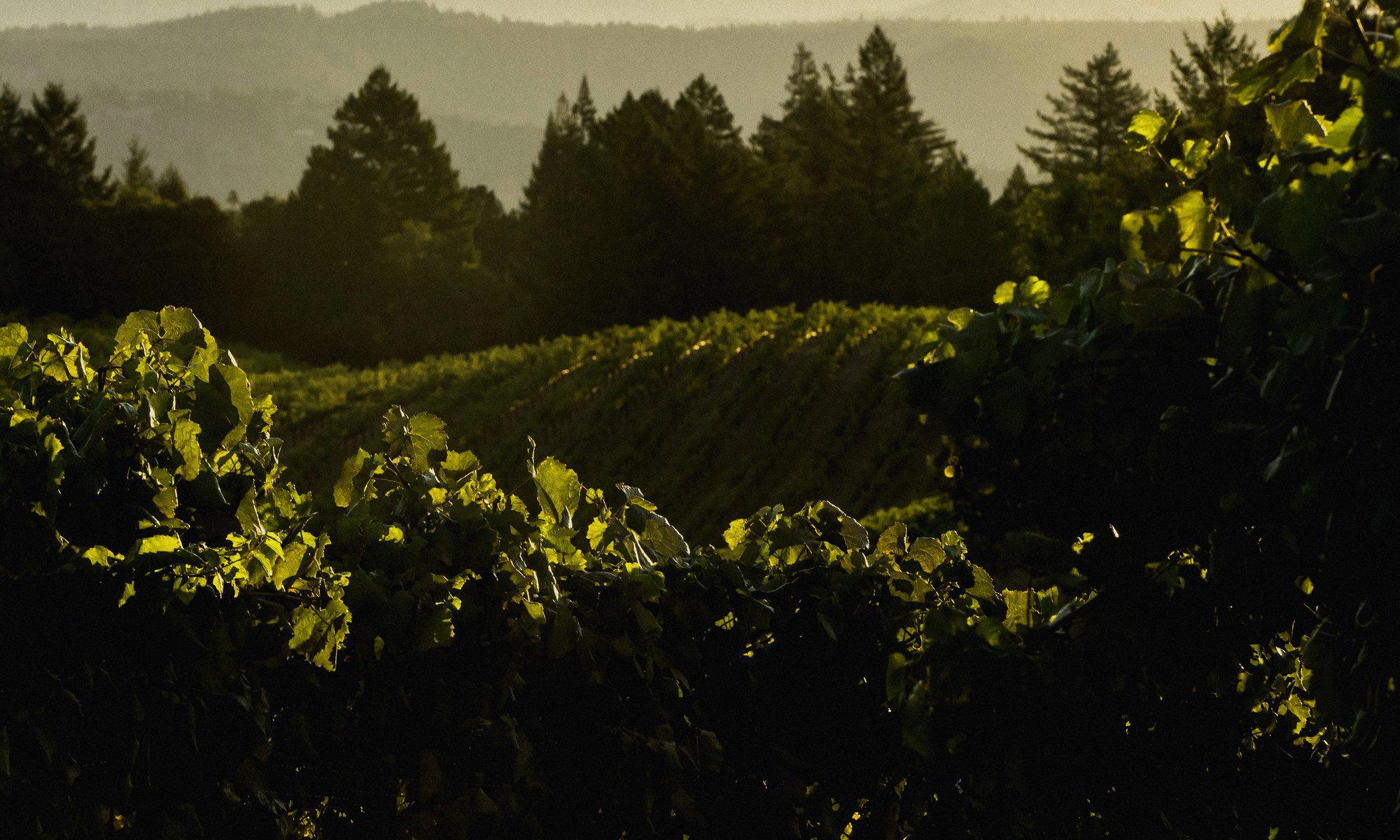
Chase Cellars
St. Helena, United States
Chase Cellars is a serious St. Helena winery pick for travelers building a focused Napa itinerary rather than a casual tasting crawl. Access should be treated as difficult, so line up nearby alternatives in advance and leave enough time for a slower, context-driven visit.
æ Brüsser Paukner
Gau Odernheim, Germany
A practical Gau-Odernheim wine stop for travelers building a Rhine Hesse tasting route, not a dining-led destination. The Falstaff listing gives æ Brüsser Paukner a useful quality signal, but visitor details should be confirmed before making it the day’s anchor.
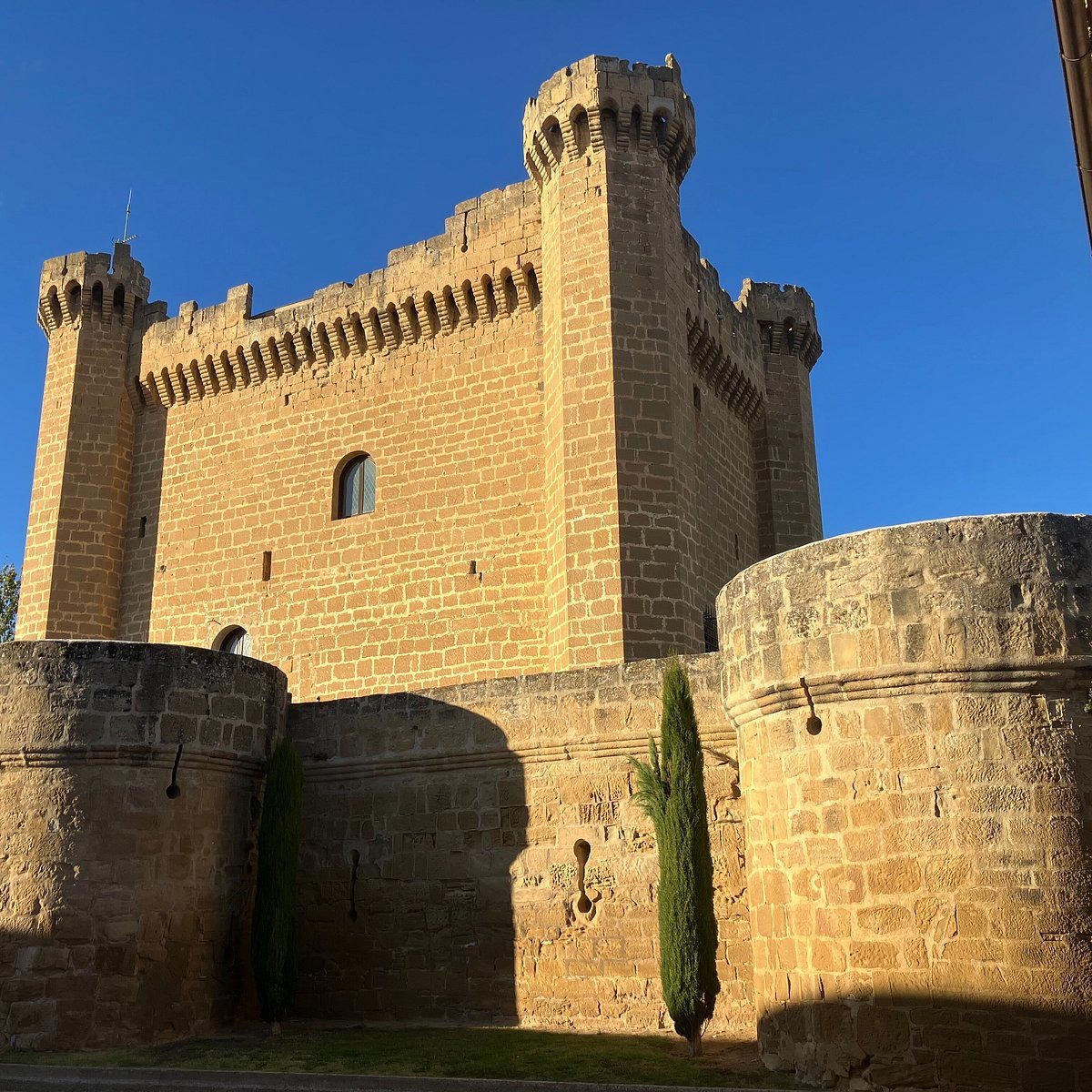
Castillo de Sajazarra
Sajazarra, Argentina
Castillo de Sajazarra works for Rioja value: a castle-setting winery with a Reserva, estate-grown fruit and Falstaff 2 Stars in 2026. Go for the bottle and village context rather than a fully scripted hospitality experience; the strongest case is the traditional Reserva format at an approachable price.
Eugen Spindler - Weingut Lindenhof
Forst an der Weinstraße, Germany
Book Eugen Spindler - Weingut Lindenhof if you want a focused Forst an der Weinstraße winery stop with a serious Pfalz setting and minimal fuss. Falstaff listing in 2026 gives it a useful recognition signal, but the fit is mainly for wine-led visits rather than groups needing a packaged hospitality experience.
Adrian & Diego Mathier Nouveau Salquenen AG
Salgesch, Switzerland
Worth considering if the trip is already centered on Salgesch and Valais wine. Adrian & Diego Mathier Nouveau Salquenen AG has Falstaff 2026 recognition, but practical visit details are thin, so use it as part of a wider winery route rather than the sole reason to travel.
Cien y Pico
Mahora, Spain
Book Cien y Pico if the trip is about old-vine Manchuela rather than polished wine tourism. Its pull is Garnacha Tintorera, Bobal, and the doble pasta method, making it a stronger choice for wine-focused couples or collectors than casual walk-in groups.
Cielo e Terra
Montorso Vicentino, Italy
Book Cielo e Terra if you want an accessible, production-scale view of Veneto wine rather than a small rustic estate experience. The value case is helped by low pricing, appointment-only structure, and Falstaff listing in 2026; it is weaker if you need a confirmed food-pairing menu or luxury hospitality format.
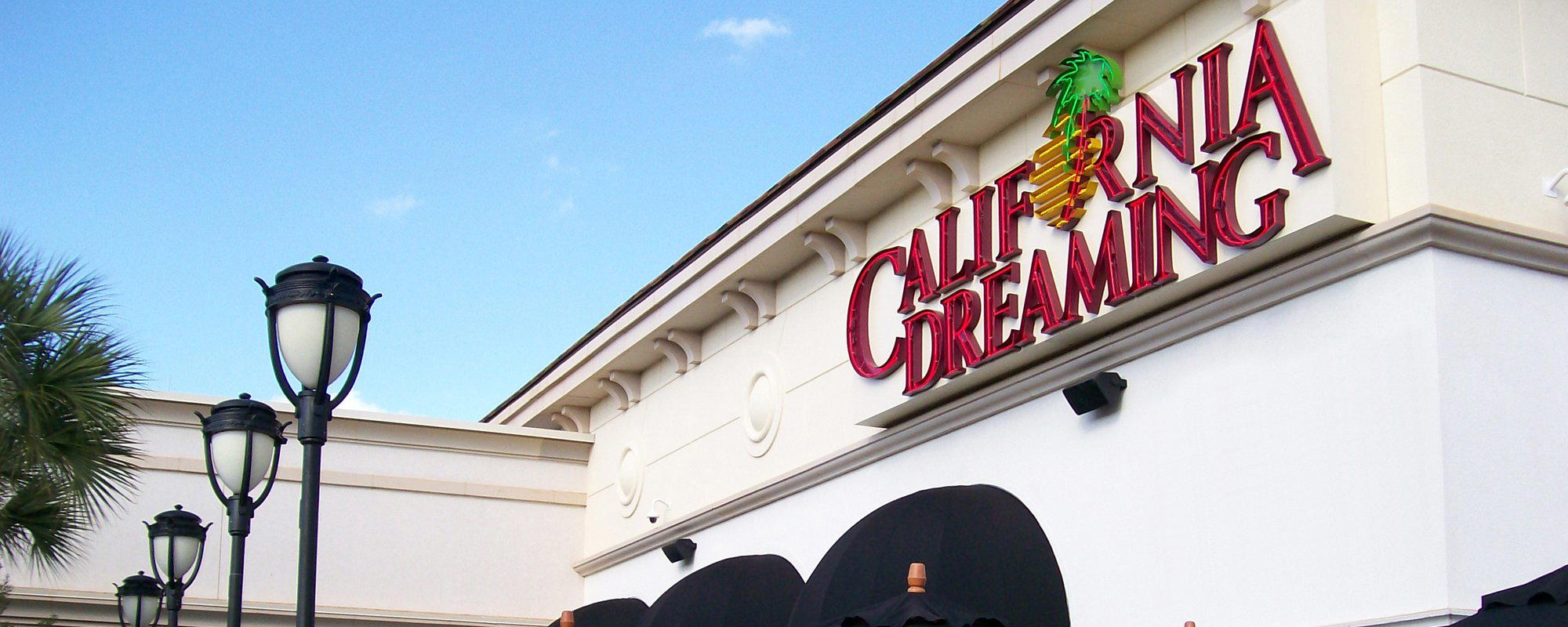
Angeline Vineyards
Santa Rosa, United States
Angeline Vineyards is a practical Santa Rosa pick for approachable California wines, especially if Pinot Noir is the reason for the stop. The value is strongest for casual tastings and mixed-palate groups; upgrade to a guided or private format only if sourcing, sustainability, and the Martin Ray connection matter to the group.
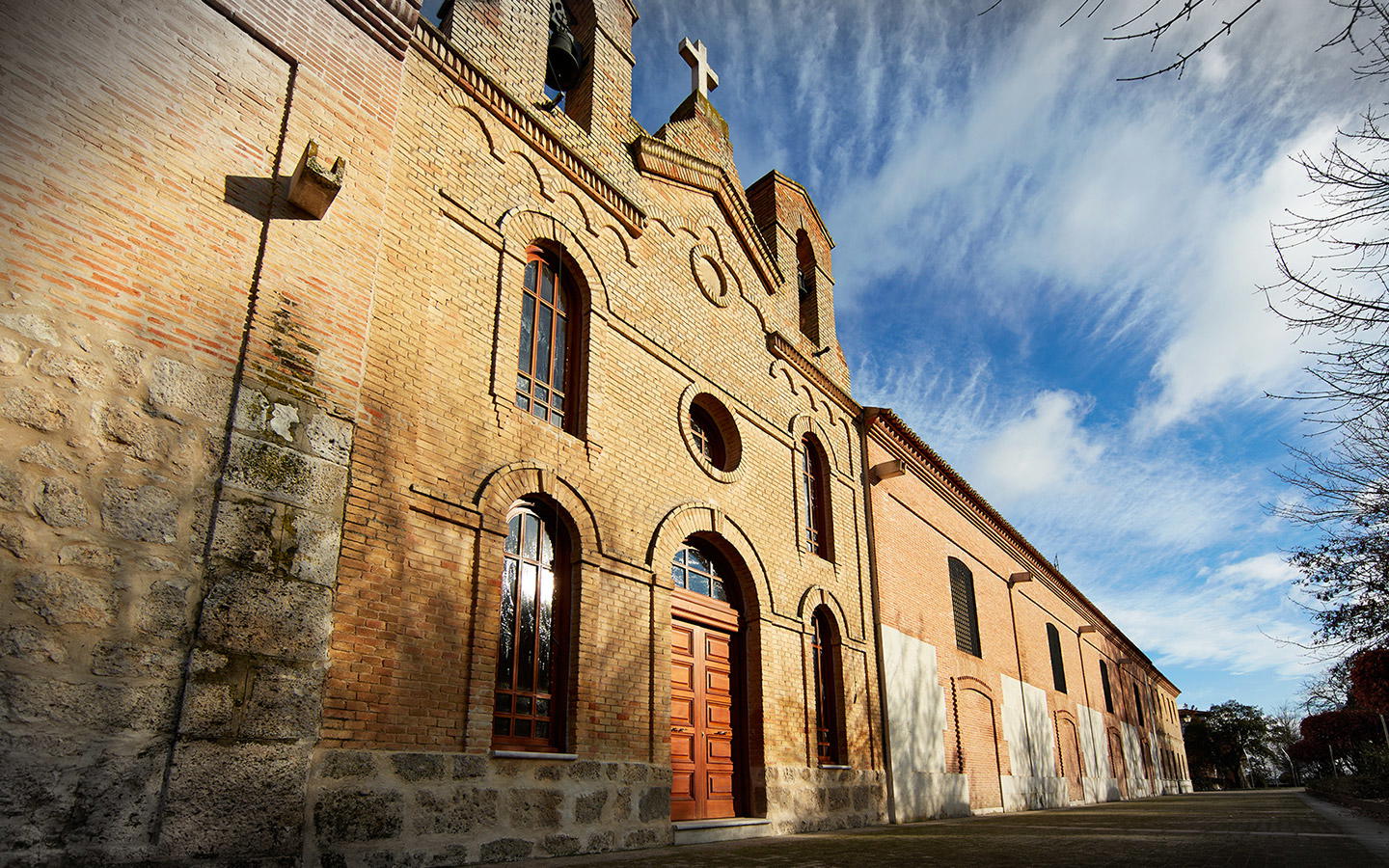
Vega Sicilia
Valbuena de Duero, Spain
Vega Sicilia is a wine estate in Valbuena de Duero in Ribera del Duero.
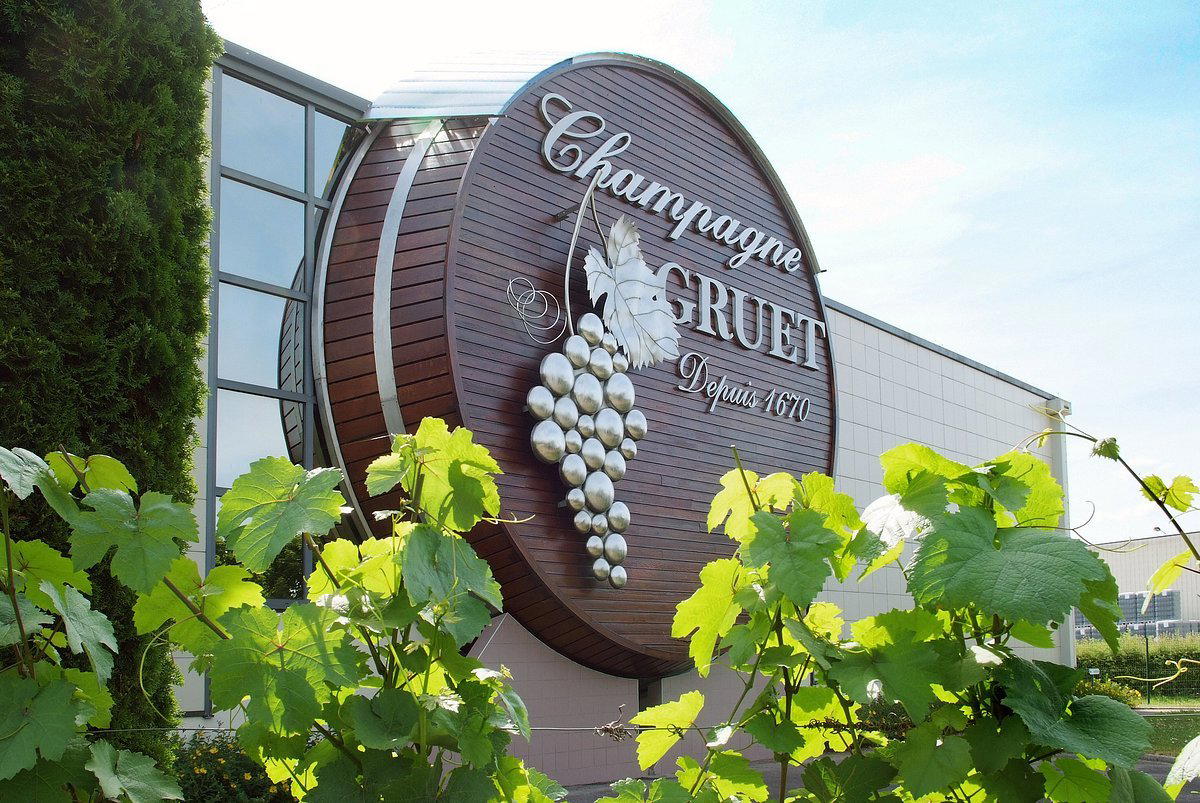
Champagne Gruet
Buxeuil, France
Book Champagne Gruet if you want a low-friction producer stop in Buxeuil rather than a formal Champagne-house itinerary. Falstaff Listed for 2026 gives it a credible recognition signal, but the practical details are lean, so plan it as a focused wine visit and build meals, hotels, bars, and other stops around Buxeuil separately.
Familie Bauer - Bioweingut
Gro Riedenthal, Austria
Choose Familie Bauer - Bioweingut for a quiet Wagram tasting built around organic farming, family-run production, and rural guesthouse hospitality. It is better for first-timers who want regional context and Austrian varieties than for visitors seeking a flashy tasting salon or restaurant-style meal.
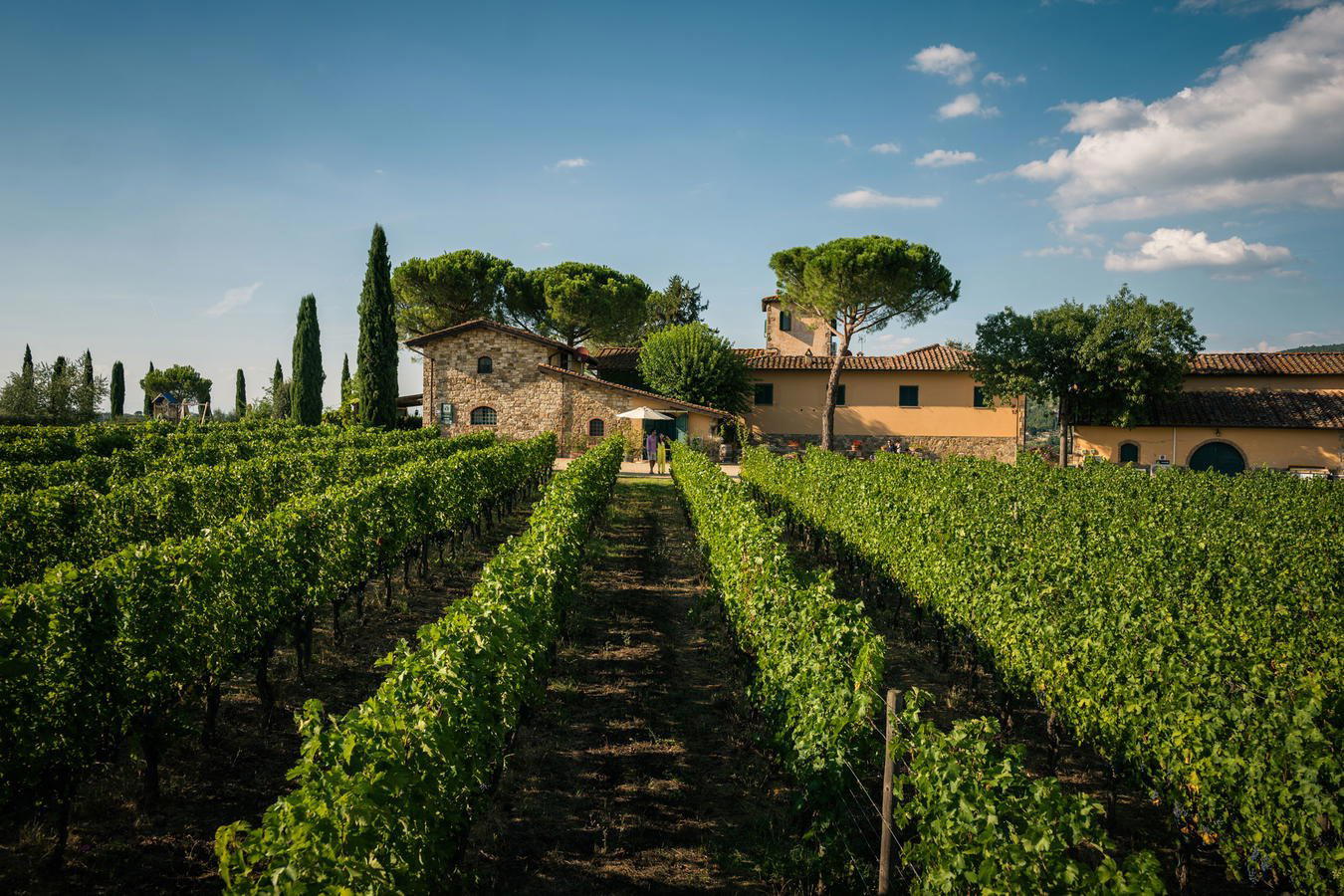
Azienda Agricola Poggio agli Scalzi
Castellina Marittima, Italy
Book this if the goal is a quiet coastal Tuscany winery stop with Montescudaio DOC and Toscana IGT focus rather than a large-estate production. The value case is strongest for drinkers who already like maritime-influenced Tuscan wines and want to understand Castellina Marittima beyond the better-known coastal routes.
Gabriele Scaglione
Canelli, Italy
Worth considering for a quiet, personal winery experience in the hills around Canelli, especially if the setting matters as much as the tasting itself. Gabriele Scaglione is a better fit for couples and small groups seeking relaxed vineyard context than for travelers who want a heavily structured technical tasting or a published bottle-by-bottle program.
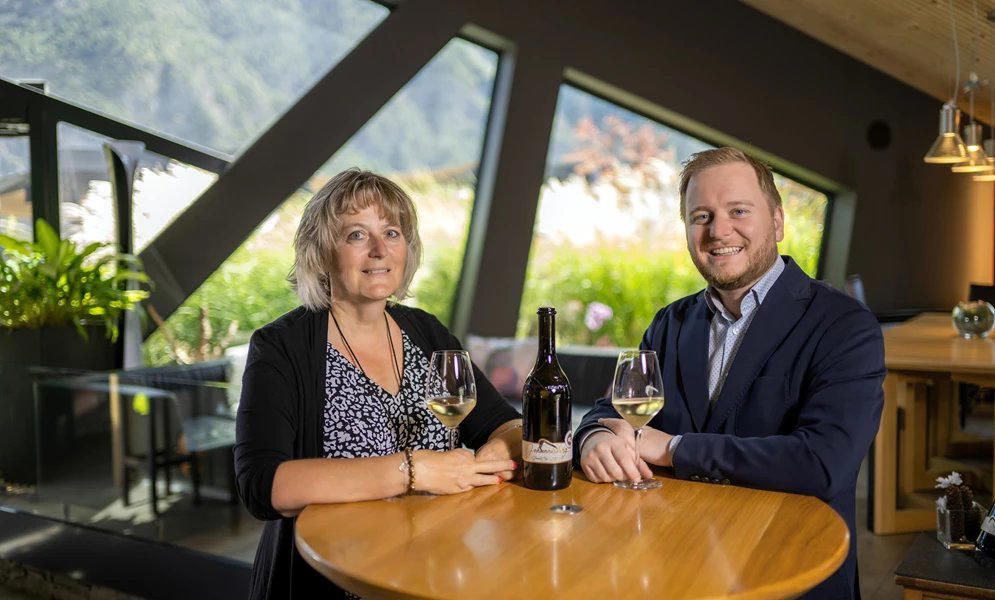
Cave du Chatillon
St Pierre De Clages, Switzerland
Cave du Chatillon is worth adding to a St-Pierre-de-Clages wine route if the goal is a practical $$ cellar stop focused on Valais reds rather than a polished tasting-room experience. The 2026 Falstaff listing helps validate the stop; plan it as a focused bottle-and-producer visit, not a food-led afternoon.
De Claricini
Moimacco, Italy
De Claricini is worth booking if a calm Friuli wine visit with villa atmosphere matters as much as the bottles. At $25 per person, it suits couples, small celebrations, and culture-led wine travelers looking for Colli Orientali context, especially around local whites such as Ribolla Gialla and Friulano.
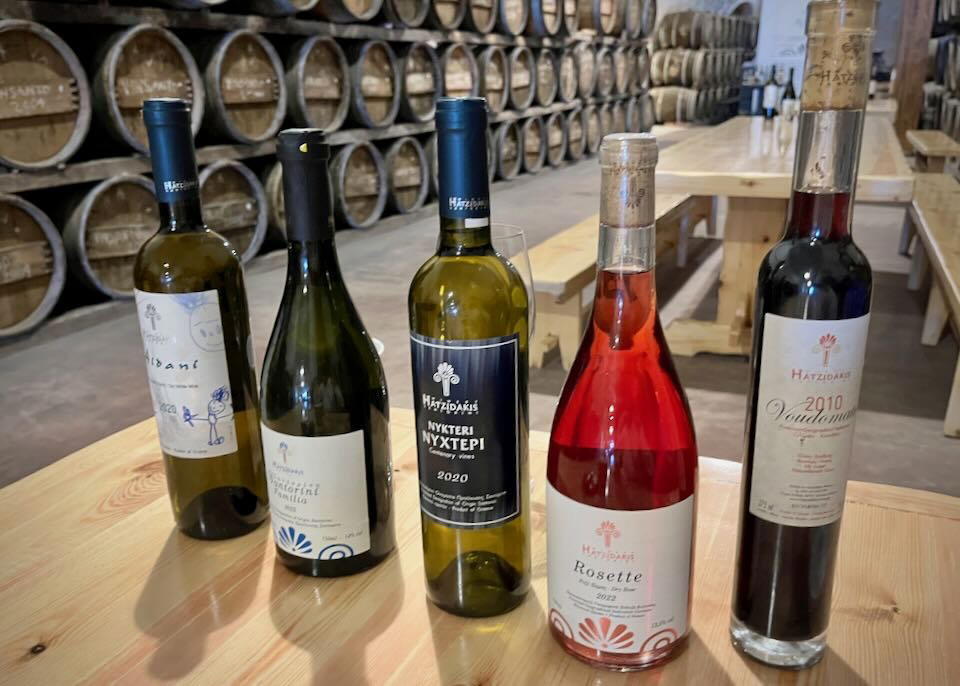
Hatzidakis Winery
Pyrgos Kallistis, Greece
Hatzidakis Winery is worth prioritizing for a wine-led Santorini celebration in Pyrgos Kallistis, especially if the plan is built around the winery rather than a flexible island crawl. Treat it as an anchor reservation, not a casual backup, and compare with larger Santorini peers if group logistics matter.
Earl les 4 Vents
Saint Chinian, France
Book Earl les 4 Vents if you want a quiet, wine-first Saint-Chinian stop rather than a polished tasting-room production. It is a better fit for small groups and appellation-focused drinkers than for visitors seeking a full food-pairing experience. Falstaff listing adds a useful quality signal, but plan meals separately.
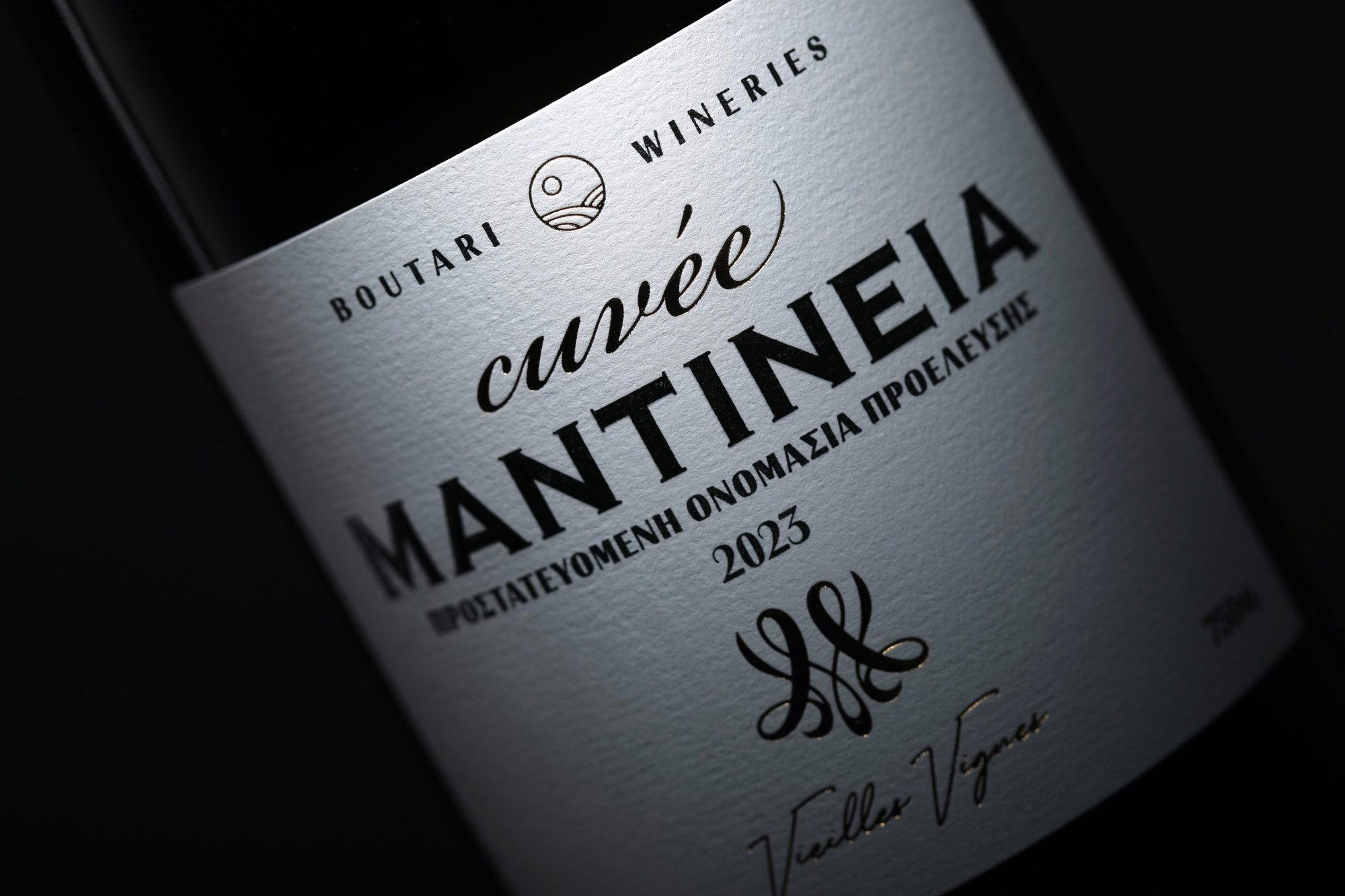
Boutari Winery (Mantinia)
Mantinia, Greece
Boutari Winery (Mantinia) is a recognizable benchmark for a second pass through Mantinia, especially as part of a wider winery day. It is less compelling as a single-stop plan because public-facing detail on tasting format, pricing, and flagship bottles is thin, so compare availability with Ktima Tselepos and Troupis Winery before committing.
Cave de la Tour
Visp, Switzerland
For winter and spring Swiss-wine planning, Cave de la Tour works if the goal is a quiet, personal tasting rather than a large winery production. The strongest fit is couples or small groups interested in Swiss varieties and a possible allocation-style relationship; skip it if food service, formal hospitality, or a broad visitor program is the priority.
Domaine Darnat
Meursault, France
Domaine Darnat works for travelers building a Meursault-focused wine day, especially if appellation context matters more than polished visitor infrastructure. The Falstaff Listed 2026 signal gives it a credible reason to be on the shortlist, but plan food, timing, and backup stops separately.
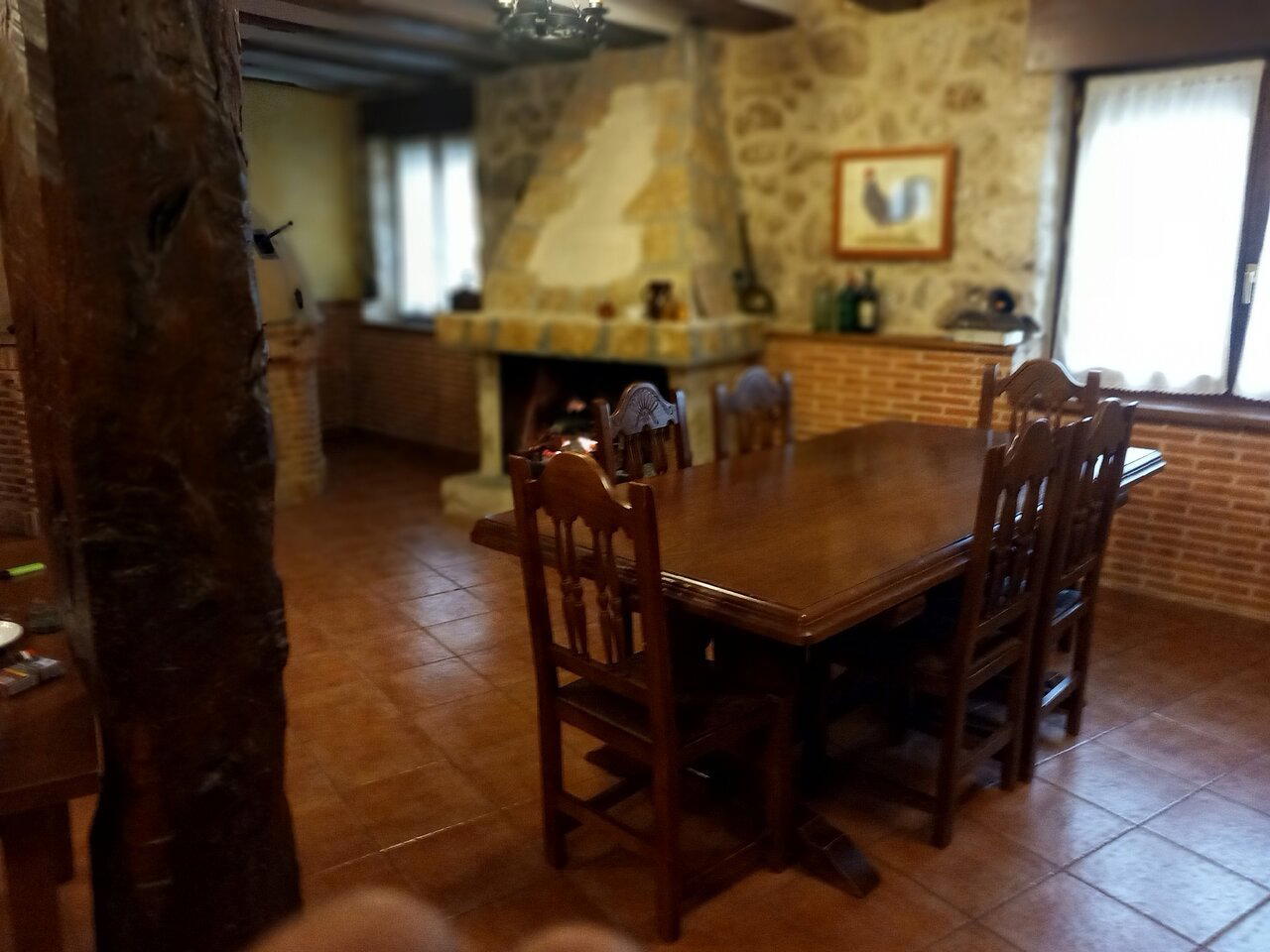
Bodegas J.A. Calco Casajús
Quintana Del Pidio, Spain
Book Bodegas J.A. Calvo Casajús if the goal is a quiet, appointment-only Ribera del Duero cellar visit centered on serious red wines. It is a better fit for couples or small groups than for visitors seeking a polished tourism setup, food service, or a broad hospitality program.
Domaine Clot de Origine
Maury, France
A cautious yes for wine-focused travelers already building a Maury itinerary. Domaine Clot de Origine works better as a compact producer stop than a full hospitality anchor, especially if the priority is regional context over a dining-led visit. Its Falstaff Listed 2026 recognition gives it a useful quality signal, but plan around confirmed logistics before making it the center of the day.
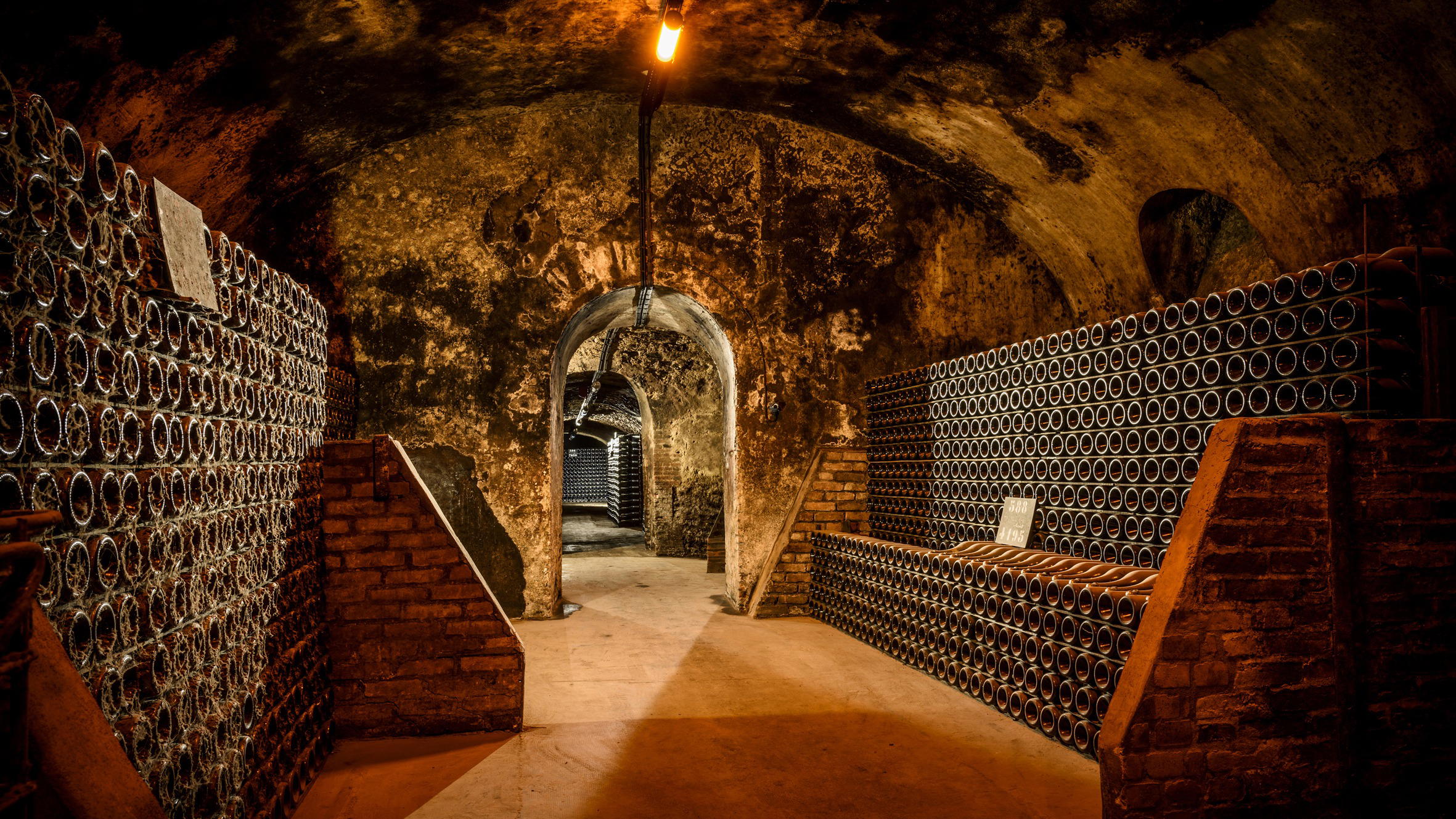
Billecart-Salmon
Aÿ, France
Billecart-Salmon in Mareuil-sur-Aÿ works best as a Champagne house, with Le Rosé, family history and a substantial vineyard footprint. Visits require a direct request and are limited; the house prioritizes trade professionals and loyal clients.
Château de Génibon
Bourg Sur Gironde, France
A quiet, traditional Côtes de Bourg cellar-door visit for travellers who want a focused family-estate tasting rather than a luxury Bordeaux production. Château de Génibon is strongest for small groups, couples and wine buyers interested in Merlot-led right-bank reds, with Falstaff listing recognition in 2026 adding a useful quality signal.
Conde De San Cristóbal Raíces
Peñafiel, Spain
Book Conde De San Cristóbal Raíces if the goal is a focused Ribera del Duero tasting built around estate-grown Tempranillo and the limited Raíces Reserva. The value is strongest for wine-first couples or small celebration groups who care about vineyard altitude, oak aging, and bottle specificity more than a broad food-and-wine experience.
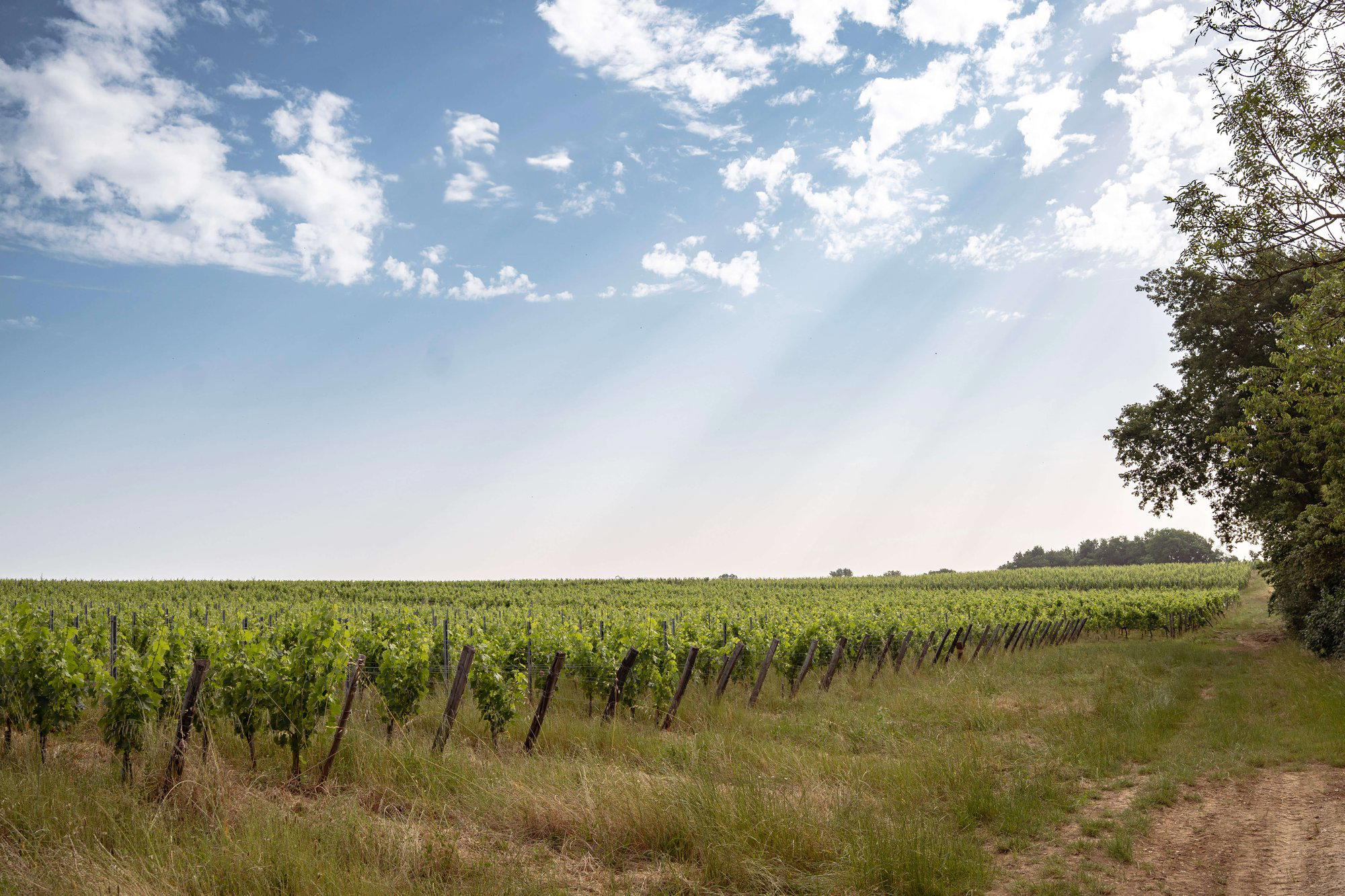
Château Le Pin Beausoleil
Saint Vincent De Pertignas, France
Château Le Pin Beausoleil is worth planning for if you want a quieter Bordeaux Supérieur estate near Saint-Émilion with organic farming, family ownership, and a historic manor setting. It is better suited to travelers who want terroir and production context than to anyone looking for a drop-in tasting or a large hospitality setup.
Rapet
Pernand-Vergelesses, France
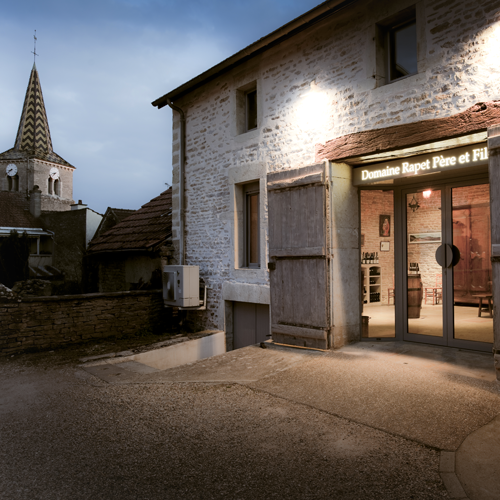
Rapet is worth booking for a grounded Pernand-Vergelesses tasting focused on Corton-side Burgundy rather than luxury gloss. Go for the Chardonnay-led whites, especially the Pernand-Vergelesses 1er Cru “Sous Frétille,” and stay for the useful spread across Pinot Noir and nearby Côte de Beaune appellations.
Bodegas Málaga Virgen
Fuente De Piedra Malaga, Spain
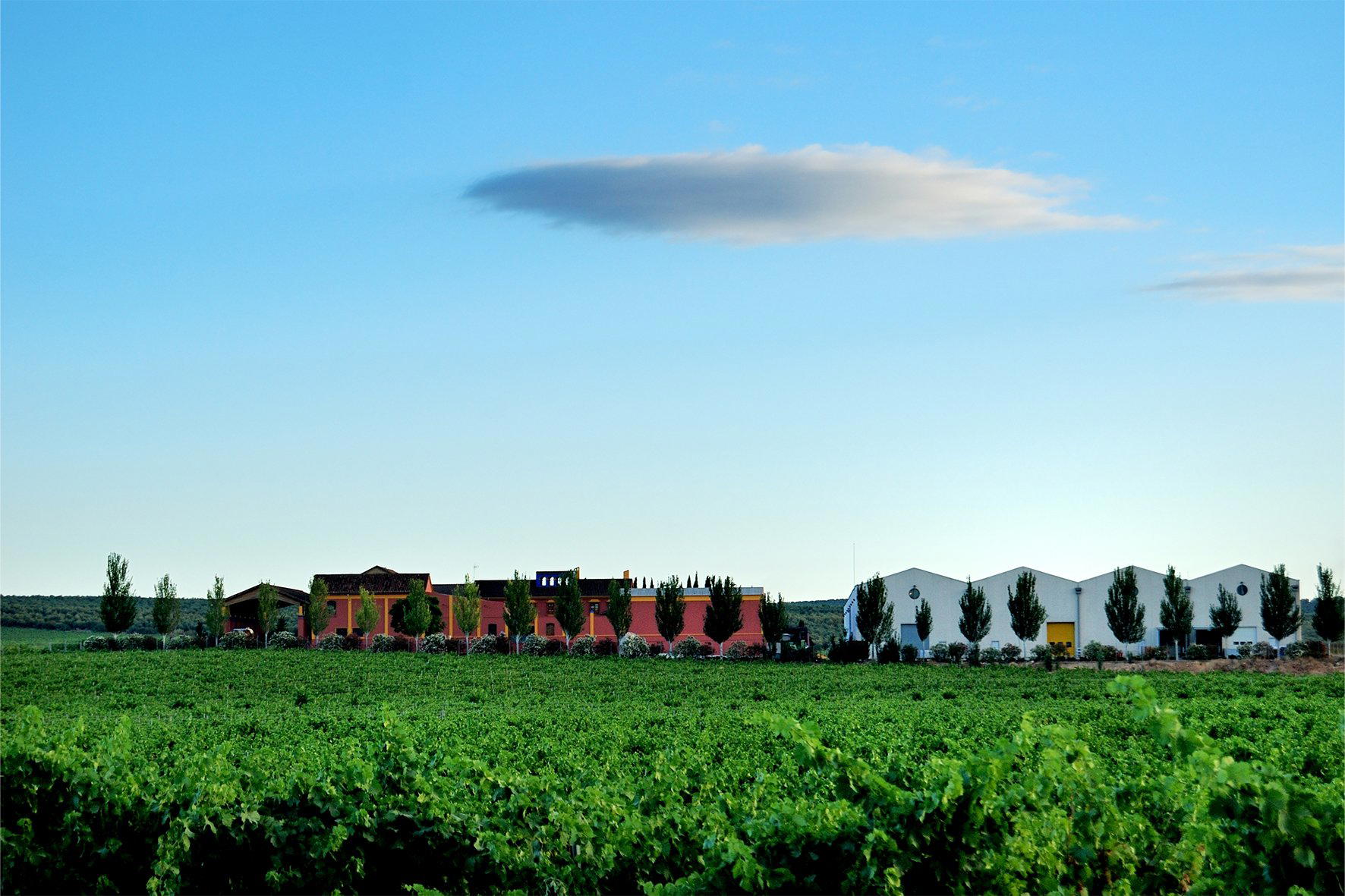
Book Bodegas Málaga Virgen if the goal is a serious introduction to Málaga sweet wines, Pedro Ximénez, Moscatel, and brandy in a traditional working-winery setting. It is better for wine-focused travelers than casual visitors looking for a polished lifestyle tasting or food-led stop.
Domaine Florian
Trilofos Thessaloniki, Greece
Book Domaine Florian for a relaxed Thessaloniki-area winery visit that works especially well as a date, birthday, or easy group evening. The value is strongest when you use the full format: estate wines, vineyard-and-cellar context, modern Greek food pairings, and a casual terrace setting rather than a quick pour-and-leave tasting.
Weingut FJ Gritsch (Mauritiushof)
Spitz, Austria
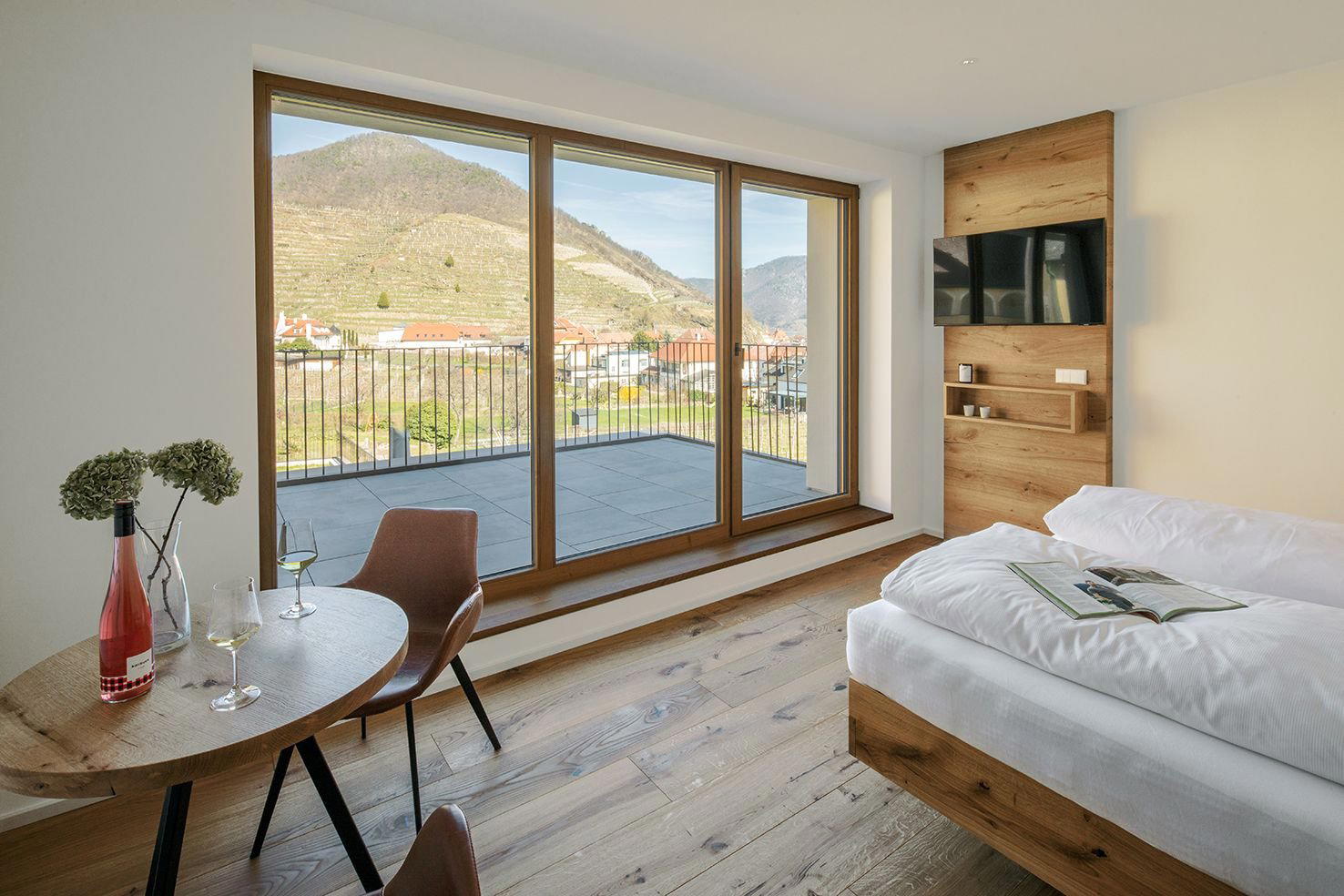
Book Weingut FJ Gritsch (Mauritiushof) if the goal is a serious Wachau winery stop in Spitz with enough recognition to suit a celebration, client itinerary, or focused wine day. It is a better fit for small, planned visits than casual drop-ins, and worth cross-shopping against Franz Hirtzberger, Prager, Rudi Pichler, Jamek, and Josef Schmelz before locking the route.
Cantine Paolini
Marsala, Italy
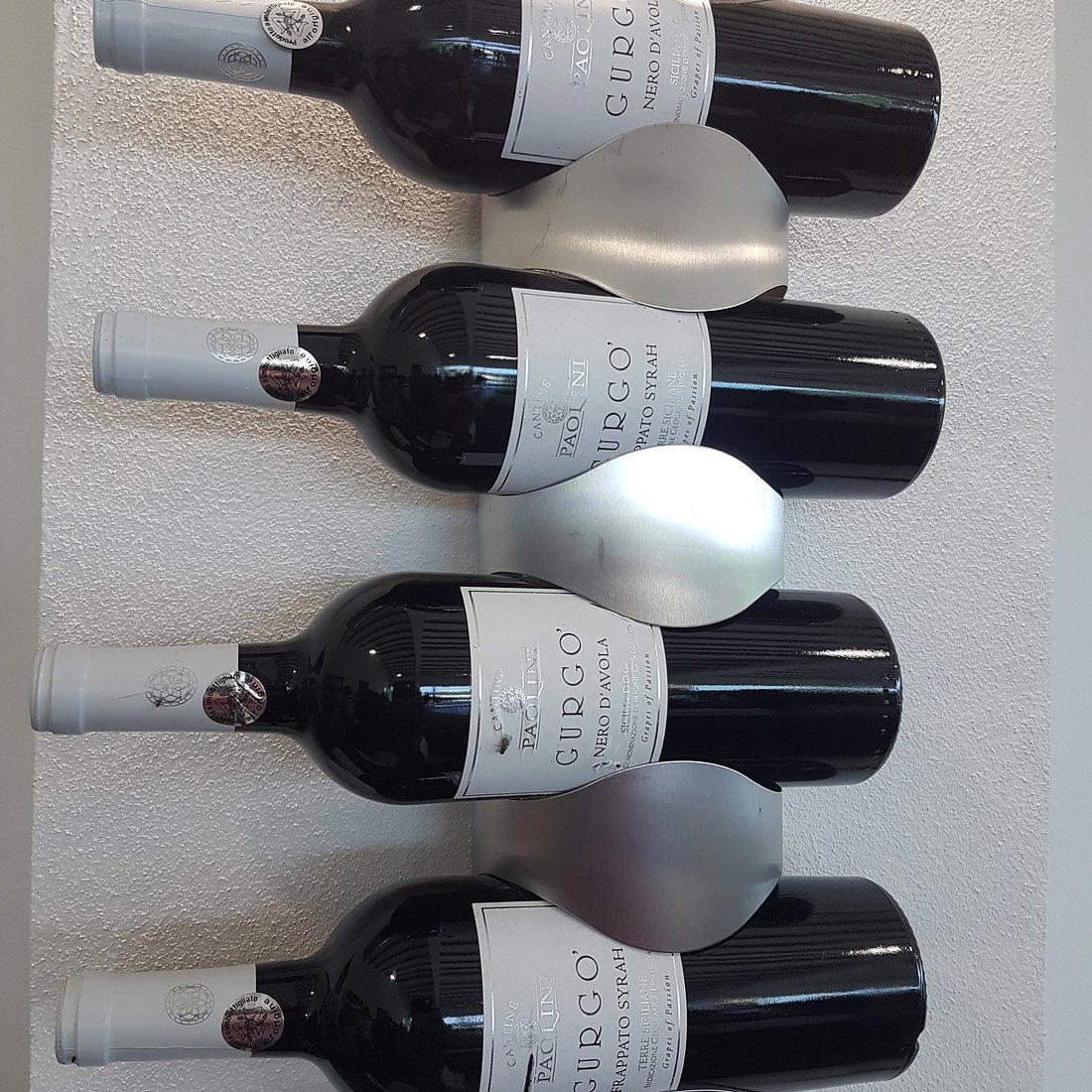
Book Cantine Paolini if you want an easy, good-value Marsala winery stop with a broad Sicilian range and a real cooperative story. It is stronger for casual tastings, bottle shopping, and learning Grillo or Nero d’Avola than for luxury hospitality or collector-focused rarity.
Bodegas Muriel
Elciego, Spain
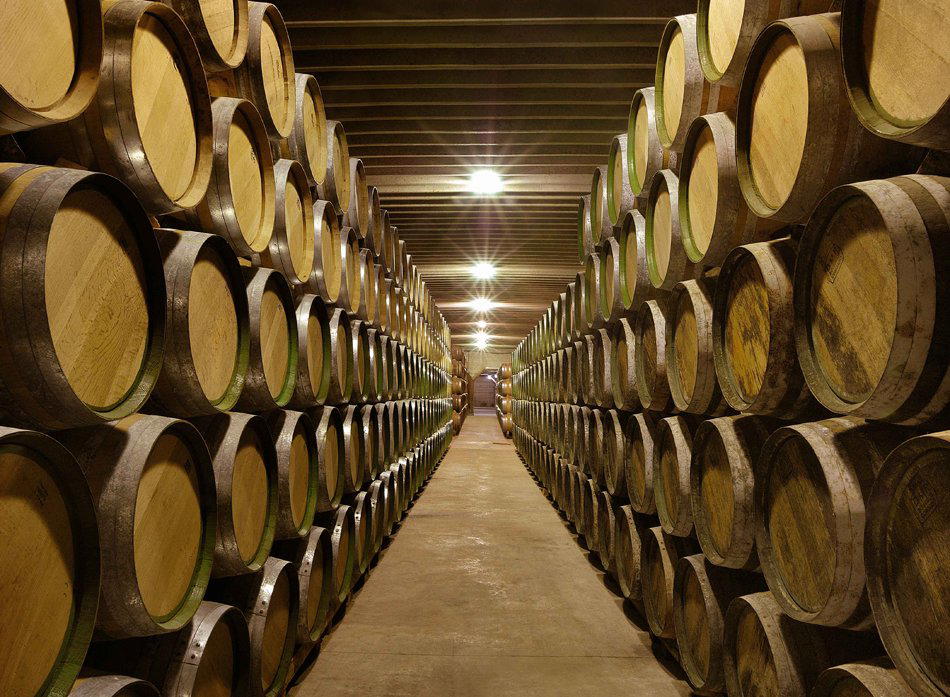
Bodegas Muriel is a strong Elciego pick for travellers who want Rioja Alavesa explained through Tempranillo, ageing categories, and family-run production at meaningful scale. It is better for context and consistency than for a tiny-cellar, scarcity-driven tasting, with Falstaff 2-star recognition in 2026 adding a useful quality signal.
Glenelly Estate
Stellenbosch, South Africa
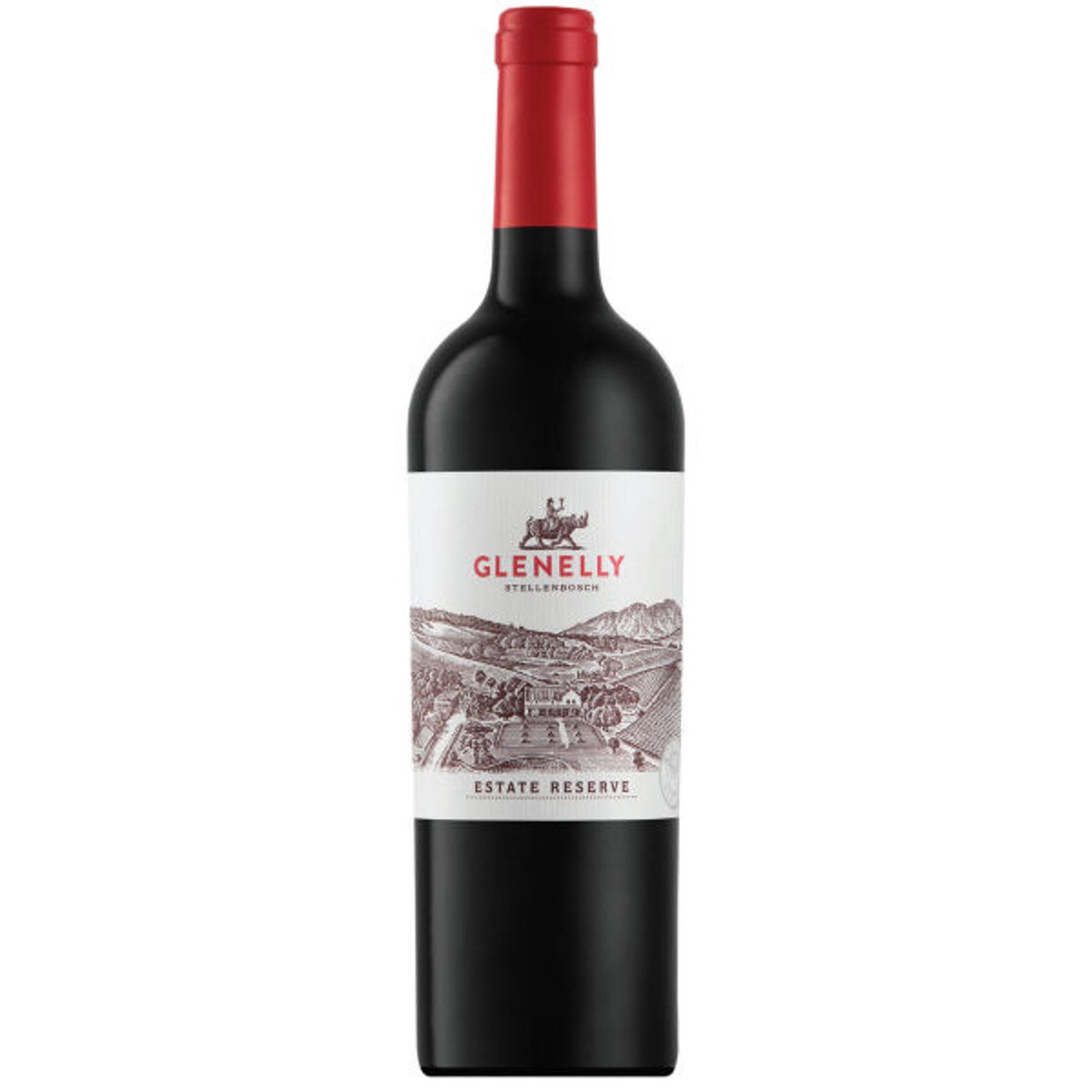
Glenelly Estate is worth prioritizing for a quieter, wine-first Stellenbosch visit, especially if this is not your first time in the region. It is a better fit for focused tasting time than for a loose group day built around dining, bars, and flexible walk-in logistics.
Carpe Diem
Chisinau, Moldova
Carpe Diem is a smart Chisinau pick for a quiet, guided Moldovan wine tasting rather than a full restaurant night. Go for local grape context, a small-room atmosphere, and a value-minded way to test whether its wine club or repeat-buy model makes sense for you.
Harzer Weingut Kirmann
Thale, Germany
Worth a stop if the goal is direct Harz wine buying rather than a formal tasting-room experience. Harzer Weingut Kirmann offers a compact cellar-door format, a $$ price signal, hand-harvested fruit, wood-barrel maturation, and a mixed portfolio spanning German whites, reds, and rosé.
Bodega 202
Laguardia, Spain
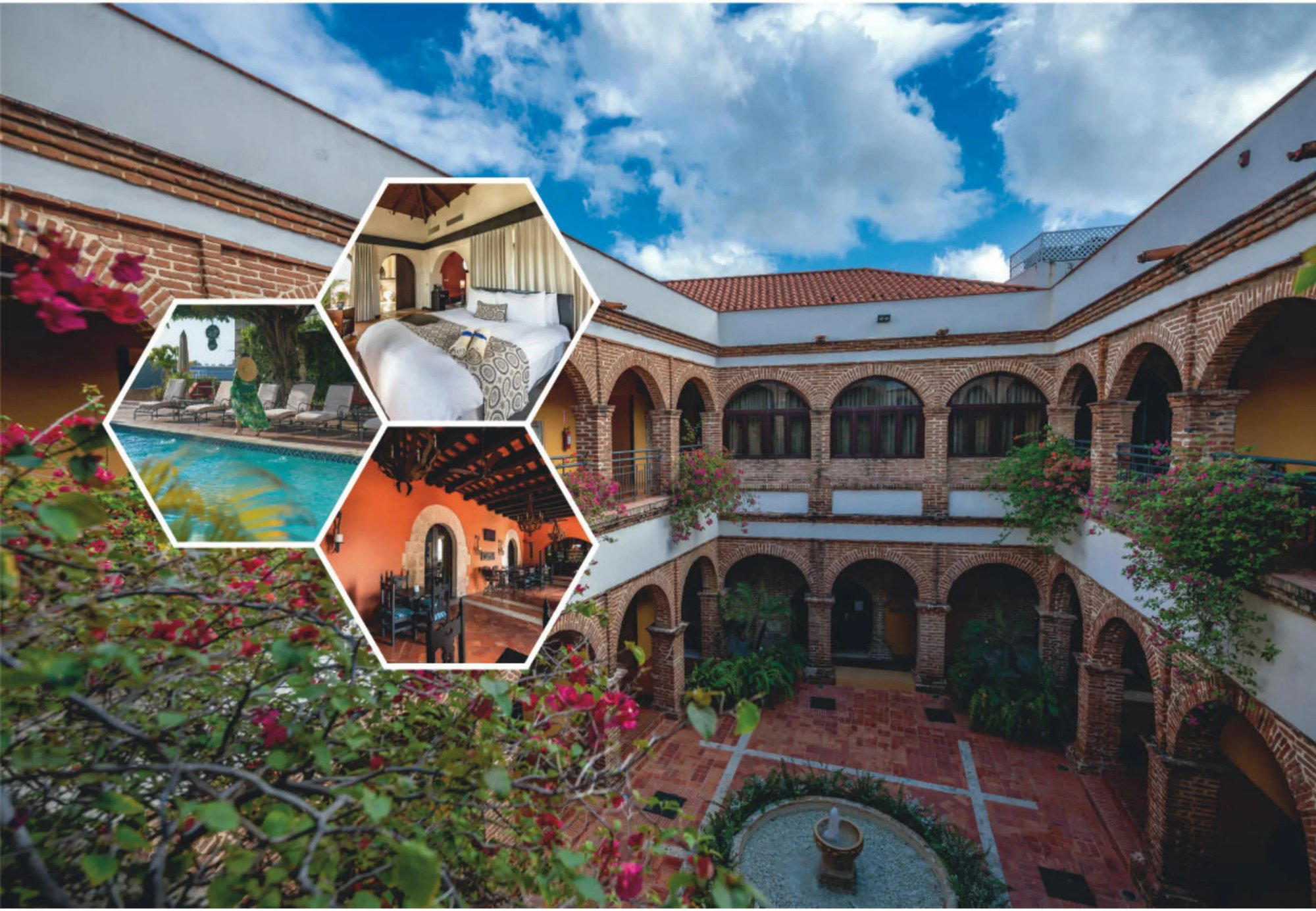
Bodega 202 is a wine-first Laguardia pick for readers who want a recognized Rioja Alavesa stop, especially for a celebration or hosted itinerary. The 2026 Falstaff 2 Stars make it worth shortlisting, but plan food separately unless the venue confirms a dining component.
Château Moulin Pey-Labrie
Fronsac, France
Right-bank vineyard country gives Château Moulin Pey-Labrie the right backdrop for a Fronsac-focused wine stop, especially for visitors prioritizing appellation context over tourist infrastructure. The 2026 Falstaff listing is the main external credibility signal; confirm tasting access, pricing, shipping, food, and group capacity before planning a celebration around it.
Bodegas Rodero
Pedrosa De Duero Burgos, Spain
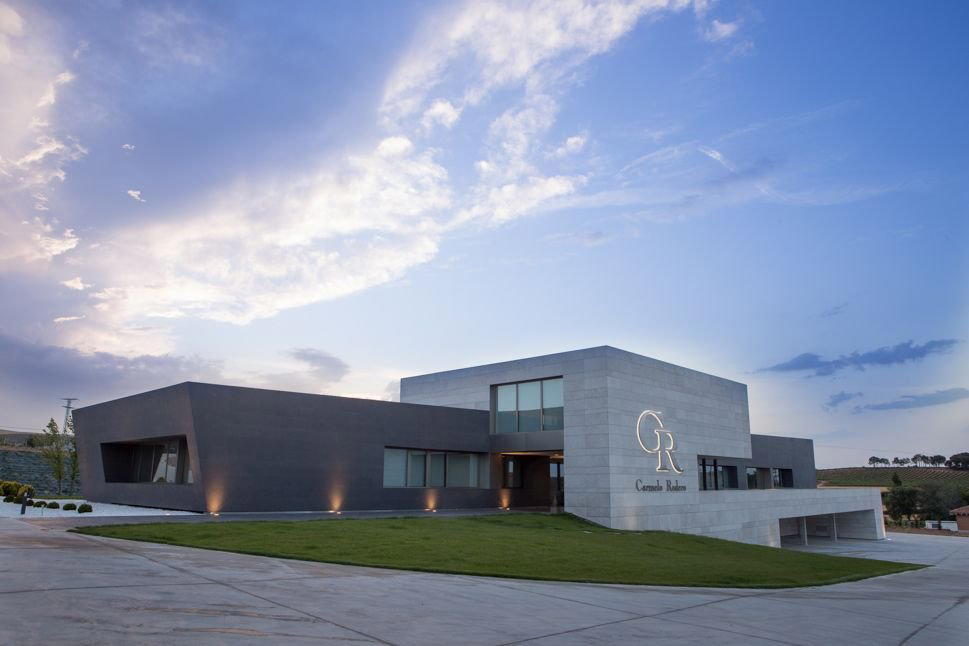
Bodegas Rodero is a strong first-timer pick in Pedrosa de Duero if the goal is a serious Ribera del Duero estate visit rather than a casual tasting stop. Its Falstaff 3 Stars recognition for 2026 gives it a clear quality signal, but plan ahead and treat it as the anchor of the day.
How many of these have you visited?
Find out on Pearl and keep score across every place in 2026 Falstaff Winery Guide.