
Weingut Jakob Schneider
Niederhausen
Winery in Niederhausen, Germany
 Book with Pearl
The Read
Site-Fidelity Riesling
Why go
Weingut Jakob Schneider is worth prioritizing if the goal is a focused Niederhausen winery appointment rather than a casual tasting stop. It suits small groups and returning Nahe drinkers better than first-timers trying to cover every major name in one day; cross-shop Gut Hermannsberg if you want a larger destination-style visit nearby.
About Weingut Jakob Schneider
Weingut Jakob Schneider is a Pearl 3 Star Prestige (2025) venue in Niederhausen. It is best to research directly before making plans.
The essentials are simple: the venue is in Niederhausen, the dress code is casual, and it is recognized with Pearl 3 Star Prestige for 2025. For travelers comparing other regional names, Gut Hermannsberg, Weingut Hermann Dönnhoff, Weingut Dr. Crusius, Weingut Schäfer-Fröhlich, and Weingut Prinz Salm are natural reference points, but any detailed visit format should be confirmed with each venue directly.
Plan this as a focused Niederhausen stop
Details on public tastings, reservations, food, pricing, hours, and purchasing options are not available, so do not build an itinerary around assumptions. Contact Weingut Jakob Schneider directly before visiting if timing, availability, purchases, or a specific visit format matters.
The main planning decision is how much of a Niederhausen or regional itinerary to center on this venue. Gut Hermannsberg may be a useful comparison for travelers looking at regional venues, while Weingut Hermann Dönnhoff, Weingut Dr. Crusius, Weingut Schäfer-Fröhlich, and Weingut Prinz Salm can help frame a broader plan without implying that every stop offers the same experience.
Who should choose Weingut Jakob Schneider
Choose Weingut Jakob Schneider if you specifically want to include a Pearl 3 Star Prestige (2025) venue in Niederhausen and are comfortable confirming practical details in advance. It is less suitable for travelers who need complete information on meals, visit times, group capacity, or other logistics before deciding.
For a fuller plan in Niederhausen, keep the rest of the itinerary flexible and confirm details for each stop individually. If the trip also needs restaurants, lodging, bars, or other activities, cross-check our full Niederhausen restaurants guide and other current planning resources before locking the route.
Quick reference: choose it for a casual-dress Niederhausen visit recognized with Pearl 3 Star Prestige (2025); confirm all practical details directly before going.
Planning details
- Location
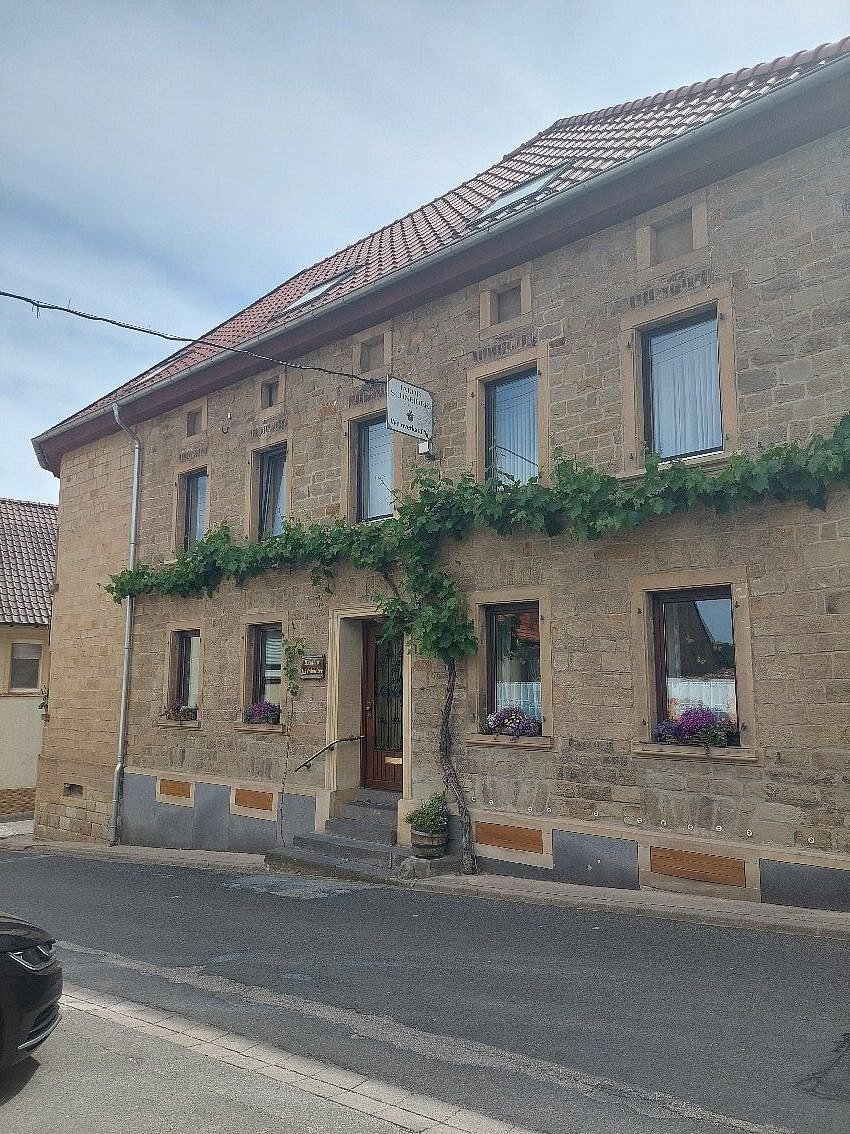
- Winzerstraße 15, 55585 Niederhausen
- Website
- schneider-wein.com
- Phone
- +49 6758 93533
The take
The Take
The Vibe
Weingut Jakob Schneider reads as a quietly authoritative Nahe estate: measured, terroir-driven and operated with technical discipline. The copy frames the property among carefully managed family wineries and highlights a recent 2025 Pearl 3 Star Prestige award, signaling a reputation built on precision rather than flash. Readers can expect wines that emphasize mineral clarity, high acidity and long aging potential—an aesthetic that favors subtlety and structure. The overall impression is sophisticated and earnest: this is a producer for drinkers who prize terroir expression and patient winemaking over immediate, flamboyant fruit.
Best For
Schneider is best suited to visitors focused on wine education, serious tasting and solitary study of terroir-driven Riesling. The profile repeatedly speaks to collectors, sommeliers and enthusiasts who want to trace how Nahe’s porphyry and slate soils translate into mineral precision and long-lived wines. Tastings here reward comparative listening—sampling multiple bottlings or vintages to understand stylistic intent (from dry to nuanced residual sugar). For solo explorers and small groups centered on learning, the estate offers a clear regional lesson in disciplined winemaking rather than casual, social drinking.
Tasting Tips
When tasting at Schneider, prioritize bottles that showcase the estate’s mineral and acidity-driven style: dry expressions and older vintages highlight long aging trajectories mentioned in the profile. Ask staff to explain which sites are planted on porphyry versus slate and to compare wines with differing residual sugar levels—this yields the clearest picture of Nahe terroir and the estate’s stylistic choices. If available, seek out wines cited in recent reviews or the Pearl award roster to sample examples that represent the winery’s current standing within the region.
Venue details
Ambiance
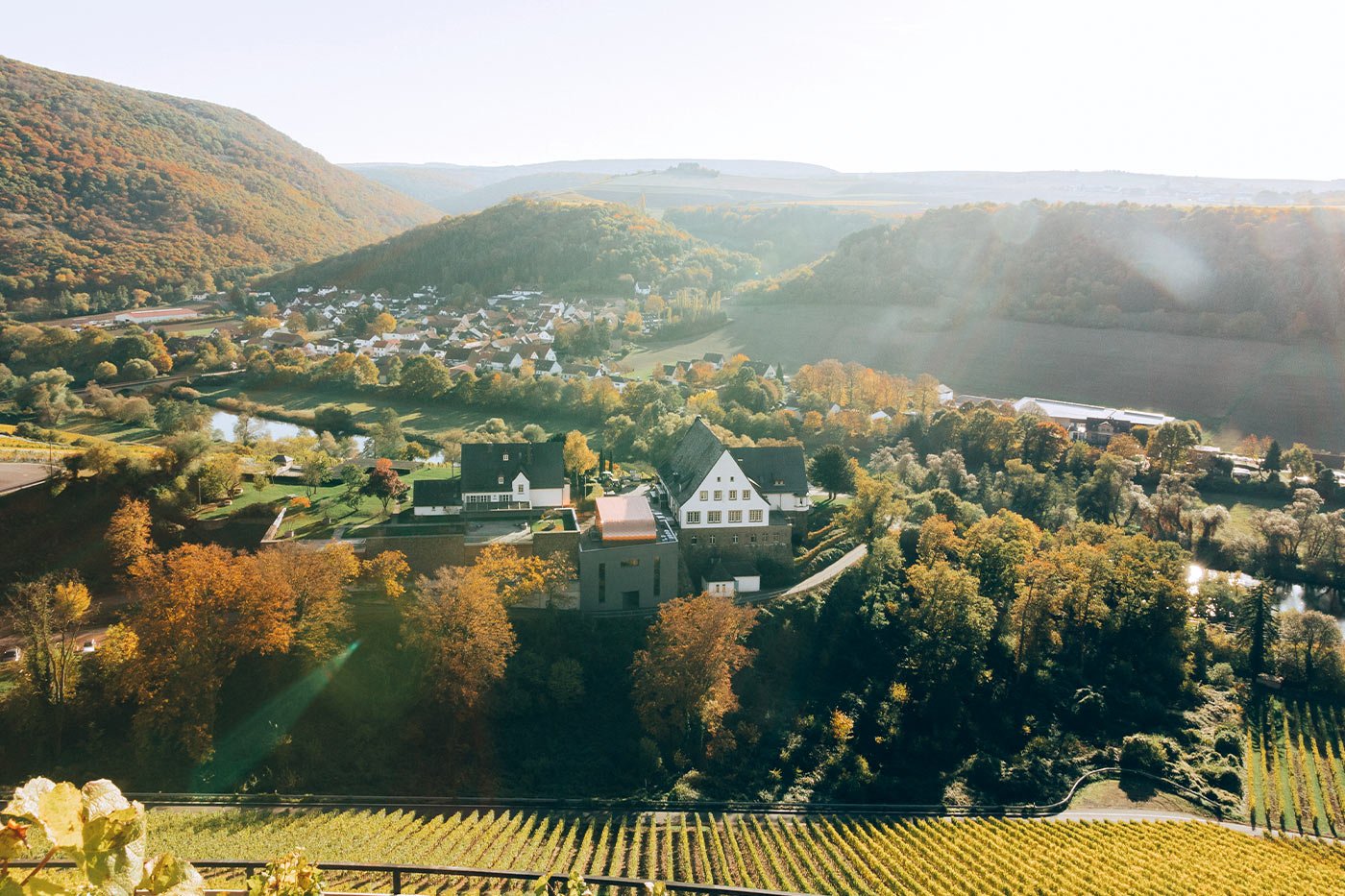
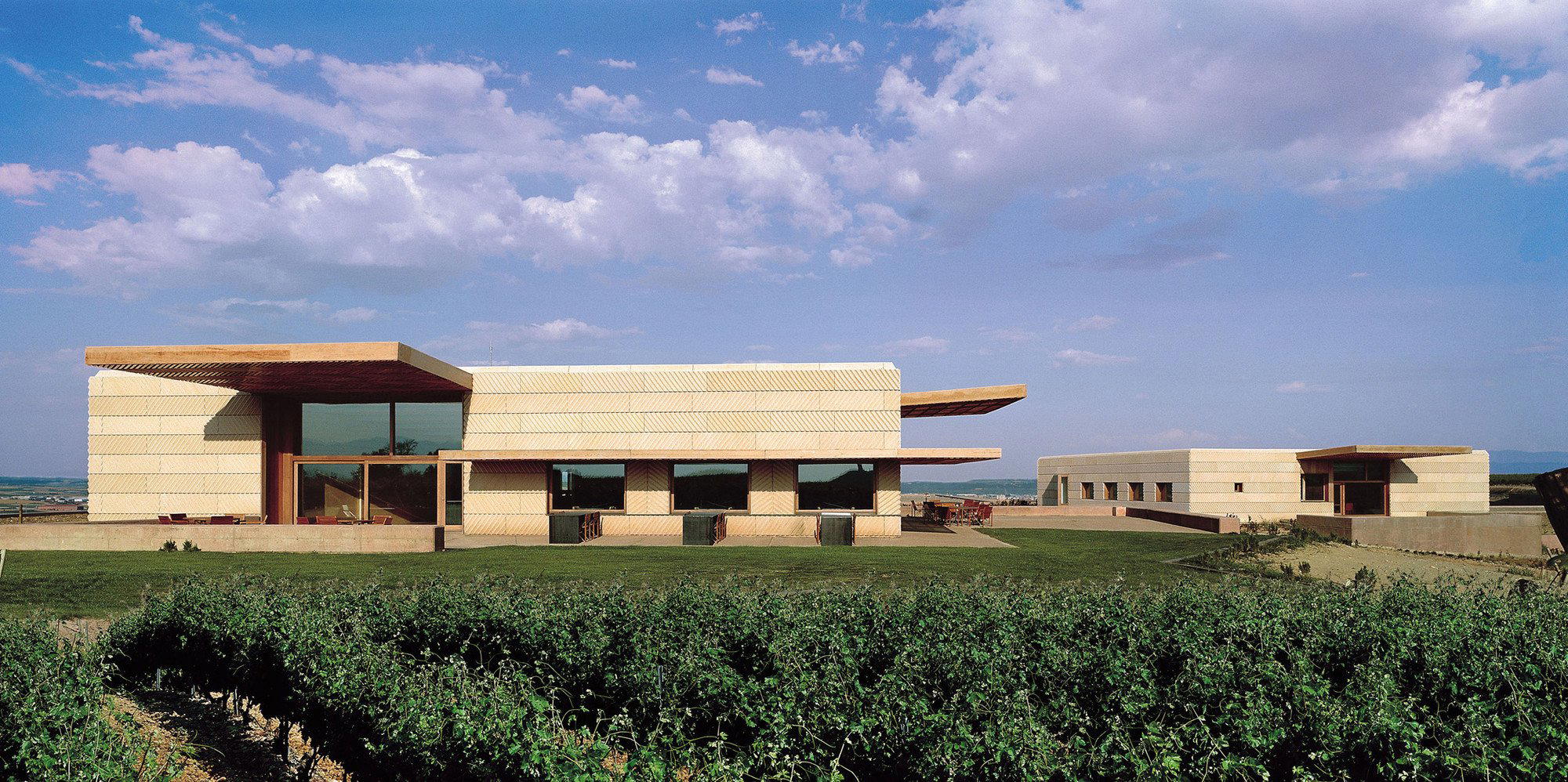
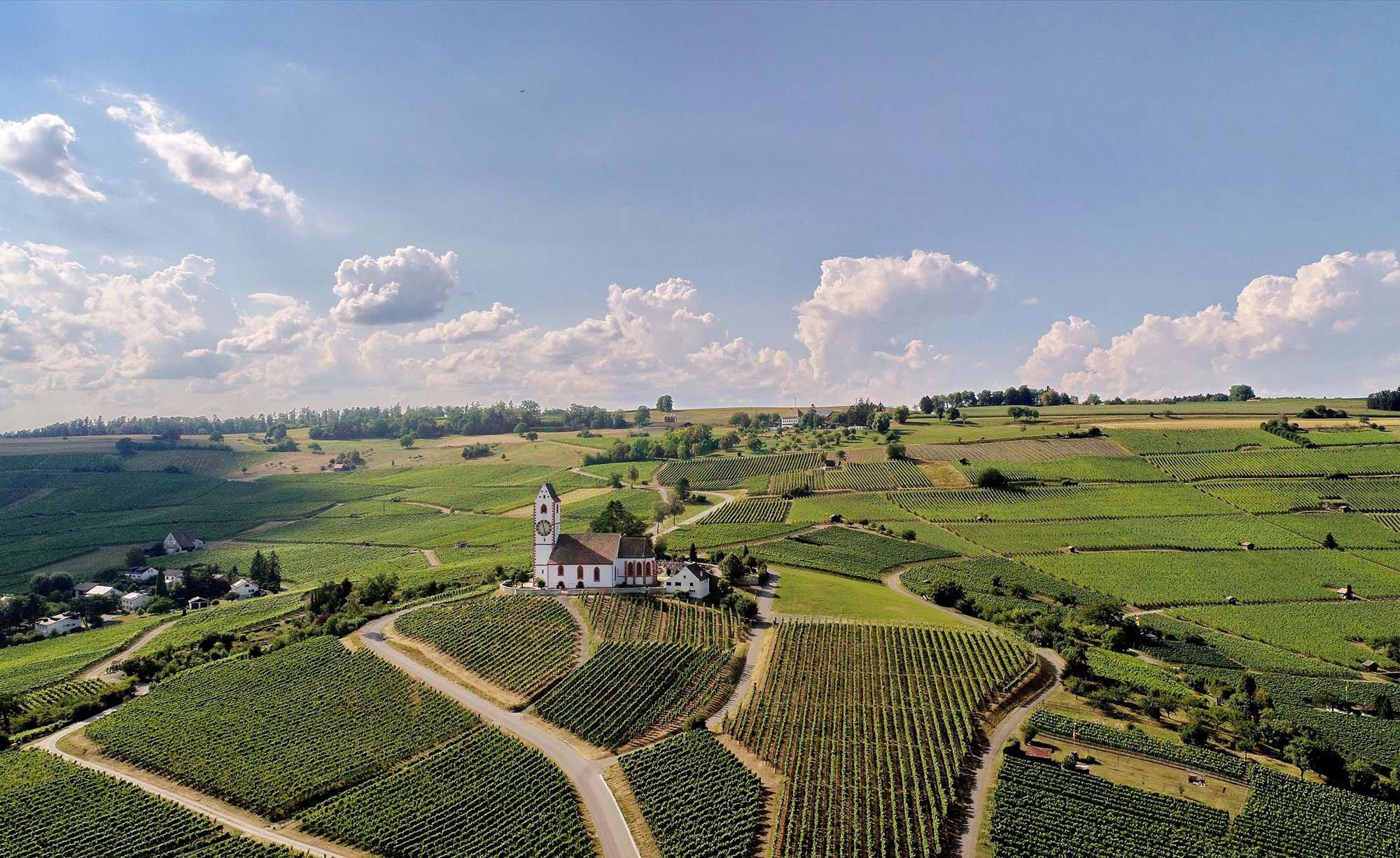
Traditional winery atmosphere amid steep vineyards with river proximity, emphasizing terroir-driven depth from careful maturation.
Tags
Vibe
Best For
Experience
Sourcing
View
At the Vineyard
- Appellation
- Nahe
- Varietals
- Riesling, Spätburgunder, Grauburgunder
- Tour Duration
- 60-90 minutes
- Tour Languages
- German, English
- Visits
- By reservation
- Farming
- Sustainable
- Wine Styles
- Still White
- Wine Club
- Not available
Know before you go
Know Before You Go
- Getting there
- Winzerstraße 15, 55585 Niederhausen
Planning details
Location
Recognition and awards

Also consider
If You Cannot Get In
Try Gut Hermannsberg first if you still want to stay in Niederhausen and need a more destination-style fallback.
For a serious Nahe comparison outside the village, Weingut Hermann Dönnhoff is the strongest alternate to consider, especially for travelers building the day around benchmark producers.
Winery context
How It Compares
Against Gut Hermannsberg, Weingut Jakob Schneider is the more focused choice for a tight Niederhausen tasting day. Gut Hermannsberg is the better pick if the group wants a broader, more destination-style winery visit; choose Schneider when the priority is producer focus over a larger setting.
Weingut Hermann Dönnhoff is the obvious cross-shop for drinkers chasing a major Nahe reference point, but it can make the itinerary feel more trophy-led. Weingut Dr. Crusius is a practical alternative if the route already extends beyond Niederhausen and the group wants another serious regional comparison.
Weingut Schäfer-Fröhlich and Weingut Prinz Salm make more sense when the day is built around range across the Nahe rather than one village. For value, the right call is not the cheapest tasting; it is the stop that gives the clearest read on the wines without forcing awkward logistics.
Explore Niederhausen
Around this place
Discover more on Pearl
Unlock the full Weingut Jakob Schneider guide in Pearl, including awards, comparisons, FAQs, planning details, and nearby places.
Compare Weingut Jakob Schneider
| Venue | Location | Awards |
|---|---|---|
| Weingut Jakob Schneider | Niederhausen | 2026 Falstaff Winery Guide |
| Gut Hermannsberg | Niederhausen | 2026 Falstaff Winery Guide |
| Weingut Hermann Dönnhoff | Oberhausen an der Nahe | 2026 Falstaff Winery Guide |
| Weingut Dr. Crusius | Traisen | 2026 Falstaff Winery Guide |
| Weingut Schäfer-Fröhlich | Bockenau | 2026 Falstaff Winery Guide |
| Weingut Prinz Salm | Wallhausen | 2026 Falstaff Winery Guide |
How Weingut Jakob Schneider Niederhausen compares with similar nearby venues.
FAQ
Frequently Asked Questions
Is Weingut Jakob Schneider worth planning around?
Its notable features include its Niederhausen location, a casual dress code, and Pearl 3 Star Prestige recognition for 2025. Confirm practical details directly before making it the anchor of an itinerary.
Can I buy from Weingut Jakob Schneider remotely?
What other venues are useful comparisons for Weingut Jakob Schneider?
Gut Hermannsberg and Weingut Hermann Dönnhoff are useful comparators if you are planning a regional itinerary. Weingut Schäfer-Fröhlich, Weingut Dr. Crusius, and Weingut Prinz Salm can also help frame a broader comparison.
Does Weingut Jakob Schneider serve food?
Food service details are not available. If you need a meal as part of the visit, confirm directly with Weingut Jakob Schneider before planning around it.
Do I need a reservation at Weingut Jakob Schneider?
Reservation requirements are not available. Contact Weingut Jakob Schneider directly before visiting, especially if your schedule depends on a specific time or format.
How long should I plan for a visit to Weingut Jakob Schneider?
No typical visit length is available. Ask the venue directly how much time to set aside, and leave extra flexibility if you are combining it with other Niederhausen or regional stops.
What should I focus on at Weingut Jakob Schneider?
No specific focus is listed. Ask Weingut Jakob Schneider directly which current offerings or visit options they recommend.