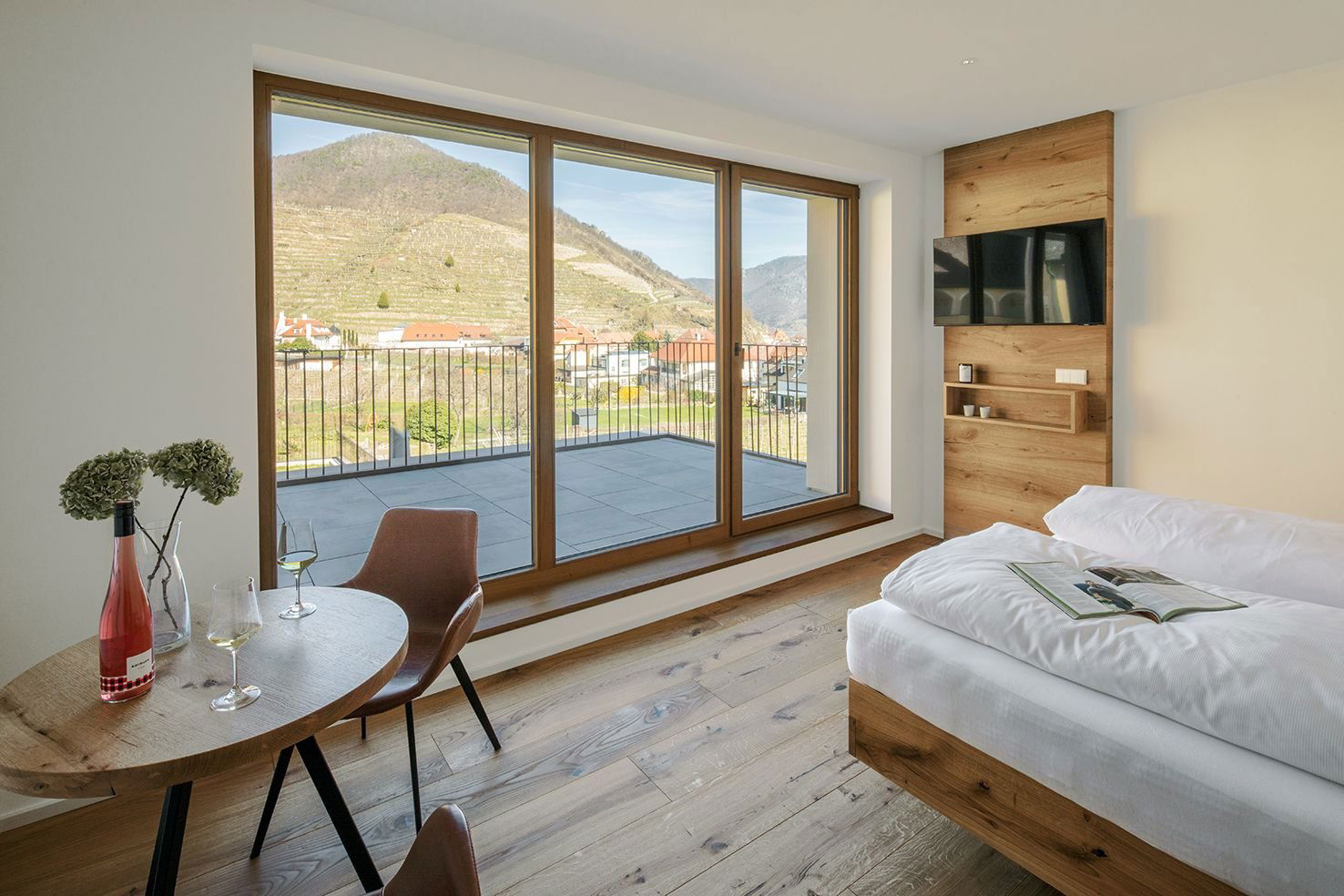

Weingut FJ Gritsch (Mauritiushof)
Spitz
Winery in Spitz, Austria
 Book with Pearl
The Read
Steep-Slope Wachau Whites
Why go
Book Weingut FJ Gritsch (Mauritiushof) if the goal is a serious Wachau winery stop in Spitz with enough recognition to suit a celebration, client itinerary, or focused wine day. It is a better fit for small, planned visits than casual drop-ins, and worth cross-shopping against Franz Hirtzberger, Prager, Rudi Pichler, Jamek, and Josef Schmelz before locking the route.
About Weingut FJ Gritsch (Mauritiushof)
Weingut FJ Gritsch (Mauritiushof) is a Spitz venue with confirmed Pearl 2 Star Prestige recognition for 2025. The public details are limited, so the safest way to assess it is as a recognized venue in Spitz rather than by assuming a specific visit format, menu, price range, reservation policy, or group setup.
For planning purposes, keep the visit framed around the facts that are confirmed: the venue is in Spitz, the dress code is casual, and it carries Pearl 2 Star Prestige recognition for 2025. Any more specific decision about timing, availability, purchase terms, or on-site options should be confirmed directly with the venue before building the rest of the day around it.
Book for confirmed recognition, not assumed visit details
The value case here rests on recognition rather than on a public price range or confirmed service format.
For readers building a full Spitz stay, treat the venue decision as one part of a broader plan. Dining, lodging, and other activities should be checked separately, and any time-sensitive plans should be confirmed before arrival. Casual dress is the dress-code guidance.
How to choose it against other notable names
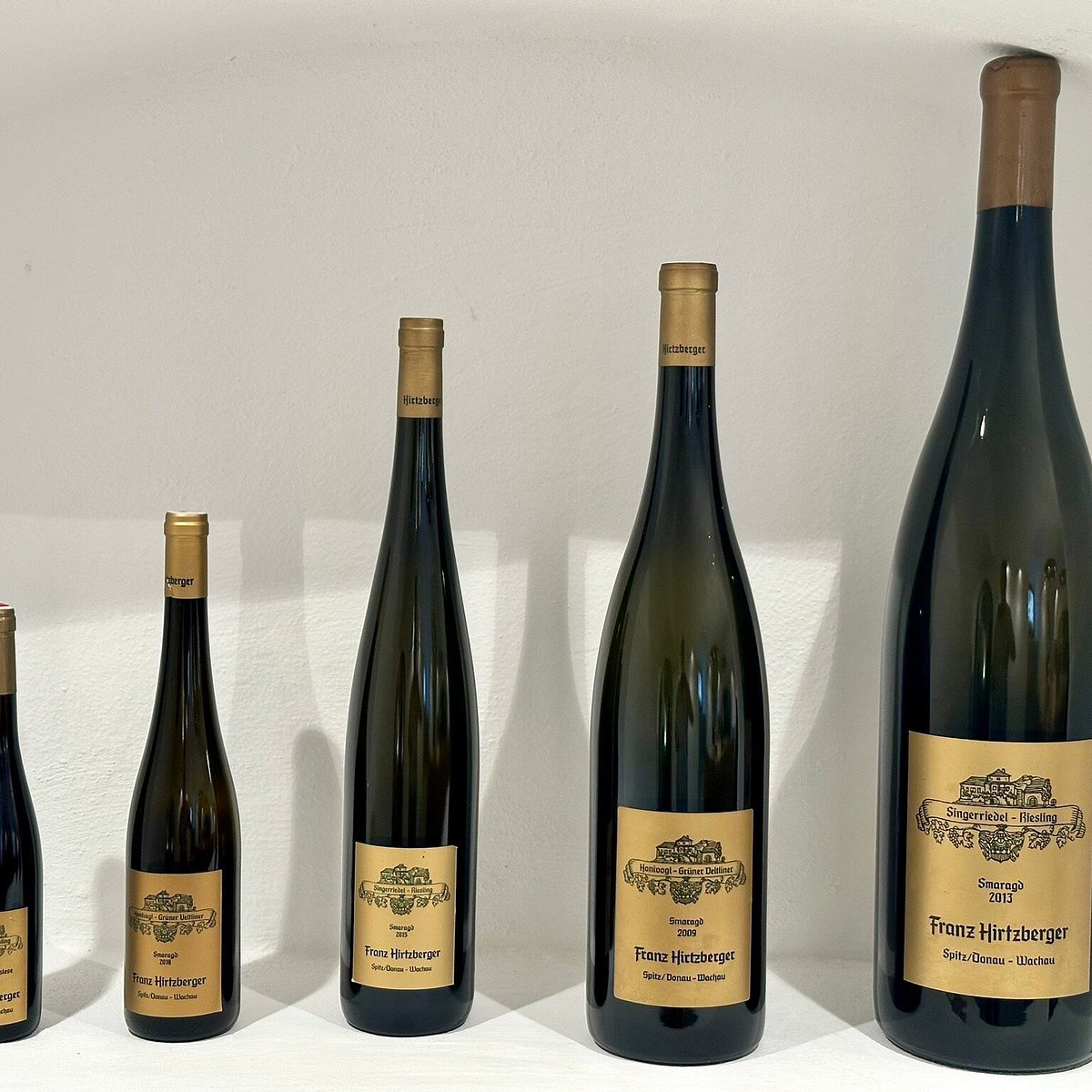
If the decision is between this and Weingut Franz Hirtzberger, choose based on the kind of itinerary you want and on the availability each venue confirms directly. Weingut FJ Gritsch (Mauritiushof) has confirmed Pearl 2 Star Prestige recognition for 2025, while any specific visit experience should be before you commit.
Against the broader comparison set, Weingut Rudi Pichler, Weingut Prager, Weingut Josef Schmelz, and Weingut Jamek are useful names to consider for a wider plan. None should be treated as interchangeable without checking current visit options, timing, and access directly with each venue.
For readers widening a trip beyond Spitz, keep those stops separate from a Spitz-focused day. Other venues can make sense as separate itinerary anchors, but they should not be used to infer specific services, pricing, or formats at Weingut FJ Gritsch (Mauritiushof).
Planning details
- Location
- Kirchenpl. 13, 3620 Spitz
- Website
- gritsch.at
- Phone
- +43 2713 2450
The take
The Take
The Vibe
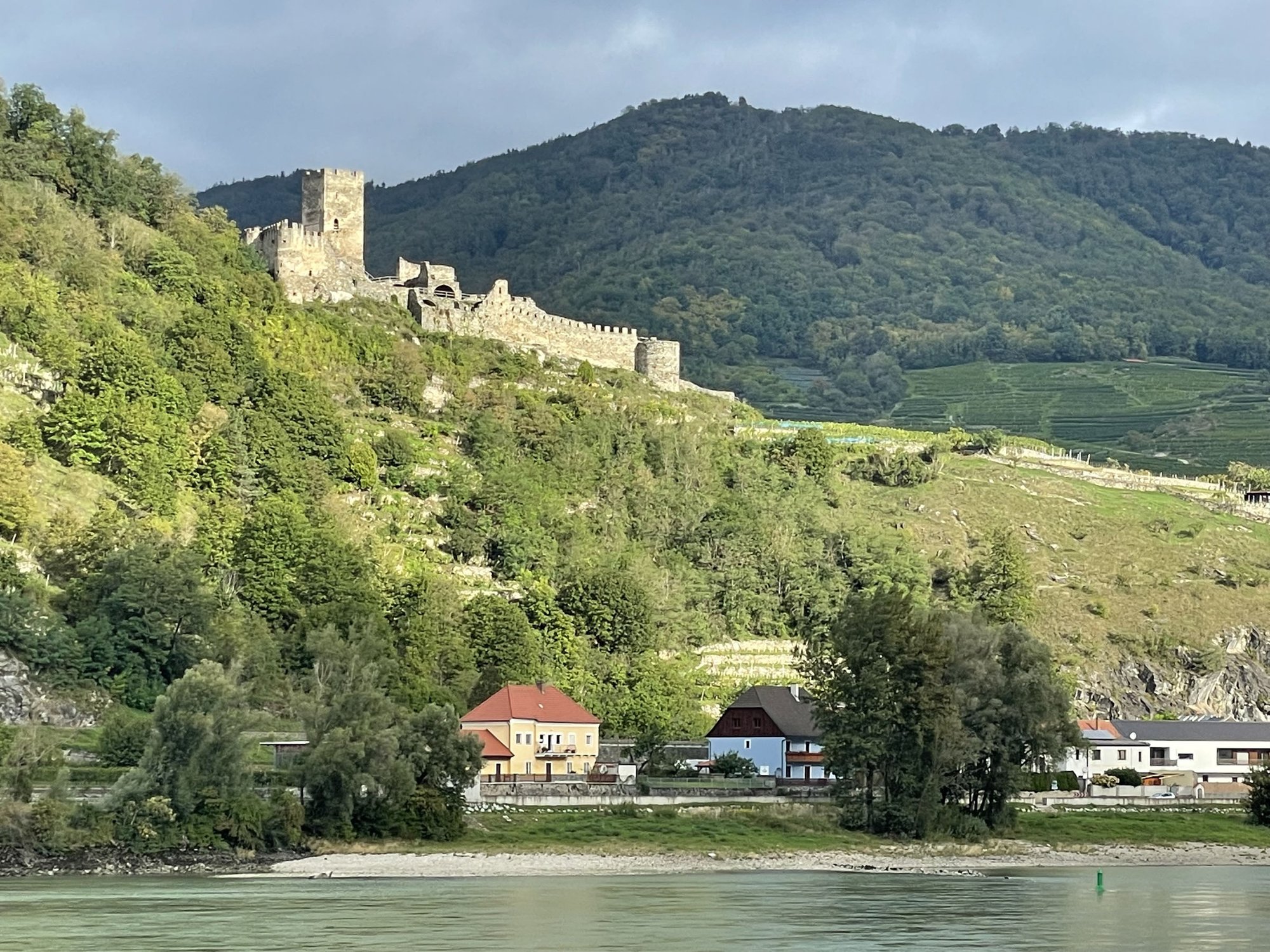
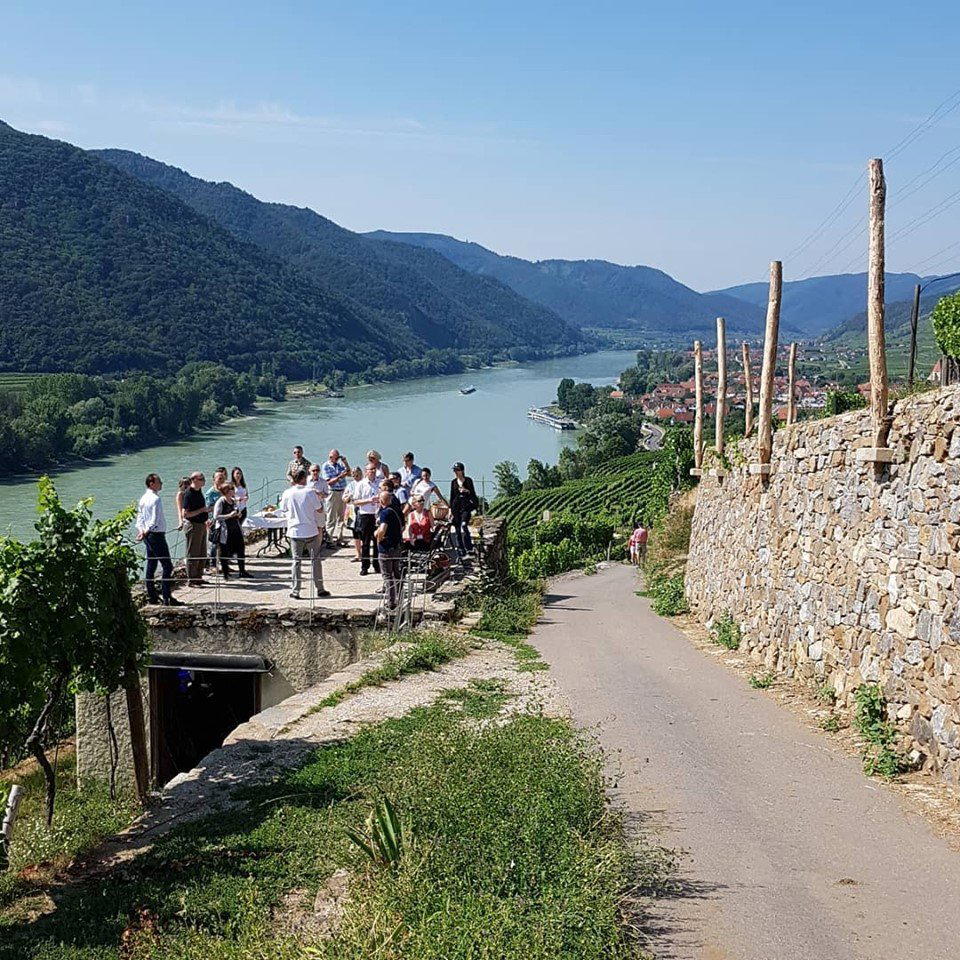
Weingut FJ Gritsch (Mauritiushof) sits at the civic heart of Spitz, and the writing emphasizes village-rooted winemaking and long local traditions. The estate carries a quietly sophisticated character — its recent Pearl 2 Star Prestige designation and positioning for collectors underscore a measured, terroir-driven seriousness. The narrative is less about flashy production and more about meticulous place-based expression: mineral signatures from gneiss, granite and mica schist give the wines a distinctive upper-Wachau profile. Overall the mood is historic and refined, with village charm and a focus on terroir that rewards attentive tasting and study.
Best For
This estate is best suited to visitors who come wanting to learn and to taste deliberately. The description frames FJ Gritsch for collectors and serious wine travellers, and it repeatedly foregrounds terroir, soils and a cellar-based tradition — all cues that make the property a strong stop for wine education and focused, solo exploration. The village setting also appeals to those who appreciate a quieter, historically rooted visit rather than a commercial tourist stop. Travelers seeking to understand the upper Wachau’s mineral-driven style will find the estate particularly rewarding.
Tasting Tips
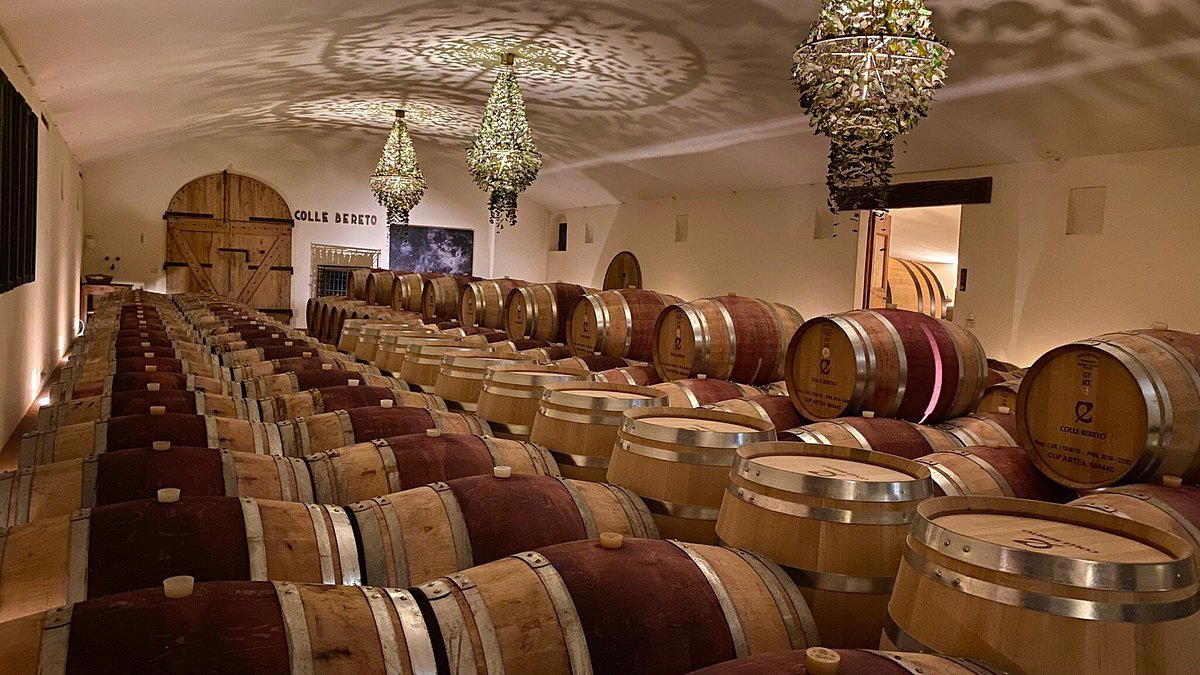
When you visit or taste from this house, focus on expressions that showcase the upper-Wachau mineral signature: wines sourced from gneiss, granite and mica schist are called out in the text. Ask about the Pearl 2 Star Prestige designation and which bottlings the estate considers representative of that status. Because the writeup highlights the cellar and village-rooted production, request a look at cellar-focused cuvées or older vintages if available and inquire about the specific plots or slopes mentioned in tasting notes to connect soil, aspect and flavour.
Venue details
Tags
Vibe
Best For
Experience
View
At the Vineyard
- Appellation
- Wachau
- Varietals
- Grüner Veltliner, Riesling, Muskateller, Neuburger, Sauvignon Blanc
- Visits
- By reservation
- Wine Styles
- Still White
- Wine Club
- Not available
Know before you go
Know Before You Go
- Getting there
- Kirchenpl. 13, 3620 Spitz
Planning details
Location
Recognition and awards

Also consider
Also Consider
- Weingut Franz Hirtzberger, Notable alternative
- Weingut Rudi Pichler, Notable alternative
- Weingut Josef Schmelz, Notable alternative
- Weingut Jamek, Notable alternative
- Weingut Prager, Notable alternative
Winery context
How It Compares
Choose Weingut FJ Gritsch (Mauritiushof) when the goal is a serious Spitz winery experience that feels considered without making the whole itinerary revolve around one trophy name. Weingut Franz Hirtzberger is the stronger choice when name recognition is part of the point; FJ Gritsch is the more practical pick when value-to-quality and occasion fit matter more than label signal alone.
Weingut Rudi Pichler and Weingut Prager make sense for a benchmark-led Wachau itinerary, especially for guests who want to compare established regional names. Weingut Josef Schmelz and Weingut Jamek are better cross-shops if booking access and a calmer day matter more than securing the hardest table-equivalent in the cellar circuit.
For a celebration, FJ Gritsch is the balanced choice: enough prestige to justify planning, less dependent on pure status than Franz Hirtzberger, and more occasion-ready than treating the day as a fast tasting crawl. If the group is large or loosely organized, start with the easier-access alternatives first rather than forcing this booking into the plan.
Explore Spitz
Around this place
Discover more on Pearl
Unlock the full Weingut FJ Gritsch (Mauritiushof) guide in Pearl, including awards, comparisons, FAQs, planning details, and nearby places.
Compare Weingut FJ Gritsch (Mauritiushof)
| Venue | Location | Awards |
|---|---|---|
| Weingut FJ Gritsch (Mauritiushof) | Spitz | 2026 Falstaff Winery Guide |
| Weingut Franz Hirtzberger | Spitz | 2026 Falstaff Winery Guide |
| Weingut Rudi Pichler | Wösendorf | 2026 Falstaff Winery Guide |
| Weingut Josef Schmelz | Joching | 2026 Falstaff Winery Guide |
| Weingut Jamek | Joching | 2026 Falstaff Winery Guide |
| Weingut Prager | Weißenkirchen | 2026 Falstaff Winery Guide |
How Weingut FJ Gritsch (Mauritiushof) compares with similar nearby venues.
FAQ
Frequently Asked Questions
What other venues are relevant comparisons for Weingut FJ Gritsch (Mauritiushof)?
Relevant comparison names include Weingut Franz Hirtzberger, Weingut Rudi Pichler, Weingut Josef Schmelz, Weingut Jamek, and Weingut Prager. For a Spitz plan, Weingut FJ Gritsch (Mauritiushof) is notable for its confirmed Pearl 2 Star Prestige recognition for 2025.