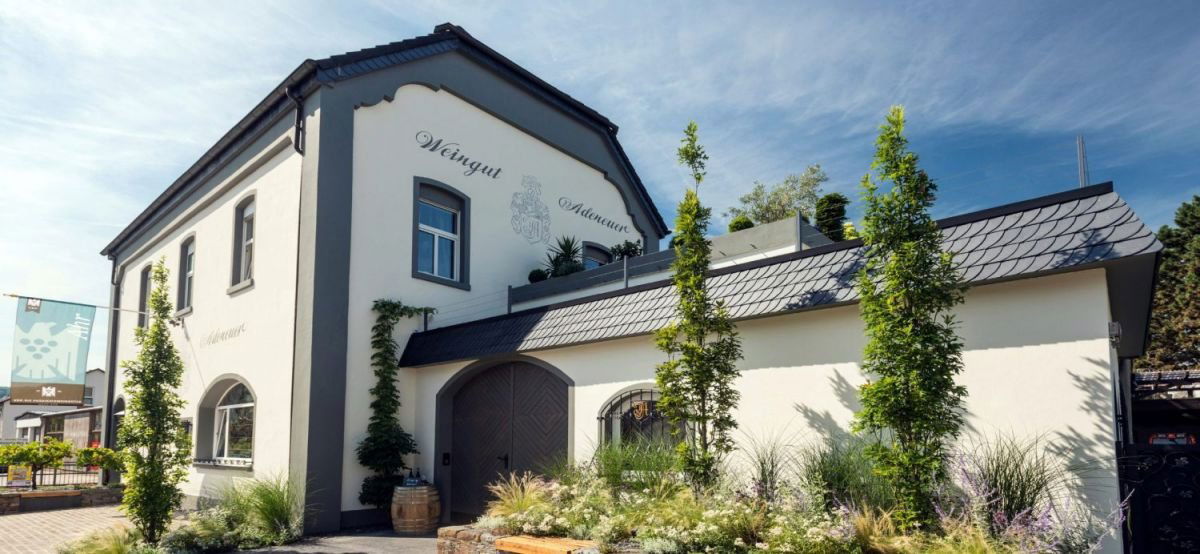

Weingut J.J. Adeneuer
Bad Neuenahr-Ahrweiler
Winery in Bad Neuenahr-Ahrweiler, Germany
 Book with Pearl
The Read
Ahr Pinot Precision
Why go
A strong pick for travelers building an Ahr-focused wine day rather than a casual tasting crawl. Weingut J.J. Adeneuer makes the most sense when planned ahead, paired with one other serious regional stop, and supported by local restaurant or hotel plans in Bad Neuenahr-Ahrweiler.
About Weingut J.J. Adeneuer
Weingut J.J. Adeneuer is a Bad Neuenahr-Ahrweiler venue with confirmed Pearl 2 Star Prestige recognition for 2025 and a smart casual dress code. Beyond those details, the available venue data does not confirm visitor formats, opening hours, tasting arrangements, food service, prices, seat counts, or specific wines. Treat this as a thin-data listing: useful for identifying the venue and its confirmed recognition, but not enough to assume a particular style of visit without checking directly.
For planning, keep the confirmed facts separate from assumptions. The venue is in Bad Neuenahr-Ahrweiler, and it has Pearl 2 Star Prestige (2025). If you are building a day around it, verify current access, timing, and any hospitality details through the venue's own channels before making the rest of the itinerary dependent on a visit. Start with a Bad Neuenahr-Ahrweiler guide, then build around confirmed availability.
Plan it as an intentional stop, not an easy fallback
The case for planning ahead is simple: the information supports treating Weingut J.J. Adeneuer as a recognized Bad Neuenahr-Ahrweiler stop, but it does not confirm walk-in access, appointment rules, group handling, food, or a set tasting format. That makes advance confirmation more important than guesswork. If the trip needs guaranteed access, compare options such as Weingut Meyer-Näkel, Weingut Jean Stodden, and Winzergenossenschaft Mayschoss-Altenahr before locking the day.
For an explorer, the safest itinerary is lean. Confirm one high-intent venue, leave enough buffer for travel, and avoid stacking multiple visits unless each timing. Use the Bad Neuenahr-Ahrweiler restaurants guide to keep the day anchored locally; if the evening matters, plan it separately rather than assuming the visit will cover every part of the day.
Who should prioritize it
Prioritize Weingut J.J. Adeneuer if you are specifically considering recognized venues in Bad Neuenahr-Ahrweiler and want a stop with confirmed Pearl 2 Star Prestige recognition in 2025. The data does not support claims about a particular menu, tasting structure, flagship wine, visitor capacity, or hospitality style, so it is a better fit for travelers who are comfortable confirming details directly before going.
Quick reference: Weingut J.J. Adeneuer is in Bad Neuenahr-Ahrweiler, has Pearl 2 Star Prestige (2025), and lists smart casual dress. For everything else, including reservations, group visits, food, and current visitor arrangements, check the venue directly before planning around it.
Planning details
- Location
- Max-Planck-Straße 8, 53474 Bad Neuenahr-Ahrweiler
- Website
- adeneuer.eu
- Phone
- +490264134473
The take
The Take
The Vibe
Weingut J.J. Adeneuer presents a quiet, historically rooted character anchored in the Ahr Valley’s long-standing wine culture. The estate reads like a small-town cellar house tucked into a spa town — pedestrian streets, thermal-bath rhythms and an unhurried tempo shape the visitor experience. Editorial focus falls on geological precision: blue-grey slate and volcanic basalt define the wines, lending structural tension rather than overt ripeness. The result is a refined, contemplative destination for people who appreciate terroir-first Pinot Noir in a setting that feels both charmingly local and intellectually rewarding.
Best For
This estate is best for visitors who come to learn. The copy frames Weingut J.J. Adeneuer as a place to study how slate and valley microclimates shape Spätburgunder, so it suits solo explorers, students of terroir and anyone on a wine-education itinerary. Because the address places the winery in town rather than on a remote hill, it also works as a stop within a Bad Neuenahr-Ahrweiler cellar crawl or a quiet, focused tasting between visits to local spas and pedestrian streets.
Tasting Tips
Center your tasting on the region’s signature: Spätburgunder (Pinot Noir) from slate-dominant parcels. Ask how specific parcels and the blue‑grey slate influence ripening and acidity — the description highlights slate’s heat retention and mineral contribution, which produce wines of tension and integrated acidity. Compare any estate Pinots to other Ahr bottlings or to Burgundian references to appreciate differences in structure. Keep notes on statements about parcel exposure and vintage variation, since the narrative emphasizes a persistent terroir signature across years.
Venue details
Ambiance
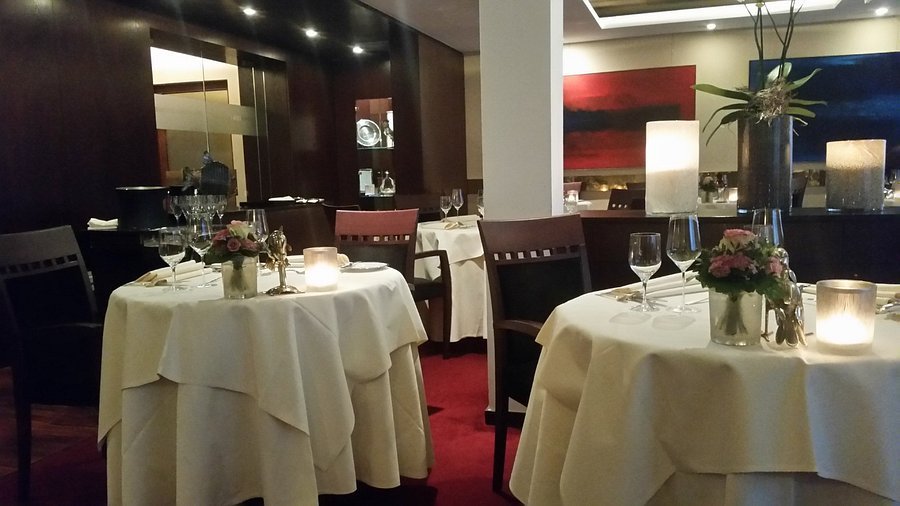
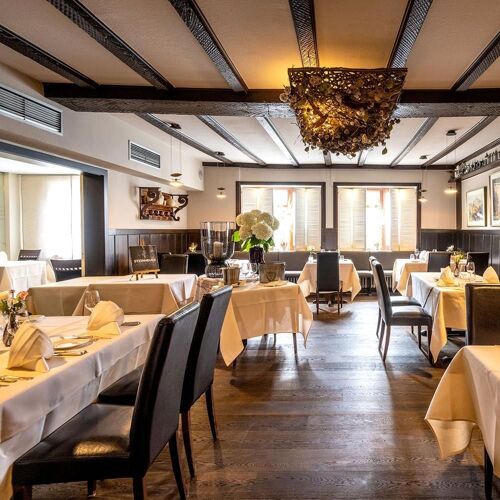
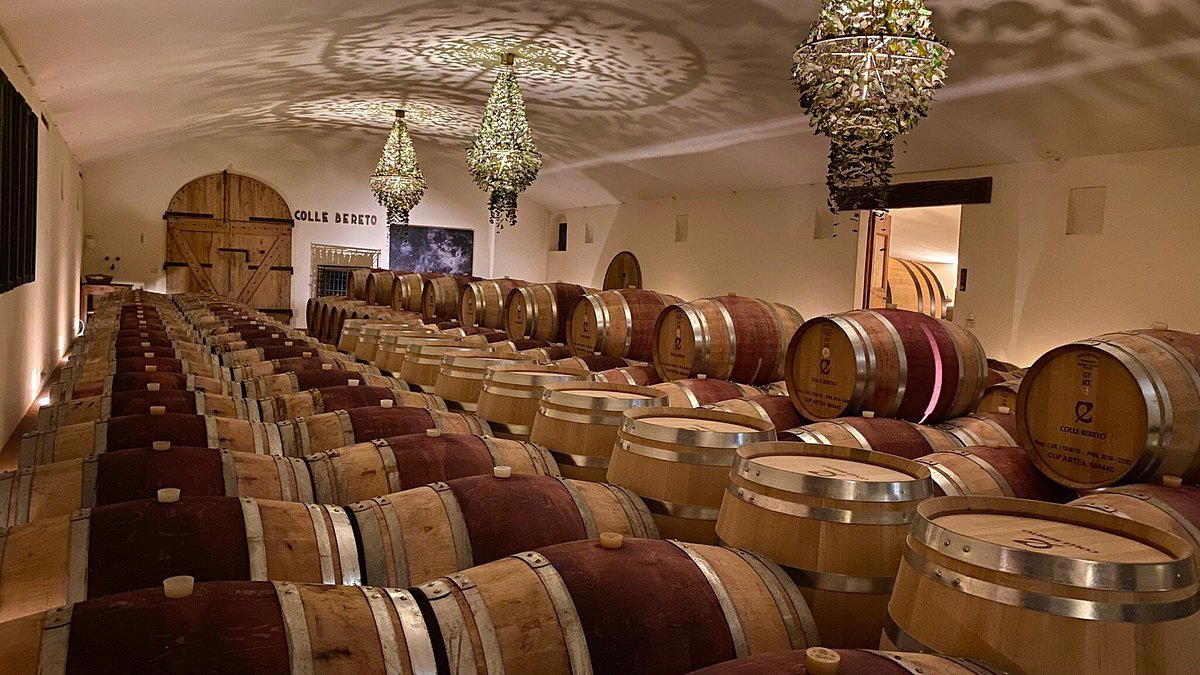
Traditional family winery with a classic, rustic atmosphere focused on purist Pinot Noir production in the scenic Ahr Valley.
Tags
Vibe
Best For
Experience
Sourcing
View
At the Vineyard
- Appellation
- Ahr
- Varietals
- Pinot Noir, Frühburgunder, Weißburgunder
- Tour Duration
- 60-90 minutes
- Tour Languages
- German
- Visits
- By reservation
- Farming
- Sustainable
- Production
- Small producer
- Wine Styles
- Still Red
- Wine Club
- Not available
Know before you go
Know Before You Go
- Getting there
- Max-Planck-Straße 8, 53474 Bad Neuenahr-Ahrweiler
Planning details
Location
Recognition and awards

Also consider
If you cannot book it
Try Weingut Meyer-Näkel or Weingut Jean Stodden first if the goal remains a serious Ahr itinerary.
For a more forgiving group stop, Winzergenossenschaft Mayschoss-Altenahr is the safer backup to check before rebuilding the whole day.
Winery context
How it compares in the Ahr and nearby wine circuit
Choose Weingut J.J. Adeneuer if the priority is a focused Ahr visit with serious regional context. Weingut Meyer-Näkel and Weingut Jean Stodden belong on the same shortlist for travelers comparing high-intent Ahr producers; the deciding factor should be confirmed access and the style of visit available on your dates.
Winzergenossenschaft Mayschoss-Altenahr is the practical cross-shop if the group needs a more flexible, accessible-feeling stop. Pick Adeneuer for a tighter producer-led itinerary; pick the cooperative when logistics, mixed-interest travelers, or group planning matter more than cellar depth.
Jacquart and Weingut Heymann-Löwenstein work better as broader regional comparisons than same-day substitutes. Use them if the trip is expanding beyond the Ahr, but for a Bad Neuenahr-Ahrweiler-centered wine day, keep Adeneuer against Meyer-Näkel, Jean Stodden, and Mayschoss-Altenahr first.
Explore Bad Neuenahr-Ahrweiler
Around this place
Discover more on Pearl
Unlock the full Weingut J.J. Adeneuer guide in Pearl, including awards, comparisons, FAQs, planning details, and nearby places.
Compare Weingut J.J. Adeneuer
| Venue | Location | Awards |
|---|---|---|
| Weingut J.J. Adeneuer | Bad Neuenahr-Ahrweiler | 2026 Falstaff Winery Guide |
| Weingut Meyer-Näkel | Dernau | No published awards |
| Weingut Jean Stodden | Rech | 2026 Falstaff Winery Guide |
| Jacquart | Grafschaft | 2025 Pearl 2 Star Prestige |
| Winzergenossenschaft Mayschoss-Altenahr | Mayschoß | No published awards |
| Weingut Heymann-Löwenstein | Winningen | 2026 Falstaff Winery Guide |

How Weingut J.J. Adeneuer compares with similar nearby venues.
FAQ
Frequently Asked Questions
What other venues can I compare with Weingut J.J. Adeneuer?
For comparison while planning, consider Weingut Jean Stodden, Winzergenossenschaft Mayschoss-Altenahr, and Weingut Meyer-Näkel. Weingut Heymann-Löwenstein and Jacquart can also serve as broader reference points, but do not assume they share the same location or visitor setup as Weingut J.J. Adeneuer.
What is the flagship wine at Weingut J.J. Adeneuer?
The supplied venue data does not name a flagship bottle or specific wine. If you visit Weingut J.J. Adeneuer, ask the venue directly about current wines and recommendations instead of relying on an label. Weingut Meyer-Näkel can be a useful comparison point when thinking about a wider itinerary.