
Hatzidakis Winery
Pyrgos Kallistis
Winery in Pyrgos Kallistis, Greece
 Book with Pearl
The Read
Volcanic Terroir Assyrtiko
Price
$30–50tasting
Why go
Hatzidakis Winery is worth prioritizing for a wine-led Santorini celebration in Pyrgos Kallistis, especially if the plan is built around the winery rather than a flexible island crawl. Treat it as an anchor reservation, not a casual backup, and compare with larger Santorini peers if group logistics matter.
About Hatzidakis Winery
Hatzidakis Winery is a Pyrgos Kallistis venue with a casual dress code and Pearl 2 Star Prestige recognition for 2025. It’s best to plan it as a winery stop in Pyrgos Kallistis and confirm any visit-specific details directly before going.
For travelers comparing wineries in the area, Hatzidakis Winery can be considered alongside named Santorini wine venues such as Artemis Karamolegos Winery, Boutari Winery (Santorini), Estate Argyros, SantoWines (Santorini Coop), and Venetsanos Winery. If you are also building a wider Pyrgos Kallistis plan, use current local resources for dining, hotels, bars, and experiences.
Choose it for a Pyrgos Kallistis winery listing
The grounded facts are simple: Hatzidakis Winery is in Pyrgos Kallistis, the dress code is casual, and Pearl lists it with 2 Star Prestige recognition for 2025. Details such as food service, tasting format, group capacity, hours, pricing, and reservation requirements are not included in the record.
Because those practical details are not confirmed, avoid building a plan around assumptions. If your occasion depends on a specific schedule, food availability, accessibility, group arrangements, or a particular style of visit, check the venue's official channels before committing.
Where it fits in a Pyrgos Kallistis plan
Hatzidakis Winery fits as a winery option in Pyrgos Kallistis rather than as a fully documented hospitality listing. Its confirmed Pearl 2 Star Prestige recognition gives it a clear reason to appear on a shortlist, but the available details do not support claims about a particular tasting structure, menu, price point, or service model.
Quick reference: consider Hatzidakis Winery for a casual-dress winery visit in Pyrgos Kallistis, and compare practical details with Artemis Karamolegos Winery, Boutari Winery (Santorini), Estate Argyros, SantoWines (Santorini Coop), or Venetsanos Winery before finalizing plans.
Planning details
- Location
- Kallisti, Pyrgos, Thira, 84701, Santorini 847 00
- Website
- hatzidakiswines.gr
- Phone
- +30 698 110 7180
The take
The Take
The Vibe
Hatzidakis Winery reads like a quiet, terroir-first producer rooted in Santorini’s distinctive landscape. The copy foregrounds Assyrtiko grown in volcanic pumice and ash, and it explains how the island’s meltemi winds and near-zero rainfall force vines to tap deep subsoils. That sense of place is reinforced by Pyrgos’s medieval hilltop setting and the traditional kouloura vine training, which visually anchors the vineyards. A Pearl 2 Star Prestige rating places Hatzidakis among the island’s more serious producers, so the overall impression is one of historically informed, thoughtfully produced wines that articulate where they come from.
Best For
Hatzidakis suits visitors who are focused on provenance and the mechanics of island viticulture: wine students, curious travelers and anyone interested in how extreme terroir shapes flavor. The editorial frame emphasizes Assyrtiko and the volcanic soils of Pyrgos, so the winery works well for educational stops and for elevated, contemplative visits rather than noisy social gatherings. Its placement in a medieval hilltop village and its Pearl 2 Star Prestige rating also make it a natural pick for people seeking a more refined or special-occasion tasting experience centered on singular Santorini expressions.
Tasting Tips
When engaging with Hatzidakis’s wines, center the tasting around Assyrtiko and expressions that call out volcanic minerality and high natural acidity. The text highlights the island’s pumice-and-ash soils, the meltemi winds and the kouloura-trained vines, so ask about bottlings that reference specific vineyards or elevation in Pyrgos. Note the Pearl 2 Star Prestige mention as a marker of the winery’s serious production tier; if available, prioritize estate or single-vineyard bottles that showcase the concentrated, saline-driven profile the narrative describes.
Venue details
Ambiance
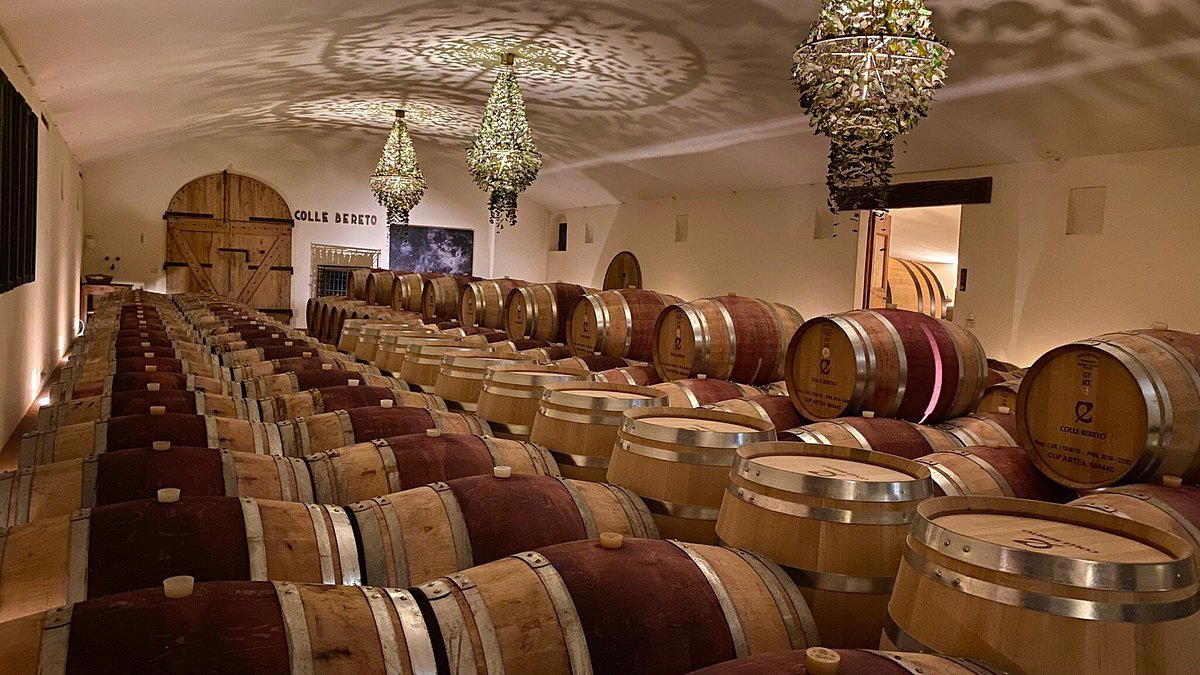
Atmospheric wine cellar setting next to oak barrels with charming, family-run hospitality and views of volcanic vineyards at 330 meters elevation.
Tags
Vibe
Best For
Experience
Sourcing
View
At the Vineyard
- Appellation
- Santorini
- Varietals
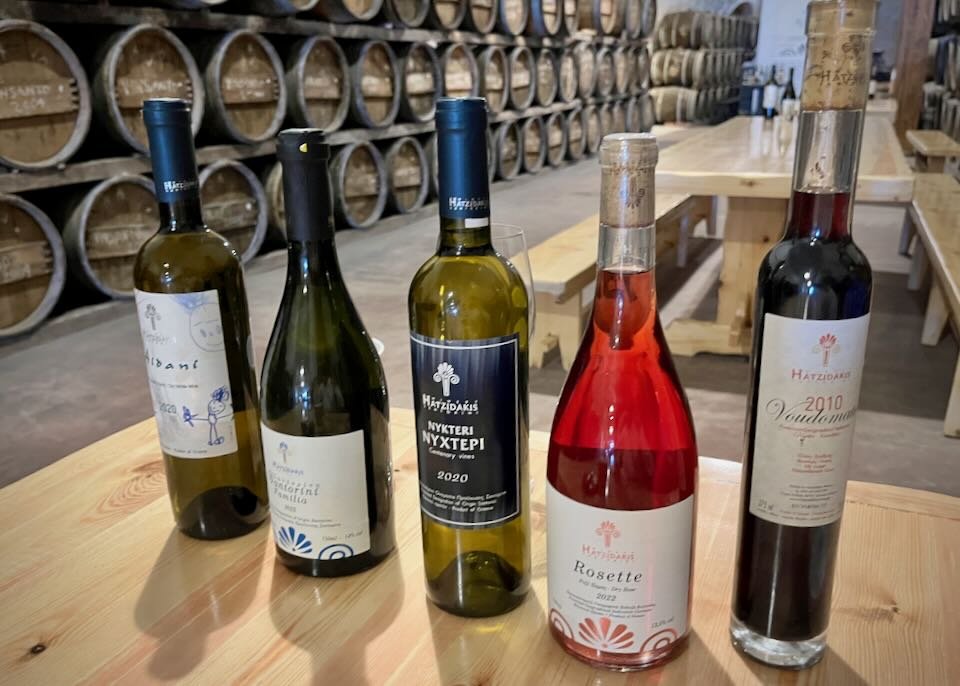
- Assyrtiko, Aidani, Mavrotragano, Athiri, Mandilaria
- Tour Duration
- 120-180 minutes
- Tour Languages
- English, Greek
- Visits
- By appointment only
- Farming
- Organic
- Wine Styles
- Still White, Still Red, Still Rose, Dessert
- Food Pairing
- Offered
- Wine Club
- Not available
Know before you go
Know Before You Go
- Getting there
- Kallisti, Pyrgos, Thira, 84701, Santorini 847 00
Planning details
Location
Recognition and awards

Also consider
Also Consider
- Boutari Winery (Santorini), Notable alternative
- Venetsanos Winery, Notable alternative
- SantoWines (Santorini Coop), Notable alternative
- Artemis Karamolegos Winery, Notable alternative
- Estate Argyros, Notable alternative
Winery context
How it compares with Santorini winery peers
Choose Hatzidakis Winery when the goal is a serious, wine-led stop in the Pyrgos Kallistis area and the group is small enough to plan around a hard-to-secure booking. Boutari Winery (Santorini) is the safer cross-shop for travelers who want a more conventional Santorini winery visit, while Artemis Karamolegos Winery is the one to compare if the priority is a broader visitor experience rather than a tighter celebration format.
For ambiance-led itineraries, Venetsanos Winery and SantoWines (Santorini Coop) are better fits for guests who want the setting to carry as much weight as the wine. If the decision is about reputation within Santorini wine rather than ease, Estate Argyros belongs on the same shortlist. The practical read: book Hatzidakis for a focused occasion, cross-shop SantoWines or Boutari for simpler group planning, and compare Estate Argyros when wine credentials are the deciding factor.
Explore Pyrgos Kallistis
Around this place
Discover more on Pearl
Unlock the full Hatzidakis Winery guide in Pearl, including awards, comparisons, FAQs, planning details, and nearby places.
Compare Hatzidakis Winery
| Venue | Location | Awards |
|---|---|---|
| Hatzidakis Winery | Pyrgos Kallistis | 2026 Falstaff Winery Guide |
| Boutari Winery (Santorini) | Santorini | No published awards |
| Venetsanos Winery | Santorini | No published awards |
| SantoWines (Santorini Coop) | Santorini | 2026 Falstaff Winery Guide |
| Artemis Karamolegos Winery | Santorini | 2026 Falstaff Winery Guide |
| Estate Argyros | Santorini | 2026 Falstaff Winery Guide2022 World's 50 Best Vineyards · #40 |

How Hatzidakis Winery compares with similar nearby venues.
FAQ
Frequently Asked Questions
How long should I plan for a visit to Hatzidakis Winery?
The record does not include a recommended visit length for Hatzidakis Winery. If you are comparing winery stops, check current details for Hatzidakis Winery as well as Estate Argyros or Venetsanos Winery before setting a schedule.
Is the wine club at Hatzidakis Winery worth joining?
The record does not include information about a wine club at Hatzidakis Winery. If membership, shipping, or repeat-purchase options matter to you, confirm those details directly with the venue and compare with other Santorini wineries such as SantoWines (Santorini Coop).