

2026 Falstaff Winery Guide: The Ultimate Wine Authority — Page 68
Falstaff's 2026 Wineries guide.

Venues on this list
Château Le Bon Pasteur
Pomerol, France
Falstaff 3 Stars (2026), appointment-only access, smart casual dress, and a $$$ price signal make Château Le Bon Pasteur a better choice for serious Pomerol buyers than casual wine tourists. Go for the Merlot-led, cellar-minded flagship if the budget fits; look to L’Étoile de Bon Pasteur for a softer entry point.
Bio.Weingut Sanin
Margreid A D Weinstra E, Italy
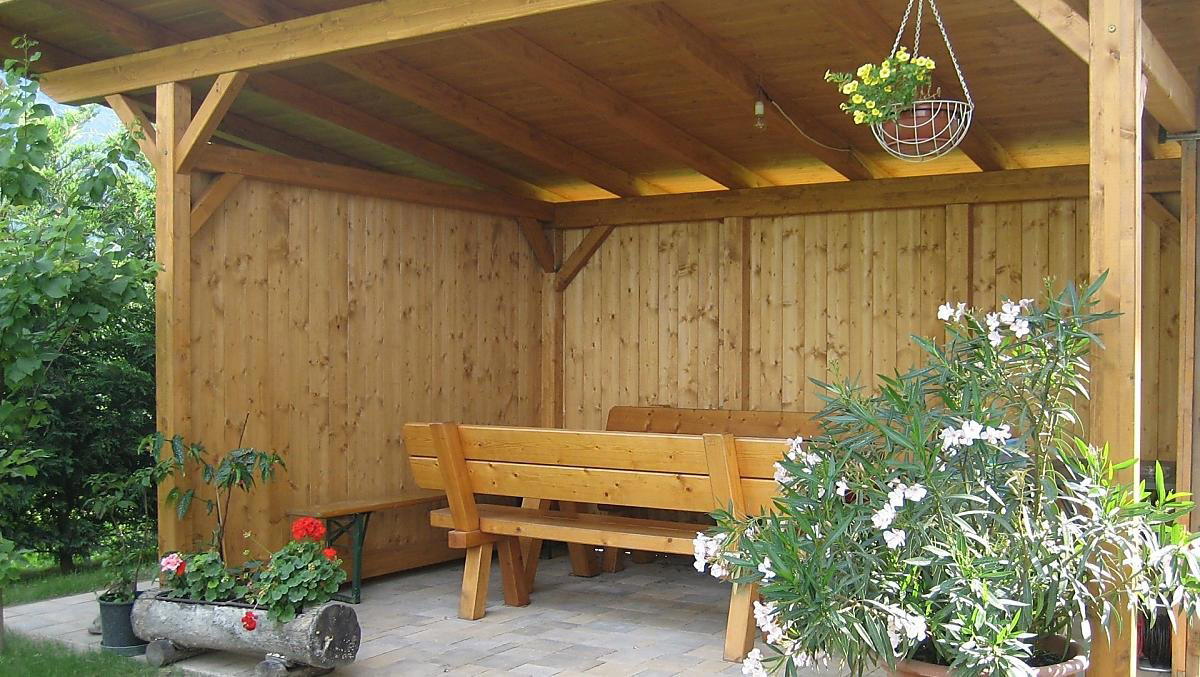
Bio.Weingut Sanin works for an easy Alto Adige wine-road stop in Margreid an der Weinstraße, especially if the plan is wine first and food elsewhere. Do not treat it as a full meal or pairing destination unless those details are confirmed separately; use it as a flexible visit within a broader celebration itinerary.
Darling Cellars
Darling, South Africa
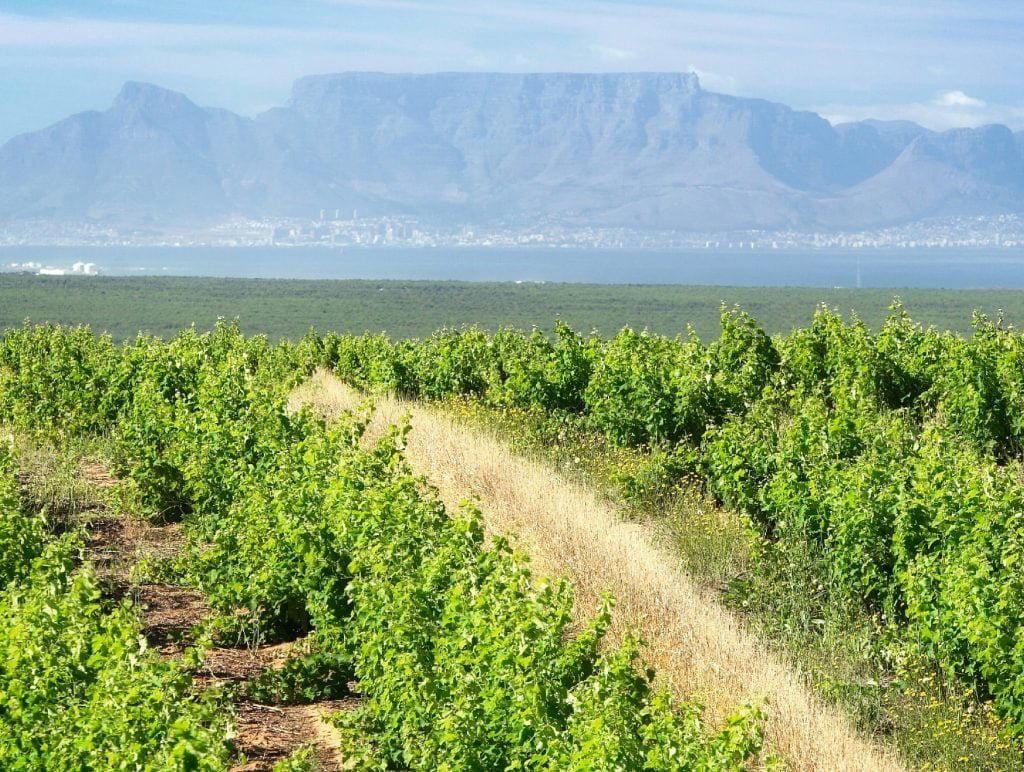
Darling Cellars works as an easy wine-focused stop in Darling, especially for travelers building a broader West Coast wine route. Its strongest trust signal is Falstaff Listed (2026); treat the visit as a tasting-first call rather than a restaurant-led estate day.
Centinari
Cazzago San Martino, Italy
Centinari is a cautious yes if the trip already brings you through Cazzago San Martino, especially for travelers mapping Franciacorta producers. Treat any wine club or allocation offer carefully: join only after tasting and only if pricing, shipment terms, and member access are clearly better than buying as needed.
Château Haut-Brisson
Vignonet, France
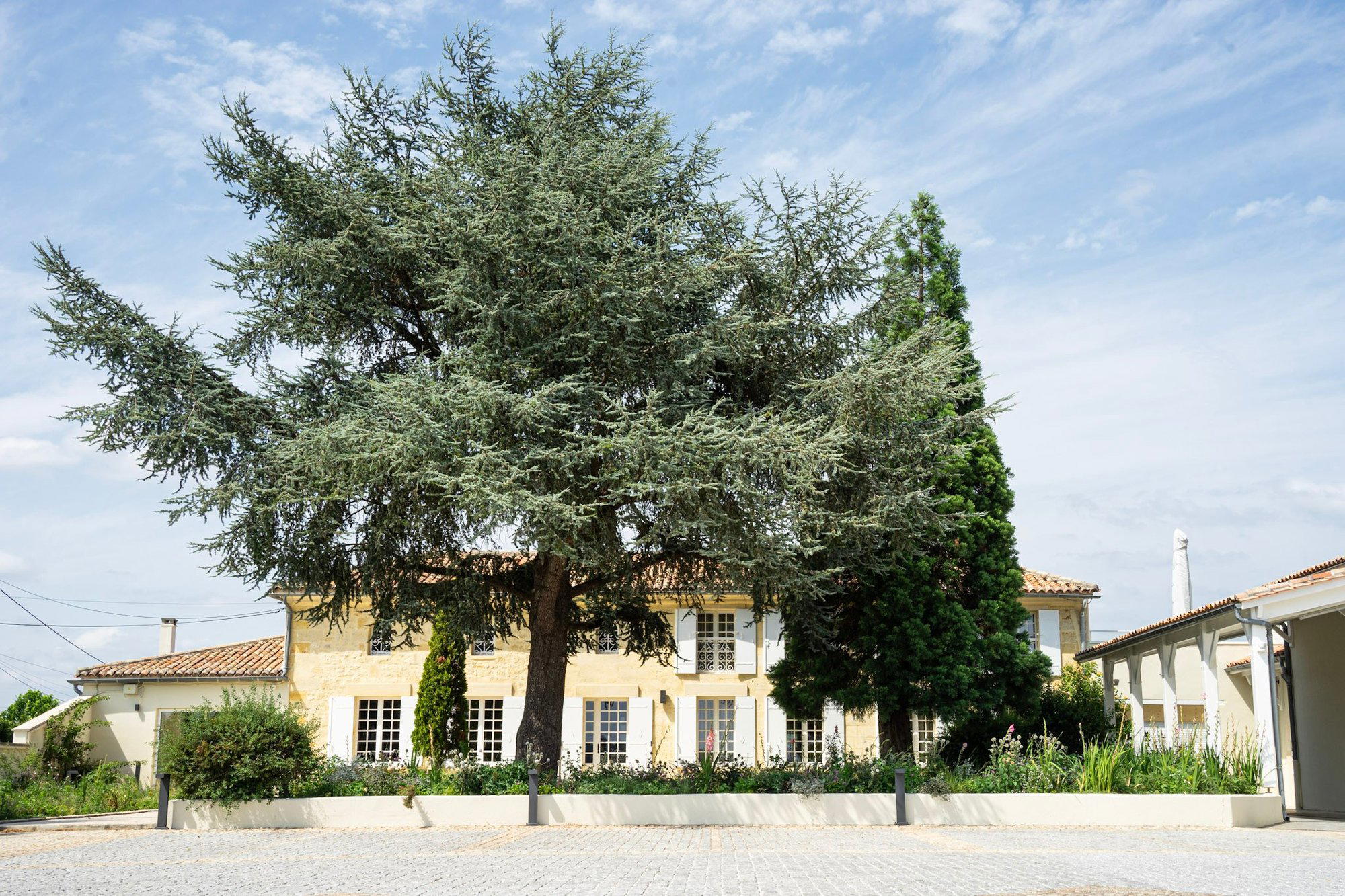
Château Haut-Brisson is worth booking if the reader wants a calm Saint-Émilion Grand Cru visit with a strong value signal and a quieter Vignonet setting. The appeal is Merlot-led Right Bank wine, organic farming direction, and an intimate estate feel; larger groups or visitors wanting a busy village-cellar circuit should plan elsewhere.
Cain Vineyard & Winery
St. Helena, United States
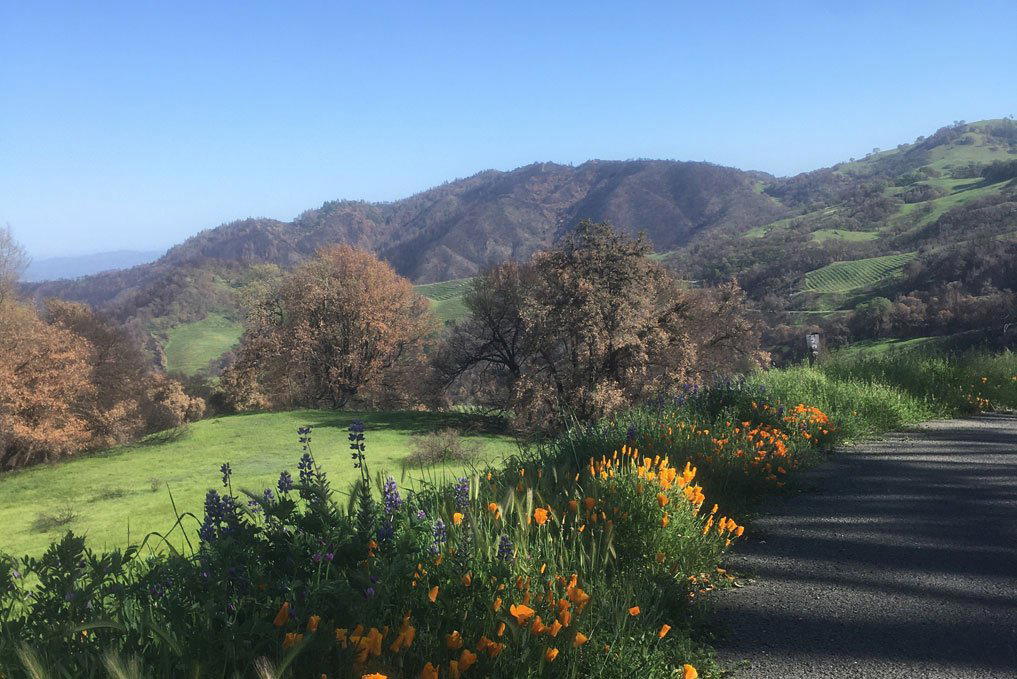
Book Cain Vineyard & Winery if the trip is built around serious Napa wine access, not a casual drop-in tasting. It is a better fit for collectors, special occasions, and allocation-minded visitors than for large groups or flexible itineraries. Treat it as the anchor of a St. Helena day and keep a nearby backup ready.
Fratelli Bortolin
Valdobbiadene, Italy
A good pick for wine travelers who want a traditional Valdobbiadene Prosecco producer rather than a polished hospitality showcase. Fratelli Bortolin is strongest for DOCG context, family continuity, and Charmat-method sparkling wines with a classic fruit-and-floral profile; book with realistic expectations around format and use it as one stop in a wider winery day.
Jacques Antoine de Robert
Saint Michel De Fronsac, France
Jacques Antoine de Robert is a quiet Saint-Michel-de-Fronsac wine estate to consider for a slower Right Bank stop, especially if the goal is rural Bordeaux atmosphere over a heavily programmed tasting. The $$ positioning and Falstaff Listed (2026) recognition make it worth an appointment inquiry, but confirm the format first if food, private tasting structure, or specific wines matter.
Taittinger
Reims, France
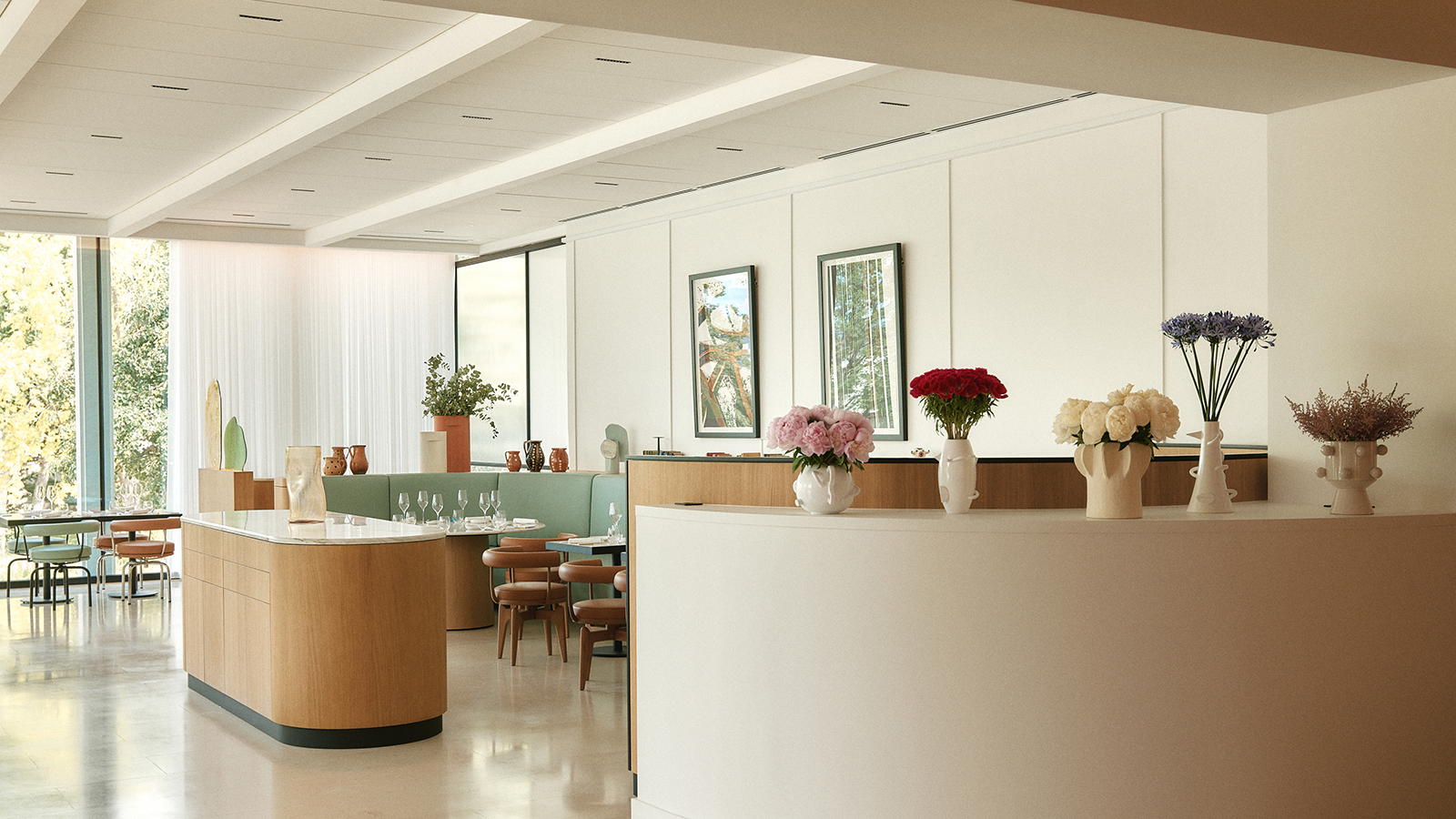
Taittinger is a winery on Place Saint-Nicaise in Reims.
Bodegas Manzanos
Azagra, Spain
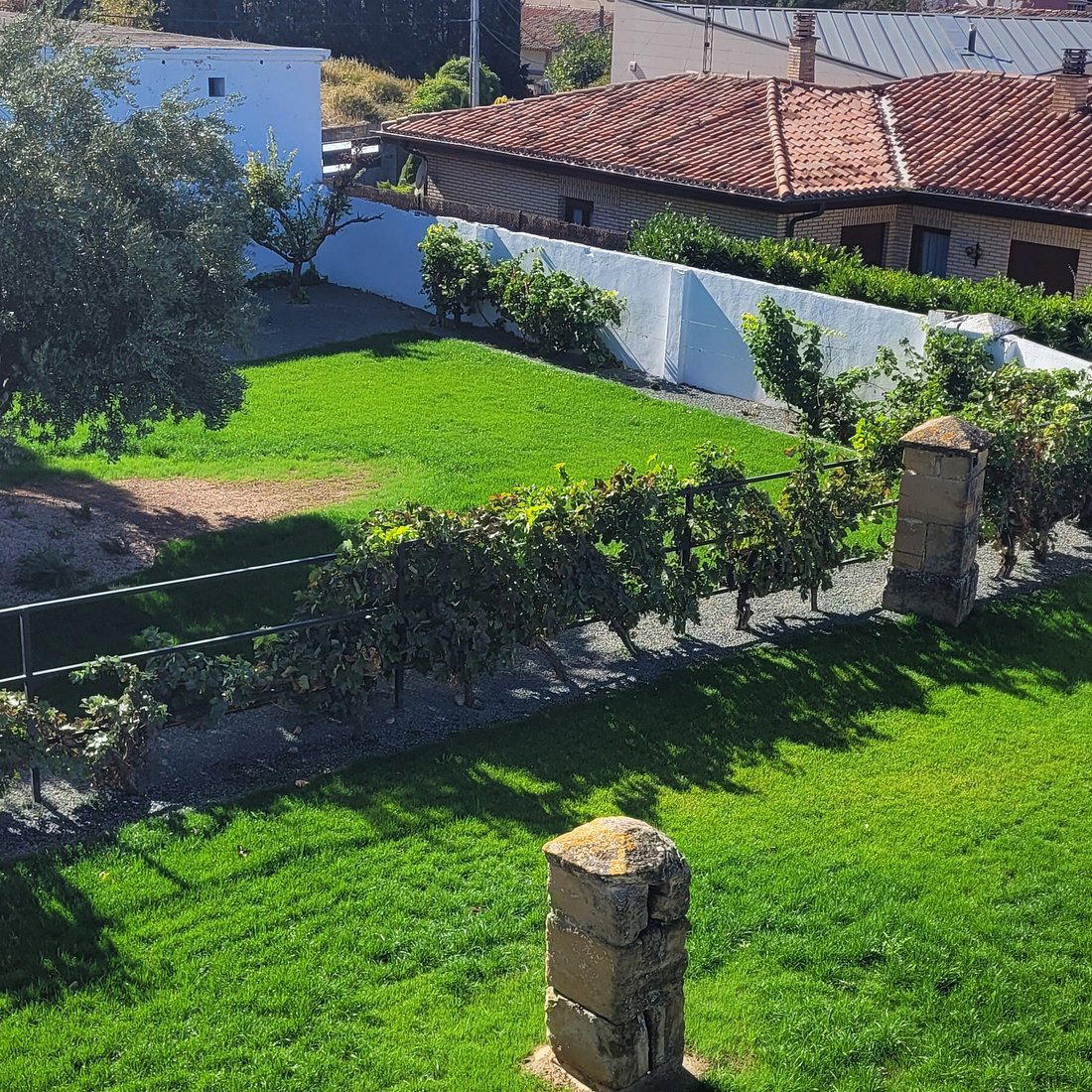
Bodegas Manzanos is worth booking if the priority is a structured winery visit with Rioja and Navarra context, a modern gravity-fed cellar, and a family story dating to 1890. The $$$ positioning and appointment-only format make it better for serious wine travelers than casual drop-ins. Falstaff 1 Stars (2026) adds a clear recognition signal.
Champagne Laurenti
Les Riceys, France
Worth planning for if the goal is long-aged Côte des Bar Champagne from a family house founded in 1923. Champagne Laurenti suits special-occasion buyers who care about Chardonnay and Pinot Noir blends, cellar ageing, and a quieter producer profile; confirm the visit format in advance because hospitality details are not broadly published.
Château Trianon
Saint-Émilion, France
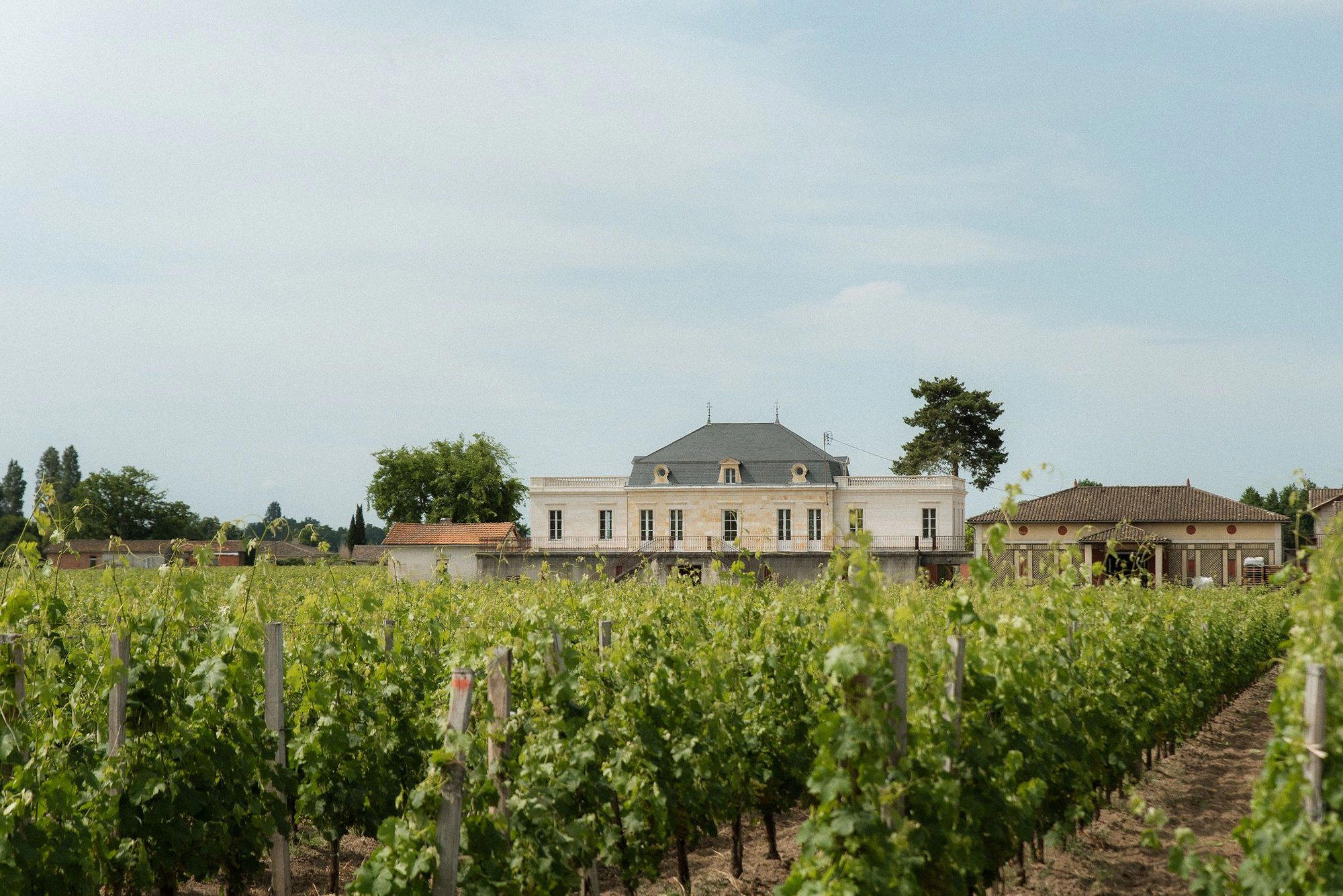
Château Trianon works if the estate setting is part of the point, not just the wine label. It suits Saint-Émilion visitors who want a calmer, context-rich stop and are building a wider winery itinerary rather than chasing only headline château names.
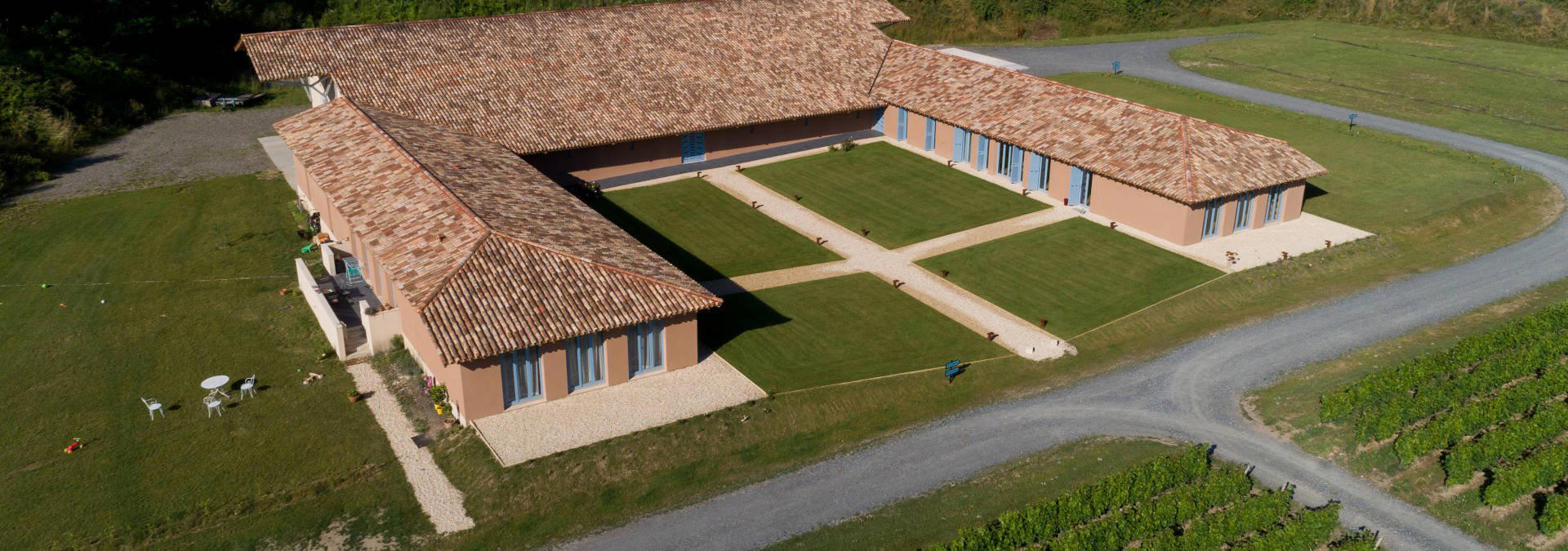
Château D’Eyran
Saint Medard D Eyrans, France
Château D’Eyran is worth shortlisting for wine travelers exploring Saint-Médard-d’Eyrans, mainly on the strength of its Falstaff Listed status in 2026. Treat any wine-club or allocation decision as research-first: confirm pricing, shipment terms, and visit format before committing.
Domaine Puy Redon
Saint Perdoux, France
Book Domaine Puy Redon if you want a quiet, appointment-led Dordogne wine stop built around place, history, and an unconventional Chardonnay project. The draw is the 1740 hilltop manoir, limestone-rich site, and technical vineyard planning, not a high-volume tasting room or meal-format visit.
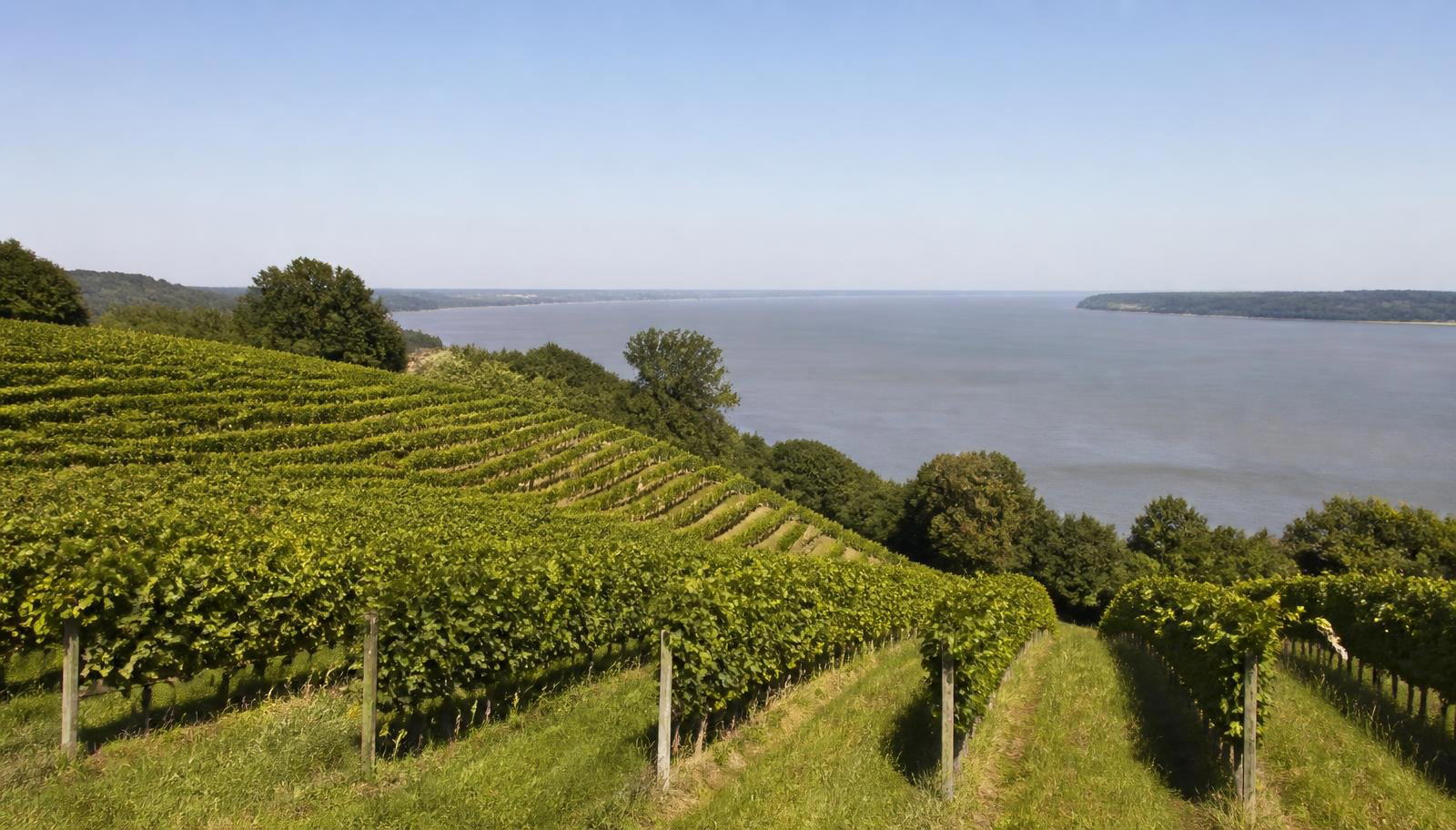
Château Grimont
Quinsac, France
Château Grimont is a good pick for a quiet, wine-first visit in Quinsac, especially if the group likes structured Merlot-led Bordeaux rather than a broad tasting-room format. The draw is the combination of family stewardship, Cadillac Côtes de Bordeaux terroir, sustainable viticulture, and 2026 Falstaff listing recognition, not a restaurant-style hospitality experience.
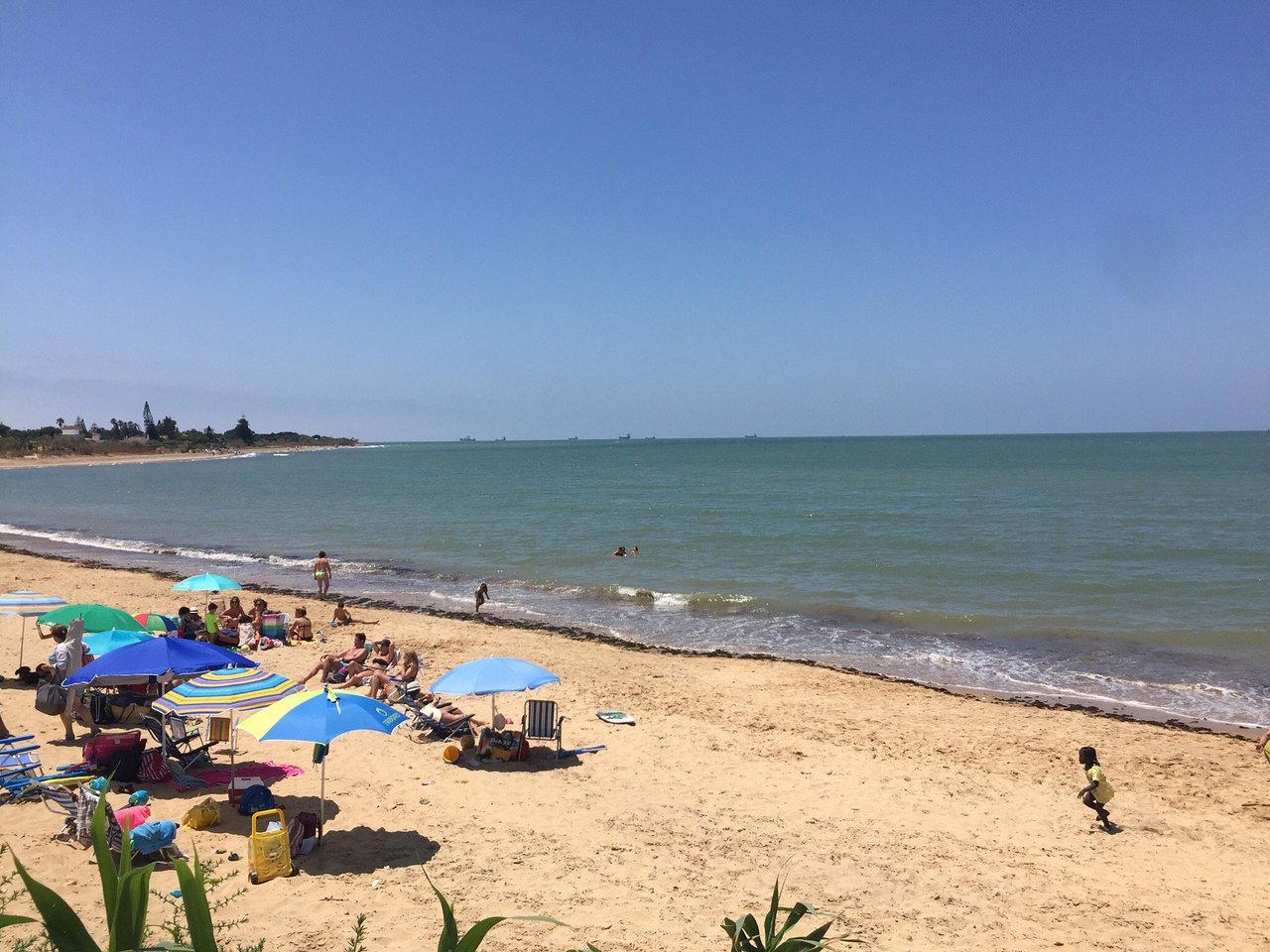
Bodegas Juan Piñero
Sanlúcar de Barrameda, Spain
Bodegas Juan Piñero is worth prioritising if the aim is a focused, appointment-only sherry tasting rather than a polished public-tour stop. The draw is its serious solera range, from Manzanilla Maruja to older oxidative wines, with Falstaff Listed recognition in 2026. It suits couples or small groups planning a wine-led Sanlúcar occasion.
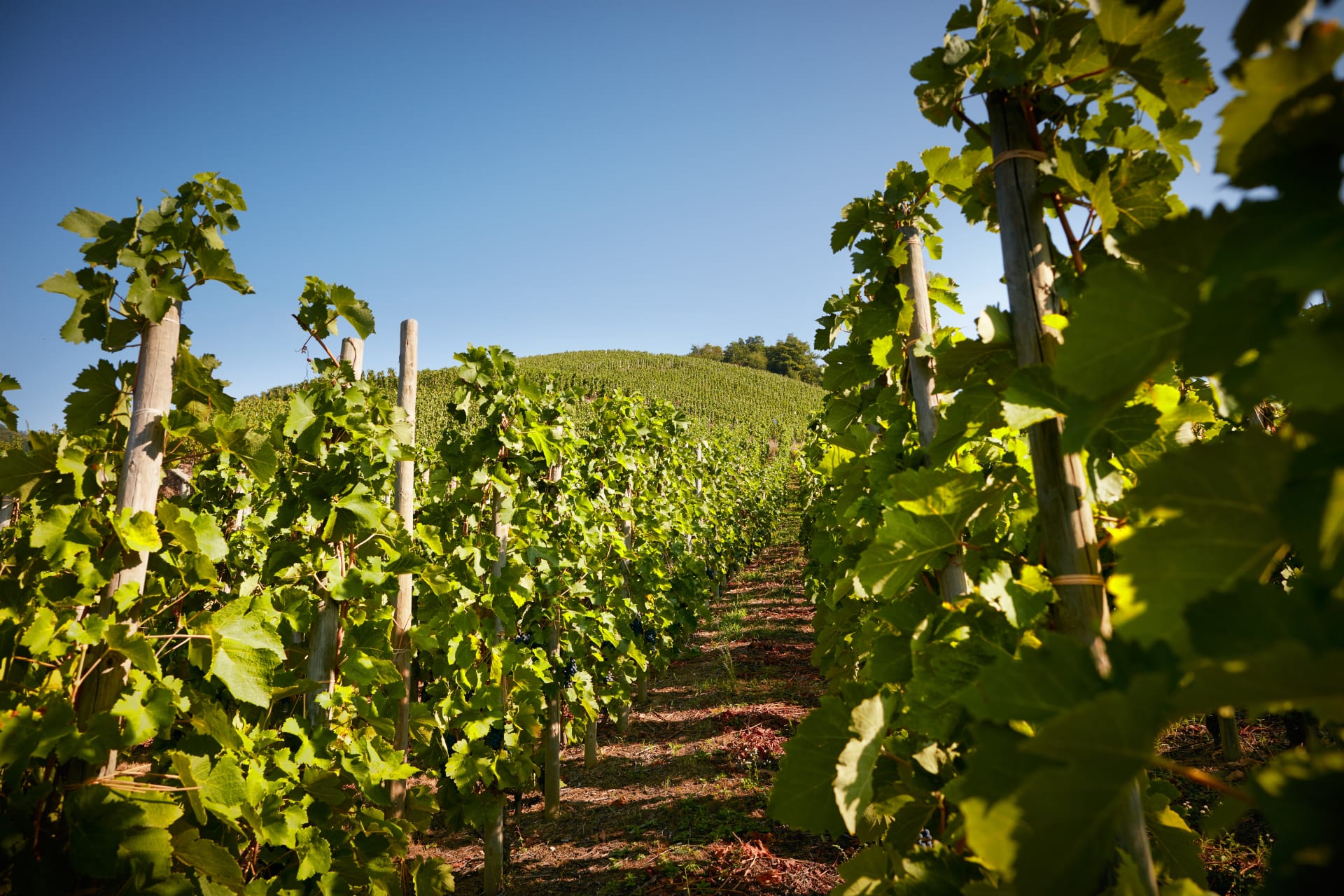
Domaine Jamet
Ampuis, France
Domaine Jamet is worth prioritizing if the trip is built around serious Northern Rhône wine rather than a casual tasting-room stop. In Ampuis, it is the collector-leaning choice over broader peers like E. Guigal, with Domaine M&S Ogier D'Ampuis the closest local cross-shop for another producer-led Côte-Rôtie visit.
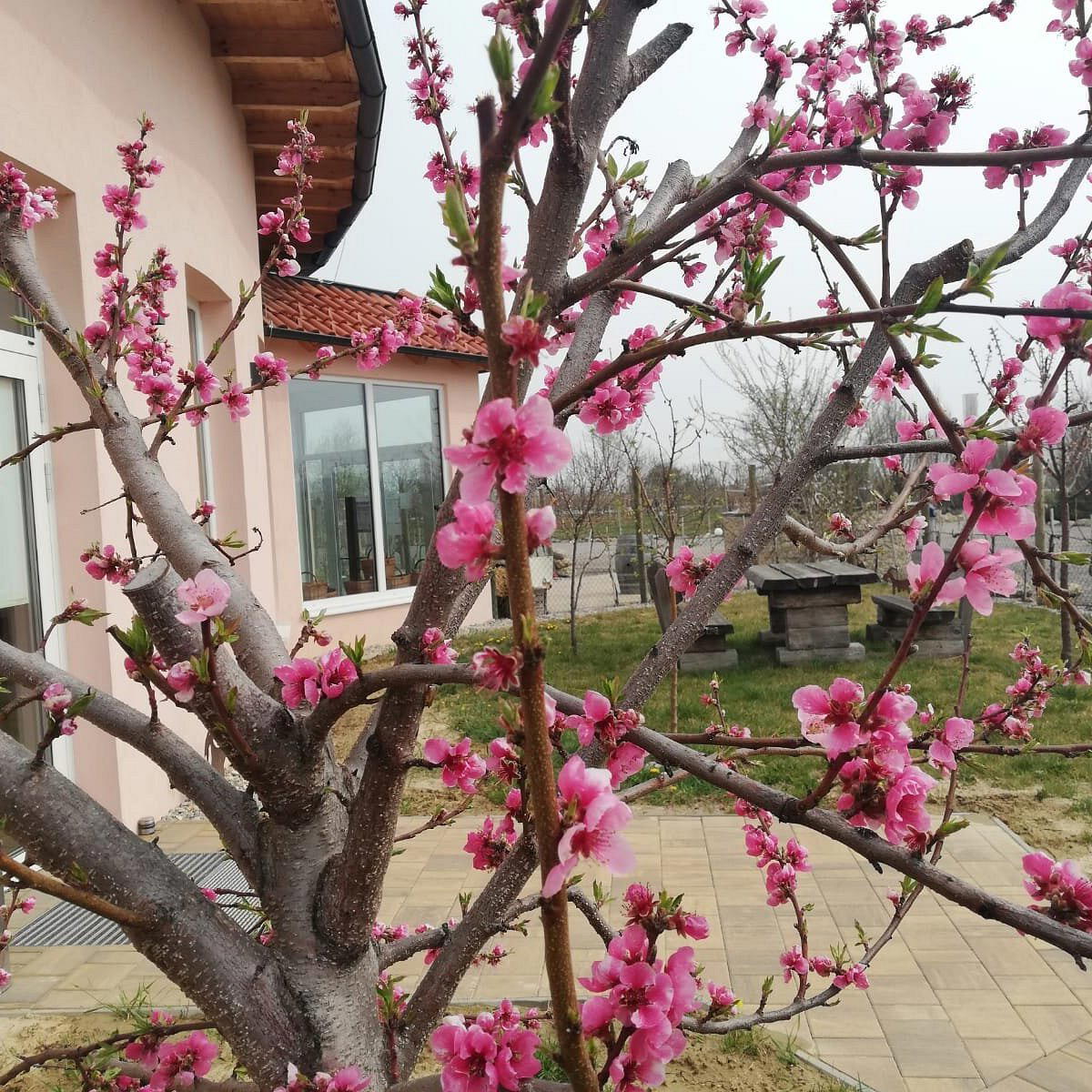
Bioweingut Viktor Fischer
Wagram Ob Der Traisen, Austria
Book Bioweingut Viktor Fischer for a focused Traisental wine stop, not as a restaurant substitute. The Falstaff 1 Star recognition gives it a credible quality signal, but food, group capacity, and visit format should be confirmed before building a special-occasion plan around it.
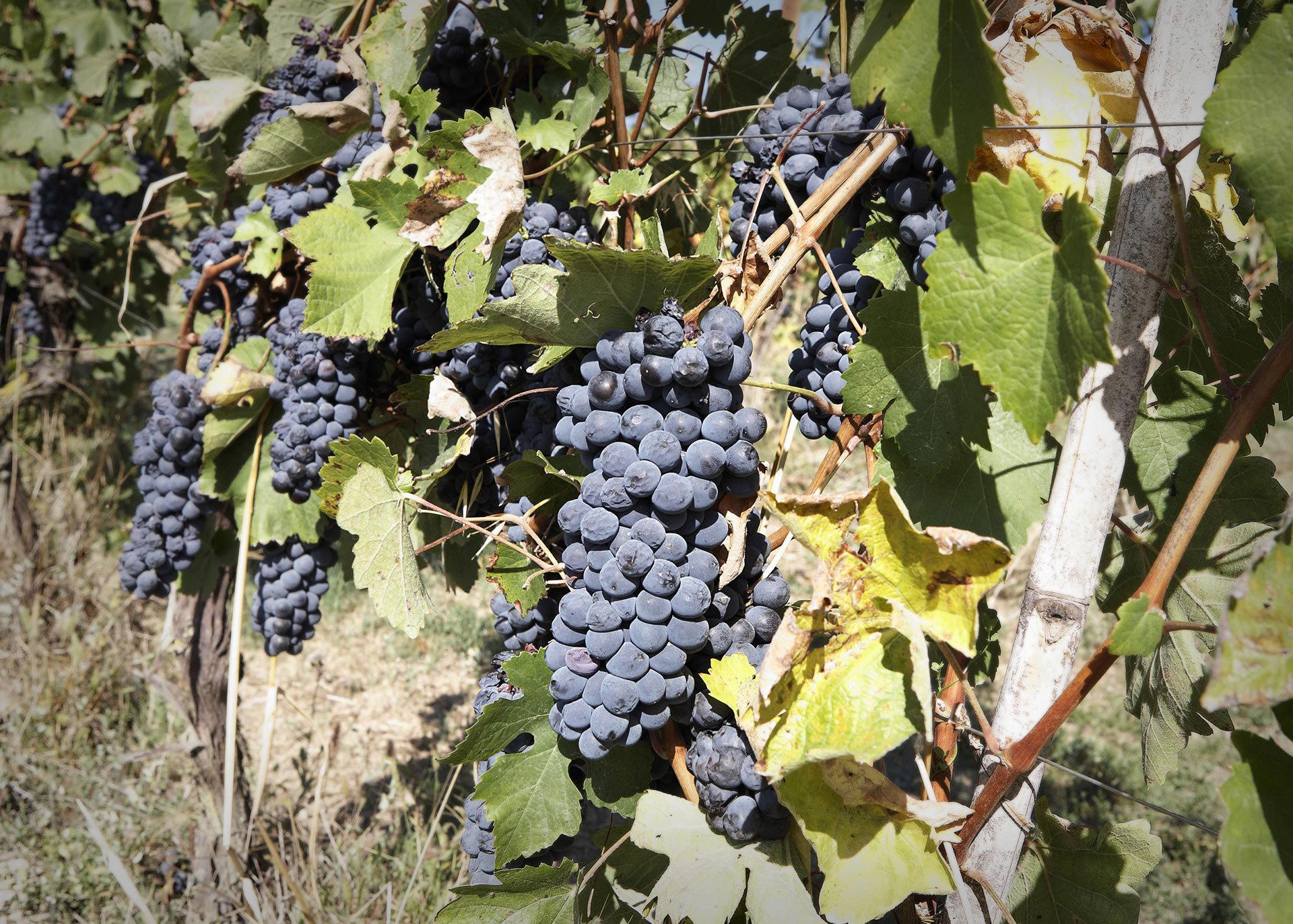
Ceste
Govone, Italy
Ceste is a good-value Roero winery pick for travelers who want a traditional, family-run tasting in Govone rather than a high-gloss cellar experience. The $$ pricing, 20-hectare estate base, and focus on Barbera, Nebbiolo d’Alba, and Roero Arneis make it especially useful for a second Piedmont trip. Falstaff listing in 2026 adds a current recognition signal without pushing it into splurge territory.
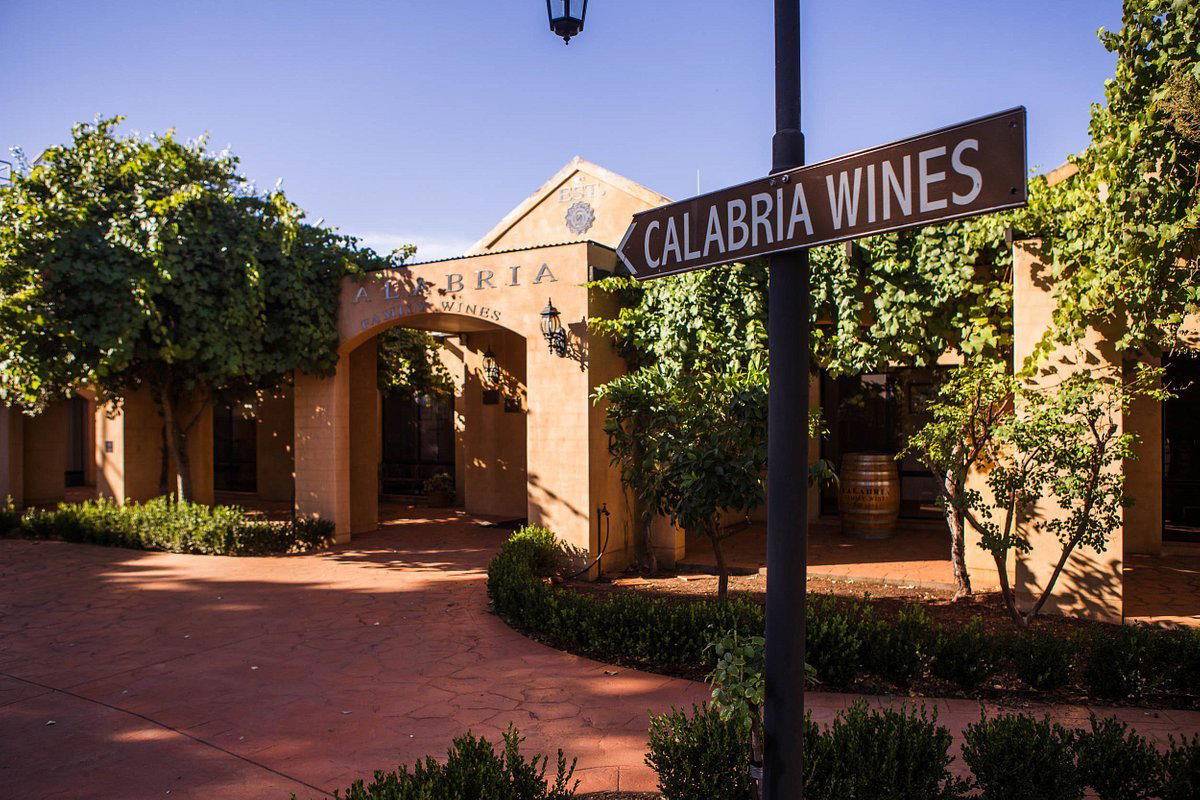
Calabria Family Wines
Griffith, Australia
A strong Griffith pick for travellers who want a wine-led regional stop rather than a quick cellar-door checkbox. Calabria Family Wines is better suited to planned visits and private or upgraded tasting interest than casual drop-ins; compare it with Casella Family (Yellow Tail) if name recognition matters more than producer depth.
Giauque Weinbau
Ligerz, Switzerland
A good fit for a low-key Ligerz wine stop, especially if Chasselas and Pinot Noir are the point. Go for the village-scale setting and local bottle buying; do not treat it as a wine-club or allocation destination unless membership terms are clearly offered to you.
Ca' di Cairè
Montà, Italy
Cà di Cairè is a sensible Montà pick if the plan is a focused Piedmont wine stop rather than a full-service food or hospitality outing. Its Falstaff 2026 listing adds credibility, but the smart approach is to confirm details in advance and build the rest of the day around separate restaurants, hotels, or nearby experiences.
Dorigati
Mezzocorona, Italy
Dorigati is a sensible Mezzocorona stop for wine travelers who want to taste before committing to bottles for luggage or shipping. Public detail on formats and pricing is thin, so use it as a focused assessment visit and compare it with other local winery options before building the day around it.
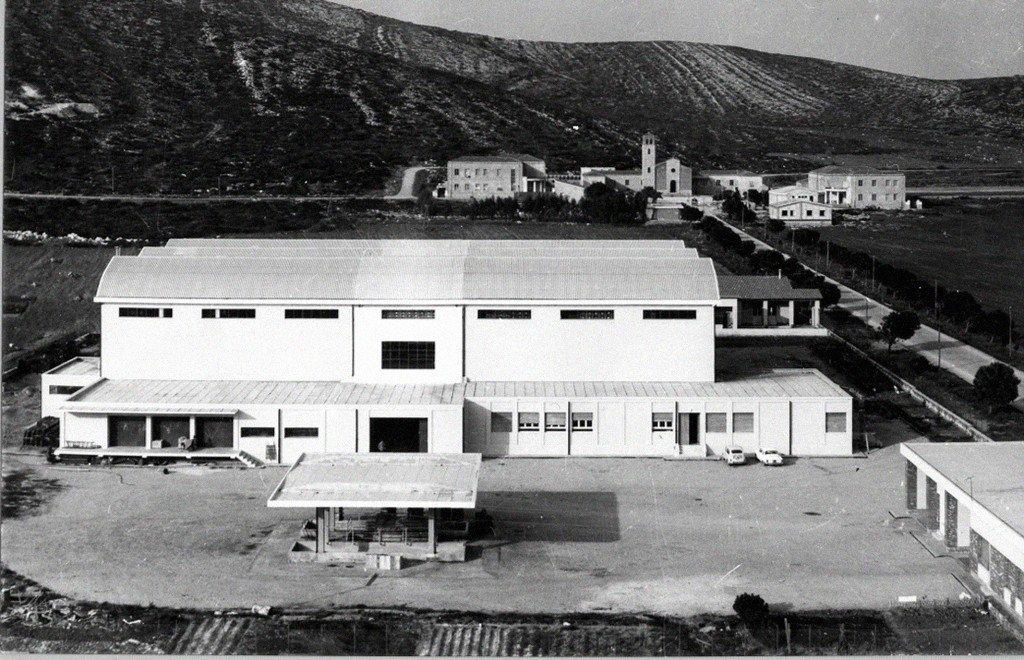
Cantina Santa Maria La Palma Alghero
Alghero, Italy
Worth booking if you want an accessible, structured look at Alghero wine rather than a tiny boutique cellar. Cantina Santa Maria La Palma Alghero is strongest for its cooperative scale, coastal Sardinian context, and broad portfolio across Vermentino, Cannonau, Cagnulari, sparkling, rosato, and reserve-style wines.
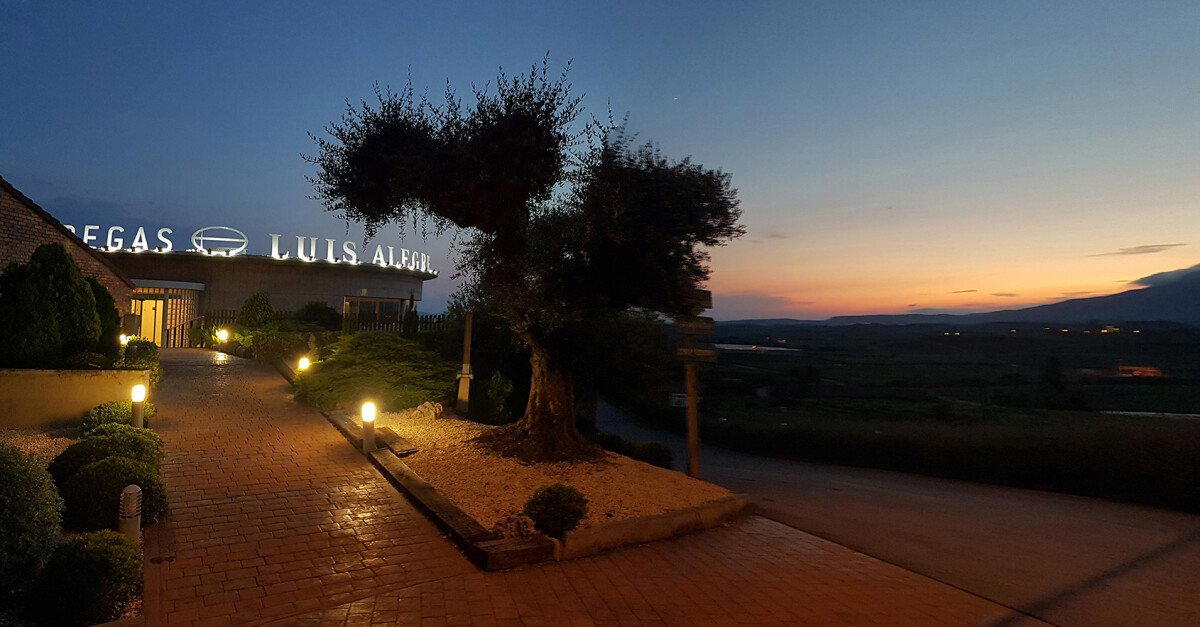
Bodegas Luis Alegre
Laguardia, Spain
Bodegas Luis Alegre is a strong choice for travellers who want a focused Rioja Alavesa tasting built around estate vineyards and single-plot Tempranillo. Go for the guided, wine-led format and modern quiet setting; plan food elsewhere, since the strongest value here is vineyard context rather than a pairing-driven visit.
Château Haut Beaumard
Saint Germain Du Puch, France
Château Haut Beaumard works for a quiet Graves de Vayres appointment focused on structured Bordeaux reds rather than showy hospitality. The draw is the regional red-wine profile, supported by Falstaff listing recognition and a portfolio built around Bordeaux Supérieur, Graves de Vayres Rouge, and varietal reserve bottlings.
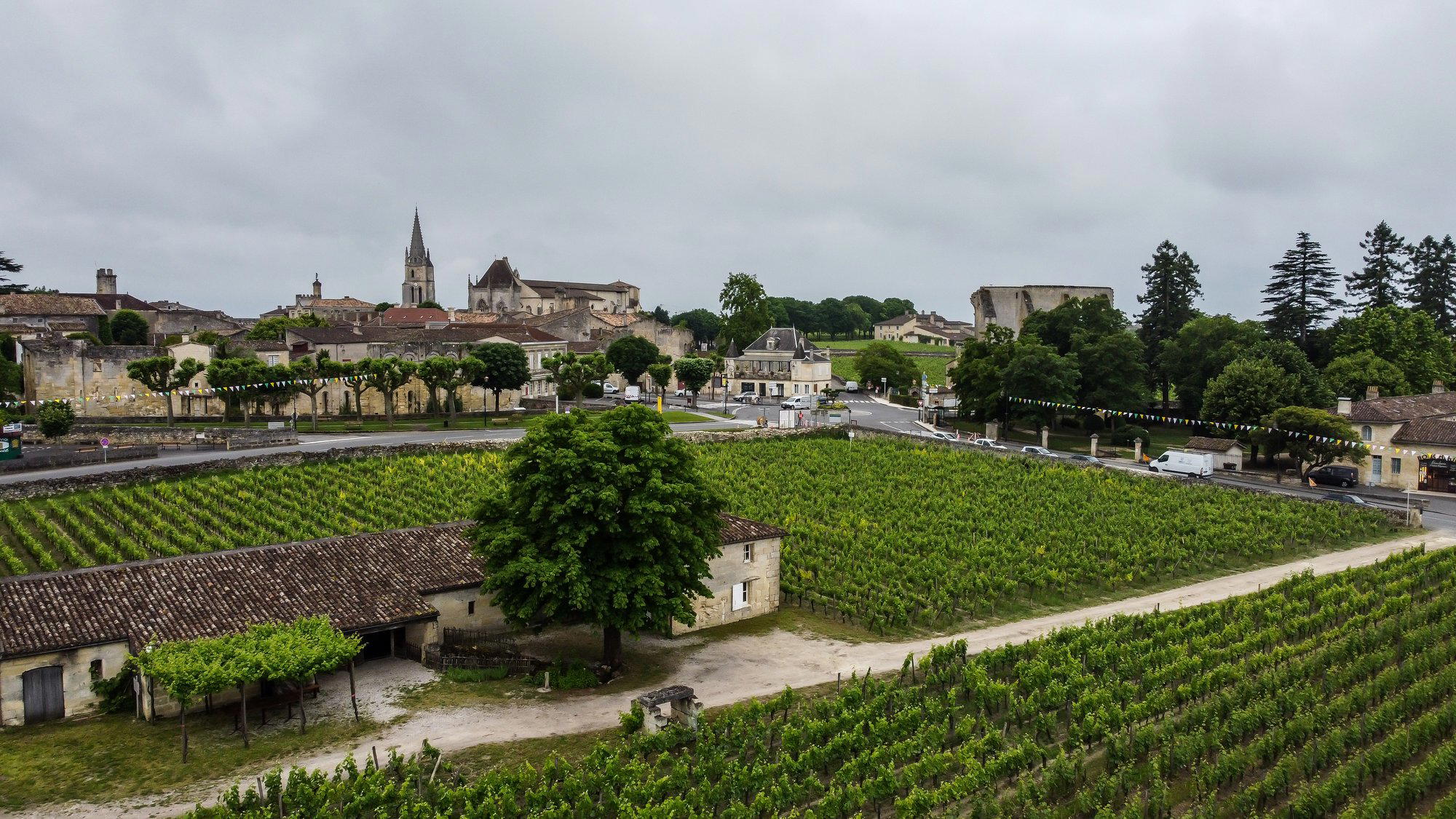
Clos Saint Julien
Saint-Émilion, France
Clos Saint Julien works for a Saint-Émilion wine stop when the goal is bottle assessment and a compact vineyard-focused itinerary. It is a better fit for couples or small collector groups than travelers who need published hospitality details before planning the day.
Jungwinzer next Generation
Bad Neuenahr-Ahrweiler, Germany
A smart pick for visitors who want a small, modern Ahr producer rather than a large estate experience. Jungwinzer next Generation is strongest for wine-focused couples or small groups interested in newer-generation winemaking, with Falstaff listing in 2026 and production of roughly 8,000 bottles a year. Plan food and wider trip logistics separately.
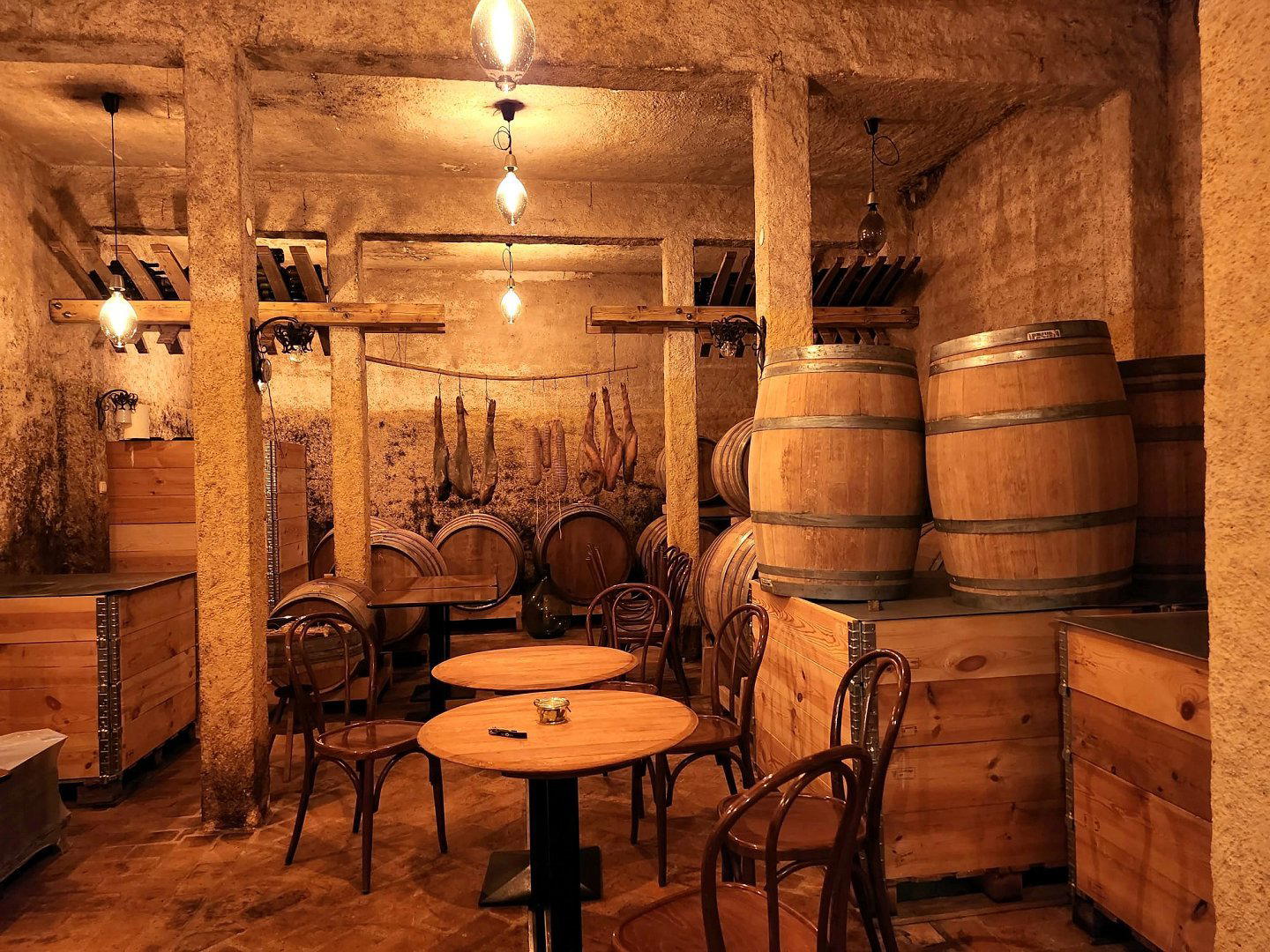
Atelier Kramar
Dobrovo, Slovenia
Atelier Kramar is worth planning around if you want Brda orange wines with food rather than a quick cellar tasting. The draw is the combined agriturismo format: organic, spontaneously fermented wines, cured meats, cellar-aged cheeses, bread, seasonal food, and art in a small rustic setting. Go with a small group and treat it as a slow wine-and-food stop.
Gordia
Ankaran, Slovenia
Gordia is a strong Ankaran pick for a wine-focused coastal stop, especially for a small celebration or date where setting and producer credibility matter. Falstaff 2 Stars in 2026 gives it a useful trust signal, but sparse published logistics mean it is less suited to groups that need confirmed food, pricing, or timing before planning the day.
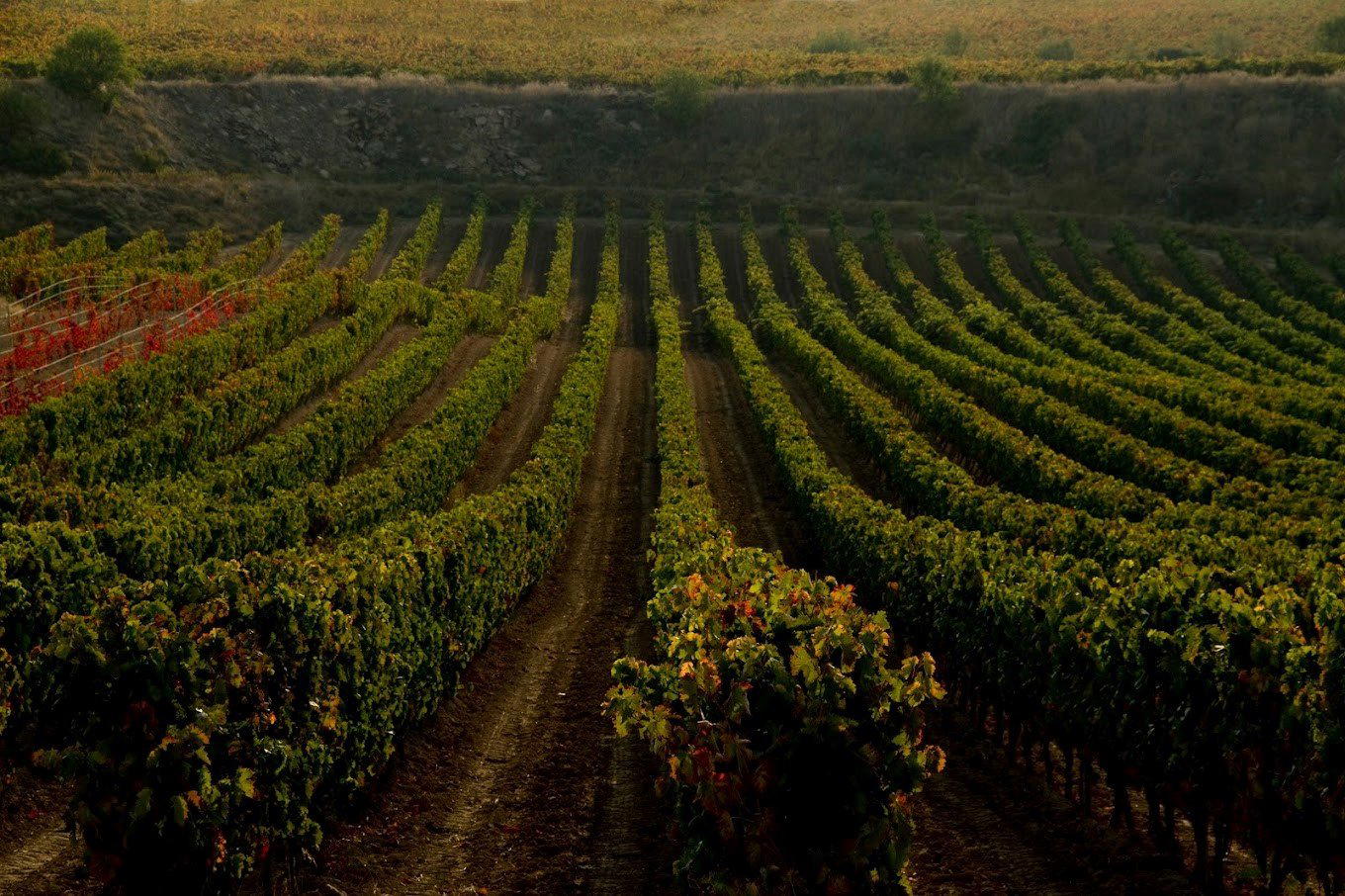
Bodegas Tobía
Cuzcurrita Del Rio Tiron, Spain
Choose Bodegas Tobía for a focused Rioja stop in Cuzcurrita del Río Tirón rather than a broad, high-volume winery crawl. The draw is regional context, village setting, and a credible 2026 Falstaff 2 Stars signal; plan it as part of a tighter Rioja day, not as a standalone food itinerary.
Domaine de Flines
Martigne, France
Worth booking if you want an approachable Anjou estate visit focused on Crémant de Loire, Cabernet-based rosés, Anjou Rouge, and Loire Sauvignon rather than a polished tasting-room production. Domaine de Flines is strongest for travelers who value family continuity, estate-grown context, and easygoing rural atmosphere.
Château Broustet
Barsac, France
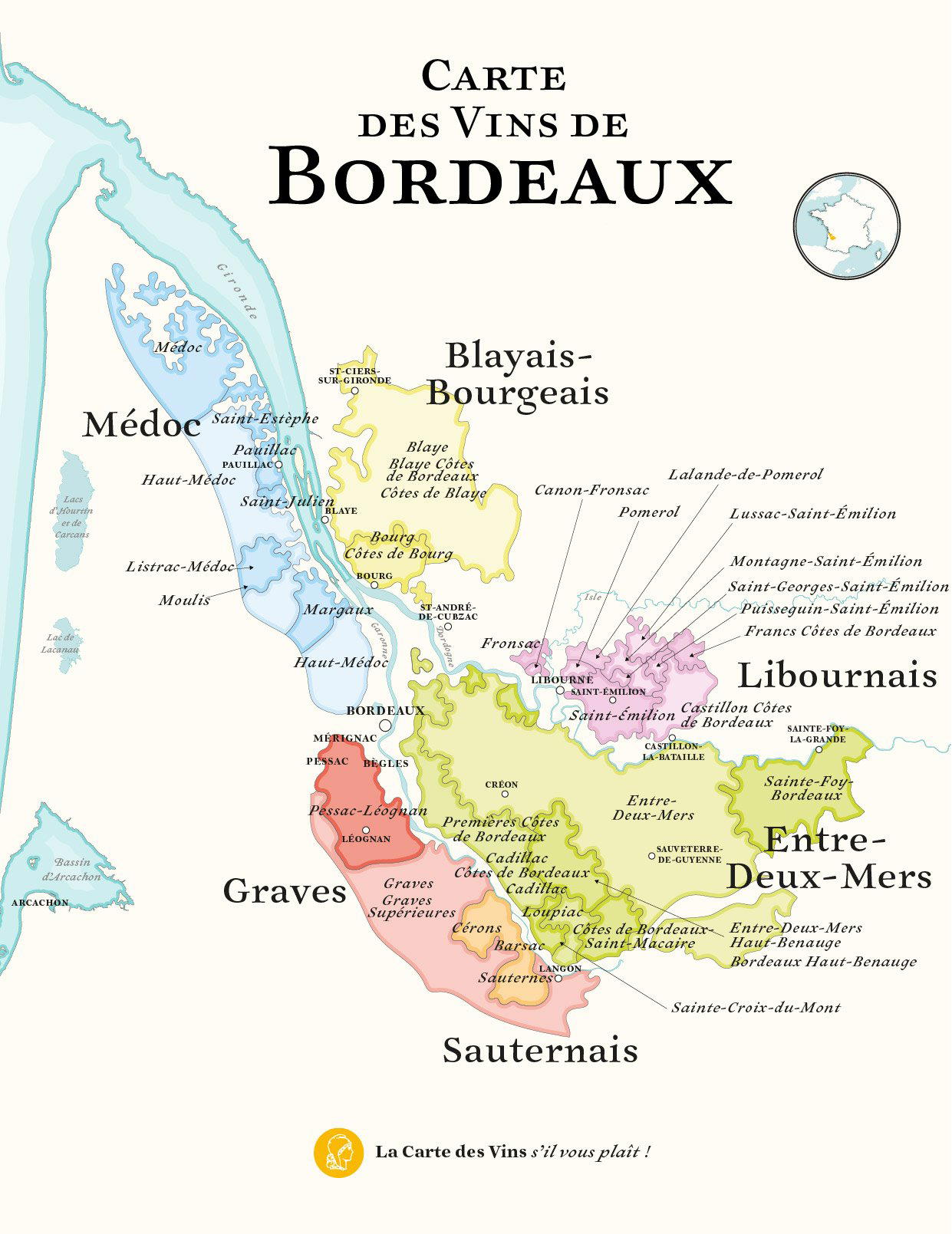
Château Broustet works if the trip is built around classic Barsac Sauternes rather than a broad Bordeaux tasting crawl. The draw is sweet white Bordeaux with freshness, honeyed fruit, and ageing potential, backed by Falstaff 2 Stars in 2026. Better for collectors, celebrations, and focused tastings than casual group visits.
Bodegas Alvear
Montilla, Spain
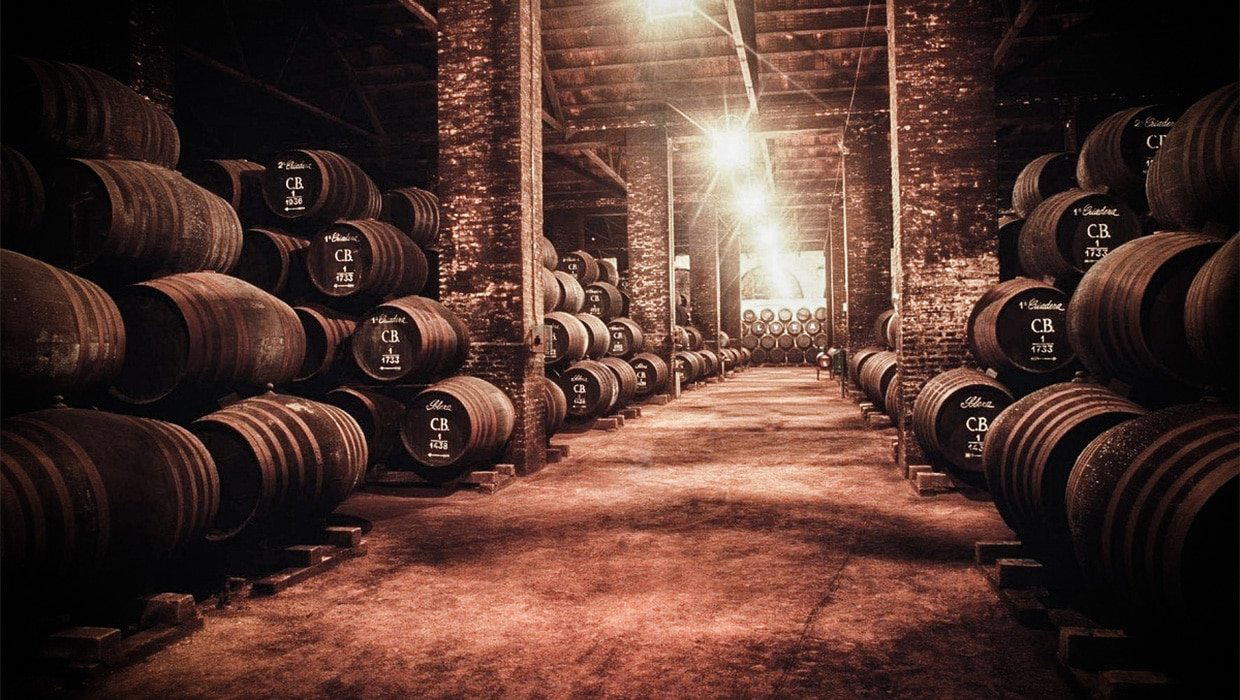
Bodegas Alvear is worth prioritizing if Montilla-Moriles is the point of the trip, not just a convenient wine stop near Córdoba. Plan well ahead: it suits drinkers who want a serious fortified-wine context more than groups looking for the easiest visitor setup.
Château Fonbadet
Pauillac, France
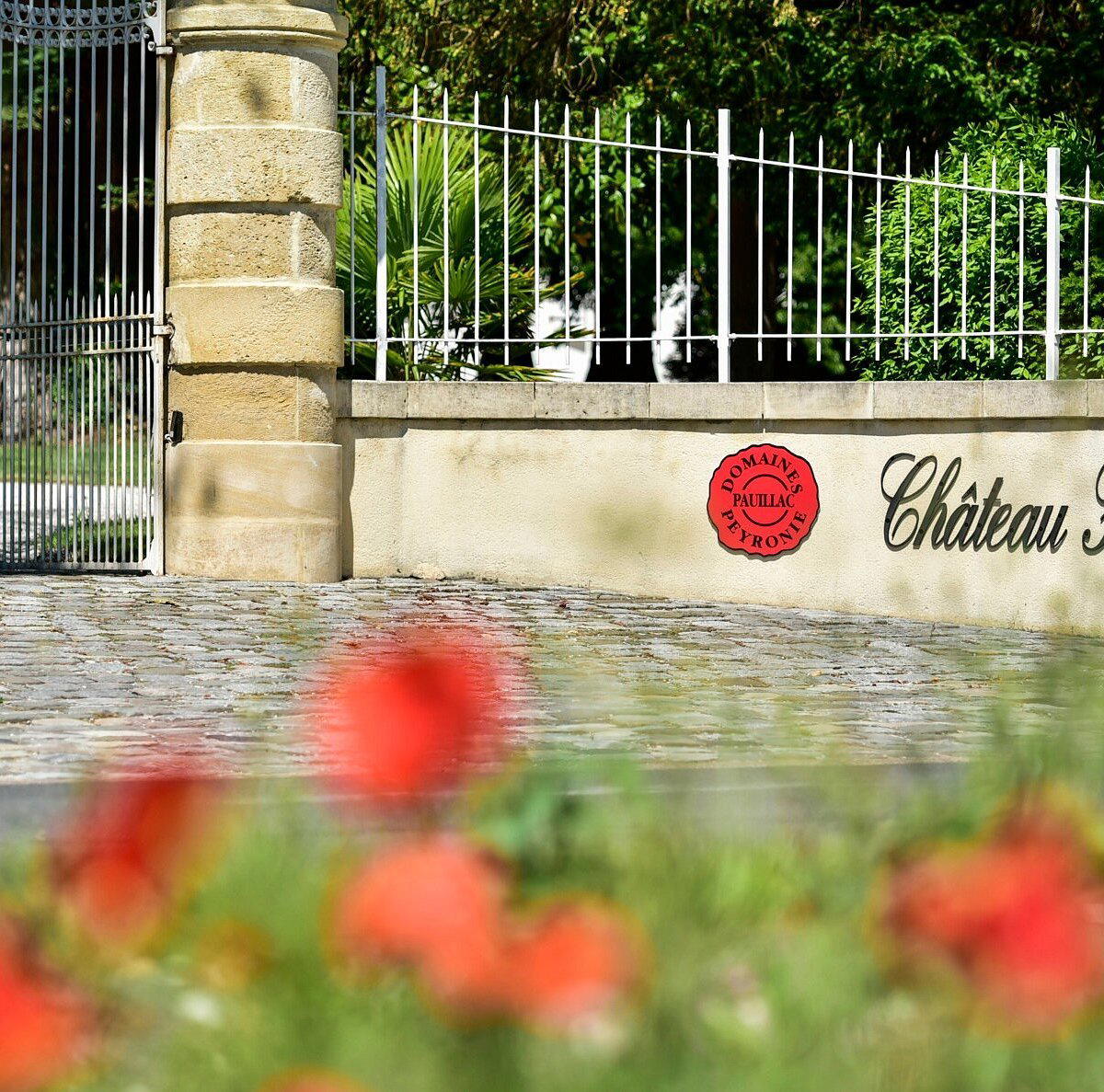
Château Fonbadet is a smart Pauillac add-on for travelers who want appellation context rather than only headline estates. It suits a wine-led Médoc route where the point is comparing producers, not chasing ceremony, and works best as one focused stop within a broader Pauillac itinerary.
Domaine Tollot-Beaut
Chorey-lès-Beaune, France
Book Domaine Tollot-Beaut only if the goal is serious Burgundy context rather than a leisure-led tasting stop. The strongest case is bottle access: classic, family-run Côte de Beaune Pinot Noir from Chorey-lès-Beaune through higher-classified sites, with a production-first feel and a clear reason to follow allocations if red Burgundy is already your lane.
Familie Heigl
Wurmla, Austria
A good pick for a casual Lower Austrian Heuriger when the serving calendar fits: house wine, cold platters, homemade meat specialties, and a relaxed family-friendly setup. Skip it if the goal is a formal private tasting, named flagship bottles, or a polished restaurant-style meal.
Domaine Juliette Avril
Châteauneuf-du-Pape, France
Domaine Juliette Avril works as a focused Châteauneuf-du-Pape winery stop for travelers who want appellation depth rather than a restaurant-style tasting. The 2026 Falstaff listing gives it a credible signal, but confirm tasting format, group capacity, and shipping before anchoring a full itinerary around it.
Château Ramafort
Blaignan Prignac, France
Book Château Ramafort if you want a practical Médoc Cru Bourgeois visit with historic architecture, Terra Vitis farming, and structured red wines suited to a serious dinner afterward. It is less about luxury theater and more about value, vineyard detail, and classic Bordeaux balance.
Château Latour
Pauillac, France
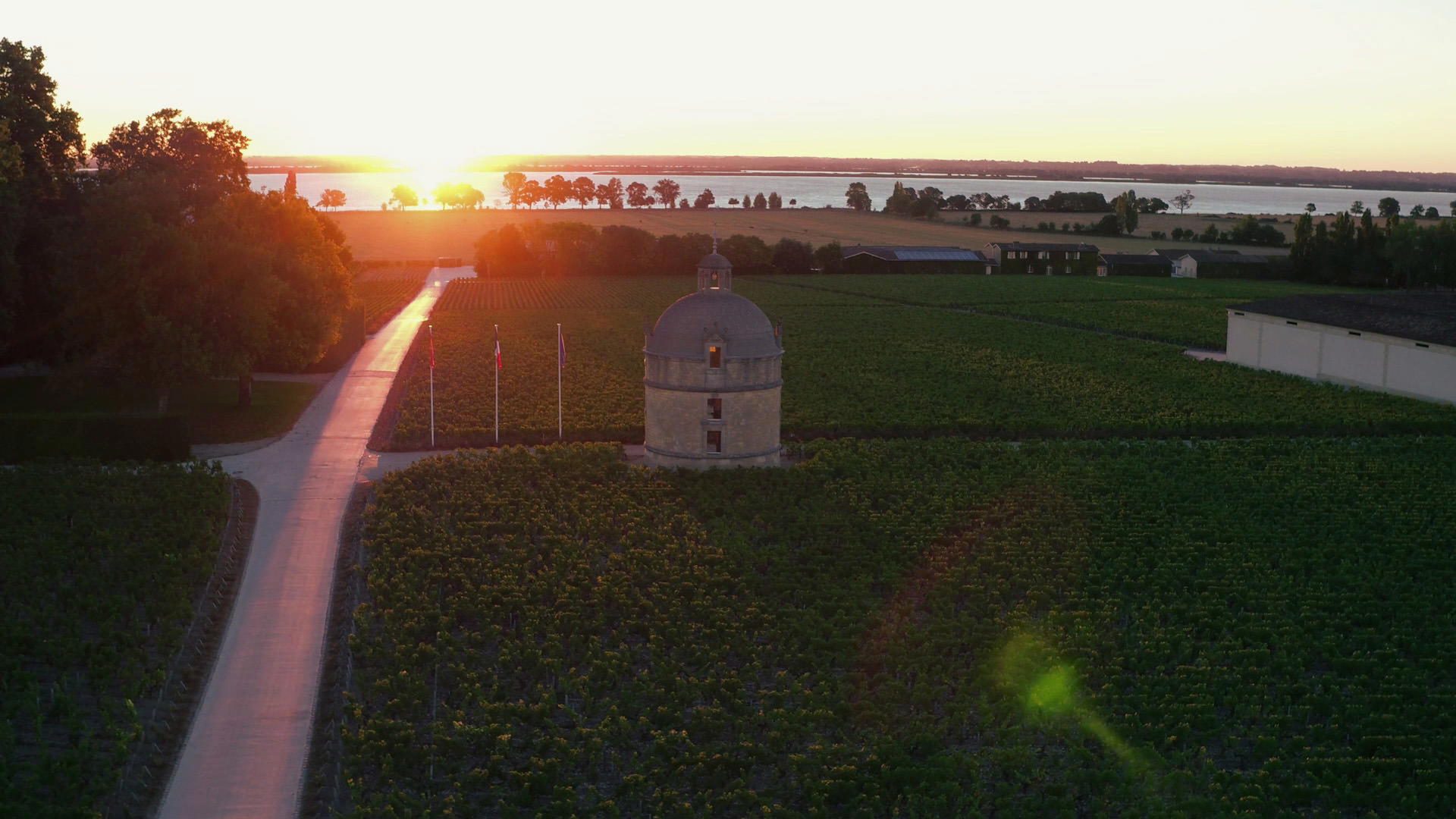
Château Latour is a classified First Growth wine estate in Pauillac, Bordeaux.
Azienda Vitivinicola La Casaccia
San Gusme, Italy
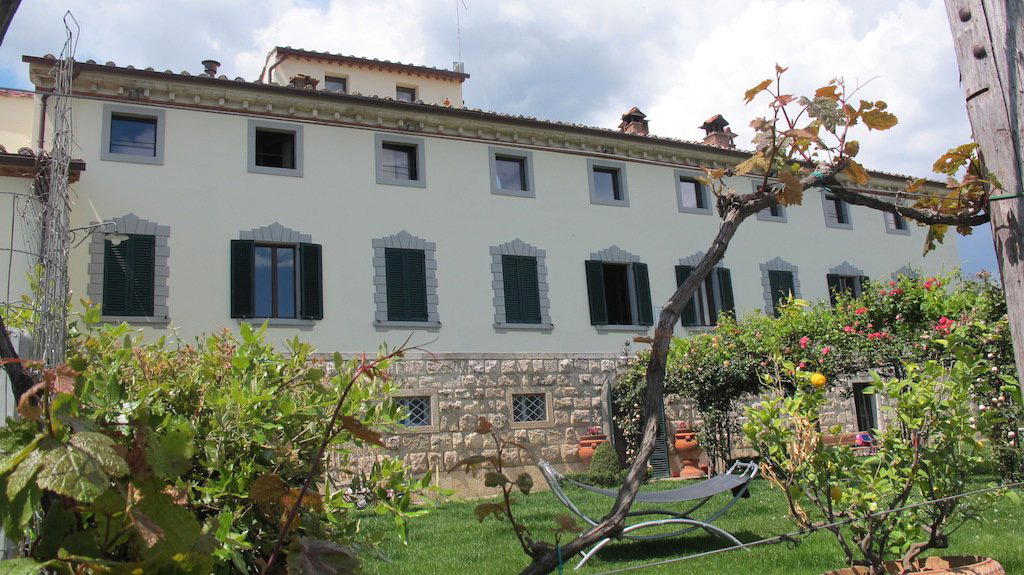
Azienda Vitivinicola La Casaccia works if you want a relaxed, rural Chianti Classico stop rather than a polished visitor-center experience. The draw is the San Gusmè countryside setting, family-run organic farming, and a portfolio led by Sangiovese-based wines, with Falstaff recognition adding a useful trust signal.
Château Hosanna
Libourne, France
Château Hosanna is worth targeting if the Libourne trip is built around serious Pomerol buying decisions rather than casual winery tourism. Falstaff 3 Stars (2026) gives it a clear quality signal, but the practical case is narrow: plan ahead, keep the visit focused, and use it to decide whether bottles deserve cellar space or shipment.
Jost & Ziereisen
Riehen, Switzerland
Jost & Ziereisen is worth targeting if the draw is rare Basel-Stadt terroir and a focused, Burgundy-leaning still-wine project rather than a polished tasting-room experience. It suits Pinot Noir drinkers, collectors, and low-key special occasions better than large groups or casual walk-in wine tourism.
Domaine des Dieux
Hemel En Aarde Ridge, South Africa
Worth booking if Cap Classique is a priority on the Hemel-en-Aarde Ridge. Domaine des Dieux suits couples and small groups looking for a relaxed hillside tasting, focused sparkling-wine context, and cool-climate Chardonnay and Pinot Noir rather than a full restaurant-style visit.
Bodegas Los Astrales
Anguix, Spain
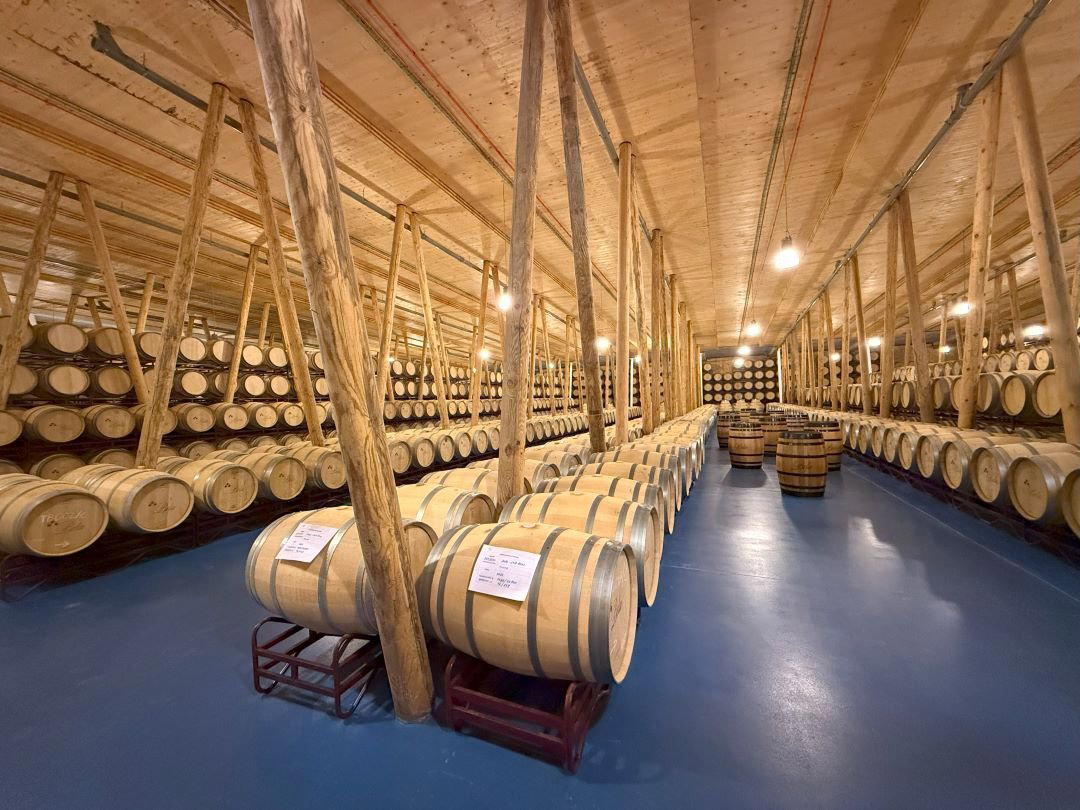
Book Bodegas Los Astrales if the goal is serious Ribera del Duero context rather than a glossy cellar-door experience. The draw is old-vine Tinto Fino from Anguix, a family farming story, and structured reds that make sense alongside Castilian food before or after the visit.
Luciano Sandrone
Barolo, Italy
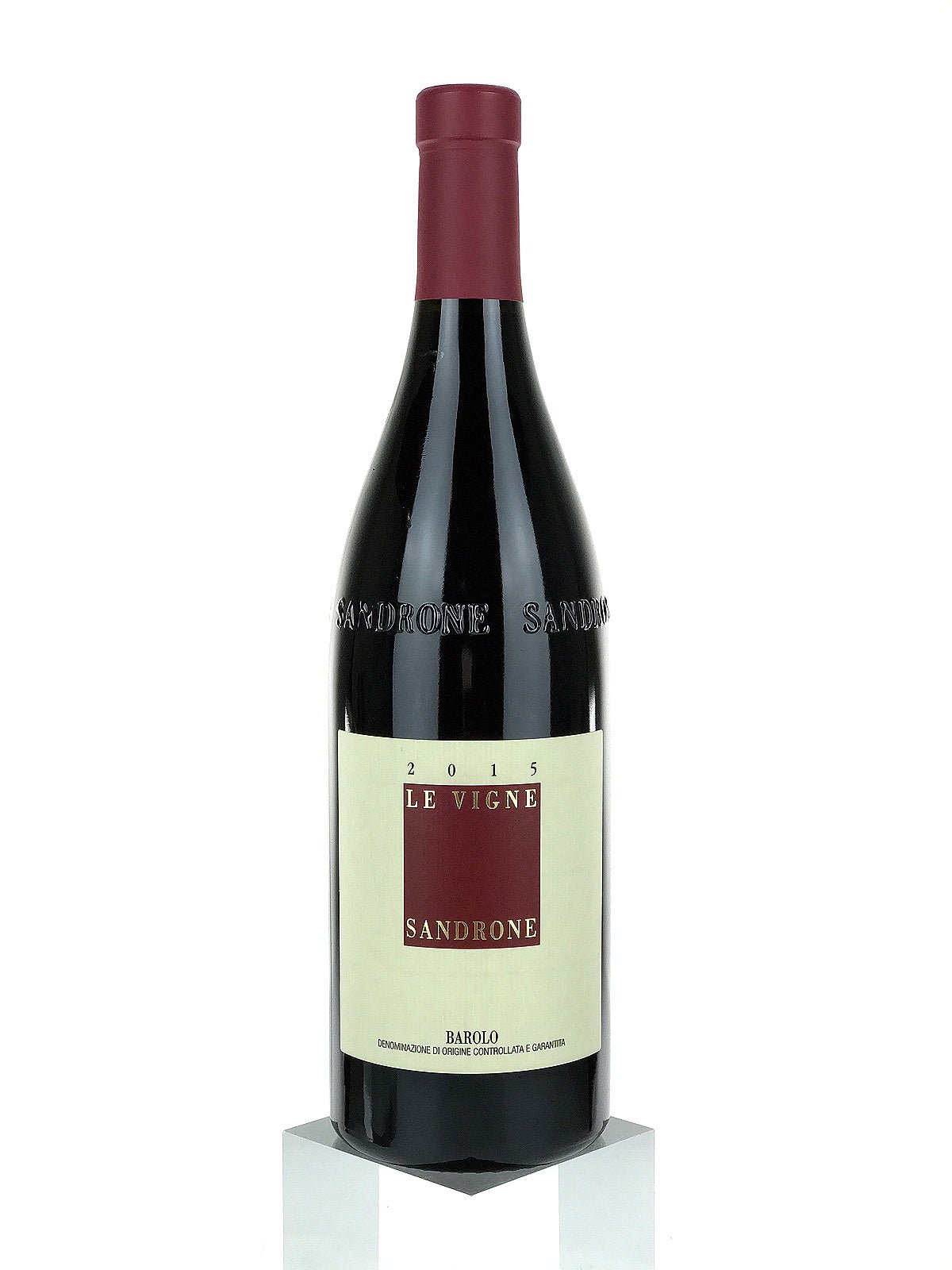
Book Luciano Sandrone if the goal is a serious Barolo producer stop rather than a casual tasting-room day. It suits collectors and wine-focused travelers who want depth in the Langhe; first-timers wanting easier logistics may be better served by Marchesi di Barolo.
Corte dei Venti
Montalcino, Italy
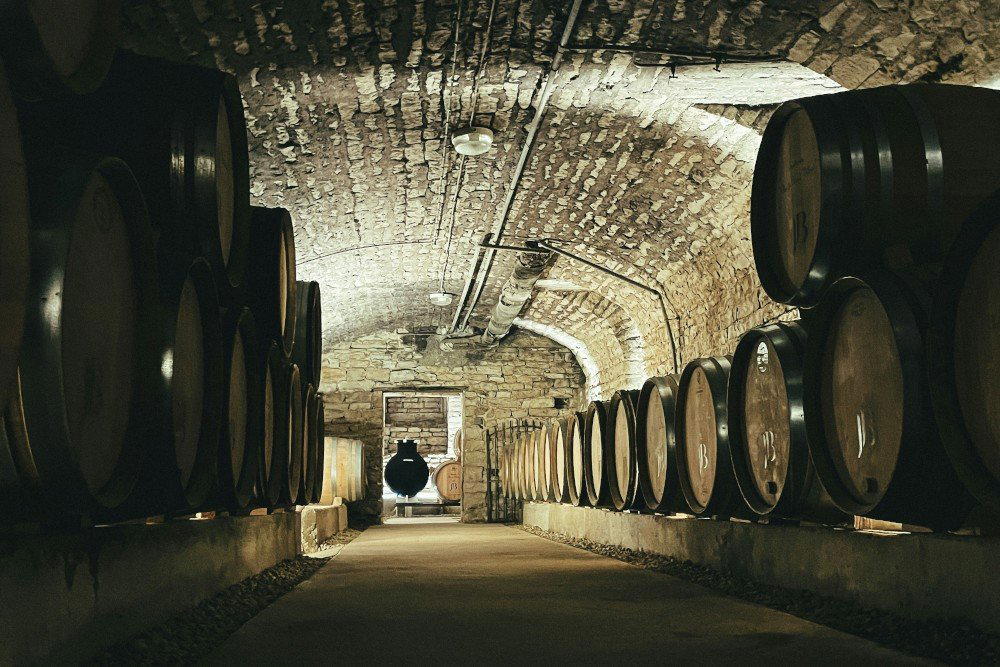
A sensible Montalcino choice for travelers building a wine-first itinerary rather than a meal-led outing. Corte dei Venti works better as a focused Brunello-country stop with lunch or dinner planned separately nearby, especially for visitors who want a slower day in the region instead of a crowded checklist of tastings.
Domaine Alain Burguet
Gevrey-Chambertin, France
Domaine Alain Burguet works for a focused Gevrey-Chambertin wine stop, especially if the trip is built around Côte de Nuits bottles rather than hospitality extras. The stronger play is to fold it into a compact village itinerary with meals and lodging nearby, not a wide regional loop.
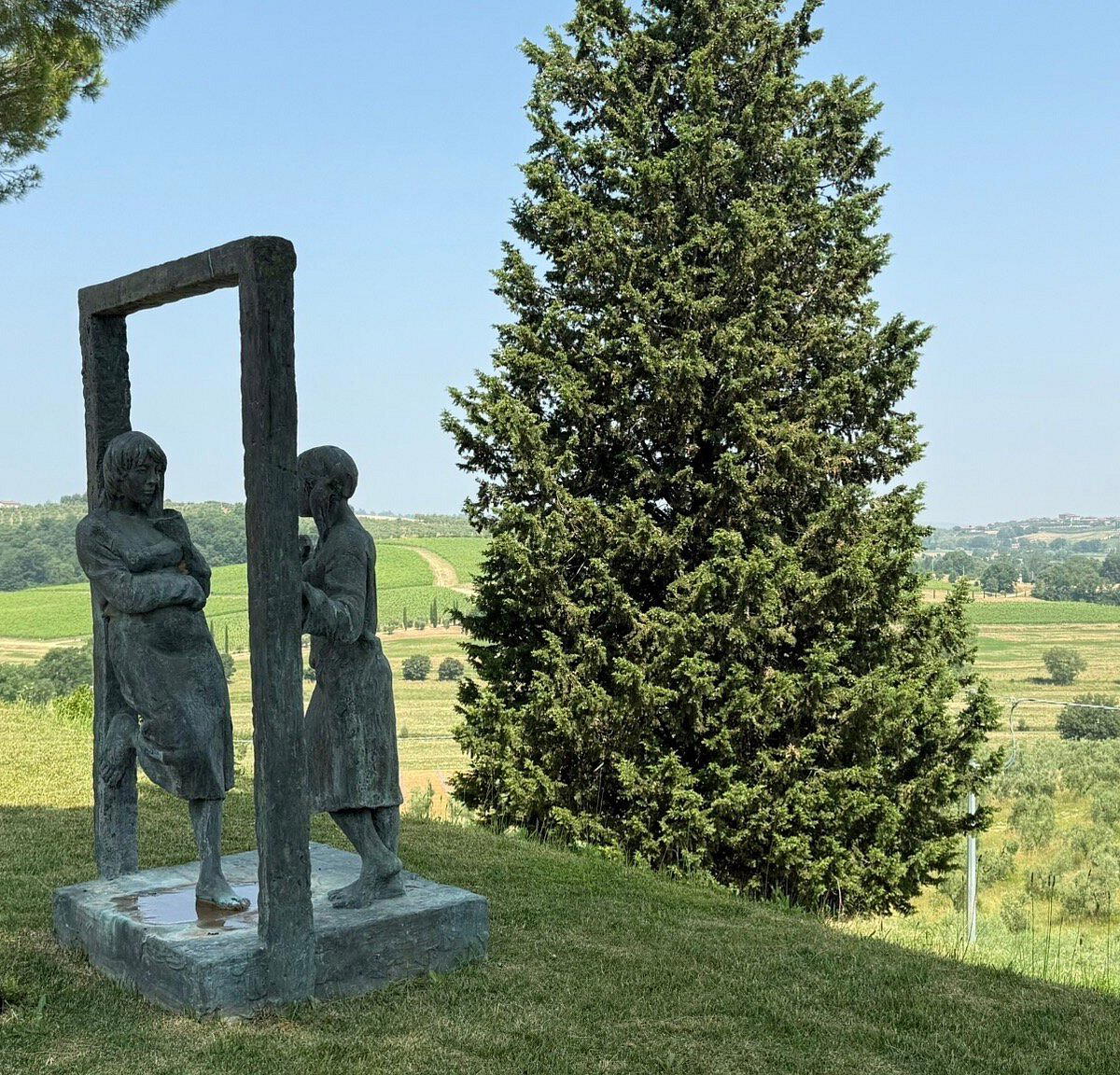
Bindella
Montepulciano, Italy
A serious Montepulciano wine stop with Falstaff 3 Stars for 2026, Bindella is worth prioritizing when the trip is built around Vino Nobile rather than casual sightseeing. Plan ahead and treat the visit as a buying-minded appointment, especially for a celebration, date, or business itinerary.
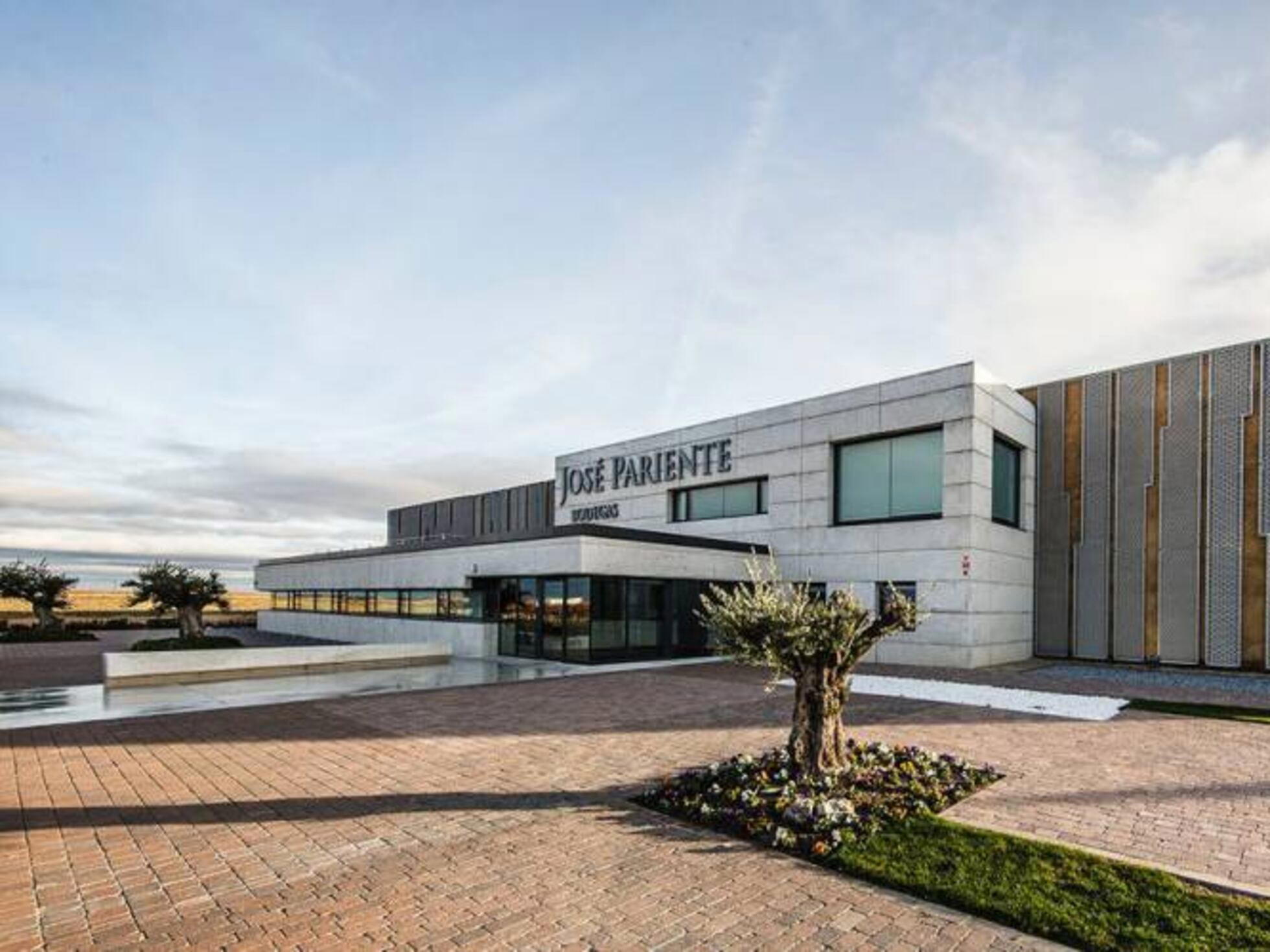
Bodegas Prieto Pariente
Seca, Spain
Bodegas Prieto Pariente is worth shortlisting for a planned winery visit in Seca, especially for drinkers who care more about producer quality than a broad tourism setup. Falstaff 3 Stars in 2026 gives it a credible recognition signal, but confirm the visit structure before building a day around it.
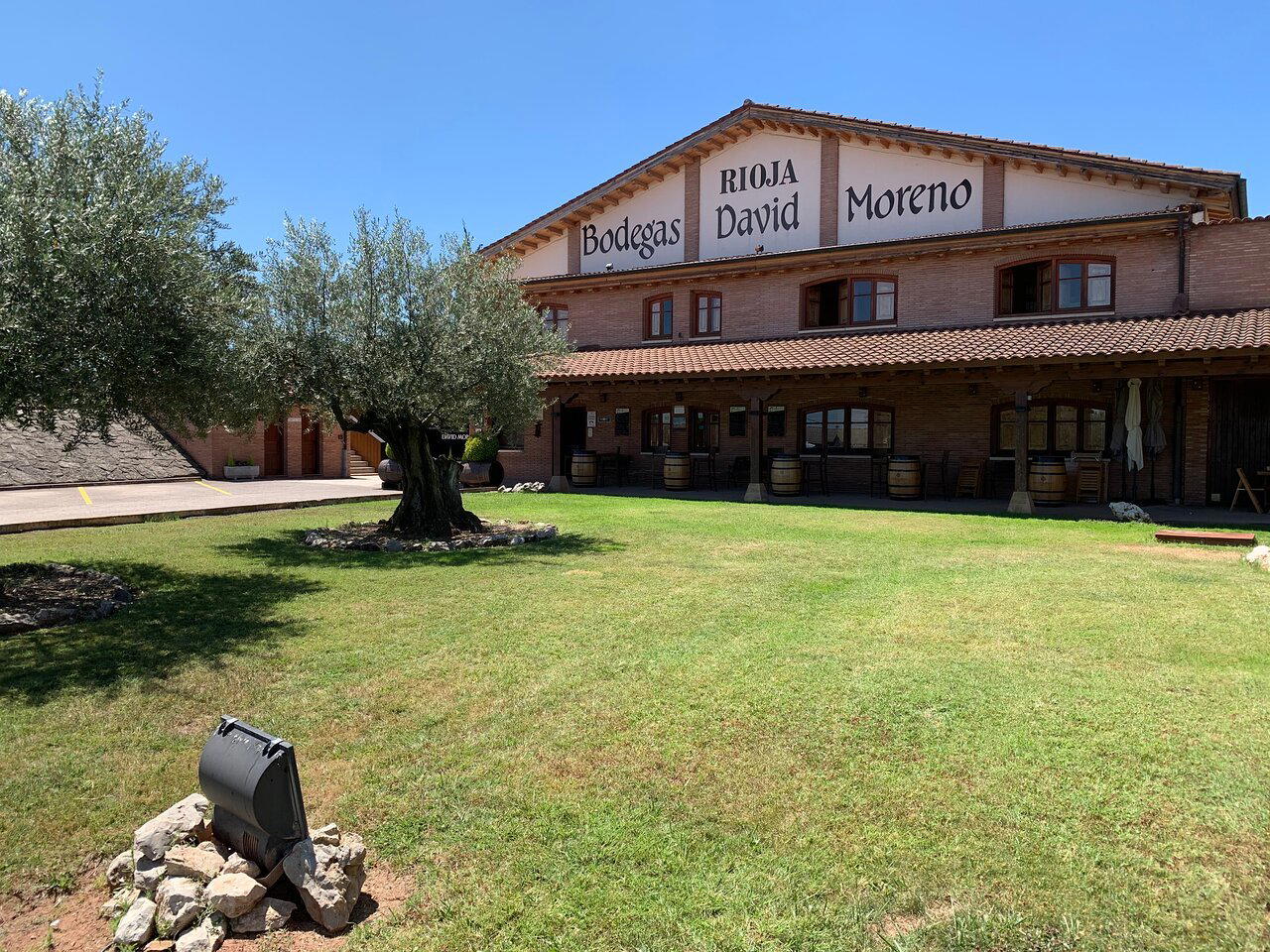
Bodegas David Moreno
Badaran, Spain
A quieter Badarán winery choice for travelers who want a Rioja stop shaped by village setting and estate context rather than a heavily packaged tasting-room experience. Recognition from Falstaff in 2026 gives it a useful quality signal, but plan carefully because public visitor details are sparse.
How many of these have you visited?
Find out on Pearl and keep score across every place in 2026 Falstaff Winery Guide.