Book with Pearl

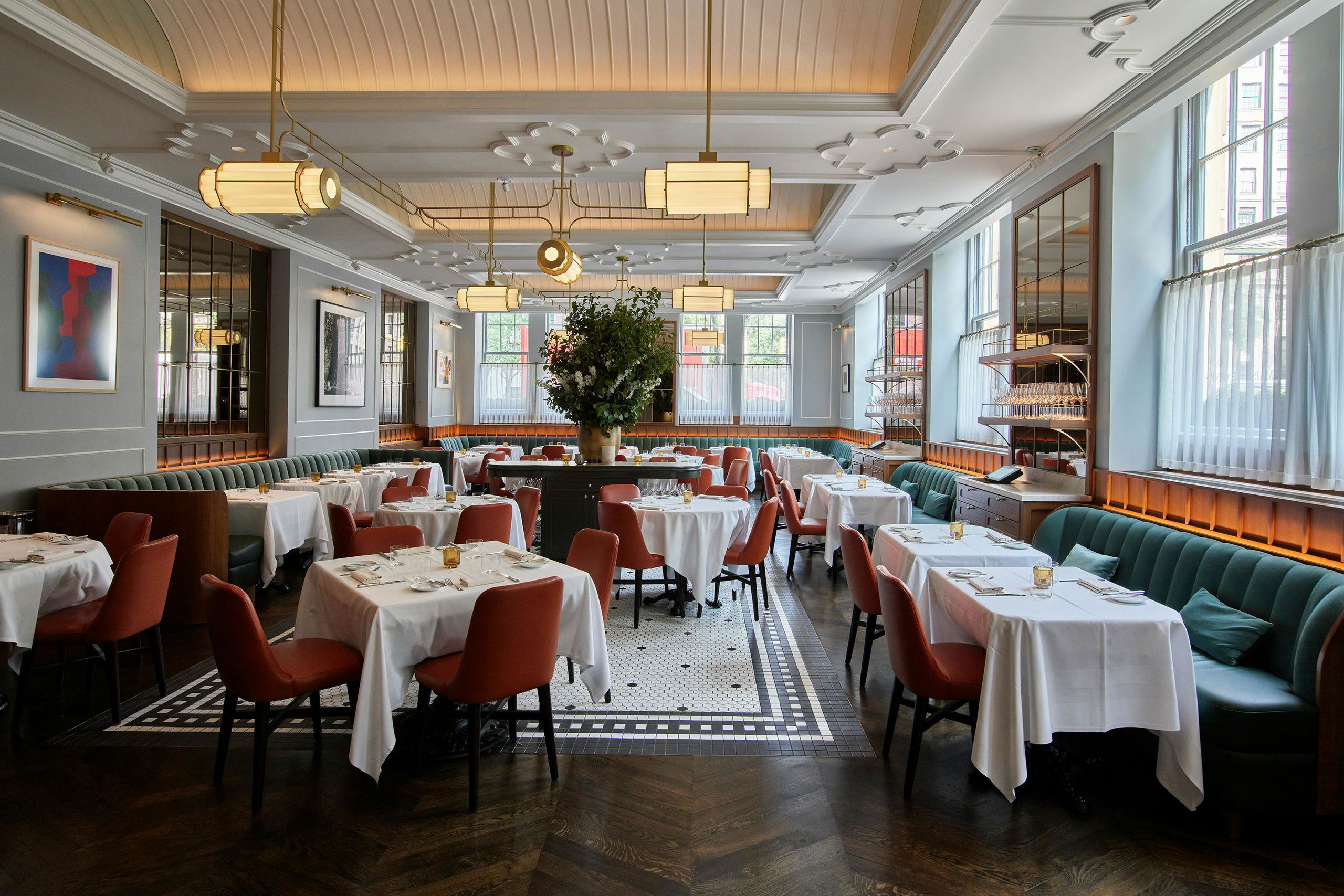
Luciano Sandrone Barolo Dinner at Café Boulud
A four-course Barolo wine-pairing dinner at Café Boulud in New York City, with Barbara Sandrone and Chef Daniel Boulud.
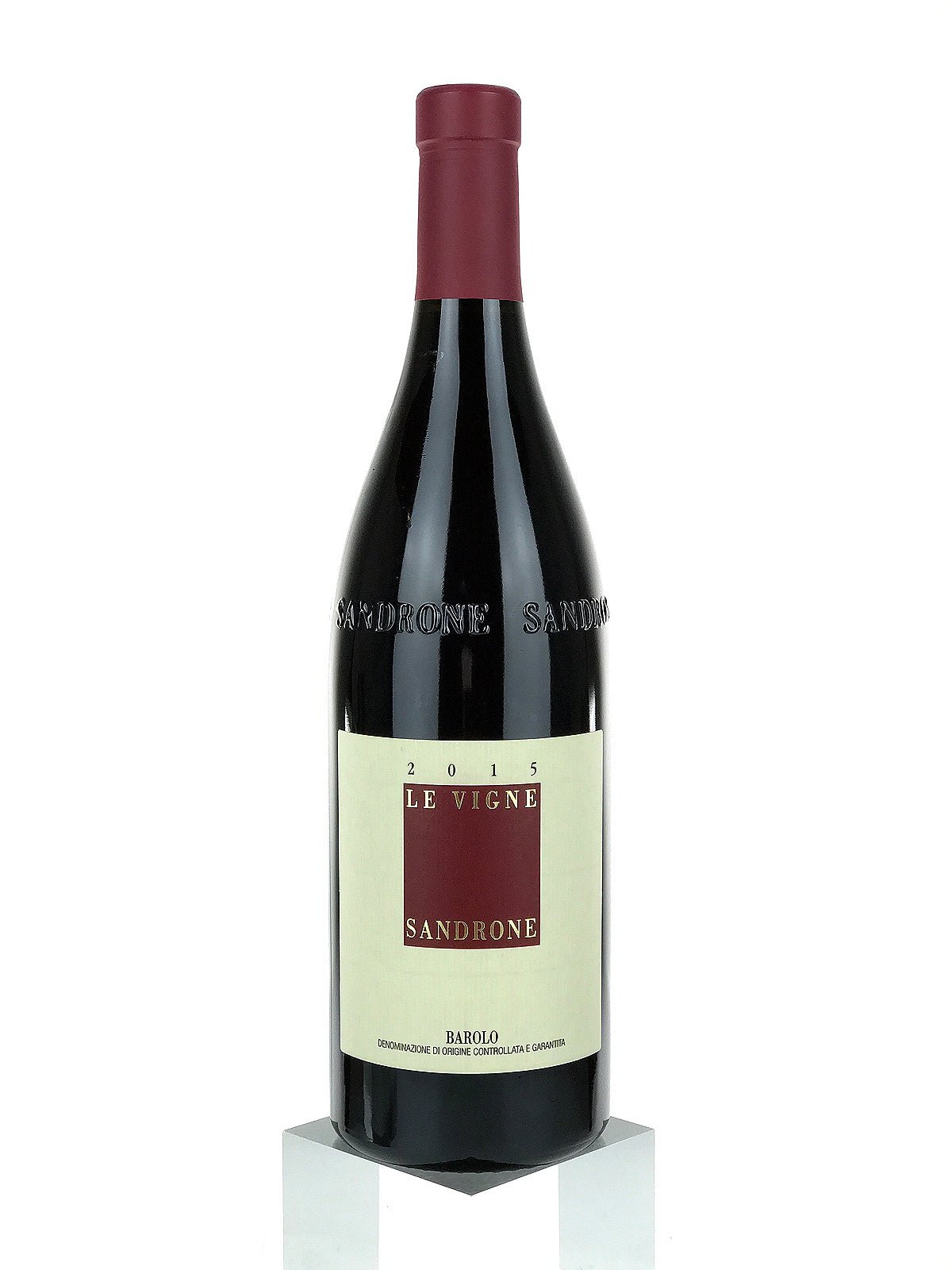

Barolo
Winery in Barolo, Italy
Appellation-Centred Nebbiolo
Why go
Book Luciano Sandrone if the goal is a serious Barolo producer stop rather than a casual tasting-room day. It suits collectors and wine-focused travelers who want depth in the Langhe; first-timers wanting easier logistics may be better served by Marchesi di Barolo.
Luciano Sandrone in Barolo is listed with Pearl 2 Star Prestige recognition for 2025. Beyond that recognition and its Barolo location, the venue is best approached as a place to confirm practical details directly before planning a visit.
For planning purposes, keep the page simple. Luciano Sandrone is a Barolo venue with Pearl 2 Star Prestige recognition and a smart casual dress code. If you need operational details, confirm them directly before building an itinerary around the visit.
The clearest reason to note Luciano Sandrone is its Pearl 2 Star Prestige recognition in 2025. That makes it a relevant Barolo name for travelers comparing options, and visitors should still confirm availability, reservation rules, food service, private formats, and purchase policies directly.
Dress code is smart casual. Visitors should avoid assuming a more formal or more relaxed setup unless they have confirmed it directly with the venue.
Use Luciano Sandrone as a Barolo reference point, then verify practical details before finalizing the day. For broader planning, pair it with our full Barolo restaurants guide and our full Barolo bars guide if you are organizing meals or evening stops around your time in Barolo.
If you are comparing other notable names, Marchesi di Barolo, Paolo Scavino, Brovia, Aldo Conterno, and Vietti are natural reference points. Keep those comparisons general unless you have confirmed each venue's current visitor policies, location details, and service format directly.
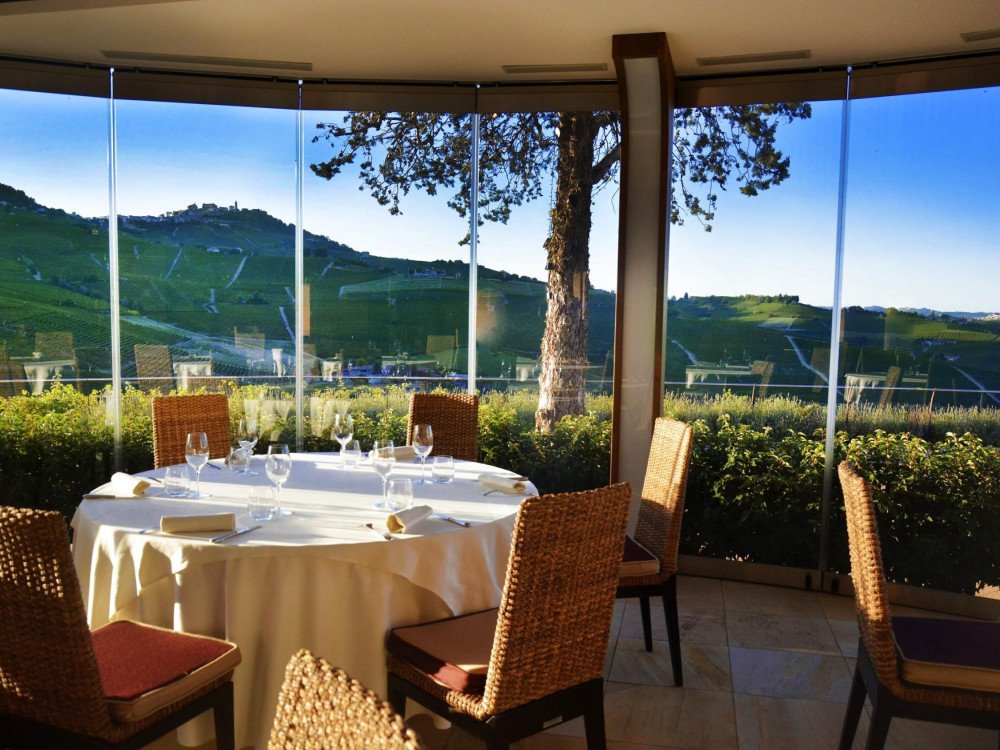
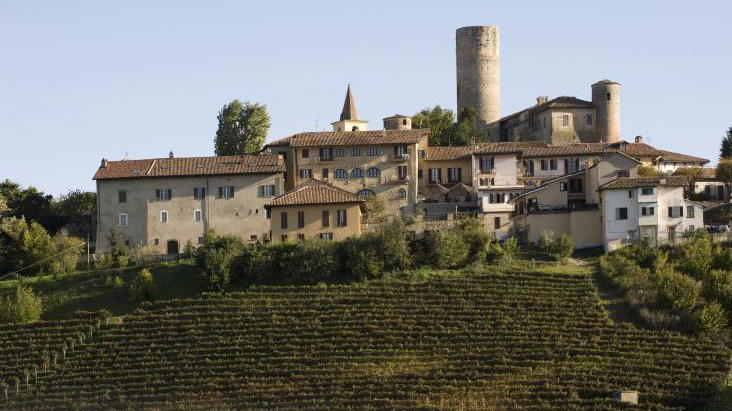
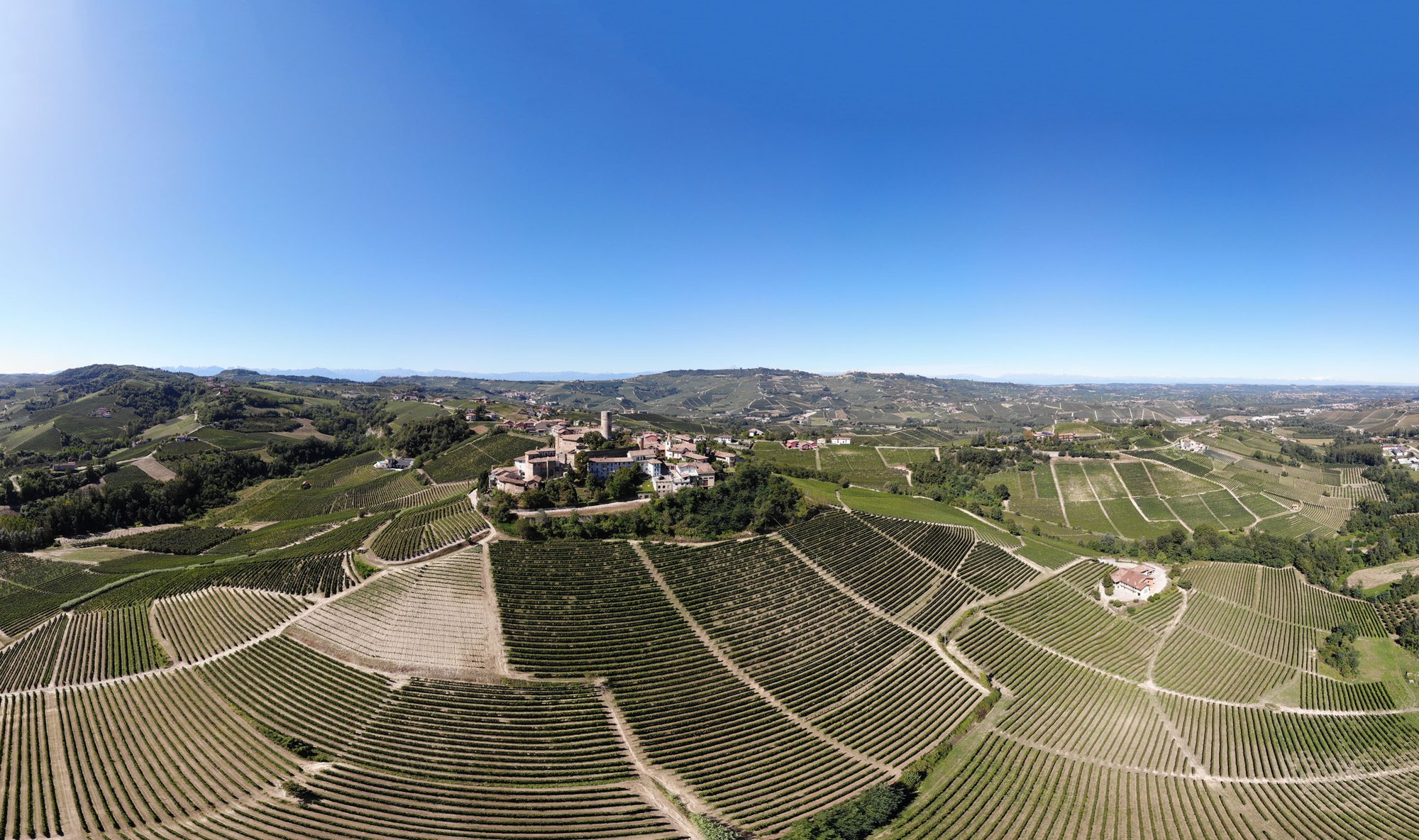
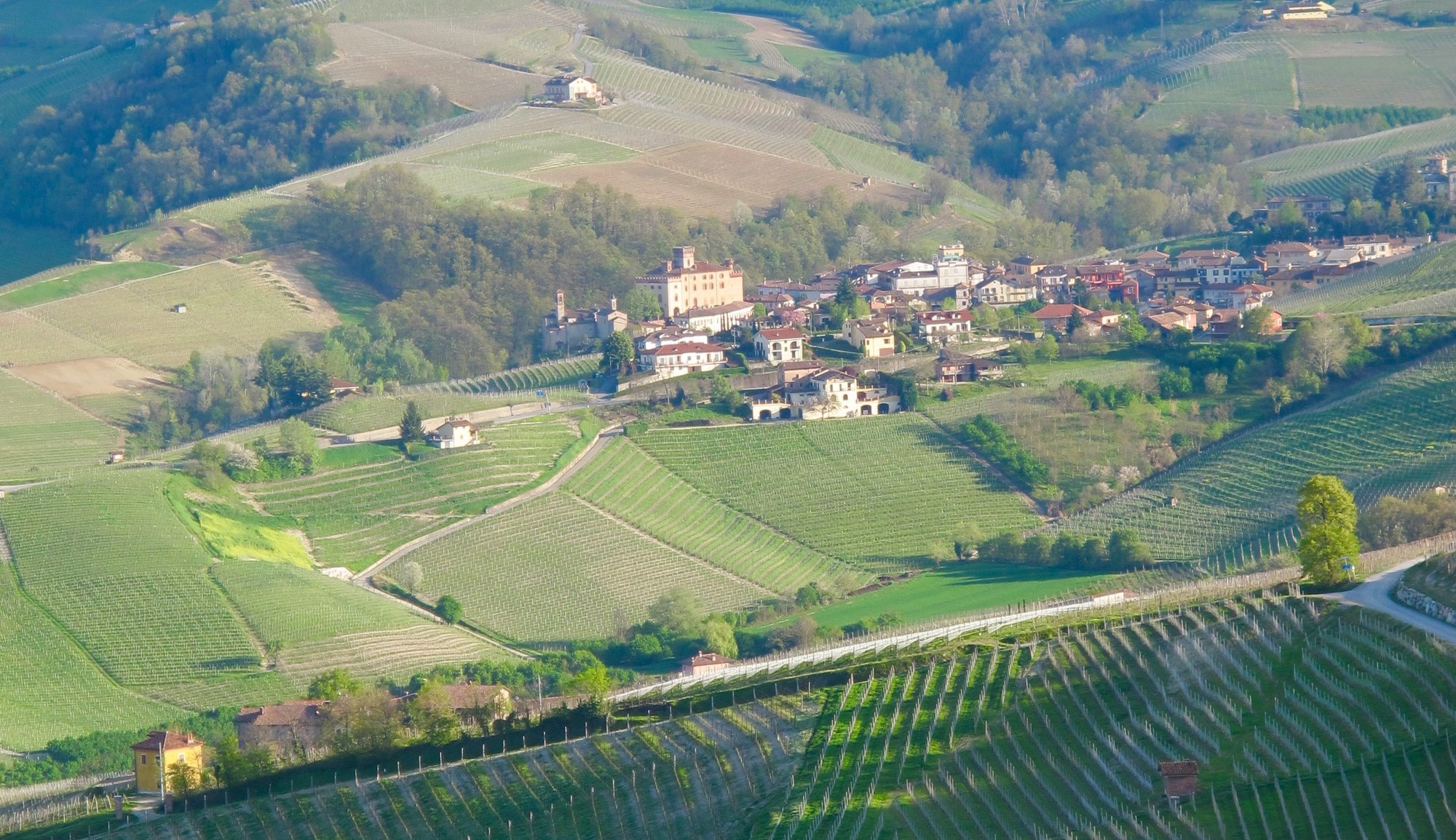
Luciano Sandrone sits amid the folded slopes of the Langhe, a place-driven address in Barolo where the landscape is the dominant character. The vineyard-dotted ridges and pale clay-limestone cuts are central to the story here: the estate’s wines deliberately foreground site expression rather than stylistic flourish. That focus, together with recognition from collectors and critics, gives the property a quietly assured, sophisticated air. Visitors encounter a slow, reflective rhythm—sunlit slopes, geological detail and a sense that tasting here is as much about reading place as it is about tasting wine.
This is a destination for people interested in terroir-led Barolo: students of geology and wine, collectors seeking vineyard-specific bottlings, and travelers who favor contemplative wine experiences. The estate’s reputation and vineyard focus make it suitable for special occasions where the quality of provenance matters, and for educational visits that unpack differences across Barolo’s varied soils and exposures. It’s less about flashy hospitality and more about deepening appreciation for site, structure and the patient evolution of Nebbiolo.
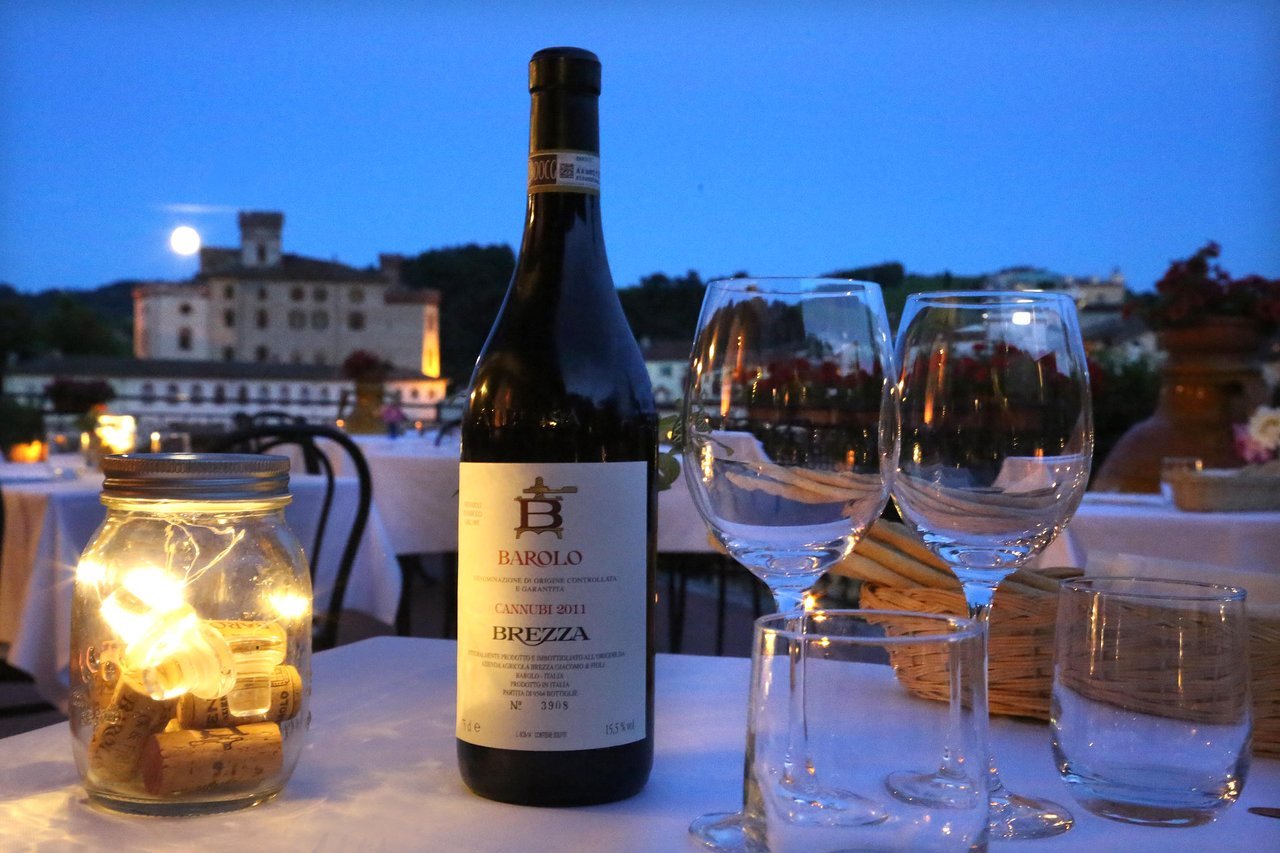
When engaging with Luciano Sandrone, prioritize vineyard-designated wines—the producer draws from named sites such as Cannubi Boschis and Vite Talin—and ask staff about how those sites shape structure and tannic profile. The write-up stresses geological differences across Barolo, so request guidance on how Tortonian versus Helvetian soils influence aging potential and drinking windows. Given the text notes tighter structure and wines that need time to open, consider cellaring or choosing bottles with some age for immediate drinking; also look to platform recognitions (e.g., EP Club Pearl rating) when selecting bottles.
Choose Luciano Sandrone when the priority is a serious producer-led Barolo stop and the group is comfortable planning around harder access. Marchesi di Barolo is the more practical Barolo fallback for visitors who want an easier, more central-feeling winery day with less friction.
Paolo Scavino, Brovia, and Vietti are better cross-shops for travelers building a serious producer itinerary outside a simple Barolo village circuit. Pick them when the day is about comparing houses across the wider area rather than minimizing transfers.
Aldo Conterno is the strongest peer for travelers who want another high-commitment Langhe producer visit. If availability is tight, Marchesi di Barolo is the safer backup; if the goal is depth over convenience, Luciano Sandrone and Aldo Conterno make the more focused pair.
Unlock the full Luciano Sandrone guide in Pearl, including awards, comparisons, FAQs, planning details, and nearby places.
| Venue | Location | Awards |
|---|---|---|
| Luciano Sandrone | Barolo | 2026 Falstaff Winery Guide |
| Paolo Scavino | Castiglione Falletto | No published awards |
| Brovia | Castiglione Falletto | 2026 Falstaff Winery Guide |
| Aldo Conterno | Monforte d'Alba | 2026 Falstaff Winery Guide |
| Marchesi di Barolo | Barolo | 2026 Falstaff Winery Guide2025 World's 50 Best Vineyards · #80 |
| Vietti | Castiglione Falletto | 2026 Falstaff Winery Guide |
How Luciano Sandrone Barolo compares with similar nearby venues.
Shipping details should be confirmed directly with Luciano Sandrone in Barolo before your visit.
Specific hours and visit windows should be confirmed directly with the venue in Barolo.
Reservation requirements should be confirmed directly with Luciano Sandrone before treating it as a fixed stop in a Barolo itinerary.
The confirmed dress code is smart casual.
For general comparison, Marchesi di Barolo, Paolo Scavino, Brovia, Aldo Conterno, and Vietti are relevant names to consider alongside Luciano Sandrone. Confirm each venue's current visit details directly before planning around them.
A specific visit length should be confirmed directly with the venue in Barolo.
Large-group policies should be confirmed directly before making assumptions about capacity or format.
Pearl events
Public events currently associated with this Pearl venue.
A four-course Barolo wine-pairing dinner at Café Boulud in New York City, with Barbara Sandrone and Chef Daniel Boulud.
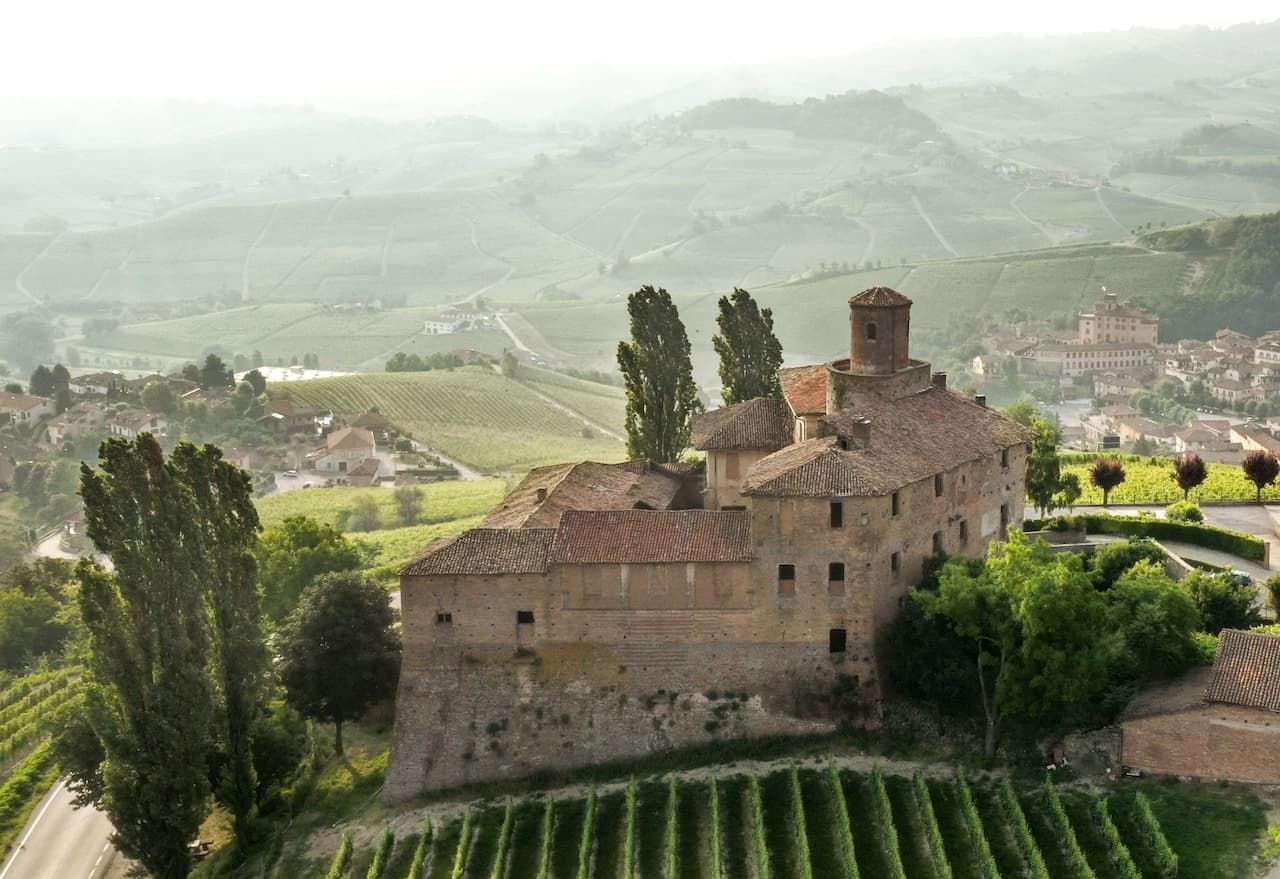 Marchesi di BaroloBaroloBook Marchesi di Barolo if the goal is a prestige-led Barolo winery visit anchored in the village itself. Its 2025…
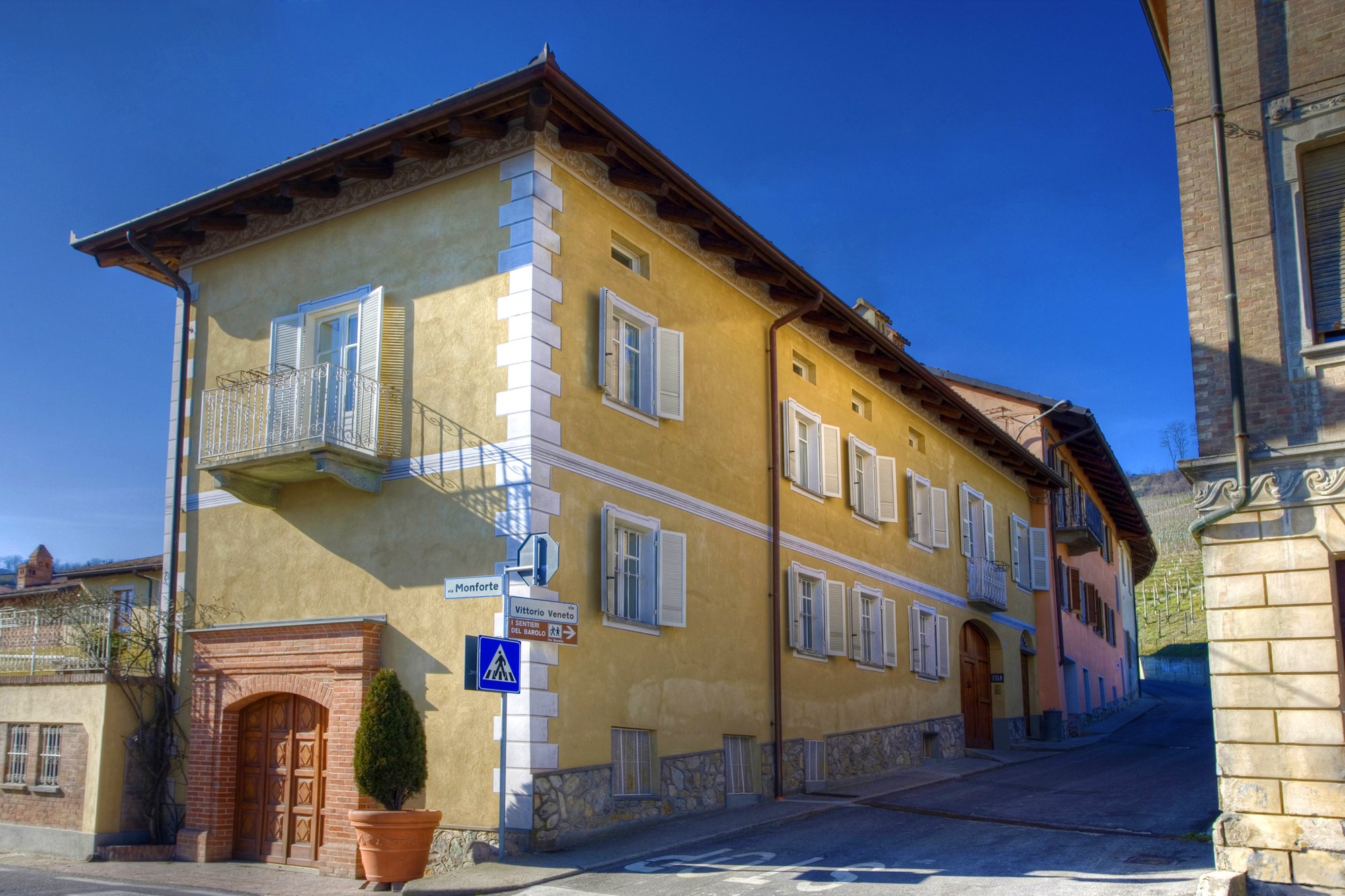 Azienda Agricola E. Pira E FigliBaroloAzienda Agricola E. Pira E Figli is a collector-leaning Barolo stop with Falstaff 5 Stars in 2026, better for a…
 Azienda Agricola Veglio Giovanni & FigliBaroloA traditional, family-run Langhe winery worth booking if you want an informal cellar tasting rather than a polished…
 Barale FratelliBaroloPrioritise Barale Fratelli if the Barolo trip is about traditional Nebbiolo rather than polished wine-tourism staging.…
 Bartolo MascarelloBaroloA high-effort Barolo pick for serious Nebbiolo buyers and special-occasion wine trips, not a casual tasting-room stop.…
 PingusRibera del DueroPingus is for serious Ribera del Duero collectors, not casual winery browsing. Book the pursuit if Peter Sisseck's producer name is the point of the trip; otherwise, use Arzuaga Navarro, Abadía Retuerta, or Vega Sicilia for a more rounded wine-day experience.
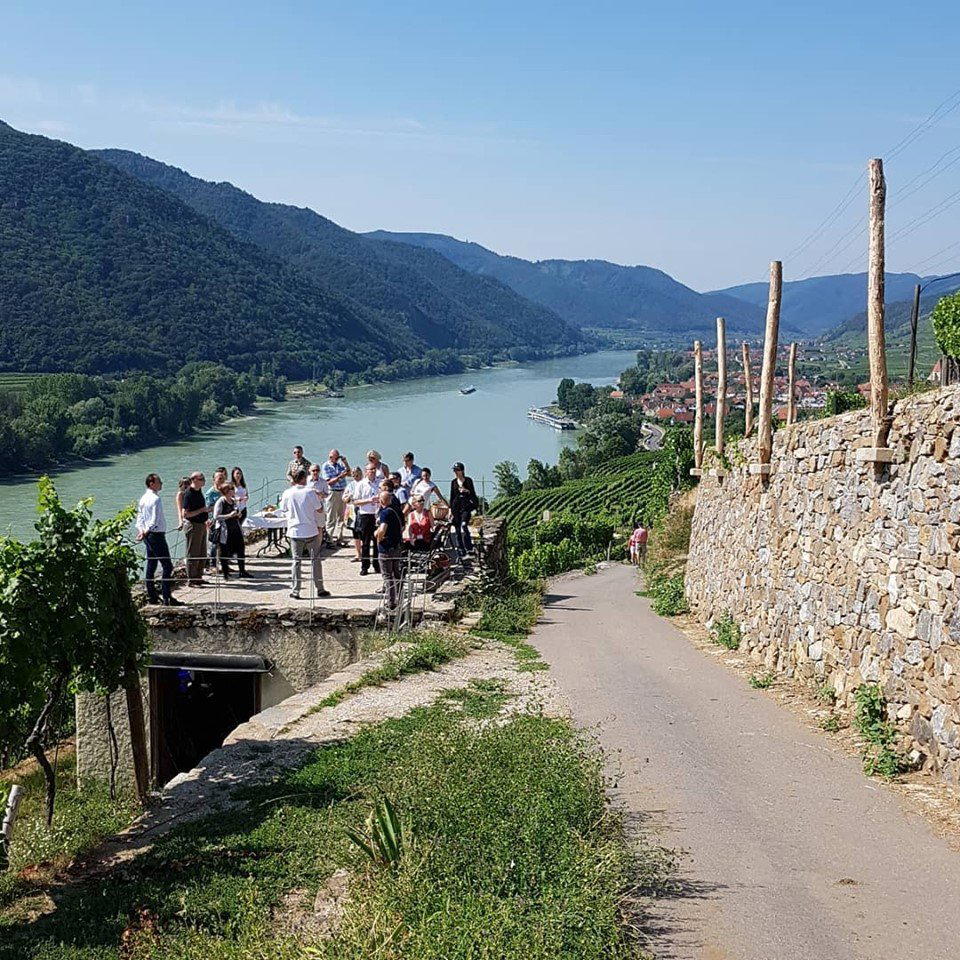 Weingut JamekJochingPrioritise Weingut Jamek if the trip is built around serious Wachau wine and selective bottle buying, not a casual tasting stop. Booking pressure makes it a risky anchor without a backup, but the value case is strong for visitors who want a quieter, credibility-led Joching winery experience.
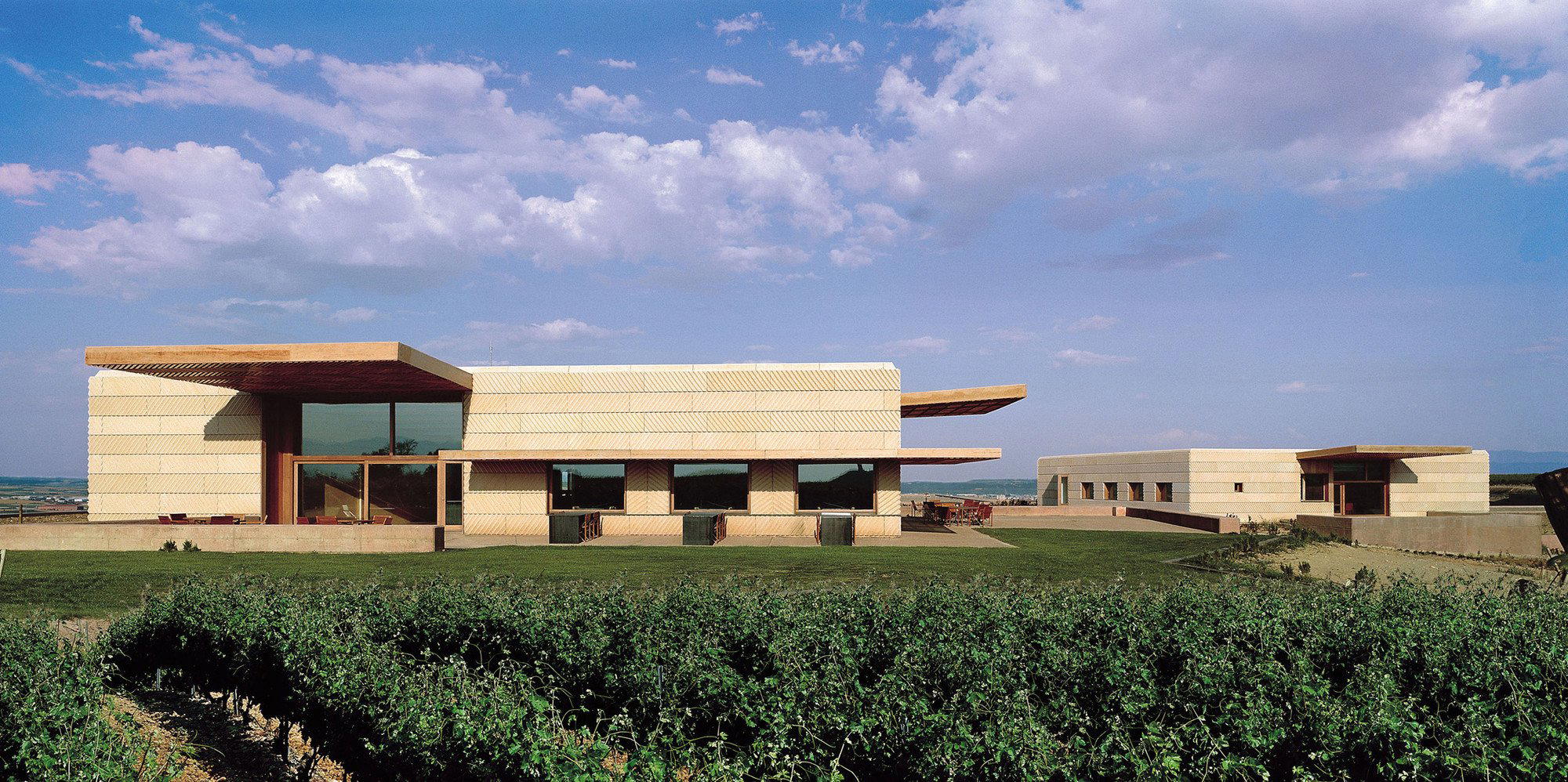 Campo ViejoLogroñoCampo Viejo is worth prioritizing if the aim is a structured Rioja winery stop in Logroño, especially as part of a food-and-wine weekend rather than a standalone meal plan. Treat the wine visit as the anchor and arrange restaurants, bars, and hotels around it; travelers wanting easier spontaneity should cross-shop Bodegas Franco-Españolas or Marqués de Murrieta.
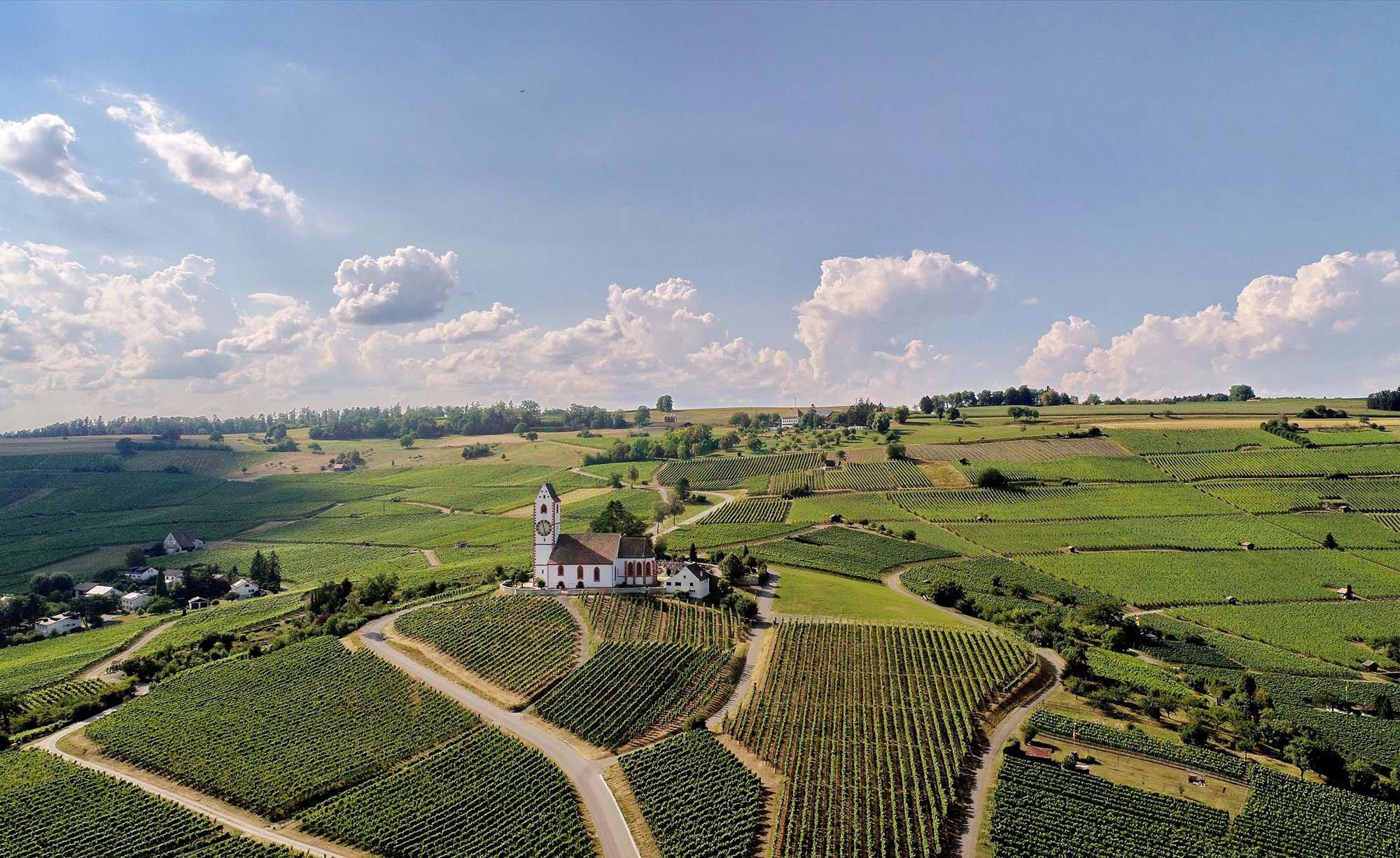 aagne weingutHallauBook aagne weingut only if wine is the main reason for the Hallau stop. The case for visiting is strongest for serious Swiss-wine buyers and celebration trips built around a focused tasting, with Falstaff 3 Stars in 2026 giving it a clear quality signal. Confirm logistics before planning around food, groups, or shipping.
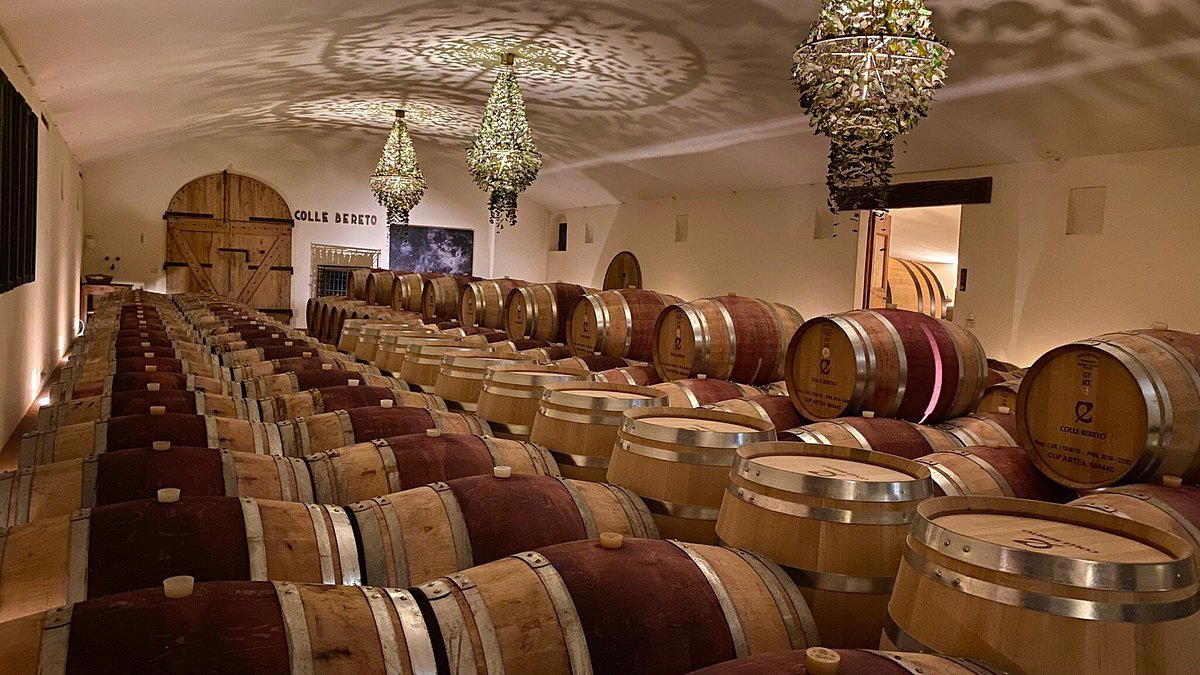 Azienda Agricola Colle BeretoRadda in ChiantiAzienda Agricola Colle Bereto is worth prioritizing in Radda if the goal is a polished Chianti Classico tasting rather than a quick cellar stop. The draw is the full portfolio, from Sangiovese-led labels to Pinot Noir, Merlot, Brut rosé, and white wine, plus historic brick cellars and quiet vineyard views that suit a special-occasion afternoon.