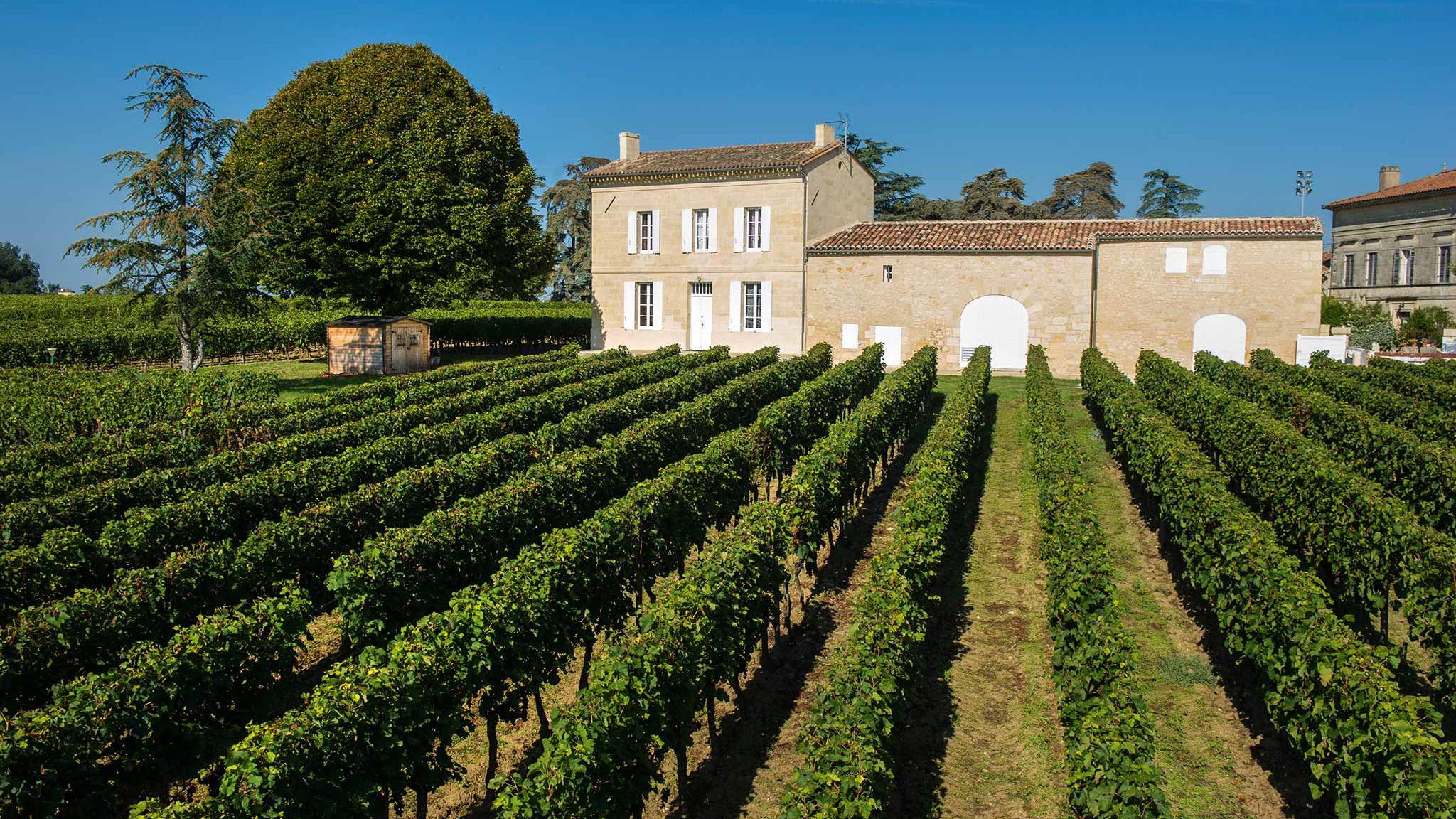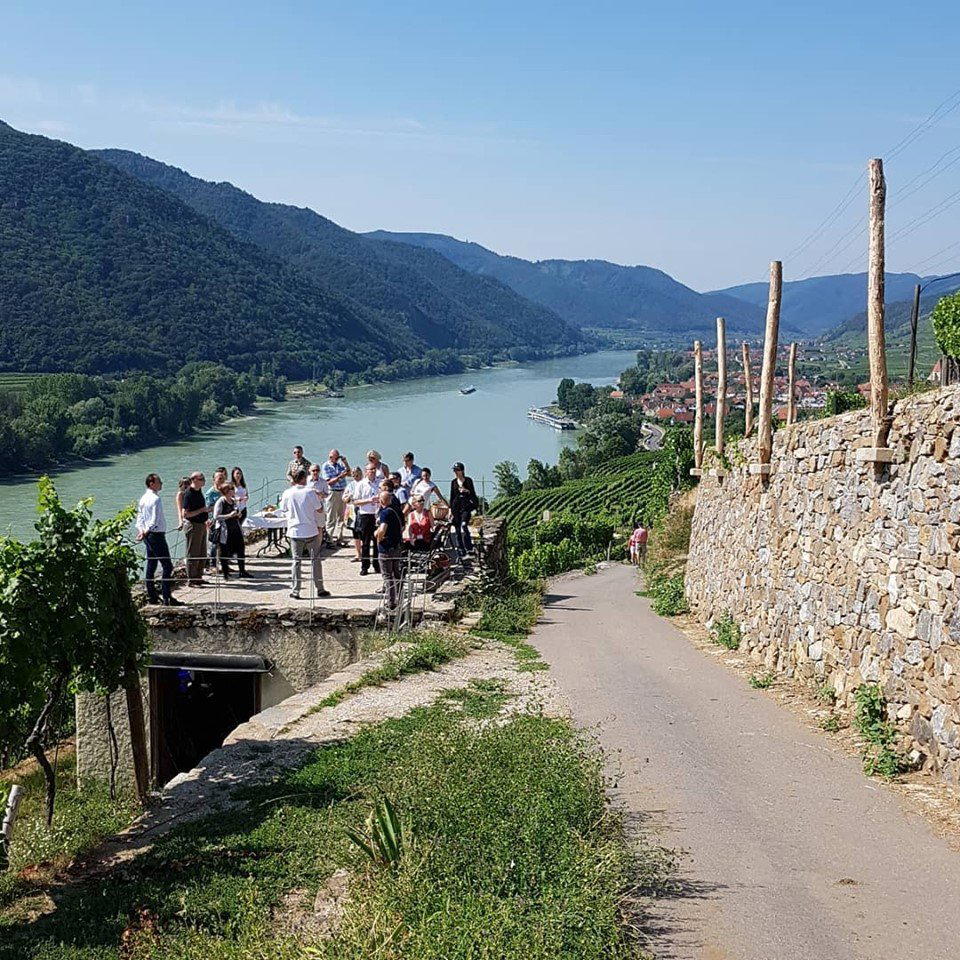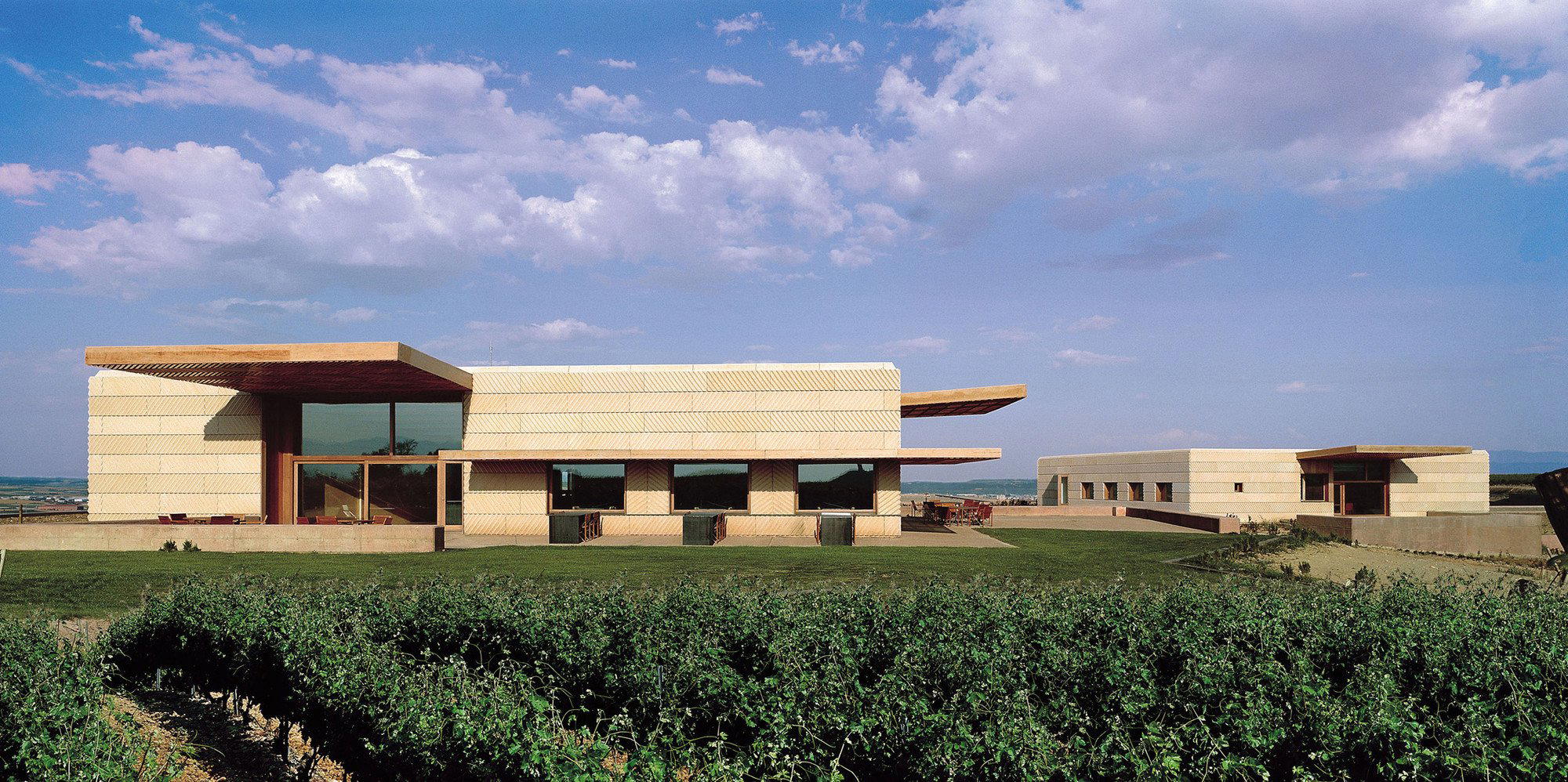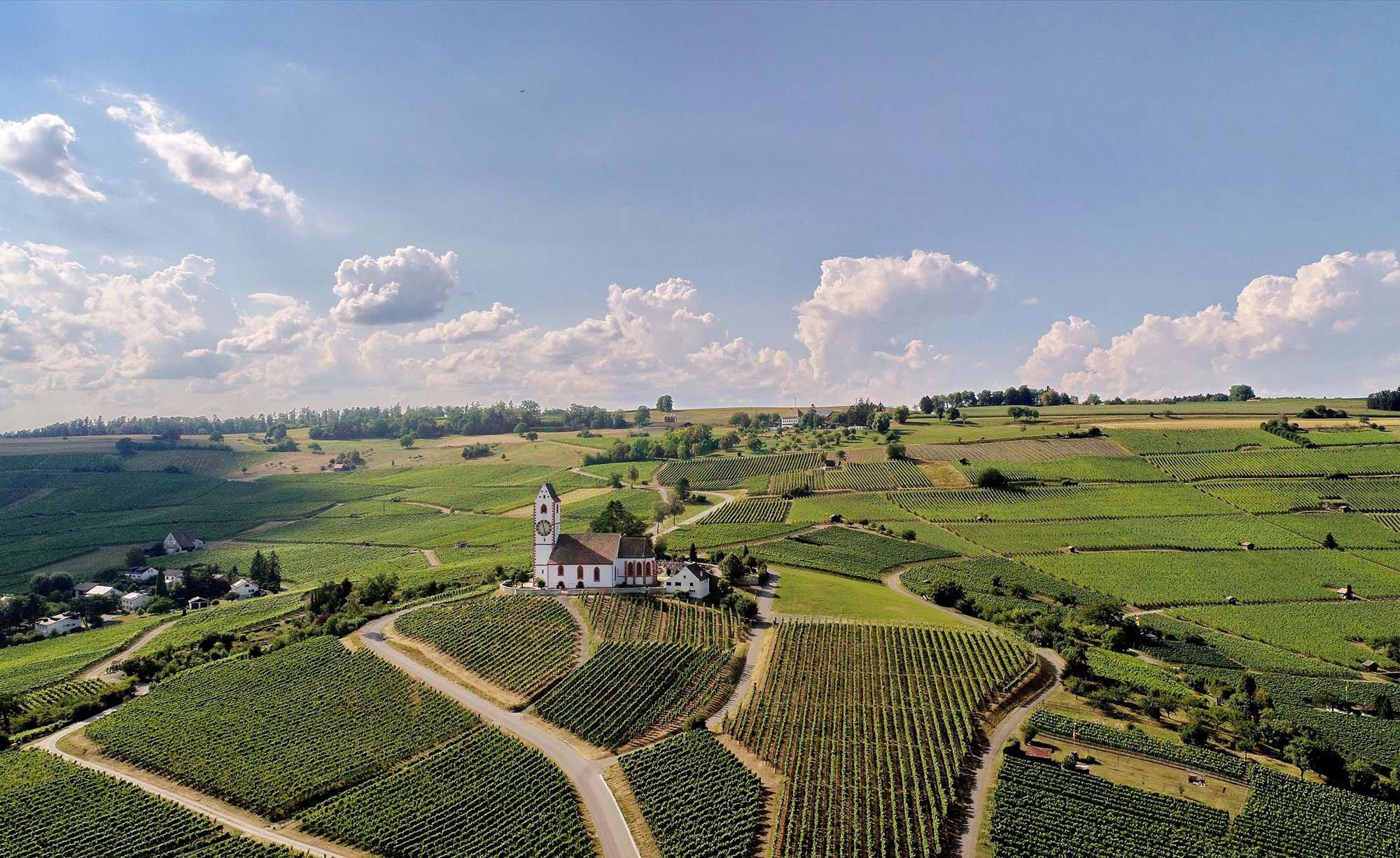

Bodegas Alvear
Montilla
Winery in Montilla, Spain
 Book with Pearl
The Read
Solar Pedro Ximénez
Price
$20–30tasting
Why go
Bodegas Alvear is worth prioritizing if Montilla-Moriles is the point of the trip, not just a convenient wine stop near Córdoba. Plan well ahead: it suits drinkers who want a serious fortified-wine context more than groups looking for the easiest visitor setup.
About Bodegas Alvear
Bodegas Alvear is a Montilla venue with a confirmed smart casual dress code and Pearl 2 Star Prestige recognition for 2025. Those two details are the firm basis for planning: the venue is recognized, and visitors should approach it with a polished but not formal wardrobe. Beyond those points, specific visitor details should not be assumed. Plan from the venue's current official information rather than relying on unconfirmed claims about format, timing, pricing, or particular offerings, because those details can meaningfully shape how a visit fits into a Montilla day.
Use this page as a grounded planning note for Montilla, especially if you are narrowing a short list and want to separate confirmed facts from expectation. The safest way to approach Bodegas Alvear is to confirm the practical details directly before building a day around it, especially if you are comparing it with other recognized names. Treat the listing as a useful signal of standing, then let the venue's own current guidance determine the practical shape of the visit.
Book this for Montilla context, not a generic stop
Choose Bodegas Alvear if Montilla itself is central to your itinerary. The confirmed draw here is the venue's Pearl 2 Star Prestige recognition in 2025, not a specific menu, tour structure, bottle, price point, or service format. That distinction matters: it helps keep the plan accurate and prevents a recognized name from being turned into a set of assumptions that have not been.
For planning, keep the dress code smart casual and verify all current access details with the venue before you go. Smart casual gives you a sensible baseline, particularly if the rest of the day includes other restaurants, hotels, bars, or experiences in the city. For broader trip planning around the city, use Our full Montilla wineries guide, plus Our full Montilla restaurants guide, Our full Montilla hotels guide, Our full Montilla bars guide, and Our full Montilla experiences guide. Those wider guides can help place Bodegas Alvear within the rhythm of a Montilla itinerary without adding unsupported specifics to this particular venue note.
Who should choose it over other major names
Pick Bodegas Alvear if you specifically want a Montilla anchor rather than only comparing names elsewhere. In that sense, the choice is about geographic focus as much as recognition: it keeps your attention on Montilla and allows the rest of the itinerary to be built around that context. Valdespino, Lustau, González Byass (Tío Pepe), Bodegas Tradición, and Williams & Humbert can be useful reference points when you are weighing different venues, while Bodegas Alvear keeps the decision centered on Montilla.
Do not overbuild the plan around assumptions. Confirm the current visiting process, timing, and any practical requirements directly, then leave enough flexibility in the itinerary if you are also considering other stops in Montilla. That flexibility is important because the confirmed information here is intentionally limited: it supports interest, but not a tightly scripted schedule. A careful plan treats Bodegas Alvear as a recognized Montilla option, checks the details at the source, and then fits the visit around the rest of the day with room to adjust.
Planning details
- Location
- Av. de María Auxiliadora, 1, 14550 Montilla, Córdoba
- Website
- alvear.es
- Phone
- +34 957 65 01 00
The take
The Take
The Vibe
Bodegas Alvear reads like a regional lodestar: an estate whose reputation anchors Montilla-Moriles as a wine region with its own rules. The writing emphasizes heat, pale albariza soils and a winemaking philosophy built around disciplined solera systems, so the place feels authoritative and thoughtfully composed rather than trendy. Visitors encounter wines that carry decades of history in their structure, and the overall tone is refined and deliberate—sophisticated rather than flashy. The estate’s long-running soleras and clear link to Pedro Ximénez give the visit an iconic, study-in-depth quality for people who care about terroir and tradition.
Best For
This estate is best for people who come to learn and to savor: wine students, curious solo travelers and groups marking a special occasion. The site’s focus on solera ageing and the region’s distinctive high-sugar Pedro Ximénez expressions makes it ideal for educational tastings and deliberate, slow visits rather than casual drop-ins. Because much of the story lives in technique and provenance, it rewards visitors who plan a focused tasting, ask detailed questions and want to compare the layered complexity that solera systems produce across age expressions.
Tasting Tips
When tasting at Alvear, center your sampling on the solera-aged expressions and ask staff to explain how fractional blending across barrels shapes each wine. Be sure to taste Pedro Ximénez in its dried form and compare wines that reach 15–17% alcohol naturally against fortified styles; the text highlights this distinctive, non-fortified strength. Ask for examples that illustrate the solera’s layered complexity so you can track how age and barrel blending influence flavor. Keep questions focused on terroir, albariza soils and the estate’s solera management to get the most insight from a visit.
Venue details
Ambiance
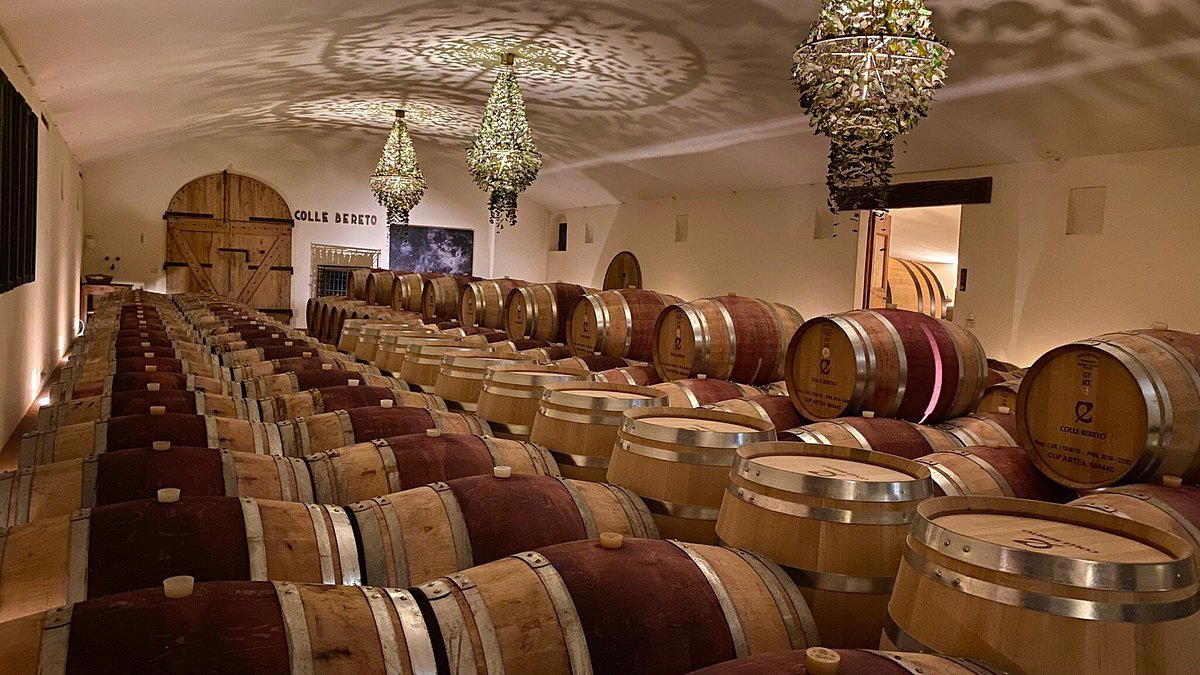
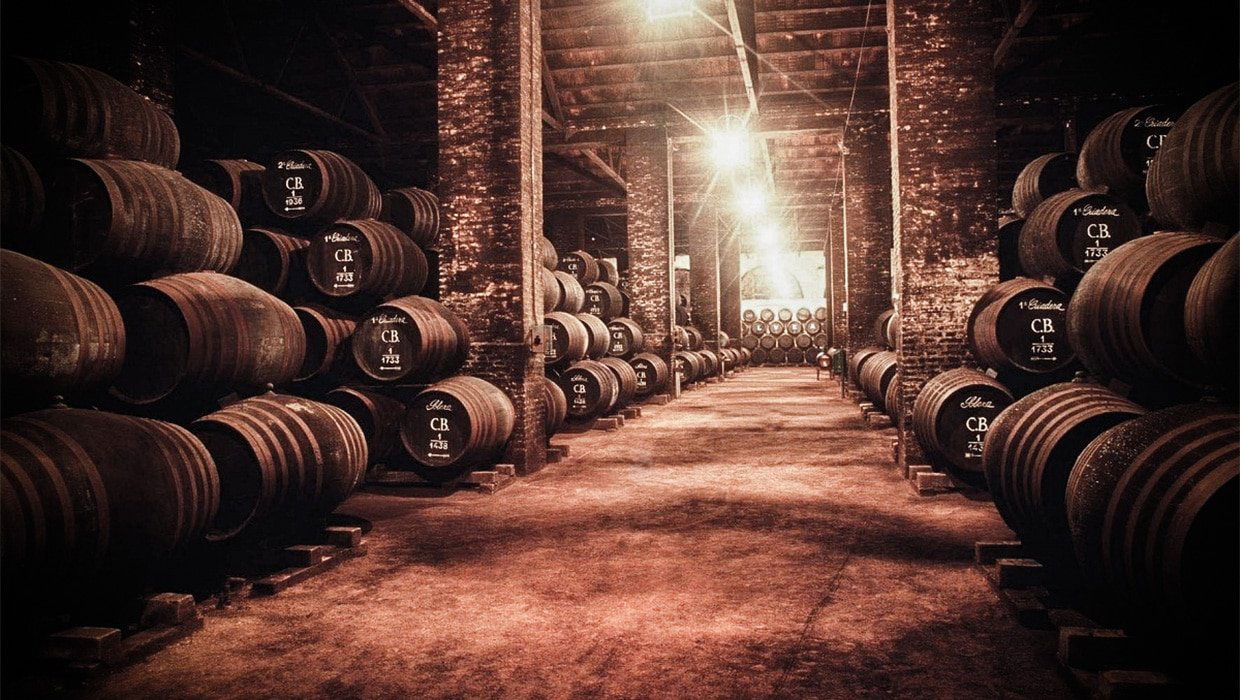
Historic and serene atmosphere in centuries-old facilities with a focus on tradition and elegance.
Tags
Vibe
Best For
Experience
Sourcing
View
At the Vineyard
- Appellation
- Montilla-Moriles DO
- Varietals
- Pedro Ximénez
- Tour Duration
- 60-90 minutes
- Tour Languages
- Spanish, English
- Visits
- By appointment only
- Farming
- Sustainable
- Production
- Mid-size producer
- Wine Styles
- Fortified, Dessert
- Wine Club
- Not available
Know before you go
Know Before You Go
- Getting there
- Av. de María Auxiliadora, 1, 14550 Montilla, Córdoba
Planning details
Location
Recognition and awards

Also consider
If this is hard to arrange
If the timing does not work, cross-shop Lustau for a more accessible Jerez benchmark or González Byass (Tío Pepe) for the simpler visitor setup. If the priority is a more focused heritage visit, Bodegas Tradición is the closest alternative in spirit, though with a Jerez rather than Montilla frame.
Winery context
How it compares with the Jerez names
Choose Bodegas Alvear when Montilla itself is the reason for booking. Valdespino and Lustau are stronger cross-shops for travelers who want a Jerez-first view, while this is the more specific pick for understanding the Córdoba side of fortified wine.
González Byass (Tío Pepe) is the easier recommendation for travelers who want scale, visitor infrastructure, and a more familiar name. Bodegas Tradición is the better fit for a tighter heritage-led Jerez visit, while Williams & Humbert works for groups that want a larger-house feel.
On value, the decision is less about a published price and more about trip intent. If Montilla is already on the route, Bodegas Alvear is the sharper booking. If adding a detour only for convenience, the Jerez peers may deliver an easier experience with fewer planning variables.
Explore Montilla
Around this place
Discover more on Pearl
Unlock the full Bodegas Alvear guide in Pearl, including awards, comparisons, FAQs, planning details, and nearby places.
Compare Bodegas Alvear
| Venue | Location | Awards |
|---|---|---|
| Bodegas Alvear | Montilla | 2026 Falstaff Winery Guide |
| Valdespino | Jerez de la Frontera | 2026 Falstaff Winery Guide |
| Lustau | Jerez de la Frontera | 2026 Falstaff Winery Guide |
| González Byass (Tío Pepe) | Jerez | 2025 World's 50 Best Vineyards · #212024 World's 50 Best Vineyards · #342023 World's 50 Best Vineyards · #212022 World's 50 Best Vineyards · #62021 World's 50 Best Vineyards · #92020 World's 50 Best Vineyards · #18 |
| Bodegas Tradición | Jerez de la Frontera | 2026 Falstaff Winery Guide |
| Williams & Humbert | Jerez de la Frontera | 2026 Falstaff Winery Guide |

How Bodegas Alvear Montilla compares with similar nearby venues.
FAQ
Frequently Asked Questions
How long should I plan for a visit to Bodegas Alvear?
What other venues can I compare with Bodegas Alvear?
For broader comparison, consider Valdespino, Lustau, González Byass (Tío Pepe), Bodegas Tradición, and Williams & Humbert. If you want to stay focused on Montilla, compare Bodegas Alvear with other local options generically and verify current details before planning.
What is the dress code at Bodegas Alvear?
The confirmed dress code is smart casual. Other practical details should be checked directly with Bodegas Alvear before you finalize plans.