

Domaine Jamet
Ampuis
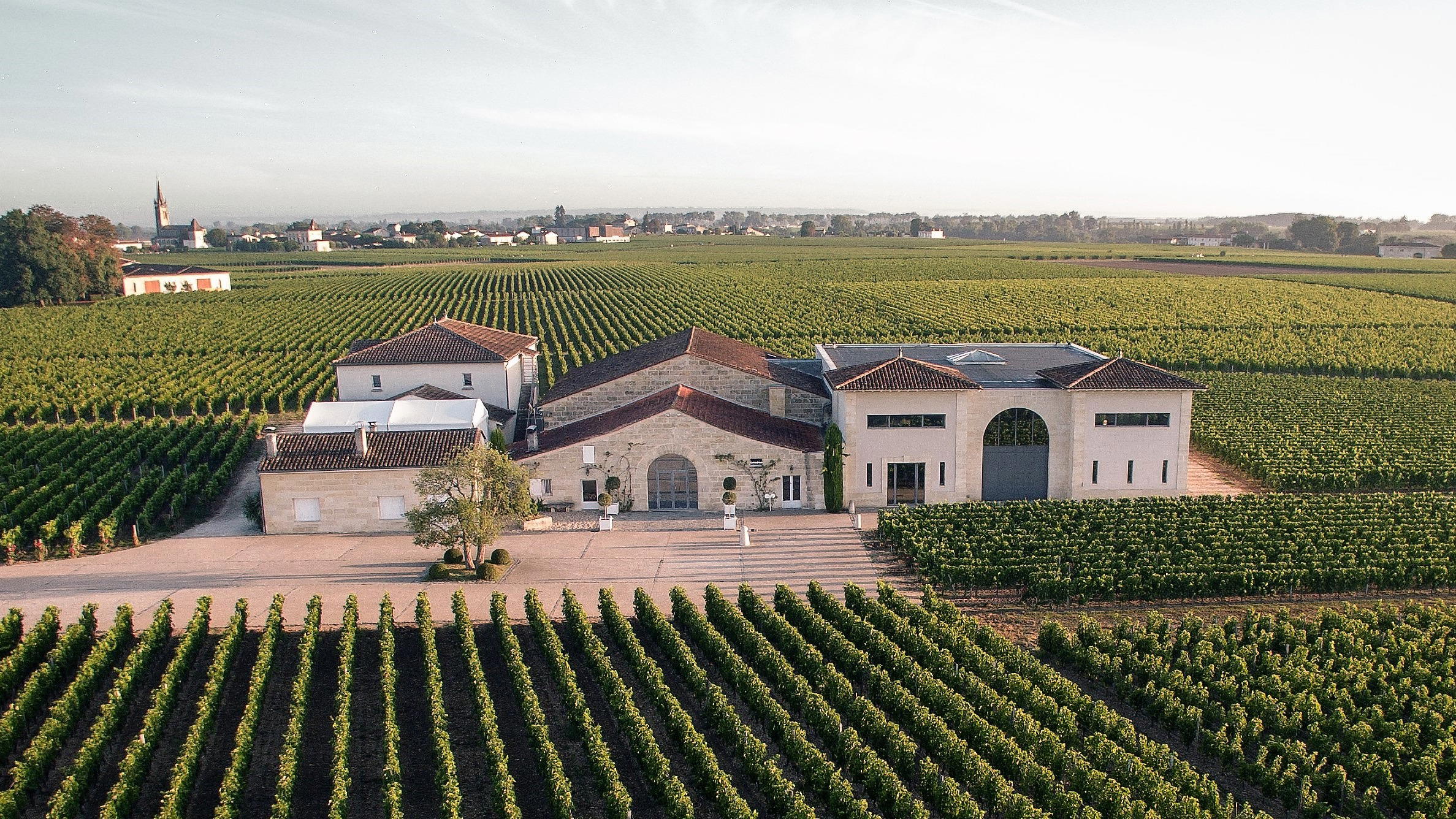
Winery in Ampuis, France
 Book with Pearl
The Read
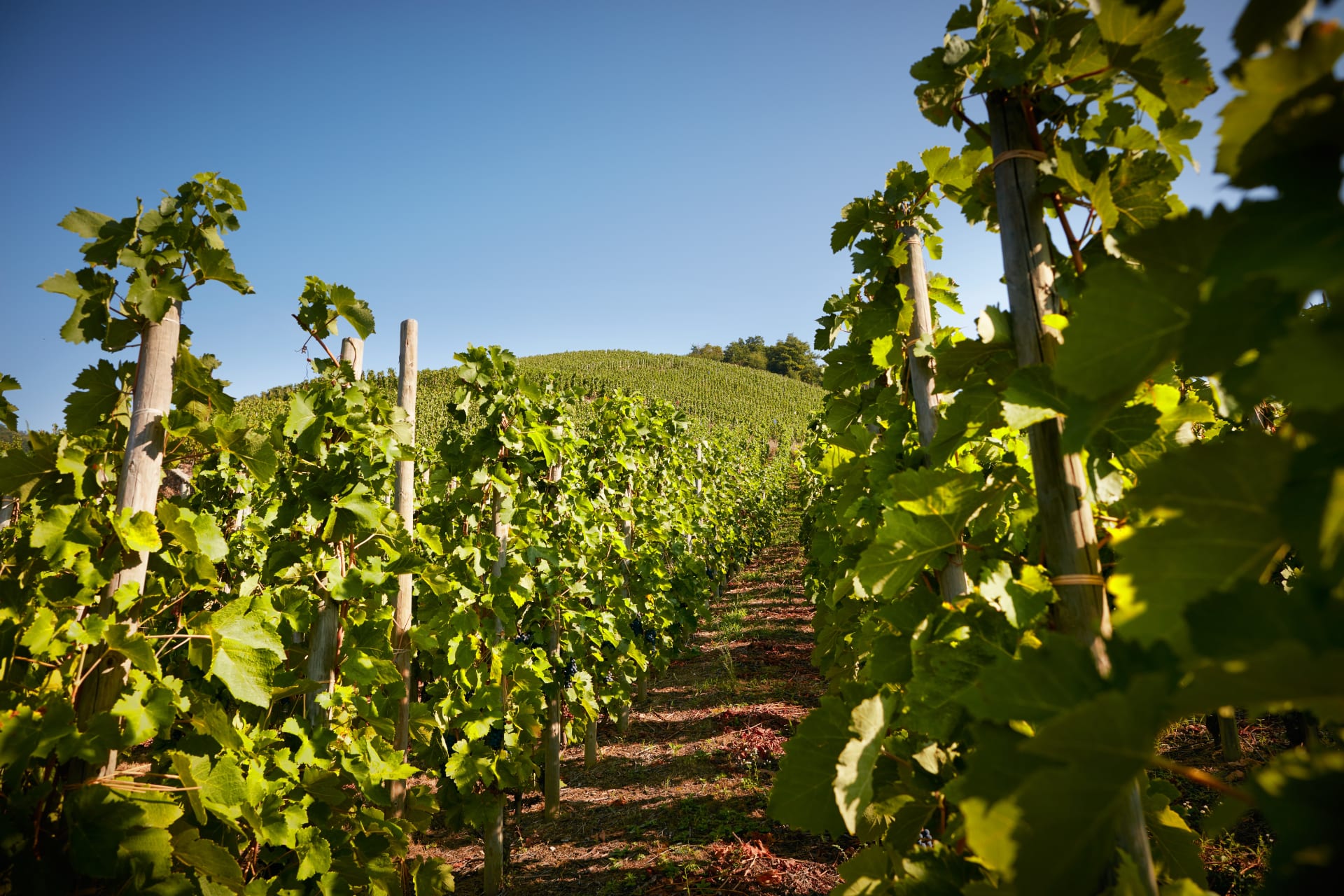
Schist-Driven Syrah Austerity
Why go
Domaine Jamet is worth prioritizing if the trip is built around serious Northern Rhône wine rather than a casual tasting-room stop. In Ampuis, it is the collector-leaning choice over broader peers like E. Guigal, with Domaine M&S Ogier D'Ampuis the closest local cross-shop for another producer-led Côte-Rôtie visit.
About Domaine Jamet
Domaine Jamet is a premium venue in Ampuis with Pearl 4 Star Prestige recognition for 2025. The chef/owners are Jean-Paul Jamet and Loïc Jamet, and the noted dress code is smart casual. Visitors should confirm public format, schedule, price, menu, or service offerings directly with the venue before making plans.
For planning purposes, approach Domaine Jamet as a focused Ampuis stop. If the occasion depends on timing, access, or a particular experience, confirm the details in advance and keep the surrounding itinerary flexible.
Plan ahead and avoid assumptions
The key facts are concise: Domaine Jamet is in Ampuis, is associated with chef/owners Jean-Paul Jamet and Loïc Jamet, carries Pearl 4 Star Prestige recognition for 2025, and has a smart casual dress code. Check public hours, pricing, format, and visitor-service details directly before making firm plans.
If you are comparing options in the area, use Domaine Jamet as a carefully planned Ampuis choice and avoid building the day around unconfirmed service details. For meals, lodging, bars, and local experiences, consult current local resources and confirm directly with each venue before committing the date.
Where it sits among comparison venues
Domaine M&S; Ogier D'Ampuis is a natural point of comparison for readers looking at another named venue to consider alongside Domaine Jamet. E. Guigal is also a relevant comparison when weighing prominent names. Domaine Jamet remains the Ampuis option here with Pearl 4 Star Prestige recognition for 2025.
Chapoutier, Paul Jaboulet Aîné, and Delas Freres can also be considered as broader comparisons, but they should not be treated as interchangeable with an Ampuis venue. If location in Ampuis is central to the plan, keep that distinction clear when comparing options.
Quick reference: choose Domaine Jamet for a smart casual Ampuis visit backed by Pearl 4 Star Prestige recognition in 2025; compare with other named venues when the broader itinerary matters more.
Planning details
- Location
- 4600 Route du Recru, Le Vallin, 69420 Ampuis
- Website
- cote-rotie-jamet.com
- Phone
- +33 4 74 56 12 57
The take
The Take
The Vibe
Domaine Jamet reads as a sophisticated, terroir-forward estate that makes the geological argument audible in every glass. The text foregrounds steep granite and schist terraces and a style of Syrah shaped by thin, mineral soils and strong diurnal swings. That concentration—paired with a long track record since the 1970s and recent critical recognition—positions the domaine as a producer that privileges clarity of site over artifice. Visits or tastings here feel focused and revealing: the emphasis is on understanding how slope, aspect and bedrock translate into structure and mineral detail in the bottle.
Best For
This domaine is best for people interested in serious wine study, quiet solo exploration, or marking a special tasting occasion. The copy stresses the direct link between topography and flavour, making Jamet a natural stop for those who want to compare parcels, exposures and the granite-influenced character of Côte-Rôtie Syrah. Its placement in the appellation's upper tier and mention of longstanding estate production underline that visits are rewarding for collectors and curious drinkers seeking a clear demonstration of northern Rhône terroir.
Tasting Tips
When exploring Jamet’s range, prioritize Syrah expressions that reference vineyard origin and elevation: the write-up makes the site's granite, slope and aspect central to flavor, so bottlings tied to specific parcels will best illustrate those differences. Note the estate’s critical standing—look for the domaine’s top-tier cuvées or recent higher-rated vintages to experience concentrated, mineral-driven examples. During a tasting, ask about slope aspect, soil composition and how those factors shape acidity and tannin; that line of questioning directly follows the piece’s focus on terroir as the primary driver of style.
Venue details
Ambiance
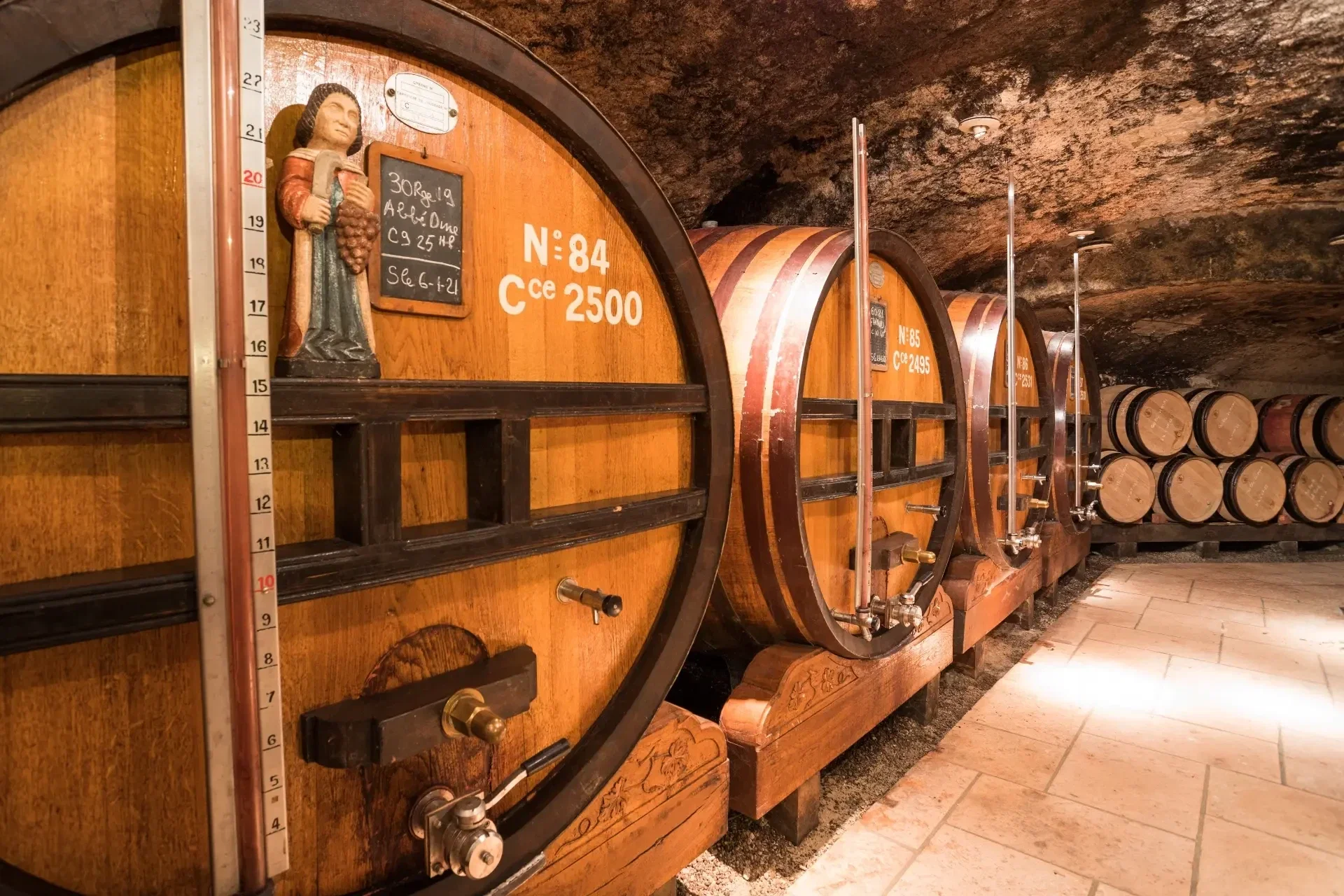
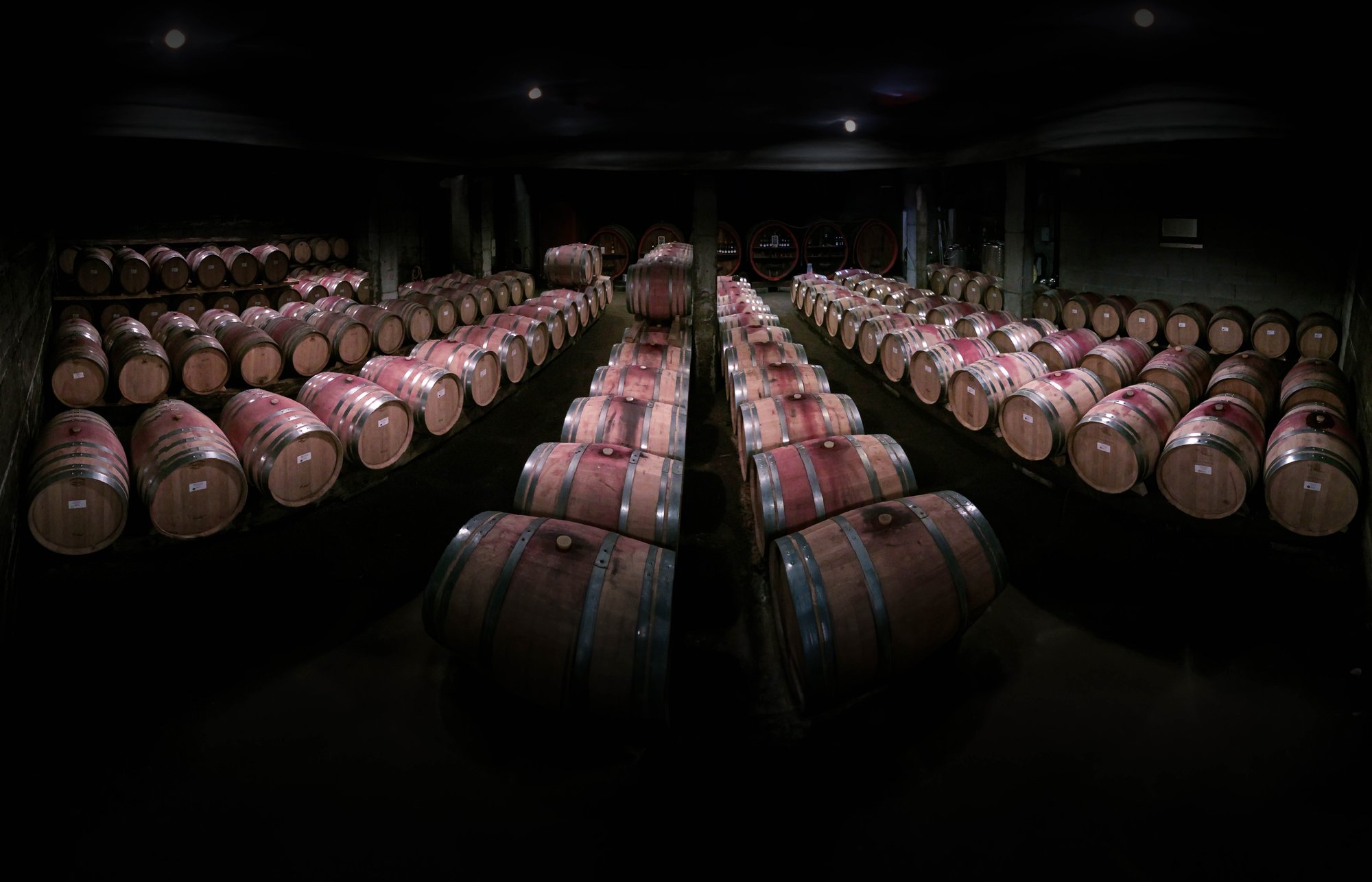
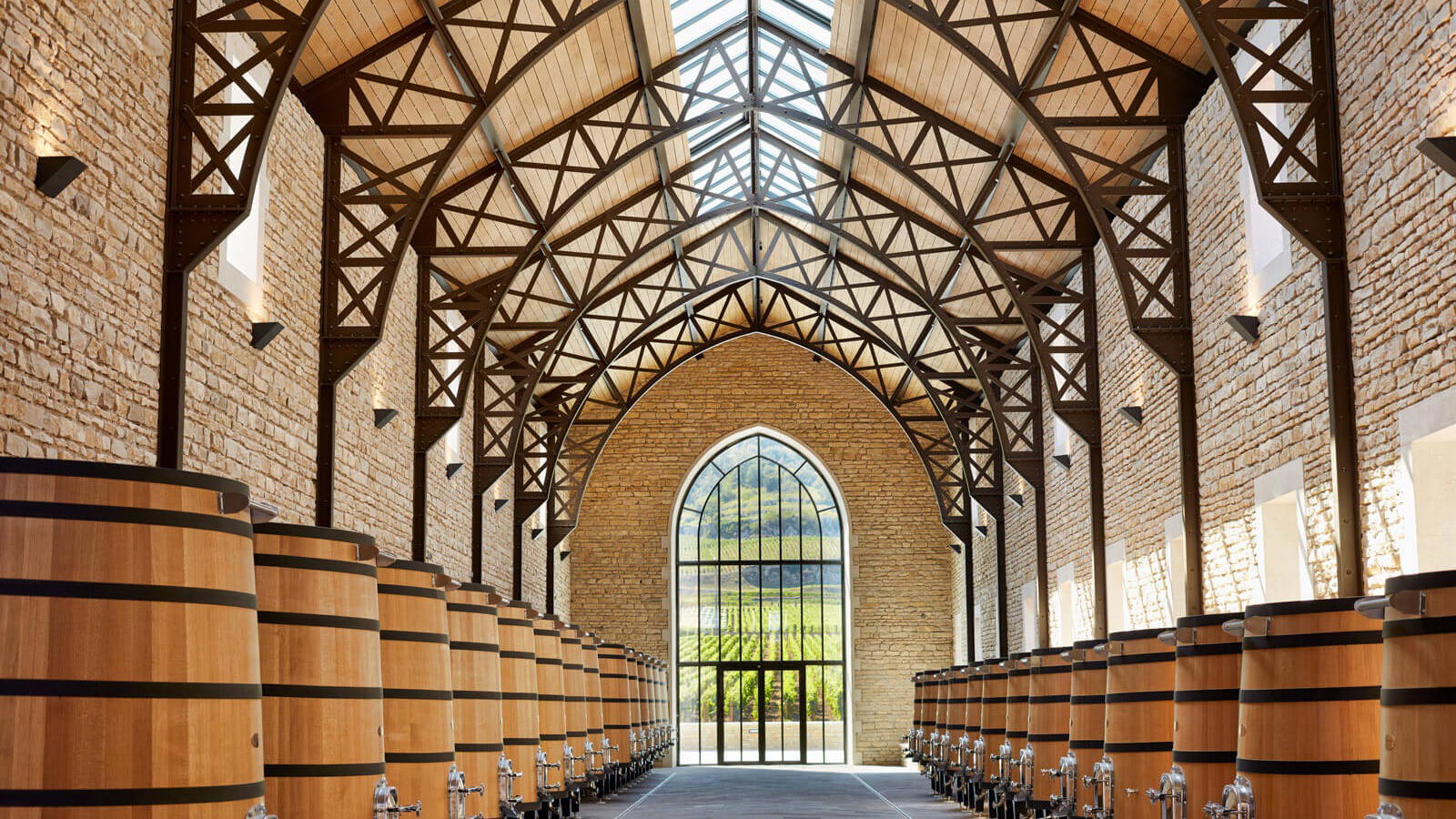
Traditional, terroir-driven atmosphere in a gravity-fed winery nestled amid steep vineyard hillsides above Ampuis, evoking rustic elegance and timeless winemaking heritage.
Tags
Vibe
Best For
Experience
View
At the Vineyard
- Appellation
- Côte-Rôtie AOC
- Varietals
- Syrah, Viognier, Marsanne, Roussanne
- Tour Languages
- French
- Visits
- By appointment only
- Wine Styles
- Still Red
- Wine Club
- Available
Know before you go
Know Before You Go
- Getting there
- 4600 Route du Recru, Le Vallin, 69420 Ampuis
Planning details
Location
Recognition and awards

Also consider
Also Consider
- Domaine M&S Ogier D'Ampuis, Notable alternative
- E. Guigal, Notable alternative
- Chapoutier, Notable alternative
- Paul Jaboulet Aîné, Notable alternative
- Delas Freres, Notable alternative
Winery context
How it compares in Ampuis and the wider Rhône set
Domaine Jamet is the sharper choice for collectors who want the trip to revolve around a specific Ampuis producer. Domaine M&S; Ogier D'Ampuis is the closest local alternative if the goal is another Côte-Rôtie-focused visit, while E. Guigal is better for travelers who want a broader, more recognizable Rhône name attached to the day.
For value and ease, larger out-of-metro peers such as Chapoutier, Paul Jaboulet Aîné, and Delas Freres are likely to suit readers who care more about a rounded Rhône itinerary than a narrow Ampuis target. They are also easier to explain to mixed groups where not everyone is chasing a specific producer.
For ambiance, choose based on the occasion: Domaine Jamet fits a serious wine conversation, Domaine M&S; Ogier D'Ampuis fits a comparable local producer track, and E. Guigal fits a more name-driven itinerary. If the booking falls through, cross-shop Domaine M&S; Ogier D'Ampuis first, then E. Guigal for a broader Ampuis fallback.
Explore Ampuis
Around this place
Discover more on Pearl
Unlock the full Domaine Jamet guide in Pearl, including awards, comparisons, FAQs, planning details, and nearby places.
Compare Domaine Jamet
| Venue | Location | Awards |
|---|---|---|
| Domaine Jamet | Ampuis | 2026 Falstaff Winery Guide2025 Pearl 4 Star Prestige |
| Domaine M&S Ogier D'Ampuis | Ampuis | No published awards |
| E. Guigal | Ampuis | 2026 Falstaff Winery Guide2025 Pearl 4 Star Prestige2019 World's 50 Best Vineyards · #42 |
| Chapoutier | Tain-l'Hermitage | 2025 World's 50 Best Vineyards · #772025 Pearl 4 Star Prestige2024 World's 50 Best Vineyards · #42 |
| Paul Jaboulet Aîné | Tain-l'Hermitage | 2026 Falstaff Winery Guide2025 Pearl 4 Star Prestige |
| Delas Freres | Tain-l'Hermitage | 2026 Falstaff Winery Guide2025 Pearl 3 Star Prestige |

How Domaine Jamet Ampuis compares with similar nearby venues.
FAQ
Frequently Asked Questions
When is the best time to visit Domaine Jamet?
Confirm timing directly with Domaine Jamet before planning around it. If you want to compare another named venue, Domaine M&S; Ogier D'Ampuis is a natural reference point.
What is Domaine Jamet known for?
Domaine Jamet is a premium venue in Ampuis with Pearl 4 Star Prestige recognition for 2025. The chef/owners are Jean-Paul Jamet and Loïc Jamet.