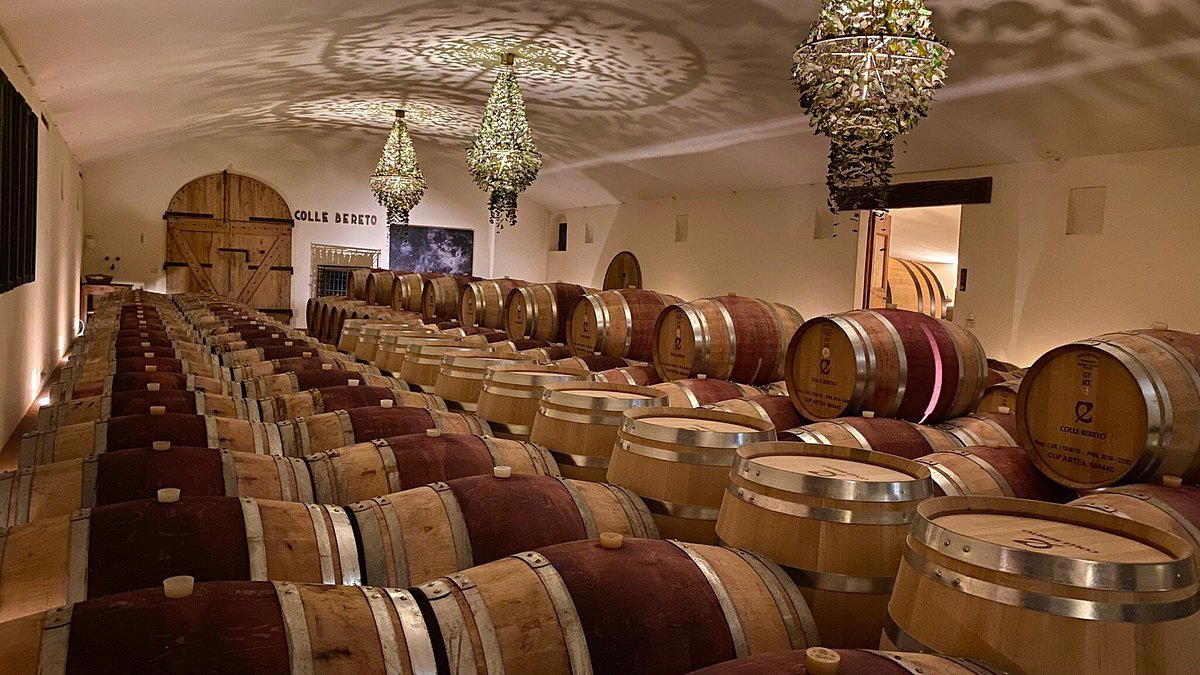

Cain Vineyard & Winery
Spring Mountain District, St. Helena
Winery in St. Helena, United States
 Book with Pearl
The Read
Elevation Bordeaux Blending
Why go
Book Cain Vineyard & Winery if the trip is built around serious Napa wine access, not a casual drop-in tasting. It is a better fit for collectors, special occasions, and allocation-minded visitors than for large groups or flexible itineraries. Treat it as the anchor of a St. Helena day and keep a nearby backup ready.
About Cain Vineyard & Winery
Should you consider Cain Vineyard & Winery for a St. Helena wine-country occasion? Yes, if you are looking for a winery stop in St. Helena with 2 Star Prestige recognition for 2025. The practical detail to note is direct: dress code is smart casual, so plan for a polished but not overly formal visit.
A better fit for travelers who plan carefully
With a winery visit, the key question is whether the stop fits your itinerary and expectations. Cain Vineyard & Winery is best approached as a St. Helena venue where you verify current arrangements in advance and dress smart casual. Its 2 Star Prestige recognition for 2025 makes it a notable option.
For a broader wine-country comparison, nearby or regional names to consider include Keenan Winery, Philip Togni Vineyard, Schweiger Vineyards, Terra Valentine, and York Creek Vineyards. Other St. Helena dining and hospitality options can also help shape the rest of the itinerary.
Plan this as a confirmed stop, not an assumption
The smart approach is to confirm Cain Vineyard & Winery's current visit details directly, then place restaurants, hotels, bars, or other winery stops around it. For trip planning beyond wine, use Our full St. Helena restaurants guide, Our full St. Helena hotels guide, Our full St. Helena bars guide, Our full St. Helena wineries guide, and Our full St. Helena experiences guide.
Planning details
- Location
- 3800 Langtry Rd, St Helena, CA 94574
- Website
- cainfive.com
- Phone
- +1 707-963-1616
The take
The Take
The Vibe
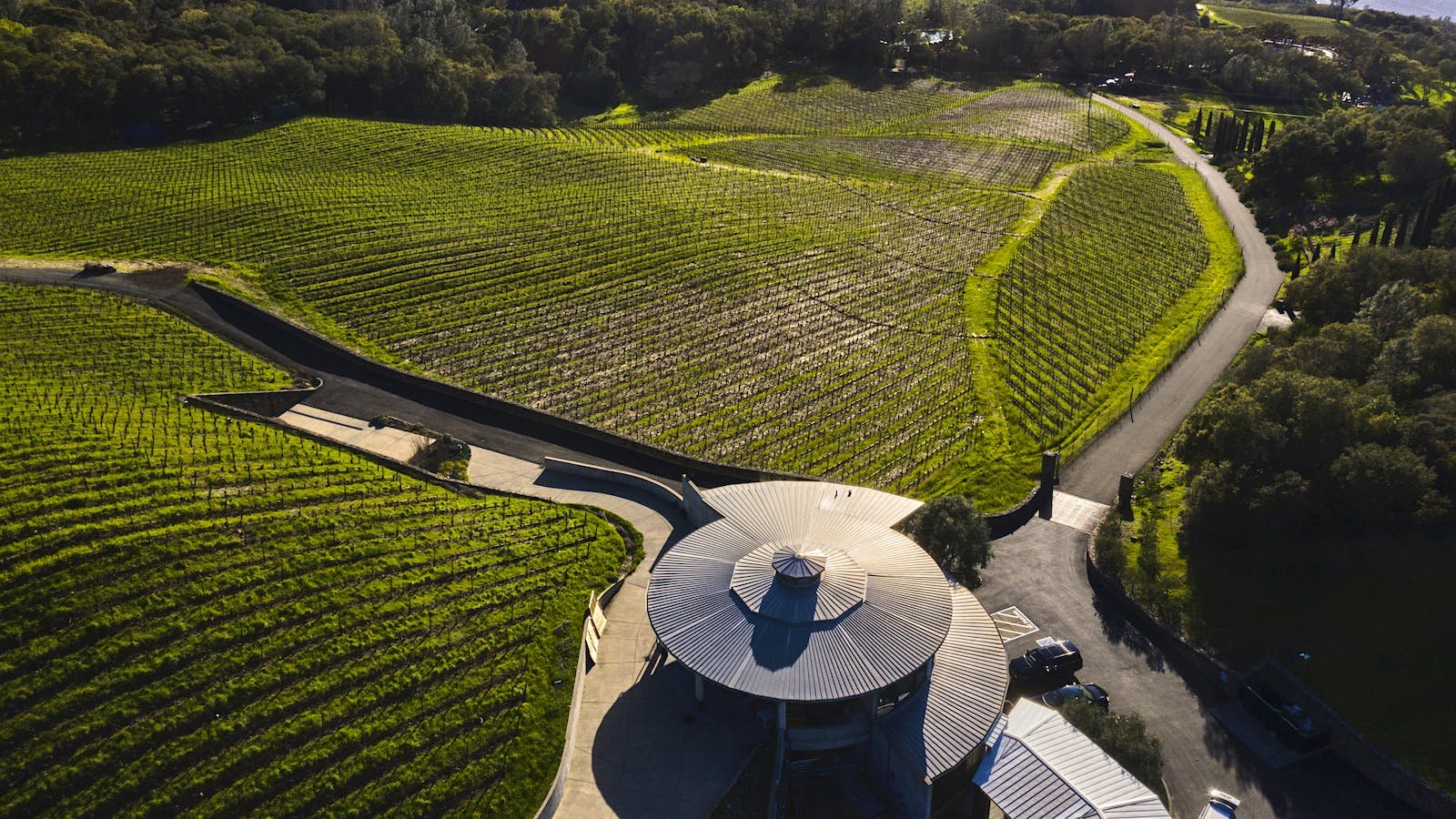
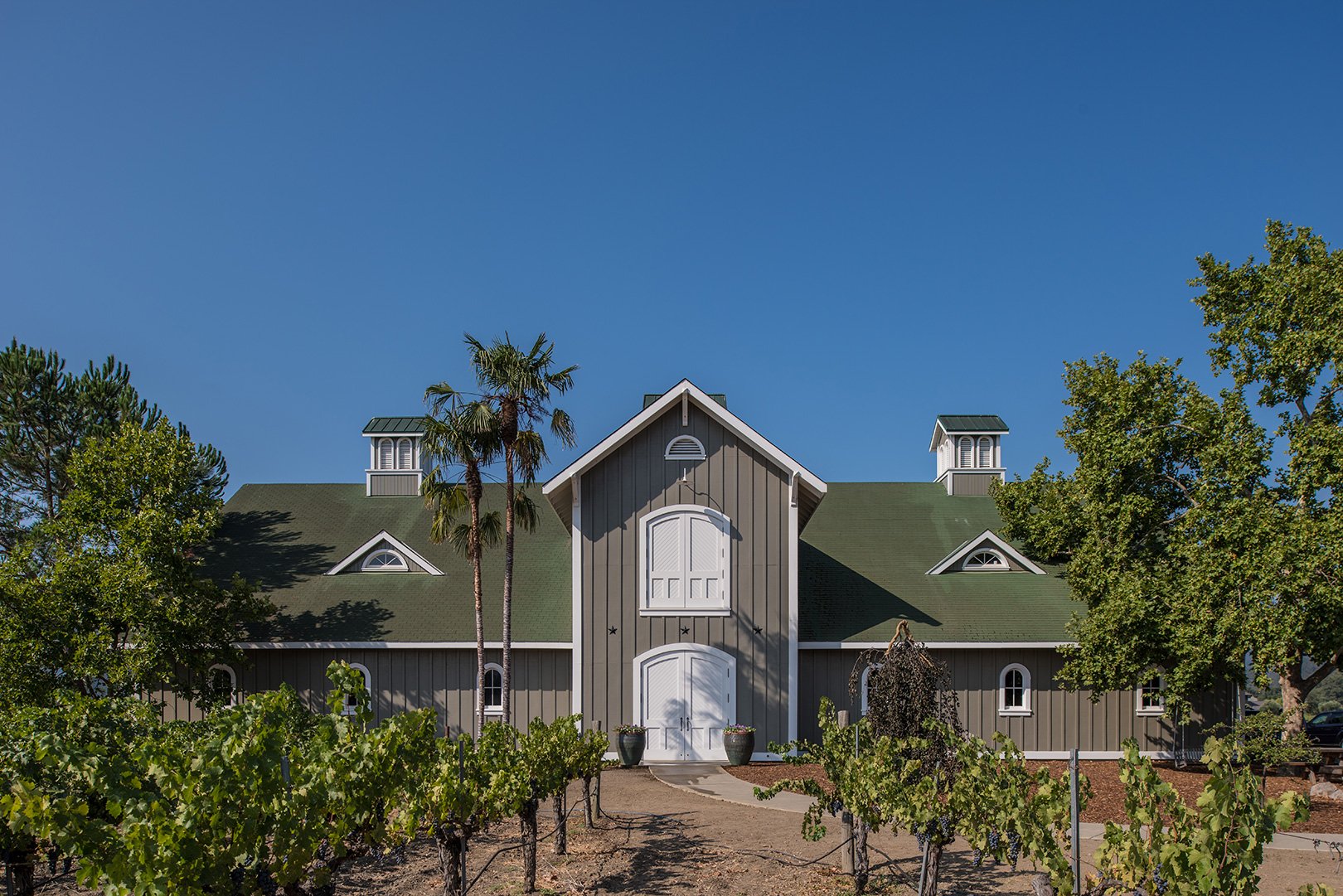
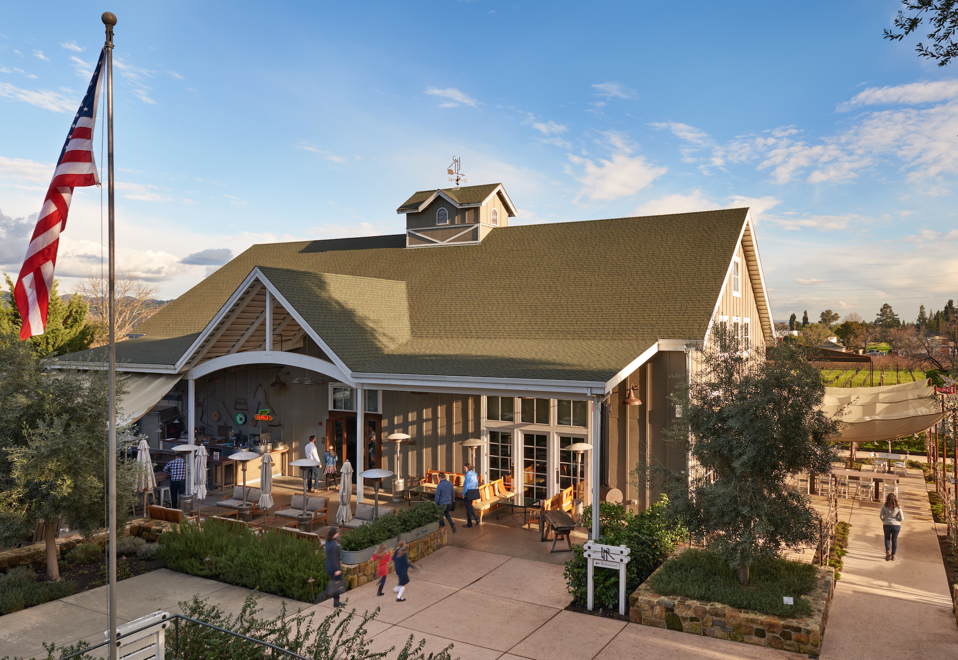
Cain Vineyard & Winery projects a quiet, intimate mountain temperament. Sitting high on Spring Mountain, the estate’s physical remove from the valley discourages casual drop-ins and encourages measured, appointment-only tastings. Visits feel purposeful rather than touristy — the pacing is slow, conversations are focused, and the audience skews toward collectors and serious wine drinkers. The property’s remote setting and commitment to estate fruit create a contemplative atmosphere: you come to learn and to taste with attention rather than to socialize amid crowds.
Best For
Cain is best for focused wine education, collectors’ visits and special occasions when you want a deliberate, private tasting experience. The appointment-only structure and small-production approach make it a natural choice for visitors seeking in-depth producer engagement rather than casual sampling. The estate’s emphasis on typicity, elevation and cellar-worthy wines suits those celebrating a milestone or planning a romantic mountain getaway centered on wines rather than hospitality theater.
Tasting Tips
Book an appointment well in advance and allow ample time — tastings are structured and meant to be unrushed. Expect small-production pours and conversation about estate fruit and mountain typicity rather than high‑volume hospitality. Given the property’s elevation and remote access, plan your drive ahead of time; consider designating a driver if you intend to sample multiple wines. Use the appointment to ask about vineyard sites, recent vintages and how elevation influences the wines.
Venue details
Ambiance
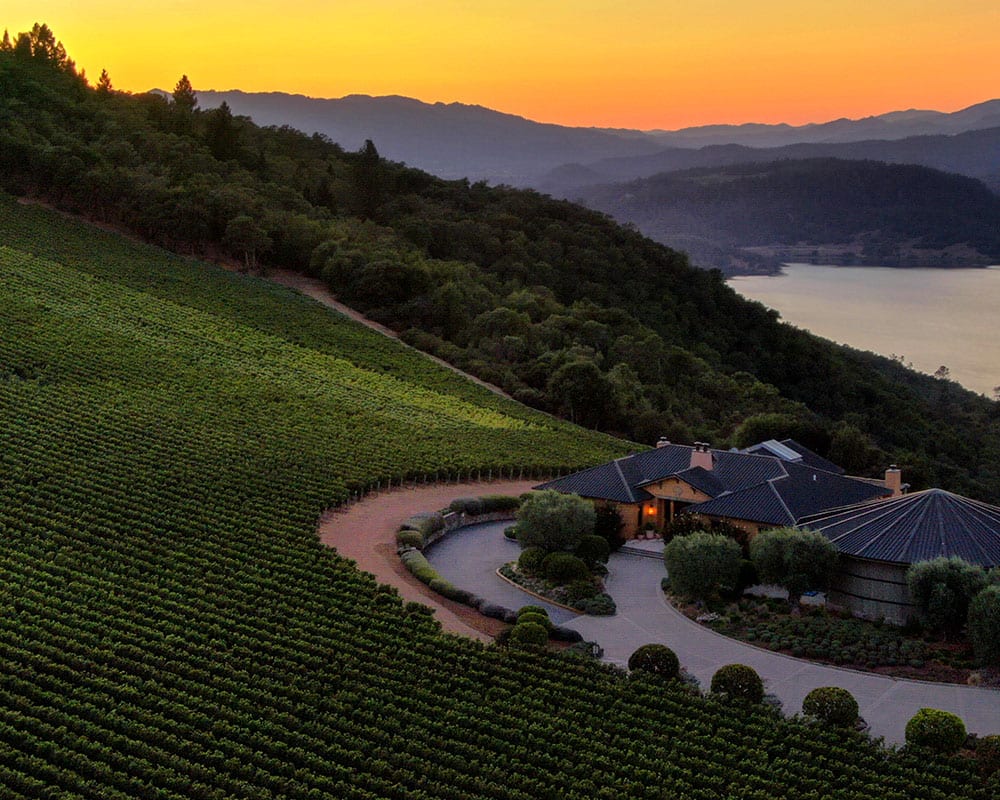
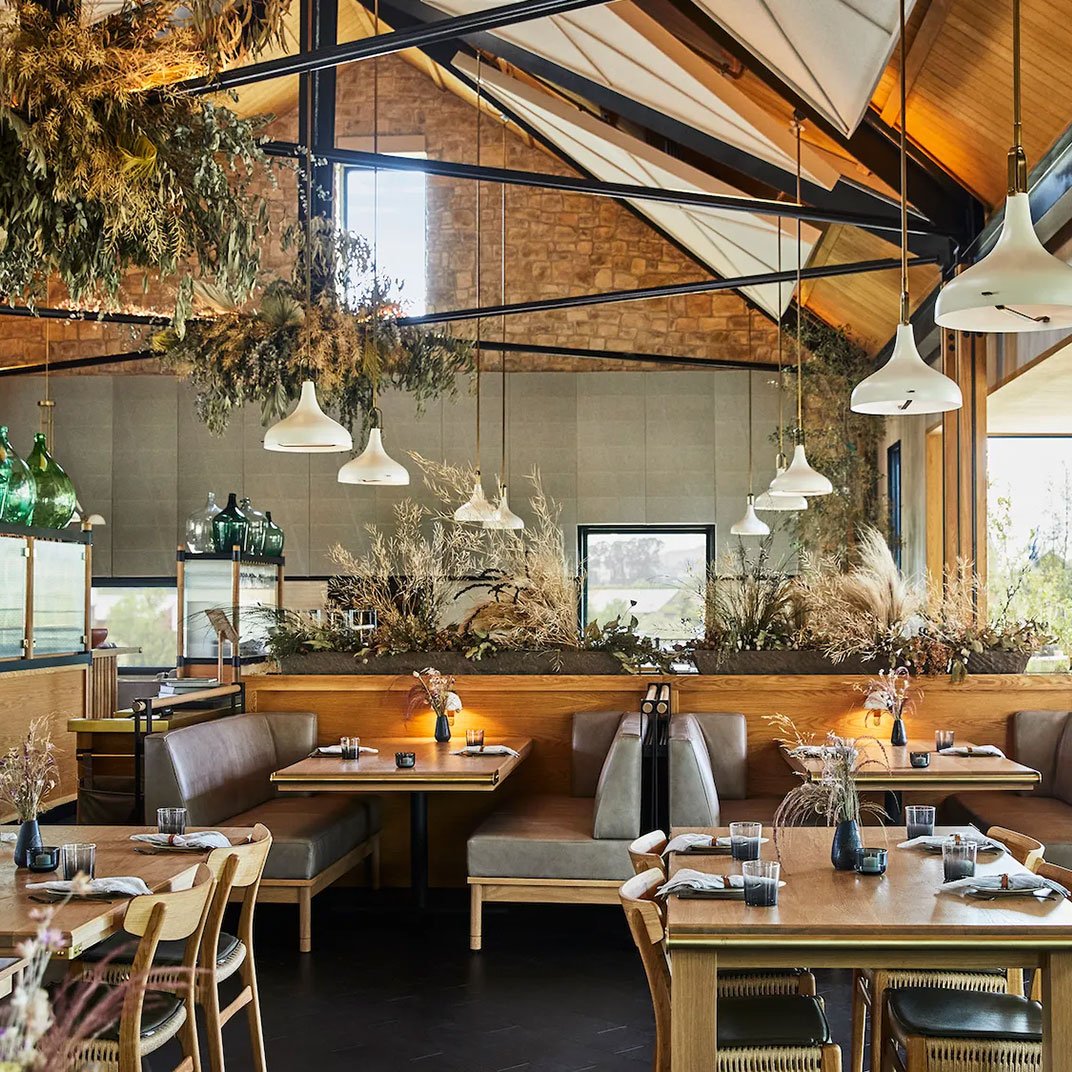
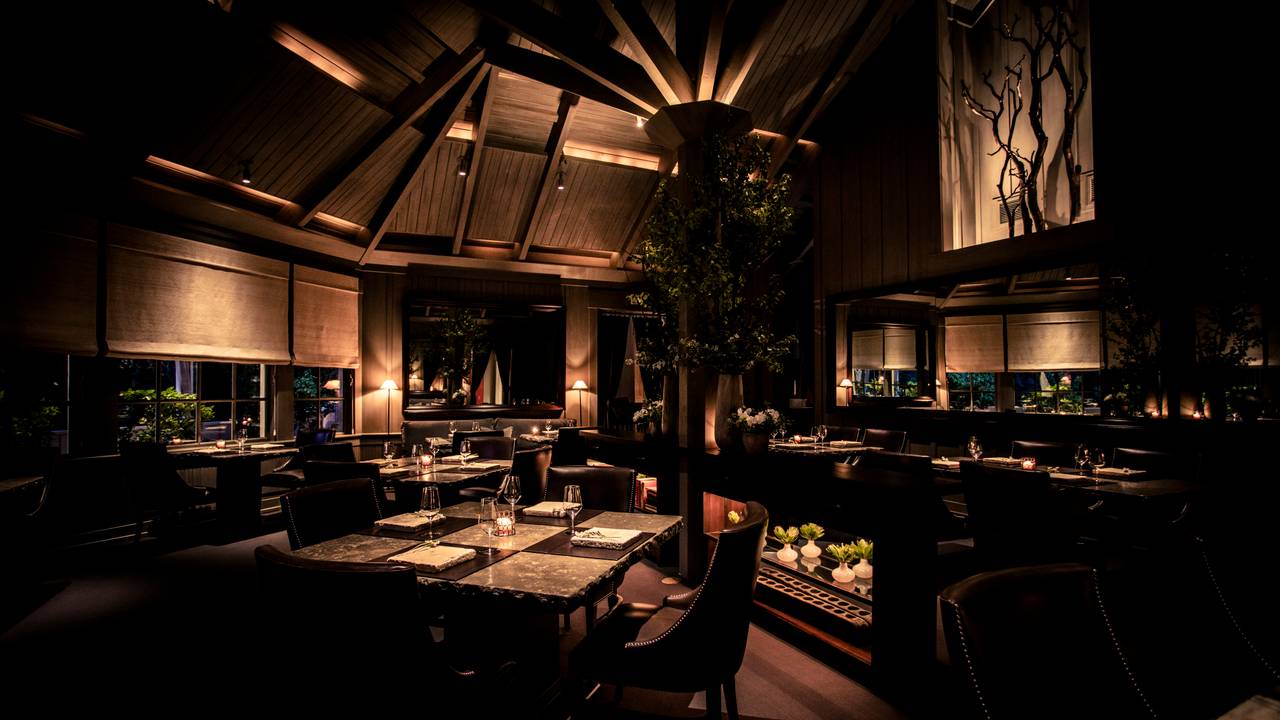
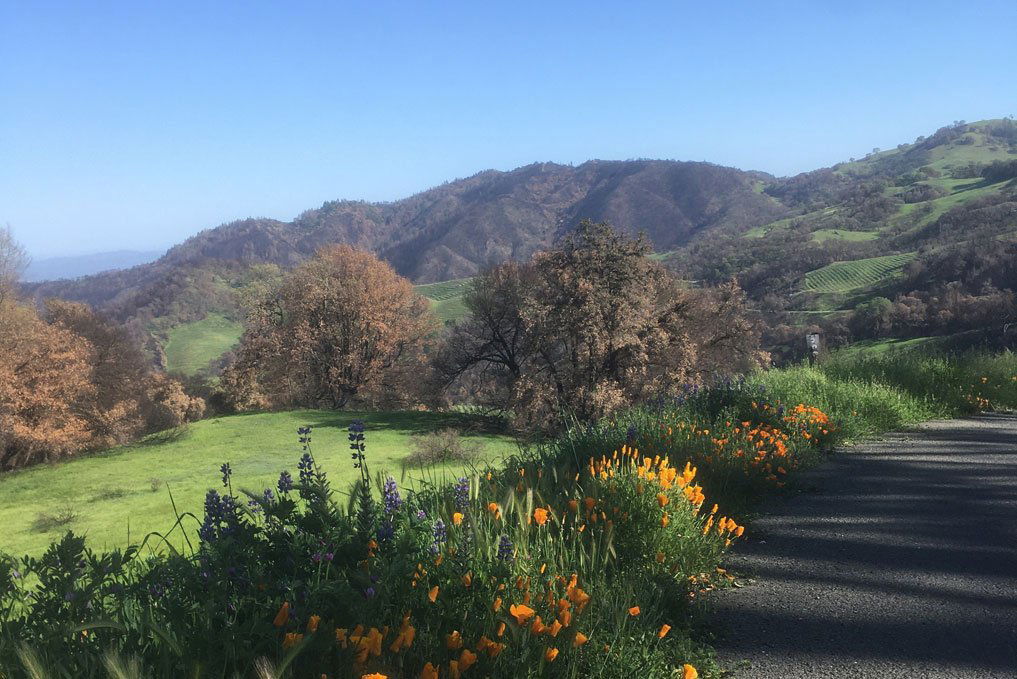
Contemplative and intellectually stimulating atmosphere with dramatic views overlooking St. Helena from 2,000 feet elevation; brooding, earthy character reflecting the mountain vineyard's unique terroir.
Tags
Vibe
Best For
Experience
Sourcing
View
At the Vineyard
- Appellation
- Spring Mountain District AVA
- Varietals
- Cabernet Sauvignon, Merlot, Cabernet Franc, Petit Verdot, Malbec
- Tour Duration
- 60-90 minutes
- Wine Club
- Available
Know before you go
Know Before You Go
- Getting there
- 3800 Langtry Rd, St Helena, CA 94574
Planning details
Location
Recognition and awards

Also consider
Where to Look If You Can't Get In
Try Philip Togni Vineyard first if the goal is a serious Napa appointment with a similarly collector-friendly lens. For a smoother group plan, look at Terra Valentine or Schweiger Vineyards instead.
Winery context
How It Compares
Cain Vineyard & Winery is the choice when scarcity and a quieter, more collector-oriented atmosphere matter more than easy scheduling. Compared with York Creek Vineyards and Keenan Winery, it reads as the more high-intent booking: better for a special occasion or allocation-minded visit, less convenient for a flexible St. Helena route.
Philip Togni Vineyard is the closest peer for visitors who care about serious Napa wine context over tasting-room ease. If the priority is a calmer mountain-winery feel with less pressure on a single hard-to-secure appointment, Terra Valentine or Schweiger Vineyards may be more forgiving backups.
Value depends on the purpose of the visit. For collectors, Cain is worth prioritizing because the experience is about access and focus. For mixed groups, first-timers, or travelers trying to fit several wineries into one day, Keenan Winery, Terra Valentine, or Schweiger Vineyards are safer cross-shops.
Around this place
Discover more on Pearl
Unlock the full Cain Vineyard & Winery guide in Pearl, including awards, comparisons, FAQs, planning details, and nearby places.
Compare Cain Vineyard & Winery
| Venue | Location | Awards |
|---|---|---|
| Cain Vineyard & Winery | St. Helena | 2026 Falstaff Winery Guide |
| York Creek Vineyards | St. Helena | No published awards |
| Keenan Winery | St. Helena | No published awards |
| Philip Togni Vineyard | St. Helena | 2026 Falstaff Winery Guide |
| Terra Valentine | St. Helena | No published awards |
| Schweiger Vineyards | St. Helena | No published awards |
How Cain Vineyard & Winery St. Helena compares with similar nearby venues.
FAQ
Frequently Asked Questions
Do I need a reservation at Cain Vineyard & Winery?
Confirm current visit requirements directly with Cain Vineyard & Winery before you go. It is in St. Helena, has a smart casual dress code, and carries 2 Star Prestige recognition for 2025.
When is the best time to visit Cain Vineyard & Winery?
If you are planning Cain Vineyard & Winery as part of a St. Helena day, confirm current timing and visit details directly before finalizing the itinerary.
How long should I plan for a visit to Cain Vineyard & Winery?
Plan only after confirming current arrangements with Cain Vineyard & Winery, especially if the St. Helena stop needs to fit around restaurants, hotels, bars, or other winery visits.
What details should I confirm before visiting Cain Vineyard & Winery?
Cain Vineyard & Winery is in St. Helena, the dress code is smart casual, and the venue carries 2 Star Prestige recognition for 2025. Confirm all current visit arrangements directly with the venue.