

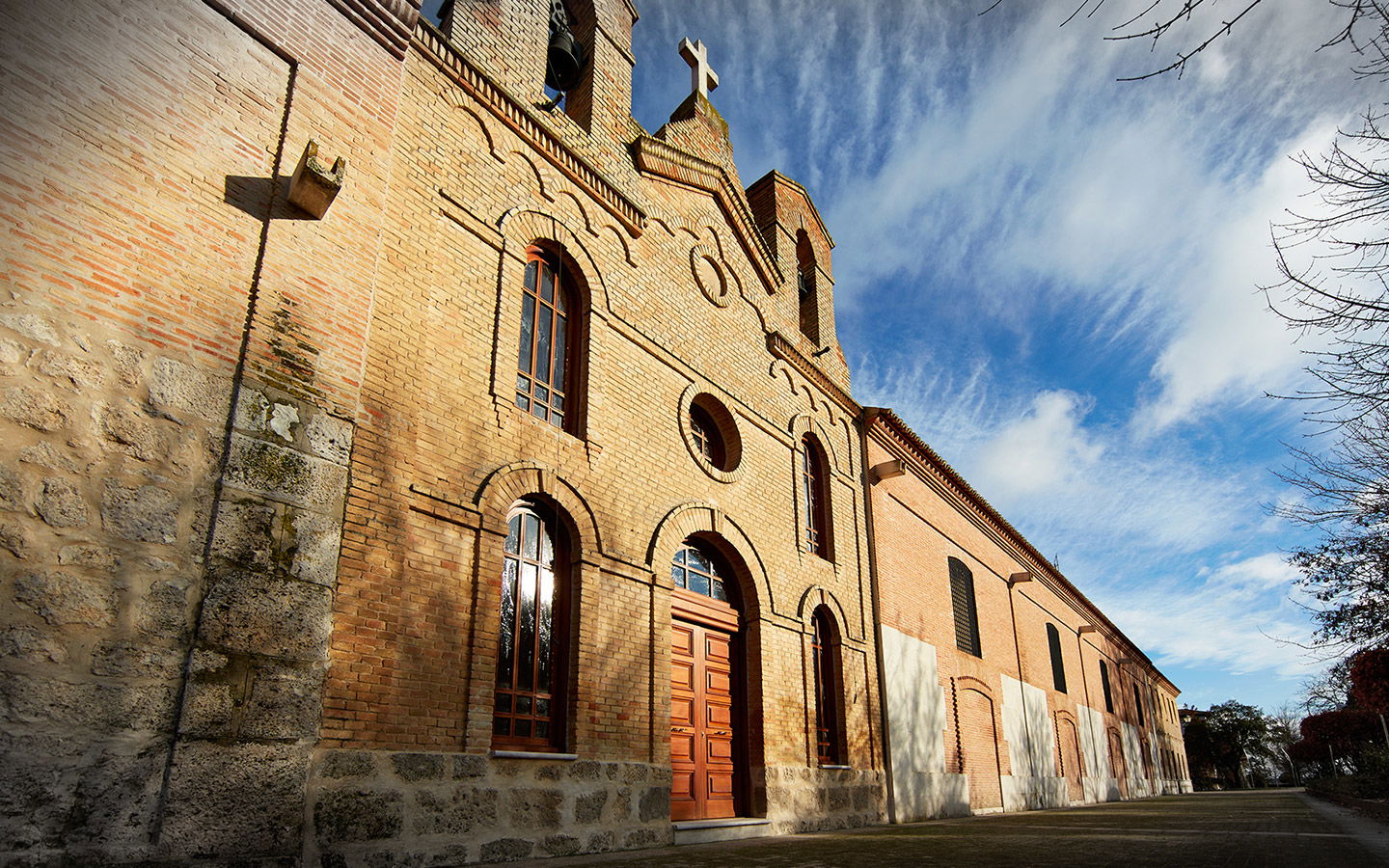



Vega Sicilia
Valbuena de Duero
Winery in Valbuena de Duero, Spain
 Book with Pearl
The Read
Allocation-Tier Tempranillo
Why go
Vega Sicilia is a wine estate in Valbuena de Duero in Ribera del Duero.
About Vega Sicilia
Use this guide as a cautious planning note for Vega Sicilia in Valbuena de Duero. The venue is in Valbuena de Duero, the dress code is smart casual, and it holds Pearl 5 Star Prestige (2025). Confirm practical arrangements directly before building an itinerary around the visit.
Book with the basics in mind
Vega Sicilia is a Pearl 5 Star Prestige venue in Valbuena de Duero. Details on visitor format, pricing, menus, hours, or booking logistics are not available. Plan conservatively and check the venue's official channels before assuming any specific service or experience.
For comparison planning, you can also look at Abadía Retuerta, Arzuaga Navarro, Emilio Moro, Pingus, and Tinto Pesquera (Alejandro Fernández). Treat those as separate options to research on their own terms rather than assuming they share the same format or visitor experience.
Best for a carefully planned Valbuena de Duero stop
The safest approach is to make Vega Sicilia a deliberate Valbuena de Duero plan rather than a casual add-on. Because operating details are limited, leave room in the schedule and verify reservations, access, and any hospitality details in advance.
Smart casual dress is the guidance. If you are comparing options for a wider trip, use Abadía Retuerta, Arzuaga Navarro, Emilio Moro, Pingus, and Tinto Pesquera (Alejandro Fernández) as reference points, while confirming each venue's location and arrangements separately.
Who should choose a different stop
Choose another option if you need details on food service, a specific tasting format, pricing, hours, accessibility, or purchase logistics before committing. Those details are not available for Vega Sicilia, so travelers who require certainty should confirm directly or compare with other Valbuena de Duero options before making plans.
Planning details
- Location
- 47359 Vega Sicilia, Valladolid
- Website
- temposvegasicilia.com/es
- Phone
- +34 983 68 01 47
The take
The Take
The Vibe
Vega Sicilia reads as a high-Castilian landmark — a century-old estate where the landscape and climate are integral to the wines. The prose here is sober and authoritative: harsh winters and abrupt summers on a high plateau, calcareous clay soils and deliberately constrained yields all contribute to a sense of terroir that is both demanding and refined. The place feels scenic and historic, with a sophisticated seriousness born of long-aged practice rather than trend-driven affectation. Visitors and readers alike encounter an estate defined by restraint, longevity and a quiet gravity rather than flash.
Best For
This is a destination for serious wine study and milestone celebrations. The profile emphasizes extended barrel and bottle ageing and a flagship bottling that rewards patience, so the estate naturally suits collectors, connoisseurs and anyone seeking deeper education about Ribera del Duero’s Tinto Fino. It also fits special occasions where a structured, age-worthy wine is appropriate. The writing positions Vega Sicilia at the top tier of the appellation, making it a choice pick for those who prioritize prestige, provenance and wines built for cellaring.
Tasting Tips
Focus on the estate’s long-aged bottlings and ask specifically about Unico and its vintages: the text highlights wines that “spend years in barrel and bottle,” so older releases and recent releases with cellar potential are the priorities. When possible, inquire about vintage conditions and ageing regimes — the climate and calcareous soils drive structural tannin and phenolic depth, which informs how long a wine will benefit from bottle age. For buyers and tasters, think in terms of medium- to long-term cellaring rather than immediate gratification.
Venue details
Ambiance
Sophisticated and historic atmosphere in an iconic estate with meticulous aging cellars.
Tags
Vibe
Best For
Experience
View
At the Vineyard
- Appellation
- Ribera del Duero
- Varietals
- Tempranillo, Cabernet Sauvignon, Merlot, Malbec
- Visits
- By appointment only
- Wine Styles
- Still Red
- Wine Club
- Available
Know before you go
Know Before You Go
- Getting there
- 47359 Vega Sicilia, Valladolid
Planning details
Location
Recognition and awards


Also consider
Where to Look If This Is Not Available
Try Arzuaga Navarro for a more accessible wine-country day, or Abadía Retuerta if the occasion needs a polished setting with less booking uncertainty.
Winery context
How It Compares
Choose Vega Sicilia when scarcity and cellar prestige matter more than convenience. Compared with Arzuaga Navarro and Abadía Retuerta, it is the more serious special-occasion signal, but those two are easier recommendations for travelers who want a fuller hospitality day with less friction.
Pingus is the closest peer for collectors who prioritize allocation and reputation over visitor ease. For a more value-conscious Ribera del Duero plan, Tinto Pesquera (Alejandro Fernández) and Emilio Moro are better cross-shops because the decision is less dependent on access alone.
For ambiance, expect Vega Sicilia to suit quiet, high-stakes occasions rather than a relaxed group tasting. If the group includes casual wine drinkers, Arzuaga Navarro or Abadía Retuerta will usually be the safer choice; if everyone is there for benchmark Ribera del Duero, this is the one to try for first.
Explore Valbuena de Duero
Around this place
Discover more on Pearl
Unlock the full Vega Sicilia guide in Pearl, including awards, comparisons, FAQs, planning details, and nearby places.
Compare Vega Sicilia
| Venue | Location | Awards |
|---|---|---|
| Vega Sicilia | Valbuena de Duero | 2026 Falstaff Winery Guide2025 World's 50 Best Vineyards · #362025 Pearl 5 Star Prestige |
| Arzuaga Navarro | Quintanilla de Onésimo | 2026 Falstaff Winery Guide2025 World's 50 Best Vineyards · #64 |
| Pingus | Ribera del Duero | 2026 Falstaff Winery Guide2025 Pearl 4 Star Prestige |
| Abadía Retuerta | Sardón de Duero | 2026 Falstaff Winery Guide2025 World's 50 Best Vineyards · #382025 Decanter Winery Prestige2024 World's 50 Best Vineyards · #82023 World's 50 Best Vineyards · #272022 World's 50 Best Vineyards · #292021 World's 50 Best Vineyards · #32 |
| Tinto Pesquera (Alejandro Fernández) | Pesquera de Duero | 2026 Falstaff Winery Guide |
| Emilio Moro | Pesquera de Duero | 2026 Falstaff Winery Guide |

How Vega Sicilia Valbuena de Duero compares with similar nearby venues.
FAQ
Frequently Asked Questions
What should I confirm before planning Vega Sicilia?
When is the best time to visit Vega Sicilia?
Opening hours or visit schedule are not available. Plan Vega Sicilia as a Valbuena de Duero stop only after confirming reservations, access, and timing directly with the venue.
What is the dress code at Vega Sicilia?
The dress code is smart casual. Other visit details should be confirmed directly with the venue before you go.
What other venues should I compare with Vega Sicilia?
For comparison, consider Abadía Retuerta, Arzuaga Navarro, Pingus, Tinto Pesquera (Alejandro Fernández), and Emilio Moro. Confirm each venue's location, access, and visitor arrangements separately before planning a route.