

Emilio Moro
Pesquera de Duero
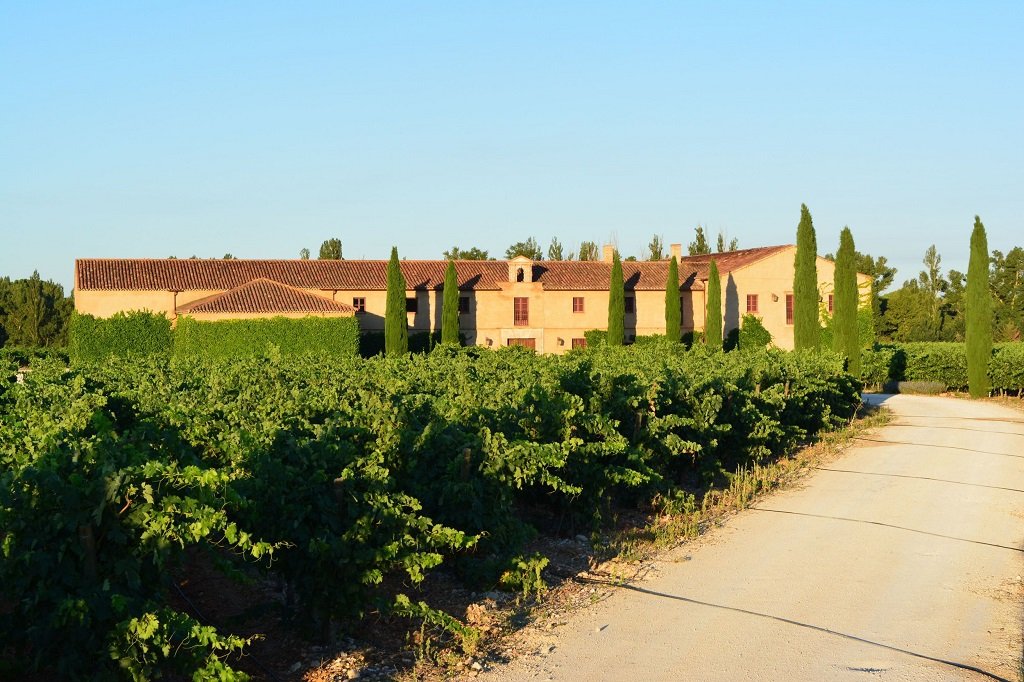
Winery in Pesquera de Duero, Spain
 Book with Pearl
The Read
Meseta Tempranillo Precision
Price
$50–100tasting
Why go
Emilio Moro is worth prioritizing if Pesquera de Duero is a serious wine stop rather than a casual detour. The 3 Star Prestige signal makes it a high-confidence Ribera del Duero booking, but confirm logistics before building the day around it, especially for groups or food-led itineraries.
About Emilio Moro
Emilio Moro in Pesquera de Duero is a 3 Star Prestige venue for 2025. To plan around it, treat it as a prestige-led stop and confirm all visit specifics directly before making the rest of your itinerary dependent on it.
The venue is in Pesquera de Duero, the dress code is smart casual, and recognition is the main signal. If you are comparing it with other notable names, consider Emilio Moro alongside Arzuaga Navarro, Bodegas Protos, Pago de Carraovejas, Tinto Pesquera (Alejandro Fernández), and Vega Sicilia, while checking each venue's current arrangements separately.
Book for prestige, not assumed extras
The value case rests on recognition rather than on details about menus, pricing, hours, capacity, or service format. 3 Star Prestige (2025) is the firm signal; other planning details should be checked with Emilio Moro before you commit.
That makes this a venue to shortlist if the rating and Pesquera de Duero setting matter to your trip. Comparisons with Tinto Pesquera (Alejandro Fernández), Bodegas Protos, Pago de Carraovejas, or Vega Sicilia should be based on the current details each venue provides, not on assumed differences in format or access.
Best timing: confirm logistics before building the day around it
The safest planning approach is to confirm the essentials first: opening arrangements, booking requirements, group suitability, and any current visit details. Those specifics should not be assumed from the rating alone.
Smart casual dress is the dress code. Beyond that, keep the plan flexible until Emilio Moro confirms the practical details you need. If you are building a broader Pesquera de Duero itinerary, use other local resources for restaurants, hotels, bars, and experiences, and verify each stop independently.
Planning details
- Location
- Ctra. Peñafiel-Valoria, S/N, 47315 Pesquera de Duero, Valladolid
- Website
- emiliomoro.com
- Phone
- +34 983 87 84 00
The take
The Take
The Vibe
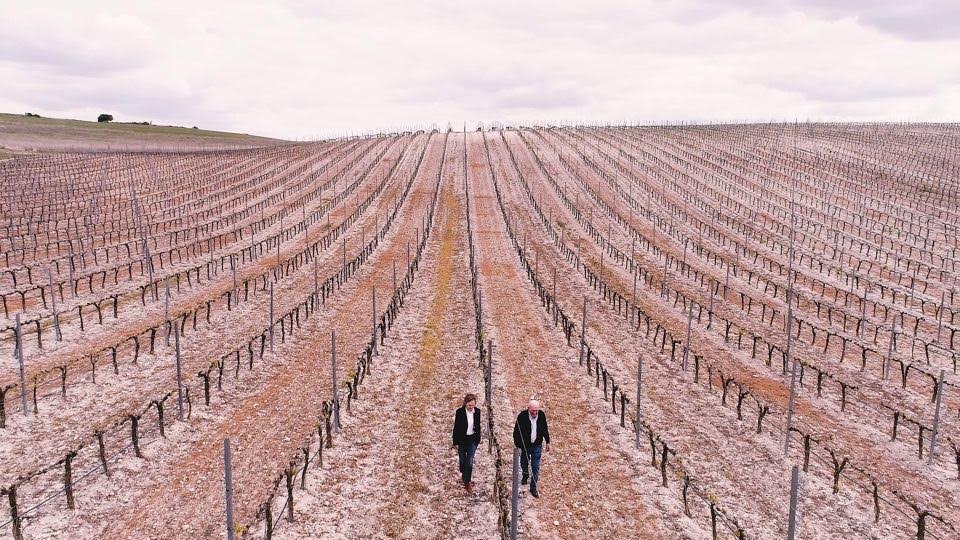
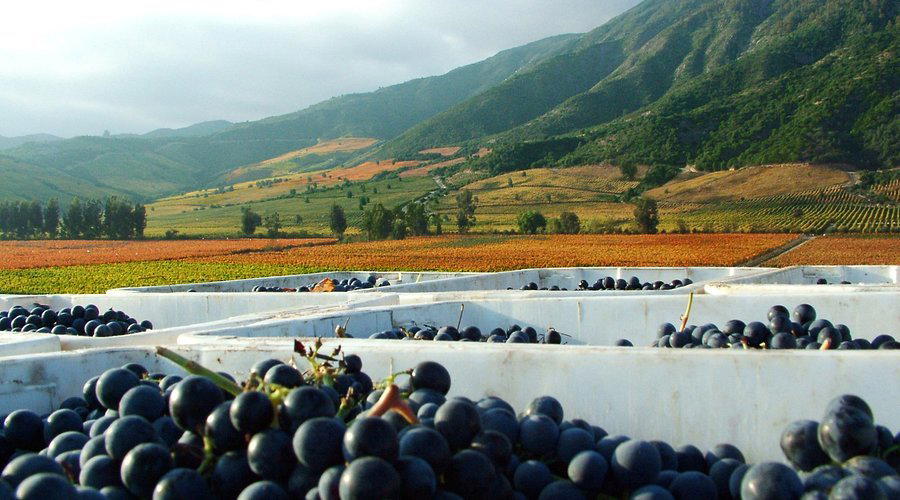
Emilio Moro presents a terroir-forward, matter-of-fact presence on the road into Pesquera de Duero. The language of limestone outcrops, low, wide-spaced vine rows and high altitude conveys an austere, disciplined landscape that yields structured, age-worthy Tempranillo rather than frivolous fruit. The winery reads as village-rooted and serious about provenance: its siting within a cluster of producers that helped define village-level quality frames the estate as part of an important regional story. Rather than being decorative, the site emphasizes clarity, precision and the geological logic that shapes the wines.
Best For
This estate is best approached with a focus on learning and tasting. The narrative emphasizes soil, altitude and diurnal swings, so visitors who want to understand how Ribera del Duero’s terroir influences structure and acidity will get the most from a visit. The winery’s recent industry recognition underlines a producers' consistency, making it a fitting stop for people exploring serious, age-worthy Tempranillo and for wine-focused moments that call for context as well as quality.
Tasting Tips
When engaging with Emilio Moro’s wines, prioritize Tempranillo expressions that highlight structure and acidity—the description emphasizes wines built to age rather than immediate softness. Ask about bottlings tied to Pesquera de Duero or village-designate releases and any prestige or reserve cuvées noted by the 2025 Pearl 3 Star Prestige recognition. If available, compare younger and older vintages to taste the effect of tannin and acidity over time and request notes on soil composition and altitude to connect tasting impressions with the winery’s geology-focused narrative.
Venue details
Ambiance
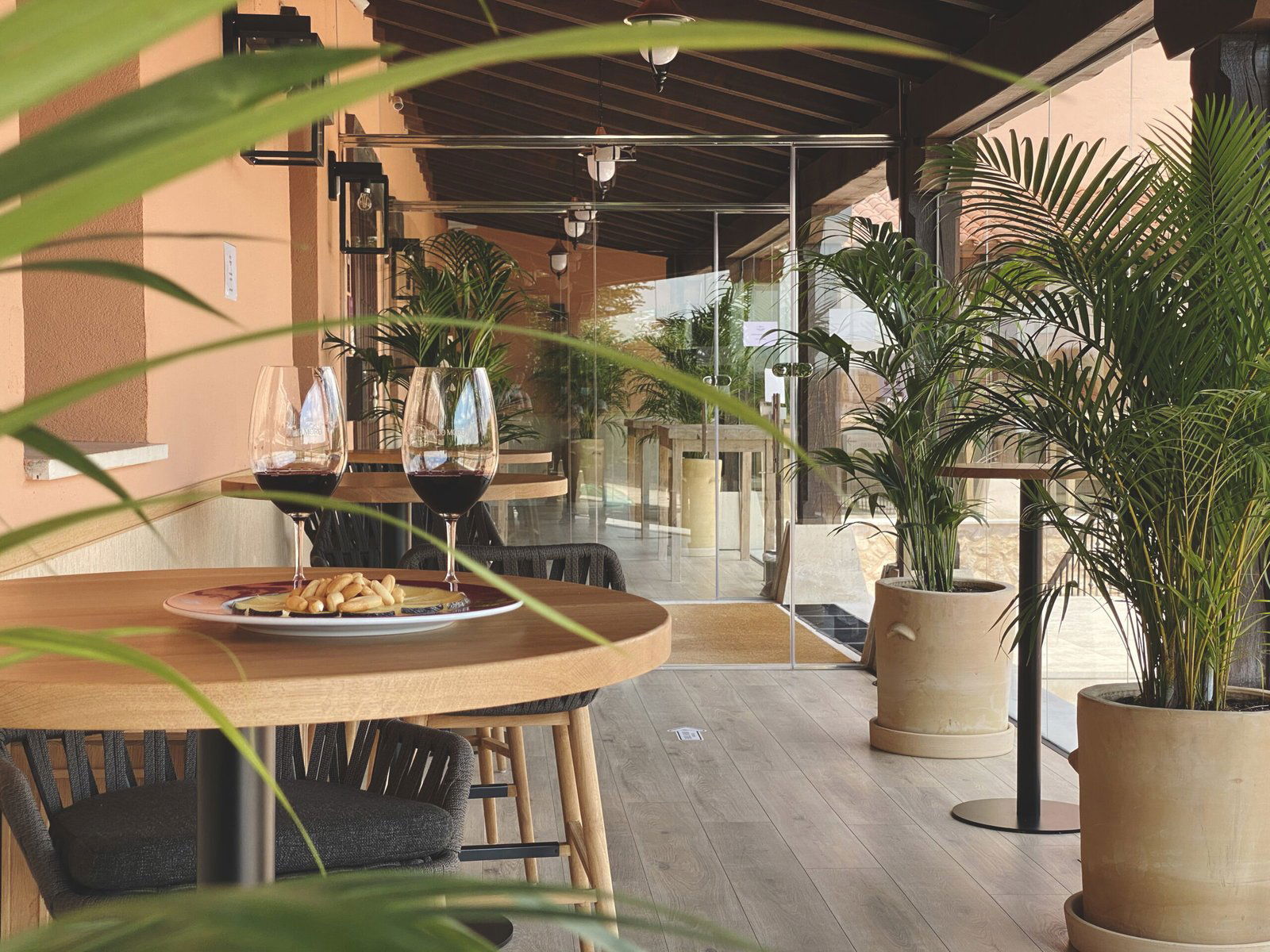
Pleasant and relaxing atmosphere with modern, impeccable facilities, beautiful scenery of the Duero River and vineyards, and an intimate, educational tasting environment.
Tags
Vibe
Best For
Experience
View
At the Vineyard
- Appellation
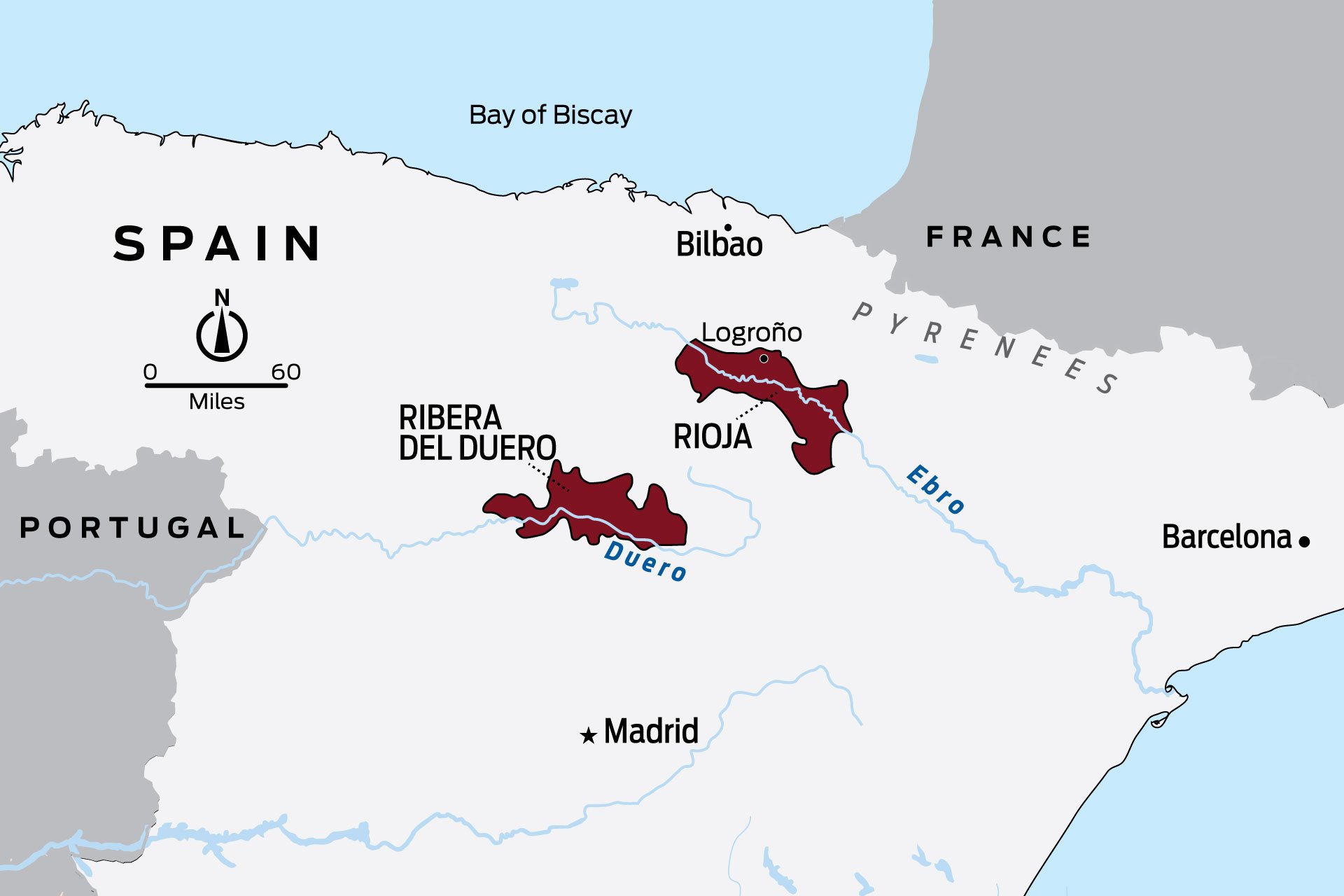
- Ribera del Duero
- Varietals
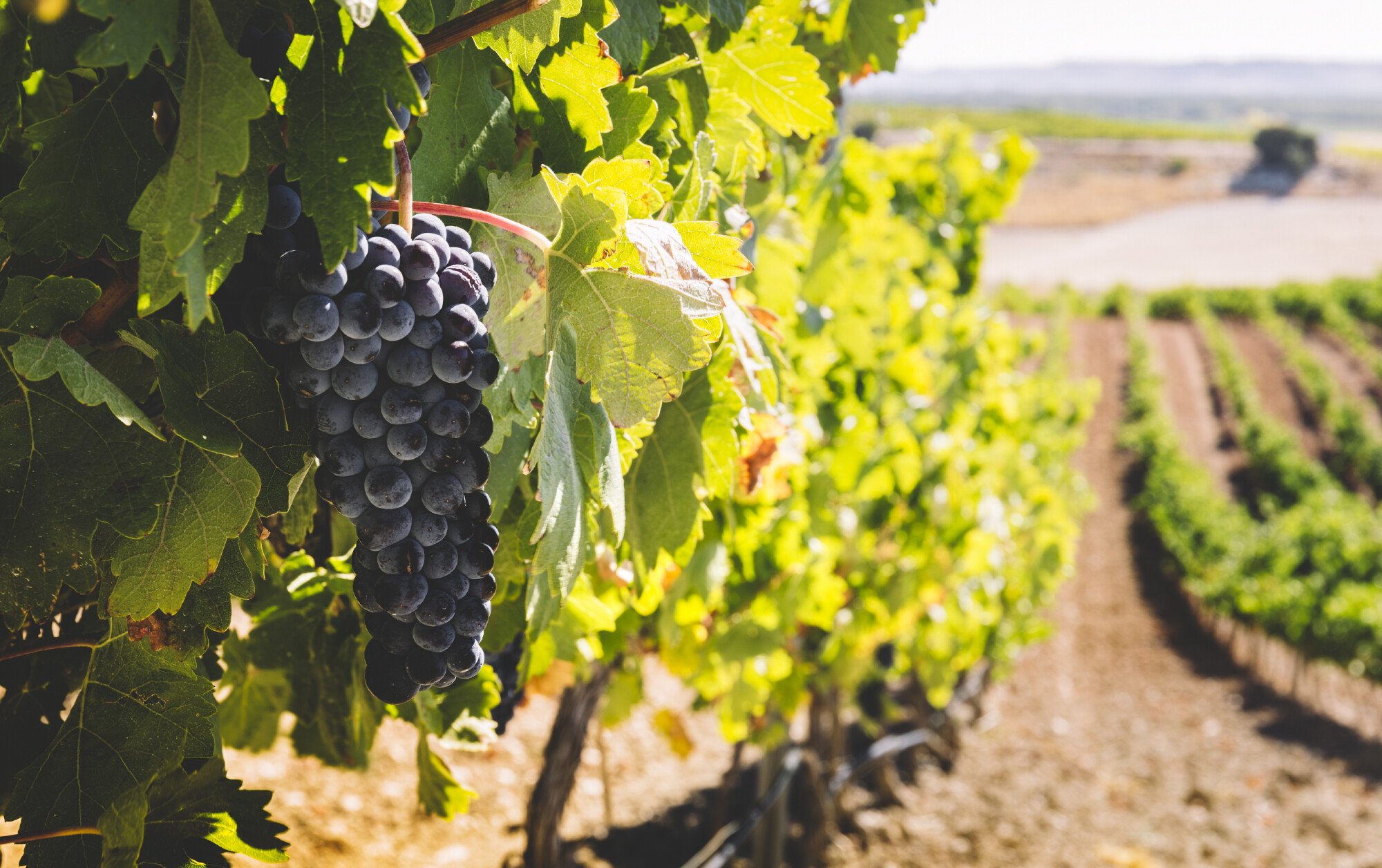
- Tempranillo, Tinto Fino, Godello
- Tour Duration
- 60-90 minutes
- Tour Languages
- English, Spanish
- Visits
- By reservation
- Wine Styles
- Still Red
- Food Pairing
- Offered
- Wine Club
- Not available
Know before you go
Know Before You Go
- Getting there
- Ctra. Peñafiel-Valoria, S/N, 47315 Pesquera de Duero, Valladolid
Planning details
Location
Ctra. Peñafiel-Valoria, S/N, 47315 Pesquera de Duero, Valladolid · Directions
Recognition and awards


Also consider
Also Consider
- Tinto Pesquera (Alejandro Fernández), Notable alternative
- Bodegas Protos, Notable alternative
- Pago de Carraovejas, Notable alternative
- Vega Sicilia, Notable alternative
- Arzuaga Navarro, Notable alternative
Winery context
How It Compares
Choose Emilio Moro if the goal is a serious Ribera del Duero visit with strong prestige value and a focused producer feel. Tinto Pesquera (Alejandro Fernández) is the more heritage-driven Pesquera comparison, while Bodegas Protos is the better fit for travelers who want a more obvious visual and visitor-experience anchor.
Pago de Carraovejas is the stronger cross-shop for a polished, high-demand Ribera itinerary, while Vega Sicilia is the splurge-name benchmark where access and expectations carry more weight. If the trip needs easier group dynamics or a broader leisure feel, Arzuaga Navarro is the more practical comparison.
For value, Emilio Moro makes sense when the priority is recognized wine pedigree over add-on amenities. If price transparency, food service, or relaxed booking matters more than producer prestige, cross-shop Protos or Arzuaga Navarro before committing the day.
Explore Pesquera de Duero
Around this place
Discover more on Pearl
Unlock the full Emilio Moro guide in Pearl, including awards, comparisons, FAQs, planning details, and nearby places.
Compare Emilio Moro
| Venue | Location | Awards |
|---|---|---|
| Emilio Moro | Pesquera de Duero | 2026 Falstaff Winery Guide2025 World's 50 Best Vineyards · #43 |
| Tinto Pesquera (Alejandro Fernández) | Pesquera de Duero | 2026 Falstaff Winery Guide |
| Bodegas Protos | Peñafiel | 2026 Falstaff Winery Guide |
| Pago de Carraovejas | Peñafiel | 2026 Falstaff Winery Guide2025 World's 50 Best Vineyards · #18 |
| Vega Sicilia | Valbuena de Duero | 2026 Falstaff Winery Guide |
| Arzuaga Navarro | Quintanilla de Onésimo | 2026 Falstaff Winery Guide2025 World's 50 Best Vineyards · #64 |
How Emilio Moro Pesquera de Duero: Pearl Prestige Guide compares with similar nearby venues.
FAQ
Frequently Asked Questions
Emilio Moro's key details?
Emilio Moro is in Pesquera de Duero, has a smart casual dress code, and holds 3 Star Prestige recognition for 2025. Other visit details should be confirmed directly before planning around them.
Can Emilio Moro handle large groups?
Group capacity is not specified. If you are planning with several people, contact Emilio Moro directly before committing to transport or timing. For comparison planning, you can also check current arrangements at Tinto Pesquera (Alejandro Fernández) or Pago de Carraovejas.
How long should I plan for a visit to Emilio Moro?
Visit length is not specified. Build in flexibility and confirm timing directly with Emilio Moro before pairing it with another stop in Pesquera de Duero or elsewhere. If you are comparing options, check current details at Bodegas Protos as well.
What should I wear to Emilio Moro?
Booking details or visit logistics?
Booking details, hours, pricing, and visit format are not specified. Confirm directly with Emilio Moro before making plans that depend on those logistics. If you are comparing options, you may also want to check current arrangements at Arzuaga Navarro or Vega Sicilia.