

2026 Falstaff Winery Guide: The Ultimate Wine Authority — Page 65
Falstaff's 2026 Wineries guide.

Venues on this list
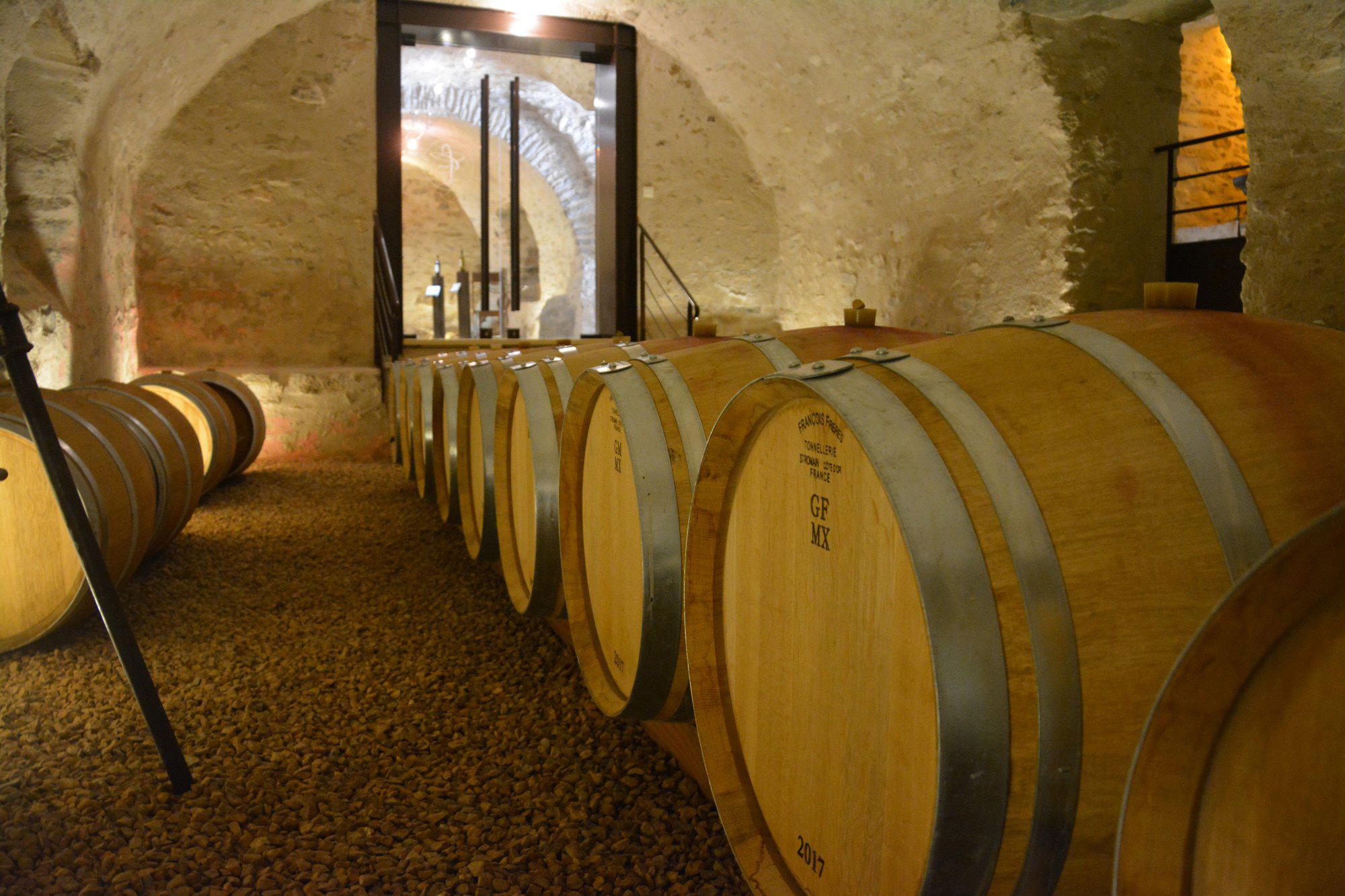
Château Chenaie
Caussiniojouls, France
Château Chenaie is worth booking if the priority is a relaxed, educational Faugères tasting with real family-estate context. The strongest reason to go is the guided vineyard-to-cellar format, which helps explain the schist-soil wines before deciding what to buy or ship.
Château de la Bouyère
Nouvelle Aquitaine, France
Château de la Bouyère is a cautious add-on for a Nouvelle-Aquitaine wine itinerary, not a venue to build the whole day around unless the visit format is confirmed. Its main signal is Falstaff Listed recognition for 2026, but public practical detail is thin, so it suits flexible wine explorers more than groups seeking a polished château tasting plan.
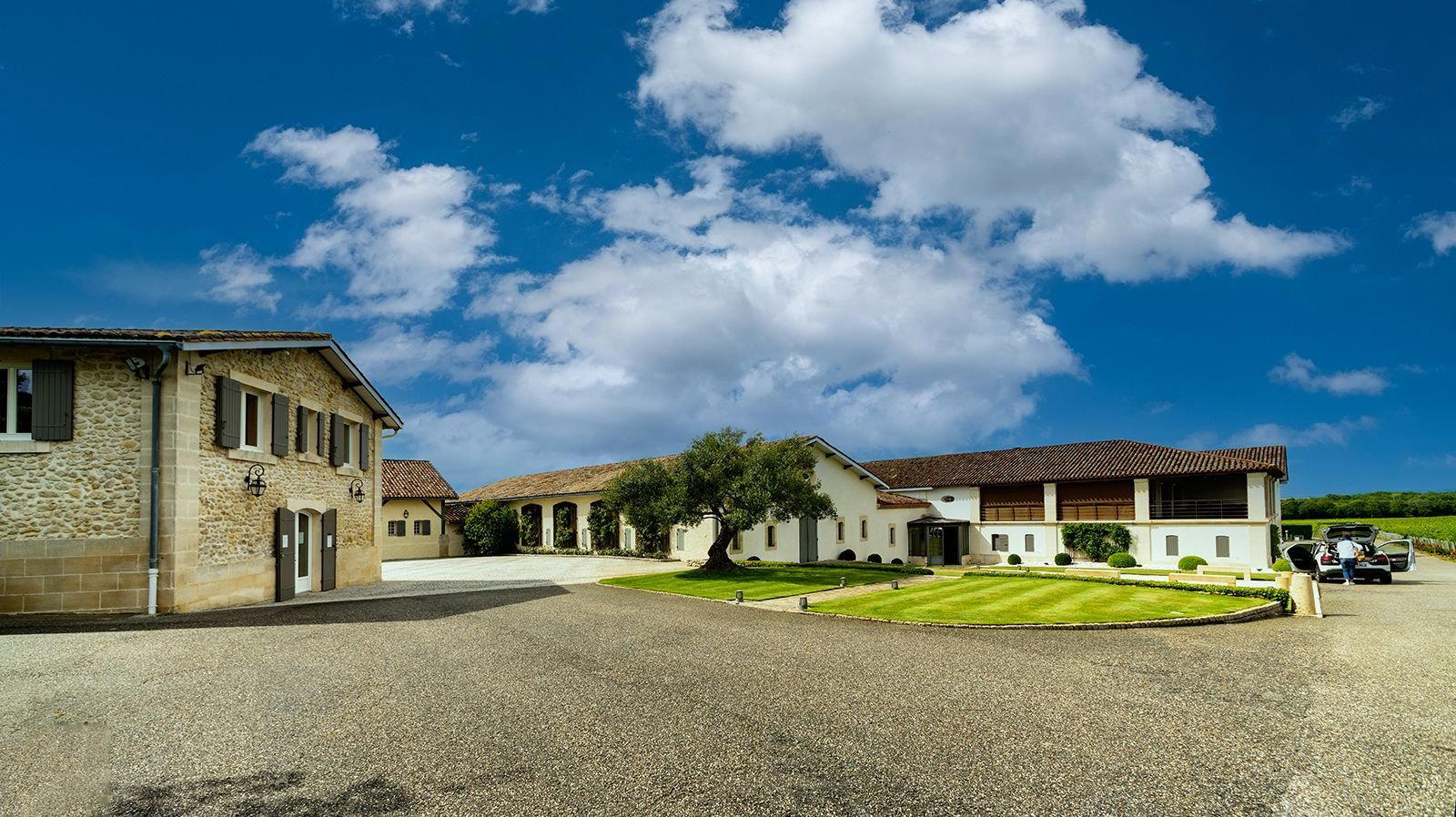
Château Sociando-Mallet
Saint Seurin De Cadourne, France
Château Sociando-Mallet is worth prioritising if the trip is about serious Haut-Médoc reds, cellar potential, and vineyard context rather than a casual tasting-room experience. Falstaff 3 Stars (2026) reinforces the quality signal, while the $$$ positioning makes the strongest case for collectors and Bordeaux drinkers who value structure and aging ability.
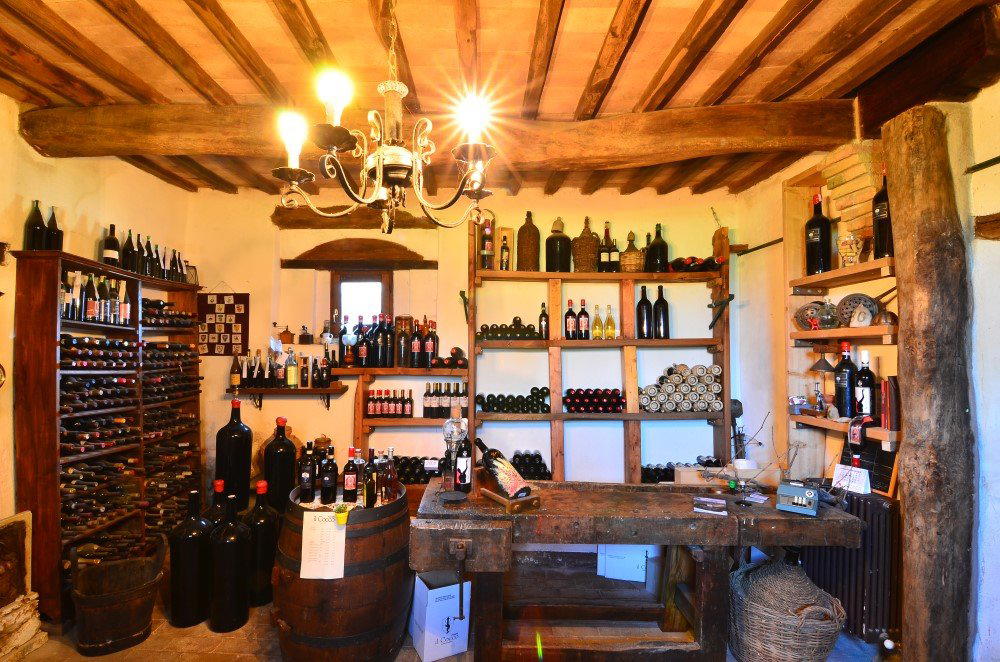
Il Cocco
Montalcino, Italy
Book Il Cocco if you want an organic Montalcino farm experience rather than a formal Brunello-only tasting. The appeal is the full estate context: Brunello, Rosso, sparkling wine, grappa, brandy, olive oil, agriturismo, and a 600-meter countryside setting, with Falstaff Listed recognition in 2026.
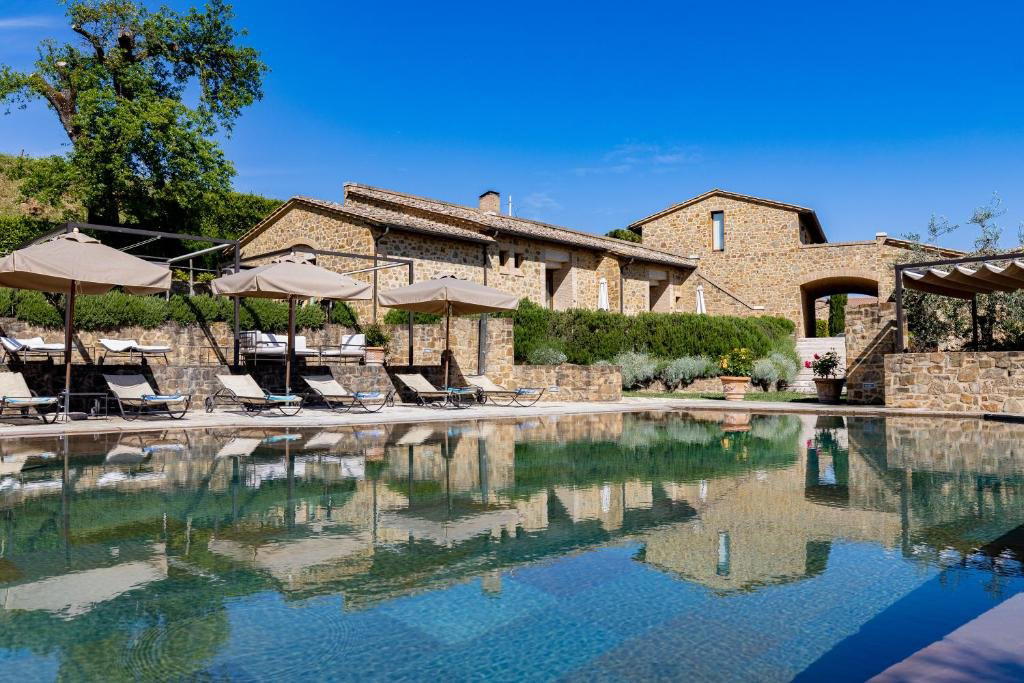
Canalicchio di Sopra
Montalcino, Italy
Book Canalicchio di Sopra if the priority is a serious Brunello tasting with family-estate context, Canalicchio and Montosoli vineyard focus, and a calm Montalcino setting. It suits special occasions and wine-focused travellers better than casual drop-ins, especially for guests who want Rosso, Brunello, and Vigna Montosoli explained through Sangiovese, site, and aging.
Château Haut-Sarpe
Saint-Christophe-des-Bardes, France
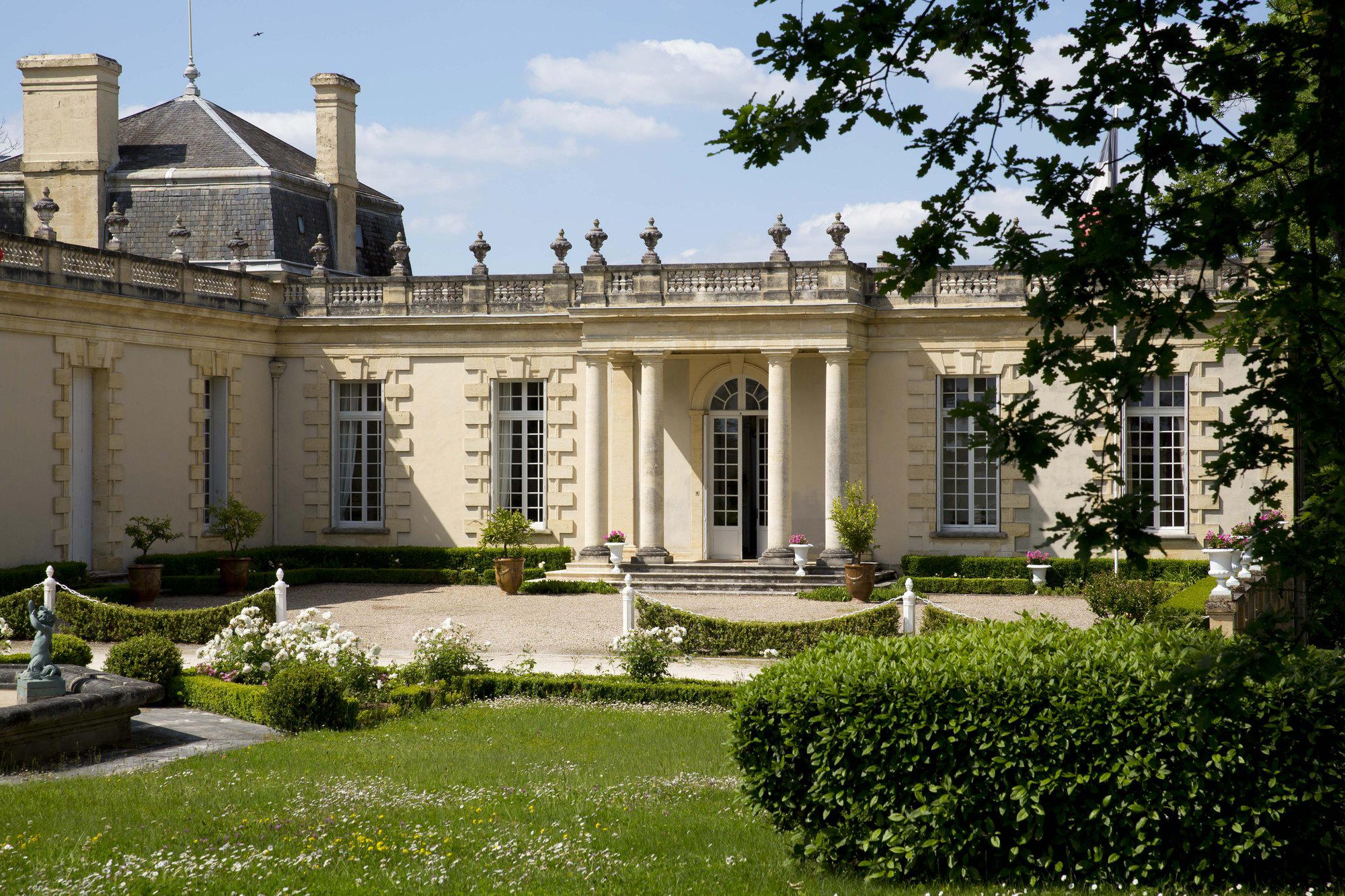
Book Château Haut-Sarpe if you want a Saint-Émilion estate visit where the château, gardens and vineyard setting matter, not just the tasting. It suits wine travellers who want Grand Cru Classé context, Right Bank blend detail and a calmer historic atmosphere; skip it if you need a food-led stop or a casual drop-in format.
Clos du Clocher
Pomerol, France
Book Clos du Clocher only if the point is a focused Pomerol wine stop, not a casual tasting-room afternoon. Its Falstaff listing in 2026 gives it a useful recognition signal, but visitors should plan carefully because public-facing logistics are thin; confirm access before building a special-occasion itinerary around it.
Weingut Karl Haidle
Kernen-Stetten, Germany
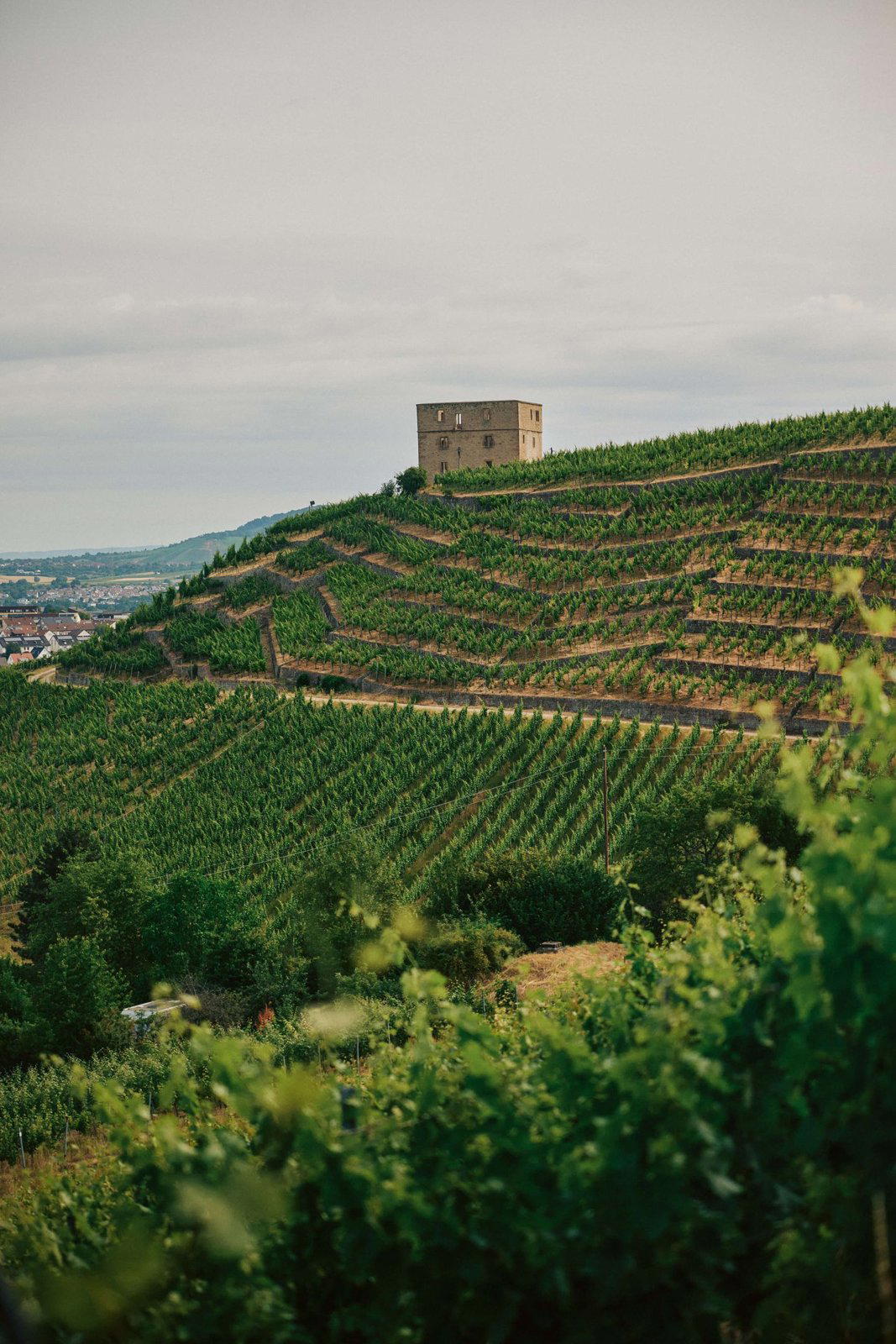
Book Weingut Karl Haidle if the priority is a serious Kernen-Stetten winery stop rather than a meal-led tasting. It suits wine-focused travelers building a Remstal itinerary, while visitors who need a full food pairing program or restaurant-style pacing should plan dining separately.
Domaine Thibault Liger-Belair
Nuits-Saint-Georges, France
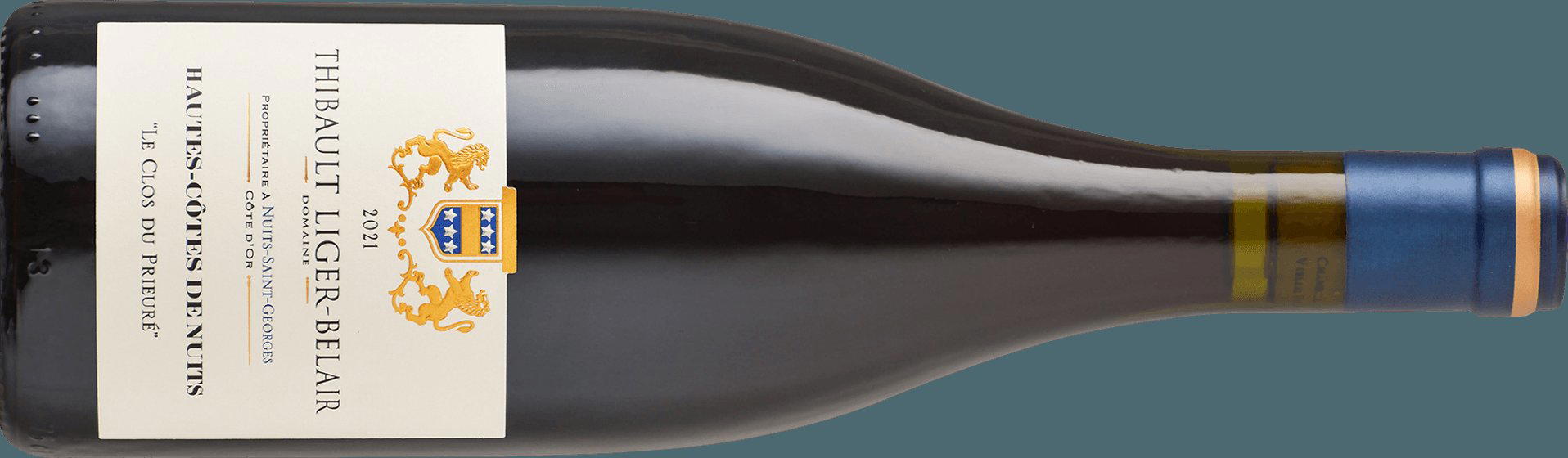
Domaine Thibault Liger-Belair is worth prioritizing for serious Burgundy travelers who want a focused Nuits-Saint-Georges producer visit rather than a casual tasting-room stop. Plan well ahead, keep the group small, and have nearby alternatives ready if access is tight.
Boutinot Ltd
Cheshire, United Kingdom
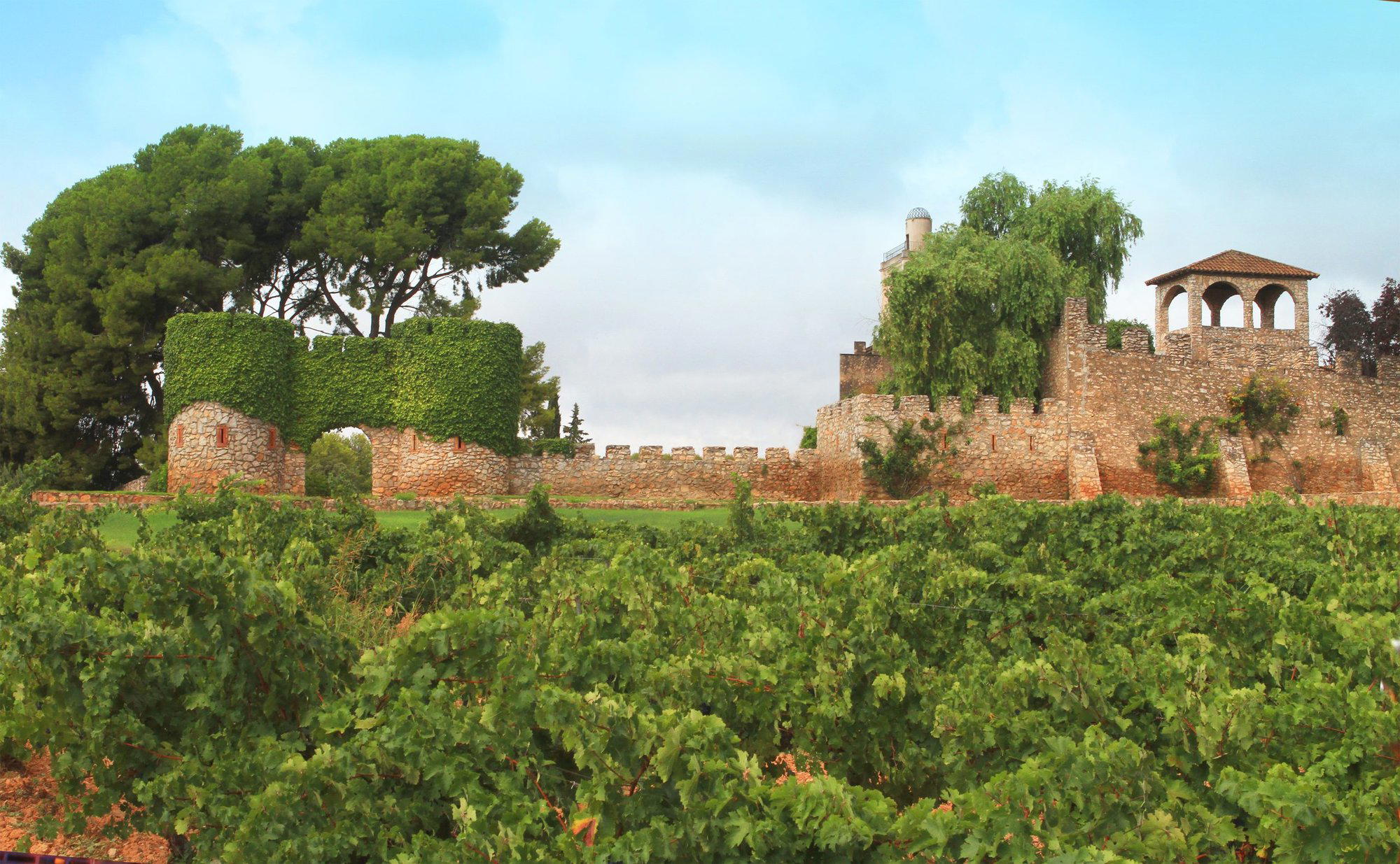
Boutinot Ltd works for trade buyers, restaurants, retailers, and serious hosts who care about value-led wine sourcing more than cellar-door atmosphere. It is appointment-only and not a public winery experience, so casual tasters should look elsewhere; for professional buying or event wine planning, the broad portfolio and Falstaff Listed (2026) recognition make it a credible Cheshire option.
Cycles Gladiator Winery
Acampo, United States
A good Acampo pick for a casual Lodi tasting day, especially if the group wants approachable Cabernet Sauvignon, Pinot Noir, and Chardonnay rather than a formal collector experience. Walk-in-friendly access, casual dress, $$ positioning, and Falstaff Listed recognition in 2026 make it a low-friction stop for relaxed celebrations or weekend routes.
Heinz Wagner Sekt
Sankt Blasien, Germany
Heinz Wagner Sekt is worth booking if you want a design-forward Black Forest sparkling-wine appointment rather than a casual cellar-door stop. The draw is traditional bottle fermentation, Südbaden sourcing, Chardonnay-Pinot Noir focus, and a 777-metre setting that gives the visit a strong sense of place.
Karl und Helga Maglock
Straß im Straßertale, Austria
Karl und Helga Maglock works for a quiet, appointment-led winery stop in Straß im Straßertale, especially if the goal is a traditional setting rather than a polished tasting-room program. The wine-club case is weak without confirmed membership, shipping, or release details, so taste first before committing to repeat purchases.
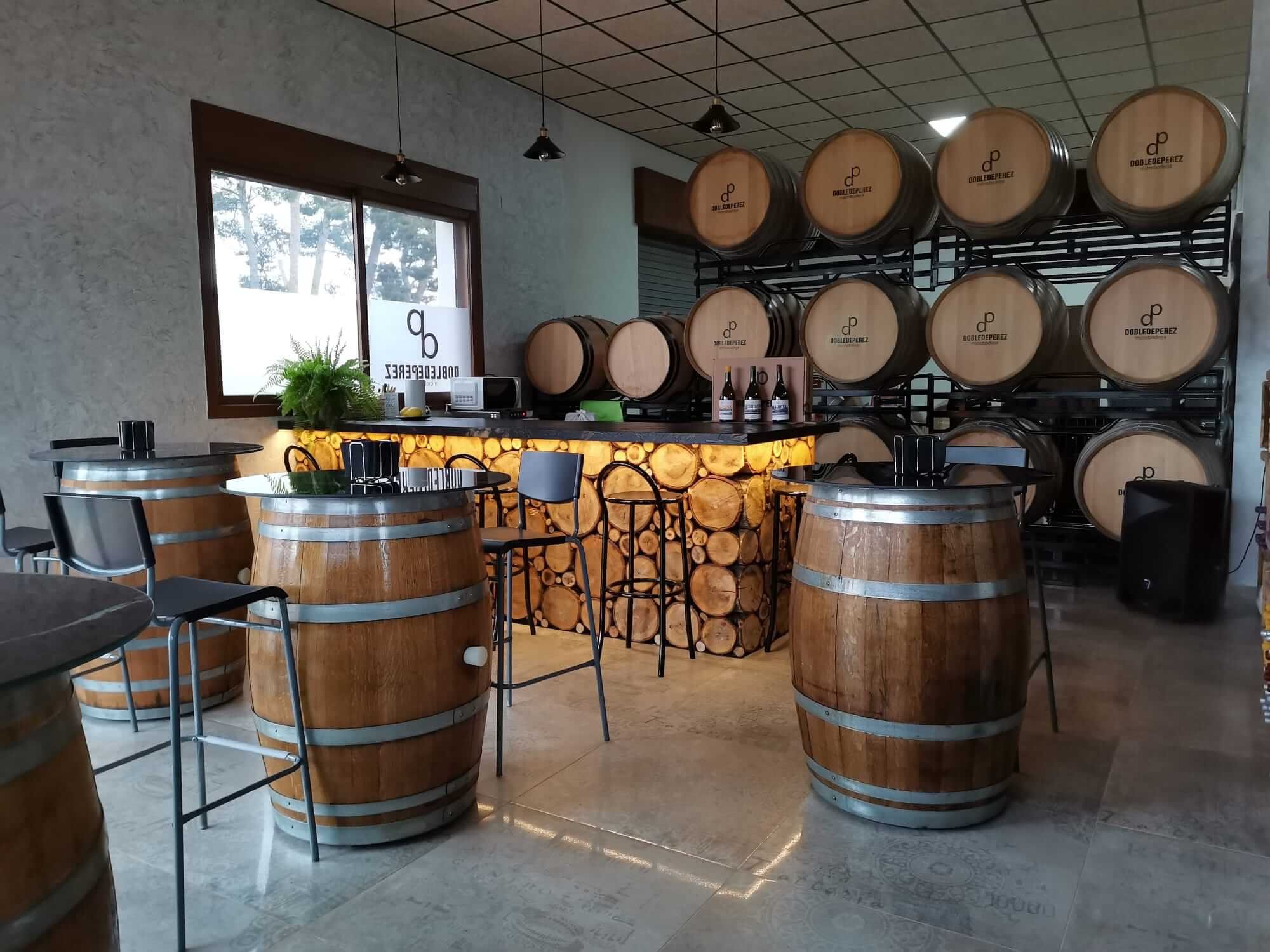
Bodegas El Nido
Jumilla Murcia, Spain
Book Bodegas El Nido if your Jumilla trip is about powerful, ageworthy reds and old-vine Monastrell. The estate suits collectors and return visitors better than casual tasters: plan around an appointment, keep the day unhurried, and treat it as the serious red-wine anchor of the itinerary.
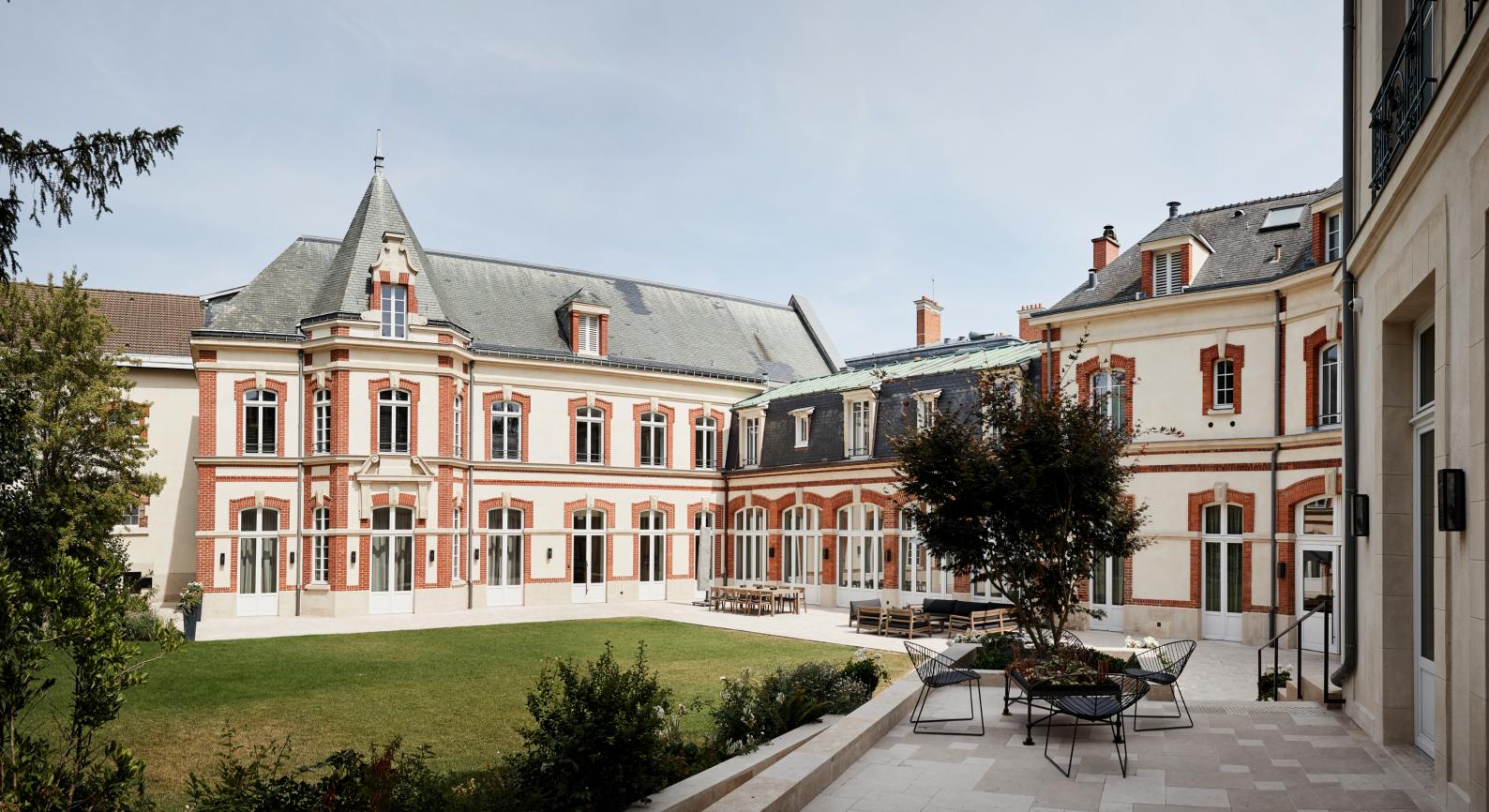
Krug
Reims, France
Krug’s Reims house is closed to the general public, but its wines reward a bottle comparison. Start with a Grande Cuvée Édition, then try a one-harvest Vintage or one of its single-plot Champagnes if available.
Famiglia Olivini
Desenzano del Garda, Italy
Famiglia Olivini is a good Desenzano del Garda winery booking if you want Lugana explained, not just poured. The strongest value is in the guided tasting format, especially for travelers interested in Turbiana, Lake Garda terroir, and a family-run cellar setting. Casual dress and planned reservations are the right approach.
Carranco
Castiglione di Sicilia, Italy
Carranco is worth prioritizing if the trip is built around serious Etna wine rather than casual sightseeing. The appeal is estate-grown Carricante and Nerello Mascalese from old northern-slope vineyards, with a quiet wine-resort feel suited to couples and small groups. Confirm visit details before planning around it.
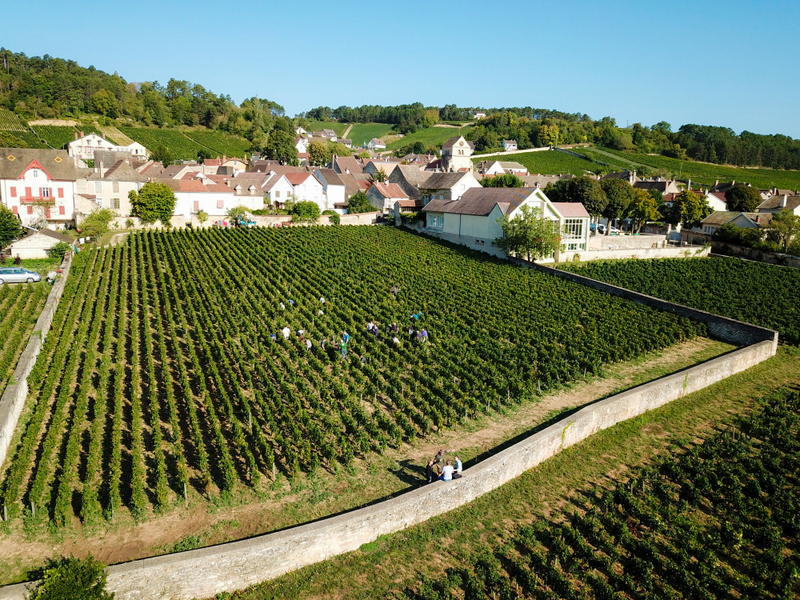
Domaine Michel Lafarge
Volnay, France
Domaine Michel Lafarge is for Burgundy travelers who want a serious Volnay anchor, not a casual tasting-room stop. The 1953 first vintage and current Lafarge family names give it strong continuity, but planning needs to be disciplined. Cross-shop Domaine Marquis d'Angerville or Domaine Thomas Bouley if the schedule needs another Volnay-focused option.
DomainE Du Chétif Quart - Famille d’Heilly-Huberdeau
Moroges, France
Worth booking if organic Côte Chalonnaise and Crémant de Bourgogne are the point of the stop. DomainE Du Chétif Quart - Famille d’Heilly-Huberdeau is better suited to a short, appointment-led producer visit than a long hospitality experience, with the Falstaff-rated organic Crémant and Bourgogne Aligoté giving the clearest reason to go.
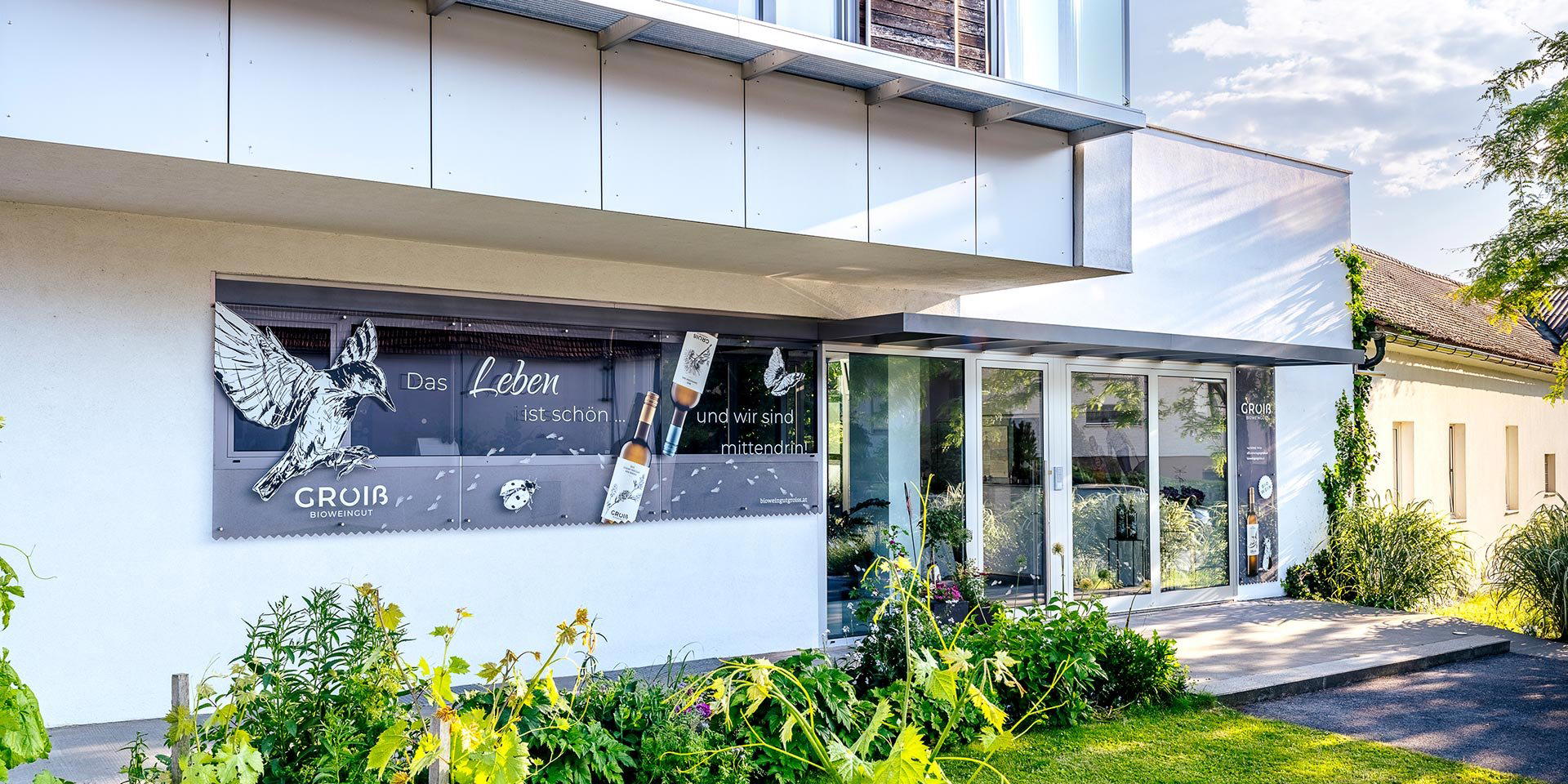
Bioweingut Groiß
Kleinwiesendorf, Austria
Book Bioweingut Groiß if you want a quiet, organic Wagram tasting centered on loess soils and classic Grüner Veltliner rather than a glossy cellar experience. The private format is the smarter choice for first-timers who want vineyard context, especially around Steinberg and Sätzen, while casual drinkers may find it more focused than necessary.
Château Noaillac
Jau Dignac Et Loirac, France
Choose Château Noaillac for an easy, low-pressure Médoc tasting focused on value rather than ceremony. The strongest case is the red portfolio, especially the flagship Médoc and Prestige cuvée, backed by Cru Bourgeois Supérieur status and a Falstaff listing. It suits curious wine travelers who want cellar context and bottles worth taking home without a formal château experience.
Sloan Estate
St. Helena, United States
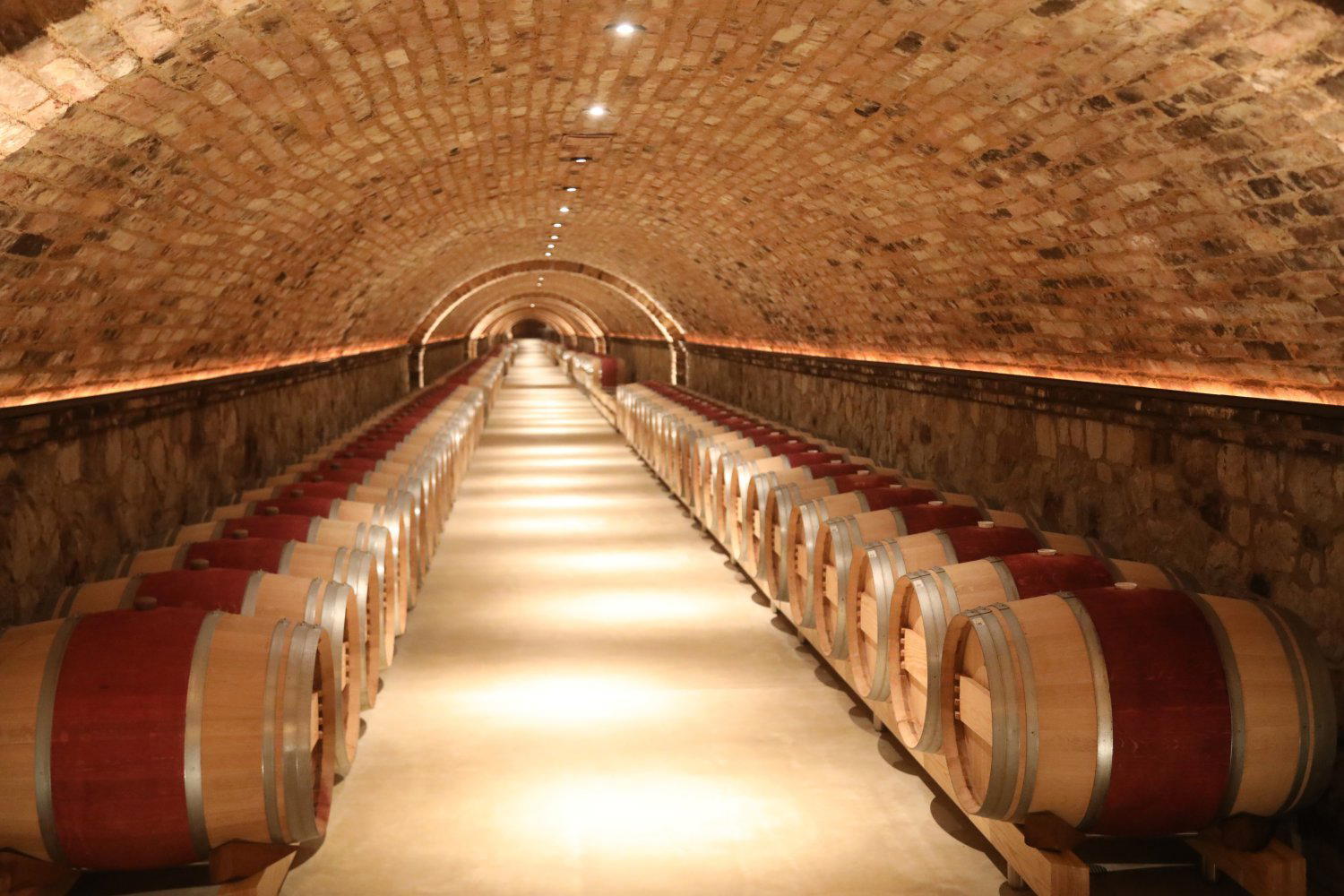
Sloan Estate is worth targeting if the goal is a serious, appointment-led St. Helena wine visit rather than a casual tasting with a confirmed food program. First-timers should treat it as the anchor of the day and plan meals elsewhere, especially if pairing details matter.
Champagne Louis de Sacy
Verzy, France
Worth considering for a quieter Champagne stop in Verzy, especially if the priority is conversation, low-pressure planning, and a village-based tasting rather than a showy cellar visit. The 2026 Falstaff listing adds a useful trust signal, but the value case should come down to tasting format, bottle pricing, and how well it fits into a wider Verzy wine day.
Höcklistein – Weingut am Zürichsee
Jona, Switzerland
A strong choice for a scenic Zürichsee winery visit, especially if the plan involves a private tasting, celebration, or small group gathering. The draw is the vineyard-and-lake setting, estate Pinot Noir and Chardonnay, and polished event format, not a published allocation model. Book with a view-led, occasion-focused visit in mind.
Camerani Marinella
Mezzane Di Sotto, Italy
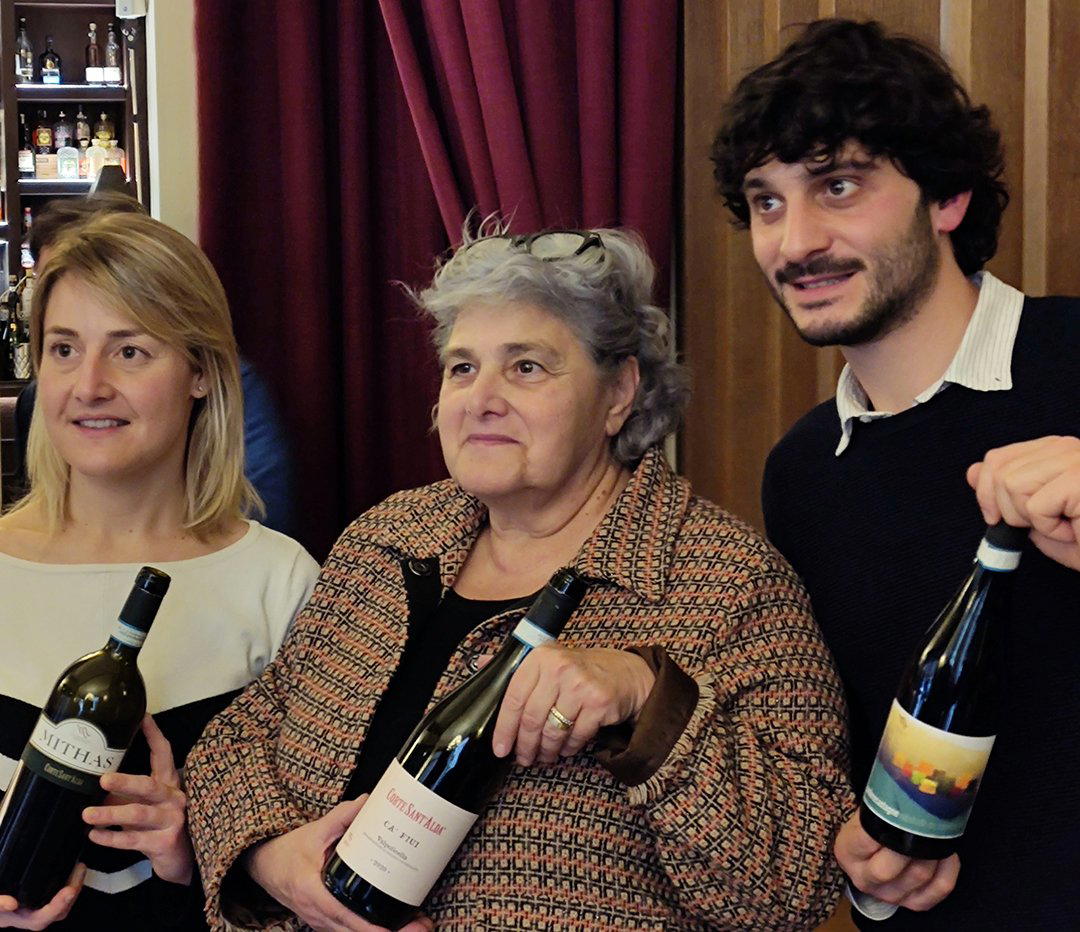
Camerani Marinella is worth pursuing for a serious Mezzane di Sotto wine stop, especially if producer credibility matters more than polished visitor infrastructure. The 2026 Falstaff 4 Stars recognition is the main trust signal; plan ahead, keep expectations practical, and do not assume food, walk-in access, or large-group suitability without confirmation.
Lourensford Wine Estate
Somerset West, South Africa
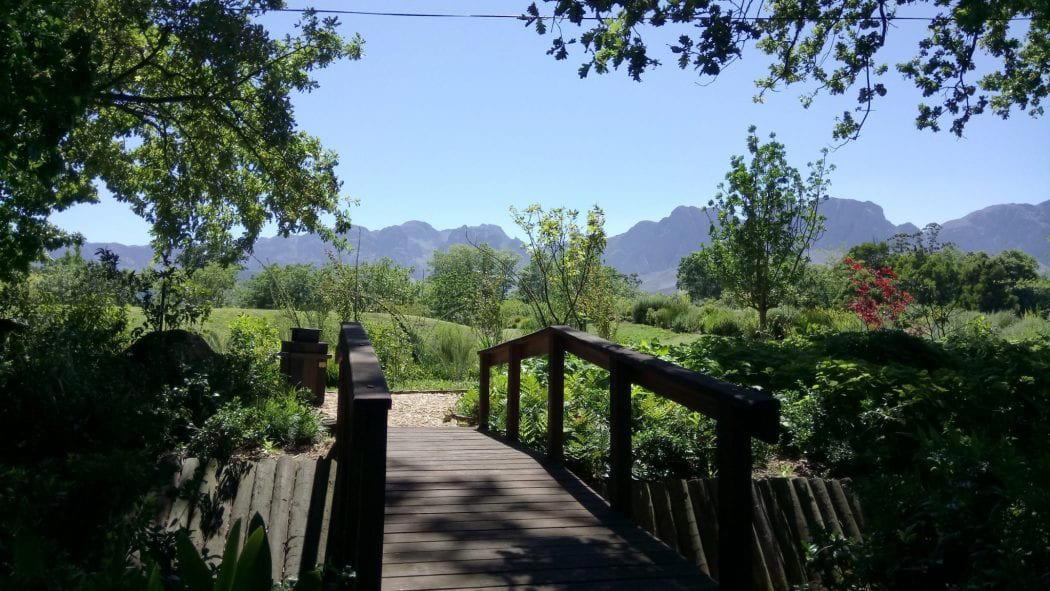
Lourensford Wine Estate is worth prioritising if the plan calls for a broad, scenic Somerset West estate visit rather than a tightly focused boutique tasting. It suits return visitors, mixed-interest groups, and anyone deciding whether to upgrade into a more structured tasting; for a narrower wine-led stop, compare it with Vergelegen, Morgenster, or Waterkloof first.
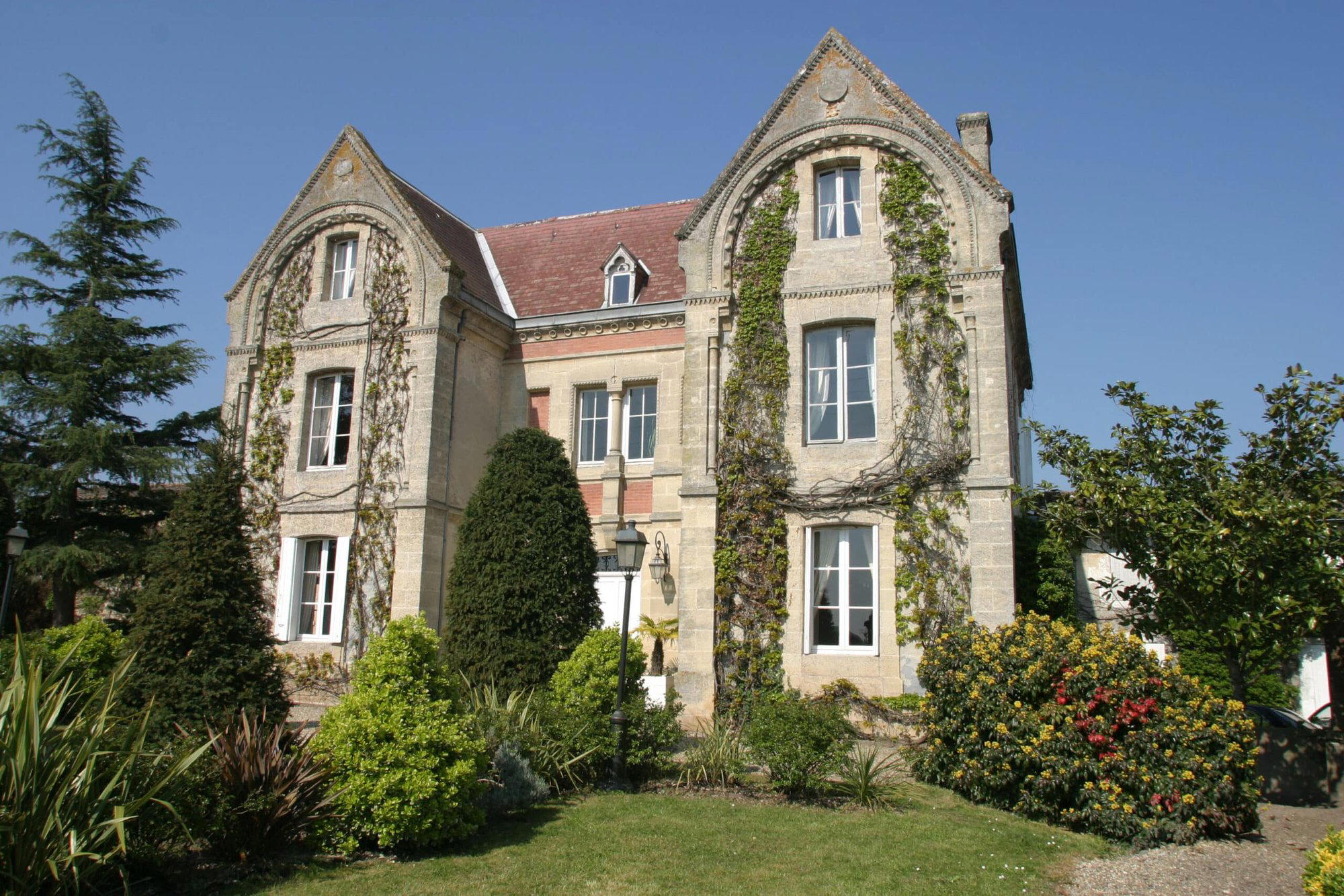
Château Raymond-Lafon
Sauternes, France
Book Château Raymond-Lafon if the priority is serious Sauternes rather than an easy cellar-door visit. Its appeal is small production, low yields, classic Sémillon-led sweet wine, and an unclassified status that makes it compelling for collectors who look past the 1855 hierarchy. Appointment-only planning is essential.
Johannes Louis Weinbau
Ligerz, Switzerland
A quiet Lake Biel winery pick for visitors who want Swiss terrace-grown Chasselas and Pinot Noir without a big hospitality production. Johannes Louis Weinbau is strongest for couples or small special-occasion tastings where the rural setting and Falstaff-listed credibility matter more than food, breadth, or showy service.
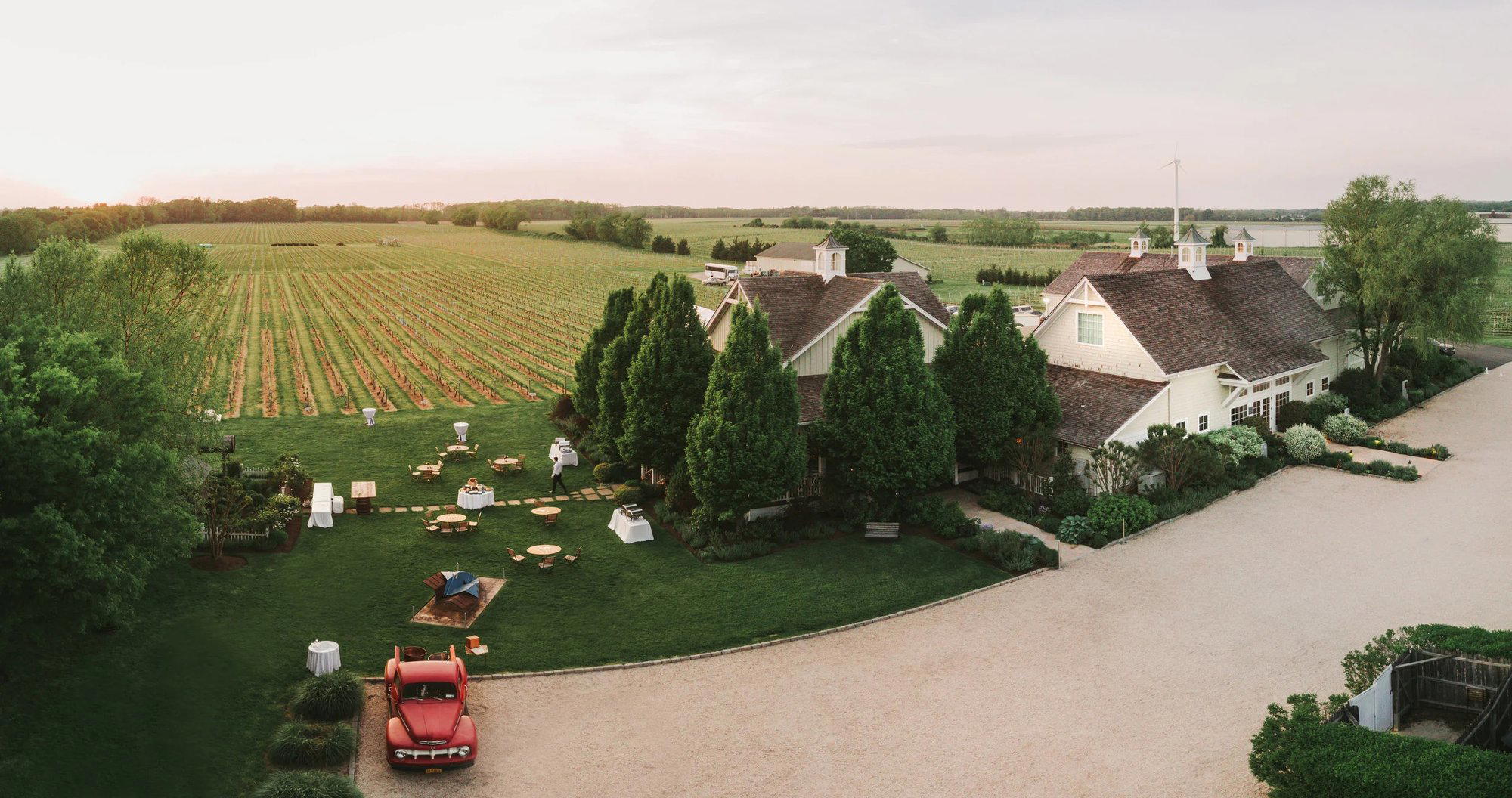
Bedell Cellars
Cutchogue, United States
Bedell Cellars is a strong Cutchogue pick for visitors who want a wine-focused North Fork stop that is easy to build into a Main Road itinerary. Do not book it as a food-led outing; plan meals separately and treat the tasting as the reason to go. Cross-shop Sparkling Pointe for sparkling wine, Macari Vineyards for a broader winery circuit, and Paumanok Vineyards as a practical backup.
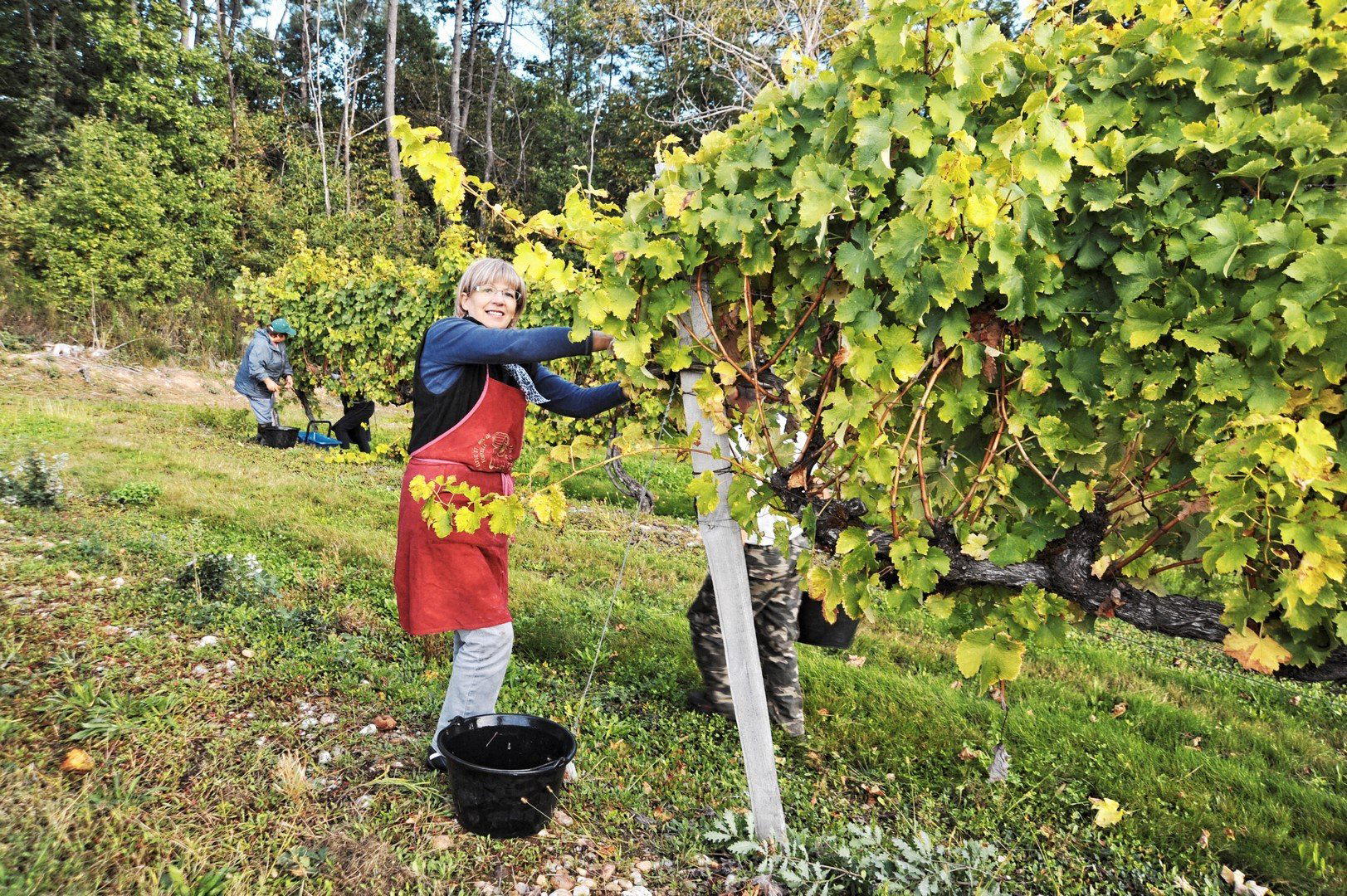
Château de Gaudou
Vire Lot, France
Château de Gaudou works as a flexible Vire Lot wine stop, especially for travelers building a broader Occitanie itinerary. Its Falstaff 2026 listing gives it a credible quality signal, but with limited published visit structure, it suits explorers more than planners seeking a fully defined tasting program.
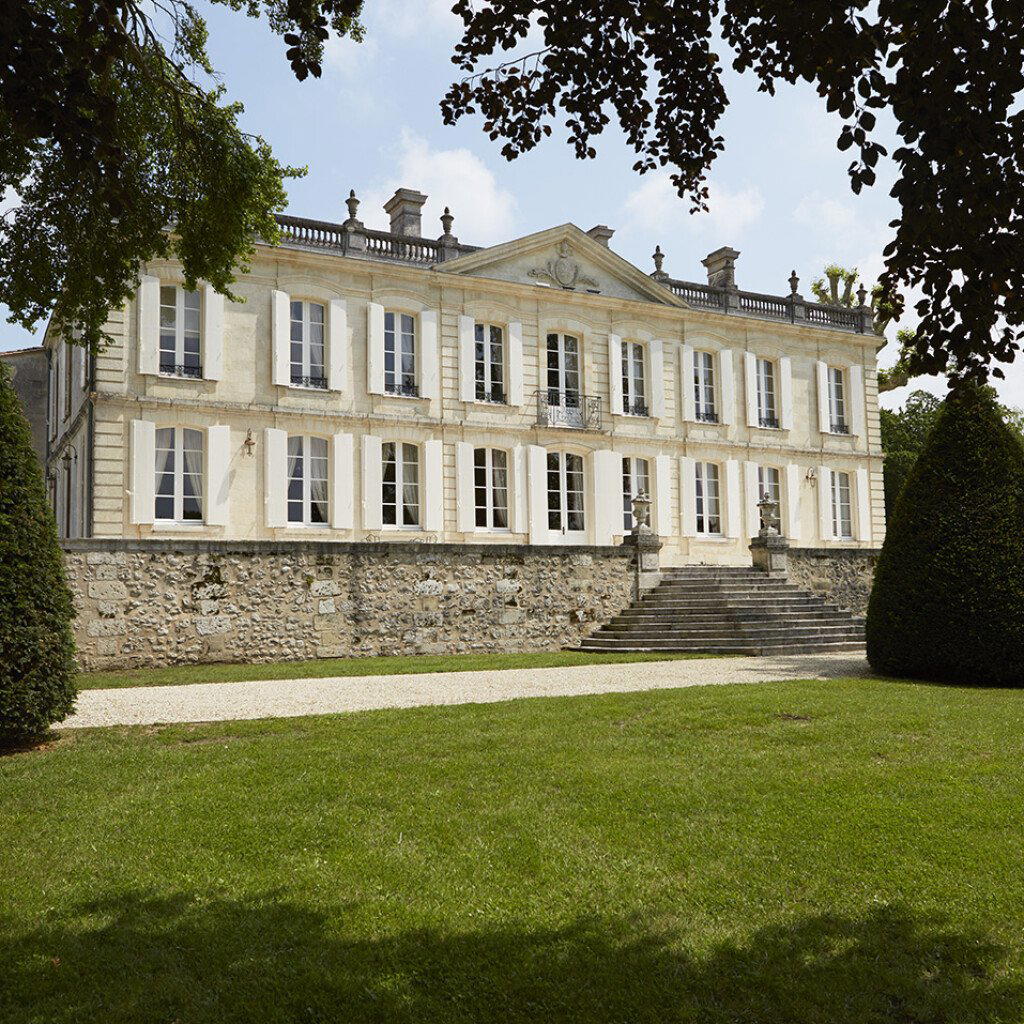
Château de La Dauphine
Fronsac, France
Château de La Dauphine is the right Fronsac pick for a polished château tasting with real regional substance, not a quick walk-in wine stop. The draw is the mix of 18th-century estate setting, modern gravity-flow winemaking, organic farming, and a Right Bank portfolio led by Merlot and Cabernet Franc. Plan ahead, especially for a celebration or business-friendly wine visit.
Ceretto
Alba, Italy
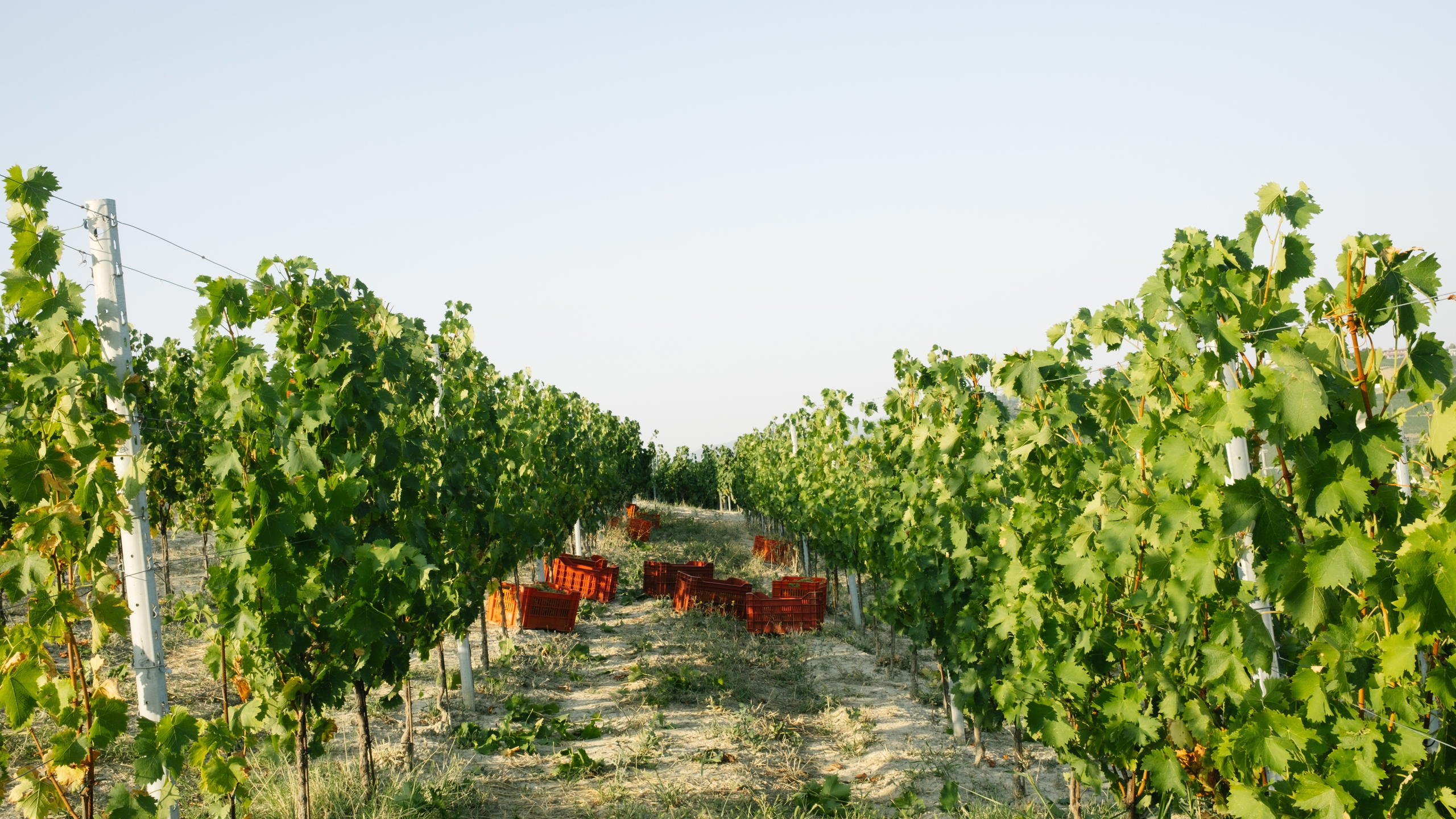
Prioritize Ceretto if Alba is a wine-led trip and you want a polished Langhe visit with serious external recognition. It is less suited to casual, last-minute tasting plans; compare Pio Cesare for an Alba-focused alternative or Distilleria Montanaro for a different drinks stop in town.
Château Léoville Poyferré
St-Julien, France
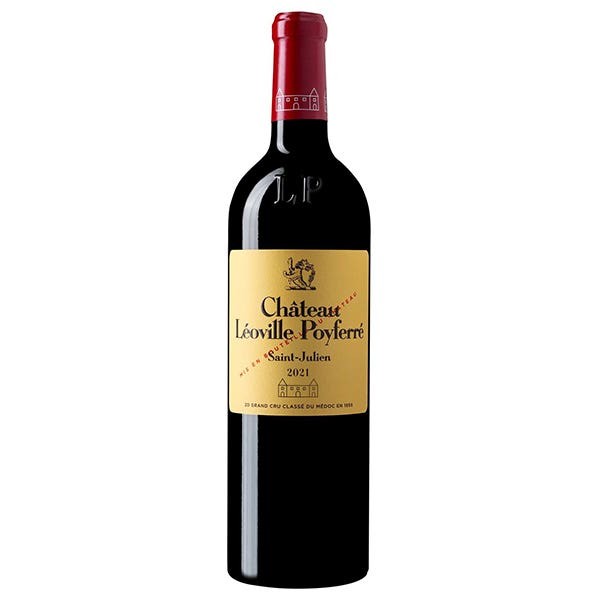
Prioritise Château Leoville Poyferre if the St-Julien day is built around serious Bordeaux context rather than casual drop-in tasting. It works better as an anchor appointment in a tightly planned Médoc route than as an add-on between distant appellations.
Domaine Philippe Alliet
Cravant Les Coteaux, France
Prioritize Domaine Philippe Alliet if Cabernet Franc is the point of the trip. This is a quiet, appointment-only Chinon producer with serious old-vine and single-site bottles, not a food-led hospitality stop. Go for Vieilles Vignes or Coteau de Noiré if the goal is cellar-worthy structure and a deeper read on Cravant-les-Coteaux terroir.
Domäne Roland Chan
Wösendorf in der Wachau, Austria
A focused Wösendorf winery pick for travelers building a serious Wachau wine day, especially if the goal is deciding which bottles deserve cellar or shipping space. Falstaff 2 Stars in 2026 gives it a clear quality signal, but plan this as a targeted wine appointment rather than a broad food-and-hospitality stop.
K Vintners
Walla Walla, United States
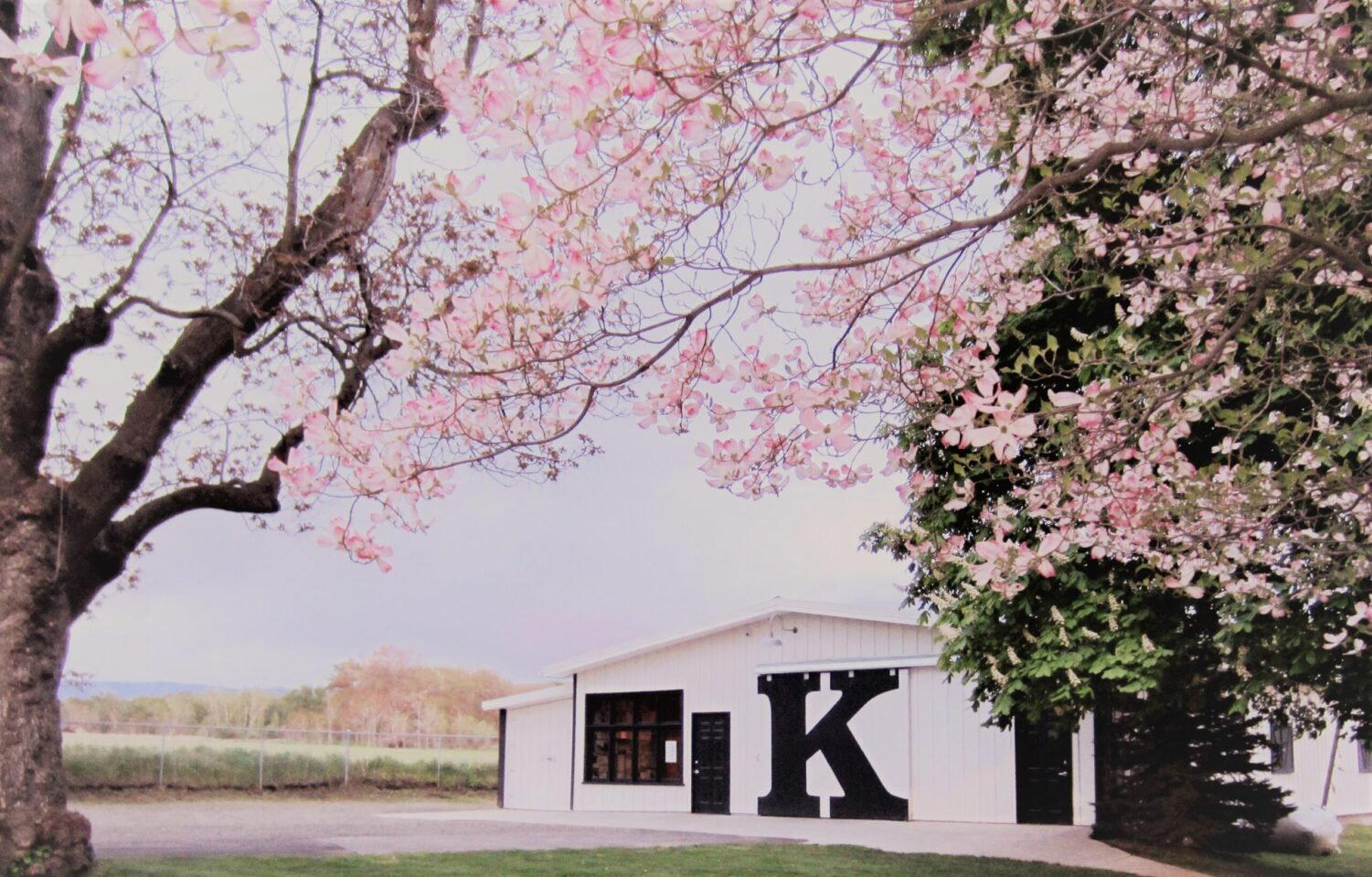
Visit K Vintners if your Walla Walla plans are built around focused wine tasting rather than food, scenery, or a guaranteed private format. Its 2026 Falstaff winery listing gives it a credible quality signal, but the smarter move is to treat it as one serious stop within a wider Walla Walla itinerary.
Chapelle Saint Pierre
Assignan, France
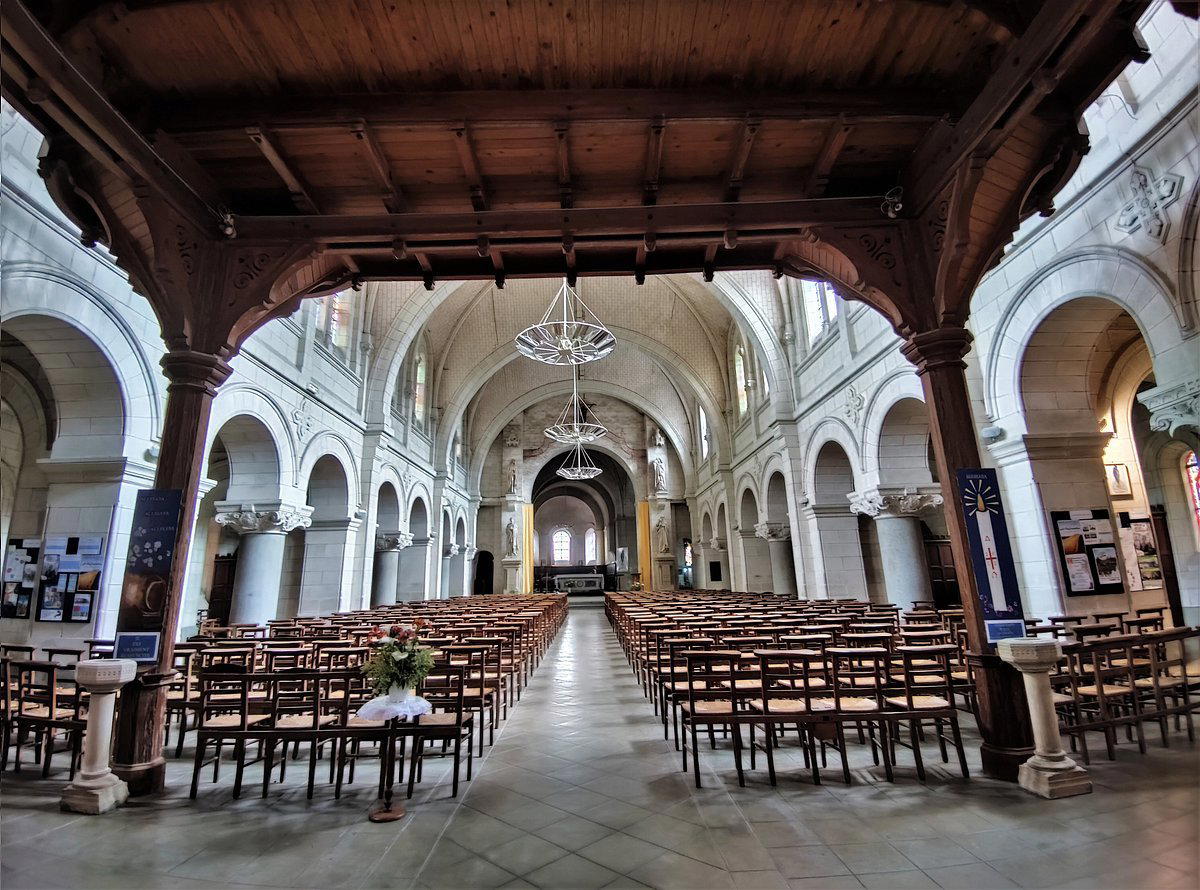
Chapelle Saint Pierre is a better fit for a planned wine-country stop than a spontaneous detour. Consider it if you want a quieter Assignan visit with local context, but confirm any tasting, food, private-visit, or wine-club details before shaping the day around it.
Cape Rock Wines
Vredendal, South Africa
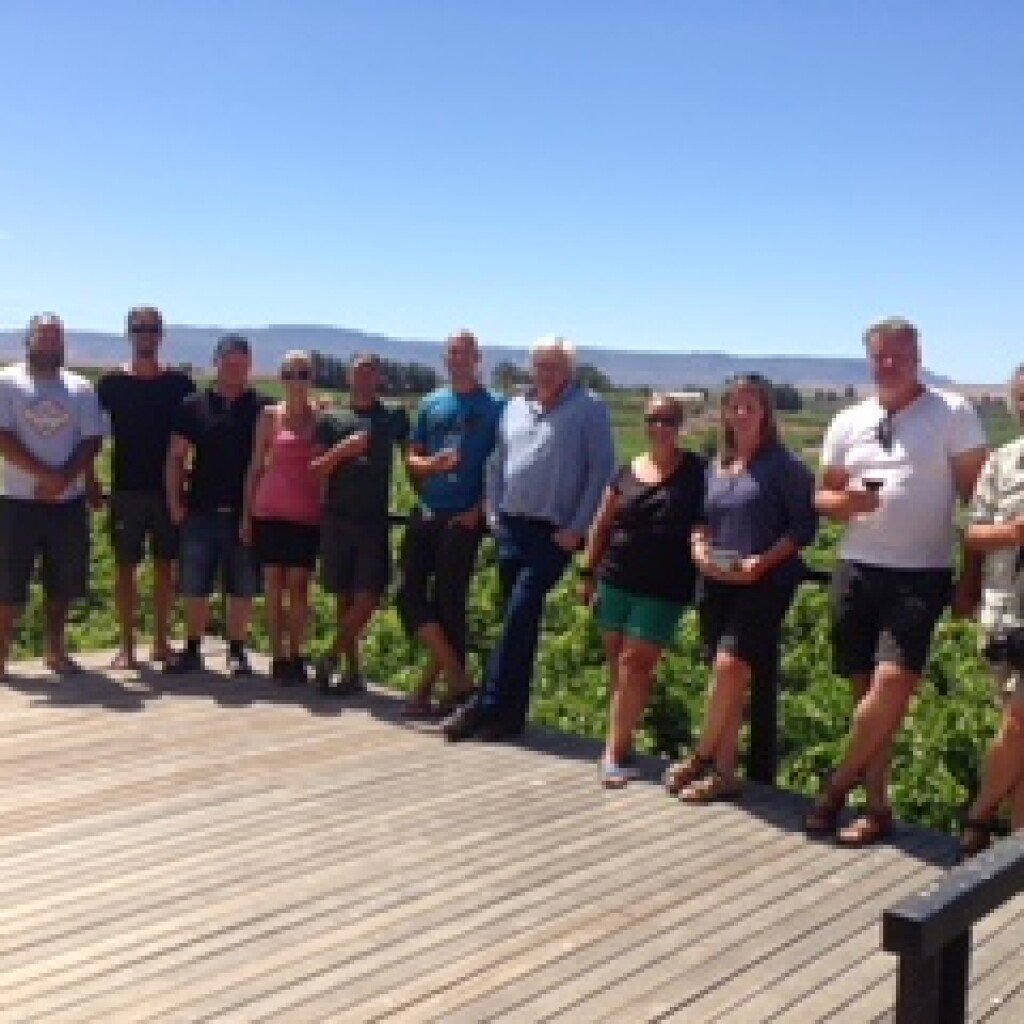
Cape Rock Wines is a good fit if Vredendal is already on the route and the goal is Olifants River producer discovery rather than a fully built-out estate day. The 2026 Falstaff listing gives it a useful recognition signal, but plan flexibly and cross-shop other Vredendal wineries if timing, food, or visit format matters.
Château Sigalas-Rabaud
Bommes, France
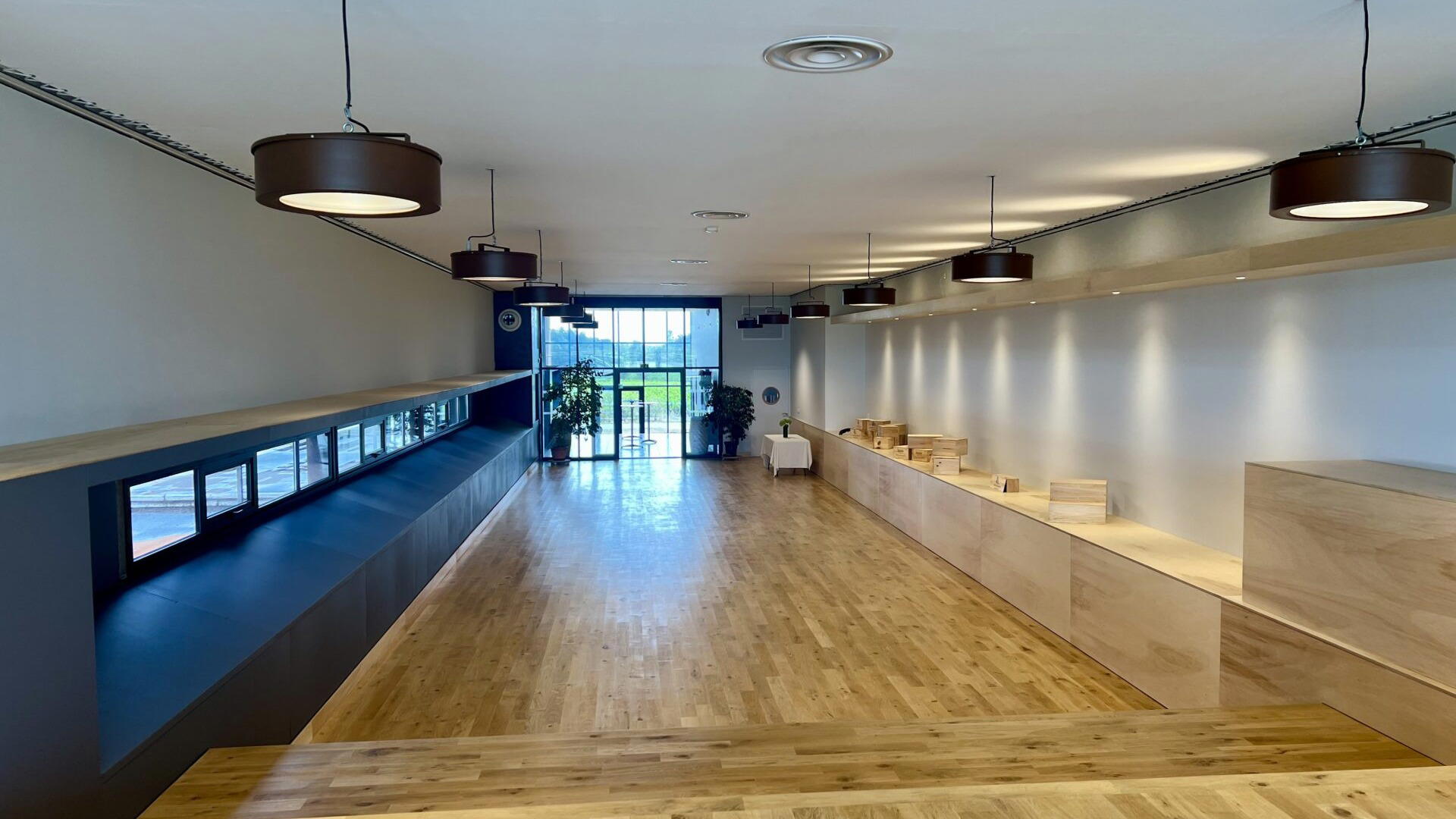
Choose Château Sigalas-Rabaud for a focused Sauternes visit in Bommes, especially if the goal is tasting context rather than a food-led day. It is a stronger fit for couples or small groups than for large social itineraries, and it cross-shops naturally with Château Lafaurie-Peyraguey and Château Rabaud-Promis.
Domaine Jones
Tuchan, France
Domaine Jones is a practical Tuchan winery pick for travelers who want a credible Occitanie wine stop without a difficult booking. The 2026 Falstaff listing is the main trust signal; treat it as a wine-focused visit, not a dining replacement or guaranteed private tasting experience.
Alphonse Mellot
Sancerre, France
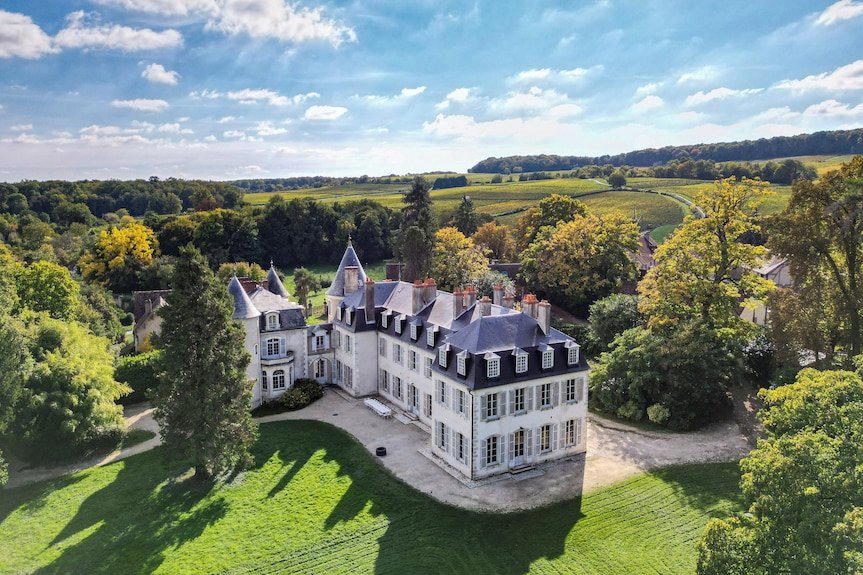
A strong Sancerre choice for a focused, wine-led visit rather than a casual stop between other plans. Alphonse Mellot works better for couples, collectors, or a small celebration where the tasting itself is the point; confirm format, timing, and any food expectations before building the day around it.
Fedora
Štanjel, Slovenia
Fedora is worth prioritising for wine drinkers who want indigenous Primorska varieties and a quiet, conversation-led tasting in Štanjel. The appeal is heritage grapes, vintage variation, and regional identity rather than a large visitor-centre experience. It is a better fit for curious first-timers than for groups seeking a broad, highly structured tasting format.
Clos des Moins
Puidoux, Switzerland
Book around the wine, not the hospitality. Clos des Moins is worthwhile for drinkers specifically chasing Dézaley Grand Cru Chasselas and the 2023 flagship bottling, with a 2026 Falstaff listing adding credibility. It is less suitable for visitors who need confirmed tasting fees, food pairings, large-group logistics, or a full cellar-door program.
Cantina La-Vis
Lavis, Italy
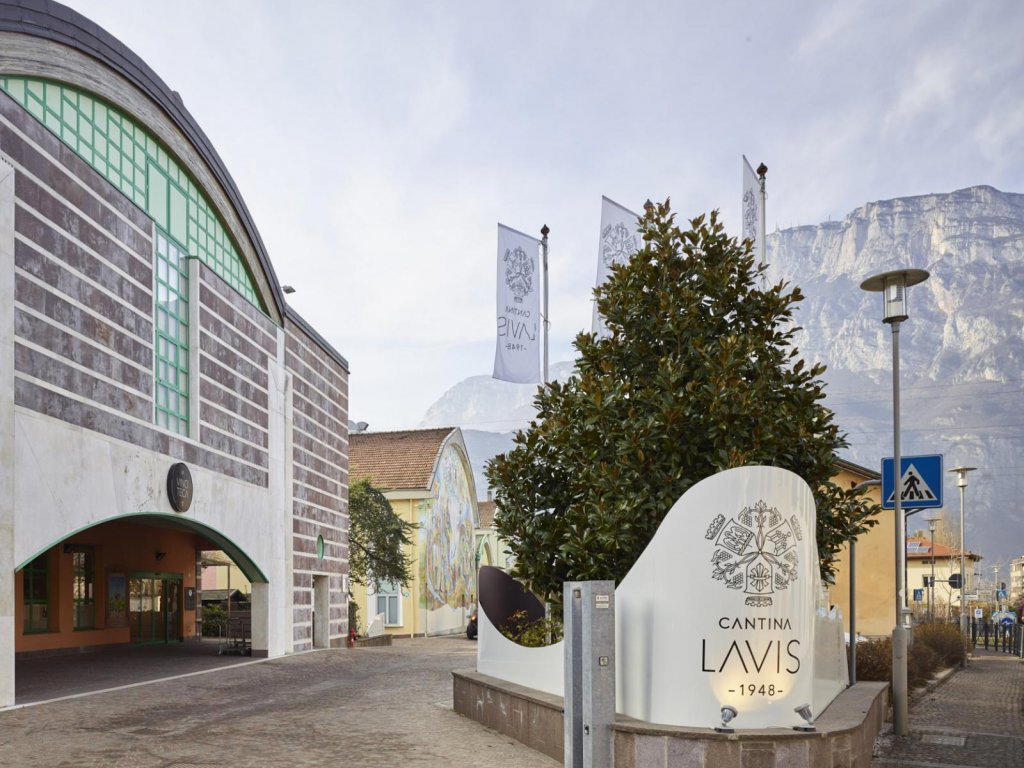
Cantina La-Vis is worth booking if the goal is an organized Trentino winery visit with cooperative history, cellar context, and a broad read on Alpine varieties. It suits travelers building a Lavis wine day around education and reliable logistics rather than a small-grower, private-cellar feel.
Chiquet-les vins
Ormalingen, Switzerland
Book Chiquet-les vins if the priority is good-value Swiss organic wine and direct producer access, not a polished tasting-room production. The $$ positioning, Bio Suisse certification, PIWI focus, and CHF 26 Schwarze Perle 2022 Brut make it a smart small-group stop for buyers who want bottles with a clear regional point of view.
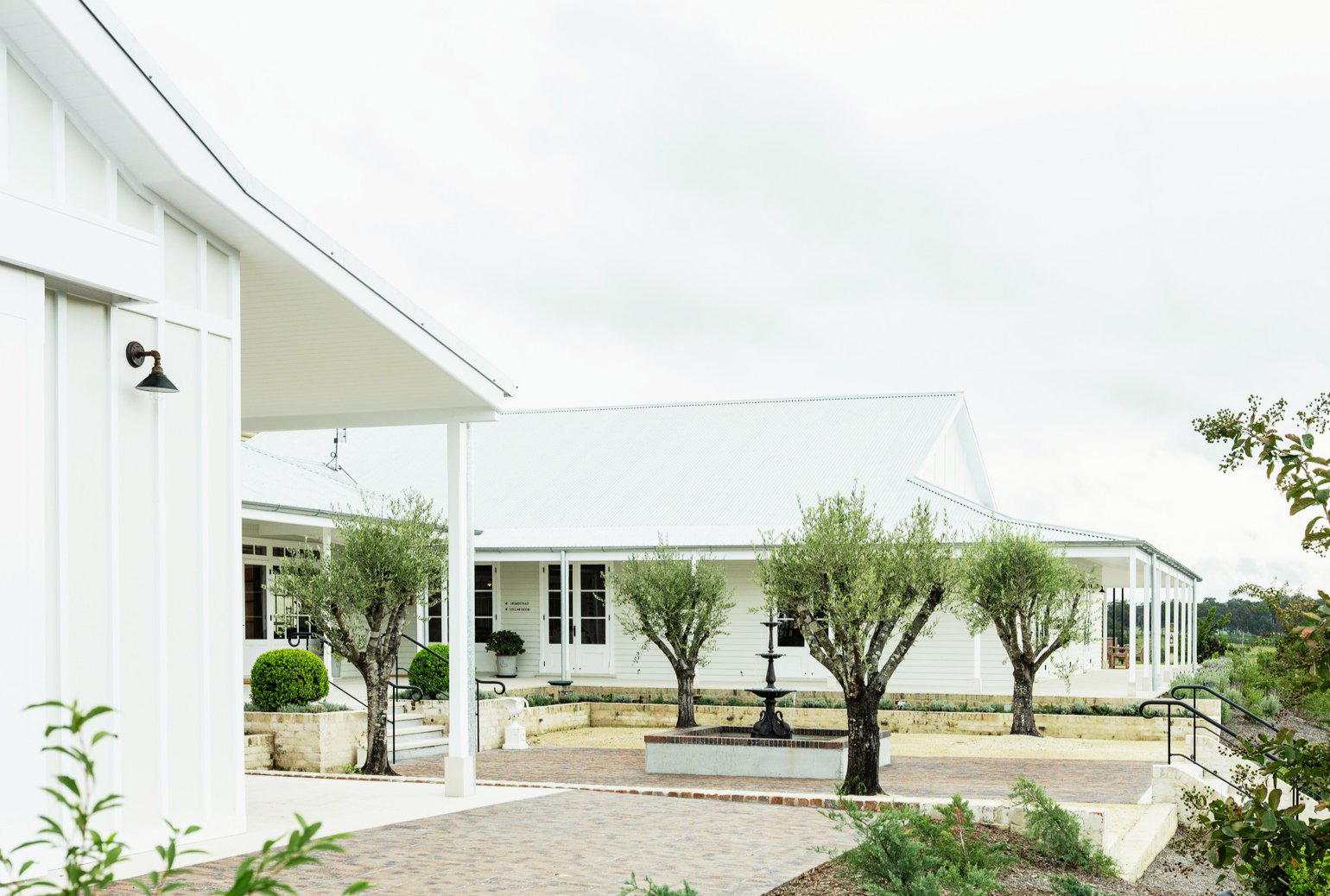
Mount Pleasant
Hunter Valley, Australia
Mount Pleasant is worth prioritising for a serious Hunter Valley wine itinerary, especially for a celebration or hosted tasting day. It is a stronger fit for small groups who care about wine credibility than for casual cellar-door hopping, with Audrey Wilkinson and Lake's Folly better cross-shops depending on scenery or another focused tasting.
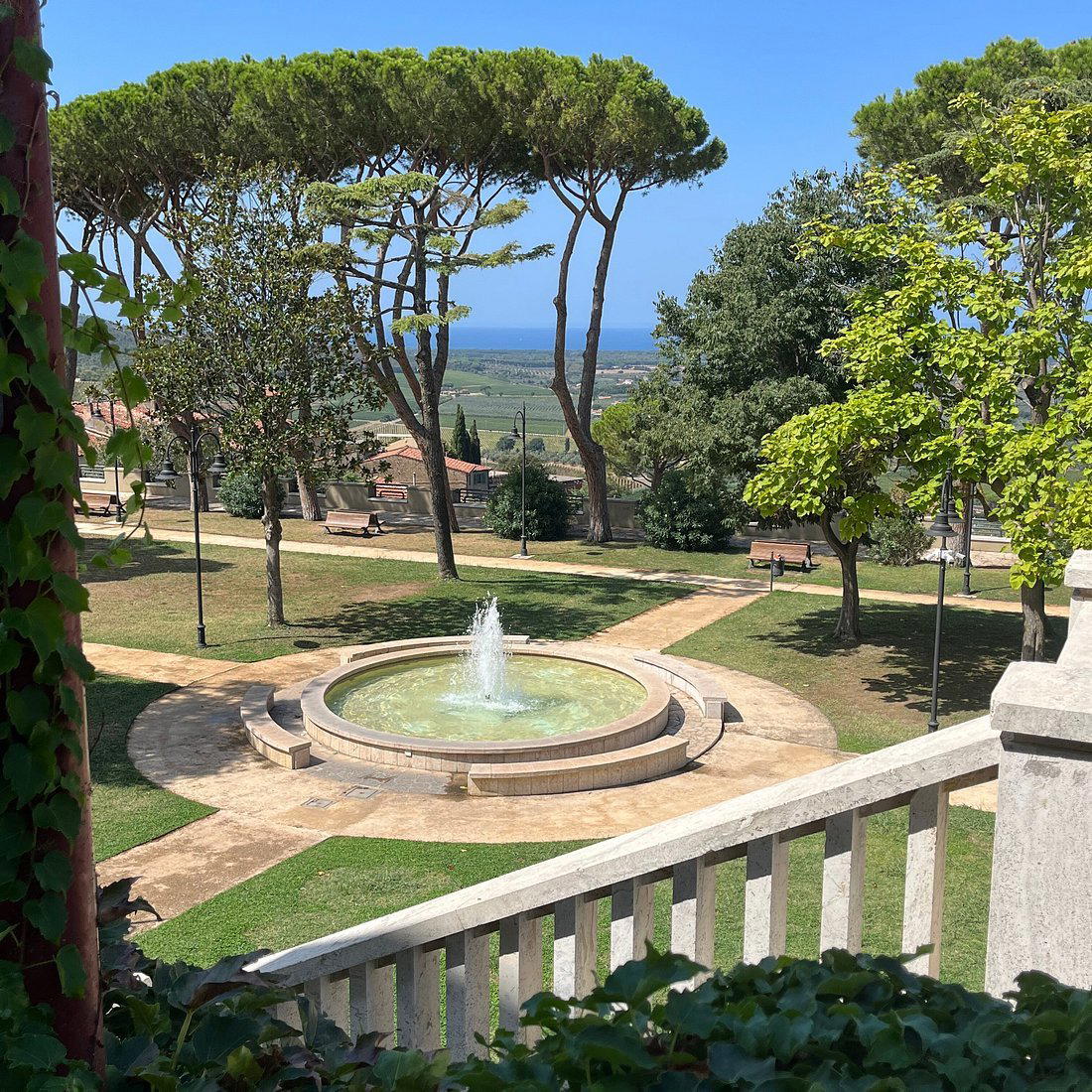
Azienda Agricola I Luoghi
Castagnetto Carducci, Italy
Book Azienda Agricola I Luoghi as a focused Castagneto Carducci winery stop, not as a full-day hospitality plan. It is a good fit for travelers building a Tuscany wine itinerary who want an easy-to-plan visit with Falstaff Listed recognition in 2026, but food, shipping, and flagship-wine details should be confirmed before arranging the day around it.
How many of these have you visited?
Find out on Pearl and keep score across every place in 2026 Falstaff Winery Guide.