
Bedell Cellars
Cutchogue
Winery in Cutchogue, United States
 Book with Pearl
The Read
Atlantic-Moderated Bordeaux
Price
$10–20tasting
Why go
Bedell Cellars is a strong Cutchogue pick for visitors who want a wine-focused North Fork stop that is easy to build into a Main Road itinerary. Do not book it as a food-led outing; plan meals separately and treat the tasting as the reason to go. Cross-shop Sparkling Pointe for sparkling wine, Macari Vineyards for a broader winery circuit, and Paumanok Vineyards as a practical backup.
About Bedell Cellars
Bedell Cellars is a Cutchogue venue with 2 Star Prestige recognition for 2025. Frame it as a premium Cutchogue stop rather than assuming a specific menu, tasting format, service style, or route plan.
Plan around the confirmed Cutchogue setting
The location detail is simple: Bedell Cellars is in Cutchogue. That makes it relevant for visitors comparing premium venues in and around the area.
If timing, group size, transportation, or service availability matters, check current information before locking in the day. Plan for a smart-casual visit to a 2 Star Prestige venue, not assumptions about booking difficulty, visit length, lunch service, or a specific tasting-room format.
Choose it for a premium Cutchogue stop
Bedell Cellars is best evaluated on its core details: it is in Cutchogue, it has a smart casual dress code, and it carries 2 Star Prestige recognition for 2025. Comparisons with Sparkling Pointe, Macari Vineyards, Rose Hill Vineyards (Shinn Estate), and Twin Stills Moonshine can help shape a broader day.
Paumanok Vineyards is another useful comparison when weighing regional options. For Bedell Cellars itself, keep the decision grounded: choose it when you want a premium Cutchogue venue, and check current operational details before planning around them.
Planning details
- Location
- 36225 Main Rd, Cutchogue, NY 11935
- Website
- bedellcellars.com
- Phone
- +1 631-734-7537
The take
The Take
The Vibe
Bedell Cellars reads like a classic Long Island wine estate where place matters as much as bottle. The write-up emphasizes maritime moderation, sandy loam soils and restrained yields—details that underscore a measured, site-driven approach to farming and cellar work. Instead of flash, the tone is steady: thoughtful viticulture, measured ripening windows and wines that aim to balance flavor complexity with acidity. Visitors should expect an environment shaped by terroir and craftsmanship, a restrained and quietly confident character that reflects the North Fork’s reputation for serious, cool-climate production.
Best For
Bedell is particularly well suited to visitors who want to understand how maritime climate and glacial soils shape wine. The piece highlights the estate’s place in the North Fork’s serious winemaking tradition and calls out a recent 2025 Pearl 2 Star Prestige recognition, so it’s a good stop for people focused on tasting and learning rather than nightlife or dining. It also fits thoughtful small-group visits and milestone tastings where the conversation centers on terroir, technique and regional comparisons with other cool-climate producers.
Tasting Tips
When tasting at Bedell, prioritize wines that showcase the site’s cool-climate pedigree and the balance between flavor complexity and preserved acidity mentioned in the description. The write-up flags the winery’s 2025 Pearl 2 Star Prestige recognition, so asking staff about award-recognized releases and estate expressions tied to specific parcels or vintages is a solid approach. Frame questions around how the maritime influence and sandy-loam soils shape ripeness and acidity to get the most context from each pour.
Venue details
Ambiance
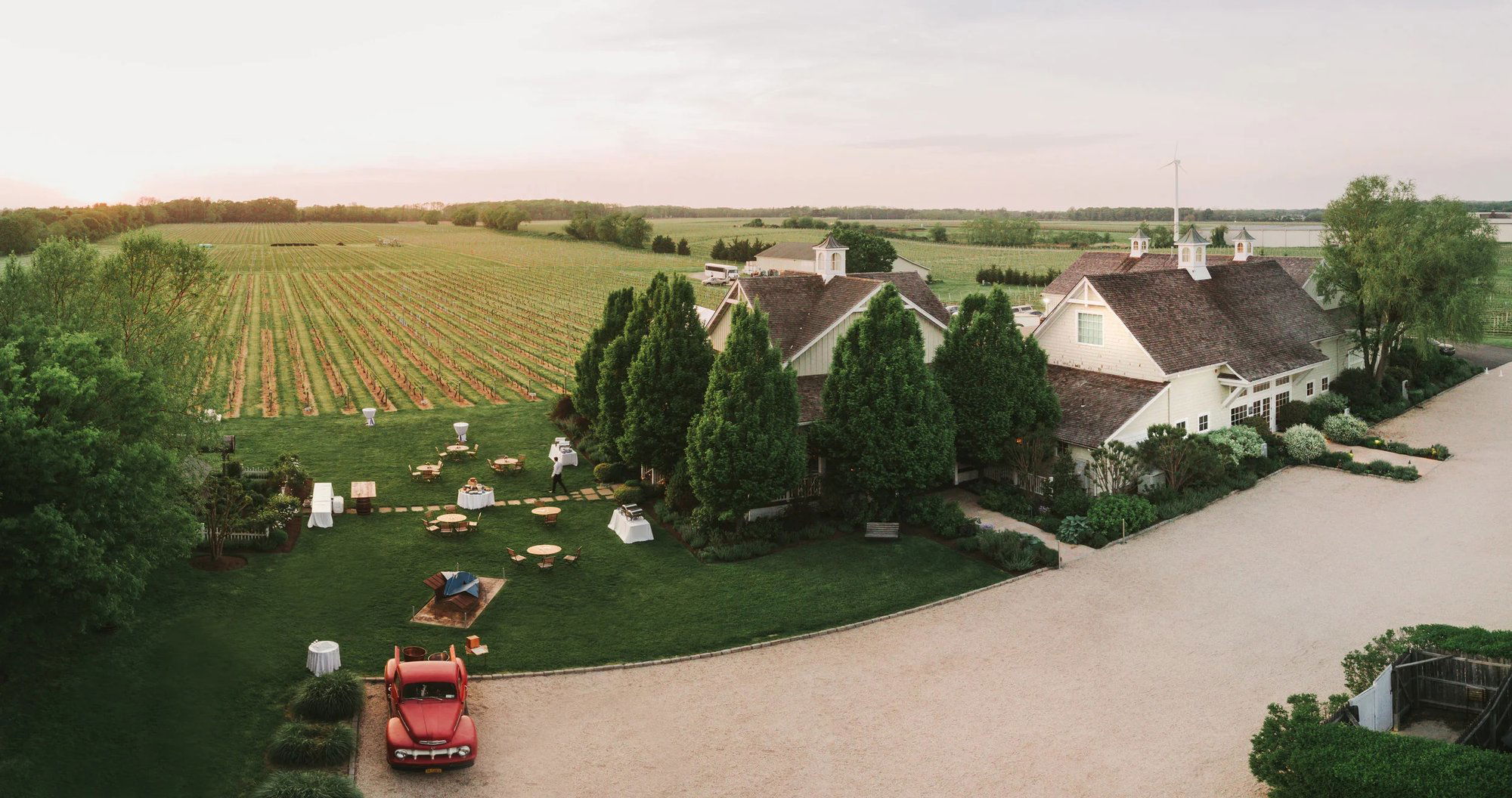
Upscale modern decor in a historic potato barn with multi-level tasting areas, breezy outdoor vineyard views, and contemporary art displays creating an elegant yet comfortable atmosphere.
Tags
Vibe
Best For
Experience
Sourcing
View
At the Vineyard
- Appellation
- North Fork of Long Island AVA
- Varietals
- Merlot, Chardonnay, Riesling, Cabernet Sauvignon, Petite Verdot
- Tour Duration
- 60-90 minutes
- Visits
- By reservation
- Farming
- Sustainable
- Wine Styles
- Still Red, Still White, Still Rose, Sparkling
- Food Pairing
- Offered
- Shipping
- Available
- Wine Club
- Available
Know before you go
Know Before You Go
- Getting there
- 36225 Main Rd, Cutchogue, NY 11935
Planning details
Location
Recognition and awards

Also consider
Where to look if this is booked
Try Paumanok Vineyards first if the goal is another wine-focused stop in the same general Cutchogue orbit. Choose Sparkling Pointe instead if the group would be happier switching the day toward sparkling wine.
Winery context
How Bedell Cellars compares in Cutchogue
Choose Bedell Cellars when the priority is a serious wine stop that fits cleanly into a Main Road tasting route. Sparkling Pointe is the better choice for a sparkling-focused visit, while Macari Vineyards is stronger for visitors building a broader North Fork circuit around multiple winery styles.
Rose Hill Vineyards (Shinn Estate) is the better cross-shop when the day is tied to an estate stay or a slower property-led experience. Paumanok Vineyards is the sensible backup if timing is easier there, while Twin Stills Moonshine is a spirits detour rather than a like-for-like winery alternative.
For value, the right call depends on what the group actually wants from the stop: Bedell Cellars for a wine-first itinerary, Sparkling Pointe for bubbles, Macari Vineyards for range, and Twin Stills Moonshine only if not everyone wants another tasting room.
Explore Cutchogue
Around this place
Discover more on Pearl
Unlock the full Bedell Cellars guide in Pearl, including awards, comparisons, FAQs, planning details, and nearby places.
Compare Bedell Cellars
| Venue | Location | Awards |
|---|---|---|
| Bedell Cellars | Cutchogue | 2026 Falstaff Winery Guide |
| Sparkling Pointe | Southold | No published awards |
| Rose Hill Vineyards (Shinn Estate) | Mattituck | No published awards |
| Macari Vineyards | Mattituck | 2026 Falstaff Winery Guide |
| Twin Stills Moonshine | Riverhead | No published awards |
| Paumanok Vineyards | Aquebogue | 2026 Falstaff Winery Guide |
How Bedell Cellars Cutchogue compares with similar nearby venues.
FAQ
Frequently Asked Questions
How long should I plan for a visit to Bedell Cellars?
Does Bedell Cellars serve food?
What is the flagship wine at Bedell Cellars?
For the clearest quality signal, note Bedell Cellars’ 2 Star Prestige recognition for 2025, and check the current tasting lineup directly.
Is the wine club at Bedell Cellars worth joining?
Review current wine club terms, benefits, and pricing directly, then compare them with your expected visit frequency before deciding.
What other venues can I compare with Bedell Cellars?
Useful comparisons include Sparkling Pointe, Rose Hill Vineyards (Shinn Estate), Macari Vineyards, Twin Stills Moonshine, and Paumanok Vineyards. Confirm current offerings before building an itinerary.