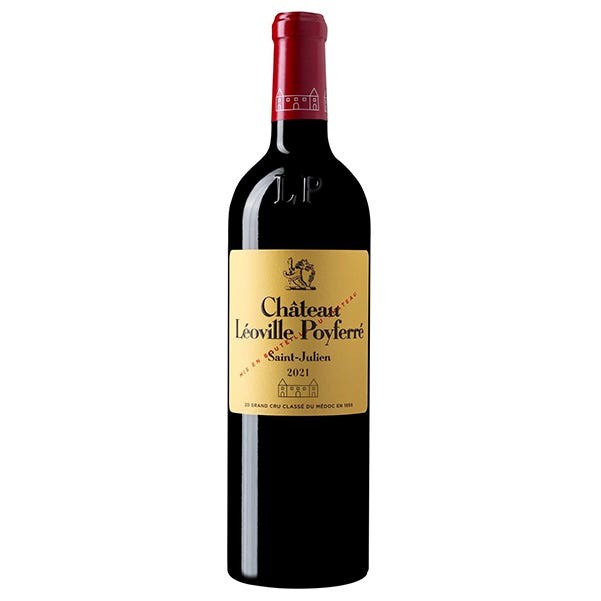


Château Léoville Poyferré
Saint-Julien, St-Julien
Winery in St-Julien, France
 Book with Pearl
The Read
Médoc Second Growth Precision
Why go
Prioritise Château Leoville Poyferre if the St-Julien day is built around serious Bordeaux context rather than casual drop-in tasting. It works better as an anchor appointment in a tightly planned Médoc route than as an add-on between distant appellations.
About Château Léoville Poyferré
Château Leoville Poyferre is a St-Julien venue with Pearl 3 Star Prestige recognition for 2025. Approach the listing with care rather than filling in the gaps with assumptions. Plan with restraint: confirm current visit arrangements, timing, and any services directly with the venue before building a full day around it. That approach keeps the recognition in view while allowing for practical details that may vary by date or arrangement.
The practical notes are simple: the venue is in St-Julien, the cellar master is Isabelle Davin, and the dress code is smart casual. Use those details as the basis for planning rather than assuming a particular format, menu, tasting structure, or level of public access. Smart casual gives a useful cue for how to dress, but it should not be read as a guarantee of the setting, hospitality format, or the amount of time you will spend on site. Treat the listing as a starting point for a well-organised enquiry.
Make it a considered St-Julien stop, not an improvised appointment
Château Leoville Poyferre is best treated as a priority to check in advance. The Pearl 3 Star Prestige (2025) recognition gives it a clear point of reference, and that can make it stand out when you are shaping a St-Julien itinerary. In practical terms, it is better to contact the venue first, establish what is currently possible, and then decide whether it belongs at the centre of the day or as one part of a wider plan.
For a broader St-Julien plan, compare it naturally with other notable names such as Château Langoa-Barton, Château Léoville Barton, Château Talbot, and Chateau Leoville Las Cases. Those comparisons can help you think about pacing and priorities, but they should not replace direct confirmation. Keep the schedule realistic and confirm each venue's current arrangements directly before travel. A restrained plan gives you room to adapt if availability, access, or timing differs from what you expected.
Choose this if the confirmed St-Julien recognition matters to your plan
The strongest reason to keep Château Leoville Poyferre on the shortlist is its Pearl 3 Star Prestige (2025) status in St-Julien. That recognition is the clearest point of reference, and it may be enough to justify further enquiry for travellers who are deliberately building a route around recognised St-Julien venues. Avoid assuming details about the experience, service style, food, drinks, pricing, or access. The most accurate reading is therefore selective: the venue has a notable recognition, a St-Julien location, a chef/owner, and a dress code, while the rest should be checked directly.
If you are comparing premium venues, Chateau Le Pin offers a broader regional point of reference, while Château Langoa-Barton, Château Léoville Barton, Château Talbot, Chateau Leoville Las Cases, and Château Leoville Poyferre can help frame château planning around St-Julien. Use that comparison to clarify what role Château Leoville Poyferre should play in your itinerary: an essential enquiry, a possible St-Julien anchor, or one venue among several to check. Check official sources before deciding how Château Leoville Poyferre fits into your itinerary, and avoid committing the rest of the day until the practical details are current and confirmed.
Planning details
- Location
- 38 Rue de Saint-Julien, 33250 Saint-Julien-Beychevelle
- Website
- leoville-poyferre.fr
- Phone
- +33 5 56 59 08 30
The take
The Take
The Vibe
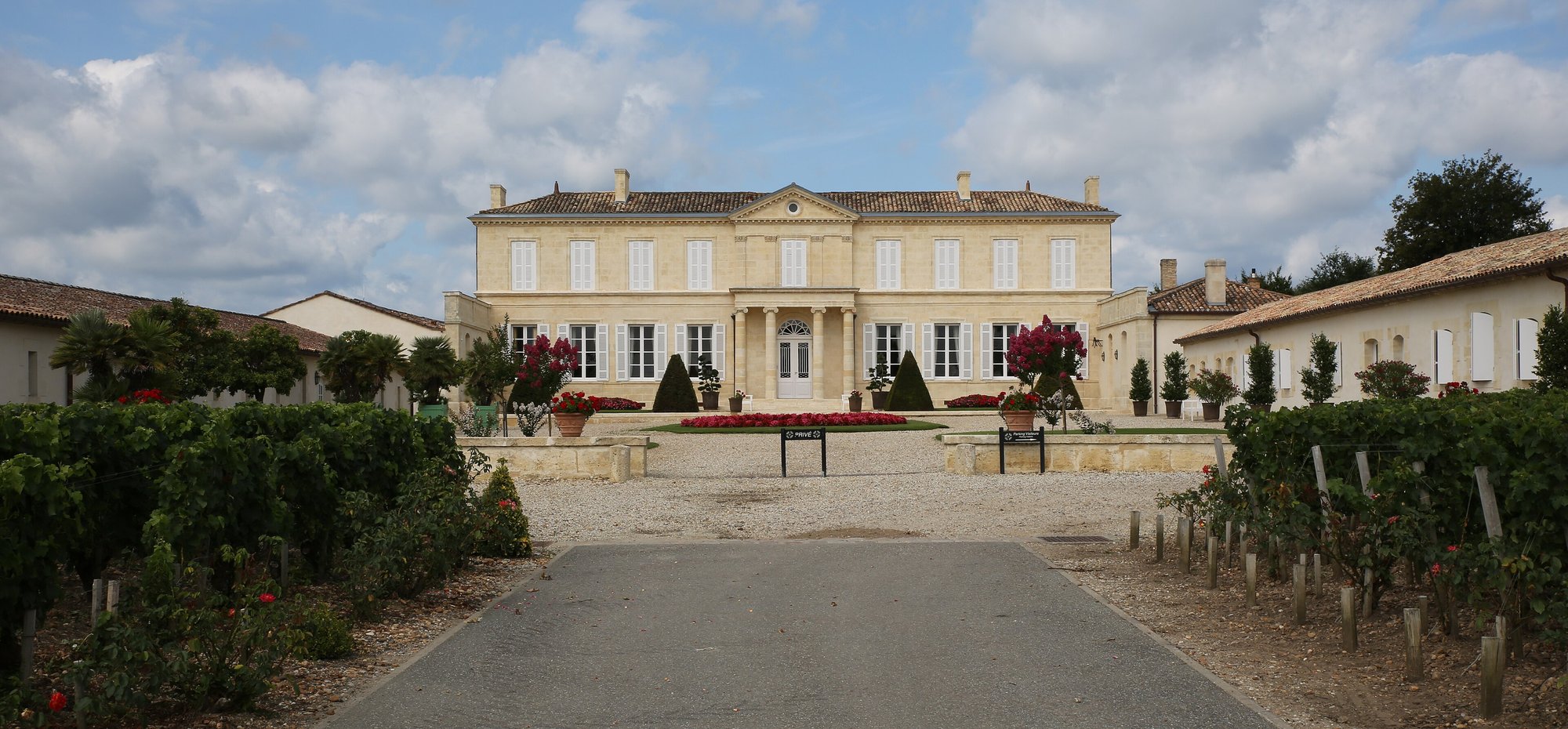
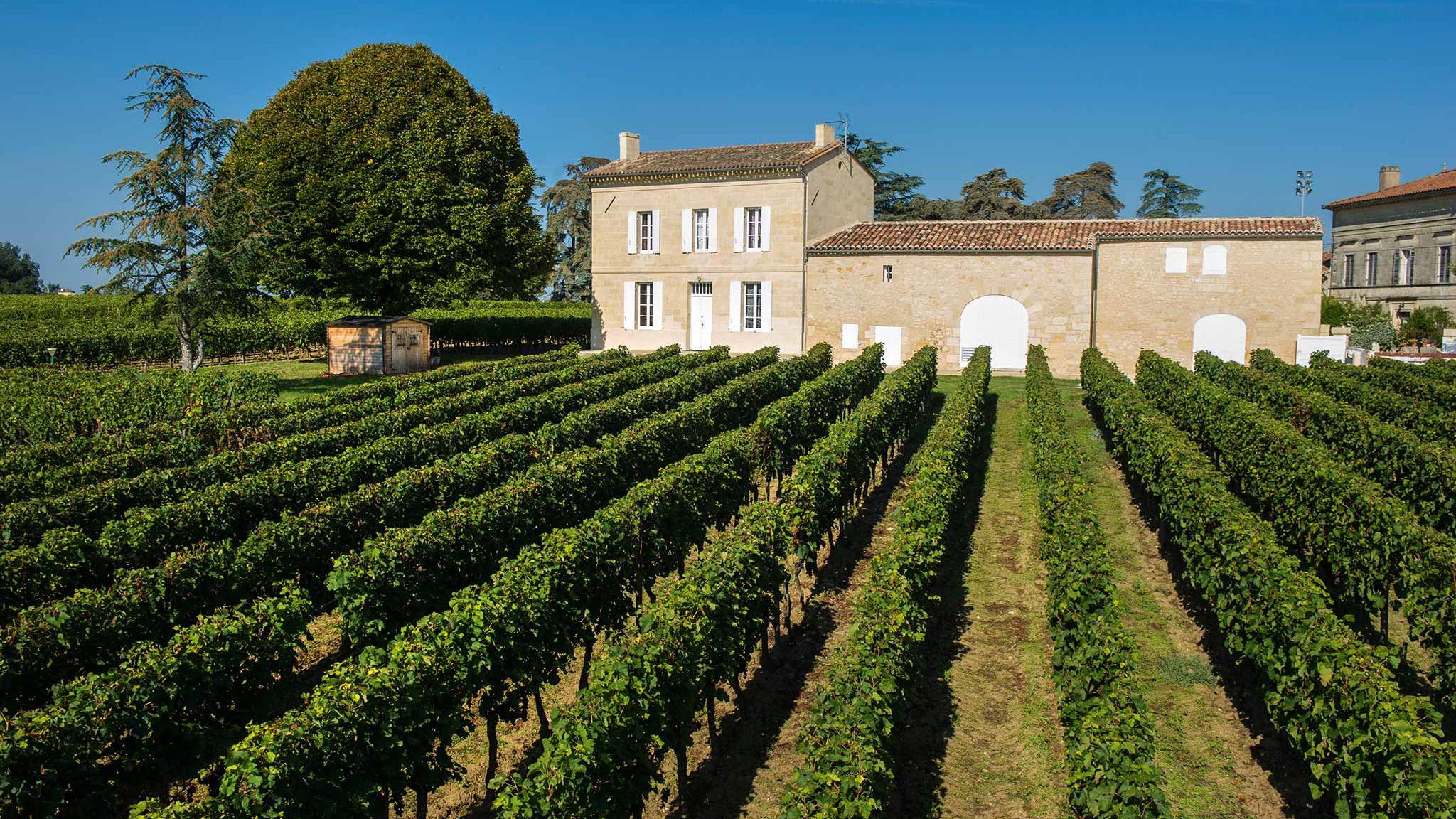
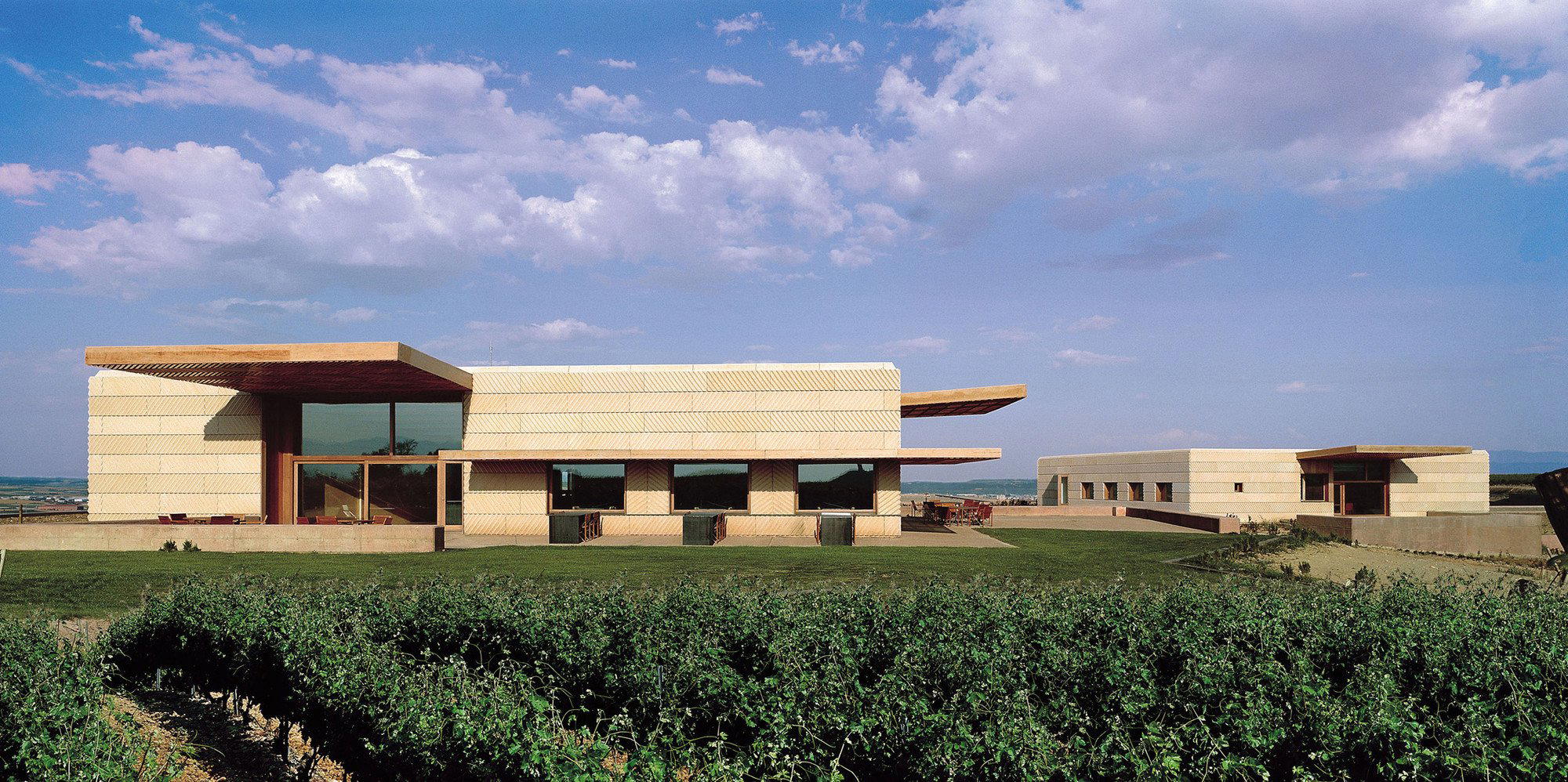
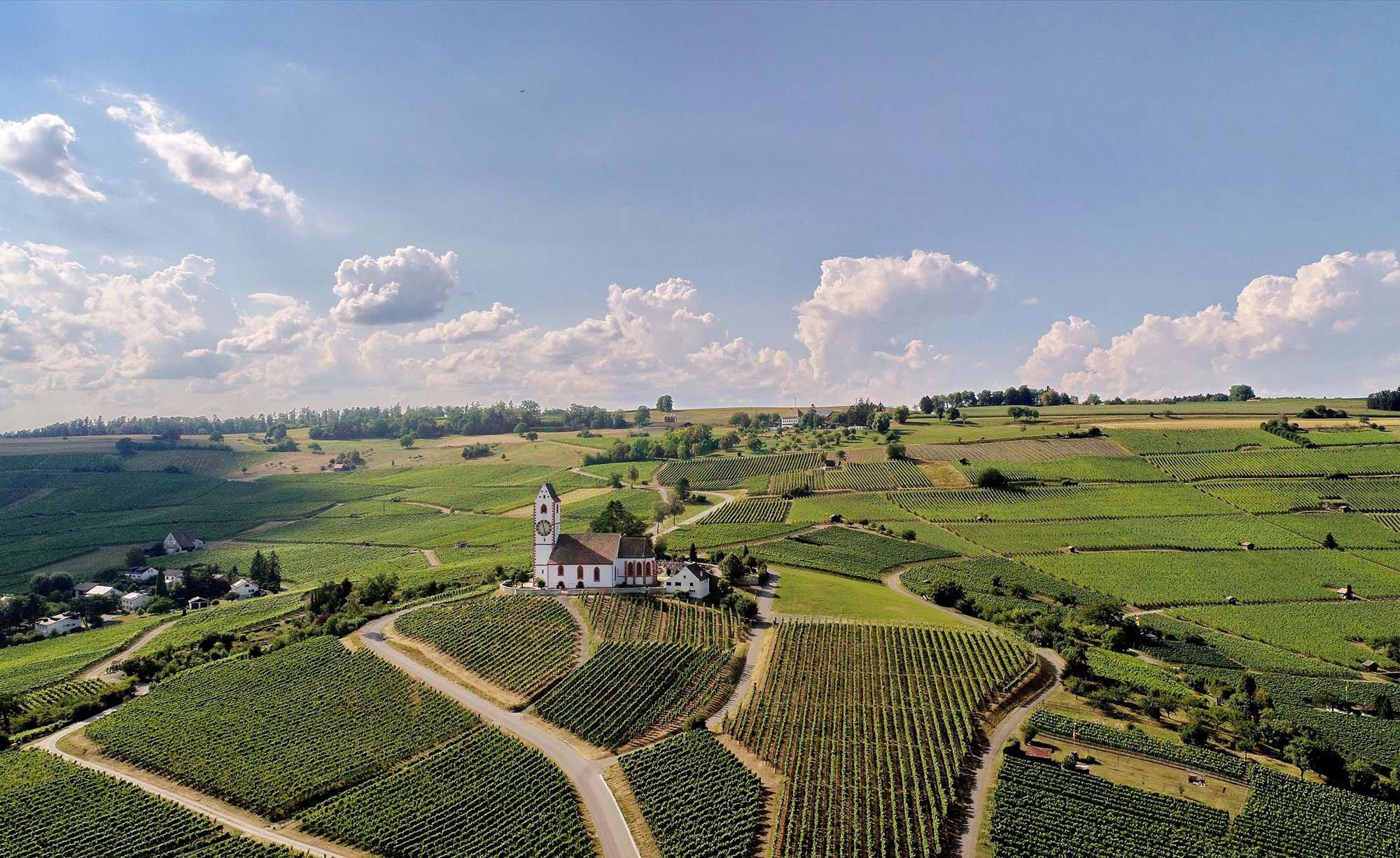
Château Leoville Poyferre presents a measured, historically anchored presence on the St‑Julien plateau. The estate’s story — once part of a vast Leoville holding before the Revolution — is visible in its serious, restrained architecture and the regimented rows of Cabernet that define the landscape. Mornings here feel hushed and observant: gravel and clay soils reflecting low light, vines reaching to a flat horizon. That quiet dignity matches the wines’ temperament, which the estate frames with an emphasis on structure and lineage rather than theatrics.
Best For
This is a visit tailored to people who care about terroir, classification and structured Bordeaux: wine students, collectors and small groups seeking a focused tasting on a Classified Médoc estate. The château’s Second Growth status and its clear stylistic signature — firm tannins, concentrated fruit and a saline, mineral thread — make it an apt stop for educational tastings and for celebrations where pedigree and cellar potential matter. The estate’s calm plateau setting also suits reflective, low‑key visits rather than rowdy outings.
Tasting Tips
When evaluating bottles from Leoville Poyferre, pay attention to the tannic architecture and the saline streak that marks the plateau’s gravel beds. The estate’s wines are Cabernet‑driven and are commonly assessed alongside other Médoc Second Growths, so tasting them in that context helps clarify value and style. Ask about the parcel composition and recent vintages’ ripeness and tannin resolution; expect wines built for structure and aging rather than immediate plushness.
Venue details
Ambiance
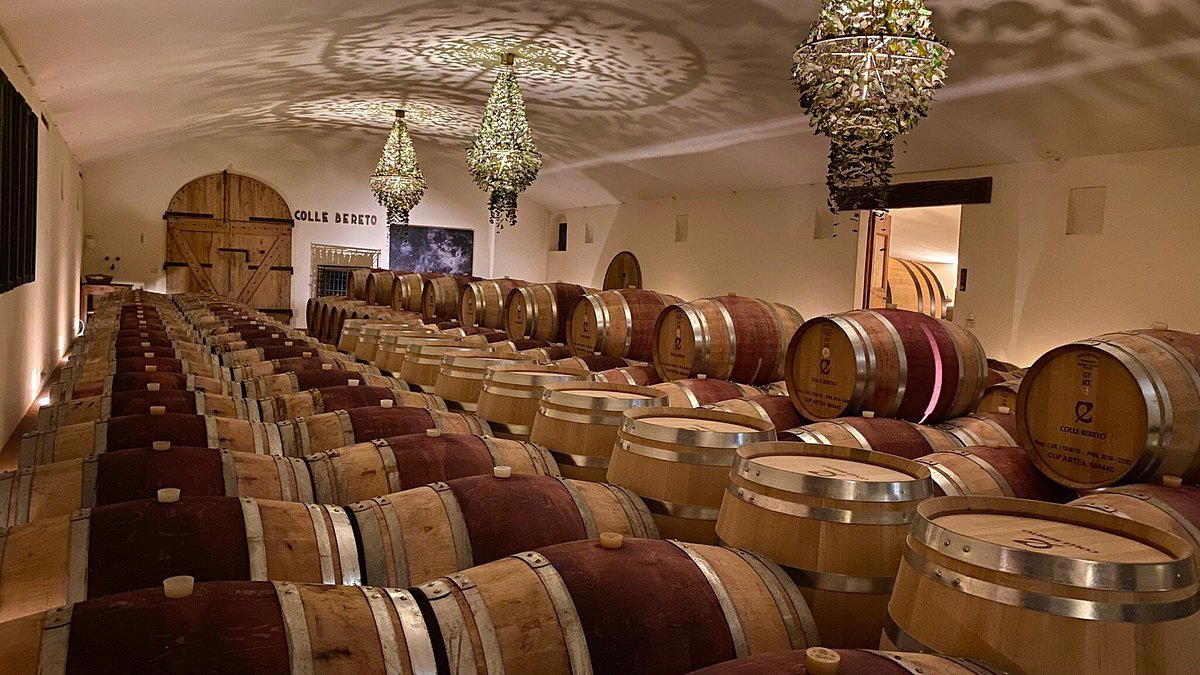
Beautifully manicured property with perfectly appointed tasting rooms, crystal-clear attention to detail throughout, and a welcoming atmosphere that balances historic charm with modern hospitality.
Tags
Vibe
Best For
Experience
View
At the Vineyard
- Appellation
- Saint-Julien AOC
- Varietals
- Cabernet Sauvignon, Merlot, Petit Verdot
- Tour Duration
- 90-120 minutes
- Tour Languages
- English, French
- Visits
- By appointment only
- Wine Styles
- Still Red
- Food Pairing
- Offered
- Wine Club
- Not available
Know before you go
Know Before You Go
- Getting there
- 38 Rue de Saint-Julien, 33250 Saint-Julien-Beychevelle
Planning details
Location
38 Rue de Saint-Julien, 33250 Saint-Julien-Beychevelle · Directions
Recognition and awards

Also consider
Also Consider
- Chateau Leoville Las Cases, Notable alternative
- Chateau Le Pin, Notable alternative
- Château Léoville Barton, Notable alternative
- Château Langoa-Barton, Notable alternative
- Château Talbot, Notable alternative
Winery context
How it compares in St-Julien and beyond
Choose Château Leoville Poyferre when the priority is a serious St-Julien benchmark with a polished château context. Chateau Leoville Las Cases is the tougher comparison for collectors who want a more austere, high-prestige reference point, while Château Léoville Barton and Château Langoa-Barton make sense for travellers who want the Barton family connection and a slightly more traditional-feeling St-Julien frame.
Château Talbot is the better cross-shop if the group values name recognition and a broader Médoc itinerary over chasing the hardest appointment. Chateau Le Pin sits outside the St-Julien decision set: consider it only if the trip is expanding into Right Bank trophy territory rather than staying focused on Left Bank comparison.
For value of time, this is strongest when paired with one or two nearby St-Julien estates rather than forced into a long multi-region day. If access is the problem, start with Château Talbot, Château Léoville Barton, or Château Langoa-Barton as alternatives before rebuilding the route around another appellation.
Explore St-Julien
Around this place
Discover more on Pearl
Unlock the full Château Léoville Poyferré guide in Pearl, including awards, comparisons, FAQs, planning details, and nearby places.
Compare Château Léoville Poyferré
| Venue | Location | Awards |
|---|---|---|
| Château Leoville Poyferre | St-Julien | 2026 Falstaff Winery Guide2025 Pearl 3 Star Prestige |
| Chateau Leoville Las Cases | Bordeaux | 2026 Falstaff Winery Guide2026 Michelin 3 Grapes - Bordeaux2025 Pearl 4 Star Prestige |
| Chateau Le Pin | Saint-Julien-Beychevelle | 2025 Pearl 4 Star Prestige |
| Château Léoville Barton | Saint-Julien-Beychevelle | 2026 Michelin 1 Grape - Bordeaux2026 Falstaff Winery Guide2025 Pearl 4 Star Prestige |
| Château Langoa-Barton | Saint-Julien-Beychevelle | 2026 Michelin 1 Grape - Bordeaux2026 Falstaff Winery Guide |
| Château Talbot | Saint-Julien-Beychevelle | 2026 Michelin Grape Main Selection - Bordeaux2026 Falstaff Winery Guide2025 Pearl 4 Star Prestige |



How Château Leoville Poyferre St-Julien compares with similar nearby venues.
FAQ
Frequently Asked Questions
Do I need a reservation at Château Leoville Poyferre?
Does Château Leoville Poyferre have a member program?
Château Leoville Poyferre has Pearl 3 Star Prestige (2025) recognition. Ask the venue directly about any club benefits, access terms, or purchase arrangements.
What other venues are near Château Leoville Poyferre?
Relevant comparisons include Château Léoville Barton, Château Langoa-Barton, Château Talbot, and Chateau Leoville Las Cases, with other St-Julien venues considered generically depending on your route.
How long should I plan for a visit to Château Leoville Poyferre?
What is Château Leoville Poyferre best known for here?
Château Leoville Poyferre is best known for its St-Julien location, Isabelle Davin as chef/owner, smart casual dress code, and Pearl 3 Star Prestige (2025) recognition. Check current offerings directly with the venue.