
Weingut Karl Haidle
Kernen-Stetten
Winery in Kernen-Stetten, Germany
 Book with Pearl
The Read
Keuper Terroir Precision
Why go
Book Weingut Karl Haidle if the priority is a serious Kernen-Stetten winery stop rather than a meal-led tasting. It suits wine-focused travelers building a Remstal itinerary, while visitors who need a full food pairing program or restaurant-style pacing should plan dining separately.
About Weingut Karl Haidle
Weingut Karl Haidle is a venue in Kernen-Stetten with Pearl 2 Star Prestige (2025). The safest way to plan is to confirm details directly with the venue rather than relying on assumptions about visit format, opening times, pricing, group capacity, or services.
The dress code is casual, so the practical expectation is direct: dress comfortably and check the venue's own channels before making plans. For travelers comparing options, keep the focus on Weingut Karl Haidle as a Kernen-Stetten stop and avoid building an itinerary around assumptions.
Choose it for a confirmed Kernen-Stetten venue with recognition
The clearest reasons to keep Weingut Karl Haidle on a shortlist are its location in Kernen-Stetten and its Pearl 2 Star Prestige (2025) recognition. Beyond that, specific claims about menus, tastings, prices, reservations, or visitor format should be confirmed with the venue directly.
If you are comparing it with other relevant venues, names to consider include Weingut Aldinger, Weingut Dautel, Weingut Graf Neipperg, Weingut Klumpp, and Weingut Rainer Schnaitmann. For dining plans in Kernen-Stetten, use other local dining options separately rather than assuming Weingut Karl Haidle operates as a restaurant.
How to place it in a wider itinerary
Place Weingut Karl Haidle in an itinerary as a Kernen-Stetten venue with confirmed Pearl 2 Star Prestige (2025), not as a source of assumed services or a guaranteed meal-led experience. If timing, booking, or group arrangements matter, verify those details before committing your schedule.
For a simple comparison set, look at other named venues such as Weingut Aldinger, Weingut Dautel, Weingut Graf Neipperg, Weingut Klumpp, and Weingut Rainer Schnaitmann. Keep any wider plans flexible unless the venue itself confirms the specific visit format you need.
Planning details
- Location
- Hindenburgstraße 21, 71394 Kernen im Remstal
- Website
- weingut-karl-haidle.de
- Phone
- +49 7151 949110
The take
The Take
The Vibe
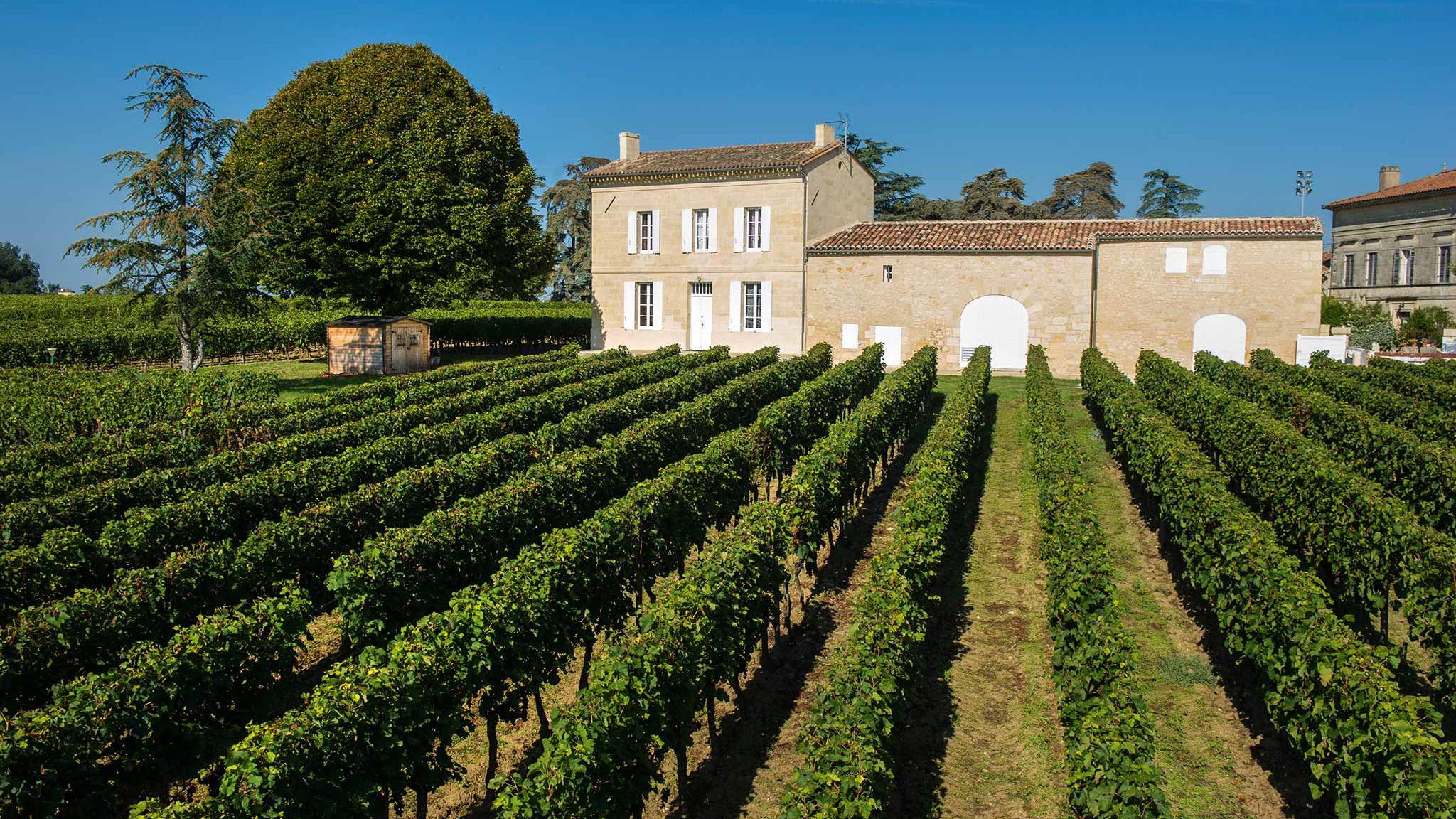
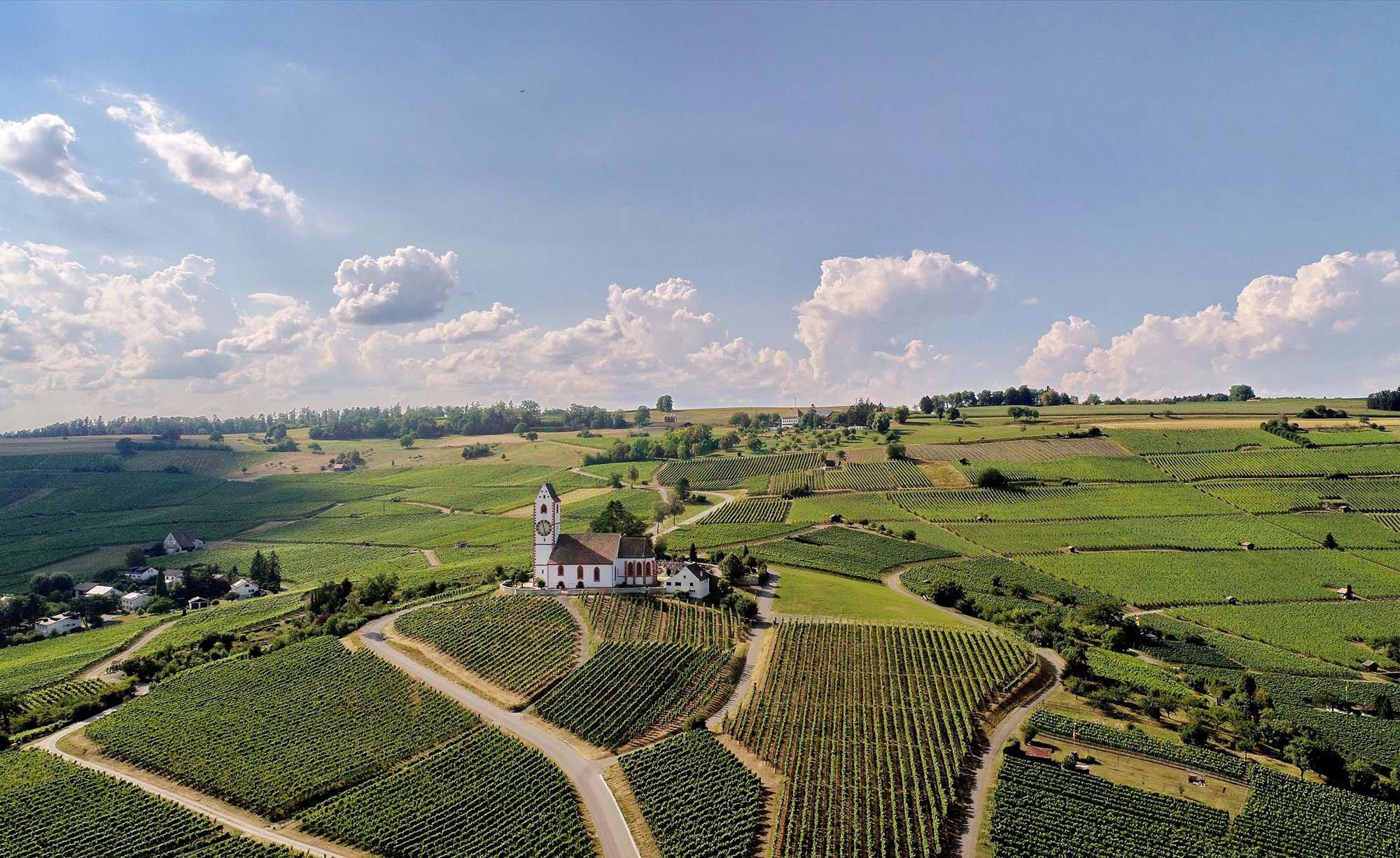
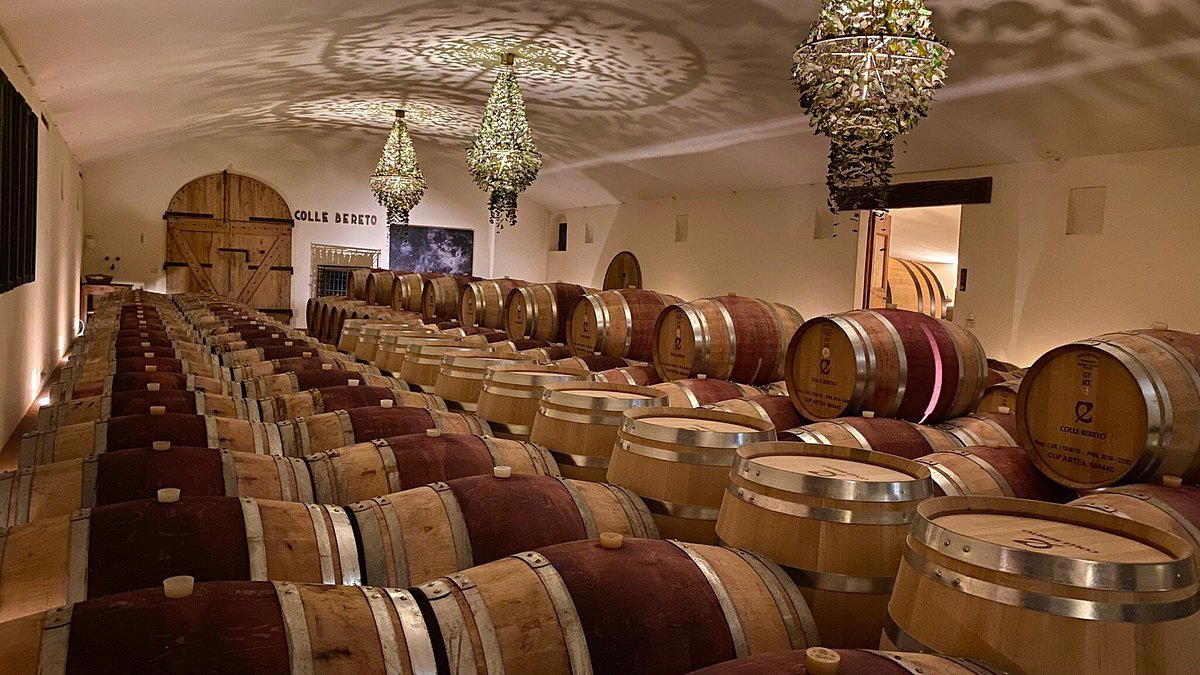
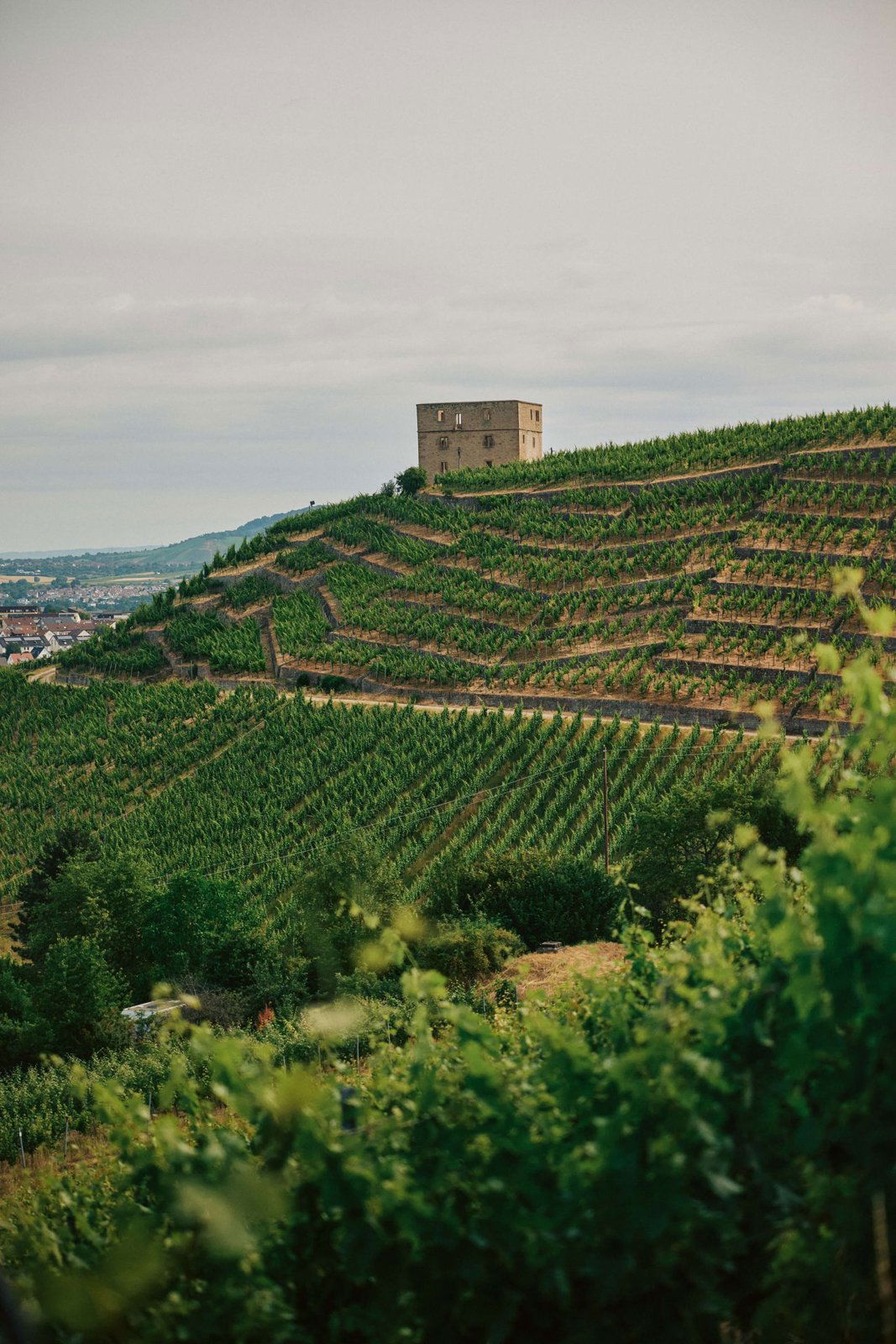
Weingut Karl Haidle feels quietly historic and unostentatious. Set in Kernen-Stetten within the long-cultivated Remstal valley, the estate reads like working agricultural architecture rather than a purpose-built tasting destination. You encounter cellars tucked behind residential facades and vineyards that press right up to the village edge — details that emphasize continuity with a medieval viticultural landscape. The winery’s recent external recognition is quietly consequential here; the sense is of small-scale production and site-focused winemaking rather than flashy visitor theatre. It’s a place for thoughtful visitors who appreciate provenance and understatement.
Best For
This is a winery for people who come to learn about place and practice rather than to be entertained. The writing leans heavily toward terroir, soils and site variation, so it suits wine-education-minded visitors, solo explorers and small parties marking a meaningful occasion. Because the operation reads as a production facility that welcomes guests rather than a visitor-centered estate, expectations should tilt toward intimate, low-key tastings and conversation about vineyard sites rather than formal hospitality programming or large-group events.
Tasting Tips
Treat visits here as an encounter with production: ask to taste through site-specific bottlings and to hear the winemaker’s take on the Remstal’s varied soils and exposures. The write-up warns that this is not a theatrical tasting destination, so be prepared for modest visitor infrastructure and a straightforward, cellar-focused experience. If you want context, request a look at the working cellars or a short walk onto the adjacent vineyards — both are consistent with the description — and assume that a focused tasting and conversation about terroir will be the most rewarding use of your time.
Venue details
Ambiance
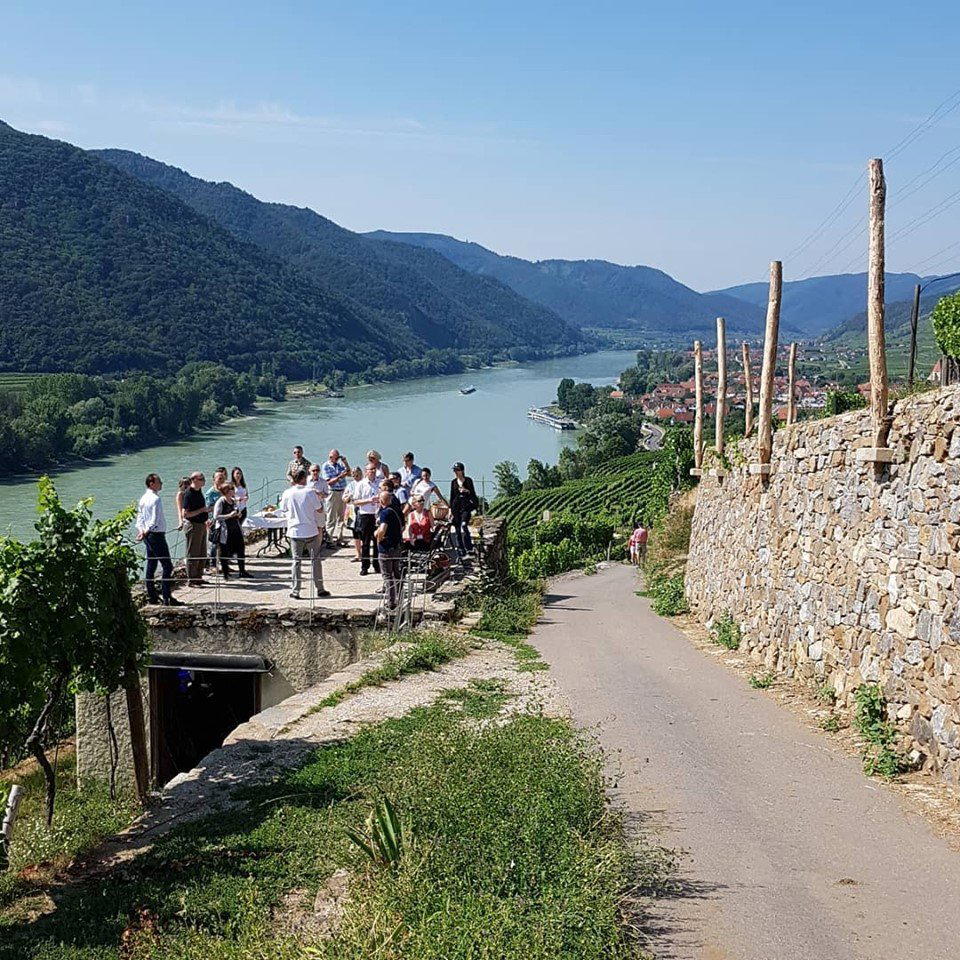
Rustic and focused atmosphere emphasizing terroir through old vines on ancient terraces, with a minimalist cellar approach fostering purity and salinity in the wines.
Tags
Vibe
Best For
Experience
Sourcing
View
At the Vineyard
- Appellation
- Württemberg
- Varietals
- Riesling, Lemberger, Trollinger, Pinot_Noir, Kerner
- Wine Club
- Not available
Know before you go
Know Before You Go
- Getting there
- Hindenburgstraße 21, 71394 Kernen im Remstal
Planning details
Location
Recognition and awards

Also consider
Also Consider
- Weingut Rainer Schnaitmann, Notable alternative
- Weingut Aldinger, Notable alternative
- Weingut Dautel, Notable alternative
- Weingut Graf Neipperg, Notable alternative
- Weingut Klumpp, Notable alternative
Winery context
How It Compares
Against Weingut Rainer Schnaitmann and Weingut Aldinger, Weingut Karl Haidle is the Kernen-Stetten pick for travelers who want the visit anchored in the village rather than treated as a broad regional detour. With no public price tier to compare cleanly, the decision should lean on itinerary fit: choose Haidle for Remstal focus, Schnaitmann or Aldinger when the day is built around a wider.
Weingut Dautel and Weingut Graf Neipperg make more sense for travelers cross-shopping outside Kernen-Stetten, especially if the route already points beyond the immediate village. Haidle is harder to justify as a casual add-on; treat it as the main wine appointment and build food, hotels, and transport around it.
Weingut Klumpp is the alternative to consider if availability or routing pushes the trip elsewhere. For ambiance, expect the choice to come down less to luxury cues and more to how specific the itinerary is: Haidle for a focused Remstal stop, Klumpp for a broader Baden-Württemberg wine day.
Explore Kernen-Stetten
Around this place
Discover more on Pearl
Unlock the full Weingut Karl Haidle guide in Pearl, including awards, comparisons, FAQs, planning details, and nearby places.
Compare Weingut Karl Haidle
| Venue | Location | Awards |
|---|---|---|
| Weingut Karl Haidle | Kernen-Stetten | 2026 Falstaff Winery Guide |
| Weingut Rainer Schnaitmann | Fellbach | 2026 Falstaff Winery Guide |
| Weingut Aldinger | Fellbach | 2026 Falstaff Winery Guide |
| Weingut Dautel | Bönnigheim | 2026 Falstaff Winery Guide |
| Weingut Graf Neipperg | Schwaigern | 2026 Falstaff Winery Guide |
| Weingut Klumpp | Bruchsal | 2026 Falstaff Winery Guide |
How Weingut Karl Haidle compares with similar nearby venues.
FAQ
Frequently Asked Questions
Do I need a reservation at Weingut Karl Haidle?
How long should I plan for a visit to Weingut Karl Haidle?
Plan only after checking the venue's current information, since timing can depend on the format offered by the venue.
Can Weingut Karl Haidle handle large groups?
If you are planning for a group, contact Weingut Karl Haidle directly before assuming it can accommodate your party.
What should I wear to Weingut Karl Haidle?
What specific offerings are available at Weingut Karl Haidle?
Check Weingut Karl Haidle's own materials for current details and availability.
Does Weingut Karl Haidle offer delivery or shipping?
When is the best time to visit Weingut Karl Haidle?
The safest approach is to check the venue's current information and plan around confirmed availability.