

Domaine Michel Lafarge
Volnay
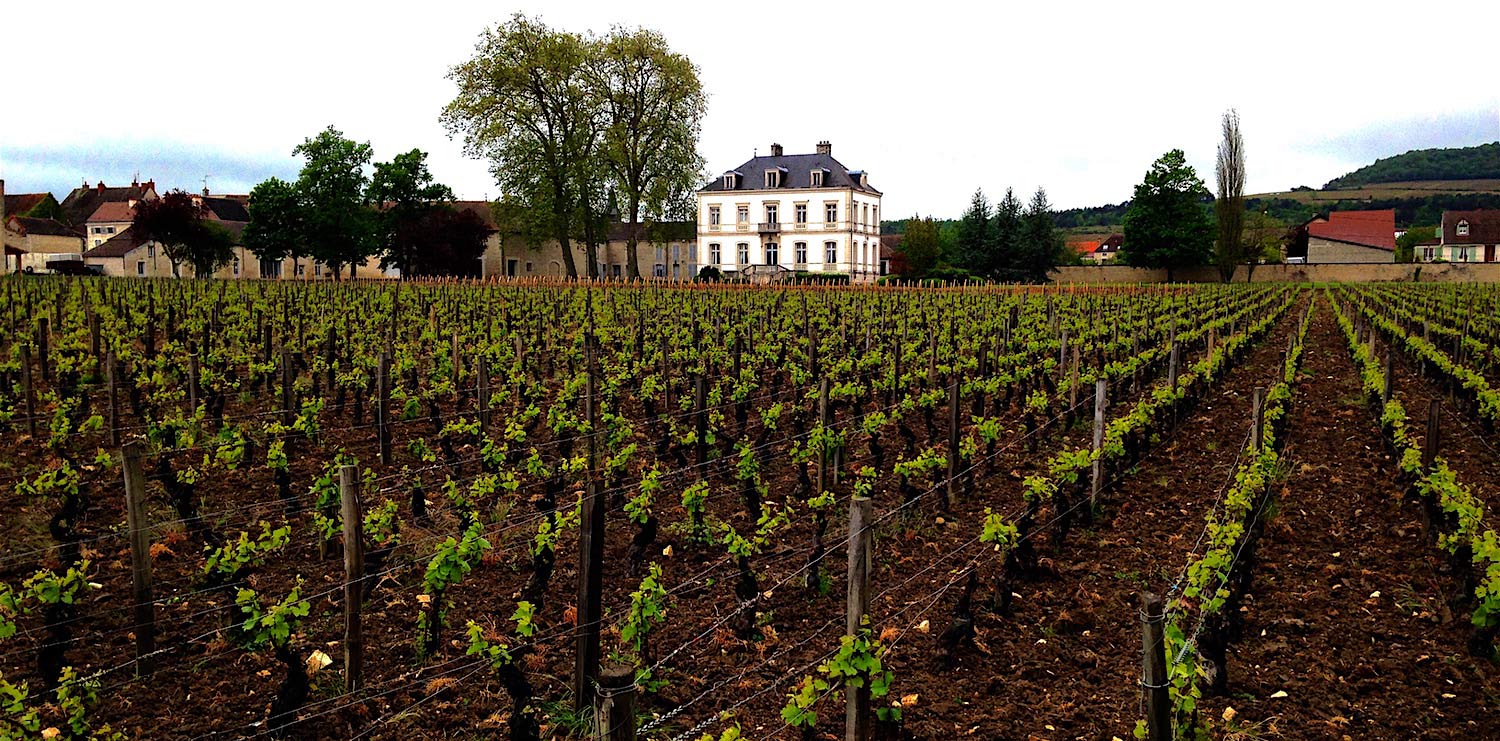
Winery in Volnay, France
 Book with Pearl
The Read
Slope-Rooted Burgundy Restraint
Why go
Domaine Michel Lafarge is for Burgundy travelers who want a serious Volnay anchor, not a casual tasting-room stop. The 1953 first vintage and current Lafarge family names give it strong continuity, but planning needs to be disciplined. Cross-shop Domaine Marquis d'Angerville or Domaine Thomas Bouley if the schedule needs another Volnay-focused option.
About Domaine Michel Lafarge
Domaine Michel Lafarge is a Volnay venue associated with Frédéric Lafarge and Chantal Lafarge (née Manceau). Plan with care and confirm practical details directly with the venue before setting the itinerary.
Why serious Volnay planners should keep it in mind
The clearest reasons to keep Domaine Michel Lafarge on a Volnay itinerary are its named leadership and recognition: Frédéric Lafarge and Chantal Lafarge are attached to the venue, and it holds Pearl 4 Star Prestige recognition for 2025. The dress code is smart casual.
Because booking rules, structure, pricing, and opening hours are not stated here, treat this as a focused planning entry rather than a complete visitor brief. If Domaine Michel Lafarge is a priority, confirm practical details directly before arranging the rest of the day.
How to think about the Volnay alternatives
If only one venue can make the schedule, compare Domaine Michel Lafarge with other named options such as Domaine Marquis d'Angerville, Domaine Thomas Bouley, Domaine Parent, Domaine de Montille, and Domaine de la Pousse d'Or. Keep the comparison practical: decide based on confirmed availability and how each stop fits the rest of the itinerary.
For a broader trip, keep the Volnay day focused and avoid building the plan around assumptions. Other options in and around Volnay can be considered generically, but Domaine Michel Lafarge does not establish specific services, schedules, prices, or group policies.
Planning details
- Location
- 15 Rue de la Combe, 21190 Volnay
- Website
- domainelafarge.com
- Phone
- +33 3 80 21 61 61
The take
The Take
The Vibe
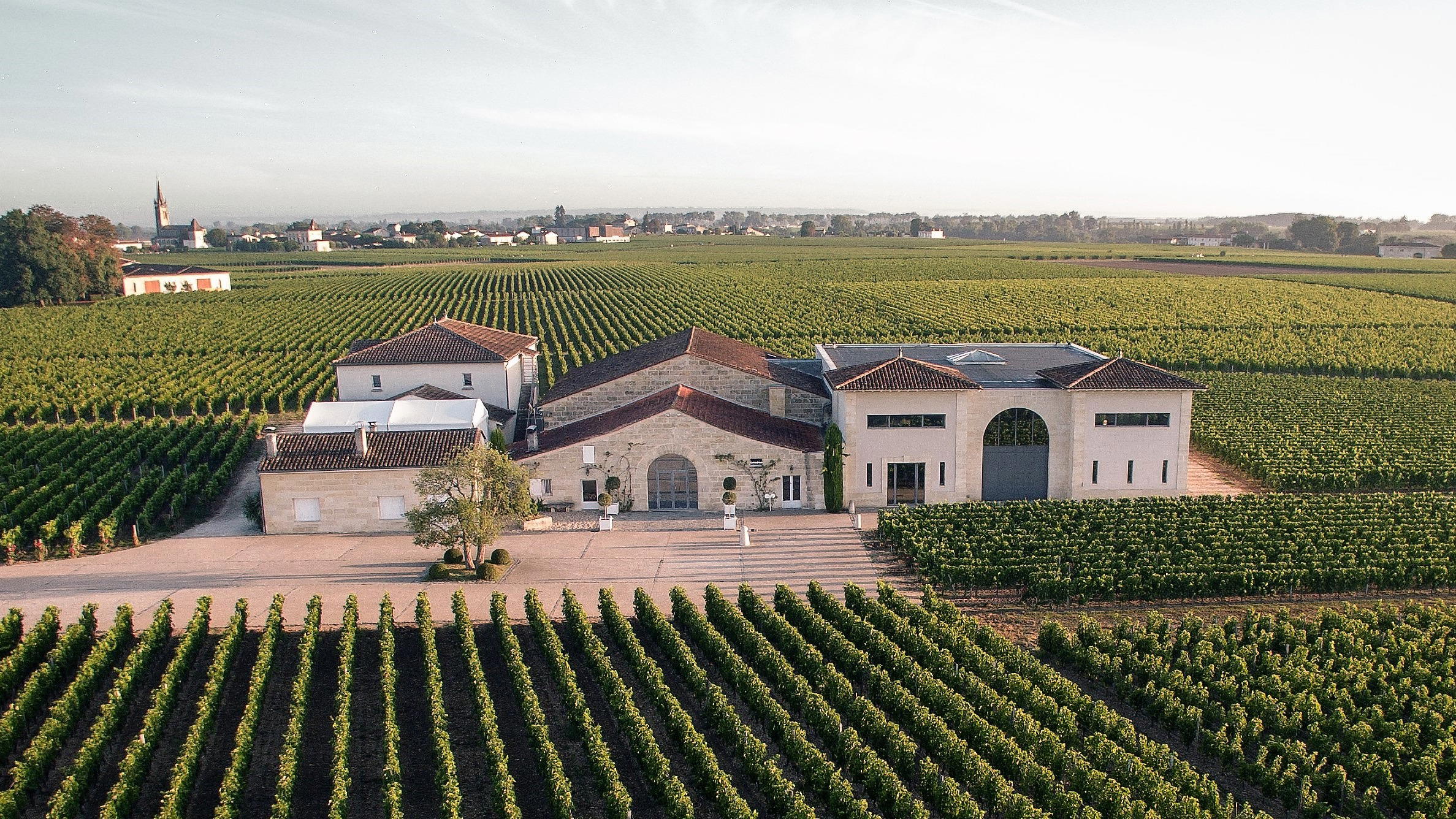
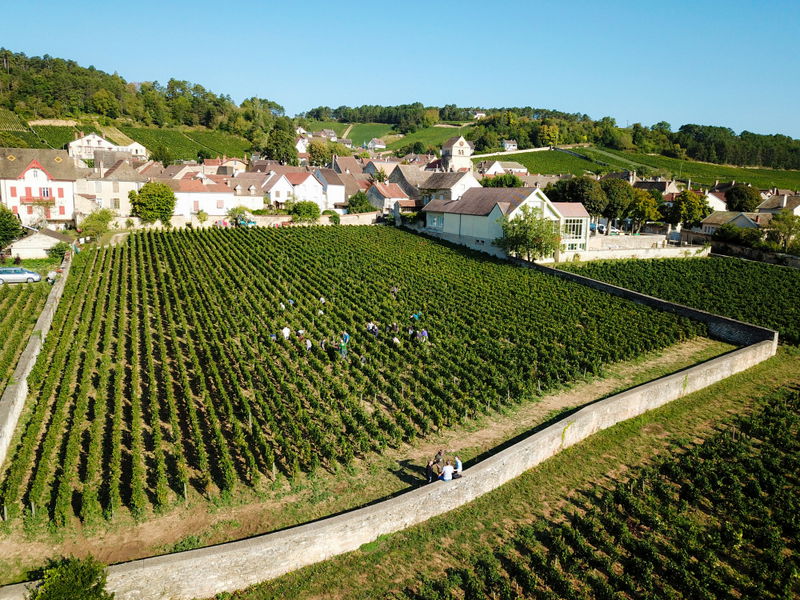
Domaine Michel Lafarge reads like a quietly authoritative Burgundian estate: understated, historically rooted and firmly of its slope. There’s no glass-walled pavilion or flashy signage—approach is via stone walls and tight-hedged vineyards that signal a hands-on, multigenerational domaine. The property feels like a hidden piece of Volnay, where the land’s limestone and elevation shape wines that favor finesse over power. Visitors encounter a reserve and seriousness of purpose rather than theatrical hospitality; the overall impression is of a scenic, historic hideaway that rewards those who care about terroir and lineage.
Best For
This domaine is best for people who come to learn and to listen: wine students, collectors and solitary explorers who want to parse the effects of slope, drainage and limestone on Pinot Noir. The estate’s long family history and emphasis on site-specific character make it an ideal stop when your aim is education rather than entertainment. It’s not a loud, tourist-focused stop; instead it suits visitors who prefer quiet tasting encounters and who appreciate provenance, continuity and the subtleties that distinguish Volnay from neighbouring villages.
Tasting Tips
When engaging with the domaine, focus your questions on site and vintage: ask about the specific parcels on the Volnay slope, how soil and exposure influence structure, and how the estate’s long continuity since 1953 informs current bottlings. Seek out village- and lieu-dit-level expressions that illustrate limestone-driven finesse rather than overt power. Given the estate’s understated presentation—no panoramic pavilion—expect a restrained tasting experience and plan visits with attention to the domaine’s working vineyard context rather than theatrical amenities.
Venue details
Ambiance
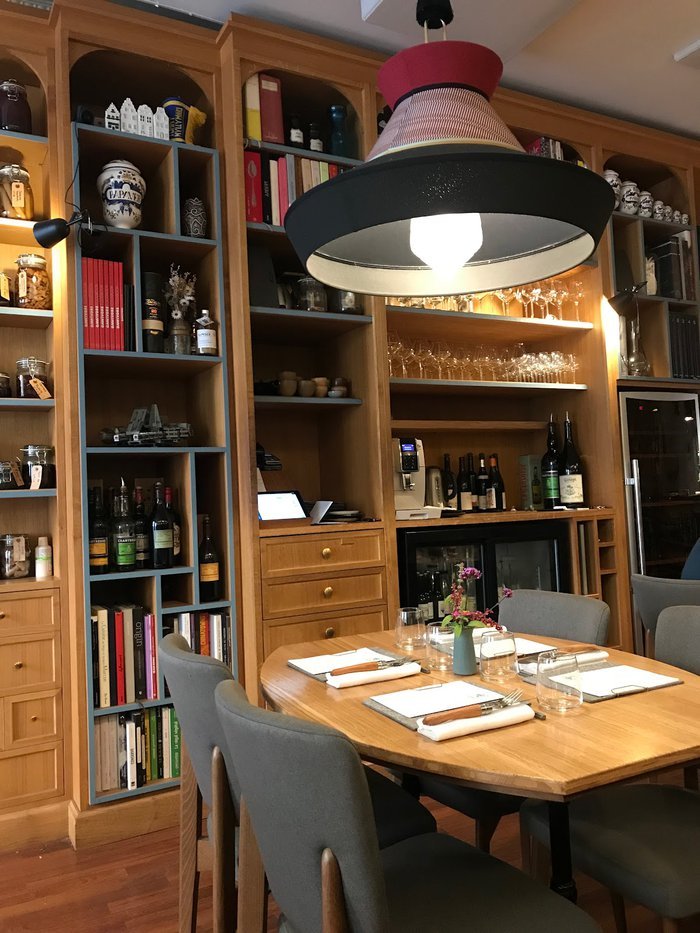
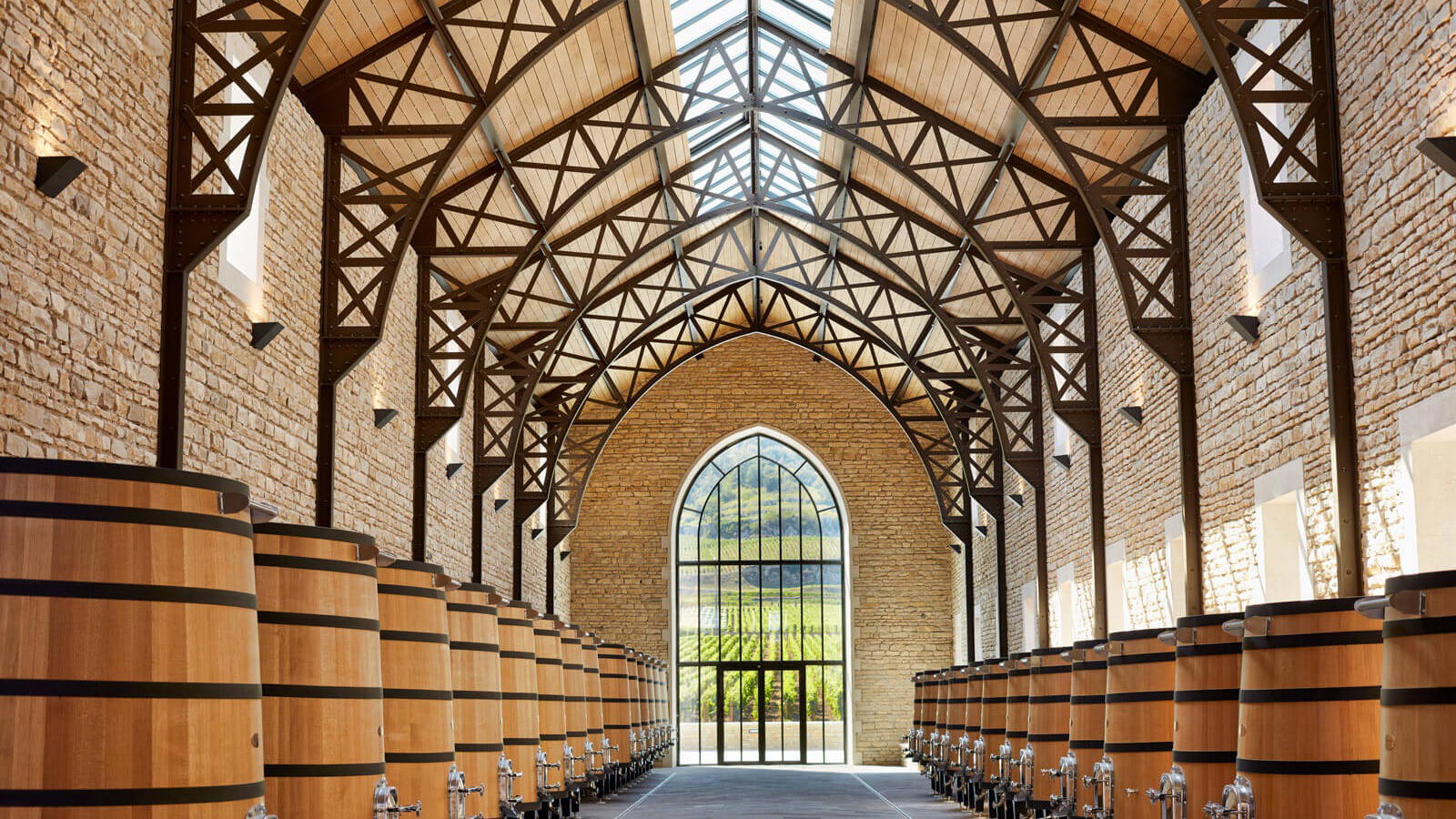
Traditional, dimly lit historic cellar with low ceilings, evoking timeless elegance and terroir transparency through meticulous biodynamic practices.
Tags
Vibe
Best For
Experience
Sourcing
View
Accessibility
At the Vineyard
- Appellation
- Volnay AOC
- Varietals
- Pinot Noir, Chardonnay, Aligoté, Gamay
- Tour Duration
- 60-90 minutes
- Tour Languages
- French, English
- Visits
- By appointment only
- Farming
- Biodynamic
- Wine Styles
- Still Red
- Wine Club
- Available
Know before you go
Know Before You Go
- Getting there
- 15 Rue de la Combe, 21190 Volnay
Planning details
Location
Recognition and awards

Also consider
If You Can't Make It Work
Try Domaine Marquis d'Angerville first if the priority is another serious Volnay address. Try Domaine Thomas Bouley if the plan needs a village-focused alternative with less pressure on a single appointment.
Winery context
How It Compares in Volnay
Domaine Michel Lafarge is the choice for travelers prioritizing producer depth and Volnay continuity over ease. Compared with Domaine de Montille and Domaine de la Pousse d'Or, it feels more like a focused village target than a broader Burgundy-planning stop. Pick it when the trip is built around Volnay itself.
Domaine Marquis d'Angerville is the cleanest peer for a serious Volnay cross-shop, especially if the goal is another benchmark address in the village. Domaine Thomas Bouley is the practical alternate to keep in play when flexibility matters. Domaine Parent is better treated as an out-of-metro comparison rather than a like-for-like Volnay substitute.
For value, the decision is not about posted pricing but about opportunity cost: a hard-to-secure producer visit can justify reshaping the day if Volnay is the point of the trip. If the group wants lower-friction logistics, broader hospitality, or a less appointment-dependent plan, start with Domaine de Montille, Domaine de la Pousse d'Or, or Domaine Thomas Bouley before committing the whole itinerary here.
Explore Volnay
Around this place
Discover more on Pearl
Unlock the full Domaine Michel Lafarge guide in Pearl, including awards, comparisons, FAQs, planning details, and nearby places.
Compare Domaine Michel Lafarge
| Venue | Location | Awards |
|---|---|---|
| Domaine Michel Lafarge | Volnay | 2026 Falstaff Winery Guide2026 Michelin 1 Grape - Burgundy2025 Pearl 4 Star Prestige |
| Domaine de Montille | Volnay | 2026 Michelin 1 Grape - Burgundy2025 Pearl 4 Star Prestige |
| Domaine de la Pousse d'Or | Volnay | 2026 Falstaff Winery Guide2025 Pearl 4 Star Prestige |
| Domaine Thomas Bouley | Volnay | 2026 Falstaff Winery Guide2026 Michelin 3 Grapes - Burgundy |
| Domaine Marquis d'Angerville | Volnay | 2026 Michelin 1 Grape - Burgundy2026 Falstaff Winery Guide |
| Domaine Parent | Pommard | No published awards |
How Domaine Michel Lafarge Volnay compares with similar nearby venues.
FAQ
Frequently Asked Questions
Do I need a reservation at Domaine Michel Lafarge?
The reservation policy is not specified. Domaine Michel Lafarge carries Pearl 4 Star Prestige recognition for 2025, so confirm arrangements directly before planning around it.
Can Domaine Michel Lafarge handle large groups?
The group capacity and group policy are not stated. If you are planning with several people, confirm directly with Domaine Michel Lafarge before setting the itinerary.
What is Domaine Michel Lafarge known for?
Domaine Michel Lafarge is a Volnay venue associated with Frédéric Lafarge and Chantal Lafarge (née Manceau), with Pearl 4 Star Prestige recognition for 2025.
Where is Domaine Michel Lafarge located?
Domaine Michel Lafarge is located in Volnay.