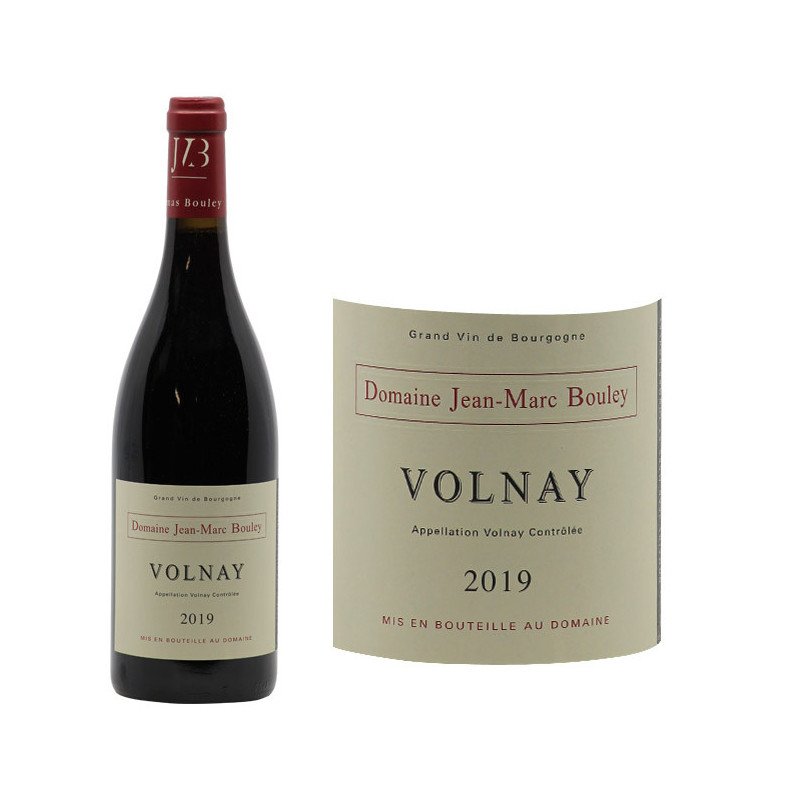

Domaine Thomas Bouley
Volnay
Winery in Volnay, France
 Book with Pearl
The Read
Limestone-Rooted Volnay Precision
Why go
Domaine Thomas Bouley is worth pursuing for a Volnay-focused Burgundy itinerary, especially if the goal is producer context rather than a casual tasting-room stop. Plan with flexibility: public visitor details are not the draw, and nearby Volnay peers are essential backups if access is difficult.
About Domaine Thomas Bouley
Domaine Thomas Bouley is a Volnay venue with Pearl 3 Star Prestige (2025) recognition and a smart casual dress code. These details are useful starting points, establishing both the setting and the general level of formality a traveler should have in mind. Planning information, however, should be treated cautiously: do not assume specific hours, formats, food service, pricing, or visitor arrangements unless confirmed directly through the venue's own channels. In practical terms, that means the venue should be approached with interest, but not with a fixed expectation of how a visit will unfold.
The safest way to consider Domaine Thomas Bouley is as a Volnay stop for travelers who are already planning time in the village. It may be relevant for an itinerary built around Volnay, especially for visitors who want their day to remain geographically and thematically focused. Plan with flexibility and confirm practical details before building the rest of the day around it, particularly if the schedule depends on precise timing or a clearly defined format.
Plan it as a Volnay-focused stop, not a visit with assumed services
If Domaine Thomas Bouley is part of the plan, keep the context tight and Volnay-centered. Natural comparison points include Domaine Marquis d'Angerville, Domaine Michel Lafarge, Domaine Parent, Domaine de Montille, and Domaine de la Pousse d'Or. Considering these names together can help frame the broader planning context. This approach is especially helpful because it treats the venue as part of a carefully planned itinerary rather than as a standalone appointment with guaranteed services.
Avoid assuming details that have not been confirmed: published hours, visitor infrastructure, availability, food service, and timing should be checked. Confirm directly before traveling, and leave enough flexibility in the schedule so that a change in plans does not disrupt the rest of the day. A smart casual dress code gives some guidance on presentation, but it should not be read as evidence of any particular hospitality format. The most reliable planning posture is therefore simple: verify first, keep the day adaptable, and avoid treating unconfirmed logistics as settled facts.
Who should prioritize it
Domaine Thomas Bouley is most relevant for travelers who are specifically interested in Volnay and want to understand the village through carefully planned visits. Its location in Volnay, its Pearl 3 Star Prestige (2025) recognition, and its smart casual dress code make it a meaningful name to keep on a Volnay list, but they do not answer every practical question a visitor may have. Anything more specific should be checked directly rather than assumed, including whether a particular day, time, or type of visit is possible.
If the visit does not come together, keep the itinerary focused on other relevant options rather than switching to an unrelated category. Domaine Marquis d'Angerville offers another reference point, while Domaine de Montille can be considered as part of a broader plan. The key is to treat Domaine Thomas Bouley as one possible Volnay stop, not as a guaranteed experience without confirmed services or format. Travelers who are comfortable with that level of uncertainty will be best positioned to include it thoughtfully, while those who need firm logistics should confirm every practical detail before making it central to the day.
Planning details
- Location
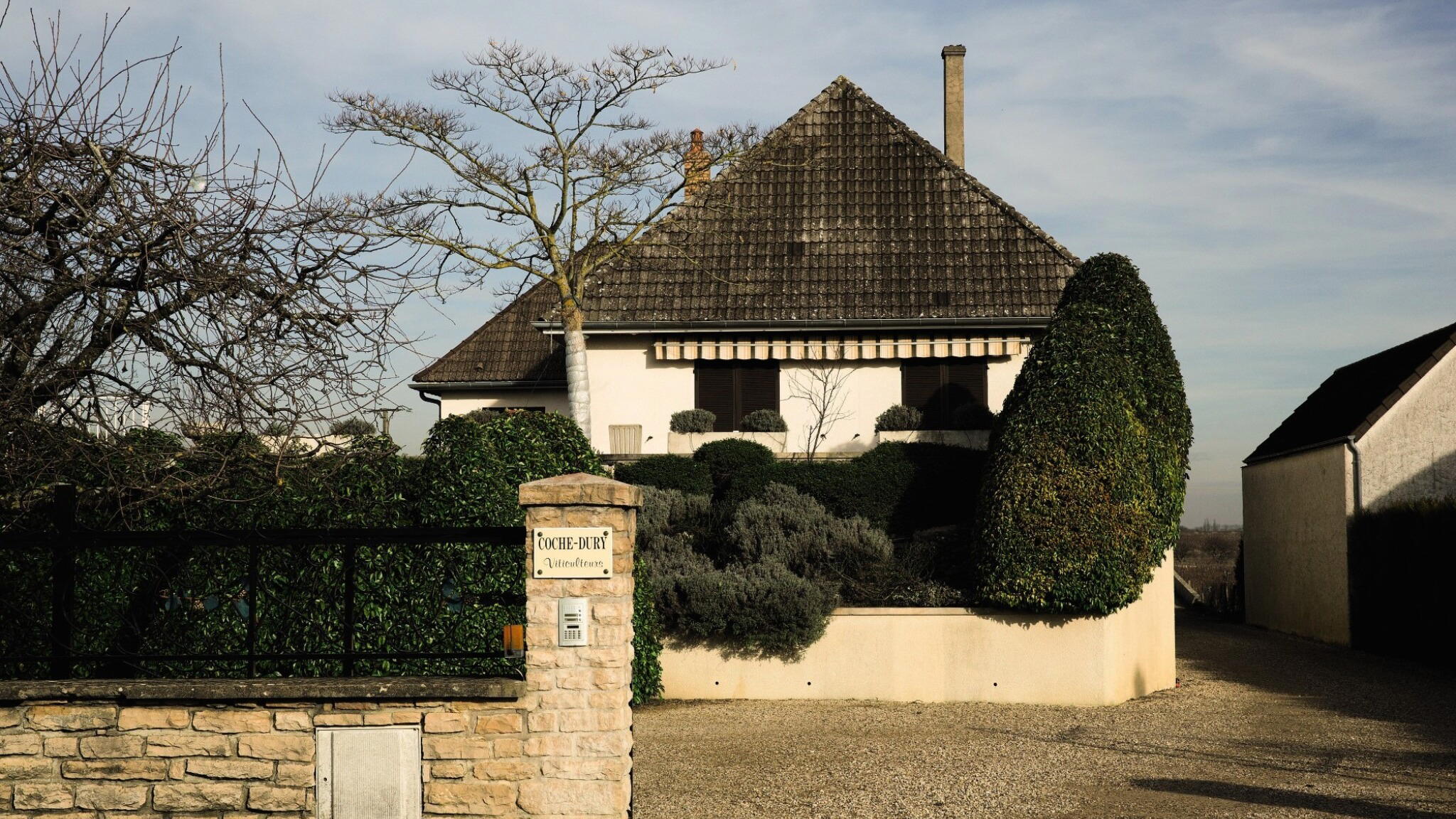
- 10 Chem. de la Cave, 21190 Volnay
- Website
- jean-marc-bouley.com
- Phone
- +33 3 80 21 62 33
The take
The Take
The Vibe
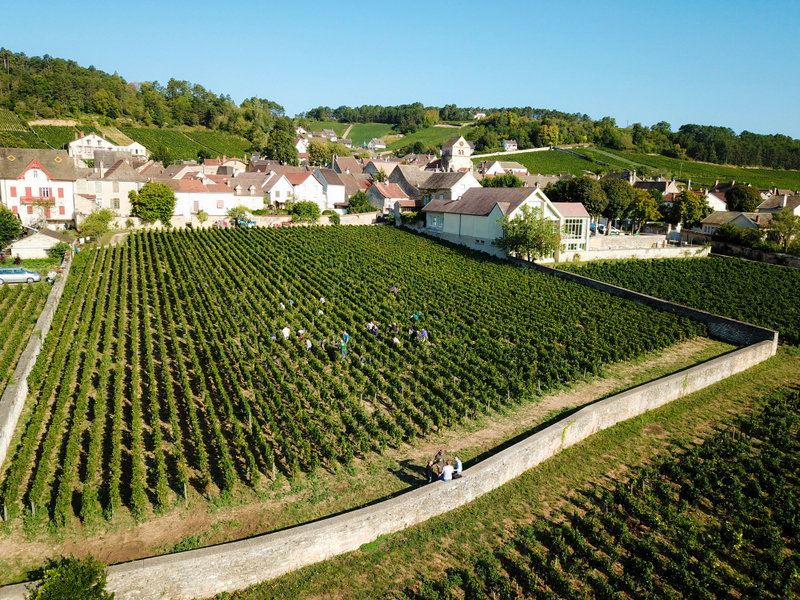
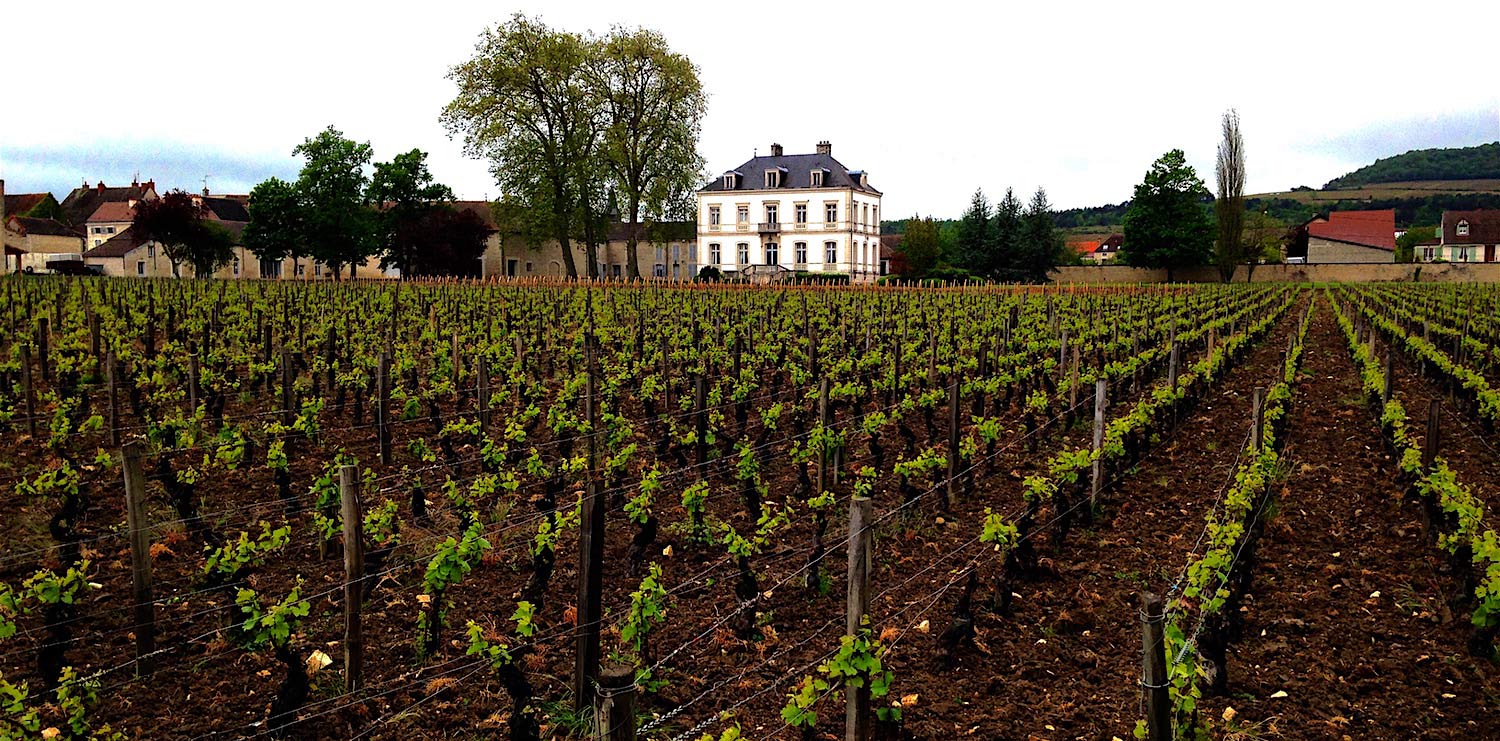
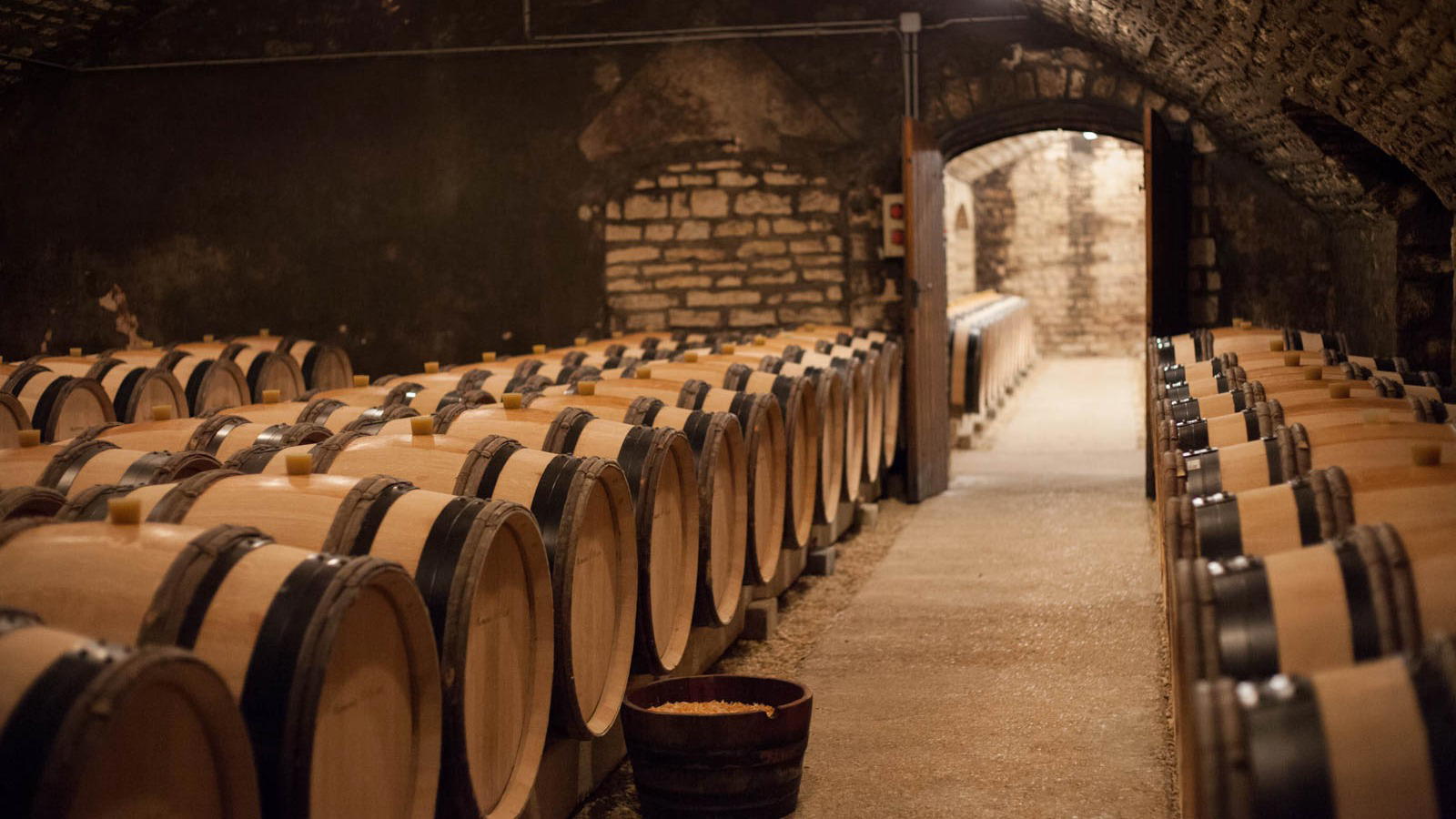
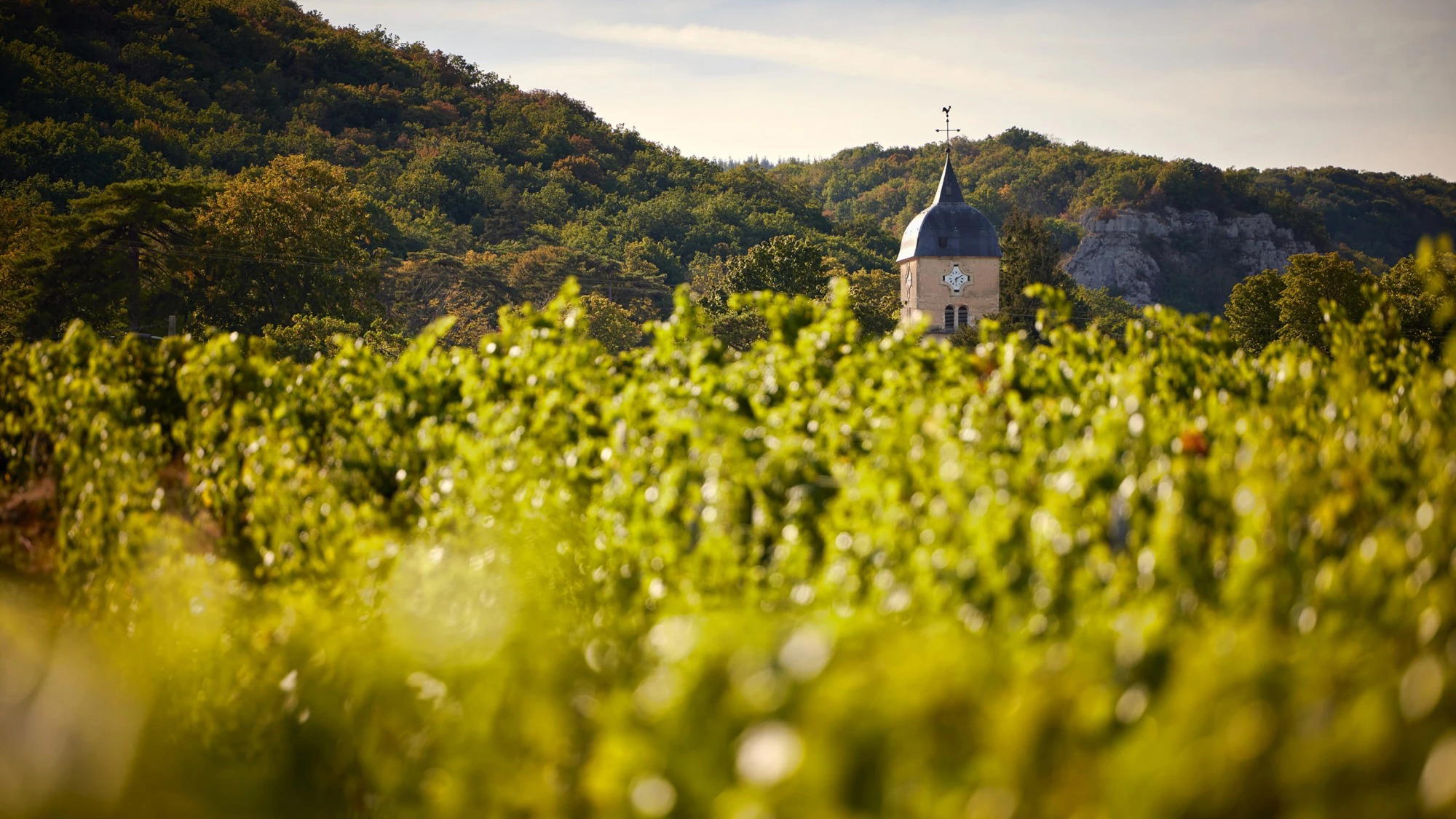
Domaine Thomas Bouley feels rooted in place: it occupies cave-level premises on a limestone escarpment above the Route des Grands Crus, a setting that reads as distinctly scenic and historically anchored. Cellar access carved into the hillside underlines that sense of tradition and locality, while the domaine’s inclusion at the Pearl level in La Paulée signals a level of refinement and recognition among Burgundy specialists. The overall impression is measured and contemplative, where the landscape and cellar history remain front and center rather than theatrical, making it an appealing stop for anyone interested in terroir-driven Pinot Noir.
Best For
This is a producer for serious Pinot Noir interest and discerning collectors. The text frames Volnay as a place prized for aromatic lift and structural precision, which makes Domaine Thomas Bouley especially relevant for wine-education visits, solo exploration of terroir-driven expressions, and special-occasion purchasing or tasting when buyers seek typicity. Its Pearl-tier selection at La Paulée further positions the domaine for visitors who follow Burgundy benchmarks and want to compare village and vineyard nuances within a compact, highly defined appellation.
Tasting Tips
Focus on the Volnay Pinot Noirs and vineyard-specific expressions when tasting or purchasing: the passage stresses that Volnay produces no classified whites and is prized for a particular Pinot Noir profile of aromatic lift and precision. The domaine’s cellar-level location and proximity to vines make site-driven differences meaningful, so prioritize bottles that reference specific lieu-dits or climats. The Pearl-tier recognition at La Paulée is a useful signal of pedigree for collectors considering allocations or single-bottle buys; use that context to weigh cellar-worthiness and typicity.
Venue details
Ambiance
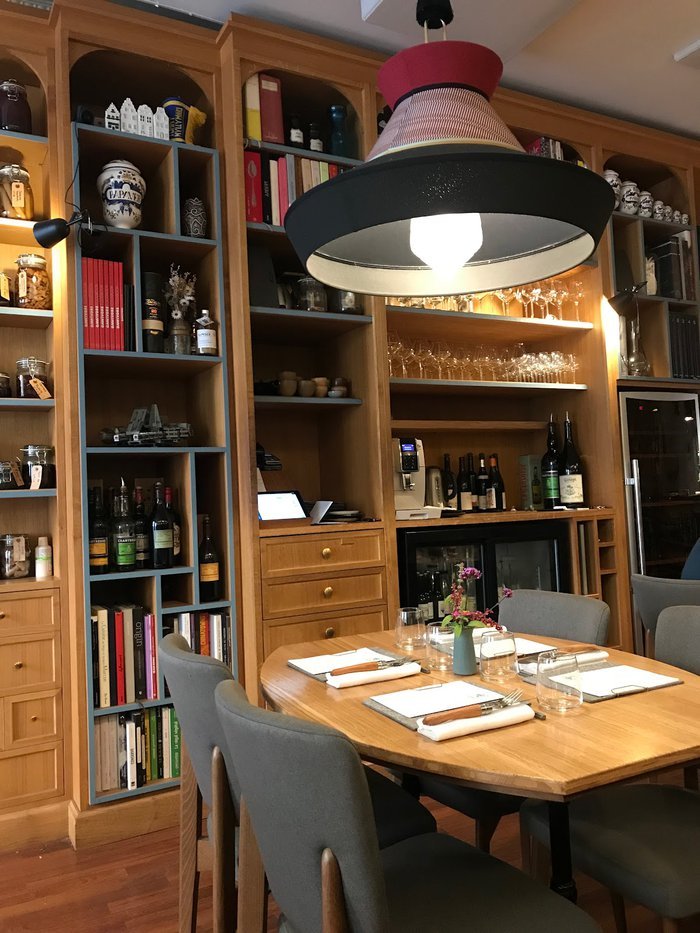
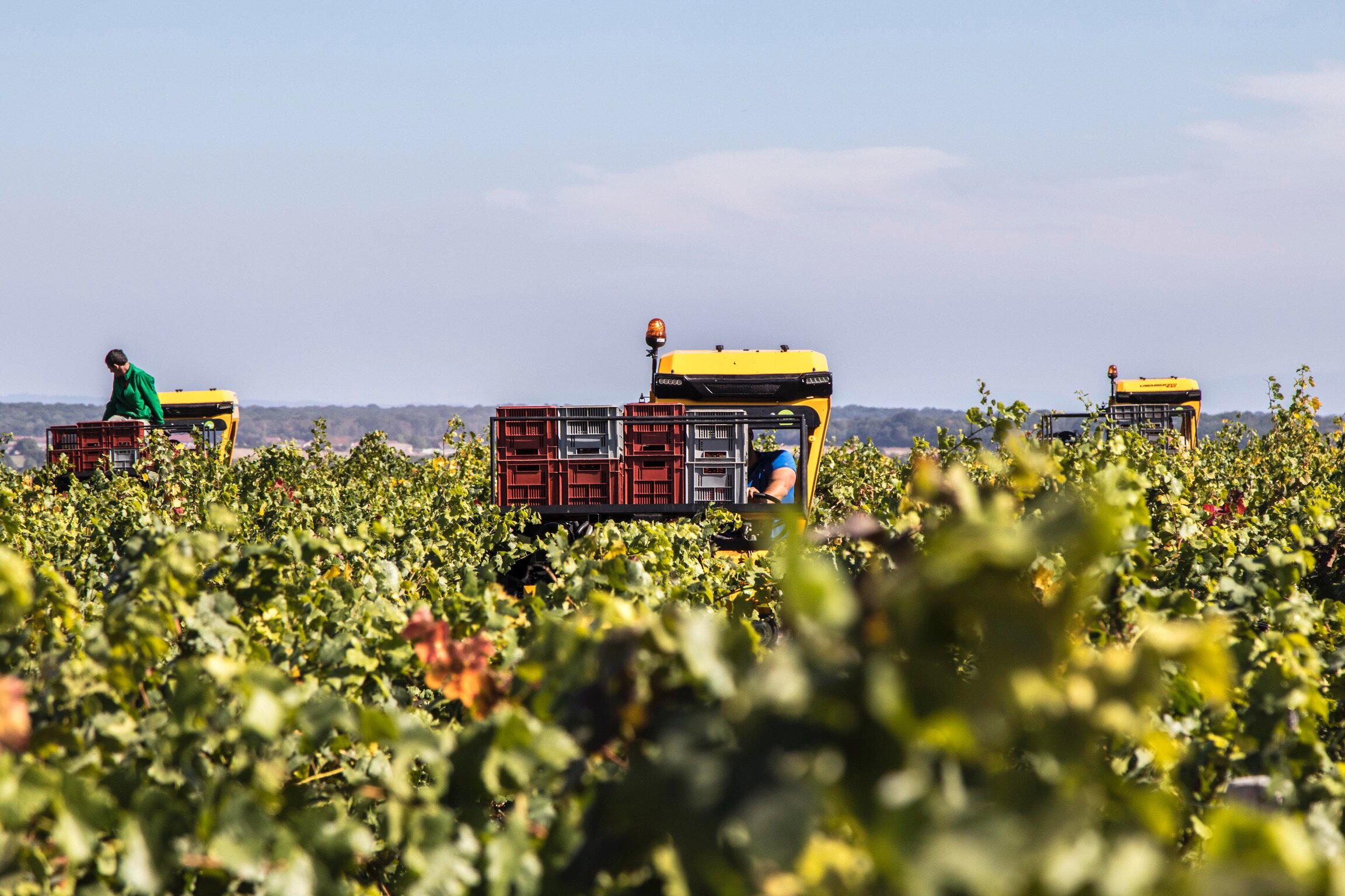
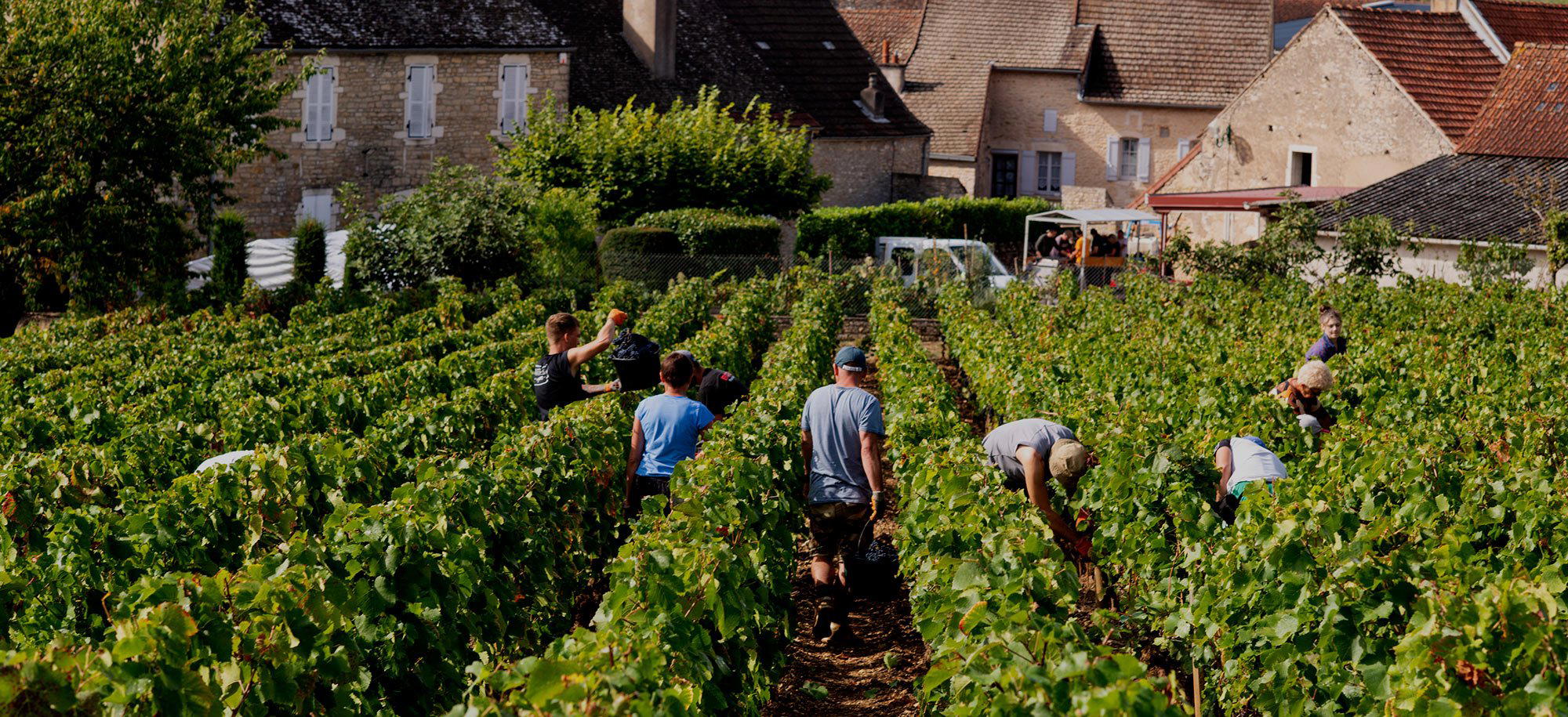
Classic rustic winery atmosphere in Burgundy hillside setting with focus on intimate tastings amid old vines and barrel aging.
Tags
Vibe
Best For
Experience
Sourcing
View
At the Vineyard
- Appellation
- Volnay AOC
- Varietals
- Pinot Noir, Chardonnay, Aligoté
- Visits
- By appointment only
- Farming
- Organic
- Wine Styles
- Still Red
- Wine Club
- Not available
Know before you go
Know Before You Go
- Getting there
- 10 Chem. de la Cave, 21190 Volnay
Planning details
Location
Recognition and awards

Also consider
If access does not work
Cross-shop Domaine Marquis d'Angerville first if the goal is a Volnay reference point with broad name recognition. Choose Domaine de Montille instead if the itinerary needs a producer that connects Volnay to the wider Côte de Beaune conversation.
Winery context
How it compares in Volnay
Domaine Thomas Bouley is the pick for travelers who want a focused Volnay producer stop and are comfortable with harder access. Domaine Marquis d'Angerville is the safer benchmark choice if the goal is a more widely recognized Volnay reference point, while Domaine Michel Lafarge is the better comparison for visitors building a serious village-level tasting day.
Domaine de Montille is the stronger cross-shop for travelers who want a wider Côte de Beaune frame rather than a narrowly Volnay visit. Domaine de la Pousse d'Or is useful when the itinerary needs another Volnay address with a clear village identity. Domaine Parent sits farther out of the immediate Volnay cluster, so treat it as a separate route choice rather than an easy same-hour substitute.
For value, the decision is less about a posted tasting price and more about access cost: time, flexibility, and itinerary risk. If only one Volnay appointment is possible, prioritize the producer that confirms cleanly. If several slots are open, this domaine belongs in the mix for a deeper comparison rather than a tourism-first experience.
Explore Volnay
Around this place
Discover more on Pearl
Unlock the full Domaine Thomas Bouley guide in Pearl, including awards, comparisons, FAQs, planning details, and nearby places.
Compare Domaine Thomas Bouley
| Venue | Location | Awards |
|---|---|---|
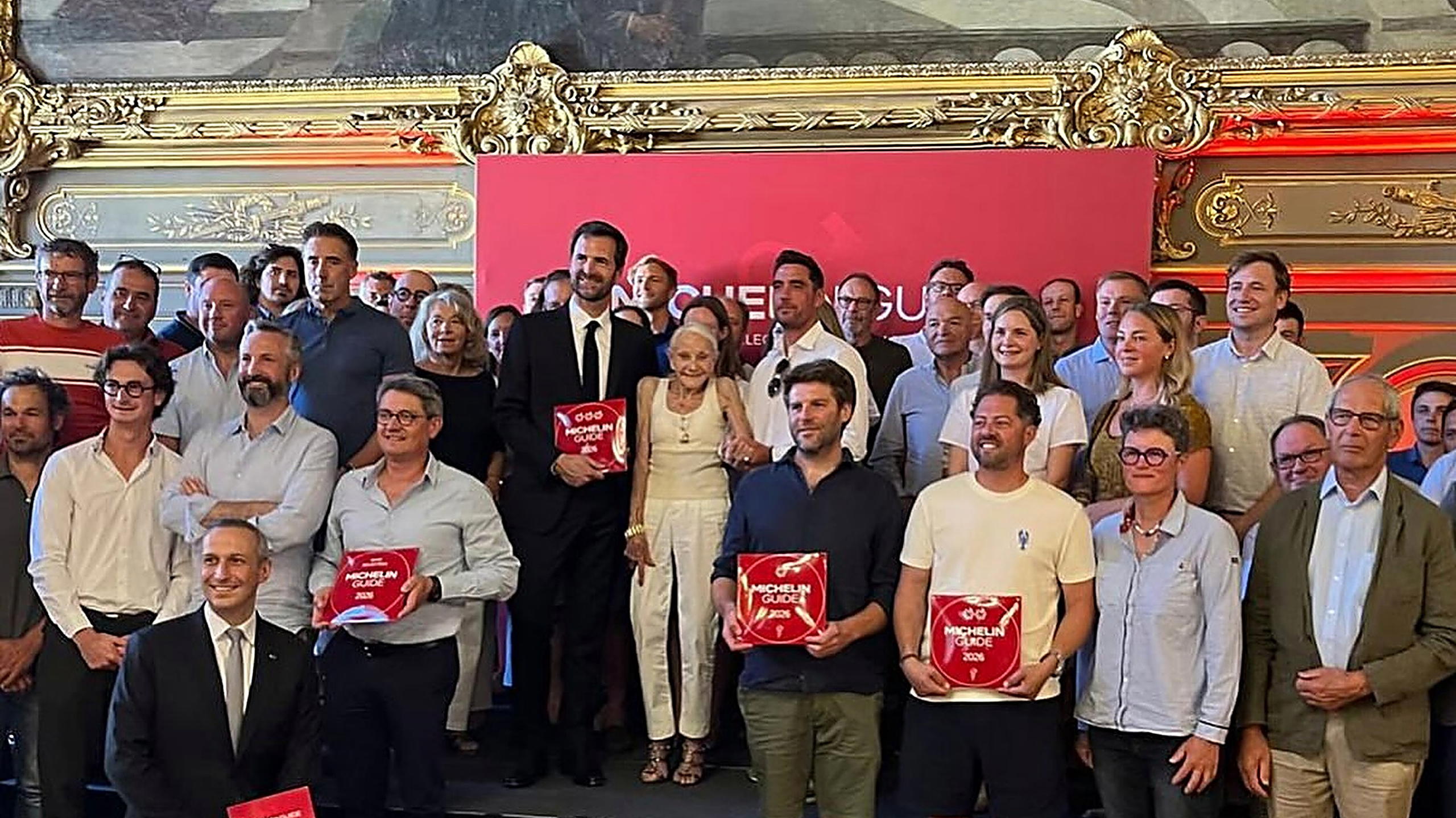
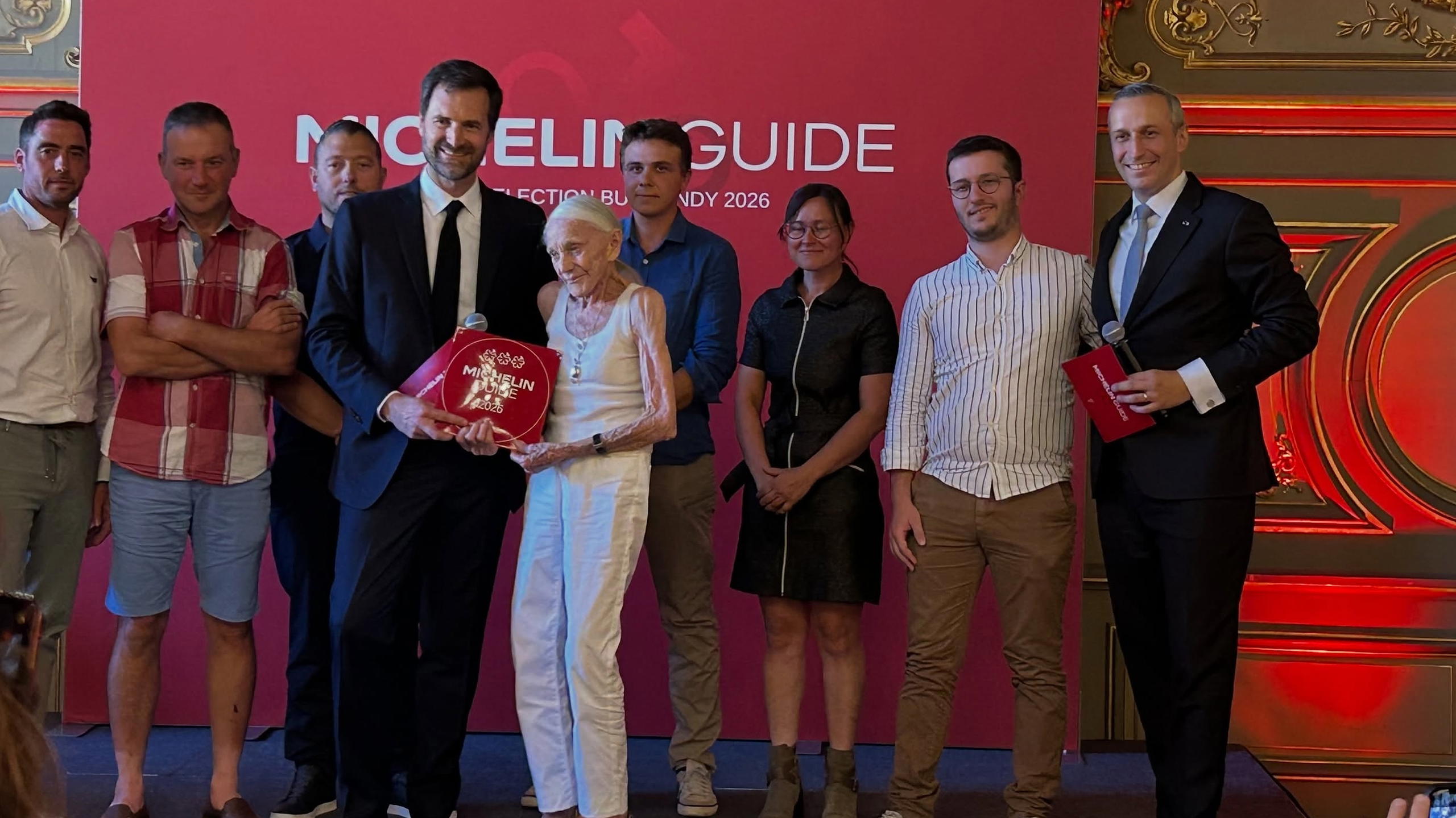
| Domaine Thomas Bouley | Volnay | 2026 Falstaff Winery Guide2026 Michelin 3 Grapes - Burgundy |
| Domaine Marquis d'Angerville | Volnay | 2026 Michelin 1 Grape - Burgundy2026 Falstaff Winery Guide |
| Domaine Michel Lafarge | Volnay | 2026 Falstaff Winery Guide2026 Michelin 1 Grape - Burgundy2025 Pearl 4 Star Prestige |
| Domaine de Montille | Volnay | 2026 Michelin 1 Grape - Burgundy2025 Pearl 4 Star Prestige |
| Domaine de la Pousse d'Or | Volnay | 2026 Falstaff Winery Guide2025 Pearl 4 Star Prestige |
| Domaine Parent | Pommard | No published awards |

How Domaine Thomas Bouley Volnay compares with similar nearby venues.
FAQ
Frequently Asked Questions
When is the best time to visit Domaine Thomas Bouley?
No opening hours or visit schedule are available. If you are planning to go, confirm timing directly with the venue and keep the rest of your itinerary flexible.
Are memberships or special programs available for Domaine Thomas Bouley?
No membership or special program information is available. Do not make that the reason to go unless the venue confirms current details directly. The recognition is Pearl 3 Star Prestige (2025).
How long should I plan for a visit to Domaine Thomas Bouley?
No visit length is available. Plan only after confirming the current arrangement with Domaine Thomas Bouley, especially if you are comparing it with Domaine Marquis d'Angerville or Domaine de Montille as part of a broader route.