
Domaine de Montille
Volnay
Winery in Volnay, France
 Book with Pearl
The Read
Terroir-Faithful Pinot Noir
Price
$50–100tasting
Why go
Prioritize Domaine de Montille if the trip is built around serious Burgundy rather than casual tasting-room access. Its Volnay roots date to the 1863 first vintage, making it a stronger fit for collectors, anniversaries, and tightly planned Côte de Beaune itineraries than for spontaneous group visits.
About Domaine de Montille
Domaine de Montille is a Volnay venue associated with Étienne de Montille. For planning purposes, the essentials are concise: it is in Volnay, the dress code is smart casual, and it holds Pearl 4 Star Prestige recognition for 2025.
Plan conservatively. Treat Domaine de Montille as a priority to research directly before building an itinerary around it, and confirm any visit format, timing, purchasing, or hospitality details through the venue's official channels.
Why it belongs on a Volnay-focused itinerary
The strongest reason to include Domaine de Montille is its Volnay identity and Pearl 4 Star Prestige recognition for 2025. It is best framed as a considered stop for travelers who are specifically planning around Volnay rather than as a broadly described visitor experience.
For comparison, Domaine Marquis d'Angerville, Domaine Michel Lafarge, Domaine Parent, Domaine Thomas Bouley, and Domaine de la Pousse d'Or are useful names to consider alongside Domaine de Montille when shaping a regional plan anchored in Volnay. Keep the comparison practical: check each venue directly for access, schedule, and visitor details before committing time.
Who should prioritize it, and who should choose elsewhere
Prioritize Domaine de Montille if your trip is centered on Volnay and you are comfortable confirming details in advance. The smart casual dress code makes it a polished choice, while specific services, food options, visit length, pricing, and format should be confirmed directly before you go.
For a fuller plan, pair direct confirmation from Domaine de Montille with Our full Volnay restaurants guide if you need meal planning around the visit. For any final details, rely on the venue's official channels before finalizing the day.
Planning details
- Location
- 2 Rue du Pied de la Vallée, 21190 Volnay
- Website
- demontille.com/fr_FR
- Phone
- +33 3 80 21 39 14
The take
The Take
The Vibe
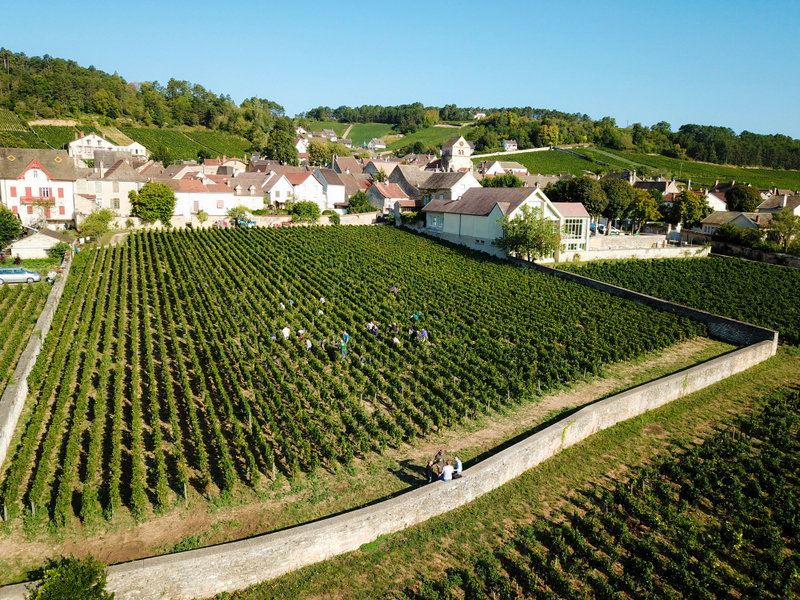
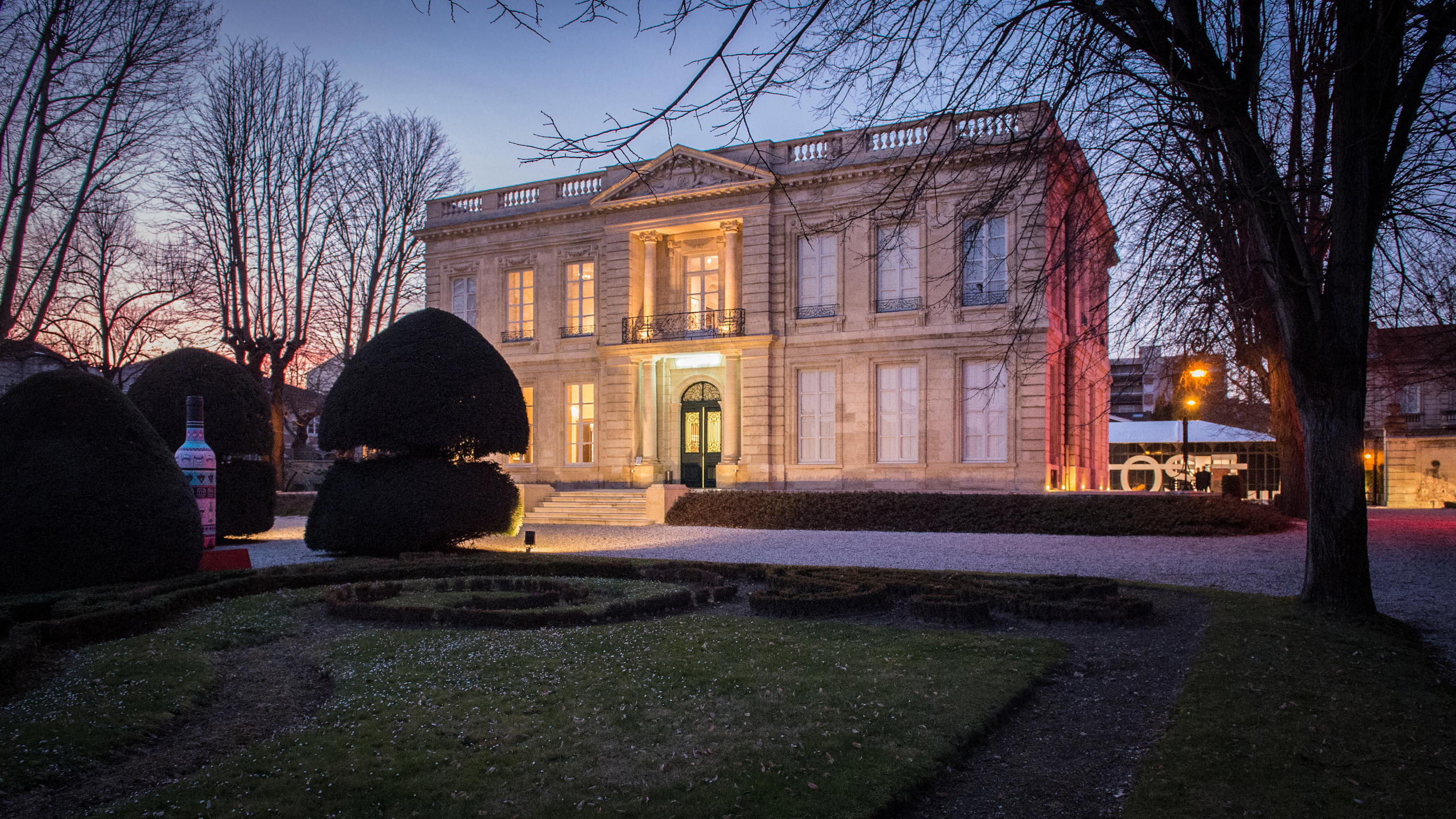
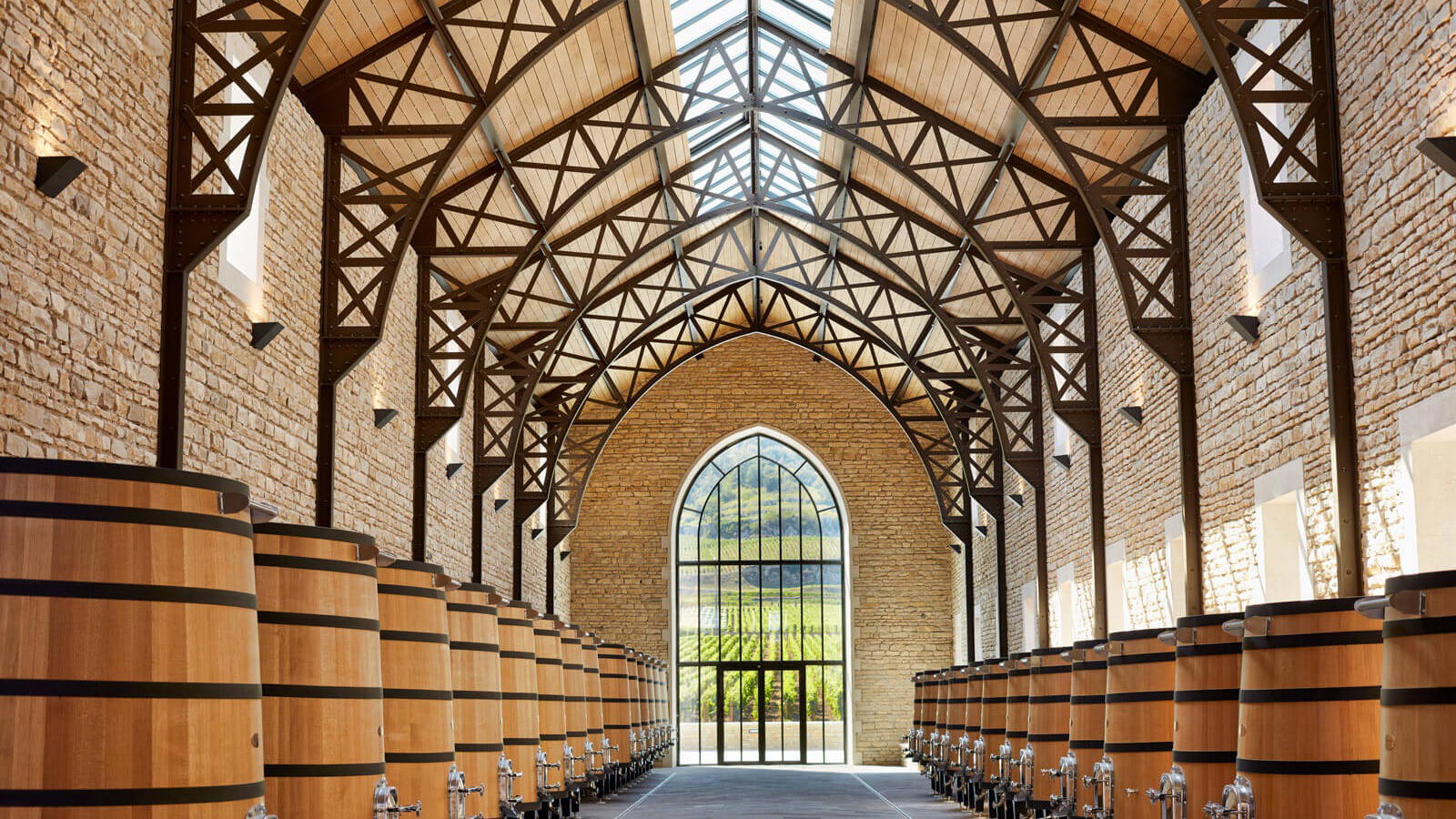
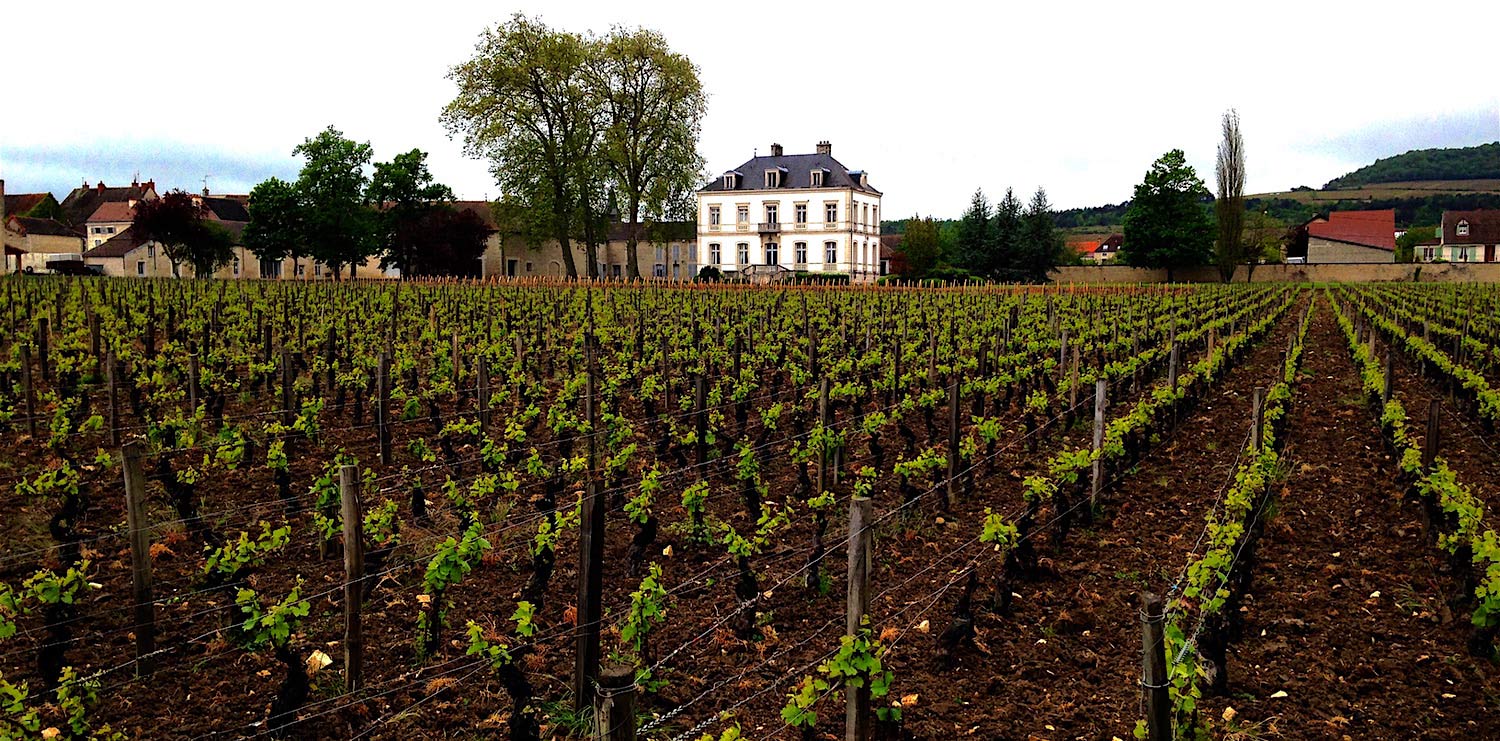
Domaine de Montille presents as a quietly historic, village‑anchored domaine where the architecture and streetscape reflect a restrained, workmanlike pride. The estate traces back to 1863 and its stone facades and historic cellars sit within Volnay’s narrow lanes, giving visits a compact, residential feel rather than a theatrical tourist spectacle. The emphasis is clearly on the wines and on site expression: the setting is sober and contemplative, encouraging attention to terroir and vinification. Visitors encounter an intimate, measured Burgundy experience rooted in place and lineage rather than display.
Best For
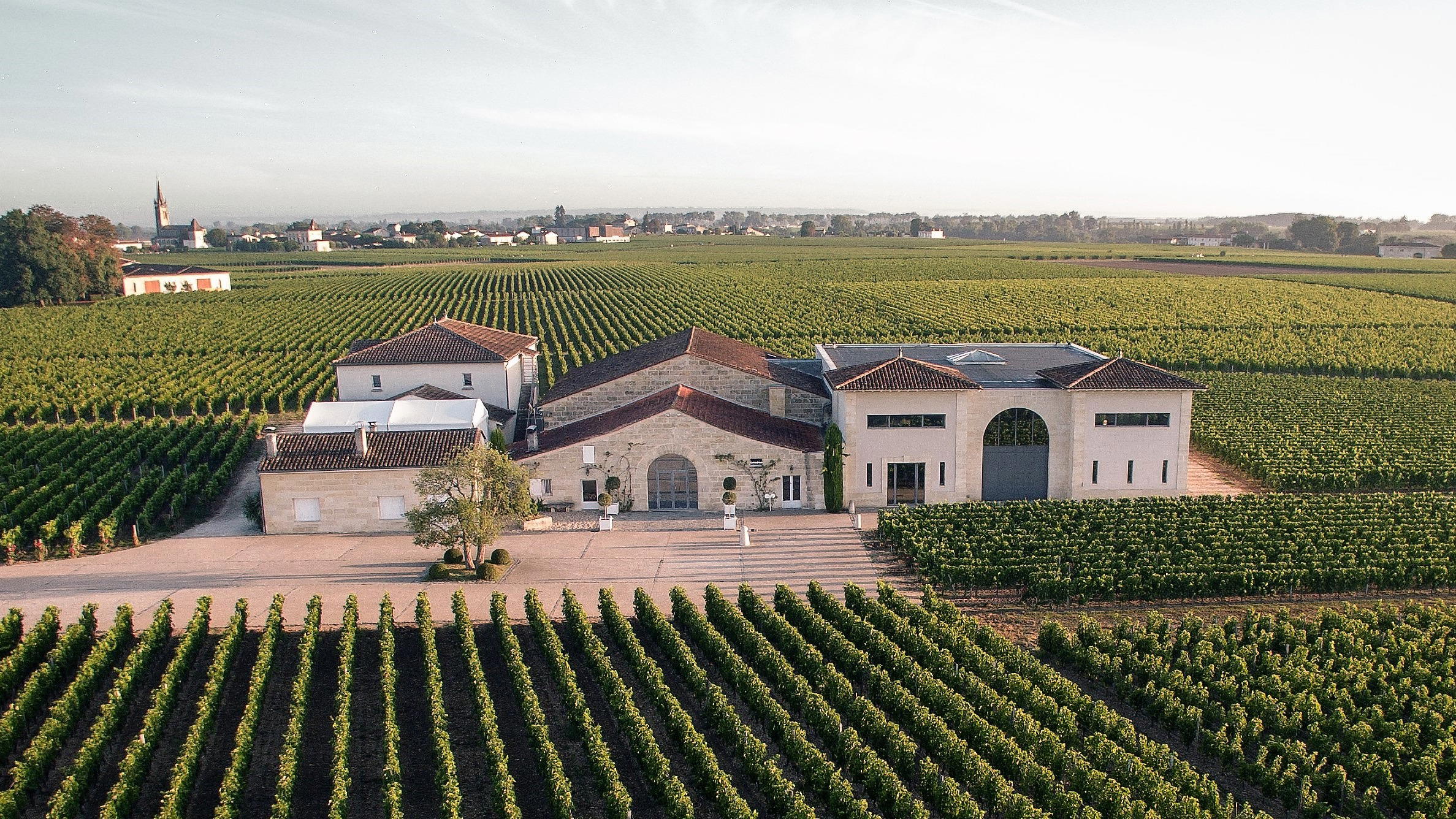
This domaine best serves wine‑focused visitors who want to study Côte de Beaune Pinot Noir in a serious, terroir‑driven context. Given the estate’s long lineage and its position within Volnay’s premier‑cru ridge, it is well suited to those interested in vineyard provenance, winemaking philosophy, and comparative tasting across cool, mineral‑led expressions. Small groups, collectors, and travellers seeking an understated, educational winery visit will find the most value here — those looking for spectacle or large, social tasting events are less likely to be the primary audience.
Tasting Tips
When visiting, center questions on vineyard sources and the domaine’s approach: ask about the premier‑cru ridge and how it shapes the pinot noir’s fragrance and minerality, and inquire into the winemaking philosophy referenced in the domaine’s history. The property is compact and village‑based, so arrive on foot or by car to walk the lanes and appreciate the cellars firsthand. Expect focused, technical conversation about terroir and production; prioritize tasting across sites or bottlings to compare mineral‑driven expressions rather than seeking theatrical presentation.
Venue details
Ambiance
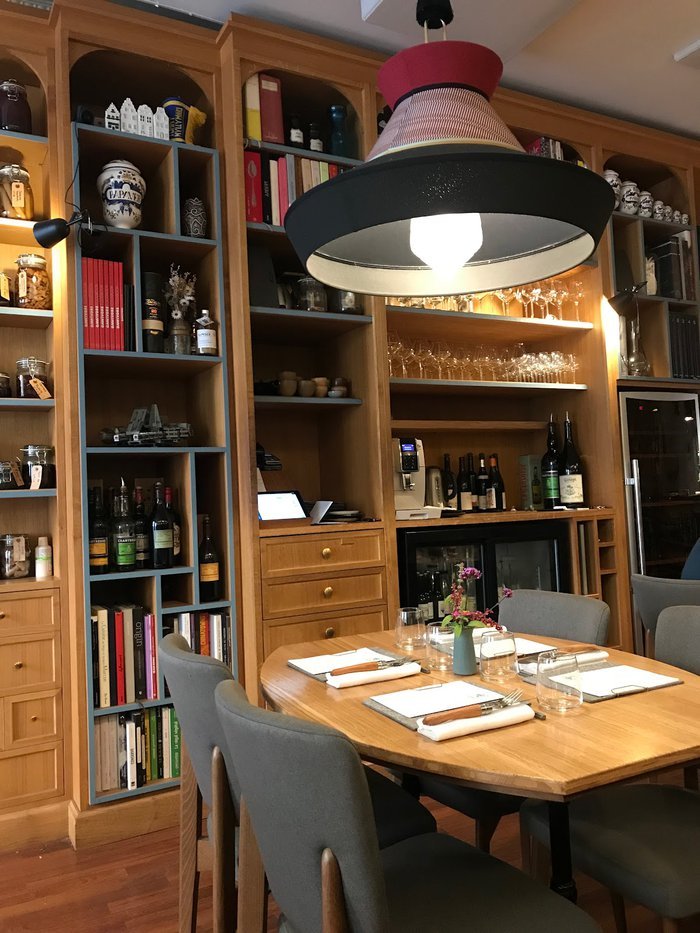
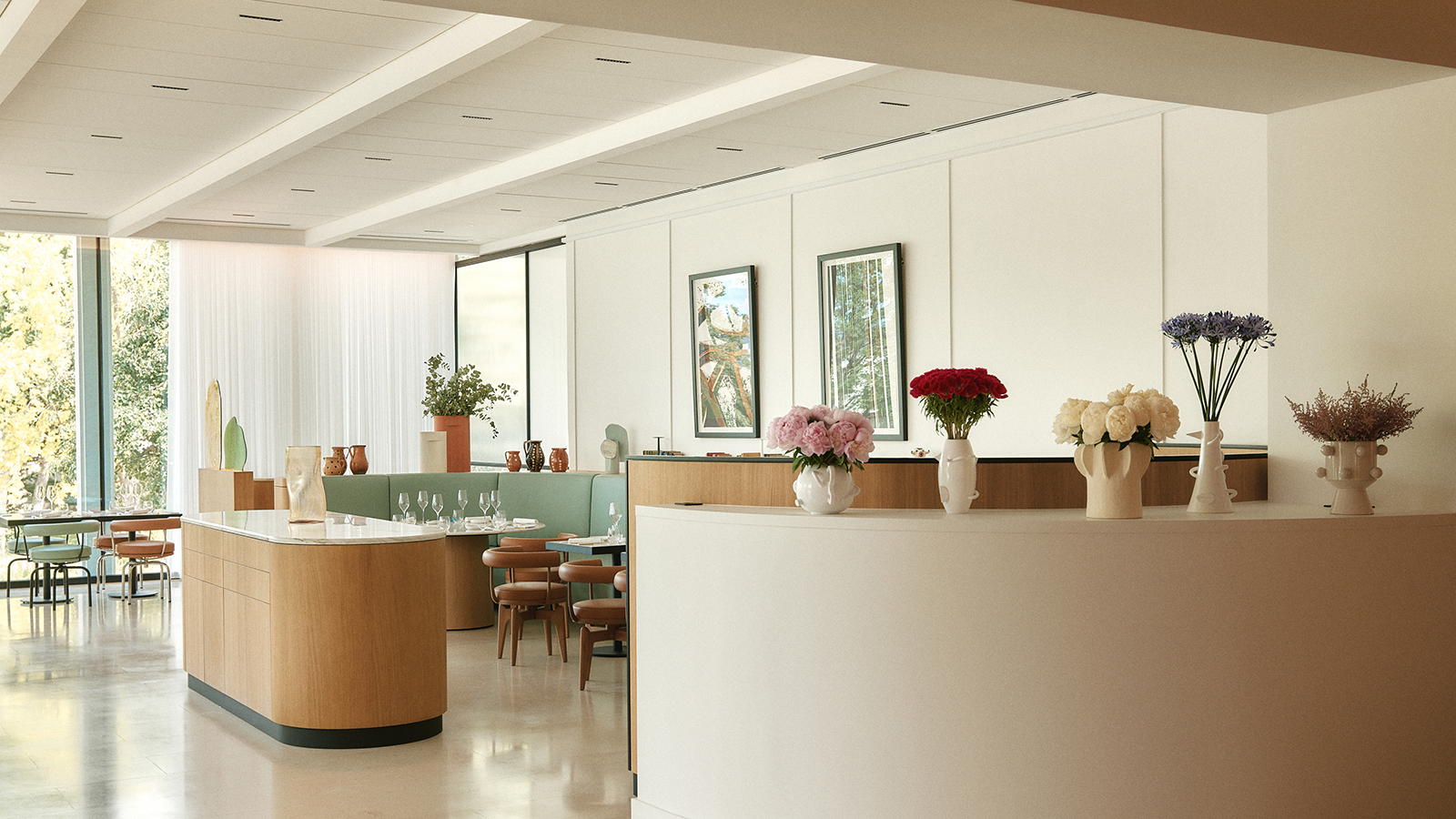
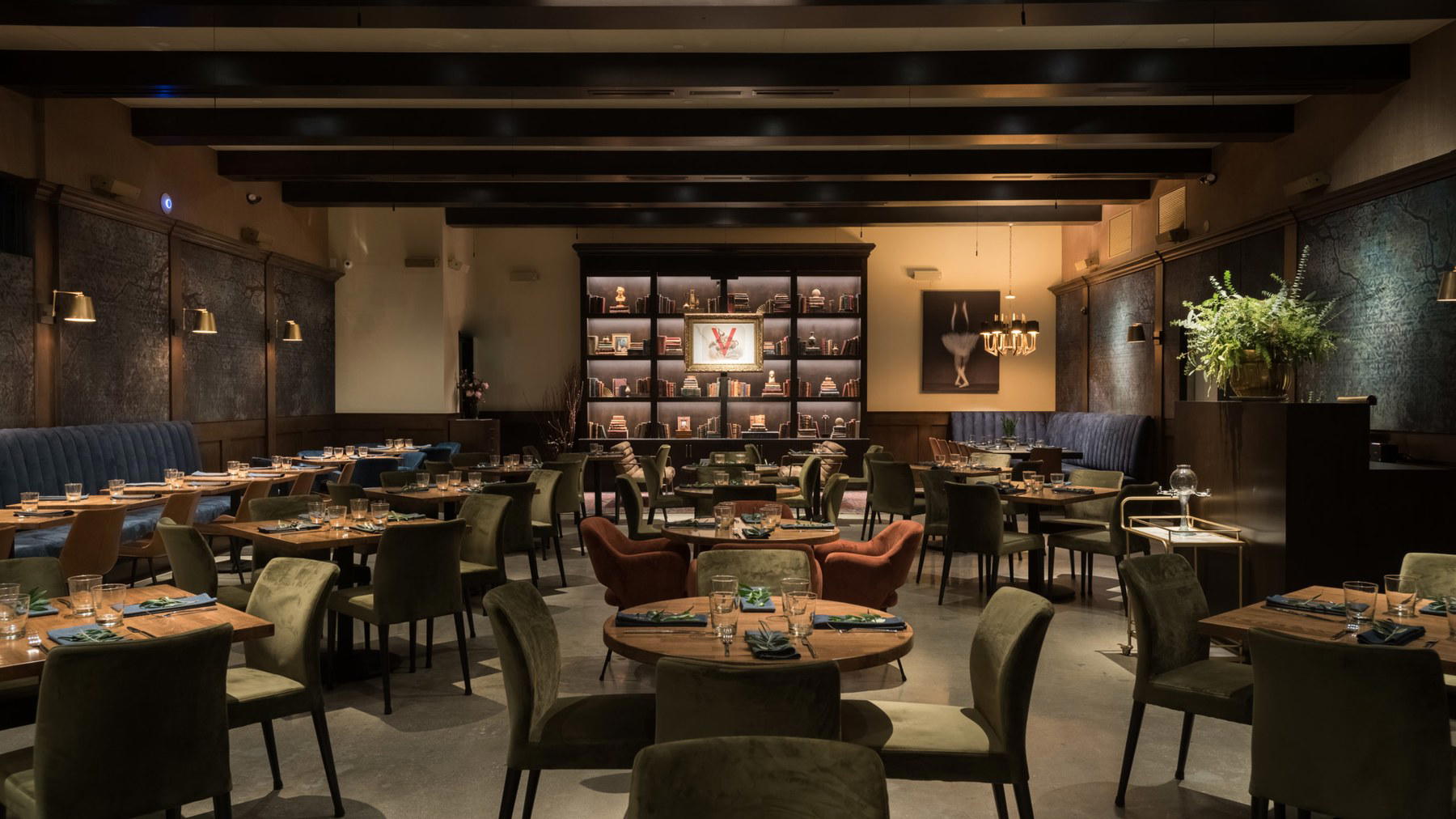
Historic, refined Burgundy estate atmosphere with an emphasis on terroir, purity, and classic winemaking heritage.
Tags
Vibe
Best For
Experience
Sourcing
View
At the Vineyard
- Appellation
- Volnay AOC
- Varietals
- Pinot Noir, Chardonnay
- Tour Languages
- French, English
- Visits
- By appointment only
- Farming
- Biodynamic
- Production
- Large producer
- Wine Styles
- Still Red, Still White
- Founded
- 1730
- Wine Club
- Not available
Know before you go
Know Before You Go
- Getting there
- 2 Rue du Pied de la Vallée, 21190 Volnay
Planning details
Location
Recognition and awards
Also consider
Also Consider
- Domaine Michel Lafarge, Notable alternative
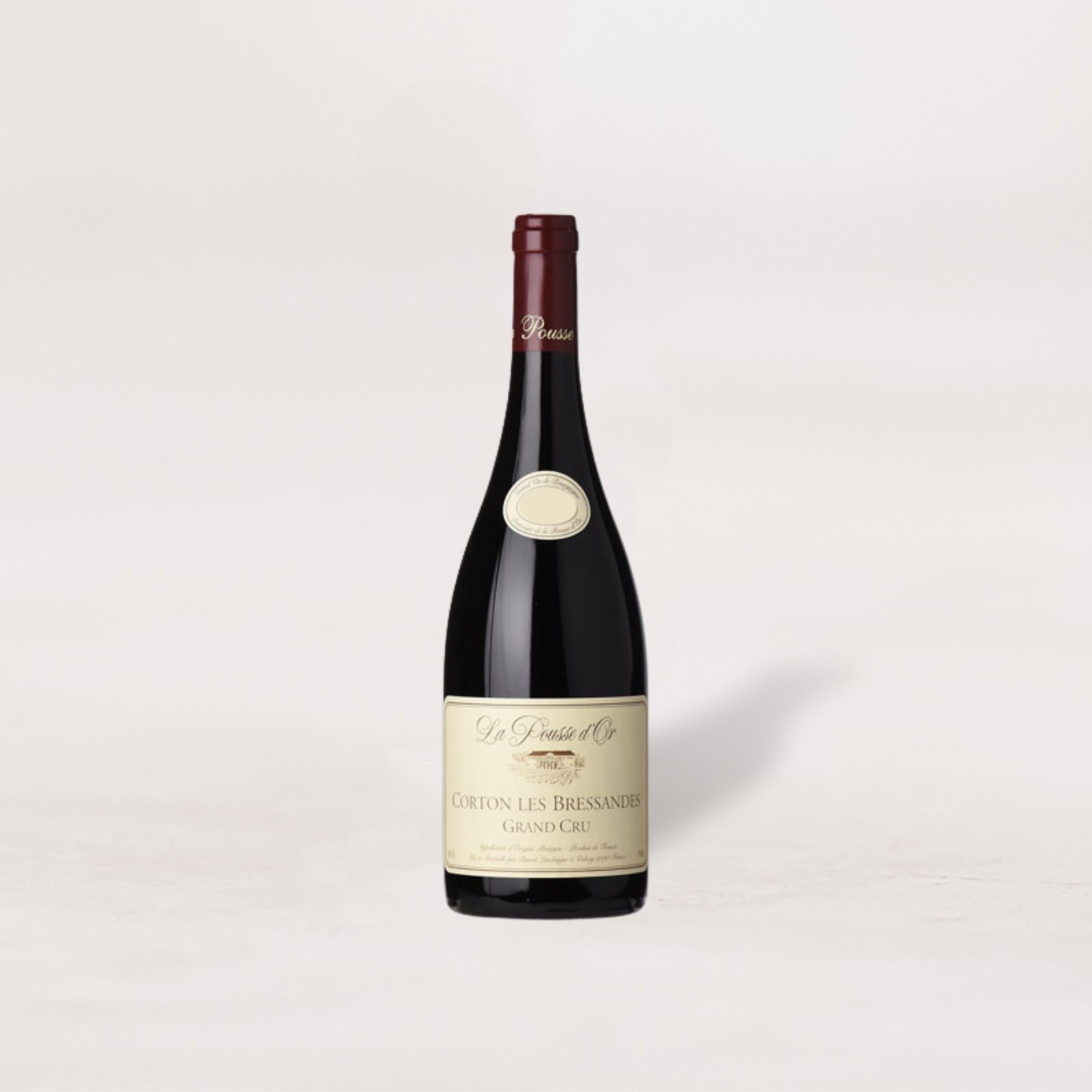
- Domaine de la Pousse d'Or, Notable alternative
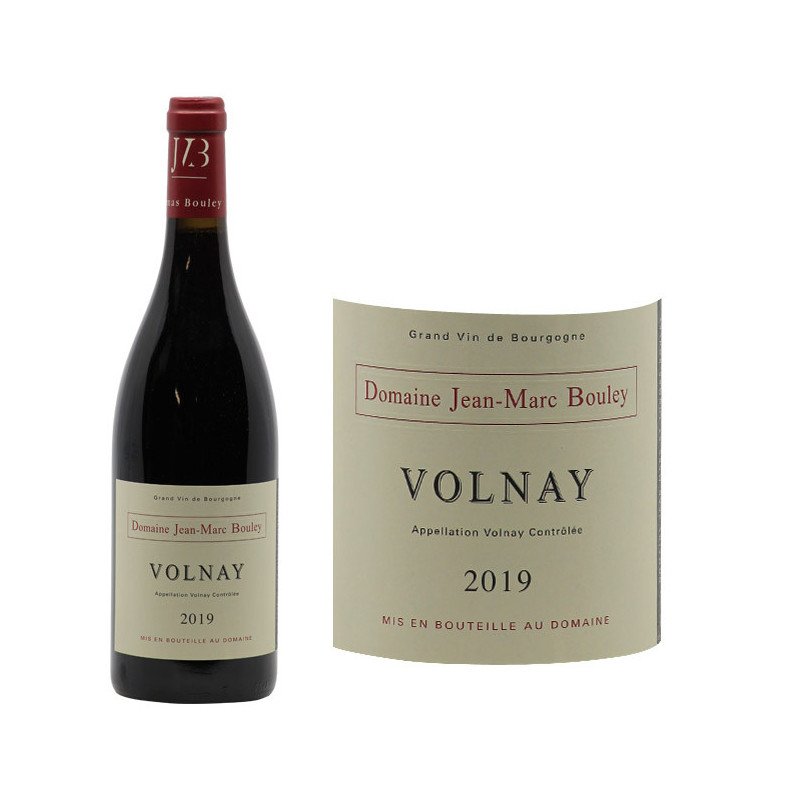
- Domaine Thomas Bouley, Notable alternative
- Domaine Marquis d'Angerville, Notable alternative
- Domaine Parent, Notable alternative
Winery context
How it compares in Volnay
Domaine de Montille is the right pick for a serious, producer-led Burgundy day, especially if Volnay lineage matters more than easy hospitality. Domaine Michel Lafarge and Domaine Marquis d'Angerville are the closest cross-shops for visitors prioritizing classic Volnay credibility, while Domaine de Montille is the one to pursue when a historic first vintage and collector-level context are central to the trip.
For sense of occasion, Domaine de la Pousse d'Or is the more obvious alternative if the setting matters as much as the wine conversation. Domaine Thomas Bouley is a sharper choice for travelers who want a more compact, village-focused Volnay comparison. Domaine Parent broadens the Côte de Beaune frame rather than replacing this as a like-for-like Volnay stop.
Booking difficulty is the deciding factor. Treat Domaine de Montille as a high-priority request, not a casual fallback. If access does not line up, cross-shop Domaine de la Pousse d'Or for occasion value or Domaine Thomas Bouley for a focused Volnay alternative.
Explore Volnay
Around this place
Discover more on Pearl
Unlock the full Domaine de Montille guide in Pearl, including awards, comparisons, FAQs, planning details, and nearby places.
Compare Domaine de Montille
| Venue | Location | Awards |
|---|---|---|
| Domaine de Montille | Volnay | 2026 Michelin 1 Grape - Burgundy2025 Pearl 4 Star Prestige |
| Domaine Michel Lafarge | Volnay | 2026 Falstaff Winery Guide2026 Michelin 1 Grape - Burgundy2025 Pearl 4 Star Prestige |
| Domaine de la Pousse d'Or | Volnay | 2026 Falstaff Winery Guide2025 Pearl 4 Star Prestige |
| Domaine Thomas Bouley | Volnay | 2026 Falstaff Winery Guide2026 Michelin 3 Grapes - Burgundy |
| Domaine Marquis d'Angerville | Volnay | 2026 Michelin 1 Grape - Burgundy2026 Falstaff Winery Guide |
| Domaine Parent | Pommard | No published awards |

How Domaine de Montille Volnay compares with similar nearby venues.
FAQ
Frequently Asked Questions
How long should I plan for a visit to Domaine de Montille?
Does Domaine de Montille serve food?
Is there a membership program at Domaine de Montille?
If membership or access details matter to you, contact Domaine de Montille directly for current information.
When is the best time to visit Domaine de Montille?
What other venues should I consider when planning around Domaine de Montille?
For comparison while planning, consider Domaine Marquis d'Angerville, Domaine Michel Lafarge, Domaine Parent, Domaine Thomas Bouley, and Domaine de la Pousse d'Or alongside Domaine de Montille. Confirm locations and visitor details directly with each venue.
What is the signature offering at Domaine de Montille?
For planning, anchor Domaine de Montille around Volnay, Étienne de Montille, smart casual dress, and Pearl 4 Star Prestige recognition for 2025.