Domaine Parent
Pommard
Winery in Pommard, France
 Book with Pearl
The Read
Structured Pommard Viticulture
Why go
Domaine Parent is a strong Pommard choice when the visit is meant to feel serious, planned, and estate-led rather than casual. Choose it for a special-occasion Burgundy stop; cross-shop Château de Pommard for a more visitor-friendly format or nearby Pommard domaines for a producer-comparison day.
About Domaine Parent
Domaine Parent is a Pommard venue with Pearl 2 Star Prestige recognition for 2025. Dress is smart casual, so plan for a polished visit rather than an overly informal stop.
Consider Domaine Parent when you want a Pommard stop and are comfortable confirming visit details directly before you go.
A serious Pommard choice for a planned day
Domaine Parent can be considered alongside names such as Château de Pommard, Domaine de Courcel, Domaine Comte Armand, Domaine Marquis d'Angerville, and Domaine Anne-Françoise Gros. Use those comparisons to decide what kind of visit best fits the day, while confirming the details for each venue individually.
For planning around the visit, use our full Pommard restaurants guide, our full Pommard hotels guide, and our full Pommard bars guide. Confirm current visiting arrangements, timing, and any other practical details with Domaine Parent before finalizing the itinerary.
Who should choose it, and who should cross-shop
Choose Domaine Parent if your priority is a Pommard venue with confirmed Pearl 2 Star Prestige recognition and a smart-casual standard. Cross-shop Château de Pommard, Domaine de Courcel, Domaine Comte Armand, Domaine Marquis d'Angerville, and Domaine Anne-Françoise Gros if you are comparing options for the same trip.
For a fuller itinerary, add our full Pommard experiences guide. Readers planning wider Burgundy travel should keep the comparison focused on the details for each venue rather than assuming identical formats, services, or visiting arrangements.
Planning details
- Location
- 3 Rue de la Métairie, 21630 Pommard
- Website
- domaine-parent.com
- Phone
- +33 3 80 22 15 08
The take
The Take
The Vibe
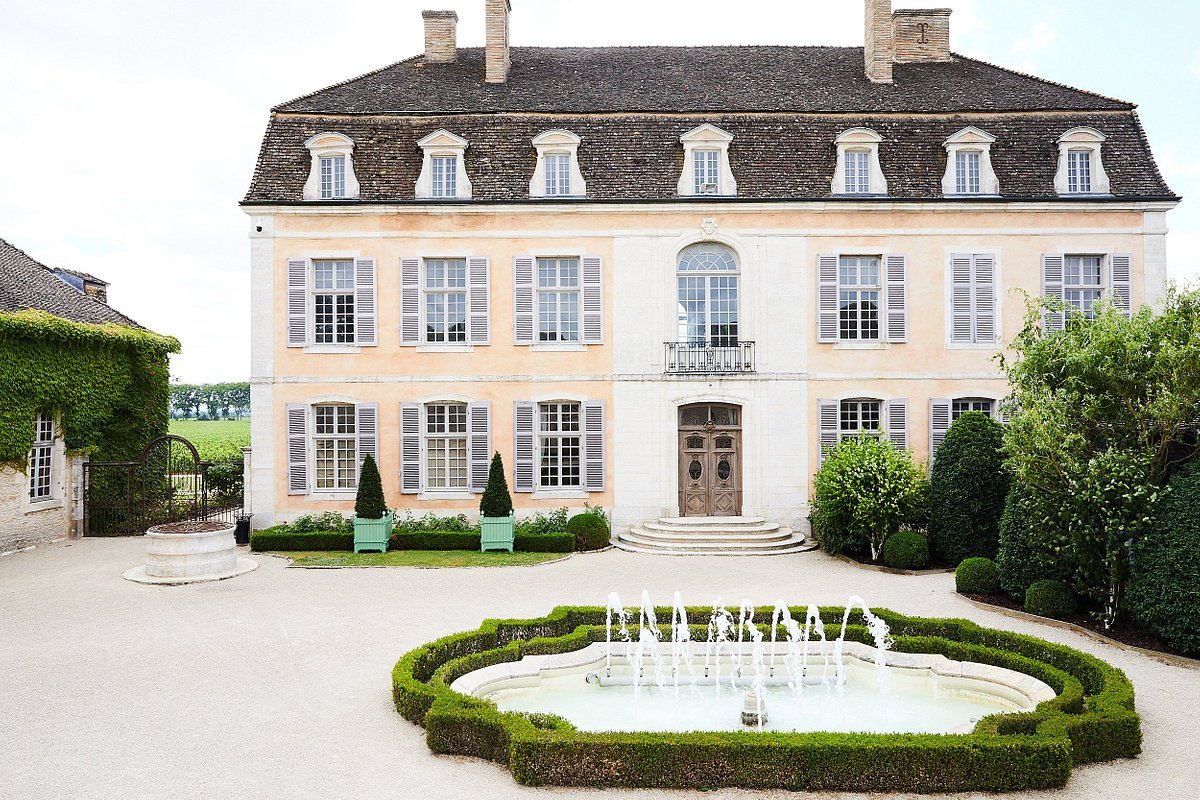
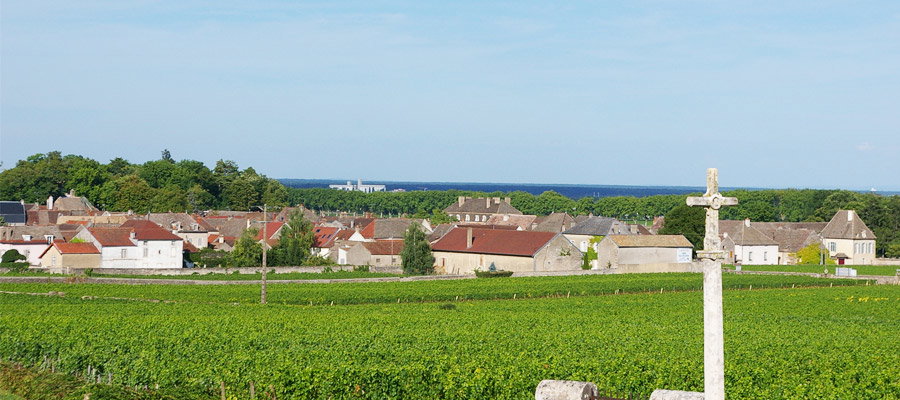
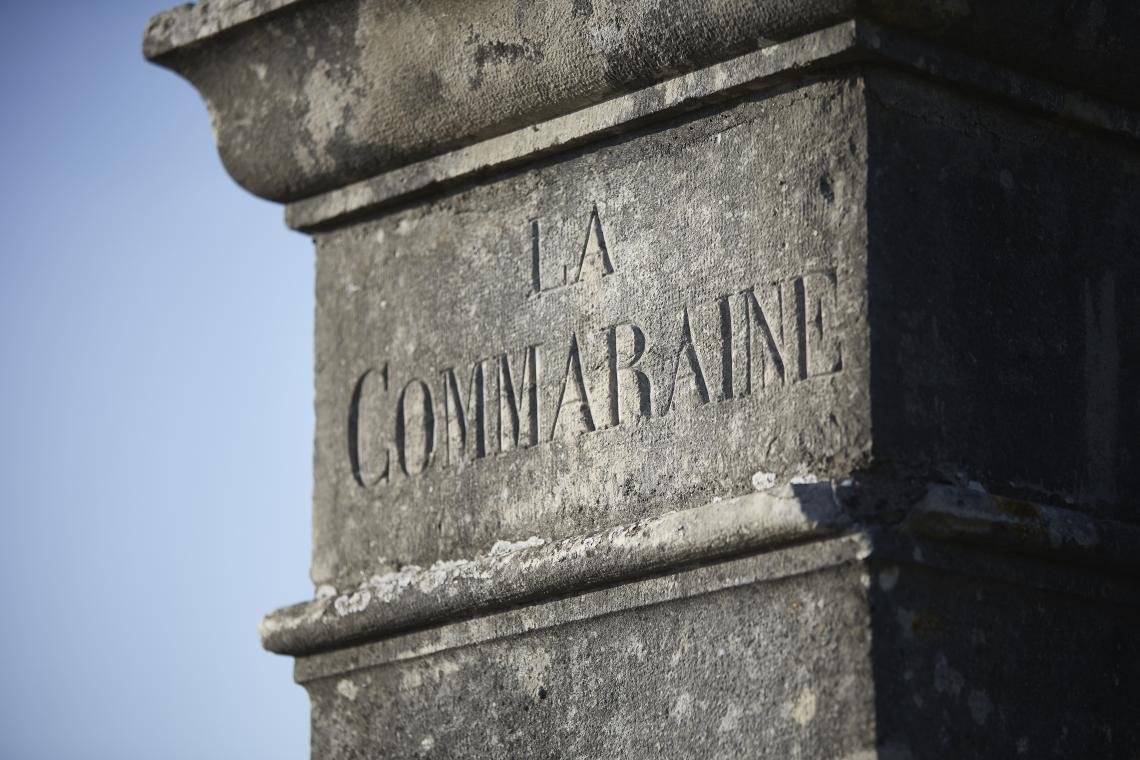
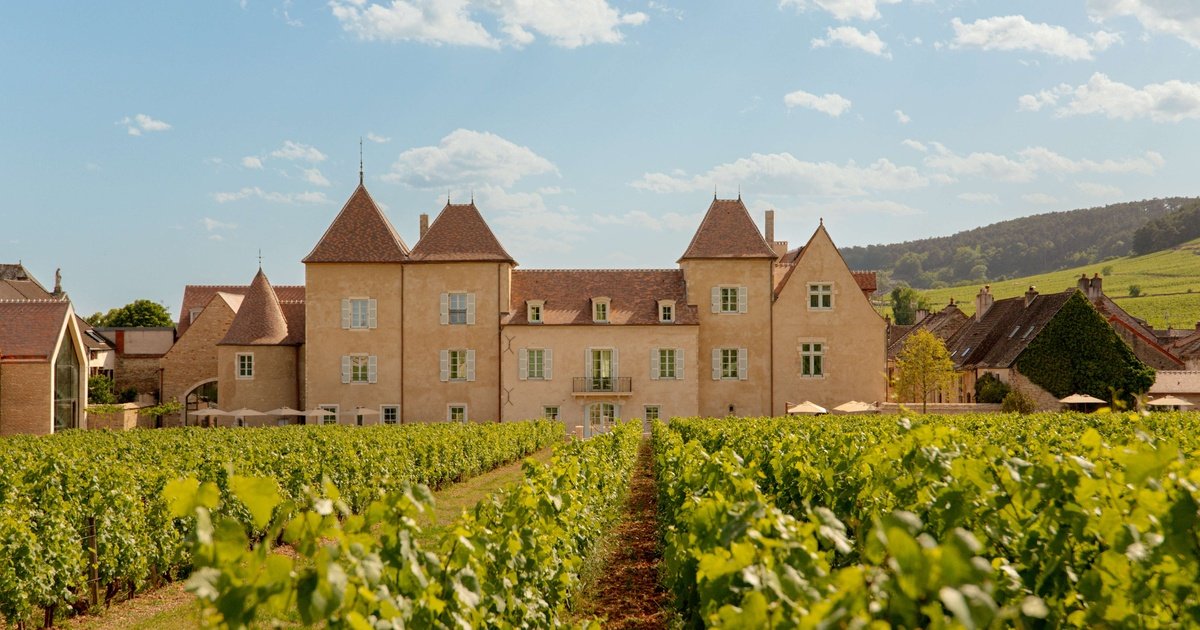
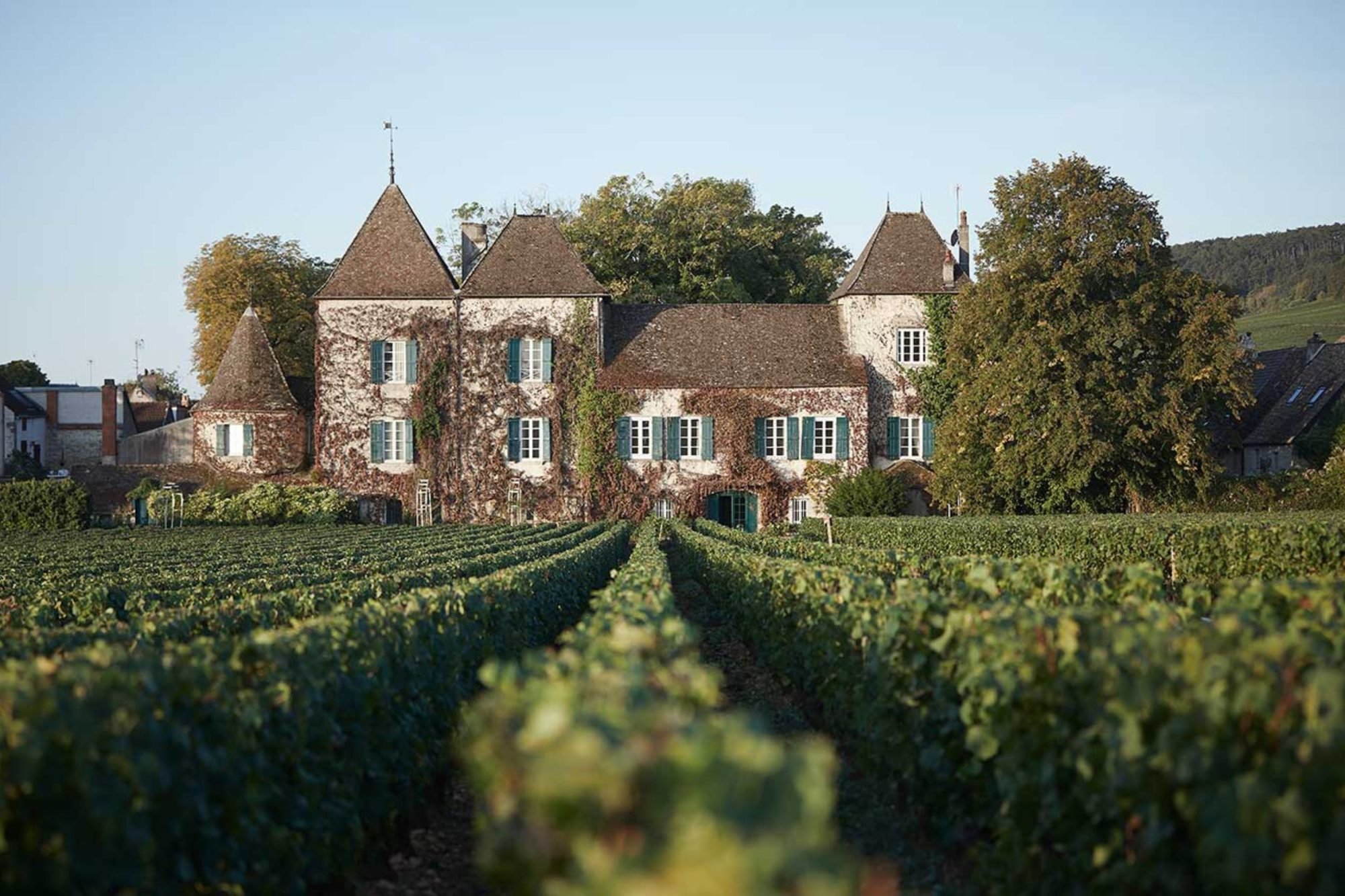
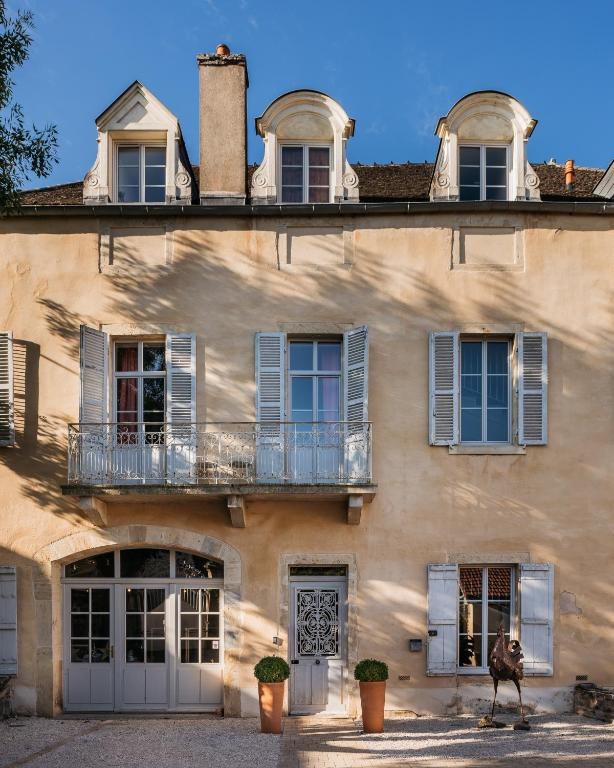
Domaine Parent reads like a classic Burgundian estate: a stone gateway opens to a courtyard and the cellar spaces that anchor the property. The writing emphasizes the domaine’s orientation toward its vineyards and the legibility of Pommard’s slopes, and the prose registers a quiet, measured confidence — the work of producers treating parcels as living systems. Morning light across the slopes is part of the appeal, revealing contours and exposures that matter to how the wines are made. The overall impression is contemplative and historic: a terroir-focused address that privileges clarity and place over flashy presentation.
Best For
This domaine suits visitors who want to read landscape as much as taste wine. Its position on Rue de la Métairie and proximity to other major domaines make it an easy stop on a village tasting day, especially for those interested in terroir, parcel-driven wines and viticultural approach. The text frames Domaine Parent as part of Pommard’s more careful cohort — a serious address recognized by industry peers — so it works well for thoughtful tastings that emphasize provenance, morning visits to study slope and exposition, and pairing a cellar visit with a broader walk through the appellation.
Tasting Tips
Plan a visit in the morning when the light flattens the slope and makes the appellation’s topography easiest to read; the description specifically notes how morning viewing clarifies parcels and exposures. Treat a stop here as part of a village circuit—the domaine sits within walking distance of other well-known addresses—so allow time to move between producers. While the text mentions courtyard, vat rooms and barrel cellars, it refrains from operational details; when you visit, focus questions on parcel treatment and recent vintages to understand how the domaine’s careful farming translates into the bottle.
Venue details
Ambiance
Classic and elegant with a refined, sophisticated atmosphere rooted in Burgundian tradition and meticulous vineyard stewardship.
Tags
Vibe
Best For
Experience
Sourcing
View
At the Vineyard
- Appellation
- Pommard AOC
- Varietals
- Pinot Noir, Chardonnay
- Visits
- By appointment only
- Farming
- Organic
- Wine Styles
- Still Red
- Wine Club
- Not available
Know before you go
Know Before You Go
- Getting there
- 3 Rue de la Métairie, 21630 Pommard
Planning details
Location
Also consider
Where to look if this is not the right fit
Try Château de Pommard if the group needs a more accessible, visitor-friendly wine stop in Pommard. Try Domaine Comte Armand or Domaine de Courcel if the priority is comparing serious Pommard producers.
Winery context
How it compares in Pommard
Domaine Parent is the better fit when the goal is a serious estate visit in Pommard rather than a broad, easy tourism stop. Château de Pommard is the more accessible pick for mixed groups and first-time Burgundy visitors, while Domaine Parent makes more sense for a celebration where the wine stop is the main event.
Against Domaine de Courcel, Domaine Comte Armand, and Domaine Anne-Françoise Gros, the decision is about fit rather than a simple ranking. Choose Domaine Parent for an estate-led Pommard stop with special-occasion weight; choose those peers if the day is built around comparing several serious producers in the village.
Domaine Marquis d'Angerville sits outside the immediate Pommard frame, so it works better as part of a wider Côte de Beaune itinerary. For a focused Pommard day, staying in the village keeps the logistics cleaner and the comparison more coherent.
Explore Pommard
Around this place
Discover more on Pearl
Unlock the full Domaine Parent guide in Pearl, including awards, comparisons, FAQs, planning details, and nearby places.
Compare Domaine Parent
| Venue | Location | Awards |
|---|---|---|
| Domaine Parent | Pommard | No published awards |
| Domaine de Courcel | Pommard | 2026 Falstaff Winery Guide |
| Domaine Comte Armand | Pommard | 2026 Falstaff Winery Guide |
| Domaine Anne-Françoise Gros | Pommard | No published awards |
| Château de Pommard | Pommard | 2026 Falstaff Winery Guide |
| Domaine Marquis d'Angerville | Volnay | 2026 Michelin 1 Grape - Burgundy2026 Falstaff Winery Guide |

How Domaine Parent Pommard compares with similar nearby venues.
FAQ
Frequently Asked Questions
When is the best time to visit Domaine Parent?
Specific visiting hours are not provided. Plan Domaine Parent as part of a Pommard itinerary and confirm current timing directly with the venue before you go.
Does Domaine Parent serve food?
Food-service details are not provided. Treat any meal planning separately and confirm current visit arrangements with Domaine Parent before finalizing your day in Pommard.
What are the key details for Domaine Parent?
Domaine Parent is in Pommard, has smart-casual dress, and holds Pearl 2 Star Prestige recognition for 2025.