

Ceretto
Langhe, Alba
Winery in Alba, Italy
 Book with Pearl
The Read
Langhe Terroir Documentation
Price
$50–100tasting
Why go
Prioritize Ceretto if Alba is a wine-led trip and you want a polished Langhe visit with serious external recognition. It is less suited to casual, last-minute tasting plans; compare Pio Cesare for an Alba-focused alternative or Distilleria Montanaro for a different drinks stop in town.
About Ceretto
On a trip to Alba, the practical question is whether Ceretto belongs high on the itinerary. Ceretto has Pearl 3 Star Prestige for 2025 and is ranked #19 in World's 50 Best Vineyards 2025. That makes it a notable name to consider in Alba, even where public details about visit format, pricing, or scheduling are not available.
The strongest reason to prioritize it is recognition. In an area with many compelling options, Ceretto has enough external credibility to justify attention from visitors building an Alba trip. If the itinerary is already packed, treat it as a planned Alba stop rather than something to assume can be added casually at the last minute.
A polished Alba stop for travelers who care about recognition
The right guest here is a traveler who wants a notable Ceretto visit in Alba and is comfortable confirming the practical details directly. A smart casual dress code applies, but public price, format, schedule, seat count, menu, or service style are not available, so avoid planning around unconfirmed assumptions.
Because no public price, format, or schedule is available, the safe decision is to judge this as a recognition-led visit rather than a value play. If the goal is a broad Alba day with fewer constraints, use the full Alba guide to stack options. If the trip is mixed food, sleep, and after-dinner planning, pair planning with Our full Alba restaurants guide, Our full Alba hotels guide, and Our full Alba bars guide.
Where it fits in a serious Alba itinerary
Ceretto makes the most sense as a priority name for an Alba day, especially if recognition matters in choosing where to spend time. For comparisons, consider Pio Cesare if staying focused on Alba matters. Brovia, Cavallotto, Oddero, and Distilleria Montanaro are also relevant names to compare when shaping a broader itinerary.
The practical verdict: prioritize Ceretto if Alba is the reason for the trip and recognition matters more than improvisation. Skip it only if the group needs guaranteed flexibility or published practical details before committing. For activities around the day, use the full Alba experiences guide rather than overloading the schedule.
Planning details
- Location
- Località S. Cassiano, 34, 12051 Alba CN
- Website
- ceretto.com
- Phone
- +39 0173 282582
The take
The Take
The Vibe
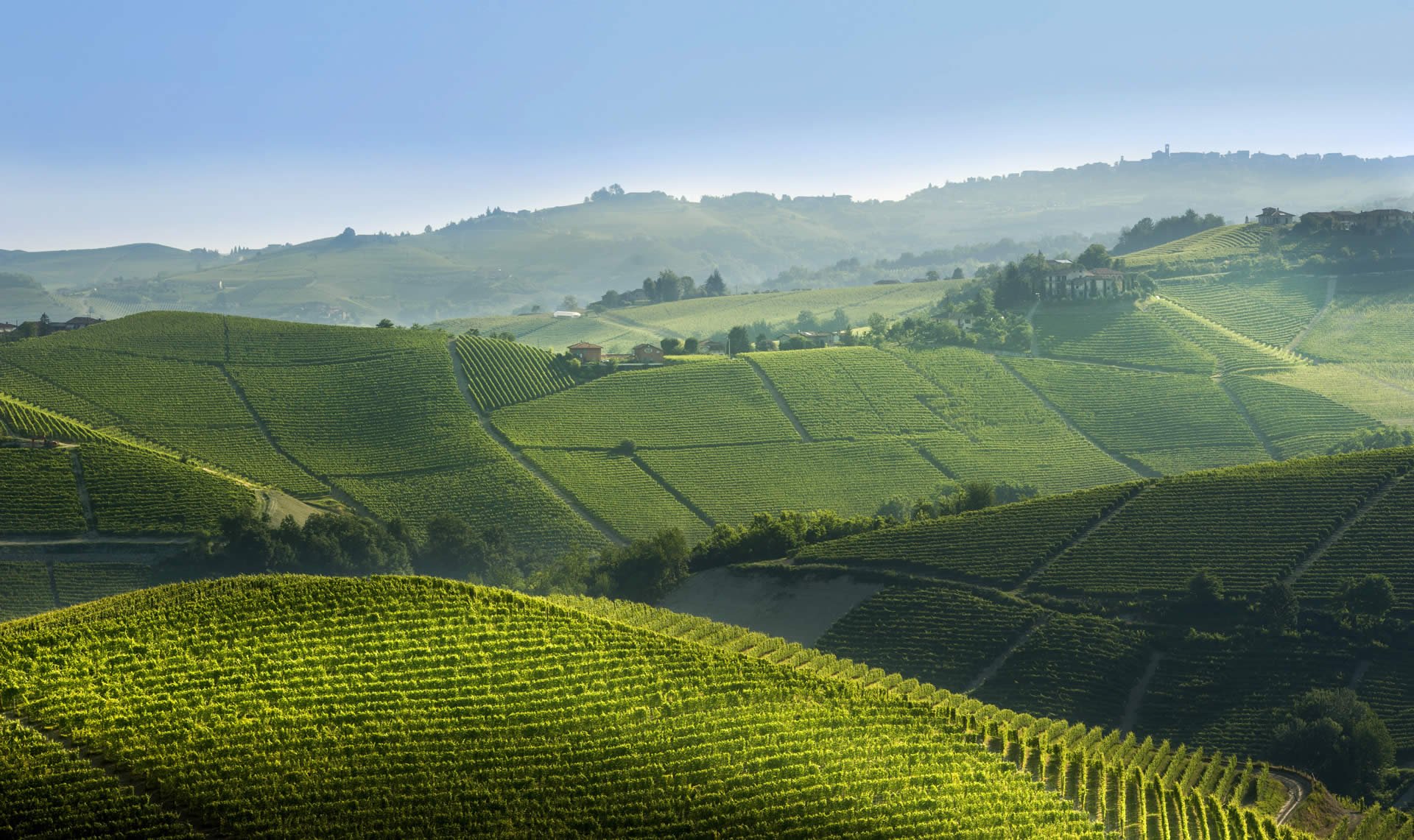
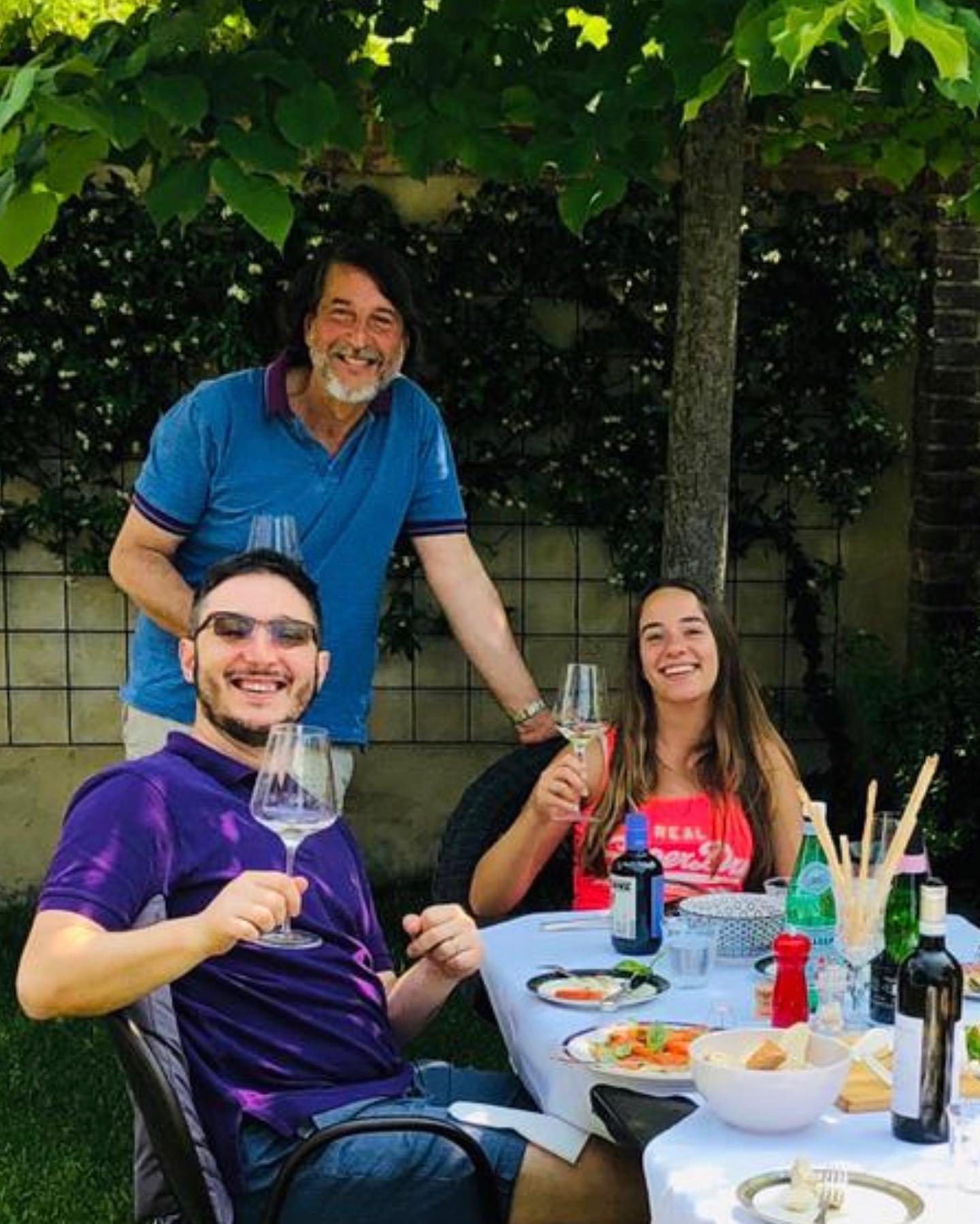
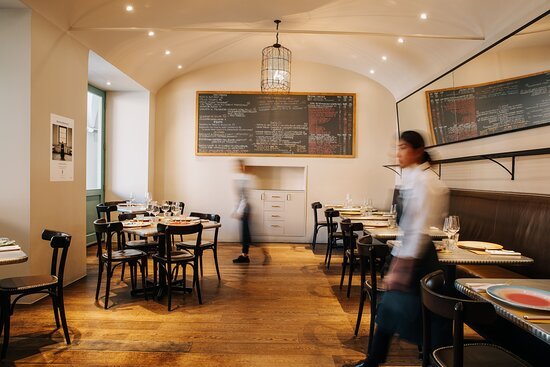
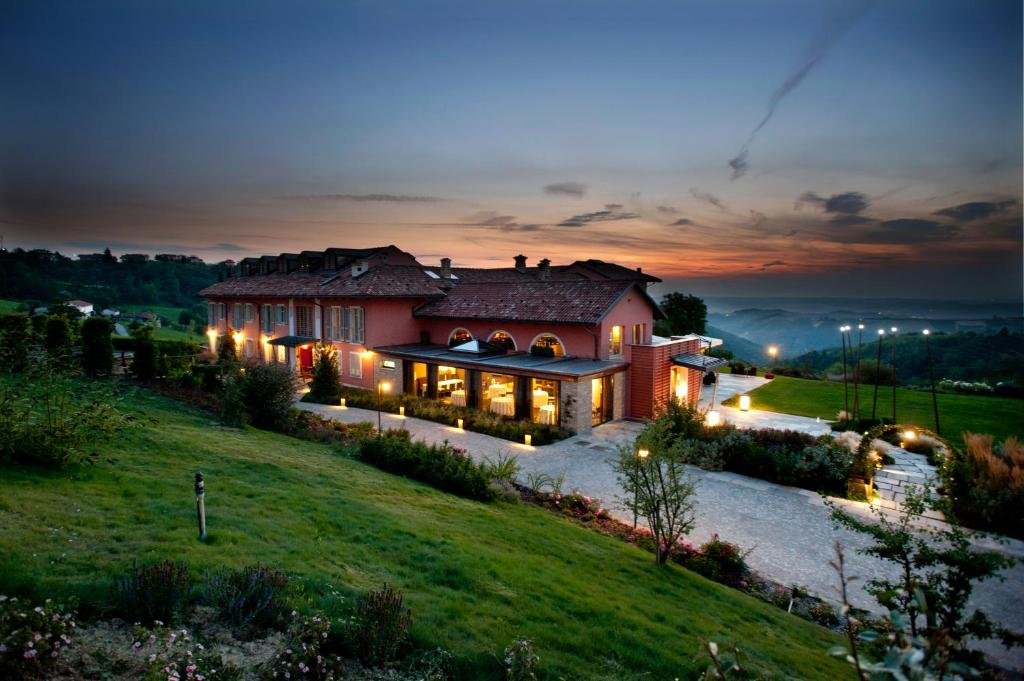
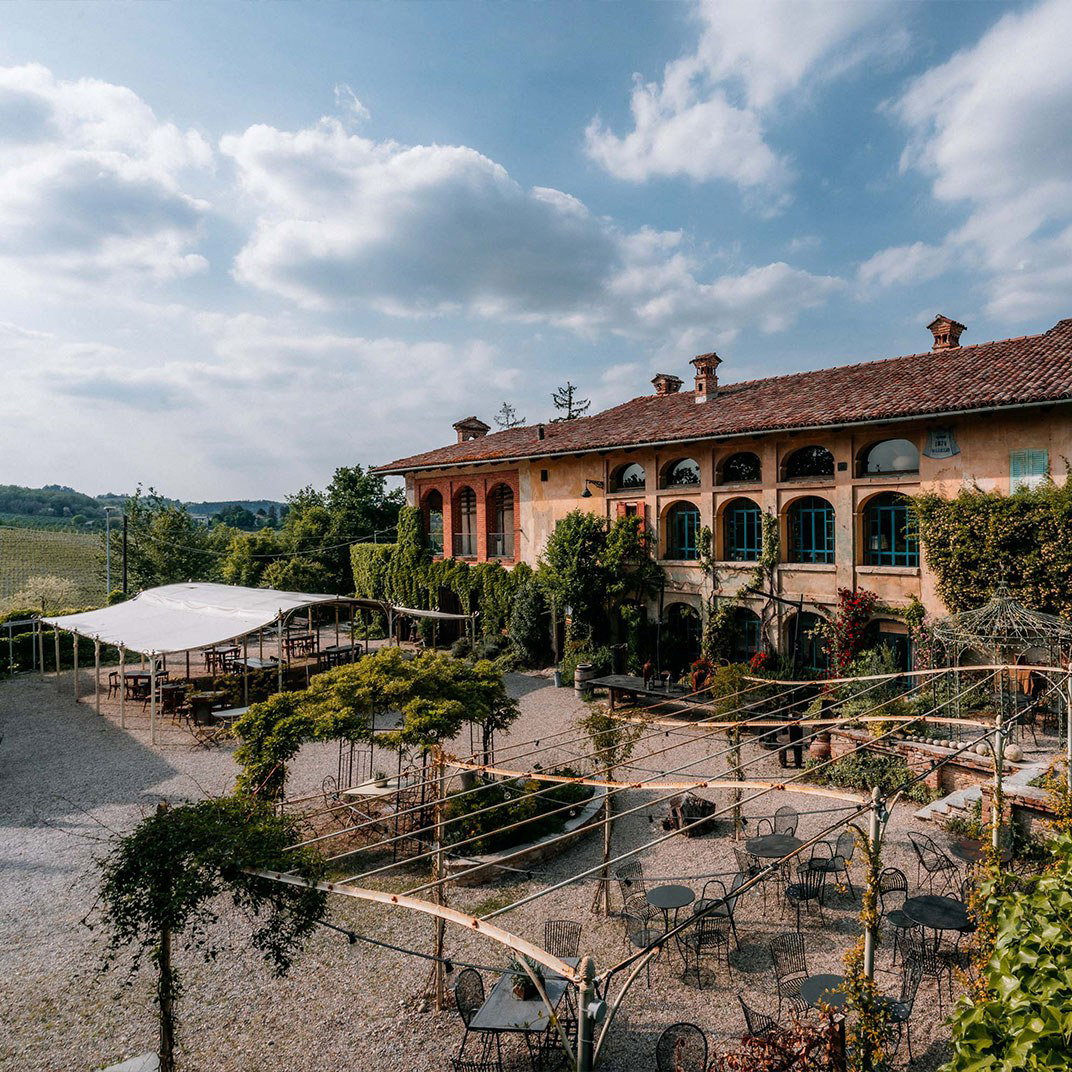
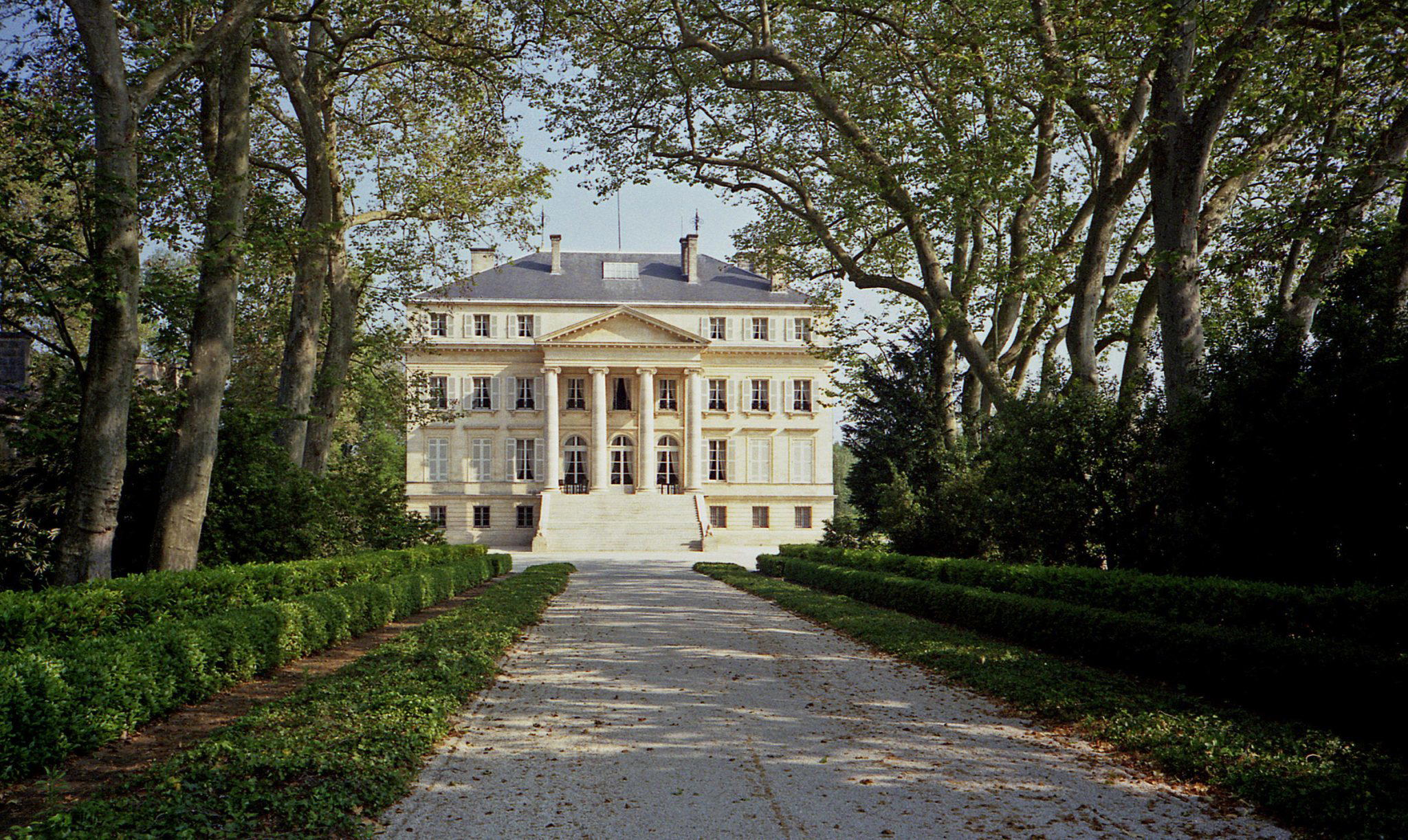
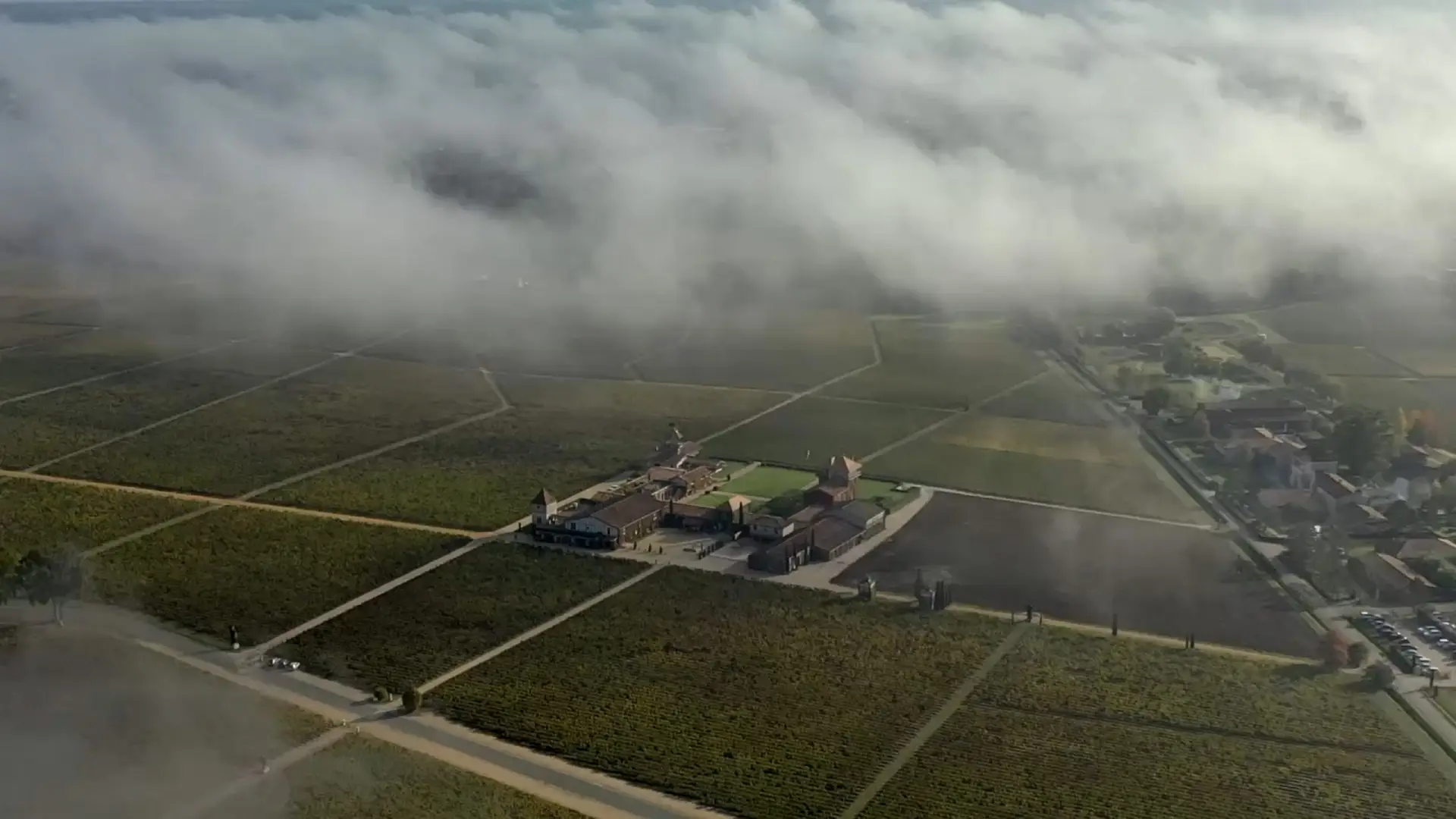
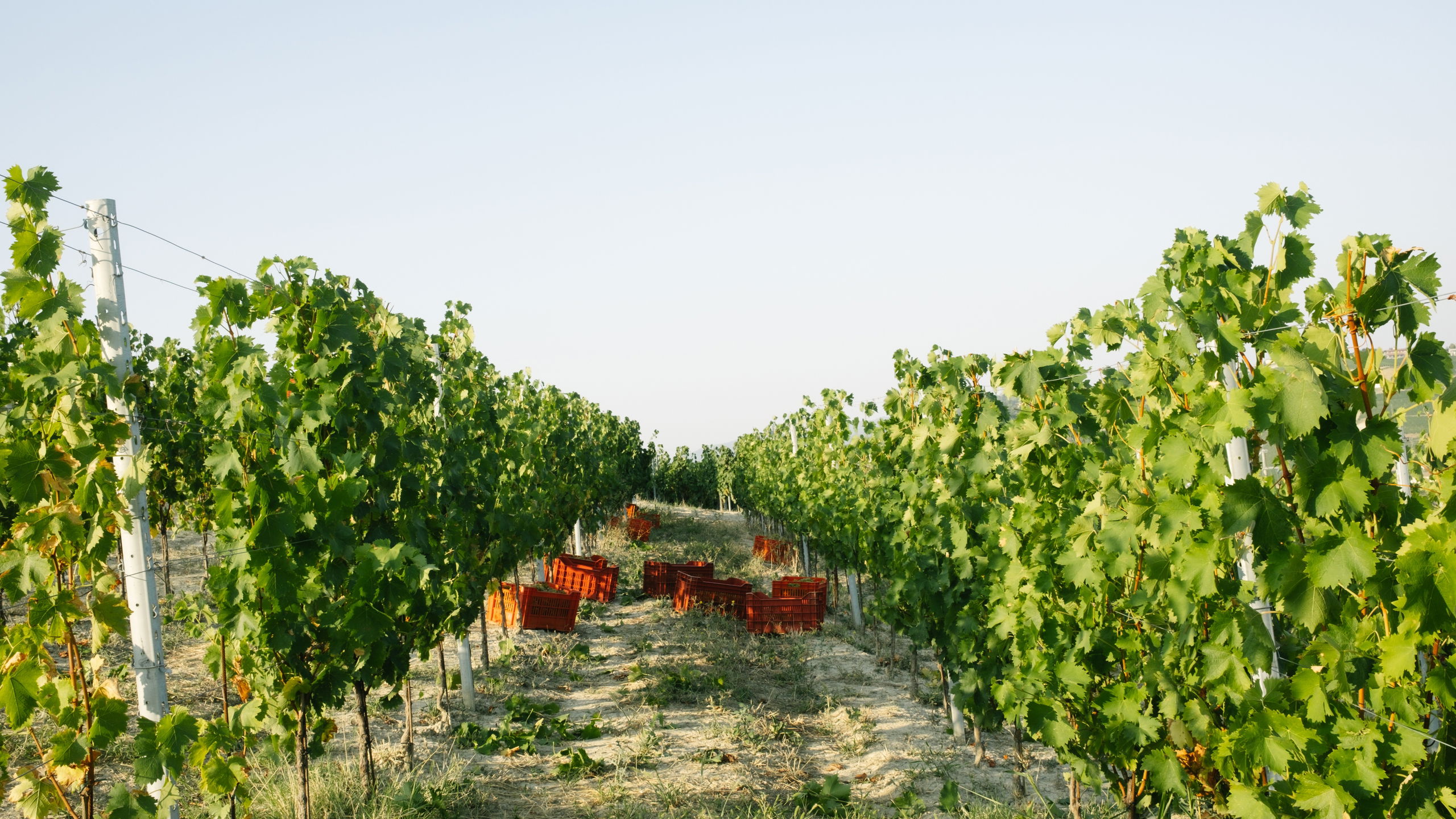
Ceretto reads as a quietly authoritative Langhe estate: a multi-generation Piedmontese house set directly in some of the most photographed vineyard terrain in Italy. The property feels intentionally serious rather than showy, and the hospitality follows that tone. Tastings are presented as focused examinations of site and vintage, with staff leading technical conversations about cru distinctions and Nebbiolo sensitivity. The overall impression is classic and historic—an estate that foregrounds the vineyards and the wine itself, attracting visitors who appreciate considered, education-forward hospitality rather than spectacle.
Best For
Ceretto is best for serious wine visitors, collectors, and anyone traveling to the Langhe to deepen their understanding of Nebbiolo, Barolo and Barbaresco. The estate functions as a destination for people who want a technical, terroir-focused tasting rather than a casual drop-in. It also suits small groups and committed wine students who value structured tasting formats and detailed vintage conversation. Travelers seeking iconic vineyard views and an education-rich experience will find Ceretto aligns with a purpose-driven visit rather than a quick tourist stop.
Tasting Tips
Book a tasting in advance and specify that you want a focused, cru- or vintage-oriented format—Ceretto emphasises tasting formats that read like considered hospitality. Ask staff for a walkthrough of cru distinctions and vintage variation; the conversation is deliberately technical and region-centered. Prioritise Nebbiolo-based wines (Barolo and Barbaresco) when you want to understand site expression, and allow time for staff to explain how slope and exposure affect the wines. Treat the visit as an education opportunity and come prepared with questions about terroir and vinification.
Venue details
Ambiance
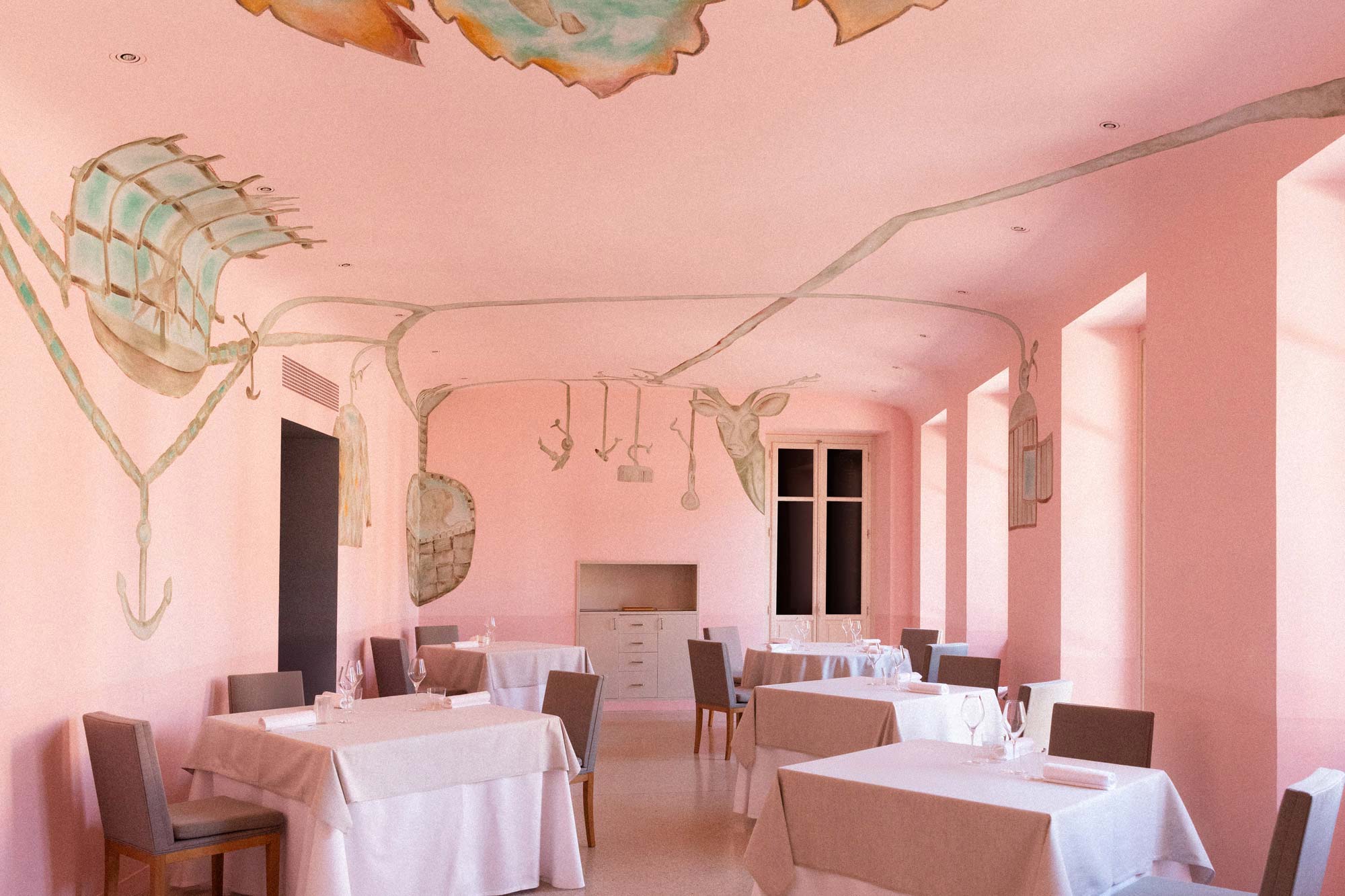
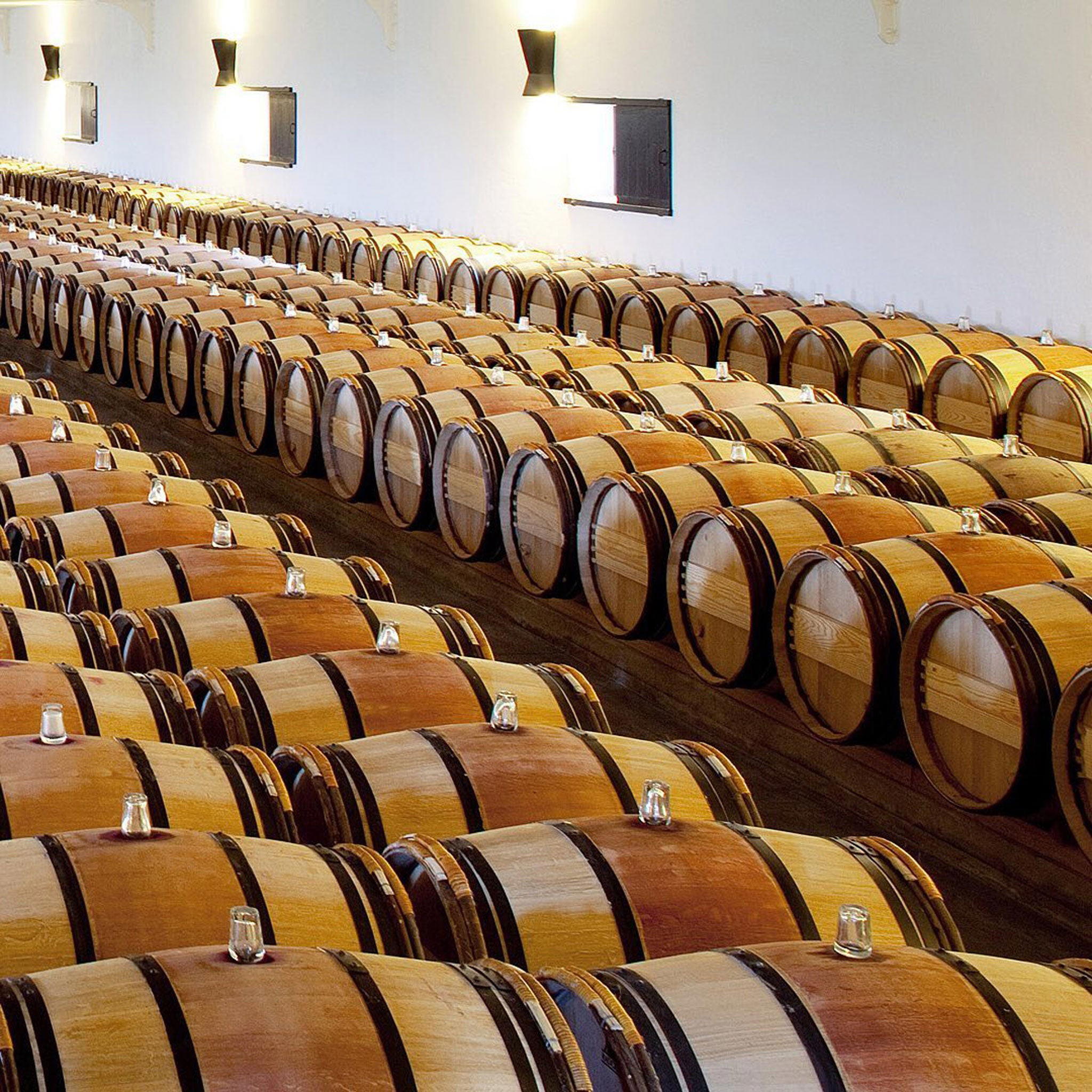
Sophisticated and artistic atmosphere blending vineyard landscapes with modern art and elegant hospitality spaces.
Tags
Vibe
Best For
Experience
Sourcing
View
At the Vineyard
- Appellation
- Barolo DOCG
- Varietals
- Nebbiolo, Arneis, Barbera, Dolcetto, Moscato
- Tour Duration
- 60-90 minutes
- Tour Languages
- English, Italian
- Visits
- By appointment only
- Farming
- Organic
- Wine Styles
- Still Red, Still White, Sparkling
- Food Pairing
- Offered
- Shipping
- Available
- Wine Club
- Available
Know before you go
Know Before You Go
- Getting there
- Località S. Cassiano, 34, 12051 Alba CN
Planning details
Location
Recognition and awards


Also consider
If Ceretto is not available
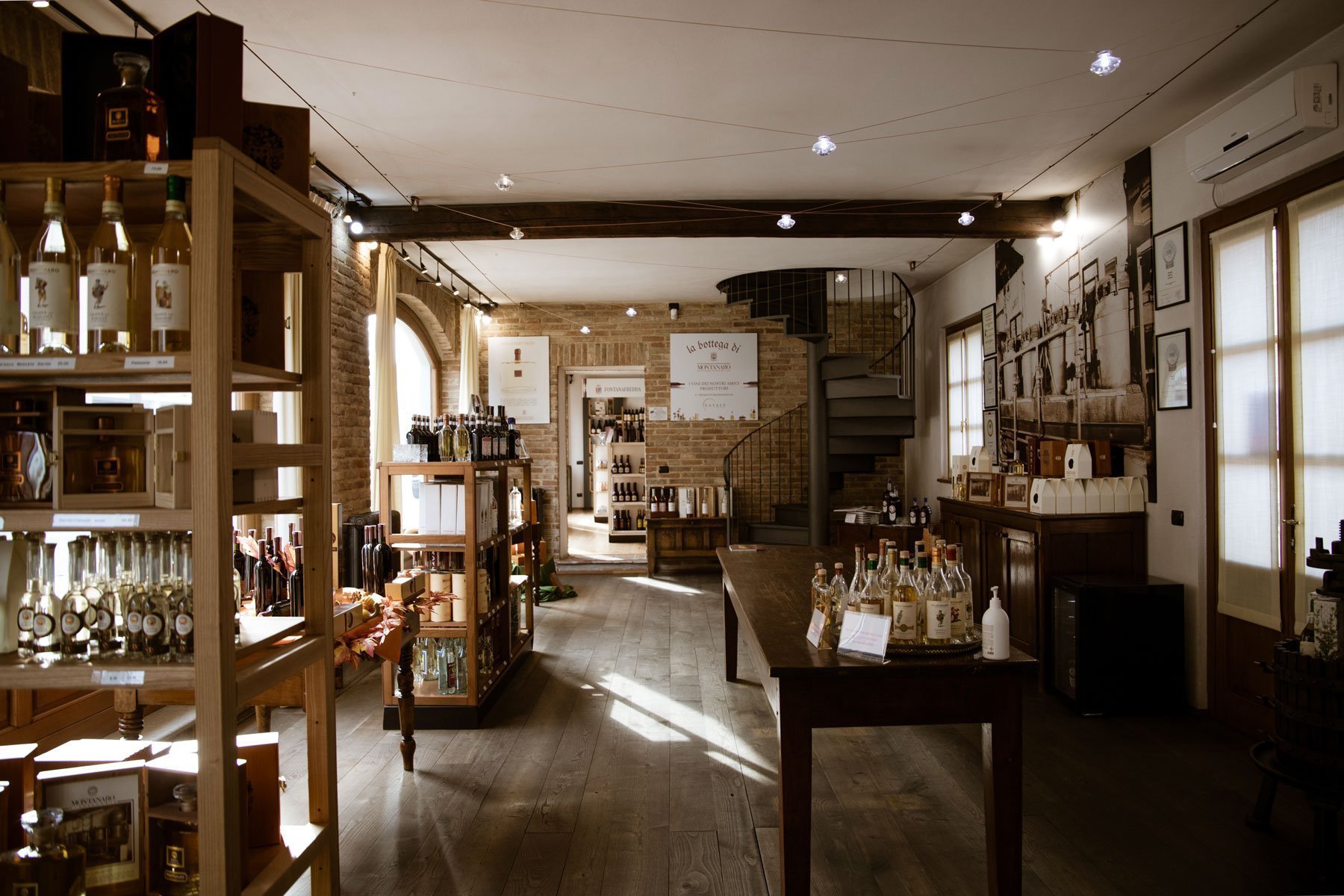
Try Pio Cesare first if staying in Alba is the priority. Pick Distilleria Montanaro if the group is open to spirits and wants a different style of drinks visit without making the day feel repetitive.
Winery context
How Ceretto compares in Alba
Ceretto is the prestige-leaning choice in this set, helped by its 2025 World's 50 Best Vineyards placement. That makes it the stronger pick for travelers who want a high-recognition winery visit and are willing to deal with difficult availability. Pio Cesare is the cleaner cross-shop for visitors who want to stay tightly focused on Alba, while Distilleria Montanaro is the smarter pivot if the group wants spirits rather than another wine tasting.
For a more producer-driven Langhe day outside the immediate Alba center, compare against Oddero, Cavallotto, and Brovia. Those names make more sense if the goal is to build a full countryside itinerary, while Ceretto is easier to justify as the headline stop when time is limited and recognition matters.
Value is harder to judge without published tasting pricing, so the decision should come down to intent. Choose Ceretto for a polished, high-demand visit; choose Pio Cesare for an Alba-centered wine day; choose Distilleria Montanaro when variety matters more than staying within wine.
Around this place
Discover more on Pearl
Unlock the full Ceretto guide in Pearl, including awards, comparisons, FAQs, planning details, and nearby places.
Compare Ceretto
| Venue | Location | Awards |
|---|---|---|
| Ceretto | Alba | 2026 Falstaff Winery Guide2025 World's 50 Best Vineyards · #192024 World's 50 Best Vineyards · #202023 World's 50 Best Vineyards · #292020 World's 50 Best Vineyards · #21 |
| Distilleria Montanaro | Alba | No published awards |
| Pio Cesare | Alba | 2026 Falstaff Winery Guide |
| Oddero | La Morra | 2026 Falstaff Winery Guide |
| Cavallotto | Castiglione Falletto | 2026 Falstaff Winery Guide |
| Brovia | Castiglione Falletto | 2026 Falstaff Winery Guide |
How Ceretto Alba compares with similar nearby venues.
FAQ
Frequently Asked Questions
Does Ceretto ship wine?
Confirm shipping directly with Ceretto in Alba. Ceretto has Pearl 3 Star Prestige for 2025 and is ranked #19 in World's 50 Best Vineyards 2025, but these awards do not indicate shipping service.
When is the best time to visit Ceretto?
Confirm timing directly with Ceretto before planning around a visit. Ceretto is located in Alba, a smart casual dress code applies, and it holds Pearl 3 Star Prestige for 2025 and World's 50 Best Vineyards #19 in 2025. Public hours or a visit schedule are not available.
Is the wine club at Ceretto worth joining?
It is not known whether Ceretto offers a wine club or membership program. If that matters to your plans, check directly with the venue in Alba before making a decision.
Can Ceretto handle large groups?
Group capacity information is not available. If you are planning with a group, contact Ceretto directly and confirm what is possible before building the Alba itinerary around it.
How long should I plan for a visit to Ceretto?
A specific visit length is not available. Treat Ceretto as a notable Alba stop and confirm the schedule, format, and timing directly before finalizing the rest of the day.
What other venues should I compare with Ceretto?
Pio Cesare is a useful Alba comparison, while Oddero, Cavallotto, Brovia, and Distilleria Montanaro are also relevant names to consider for a broader itinerary.