

2026 Falstaff Winery Guide: The Ultimate Wine Authority — Page 52
Falstaff's 2026 Wineries guide.

Venues on this list
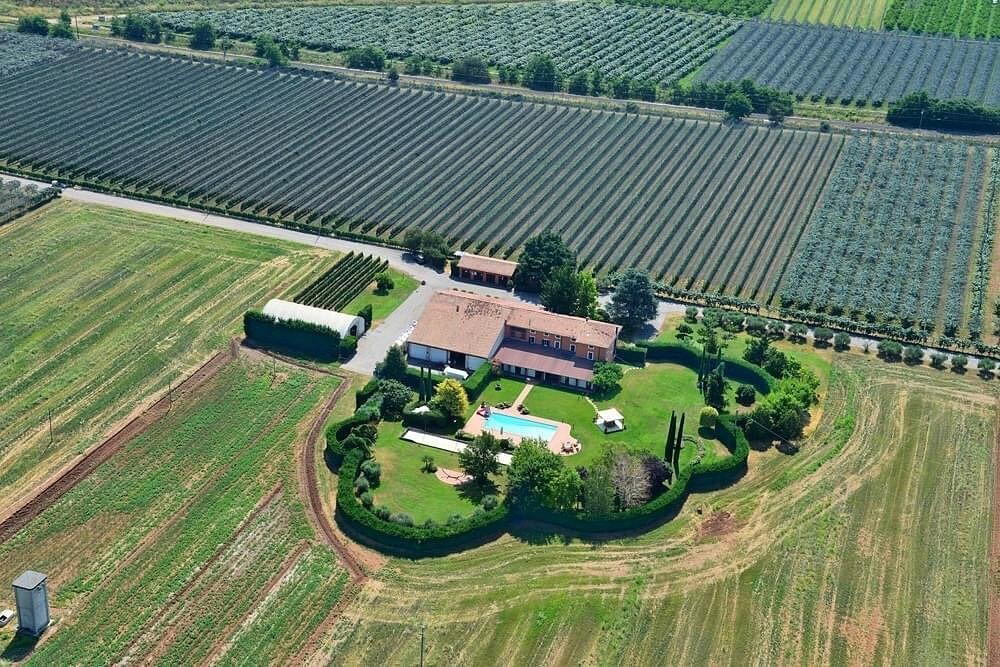
Ancilla
Dossobuono Di Villafranca, Italy
Ancilla is a sensible shortlist pick for a wine-led stop in Dossobuono di Villafranca, especially if the occasion is conversational rather than food-first. The 2026 Falstaff listing adds credibility, but with no confirmed cuisine, menu, pricing, or booking details, it is not the strongest choice for a tightly planned pairing meal without checking the format first.
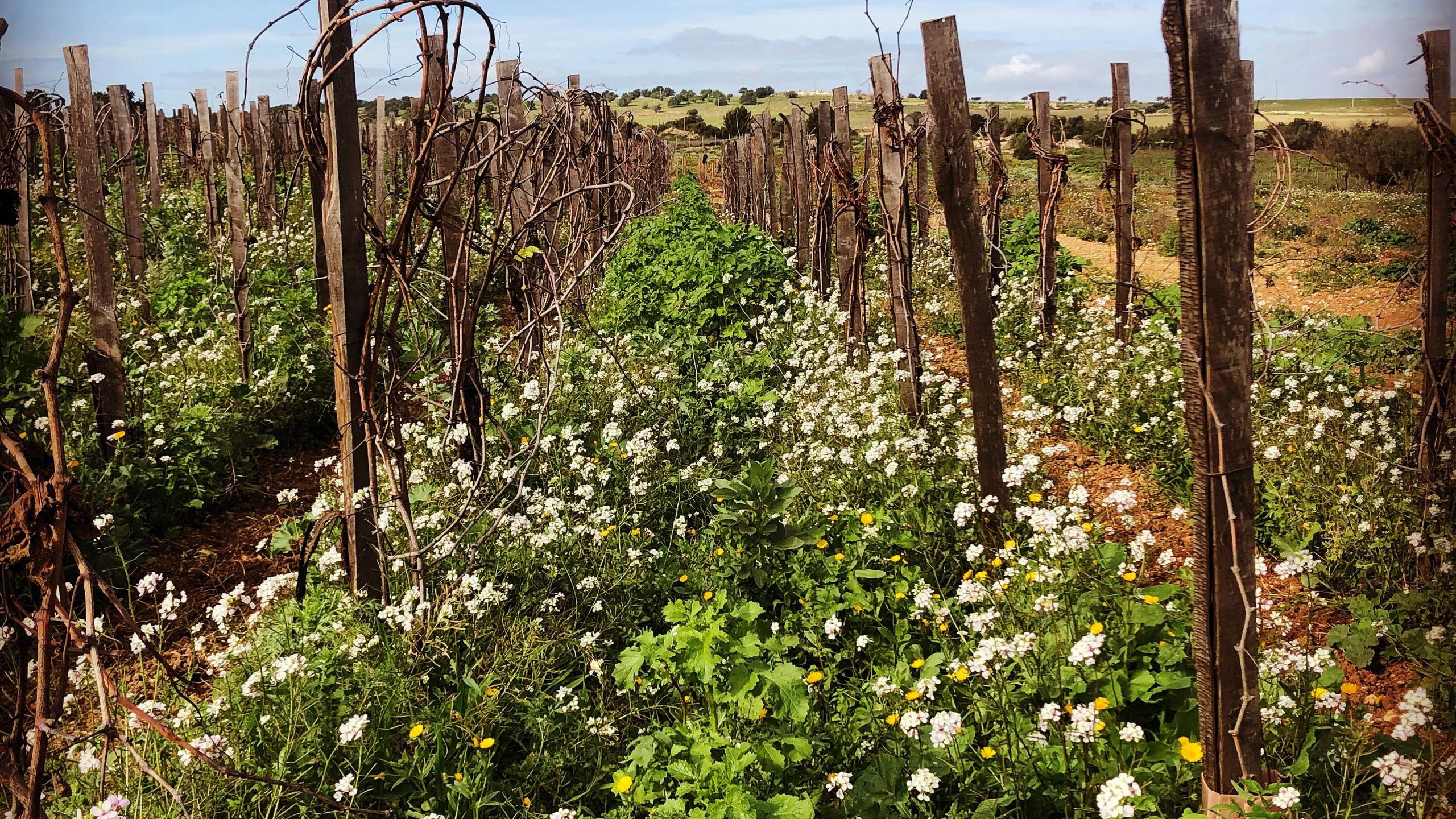
Azienda Agricola Arianna Occhipinti
Vittoria, Italy
Azienda Agricola Arianna Occhipinti is the Vittoria pick for a serious, small-format wine itinerary rather than a casual drop-in day. The case is strongest for travellers who care about southeastern Sicily's wine identity and can plan around difficult access; larger groups or convenience-first visitors should cross-shop easier alternatives.
Domaine Rietsch
Mittelbergheim, France
Domaine Rietsch is worth prioritizing if your Mittelbergheim stop is about focused Alsace wine context rather than a full-service hospitality setup. The Falstaff Listed (2026) signal gives it credibility, but the lack of verified food, pricing, hours, and booking details means it suits flexible wine travelers more than tightly scheduled groups.
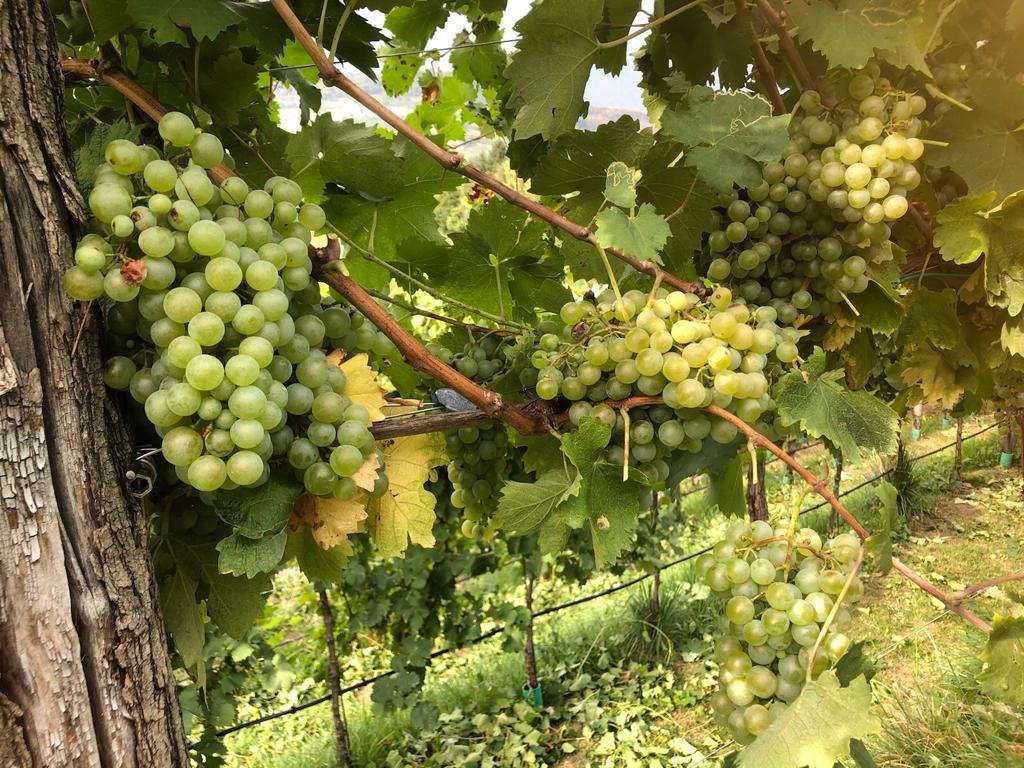
Azienda agricola Borgo Schiavin Prosecco Fato1734
Tarzo, Italy
Book Borgo Schiavin if the goal is a quiet, place-led Prosecco stop in Tarzo rather than a broad tasting-room outing. The draw is Fato 1734, DOCG context, biodiversity-forward identity, and a $$ price tier that works for wine-focused travellers who plan ahead.
Eduardo Torres Acosta
Castiglione di Sicilia, Italy
A wine-first Castiglione di Sicilia pick for travellers building an Etna-focused tasting or bottle-research day. Eduardo Torres Acosta makes more sense for small, prepared groups than for visitors needing food service, large-party logistics, or a polished hospitality format.
Chateau Les Clottiers
Berson, France
A relaxed Blaye Côtes de Bordeaux stop for travelers who want approachable, Merlot-led reds in a rural setting rather than formal château luxury. Château Les Clottiers is strongest as part of a Berson wine-country day, especially for visitors who value regional context, easygoing tastings, and credible value over a highly structured hospitality program.
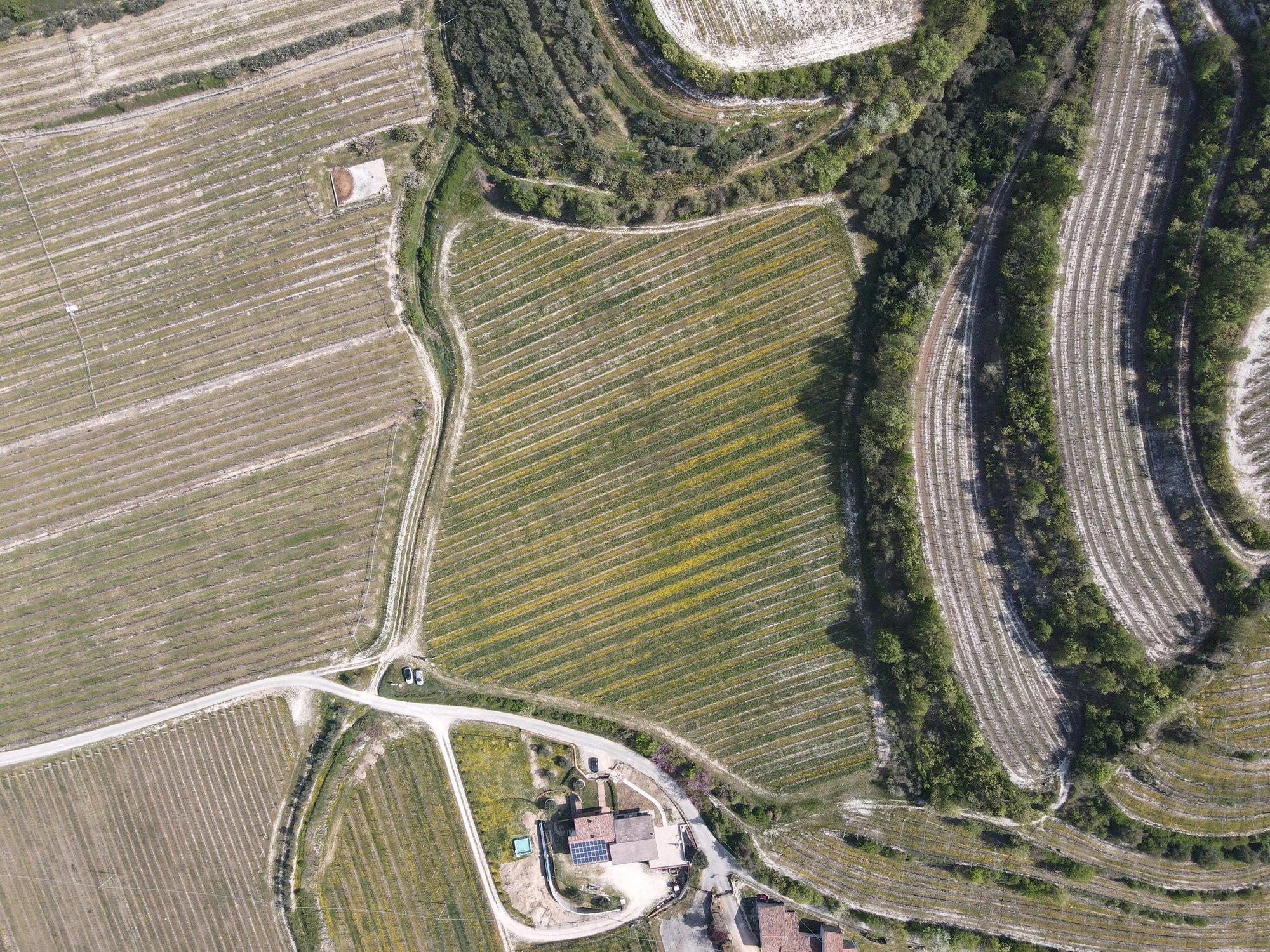
Carlo Alberto
Lavagno, Italy
Carlo Alberto is worth planning for if you want a quiet, small-scale Val di Mezzane winery visit built around native Veneto grapes rather than a large tasting-room circuit. The draw is its compact two-site vineyard setup: Garganega for Soave in Lavagno, and Corvina-led Valpolicella and Amarone from Mezzane di Sotto.
Clos de l'Oratoire
Saint-Émilion, France
Clos de l'Oratoire is worth pursuing for serious Saint-Émilion drinkers who want a Merlot-led Grand Cru Classé with organic farming, careful oak-vat vinification, and strong 2020 critic support. Treat it as an appointment-only, wine-first estate rather than an easy tourism stop; the value is in the bottle and the Right Bank context, not confirmed visitor amenities.
Casale del Giglio
Latina, Italy
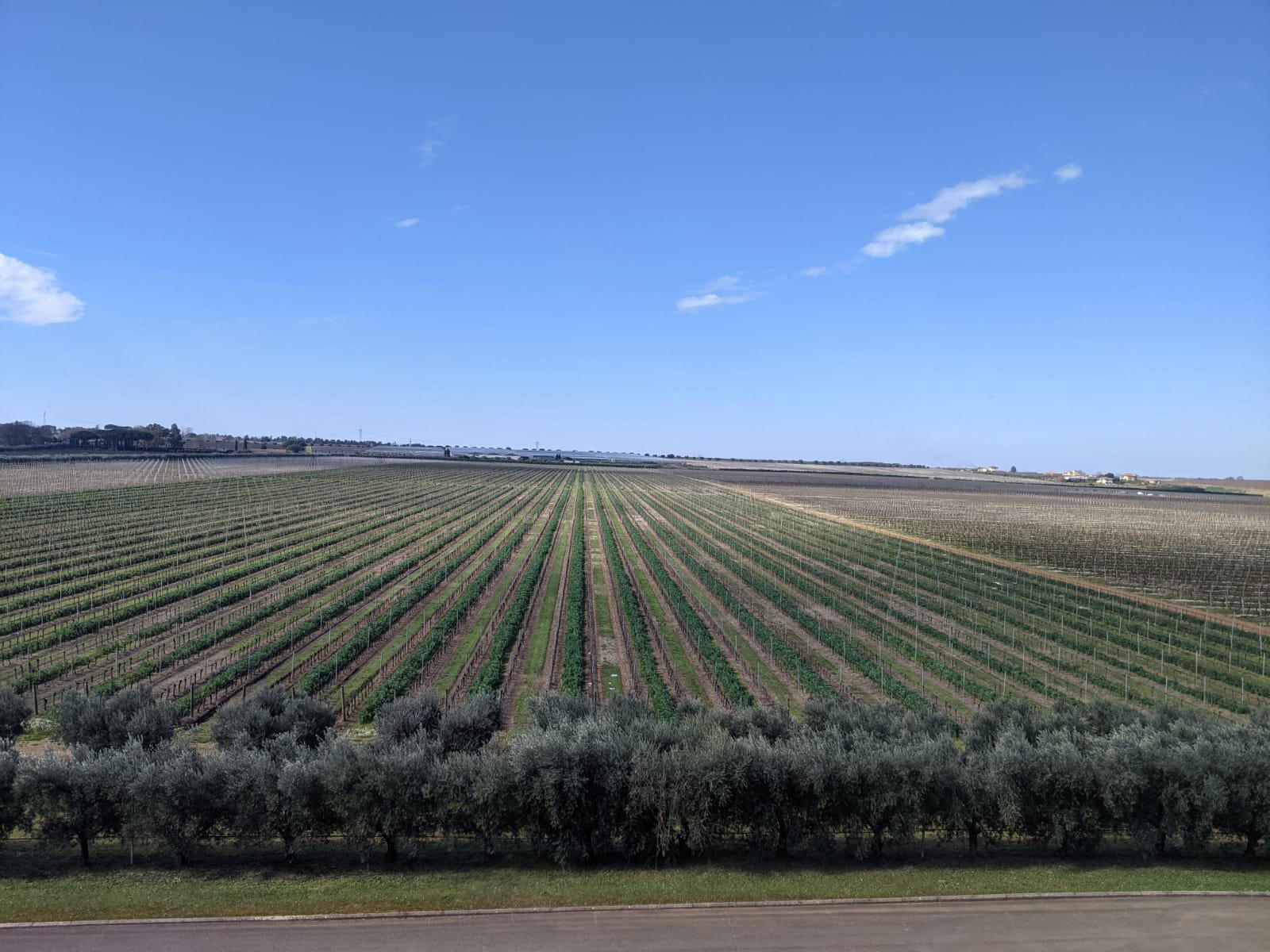
Casale del Giglio is worth prioritising for a Latina wine-focused day, especially with Falstaff 4 Stars (2026) giving it a clear quality signal. Plan it as a winery-first visit rather than assuming restaurant-style dining or easy last-minute logistics; the experience makes more sense with transport, timing, and the rest of the Latina itinerary arranged around it.
AdamsWein
Ingelheim Am Rhein, Germany
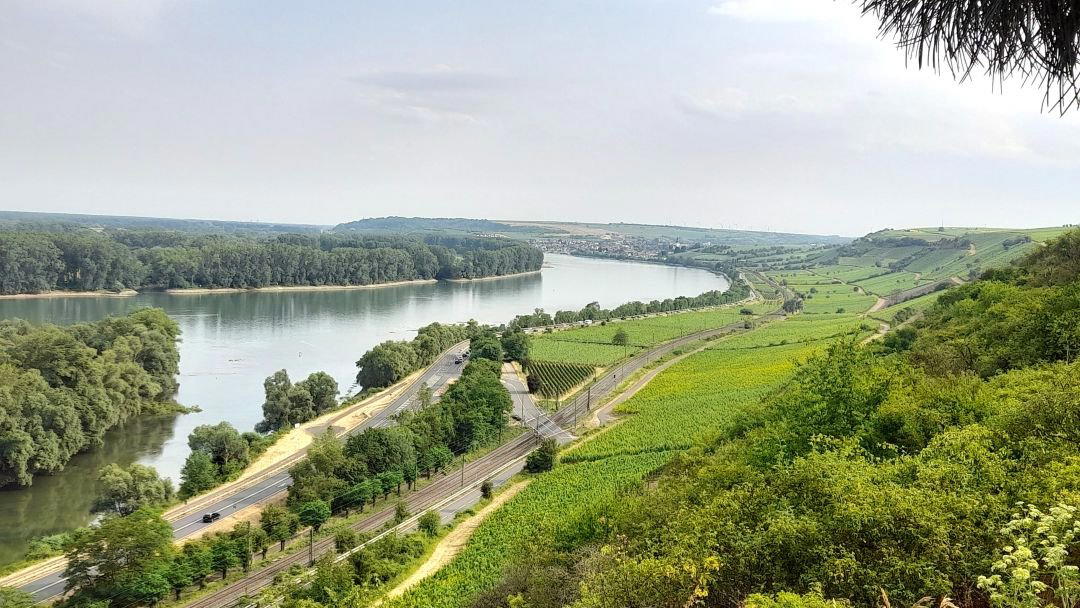
AdamsWein is a worthwhile Ingelheim am Rhein wine stop for travelers who care about Rhine Hesse context and current external recognition. Falstaff 4 Stars in 2026 gives it a clear quality signal, but practical planners should verify visit details before building the day around it.
Domaine Alain Geoffroy
Beine, France
Book Domaine Alain Geoffroy if the day is about Chablis rather than a long estate program. It makes the most sense as a focused Beine wine stop for travelers who want regional context and a cellar-led itinerary, not a food-led visit or destination-hospitality experience. Recognition from Falstaff adds a useful trust signal, but plan around the wine rather than extras.
Innocenti
Torrenieri Montalcino, Italy
Innocenti works for a quiet, bottle-focused Montalcino tasting, especially if Brunello and Riserva are the point of the trip. It is a better fit for couples or small groups than for visitors seeking a large-scale hospitality setup, with Falstaff Listed recognition in 2026 adding a useful quality signal.
Weingut Arndorfer
Straß im Straßertale, Austria
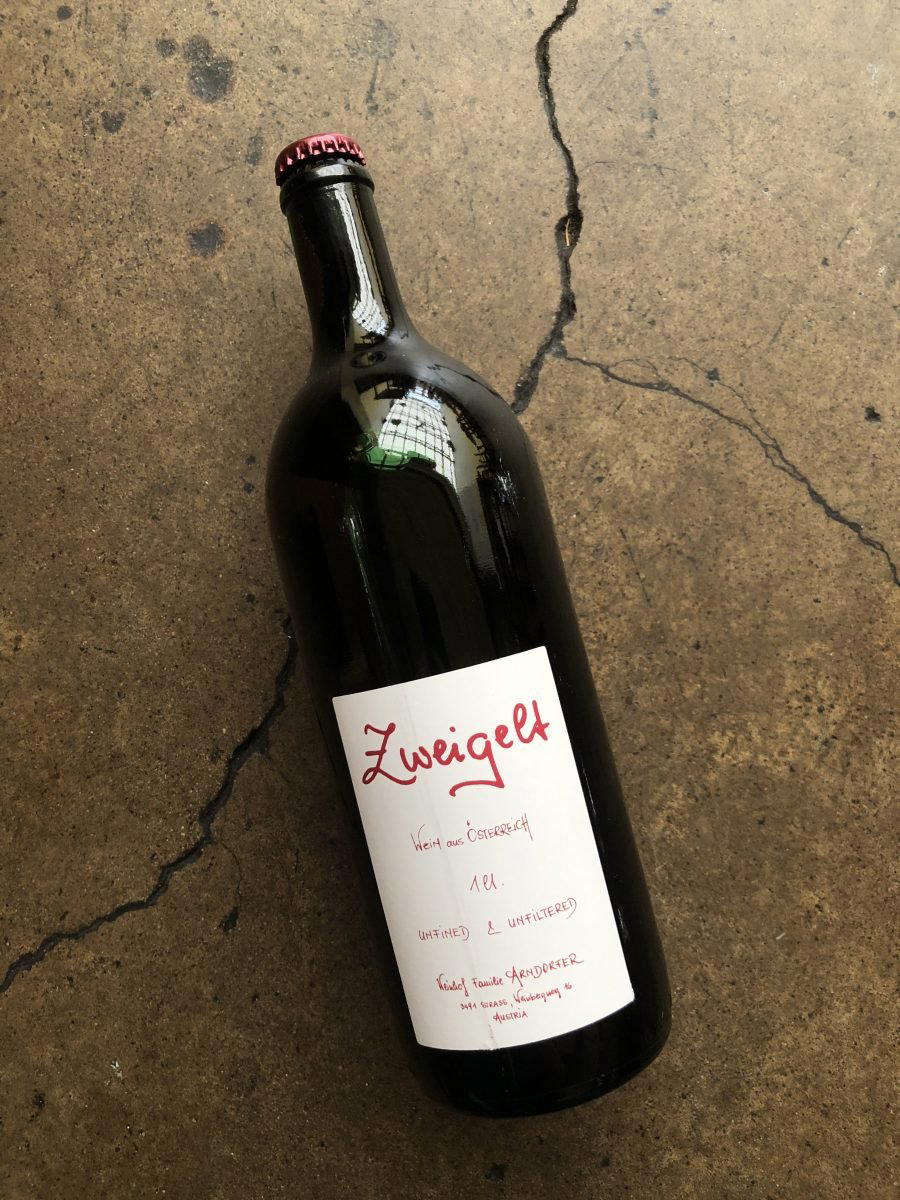
Book Weingut Arndorfer only if the wine itself is the point of the trip. It is a focused Straß im Straßertale choice for couples or small groups planning a serious winery stop, but readers wanting easier logistics, a fuller hospitality setup, or a more flexible group visit should compare Weingut Allram and Weingut Johann Topf first.
Francesco Rotolo - Confinis
Cividale del Friuli, Italy
Worth considering for a Friuli wine itinerary if recognition matters: Francesco Rotolo - Confinis is Falstaff Listed for 2026 and based in Cividale del Friuli. Because bottle details, food service, pricing, and tasting format are not specified, use it as a shortlist candidate and confirm the experience before making it the centerpiece of a celebration or wine-focused day.
Bodegas Shaya
Aldeanueva Del Codonal, Spain
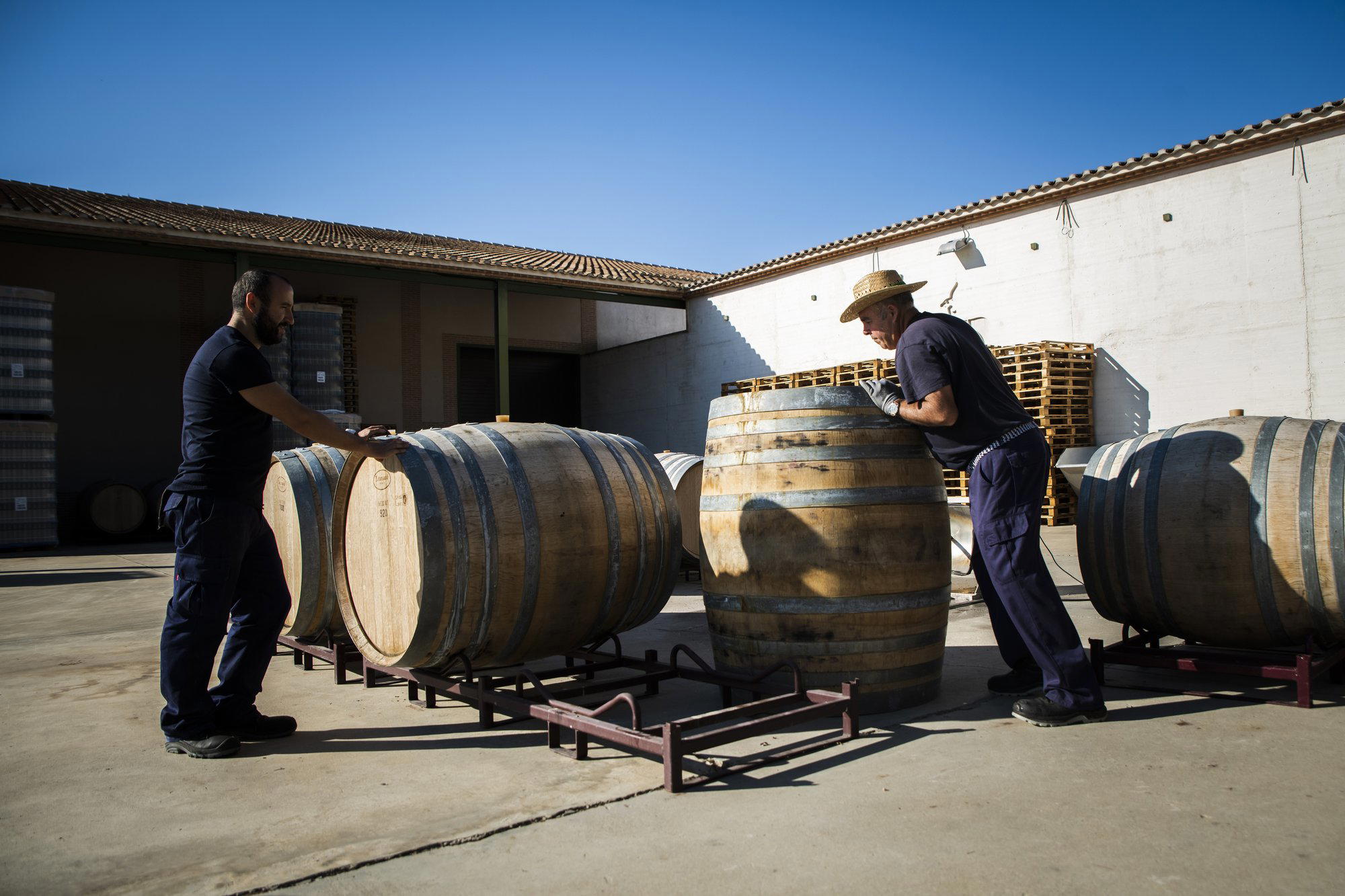
Book Bodegas Shaya if the occasion is genuinely wine-led: old-vine Verdejo, quiet rural Castilla y León surroundings, and a focused estate story rather than a polished resort tasting. It is strongest for small groups or couples who care about vineyards, organic farming, and the contrast between fresh Verdejo and barrel-aged Habis.
Real Companhia Velha
Vila Nova de Gaia, Portugal
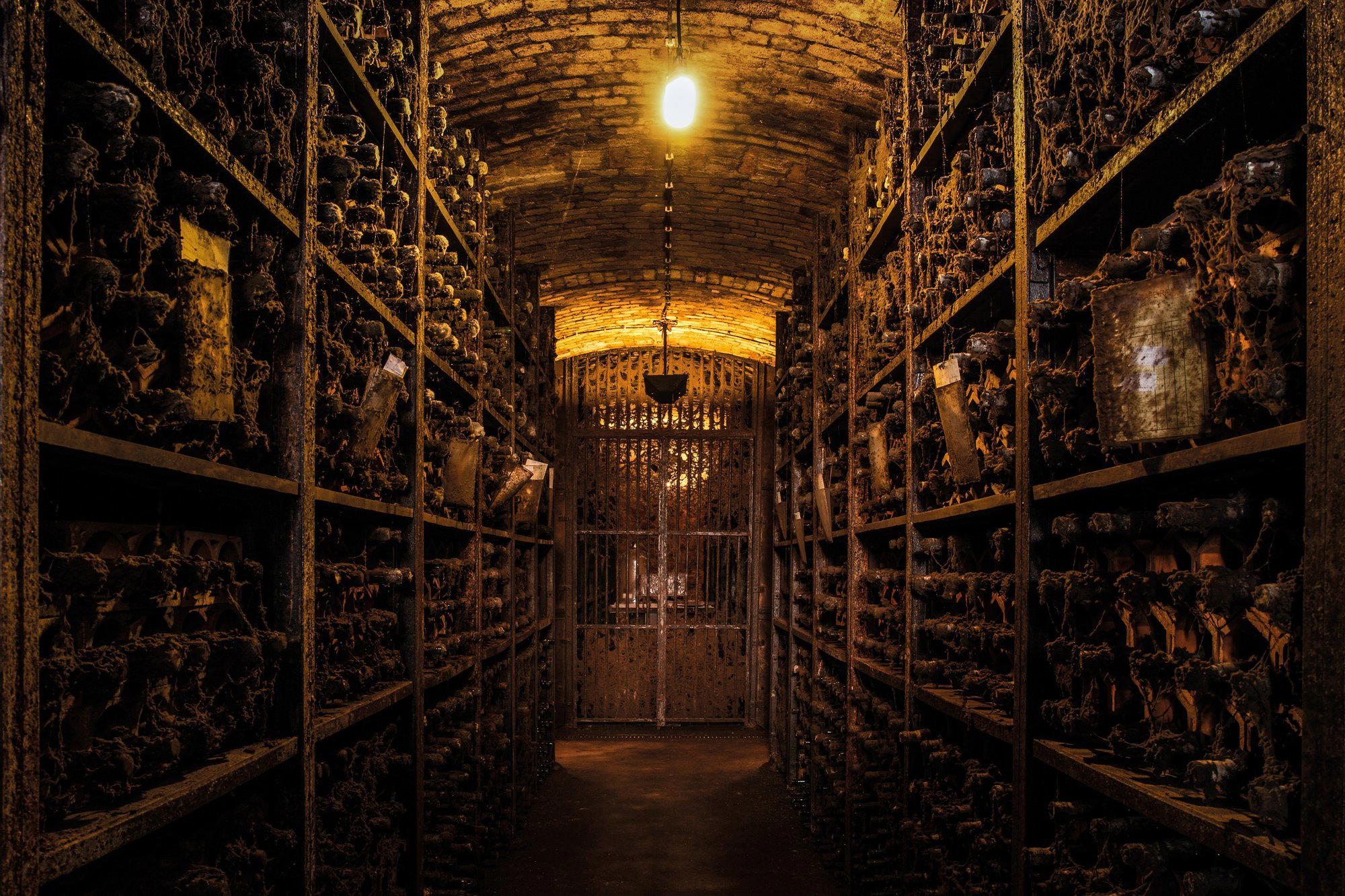
A strong choice in Vila Nova de Gaia for travellers who want a deeper port-house visit rather than a quick tasting stop. Prioritise it if wine context and cellar decisions matter; choose Sandeman or Taylor's Port instead if the group wants a more familiar, easier first Gaia booking.
Anette Closheim
Langenlonsheim, Germany
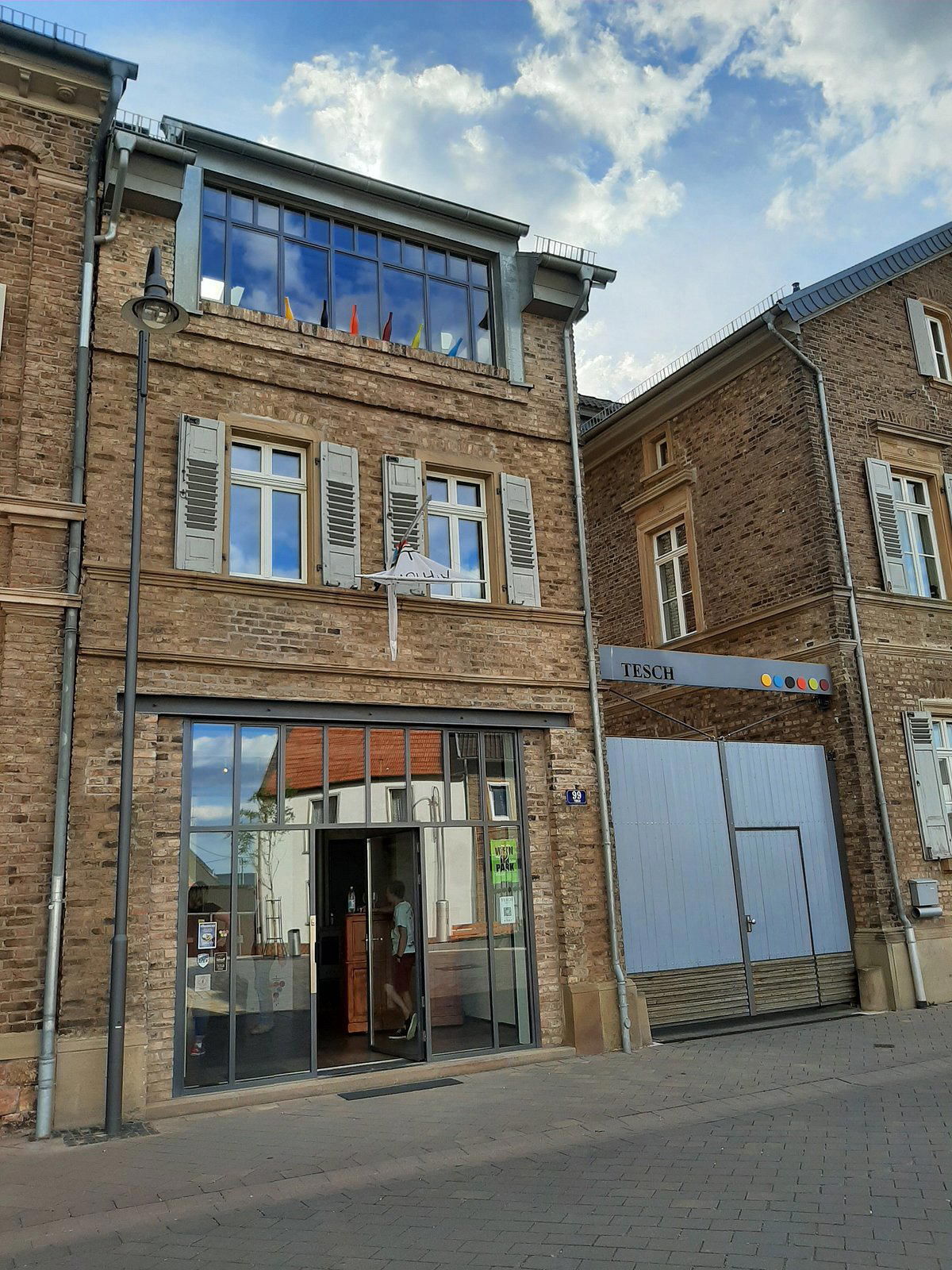
Book Anette Closheim as a wine-focused Nahe stop, not as a food plan. The Falstaff 2-star 2026 rating gives it enough credibility for serious Langenlonsheim itinerary planning, but the smart move is to pair it with other local wineries and confirm visit logistics before building the day around it.
Casa Emma
Barberino Tavarnelle, Italy
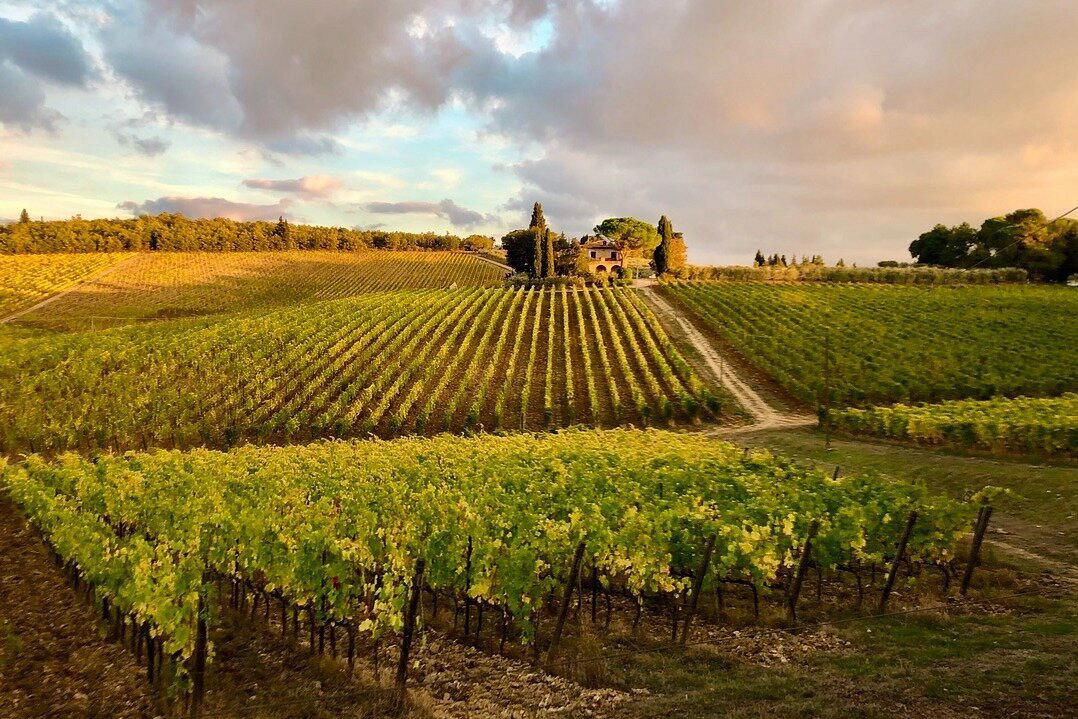
Casa Emma is a better fit for small, wine-focused visits than casual same-day tasting crawls. Its Barberino Tavarnelle setting adds appeal, but the decision should hinge on whether the group wants a quieter Chianti-area stop with enough recognition to justify planning ahead.
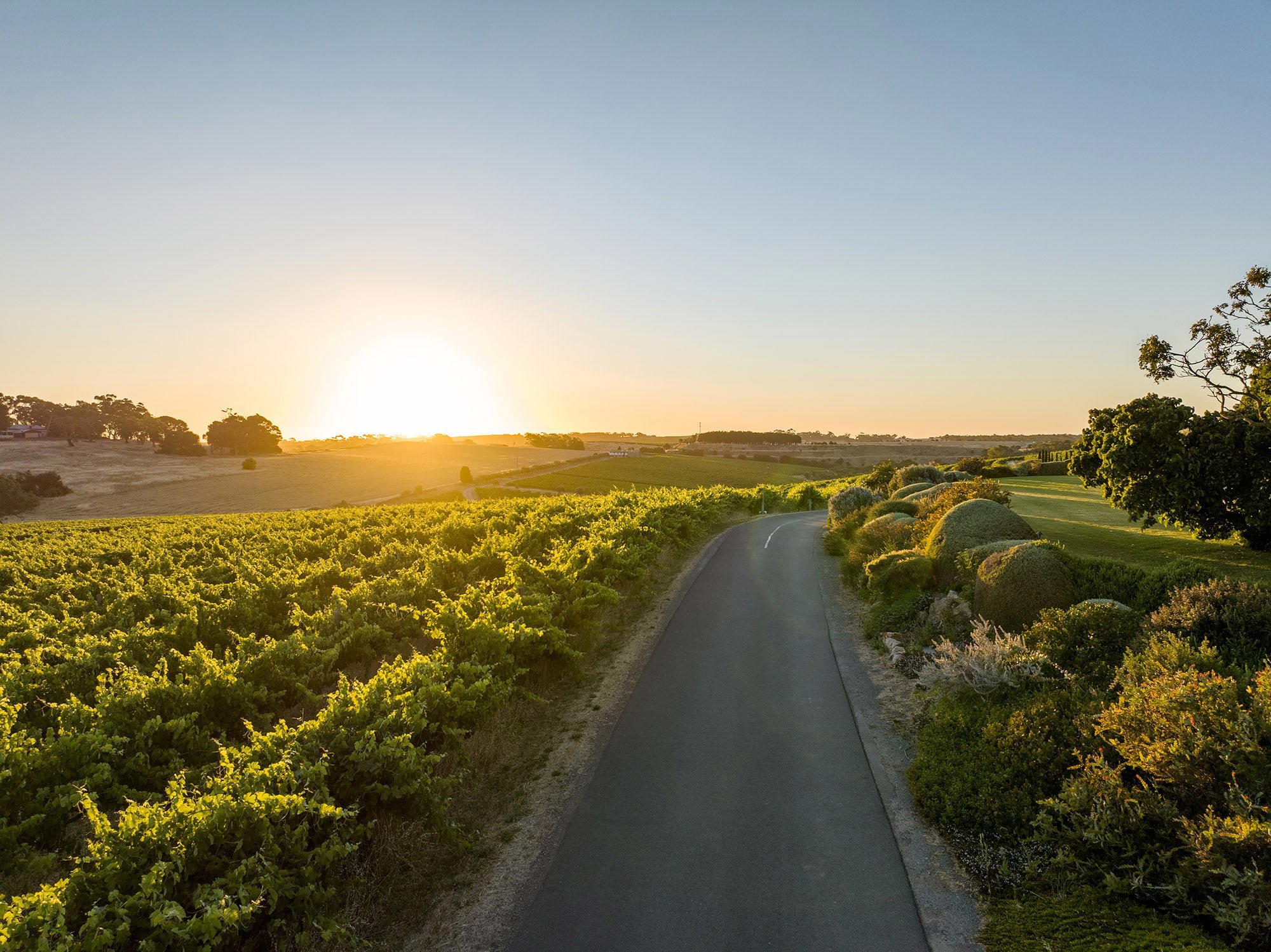
Coriole Vineyards
McLaren Vale, Australia
Coriole Vineyards is worth shortlisting for a special-occasion McLaren Vale winery visit where the estate setting matters as much as the tasting. The available detail supports it as a relaxed wine-country anchor rather than a tightly specified dining or tasting-menu destination, with Falstaff Listed recognition in 2026 adding a credible signal for planners narrowing the region.
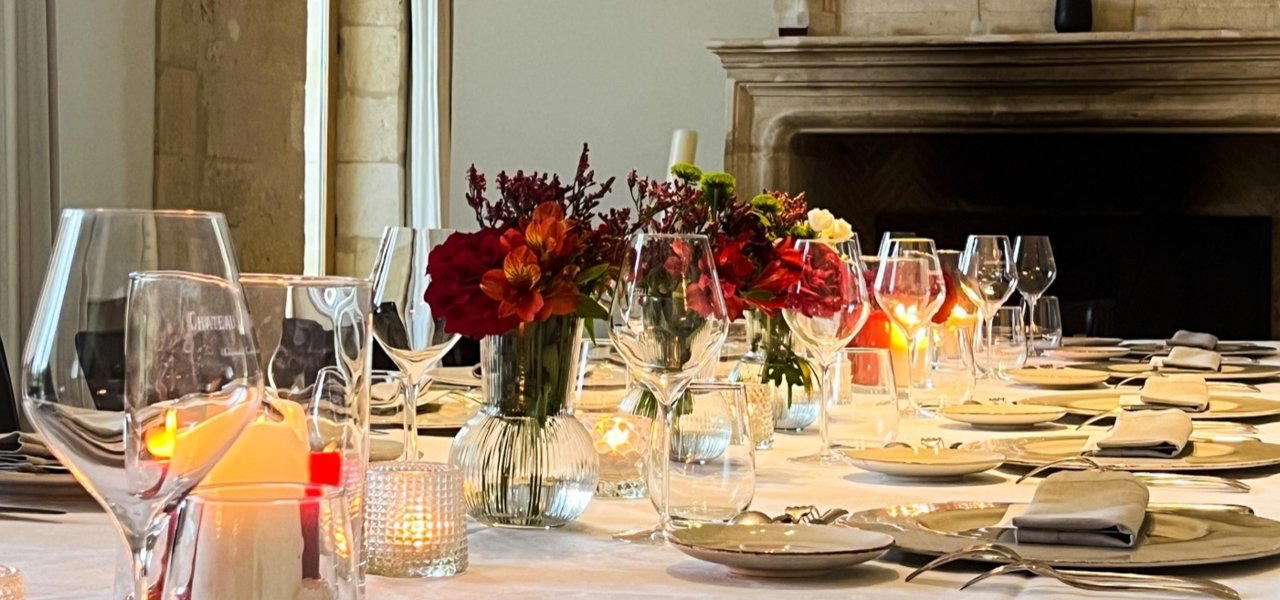
Château Certan Marzelle
Pomerol, France
Château Certan Marzelle is worth knowing for collectors and Right Bank enthusiasts, not for travelers seeking a standard winery visit. Its appeal is historic Pomerol context, small-scale Merlot production, and a soft, mature style tied to the Certan lineage and Moueix era.
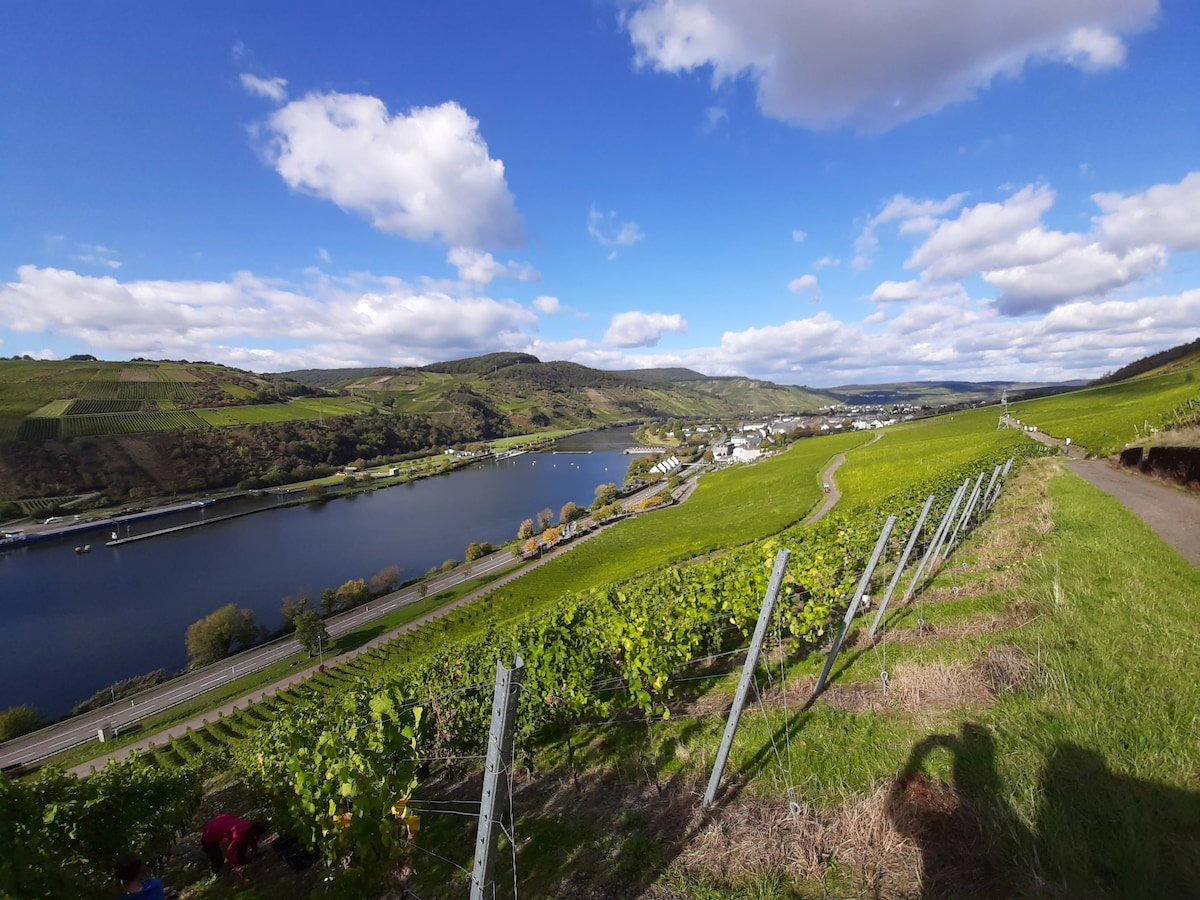
Ackermann ...das Weingut
Zeltingen-Rachtig, Germany
Book Ackermann..das Weingut if the goal is a calm, family-run Mosel tasting with strong Riesling context and a relaxed Zeltingen-Rachtig setting. It is better for value, village atmosphere, and an easygoing cellar visit than for trophy-label hunting or a highly formal tasting itinerary.
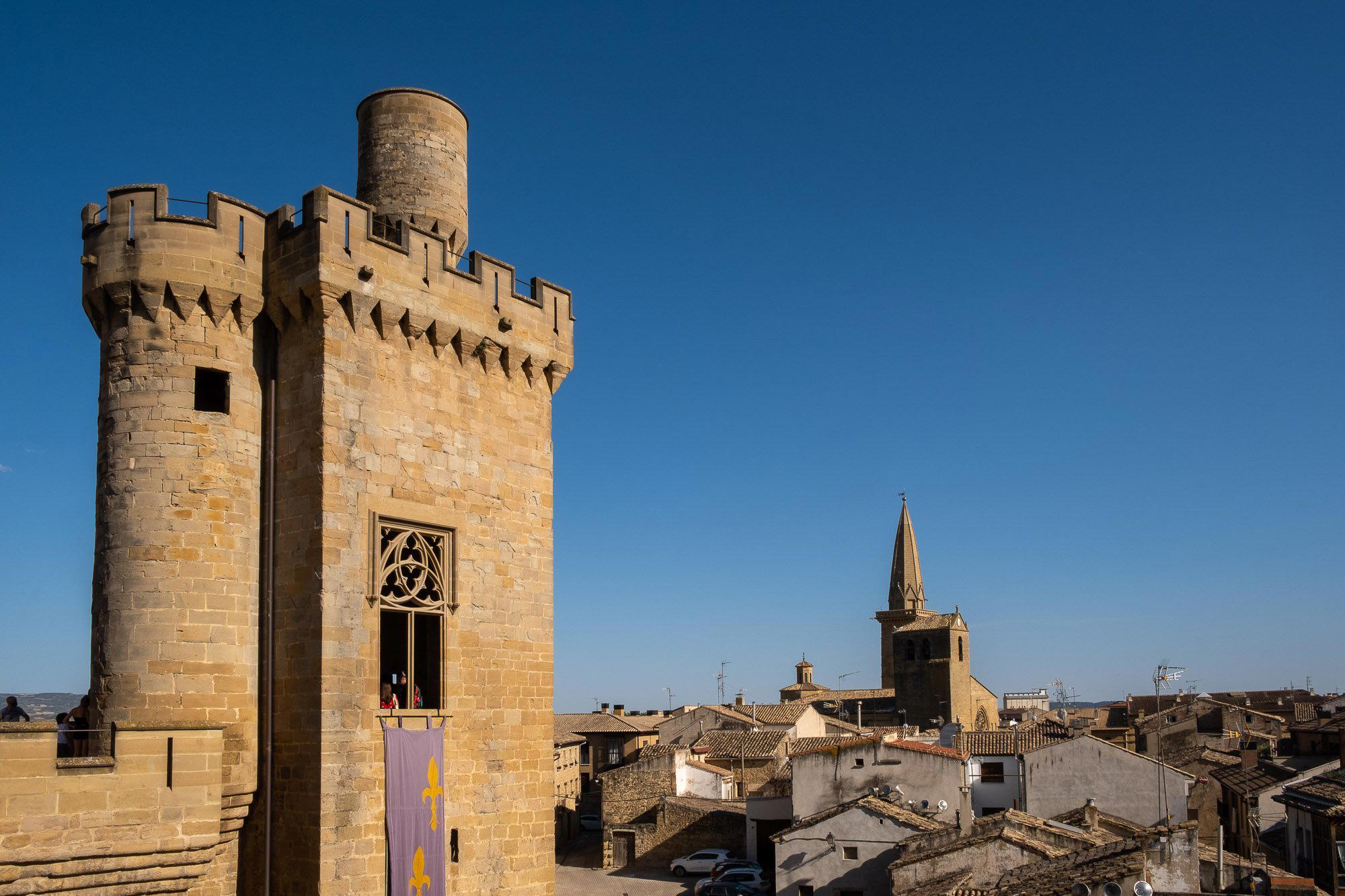
Bodega Señorio de Andión
Olite, Spain
Prioritise Bodega Señorio de Andión if the brief is a polished Navarra winery visit focused on aged wines, estate design and serious bottle context. It is a stronger fit for wine travellers than casual lunch planners, especially if the appeal is understanding a modern Olite producer with vineyard scale and a documented sweet-wine accolade.
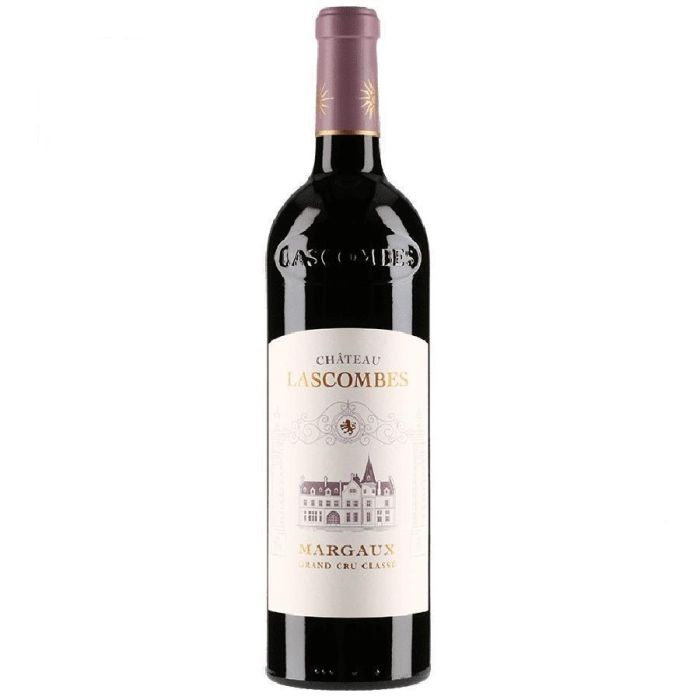
Château Lascombes
Margaux, France
Château Lascombes is worth prioritizing if the goal is a serious Margaux winery day, not a casual tasting stop. Plan around confirmed access, keep the itinerary tight, and compare it with nearby Margaux peers before committing the whole day.
Caves Saint-Valentin SA
Sitten, Switzerland
A quiet $$ Valais wine stop in Sitten for drinkers who want regional focus over a polished estate show. Go for AOC Valais context, especially Petite Arvine and Cornalin, and treat the 2026 Falstaff listing as a useful credibility signal rather than a promise of luxury hospitality.
Château La Croix Saint Georges
Pomerol, France
A serious Pomerol wine stop with Falstaff 2 Stars in 2026, Château La Croix Saint Georges is worth pursuing if the goal is focused producer context rather than a food-led visit. Treat it as appointment-driven and plan restaurants separately, especially if pairing or hospitality format matters to the day.
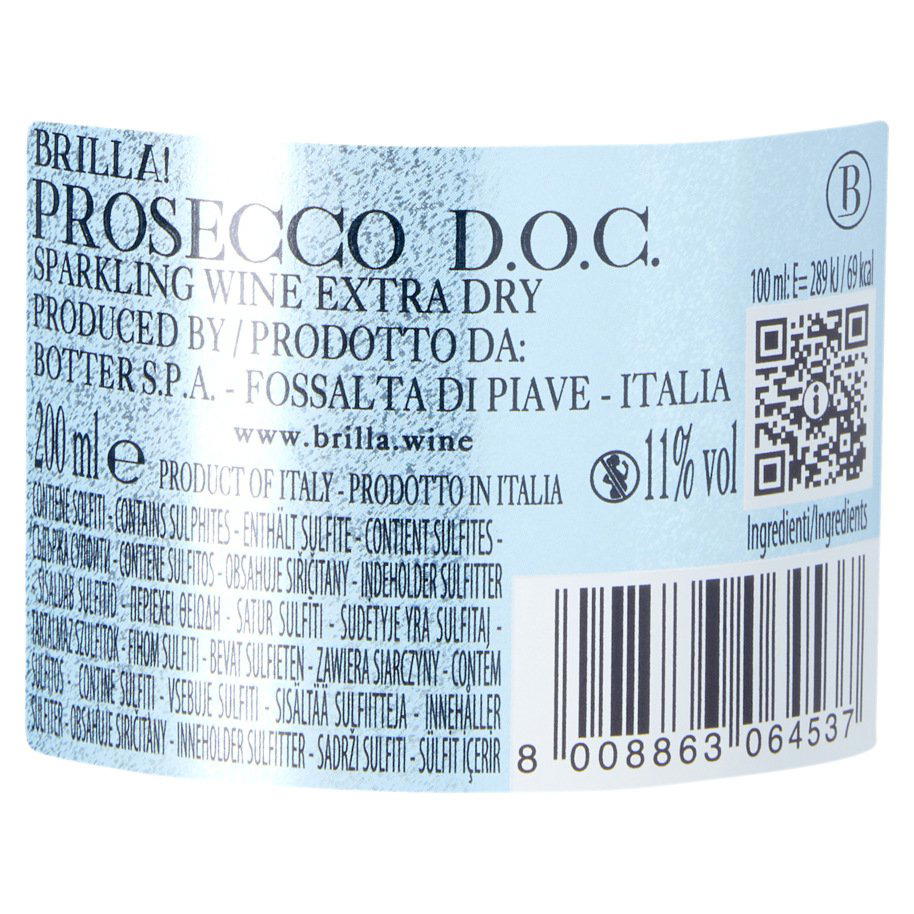
Brilla!
Fossalta Di Piave, Italy
Brilla! works if your Fossalta di Piave plan calls for accessible Veneto sparkling wine rather than a formal cellar appointment. The appeal is modern Prosecco branding, $$ pricing, walk-in-friendly logistics, and a 2026 Falstaff listing; make it an easy add-on, not the whole wine-day anchor.
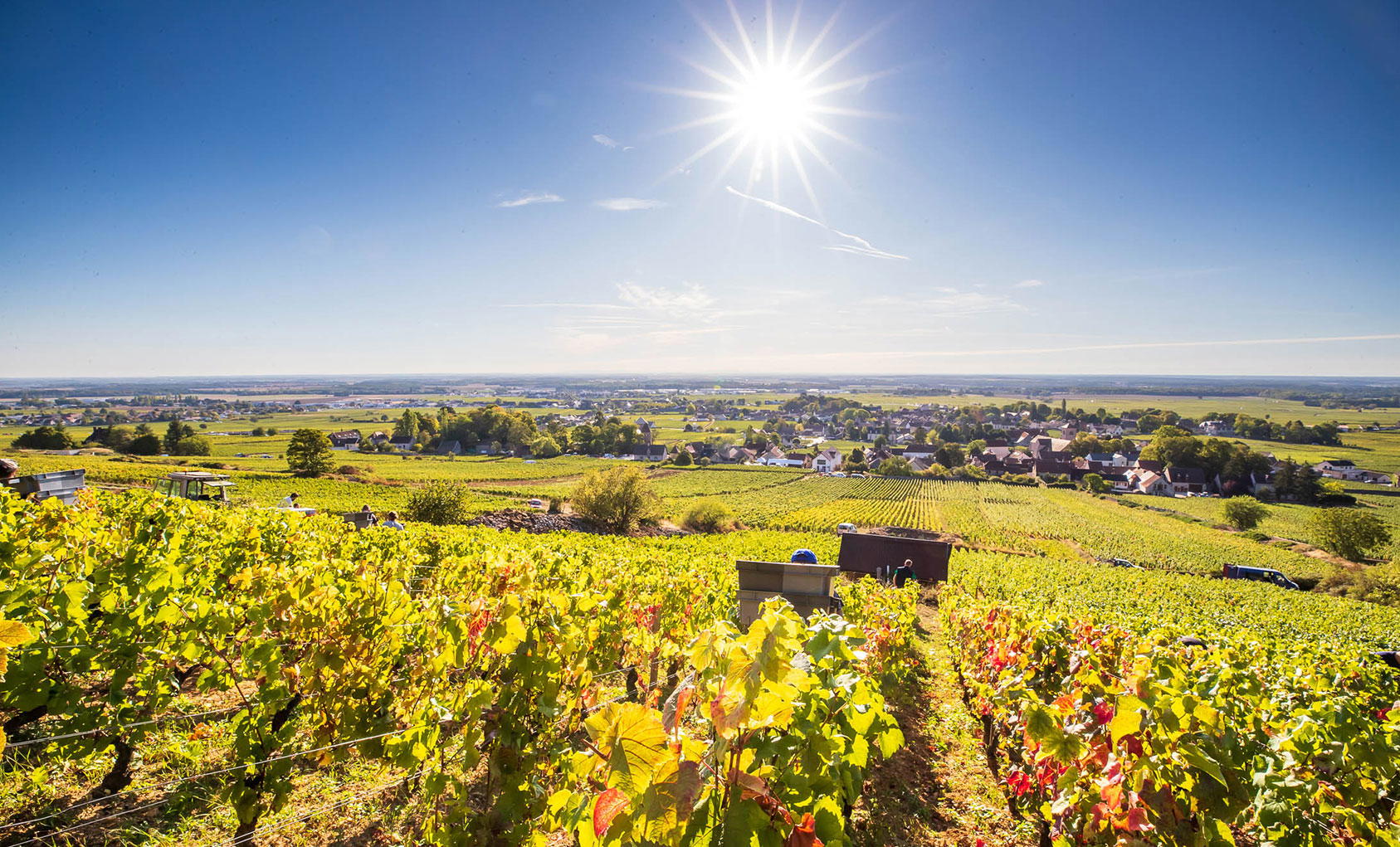
Domaine Bruno Clair
Marsannay-la-Côte, France
Domaine Bruno Clair is a winery on Rue du Vieux Collège in Marsannay-la-Côte.
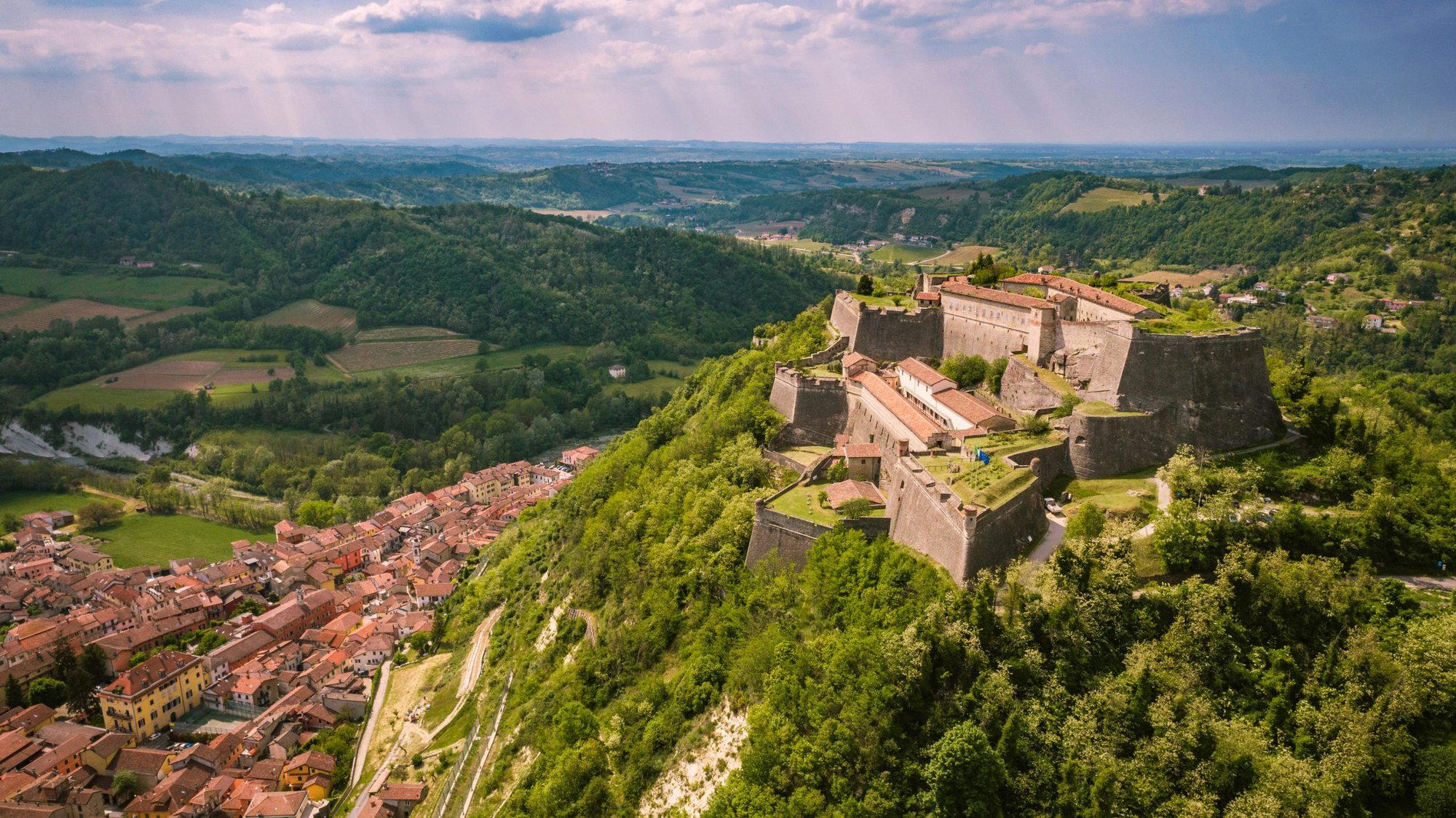
Alheit Vineyards
Hermanus, South Africa
Alheit Vineyards is a strong fit for a Hermanus wine itinerary when the priority is producer-focused depth rather than a full hospitality estate experience. Booking difficulty is easy, but confirm access before building the day around it, especially if food, transport, or a multi-stop route matters. Falstaff Listed in 2026 adds a useful trust signal for wine-focused travellers.
Götighofer Türmliwy
Buchackern, Switzerland
A low-key Buchackern wine stop for travelers who prefer rural direct-sales energy over polished cellar-door programming. Worth considering if the goal is a simple producer visit at a moderate price tier, but confirm the tasting format and current bottle availability before building a day around it.
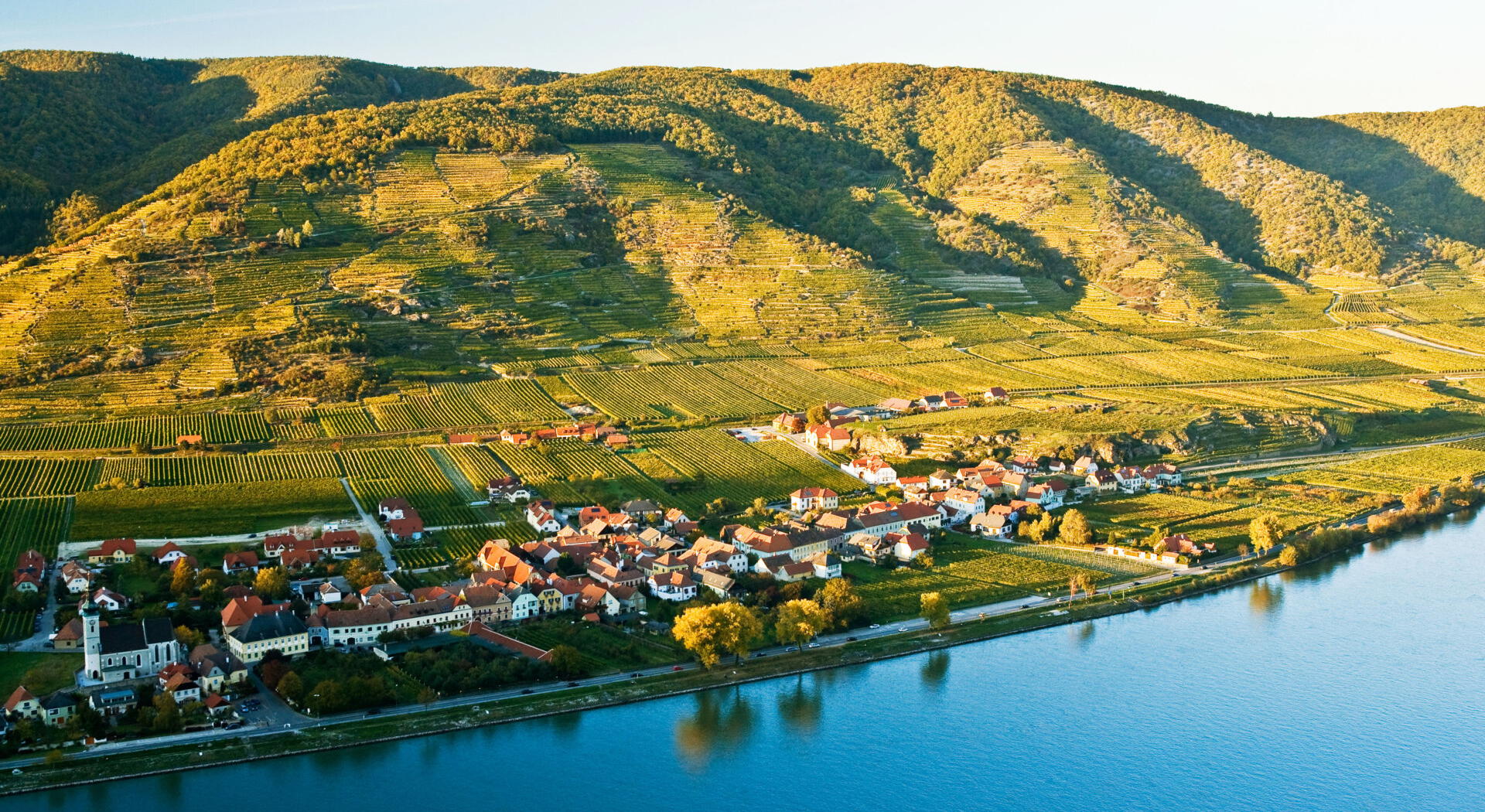
Domäne Wachau
Dürnstein, Austria
Domäne Wachau is a wine estate in Dürnstein, Austria.
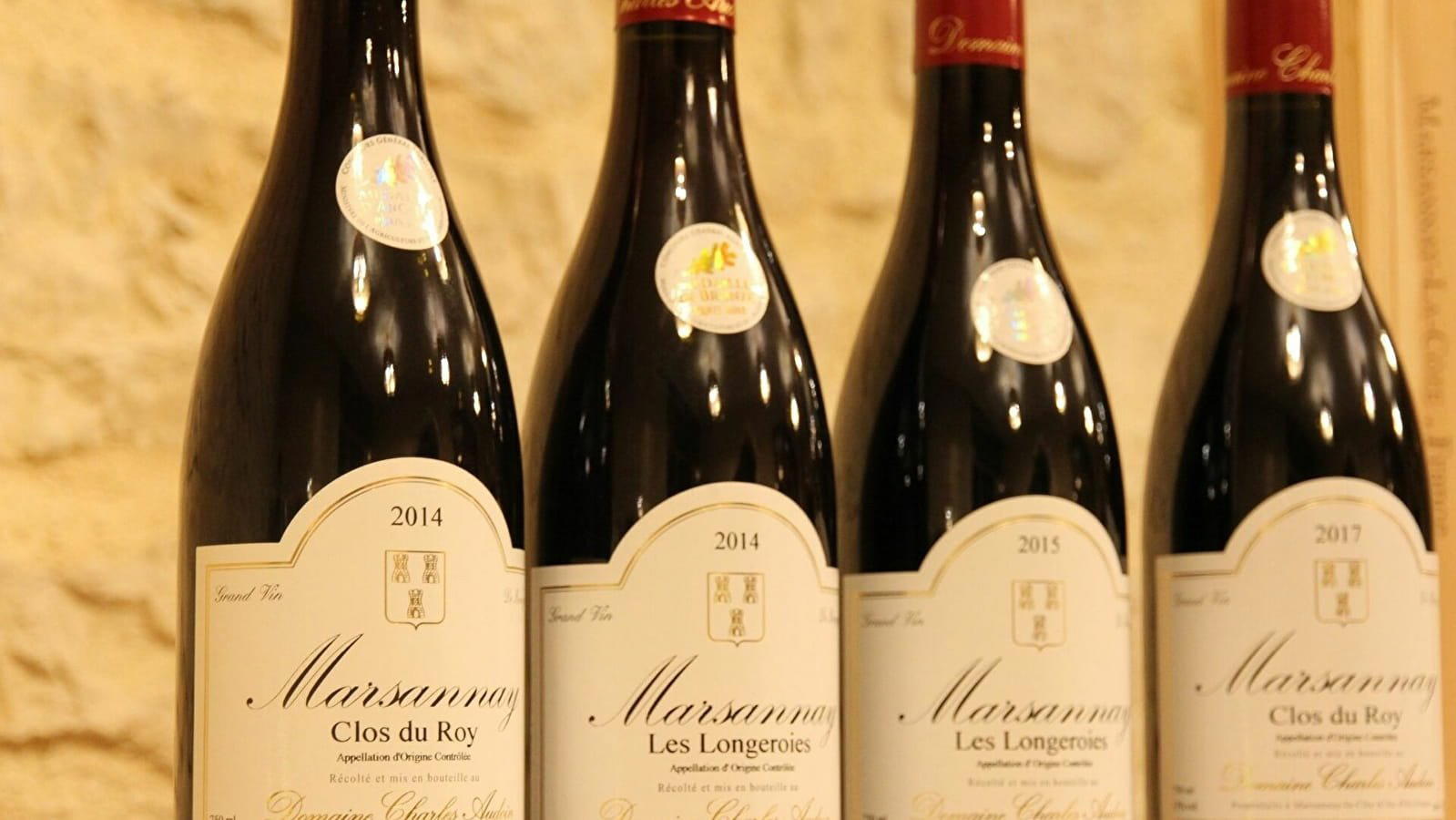
Domaine Charles Audoin
Marsannay, France
Domaine Charles Audoin is worth prioritising if the goal is serious Marsannay rather than a casual Burgundy tasting. The single-vineyard reds, especially Clos de Jeu, Clos du Roy, and Les Longeroies, carry the strongest case for collectors, while the organic farming and quiet, traditional style make it better suited to focused wine drinkers than large social groups.
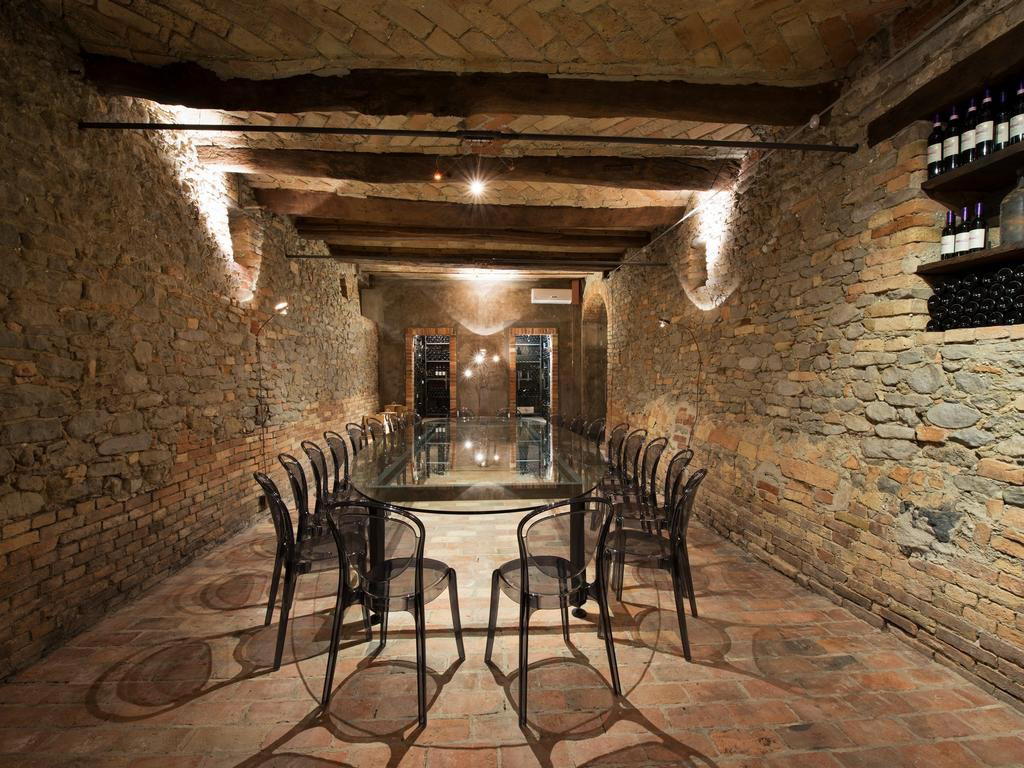
Costa di Bussia
Monforte d'Alba, Italy
Costa di Bussia is worth booking for travellers who want Bussia Barolo context rather than a quick tasting-room stop. The draw is estate-grown Nebbiolo, multiple Barolo D.O.C.G. expressions, a museum tied to Luigi Arnulfo’s 1874 estate history, and a quiet rural setting with agriturismo potential.
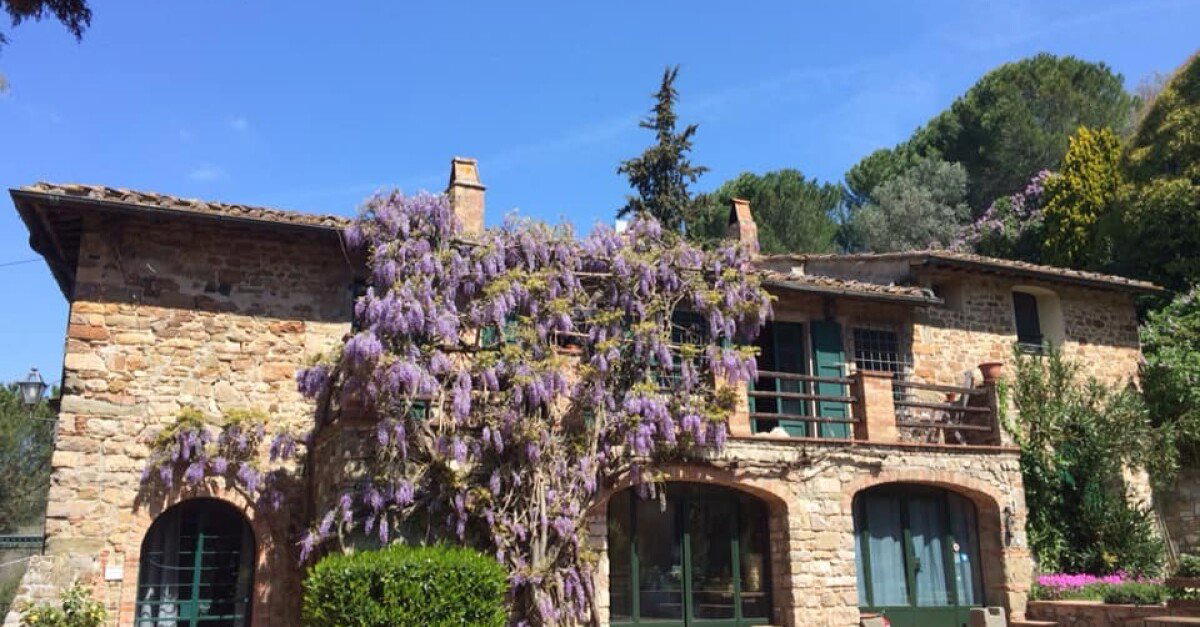
Antico Borgo di Sugame
Greve in Chianti, Italy
Book Antico Borgo di Sugame if you want a quiet Chianti Classico agriturismo with organic wine, olive groves, self-catering apartments, and a slower farm setting near Greve in Chianti. The private-style tasting angle makes sense for travelers who want vineyard context and time on the property; quick tasting-room seekers may prefer a broader day of producer visits.
Branko
Cormons, Italy
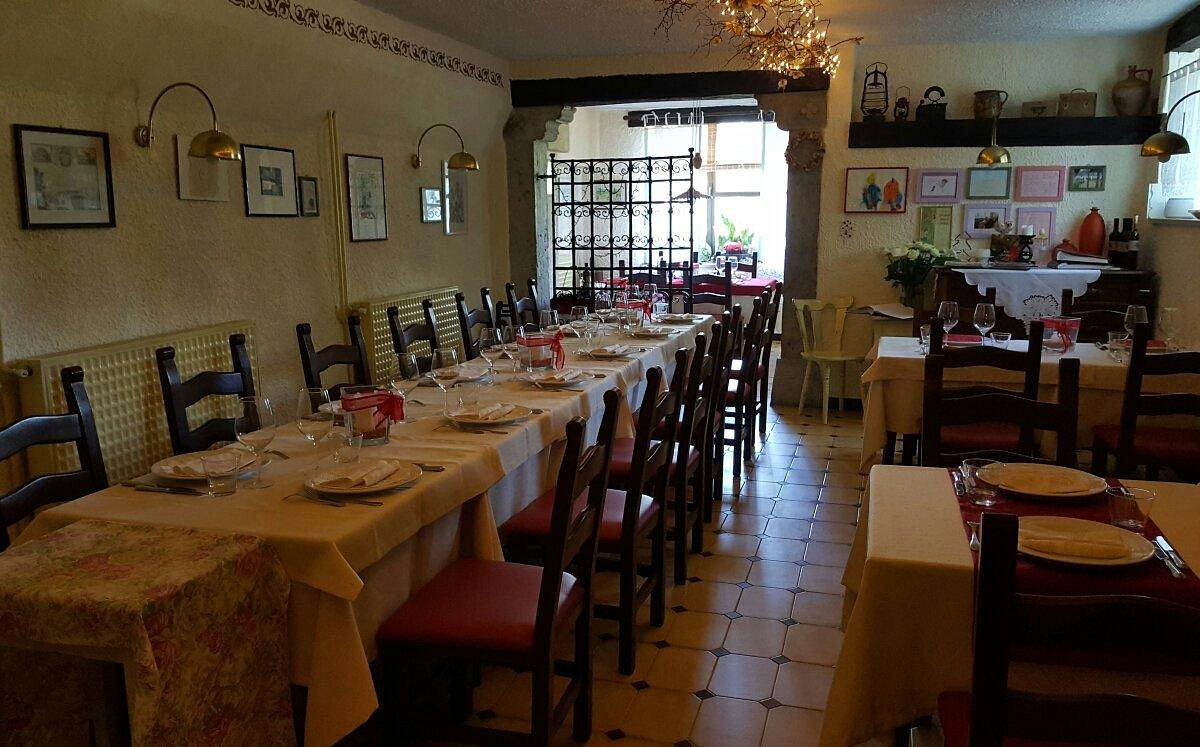
Branko is a good Cormons pick for travellers who want a small, family-run Collio estate focused on precise white wines rather than a large tasting-room setup. The hillside setting adds real context to the visit, especially for Pinot Grigio, Chardonnay, Sauvignon Blanc and Friulano drinkers. Go for vineyard depth and a calm cellar experience, not for a restaurant-style stop.
Cave de Corseaux
Corseaux, Switzerland
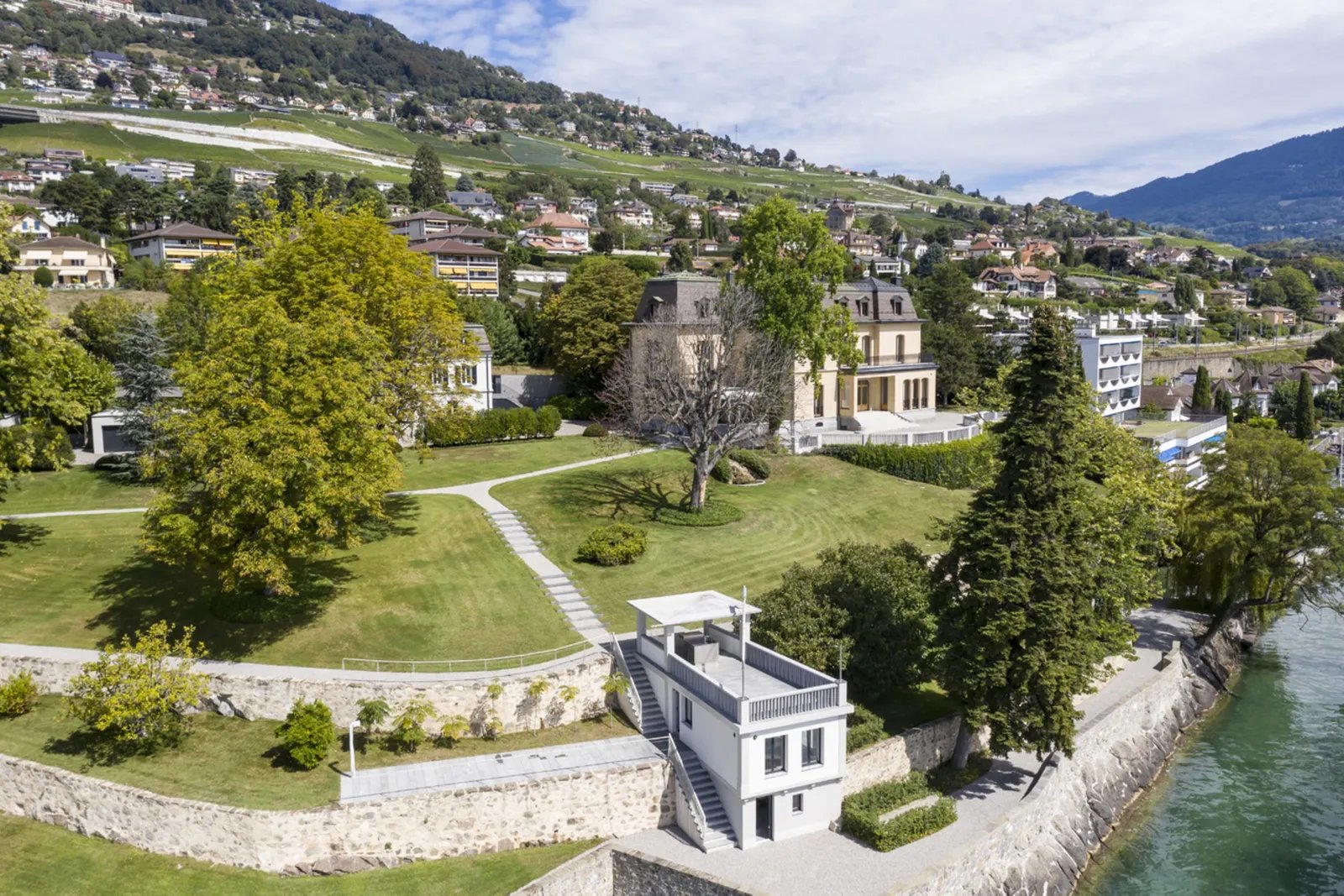
Book Cave de Corseaux if you want a relaxed Lavaux cellar stop focused on generous local reds rather than a polished hospitality production. It suits couples and small groups building a Vaud wine day around Corseaux, especially if Triade’s Garanoir, Gamaret, and Diolinoir profile is the draw.
Di Lenardo Vineyards
Ontagnano, Italy
Spring and early autumn are the sensible windows for planning a Friuli wine stop around Di Lenardo Vineyards. Shortlist it if Ontagnano is already on the route and wine discovery matters more than a fully documented hospitality setup; skip making it the day’s anchor if you need confirmed food, published hours, or clear shipping and club terms before committing.
Domaine de Saje
Châteauneuf-du-Pape, France
Domaine de Saje works for an easy Châteauneuf-du-Pape wine stop, especially if the village setting is part of the occasion. Falstaff listing recognition in 2026 gives it a useful credibility signal, but confirm timing and tasting details before building a full day around it.
Domaine La Capitaine
Gland, Switzerland
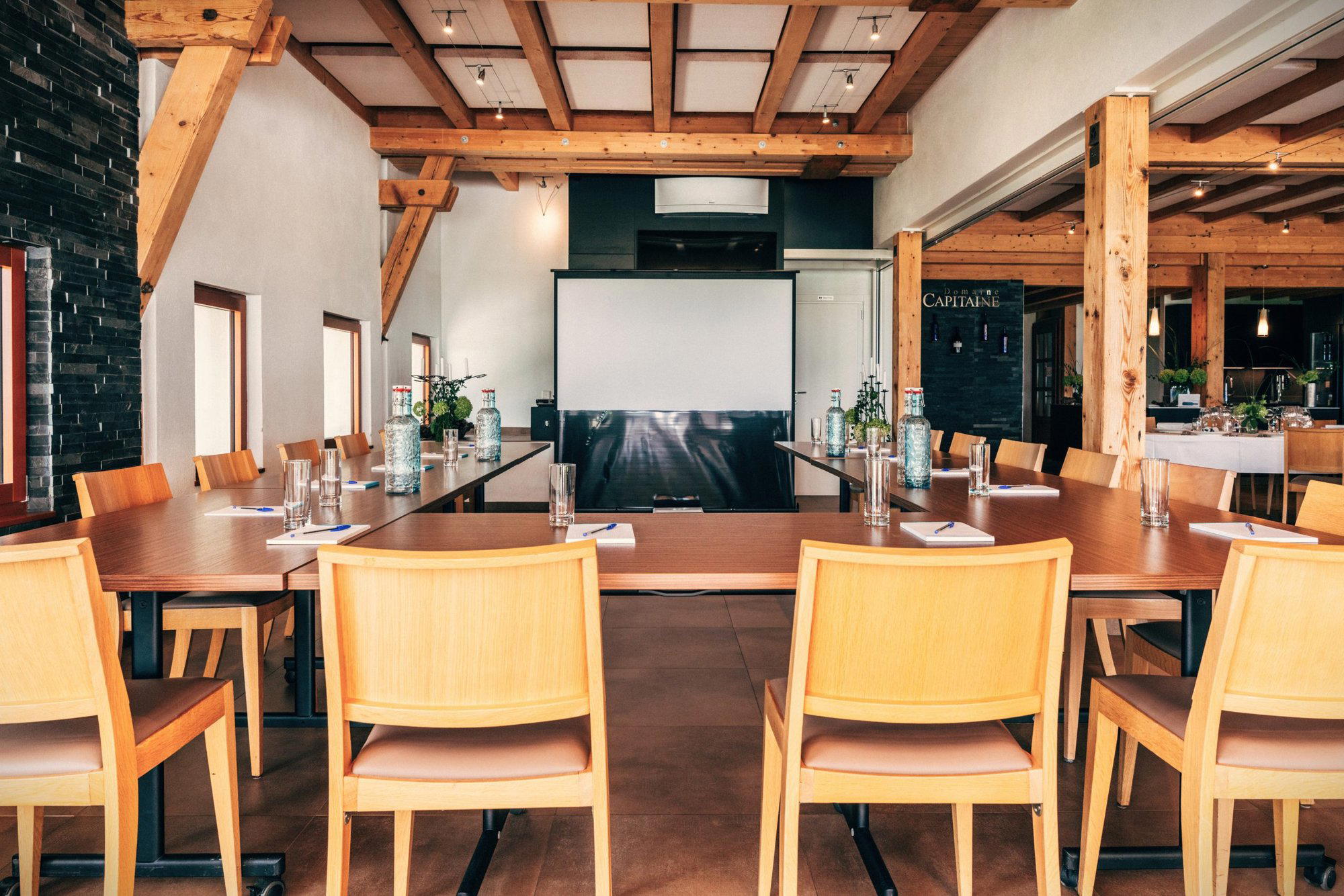
A smart Gland pick for visitors who want Swiss biodynamic wine with a relaxed special-occasion setting. Domaine La Capitaine is strongest for tastings, seasonal wine-bar visits, and private events where vineyard views and organic credentials matter more than ceremony. At $$, it is an approachable way to test whether the estate’s range is worth repeat buying or club-style commitment.
Château Haut-Bages-Libéral
Pauillac, France
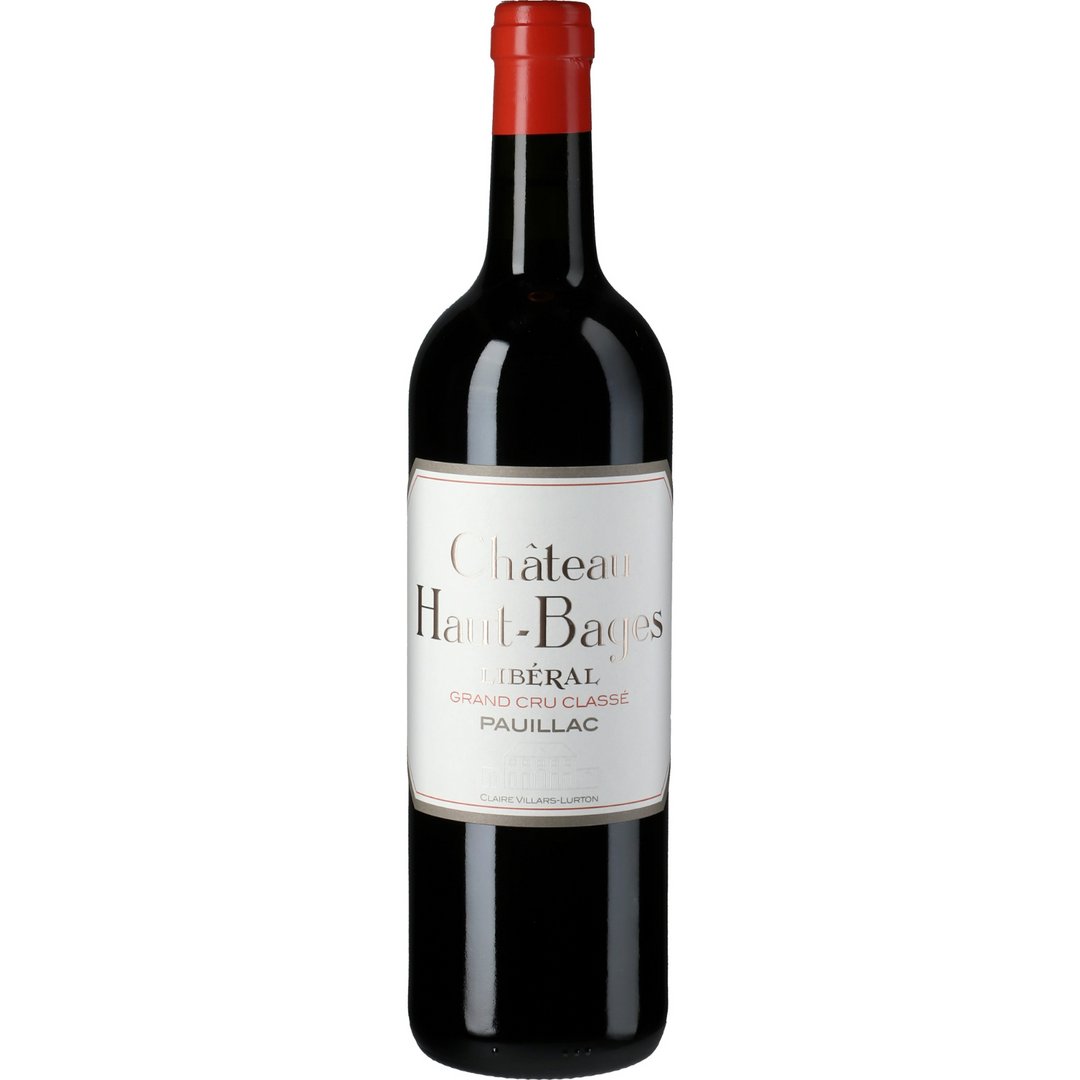
A serious Pauillac château for travelers who want estate context more than a casual tasting stop. Château Haut-Bages-Libéral is worth prioritizing if the day is built around classified-growth depth, but it is not the easy fallback when appointments are tight.
Domaine Paul Thomas
Sancerre, France
A strong choice for serious Sancerre drinkers who want a small Chavignol grower estate rather than a polished visitor facility. Domaine Paul Thomas is Falstaff Listed for 2026 and is better suited to couples, collectors, and low-key celebrations than large groups or food-led itineraries.
Domaine de la Bressande
Mercurey, France
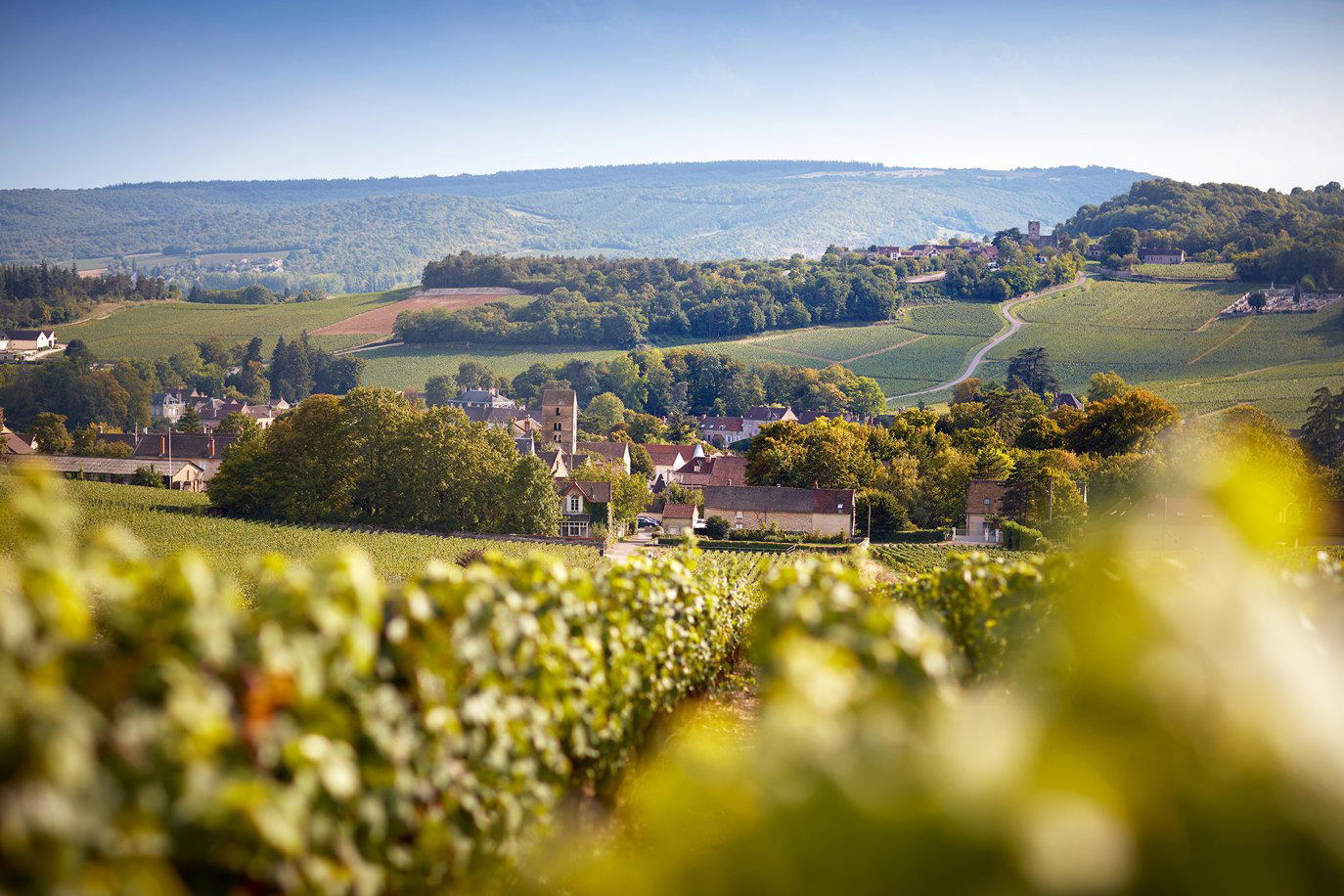
Book Domaine de la Bressande if the priority is a calm Rully wine-country stop with an estate-led feel rather than a heavily programmed tasting. It suits couples, small celebrations, and business itineraries that need a polished Burgundy setting without overcomplicating the day.
Cantine San Giorgio - Tinazzi
San Giorgio Ionico, Italy
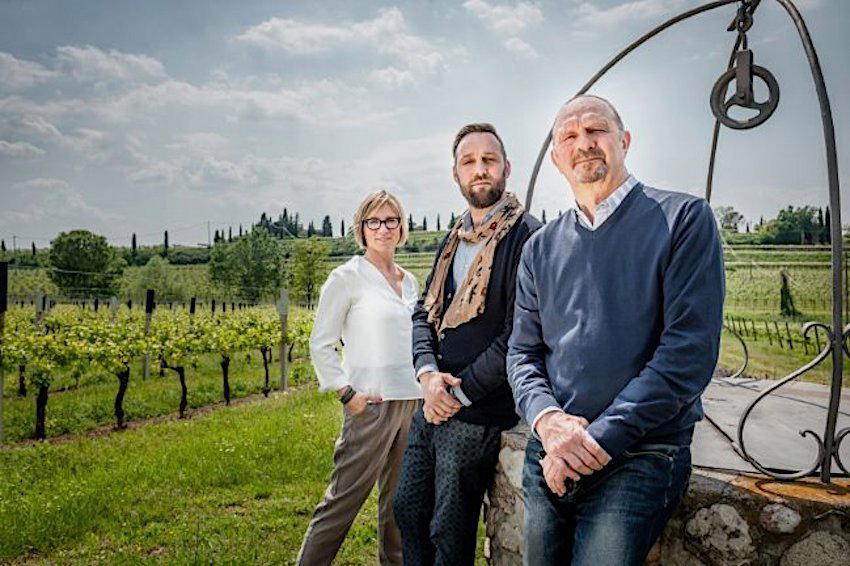
Book Cantine San Giorgio - Tinazzi if you want a wine-first Salento stop centered on Primitivo, with a modest listed fee and Falstaff recognition adding credibility. It is better for travelers seeking regional context than for those looking for a confirmed food-led estate experience, so arrange details ahead and keep the wider day flexible.
Castell'in Villa
Castelnuovo Berardenga, Italy
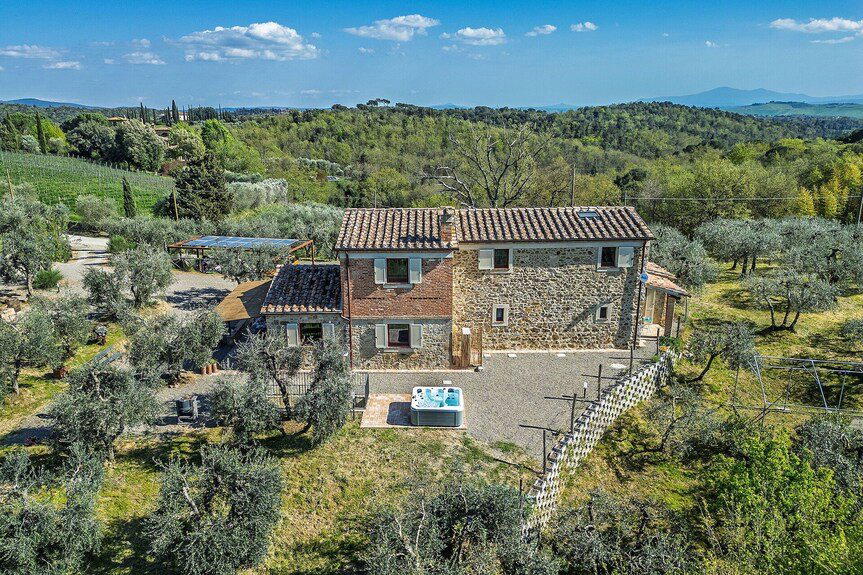
Book Castell'in Villa if the goal is traditional Chianti Classico with cellar-worthy Sangiovese, not a casual tasting-room stop. The medieval hamlet setting is a major part of the appeal, but the real value is access to an old-school, slow-release estate with Falstaff 4 Stars in 2026 and a serious Riserva reputation.
Gabriëlskloof Wine Estate
Bot River, South Africa
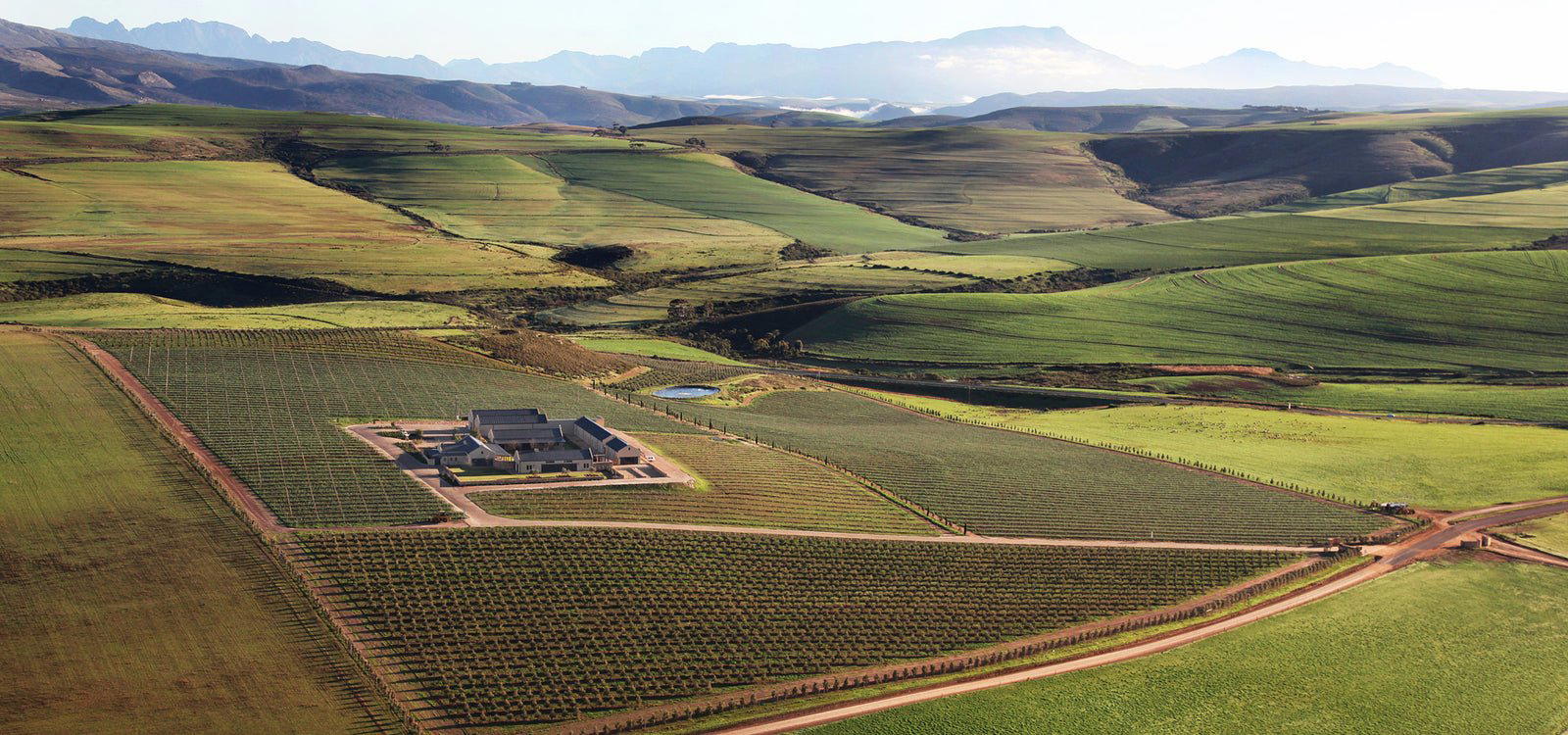
Worth planning around if Bot River is the focus of the day. Gabriëlskloof Wine Estate is a wine-first stop with Pearl 2 Star Prestige recognition, better suited to serious regional exploration than a casual, add-on tasting between bigger Cape routes. Confirm practical details before building a group or food-led visit around it.
Destro Vini
Randazzo, Italy
Book Destro Vini if you want a calm, guided Etna winery visit focused on native grapes and volcanic-slope context rather than luxury staging. It is strongest as a first stop near Randazzo, especially for travelers trying to understand Nerello Mascalese, Carricante, and the north-eastern side of Mount Etna.
Château Mongravey
Arsac, France
Château Mongravey is worth shortlisting for a focused Margaux tasting built around Cabernet-led Médoc reds, family ownership, and clear production choices rather than showpiece hospitality. It suits couples, collectors, and business hosts who want a quieter estate visit with credible Cru Bourgeois recognition and a traditional cellar setting.
Diego Morra
Verduno, Italy
Prioritise Diego Morra if Verduno wine depth matters more than visible visitor amenities. Falstaff 4 Stars for 2026 gives it a credible quality signal, but sparse public details mean it suits planned wine-focused itineraries better than casual drop-in sightseeing.
Azienda Agricola F.lli Cigliuti
Neive, Italy
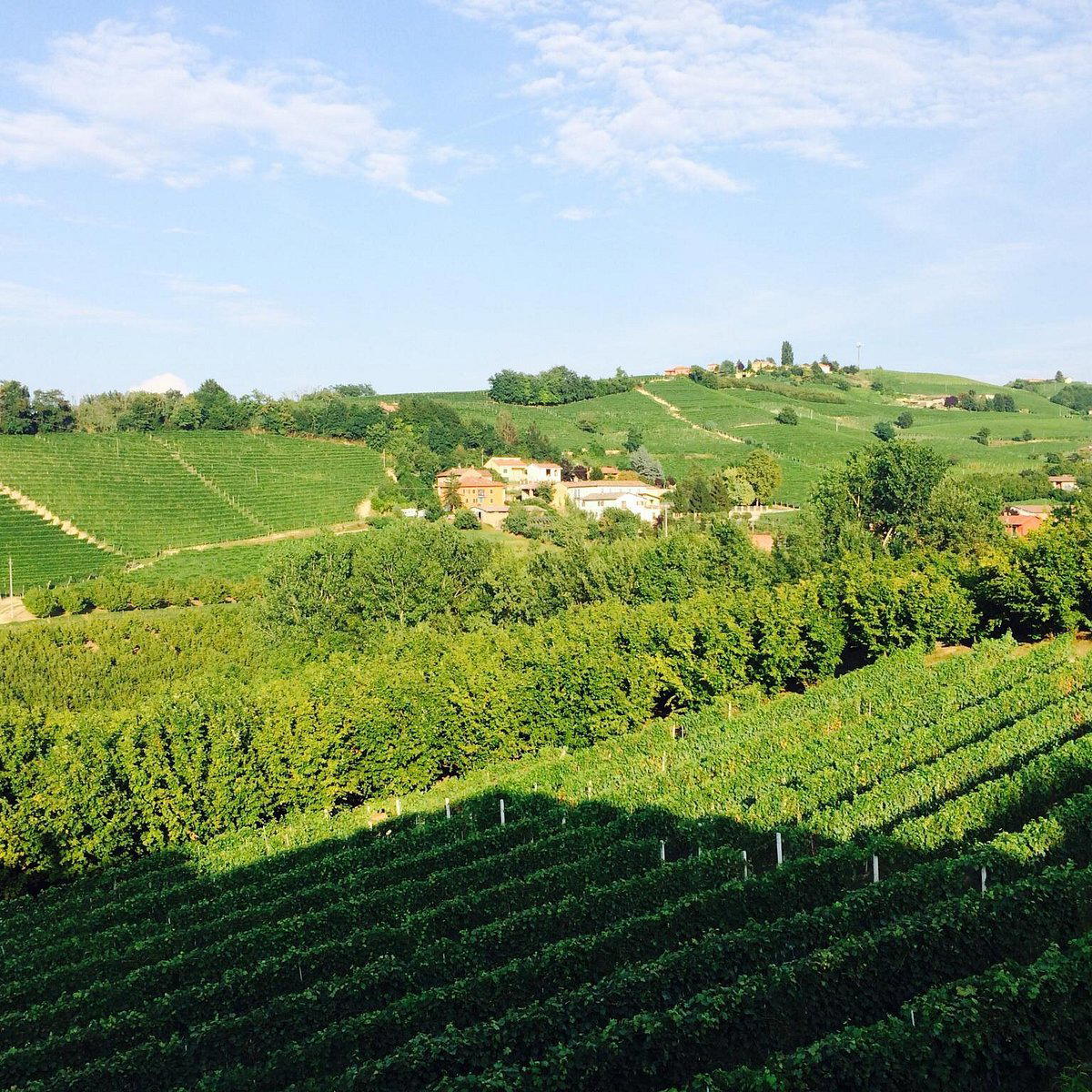
Worth shortlisting if the goal is serious Piedmont bottle research in Neive, especially with Falstaff recognition in 2026. Treat it as a wine-first stop rather than a guaranteed food or hospitality experience, since confirmed details on tastings, shipping, and service format are not listed.
Familia Bellido
Manzanares, Spain
Familia Bellido works for a polished La Mancha wine stop with premium positioning, family ownership, and a focus on origin-driven Spanish wines. It suits celebrations or business outings better than casual vineyard wandering, especially for visitors interested in Manzanares’ shift from volume region to more ambitious wine projects.
Adriano Kaufmann
Tresa, Switzerland
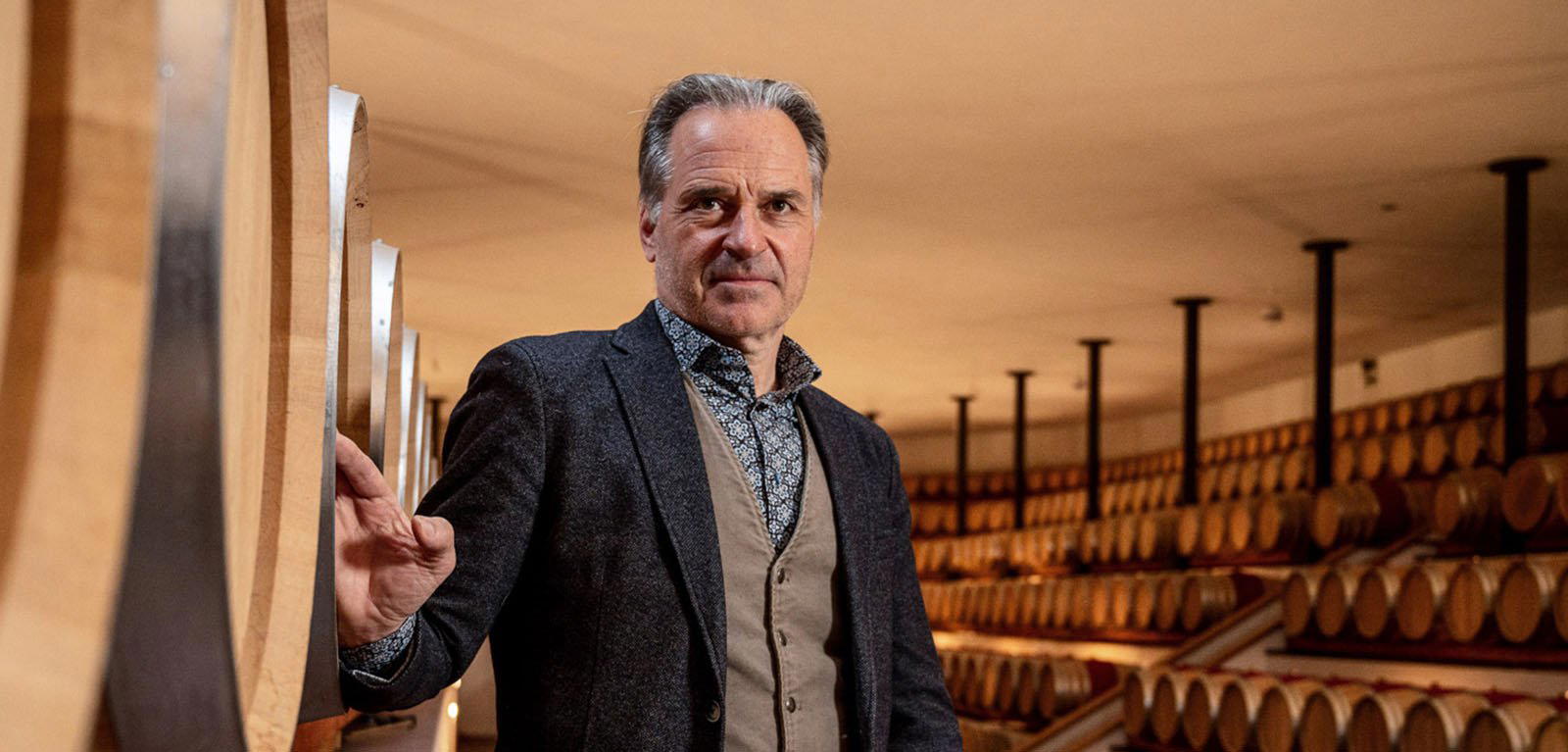
Adriano Kaufmann is a Tresa winery to consider if the aim is local Ticino producer discovery rather than a fully structured hospitality stop. Falstaff Listed status in 2026 gives it a useful trust signal, but plan conservatively around tastings, food, wine club value, and shipping unless those details are confirmed before the trip.
How many of these have you visited?
Find out on Pearl and keep score across every place in 2026 Falstaff Winery Guide.