

2026 Falstaff Winery Guide: The Ultimate Wine Authority — Page 51
Falstaff's 2026 Wineries guide.

Venues on this list
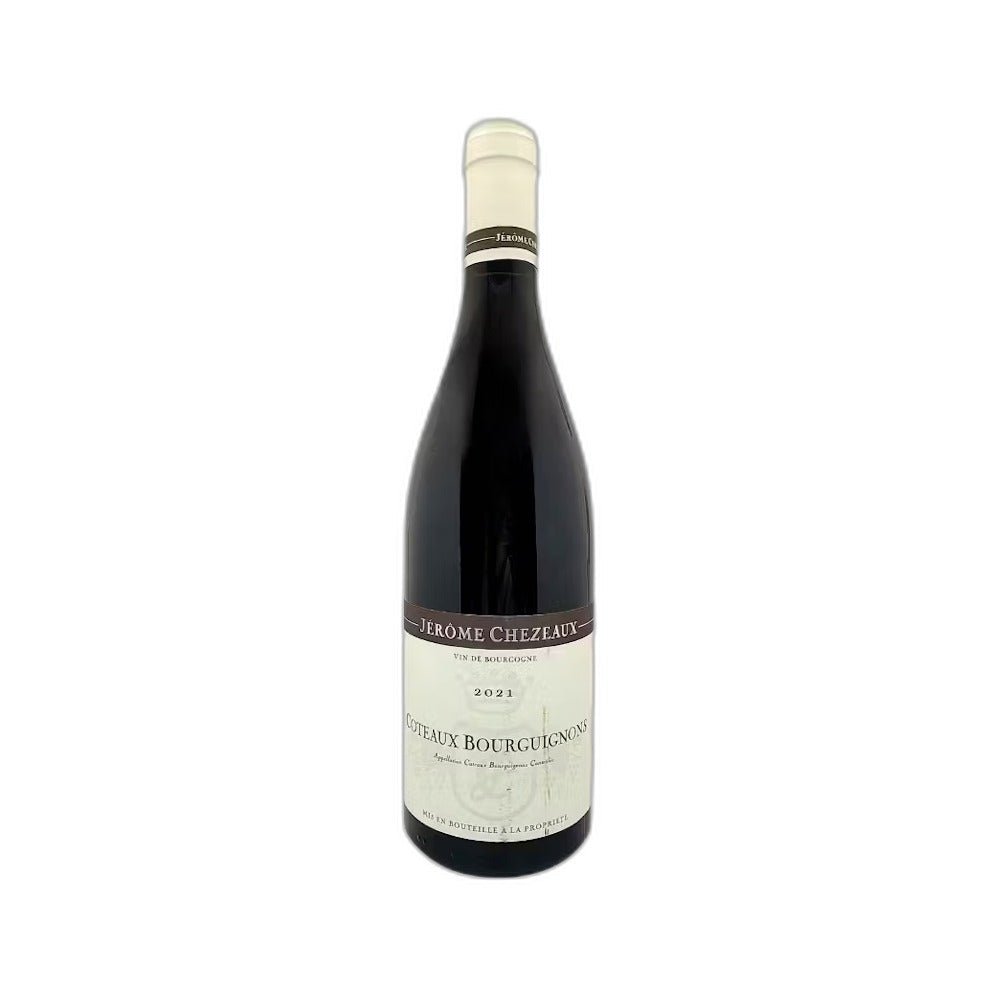
Domaine Jérôme Chezeaux
Premeaux-Prissey, France
Domaine Jérôme Chezeaux is a strong choice if the goal is a focused Burgundy winery stop in Premeaux-Prissey, not a full food-pairing or restaurant-style visit. It suits couples, collectors, and small special-occasion groups who can build the meal elsewhere and treat the tasting as the centerpiece of the day.
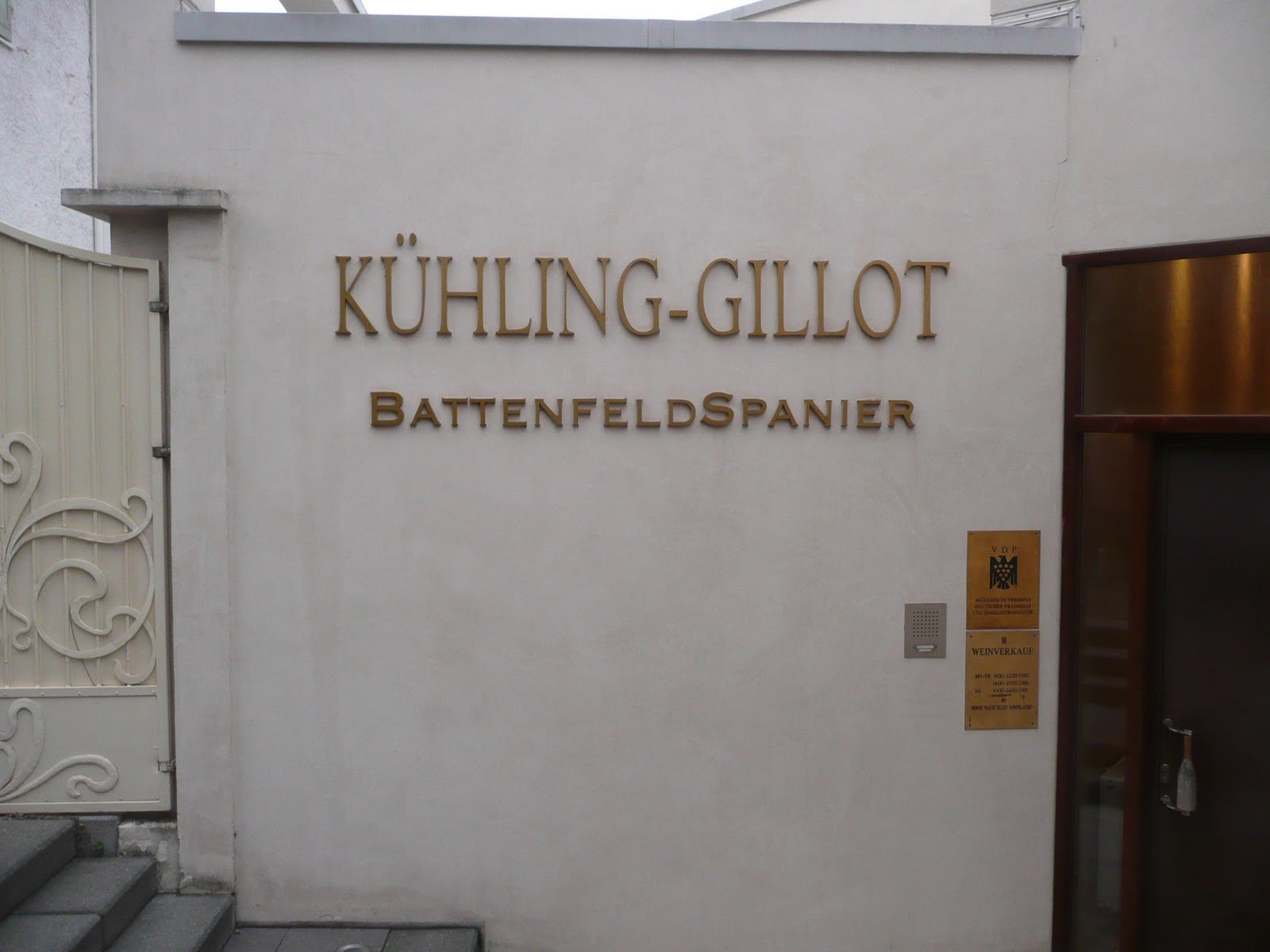
Weingut Kühling-Gillot
Bodenheim, Germany
Worth prioritizing if your Bodenheim plan is wine-first. Weingut Kühling-Gillot is a stronger fit for serious German-wine travelers than for casual groups wanting transparent walk-in logistics, broad hospitality, or a grounds-driven afternoon.
Hupfeld - Königin Victoriaberg
Oestrich-Winkel, Germany
Hupfeld - Königin Victoriaberg works for an easy Rheingau stop with terrace seating, wine, beer, and casual food rather than a formal tasting-room agenda. Go for relaxed outdoor drinking and group flexibility; skip it if the goal is a structured private tasting or a deep technical winery visit.
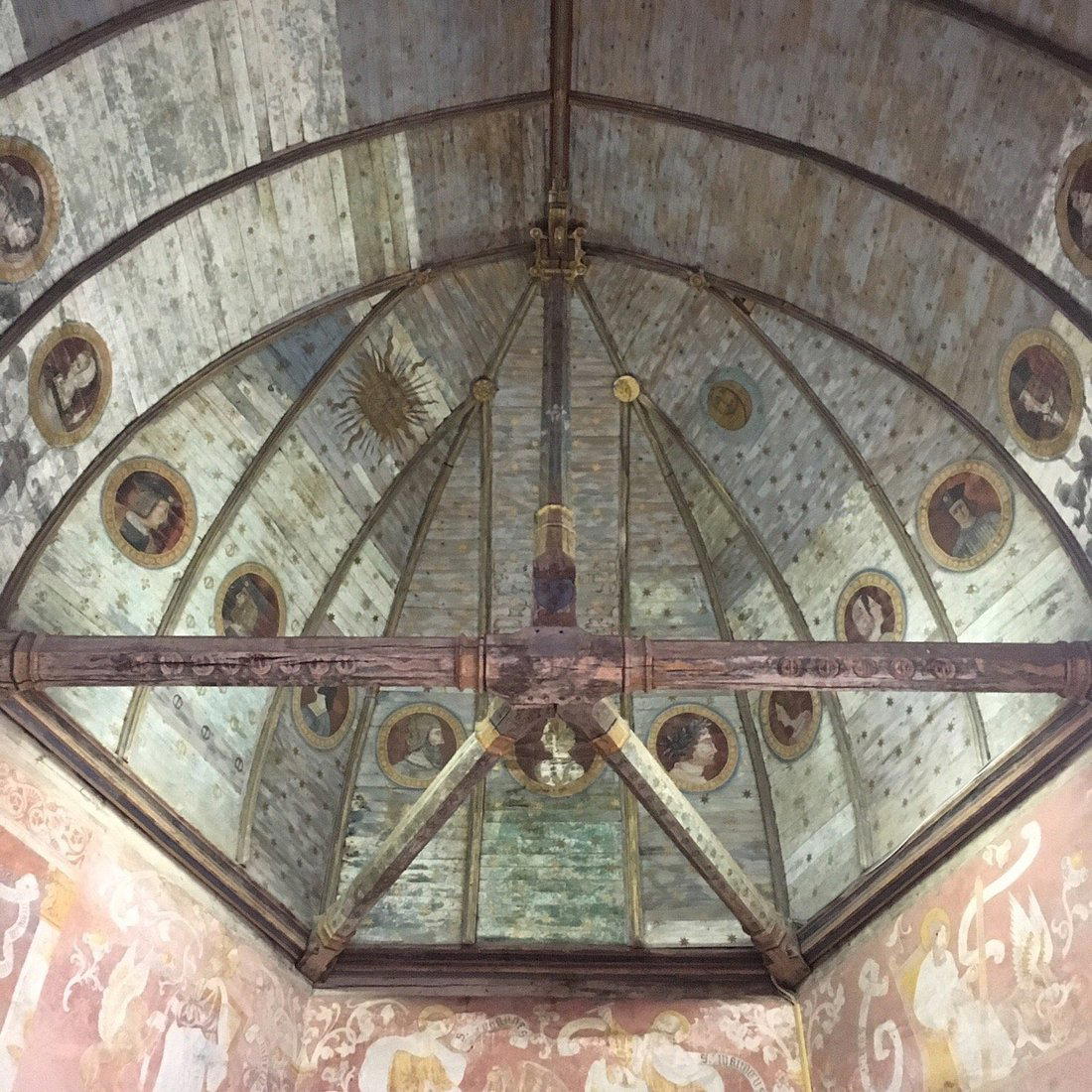
Chateau de la Chapelle
Center Val De Loire, France
Chateau de la Chapelle is worth booking as a compact heritage visit, not as a serious wine stop. Go for the medieval fortress setting, Musée Alain-Fournier connection, Renaissance gallery, and light tasting at the end; choose a wine-led venue instead if bottles, cellar access, or a club-style allocation are the point.
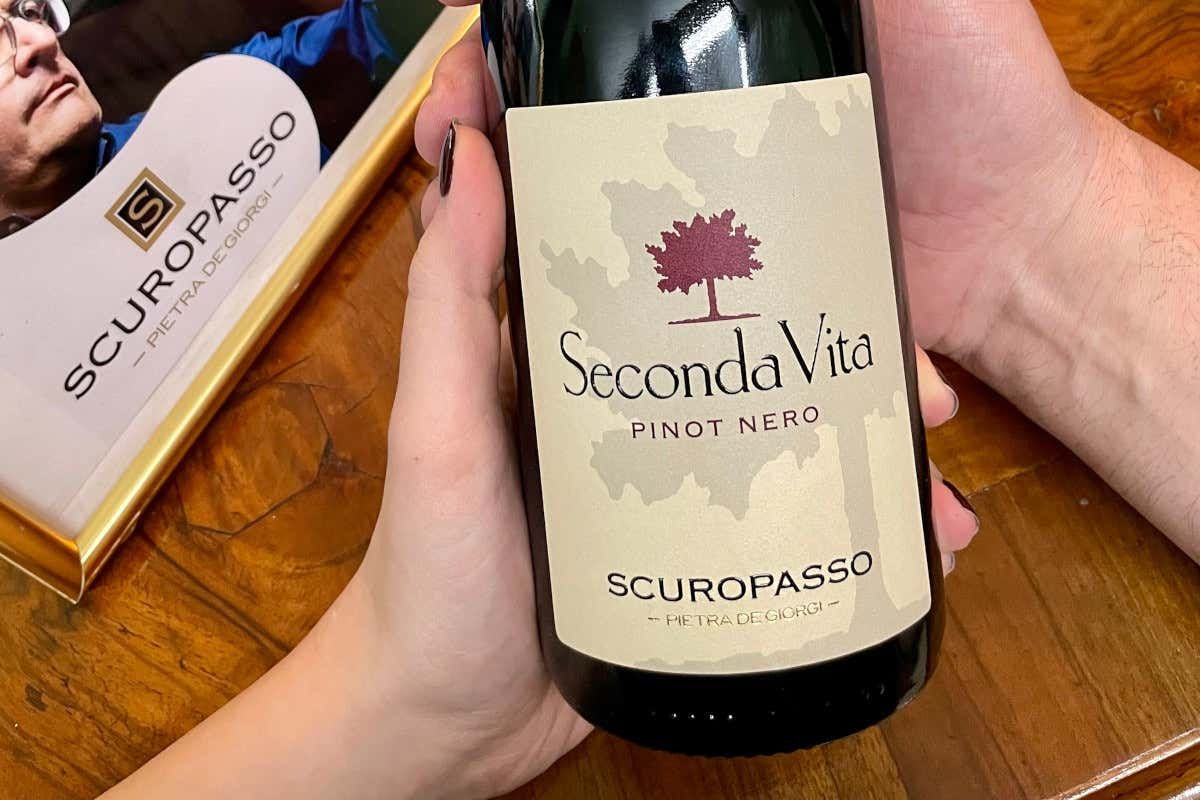
Cantina Scuropasso
Pietra De Giorgi, Italy
A sensible first stop if the plan already points toward Pietra De Giorgi and Oltrepò Pavese. Cantina Scuropasso has a 2026 Falstaff listing, which gives it a credible quality signal, but visitors who need confirmed food service, published tasting formats, or detailed group logistics should verify before centering a day around it.
Fasol Menin
Valdobbiadene, Italy
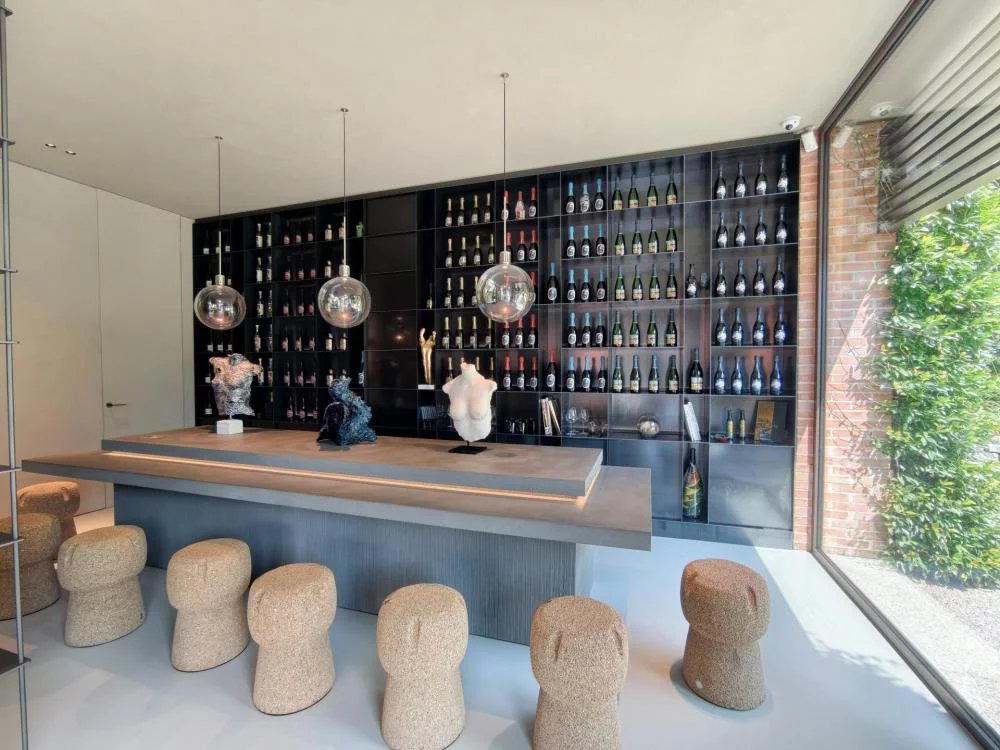
Book Fasol Menin as part of a Valdobbiadene wine-country route, not as the sole anchor for the day. Its public profile is spare, but Falstaff listing for 2026 gives it a credible signal for travelers building a Prosecco-focused itinerary around regional context and producer comparison.
Alvarez Nölting
Requena, Spain
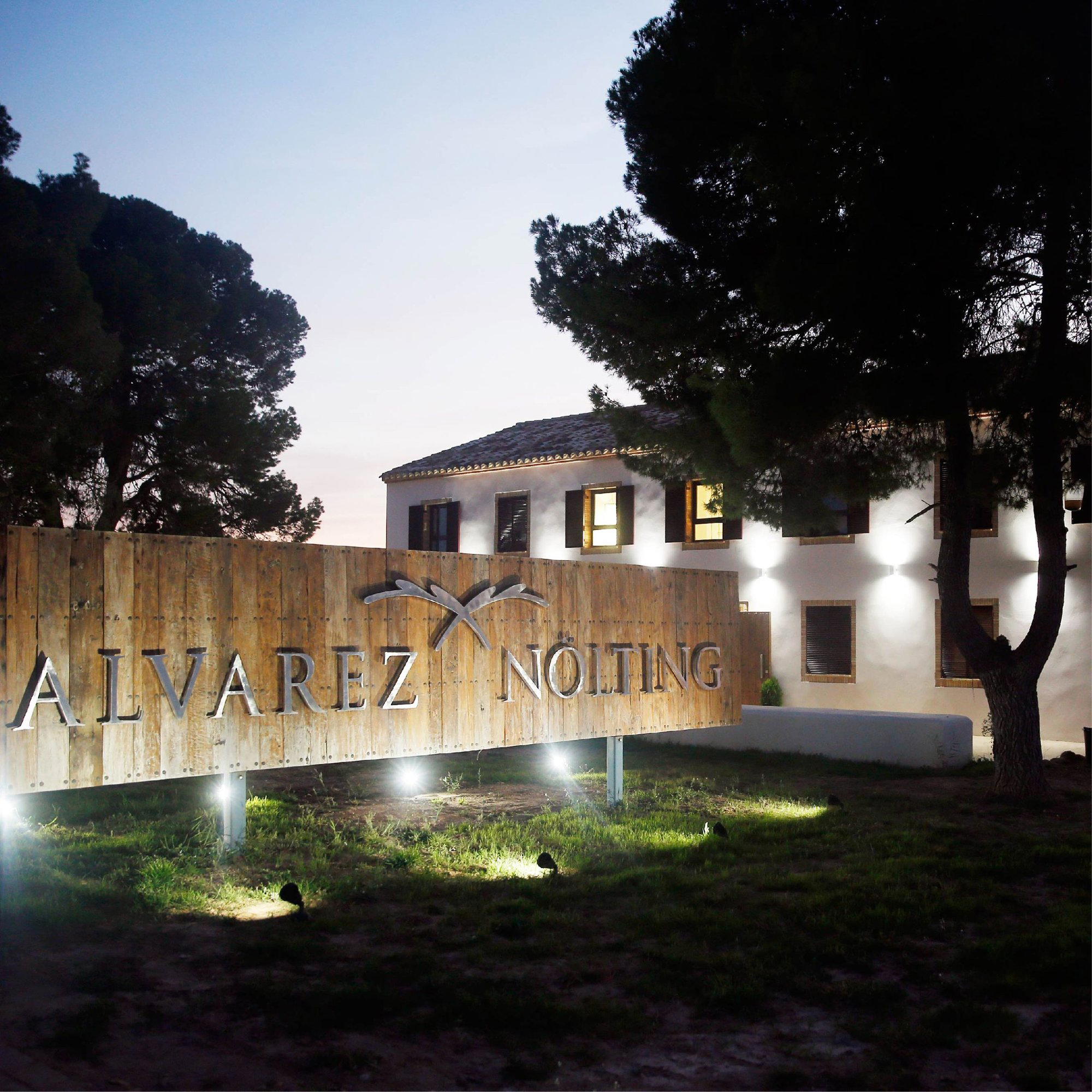
A smart Requena winery choice if the goal is Bobal with a clear sense of place. Alvarez Nölting is strongest for travelers who want a quiet nature-reserve setting, vineyards close to the winery and a portfolio that goes beyond one grape, but it is worth planning in advance rather than treating as a casual drop-in.
Consorzio Prosecco DOCG
Pieve Di Soligo, Italy
A practical context stop in Pieve Di Soligo for understanding Prosecco DOCG before buying or shipping bottles. Prioritize it if the trip is about appellation knowledge and smarter bottle selection; skip it as a standalone hospitality splurge if the goal is a long tasting room experience or meal-led outing.
Zantho (Weingut Zantho)
Andau, Austria
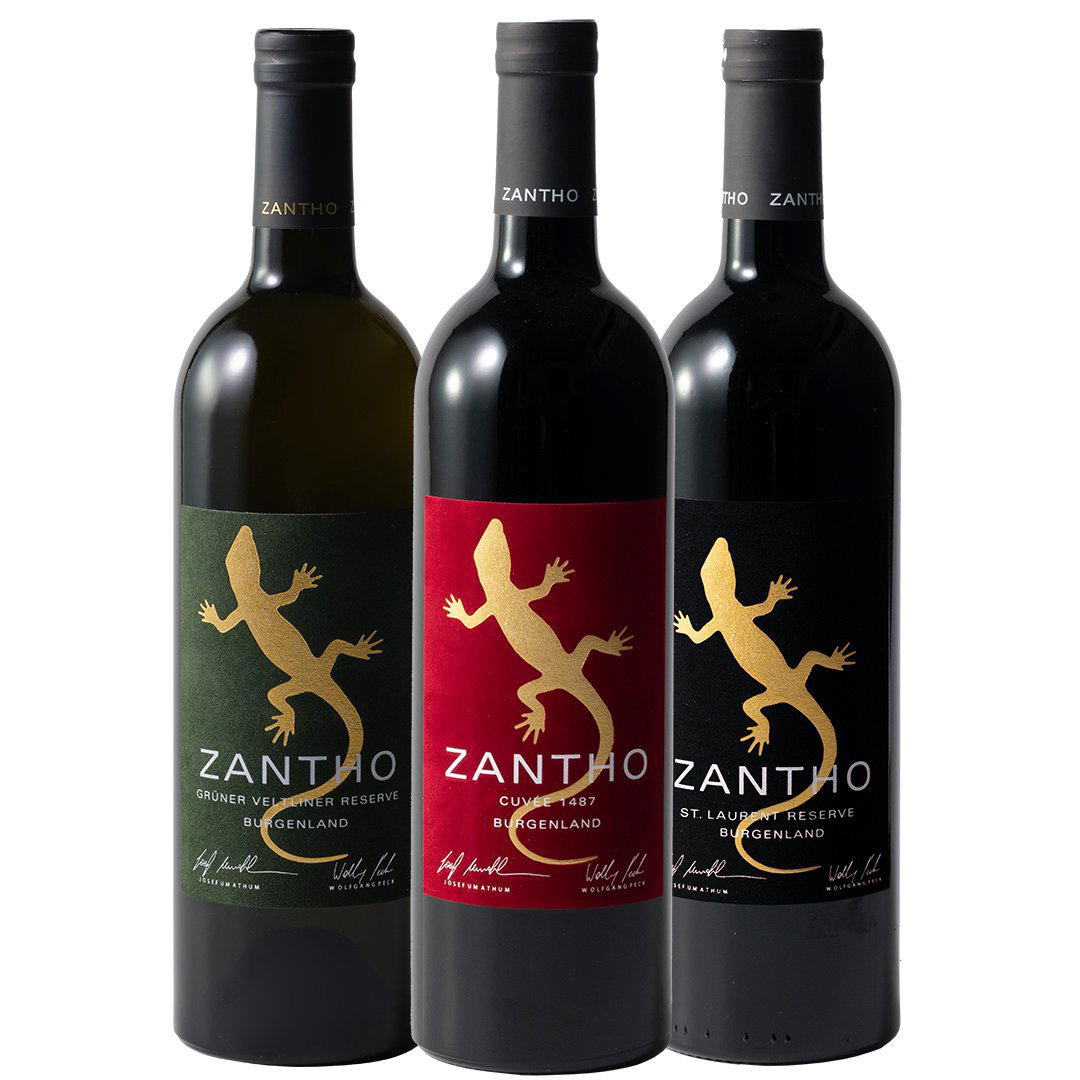
A smart pick for travelers using Andau as a serious wine stop, but not a low-effort drop-in. Zantho works best when paired with nearby producers and confirmed in advance, especially if the goal is regional comparison rather than a food-led visit.
Conte Guicciardini
Montespertoli, Italy
Conte Guicciardini is worth booking for a structured Tuscan winery visit with real estate depth: Castello di Poppiano heritage, three Tuscan properties, estate-grown wines, and Falstaff 2 Stars in 2026. The wine club makes sense for repeat buyers who want old vintages, previews, private tastings, and special formats, but casual visitors may be better served by a single guided tasting.
Aiolos Winery
Palaio Faliro, Greece
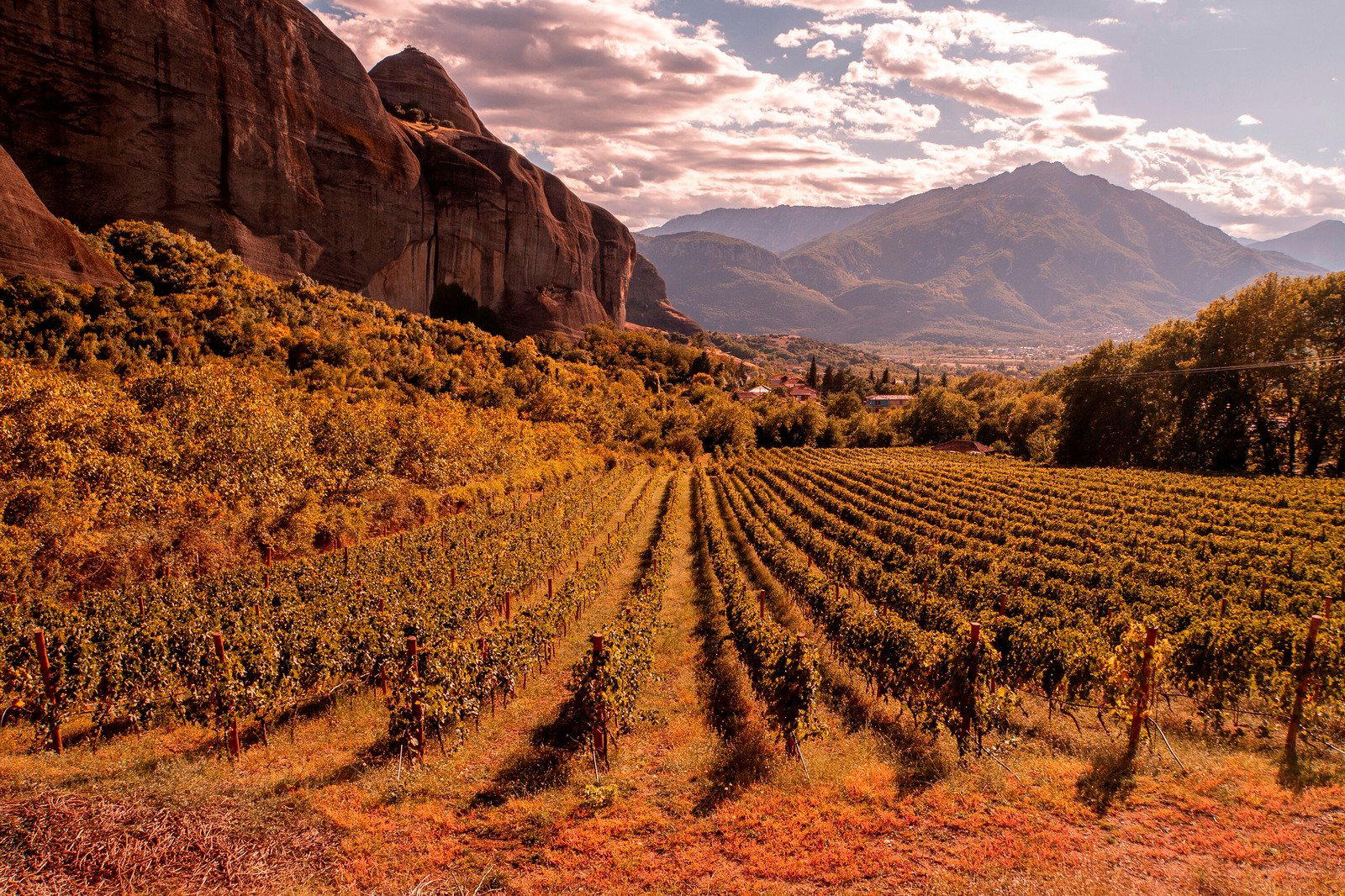
Aiolos Winery is a stronger fit for serious wine travellers than casual walk-in drinkers. Book it only if a focused Palaio Faliro wine stop is the point of the day; if you need clear food details, published flagship bottles, or easier access, cross-shop the distillery options first.
Ilatium Morini
Mezzane Di Sotto, Italy
Book Ilatium Morini for a quiet special-occasion tasting in the Val di Mezzane hills, especially if a private or hosted format is available. The appeal is the family-run estate setting, Falstaff 3 Stars recognition in 2026, and a portfolio that can move from Amarone and Valpolicella Superiore to Soave.
Château Moya
Fronsac, France
Château Moya is a measured yes for a Fronsac wine stop focused on value and appellation context. It is better suited to a quiet tasting-led itinerary than a food-led celebration, with Falstaff listing in 2026 adding a useful recognition signal for readers comparing nearby wineries.
Champagne La Closerie
Gueux, France
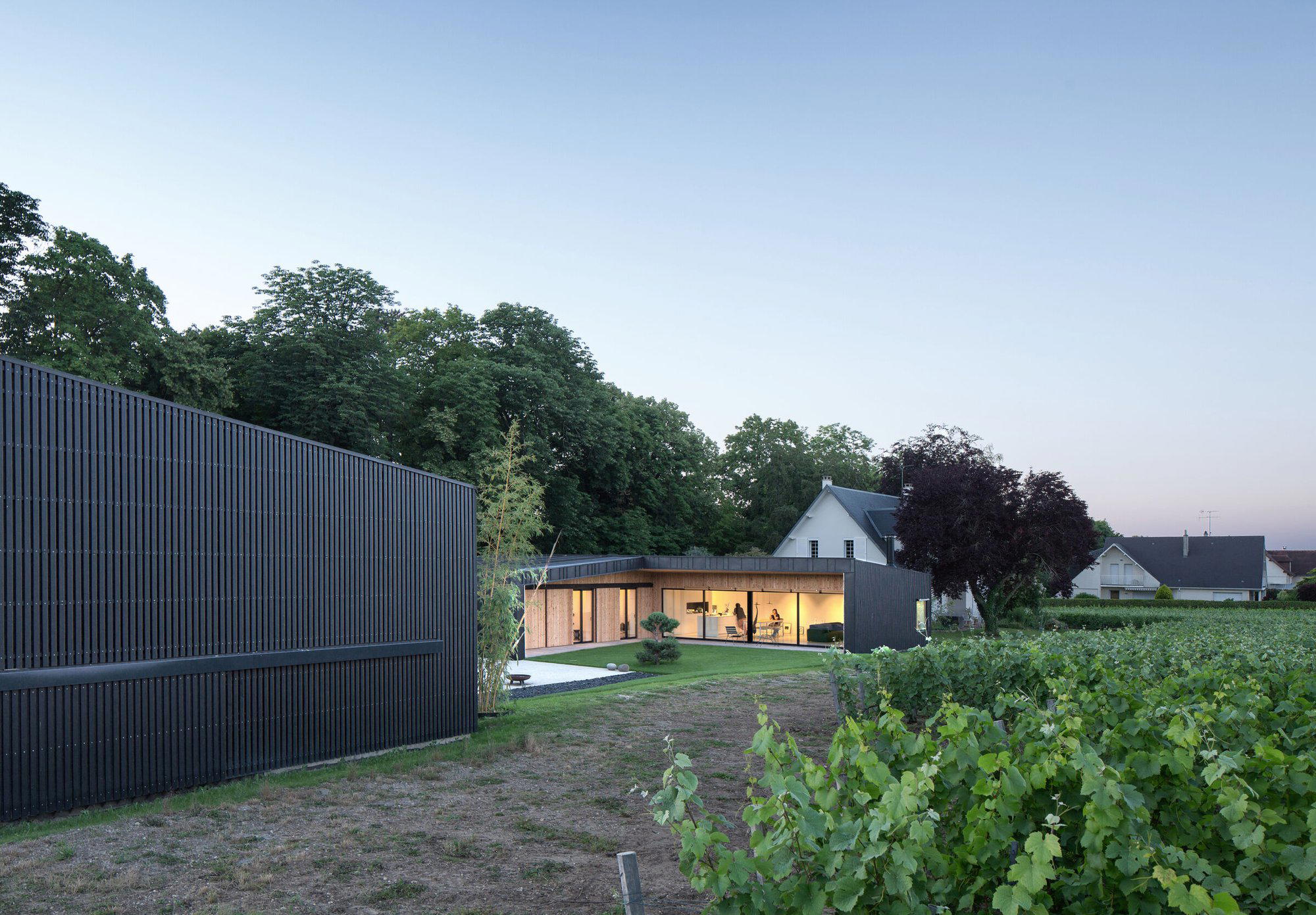
Champagne La Closerie is a specialist grower-champagne pick in Gueux, built around Jérôme Prévost’s two-hectare Les Beguines vineyard and an extra-brut style used since 1998. It makes sense for drinkers who value vineyard specificity, low dosage, and Meunier-led Champagne more than broad tasting-room amenities.
Casal Thaulero
Ortona, Italy
Casal Thaulero is worth booking if the goal is to understand Abruzzo through a serious cooperative winery rather than a boutique tasting room. The draw is regional context: Montepulciano d’Abruzzo, Pecorino, Passerina, Trebbiano, Cerasuolo, modern cellar work, and a production model built for consistency and reach.
Ivan Buhač Winery
Ilok, Croatia
A good-value Ilok winery to book for a rustic, traditional cellar visit rather than a polished wine-tourism production. Ivan Buhač Winery is appointment-only and Falstaff Listed (2026), making it a sensible stop for travelers who want local context without paying for a formal luxury tasting format. Treat any wine-club or private-tasting decision as something to confirm before committing.
Château Les Ormes De Pez
Saint-Estèphe, France
Château Les Ormes De Pez is worth planning ahead for if you want a classic Saint-Estèphe estate visit with Cazes family pedigree, serious Cru Bourgeois Exceptionnel credibility, and a calm vineyard setting. Book by appointment, allow enough time for cellar context, and consider the guest house if the Médoc stop is part of a slower wine itinerary.
Domäne Baron Geymüller
Krems At The Donau, Austria
Book Domäne Baron Geymüller if you want a quiet, appointment-led Kremstal tasting with Schloss Hollenburg context and a focused Grüner Veltliner story. It is better for first-timers who care about place and family history than for anyone looking for a quick, casual cellar-door stop.
Weingut Reinhold Haart
Piesport, Germany
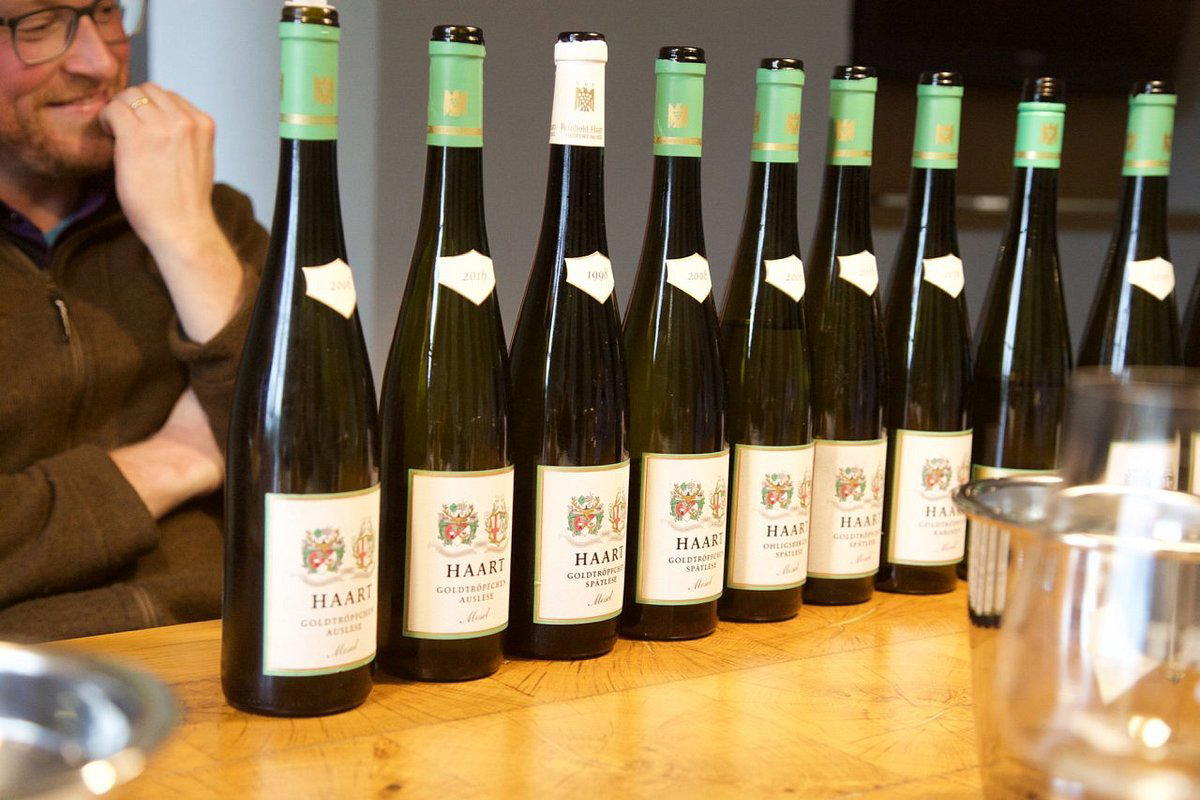
Weingut Reinhold Haart is worth prioritizing for a Mosel-focused trip, especially if Piesport is the day's anchor rather than a quick stop. It suits serious wine travelers more than casual groups, because the value is in producer depth and village context rather than broad visitor amenities.
Heartland Wines
Langhorne Creek, Australia
Heartland Wines is worth prioritising if the brief is Langhorne Creek reds, especially Cabernet Sauvignon, Shiraz, blends, and back-vintage buying. It is a wine-first choice rather than a food-pairing destination, with the strongest value for repeat buyers who can use the Taste Club, member pricing, and limited-release access.
Bodega Amalaya
Cafayate, Argentina
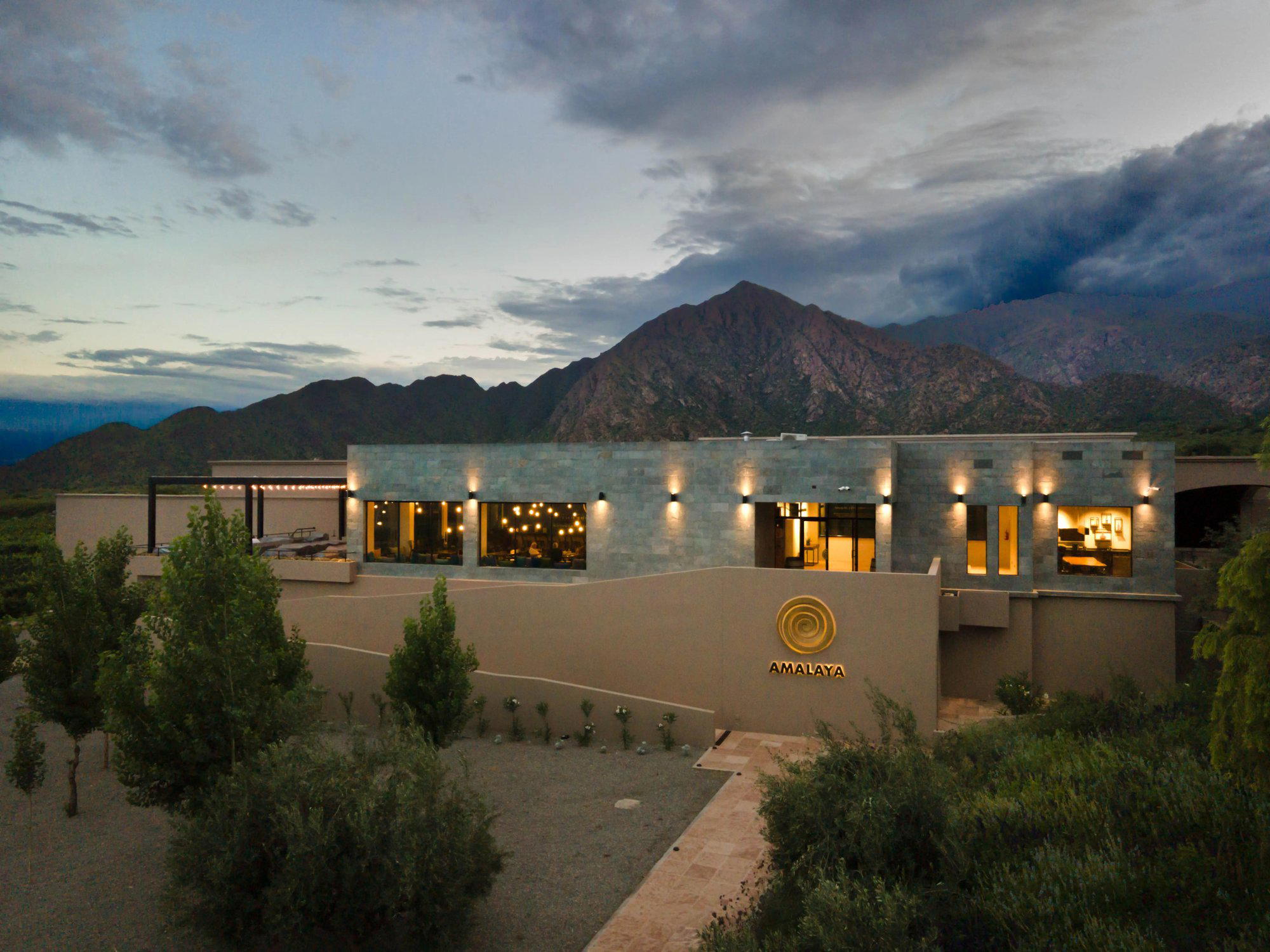
Bodega Amalaya is worth targeting if the priority is a serious Cafayate wine stop with strong prestige signals, not a casual drop-in tasting. Because visit logistics are not clearly published here and booking difficulty is high, plan it as a priority request with a practical backup nearby.
Weingut Malat
Furth Bei Göttweig, Austria
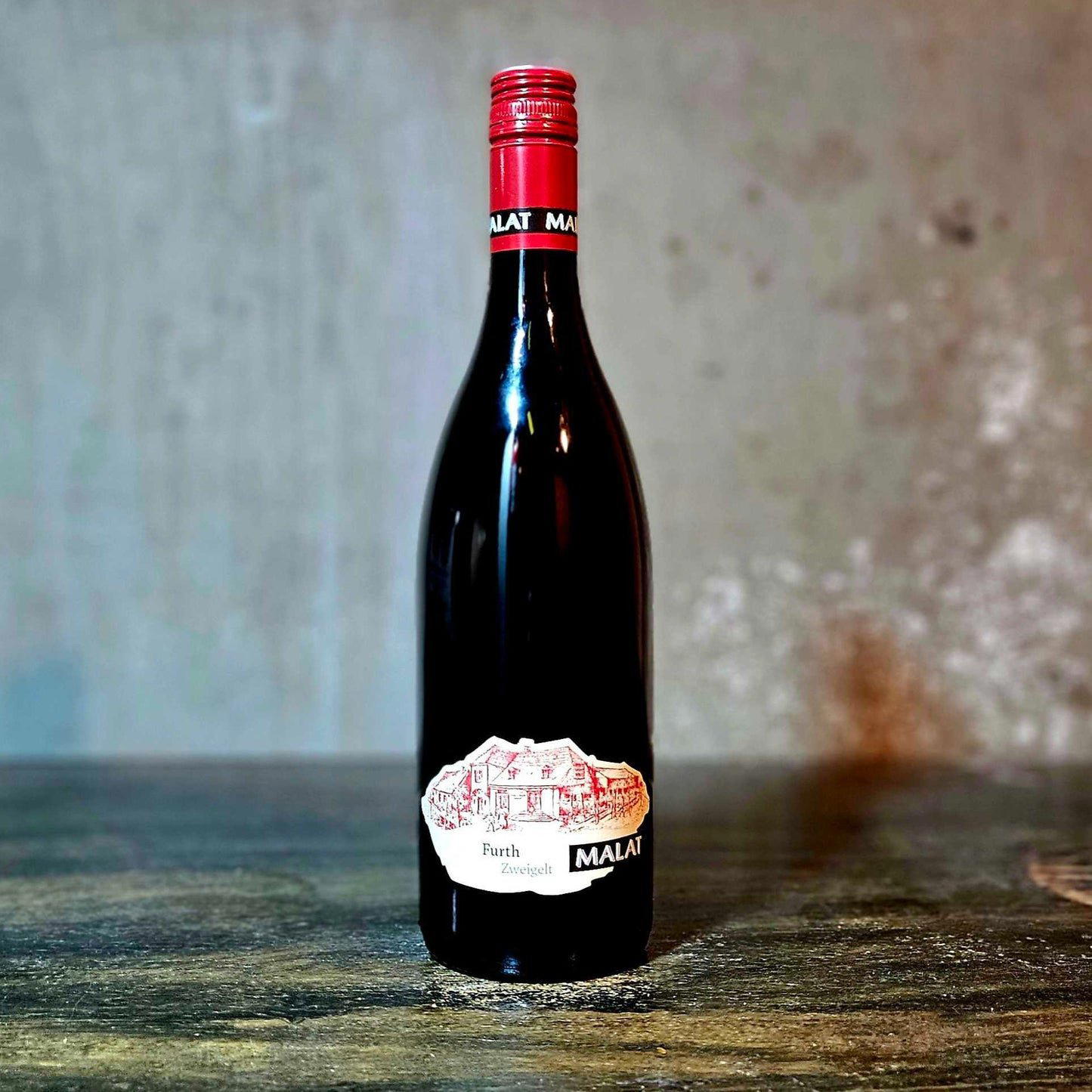
Book Weingut Malat if the occasion calls for a serious Austrian winery tasting rather than a casual drinks stop. It suits couples, collectors, and business guests building a focused Furth bei Göttweig wine itinerary, but travelers looking for a food-led meal should pair it with a restaurant plan instead.
Château Lousteauneuf
Valeyrac, France
Château Lousteauneuf works for a quiet, cellar-focused Médoc tasting rather than a polished château spectacle. The draw is traditional red-wine production, estate-grown fruit from 24 hectares, HVE-certified viticulture, and Falstaff-listed recognition in 2026. It suits small celebrations or serious Bordeaux drinkers who value structure and setting over elaborate hospitality.
Domaine Bott-Geyl
Beblenheim, France
Domaine Bott-Geyl is a worthwhile Beblenheim shortlist for wine travelers who want producer depth, backed by a Falstaff listing in 2026. Plan ahead: opening hours, tasting pricing, and shipping details need confirmation before you build a tight itinerary or commit to larger bottle purchases.
Chateau Fleur de Jean Gue
Libourne, France
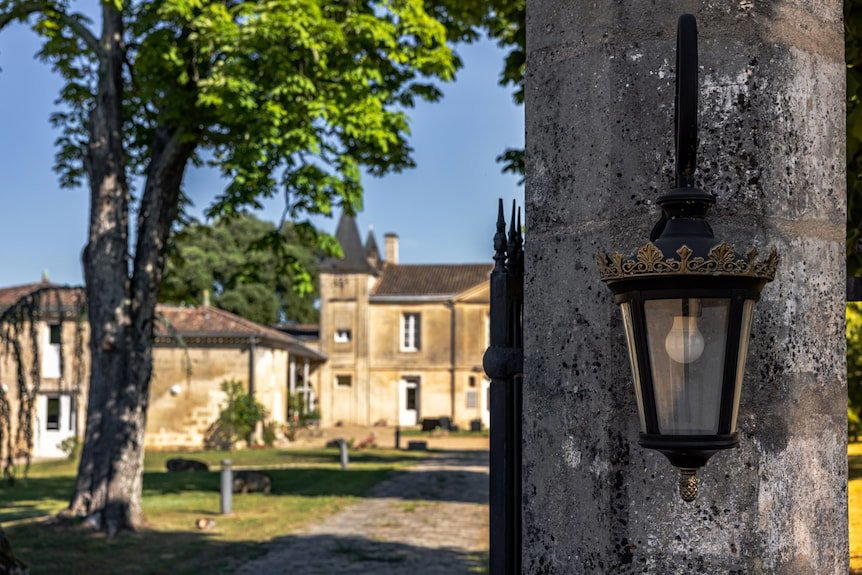
A good-value Lalande de Pomerol pick for travelers who care more about Merlot-based Right Bank wine than a polished tasting-room production. Château Fleur de Jean Gue is appointment only, family-run, Falstaff Listed for 2026, and strongest as a quiet, context-rich winery stop near Libourne.
Gerhard Kirnbauer
Deutschkreutz, Austria
Gerhard Kirnbauer works for a grounded Deutschkreutz tasting focused on family continuity, practical cellar work, and fresh, uncomplicated wines. Choose it as part of a wider Burgenland winery day rather than as a design-led destination estate; the appeal is the working-family setting and quality-first production approach.
Château Barrail Saint André
Saint Etienne De Lisse, France
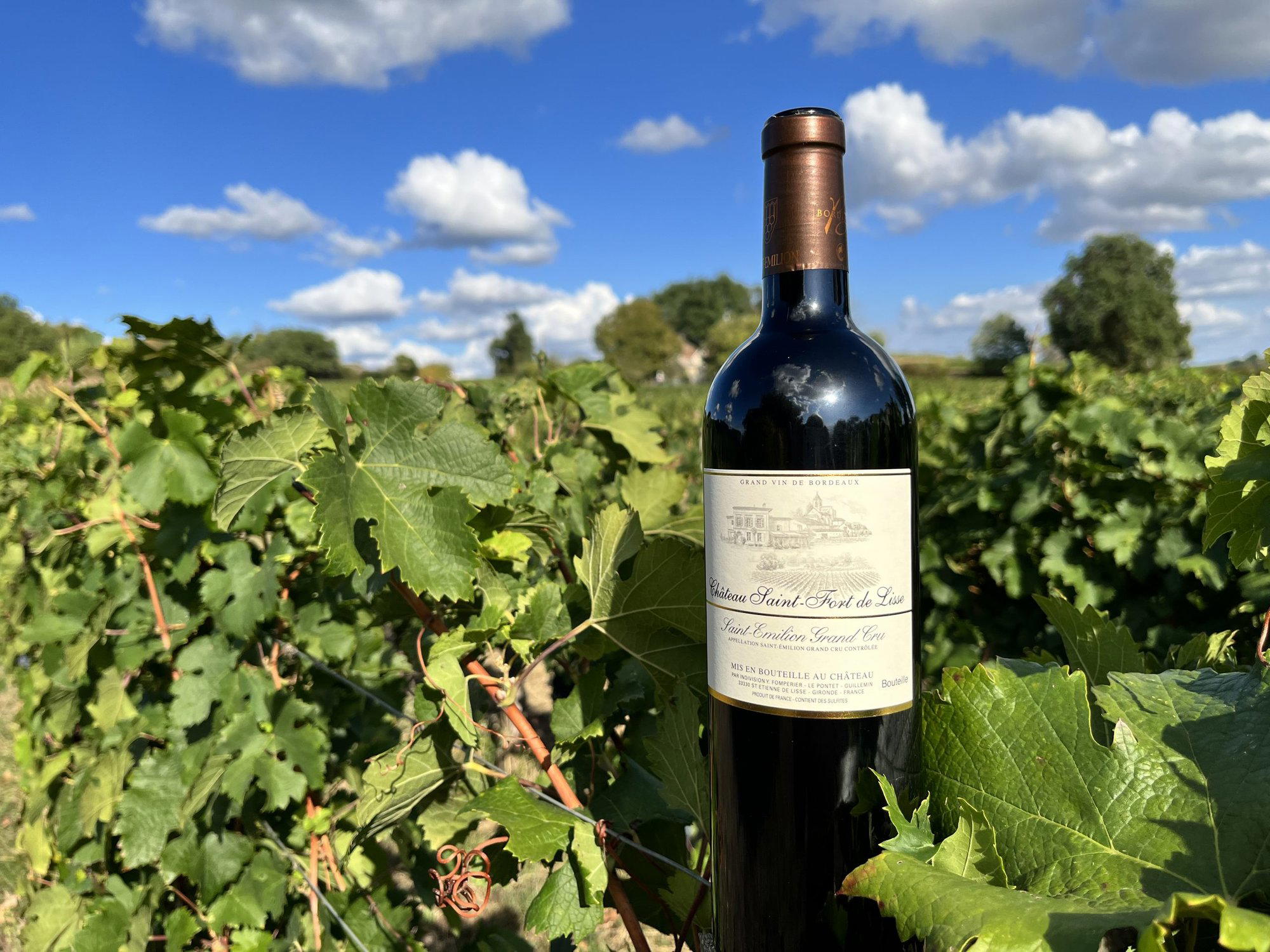
A quiet Libournais winery stop for travelers already spending time around Saint Etienne De Lisse. Château Barrail Saint André makes sense as a flexible add-on rather than a destination built around dining, luxury hospitality, or a published wine-club offer. Go in fair weather and assess any membership decision after tasting.
Wine by Farr
Geelong, Australia
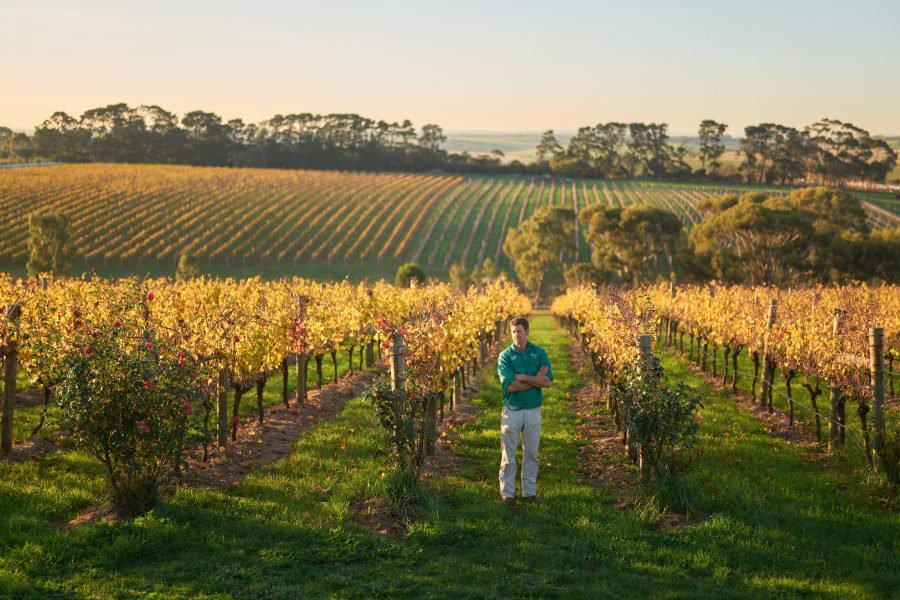
Prioritise Wine by Farr if the goal is access to scarce Geelong wine rather than an easy, casual cellar-door stop. It suits collectors, serious wine drinkers, and special occasions where the bottle matters more than a broad hospitality format; groups needing flexible logistics should cross-shop nearby Geelong wineries first.
Domaine Les Yeuses
Meze, France
Domaine Les Yeuses is a good Mèze pick for travellers who want a relaxed, family-run Languedoc tasting with real estate history behind it. Go for the private or guided format if the group wants context on the Templar-era property, IGP Pays d’Oc varietal wines and the estate-grown approach; keep it casual if the goal is a quick local tasting.

Cantina Mesa
Sant Anna Arresi, Italy
Cantina Mesa is worth booking if the goal is a calm, design-led Sardinian winery visit focused on Vermentino di Sardegna and Carignano del Sulcis. It is an easy special-occasion choice near Porto Pino for couples or small groups who want a guided tasting with a strong sense of place, not a rustic cellar or allocation-driven wine hunt.
Livernano
Radda in Chianti, Italy
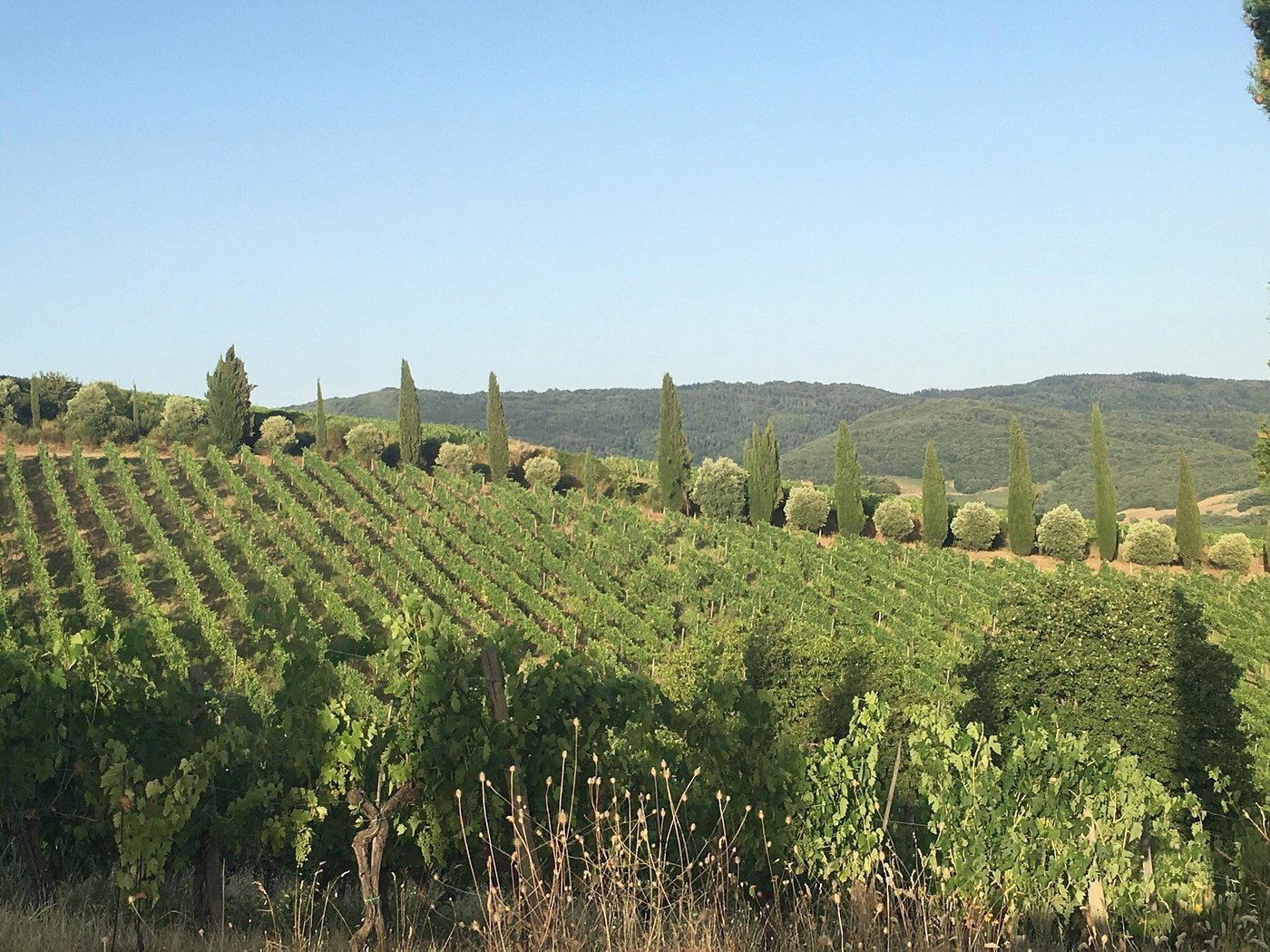
Book Azienda Agricola Livernano if the point is a quiet Radda in Chianti estate visit with a serious Chianti Classico buying angle. Its Falstaff Listed 2026 recognition, estate vineyard base and Sangiovese-led portfolio make it more compelling for wine travelers than casual scenery seekers.
Château Saint-Roch
Roquemaure, France
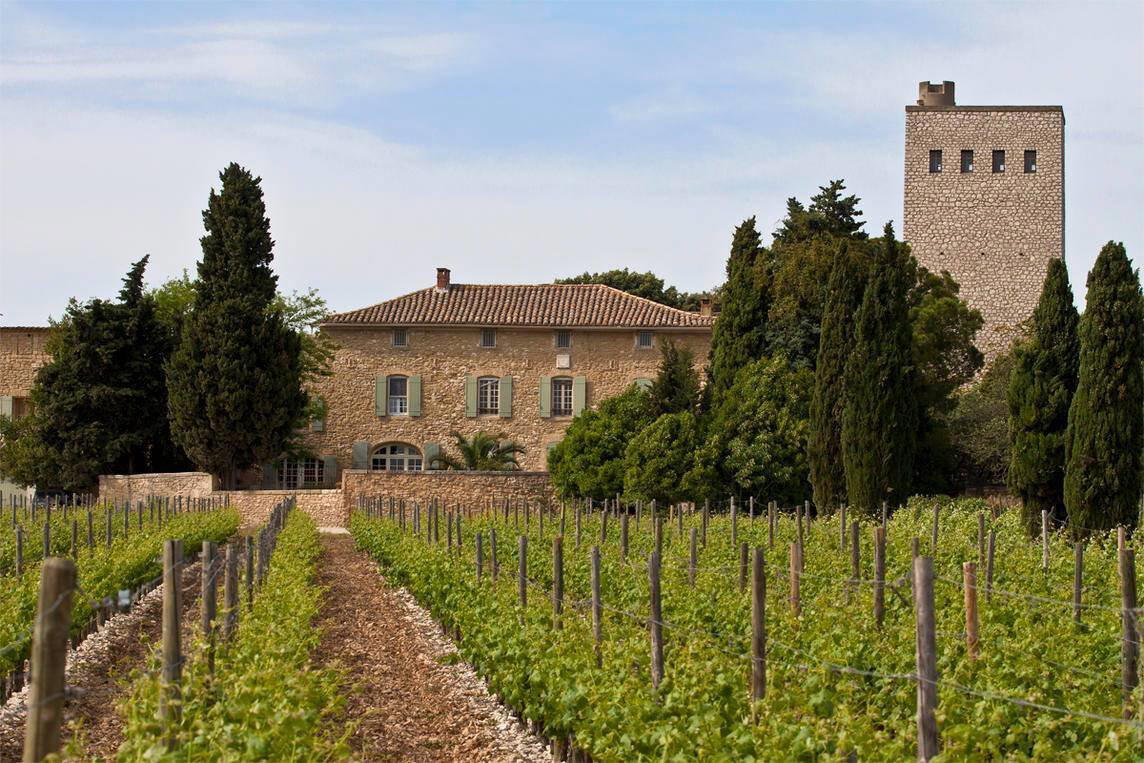
Château Saint-Roch works if the goal is a serious, unfussy Lirac tasting rather than a showy destination-winery experience. The draw is the estate’s Rhône context, family ownership, and range across red, white, and rosé, with enough production depth to keep wine-focused guests engaged.
Bodegas Rafael Cambra
Fontanaras Dels Alforins, Spain
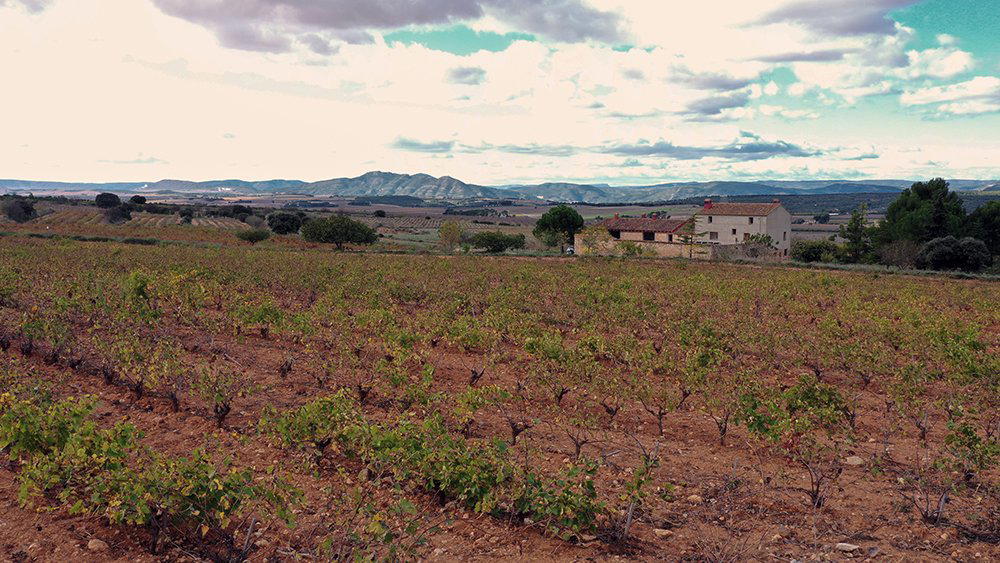
Bodegas Rafael Cambra is worth pursuing for a serious wine-focused stop in Fontanaras Dels Alforins, especially for collectors or celebration trips built around the producer. Falstaff 2 Stars in 2026 is the key quality signal; plan with extra lead time because public-facing logistics are limited.
Domaine Arnaud Lambert
Saint Just Sur Dive, France
Worth booking if you want a serious Saumur cellar visit built around Chenin Blanc, Cabernet Franc, and limestone terroir rather than a polished tasting-room setup. Domaine Arnaud Lambert is a better fit for wine travelers who care about Brézé, Saint-Cyr-en-Bourg, organic farming, and parcel-level differences than for casual groups seeking a broad hospitality experience.
Groh Wein GbR
Bechtheim, Germany
Book Groh Wein GbR if the goal is approachable Rheinhessen white wine with a clear limestone-and-marl identity rather than a formal prestige tasting. The 2023 Grohsartig Weißburgunder & Chardonnay is the bottle to judge first: dry, mineral, lightly textured from lees aging, and better suited to dinner or gifting than trophy hunting.
Duca Carlo Guarini
Scorrano, Italy
Book Duca Carlo Guarini for a relaxed Salento wine stop with real heritage behind it, not for a high-pressure collector tasting. The draw is native organic wines in a historic Scorrano estate setting, with enough atmosphere for a date, family celebration, or slower wine-country afternoon.
Château Clauzet
Saint-Estèphe, France
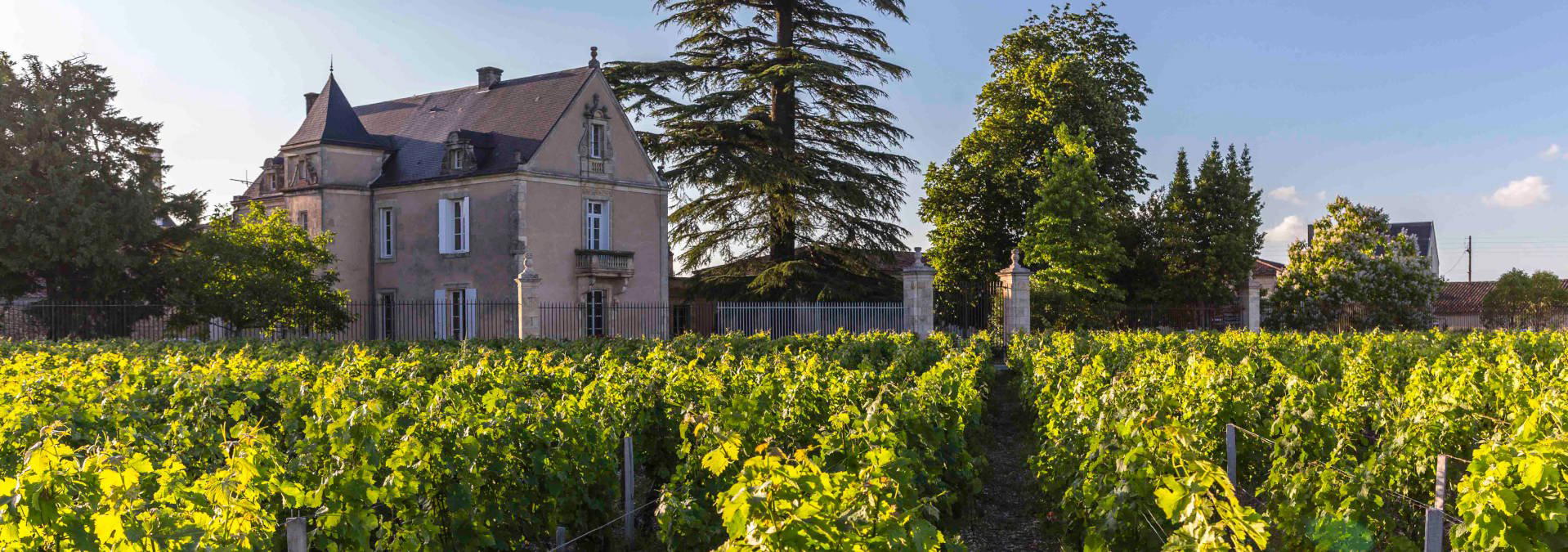
Château Clauzet works for Saint-Estèphe travelers focused on bottle research rather than a full hospitality-led winery visit. Its 2026 Falstaff listing gives it a credible external signal, but confirmed visitor details are sparse, so treat it as one stop within a wider appellation plan.
Diego Conterno
Monforte d'Alba, Italy
Diego Conterno is a sensible Monforte d’Alba winery pick for a focused Langhe tasting, especially if the day is built around wine first and a separate meal in town. Falstaff’s 2026 winery listing adds a useful trust signal, but food-focused visitors should plan pairing and dining logistics outside the visit rather than expecting a full restaurant-style program.
Christian Dugon
Bofflens, Switzerland
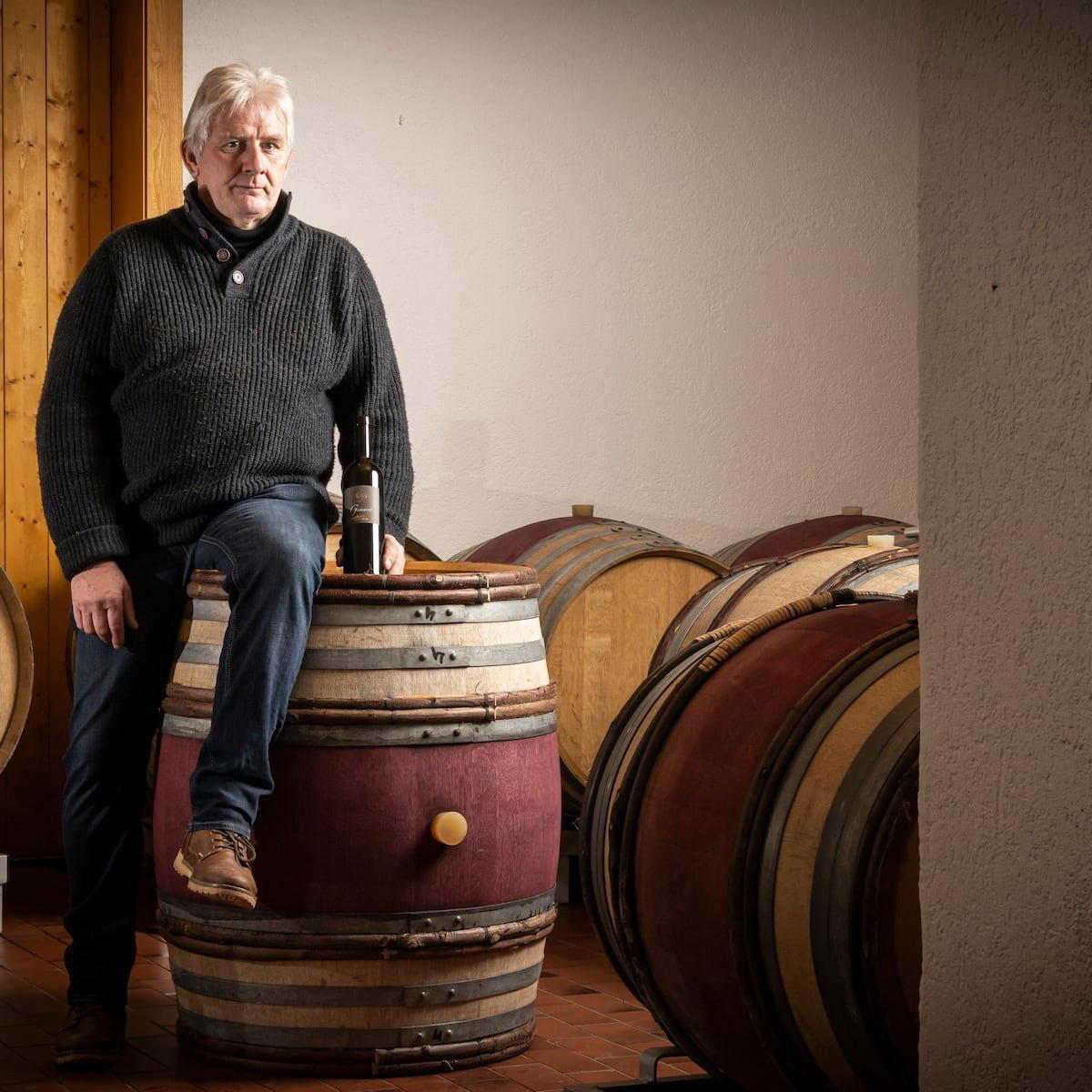
Christian Dugon is worth planning for if you want a practical, cellar-level look at Côtes de l’Orbe rather than a polished tasting-room circuit. The draw is the red-leaning portfolio, estate-grown fruit, and unusual varieties such as Doral, Divico, Cornarello, and Merello, backed by credible Swiss wine recognition.
Aurora Winery
Rachkiddeh, Lebanon
Book Aurora Winery if you want an easy, focused Batroun winery stop with Falstaff recognition in 2026. It is better suited to small groups and flexible plans than to a tightly scheduled tasting itinerary, since visitor-format details are not listed.
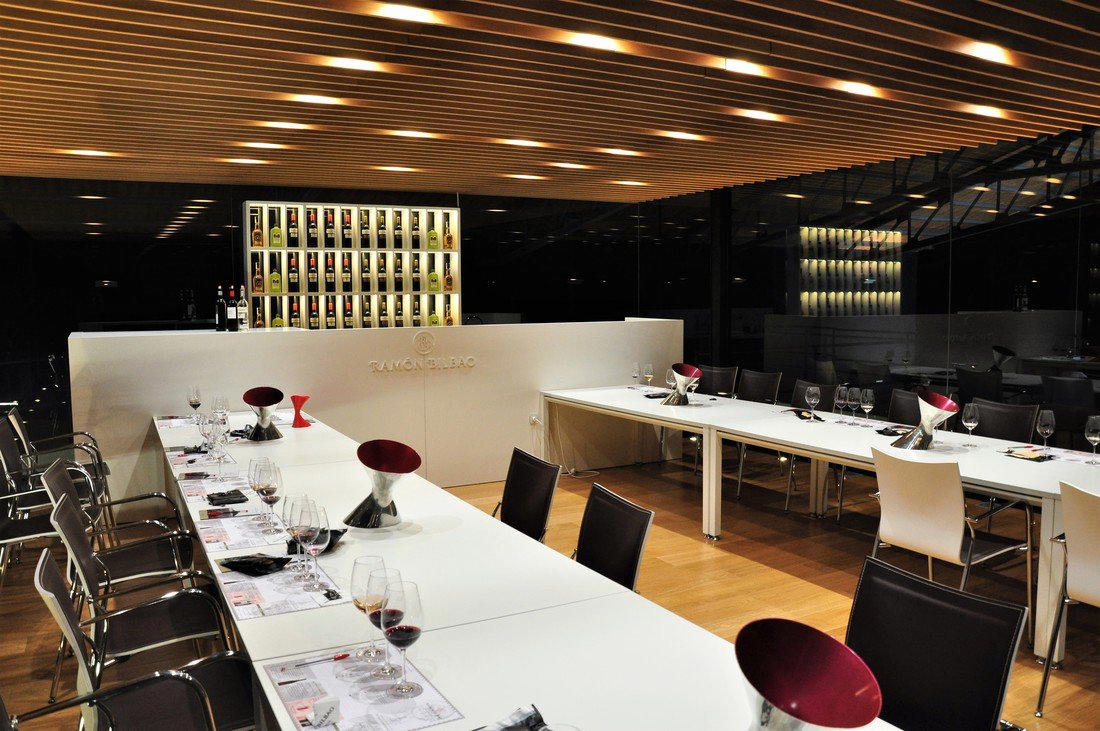
Ramón Bilbao
Haro, Spain
Prioritise Ramón Bilbao if the Haro wine day is being planned in advance, not improvised. The case is strongest for visitors who want a recognised Rioja producer in a compact winery town, but the hard-to-secure access means nearby names such as Bodegas Muga, Bodegas Roda, CVNE, López de Heredia, and La Rioja Alta should stay on the shortlist.
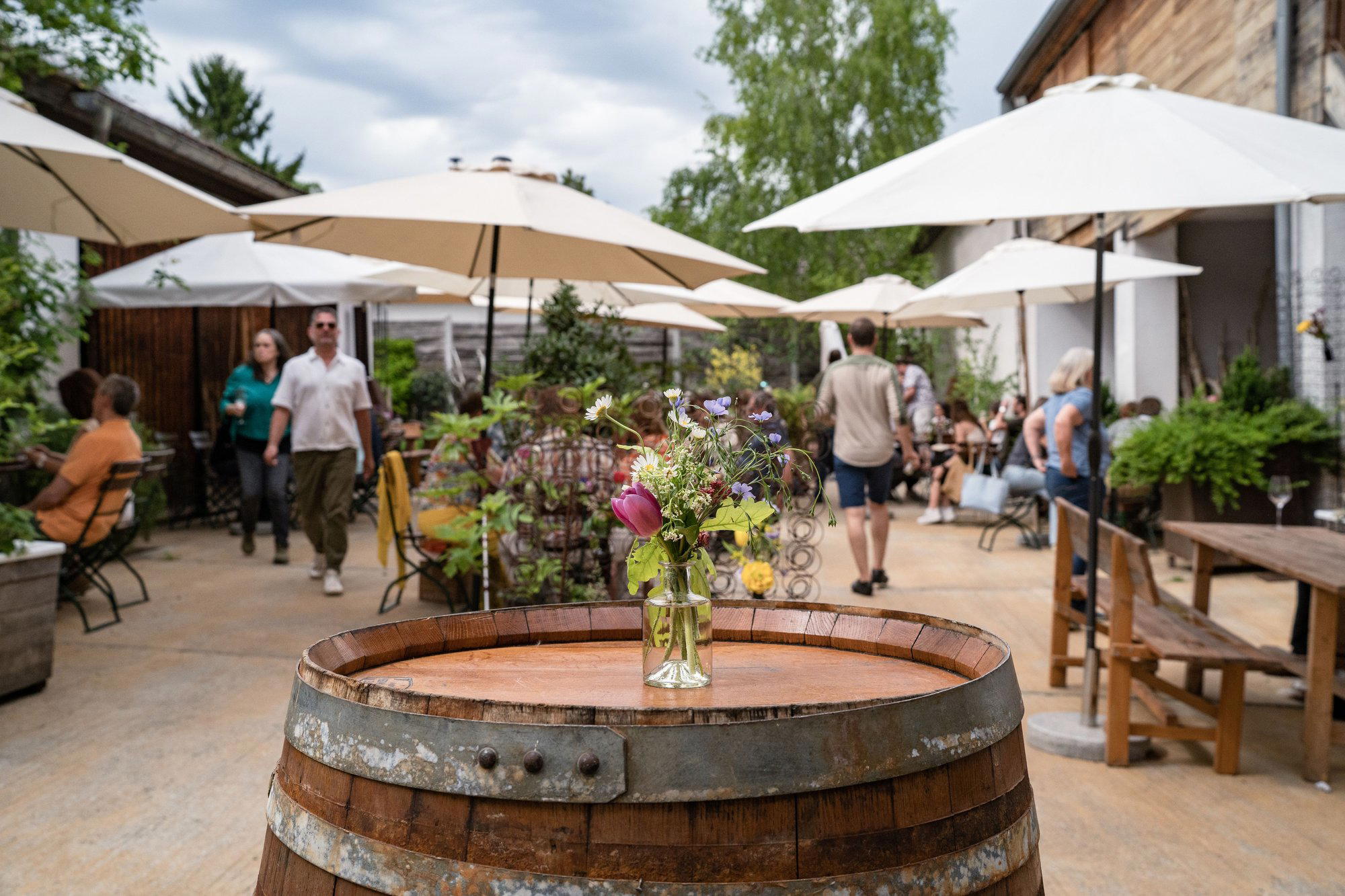
Biowein Lenhart
Fels am Wagram, Austria
Biowein Lenhart works as an easy organic-wine stop in Fels am Wagram, especially if the plan is a flexible Lower Austria wine route rather than a single destination. The practical move is to pair it with other local winery research and leave buffer time, since detailed tasting logistics are not something to build a tight schedule around.
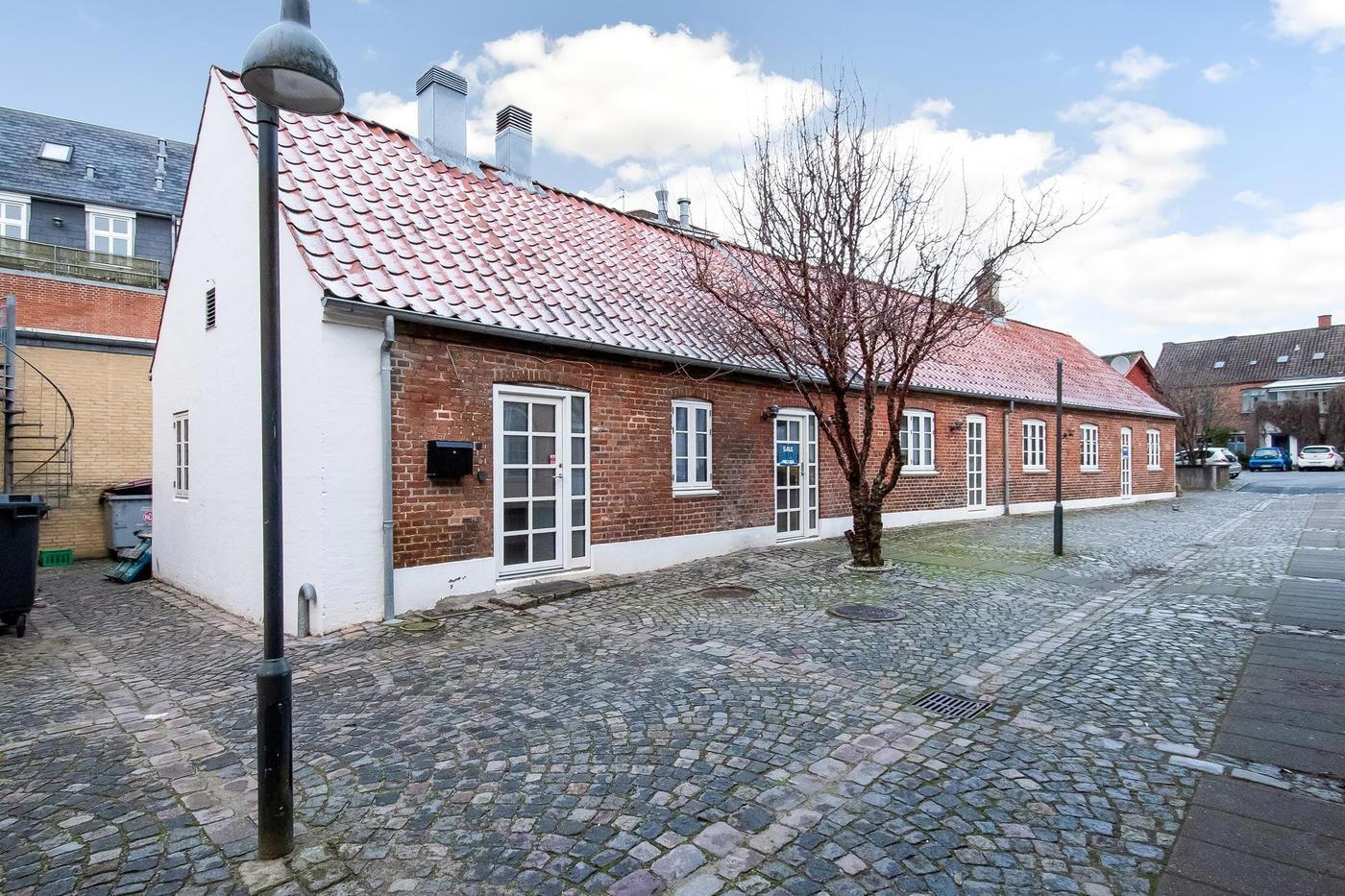
Brædder Vine
Toreby, Denmark
Book Brædder Vine if you want a relaxed Danish countryside winery visit built around guided vineyard walks, informal tastings, and outdoor meals. It is better for curious wine travellers than for anyone chasing a formal tasting room or a published flagship-bottle experience. Falstaff listing gives it a useful credibility signal for planning a Lolland-Falster wine stop.
Heimann & Fiai
Sechshard, Hungary
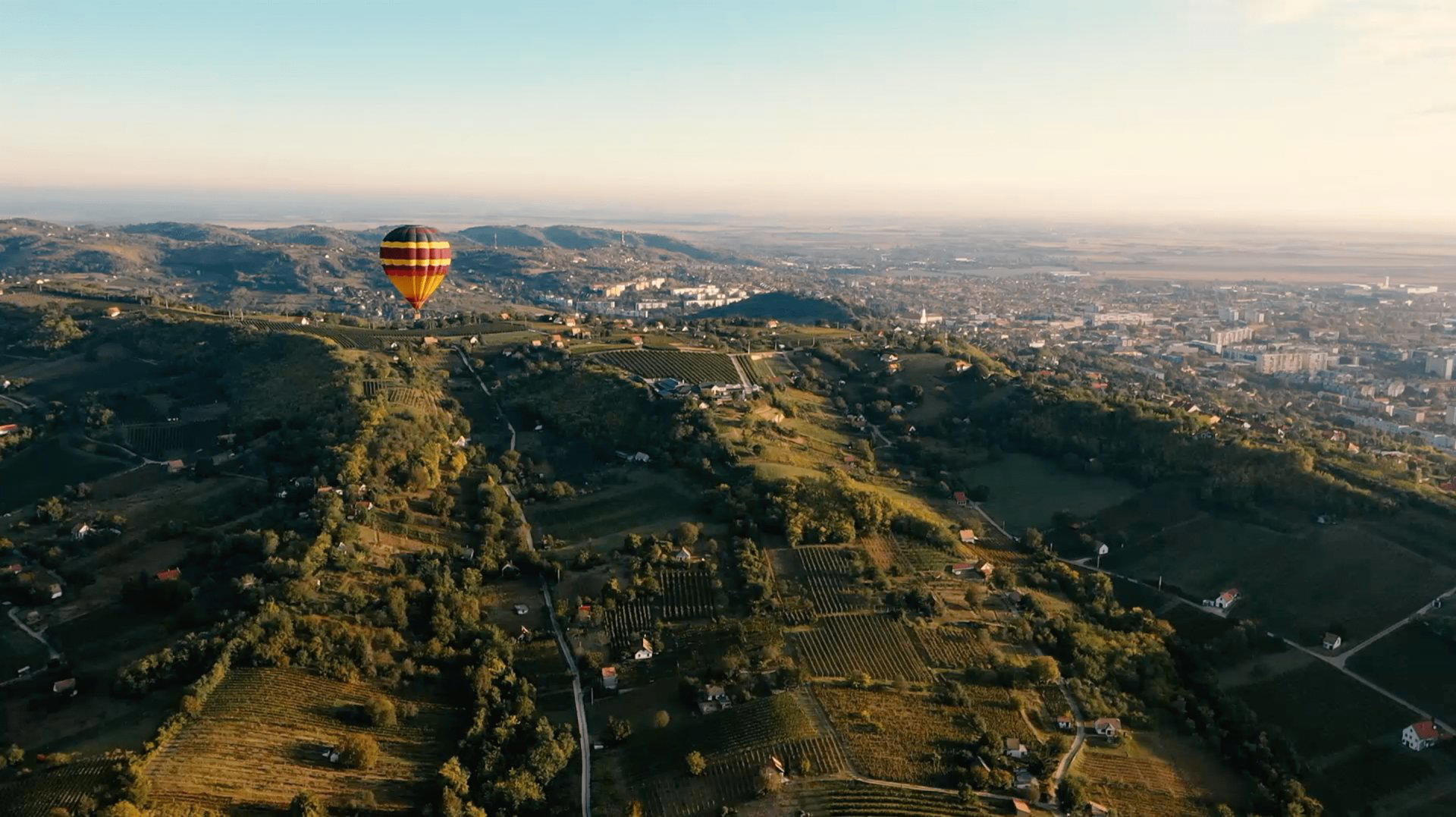
Heimann & Fiai is worth shortlisting for a wine-led Sechshard stop, especially if the occasion is built around tasting and cellar context rather than a fully published restaurant format. Falstaff Listed for 2026 gives it a useful credibility signal, but any wine club decision should wait until the wines match the buyer’s long-term drinking habits.
Avaa Verjus
Berlin, Germany
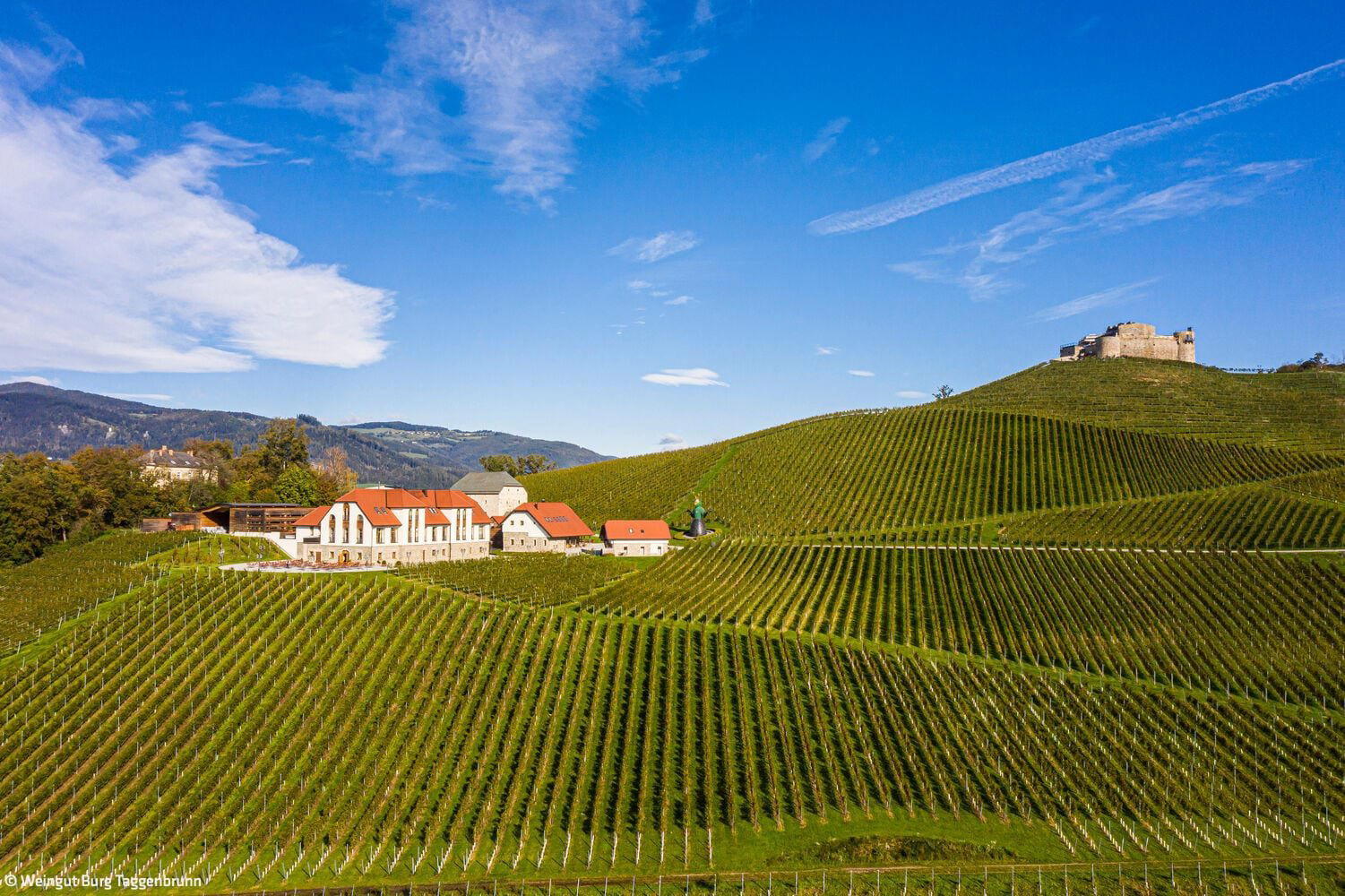
Avaa Verjus is worth seeking out if you want a serious non-alcoholic bottle for cocktails, aperitifs, sauces, or hosting. It is not the right choice for a classic winery visit or wine-club hunt; the value is in organic, grape-based acidity and practical use rather than cellar-door hospitality.
Borgo Macereto
Dicomano, Italy
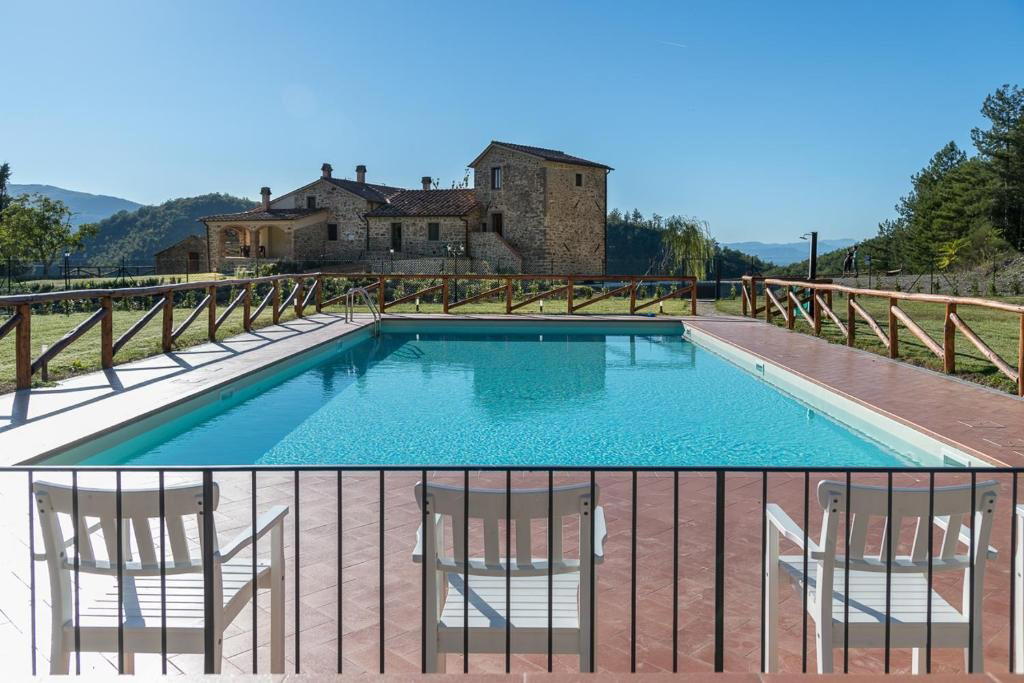
Borgo Macereto is a strong fit for travelers who want an organic Chianti Rufina winery with agriturismo character rather than a high-gloss tasting room. Book it for Sangiovese-led reds, aromatic white varieties, and a quiet Dicomano base; skip it if the goal is a formal wine club or allocation-driven buying experience.
Château Veyry
Saint-Laurent-des-Combes, France
Château Veyry is worth booking if you want a quiet, appointment-only Bordeaux estate focused on small-scale, Merlot-led reds rather than a broad visitor program. The $$$ positioning makes sense for serious wine travelers who value low production, technical winemaking detail, and Falstaff-listed recognition, but casual drop-in tasters should choose a more flexible stop.
Chateau Leoville Las Cases
Saint-Julien-Beychevelle, France
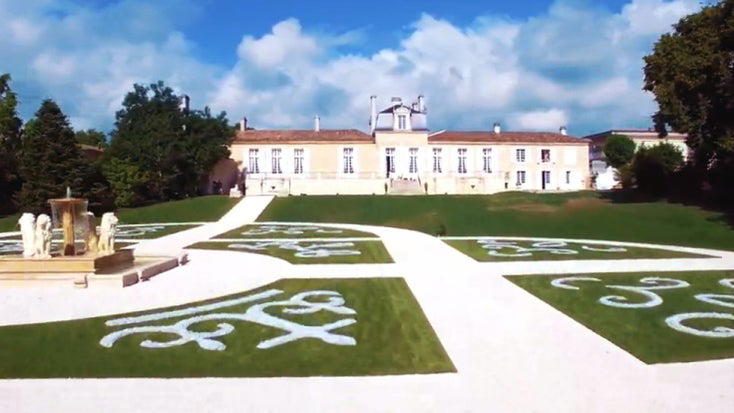
Prioritize Chateau Leoville Las Cases if the trip is built around serious Saint-Julien Bordeaux and collector-level context. It is better for small, wine-focused groups than casual tasting-room itineraries, and planning should start early because easy walk-in logistics are not the appeal here.
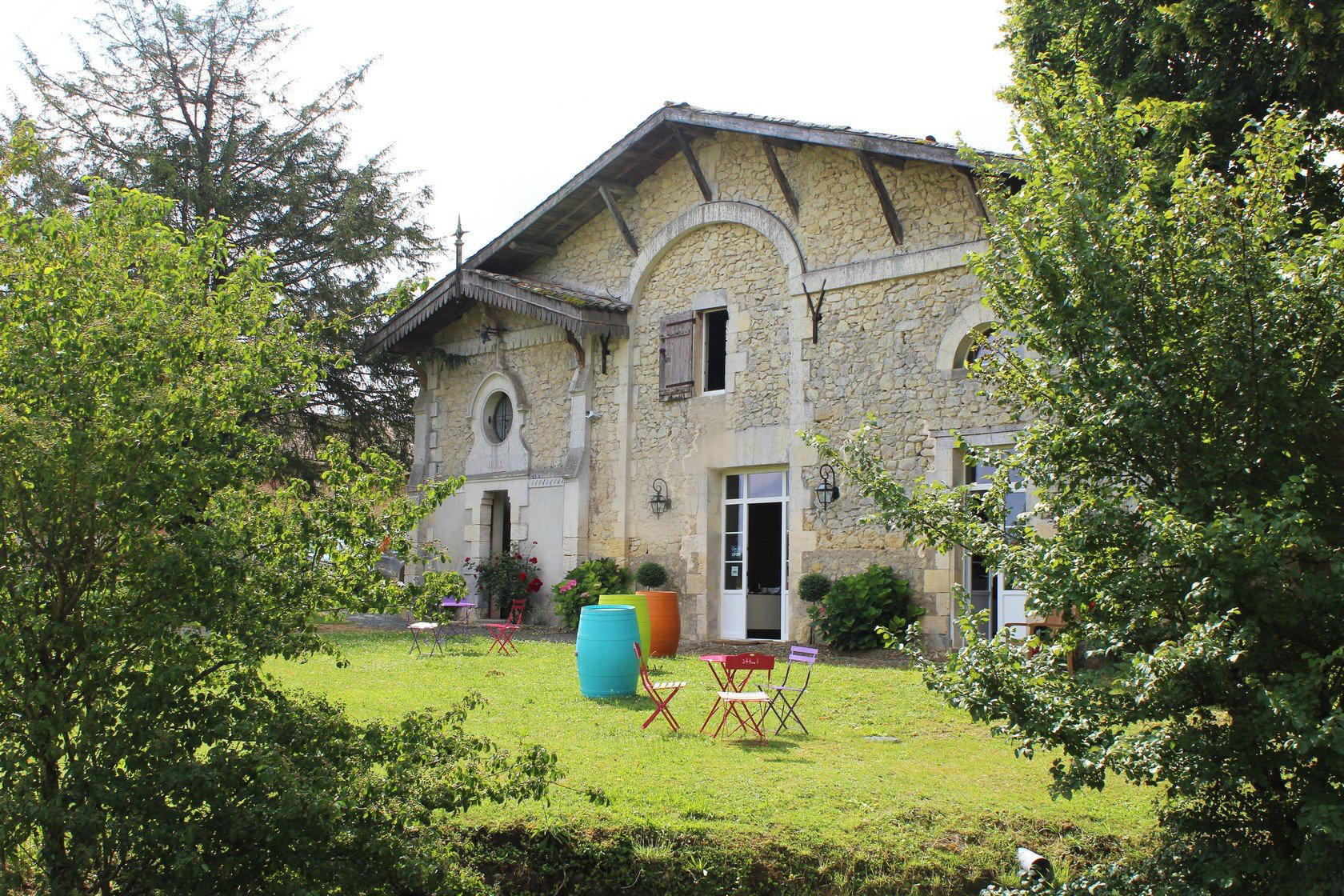
Château Vermont
Targon, France
Château Vermont works as part of a Targon wine-country route, especially if the day is already focused on Bordeaux Supérieur rather than a single destination winery. Plan it as a practical, easy-booking stop and build the rest of the itinerary around nearby Pearl winery, restaurant, hotel, bar, and experience guides.
How many of these have you visited?
Find out on Pearl and keep score across every place in 2026 Falstaff Winery Guide.