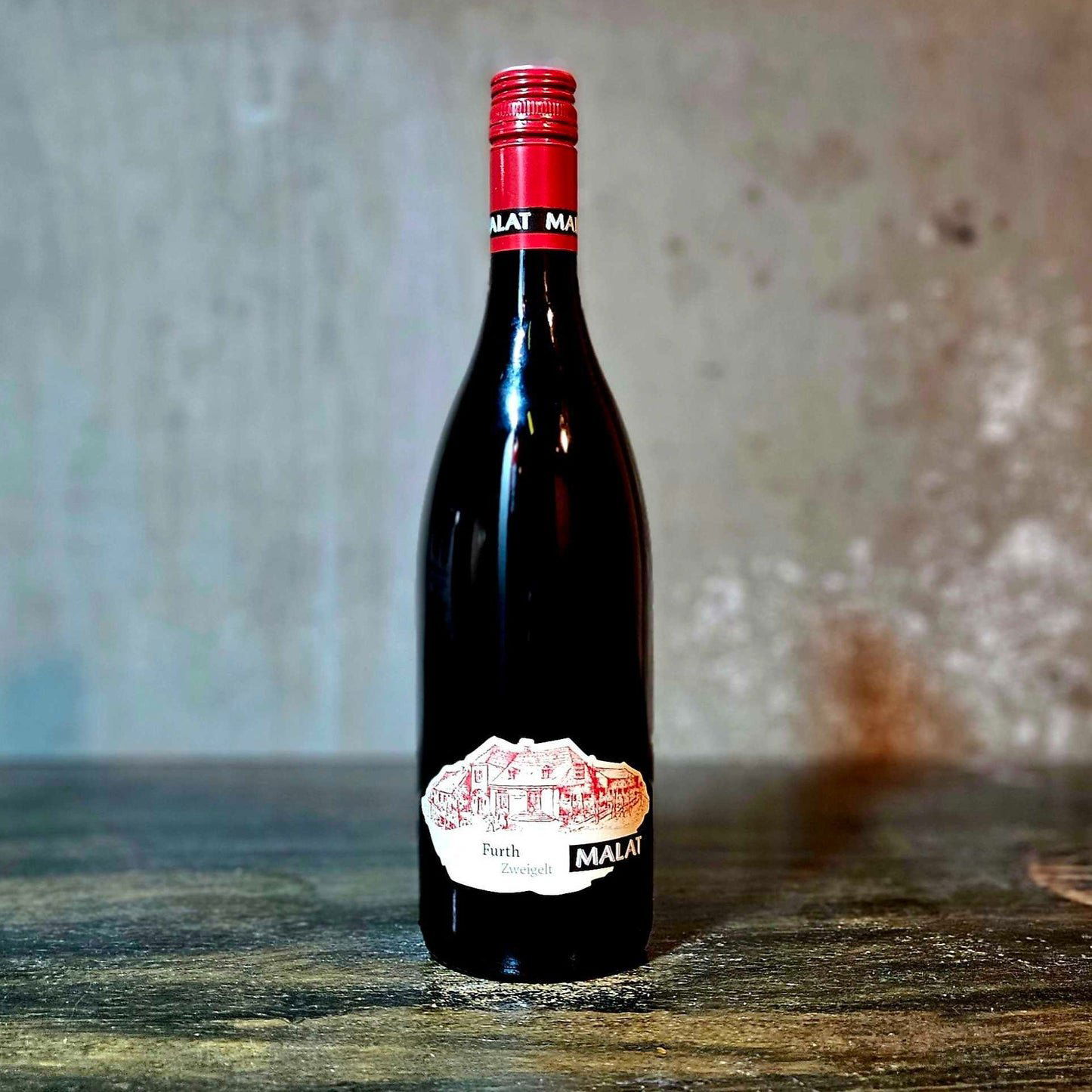

Weingut Malat
Furth bei Göttweig, Furth Bei Göttweig
Winery in Furth Bei Göttweig, Austria
 Book with Pearl
The Read
Volcanic Terroir Viticulture
Price
$20–30tasting
Why go
Book Weingut Malat if the occasion calls for a serious Austrian winery tasting rather than a casual drinks stop. It suits couples, collectors, and business guests building a focused Furth bei Göttweig wine itinerary, but travelers looking for a food-led meal should pair it with a restaurant plan instead.
About Weingut Malat
Weingut Malat is a Furth Bei Göttweig venue with confirmed Pearl 2 Star Prestige recognition for 2025. The practical detail for visitors is a smart-casual dress code, so it is best framed as a venue to approach with some polish rather than too casually. In planning terms, that means the venue should be treated with intention, while avoiding assumptions about food, service, format, pricing, hours, or specific offerings. The important facts are limited, yet useful, and they give the venue a clear place within a Furth Bei Göttweig itinerary.
A polished Furth Bei Göttweig venue
The clearest reason to shortlist Weingut Malat is its confirmed Pearl 2 Star Prestige (2025) recognition. That recognition gives the listing its strongest editorial anchor, because it is the main signal available and the detail most relevant to travelers comparing venues with some degree of standing. Beyond that, specific details such as cuisine, menu format, service style, pricing, hours, reservations, or on-site offerings are not detailed. That absence matters: it should keep expectations disciplined rather than vague, especially for anyone trying to decide whether this is the right centerpiece for a day, a brief stop, or part of a wider route. If the plan is built around food, use the Furth Bei Göttweig restaurants guide; if the plan needs an overnight base, check the Furth Bei Göttweig hotels guide before committing to timing.
For planning, Weingut Malat is in Furth Bei Göttweig, carries Pearl 2 Star Prestige recognition for 2025, and has a smart-casual dress code. Those details are enough to place it on a shortlist, but not enough to build a full schedule without further confirmation. The smart-casual standard is especially helpful because it shapes the tone of the visit; it suggests arriving neatly dressed, while still avoiding any claim that a stricter or more formal dress requirement applies. Confirm current visit details directly with the venue before building a schedule around it.
Who should choose it over a broader venue route
Choose Weingut Malat if the group wants a Furth Bei Göttweig venue with confirmed Pearl 2 Star Prestige (2025) recognition and a smart-casual standard. It suits travelers who prefer to start with established credentials and a clearer sense of polish, rather than assembling a route entirely from venues whose current practical details still need to be checked. The choice is strongest when the goal is to include a recognized stop and when the group is comfortable doing the final confirmation directly. Do not assume specific dining, purchasing, pricing, or service details unless you have confirmed them directly with the venue. That is the safest way to avoid overplanning around information not provided here.
If you are comparing nearby or regional options, consider Weingut Hutter Distillery, Weingut Petra Unger, Weingut Salomon Undhof, Winzer Krems (Sandgrube 13), or Winzerhof Dockner as separate possibilities to research. They should be treated as comparison points rather than interchangeable substitutes, because the practical shape of a visit can vary significantly once current details are checked. Keep the comparison practical: confirm each venue's current hours, format, and booking requirements before planning a route. In that context, Weingut Malat works best as a focused listing with a city, recognition level, and dress-code cue, while the rest of the itinerary should be settled only after direct confirmation.
Planning details
- Location
- Palt AT, Hafnerstraße 12, 3511 Furth bei Göttweig
- Website
- malat.at
- Phone
- +43 2732 82934
The take
The Take
The Vibe
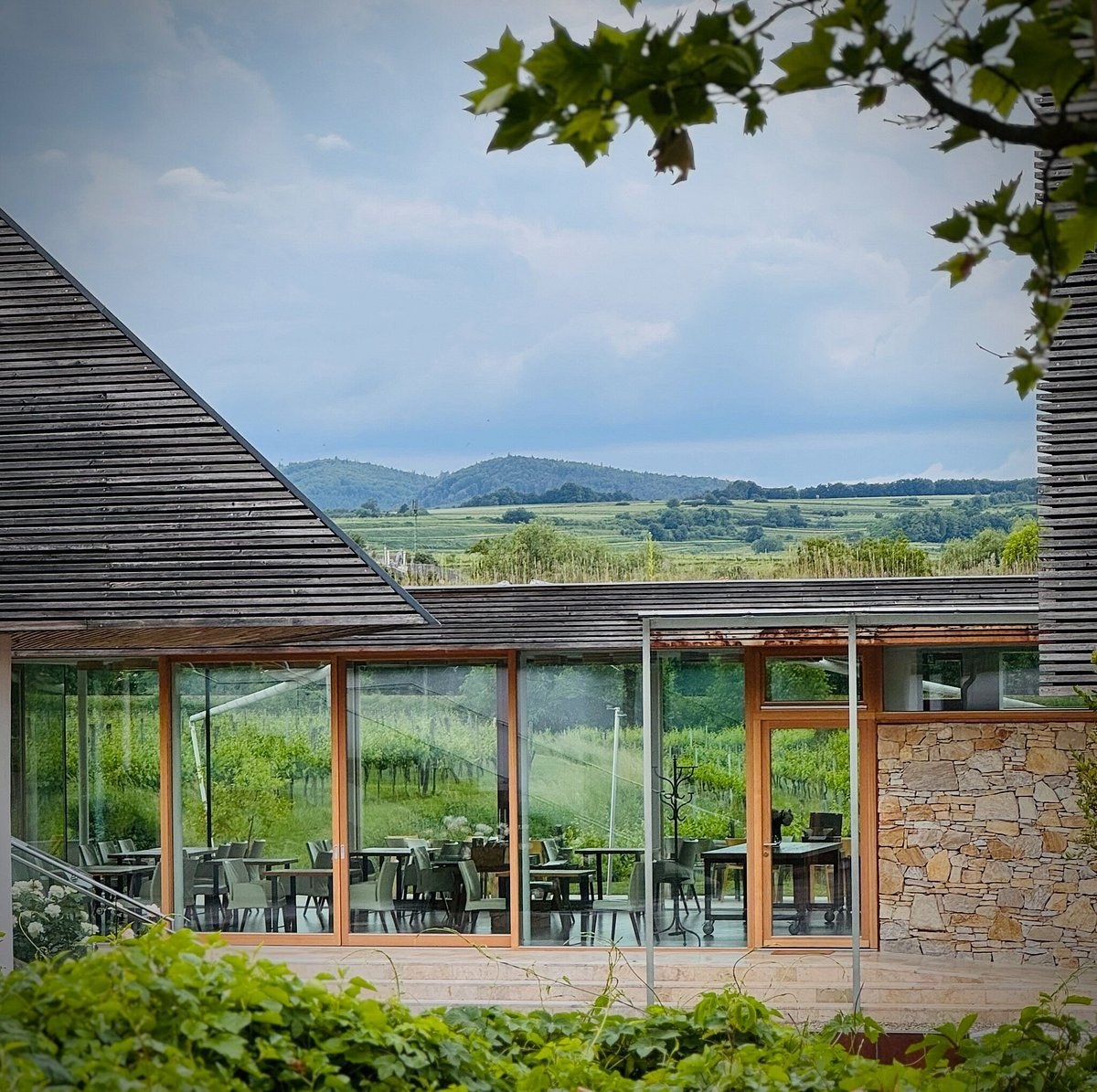
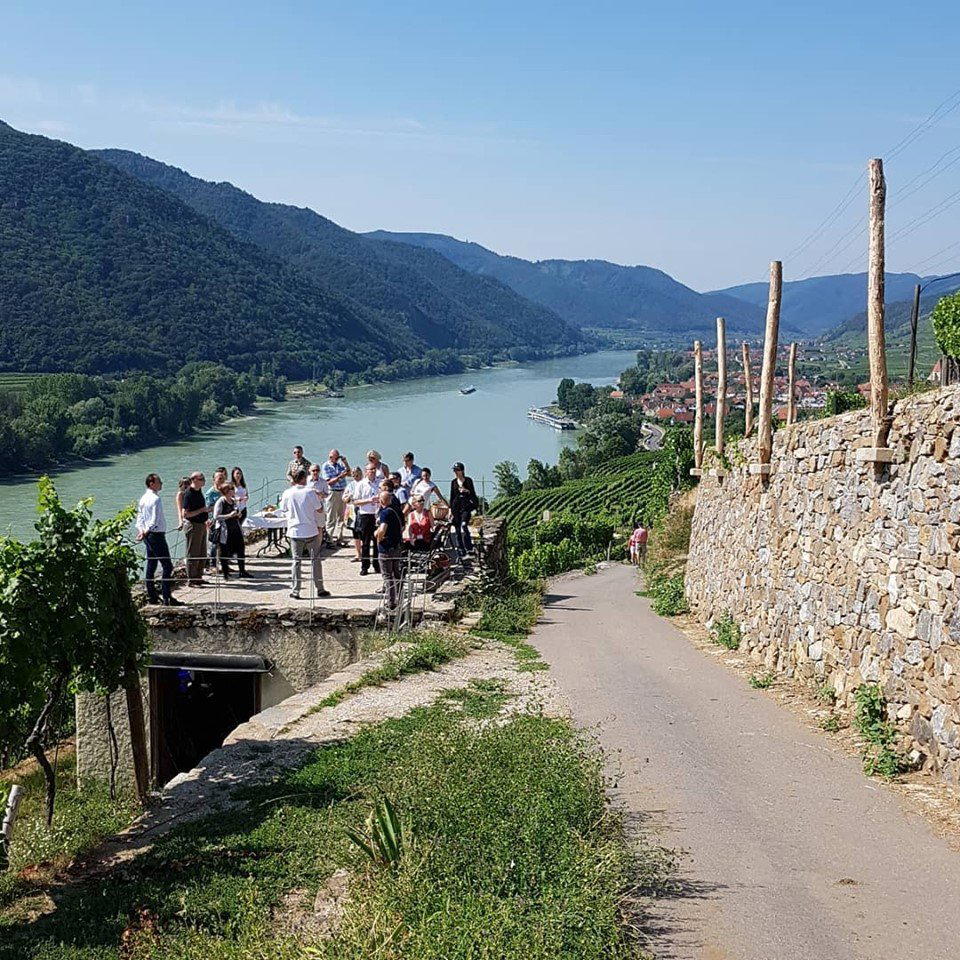
Weingut Malat presents a quietly assured presence on the Göttweig plateau. The estate sits within a landscape defined by loess terraces and rocky slopes, and the Benedictine monastery that crowns the hill emphasizes the area’s historic character. The winery’s recent Pearl 2 Star Prestige recognition signals a measured, sophisticated focus on site expression rather than flash, and the writing here privileges terroir and continuity across vintages. Visitors encounter a restrained, contemplative atmosphere—one that rewards attention to nuance in the glass and the landscape rather than high-volume spectacle.
Best For
Malat is best for visitors who care about terroir and close study of wines: students of viticulture, inquisitive solo travellers and groups seeking a focused tasting experience. The estate’s Pearl 2 Star Prestige placement and the description of the site’s thermal contrasts make it particularly suitable for wine-education visits where geology, aspect and microclimate matter. It also fits special-occasion visits when guests want a sense of place and established quality rather than loud tourism. Those looking for sweeping views and thoughtful, site-driven wines find this estate most rewarding.
Tasting Tips
When you visit or taste wines from Weingut Malat, anchor conversation around site and vintage: ask specifically about the loess terraces, primary rock plots and how the Danube’s influence shapes ripening. Seek out bottles from the prestige lineup (the estate’s 2025 Pearl 2 Star recognition is a useful shorthand) and compare adjacent-site expressions if available to understand the house style. If you plan a visit, inquire ahead about tasting options and the estate’s recommended comparative pours so you can evaluate how Malat expresses its Kremstal terroir across vintages.
Venue details
Ambiance
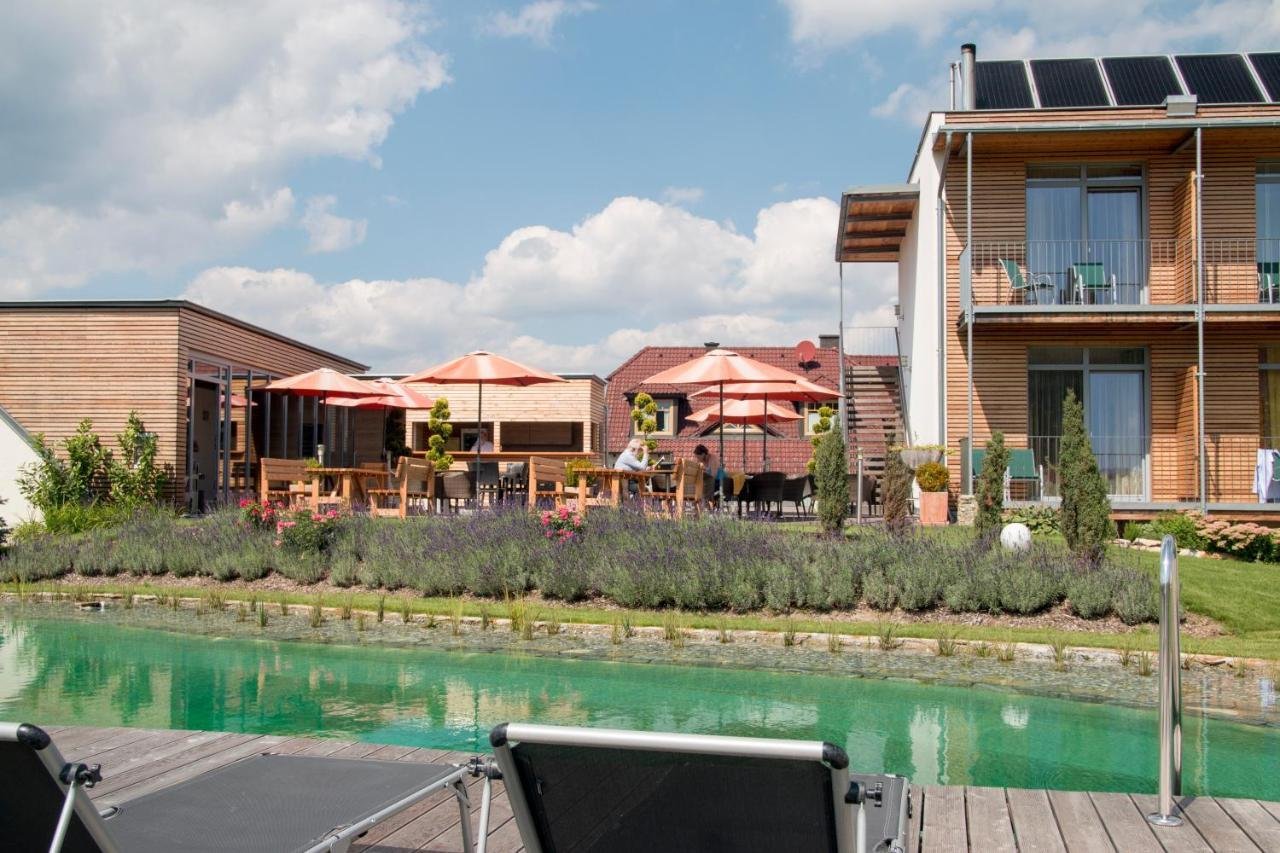
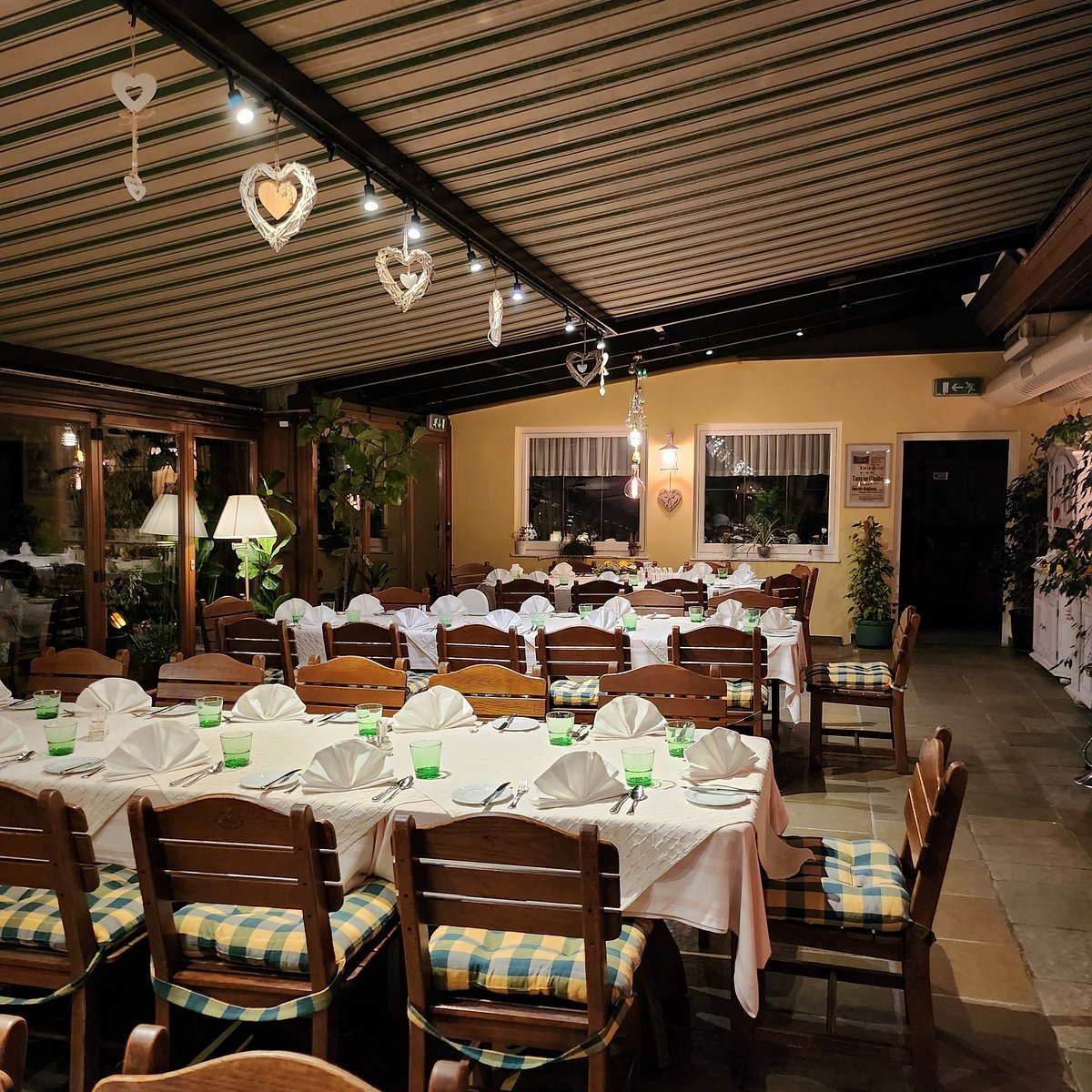
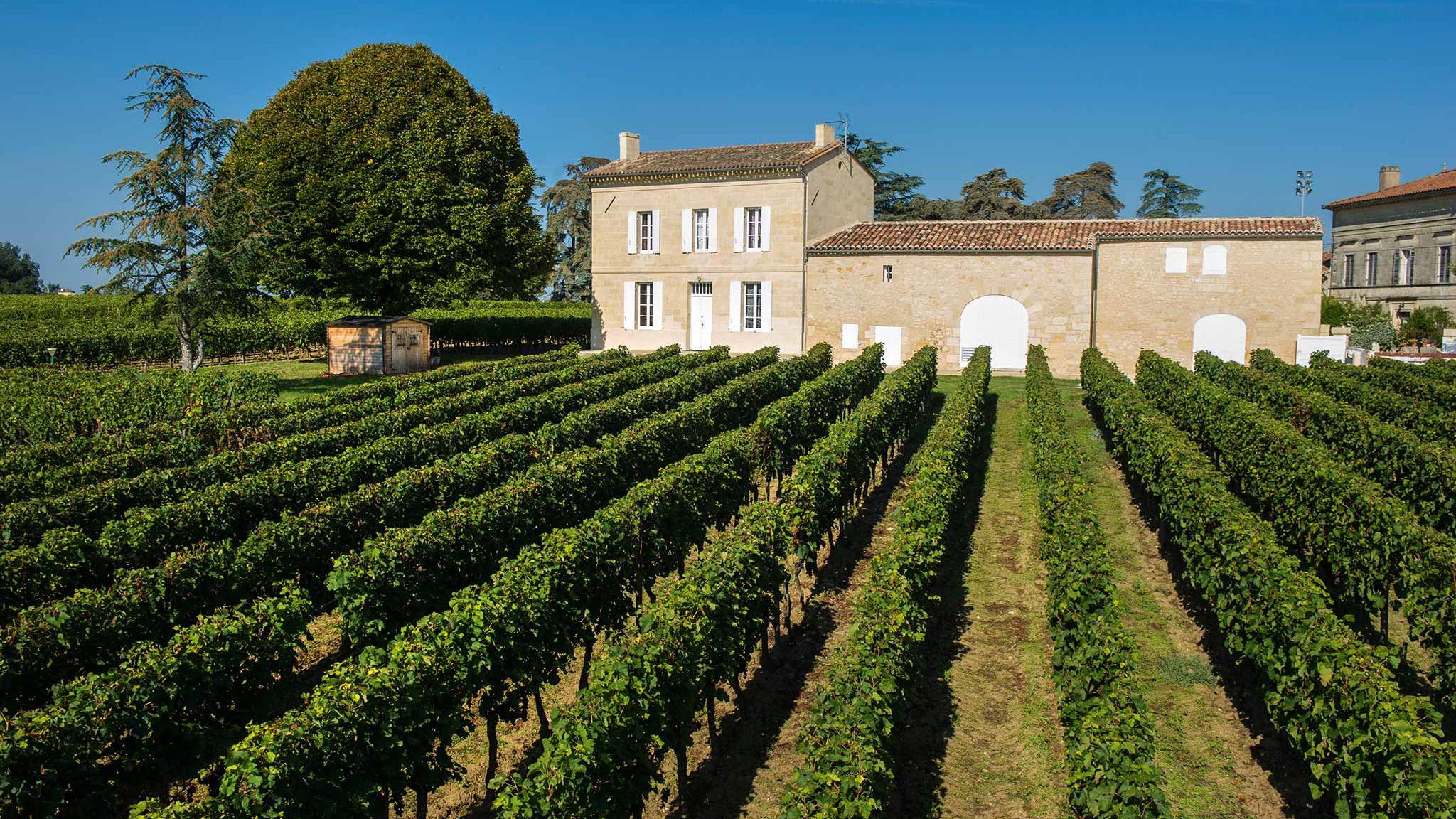
Elegant and refined atmosphere reflecting centuries-old tradition amid vineyards on the Danube's south bank.
Tags
Vibe
Best For
Experience
Sourcing
View
At the Vineyard
- Appellation
- Kremstal DAC
- Varietals
- Grüner Veltliner, Riesling, Pinot Noir, Chardonnay, Gelber Muskateller
- Tour Duration
- 60-90 minutes
- Tour Languages
- English
- Visits
- By reservation
- Farming
- Organic
- Wine Styles
- Still White, Still Red, Sparkling
- Wine Club
- Not available
Know before you go
Know Before You Go
- Getting there
- Palt AT, Hafnerstraße 12, 3511 Furth bei Göttweig
Planning details
Location
Recognition and awards

Also consider
Also Consider
- Weingut Petra Unger, Notable alternative
- Weingut Hutter Distillery, Notable alternative
- Weingut Salomon Undhof, Notable alternative
- Winzer Krems (Sandgrube 13), Notable alternative
- Winzerhof Dockner, Notable alternative
Winery context
How it compares with nearby winery options
Weingut Malat is the more occasion-led choice in this set: better for a focused tasting stop when the day is built around wine quality and a polished setting. Weingut Petra Unger is the easier cross-shop for travelers who want another winery option without shifting the itinerary too far from the same Lower Austrian wine context.
Weingut Salomon Undhof is the stronger alternative if the brief is heritage and classic regional positioning, while Winzer Krems (Sandgrube 13) makes more sense for visitors who want a larger, visitor-oriented wine stop. Choose Malat for a tighter special-occasion feel; choose Winzer Krems when ease and scale matter more.
Winzerhof Dockner is the practical backup for a similar winery day if availability at Malat does not work, while Weingut Hutter Distillery fits a drinks itinerary that wants distillery context as well as wine. For a celebration, Malat remains the cleaner first choice; for a looser group plan, Dockner or Hutter may be easier to fit around the rest of the day.
Explore Furth Bei Göttweig
Around this place
Discover more on Pearl
Unlock the full Weingut Malat guide in Pearl, including awards, comparisons, FAQs, planning details, and nearby places.
Compare Weingut Malat
| Venue | Location | Awards |
|---|---|---|
| Weingut Malat | Furth Bei Göttweig | 2026 Falstaff Winery Guide |
| Weingut Petra Unger | Furth | 2026 Falstaff Winery Guide |
| Weingut Hutter Distillery | Mautern an der Donau | No published awards |
| Weingut Salomon Undhof | Stein an der Donau | 2026 Falstaff Winery Guide |
| Winzer Krems (Sandgrube 13) | Krems | 2026 Falstaff Winery Guide |
| Winzerhof Dockner | Höbenbach | 2026 Falstaff Winery Guide |
How Weingut Malat compares with similar nearby venues.
FAQ
Frequently Asked Questions
Do I need a reservation at Weingut Malat?
Reservation requirements are not specified. Weingut Malat is in Furth Bei Göttweig and has Pearl 2 Star Prestige recognition for 2025, so confirm current booking details directly with the venue before visiting.
Are purchasing or shipping details specified for Weingut Malat?
Purchasing and shipping details are not specified. If either is important to your plans, confirm directly with Weingut Malat before you go. For comparison research, Winzer Krems (Sandgrube 13) is another venue to check separately.
When is the best time to visit Weingut Malat?
Specific hours and visit timing are not specified. Plan around confirmed information from the venue itself, and note that the dress code is smart casual. Weingut Petra Unger and Weingut Salomon Undhof can also be researched as separate comparison options.
Are membership or special-program details available for Weingut Malat?
Membership and special-program details are not specified. Weingut Malat is in Furth Bei Göttweig, carries Pearl 2 Star Prestige recognition for 2025, and has a smart-casual dress code. If a program matters to you, ask the venue directly. Winzerhof Dockner and Weingut Hutter Distillery are other venues you may wish to research separately.
Does Weingut Malat serve food?
Food service details are not specified, so do not assume a meal format, lunch, dinner, or specific menu. Confirm current offerings directly with Weingut Malat before planning around food.