

2026 Falstaff Winery Guide: The Ultimate Wine Authority — Page 50
Falstaff's 2026 Wineries guide.

Venues on this list
Clos du Prieur
Saint Jean De Bueges, France
Clos du Prieur is worth planning around if the goal is a focused Terrasses du Larzac red-wine visit rather than a full-service tasting-room circuit. The appointment-only format suits couples or small wine-led groups who want detail on place, farming and the flagship cuvée; casual drop-ins should choose a more flexible stop.
Cascina Bruciata
Barbaresco, Italy
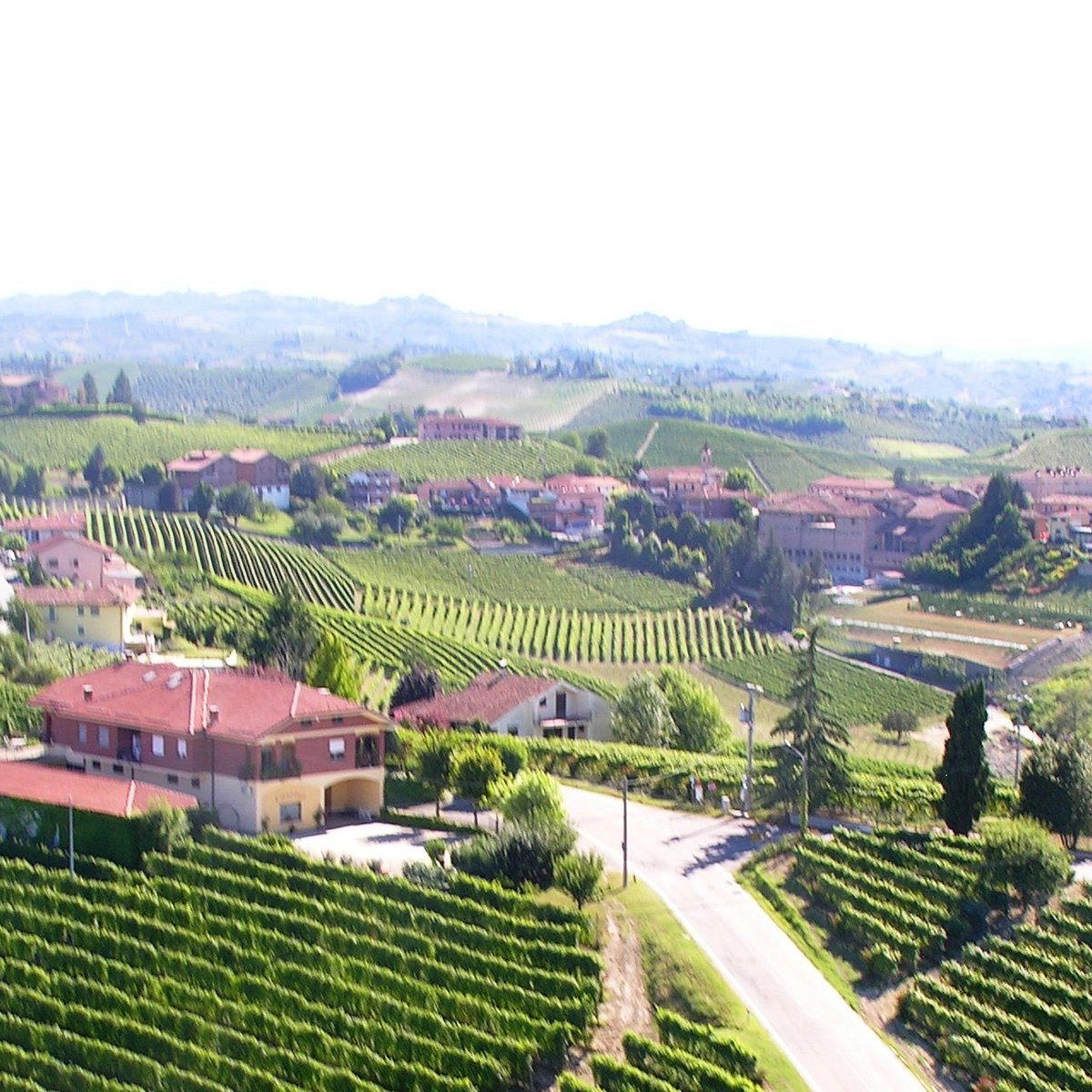
Book Cascina Bruciata for a focused Barbaresco tasting built around Rio Sordo, Nebbiolo, and estate-grown organic farming. It is better for serious wine travellers than casual drop-ins, since visits are appointment only and the payoff is context: cru, aging, and producer detail rather than a quick tasting-room stop.
Cantine Bianchi
Sizzano, Italy
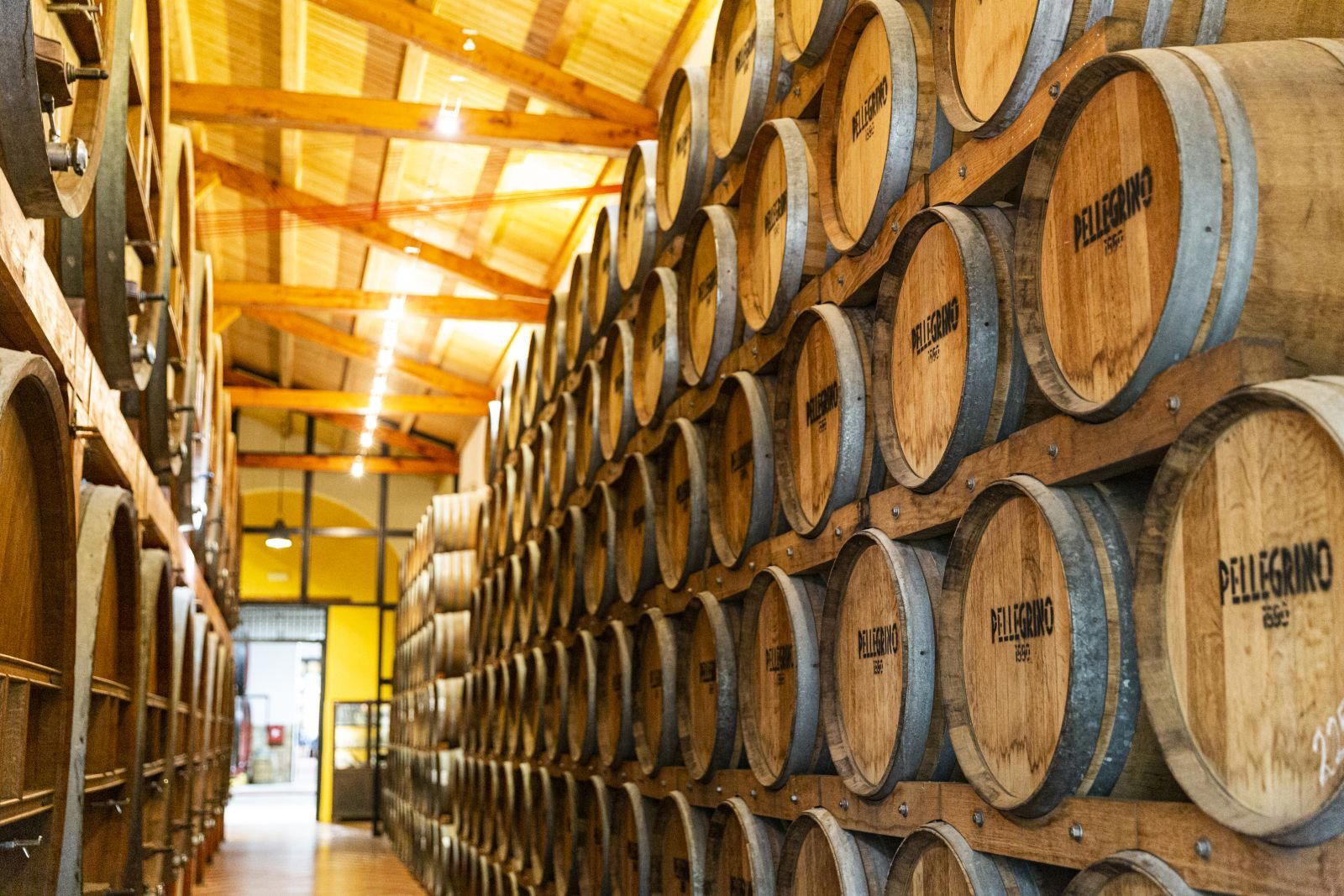
Book Cantine Bianchi if Alto Piemonte is the point of the trip, not just a convenient stop between bigger Piedmont names. The appeal is historic Sizzano cellar culture, Nebbiolo-based local wines, and a traditional working-winery feel rather than polished hospitality. It is strongest for wine travelers who want appellation context and a quieter estate visit.
Brunello
Pozzolengo, Italy
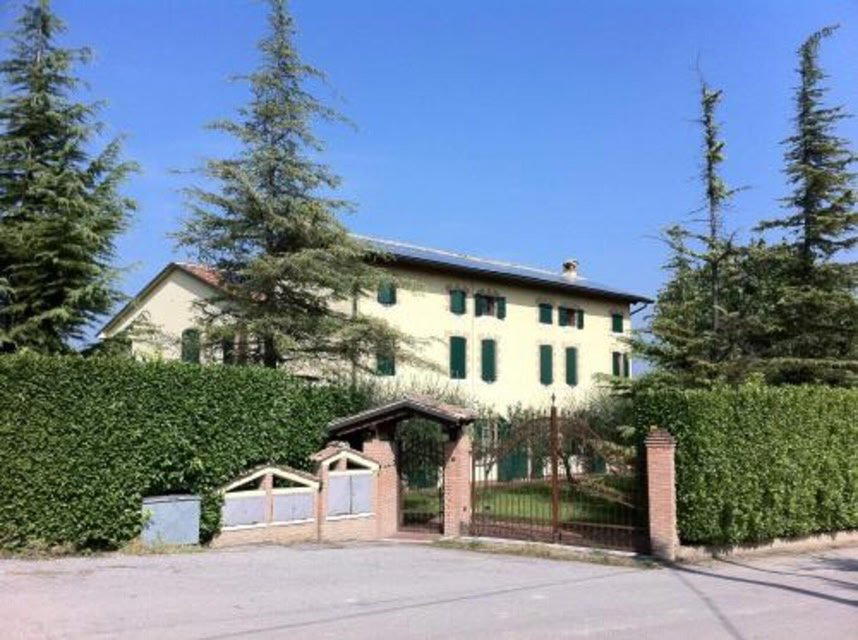
Book Brunello if you want a quiet, terroir-led Lugana stop near Lake Garda rather than a design-heavy winery visit. The estate is strongest for Turbiana-focused drinkers, with a small family-run profile, 6 hectares of clay-limestone soils, and a 2026 Falstaff listing adding a useful trust signal.
Valdespino
Jerez de la Frontera, Spain
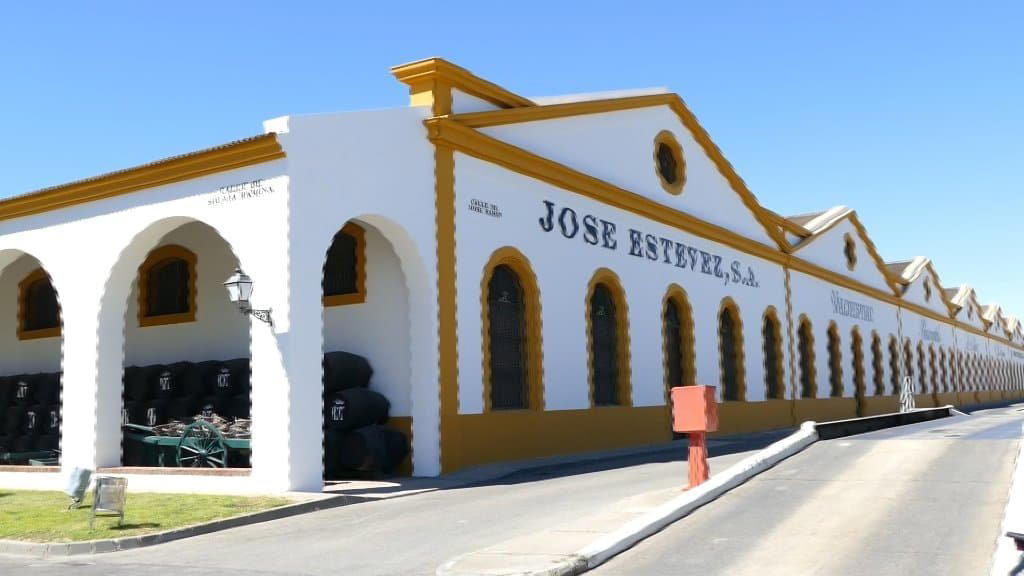
A serious Jerez sherry stop for travelers who care about depth more than convenience. Valdespino is worth prioritizing if a private or more focused tasting is the goal, but the difficulty of securing access means it works better as an anchor appointment than a casual add-on.
Frecciarossa
Casteggio, Italy
Book Frecciarossa if the goal is a quiet Casteggio agriturismo stay with traditional dining, garden and terrace time, and a countryside base. Skip it if the trip depends on a formal tasting program, named flagship wines, or a conventional hotel setup.
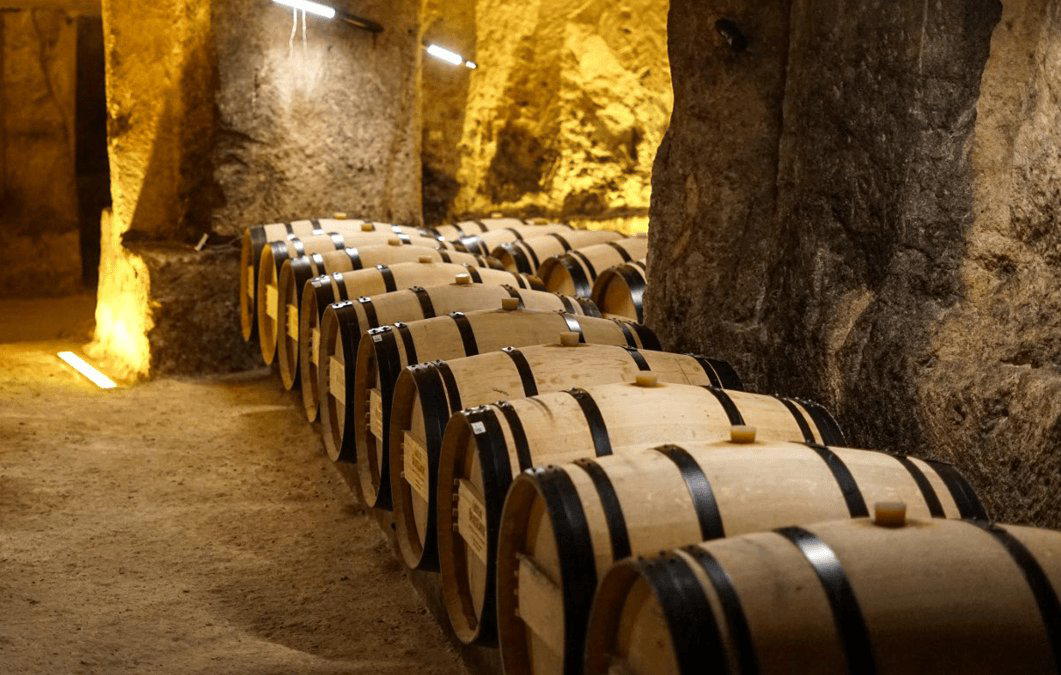
Château Beauséjour Duffau-Lagarrosse
Saint-Émilion, France
A strong Saint-Émilion choice for travelers planning a serious Right Bank wine day rather than a casual tasting crawl. Make it an anchor stop, keep the schedule light, and build a backup route before committing the rest of the day.
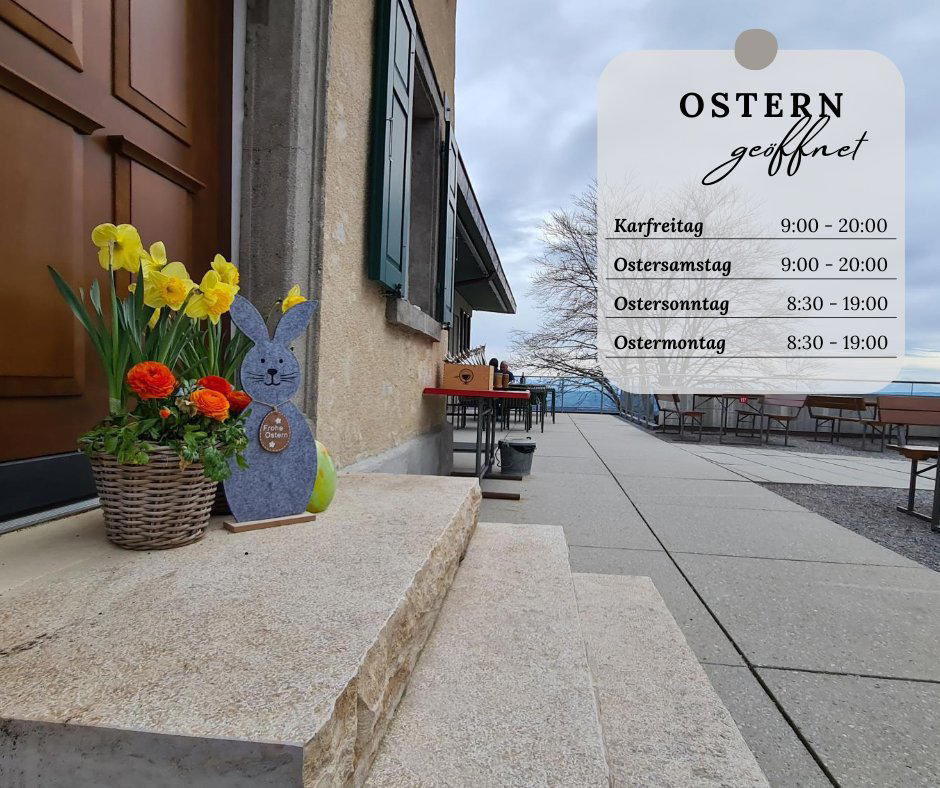
Bopplisser Weinbau
Boppelsen, Switzerland
Worth planning if you want a quiet, producer-led look at Zurich-region wine rather than a polished tasting-room outing. Bopplisser Weinbau is strongest for visitors interested in the Lägern southern slope, Pinot Noir Auslese, Riesling-Silvaner, and small-scale Swiss viticulture with a traditional feel.
Azienda Agricola Battaglio Briccogrilli
Vezza D Alba, Italy
Azienda Agricola Battaglio Briccogrilli works if the goal is a quieter Roero winery stop with an estate setting rather than a heavily programmed visitor experience. Falstaff listing for 2026 gives it a useful credibility signal, but plan it as part of a wider Vezza d’Alba wine route, not as a standalone full-day anchor.
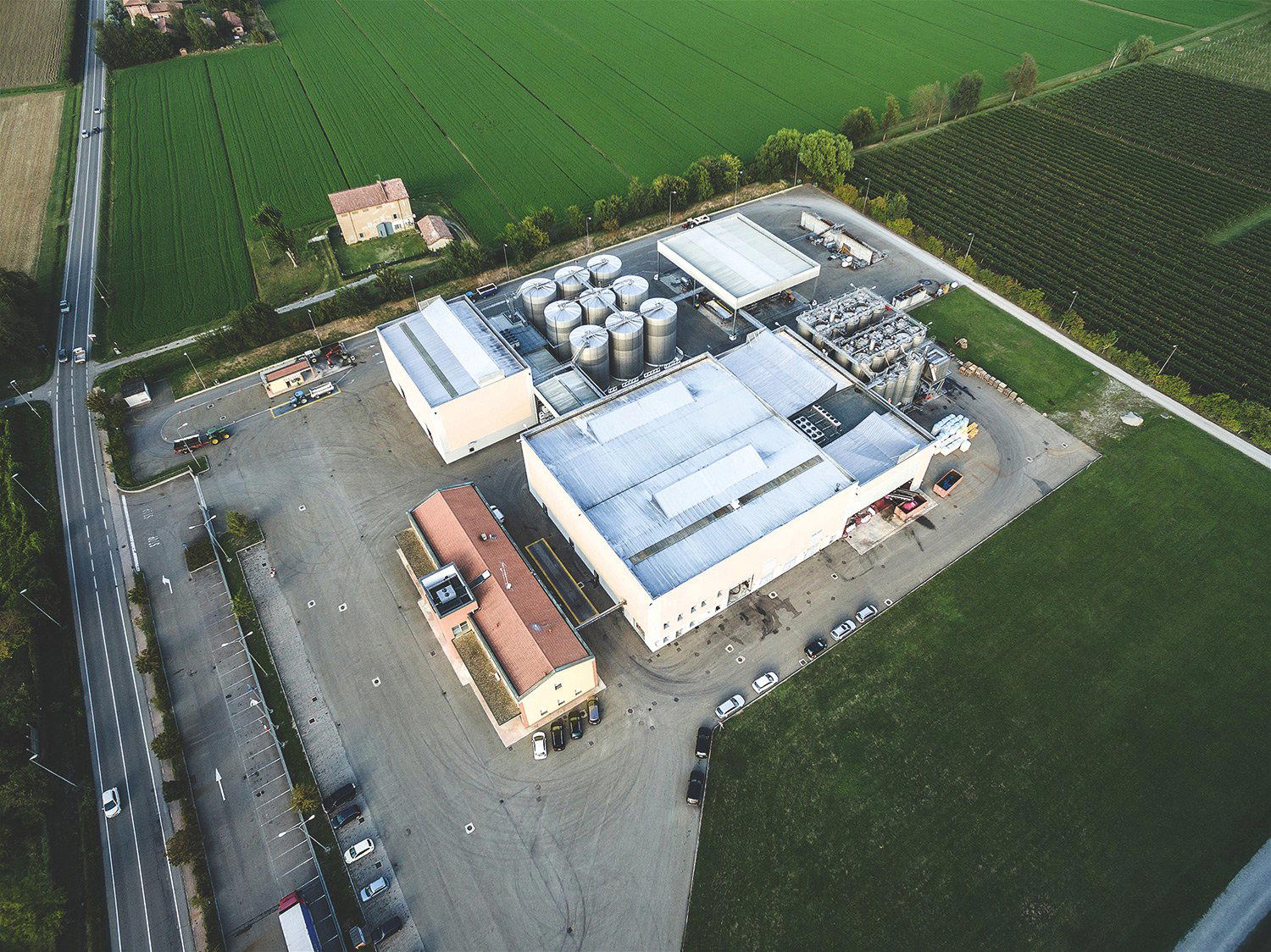
Cantina di Carpi e Sorbara
Bomporto, Italy
Choose Cantina di Carpi e Sorbara if you want a practical, production-side view of Lambrusco rather than a polished estate tasting. The value is in the cooperative history, native Emilia-Romagna grapes, and working-winery context; skip it if your priority is scenic grounds or a luxury cellar-door format.

Bodegas Patrocinio
Urunuela, Spain
Book Bodegas Patrocinio if you want a practical, terroir-focused look at cooperative Rioja Alta rather than a luxury cellar-door production. The value is in its 525 hectares of proprietary vineyards, Tempranillo-led portfolio, 1985 grower-founded history, and Falstaff 1 Star recognition for 2026.
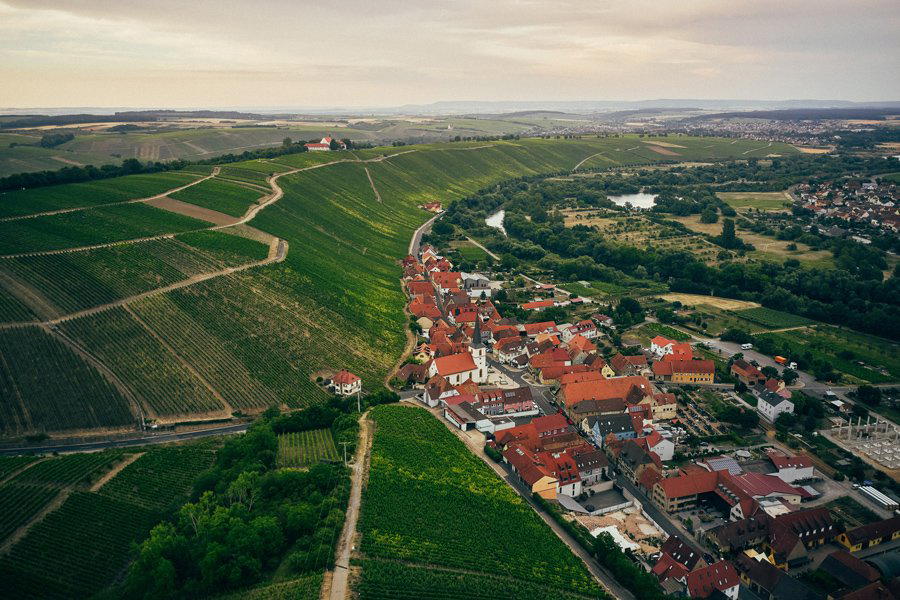
Weingut Rainer Sauer
Escherndorf, Germany
Worth prioritizing for a focused Franconian winery visit in Escherndorf, especially if the trip is built around wine rather than sightseeing. Best for couples, small celebration plans, or allocation-minded buyers who want to decide whether the producer fits their cellar before committing further.
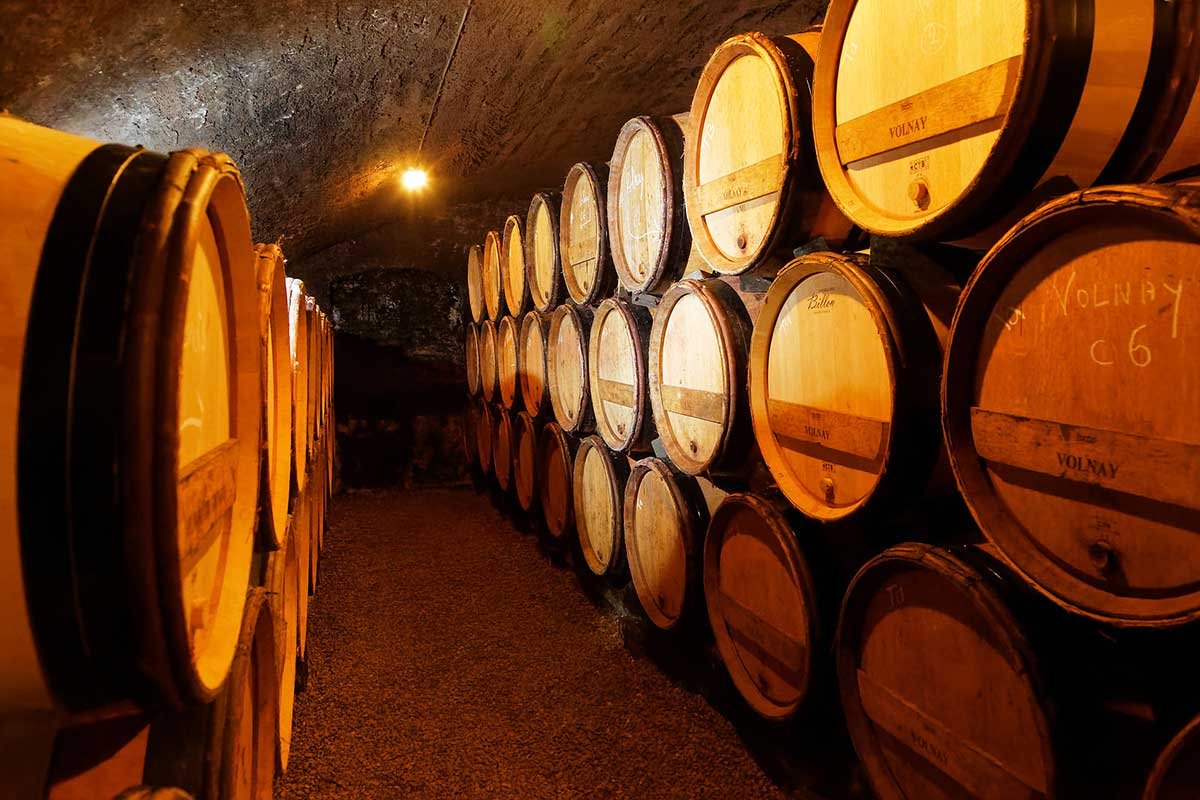
Domaine Joseph Voillot
Volnay, France
Book Domaine Joseph Voillot if the goal is serious Volnay context rather than a polished tasting-room outing. The estate is appointment only, $$$, and strongest for Burgundy drinkers who care about old vines, low-intervention cellar work, and premier cru differences between Volnay and Pommard.
Domaine de La Maison Carrée
Auvernier, Switzerland
Prioritise Domaine de La Maison Carrée if the aim is a quiet Auvernier winery visit with estate context, not a casual drop-in tasting. Its Falstaff 4 Stars recognition in 2026 gives it a clear quality signal, but availability is the main constraint, so first-timers should plan backups before building a day around it.
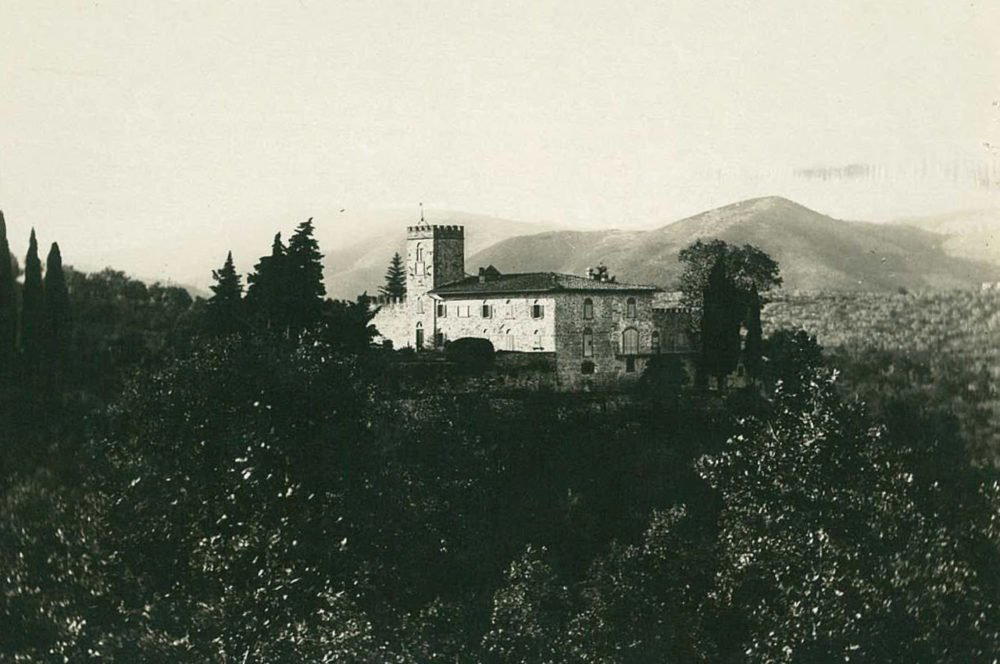
Castello di Querceto
Greve in Chianti, Italy
Prioritise Castello di Querceto if the visit needs more than a quick pour: the castle setting, cellar route, archive, olive groves, and high-altitude Chianti Classico production give it real occasion value. It is strongest for couples or small groups who want Tuscan atmosphere backed by serious winemaking credentials, including Falstaff 3 Stars in 2026.
Domaine des Jougla
Prades Sur Vernazobre, France
Domaine des Jougla is worth booking for a relaxed Saint-Chinian tasting focused on terroir rather than luxury polish. The $$ value is strongest for wine travellers who want context on schist, clay-limestone, organic farming, and family estate production, with Falstaff Listed recognition adding a useful quality signal.
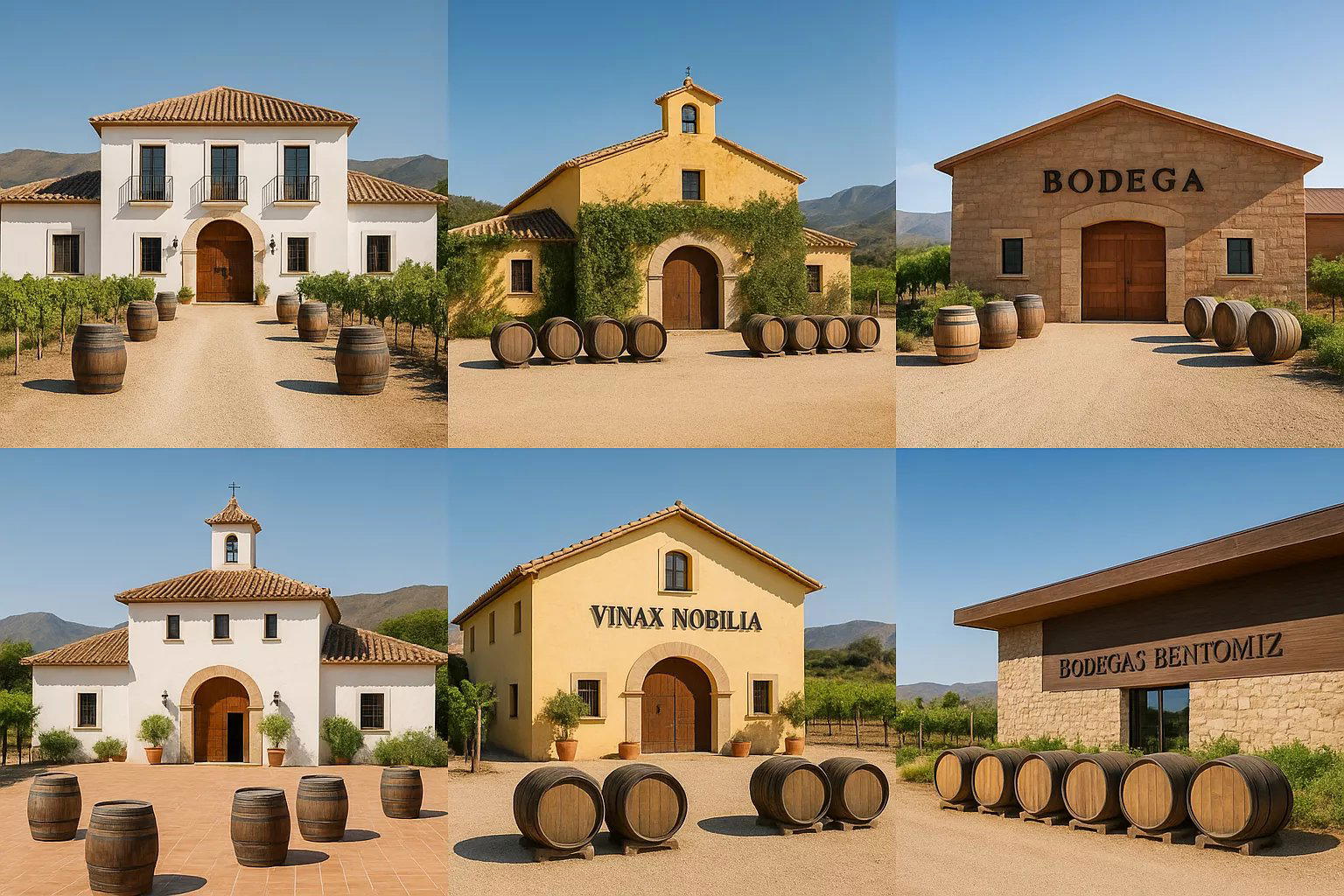
Bodegas Bentomiz
Sayalonga, Spain
Bodegas Bentomiz is worth booking for a slow winery lunch rather than a quick tasting. The draw is the Axarquía hillside setting, Moscatel-led wine program, food pairings, and enough external recognition to make the visit feel wine-serious, not just scenic. Best for couples, celebrations, and small groups with a car and time to stay awhile.
Cathare - Franck Schisano
Saint Hilaire, France
A worthwhile Saint-Hilaire wine stop for travelers who enjoy smaller Occitanie addresses and can confirm details before going. The 2026 Falstaff listing gives it a credible signal, but absent public pricing and visit format make it better for flexible wine-focused itineraries than tightly scheduled tastings.
Weingüter Wegeler
Oestrich-Winkel, Germany
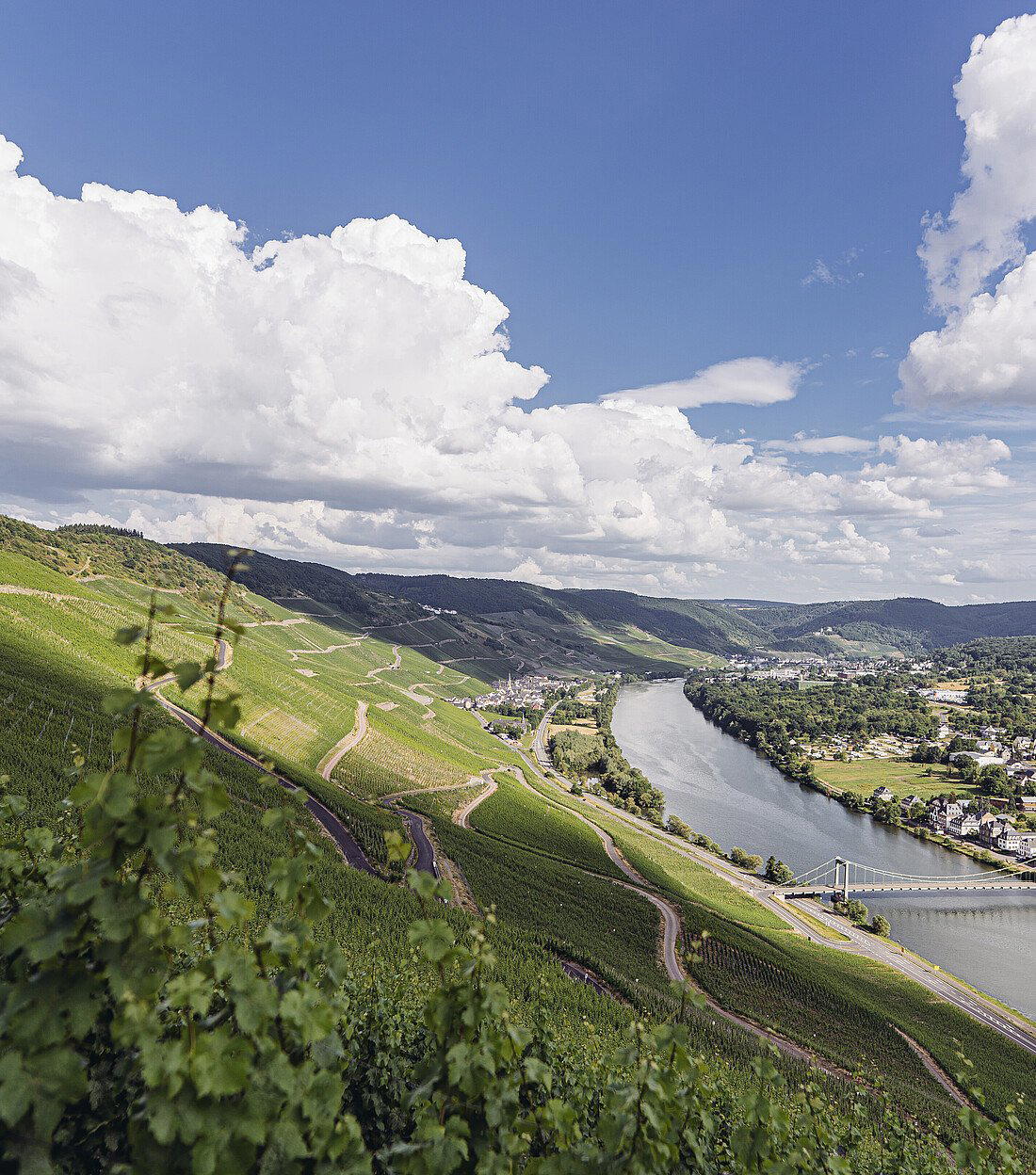
Choose Weingüter Wegeler when the occasion needs a serious Rheingau estate feel rather than a casual tasting-room stop. It is better for dates, celebrations, and business guests than loose group itineraries; cross-shop Schloss Vollrads for a more dramatic historic setting or Weingut Allendorf for an easier social visit.
Bioweingut Weinreuter
Leingarten, Germany
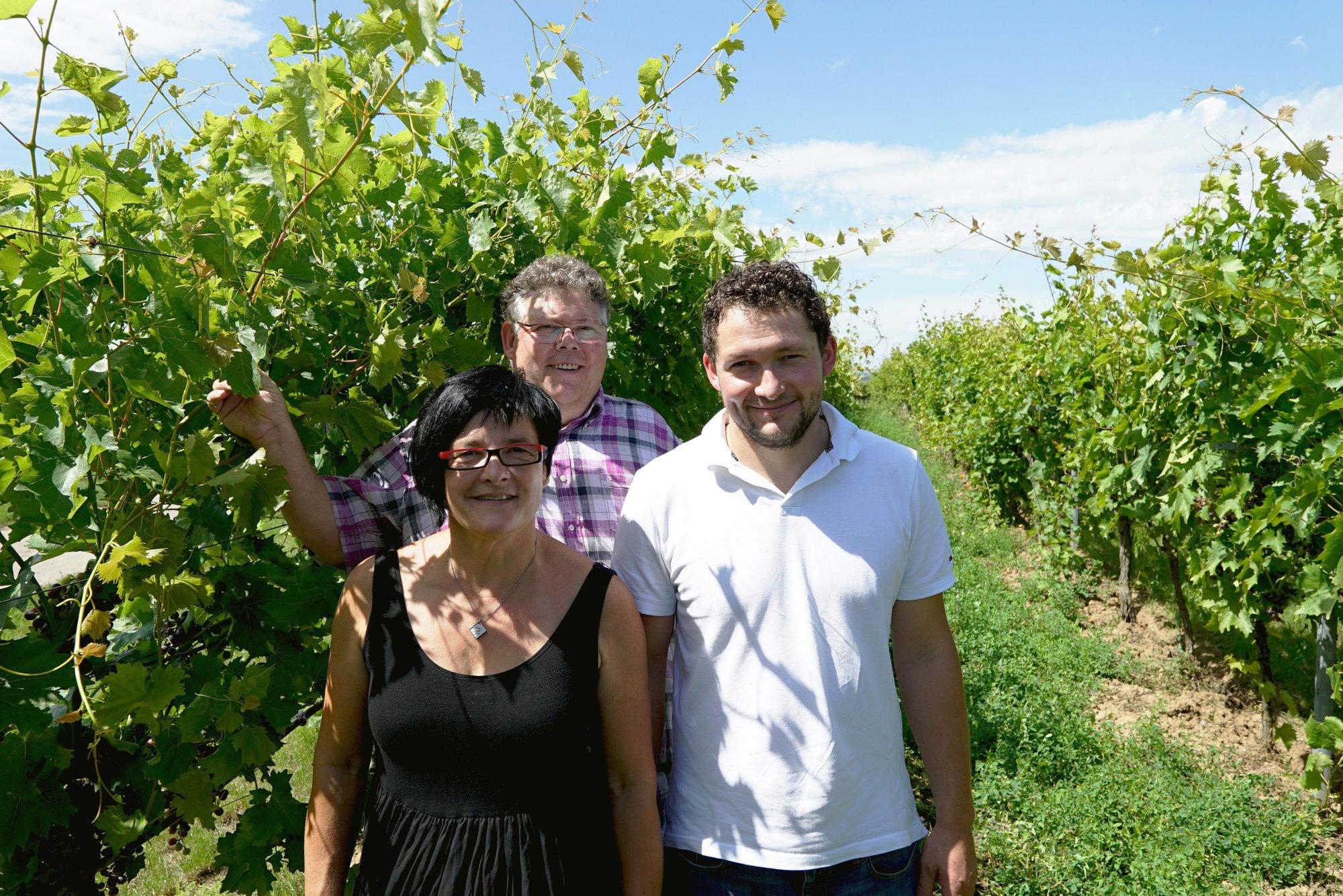
Book Bioweingut Weinreuter if the appeal is organic Württemberg wine with a grounded farm-to-glass story, not a glossy tasting-room production. The strongest reason to visit is the estate’s Bioland farming, PIWI varieties, and informal rural setting at the foot of the Heuchelberg. Plan ahead for a private tasting or seasonal event rather than relying on a casual drop-in.
Gentili
Caprino Veronese, Italy
Gentili is worth booking for a relaxed, educational winery visit near Lake Garda, especially if you care about local grapes, biodiversity-minded farming, and cellar choices like refermentation, Metodo Classico, terracotta, and spontaneous fermentation. It is casual rather than formal, with Falstaff Listed recognition in 2026 and a format that suits first-time visitors who want context, not ceremony.
Pol Roger
Épernay, France
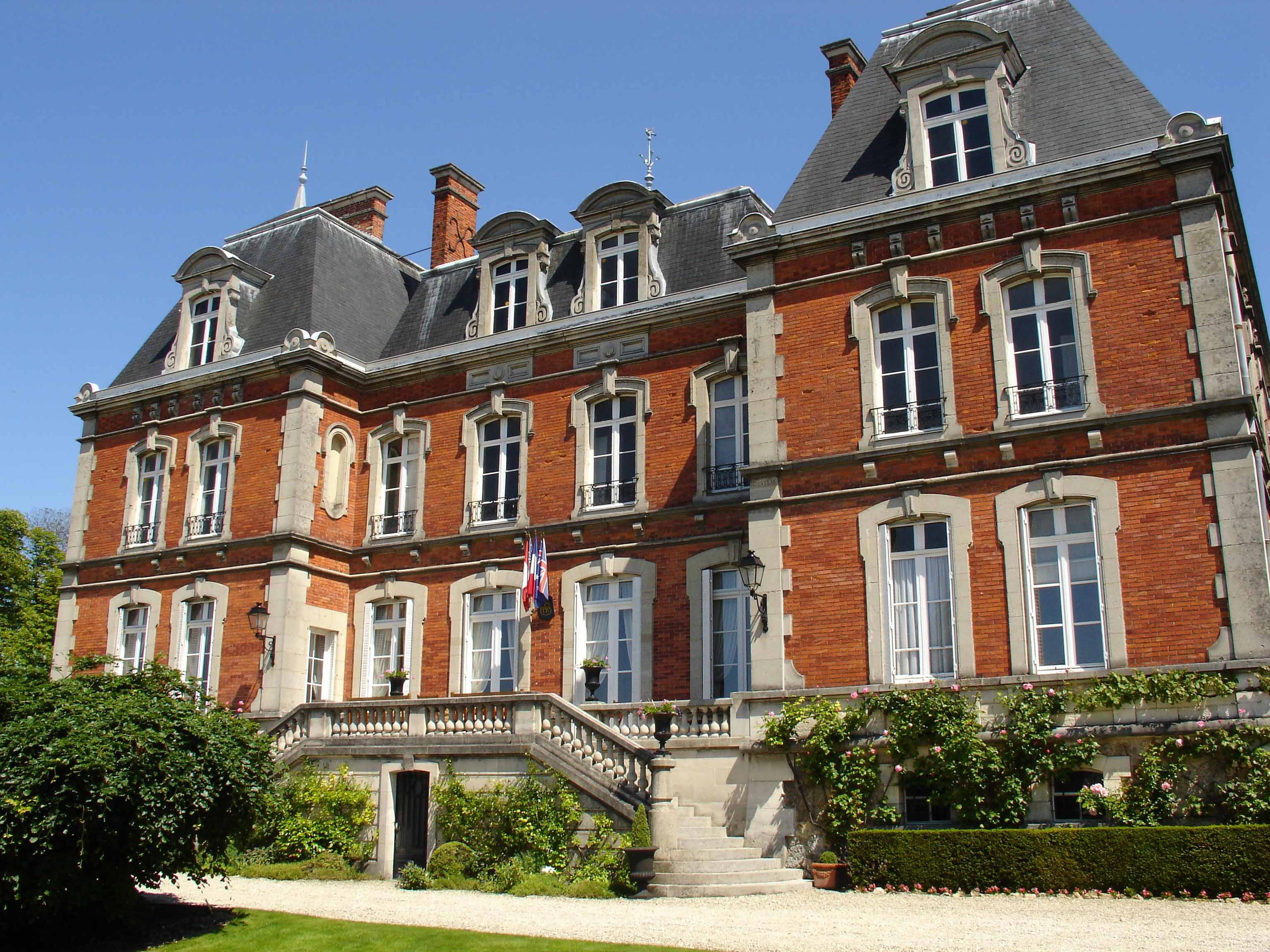
Pol Roger began with a wine sale in Aÿ in 1849 and moved to Épernay in 1851. Its Brut Réserve blends Pinot Noir, Meunier and Chardonnay, and its deep cellars shape the ageing program. The house does not offer public visits.
Casa E. di Mirafiore
Serralunga d'Alba, Italy
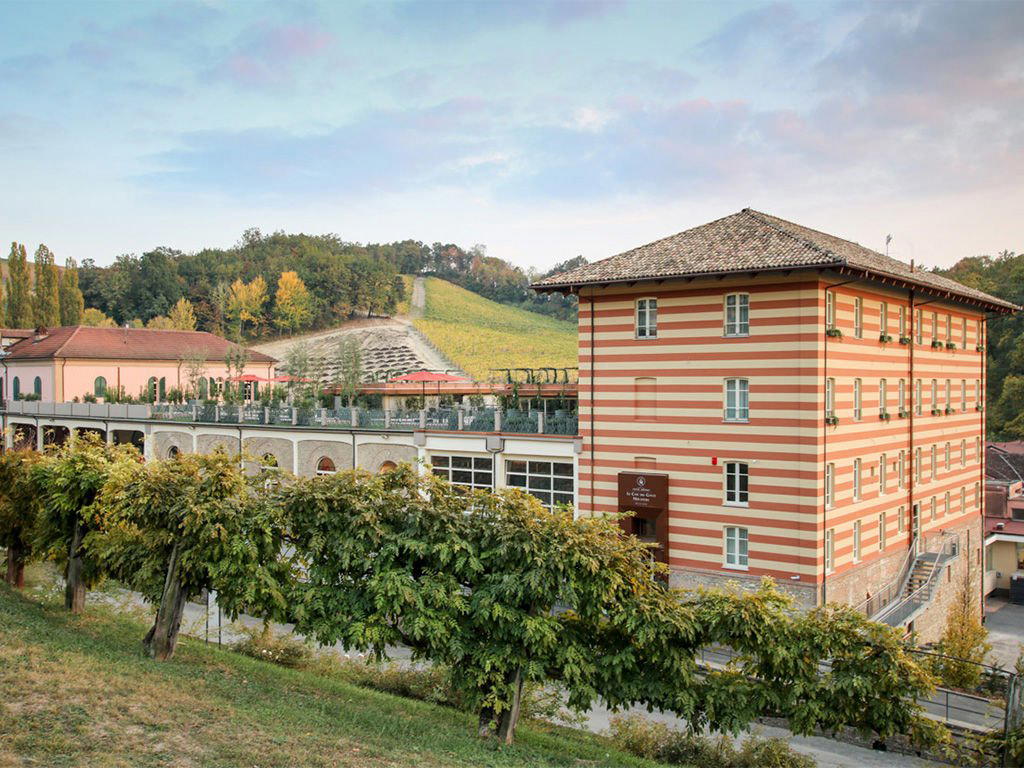
Worth booking for a special-occasion Barolo visit where estate atmosphere matters. Casa E. di Mirafiore offers a historic Serralunga d’Alba setting, organic farming, traditional cellar work, and a serious Piedmontese mood; it is less suited to casual walk-in tasting plans or visitors who need fully transparent tasting details in advance.
Azienda Agricola Montaribaldi
Barbaresco, Italy
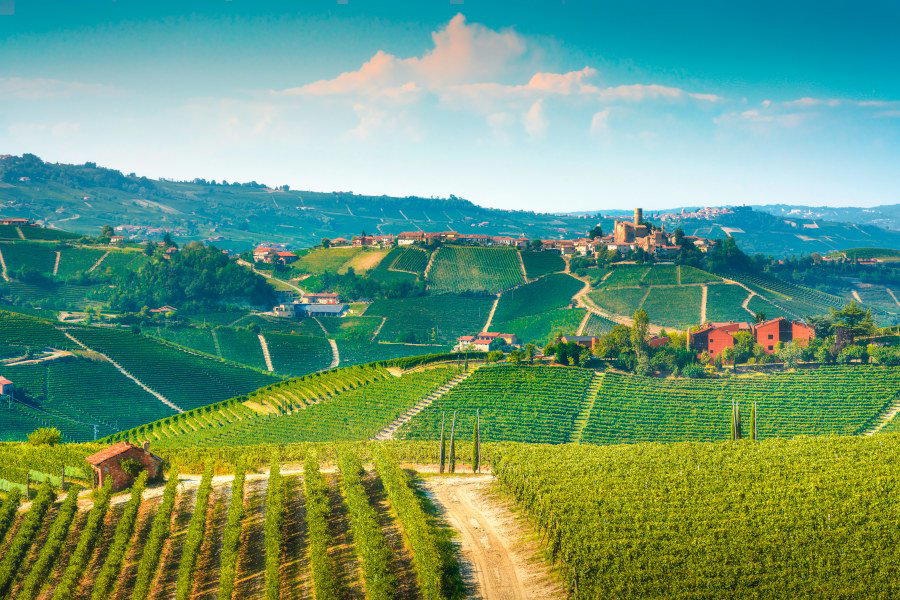
Azienda Agricola Montaribaldi is a strong Barbaresco pick for a calm, scenic tasting with clear vineyard context and a family-run feel. It suits couples, small groups, and special-occasion travelers who want Nebbiolo education without a formal or showy format. The 2026 Falstaff listing adds credibility, while the terrace-and-cellar flow gives the visit enough sense of place to justify planning around it.
Golter - Weingut im Klee
Ilsfeld, Germany
Go for the setting and hospitality format, not for a technical deep dive into named vineyards or cellar methods. Golter - Weingut im Klee suits relaxed celebrations and mixed-preference groups because the offer spans wine, sparkling wine, spirits, a tavern, and events in a rural Ilsfeld setting.
Château Gloria
Saint-Julien-Beychevelle, France
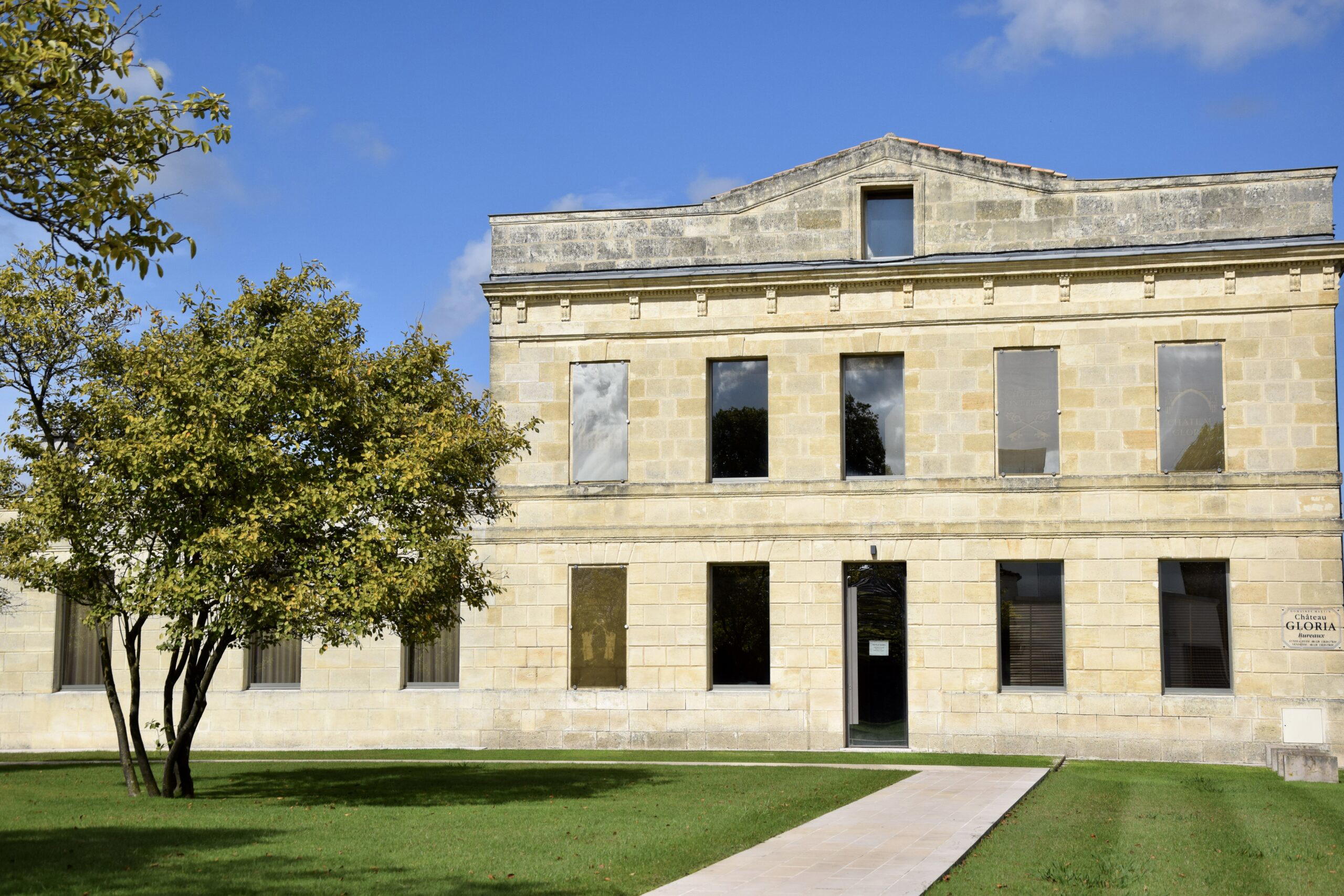
Château Gloria works as a measured Saint-Julien estate stop, especially for travelers who have already done the obvious classified-growth names. The appeal is the grounded Médoc setting and appellation context rather than a trophy-label visit. Plan ahead and use it as a second or third Saint-Julien booking, not a same-day fallback.
Gladstone Vineyard
Gladstone, New Zealand
Gladstone Vineyard works for a relaxed Wairarapa cellar-door stop with rural vineyard views and a casual feel. Go for the setting and 2026 Falstaff 2 Stars credibility, but do not treat the wine club or flagship bottle as the reason to commit before tasting.
Château Sainte Barbe
Ambes, France
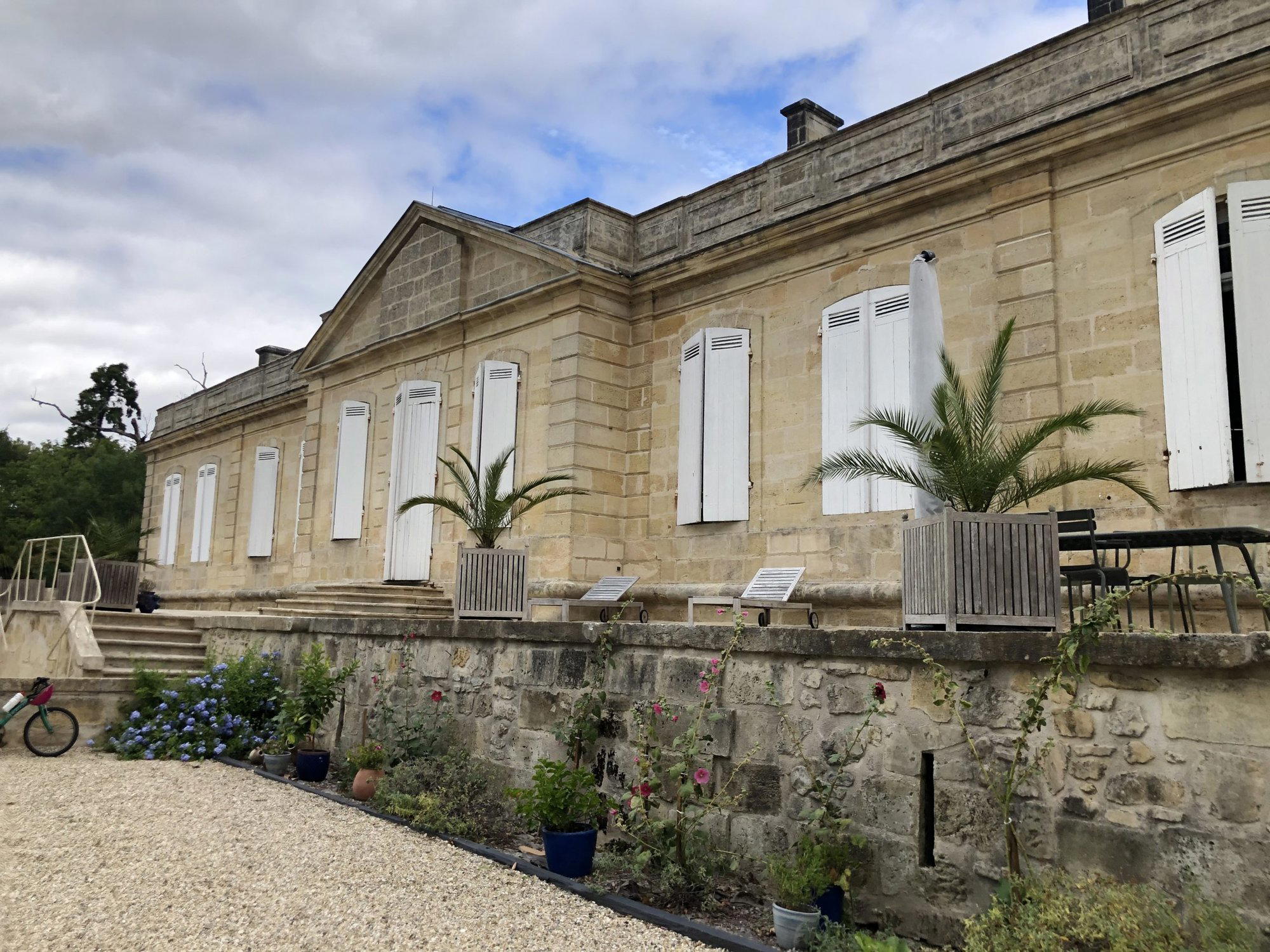
Château Sainte Barbe is worth booking if you want an affordable, appointment-led Bordeaux wine visit with real heritage rather than a luxury tasting-room production. The strongest fit is curious travelers, families, or small groups who want château history, a vat-room explanation, and Merlot-led Bordeaux in a compact stop north of Bordeaux.
Constellation Brands
San Francisco, United States
Constellation Brands is useful as a beverage-industry reference, not as a casual San Francisco tasting stop. First-timers seeking hosted pours, food pairings, or winery atmosphere should look elsewhere; this is better for corporate, trade, or portfolio-focused context than leisure planning.
Domaine Dubreuil-Fontaine
Pernand-Vergelesses, France
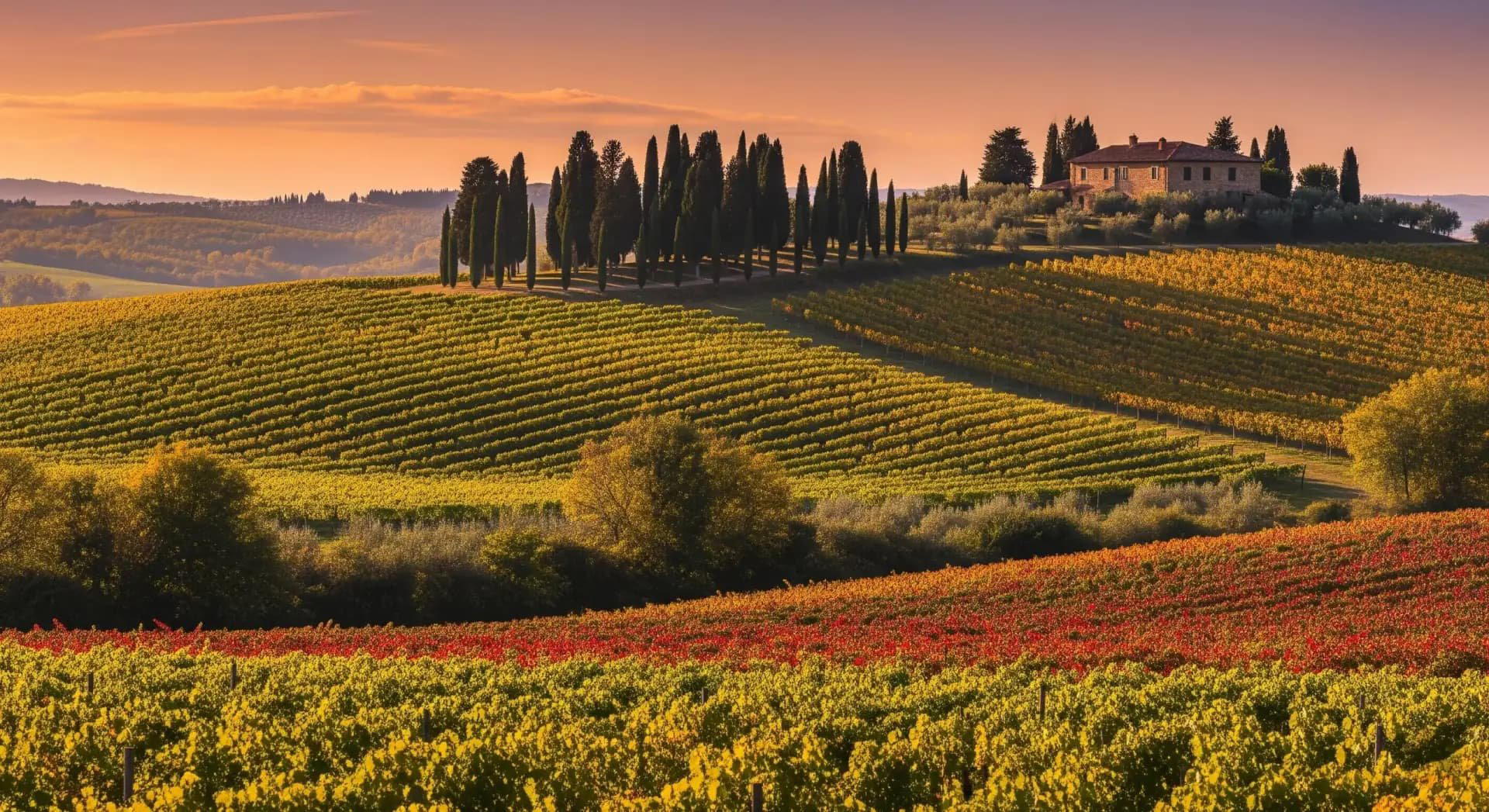
Should you plan a stop at Domaine Dubreuil-Fontaine? Yes, if the goal is a focused Pernand-Vergelesses winery visit and you are already thinking seriously about Burgundy buying. Falstaff listing adds a recognition signal, but any wine club or allocation decision should come after tasting and checking whether the bottles fit your actual cellar budget.
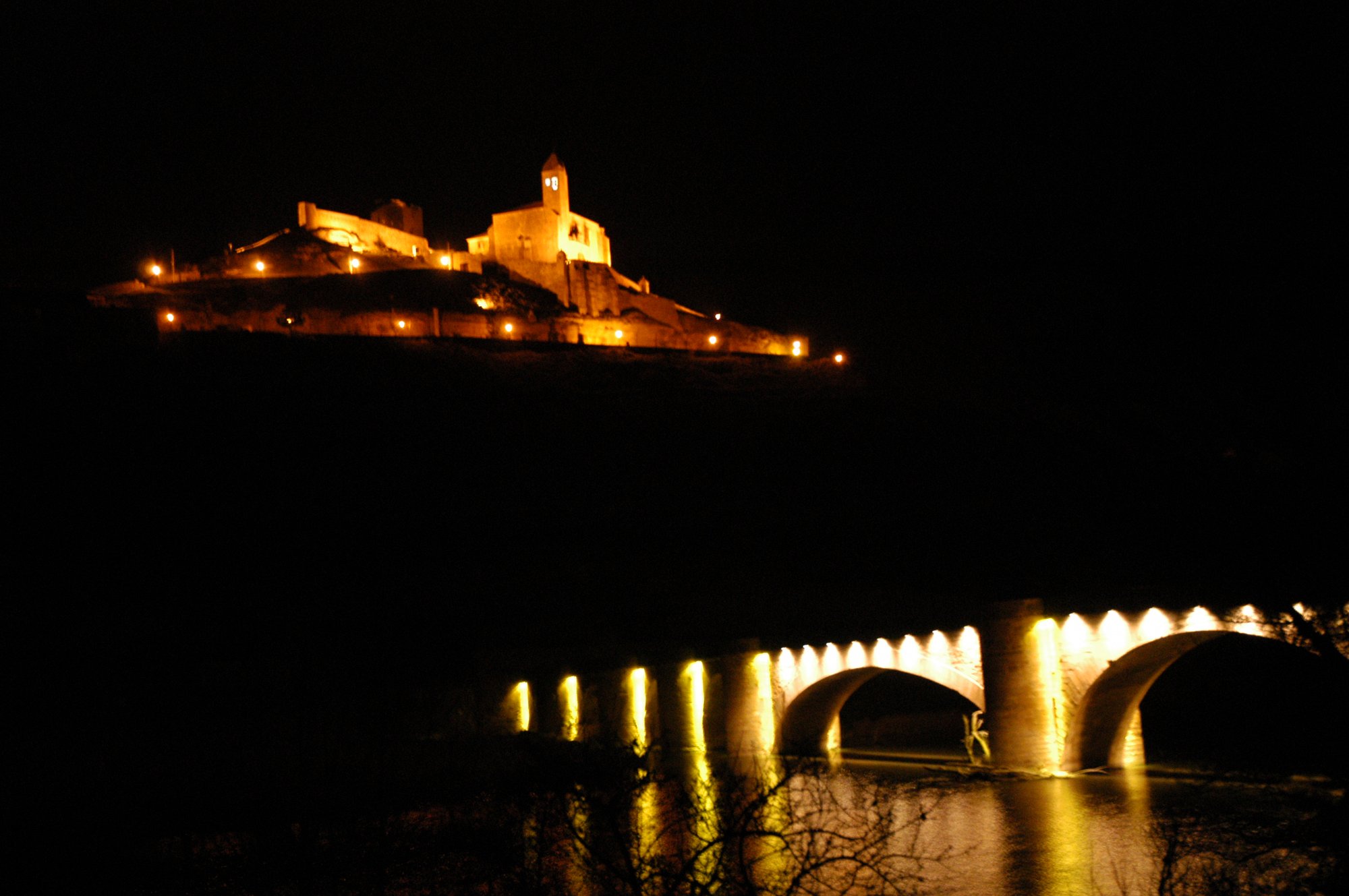
Bodegas Valgrande
San Vicente de la Sonsierra, Spain
Bodegas Valgrande works for a focused San Vicente de la Sonsierra winery stop, especially if the appeal is Rioja Alta estate context rather than a dining-led visit. Falstaff’s 2 Stars in 2026 gives it a credible quality signal, but plan carefully because public details on tastings, food, and group format are limited.
Erede di Chiappone Armando
Nizza Monferrato, Italy
Erede di Chiappone Armando is a good pick for travelers who want a focused Nizza Monferrato Barbera stop rather than a polished wine-tourism production. The $$ price signal and Falstaff Listed 2026 recognition make it a sensible value play, especially for small groups seeking a traditional rural cellar feel.
Château Loyasson
Sauveterre, France
Château Loyasson works if you want affordable, fruit-forward red Bordeaux from Entre-Deux-Mers rather than a high-gloss winery experience. The draw is value: Merlot-Cabernet blends, family-run continuity, and credible recognition at a low price tier. Skip it if you need a structured tasting program or collector-style allocation logic.
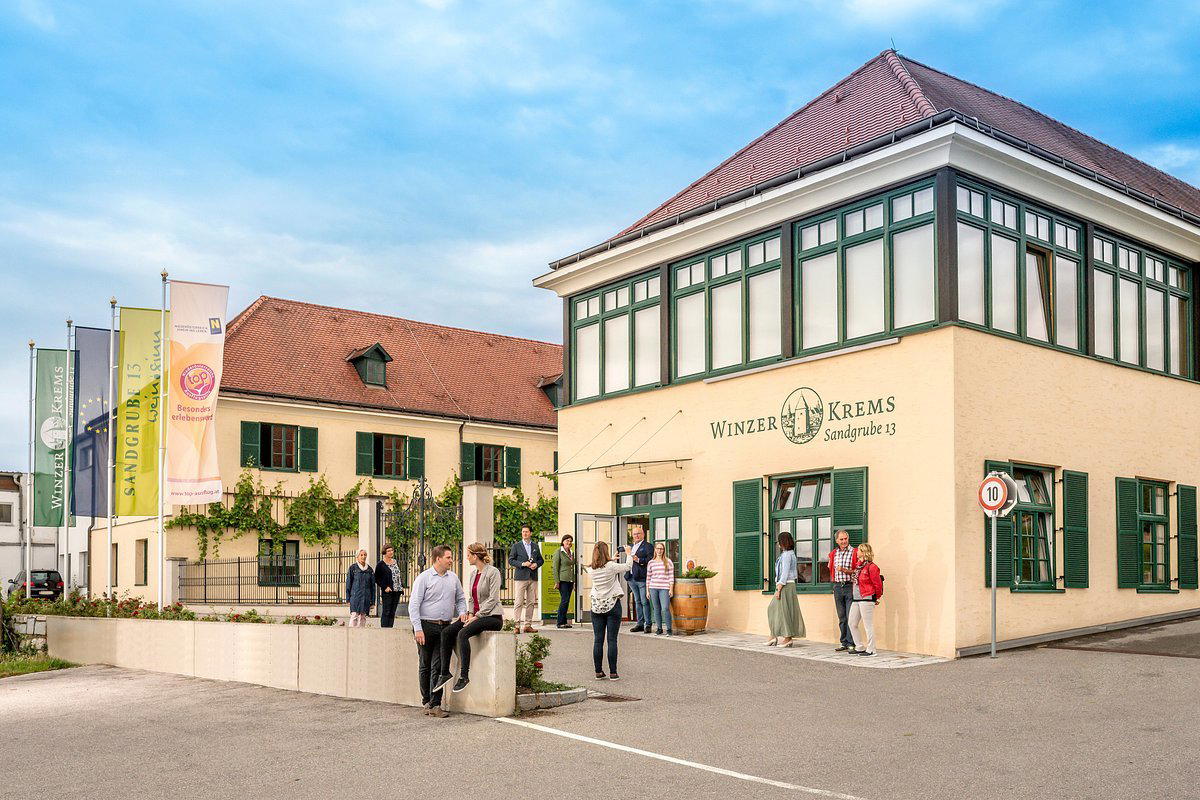
Bio-Weingut Kemetner
Etsdorf Am Kamp, Austria
Bio-Weingut Kemetner is a focused Etsdorf am Kamp winery pick for travelers building a Kamptal wine itinerary around producer depth. Falstaff 3 Stars (2026) gives it a clear quality signal, but plan it as an arranged visit rather than a spontaneous stop, especially if timing, group size, or tasting costs matter.
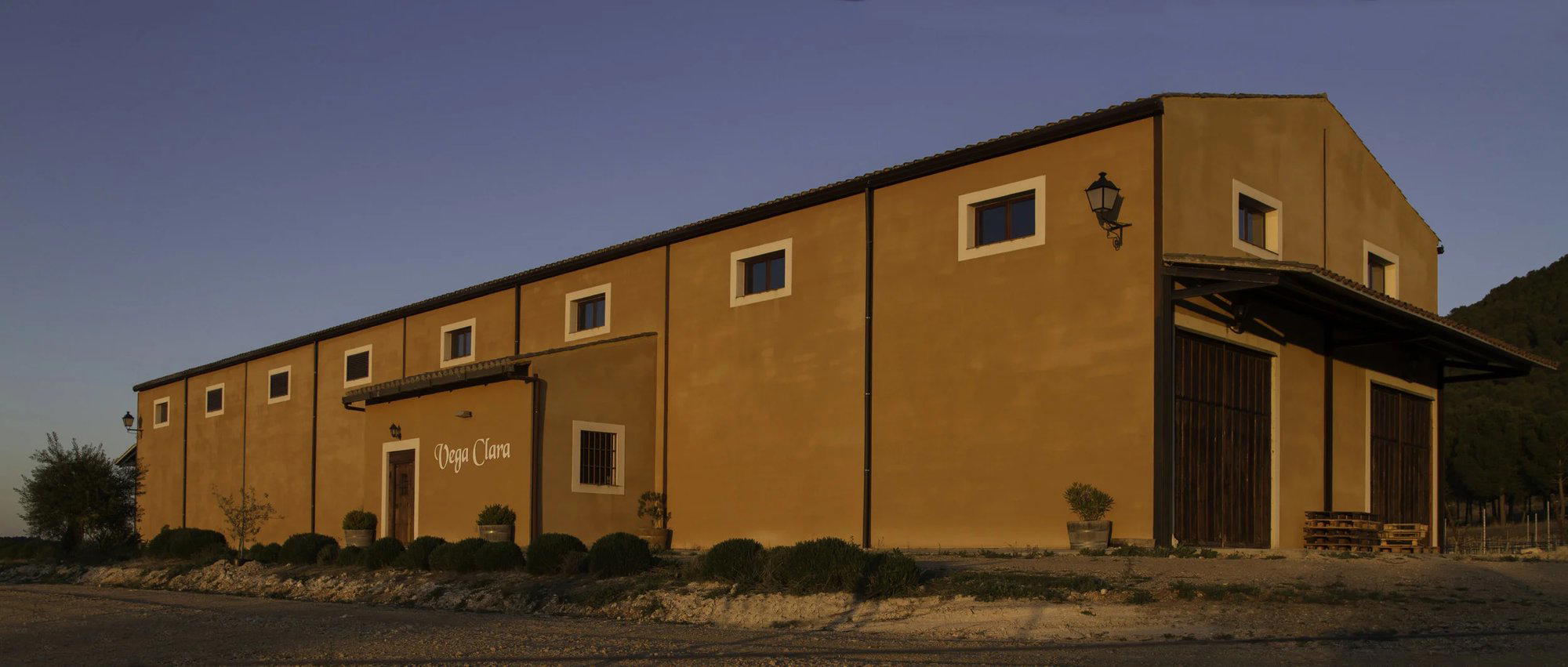
Bodega Vega Clara
Quintanilla de Onésimo, Spain
Bodega Vega Clara works if the goal is a focused Ribera del Duero winery day around Quintanilla de Onésimo, especially for travelers who value a 2026 Falstaff Listed signal. It is less suited to visitors who need confirmed tasting prices, food details, or a clearly published hospitality format before planning the route.
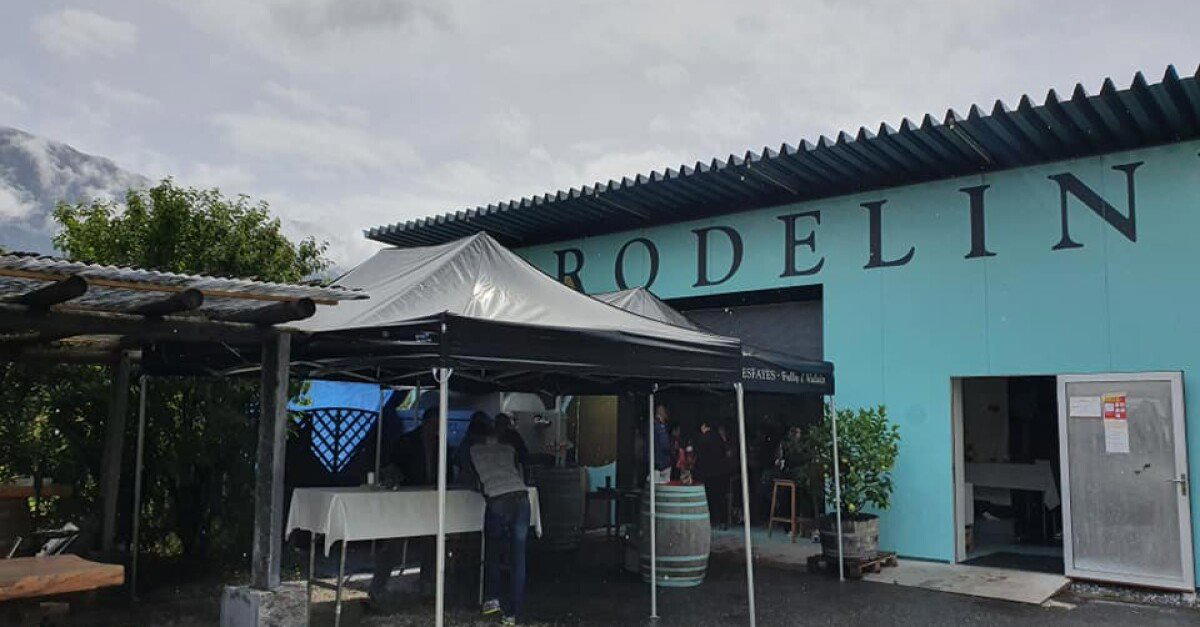
Cave la Rodeline
Fully, Switzerland
Book Cave la Rodeline for a calm, appointment-led Valais winery visit built around terraced vineyards, organic mountain farming, and commented tastings. It suits travelers who want context, local food pairings on request, and a slower look at Fully’s regional grapes rather than a quick cellar stop.
Angelo Rocca & Figli
Agrate Brianza, Italy
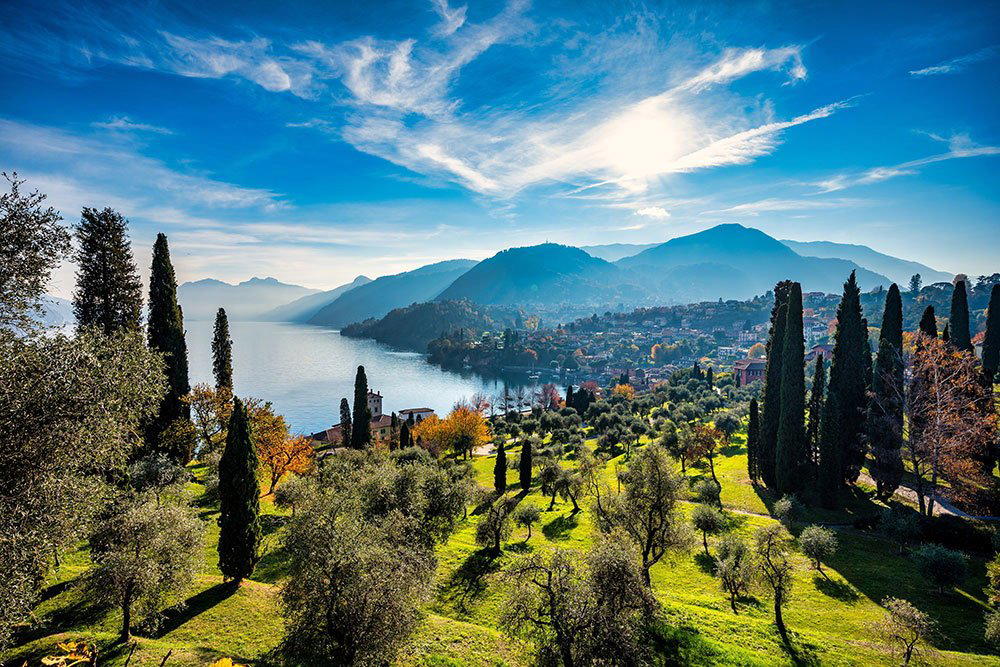
Angelo Rocca & Figli works if the goal is a focused producer visit near Milan rather than a scenic, restaurant-led winery day. The draw is a fifth-generation family wine business with roots dating to 1880, a modern Agrate Brianza production base, and a portfolio spanning Apulian and Veneto styles.
Bodegas Juan Ramón
Villarrobledo, Spain
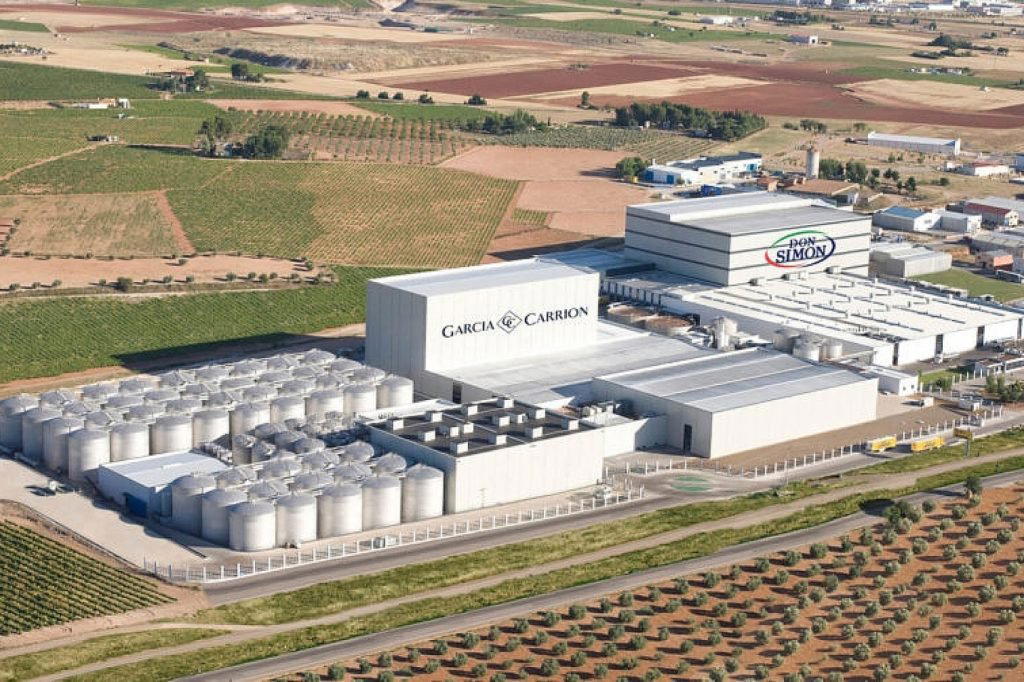
Worth considering if the goal is a classic Villarrobledo winery visit with family history, DO La Mancha context, and a broad red, white, and sparkling portfolio. The $$ positioning and Falstaff Listed (2026) recognition make it a sensible regional stop, especially for small celebrations or wine-focused groups who care more about appellation context than luxury staging.
Charosa Vineyards
Nashik, India
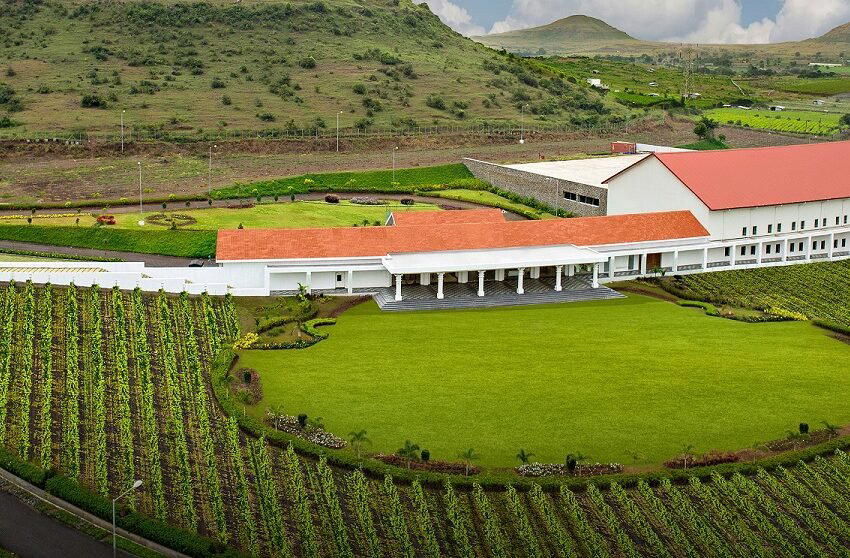
Charosa Vineyards is worth booking if you want an easy Nashik tasting with clear value across entry, mid-tier, and Reserve wines. Go for a practical read on fruit-forward Indian reds and whites, not for a formal collector-style appointment.
Château Dillon
Blanquefort, France
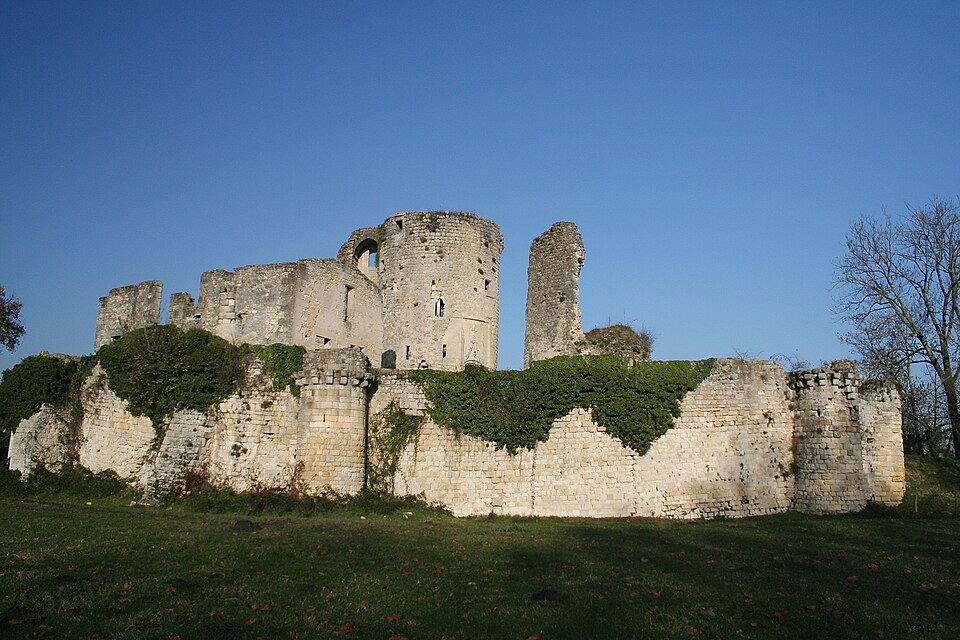
Book Château Dillon if you want a practical Haut-Médoc visit with real viticulture context rather than a glossy tasting-room performance. Its working-winery and agricultural-school identity makes it especially useful for curious Bordeaux drinkers, and the local product boxes give the tasting a sensible food-pairing angle without turning it into a full dining experience.
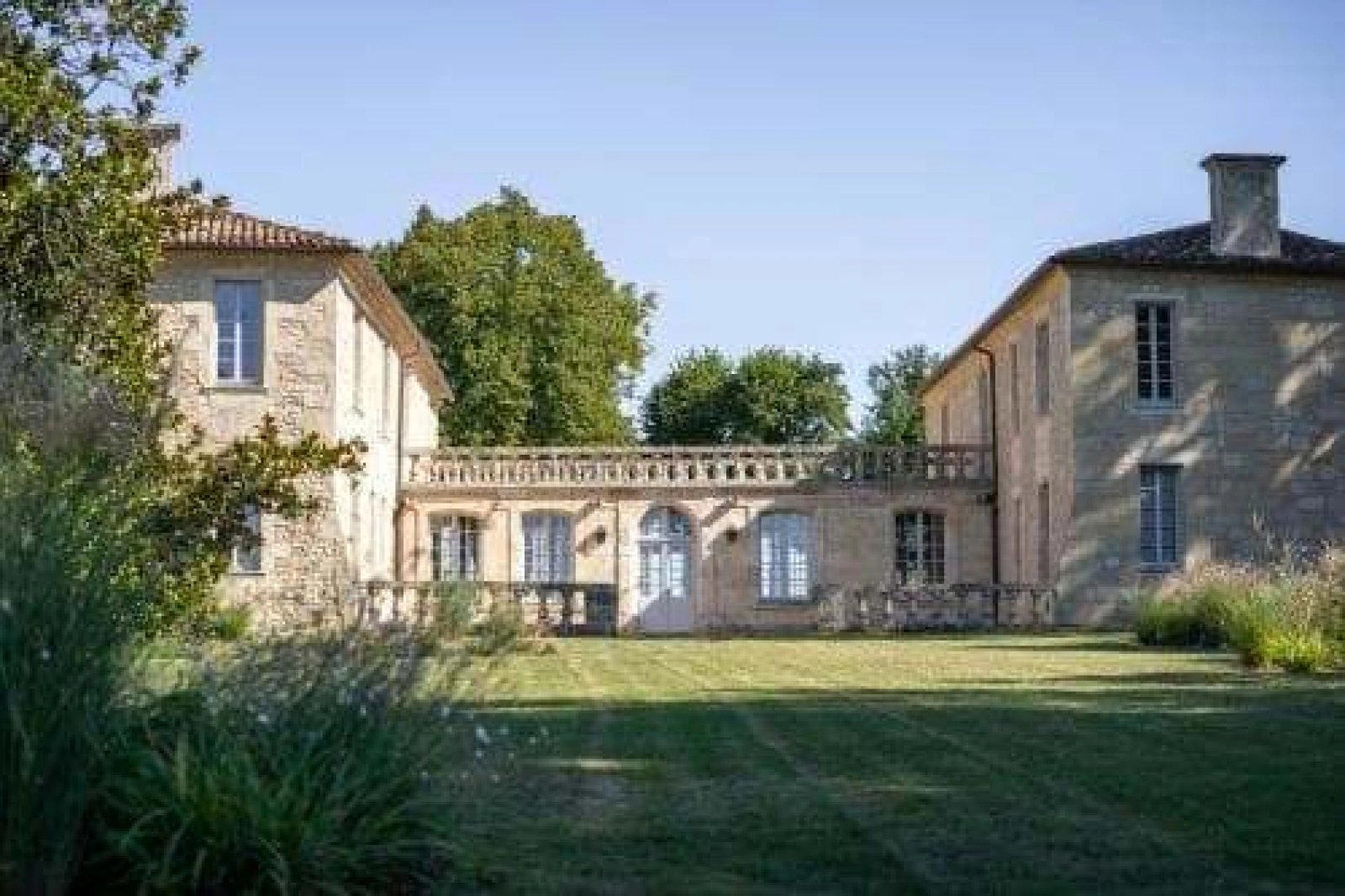
Château du Rival
Saint-Émilion, France
A quiet, appointment-led Saint-Émilion château to consider only if the trip is already wine-focused and flexible. The $$$ positioning and Falstaff 2026 listing give it credibility, but the value case for tastings or membership needs confirmation before making it the anchor of a day.
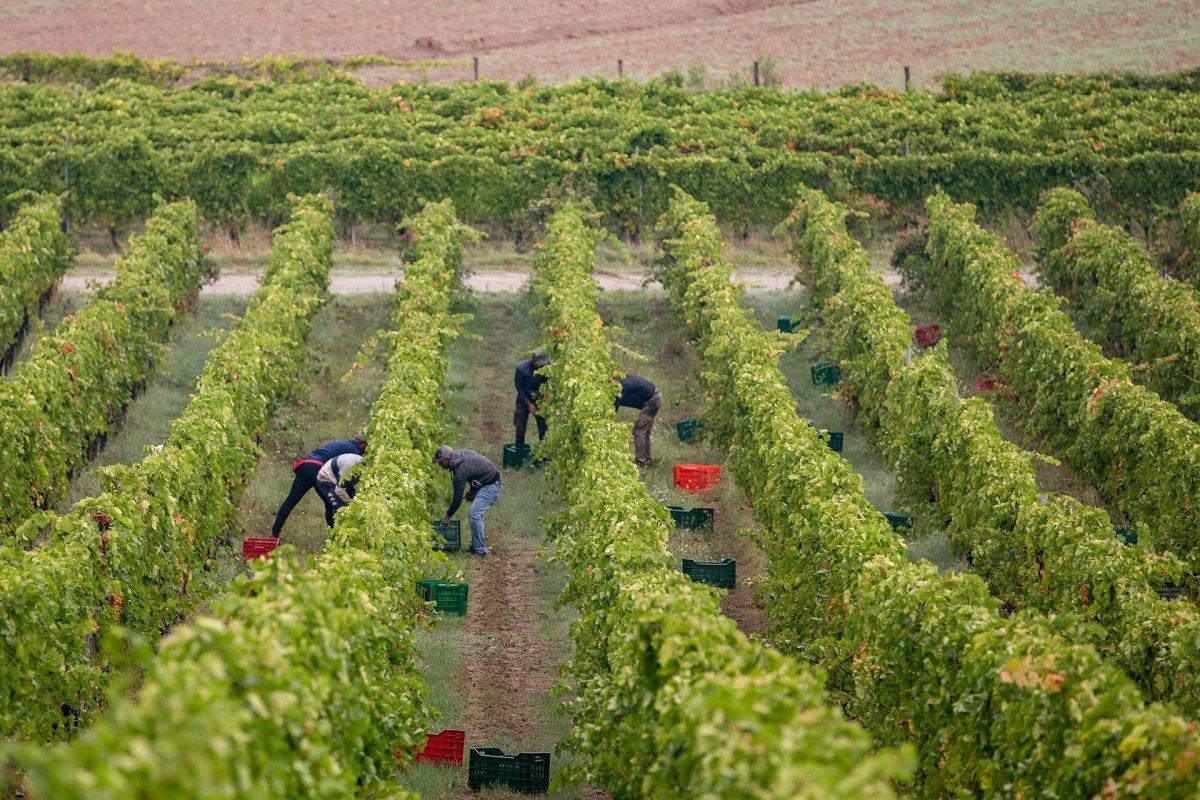
Fabrizio Dionisio
Cortona, Italy
Book Fabrizio Dionisio if the goal is a focused Cortona tasting built around Syrah rather than a broad Tuscan sampler. The estate is small, $$, appointment-based, and strongest for visitors who care about terroir, estate-grown fruit, and how Cortona differs from more familiar Sangiovese-led wine routes.
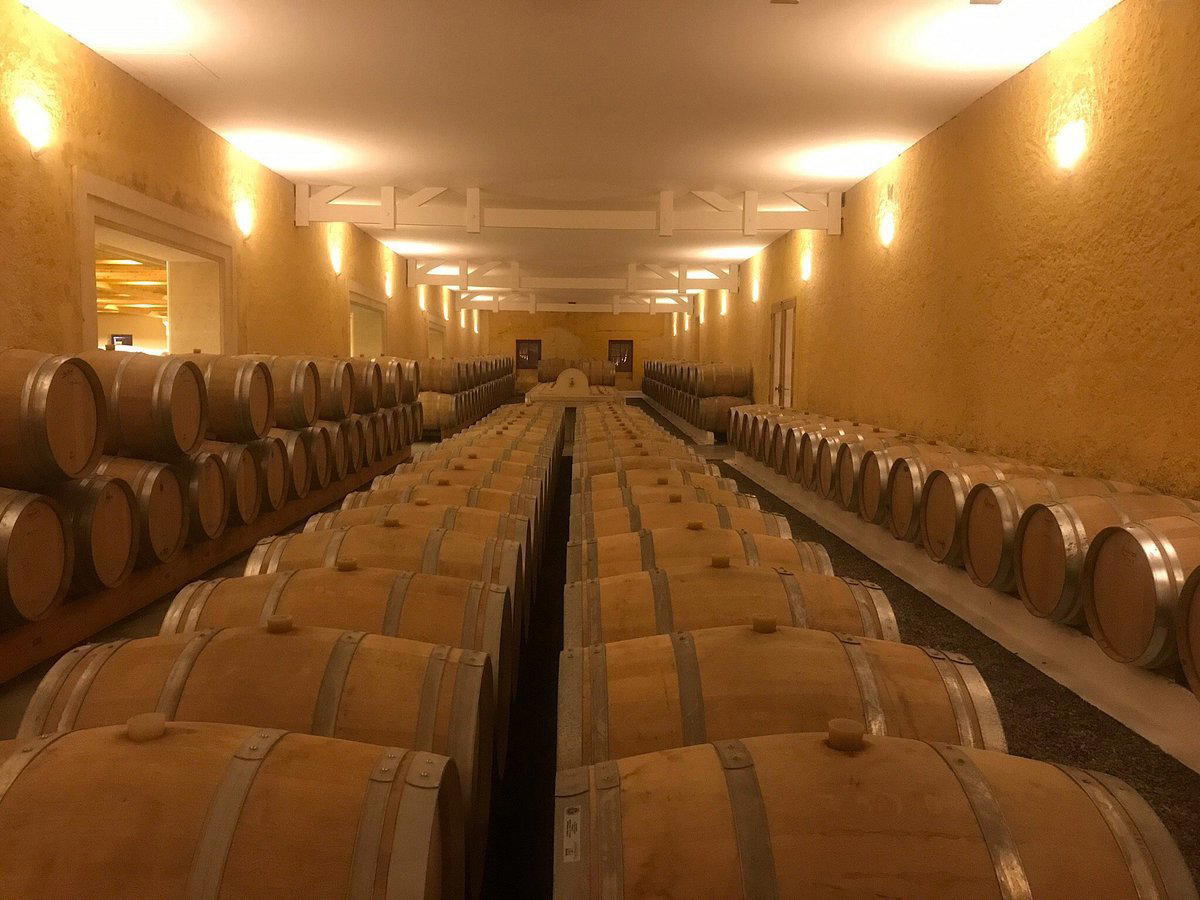
Château Cave Grand-Listrac
Listrac-Médoc, France
A walk-in-friendly cooperative cellar in Listrac-Médoc, Château Cave Grand-Listrac is a strong value pick for an informal Médoc red tasting. Book it into a wider wine day rather than treating it as a formal celebration venue; the appeal is approachable regional context, a rustic counter setting, and a $$ price level backed by Falstaff recognition in 2026.
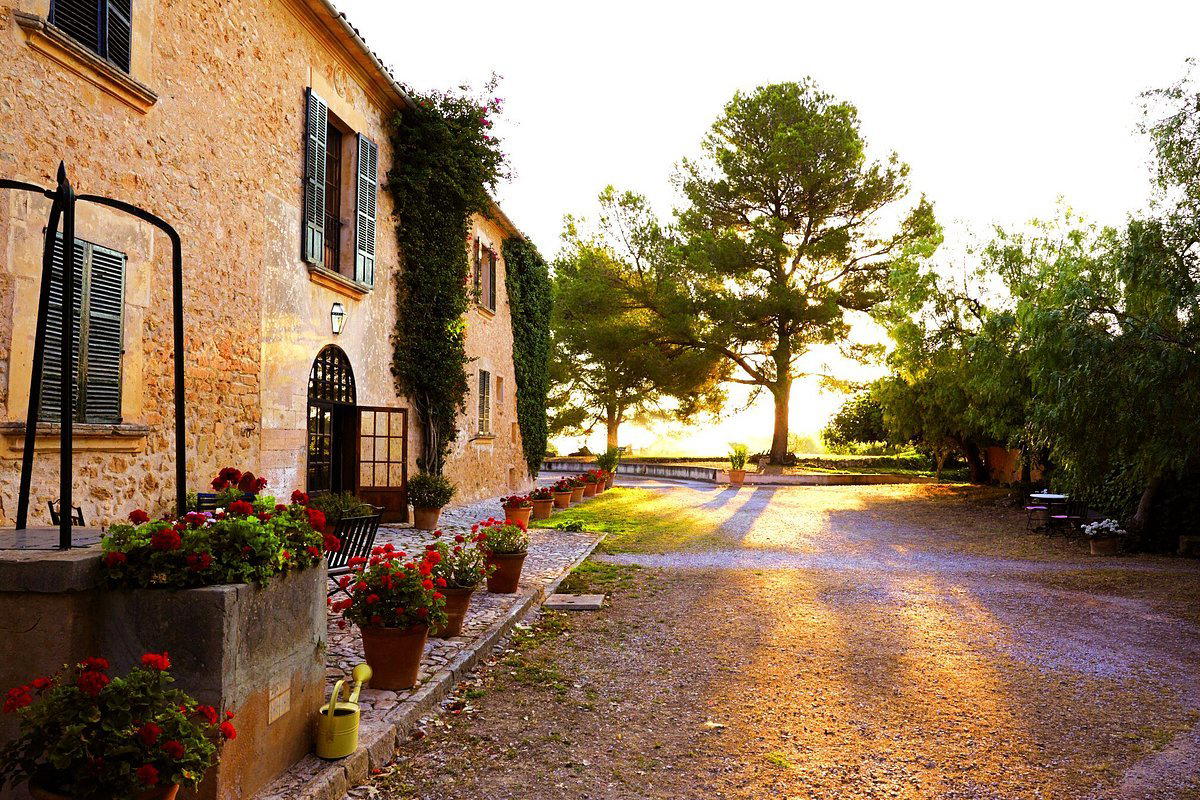
Bodegas Oliver Moragues
Algaida, Spain
Book Bodegas OM Oliver Moragues if native Mallorcan grapes and estate history matter more than a casual drop-in tasting. The draw is the combination of a centuries-old Algaida manor, organic-certified wines, and a portfolio built around local varieties such as Manto Negro, Callet, Giró Rós, Moll, Gorgollassa, and Prensal Blanc.
Diemersfontein Wine & Country Estate
Wellington, South Africa
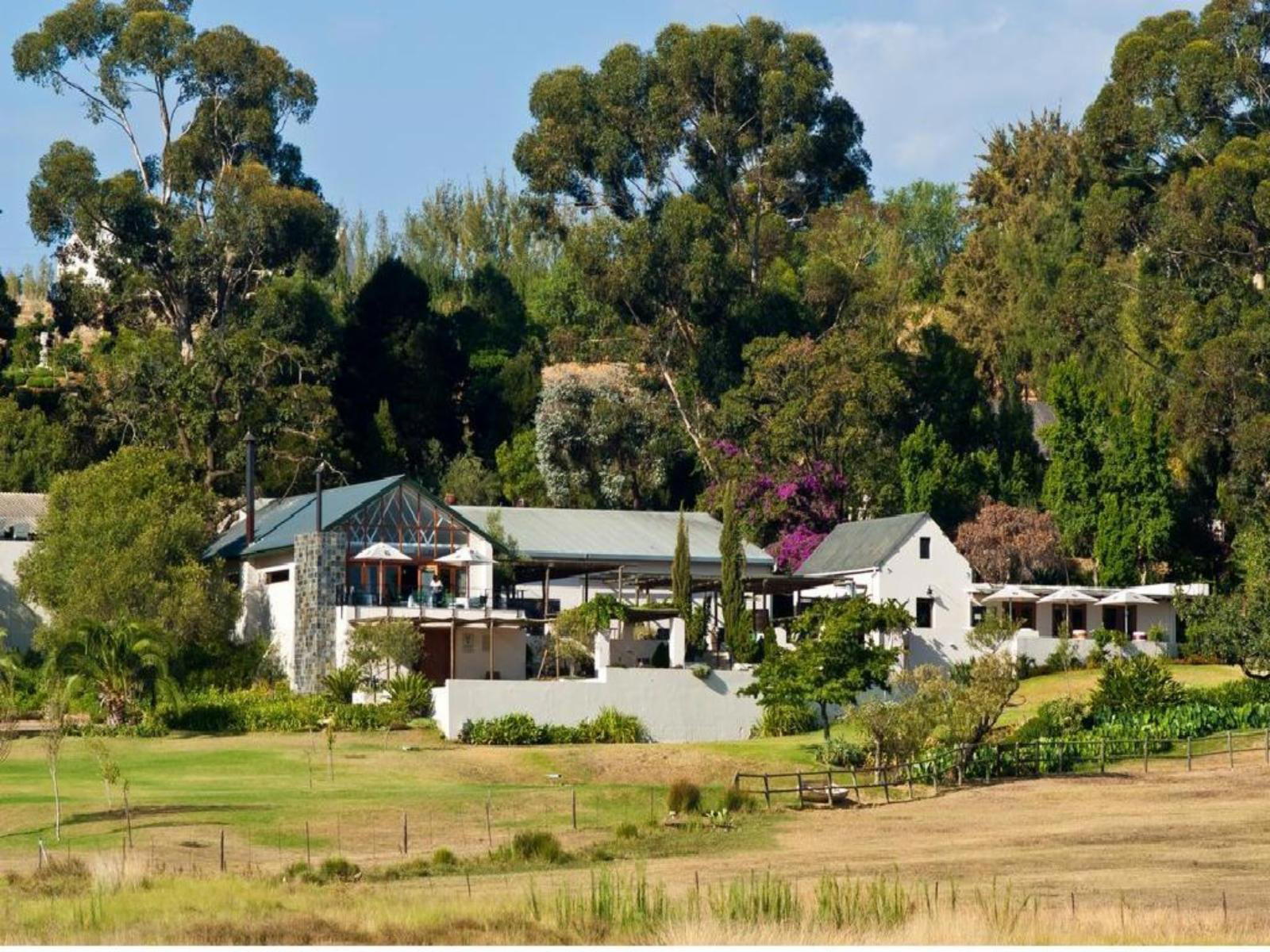
Worth booking if Pinotage is the point of the Wellington stop. Diemersfontein Wine & Country Estate is strongest for travellers who want the original Coffee Pinotage context, a 1942 family-estate backstory, and enough hospitality infrastructure to make the visit feel relaxed rather than rushed.
Château Pontoise Cabarrus
Saint Seurin De Cadourne, France
Château Pontoise Cabarrus works if Saint-Seurin-de-Cadourne is already part of a Médoc wine route and outside recognition matters to your shortlist. The 2026 Falstaff listing gives it a useful credibility signal, but visitors who need published tasting formats, confirmed group capacity, or clear shipping details should verify plans before building a day around it.
Château Pey La Tour
Salleboeuf, France
Book Château Pey La Tour if the priority is serious, value-led Bordeaux Supérieur in a quiet countryside setting rather than a highly packaged tasting-room experience. The flagship Réserve du Château is the bottle to focus on, backed by 90-parcel vineyard work, sustainable practices, and Falstaff Winery 1-star recognition for 2026.
Wendouree
Clare Valley, Australia
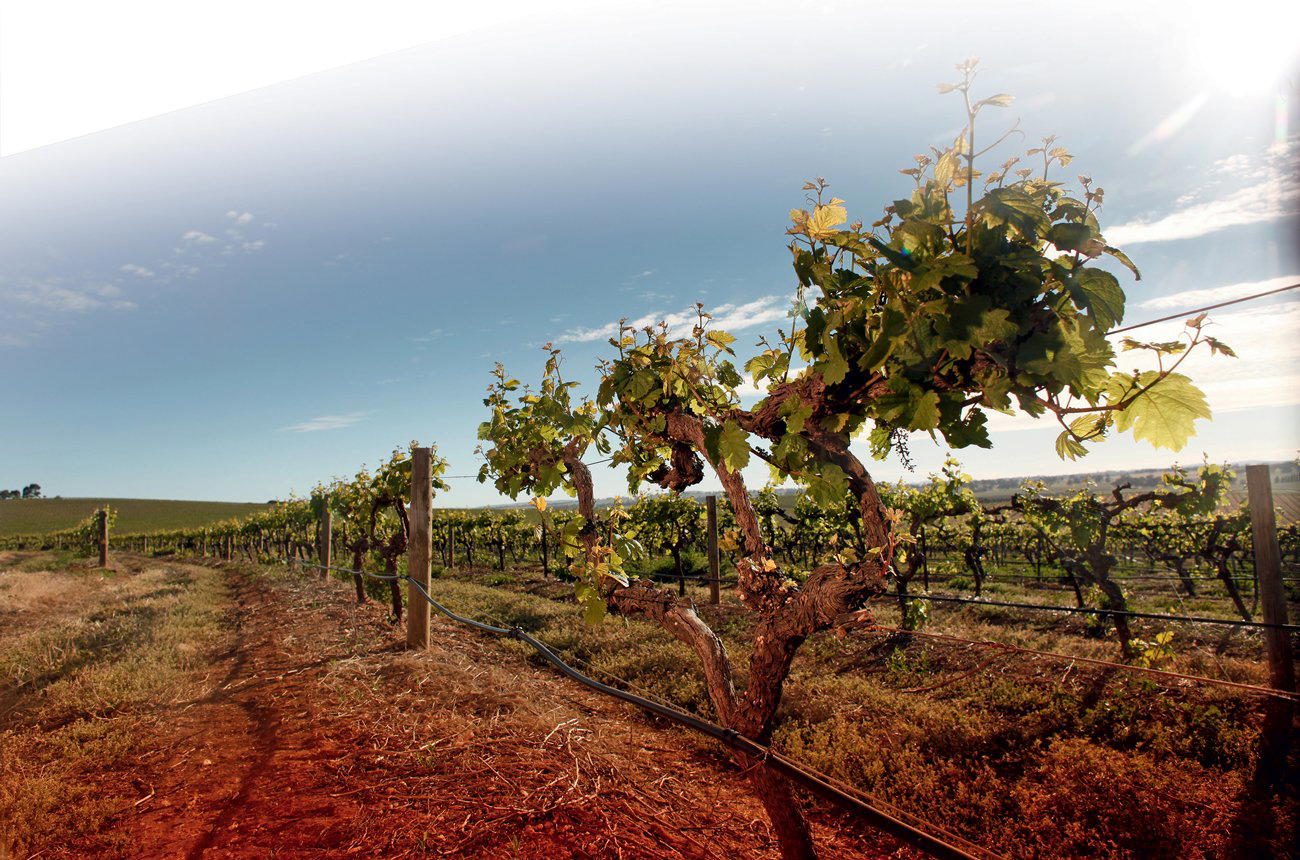
Wendouree is worth pursuing if scarcity, cellar reputation, and a serious Clare Valley wine itinerary are the point. It is not the easiest choice for casual tastings or mixed-interest groups, so plan it as the hard-to-access anchor and keep more visitor-friendly wineries as backups.
Clos Saint Antonin
Courthézon, France
Prioritise Clos Saint Antonin if the trip is about Châteauneuf-du-Pape bottles rather than a polished hospitality format. With Falstaff listing recognition in 2026, it has enough external signal to merit attention, but first-timers should treat it as a focused producer stop and ask what is drinking now or worth shipping.
Capel Vale Winery
Capel, Australia
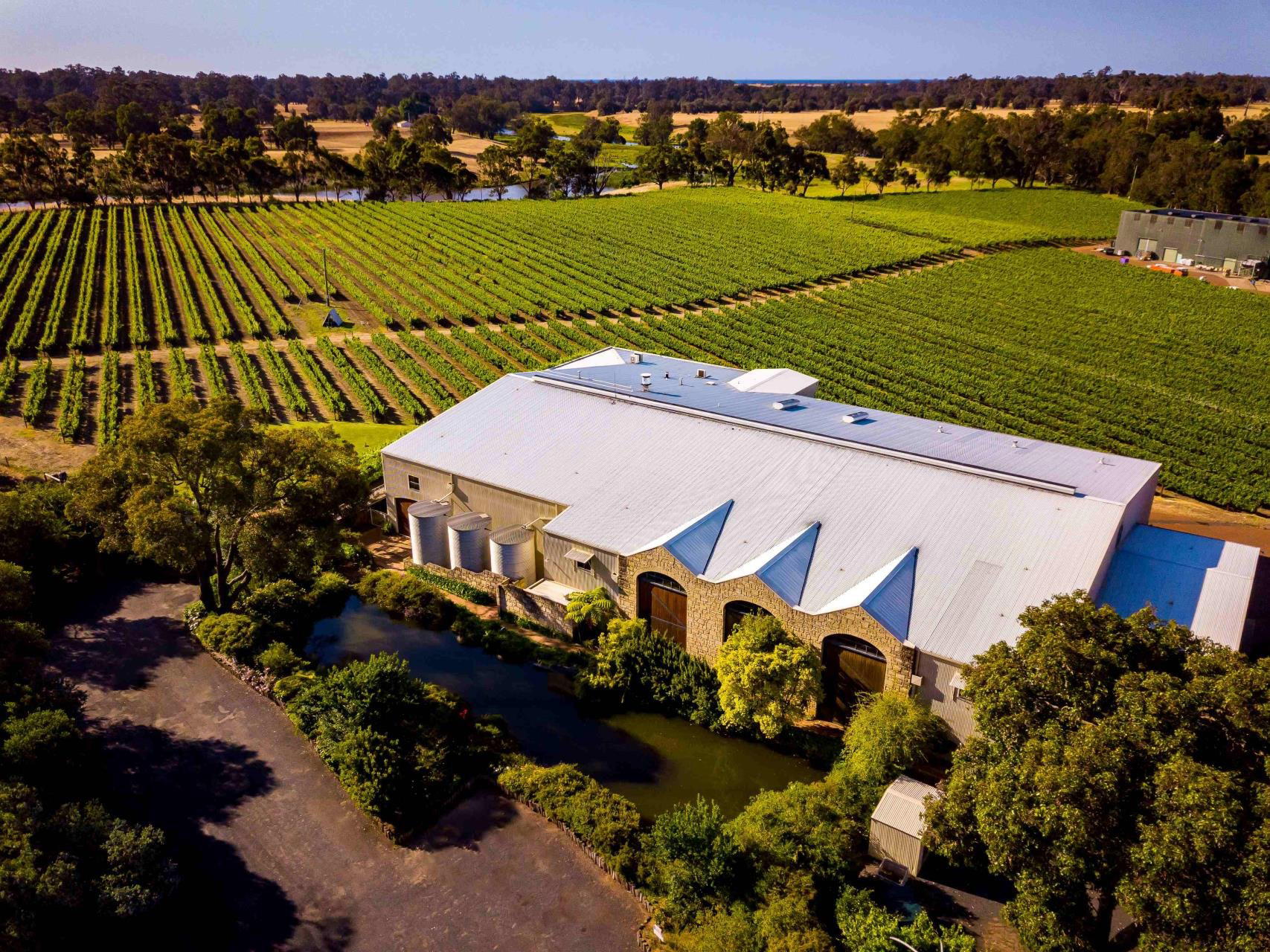
Capel Vale Winery works as a low-friction stop on a Capel wine day, especially because its Falstaff Listed (2026) recognition gives it a current quality signal. Treat it as part of a wider itinerary rather than the only reason to travel, and confirm group or shipping details before planning around them.
Bioweingut Der Fuhrmann
Weiden am See, Austria
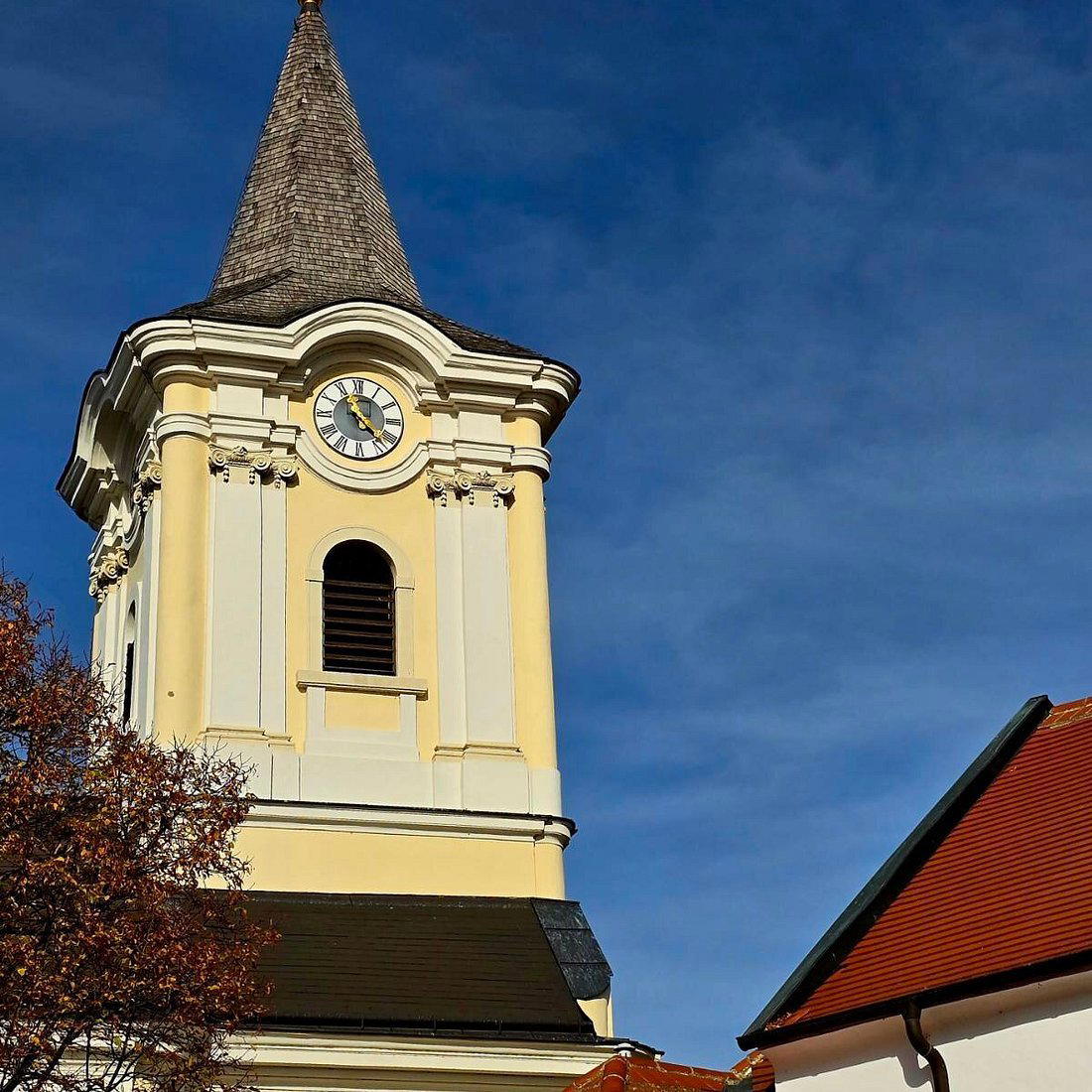
Book Bioweingut Der Fuhrmann if the priority is a quiet, organic, family-run winery visit near Lake Neusiedl rather than a polished hospitality production. The strongest fit is a small group or date built around Burgenland white wines, especially Neuburger, Weißburgunder, and Sekt, with BIO certification since 2012 adding real credibility.
Azienda Agricola Selùn
San Pietro In Cariano, Italy
Azienda Agricola Selùn is worth booking if the goal is a quiet Valpolicella stop with classic reds and an al fresco food component. The strongest reason to go is the Amarone and Recioto focus, especially the “Fiori del Pastello” line, backed by Falstaff listing recognition and ilGolosario Top Hundred attention for the 2018 Amarone.
Fattoria Bonsalto
Montespertoli, Italy
Fattoria Bonsalto works if you want a traditional Montespertoli wine estate framed by vineyards, woods and olive trees rather than a glossy tasting-room experience. The $$ positioning makes it a practical second stop for curious Tuscan wine drinkers, especially those interested in ancient local varieties, artisanal methods and a producer tied closely to its land.
How many of these have you visited?
Find out on Pearl and keep score across every place in 2026 Falstaff Winery Guide.