
Weingüter Wegeler
Oestrich-Winkel
Winery in Oestrich-Winkel, Germany
 Book with Pearl
The Read
Slate-Driven Rheingau Riesling
Price
$50–100tasting
Why go
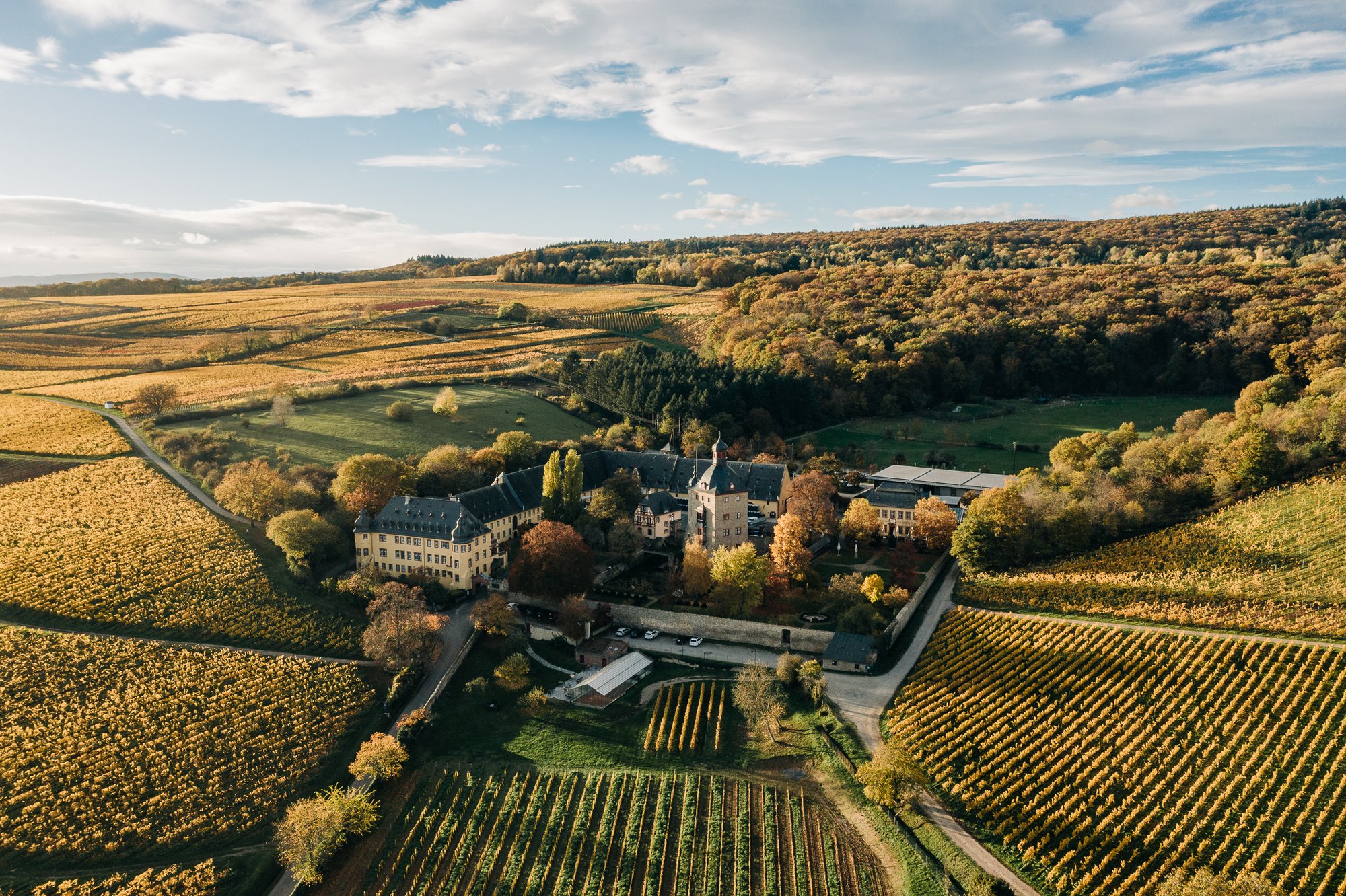
Choose Weingüter Wegeler when the occasion needs a serious Rheingau estate feel rather than a casual tasting-room stop. It is better for dates, celebrations, and business guests than loose group itineraries; cross-shop Schloss Vollrads for a more dramatic historic setting or Weingut Allendorf for an easier social visit.
About Weingüter Wegeler
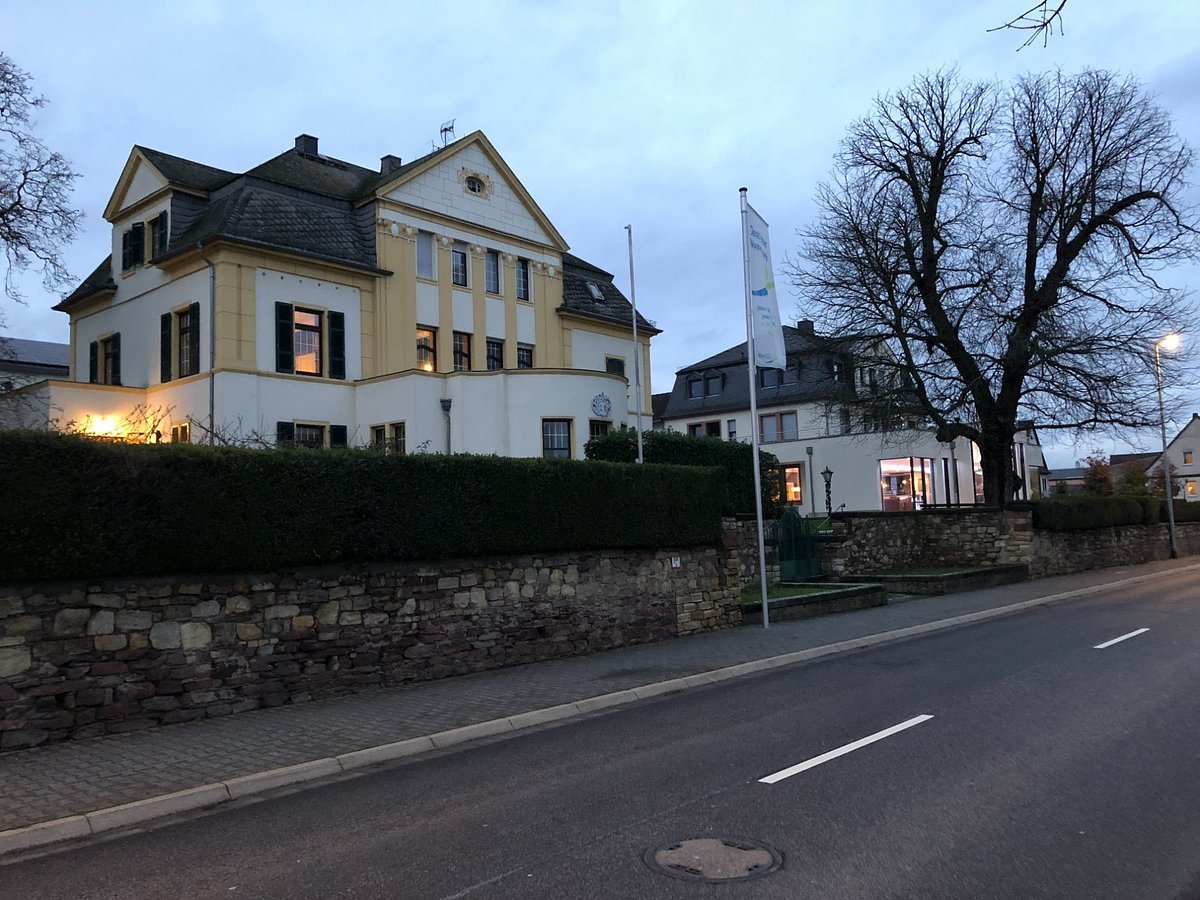
Weingüter Wegeler is a venue in Oestrich-Winkel with a smart casual dress code and Pearl 2 Star Prestige recognition for 2025. Before planning around a specific menu, tasting format, price level, opening schedule, or on-site service, confirm those details directly with the venue.
For comparison planning, keep the decision simple: Weingüter Wegeler belongs on a shortlist with Schloss Vollrads, Weingut Allendorf, Weingut Balthasar Ress, Weingut Josef Spreitzer, and Weingut Peter Jakob Kühn, depending on the kind of visit you are arranging. Its key distinction is its Pearl 2 Star Prestige recognition in 2025 and the smart casual expectation, so do not assume a particular format or offering without checking directly.
A composed choice for an Oestrich-Winkel visit
Weingüter Wegeler is best approached as a planned Oestrich-Winkel stop when you want the visit to feel considered and you are comfortable with a smart casual standard. Avoid building an itinerary around assumptions about specific hours, prices, tasting options, food service, seating, or reservation rules. Treat the Pearl 2 Star Prestige recognition as a distinction, while still checking practical details directly.
If you are comparing options, use the named venues as reference points without assuming they serve the same purpose. Schloss Vollrads, Weingut Allendorf, Weingut Balthasar Ress, Weingut Josef Spreitzer, and Weingut Peter Jakob Kühn can all be part of the same broader planning conversation, but the right choice depends on the practical details that matter for your visit.
Who should put it first, and who should cross-shop
Put Weingüter Wegeler high on the list if you are specifically seeking a Pearl 2 Star Prestige-recognised Oestrich-Winkel venue and a smart casual setting suits the occasion. Cross-shop if you need certainty on a particular tasting style, food availability, group suitability, accessibility, price, or timing. For wider planning, compare it with other Oestrich-Winkel venues and nearby options only after confirming the practical details that matter for your visit.
Planning details
- Location
- Friedenspl. 9, 65375 Oestrich-Winkel
- Website
- wegeler.com
- Phone
- +49 6723 99090
The take
The Take
The Vibe
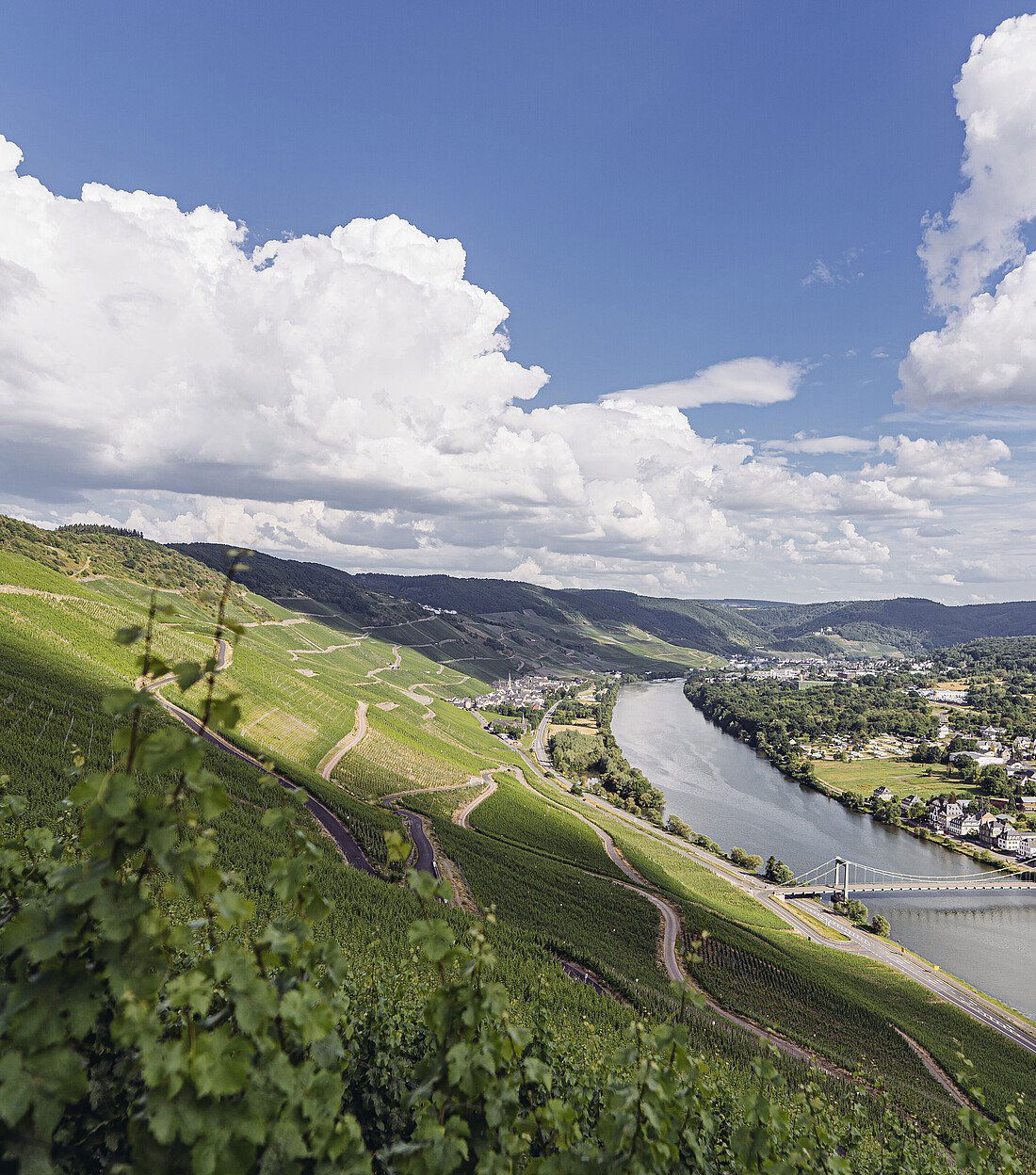
Weingüter Wegeler sits at the heart of Oestrich-Winkel with a sense of anchored history and agricultural purpose. The estate occupies Friedensplatz and is described as part of the town’s working fabric for generations, which gives visits a rooted, historic quality. The setting — between the reflective Rhine and the Taunus ridge — reads like a geography lesson in Riesling: south-facing slopes, moderated temperatures and parcel-driven identity. The writing frames Wegeler as a producer that practices precision within a long-established regional model, so the overall impression is one of measured, terroir-first craftsmanship rather than flash or trendiness.
Best For
This is a destination for people who come to learn about Riesling and terroir. The copy foregrounds geology, climate and site specificity, making the estate especially rewarding for visitors interested in wine education, comparative tasting and the nuances of parcel-driven production. The estate’s Pearl 2 Star Prestige recognition positions it within a higher tier of local producers, so it also suits visitors seeking a focused, quality-led tasting experience. Given the concentration of serious Riesling producers in Oestrich-Winkel, Wegeler works well for informed small groups and anyone prioritizing vineyard narratives over spectacle.
Tasting Tips
When engaging with Wegeler’s wines, center your tasting on Riesling and on site-specific bottlings if available; the text stresses that south-facing slopes and Rhine moderation shape the wines’ tension and weight. Ask about individual parcels and how the river and Taunus ridge influence ripening—those details are the editorial focus. Note the estate’s 2025 Pearl 2 Star Prestige mention as a cue to seek out the estate-level or prestige bottlings. Keep the conversation technical and terroir-focused: acidity, fruit concentration and the balance of tension versus weight are the most relevant talking points.
Venue details
Ambiance
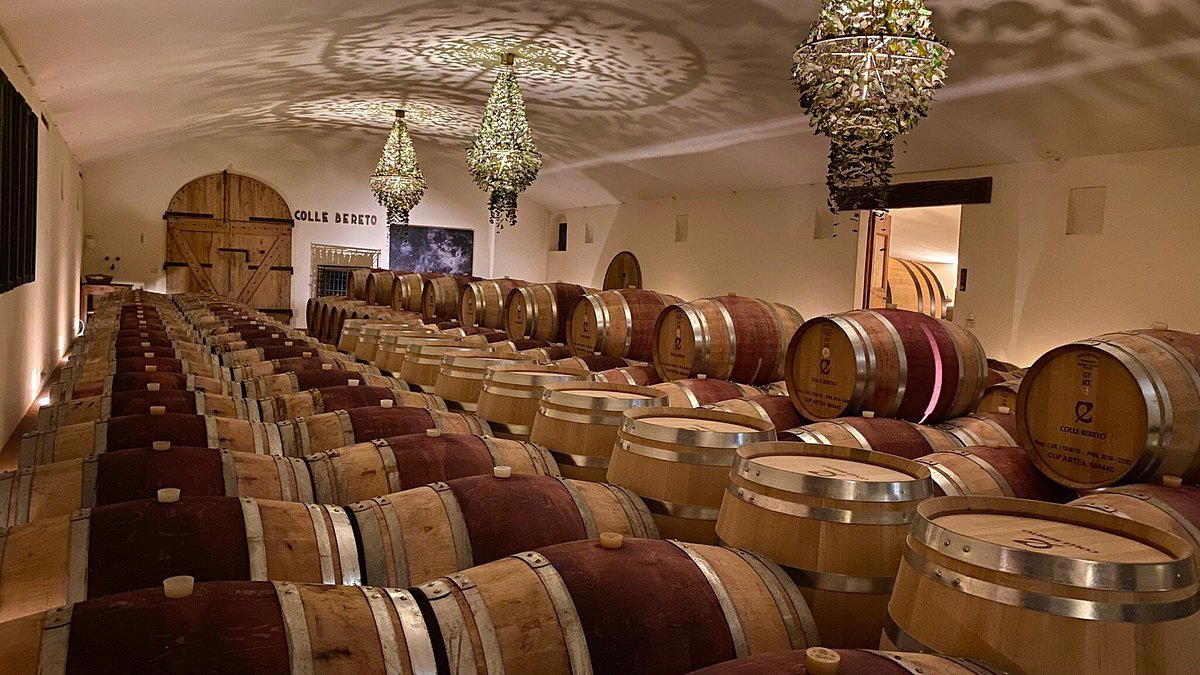
Traditional German winemaking heritage with refined, quality-focused atmosphere emphasizing terroir and craftsmanship.
Tags
Vibe
Best For
Experience
Sourcing
View
At the Vineyard
- Appellation
- Rheingau and Mosel
- Varietals
- Riesling, Pinot Noir, Chardonnay
- Tour Duration
- 90-120 minutes
- Tour Languages
- German, English
- Visits
- By reservation
- Farming
- Sustainable
- Wine Styles
- Still White, Still Red, Sparkling, Dessert
- Shipping
- Available
- Wine Club
- Available
Know before you go
Know Before You Go
- Getting there
- Friedenspl. 9, 65375 Oestrich-Winkel
Planning details
Location
Recognition and awards

Also consider
Also Consider
- Weingut Josef Spreitzer, Notable alternative
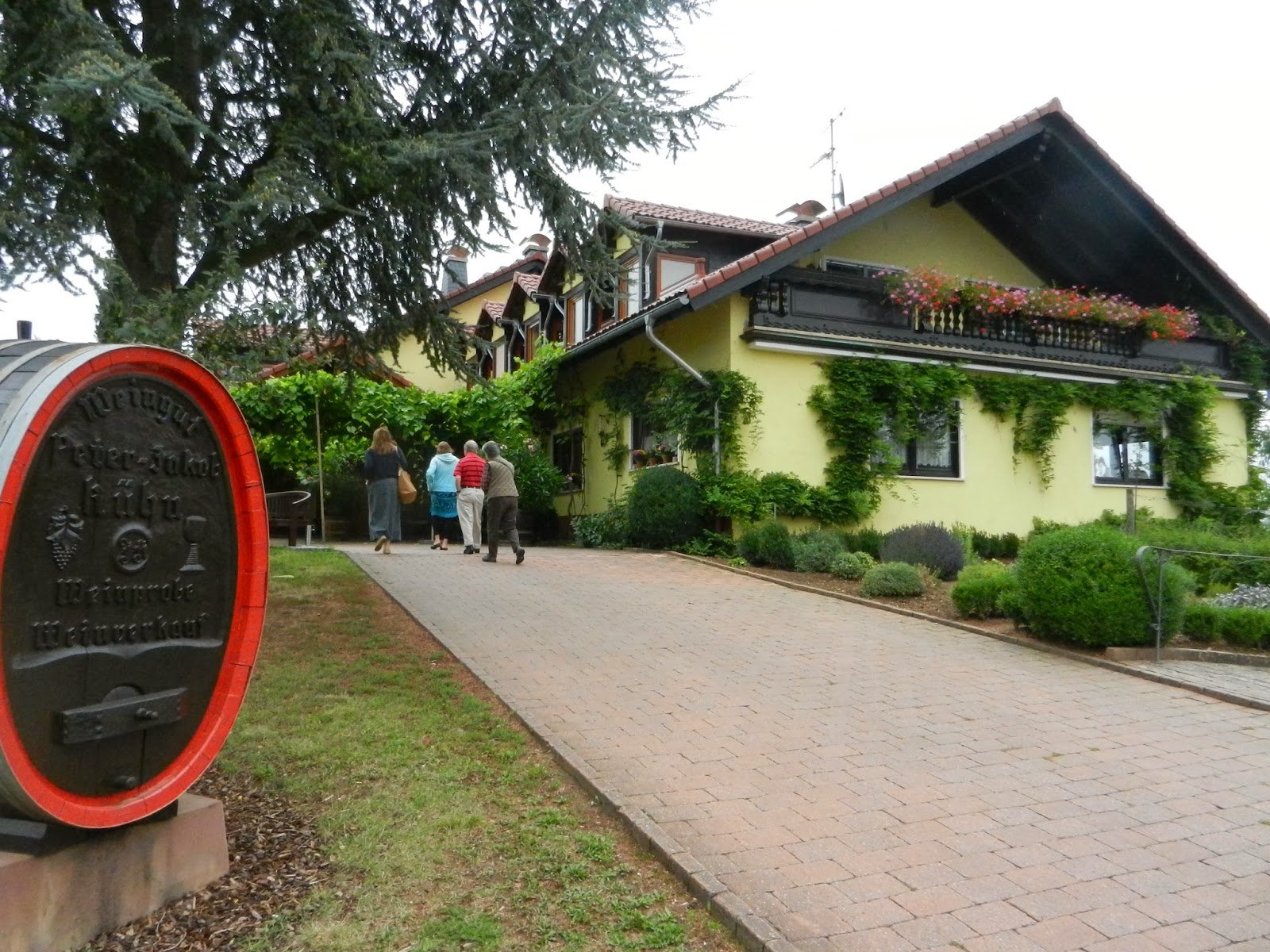
- Weingut Peter Jakob Kühn, Notable alternative
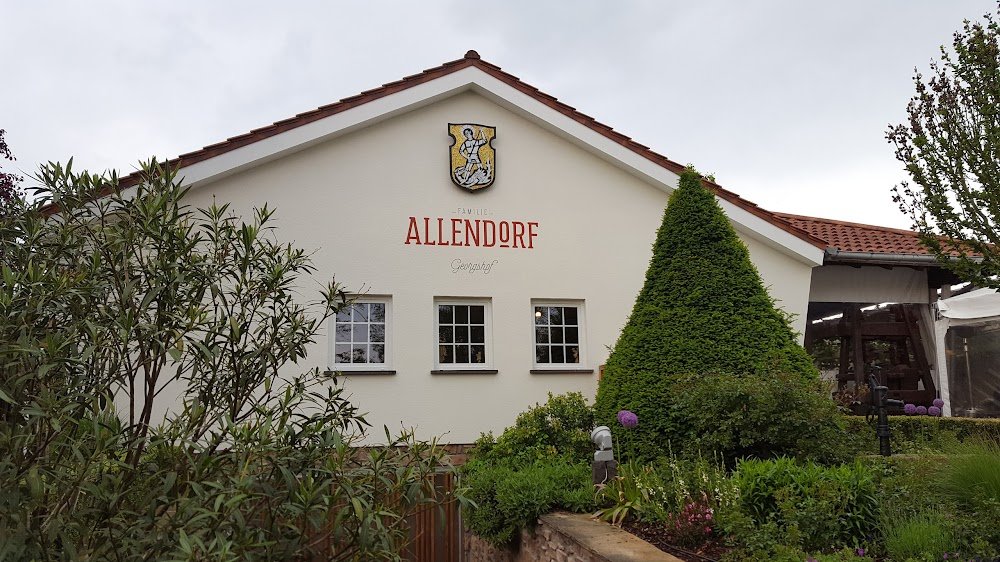
- Weingut Allendorf, Notable alternative
- Schloss Vollrads, Notable alternative
- Weingut Balthasar Ress, Notable alternative
Winery context
How It Compares
In Oestrich-Winkel, Weingüter Wegeler is the more composed choice for a planned estate visit. Weingut Allendorf reads as the more relaxed social option, while Schloss Vollrads is the better pick when ambiance and a historic setting are the main event.
For wine-first visitors, Weingut Josef Spreitzer and Weingut Peter Jakob Kühn are the sharper cross-shops if producer reputation matters more than estate atmosphere. Wegeler makes more sense when the experience needs to feel polished enough for a celebration or client outing, without turning the setting into the whole reason to go.
Weingut Balthasar Ress belongs in the same planning conversation for readers comparing Rheingau names beyond the immediate Oestrich-Winkel cluster. If booking flexibility matters, start with the venues that fit the group size and mood first, then choose based on whether the day calls for ease, wine focus, or a stronger estate backdrop.
Explore Oestrich-Winkel
Around this place
Discover more on Pearl
Unlock the full Weingüter Wegeler guide in Pearl, including awards, comparisons, FAQs, planning details, and nearby places.
Compare Weingüter Wegeler
| Venue | Location | Awards |
|---|---|---|
| Weingüter Wegeler | Oestrich-Winkel | 2026 Falstaff Winery Guide |
| Weingut Josef Spreitzer | Oestrich-Winkel | 2026 Falstaff Winery Guide |
| Weingut Peter Jakob Kühn | Oestrich-Winkel | 2026 Falstaff Winery Guide |
| Weingut Allendorf | Oestrich-Winkel | 2026 Falstaff Winery Guide |
| Schloss Vollrads | Oestrich-Winkel | 2026 Falstaff Winery Guide2019 World's 50 Best Vineyards · #33 |
| Weingut Balthasar Ress | Eltville | 2026 Falstaff Winery Guide2025 Decanter Winery Prestige |


How Weingüter Wegeler Oestrich-Winkel compares with similar nearby venues.
FAQ
Frequently Asked Questions
Do I need a reservation at Weingüter Wegeler?
Contact Weingüter Wegeler directly to ask about reservations before visiting. For comparison planning, you may also consider Schloss Vollrads or Weingut Allendorf.
What is Weingüter Wegeler known for?
Weingüter Wegeler is a venue in Oestrich-Winkel with Pearl 2 Star Prestige recognition for 2025 and a smart casual dress code.
Where is Weingüter Wegeler located?
Weingüter Wegeler is located in Oestrich-Winkel.