

2026 Falstaff Winery Guide: The Ultimate Wine Authority — Page 49
Falstaff's 2026 Wineries guide.

Venues on this list
Cantina Mendrisio società cooperativa
Mendrisio, Switzerland
Book Cantina Mendrisio società cooperativa if the goal is a serious Ticino Merlot visit with a cooperative, research-led angle. The strongest case is the Merlot program from Tenuta Montalbano, with Euforia and Bianco di Merlot adding useful range for gifts or celebratory bottles.
Azienda Agricola Elio Grasso
Monforte d'Alba, Italy
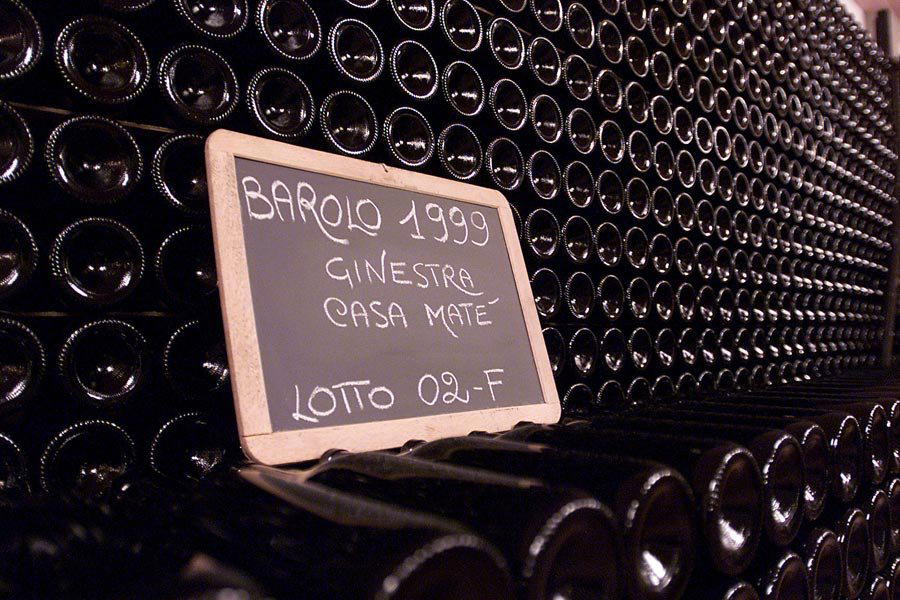
Azienda Agricola Elio Grasso is worth planning around if the trip to Monforte d'Alba is wine-led rather than casual. The Falstaff 4 Stars recognition in 2026 gives it a credible quality signal, and the right move is to anchor the day here, then build meals, hotels, and other Monforte stops around that appointment.
Domaine Coche-Bizouard
Meursault, France
Domaine Coche-Bizouard works for a focused Meursault wine stop, especially for travelers building a Burgundy itinerary around producer research rather than packaged hospitality. The strongest trust signal is its Falstaff Listed status for 2026. Treat it as a wine-first visit and plan the rest of the day through Meursault’s restaurants, hotels, bars, and winery guides.
Paul Jaboulet Aîné
Tain-l'Hermitage, France
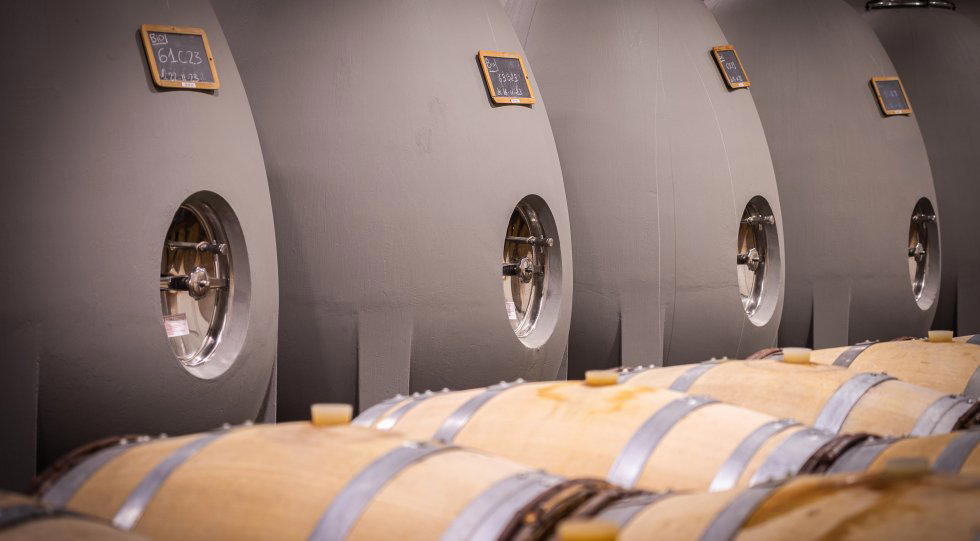
Prioritise Paul Jaboulet Aîné if the goal is Northern Rhône context in Tain-l'Hermitage rather than a casual tasting stop. With a first vintage in 1834 and Caroline Frey as winemaker, it is strongest for wine travellers who want heritage, regional perspective, and a serious anchor for a Rhône-focused day.
Domaine Le Bout du Lieu
Saint Vincent Rive D Olt, France
A sensible pick for a flexible wine stop in Saint Vincent Rive D Olt, especially if Falstaff Listed 2026 recognition is enough of a quality signal for the trip. Do not plan around food, fixed tasting hours, or large-group logistics without confirming them first; this works better as part of a broader Occitanie wine day than as the sole destination.
Cerrino
Trezzo Tinella, Italy
Cerrino is a good fit for travelers who want a quiet, family-run Langhe winery rather than a polished showcase estate. The draw is its rural Trezzo Tinella setting and Nebbiolo-led portfolio, anchored by Barolo DOCG, Barbaresco DOCG, and DOC Langhe wines. Book it as a focused countryside stop, not as a full-day destination.
Domaine de Viaud
Lalande De Pomerol, France
Domaine de Viaud works for a wine-first Lalande-de-Pomerol stop, especially if the goal is appellation context rather than a meal-led visit. Falstaff 1 Star recognition gives it a credible quality signal, but first-timers should plan ahead and keep restaurant expectations separate unless a food format is confirmed.
Domaine Stéphane Magnien
Morey-Saint-Denis, France
Shortlist Domaine Stéphane Magnien if the goal is a focused Morey-Saint-Denis wine stop in the Côte de Nuits. It is better suited to planned Burgundy routing than casual drop-in tasting, especially for travelers who want village-level context and are already building a day around Morey-Saint-Denis.
Der GlücksJäger
Venningen, Germany
Der GlücksJäger works for wine-focused visitors in Venningen who care more about the bottles than a polished hospitality setup. The draw is a Riesling range, a small-production Cabernet Sauvignon Reserve trocken, and Falstaff 3 Stars recognition in 2026; plan it as part of a wider Pfalz wine day rather than a standalone leisure stop.
Gianni Brunelli
Montalcino, Italy
A practical Brunello-focused stop in Montalcino for travelers who want a recognized winery visit without relying on a food-led format. Gianni Brunelli works if the priority is wine tasting and purchase decisions; confirm the visit structure before making it the anchor of the day.
Il Botolo
Nizza Monferrato, Italy
Worth choosing if you want a quieter Nizza Monferrato winery visit with Barbera and Nizza DOCG at the center. Il Botolo is better for regional context and vineyard atmosphere than for a formal luxury tasting setup, with a compact portfolio that works well for curious Piedmont travelers.
Edna Valley Vineyard
San Luis Obispo, United States
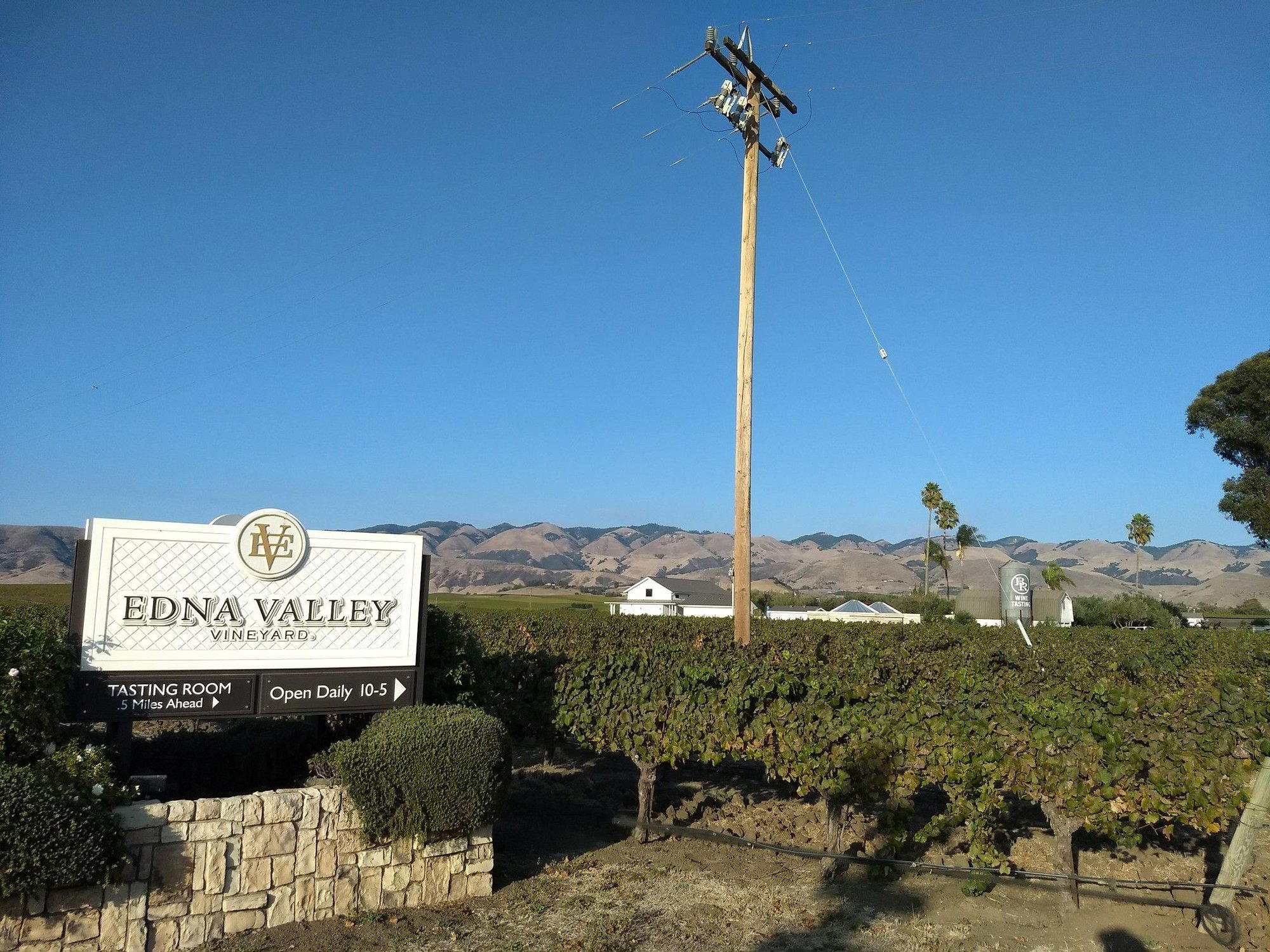
Book Edna Valley Vineyard as an easy San Luis Obispo wine-country stop when the day needs a focused tasting rather than a long, overbuilt itinerary. It is a stronger fit for returning visitors planning around wineries, restaurants, and hotels in town than for anyone looking for a documented food program or a named flagship bottle.
Domaine Coudoulet
Cesseras, France
Domaine Coudoulet works if you specifically want a Cesseras winery with outside recognition, thanks to its Falstaff Listed status for 2026. It is less suitable as the anchor for a tightly scheduled wine day because pricing, visitor format, and booking details are not published here.
Badischer Winzerkeller
Breisach Am Rhein, Germany
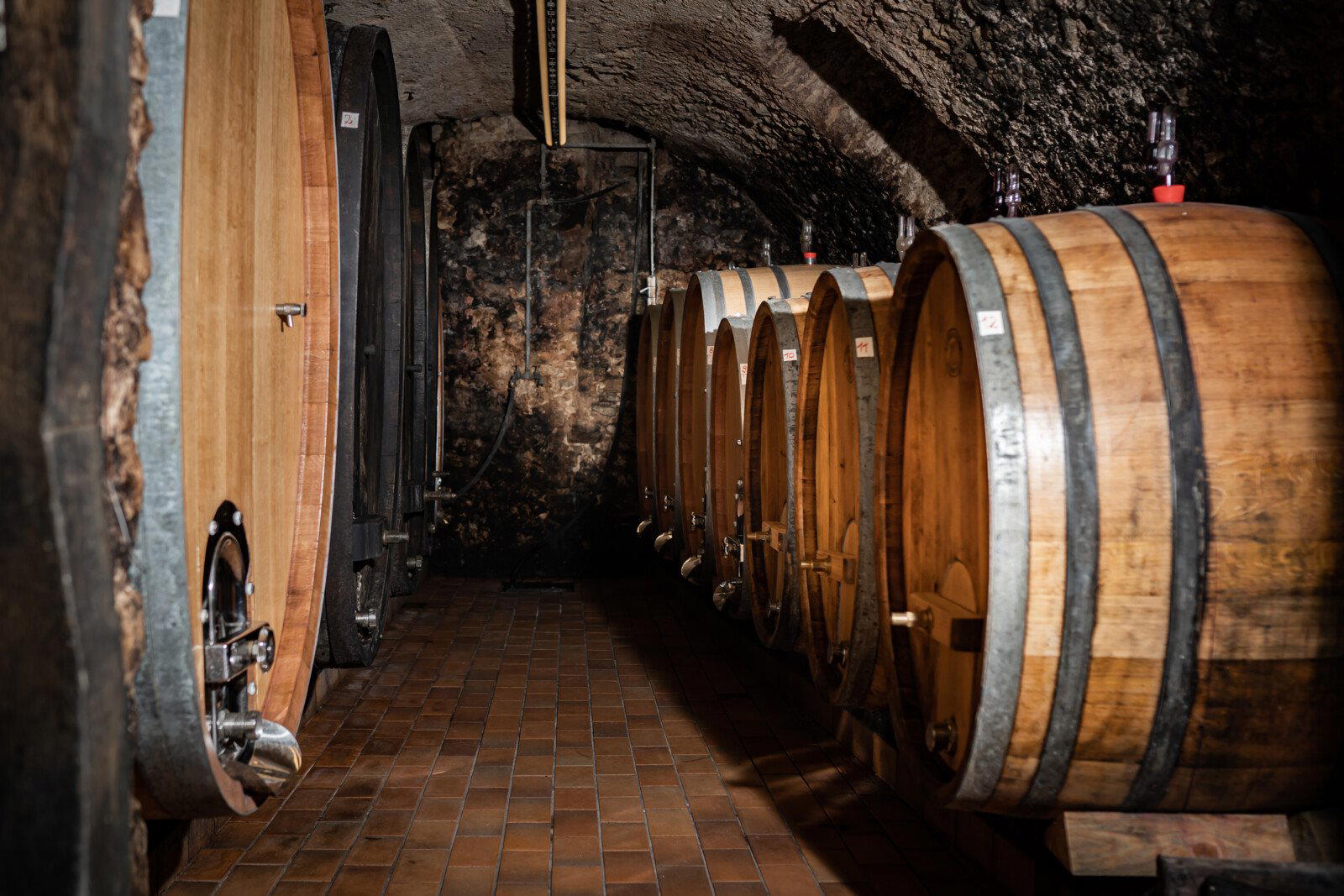
Book Badischer Winzerkeller if you want a broad, accessible read on Baden wine rather than a small-estate appointment. The cooperative format is the point: range, scale, cellar atmosphere, and a practical terrace-and-shop setup. The upgraded or private format is most worthwhile for groups and wine travelers who want context on Kaiserstuhl Pinot varieties, not just a casual glass.
João Tavares de Pina
Penalva Do Castelo, Portugal
A quiet, grower-led Dão estate for travelers who care more about low-intervention farming than polished wine tourism. Book it as an appointment-based anchor to a slow Penalva do Castelo day, especially if the group wants granite-soil Dão, dry-farmed vineyards, recovered local grapes, and a producer with Falstaff-listed recognition.
Casella Family (Yellow Tail)
Griffith, Australia
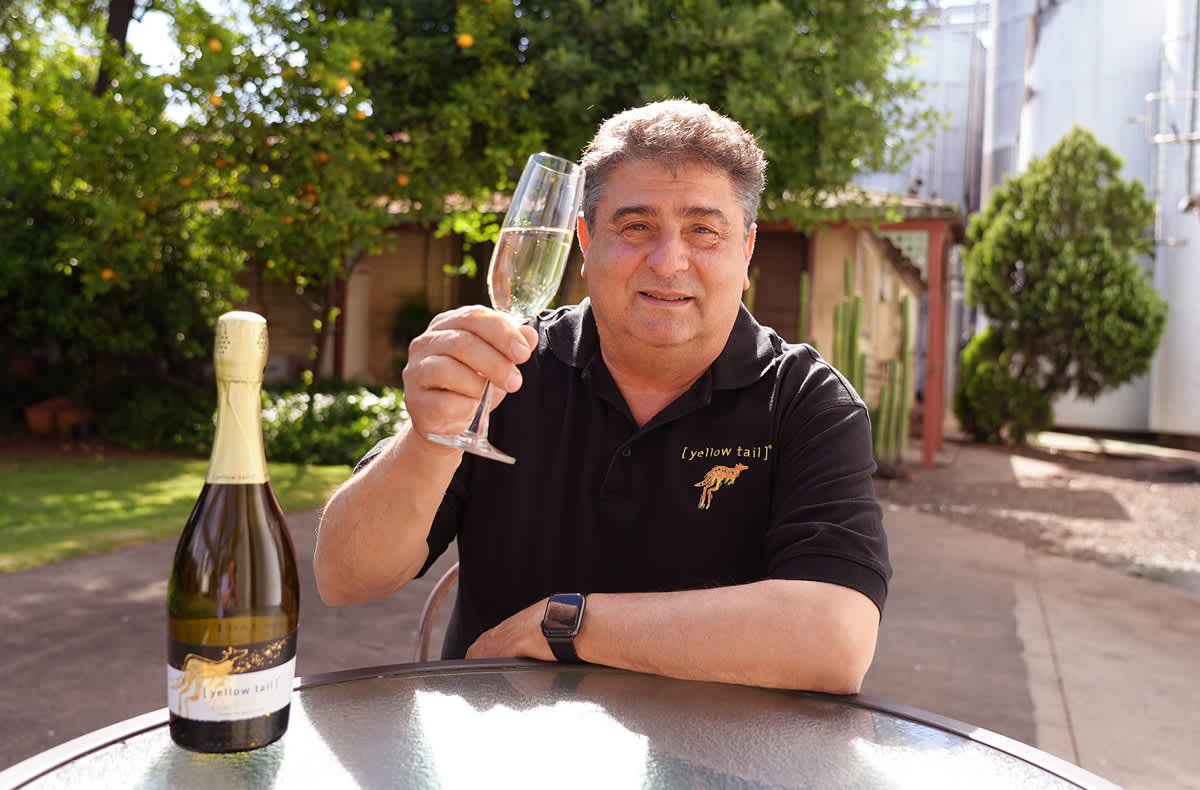
Casella Family (Yellow Tail) is worth considering in Griffith if the draw is brand scale and Australian wine recognition rather than a classic boutique cellar-door experience. It suits business groups and visitors curious about the Riverina's commercial wine role; for a softer visitor-facing winery stop, Calabria Family Wines is the more natural local cross-shop.
Château Grand-Puy-Ducasse
Pauillac, France
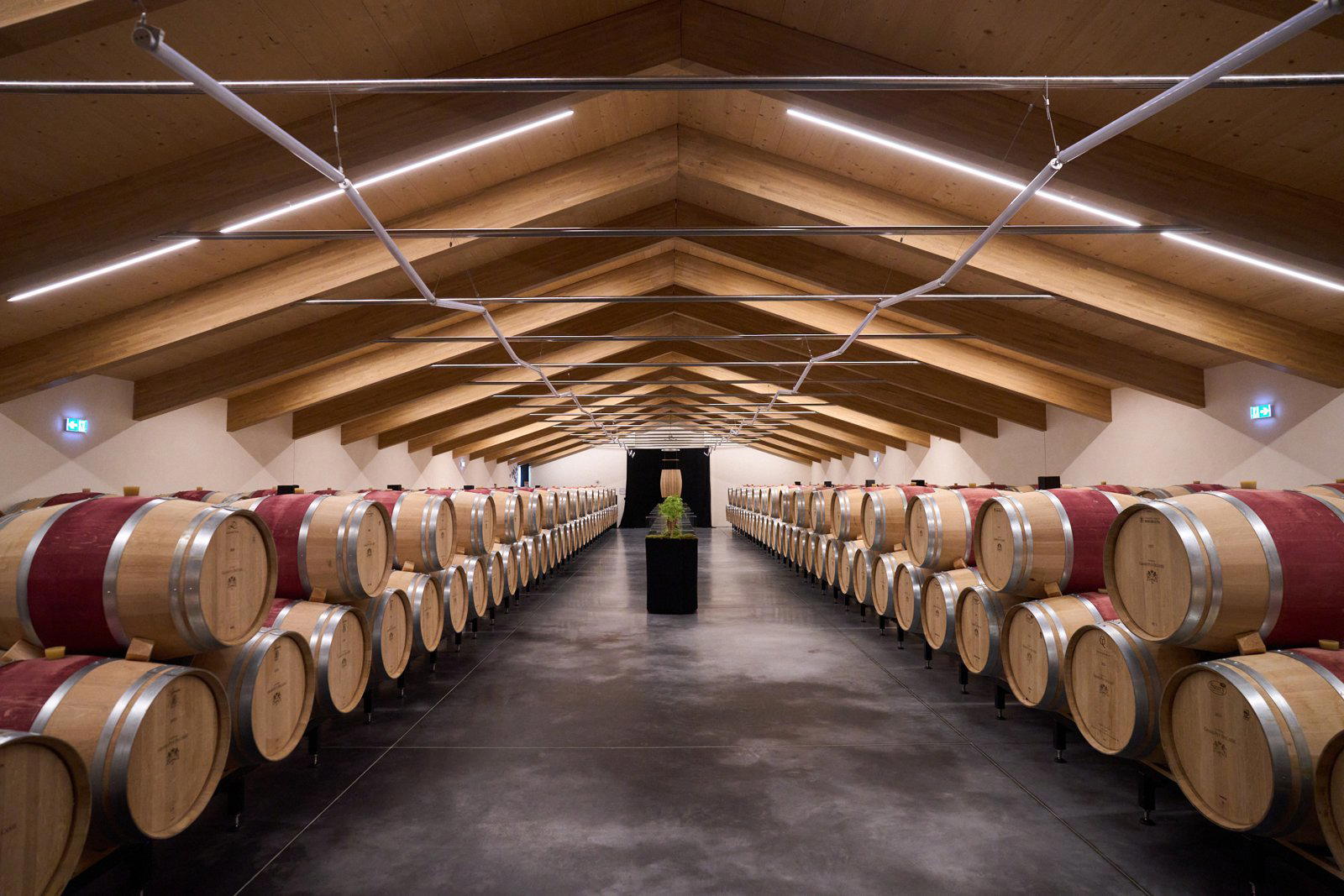
Château Grand-Puy-Ducasse is worth pursuing for wine-focused travelers building a serious Pauillac itinerary, especially if the goal is appellation comparison rather than an easy casual tasting. Access should be treated as difficult, so plan around confirmed appointments and compare it with nearby Pauillac peers before committing the day.
Bianco Angelo
Agliano, Italy
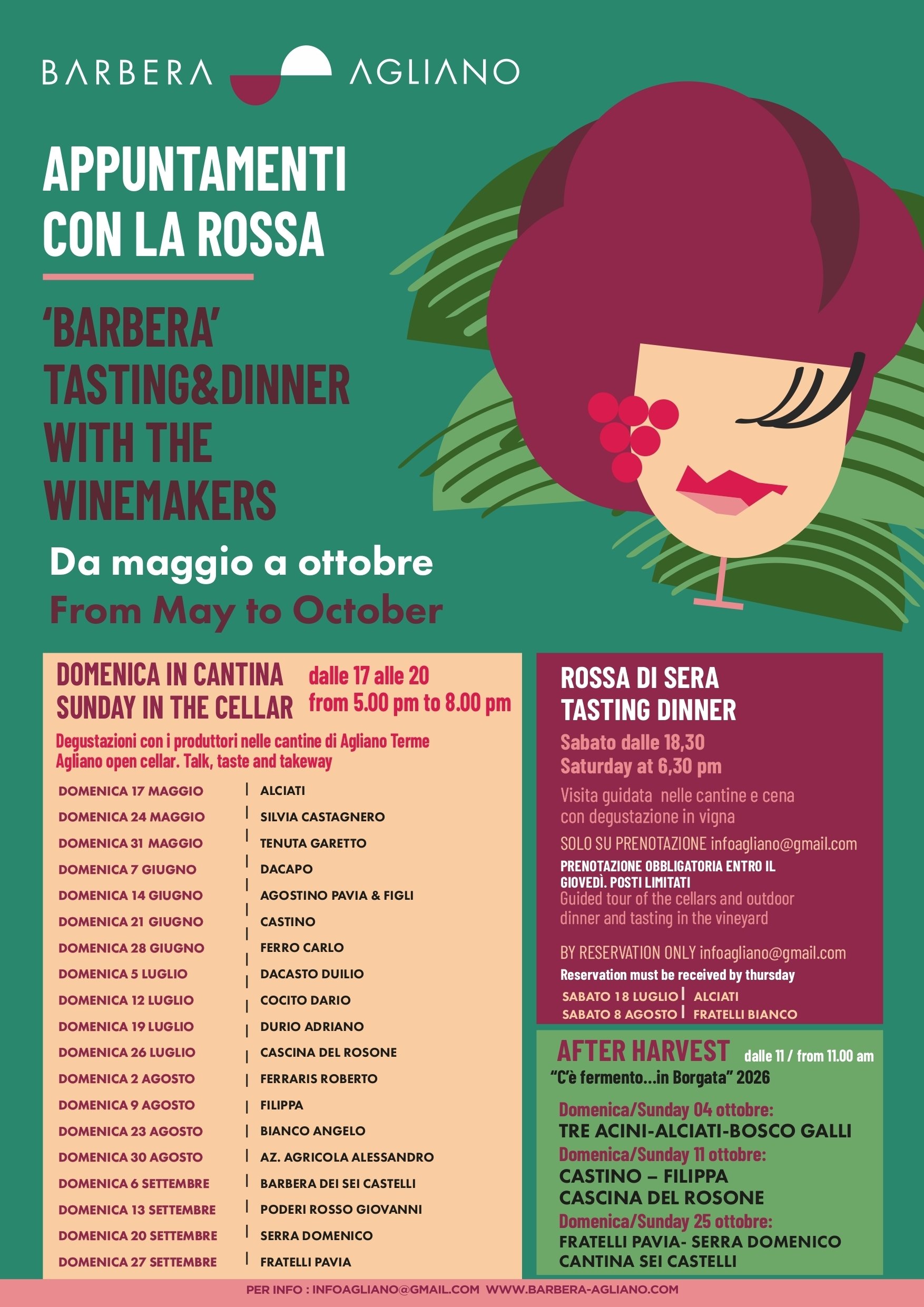
Book Bianco Angelo if Barbera d’Asti is the reason for the Agliano stop. The case is strongest around Colle San Zeno, the estate’s single-vineyard Barbera, backed by small-scale production, family continuity, sustainable viticulture, and a Falstaff listing for 2026. It is a better fit for focused wine travelers than casual drop-in tasting seekers.
Il Colle del Corsicano
San Marco Di Castellabate, Italy
Book Il Colle del Corsicano if the goal is a quiet, terroir-led Cilento winery visit with organic-leaning farming and a focused local-grape lineup. The strongest reason to go is Parmelia, the Falstaff-listed Cilento Fiano DOC, while the appointment-only format suits travelers who prefer depth over a large tasting-room setup.
Château Pontac Lynch
Margaux Cantenac, France
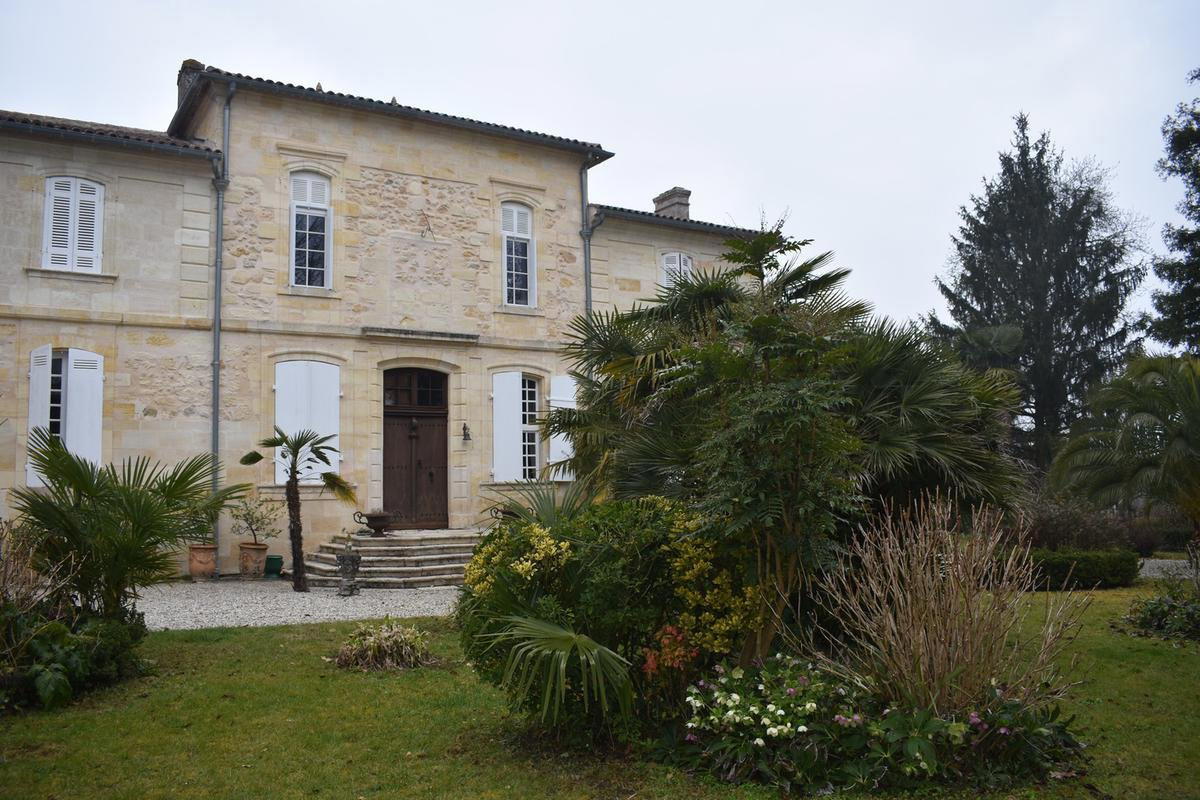
Book Château Pontac Lynch for a quiet, educational Margaux tasting with stronger value than spectacle. It is a smart fit for couples or small groups who want vineyard and cellar context at a small Cru Bourgeois estate, not a grand hospitality production or food-pairing experience.
Château Larrivet Haut-Brion
Léognan, France
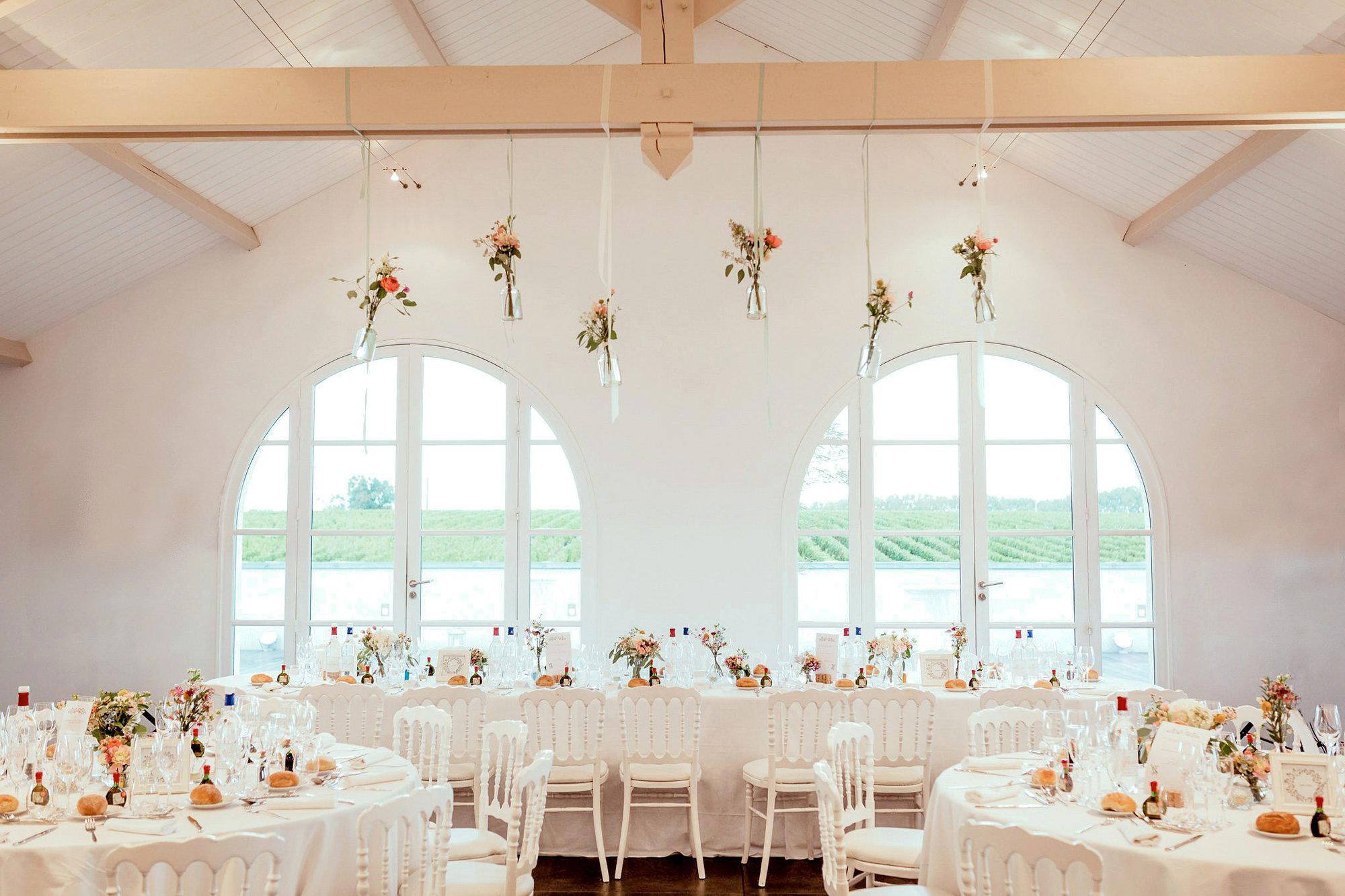
Château Larrivet Haut-Brion is worth booking if you want a polished Pessac-Léognan château visit with vineyard, cellar, and tasting context rather than a quick counter pour. The experience is strongest for couples, small groups, and business guests who value a calm estate setting and credible winemaking detail.
Gurdau Vinarstvi
Kurdejov, Czech Republic
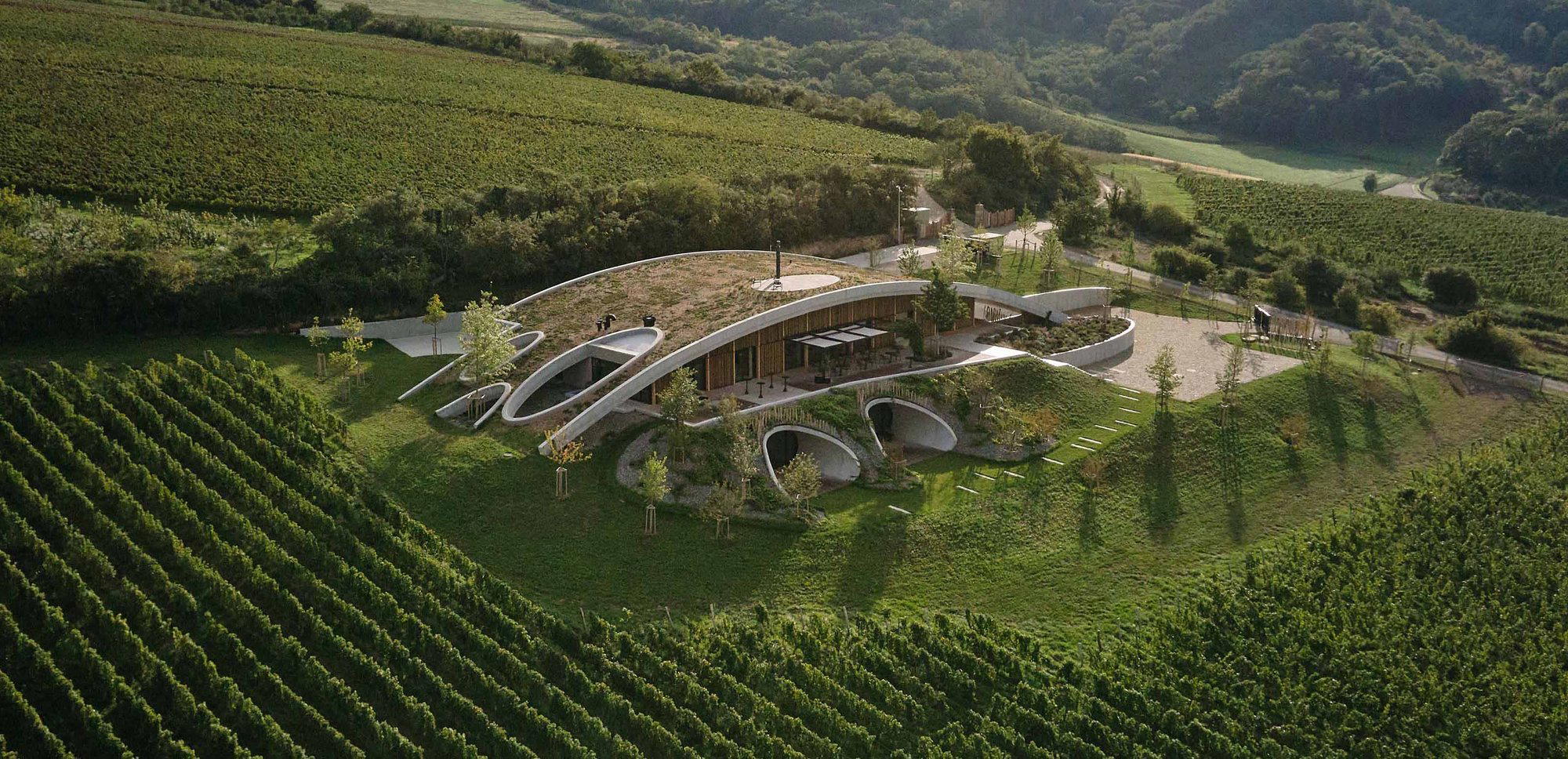
Book Gurdau Vinarstvi if the goal is a polished Moravian winery experience with contemporary architecture, vineyard views, and a credible Riesling signal. At $$$, it makes more sense for a date or celebration than for travelers seeking a low-friction tasting with every format detail published in advance.
Hof Jöhr
Weinfelden, Switzerland
Hof Jöhr is a cautious yes for visitors already planning time in Weinfelden, mainly because of its Falstaff Listed 2026 recognition. Treat it as a flexible local wine stop rather than a guaranteed private-tasting destination until format, timing, food, and pricing are confirmed.
Château L'Hermitage Lescours
Saint-Sulpice-de-Faleyrens, France
Book Château L'Hermitage Lescours if the goal is a polished Saint-Émilion-area visit with serious bottle consideration attached. The €85 Cuvée 9 is the sensible entry point, while €150–€175 flagship vintages suit collectors or special-occasion buyers. Falstaff Listed in 2026, it is strongest for heritage, cellar context, and Right Bank red wine focus.
Bodegas Malón de Echaide
Cascante, Spain
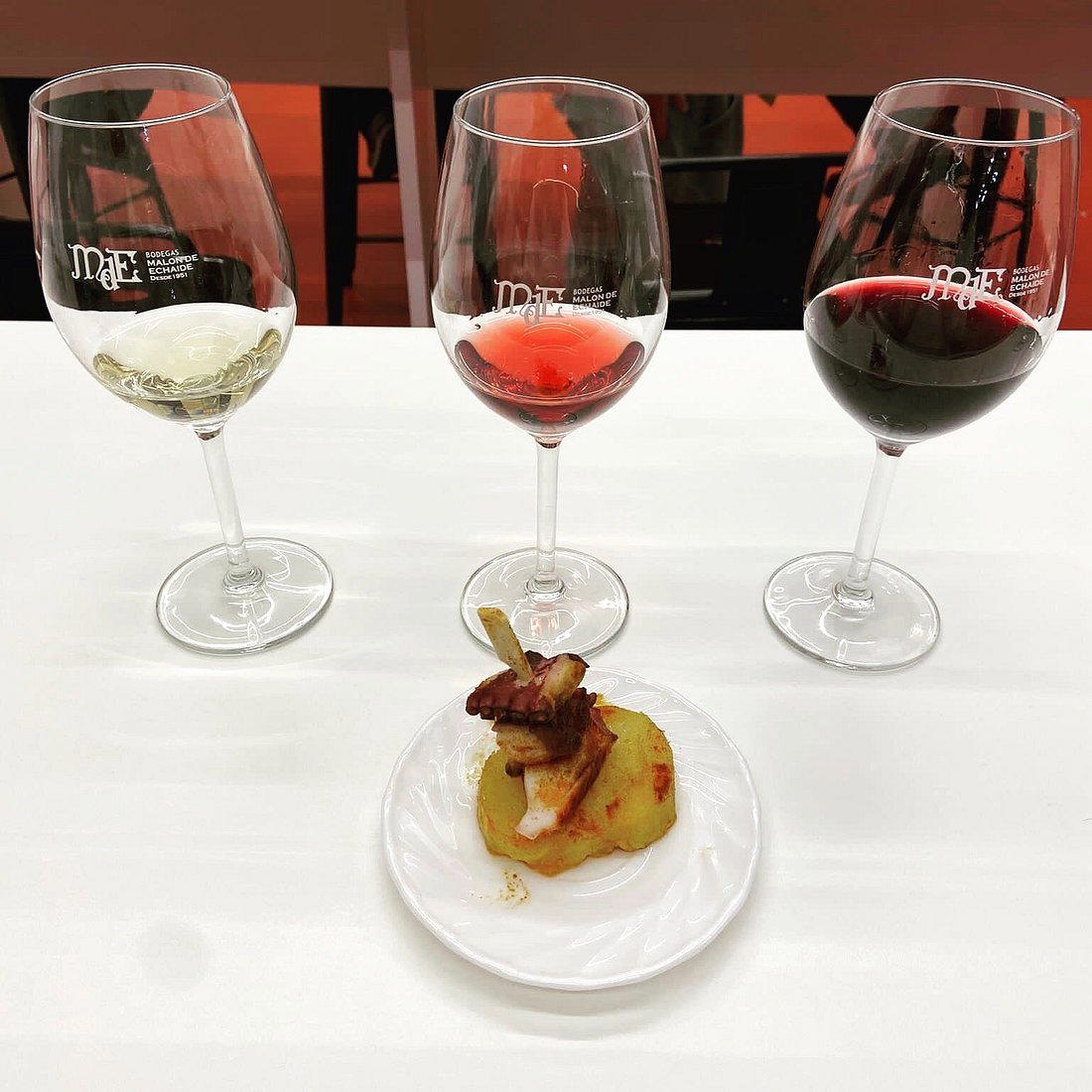
Book Bodegas Malón de Echaide if the goal is a structured Navarra winery visit with family history, cellar context and a broad tasting range. It is better for curious wine travelers than for anyone seeking a polished luxury appointment or a quick casual pour in Cascante.
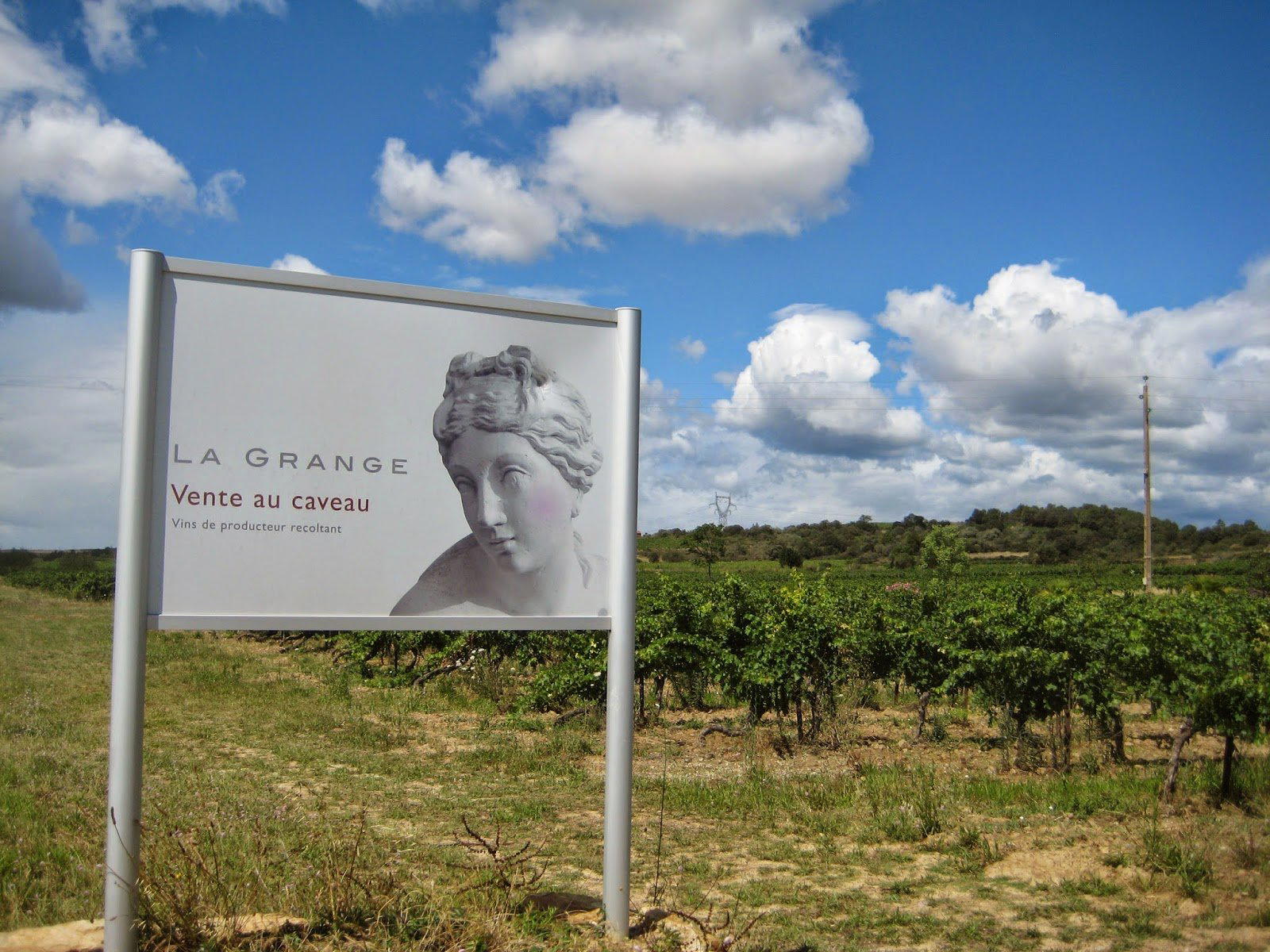
Domaine La Grange
Gabian, France
Worth visiting if the goal is a grounded Languedoc estate stop with vineyard context, mixed farming approaches, and a wide portfolio rather than a polished luxury tasting. The strongest fit is for wine travelers using Gabian as part of a slower countryside itinerary; those needing a tightly scripted tasting format should compare options first.
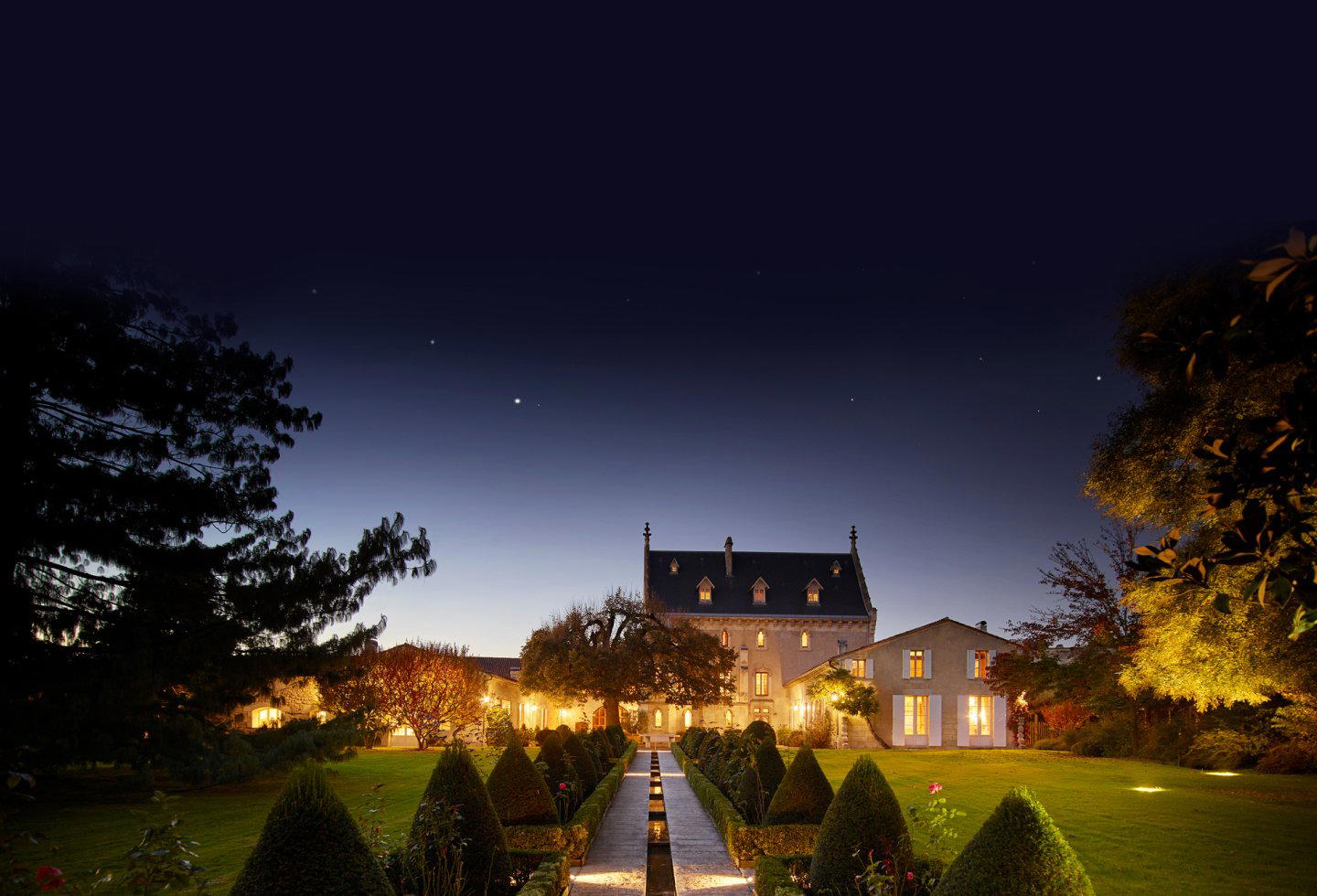
Clos la Madeleine
Saint-Émilion, France
Clos la Madeleine is worth booking for a quiet, terroir-first Saint-Émilion tasting built around a very small limestone-and-clay estate. It suits collectors and serious first-timers better than casual visitors looking for a broad hospitality program, with the strongest value case tied to bottle access and future releases after the 2019 replanting.
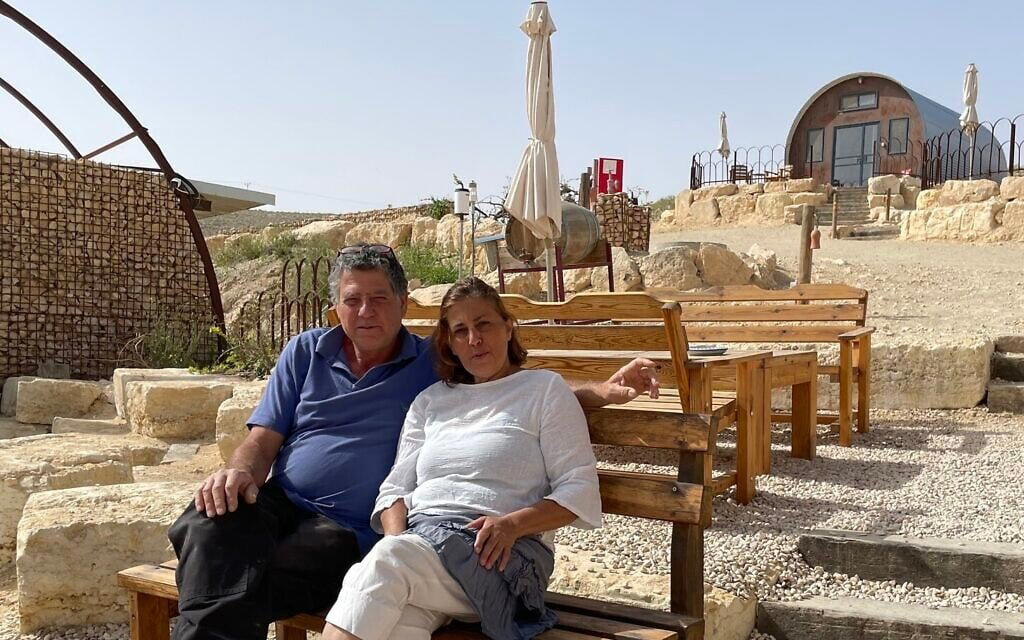
Adir Winery
Hatsafon, Israel
Adir Winery is worth booking for an easy Upper Galilee tasting built around vineyard views, casual seating, and wine-and-cheese hospitality. The value is strong at $10 per person, especially for couples, families, and wine-curious travelers who want a relaxed stop with Falstaff Listed recognition rather than a formal collector-focused visit.
Château Lestrille
Saint Germain Du Puch, France
Book Château Lestrille for a relaxed, educational Entre-deux-Mers tasting that works well for dates, small celebrations, and mixed wine-knowledge groups. The draw is regional breadth across white, rosé, red, clairet, and Crémant de Bordeaux, backed by organic, HVE, Bee Friendly, and Vigneron Indépendant credentials.
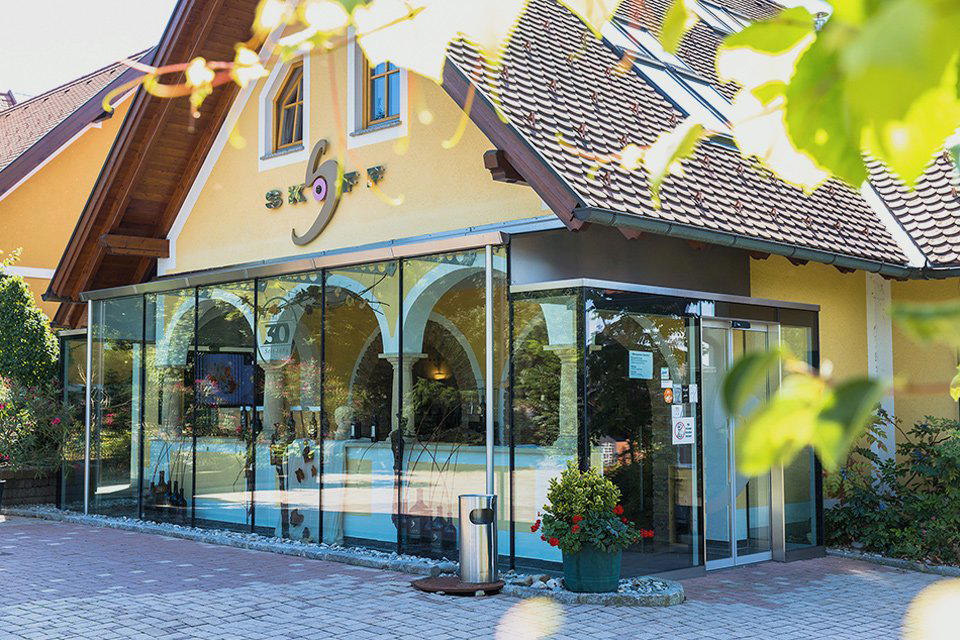
Weingut Walter Skoff
Gamlitz, Austria
Weingut Walter Skoff is the Gamlitz pick for travelers planning a serious South Styrian winery day rather than a casual walk-in. Its Pearl 2 Star Prestige recognition in 2025 makes it a stronger special-occasion anchor than a filler stop, but the practical move is to plan ahead and compare nearby Gamlitz peers if flexibility matters.
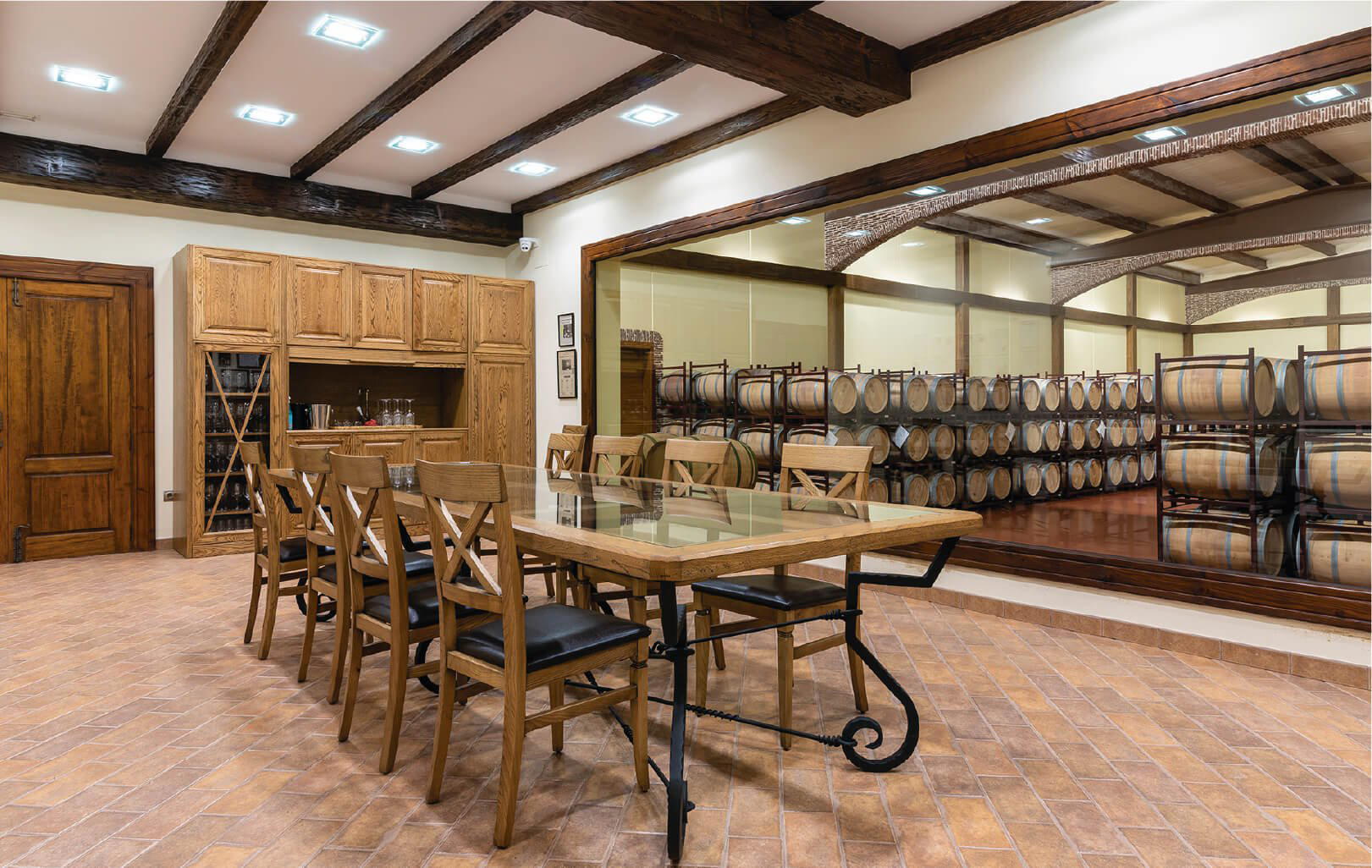
Bodegas Bleda S.L.
Jumilla Murcia, Spain
Book Bodegas Bleda S.L. if you want a calm, appointment-only Jumilla winery visit focused on Monastrell, estate vineyards and family continuity. The value is strongest for travelers who want context around DO Jumilla rather than a luxury hospitality showpiece; Falstaff 1 Star recognition in 2026 adds a useful quality signal.
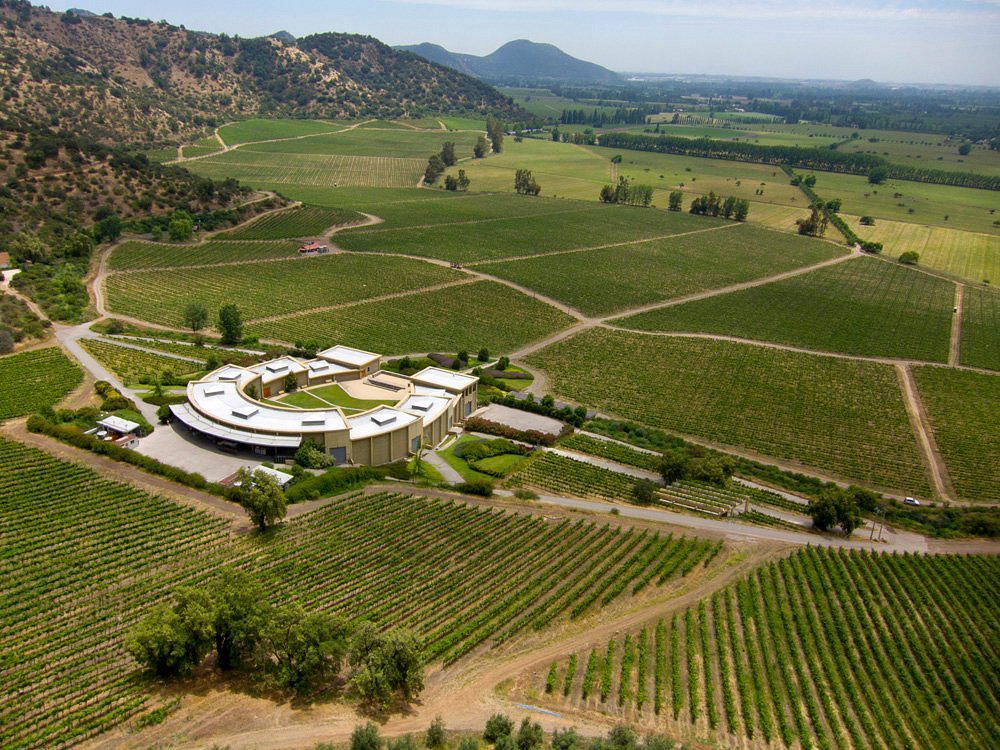
Haras de Pirque
Pirque, Chile
Haras de Pirque is worth prioritizing for a focused Pirque wine day, especially if the goal is quality over a long list of cellar-door stops. Booking difficulty is the main caution, so plan around it early and keep Viña Concha y Toro or Viña El Principal as practical alternatives nearby.
Albaino Sagl
Novazzano, Switzerland
Albaino Sagl works as a focused Novazzano winery stop if the priority is a recognized Ticino producer rather than a fully documented tasting format. Its 2026 Falstaff listing is the key trust signal; confirm timing, tasting structure, group fit, and shipping before building a day around it.
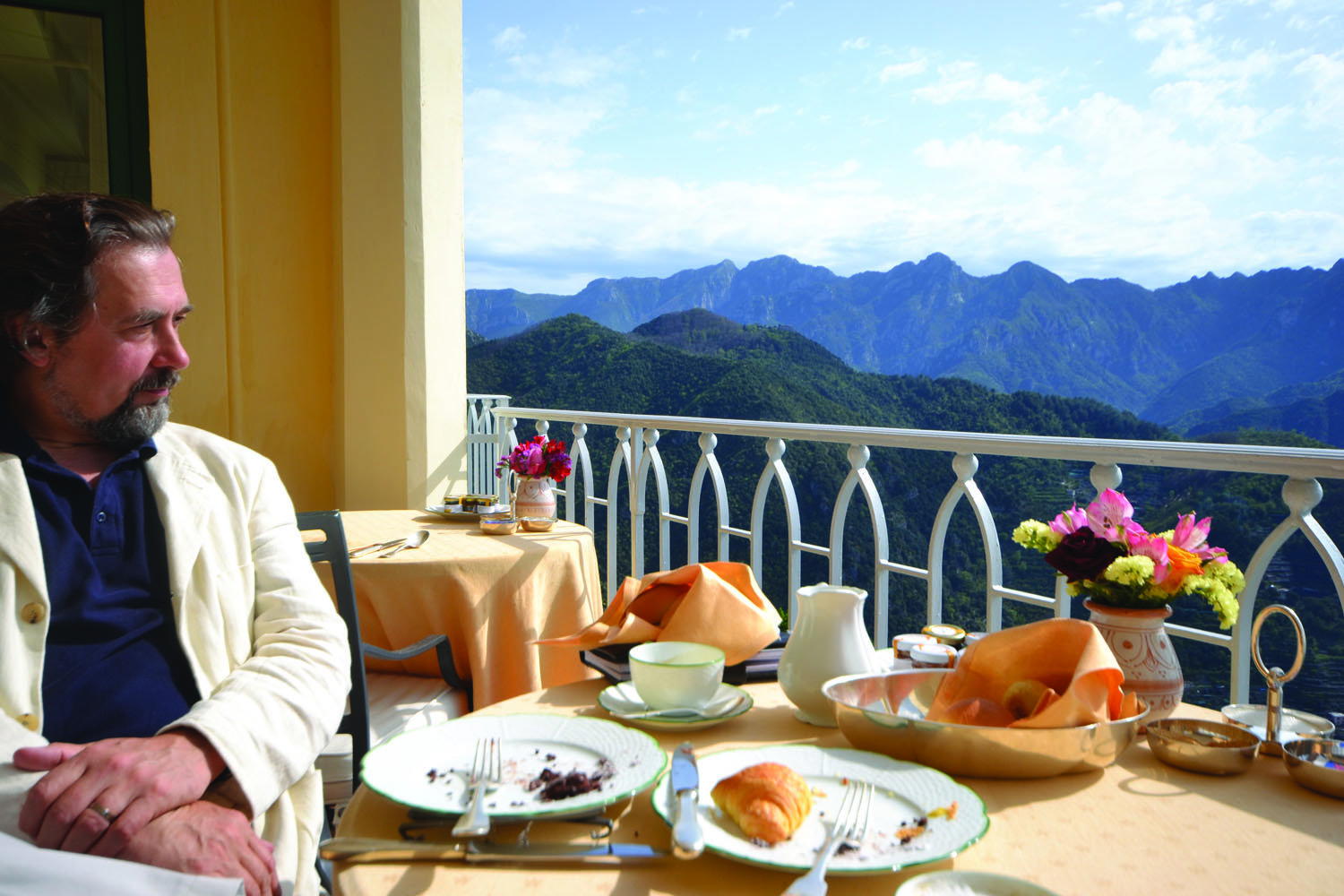
Abbazia di Crapolla
Neapel, Italy
Abbazia di Crapolla works as a flexible Neapel wine stop, not as a fully planned premium tasting anchor. Falstaff Listed recognition for 2026 gives it credibility, but sparse public details mean it suits travelers who are comfortable building a broader Campania wine day around looser logistics.
FROMM Winery
Blenheim, New Zealand
Prioritise FROMM Winery if the goal is a serious, quieter Marlborough tasting built around heritage rather than hospitality extras. Its appeal is the Swiss-influenced founding story, Southern Valleys setting, Pinot Noir history, and Falstaff 5 Stars recognition for 2026; skip it if the day needs food service, large-group ease, or a casual drop-in format.
Fellbacher Weingärtner
Fellbach, Germany
Book Fellbacher Weingärtner if you want a relaxed, range-driven introduction to Württemberg wine rather than a hushed boutique tasting. The cooperative format, vinothek, seasonal pours, and small snacks make it especially useful for choosing bottles to drink with food around Fellbach.
Accademia dei Racemi
Manduria, Italy
Accademia dei Racemi is a good fit for a focused Manduria wine stop, especially if the occasion is built around tasting rather than a full hospitality program. Book only after confirming the visit format, since public details on food, hours, and group handling are not part of the core listing.
Matteo Correggia
Canale D Alba, Italy
Matteo Correggia is a sensible shortlist pick for wine travellers using Canale d’Alba as a Roero base, especially if regional context matters more than a highly packaged visitor format. Falstaff Listed (2026) recognition gives it a useful external signal, but plan around Canale d’Alba first because public visitor details are sparse.
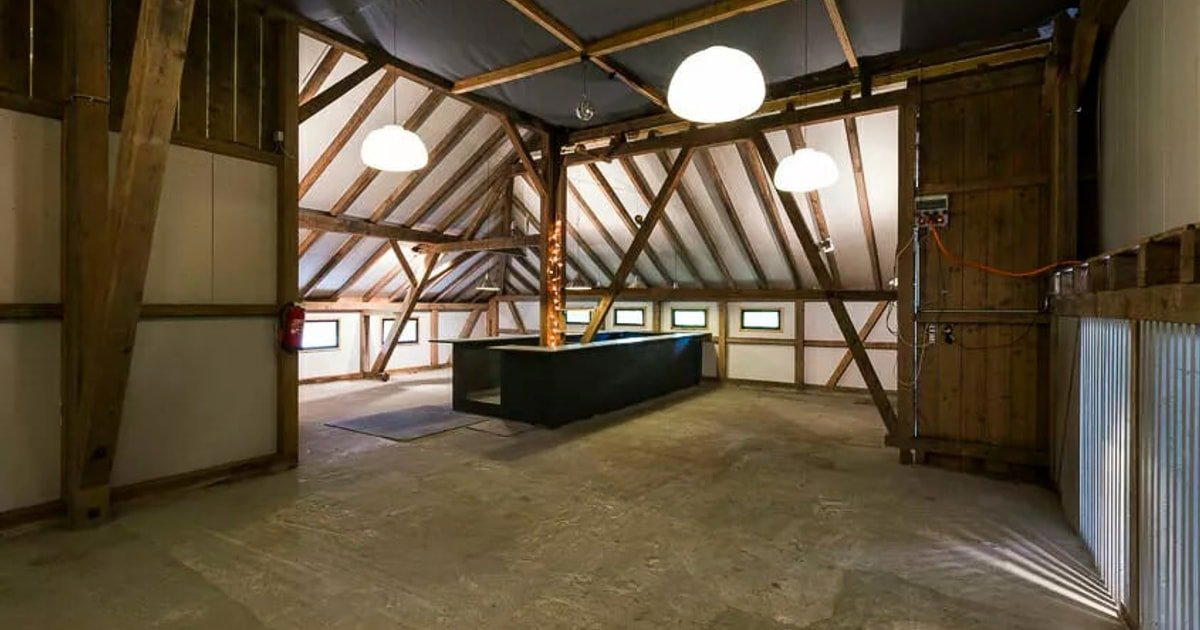
Buurehöfli
Kleinandelfingen, Switzerland
Book Buurehöfli if the setting matters: it is a working farm and winery-linked event barn in Kleinandelfingen with a relaxed countryside feel and space for larger celebrations. It is less compelling for diners seeking a formal restaurant or tightly structured collector tasting, but strong for groups who want Zurich-region wine culture in a rustic farm setting.
Château Haut-Mayne
Bonneville Et St Avit De Fumadieres, France
Dried-apple, pear, and nutty notes are the hook here. Château Haut-Mayne is a focused Sainte-Croix-du-Mont choice for sweet white Bordeaux drinkers who care about botrytis, hand harvesting, and barrel fermentation more than a broad tasting lineup. Worth targeting for a specialist bottle; less useful for groups wanting variety.
Bodegas Alión
Penafiel Padilla De Duero, Spain
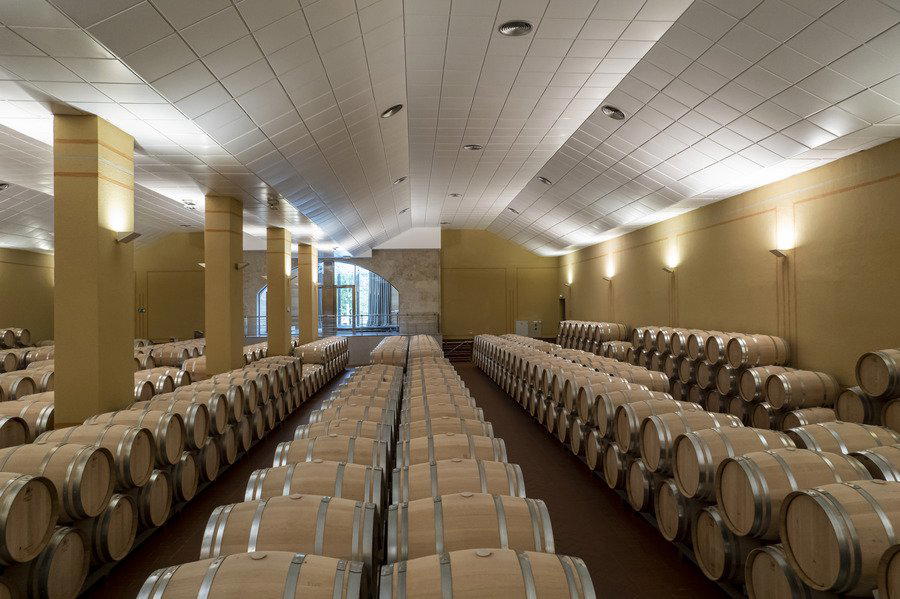
Book Bodegas Alión only if the trip is centered on serious Ribera del Duero wine rather than casual tasting-room flexibility. Its Falstaff 5 Stars recognition gives it a strong quality signal for collectors, couples, and business guests planning around Peñafiel, but visitors should treat it as a focused winery appointment, not a food or nightlife substitute.
Casa Morandé
Santiago, Chile
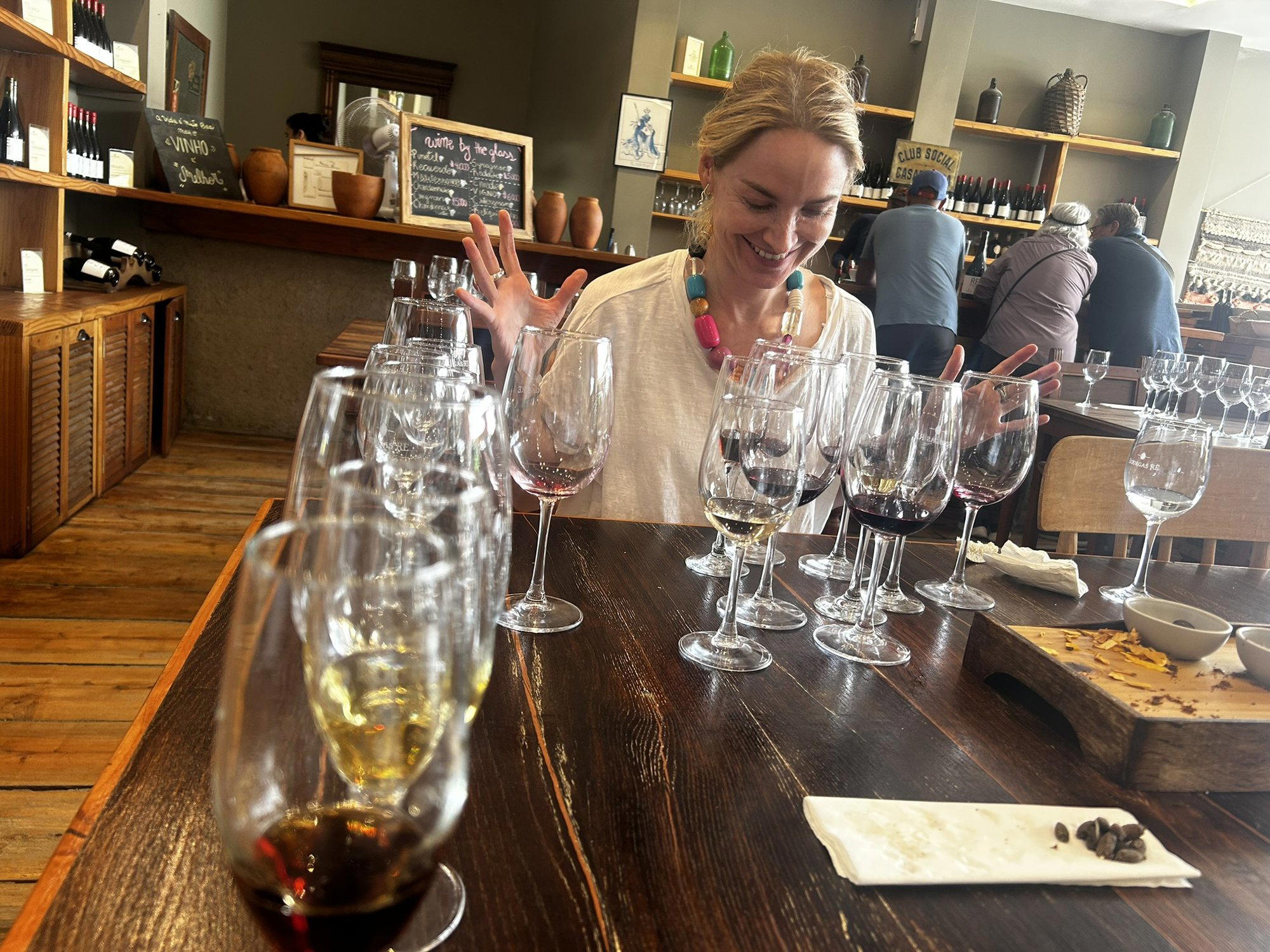
Casa Morandé is a smart Santiago pick for a polished urban tasting rather than a full rural winery day. At $$ and Falstaff Listed for 2026, it works well for dates, small celebrations, or business-friendly wine plans where access and portfolio range matter more than vineyard scenery.
Cantine Fontezoppa
Civitanova Marche, Italy
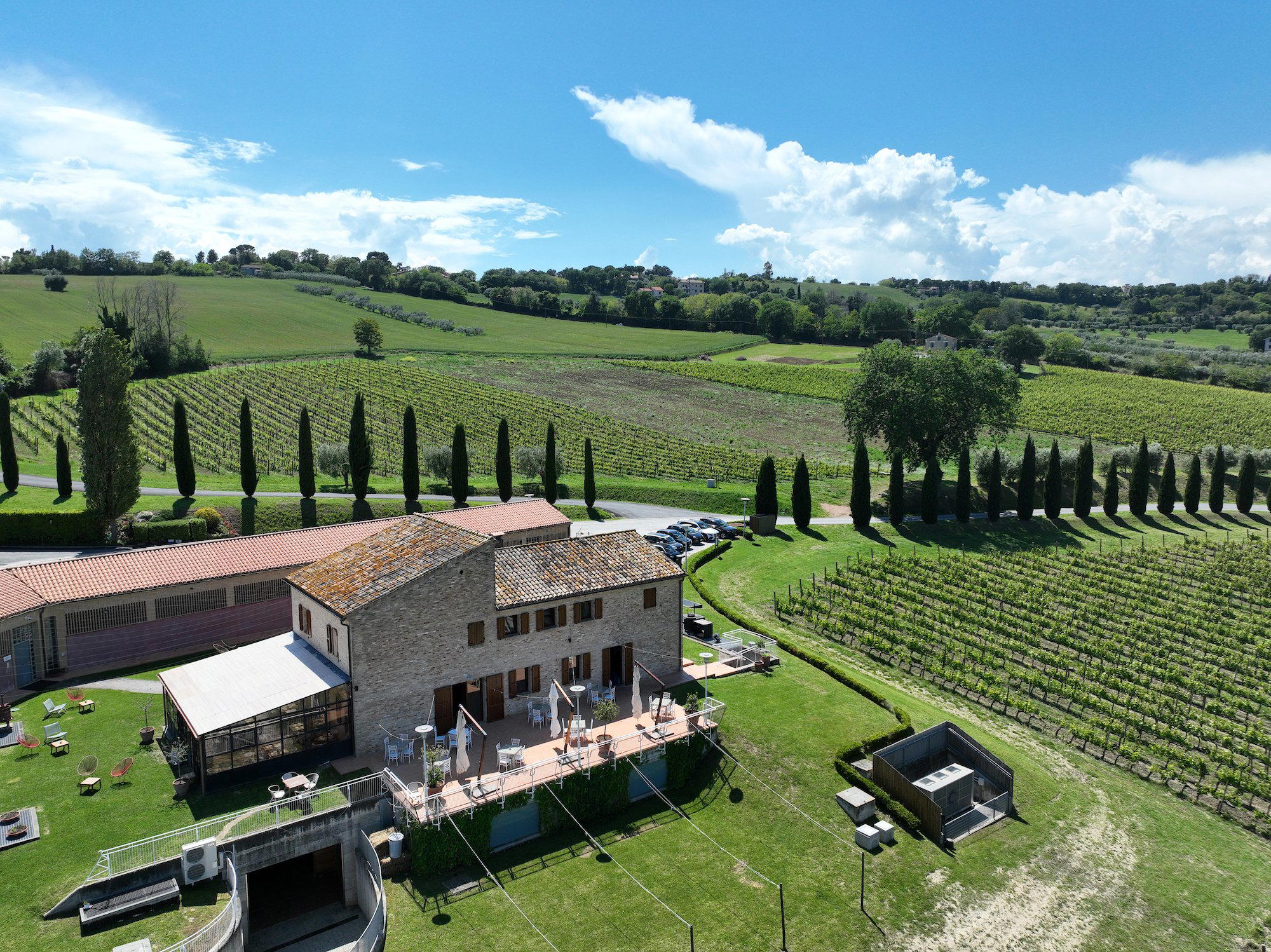
Book Cantine Fontezoppa if the goal is a relaxed Marche winery visit with clear terroir context rather than a polished luxury tasting. The draw is its position between the Adriatic and the Sibillini Mountains, its mix of local grapes, and a hospitality setup that can extend into food or an overnight stay.
Weingut Emrich-Schönleber
Monzingen, Germany
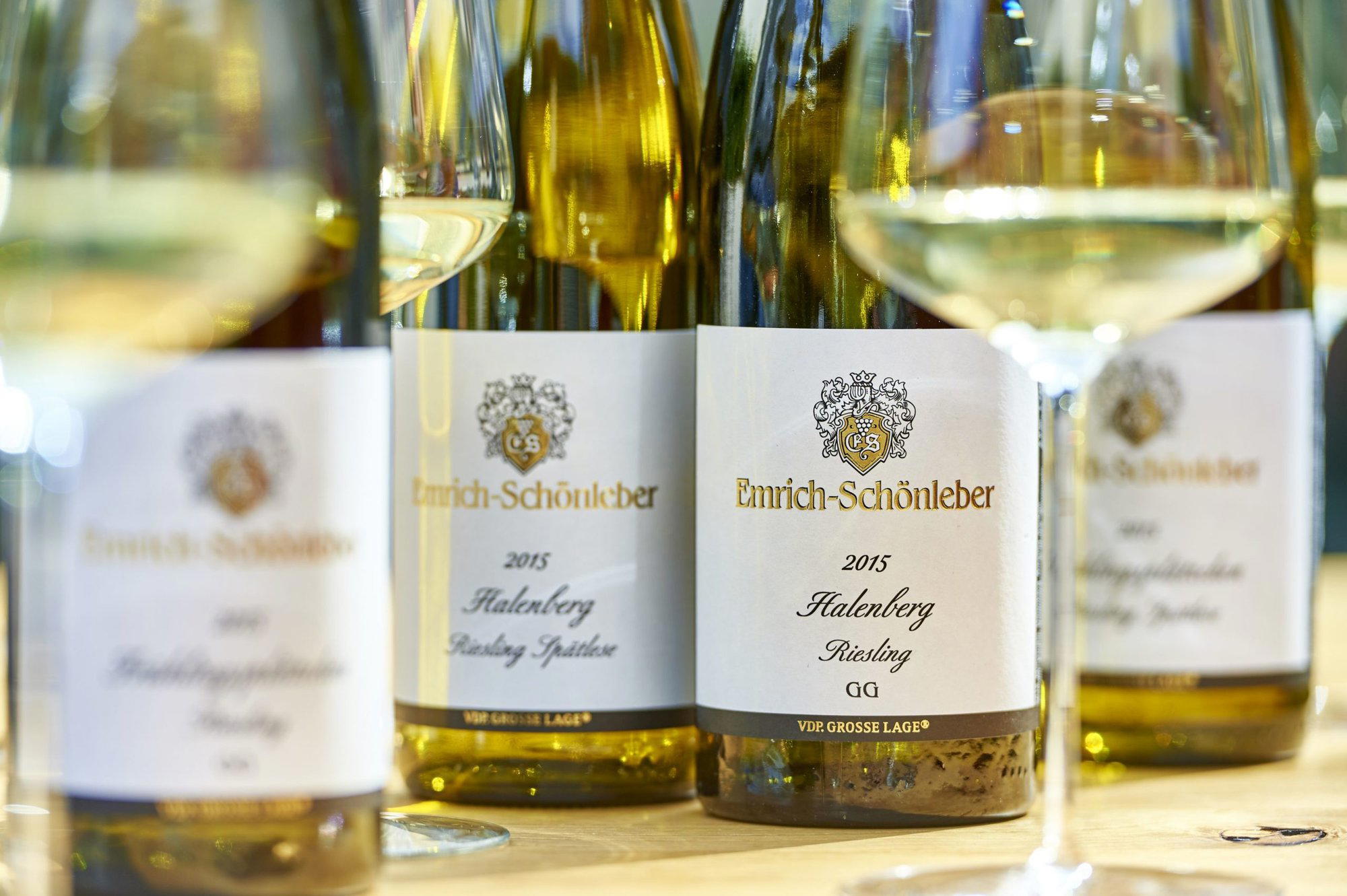
Prioritise Weingut Emrich-Schönleber if the goal is a serious Nahe wine stop in Monzingen rather than a casual tasting-room day. The setting is village-focused and better for travelers who care about regional context; skip it if the group needs food service, flexible timing, or an easy large-group format.
Clementi
Marano Valpolicella, Italy
Book Clementi if the goal is a serious, traditional Valpolicella visit rather than a polished wine-tourism stop. The draw is Marano altitude, estate-grown fruit, natural fermentations, and long-aged Amarone, especially for travelers who want context behind the glass rather than a staged tasting experience.
Château Le Moulin
Pomerol, France
Château Le Moulin is worth targeting for a focused Pomerol wine visit, especially for a celebration or collector-led itinerary. Falstaff 2 Stars in 2026 gives it a clear recognition signal, but the practical value depends on securing access and keeping the day intentionally paced rather than trying to turn Pomerol into a rapid multi-stop tasting route.
Cave de la Lacha
Chamoson, Switzerland
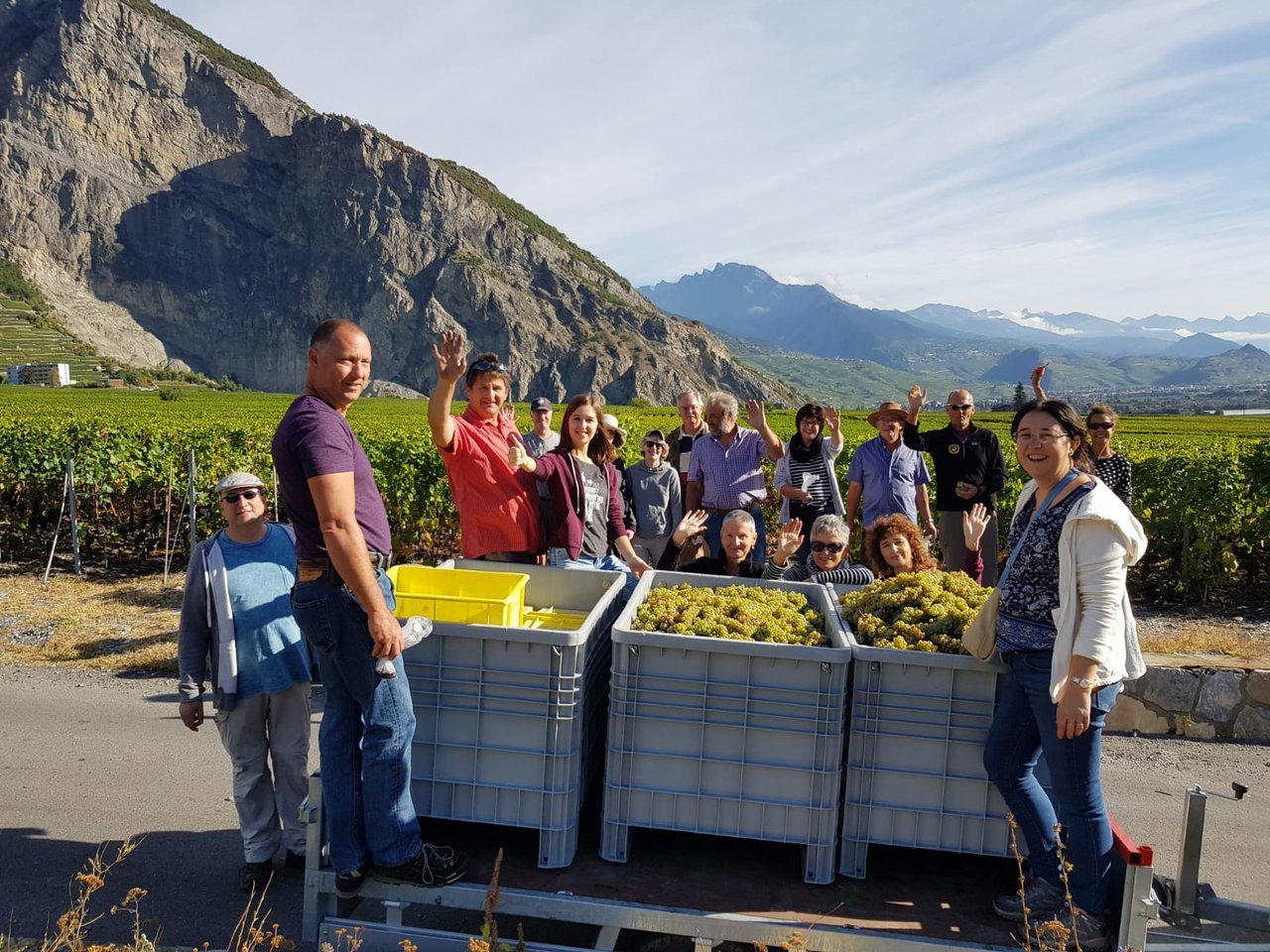
Cave de la Lacha is worth arranging for a small-scale Chamoson tasting focused on Valais grape diversity and sustainable vineyard work. It suits curious wine travelers better than large groups or visitors seeking polished facilities, with the strongest appeal coming from its family-estate scale, 1978 roots, Vitival standards, and broad regional portfolio.
Fruitière Vinicole de Voiteur
Voiteur, France
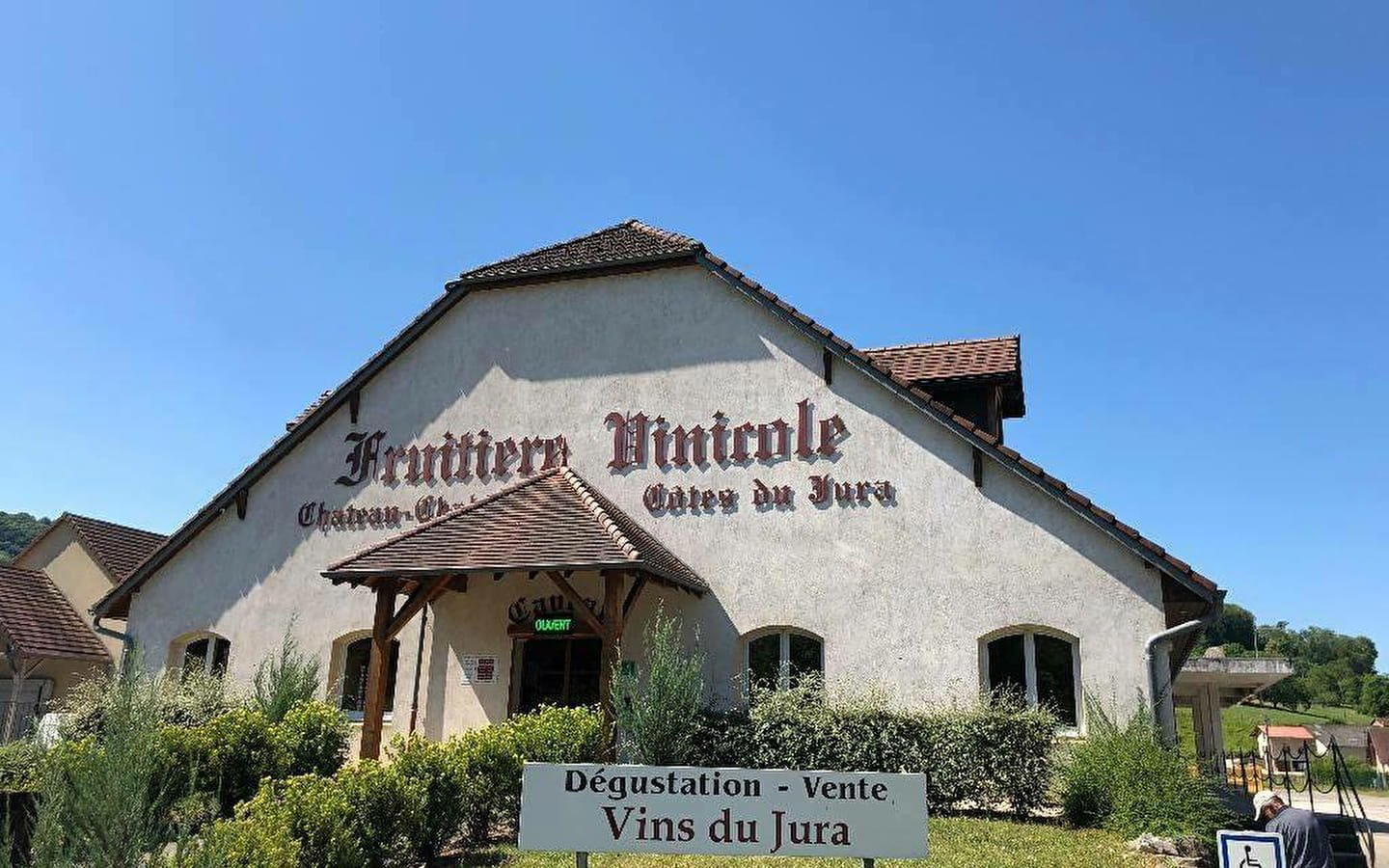
Worth visiting if the goal is an easy, practical Jura wine stop rather than a long food-and-wine experience. Fruitière Vinicole de Voiteur is a cooperative caveau focused on tasting and buying regional AOC wines, with Chardonnay, Savagnin, Vin Jaune, Château-Chalon, Côtes du Jura, and L’Étoile in the confirmed portfolio.
How many of these have you visited?
Find out on Pearl and keep score across every place in 2026 Falstaff Winery Guide.