
Weingut Emrich-Schönleber
Monzingen
Winery in Monzingen, Germany
 Book with Pearl
The Read
Upper Nahe Terroir Precision
Price
$30–50tasting
Why go
Prioritise Weingut Emrich-Schönleber if the goal is a serious Nahe wine stop in Monzingen rather than a casual tasting-room day. The setting is village-focused and better for travelers who care about regional context; skip it if the group needs food service, flexible timing, or an easy large-group format.
About Weingut Emrich-Schönleber
Weingut Emrich-Schönleber is a Monzingen venue with Pearl 2 Star Prestige recognition for 2025.
The confirmed dress code is smart casual. That makes the venue best approached with a polished but relaxed standard, rather than as a formal-dress occasion or a casual drop-in where every practical detail is already known.
Choose it for a focused Monzingen stop
The strongest reason to consider Weingut Emrich-Schönleber is its 2025 Pearl 2 Star Prestige recognition. Build plans around what is known, and verify the operational details directly before making the trip.
If you are comparing options, keep the comparison narrow and relevant. Weingut Emrich-Schönleber can be considered alongside Gut Hermannsberg, Weingut Hermann Dönnhoff, Weingut Jakob Schneider, Weingut Prinz Salm, and Weingut Schäfer-Fröhlich. For dining or other travel needs in Monzingen, use current local information rather than assuming services from this listing.
How to build the right comparison day
A sensible plan is to treat Weingut Emrich-Schönleber as one confirmed Monzingen anchor, then compare it with one or two relevant names rather than overloading the day. Gut Hermannsberg, Weingut Hermann Dönnhoff, Weingut Jakob Schneider, Weingut Prinz Salm, and Weingut Schäfer-Fröhlich are the appropriate named references here.
Because practical details are limited, avoid building an itinerary around assumptions. Confirm any visit timing, purchase options, shipping arrangements, food availability, or group arrangements directly with the venue before you rely on them.
Planning details
- Location
- Soonwaldstraße 10a, 55569 Monzingen
- Website
- emrich-schoenleber.de/de
- Phone
- +49 6751 2733
The take
The Take
The Vibe
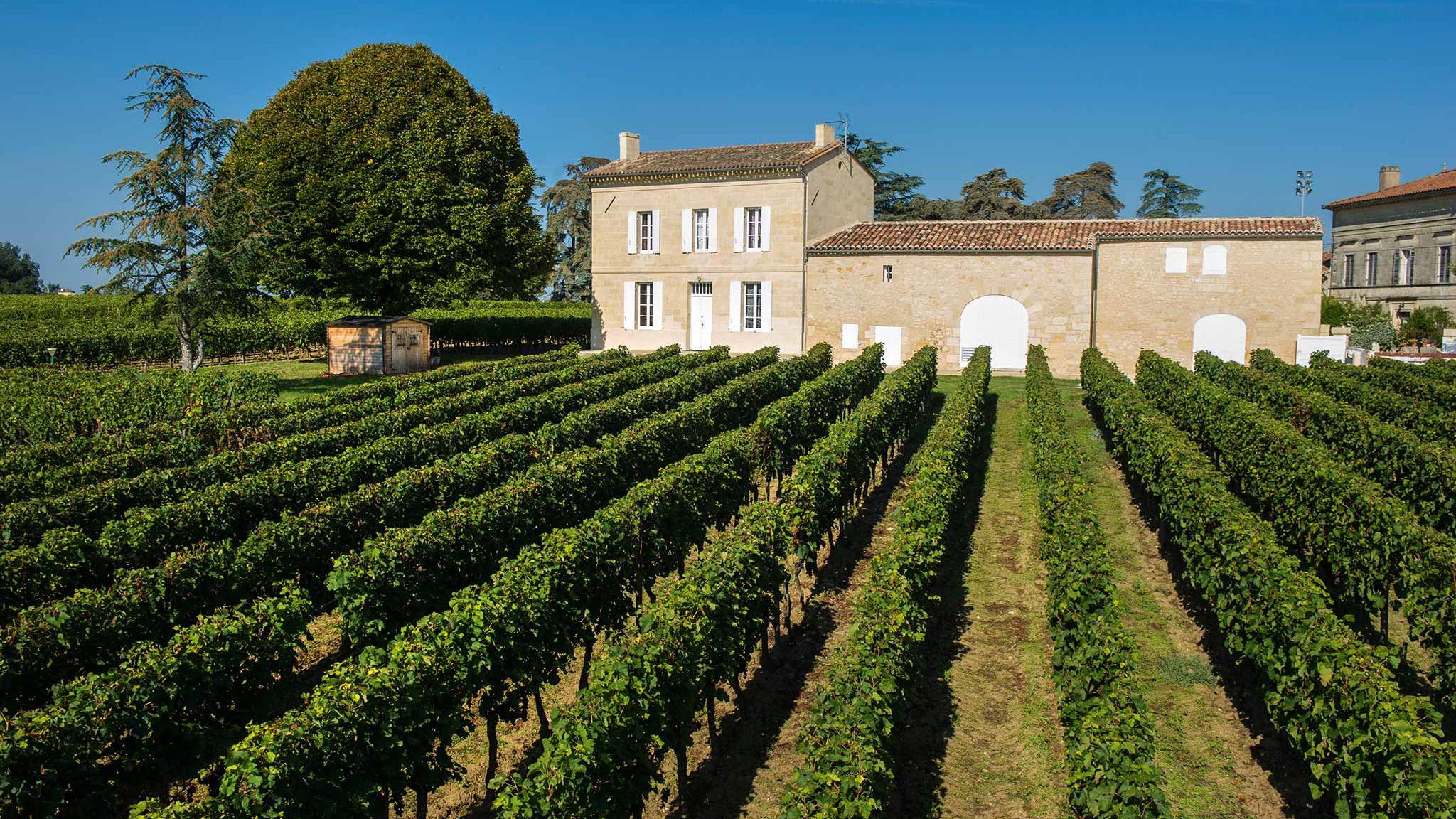
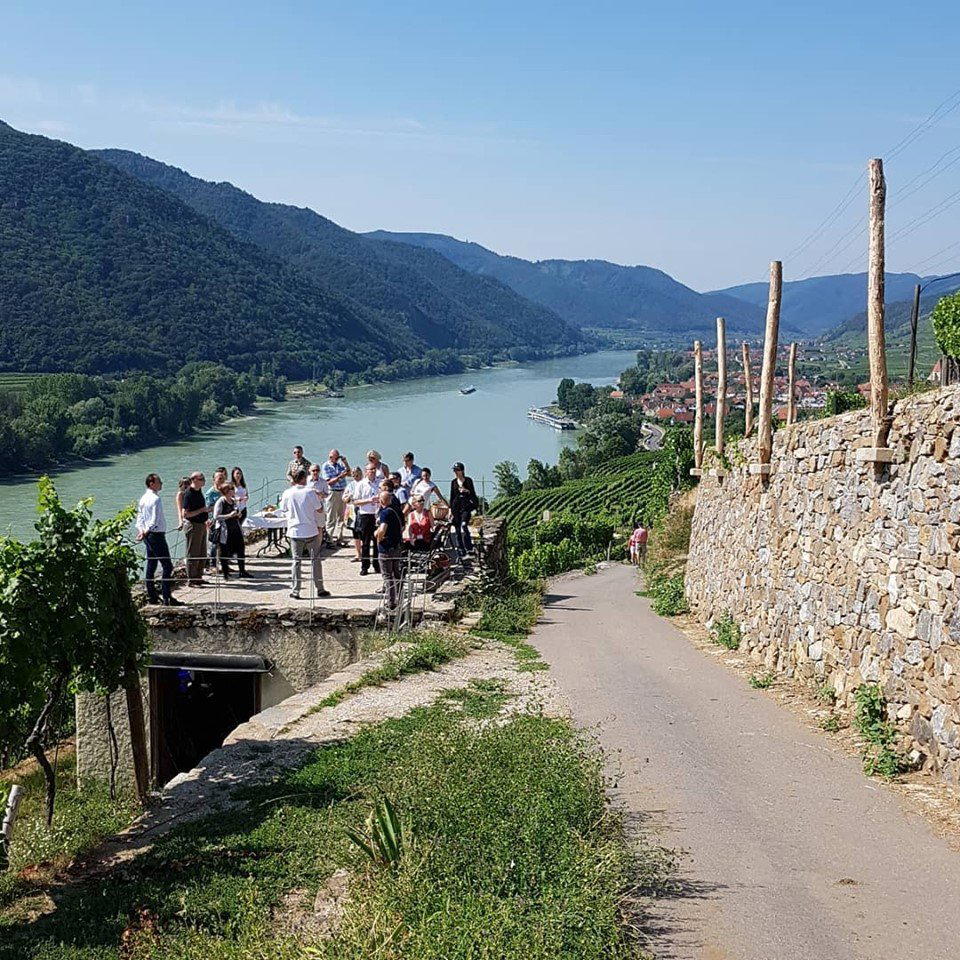
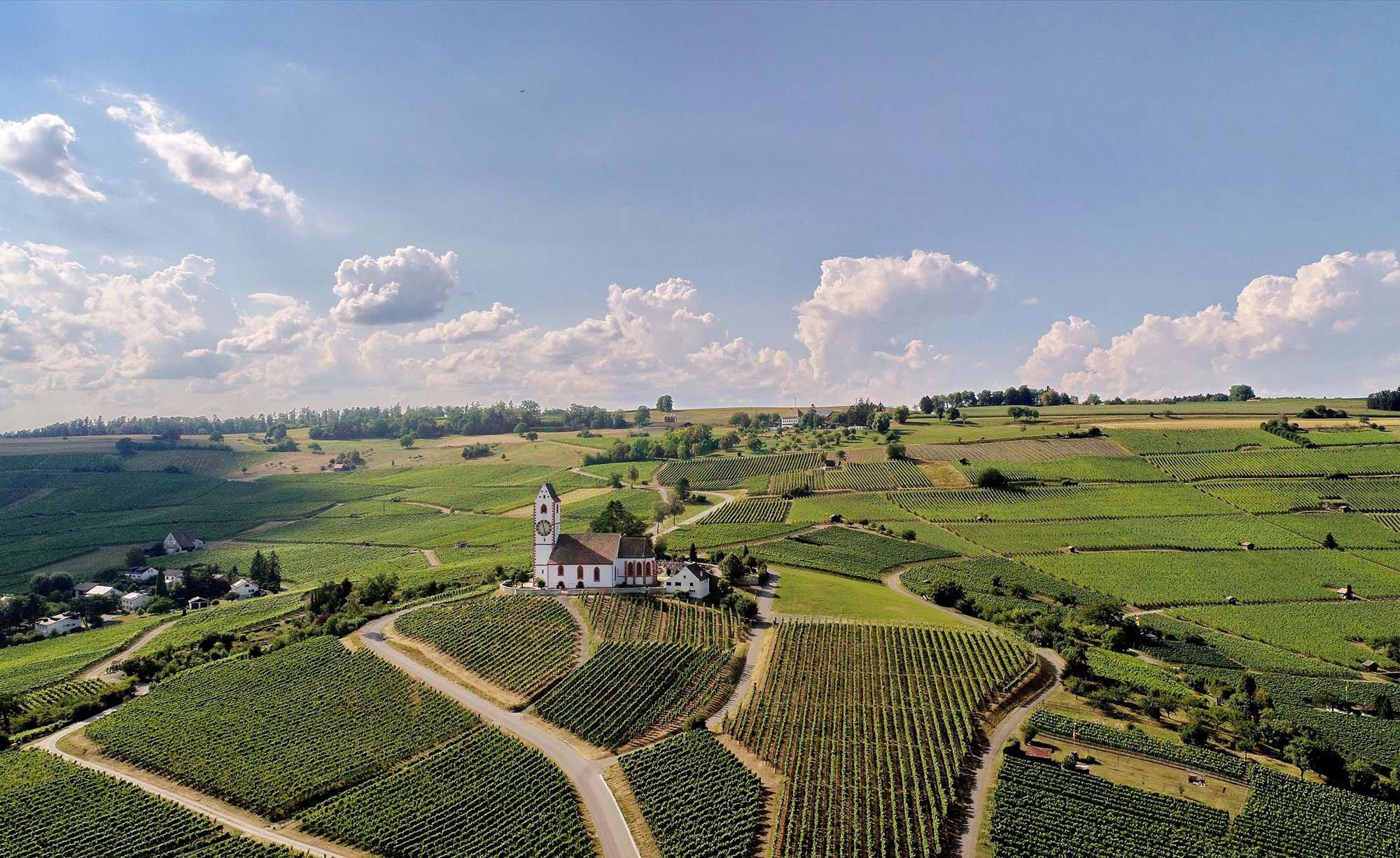
Weingut Emrich-Schönleber presents itself as a quietly authoritative address for Riesling in the Nahe. The writing emphasizes an understated, agricultural approach: there are forested hillsides, heterogeneous soils, and named single-vineyard sites rather than spectacle. That restraint reads as refinement; the estate’s recent Pearl recognition and the discussion of geological nuance position the winery as sophisticated and deliberate. Visitors encounter a measured, serene environment where terroir is the central argument—tasting here feels like an exercise in close listening to site expression rather than a theatrical tasting room experience.
Best For
This estate is best for wine-focused visitors who care about terroir-driven Riesling and collectors looking for expressions of distinct soils. The copy repeatedly addresses "visitors and collectors" and frames the Nahe as a region that "rewards the effort of attention," so travelers who enjoy studying vineyard differences, single-site bottlings, and the intellectual side of Riesling will get the most from a visit. It also suits people seeking a low-key, refined winery stop rather than a high-volume tourist attraction.
Tasting Tips
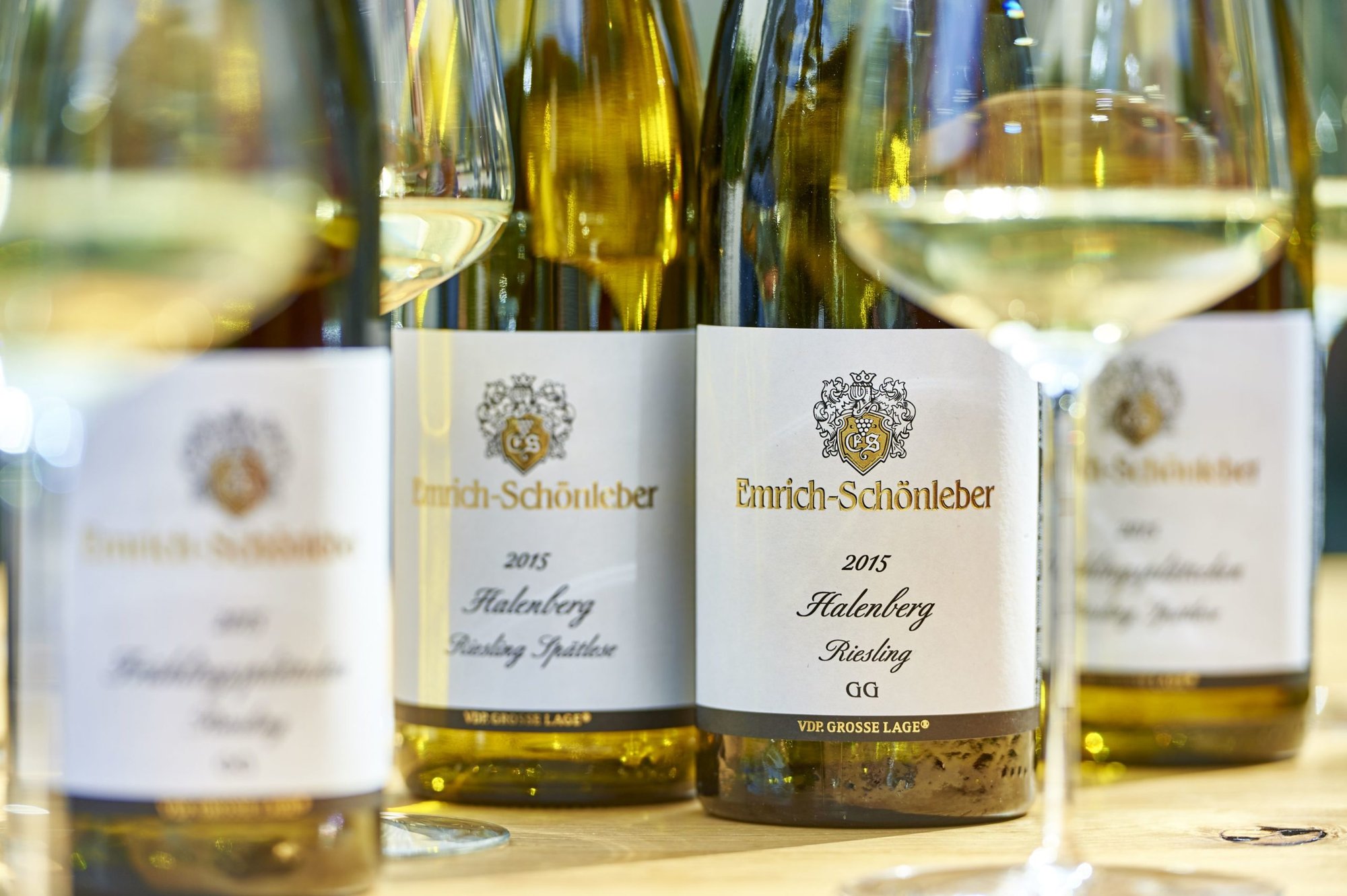
When tasting or selecting bottles, prioritize single-vineyard Rieslings and those named for Monzingen sites—Halenberg and Frühlingsplätzchen are called out for contrasting soils and character. The text highlights quartzite-driven "flinty nerve" versus volcanic-influenced textural weight, so ask to compare examples that showcase those differences. Note the estate’s recent Pearl 2 Star Prestige recognition as a mark of quality when considering purchases. Approach tastings with attention and patience: the estate rewards careful listening to how terroir shapes Riesling.
Venue details
Ambiance
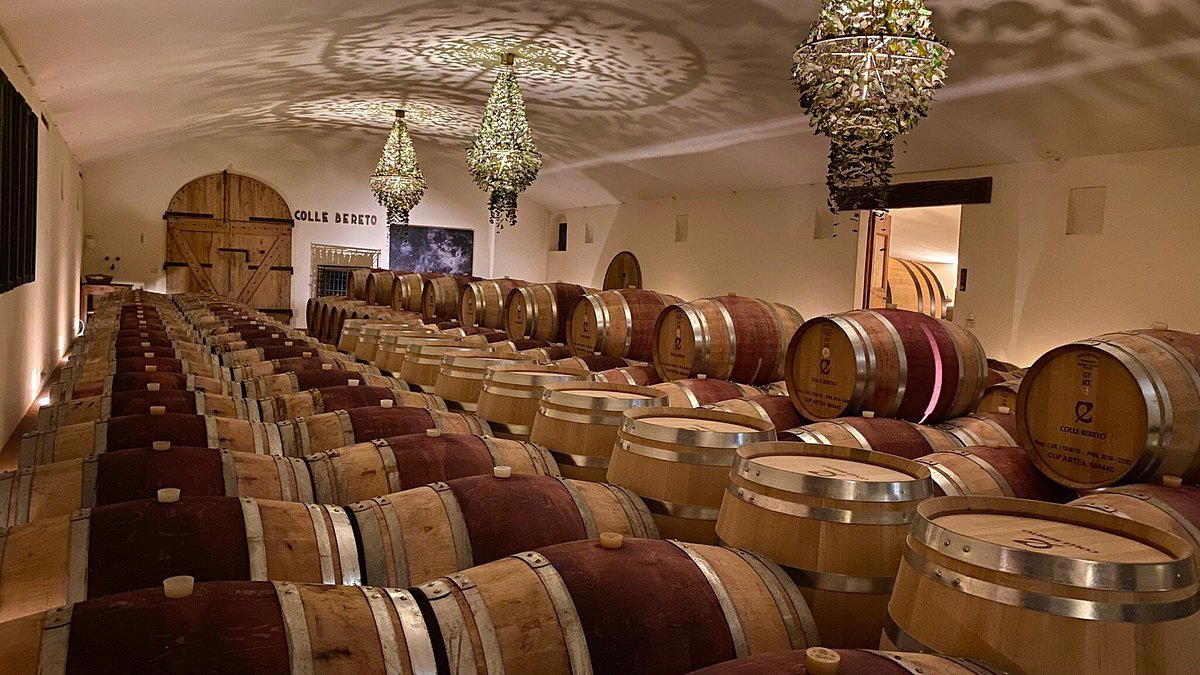
Historic family winery with traditional German charm, featuring steep vineyard slopes and intimate tasting spaces that reflect the estate's commitment to authenticity and character-driven wines.
Tags
Vibe
Best For
Experience
Sourcing
View
At the Vineyard
- Appellation
- Nahe
- Varietals
- Riesling, Grauburgunder, Weissburgunder, Müller-Thurgau
- Tour Duration
- 90-120 minutes
- Tour Languages
- German, English
- Visits
- By appointment only
- Farming
- Sustainable
- Wine Styles
- Still White, Still Red
- Shipping
- Available
- Wine Club
- Not available
Know before you go
Know Before You Go
- Getting there
- Soonwaldstraße 10a, 55569 Monzingen
Planning details
Location
Recognition and awards

Also consider
Also Consider
- Weingut Schäfer-Fröhlich, Notable alternative
- Gut Hermannsberg, Notable alternative
- Weingut Hermann Dönnhoff, Notable alternative
- Weingut Jakob Schneider, Notable alternative
- Weingut Prinz Salm, Notable alternative
Winery context
How It Compares
For a Monzingen-led Nahe itinerary, Weingut Schäfer-Fröhlich is the obvious cross-shop if the priority is producer reputation and a tightly focused wine day. Weingut Emrich-Schönleber is the better fit when Monzingen itself is the anchor and the visit is about understanding one village in depth; Schäfer-Fröhlich makes more sense if the trip is built around a broader regional comparison and the group is willing to work harder around access.
Gut Hermannsberg is the stronger alternative for travelers who want a more estate-driven sense of place, while Weingut Hermann Dönnhoff is the peer to consider when the benchmark producer comparison matters more than staying close to Monzingen. If ambiance means grounds, views, and a clearer visitor frame, Gut Hermannsberg is the safer pick; if the day is about wine depth with fewer distractions, keep Emrich-Schönleber high on the list.
For easier planning, Weingut Jakob Schneider and Weingut Prinz Salm are worth checking when flexibility matters more than chasing the hardest appointment. Emrich-Schönleber is the choice for a focused enthusiast itinerary; Schneider and Prinz Salm are more practical fallbacks if the group needs a smoother schedule or a less demanding booking plan.
Explore Monzingen
Around this place
Discover more on Pearl
Unlock the full Weingut Emrich-Schönleber guide in Pearl, including awards, comparisons, FAQs, planning details, and nearby places.
Compare Weingut Emrich-Schönleber
| Venue | Location | Awards |
|---|---|---|
| Weingut Emrich-Schönleber | Monzingen | 2026 Falstaff Winery Guide |
| Weingut Schäfer-Fröhlich | Bockenau | 2026 Falstaff Winery Guide |
| Gut Hermannsberg | Niederhausen | 2026 Falstaff Winery Guide |
| Weingut Hermann Dönnhoff | Oberhausen an der Nahe | 2026 Falstaff Winery Guide |
| Weingut Jakob Schneider | Niederhausen | 2026 Falstaff Winery Guide |
| Weingut Prinz Salm | Wallhausen | 2026 Falstaff Winery Guide |
How Weingut Emrich-Schönleber Monzingen compares with similar nearby venues.
FAQ
Frequently Asked Questions
What is Weingut Emrich-Schönleber recognized for?
Weingut Emrich-Schönleber is in Monzingen and holds Pearl 2 Star Prestige recognition for 2025.
What other venues are useful comparisons for Weingut Emrich-Schönleber?
Useful named comparisons include Weingut Schäfer-Fröhlich, Gut Hermannsberg, Weingut Hermann Dönnhoff, Weingut Jakob Schneider, and Weingut Prinz Salm. Check current travel details before treating any of them as part of the same day plan.
Does Weingut Emrich-Schönleber serve food?
Does Weingut Emrich-Schönleber offer memberships or allocations?
Does Weingut Emrich-Schönleber ship purchases?
How long should I plan for a visit to Weingut Emrich-Schönleber?
Plan only after confirming the current format and timing directly with Weingut Emrich-Schönleber in Monzingen.
Can Weingut Emrich-Schönleber handle large groups?
If you are planning for a group, confirm arrangements directly with the venue and compare practical details with options such as Gut Hermannsberg if needed.