
Haras de Pirque
Pirque
Winery in Pirque, Chile
 Book with Pearl
The Read
Andean Altitude Viticulture
Price
$30–50tasting
Why go
Haras de Pirque is worth prioritizing for a focused Pirque wine day, especially if the goal is quality over a long list of cellar-door stops. Booking difficulty is the main caution, so plan around it early and keep Viña Concha y Toro or Viña El Principal as practical alternatives nearby.
About Haras de Pirque
Haras de Pirque is a Pirque venue with Pearl 2 Star Prestige recognition for 2025. It is open Monday through Saturday from 9 AM to 6 PM, closed Sunday, and lists a smart casual dress code.
Use confirmed venue details first, then fill in meals, hotels, and evening plans through our full Pirque restaurants guide, our full Pirque hotels guide, and our full Pirque bars guide.
Plan it as a daytime Pirque stop
Haras de Pirque is a practical choice for visitors who want a Pirque venue with Pearl 2 Star Prestige recognition. Because the hours are daytime only, from 9 AM to 6 PM Monday through Saturday, it is best treated as a planned part of the day rather than something to leave until after dinner or Sunday.
For context, compare Haras de Pirque with other venues such as Viña Concha y Toro, Viña El Principal, Viña Almaviva, Viña Pérez Cruz, or Viña Santa Rita. Keep those comparisons practical: the confirmed facts here support a Pirque visit with set daytime hours and smart casual dress, not a detailed claim about menu, tasting structure, price, or group capacity.
Who should choose it
Choose Haras de Pirque if the priority is visiting a Pirque venue with Pearl 2 Star Prestige status in 2025. Consider Viña Concha y Toro, Viña El Principal, Viña Almaviva, Viña Pérez Cruz, or Viña Santa Rita if you are comparing Haras de Pirque with other venue options.
If your itinerary depends on food service, exact pricing, a specific tasting format, or group arrangements, confirm those directly before committing the day. Use current Pirque planning resources to round out the itinerary if this stop does not fit your schedule.
Planning details
- Location
- Pirque, Santiago Metropolitan Region, Chile
- Reservations
- Book on the winery's website
- Website
- haraswines.com
- Phone
- +56 2 2854 7910
The take
The Take
The Vibe
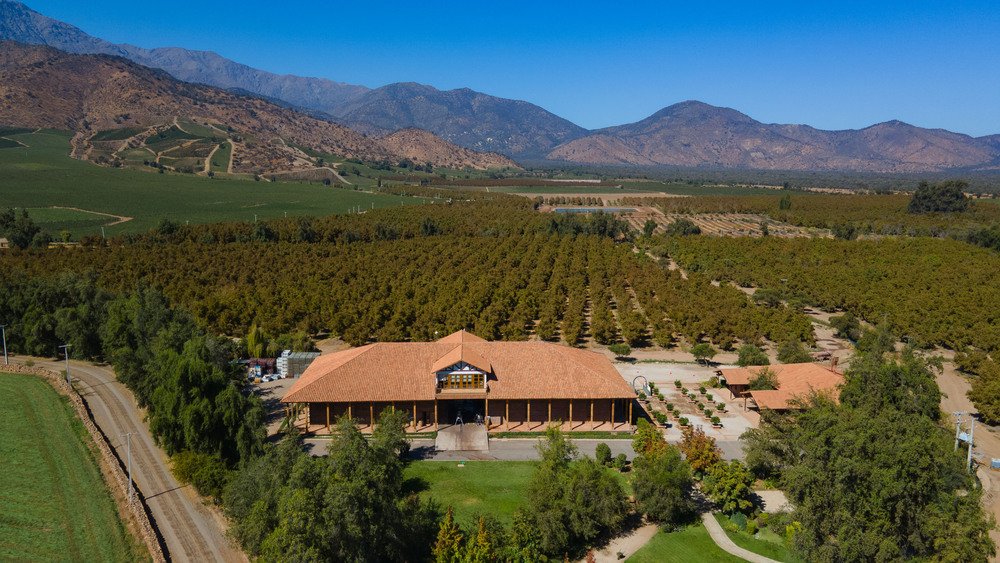
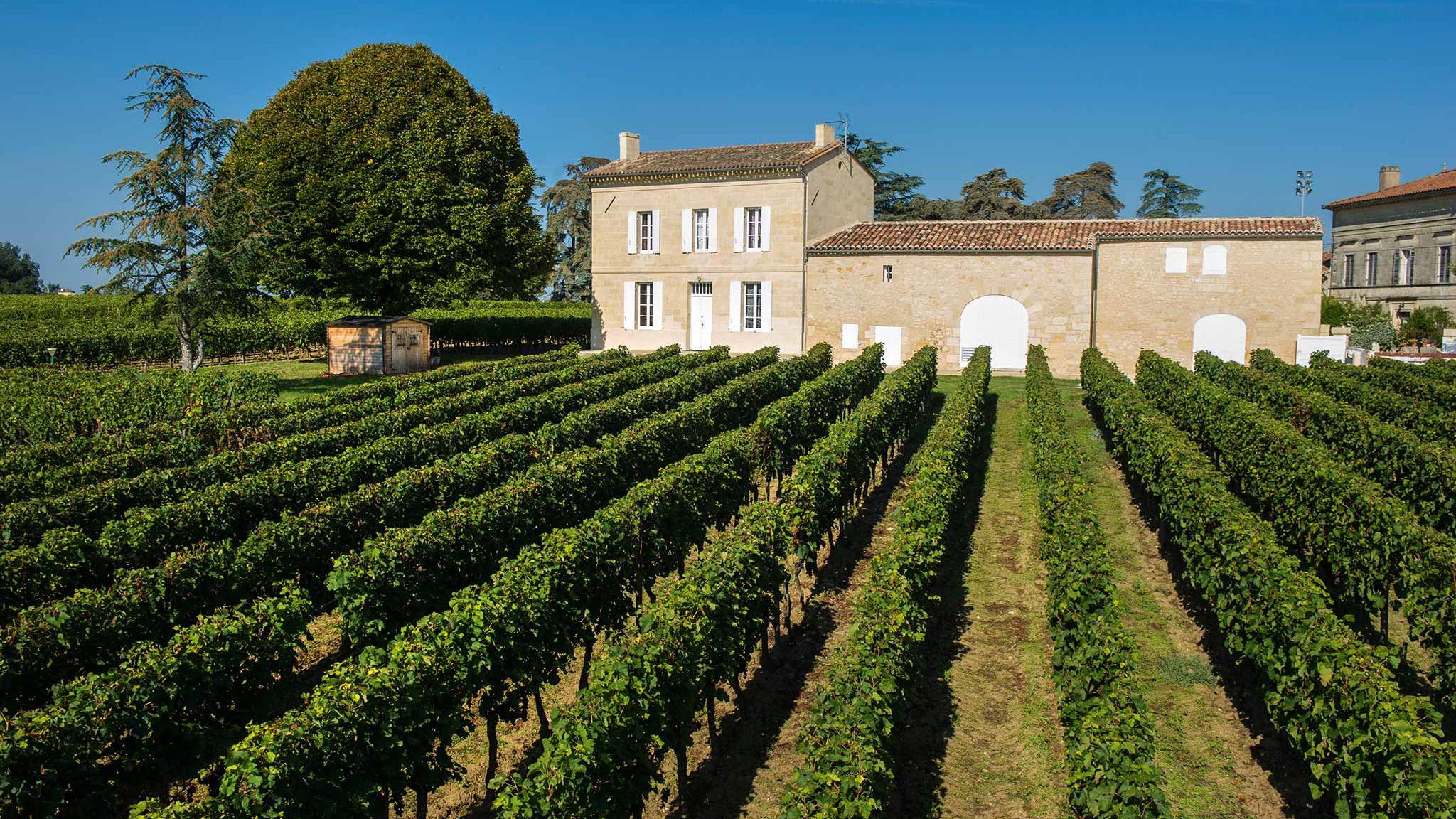
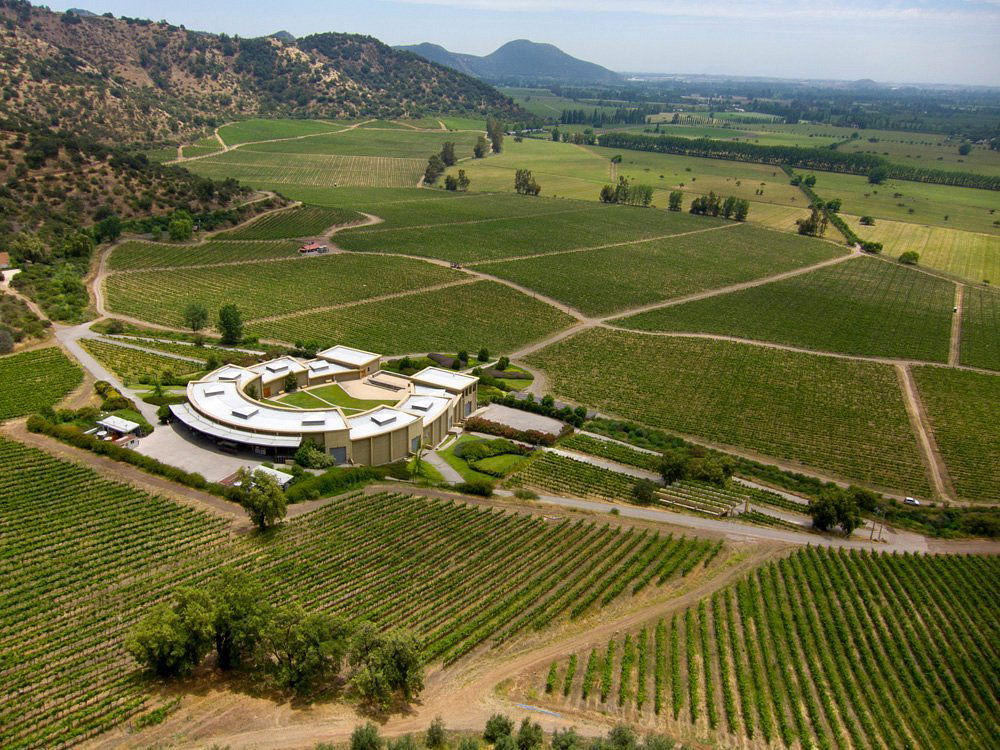
Haras de Pirque reads like a place where geology and altitude shape personality as much as human hands do. The estate sits where the Andes foothills move from scenery to determining force, and the writing focuses on elevation, diurnal swings and mineral-rich, gravelly soils. Wines here are framed by that sense of place: structured, cool-climate expressions that retain aromatic lift and age-worthy backbone. The profile feels considered and place-driven rather than flashy — a winery that prioritizes terroir clarity and the disciplined character of Pirque's high-ground vineyards.
Best For
This estate is best suited to visitors who come to learn about place-driven Chilean wines and to mark the kind of special moments that match structured, ageworthy bottlings. The text and supplied metadata highlight wine education, group visits and special occasions: think focused tastings with an emphasis on Pirque's Cabernet tradition and the region's rising Carmenère and Cabernet Franc expressions. The property’s upper-tier reputation — noted by a Pearl 2 Star Prestige mention — makes it a natural stop for collectors, groups and celebrations that want wines tied to a distinct mountain-influenced terroir.
Tasting Tips
Prioritize Pirque-designated expressions that showcase Cabernet Sauvignon alongside Carmenère and Cabernet Franc; the description singles these out for their structural authority and aromatic complexity. Expect notes of tobacco leaf, dark herbs and mineral density — look for wines described as structured or ageworthy if you want something to cellar. Seek out the estate’s higher-tier or prestige cuvées (the write-up references a Pearl 2 Star Prestige rating) to experience the most concentrated examples of the site's elevation-driven character.
Venue details
Ambiance
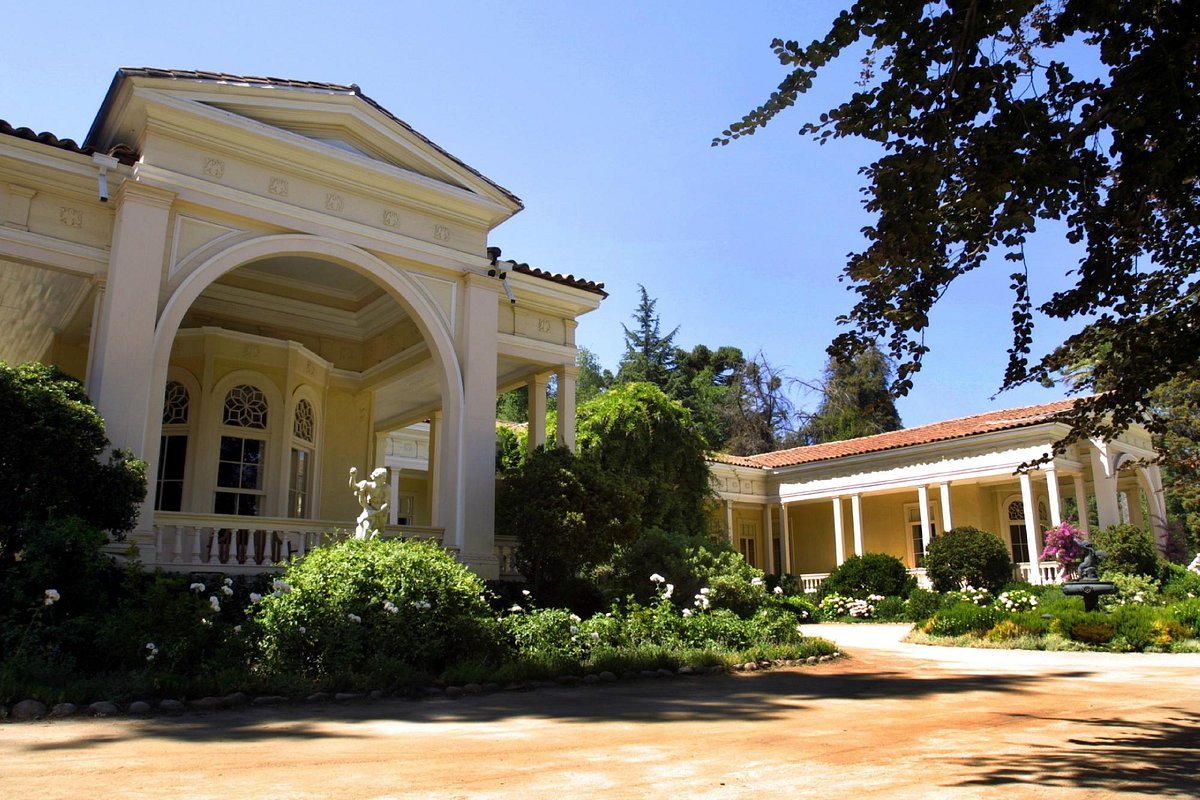
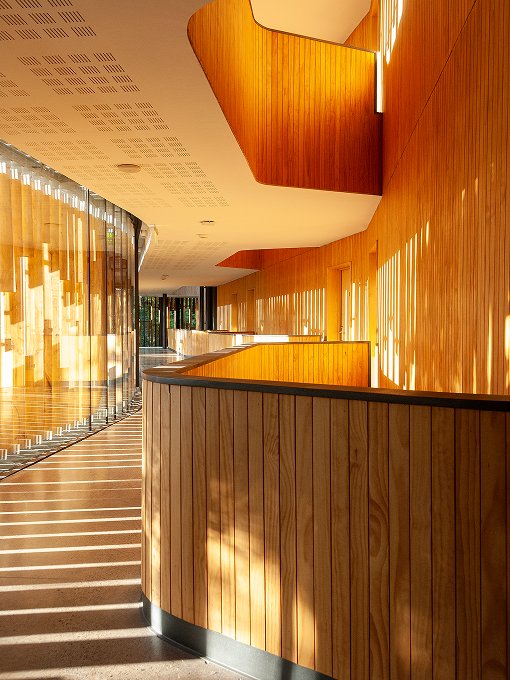
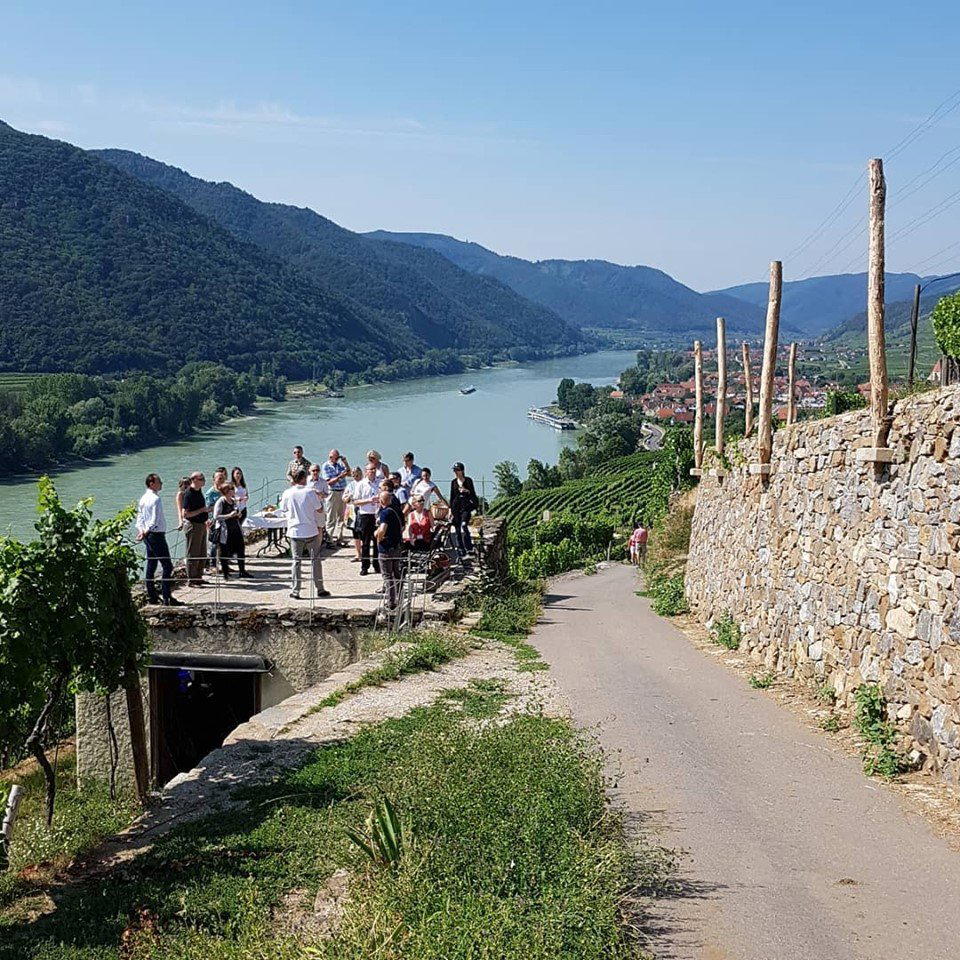
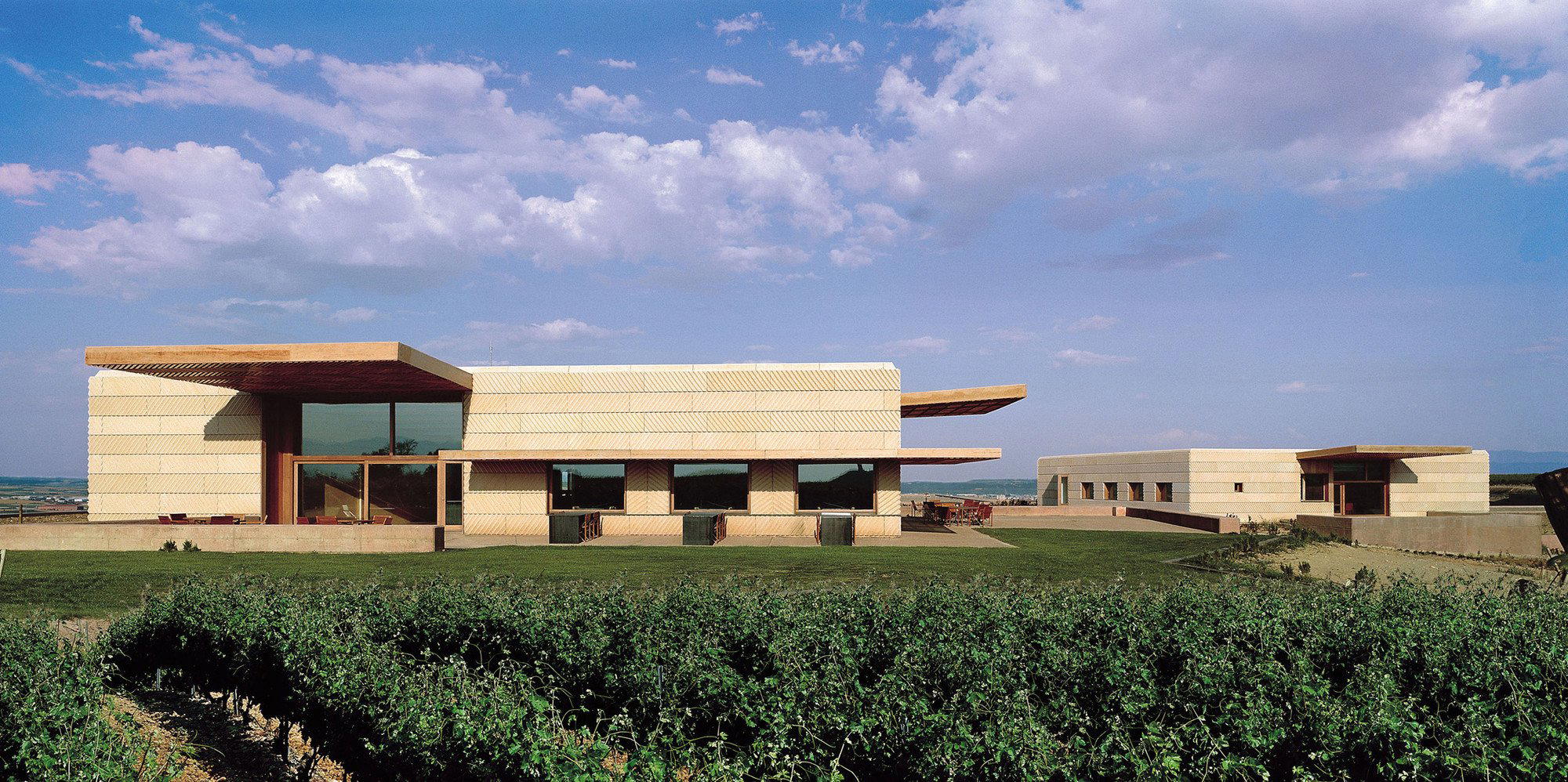
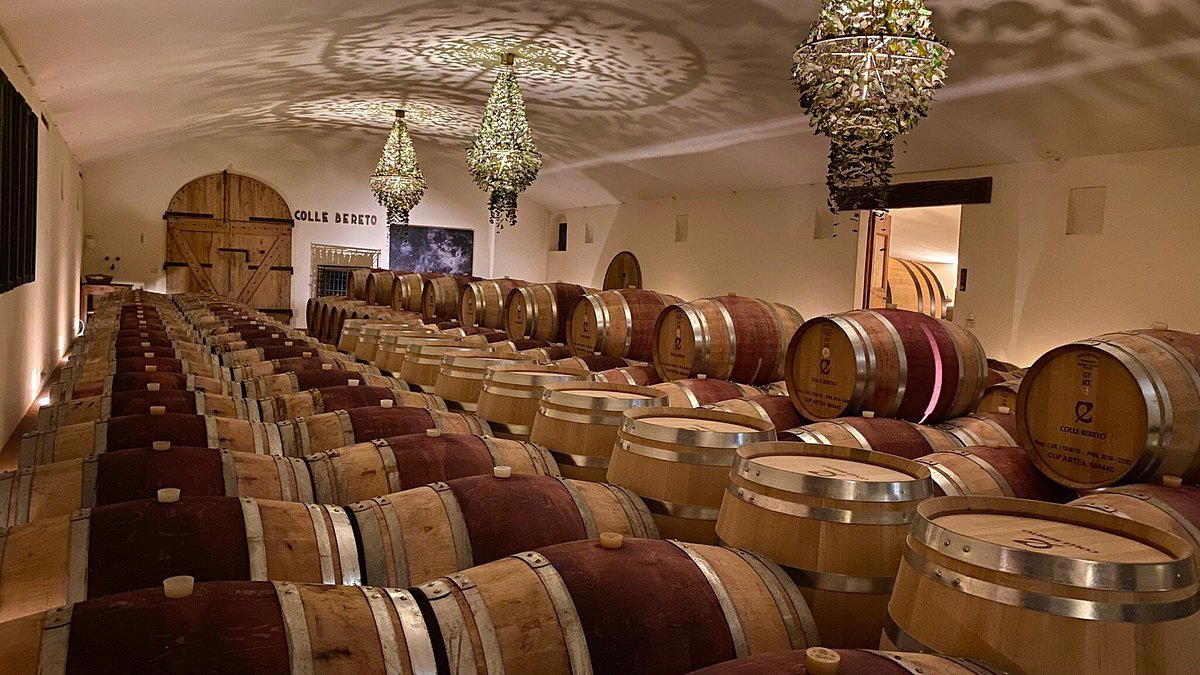
Acogedor and personalized with panoramic Andes views, spectacular lighting in the cava tasting room, and a warm, family-like atmosphere.
Tags
Vibe
Best For
Experience
Sourcing
View
At the Vineyard
- Appellation
- Maipo Valley
- Varietals
- Cabernet Sauvignon, Carmenère, Cabernet Franc, Sauvignon Blanc, Chardonnay
- Tour Duration
- 60 minutes
- Tour Languages
- Spanish, English
- Visits
- By reservation
- Farming
- Organic
- Wine Styles
- Still Red, Still White
- Food Pairing
- Offered
- Wine Club
- Not available
Know before you go
Know Before You Go
- Getting there
- Pirque, Santiago Metropolitan Region, Chile
Planning details
Location
Pirque, Santiago Metropolitan Region, Chile · Directions
Recognition and awards

Also consider
If you cannot secure it
Try Viña Concha y Toro if the group needs a more accessible Pirque plan with a recognizable name. Try Viña El Principal if the priority is staying local to Pirque while keeping the day wine-focused.
Winery context
How It Compares
Haras de Pirque is the more selective play in Pirque: stronger for travelers who want a polished, wine-focused anchor stop and are willing to plan early. Viña Concha y Toro is the safer choice for mixed groups, first-time visitors, and anyone who wants the comfort of a widely recognized name.
Viña El Principal is the closest cross-shop for a Pirque-specific wine itinerary, especially if the goal is to keep transfers simple. Viña Santa Rita and Viña Pérez Cruz make more sense when the day is already extending beyond Pirque, while Viña Almaviva is better treated as a specialist comparison rather than an easy substitute.
For value, the decision comes down to certainty versus selectivity. Haras de Pirque is the stronger pick if securing the visit is part of the appeal; Viña Concha y Toro is easier to recommend when convenience, group fit, and predictable planning matter more than scarcity.
Explore Pirque
Around this place
Discover more on Pearl
Unlock the full Haras de Pirque guide in Pearl, including awards, comparisons, FAQs, planning details, and nearby places.
Compare Haras de Pirque
| Venue | Location | Awards |
|---|---|---|
| Haras de Pirque | Pirque | 2026 Falstaff Winery Guide |
| Viña Santa Rita | Buin | 2026 Falstaff Winery Guide2025 World's 50 Best Vineyards · #412021 World's 50 Best Vineyards · #282019 World's 50 Best Vineyards · #26 |
| Viña El Principal | Pirque | 2026 Falstaff Winery Guide |
| Viña Concha y Toro | Pirque | 2026 Falstaff Winery Guide |
| Viña Almaviva | Puente Alto | 2026 Falstaff Winery Guide2025 World's 50 Best Vineyards · #34 |
| Viña Pérez Cruz | Paine | 2026 Falstaff Winery Guide |

How Haras de Pirque compares with similar nearby venues.
FAQ
Frequently Asked Questions
Does Haras de Pirque serve food?
Is Haras de Pirque recognized by Pearl?
Yes. Haras de Pirque has Pearl 2 Star Prestige recognition for 2025.
Do I need a reservation at Haras de Pirque?
Can Haras de Pirque handle large groups?
What other venues are useful comparisons for Haras de Pirque?
Useful comparisons include Viña Santa Rita, Viña El Principal, Viña Concha y Toro, Viña Almaviva, and Viña Pérez Cruz. Use those names for context while keeping Haras de Pirque's confirmed details in mind: Pirque location, Pearl 2 Star Prestige recognition, daytime hours, and smart casual dress.
When is the best time to visit Haras de Pirque?
Visit during its opening hours: Monday through Saturday from 9 AM to 6 PM. Haras de Pirque is closed on Sunday.