
Château Gloria
Saint-Julien-Beychevelle
Winery in Saint-Julien-Beychevelle, France
 Book with Pearl
The Read
Cru Bourgeois Precision
Why go
Château Gloria is worth considering as a measured Saint-Julien estate stop, especially for travelers who have already done the obvious classified-growth names. The appeal is the grounded Médoc setting and appellation context rather than a trophy-label visit. Plan ahead and use it as a second or third Saint-Julien booking, not a same-day fallback.
About Château Gloria
Château Gloria is a venue in Saint-Julien-Beychevelle with a smart casual dress code and Pearl 3 Star Prestige recognition for 2025. Plan around official confirmation before making a trip.
A Saint-Julien-Beychevelle venue with limited public detail
The reliable way to frame Château Gloria is direct: it is in Saint-Julien-Beychevelle, the dress code is smart casual, and it carries Pearl 3 Star Prestige recognition for 2025.
If you are comparing Château Gloria with other nearby names such as Château Beychevelle or Château Ducru-Beaucaillou, keep the comparison focused on the basics you can confirm directly before visiting. For Château Gloria, that means checking current arrangements through official channels rather than assuming hours, bookings, purchases, or food service from third-party summaries.
Who should consider Château Gloria
Château Gloria is best treated as a Saint-Julien-Beychevelle option to research in advance, especially for travelers building an itinerary around multiple venues in the area. The confirmed smart casual dress code is useful for planning, but the rest of the visit details should be before arrival.
For broader planning, use the full Saint-Julien-Beychevelle wineries guide, then compare Château Gloria with other named options such as Château Branaire Ducru, Château Gruaud-Larose, Château Saint-Pierre, Château Beychevelle, and Château Ducru-Beaucaillou.
Quick reference: Château Gloria is a Saint-Julien-Beychevelle venue with smart casual dress and Pearl 3 Star Prestige recognition for 2025; confirm all visit logistics directly.
Planning details
- Location
- Rue Marie Amélie, 33250 Saint-Julien-Beychevelle
- Website
- domaines-henri-martin.com
- Phone
- +33 5 56 59 08 18
The take
The Take
The Vibe
Château Gloria presents itself as a quietly authoritative Saint-Julien estate that trades on terroir and consistency rather than historic Cru Classé status. The description positions the property in the shadow and company of long-classified neighbours while stressing its parcel-driven holdings and Cabernet Sauvignon-led blends. That framing gives the estate a measured, historically informed character — serious about terroir and market position rather than flash. Visitors can expect a composed, wine-focused atmosphere rooted in Médoc traditions, where estate reputation and vineyard sourcing matter more than ceremony.
Best For
This estate is best for visitors who care about understanding value and terroir on the Left Bank. The write-up highlights Gloria’s place alongside classified neighbours and its consistent Cabernet-led blends, so it suits collectors, students of Bordeaux and anyone comparing Saint-Julien expressions without paying Cru Classé premiums. It also reads as appropriate for special-occasion purchases when quality and provenance are priorities. In short, Gloria is a stop for wine education, comparative tasting and selecting bottles for important events.
Tasting Tips
When choosing wine from Château Gloria, prioritize its Cabernet Sauvignon-led blends and pay attention to vintage quality — the text stresses that in good years the classification gap is less consequential. Tasting or buying with an eye to parcel sourcing and Saint-Julien’s stylistic traits will reveal the estate’s strengths. For collectors or curious drinkers, comparing Gloria side-by-side with neighbouring classified estates (when possible) illuminates its value proposition. Avoid expecting novelty; seek consistency and terroir expression.
Venue details
Ambiance
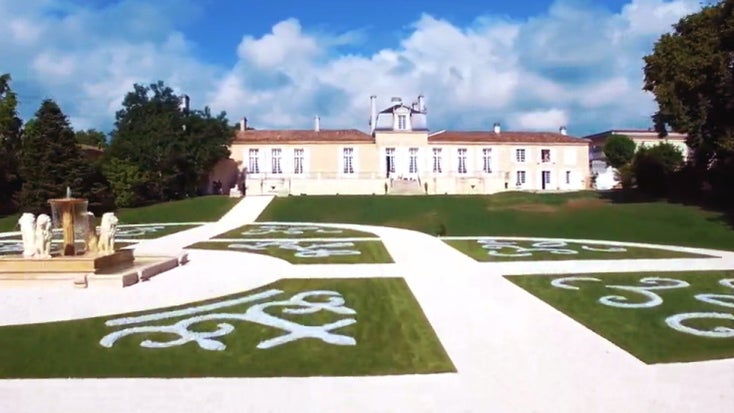
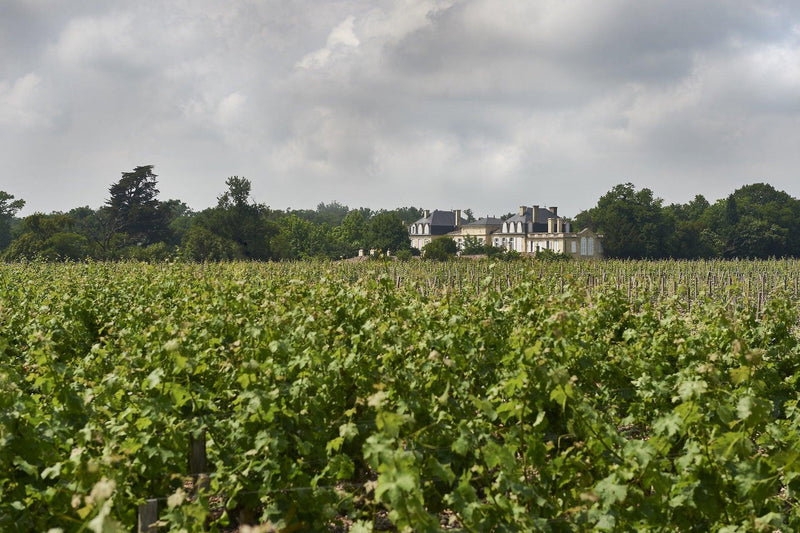
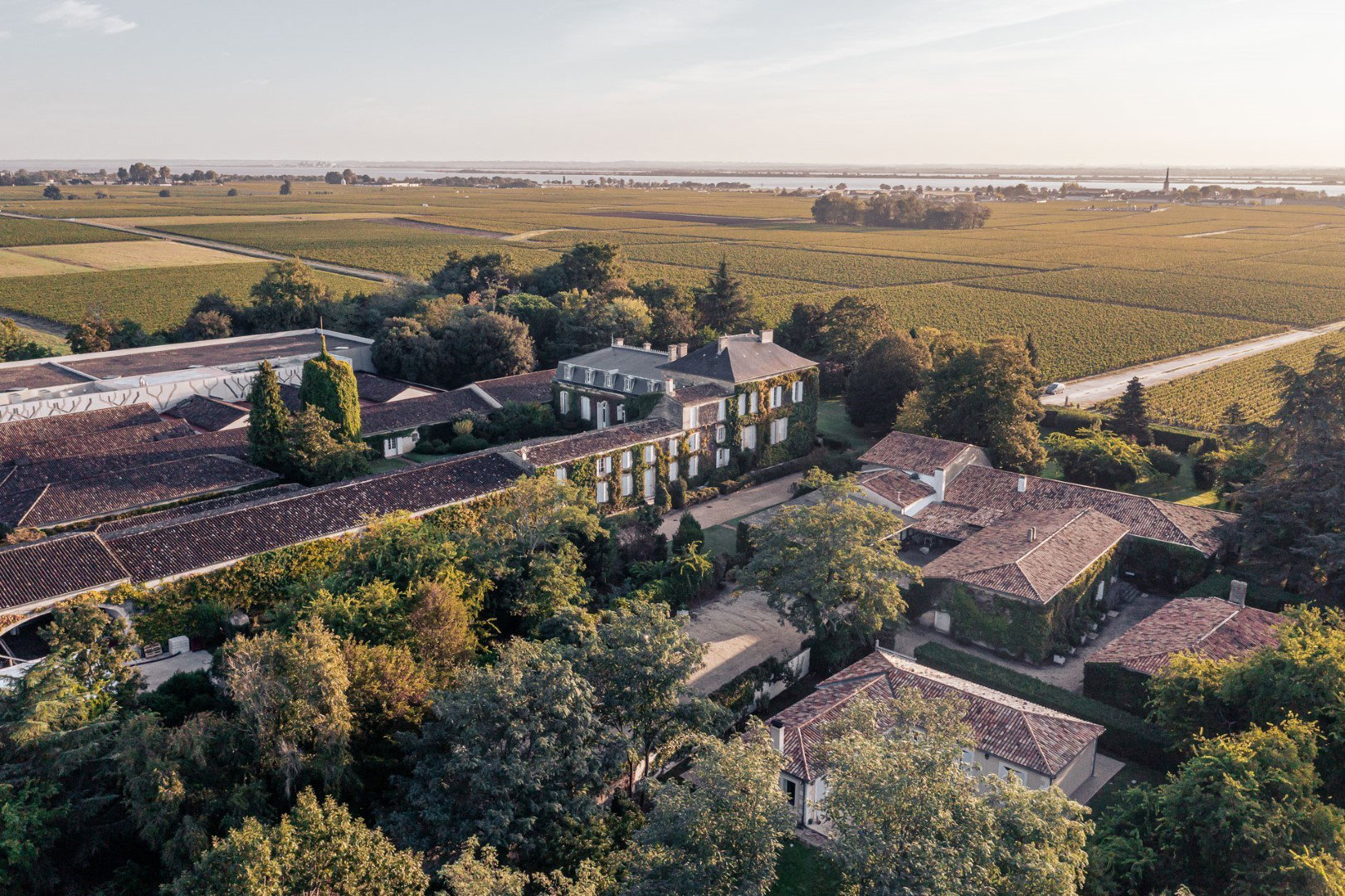
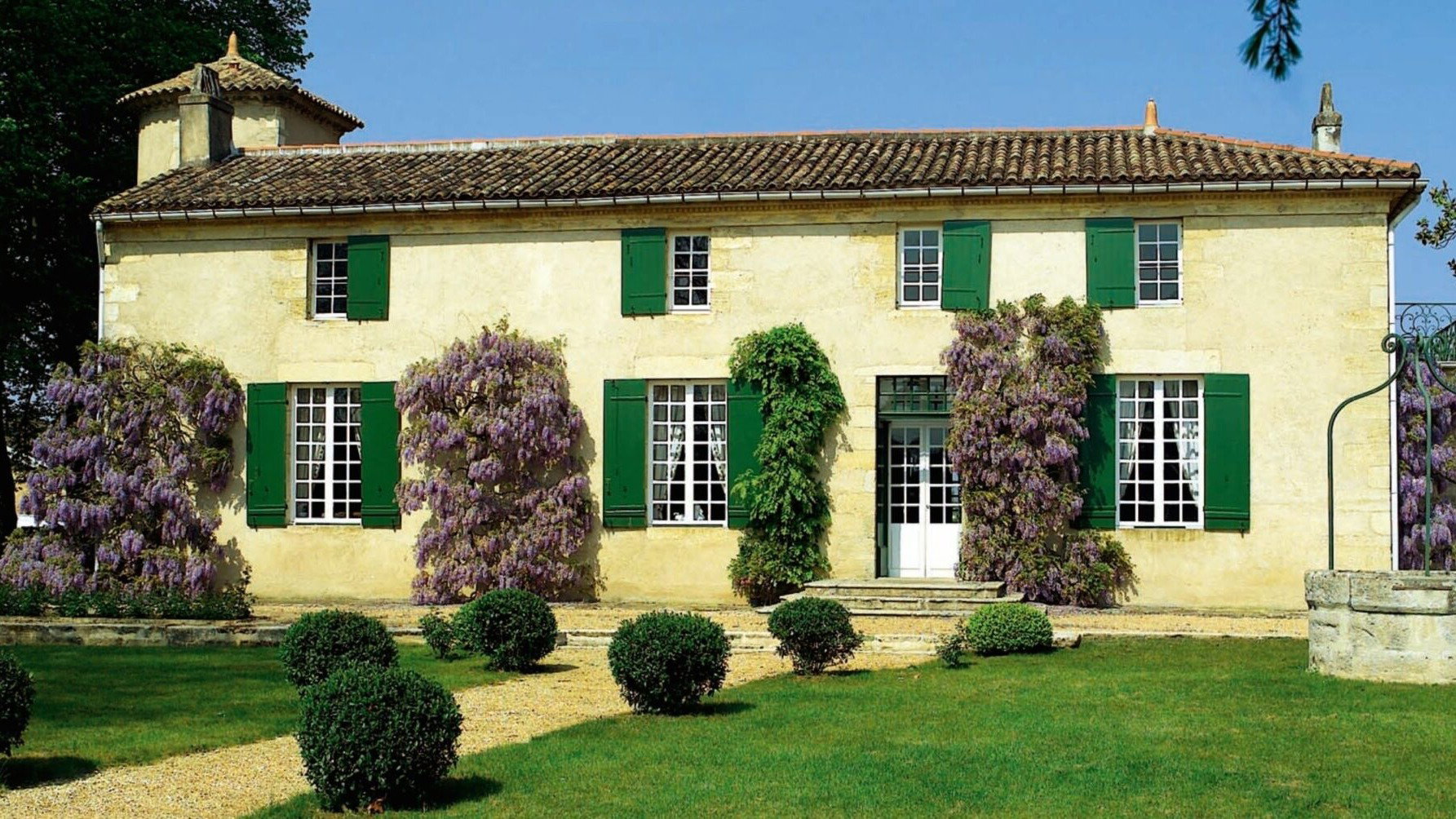
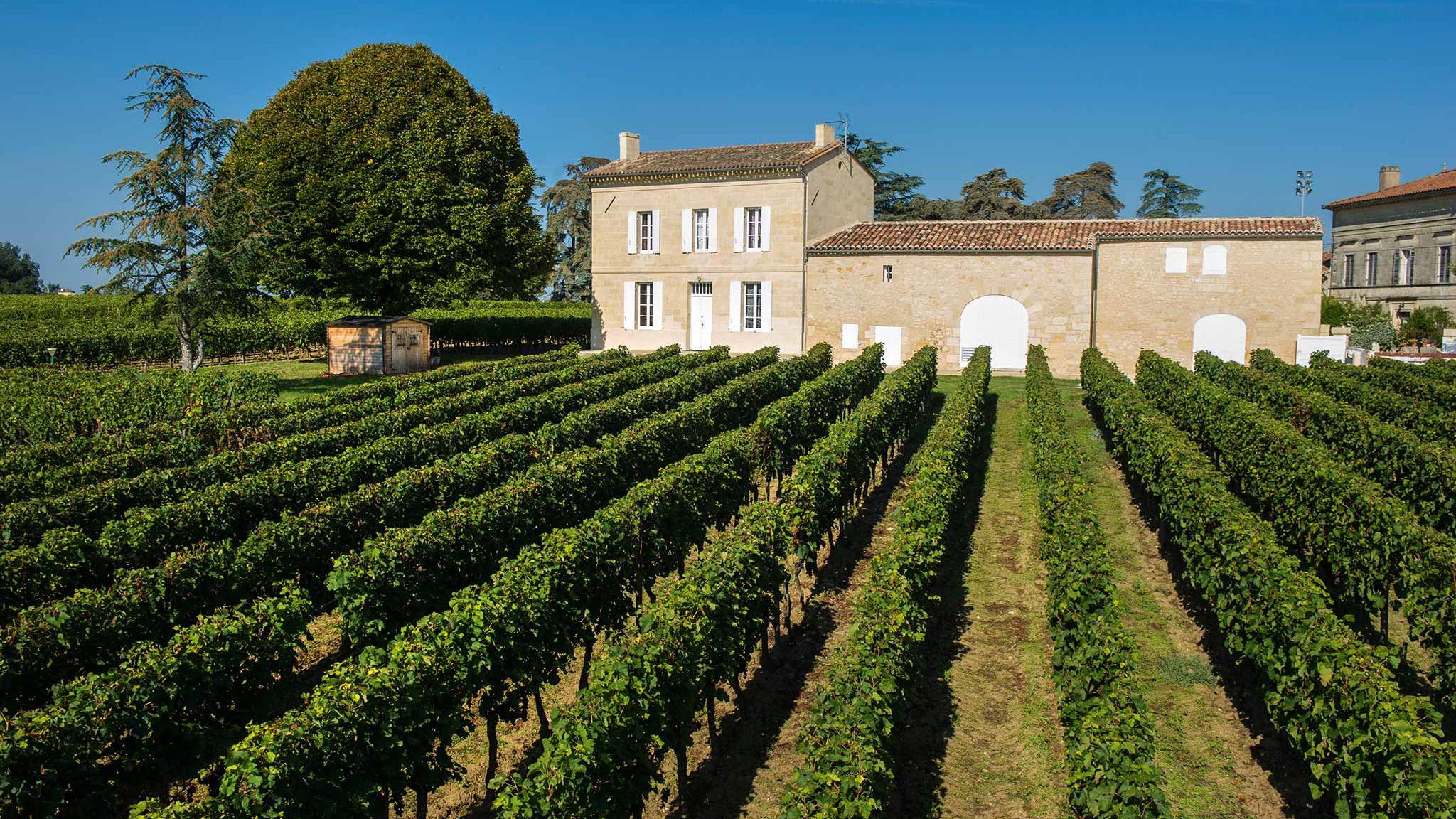
Classic Bordeaux estate atmosphere centered on family heritage, traditional winemaking, and a historic Saint-Julien terroir spread across several vineyard parcels.
Tags
Vibe
Best For
Experience
Sourcing
View
At the Vineyard
- Appellation
- Saint-Julien AOC
- Varietals
- Cabernet Sauvignon, Merlot, Cabernet Franc, Petit Verdot
- Tour Duration
- 60 minutes
- Wine Club
- Not available
Know before you go
Know Before You Go
- Getting there
- Rue Marie Amélie, 33250 Saint-Julien-Beychevelle
Planning details
Location
Rue Marie Amélie, 33250 Saint-Julien-Beychevelle · Directions
Recognition and awards

Also consider
Also Consider
- Château Saint-Pierre, Notable alternative
- Château Branaire Ducru, Notable alternative
- Château Beychevelle, Notable alternative
- Château Ducru-Beaucaillou, Notable alternative
- Château Gruaud-Larose, Notable alternative
Winery context
How Château Gloria compares in Saint-Julien
Choose Château Gloria when the goal is value of experience rather than label hierarchy. Château Saint-Pierre and Château Branaire Ducru carry classified-growth weight, so they suit visitors who want that framework built into the booking. Gloria is the more useful contrast if the itinerary already has one formal classified-growth stop.
Château Beychevelle is the better pick for a more polished, high-recognition Saint-Julien visit with stronger visual drama. Château Ducru-Beaucaillou is the bigger collector signal and makes more sense for a splurge-minded Médoc day. Gloria is the better fit for someone who wants the appellation to feel less staged.
Château Gruaud-Larose works well for visitors who want another historic Saint-Julien reference point. If booking difficulty becomes the deciding factor, start with the higher-priority classified-growth appointment, then use Gloria as the complementary estate if timing lines up.
Explore Saint-Julien-Beychevelle
Around this place
Discover more on Pearl
Unlock the full Château Gloria guide in Pearl, including awards, comparisons, FAQs, planning details, and nearby places.
Compare Château Gloria
| Venue | Location | Awards |
|---|---|---|
| Château Gloria | Saint-Julien-Beychevelle | 2026 Falstaff Winery Guide |
| Château Saint-Pierre | St-Julien | 2026 Michelin Grape Main Selection - Bordeaux2025 Pearl 3 Star Prestige |
| Château Branaire Ducru | St-Julien | 2026 Falstaff Winery Guide2026 Michelin 1 Grape - Bordeaux2025 Pearl 3 Star Prestige |
| Château Beychevelle | Saint-Julien-Beychevelle | 2026 Michelin Grape Main Selection - Bordeaux2026 Falstaff Winery Guide2025 Pearl 4 Star Prestige |
| Château Ducru-Beaucaillou | Pauillac | 2026 Falstaff Winery Guide2025 Pearl 4 Star Prestige |
| Château Gruaud-Larose | St-Julien | 2026 Michelin Grape Main Selection - Bordeaux2026 Falstaff Winery Guide2025 Pearl 3 Star Prestige |



How Château Gloria Saint-Julien-Beychevelle compares with similar nearby venues.
FAQ
Frequently Asked Questions
What is confirmed about Château Gloria?
Château Gloria is a Saint-Julien-Beychevelle venue with a smart casual dress code and Pearl 3 Star Prestige recognition for 2025. Other visit details should be confirmed directly before comparing it with Château Beychevelle or another nearby option.
When is the best time to visit Château Gloria?
Check Château Gloria's current hours or seasonal schedule before planning your visit. It is a Saint-Julien-Beychevelle venue to confirm in advance, especially if you are coordinating it with another stop such as Château Ducru-Beaucaillou.
Do I need a reservation at Château Gloria?
Before visiting Château Gloria in Saint-Julien-Beychevelle, confirm current access and booking expectations directly; the confirmed dress code is smart casual, and the venue has Pearl 3 Star Prestige recognition for 2025.
What logistics should I confirm before visiting Château Gloria?
Does Château Gloria serve food?
Plan meals separately in Saint-Julien-Beychevelle unless Château Gloria directly confirms a current food offering. If you are comparing options such as Château Branaire Ducru, check each venue's official details before building an itinerary.