
Weingut Rainer Sauer
Escherndorf
Winery in Escherndorf, Germany
 Book with Pearl
The Read
Muschelkalk Silvaner Precision
Why go
Worth prioritizing for a focused Franconian winery visit in Escherndorf, especially if the trip is built around wine rather than sightseeing. Best for couples, small celebration plans, or allocation-minded buyers who want to decide whether the producer fits their cellar before committing further.
About Weingut Rainer Sauer
Is Weingut Rainer Sauer worth considering? Yes, if you are looking specifically at Weingut Rainer Sauer in Escherndorf and want a venue with confirmed Pearl 2 Star Prestige recognition for 2025. Beyond that confirmed recognition and a casual dress code, Pearl does not have details here for menus, pricing, hours, group capacity, visit format, or other operational specifics, so planning should stay flexible and be confirmed directly with the venue.
The most reliable way to frame the decision is simple: treat Weingut Rainer Sauer as an Escherndorf venue with a confirmed 2025 Pearl 2 Star Prestige signal, not as a page with enough detail to promise a specific service style. Use Pearl's Escherndorf guide if the plan is to compare it with other options in the area.
A better fit for careful planning than assumption-led itineraries
This is not a listing where details support firm claims about published menus, set prices, opening hours, seating, food service, or group arrangements. The safer approach is to contact the venue before building a special occasion, client visit, or tightly timed day around it. The confirmed dress code is casual, which keeps the wardrobe decision direct, but it does not confirm anything about the format of the visit.
If Weingut Rainer Sauer is an important stop in an Escherndorf plan, keep the surrounding schedule realistic and verify current arrangements in advance. For travelers who also need other planning around the same day, pair the decision with broader Escherndorf research and direct confirmation from the venue.
Where the value sits for comparison-minded visitors
The value case rests on confirmed recognition rather than on claims about a particular visit format, availability model, signature item, or price point. Pearl confirms Weingut Rainer Sauer as a 2 Star Prestige venue in 2025, so it belongs on a shortlist for visitors who prioritize that recognition when planning in Escherndorf.
For comparison, Weingut Horst Sauer is a natural reference point. You can also compare Weingut Rainer Sauer with Weingut Schmitt's Kinder, Weingut Bürgerspital zum Heiligen Geist, Weingut Juliusspital, and Weingut Hans Wirsching. The practical verdict: choose Weingut Rainer Sauer if its Escherndorf location and confirmed Pearl 2 Star Prestige status fit the plan; verify all operational details directly before relying on them.
Planning details
- Location
- Bocksbeutelstraße 15, 97332 Volkach
- Website
- weingut-rainer-sauer.de
- Phone
- +49 9381 2527
The take
The Take
The Vibe
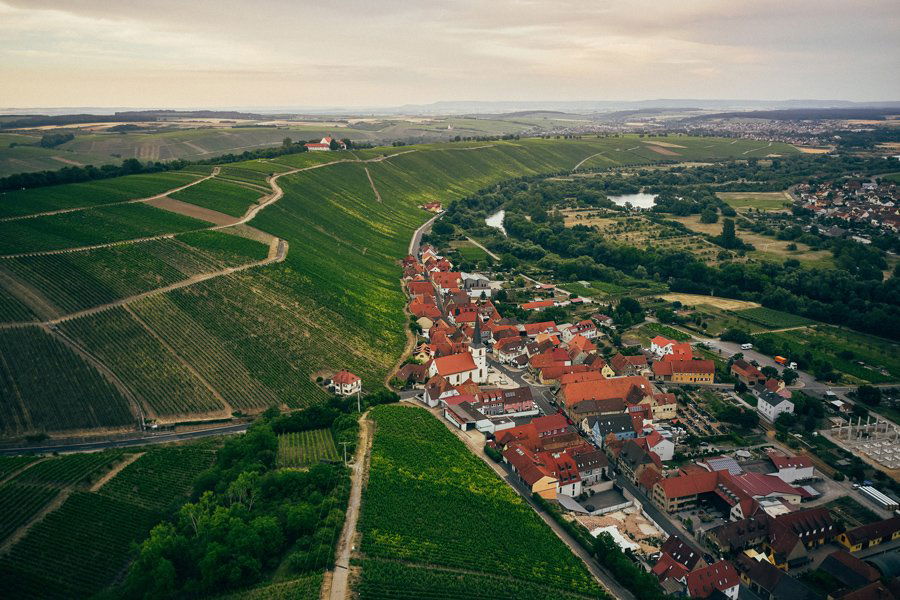
Weingut Rainer Sauer projects a calm, intensely focused personality. The writing frames the estate as part of a small, conviction-led cohort that favors precision over theatrics, aligning it more with Burgundian domaines than mass-market producers. Talk of the Escherndorfer Lump’s south-facing, shell-limestone soils and a restrained, classical cellar approach reinforces an elegant, sophisticated atmosphere. This is a serene, contemplative place where site expression and mineral tension matter; it feels aimed at thoughtful visitors and collectors who appreciate subtlety and terroir-driven wines rather than flashy production.
Best For
This winery is best for visitors seeking education and close attention to place. The description repeatedly privileges vineyard specificity and classical winemaking choices, which makes it an ideal stop for wine-education outings and solo exploration by collectors or curious tasters. Serious drinkers who follow Franken’s nuances will find value here: the estate’s focus on Muschelkalk-driven Silvaner and restrained cellar technique rewards careful tasting and comparison across parcels and vintages. It’s less of a party stop and more of a study in terroir.
Tasting Tips
When choosing bottles or tasting pours, prioritize site-designated Silvaner from the Escherndorfer Lump: the copy highlights shell-limestone (Muschelkalk) as the source of the wines’ mineral tension and saline finish. Look for bottlings that showcase the estate’s classical approach — restrained oak or stainless use and vintage-driven decisions — and note the Pearl 2 Star Prestige 2025 mention as a quick indicator of the estate’s standing. Expect focused, precise wines that reward attention to detail rather than broad, overt fruit.
Venue details
Ambiance
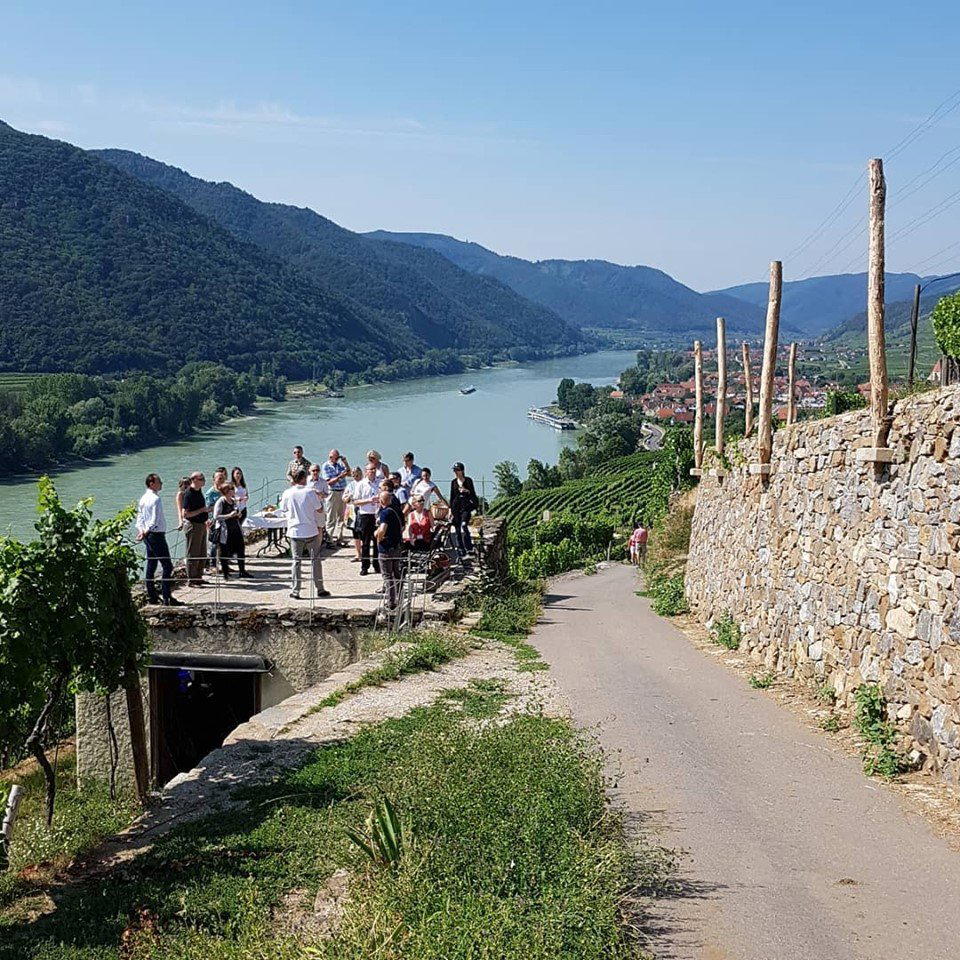
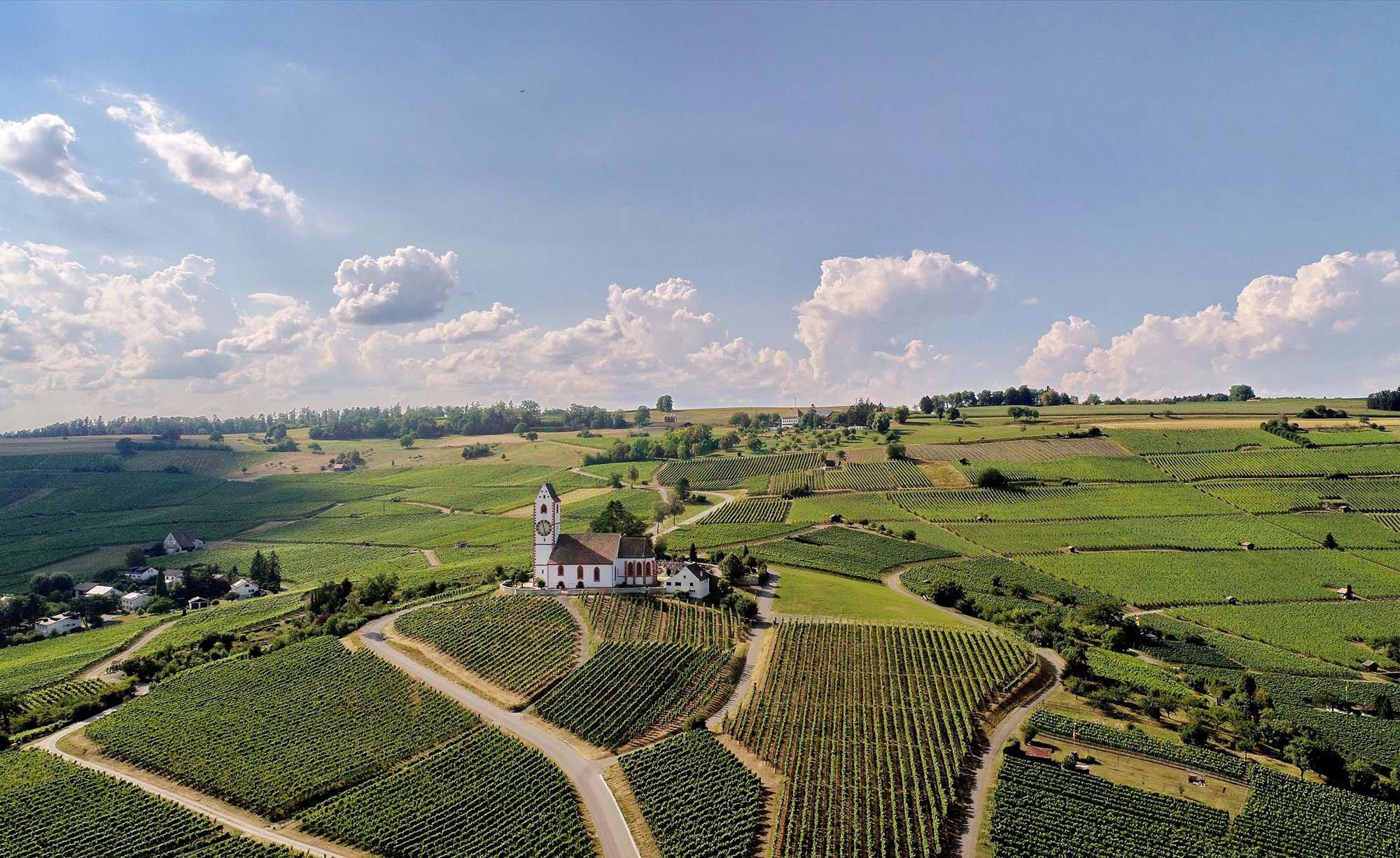
Clear, modest, and honest atmosphere in an authentically renovated winery surrounded by steep, sun-drenched vineyard slopes.
Tags
Vibe
Best For
Experience
Sourcing
View
At the Vineyard
- Appellation
- Franconia
- Varietals
- Silvaner, Müller-Thurgau, Riesling, Kerner, Pinot Blanc
- Tour Duration
- 60-90 minutes
- Tour Languages
- German
- Visits
- By reservation
- Farming
- Sustainable
- Wine Styles
- Still White
- Wine Club
- Not available
Know before you go
Know Before You Go
- Getting there
- Bocksbeutelstraße 15, 97332 Volkach
Planning details
Location
Recognition and awards

Also consider
Where to look if this is difficult to arrange
If availability does not work, start with Weingut Horst Sauer because it keeps the plan in Escherndorf and avoids turning the day into a driving itinerary.
For a broader backup plan, compare Weingut Juliusspital or Weingut Hans Wirsching. They make more sense when the group values a wider Franconian reference point over staying tightly focused on the village.
Winery context
How it compares with nearby Franconian winery options
Against Weingut Horst Sauer, Weingut Rainer Sauer is the closest style of decision: both make sense for travelers already targeting Escherndorf rather than a broader city itinerary. If staying in the village is the priority, compare these two first before widening the search.
Weingut Schmitt's Kinder, Weingut Bürgerspital zum Heiligen Geist, and Weingut Juliusspital are better cross-shops for readers who want a broader Franconian comparison rather than a tightly focused Escherndorf stop. Choose them when the group wants a more established regional circuit; keep Rainer Sauer on the shortlist when the point is a village-specific wine visit.
Weingut Hans Wirsching is the better comparison for travelers deciding by reputation and regional breadth. Rainer Sauer is the sharper pick when the day is centered on Escherndorf and the value comes from a concentrated visit rather than covering more ground.
Explore Escherndorf
Around this place
Discover more on Pearl
Unlock the full Weingut Rainer Sauer guide in Pearl, including awards, comparisons, FAQs, planning details, and nearby places.
Compare Weingut Rainer Sauer
| Venue | Location | Awards |
|---|---|---|
| Weingut Rainer Sauer | Escherndorf | 2026 Falstaff Winery Guide |
| Weingut Horst Sauer | Escherndorf | 2026 Falstaff Winery Guide |
| Weingut Schmitt’s Kinder | Randersacker | 2026 Falstaff Winery Guide |
| Weingut Bürgerspital zum Heiligen Geist | Würzburg | 2026 Falstaff Winery Guide |
| Weingut Juliusspital | Würzburg | 2026 Falstaff Winery Guide |
| Weingut Hans Wirsching | Iphofen | 2026 Falstaff Winery Guide |
How Weingut Rainer Sauer Escherndorf compares with similar nearby venues.
FAQ
Frequently Asked Questions
Can Weingut Rainer Sauer handle large groups?
Pearl does not have group-capacity details for Weingut Rainer Sauer. If you are planning for a larger party, confirm directly with the venue and compare the planning needs with options such as Weingut Juliusspital or Weingut Bürgerspital zum Heiligen Geist.
Do I need a reservation at Weingut Rainer Sauer?
Pearl does not have reservation requirements for Weingut Rainer Sauer. Because the venue has confirmed Pearl 2 Star Prestige recognition for 2025, it is sensible to check directly before making a special trip.
Are there membership or repeat-visit details for Weingut Rainer Sauer?
Pearl does not have details about membership, repeat-visit arrangements, or allocation programs at Weingut Rainer Sauer. If those are part of your decision, ask the venue directly and compare your preferences with Weingut Hans Wirsching or Weingut Juliusspital.
Does Weingut Rainer Sauer serve food?
Pearl does not have food-service details for Weingut Rainer Sauer. Do not plan around a meal unless the venue confirms current arrangements directly.
When is the best time to visit Weingut Rainer Sauer?
Pearl does not have hours or seasonal timing for Weingut Rainer Sauer. Confirm current availability before visiting, especially if you are comparing it with Weingut Schmitt's Kinder or Weingut Horst Sauer.
How long should I plan for a visit to Weingut Rainer Sauer?
Pearl does not have visit-duration details for Weingut Rainer Sauer. Build in enough flexibility to confirm arrangements directly, and compare the plan with other reference points such as Weingut Hans Wirsching or Weingut Juliusspital.