
Weingut Horst Sauer
Escherndorf
Winery in Escherndorf, Germany
 Book with Pearl
The Read
Shell-Limestone Silvaner Precision
Price
$50–100tasting
Why go
Prioritize Weingut Horst Sauer if the trip is built around serious Franconian wine rather than casual tasting-room hopping. Access is the main planning issue, so treat it as an appointment-led winery stop and cross-shop Weingut Rainer Sauer if timing does not work.
About Weingut Horst Sauer
Weingut Horst Sauer is in Escherndorf with Pearl 2 Star Prestige recognition for 2025. For travelers comparing possible stops, the grounded way to evaluate it is simple: treat it as an Escherndorf venue with a smart-casual dress code and a distinction, while confirming any visit details directly before making plans.
Beyond its Escherndorf location, other specifics like address, service format, menu, pricing, opening schedule, or visit structure are not detailed. Use the recognition as a quality signal, but do not assume details such as walk-in availability, food service, group capacity, or a particular format unless the venue confirms them.
Book this as an Escherndorf listing, not a loose assumption
The right expectation is a focused stop in Escherndorf. Smart-casual dress and Pearl 2 Star Prestige (2025) recognition are noted; specific food, seating, price, or service claims are not detailed.
If you are comparing venues, Weingut Rainer Sauer is another Escherndorf option to consider. For wider planning, Weingut Hans Wirsching, Weingut Juliusspital, Weingut Bürgerspital zum Heiligen Geist, and Weingut Schmitt's Kinder may also be relevant comparisons, depending on your route and interests.
How to plan the stop without overbuilding the day
Reservations: confirm directly with the venue before building travel around the stop. Dress: smart casual is the dress code. Budget: Price information is not available, so do not rely on an assumed fee or spend level. Timing: Opening hours or visit duration are not available, so confirm timing directly before finalizing the itinerary.
For the rest of the trip, keep planning flexible and separate from assumptions about this one venue. Use other Escherndorf dining, lodging, bar, and experience options as needed, but treat Weingut Horst Sauer itself as an Escherndorf venue with Pearl 2 Star Prestige recognition and a smart-casual dress code.
Planning details
- Location
- Bocksbeutelstraße 14, 97332 Volkach
- Website
- weingut-horst-sauer.de
- Phone
- +49 9381 4364
The take
The Take
The Vibe
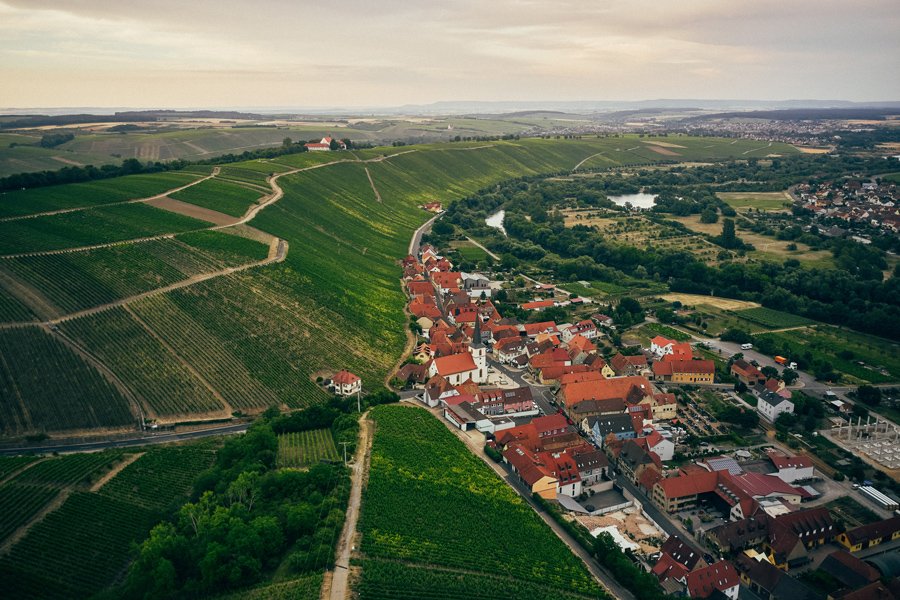
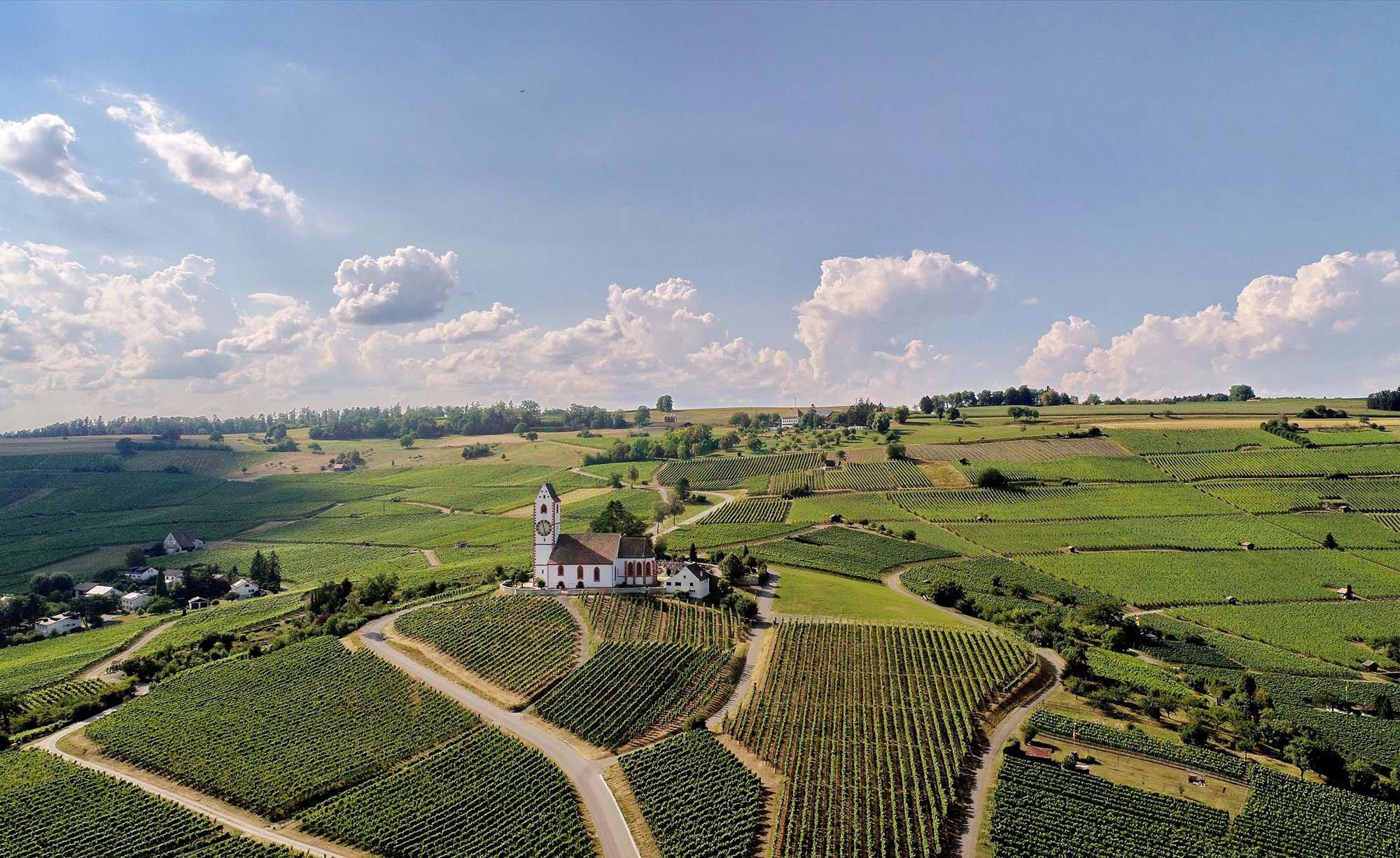
Weingut Horst Sauer reads like a study in place. The profile foregrounds Escherndorf's Muschelkalk soils and steep, south-facing slopes, and the copy repeatedly emphasizes mineral-driven Silvaner and wines that show structure before softness. That emphasis on geology and aging trajectory gives the estate a cerebral, quietly sophisticated tenor: wines aimed at patience and study rather than immediate ornamentation. The Pearl 2 Star Prestige rating underscores sustained quality across vintages, while the constant references to Bocksbeutel provenance and the Lump vineyard root the house in a small‑scale, terroir-specific identity that feels like a discovery for many wine lovers.
Best For
This estate is best for readers who prize terroir clarity and age-worthy white wines. The text frames Horst Sauer as an exemplar of Franken Silvaner—mineral, structured, and capable of surprising evolution—so visitors and buyers seeking serious, regionally distinctive bottles, critics and collectors interested in comparisons with Burgundian models, and anyone curious about how Muschelkalk influences fruit will get the most out of a visit. It also suits those looking for a quieter, discovery‑oriented wine stop rather than a high‑volume tourist cellar.
Tasting Tips
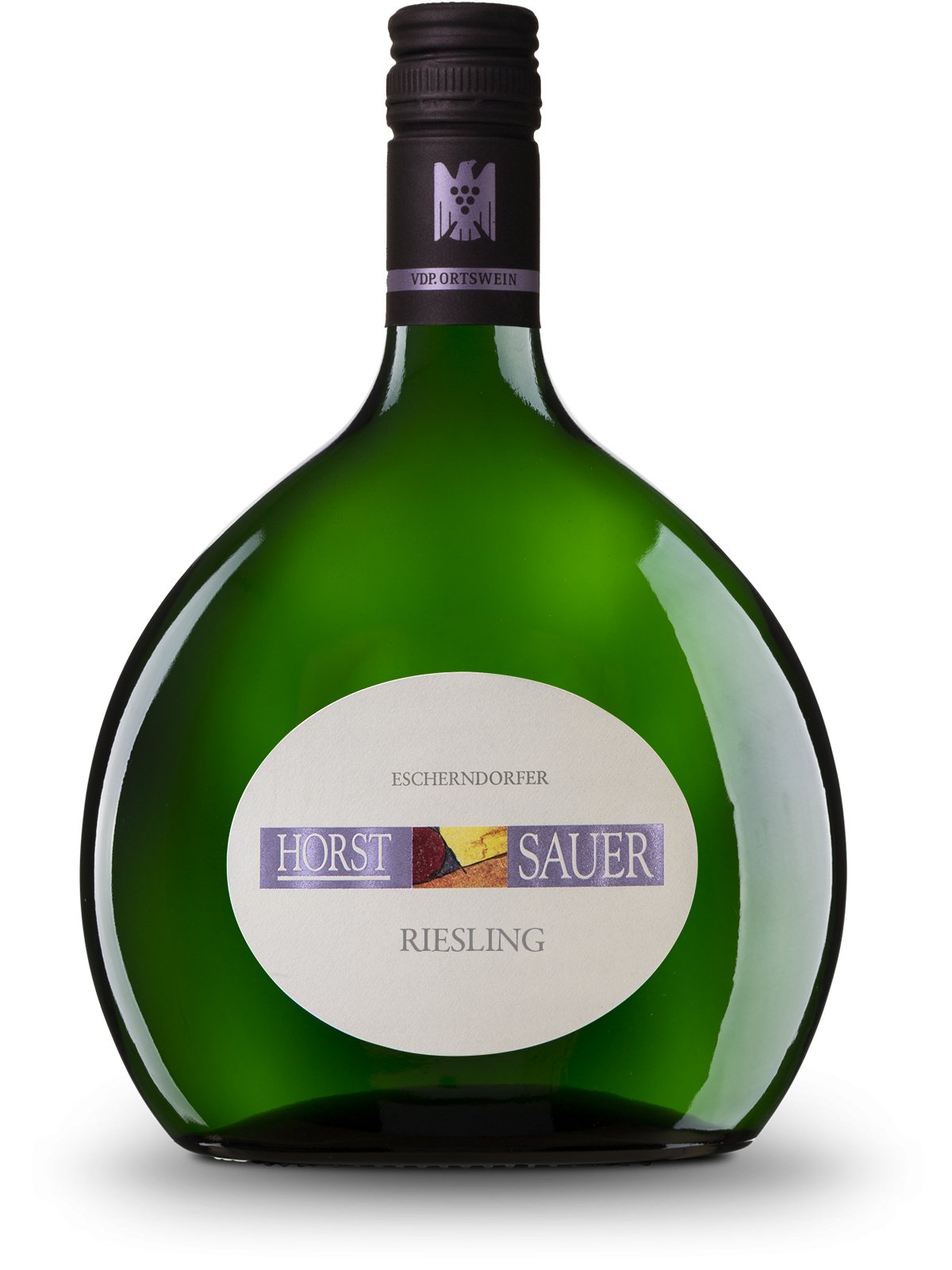
When selecting bottles or arranging a tasting, prioritize estate Silvaner and any single‑vineyard releases from Escherndorf (the Lump vineyard is called out specifically). The profile stresses mineral structure and long aging trajectories, so look for bottlings that indicate vineyard origin or older vintages if you want to experience development. Because the piece frames Franken against more familiar German corridors like the Mosel and Rhine, consider tasting these wines alongside regional Rieslings to appreciate their distinct mineral precision and structural focus.
Venue details
Ambiance
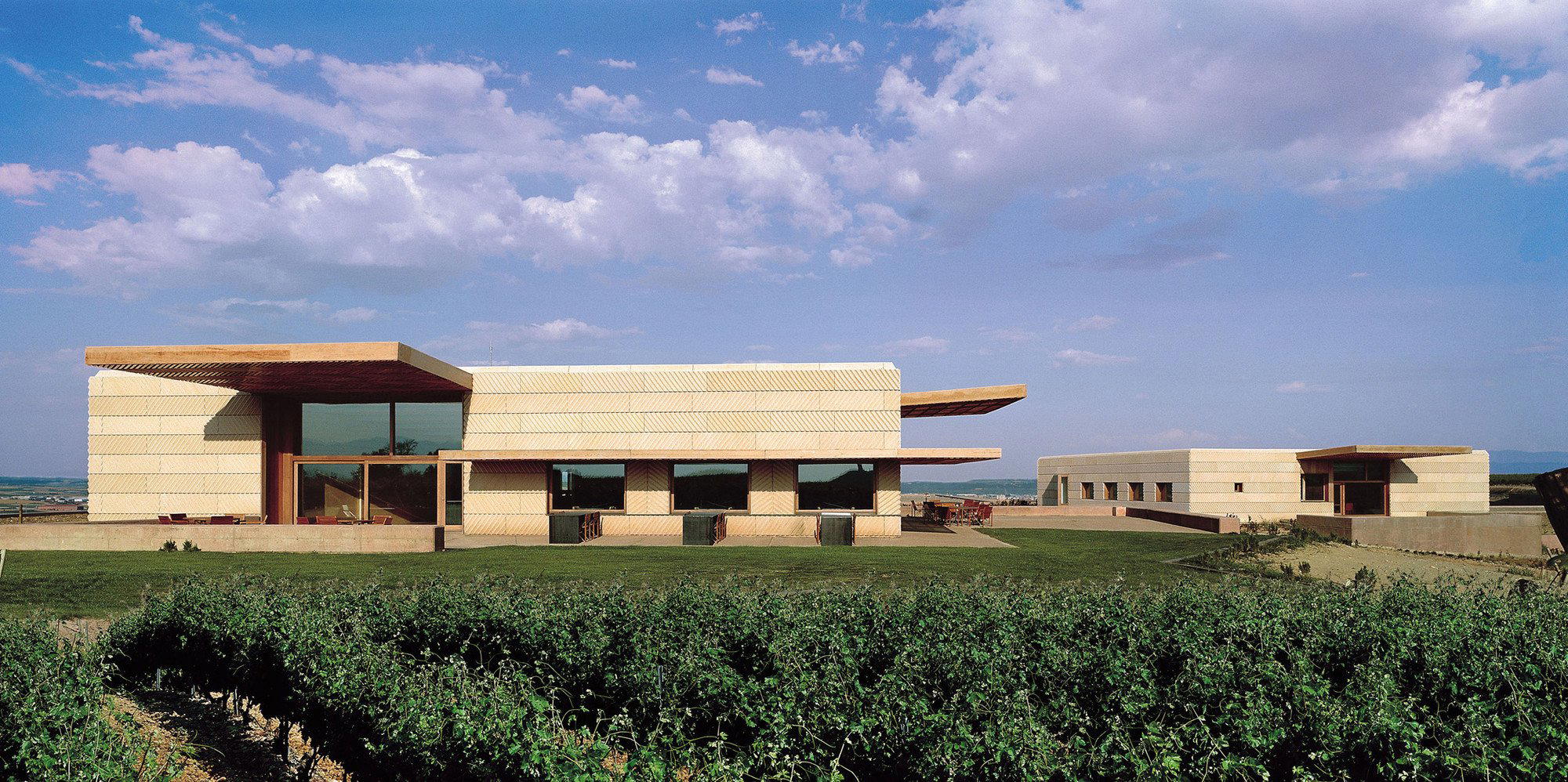
Modern four-story gravity-fed winery with architecturally stunning design set against steeply rising vineyards; intimate tasting rooms with views of the Main Triangle terroir.
Tags
Vibe
Best For
Experience
Sourcing
View
At the Vineyard
- Appellation
- Franken
- Varietals
- Silvaner, Riesling, Müller-Thurgau, Bacchus, Scheurebe
- Tour Duration
- 120-180 minutes
- Tour Languages
- German, English
- Visits
- By appointment only
- Farming
- Sustainable
- Wine Styles
- Still White, Still Red, Dessert
- Wine Club
- Not available
Know before you go
Know Before You Go
- Getting there
- Bocksbeutelstraße 14, 97332 Volkach
Planning details
Location
Recognition and awards

Also consider
Where to look if this is full
Start with Weingut Rainer Sauer if staying in Escherndorf is the priority. For a wider Franconian wine day, compare availability at Weingut Juliusspital or Weingut Hans Wirsching instead.
Winery context
How it compares with nearby Franconian winery options
Against Weingut Rainer Sauer, this is the more appointment-sensitive choice for travelers trying to anchor an Escherndorf wine day around one priority producer. Rainer Sauer is the cleaner cross-shop if staying within the village matters more than chasing a harder booking.
Weingut Schmitt's Kinder, Weingut Bürgerspital zum Heiligen Geist, and Weingut Juliusspital make more sense for travelers widening the day beyond Escherndorf. Choose them when logistics, availability, or a broader Franconian comparison matter more than staying village-focused.
Weingut Hans Wirsching is the stronger cross-shop for a more expansive regional itinerary. Choose Weingut Horst Sauer when the goal is a concentrated Escherndorf stop; choose Hans Wirsching when the day is built around comparing producers across the wider area.
Explore Escherndorf
Around this place
Discover more on Pearl
Unlock the full Weingut Horst Sauer guide in Pearl, including awards, comparisons, FAQs, planning details, and nearby places.
Compare Weingut Horst Sauer
| Venue | Location | Awards |
|---|---|---|
| Weingut Horst Sauer | Escherndorf | 2026 Falstaff Winery Guide |
| Weingut Rainer Sauer | Escherndorf | 2026 Falstaff Winery Guide |
| Weingut Schmitt’s Kinder | Randersacker | 2026 Falstaff Winery Guide |
| Weingut Bürgerspital zum Heiligen Geist | Würzburg | 2026 Falstaff Winery Guide |
| Weingut Juliusspital | Würzburg | 2026 Falstaff Winery Guide |
| Weingut Hans Wirsching | Iphofen | 2026 Falstaff Winery Guide |
How Weingut Horst Sauer Escherndorf compares with similar nearby venues.
FAQ
Frequently Asked Questions
How long should I plan for a visit to Weingut Horst Sauer?
Visit duration is not available. Confirm timing directly with Weingut Horst Sauer before planning around the stop. The Pearl 2 Star Prestige (2025) recognition makes it a notable Escherndorf venue to consider.
Does Weingut Horst Sauer serve food?
Food-service details are not available. Plan meals separately unless Weingut Horst Sauer confirms food options directly.
What other venues can I compare with Weingut Horst Sauer?
Weingut Rainer Sauer is another Escherndorf option to consider. Weingut Hans Wirsching, Weingut Juliusspital, Weingut Bürgerspital zum Heiligen Geist, and Weingut Schmitt's Kinder are also useful comparisons for broader planning.
Are memberships or repeat-purchase options available at Weingut Horst Sauer?
Membership or repeat-purchase information is not available. If that matters to you, ask Weingut Horst Sauer directly before making a decision.