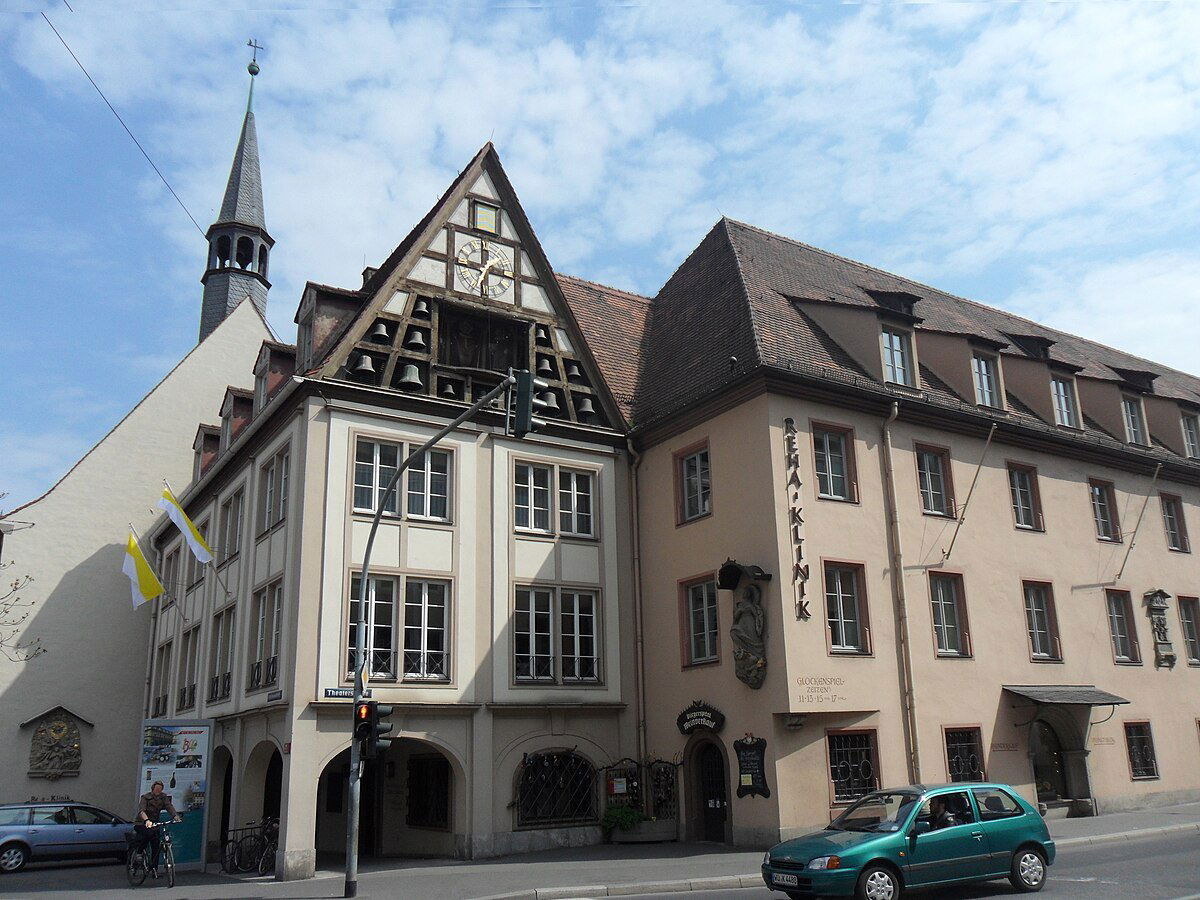

Weingut Bürgerspital zum Heiligen Geist
Altstadt, Würzburg
Winery in Würzburg, Germany
 Book with Pearl
The Read
Institutional Franconian Terroir
Why go
A serious Würzburg wine address for occasions where reputation and central logistics matter. Book it when Franconian wine is the focus and the rest of the day needs to stay easy; cross-shop Weingut Juliusspital if you want another established city option before looking outside Würzburg.
About Weingut Bürgerspital zum Heiligen Geist
Weingut Bürgerspital zum Heiligen Geist is a Würzburg venue with Pearl 3 Star Prestige recognition for 2025. For the smoothest visit, note the smart casual dress code and confirm operational details directly before making firm plans.
For planning around the city, use Würzburg restaurants guide and Würzburg hotels guide to build the rest of the itinerary, and check hours, menus, group capacity, and service format before you go.
Book this when recognition matters
The main draw here is recognition: Weingut Bürgerspital zum Heiligen Geist holds Pearl 3 Star Prestige for 2025. For menu format, tasting structure, pricing, seating, or service details, check directly with the venue before treating them as fixed planning facts.
For a special occasion or hosted visit, confirm the current offering directly with the venue. The dress code is smart casual, which makes it reasonable to plan attire with care rather than assume an ultra-casual stop.
Where it fits in a Würzburg itinerary
For comparison planning, names to consider include Weingut Juliusspital, Weingut Schmitt's Kinder, Weingut Rainer Sauer, Weingut Horst Sauer, and Weingut Hans Wirsching. Use those comparisons as a way to shape the day around location, timing, and preferred style, while confirming the practical details of each venue directly.
The key decision is whether Weingut Bürgerspital zum Heiligen Geist should be the main Würzburg stop or one part of a broader itinerary. Because hours, tasting format, food offering, and group capacity can shape the day, avoid building the plan around assumptions.
Quick reference: choose it for a recognized Würzburg venue with a smart-casual dress code, and verify current arrangements before finalizing the visit.
Planning details
- Location
- Theaterstraße 19, 97070 Würzburg
- Website
- buergerspital.de/weingut
- Phone
- +49 931 3503441
The take
The Take
The Vibe
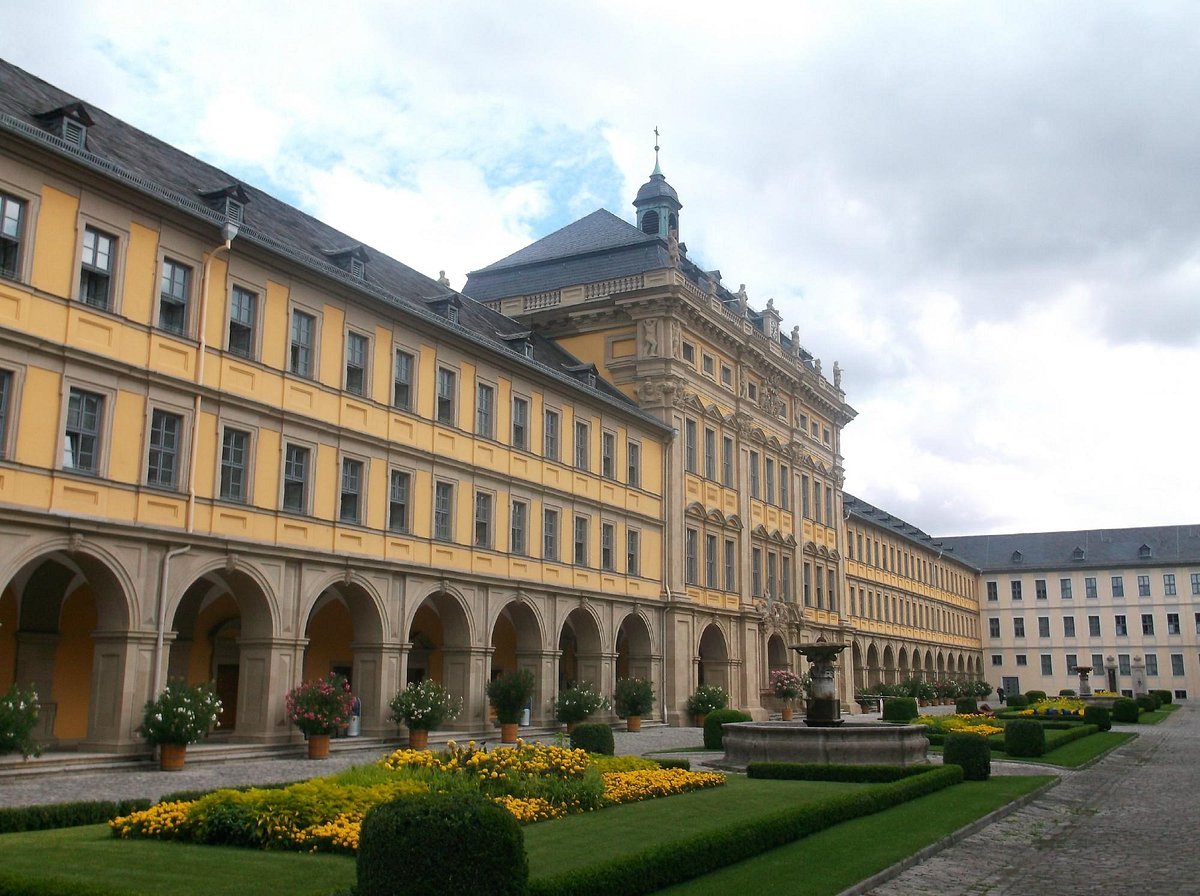
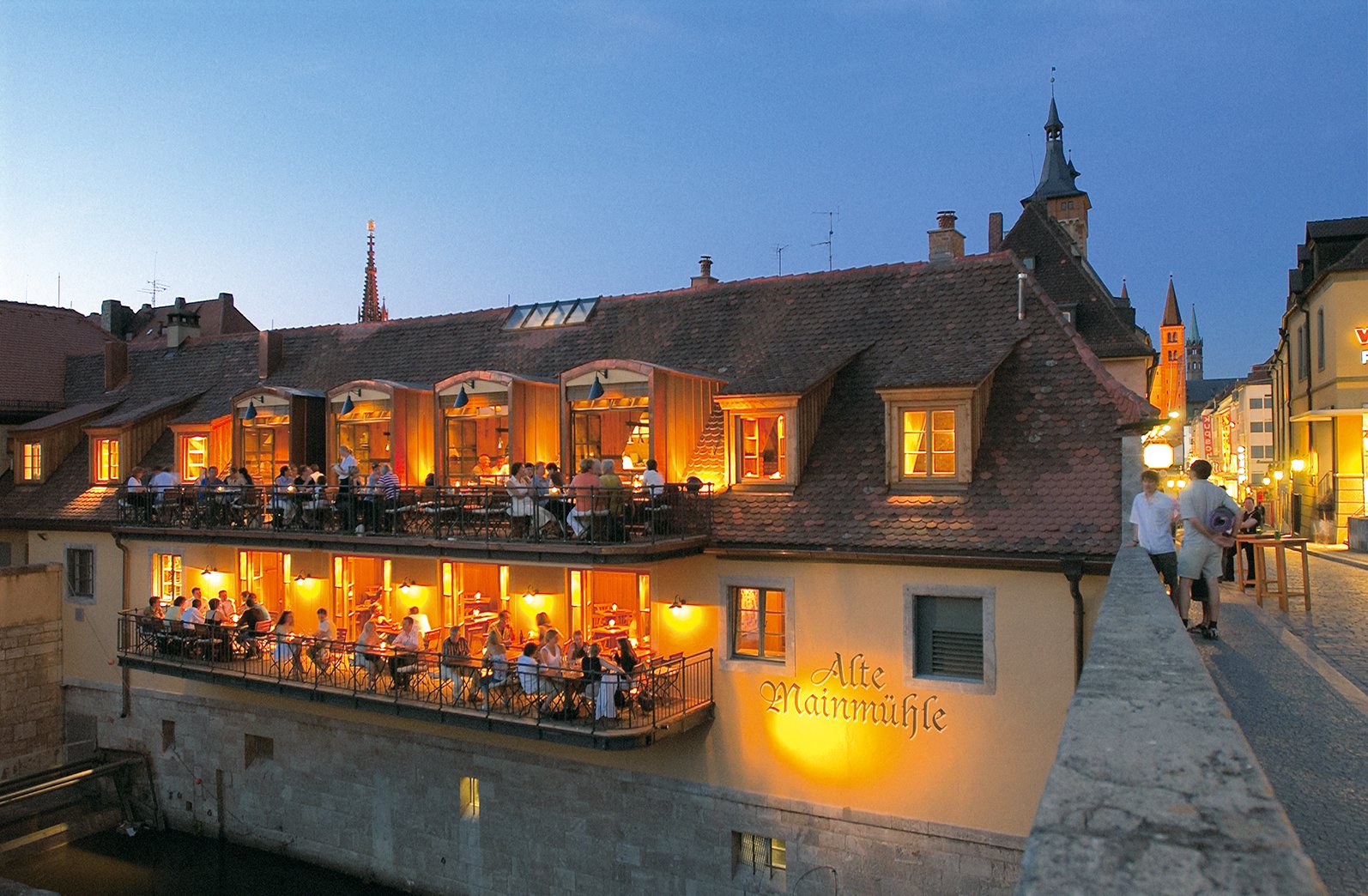
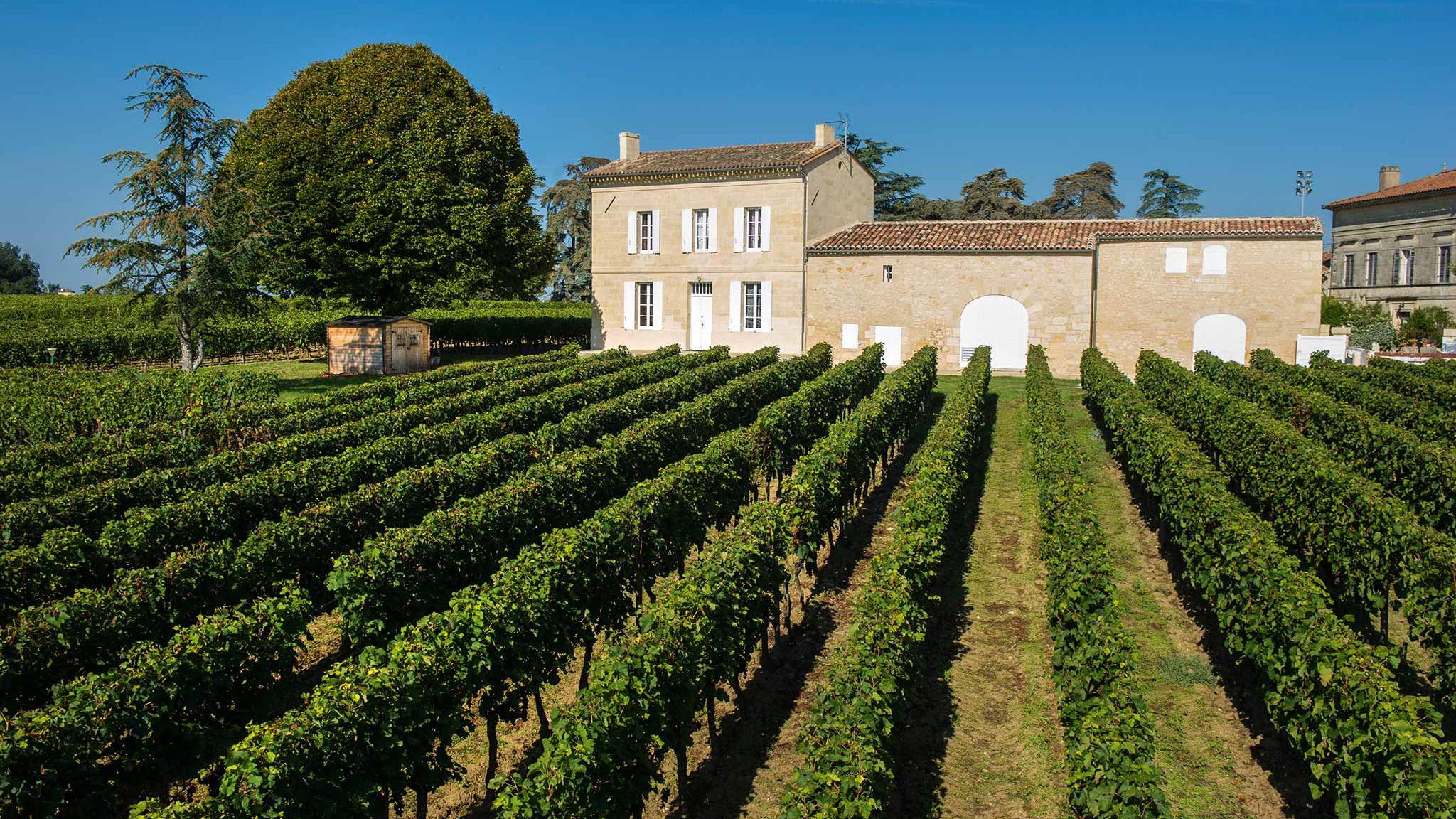
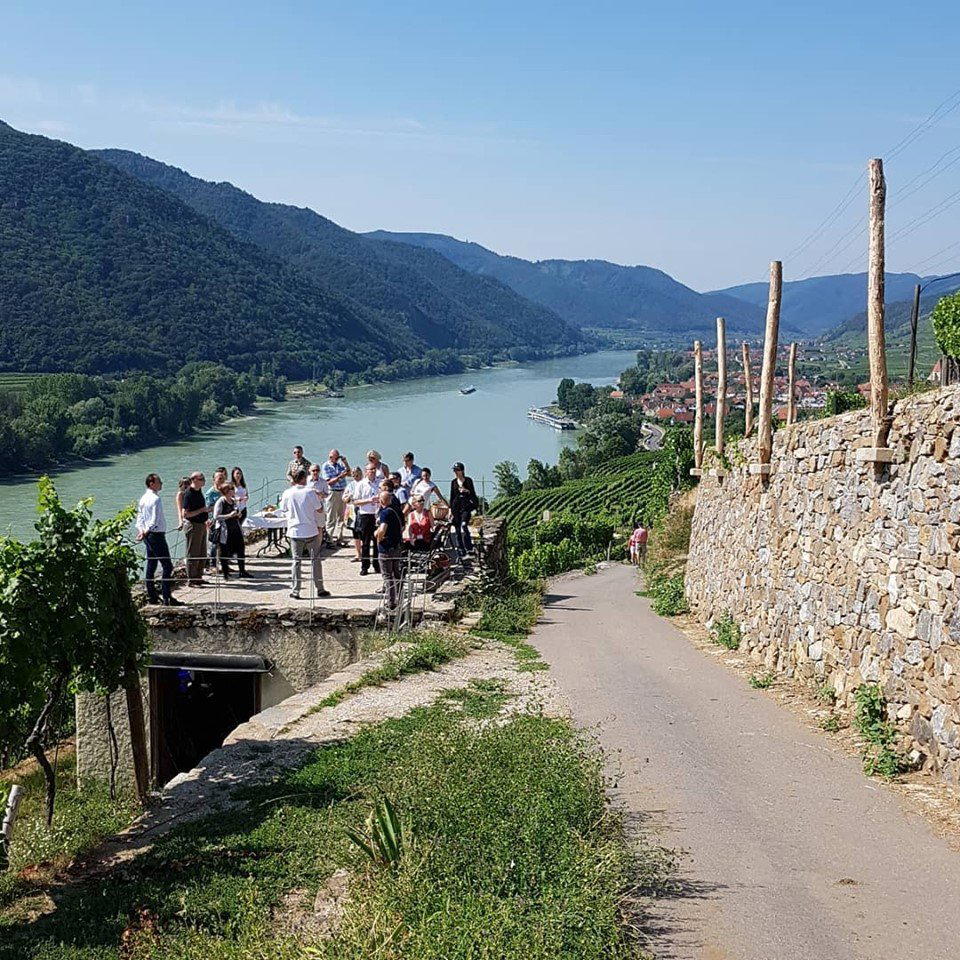
Bürgerspital zum Heiligen Geist reads like an institutional expression of place — a centuries-old wine estate embedded in Würzburg’s old quarter. The writing leans on stone and slope: sandstone facades, the Main curving beneath the Marienberg Fortress and steep, south-facing vineyard sites. That civic weight is balanced by precise, terroir-driven attention to Silvaner and Riesling, so the overall impression is calm, cultivated and scenic rather than flashy. Visitors encounter a serious, place-focused winery where geology and history feel inseparable from what’s in the glass.
Best For
This estate is best for visitors who come to learn about terroir and history as much as to taste. It suits wine-education outings—students, collectors and curious travelers—because the narrative foregrounds soil types and vineyard sites that shape distinct Silvaner and Riesling expressions. The setting’s scale and provenance also make it appropriate for more formal, milestone visits: think special-occasion tastings or thoughtful, slow visits in Würzburg’s Altstadt. Travelers seeking sweeping vineyard context and historic continuity will get the most from a visit.
Tasting Tips
Focus your tasting on the region’s signature grapes: ask for Silvaner and Riesling bottlings that reference specific soils or slopes. The text highlights Muschelkalk, Buntsandstein and Keuper influences, so request vineyard-designate examples or comparative flights that show those differences. If available, taste older vintages or estate bottlings that illustrate how the house assembles parcels across soils. Ask staff about the steep, south-facing sites above the Main to better understand how aspect and geology shape the wines you sample.
Venue details
Ambiance
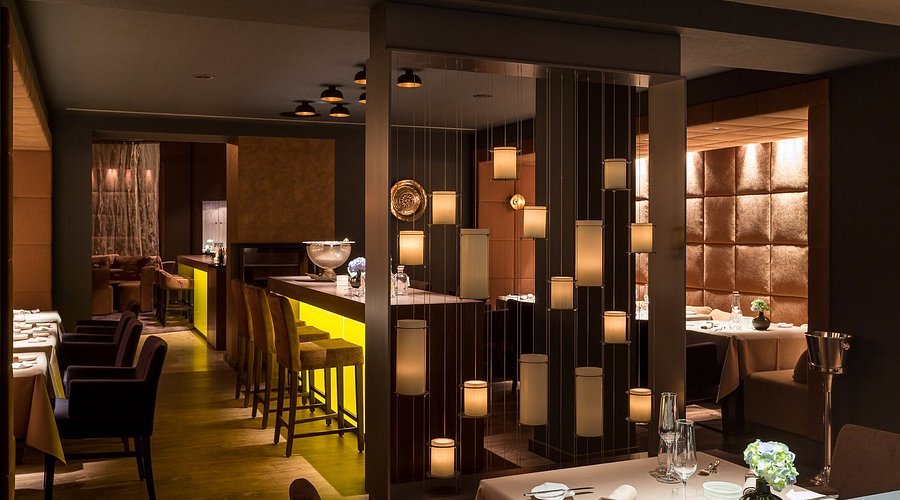
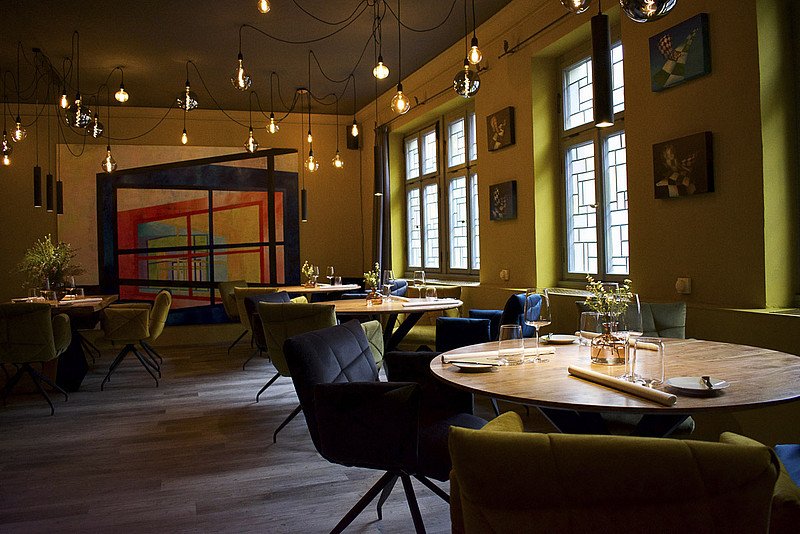
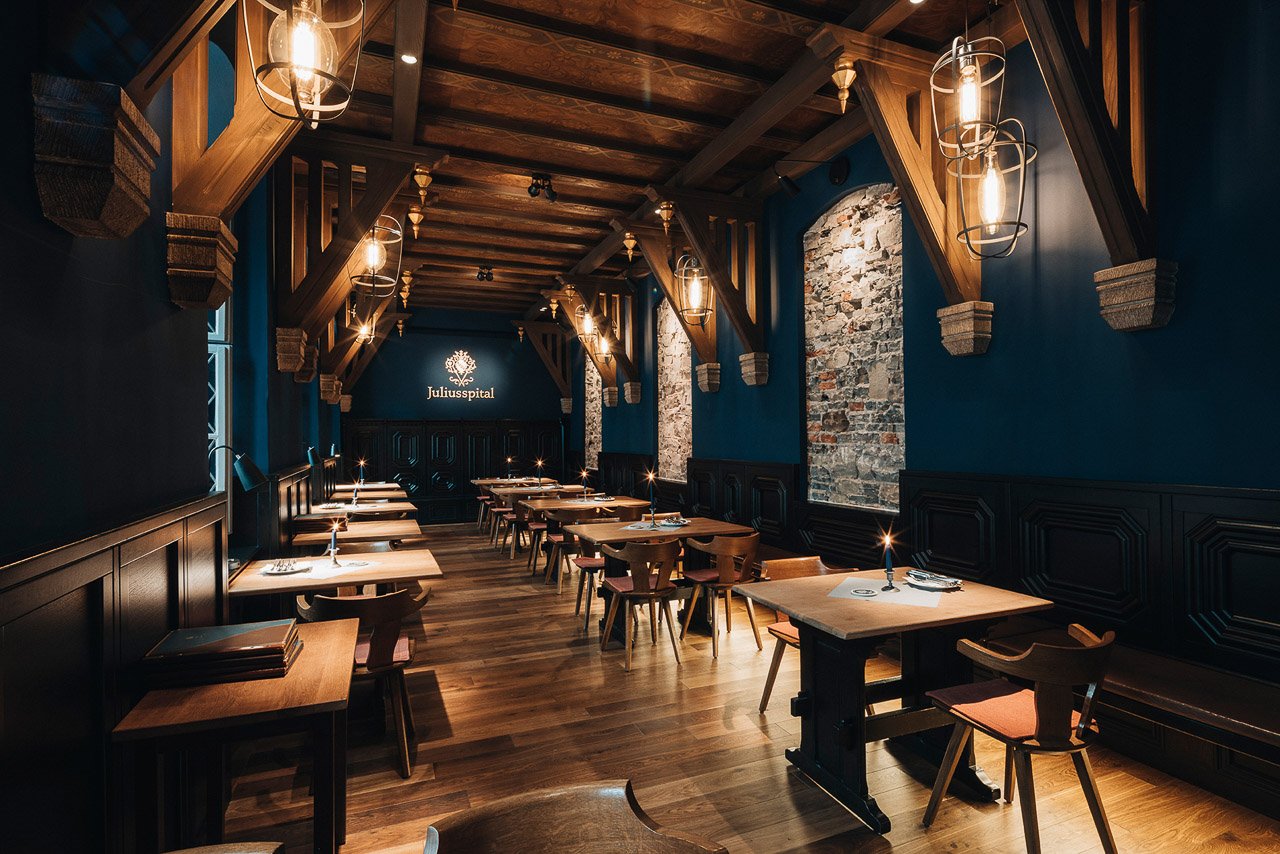
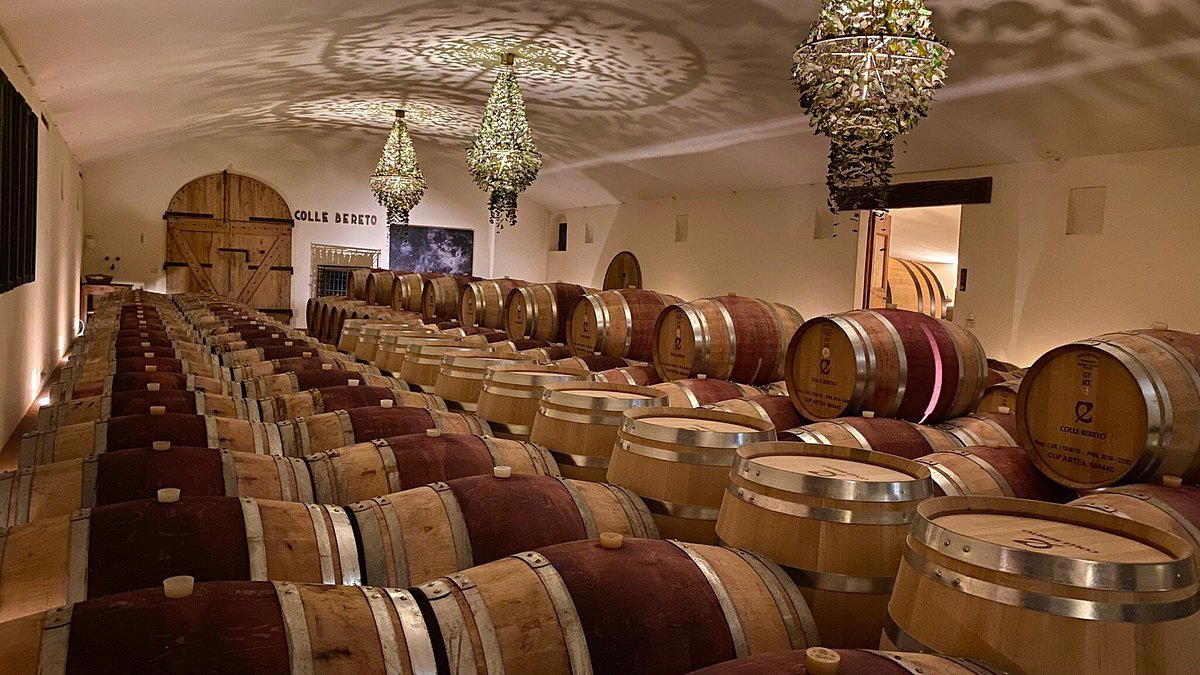
Historic Gothic architecture with vaulted ceilings in a labyrinth of nine rooms creating an elegant, timeless atmosphere.
Tags
Vibe
Best For
Experience
Sourcing
View
At the Vineyard
- Appellation
- Franken
- Varietals
- Riesling, Silvaner, Müller-Thurgau, Bacchus, Pinot Blanc
- Tour Duration
- 60-90 minutes
- Tour Languages
- German
- Visits
- Walk-ins welcome
- Farming
- Sustainable
- Wine Styles
- Still White, Still Red
- Food Pairing
- Offered
- Wine Club
- Not available
Know before you go
Know Before You Go
- Getting there
- Theaterstraße 19, 97070 Würzburg
Planning details
Location
Recognition and awards

Also consider
Where to go if this is not available
Start with Weingut Juliusspital if you want to keep the plan in Würzburg. If the group is open to leaving the city, Weingut Horst Sauer and Weingut Hans Wirsching are the stronger cross-shops for a more destination-led wine day.
Winery context
How it compares in Würzburg
Weingut Bürgerspital zum Heiligen Geist is the stronger pick for a polished, wine-led occasion in central Würzburg. Weingut Juliusspital is the closest city alternative and the first place to cross-shop if you want another established Würzburg name without adding transport complexity.
For a more destination-led wine day, compare the out-of-metro options. Weingut Schmitt's Kinder, Weingut Rainer Sauer, Weingut Horst Sauer, and Weingut Hans Wirsching make more sense when the winery visit is the main plan and travel time is acceptable.
Value comes down to the day you are building. Stay with the central Würzburg names for a celebration tied to dinner, hotels, or guests with limited time. Choose the out-of-metro peers if ambiance and estate context matter more than convenience.
Around this place
Discover more on Pearl
Unlock the full Weingut Bürgerspital zum Heiligen Geist guide in Pearl, including awards, comparisons, FAQs, planning details, and nearby places.
Compare Weingut Bürgerspital zum Heiligen Geist
| Venue | Location | Awards |
|---|---|---|
| Weingut Bürgerspital zum Heiligen Geist | Würzburg | 2026 Falstaff Winery Guide |
| Weingut Juliusspital | Würzburg | 2026 Falstaff Winery Guide |
| Weingut Schmitt’s Kinder | Randersacker | 2026 Falstaff Winery Guide |
| Weingut Rainer Sauer | Escherndorf | 2026 Falstaff Winery Guide |
| Weingut Horst Sauer | Escherndorf | 2026 Falstaff Winery Guide |
| Weingut Hans Wirsching | Iphofen | 2026 Falstaff Winery Guide |
How Weingut Bürgerspital zum Heiligen Geist compares with similar nearby venues.
FAQ
Frequently Asked Questions
How long should I plan for a visit to Weingut Bürgerspital zum Heiligen Geist?
What is Weingut Bürgerspital zum Heiligen Geist known for?
Weingut Bürgerspital zum Heiligen Geist is a Würzburg venue recognized with Pearl 3 Star Prestige for 2025. The dress code is smart casual.
Where is Weingut Bürgerspital zum Heiligen Geist located?
Weingut Bürgerspital zum Heiligen Geist is located in Würzburg.