
Weingut Reinhold Haart
Piesport
Winery in Piesport, Germany
 Book with Pearl
The Read
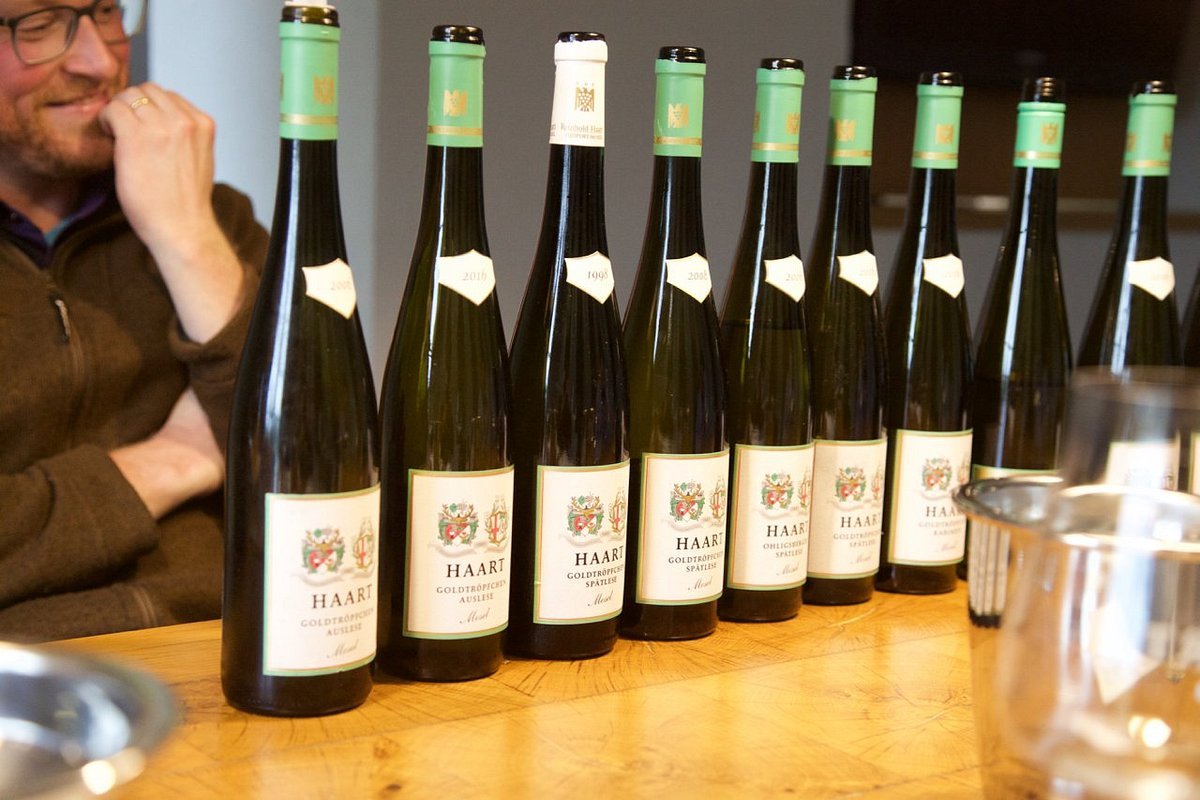
Blue-Slate Goldtröpfchen Riesling
Why go
Weingut Reinhold Haart is worth prioritizing for a Mosel-focused trip, especially if Piesport is the day's anchor rather than a quick stop. It suits serious wine travelers more than casual groups, because the value is in producer depth and village context rather than broad visitor amenities.
About Weingut Reinhold Haart
Weingut Reinhold Haart is a Piesport venue with Pearl 2 Star Prestige (2025). It works best as a focused stop for travelers who are already planning time in Piesport and want to keep the day centered on a recognized name.
Plan around Piesport rather than around assumptions about visitor format, amenities, menus, or service style. The practical note is simple: dress code is casual. For anything beyond that, including visit availability or on-site arrangements, confirm directly with the venue before building an itinerary around it.
Plan Piesport as the anchor, not the add-on
The smart move is to give the visit breathing room and build the rest of the day nearby. Use current local planning resources first, then fill in meals and other time through Our full Piesport restaurants guide. If availability or visit details are important to the trip, confirm them directly rather than relying on assumptions.
For broader context, compare Weingut Reinhold Haart with names such as Weingut Carl Loewen, Weingut Fritz Haag, Weingut Grans-Fassian, Weingut Markus Molitor, and Weingut Nik Weis – St. Urbans-Hof. Keep the comparison focused on planning priorities and personal interest rather than expectations about specific experiences.
Who should prioritize it
Put Weingut Reinhold Haart high on the list if you want a Piesport stop with Pearl 2 Star Prestige (2025) recognition. It is less suitable as a fully planned day anchor unless the practical details you need are arranged directly with the venue. For a low-friction outing, keep another Piesport option in reserve.
Planning details
- Location
- Ausoniusufer 18, 54498 Piesport
- Website
- haart.de
- Phone
- +49 6507 2015
The take
The Take
The Vibe
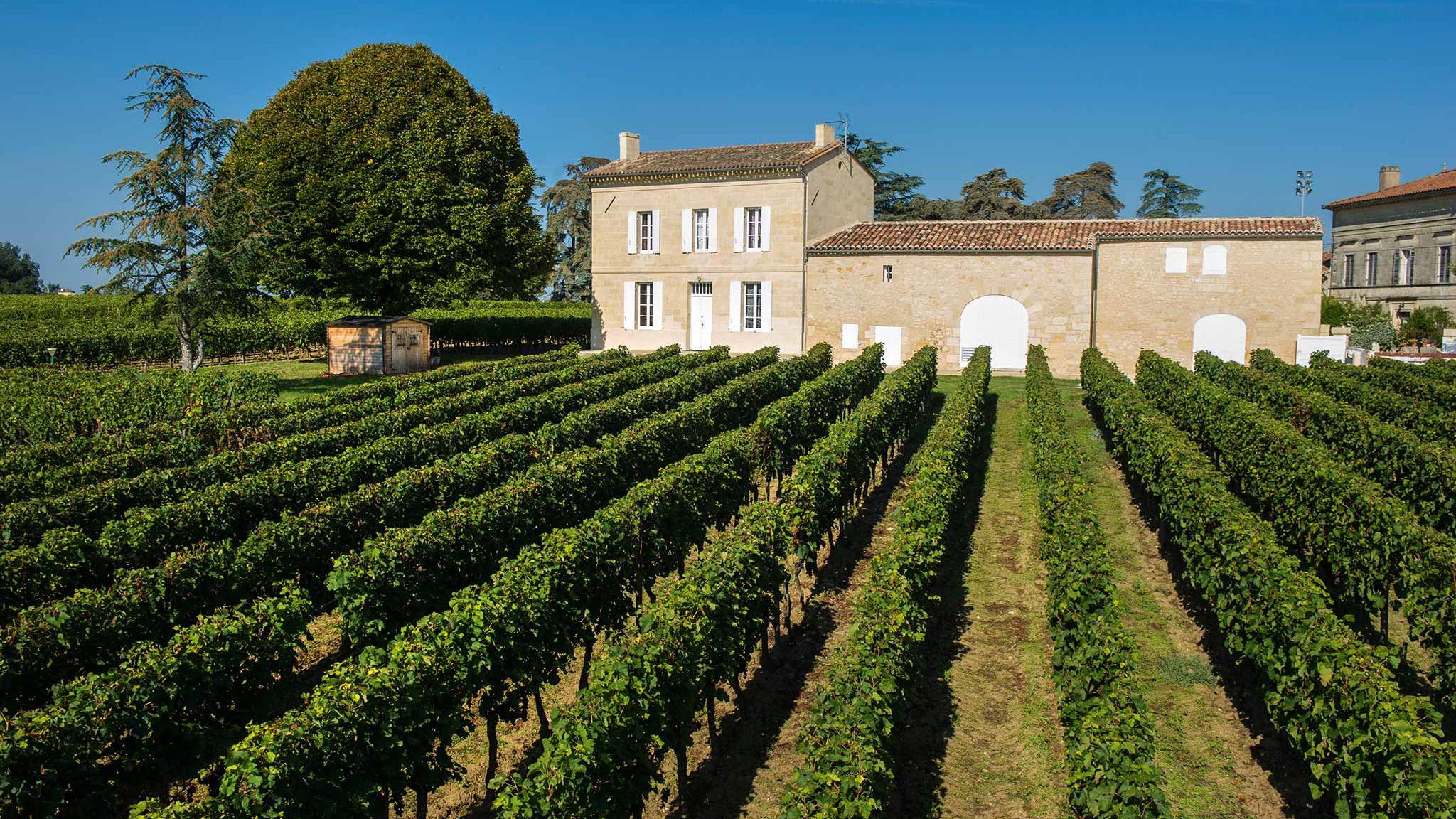
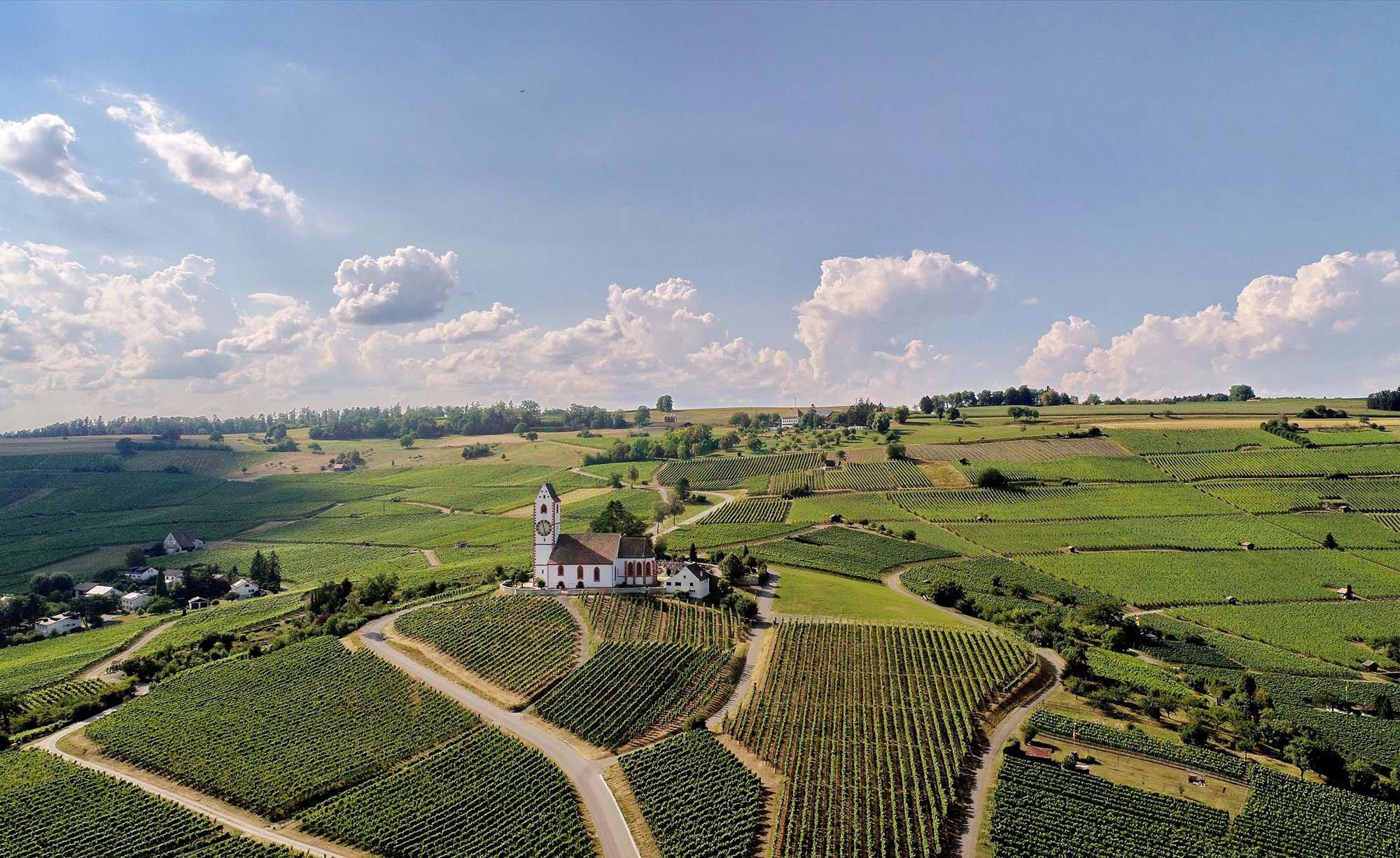
Weingut Reinhold Haart presents a terroir-first, historically rooted presence on the Mosel. The writing foregrounds the estate’s riverside setting at Ausoniusufer and the amphitheatre of south-facing slopes whose Devonian slate holds daytime warmth—an argument that shapes every bottle. That geological specificity and the long-documented prominence of sites like Goldtröpfchen and Domherr give the property a quietly iconic, contemplative character: an old-world winery that reads like a geological essay as much as a tasting room. Recent critical recognition places it squarely among Mosel producers whose vineyard narratives carry measurable weight.
Best For
This estate is ideal for visitors focused on learning and close observation rather than nightlife or casual sampling. The description emphasizes terroir, microclimate and site-specific character, making the property well suited to serious Riesling enthusiasts, wine students and solo travelers who want to trace how slate and river influence ripening and style. The 2025 Pearl 2 Star Prestige recognition signals that tastings here reward attention to nuance; visitors who come prepared to talk geology, slope aspect and historic vineyard names get the most out of the experience.
Tasting Tips
When engaging with the cellar or tasting host, steer the conversation toward site specificity: ask about Goldtröpfchen and Domherr and how Devonian slate and the river bend shape each vintage. Reference the estate’s 2025 Pearl 2 Star Prestige recognition if you want to prioritize bottles tied to that accolade, and request explanations of the estate’s cellar decisions as they relate to terroir expression. Focus questions on comparative differences between river-facing and higher-slope parcels to deepen your tasting and understanding without assuming specific tour formats or prepackaged experiences.
Venue details
Ambiance
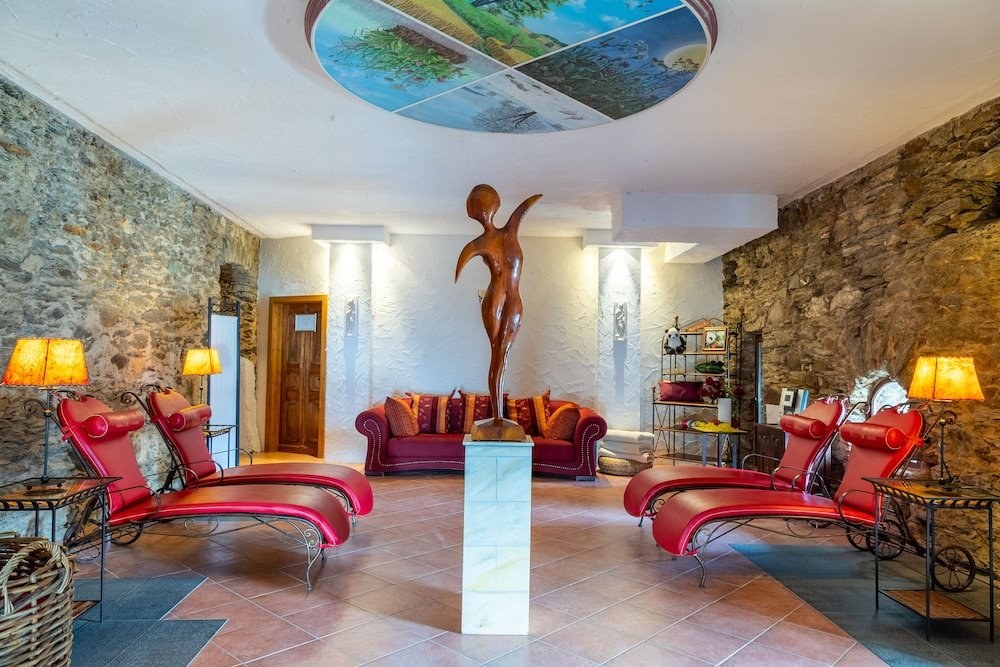
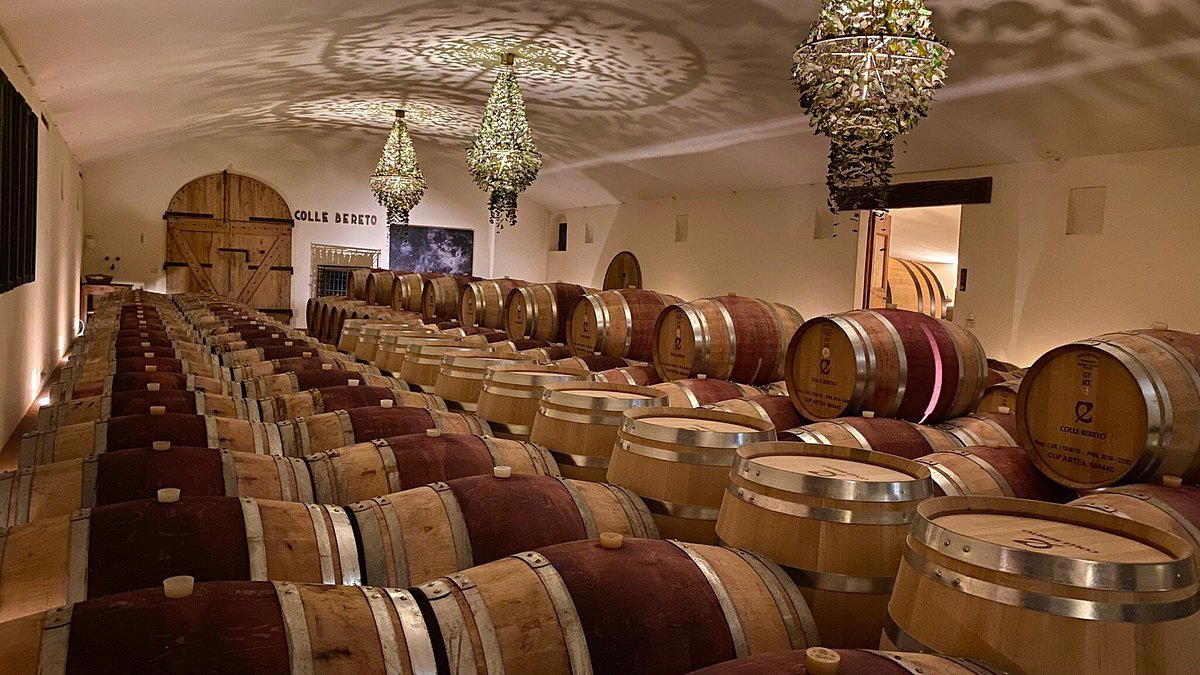
Modern decor in a historic winegrower's house on the Mosel riverbank with welcoming, intimate tasting atmosphere.
Tags
Vibe
Best For
Experience
Sourcing
View
At the Vineyard
- Appellation
- Piesport
- Varietals
- Riesling
- Visits
- By reservation
- Farming
- Sustainable
- Production
- Small producer
- Wine Styles
- Still White
- Wine Club
- Not available
Know before you go
Know Before You Go
- Getting there
- Ausoniusufer 18, 54498 Piesport
Planning details
Location
Recognition and awards

Also consider
Also Consider
- Weingut Fritz Haag, Notable alternative
- Weingut Nik Weis – St. Urbans-Hof, Notable alternative
- Weingut Carl Loewen, Notable alternative
- Weingut Grans-Fassian, Notable alternative
- Weingut Markus Molitor, Notable alternative
Winery context
How It Compares
Choose Weingut Reinhold Haart if the priority is a Piesport-focused Mosel day with a serious producer at the center. Weingut Fritz Haag is the better cross-shop for travelers building a wider Mosel Riesling itinerary outside Piesport, while Weingut Markus Molitor is the stronger fit for visitors who want a larger-name benchmark in the region.
For booking risk, do not rely on a single target. If this visit does not come together, Weingut Nik Weis – St. Urbans-Hof and Weingut Carl Loewen are sensible alternatives for a Mosel trip with serious wine focus, while Weingut Grans-Fassian works better as a nearby comparison point for travelers who want another producer-led stop rather than a hospitality-heavy outing.
Value comes down to what the traveler wants from the day. Reinhold Haart is the sharper choice for depth in Piesport; Fritz Haag and Markus Molitor make more sense for broader regional benchmarking; Nik Weis, Carl Loewen, and Grans-Fassian are useful backups when schedule flexibility matters more than anchoring the day in one village.
Explore Piesport
Around this place
Discover more on Pearl
Unlock the full Weingut Reinhold Haart guide in Pearl, including awards, comparisons, FAQs, planning details, and nearby places.
Compare Weingut Reinhold Haart
| Venue | Location | Awards |
|---|---|---|
| Weingut Reinhold Haart | Piesport | 2026 Falstaff Winery Guide |
| Weingut Fritz Haag | Brauneberg | 2026 Falstaff Winery Guide |
| Weingut Nik Weis – St. Urbans-Hof | Leiwen | 2026 Falstaff Winery Guide |
| Weingut Carl Loewen | Leiwen | 2026 Falstaff Winery Guide |
| Weingut Grans-Fassian | Leiwen | 2026 Falstaff Winery Guide |
| Weingut Markus Molitor | Bernkastel-Wehlen | 2026 Falstaff Winery Guide |
How Weingut Reinhold Haart Piesport compares with similar nearby venues.
FAQ
Frequently Asked Questions
Does Weingut Reinhold Haart offer shipping or delivery?
If shipping or delivery matters to your plans, ask Weingut Reinhold Haart directly before you order or travel.
Do I need a reservation at Weingut Reinhold Haart?
Because visit arrangements can vary, contact Weingut Reinhold Haart directly before planning a stop in Piesport.
Are membership options available at Weingut Reinhold Haart?
Ask the venue directly about current membership options and terms before making any decision.