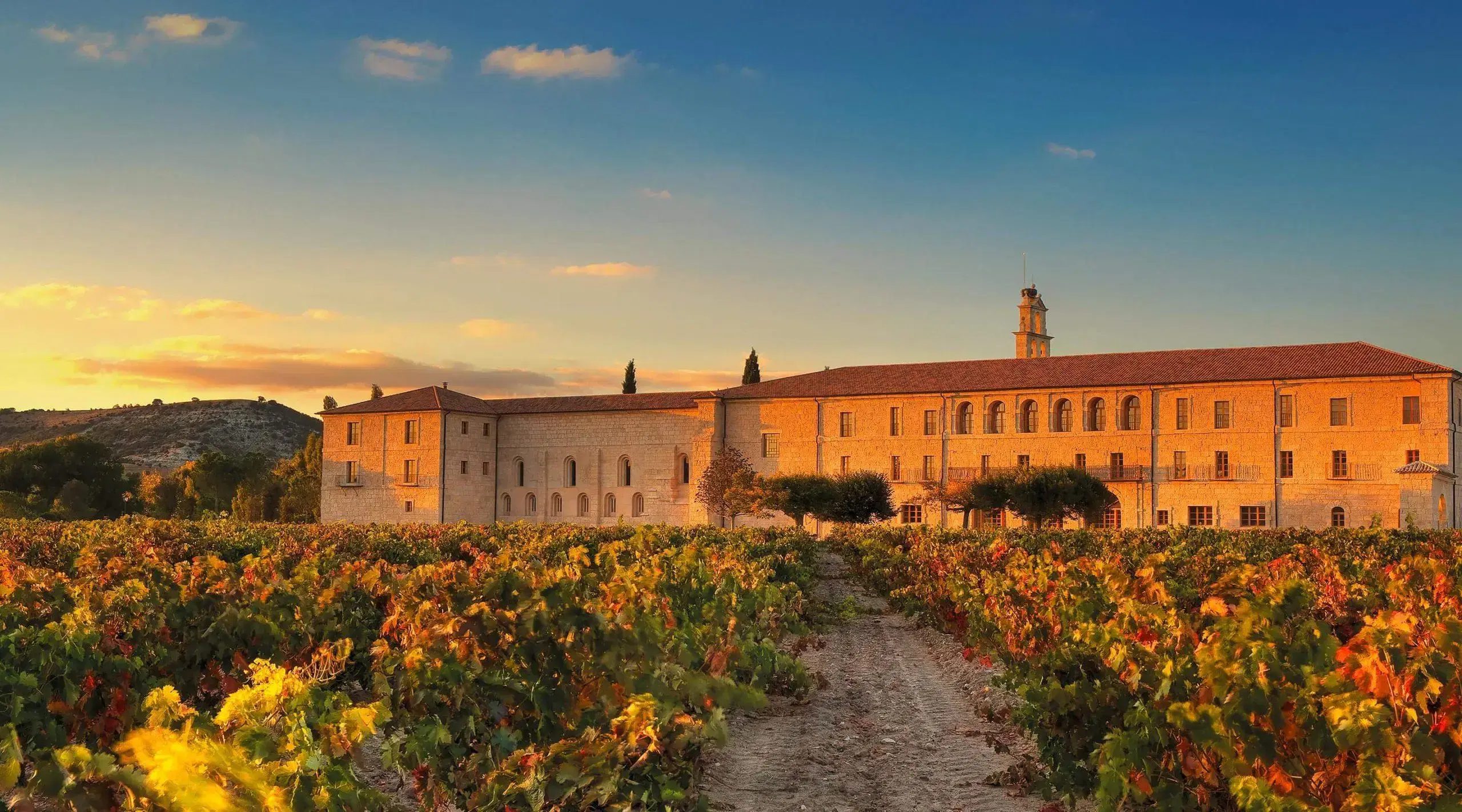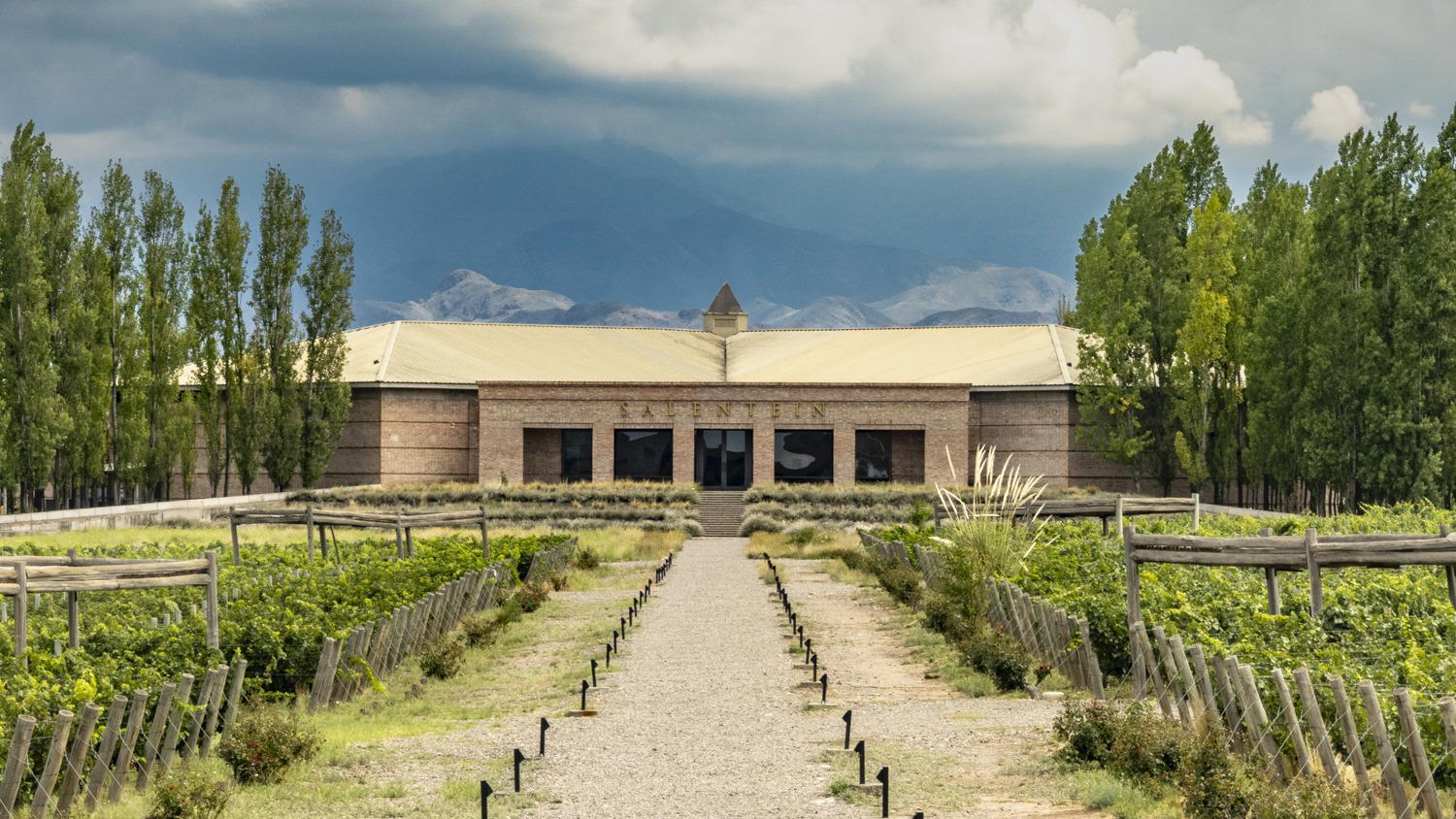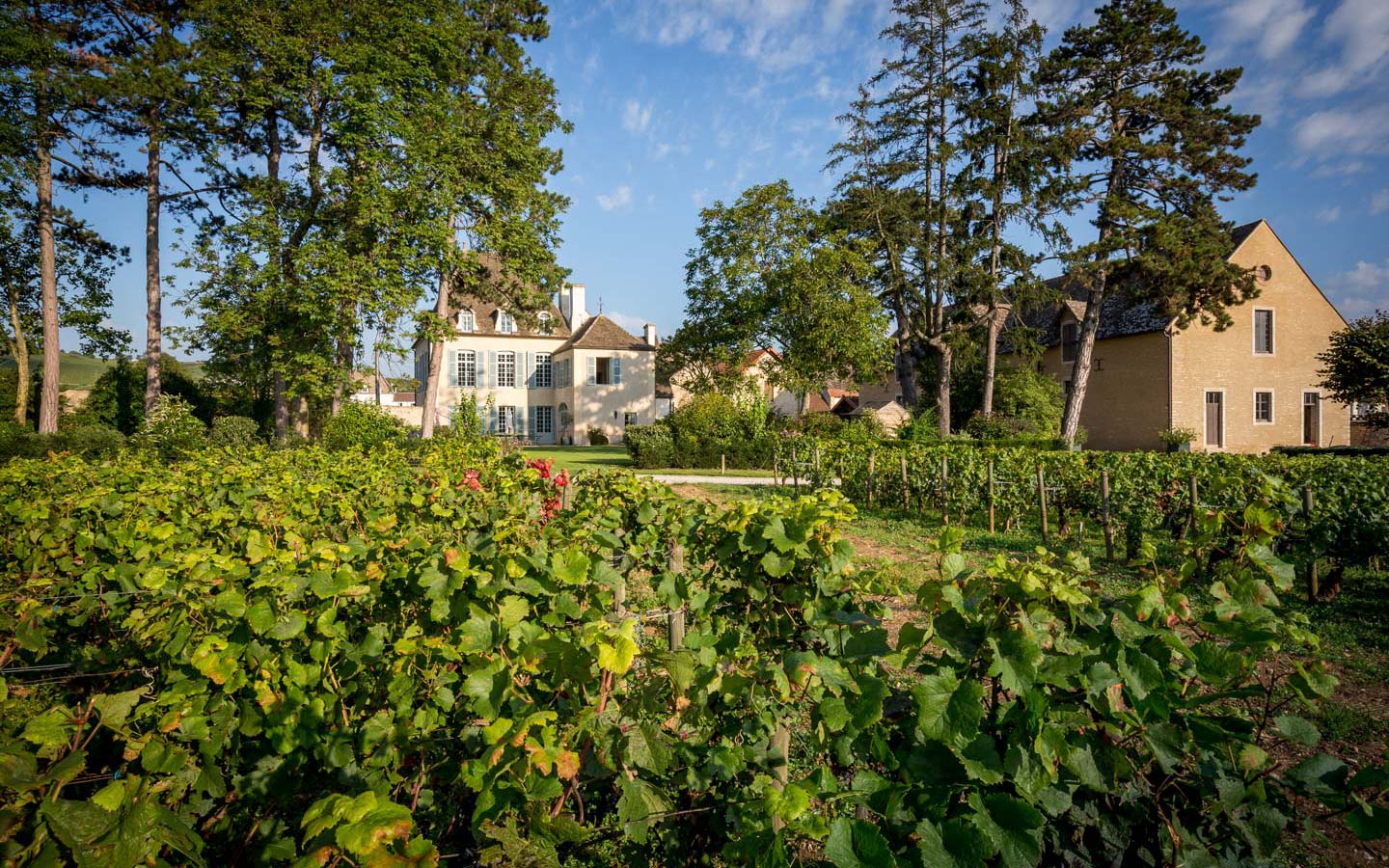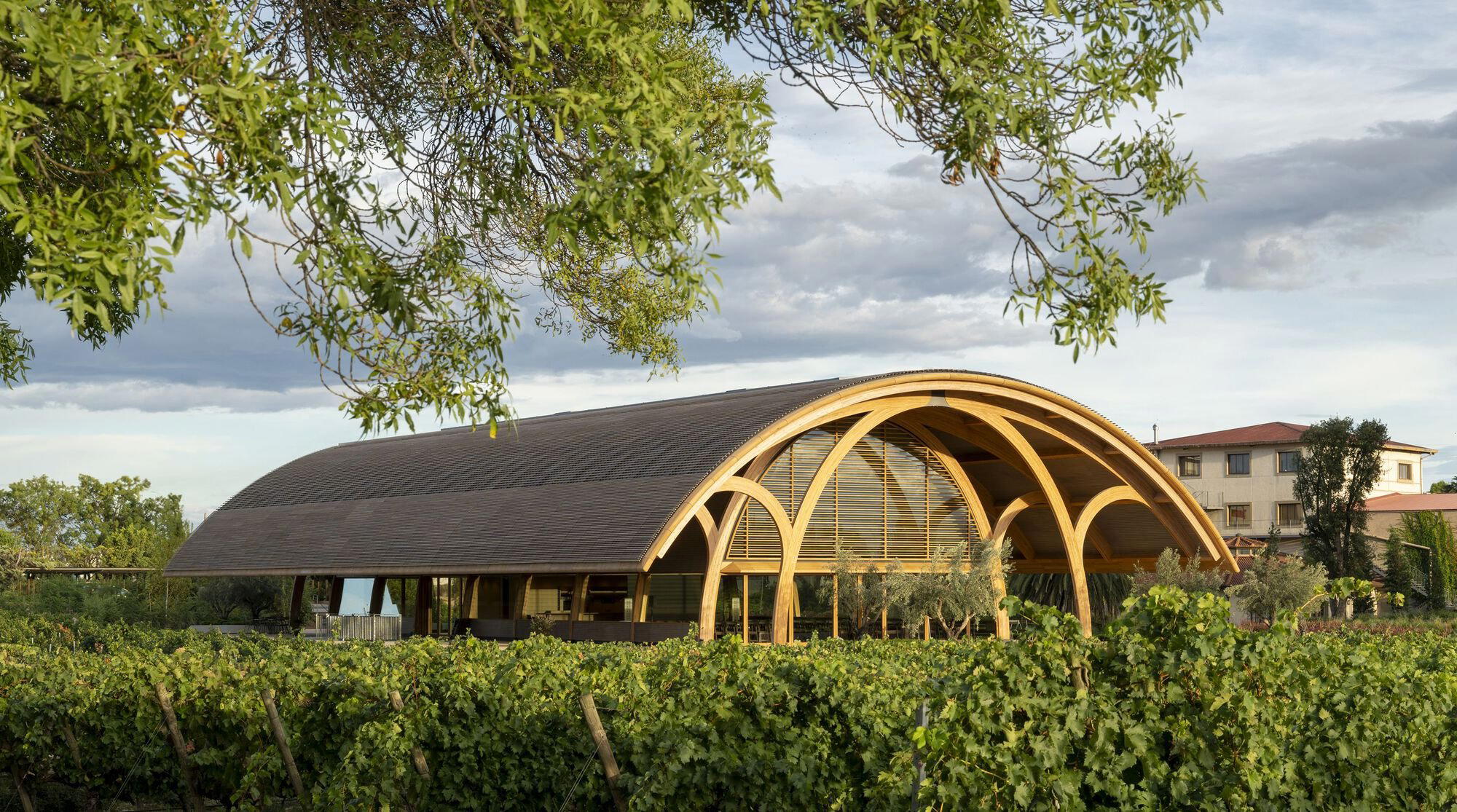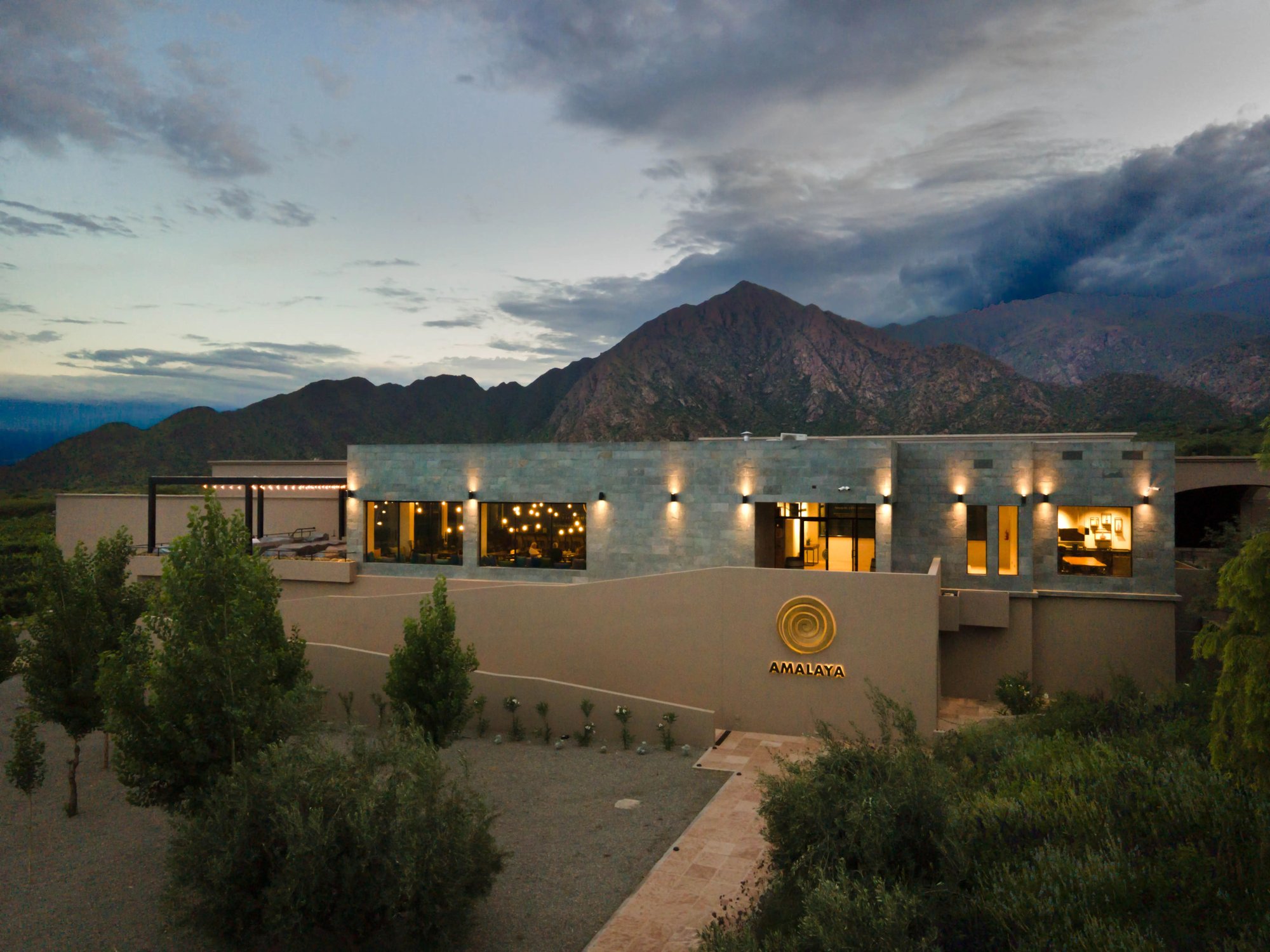


Bodega Amalaya
Cafayate
Winery in Cafayate, Argentina
 Book with Pearl
The Read
Calchaquí Altitude Precision
Why go
Bodega Amalaya is worth targeting if the priority is a serious Cafayate wine stop with strong prestige signals, not a casual drop-in tasting. Because visit logistics are not clearly published here and booking difficulty is high, plan it as a priority request with a practical backup nearby.
About Bodega Amalaya
Is Bodega Amalaya worth planning into a Cafayate wine day? Yes, if you want a winery stop with recognized prestige and a casual dress code.
Cafayate rewards travelers who compare options carefully. For Bodega Amalaya, the useful planning frame is simple: it is a Cafayate winery with recognized prestige, but there is no published restaurant format, tasting structure, named flagship bottle, listed price, schedule, booking method, or capacity detail.
That makes Bodega Amalaya a stop to confirm directly before building a full day around it. Pair it with another winery to research, or keep a backup if the schedule is fixed. For planning around the wider area, use Our full Cafayate wineries guide, then cross-check town meals through Our full Cafayate restaurants guide, hotels through Our full Cafayate hotels guide, bars through Our full Cafayate bars guide, and activities through Our full Cafayate experiences guide.
Book this for a wine-focused Cafayate day, not a frictionless drop-in
Bodega Amalaya is in Cafayate, so it is most relevant for travelers already planning time in town. The practical issue is limited public detail: hours, pricing, visit format, food service, phone number, website, and group capacity are not listed here. If the visit matters, confirm the current arrangements through the venue before you commit the day.
For someone comparing wineries, the appeal is the recognition attached to Bodega Amalaya. Names such as Bodega Nanni and Domingo Hermanos are also useful to research when building a tasting route. Bodega Amalaya is best treated as a wine-focused candidate rather than a fully documented, drop-in plan.
What to cross-shop if the visit cannot be confirmed
If access or logistics are uncertain, compare other winery options. Bodega Nanni, Domingo Hermanos, El Porvenir de Cafayate, Finca Quara, and San Pedro de Yacochuya are the most relevant names to research alongside Bodega Amalaya.
The short version: prioritize Bodega Amalaya if the recognized prestige is what draws you and the itinerary has room for direct confirmation. If the day needs published logistics, group certainty, food, or a simple drop-in plan, build around a more transparent winery plan and keep Bodega Amalaya as a candidate to verify.
Planning details
- Location
- 25 de Mayo S/N, divisadero, A4400 Cafayate, Salta
- Website
- amalaya.com/%20%20https://wosbooking.com/mro/amalaya
- Phone
- +54 3873 13-3859
The take
The Take
The Vibe
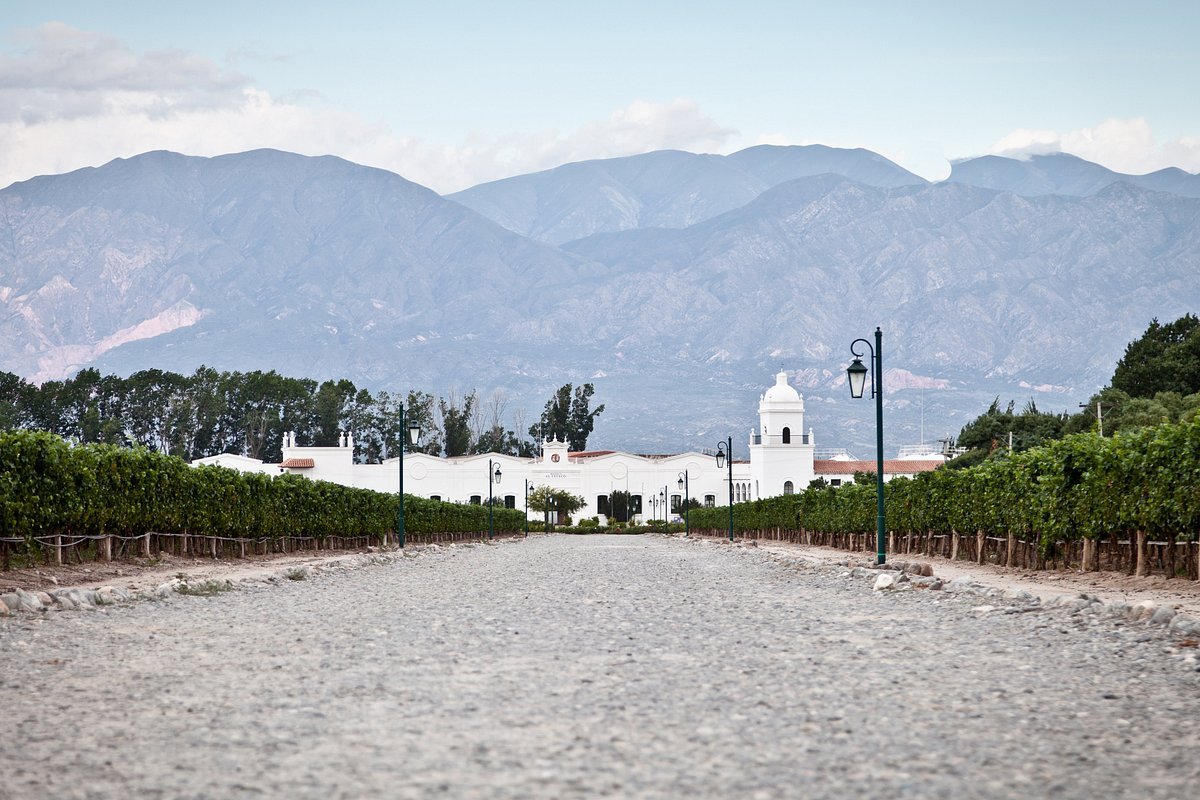
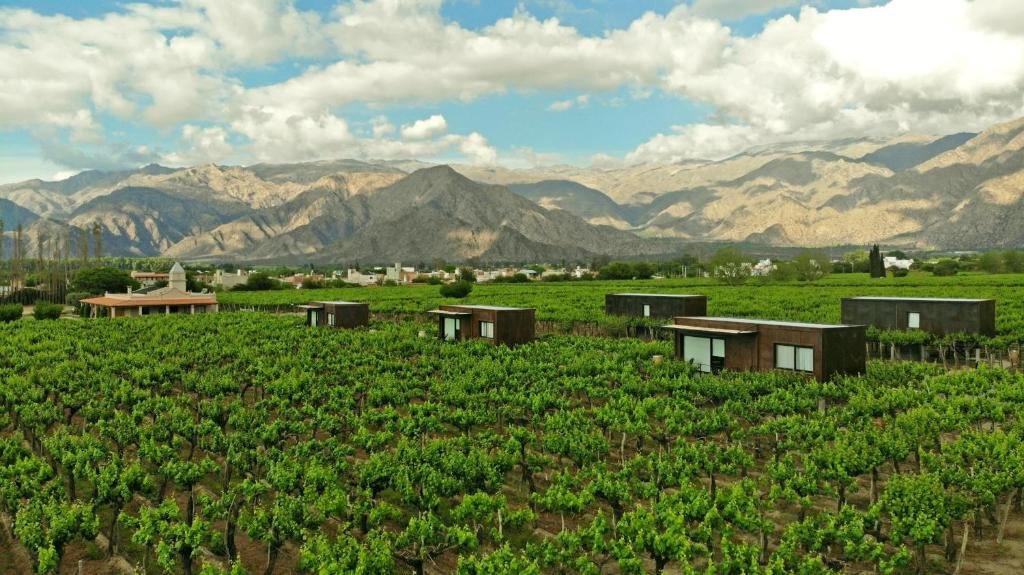
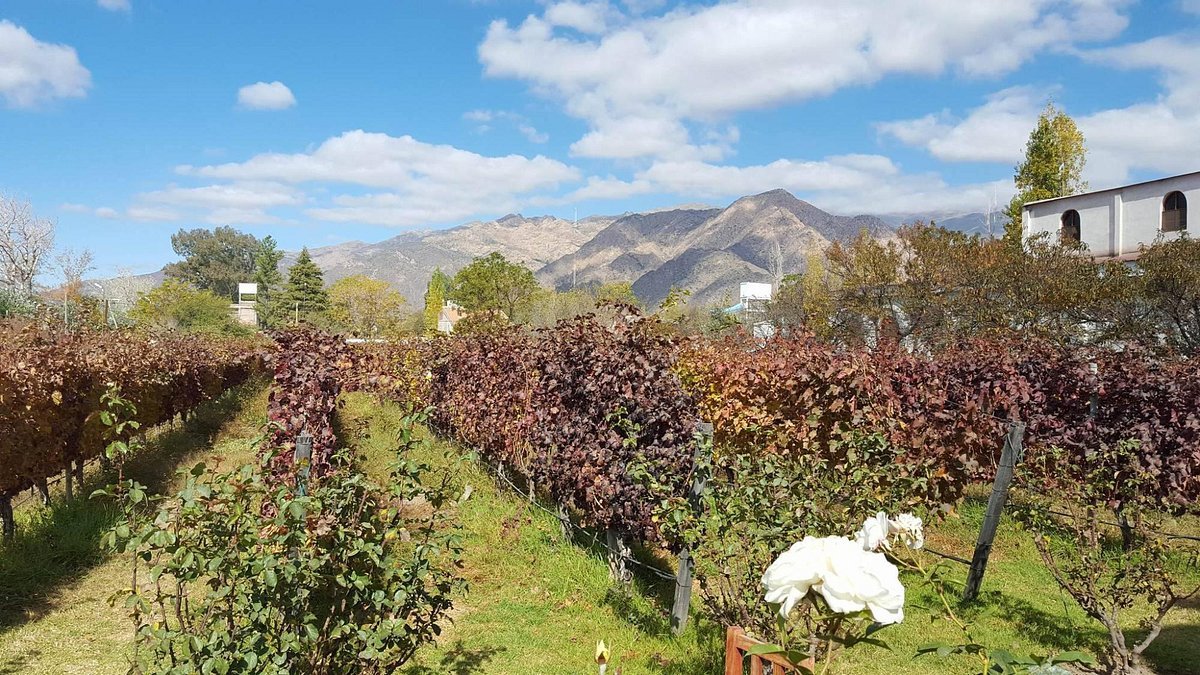
Bodega Amalaya reads as a place defined by altitude and geology rather than by theatrics. The copy emphasises how intense sunlight, dramatic diurnal shifts and a patchwork of sandy and red-clay soils shape what ends up in the glass, so the overall impression is measured and considered. Visitors encounter a winery where the landscape is front and centre: the vineyard slopes and valley conditions are treated as active contributors to style. The tone is intellectual and restrained, more concerned with structural detail and terroir than with glossy presentation or spectacle.
Best For
This is a winery for people who want to learn by paying attention. The narrative repeatedly links altitude, UV exposure and big day–night temperature swings to the wines’ acidity, colour and tannin structure, so it’s especially rewarding for students of terroir — sommeliers, curious winelovers and anyone on a focused exploration of Argentine viticulture. The setting’s emphasis on place makes it well suited to solitary study or small, contemplative visits where tasting is framed as investigation rather than mere socialising.
Tasting Tips
When approaching Amalaya’s wines, prioritise examples that foreground freshness and structural clarity: the region’s hallmark is wines that balance concentration with brisk acidity. Seek bottles that reference altitude-driven elements — pronounced acidity, layered phenolics and concentrated colour — and compare examples from different slopes or cuvées to appreciate how sandy alluvial versus red-clay soils register on the palate. In tasting or retail contexts, frame your questions around ripeness, diurnal temperature impact and how soil types shaped the vintage; that will reveal the clearest expression of the valley’s contribution.
Venue details
Ambiance
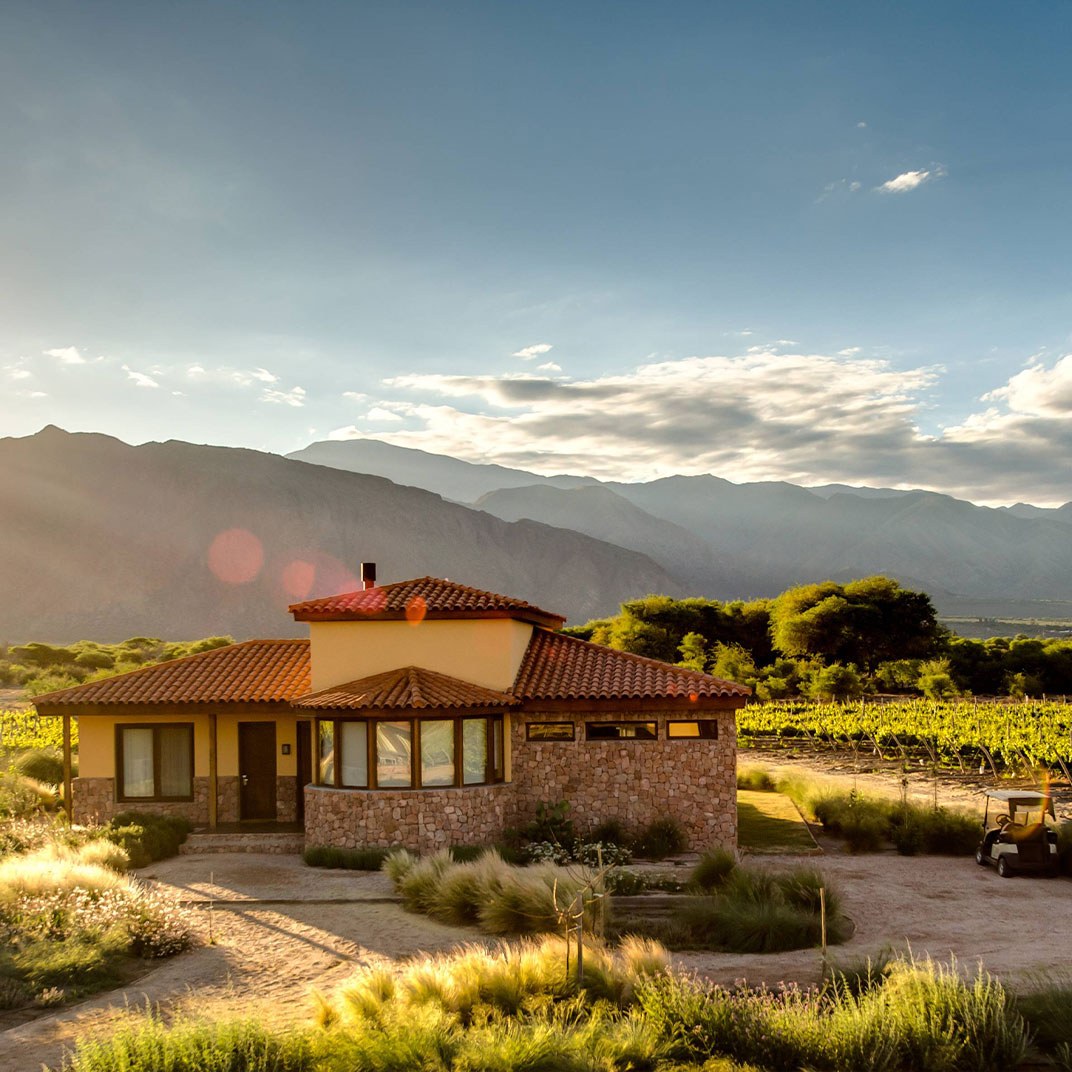
Scenic and serene atmosphere at the wine bar overlooking vineyards and mountains, fostering connection with nature in a modern, functional setting.
Tags
Vibe
Best For
Experience
Sourcing
View
At the Vineyard
- Appellation
- Cafayate
- Varietals
- Malbec, Torrontés, Cabernet Sauvignon, Tannat, Riesling
- Visits
- By appointment only
- Farming
- Organic
- Wine Styles
- Still Red, Still White
- Wine Club
- Not available
Know before you go
Know Before You Go
- Getting there
- 25 de Mayo S/N, divisadero, A4400 Cafayate, Salta
Planning details
Location
25 de Mayo S/N, divisadero, A4400 Cafayate, Salta · Directions
Recognition and awards

Also consider
Also Consider
- Finca Quara, Notable alternative
- Domingo Hermanos, Notable alternative
- Bodega Nanni, Notable alternative
- El Porvenir de Cafayate, Notable alternative
- San Pedro de Yacochuya, Notable alternative
Winery context
How It Compares in Cafayate
Choose Bodega Amalaya when wine credibility is the deciding factor and the schedule can absorb booking friction. Compared with Finca Quara, Domingo Hermanos, and Bodega Nanni, it reads as the more commitment-heavy choice: better for a planned wine-focused day than for travelers trying to keep the route flexible.
If value and ease matter more than prestige signaling, start with Domingo Hermanos or Bodega Nanni before pushing for this booking. If the brief is a more ambitious Cafayate wine itinerary, cross-shop El Porvenir de Cafayate and San Pedro de Yacochuya as alternate anchors, then decide based on confirmed access rather than name recognition alone.
The practical call: make Bodega Amalaya the first request if the bottle is the reason for the trip; make Finca Quara, Domingo Hermanos, or Bodega Nanni the safer fallback if the group needs simpler logistics, a looser pace, or a more predictable Cafayate afternoon.
Explore Cafayate
Around this place
Discover more on Pearl
Unlock the full Bodega Amalaya guide in Pearl, including awards, comparisons, FAQs, planning details, and nearby places.
Compare Bodega Amalaya
| Venue | Location | Awards |
|---|---|---|
| Bodega Amalaya | Cafayate | 2026 Falstaff Winery Guide2025 Decanter Winery Prestige |
| Finca Quara | Cafayate | No published awards |
| Domingo Hermanos | Cafayate | No published awards |
| Bodega Nanni | Cafayate | No published awards |
| El Porvenir de Cafayate | Cafayate | 2026 Falstaff Winery Guide |
| San Pedro de Yacochuya | Cafayate | No published awards |
How Bodega Amalaya Cafayate compares with similar nearby venues.
FAQ
Frequently Asked Questions
What other wineries can I compare with Bodega Amalaya?
Finca Quara, Domingo Hermanos, Bodega Nanni, El Porvenir de Cafayate, and San Pedro de Yacochuya are useful cross-checks when planning around Bodega Amalaya.
How long should I plan for a visit to Bodega Amalaya?
Visit duration is not listed here. Treat Bodega Amalaya as a Cafayate winery stop to confirm in advance, especially if you are pairing it with Finca Quara, Domingo Hermanos, or another winery the same day.