

2026 Falstaff Winery Guide: The Ultimate Wine Authority — Page 53
Falstaff's 2026 Wineries guide.

Venues on this list
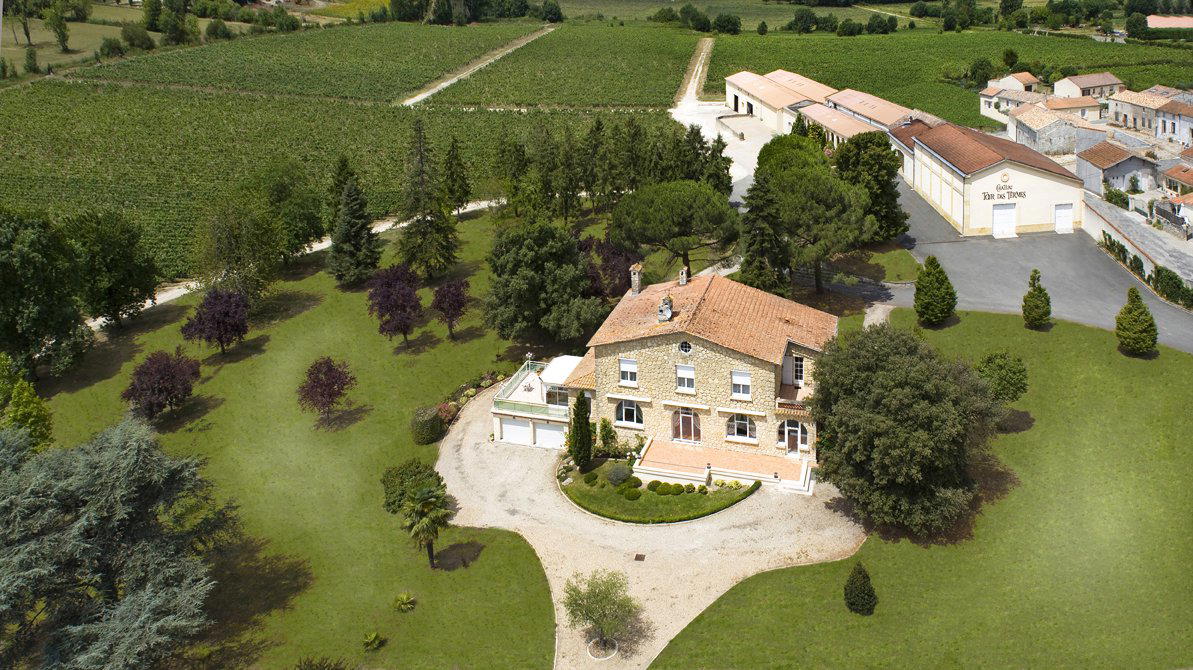
Château Le Boscq
Parempuyre, France
Book Château Le Boscq if the goal is a serious, appointment-led Saint-Estèphe visit with strong value logic rather than a casual tasting-room stop. The draw is historic Médoc setting, Cru Bourgeois Exceptionnel credibility, and a red-wine portfolio that offers a practical alternative to higher-priced classified-growth buying.
Hors Categorie Vineyards
Walla Walla, United States
Hors Categorie Vineyards is a stronger fit for allocation-minded Walla Walla wine travelers than for casual tasters building a low-friction day out. The main reason to prioritize it is collector interest backed by Falstaff listing recognition, not broad practical convenience. Confirm access before shaping an itinerary around it.
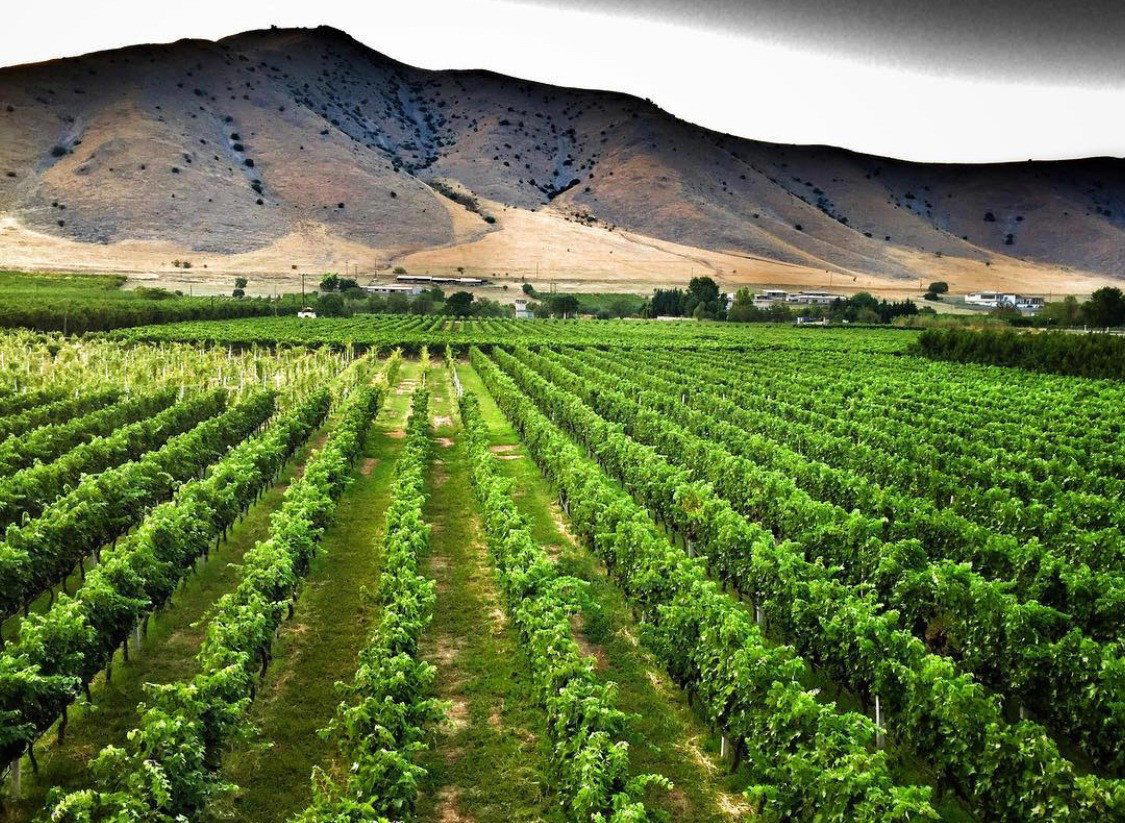
Zafeirakis Winery
Tirnavos, Greece
Zafeirakis Winery is the Tirnavos choice for travelers who want a wine-led stop rather than a spirits-focused visit. Plan ahead and treat it as the main anchor of the day, especially if the goal is regional context rather than a casual drop-in tasting.
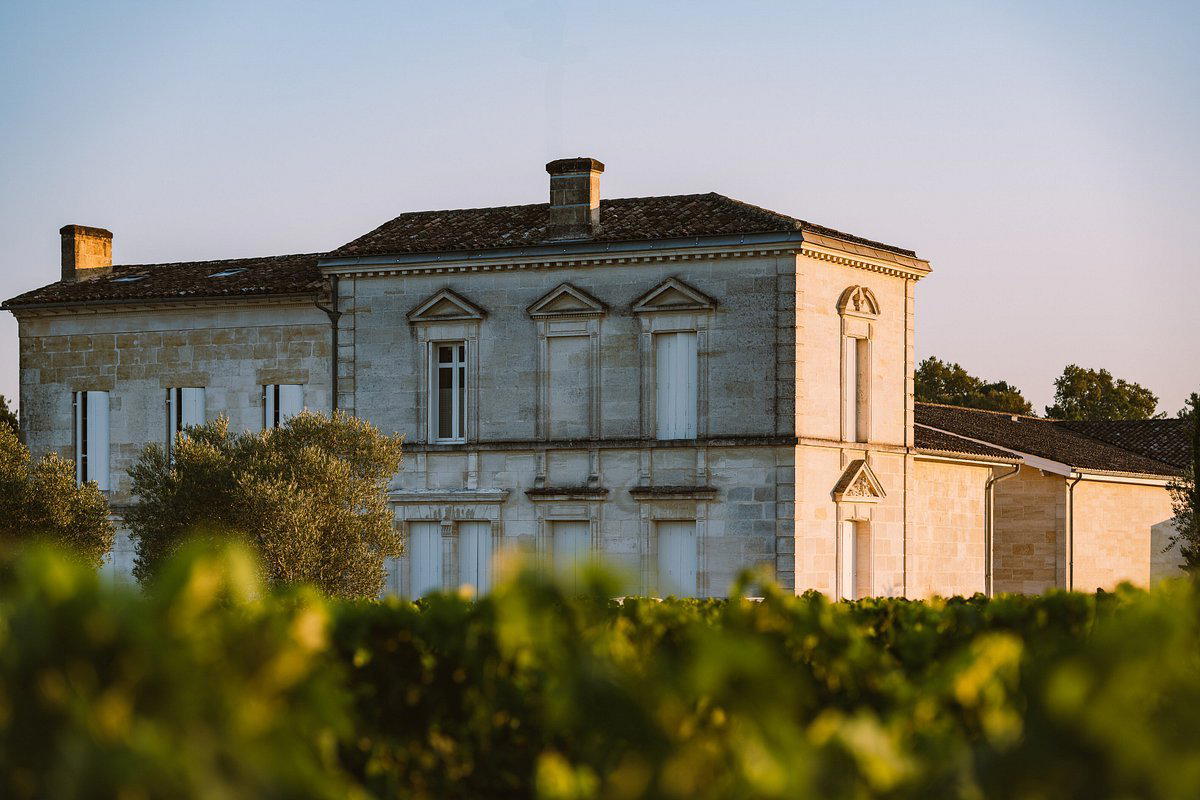
Château Fayat
Libourne, France
Book Château Fayat if the goal is a focused, modern Pomerol tasting with a clear Merlot-led identity rather than a broad château hospitality circuit. It suits couples, collectors and small special-occasion groups who care about vineyard origins, cellar precision and vintage comparison near Libourne.
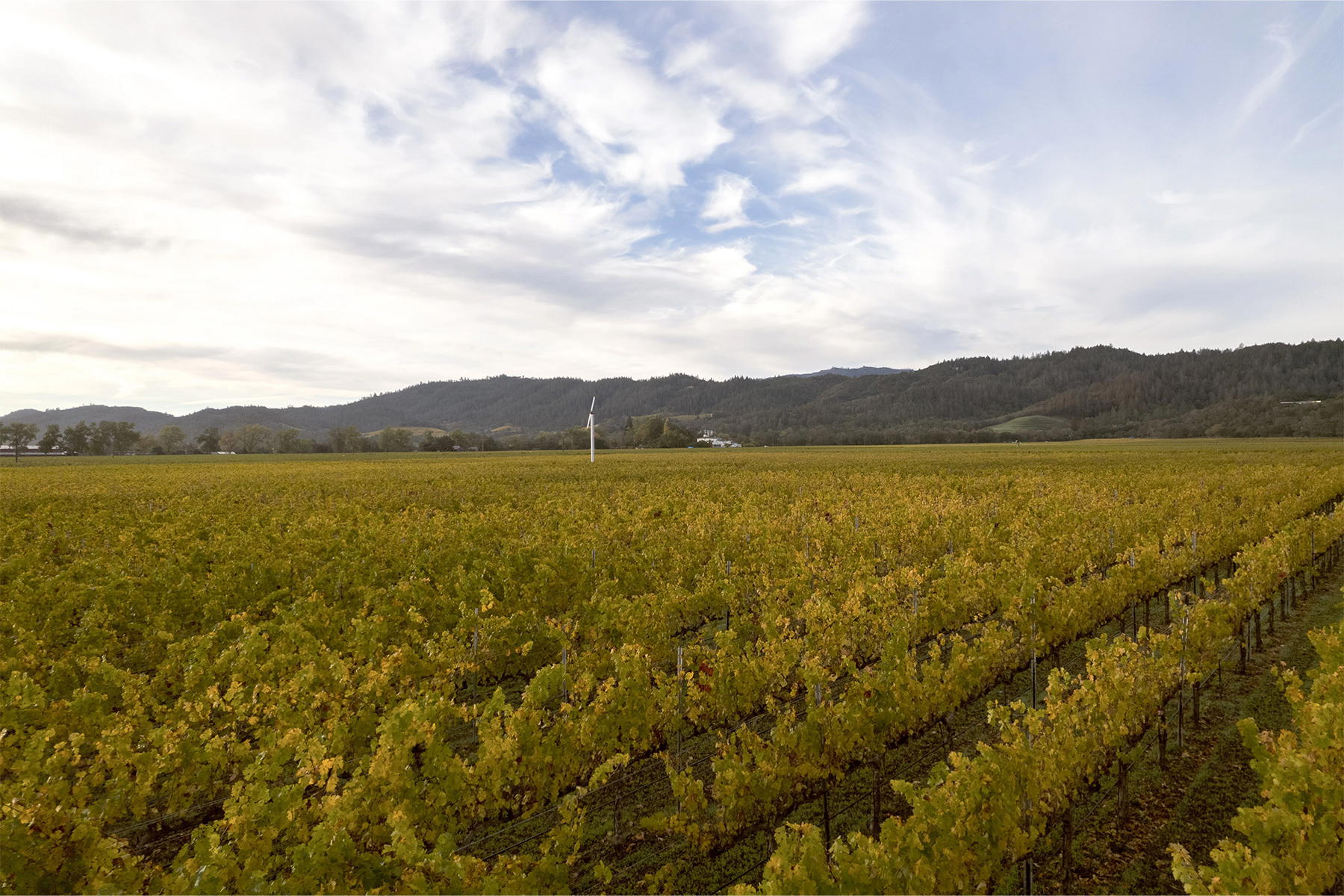
Robert Mondavi Winery
Oakville, United States
Plan Robert Mondavi Winery as the anchor of an Oakville wine day, especially for a celebration or business outing where name recognition and estate scale matter. It is a stronger fit for confident Napa context than for a quiet, discovery-led tasting, and the wine club is mainly worth considering if ongoing access to an established producer matters to the buyer.
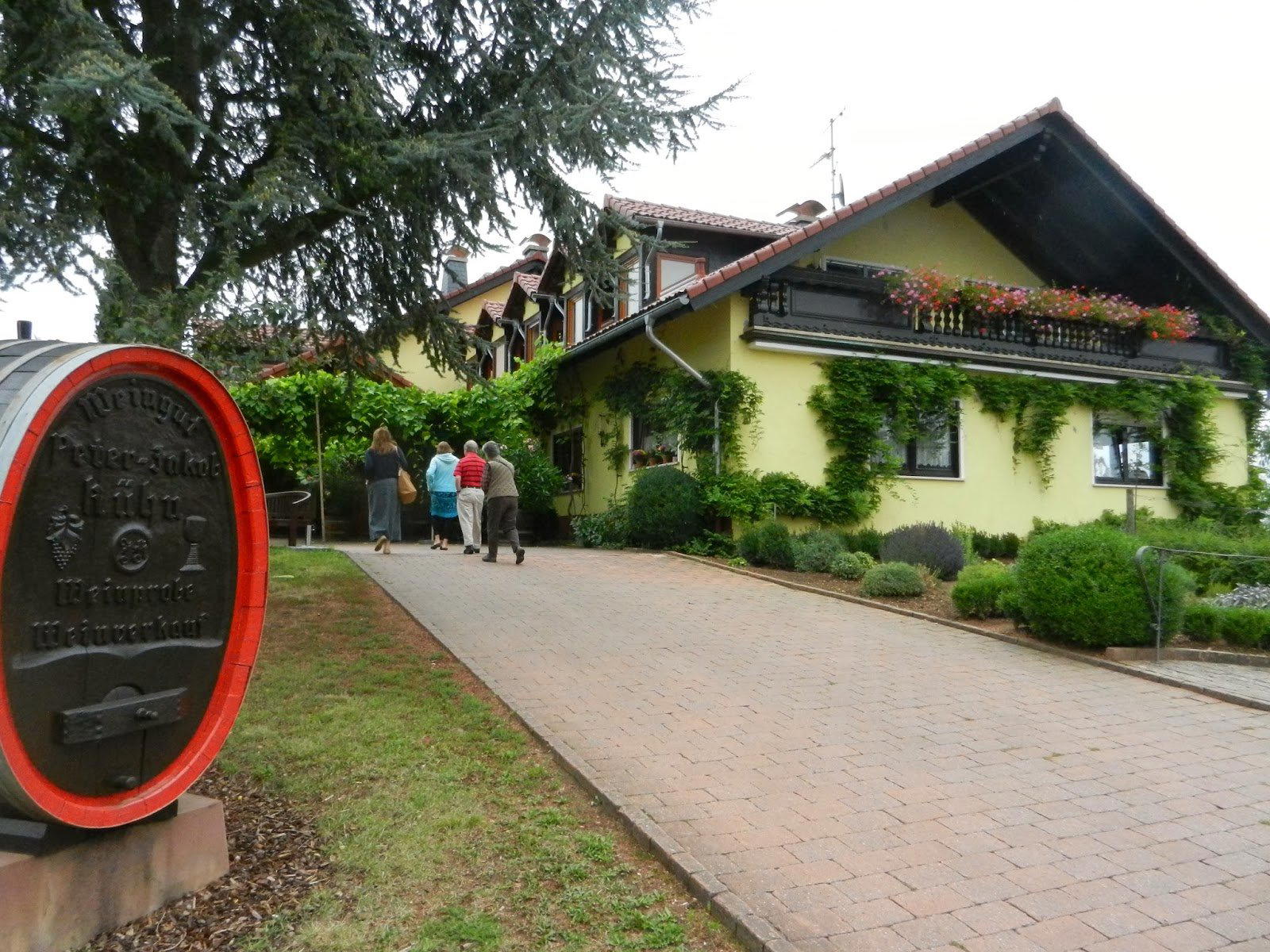
Weingut Peter Jakob Kühn
Oestrich-Winkel, Germany
Book Weingut Peter Jakob Kühn if the point is deciding what to buy, not simply adding another pretty Rheingau stop. It is better suited to returning visitors and serious Riesling drinkers than first-timers chasing castle ambiance. Cross-shop Schloss Vollrads or Schloss Johannisberg for a more scenic estate experience.
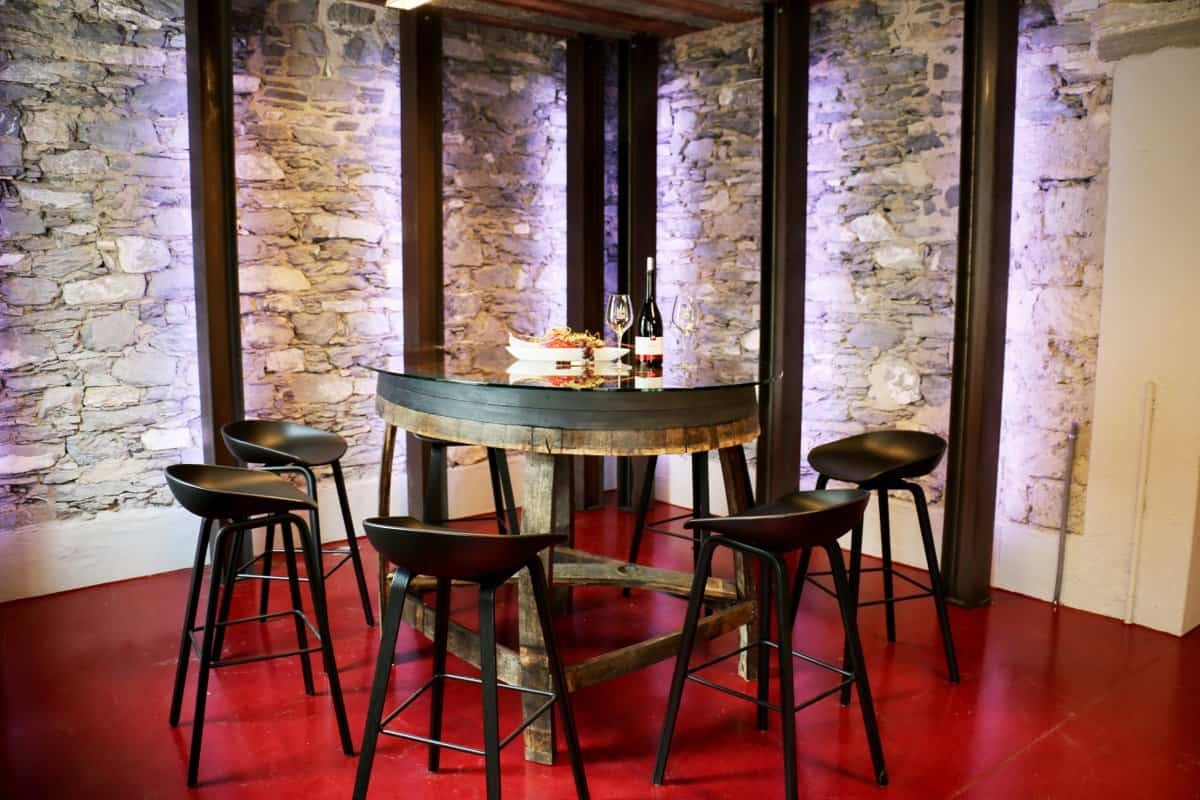
Albert Mathier & Fils
Salgesch, Switzerland
A qualified yes for serious Valais wine travelers, especially if Salgesch is already on the itinerary. Albert Mathier & Fils has a credible 2026 Falstaff 4 Stars signal, but it is not the right pick if the priority is a clearly published food-pairing format or easy self-service planning.
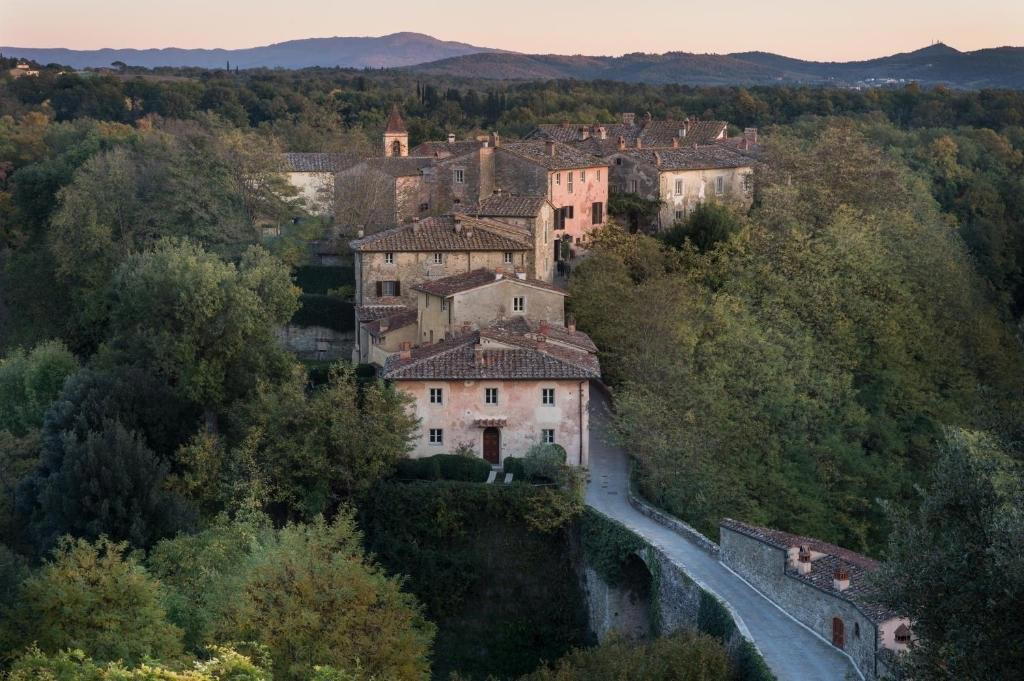
Il Borro
San Giustino Valdarno, Italy
Il Borro is worth choosing for a planned Tuscan meal in San Giustino Valdarno, especially if the appeal is a destination setting, Italian Tuscan cooking, and chef Andrea Campani's kitchen. It is less compelling for takeaway, delivery, or a quick casual stop, where simpler formats nearby will usually fit better.
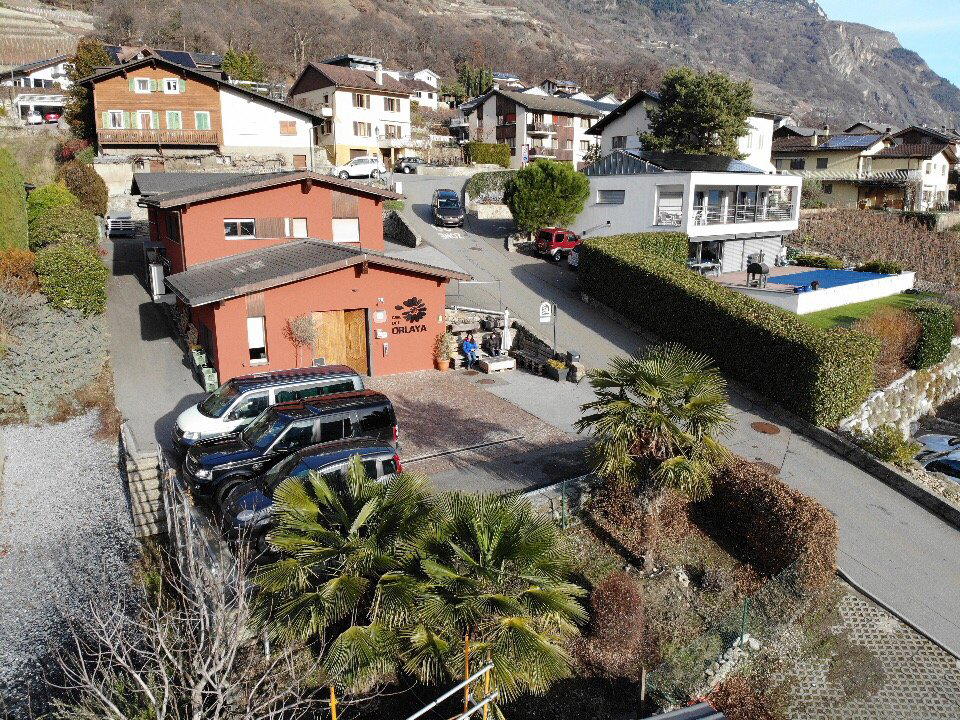
Cave de L'Orlaya
Fully, Switzerland
Cave de L'Orlaya works as a focused Fully wine stop, especially if the trip is already built around Valais producers. Treat it as a cellar-led visit rather than a restaurant booking: confirm tasting plans ahead where possible, keep the group small, and use separate Fully guides for meals, hotels, bars, and broader activities.
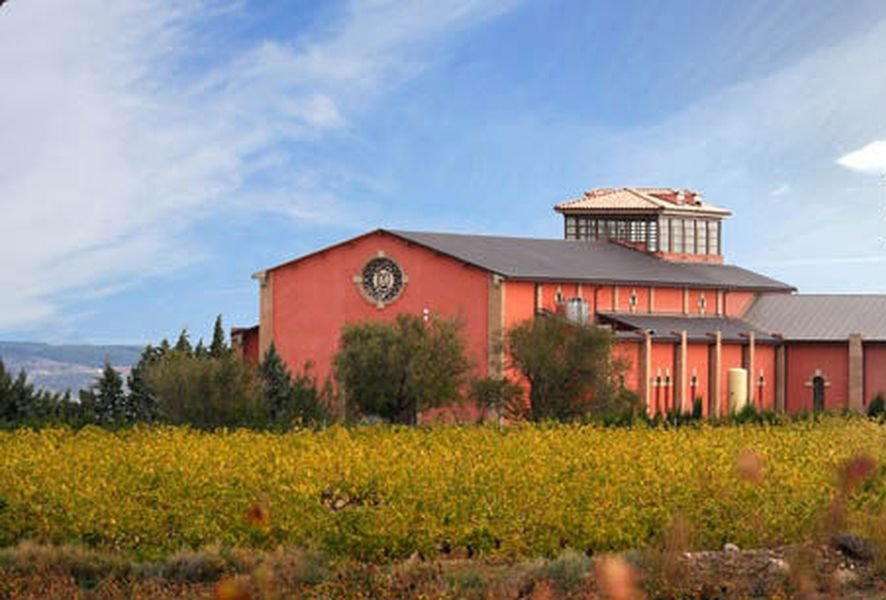
Bodegas Sendero Royal
Aldeanueva De Ebro, Spain
Bodegas Sendero Royal is a strong fit for travelers who want a quieter Rioja Oriental tasting focused on estate vineyards, classic regional grapes and family-run production rather than a glossy visitor-center experience. Go for context on Aldeanueva de Ebro and Monte Yerga; skip it if the priority is a food-led or highly staged winery visit.
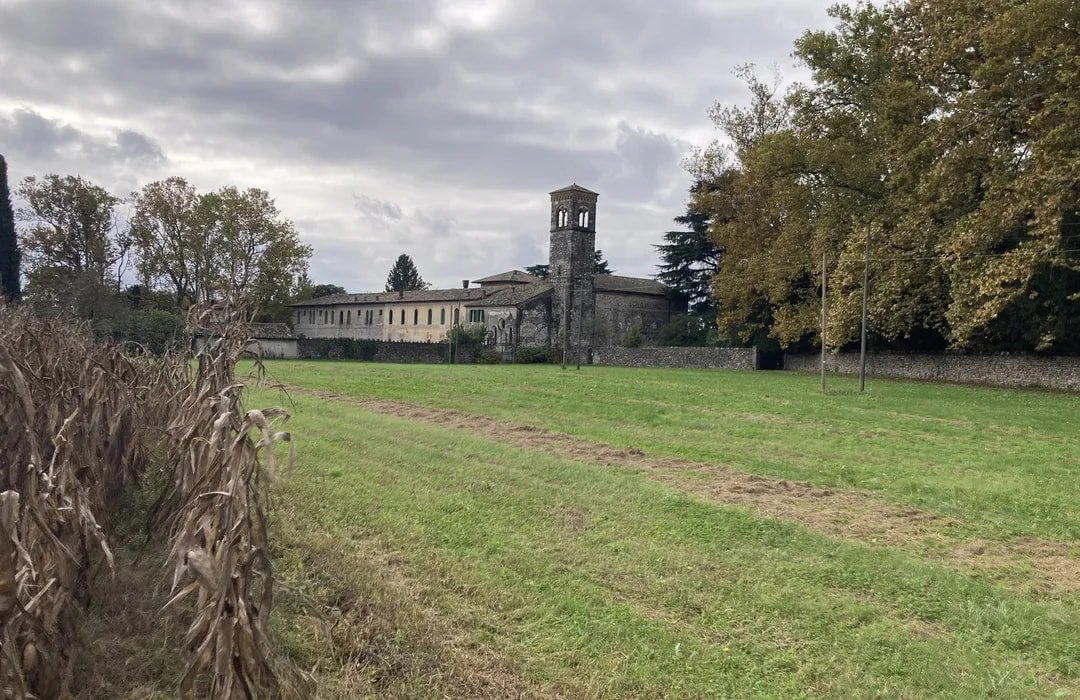
Castello di Berton
Vidor, Italy
Castello di Berton is worth booking for a focused Prosecco Superiore stop in Vidor, especially if the appeal is Rive di Vidor production rather than broad hospitality extras. Go for the vineyard context, family history dating to 1922, and a classic, intimate style; skip it if food service or large-group logistics are the priority.
Domaine de Autecour
Mont Sur Rolle, Switzerland
Book Domaine de Autecour if the priority is a selective Vaud winery stop with recognized quality rather than an easy drop-in tasting. Falstaff 2 Stars in 2026 gives it credibility, but the absence of listed public booking details means it suits advance planners, small groups, and special-occasion visitors more than spontaneous itineraries.
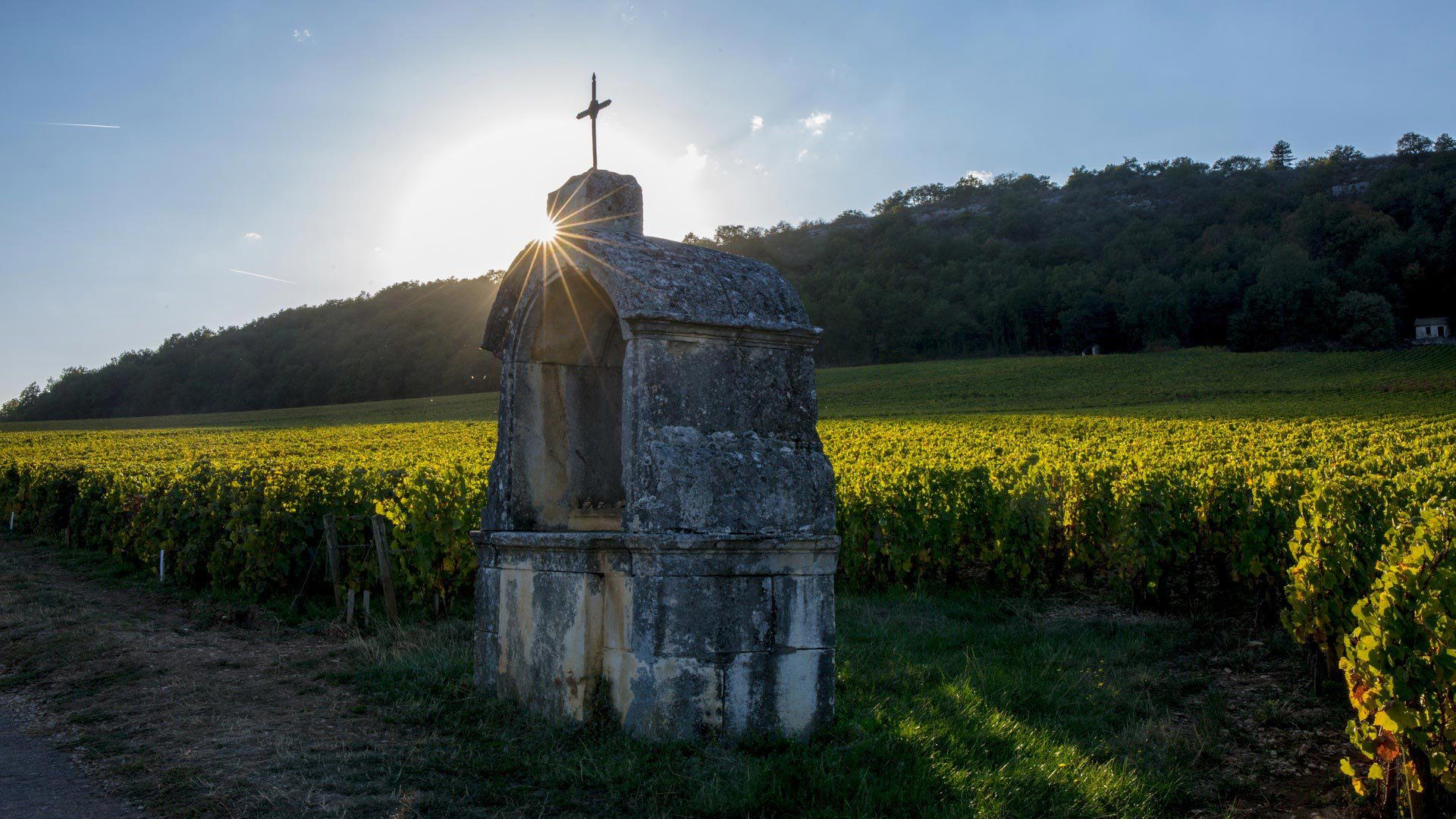
Domaine Larue
Saint-Aubin, France
Domaine Larue works for a Saint-Aubin-focused Burgundy itinerary if your priority is appellation context over a polished visitor-center experience. Its 2026 Falstaff listing gives a current recognition signal, but confirm tasting, shipping, and group details before anchoring a day around it.
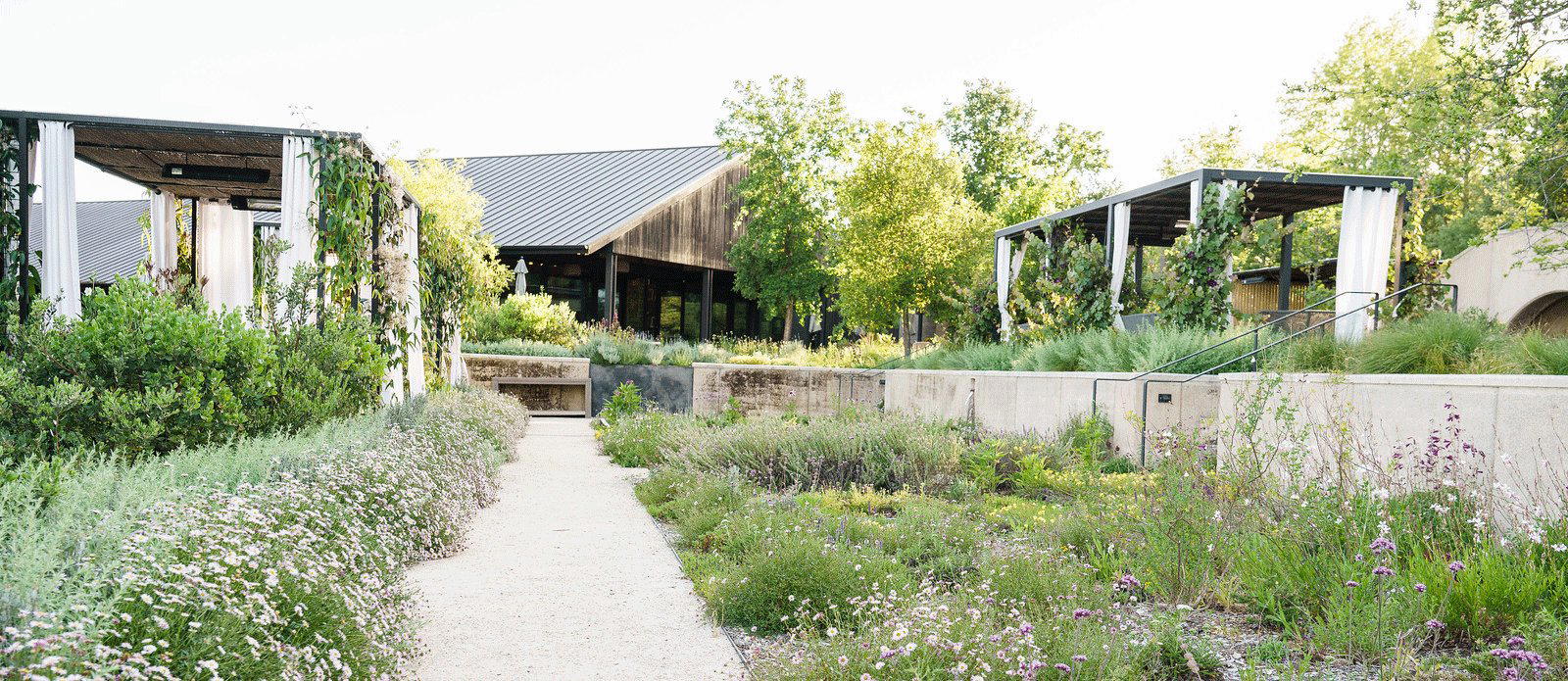
Flowers Vineyards & Winery
Sebastopol, United States
Flowers Vineyards & Winery is worth prioritizing if you want a serious, appointment-led Sonoma winery stop and are willing to plan ahead. It is less useful as a flexible backup or casual group tasting, so compare it with nearby peers before building the day around it.
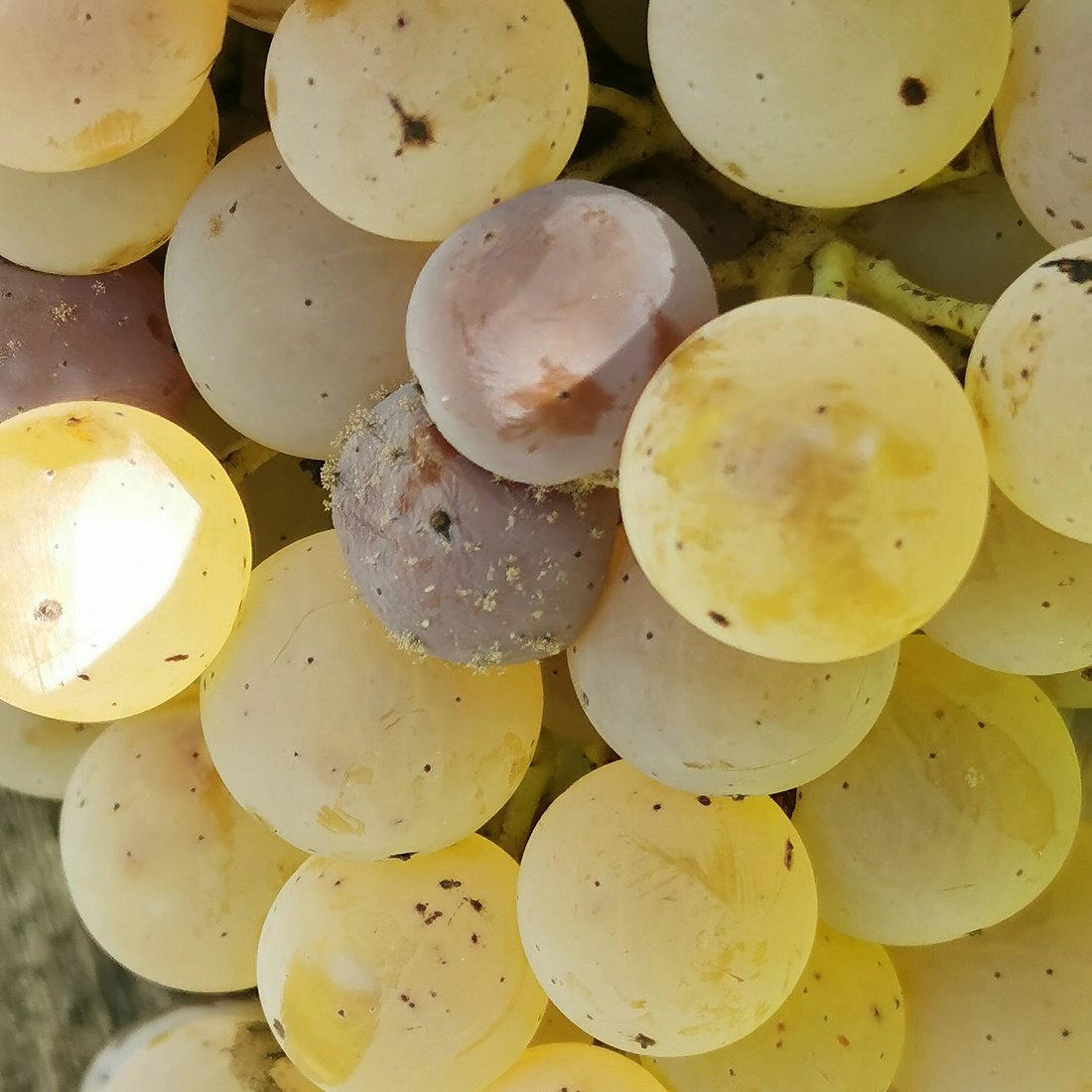
Barberani
Orvieto, Italy
Book Barberani if Orvieto Classico is central to the trip and the group wants a wine stop with real regional context. The town wine shop works for a lighter Duomo-area visit, while the Lake Corbara estate is the better choice for a special occasion or slower vineyard-focused afternoon.
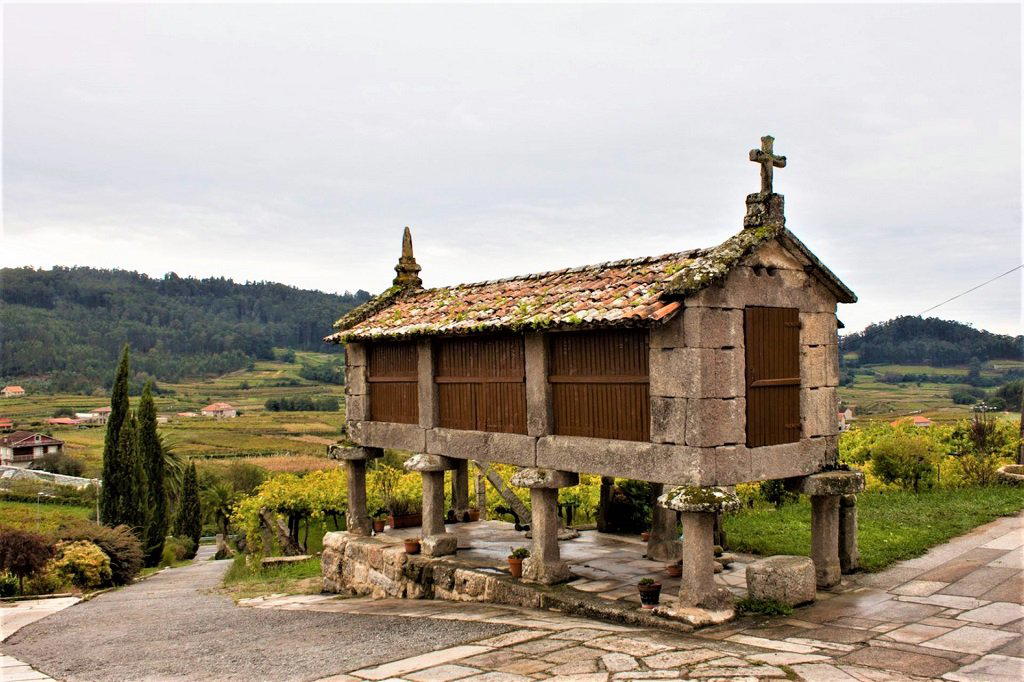
Bodegas Gerardo Méndez
Meano Pontevedra, Spain
Book Bodegas Gerardo Méndez if Albariño is the reason for the trip, not if the group wants a large visitor-center experience. The draw is the estate’s 175 tiny Salnés plots, old-vine material, indigenous yeasts, and precise Do Ferreiro style, with seafood as the natural pairing before or after the appointment.
Il Molino di Rovescala
Loc Molino Rovescala, Italy
Book Il Molino di Rovescala if you want an appointment-only Oltrepò Pavese winery visit with family heritage and a moderate $$ price signal. It is better for couples or small celebrations than complex group plans, especially if regional DOC and IGT wines matter more than a highly documented tasting format.
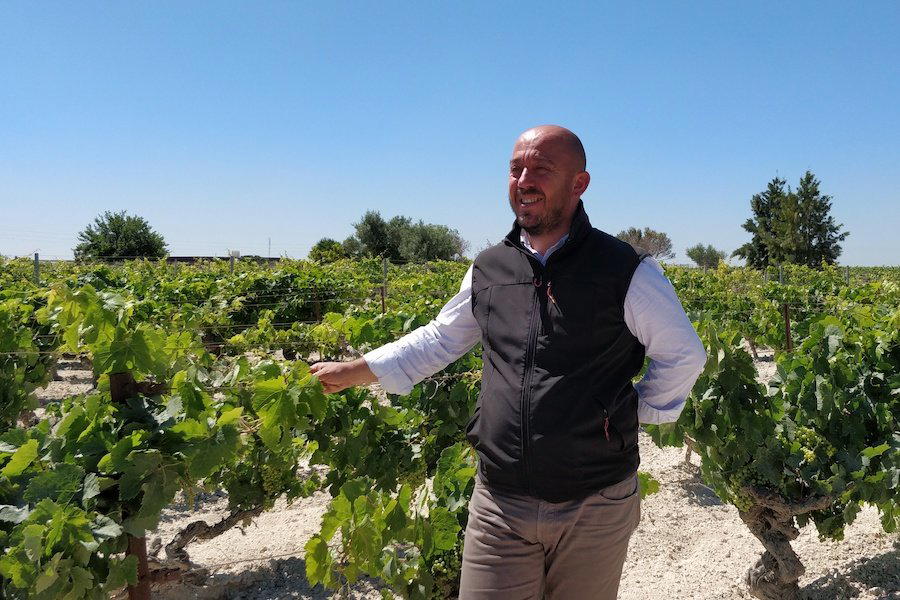
Bodegas Cota 45
Sanlúcar de Barrameda, Spain
Worth considering if Sanlúcar de Barrameda is already part of a wine-focused trip and the priority is producer context over a long, amenity-heavy visit. Falstaff listing in 2026 gives it a useful recognition signal, but plan around confirmed visit details and pair it with the wider Sanlúcar winery circuit rather than treating it as a stand-alone day.
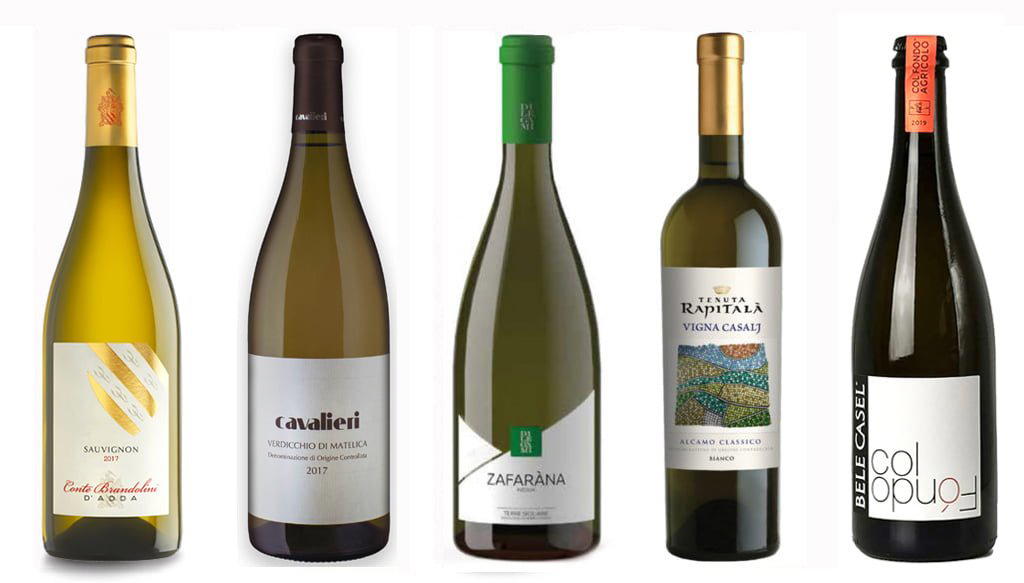
Bele Casel
Caerano Di San Marco, Italy
Book Bele Casel if the aim is to understand Asolo Prosecco DOCG rather than just taste another sparkling wine. The family-run winery suits curious drinkers who want an intimate, educational visit centered on organic vineyards, traditional methods, and the difference between Asolo DOCG and broader Prosecco DOC.
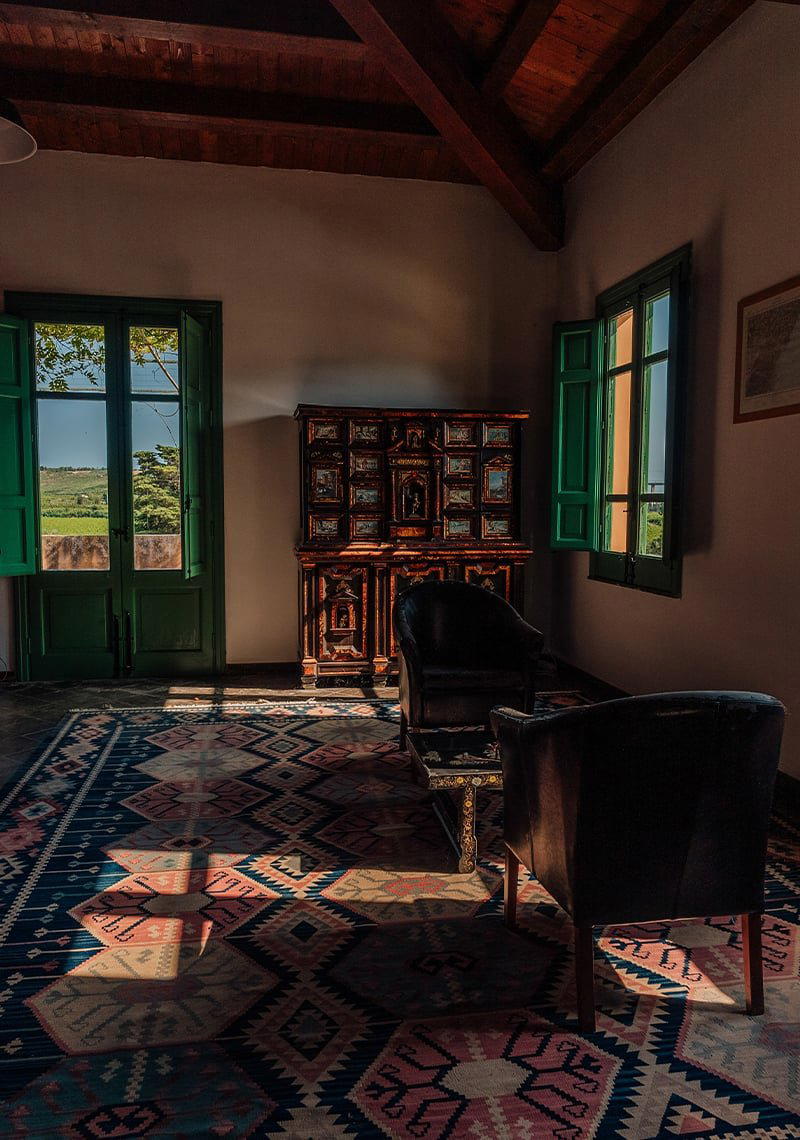
Planeta
Menfi, Italy
Planeta is the Menfi winery to plan around when the trip needs a serious Sicilian wine anchor, not a quick tasting stop. It suits travellers returning for deeper regional context, especially when the day can centre on Contrada Dispensa instead of being squeezed between unrelated plans.
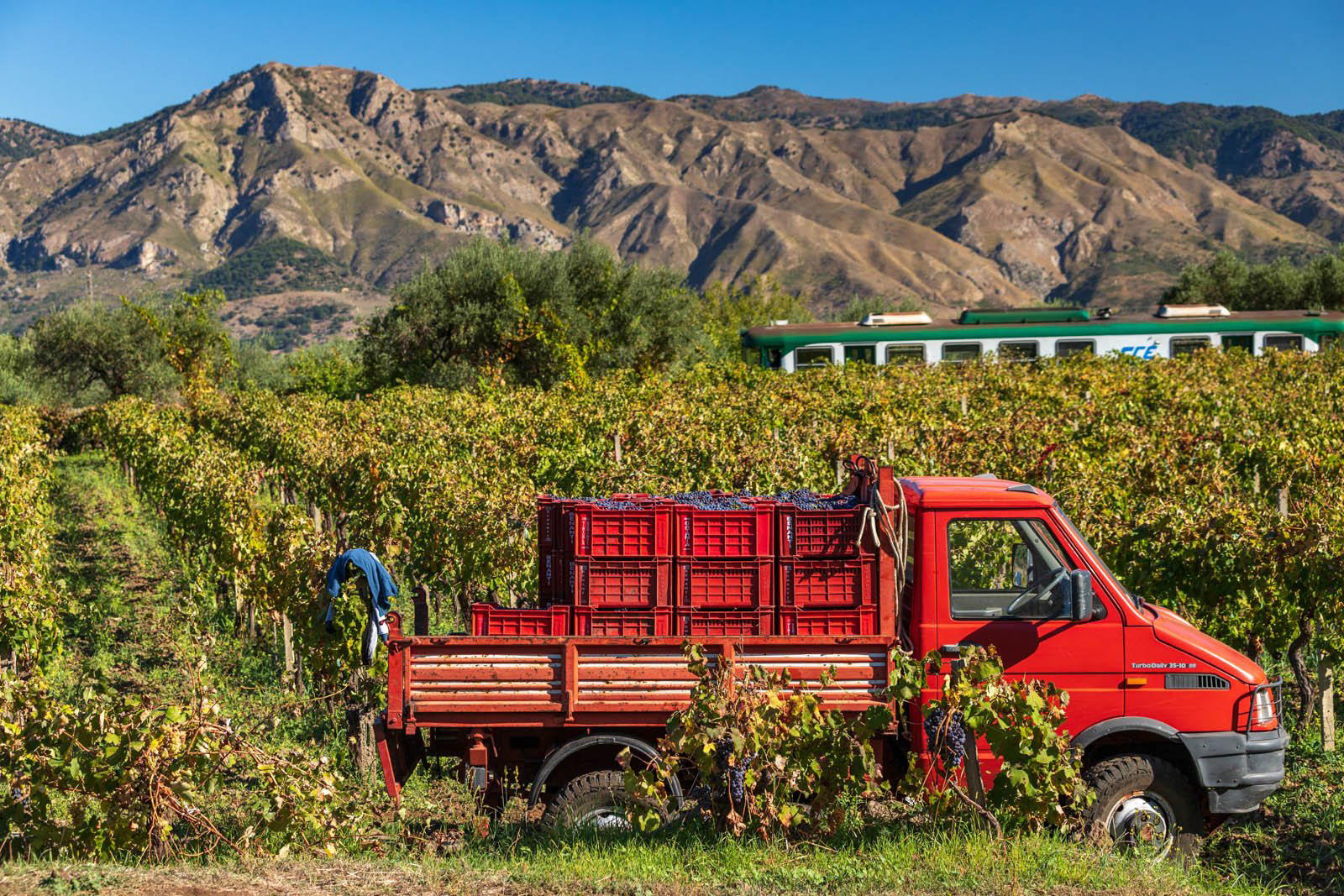
Azienda Agricola Cenetae
Vittorio Veneto, Italy
Azienda Agricola Cenetae works if you want a quiet, working-farm view of Prosecco-area production rather than a polished tasting-room experience. The draw is its practical Veneto agricultural identity, with Prosecco Superiore, grappa, walnut liqueur, nuts, and flours, plus Falstaff listing recognition in 2026. Choose it for a low-key wine-country stop, not for a high-design celebration.
Domìni Veneti
Negrar, Italy
A sensible Negrar wine stop for visitors building a Valpolicella-focused day rather than a long dining itinerary. Domìni Veneti has Falstaff Listed recognition for 2026, so it belongs on a researched winery shortlist, but confirm the current tasting setup before planning around it.
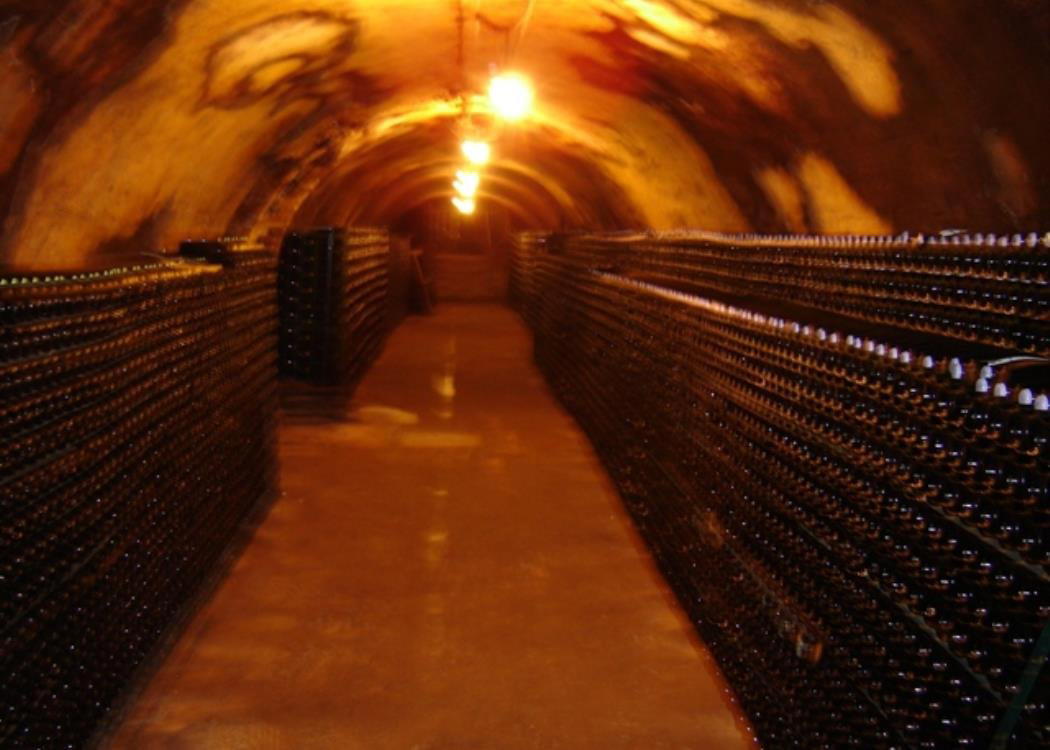
Champagne Henri Goutorbe
Aÿ, France
Book Champagne Henri Goutorbe if you want a personal grower-Champagne appointment in Aÿ rather than a polished big-house tour. The draw is the family-run setting, 17th-century vaulted cellars, Grand Cru Pinot Noir context, and a portfolio led by Special Club and other classic styles. Plan ahead, because this is appointment-only and better suited to focused Champagne drinkers than casual walk-ins.
Corporation Georgian Wine
Tbilisi, Georgia
Corporation Georgian Wine works for visitors who want production context over polished hospitality. Its strength is the mix of modern winemaking lines with traditional Georgian qvevri aging, making it a practical stop for understanding Kakheti wine rather than a design-led celebration venue.
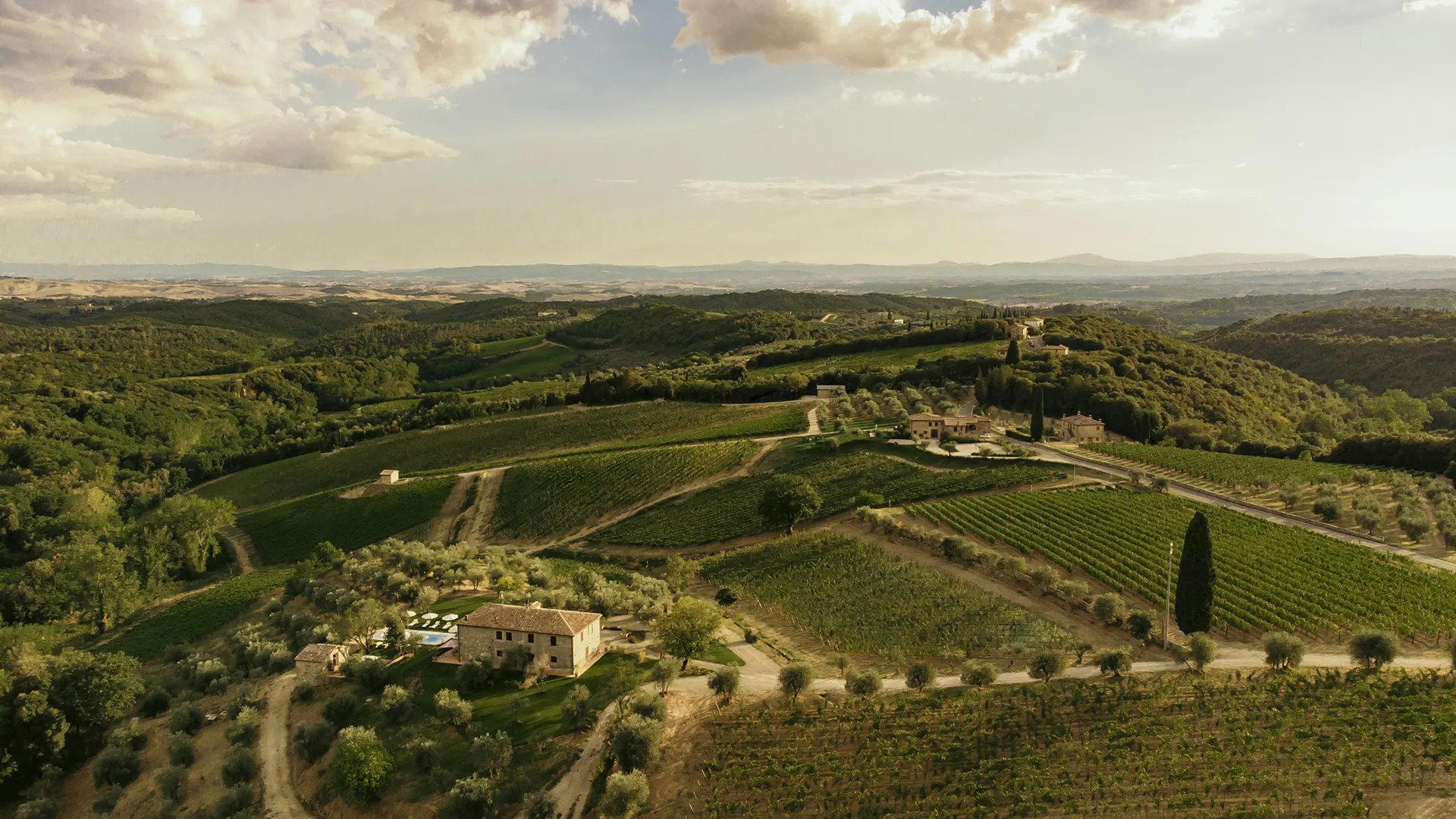
Boschetto Campacci
Castelnuovo Berardenga, Italy
A strong choice for a quiet, Sangiovese-focused Chianti Classico tasting with a private-estate feel. Boschetto Campacci suits special occasions and serious red-wine drinkers better than casual walk-in touring, with Ruello Chianti Classico Gran Selezione giving the visit its clearest anchor.
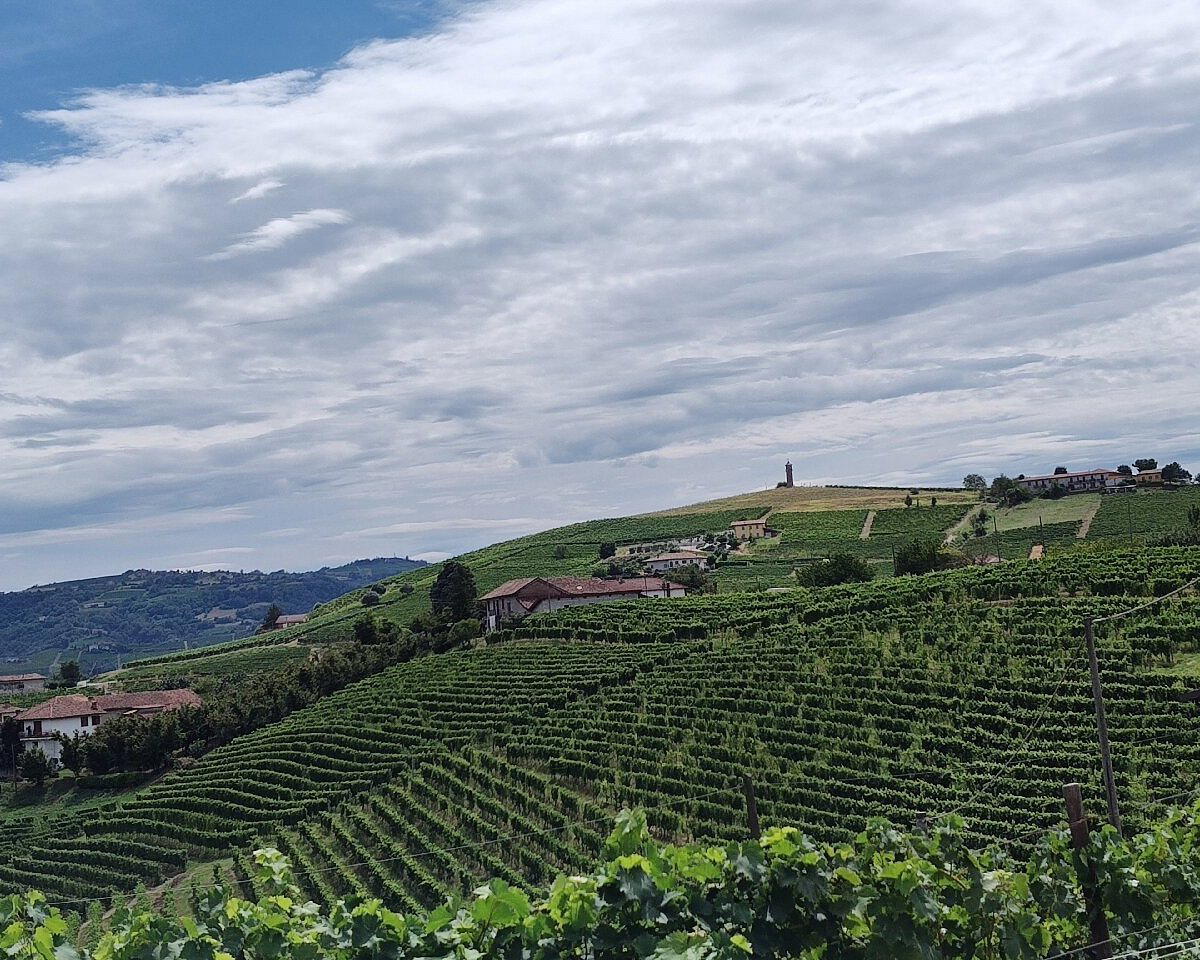
Bocchino Giuseppe
Canelli, Italy
A good Canelli pick if you want a relaxed, family-run hillside winery focused on Piedmont varieties rather than a formal food-pairing experience. Go for Moscato d’Asti Canelli, Barbera, Nizza, Cortese, Nebbiolo, and Freisa in a rural setting with credible trade recognition from Falstaff and Wine Spectator context.
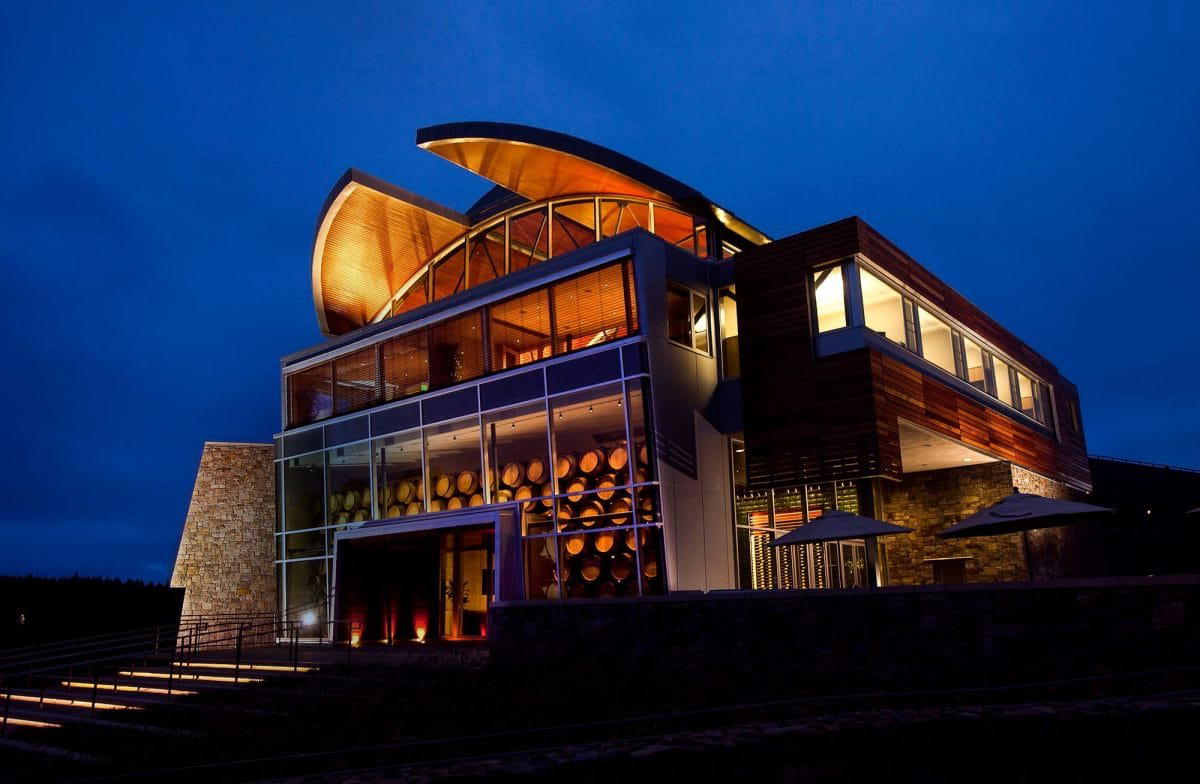
Williams Selyem Winery
Healdsburg, United States
A serious Westside Road winery choice for travelers who want a focused Healdsburg appointment rather than a casual tasting-room hop. It suits celebrations, date trips, and wine-led itineraries, but less so flexible groups trying to fit several stops into one afternoon.
Château Grand-Pontet
Saint-Émilion, France
A strong pick for Saint-Émilion visitors who care more about Grand Cru Classé wine credentials than polished tourism extras. Château Grand-Pontet is suited to a planned, wine-led appointment focused on Merlot-dominant Right Bank Bordeaux, with Dauphin de Grand Pontet as the more accessible second-wine angle.
Gancedo
Quilos, Spain
Gancedo works if the goal is a practical, production-led winery stop in Quilos rather than a polished tasting-room occasion. The $$ price tier keeps it approachable, and Falstaff 2 Stars (2026) gives it a clear recognition signal, but plan around confirmed arrangements before making it the centerpiece of a celebration.
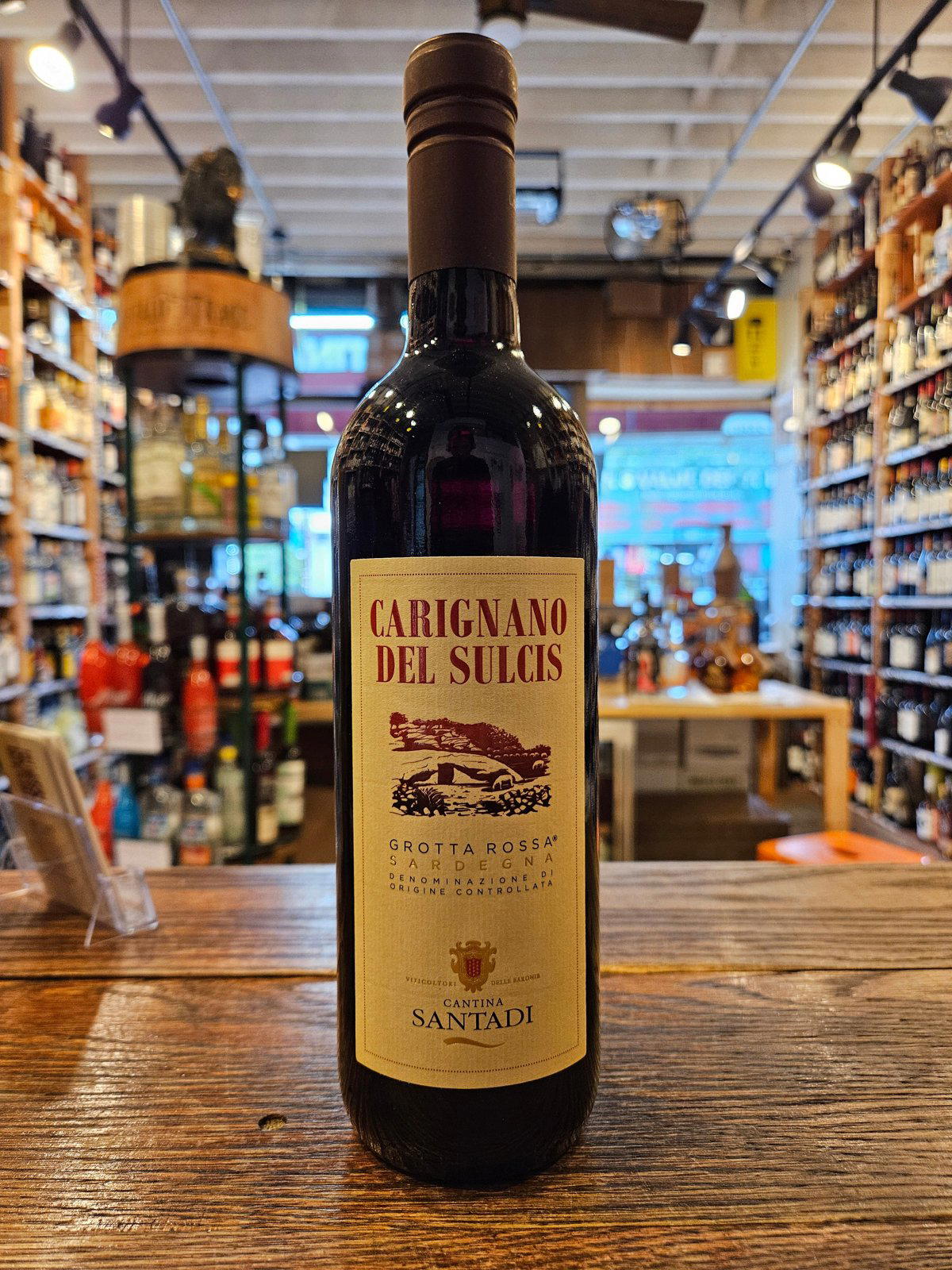
Cantina Santadi
Santadi, Italy
Cantina Santadi works if the priority is Sardinian wine context rather than a polished, all-purpose visitor experience. It suits serious wine travelers already routing through southwest Sardinia, but confirm access and format before building a day around it.
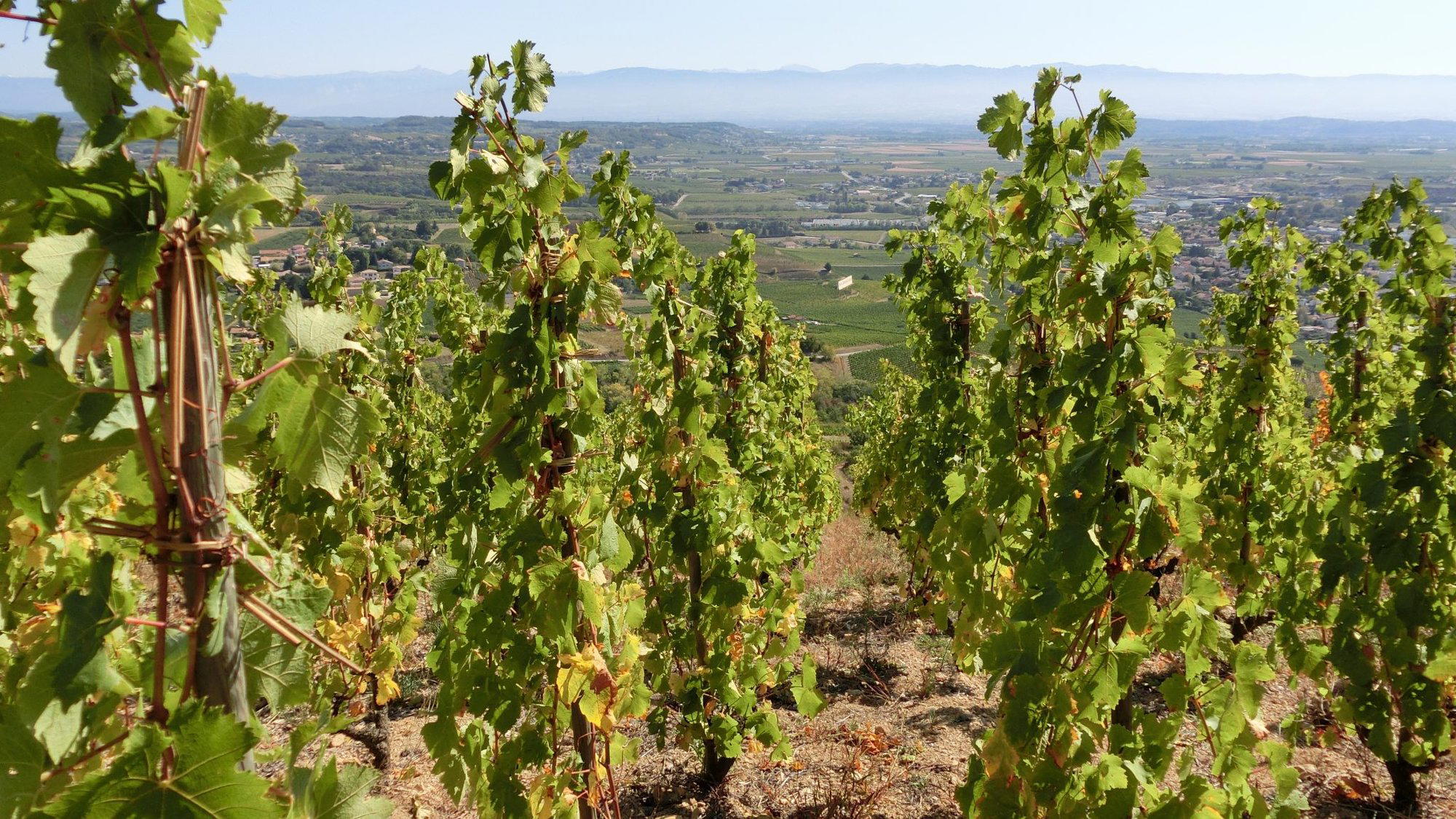
Cave de Tain l'Hermitage
Tain-l'Hermitage, France
Book Cave de Tain l'Hermitage if you want a structured Northern Rhône learning stop rather than a small-domaine tasting. The guided cellar-and-tasting format, broad cooperative portfolio, and optional local cheese and meat pairings make it especially useful for understanding Hermitage, Crozes-Hermitage, Saint-Joseph, Cornas, and Saint-Péray in one visit.
Claude Riffault
Sury En Vaux, France
Prioritise Riffault if the goal is serious, biodynamic Sancerre with parcel-level detail rather than a casual tasting-room experience. The draw is the estate’s organic and BIODYVIN-certified farming, hand harvest, and single-parcel Sauvignon Blanc range, especially for drinkers who care about texture, mineral structure, and cellar precision.
Cerutti
Cassinasco, Italy
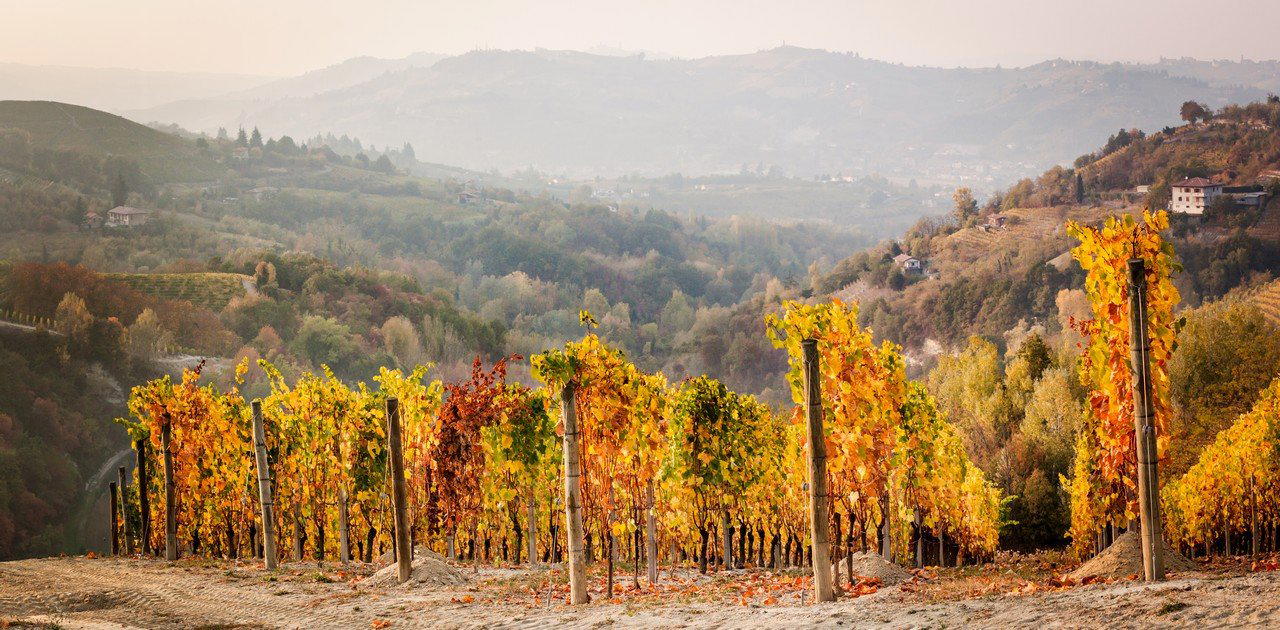
Cerutti is worth booking if you want a quiet, appointment-led winery visit in the Cassinasco hills rather than a polished tasting-room circuit. The draw is small-scale Piedmont wine context, especially Moscato d’Asti Canelli and Alta Langa, with a moderate price signal and a 2026 Falstaff listing. Skip it if you need walk-in flexibility or a highly structured public tour.
Pierre Meurgey
Beaune, France
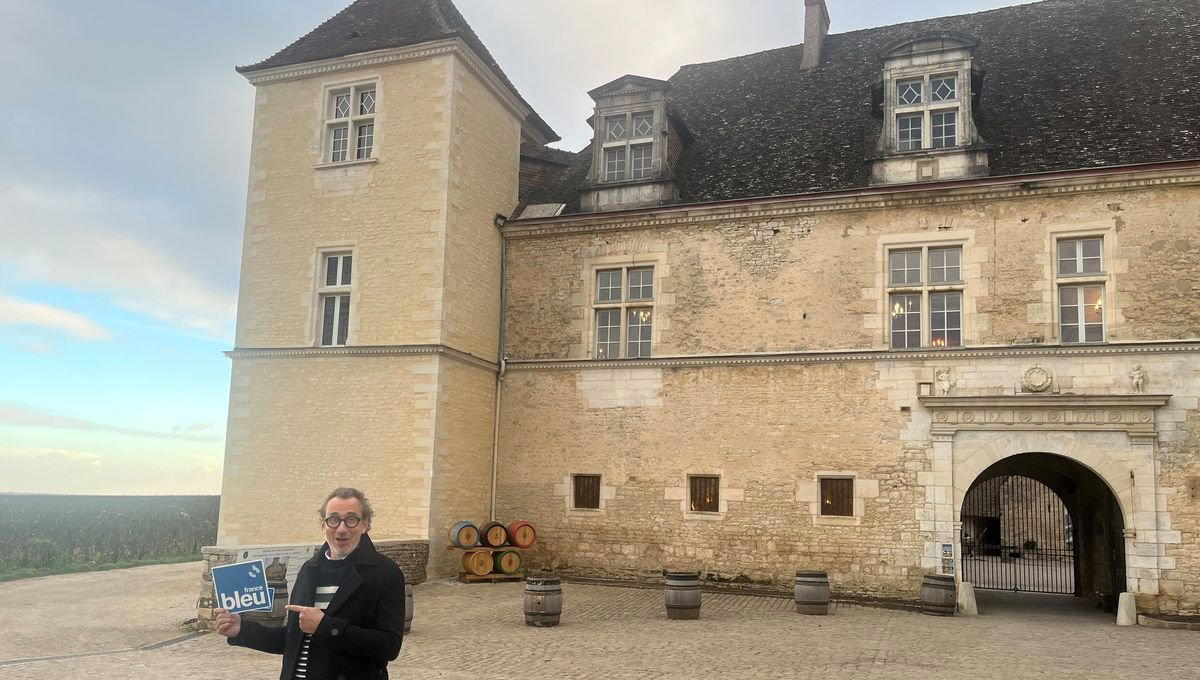
Pierre Meurgey is a better fit for return visitors to Beaune than for travelers who want a fully pre-scripted winery stop. Consider it if the goal is producer-level Burgundy context and potential allocation value; compare any club-style commitment against larger Beaune houses before buying in.
BOND Winery
Napa, United States
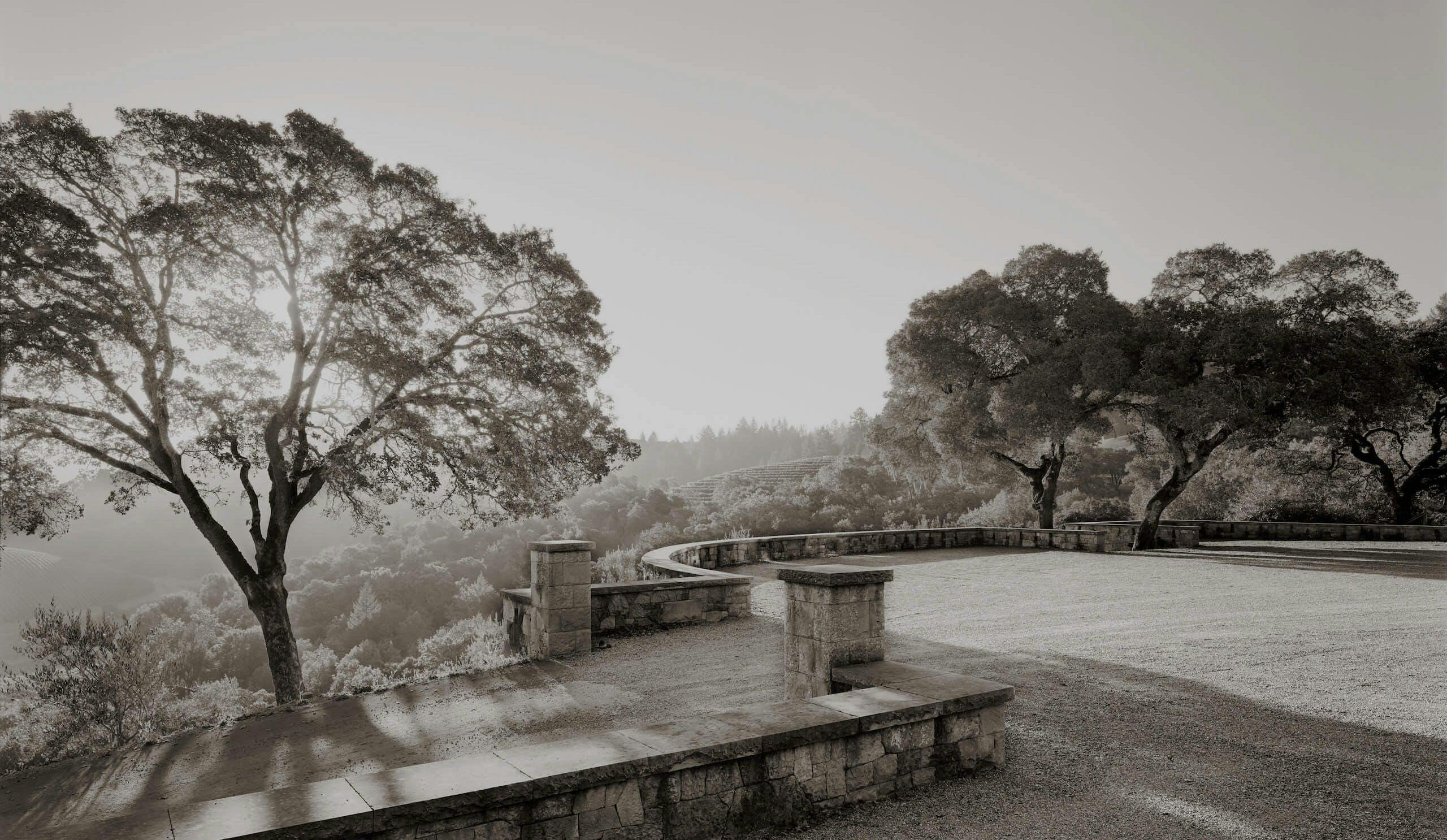
BOND is a Napa Valley wine producer focused on Cabernet Sauvignon.
Château des Jacques
Romanèche-Thorins, France
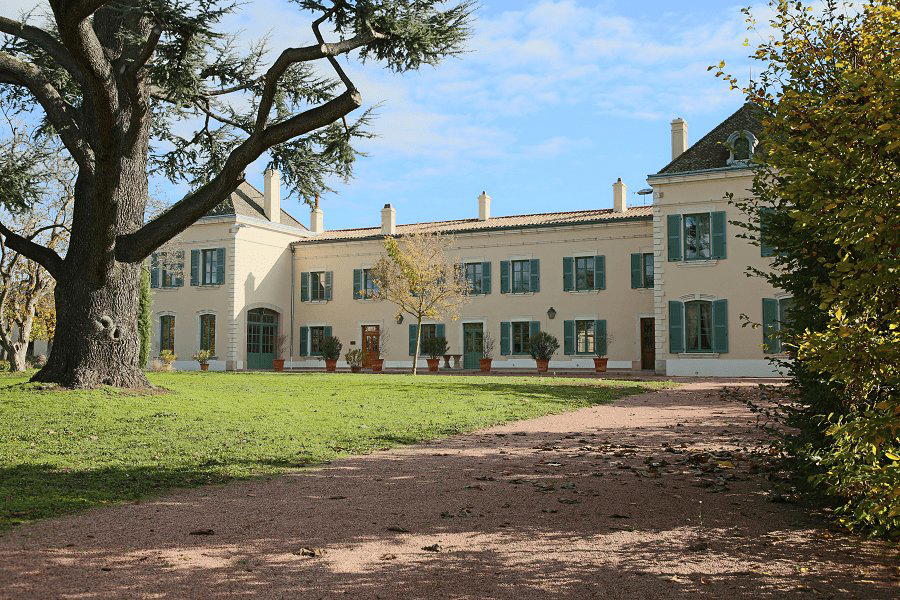
Book Château des Jacques if you want a serious Moulin-à-Vent tasting rather than a casual winery stop. The cellar-focused experience suits couples, small groups, and special-occasion visitors who care about terroir-driven Gamay, older-vintage context, and Beaujolais with structure.
Bodegas Torremorón
Quintanamanvirgo, Spain
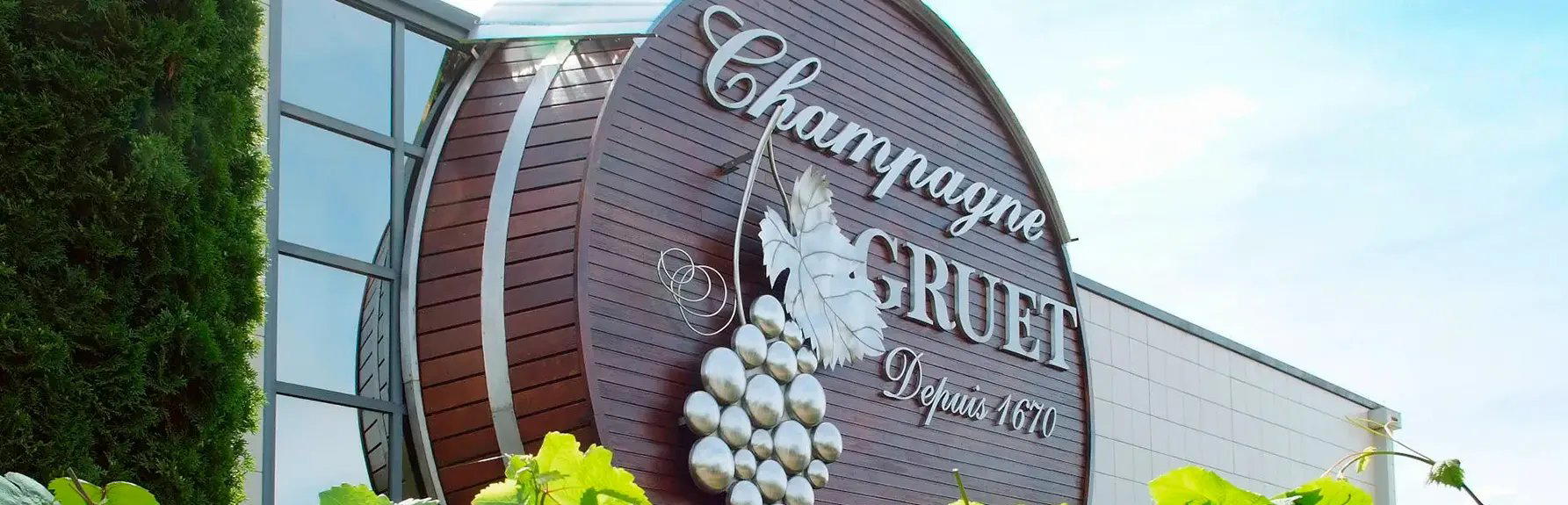
Worth considering if Ribera del Duero value and cooperative history matter more than polished wine-tourism design. Bodegas Torremorón is strongest for travelers who want old-vine Tempranillo context, a working rural atmosphere and a clear sense of Quintanamanvirgo’s grower culture.
Mountford Estate
Waipara, New Zealand
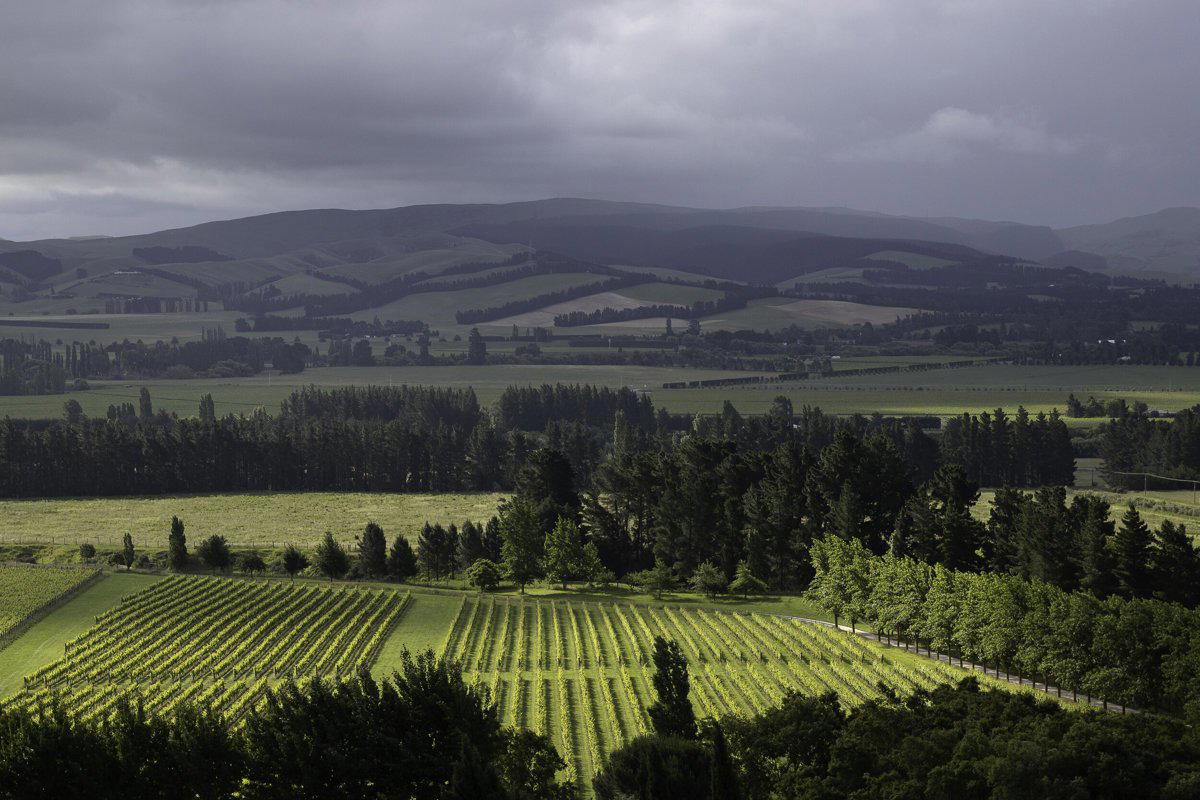
Mountford Estate is a good second-pass Waipara choice for wine-focused visitors who do not need a fully mapped hospitality format. The value case rests on the estate’s regional fit and Falstaff Listed 2026 recognition, but groups needing confirmed food, pricing, or structured visit details should keep backup winery options ready.
Cave chez Brac
Fully, Switzerland
Book Cave chez Brac if you want a small, appointment-only Fully tasting with local food pairings and a personal Valais focus. The $$ value is strongest for travelers who care about regional grapes, guided context, and a relaxed cellar setting rather than a large visitor operation.
Castello Monaci
Salice Salentino, Italy
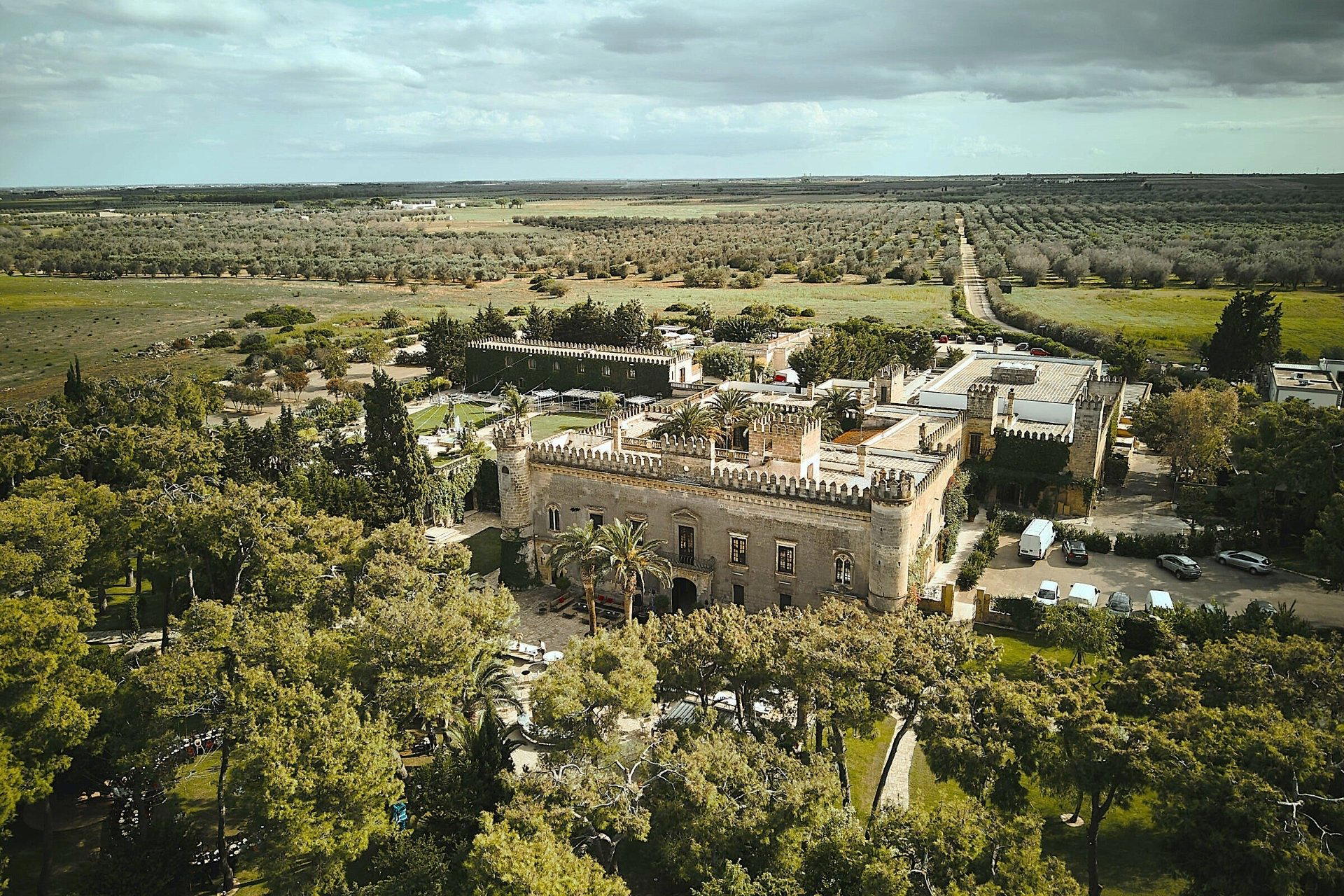
Castello Monaci is a strong choice for a first Salice Salentino winery visit if you want native Puglian grapes, a historic castle setting, and a guided production story in one stop. Go for the cellar, sustainability detail, and polished atmosphere; skip it if you only want a quick, informal glass.
How many of these have you visited?
Find out on Pearl and keep score across every place in 2026 Falstaff Winery Guide.