
Zafeirakis Winery
Tyrnavos, Tirnavos
Winery in Tirnavos, Greece
 Book with Pearl
The Read
Thessalian Terroir Focus
Why go
Zafeirakis Winery is the Tirnavos choice for travelers who want a wine-led stop rather than a spirits-focused visit. Plan ahead and treat it as the main anchor of the day, especially if the goal is regional context rather than a casual drop-in tasting.
About Zafeirakis Winery
Zafeirakis Winery is a Tirnavos venue with Pearl 2 Star Prestige recognition for 2025. Consider it for a Tirnavos-focused plan, and confirm practical visit details directly before arranging the rest of the day.
The dress code is casual, so planning can stay simple, but details such as visit format, food service, timing, and availability should not be assumed.
Choose it for a Tirnavos stop with Pearl recognition
Zafeirakis Winery's key distinction is its Pearl 2 Star Prestige recognition for 2025. Travelers comparing producers may also want to look at Tirnavos Cooperative Distillery, Katsaros Distillery, Tsililis Distillery, Kaloyannis Distillery (Ouzo 12), or Ktima Voyatzis, while keeping Zafeirakis Winery as the focus of this listing.
Avoid building a tight itinerary around assumptions about walk-in policy, tasting format, food program, or operating schedule. Contact the venue or check its official channels before committing transport, meals, or other stops around the visit.
How to fit it into a Tirnavos itinerary
Use Zafeirakis Winery as a Tirnavos option after confirming the practical details that matter for your group. If you are comparing different types of venues, keep the distinction simple: review Zafeirakis Winery alongside names such as Tirnavos Cooperative Distillery, Katsaros Distillery, Tsililis Distillery, Kaloyannis Distillery (Ouzo 12), and Ktima Voyatzis according to the kind of visit you want.
The verdict: consider it if your Tirnavos plan needs a casual venue with Pearl 2 Star Prestige recognition in 2025. If your group needs dining, a set visit format, or flexible same-day logistics, verify those details directly before making it the center of the itinerary.
Planning details
- Location
- 2 ΧΛΜ Π.Ε.Ο, Epar.Od. Tirnavou-Elassonas, Tirnavos 401 00
- Website
- domainezafeirakis.com
- Phone
- +30 2492 025280
The take
The Take
The Vibe
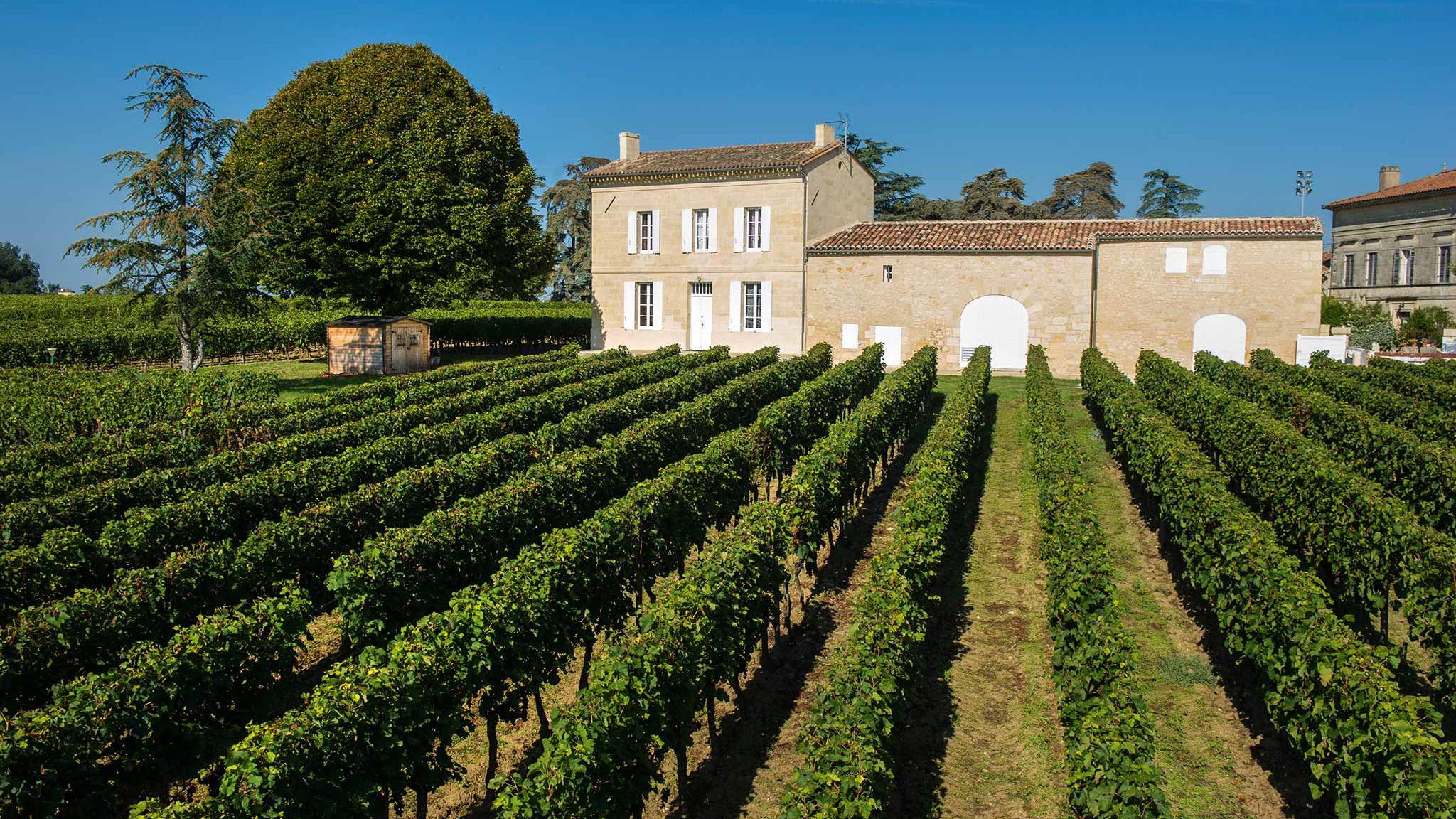
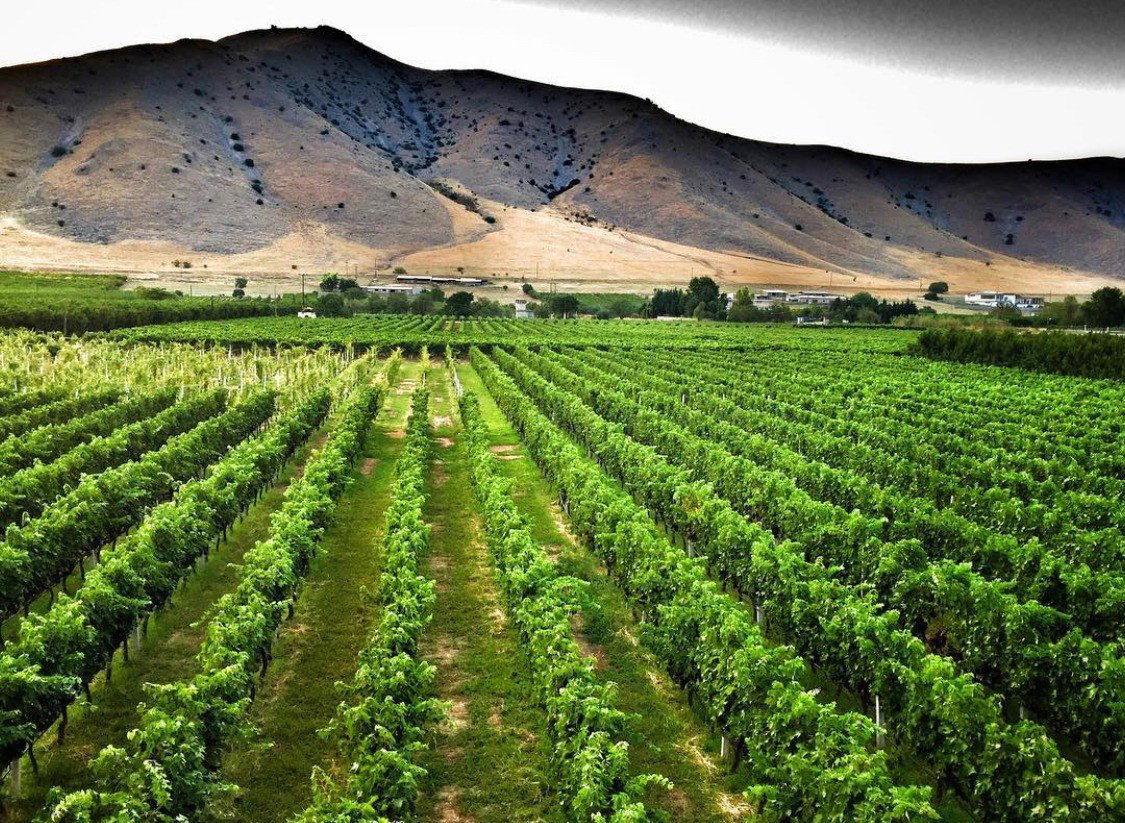
Zafeirakis presents a hushed, workmanlike take on Greek wine country. The estate sits just outside Tirnavos in a plain defined by cotton and grain, with vineyards appearing in small pockets rather than sweeping, staged panoramas. That functional, unpolished setting frames visits as low-key and focused—less theatrical tourism, more direct encounter with a producer that earns notice for what it makes rather than how it markets itself. An industry award underlines the winery's credentials, so the overall impression is quietly confident: serious winemaking in an unassuming, contemplative environment.
Best For
This is a stop for people who want to learn and evaluate rather than be entertained. The write-up positions Zafeirakis as a producer whose recognition comes from the quality of its wines, making it suitable for travellers prioritizing wine education and sober assessment. Because the area is one many visitors simply drive through, the winery also suits independent explorers who prefer off-the-beaten-path tasting stops to glossy, tourism-oriented cellars. It works well for solo visitors or small groups seeking an authentic, wine-focused encounter rather than a full-service hospitality experience.
Venue details
Ambiance
Rustic and serene with a focus on authentic terroir expression in a family-owned estate setting.
Tags
Vibe
Best For
Experience
Sourcing
View
At the Vineyard
- Appellation
- PGI Tyrnavos
- Varietals
- Limniona, Malagouzia, Assyrtiko, Chardonnay, Cabernet Sauvignon
- Tour Languages
- Greek, English
- Visits
- By reservation
- Farming
- Organic
- Wine Styles
- Still Red, Still White, Still Rose
- Wine Club
- Not available
Know before you go
Know Before You Go
- Getting there
- 2 ΧΛΜ Π.Ε.Ο, Epar.Od. Tirnavou-Elassonas, Tirnavos 401 00
Planning details
Location
2 ΧΛΜ Π.Ε.Ο, Epar.Od. Tirnavou-Elassonas, Tirnavos 401 00 · Directions
Recognition and awards

Also consider
If this is hard to arrange
Try Tirnavos Cooperative Distillery if the group wants to stay in Tirnavos but shift toward spirits. Try Ktima Voyatzis if wine remains the priority and the itinerary can stretch beyond town.
Winery context
How it compares in and around Tirnavos
Zafeirakis Winery is the stronger choice for a wine-focused visit in Tirnavos, while Tirnavos Cooperative Distillery and Katsaros Distillery make more sense for travelers who want the town's spirits side. If the group is split between wine curiosity and local-distillery interest, choose the winery for depth and one of the distilleries for a broader, easier-to-explain regional stop.
Against out-of-metro options like Tsililis Distillery, Ktima Voyatzis, and Kaloyannis Distillery (Ouzo 12), the decision is mostly about itinerary shape. Zafeirakis is the tighter Tirnavos choice if staying local matters; Ktima Voyatzis is the cleaner cross-shop for travelers willing to leave the immediate area for another wine-led stop.
For value, the safest read is to compare planning cost rather than bottle or tasting prices, since firm public pricing is not listed here. Zafeirakis asks for more advance organization, so it is worth it when wine is the point of the day. If convenience and flexible timing matter more, start with the Tirnavos distillery peers.
Explore Tirnavos
Around this place
Discover more on Pearl
Unlock the full Zafeirakis Winery guide in Pearl, including awards, comparisons, FAQs, planning details, and nearby places.
Compare Zafeirakis Winery
| Venue | Location | Awards |
|---|---|---|
| Zafeirakis Winery | Tirnavos | 2026 Falstaff Winery Guide |
| Tirnavos Cooperative Distillery | Tirnavos | No published awards |
| Katsaros Distillery | Tirnavos | No published awards |
| Tsililis Distillery | Trikala | No published awards |
| Ktima Voyatzis | Velvento | No published awards |
| Kaloyannis Distillery (Ouzo 12) | Volos | No published awards |
How Zafeirakis Winery Tirnavos compares with similar nearby venues.
FAQ
Frequently Asked Questions
How long should I plan for a visit to Zafeirakis Winery?
Does Zafeirakis Winery serve food?
If you need a meal as part of the visit, check with the venue directly and plan dining separately in Tirnavos unless the venue confirms otherwise.
What other venues can I compare with Zafeirakis Winery?
Ktima Voyatzis is one relevant comparison to consider. Tirnavos Cooperative Distillery, Katsaros Distillery, Tsililis Distillery, and Kaloyannis Distillery (Ouzo 12) are also useful alternatives to research separately.
Do I need a reservation at Zafeirakis Winery?
If Zafeirakis Winery is important to your Tirnavos plans, contact the venue in advance rather than assuming walk-in availability.