

2026 Falstaff Winery Guide: The Ultimate Wine Authority — Page 54
Falstaff's 2026 Wineries guide.

Venues on this list

Rare Champagne
Reims, France
Rare Champagne releases selected vintage whites and rosés, including Millésime 2013 and Rosé Millésime 2014. Choose by the particular bottle; the brand does not publish a standing public Reims tour schedule.
St. Supéry Estate Vineyards & Winery
Rutherford, United States
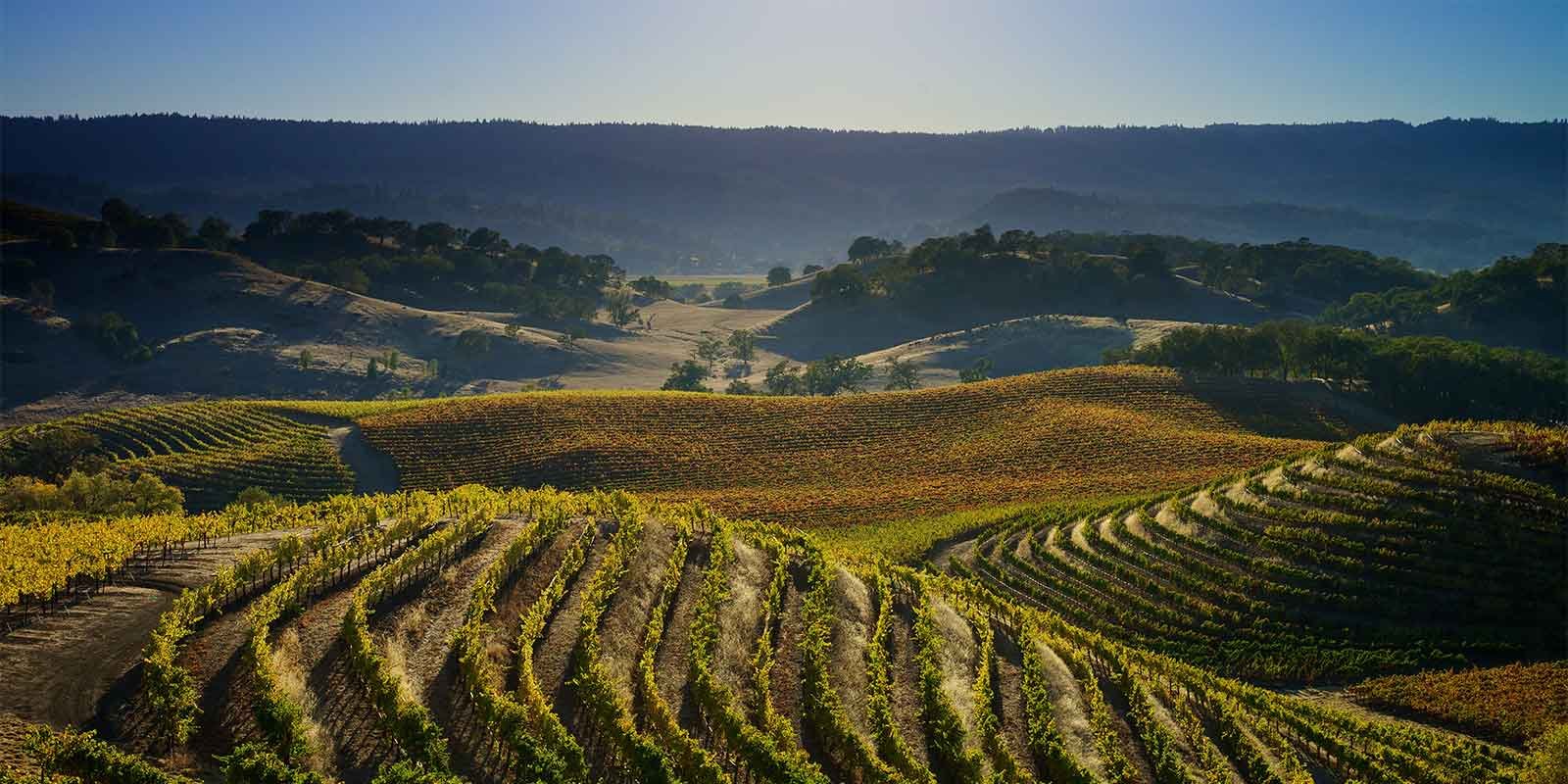
A strong Rutherford choice for travelers who want a serious estate-focused Napa stop rather than a quick tasting-room add-on. It works best as an anchor visit in a two-winery day, especially if the goal is understanding Rutherford in context. If the schedule is tight, prioritize quality of time over adding another appointment.
Maison Louis Latour
Beaune, France
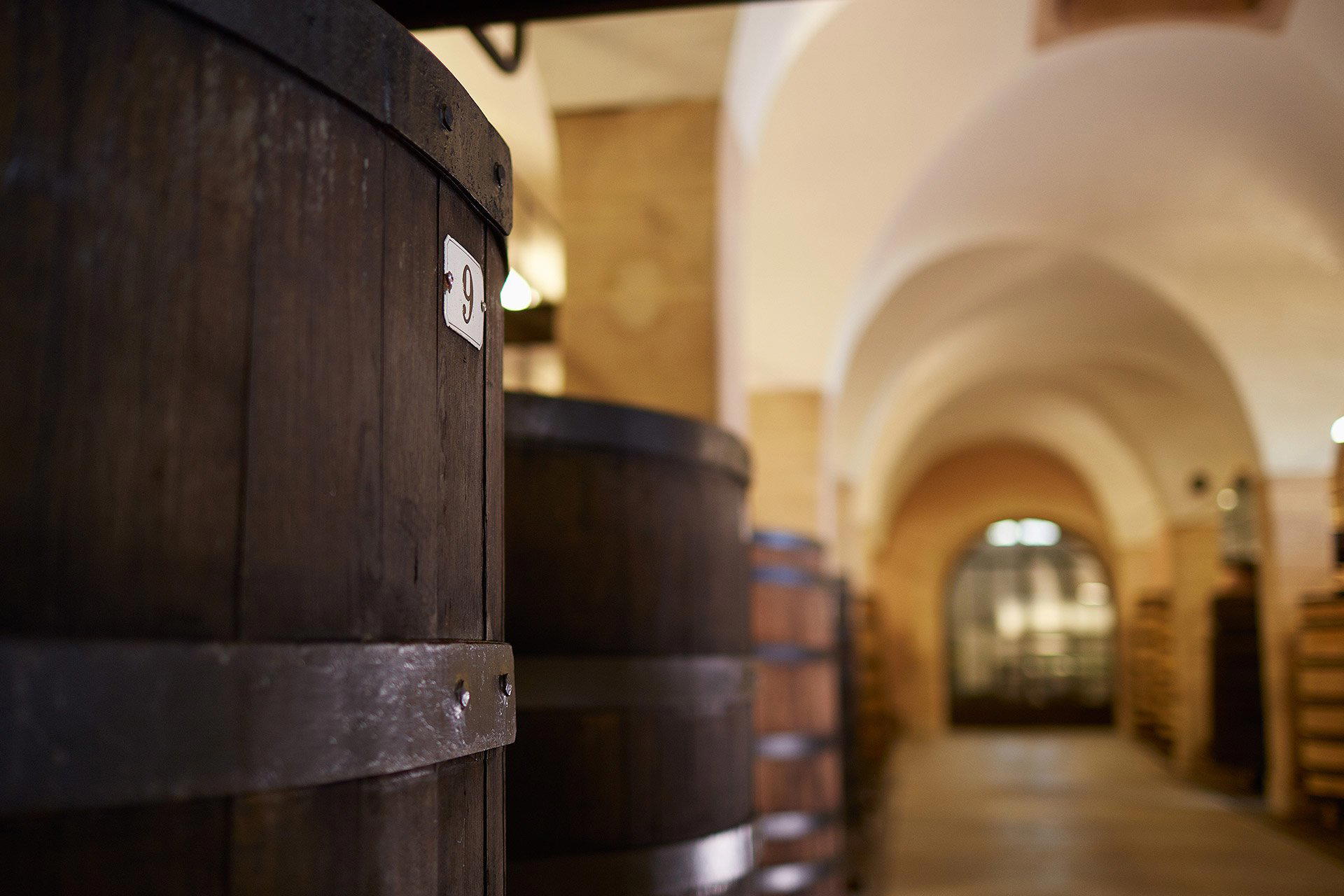
Maison Louis Latour is worth pursuing for Burgundy-focused travelers who care about producer reputation and allocation-style access more than an easy tasting stop. For a softer first Beaune winery day, compare it with Domaine Bouchard Père et Fils or Maison Champy before committing the itinerary around one hard-to-secure anchor.
Fattoria Aldobrandesca
Sorano, Italy
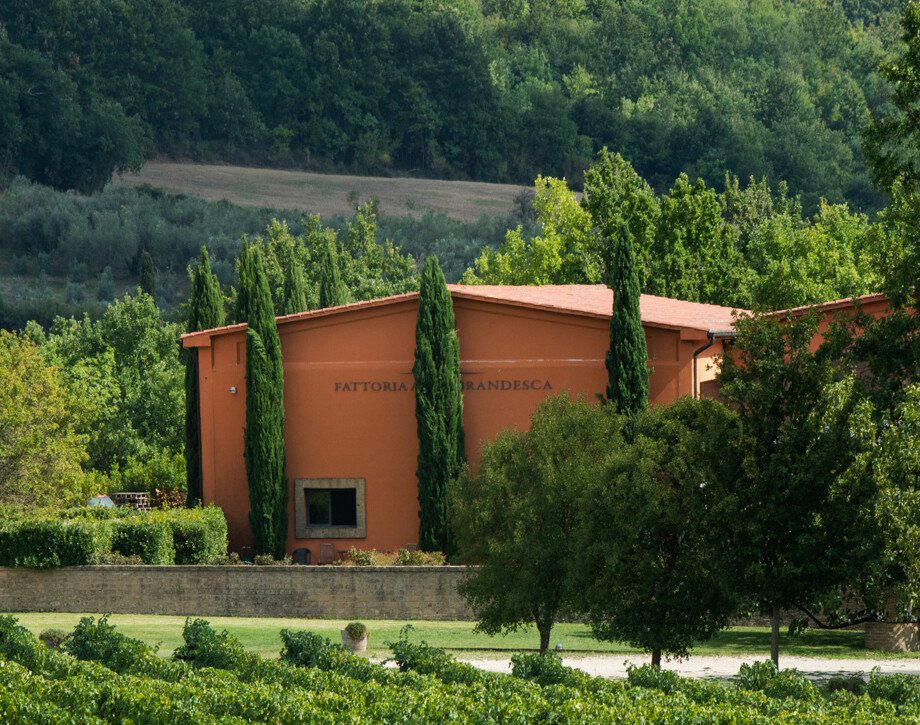
Book Fattoria Aldobrandesca if the goal is a planned Maremma estate visit where vineyard setting, Etruscan tuff landscape, and Antinori ownership matter. The wines focus on Toscana Rosato IGT “A,” Vie Cave Toscana IGT, and Aleatico Sovana DOC Superiore, with Aleatico and Malbèc giving the stop a clear identity. It is less suited to casual drop-ins or food-led winery visits.
Domaine Abbaye de Santenay
Santenay, France
Worth prioritising for biodynamic Santenay, especially if the goal is bottle assessment rather than a highly staged winery visit. The strongest signals are the named-climat focus, including Sous la Roche, Comme, and Clos de Tavannes, plus Falstaff Listed recognition for 2026.
Bonotto Delle Tezze
Quinto Di Treviso, Italy
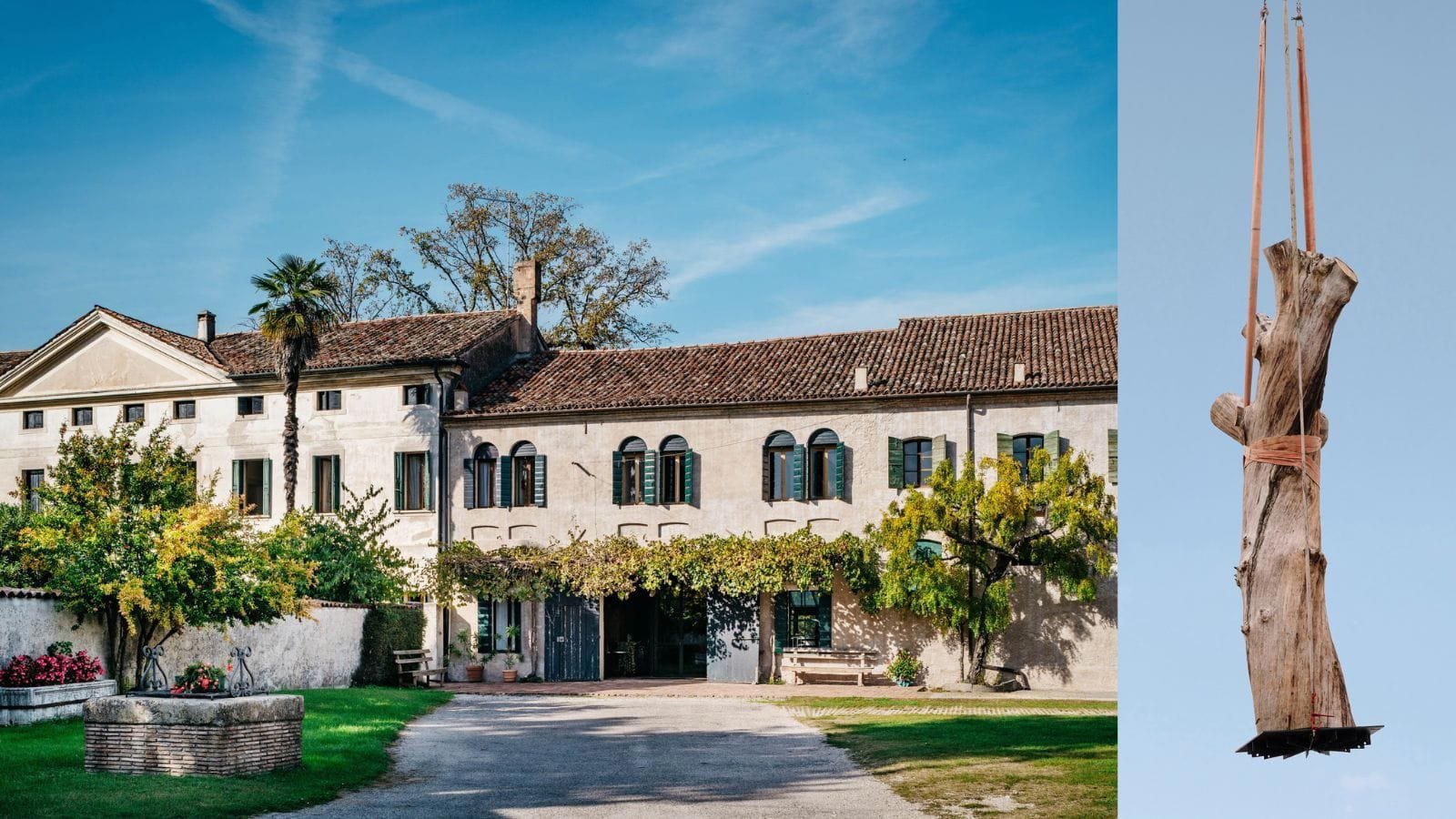
Book Bonotto Delle Tezze if you want a personal Veneto winery visit with family heritage, cellar context, and a quieter special-occasion feel. The value is strongest when the tasting is treated as a guided experience around local grapes and estate history, not just a quick flight.
DSG Vineyards – David Sampredo Gil
Hormilla, Spain
DSG Vineyards – David Sampredo Gil is a selective Rioja stop for travelers already exploring Hormilla and looking for producer depth rather than a fully packaged visitor experience. Its Falstaff Listed recognition for 2026 gives it a credible signal, but plan it as part of a wider winery route, not the whole day.
Clos du Calvaire
Sorgues, France
Worth considering for a focused winery stop near Châteauneuf-du-Pape, especially if Sorgues is already part of the route. Clos du Calvaire has Falstaff Listed recognition for 2026, but with few public visitor details, it is better treated as a planned wine appointment than a full-day destination.
Château Laniote
Saint-Émilion, France
Château Laniote is worth booking if you want a personal Saint-Émilion Grand Cru Classé visit built around one small estate’s flagship red. The appeal is the close-range, owner-led education and the compact 5-hectare production story, not a broad tasting lineup. Better for couples and wine-focused celebrations than rushed multi-stop touring.
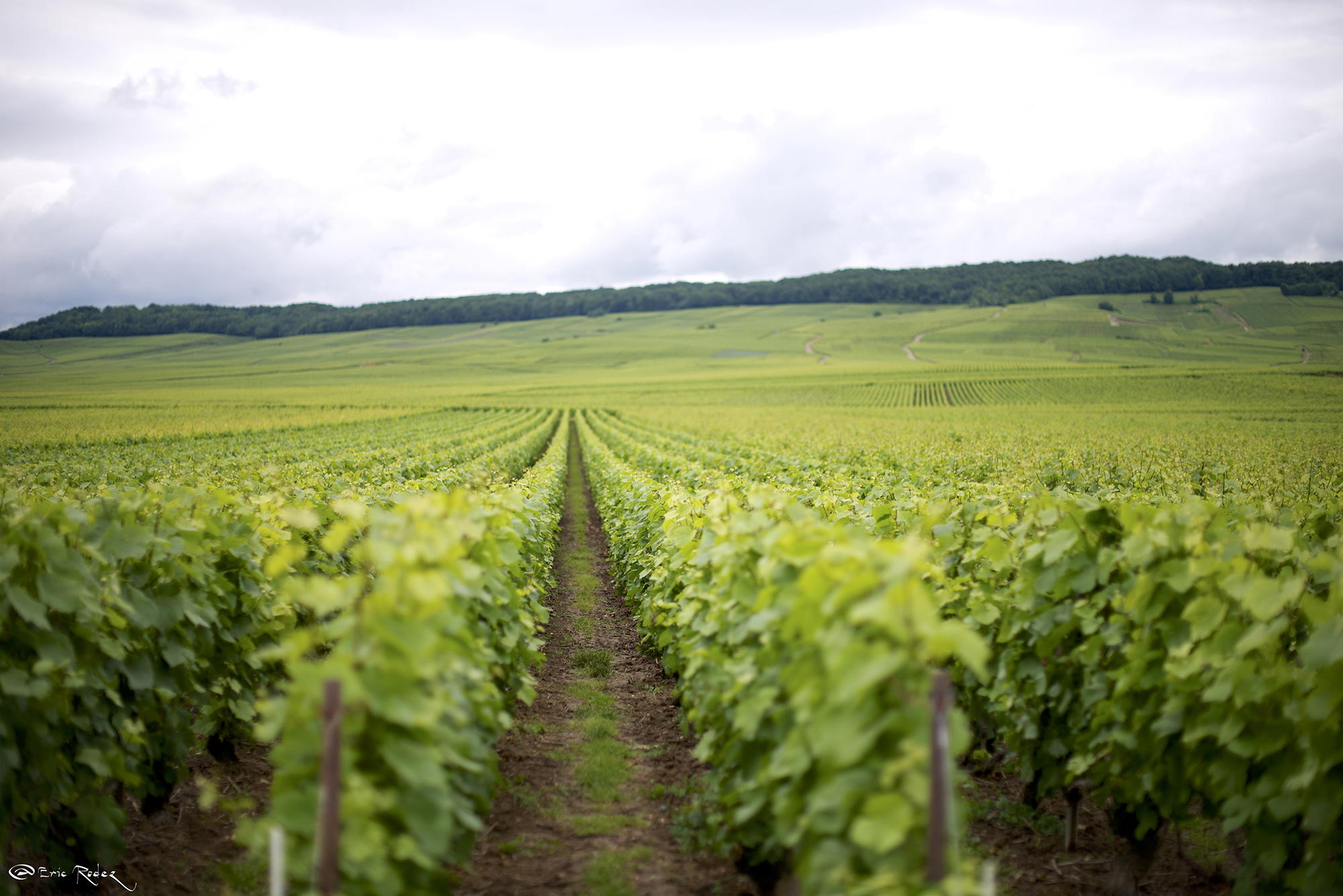
Champagne Éric Rodez
Ambonnay, France
Ask Champagne Éric Rodez for an appointment in Ambonnay, subject to the estate's availability. Cuvée des Crayères offers a clear Pinot Noir–Chardonnay comparison, but bottles are not guaranteed for purchase on site.
Gut Eckhof
Strande, Germany
Gut Eckhof is worth planning ahead for if a North German manor-estate wine visit sounds more useful than a formal tasting-room routine. The appeal is the Schleswig-Holstein setting, vineyard-linked estate atmosphere, and Falstaff 2026 two-star recognition, not a heavily documented flagship bottle or published flight format.
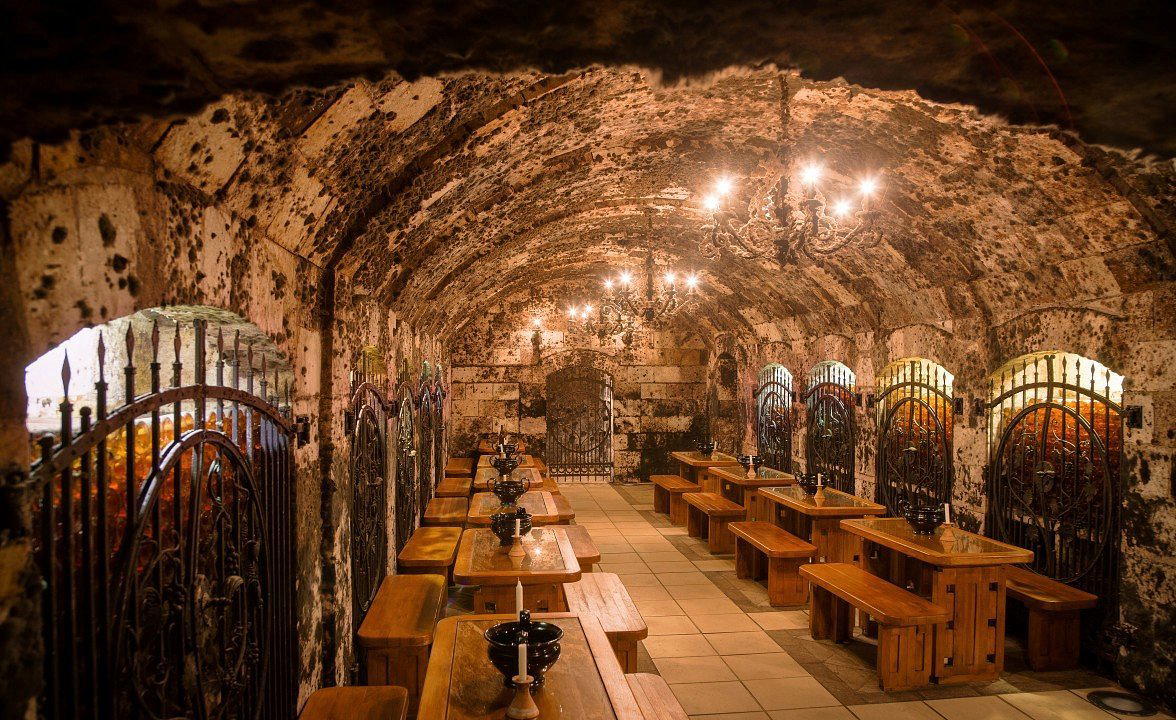
Tokaj Oremus
Tolcsva, Hungary
Tokaj Oremus is a strong choice for wine travellers who want a serious Tokaj stop in Tolcsva rather than a casual tasting-room visit. Prioritise it for Aszú and Furmint context, especially if a private or upgraded tasting is available; casual groups may be happier with a more flexible nearby winery.
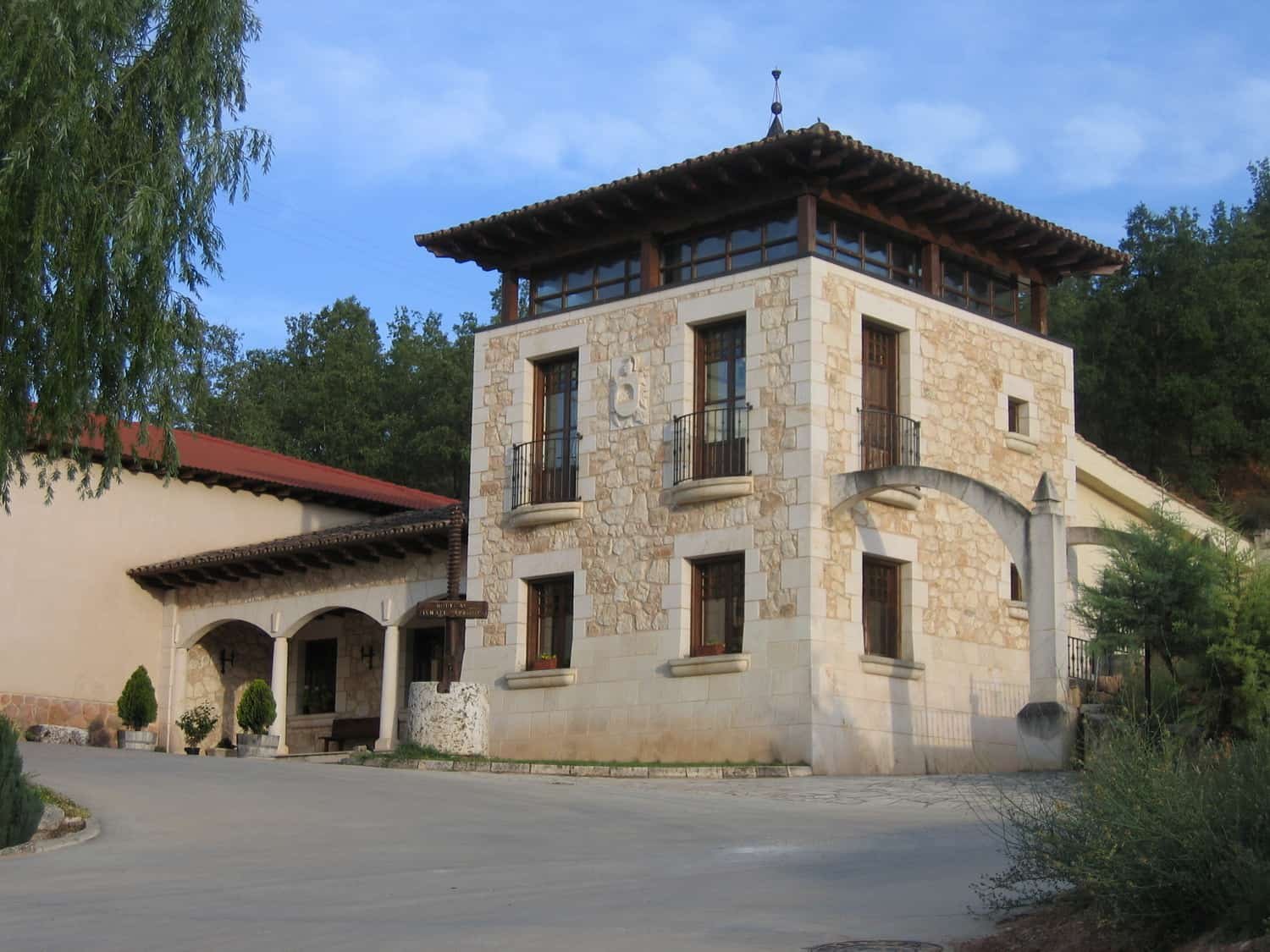
Bodega S. Arroyo
Sotillo De La Ribera, Spain
Book Bodega S. Arroyo if the goal is a quiet, traditional Ribera del Duero tasting with real Tempranillo context rather than a luxury hospitality show. The value sits in its own-vineyard red-wine focus, Crianza and Reserva lane, and $$ positioning; treat any repeat-buying decision as something to make after tasting the house style.
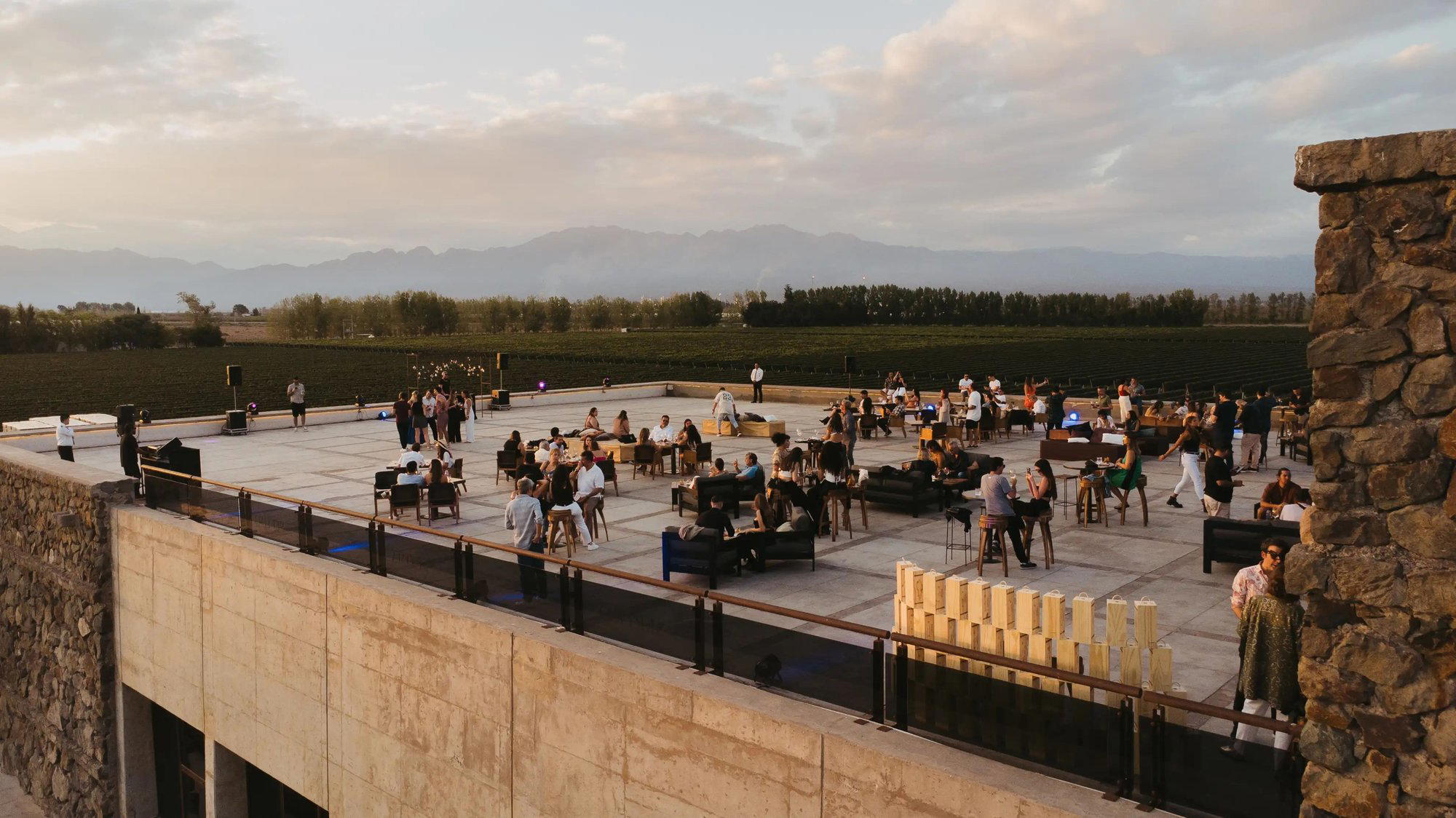
Bodega Séptima
Agrelo, Argentina
A serious Agrelo winery choice for travelers planning a polished Mendoza tasting day, especially for a celebration or business outing. Book only if advance planning is realistic; for flexible routing, compare nearby Agrelo peers first.
Château Franc-Baudron
Montagne, France
A strong pick for wine travelers who want a grounded Montagne-Saint-Émilion estate rather than a glossy château visit. Château Franc-Baudron is better for organic Bordeaux context, vineyard conversation, and a quiet working-estate feel than for luxury hospitality cues. The $$ positioning and Falstaff listing make it a sensible value stop if the itinerary already includes more formal Saint-Émilion tastings.

Aia delle Monache
Castel Campagnano, Italy
A small rural natural-wine estate in Castel Campagnano, Aia delle Monache is worth seeking out for native Campanian varieties, low-intervention production, and modest $$ positioning. It suits wine travelers who value depth over a polished tasting-room setup, especially those interested in Pallagrello, Casavecchia, and Asprinio.
Screaming Eagle
Napa, United States
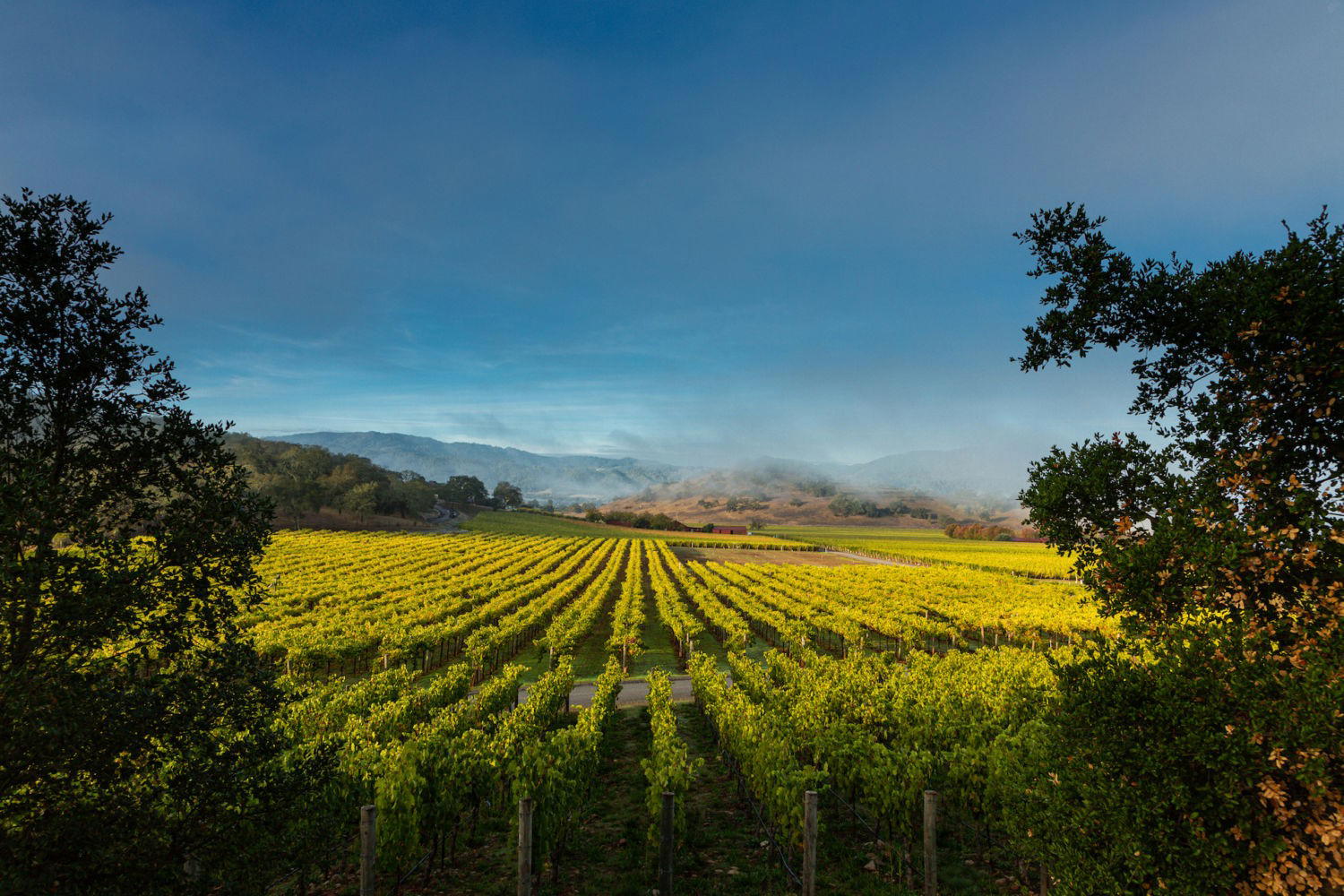
Screaming Eagle is a wine producer in Napa Valley.
Bell Hill Vineyard
Waikari, New Zealand
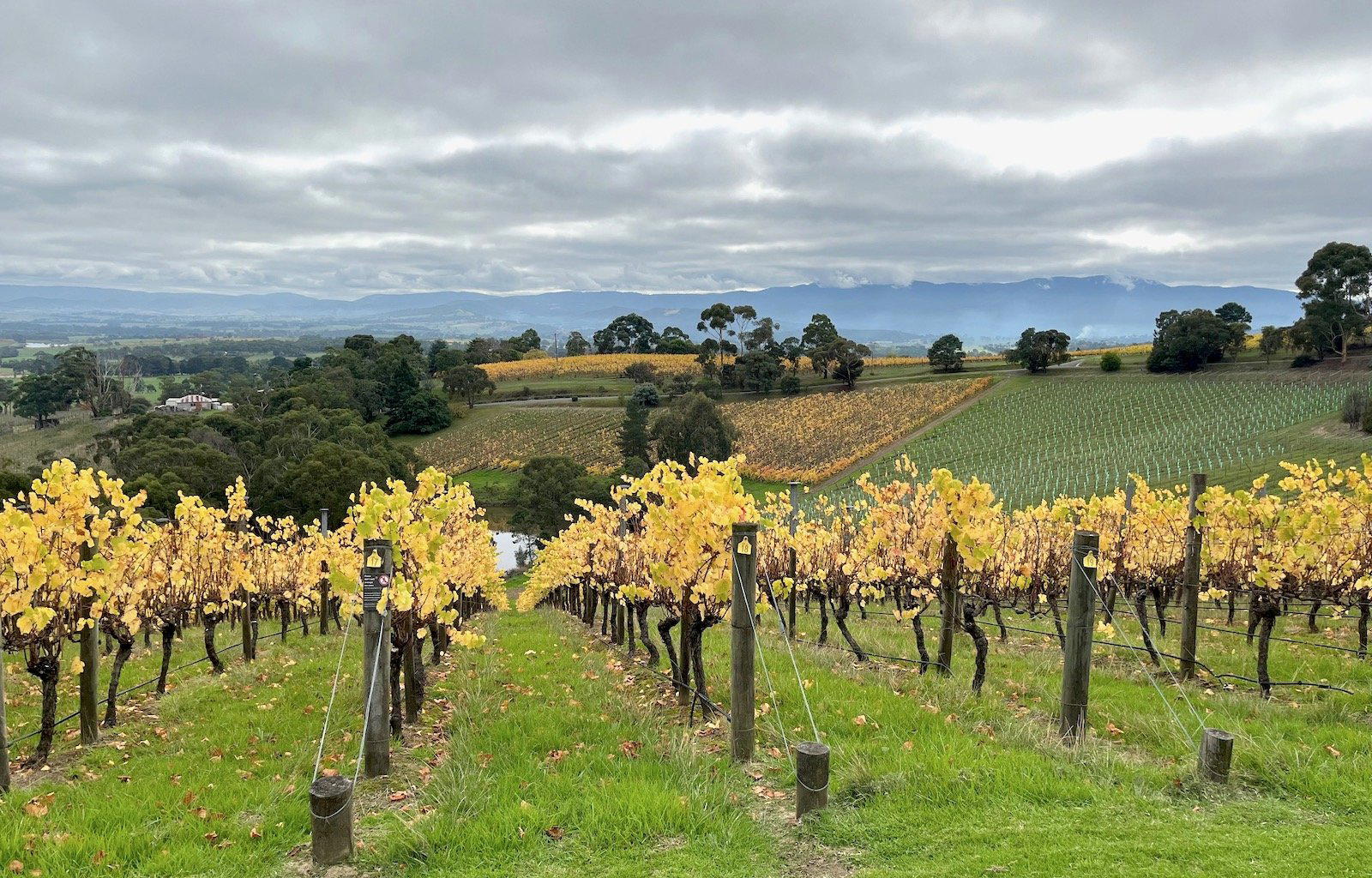
Bell Hill Vineyard is a selective Waikari pick for wine travellers who want producer depth over a broad visitor package. Its Falstaff Listed (2026) recognition gives it a clear trust signal, but the visit makes the most sense for planned wine-focused itineraries rather than casual drop-ins or food-led groups.
Bioweingut Bertram Isele
Vogtsburg im Kaiserstuhl, Germany
Worth shortlisting for a focused Vogtsburg im Kaiserstuhl wine stop, especially if Falstaff Listed recognition helps narrow the field. Treat Bioweingut Bertram Isele as part of a wider Baden itinerary rather than a self-contained hospitality stop, since published visitor details are thin.
Azienda Agricola Barone di Serramarrocco
Fulgatore, Italy
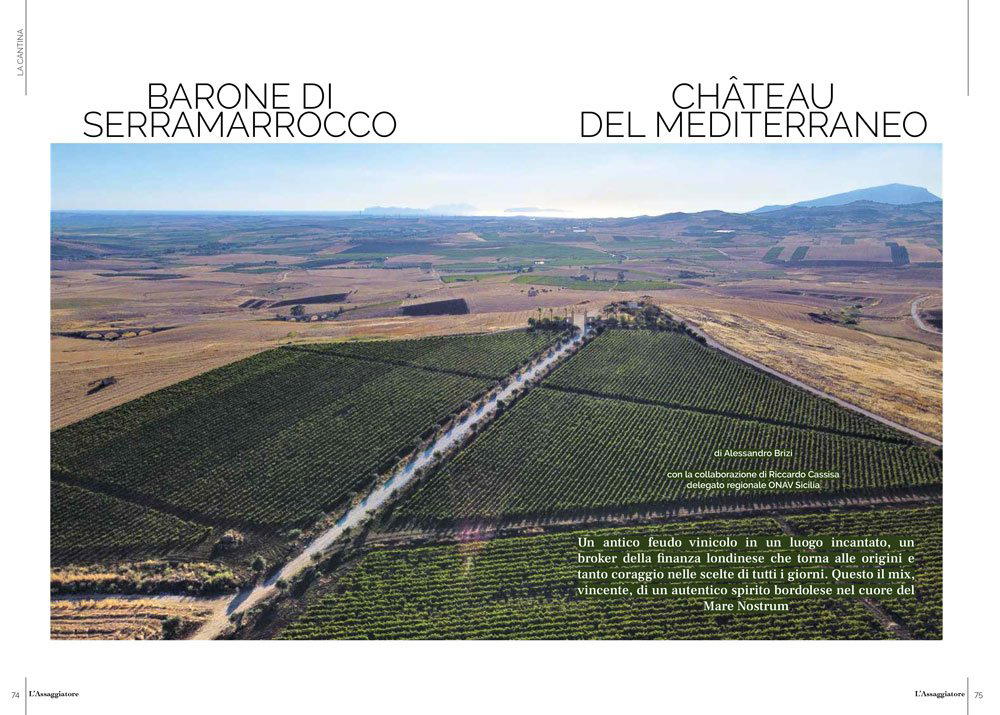
Azienda Agricola Barone di Serramarrocco works if the estate setting is central to your Fulgatore wine plans. Treat it as a focused winery visit rather than a confirmed food or long-lunch stop, since public details on dining, pricing, hours, and shipping are not specified.
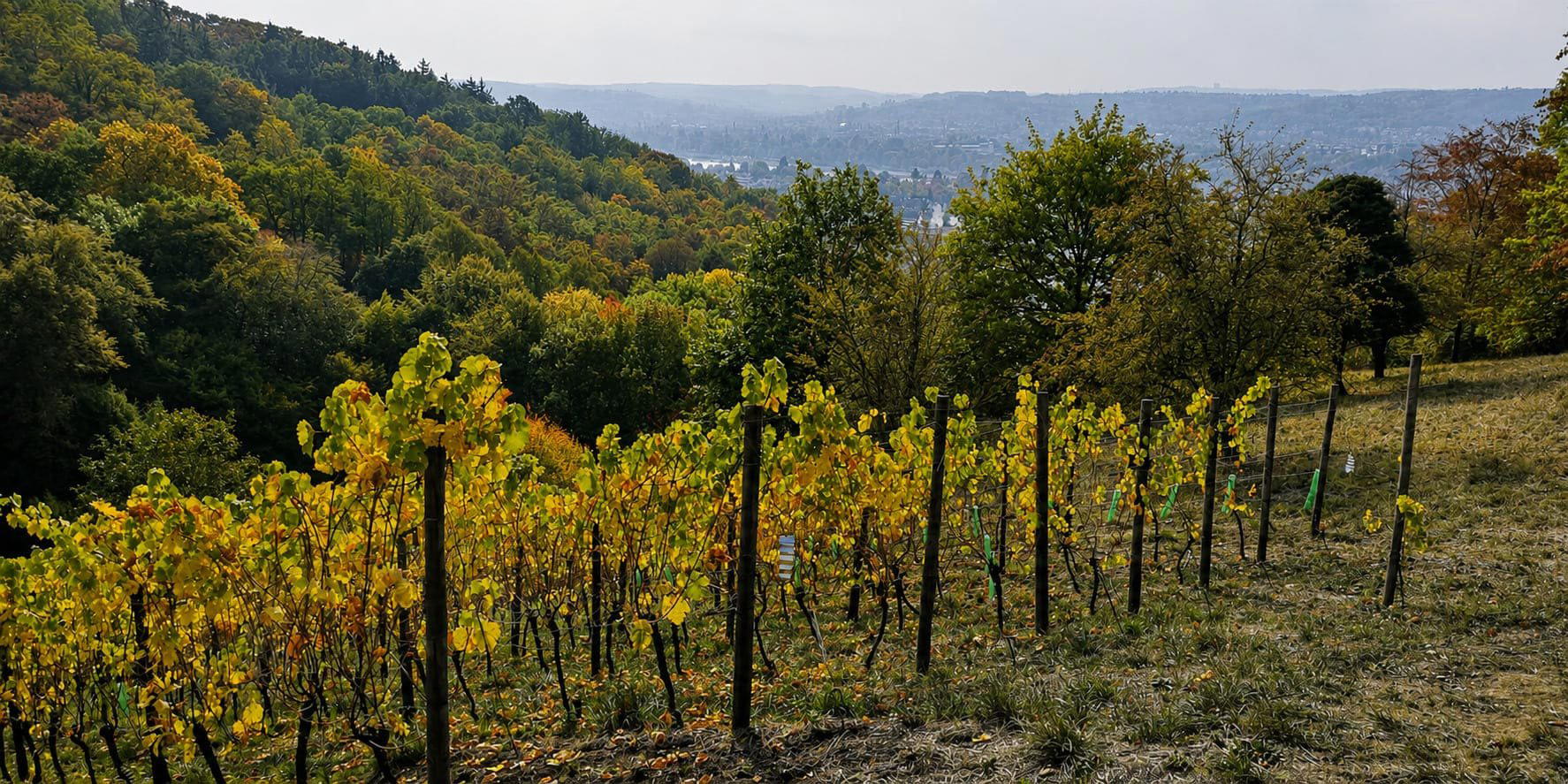
Kay Weine
Königswinter, Germany
Book Kay Weine if the draw is small-scale Mittelrhein wine with organic farming and a Riesling-led identity. It is better suited to serious wine travelers than casual groups, especially because the appeal sits in the vineyard story and producer focus rather than broad hospitality infrastructure.
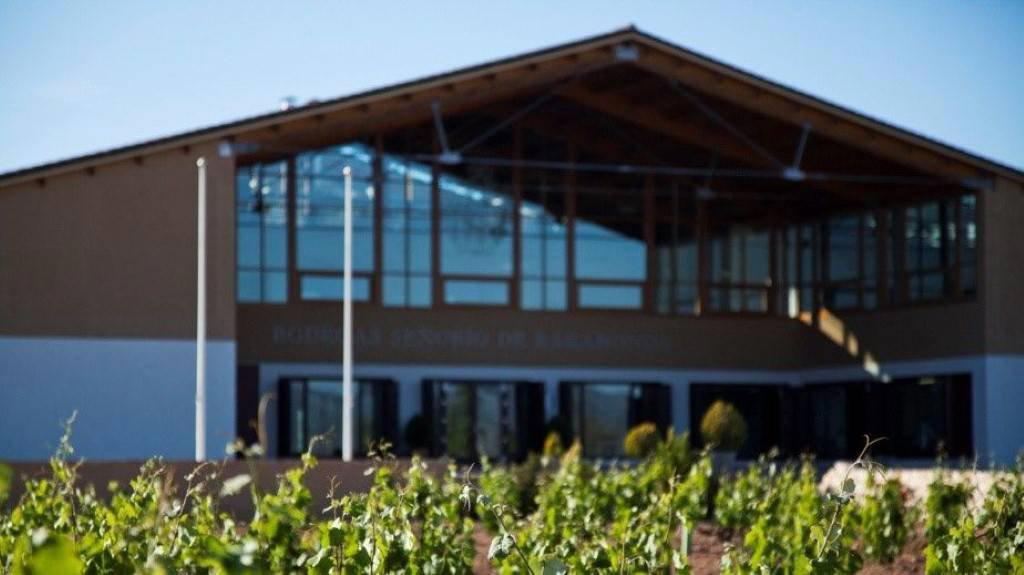
Bodegas Barahonda
Yecla, Spain
Worth considering if you want a focused Yecla winery visit with a value-first lens rather than a broad tasting-room crawl. Bodegas Barahonda carries Falstaff 2 Stars for 2026, which gives it a useful quality signal, but plan ahead because practical visit details are limited and this is not the right pick for a casual drop-in day.
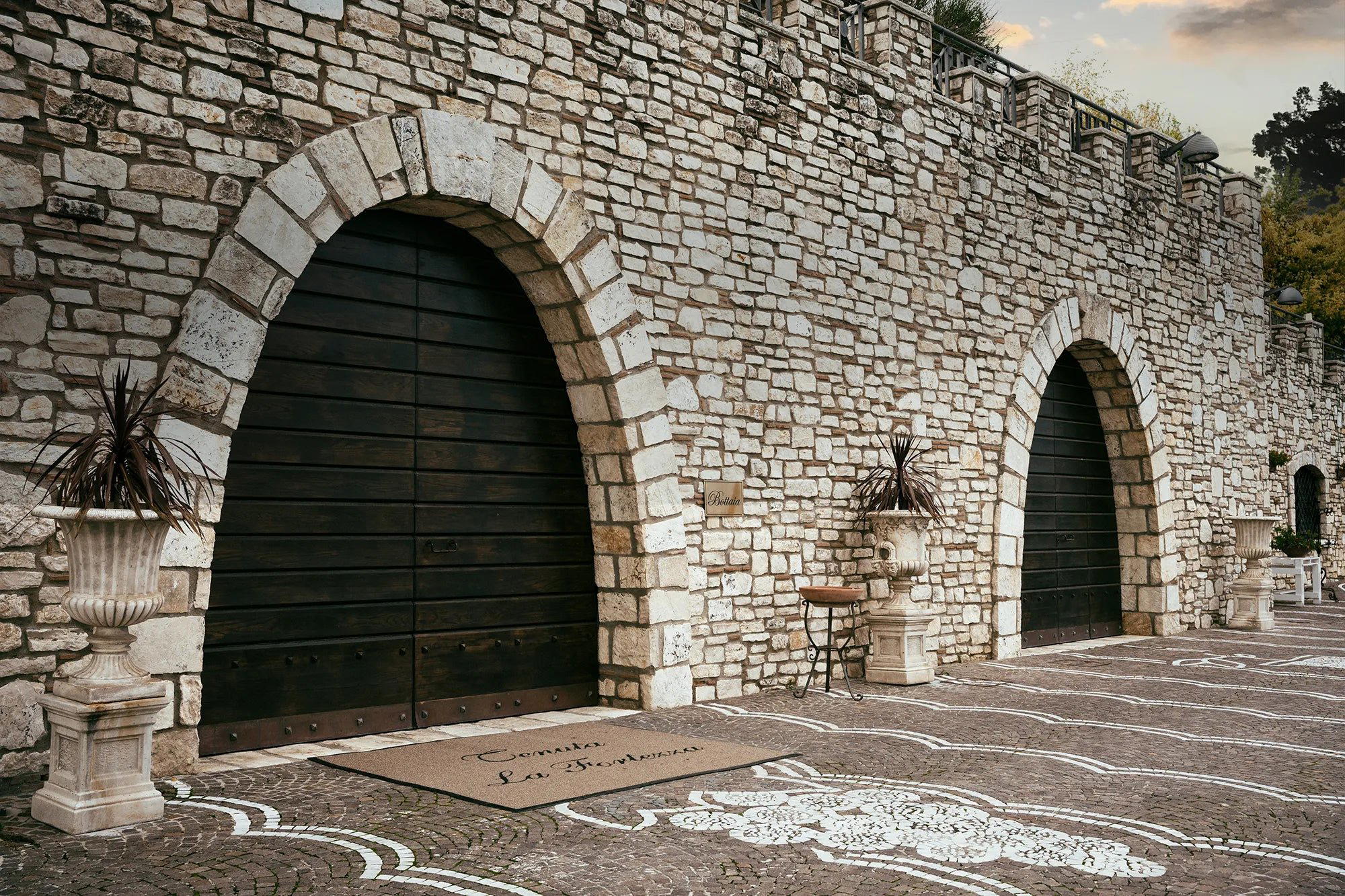
La Fortezza
Torrecuso, Italy
La Fortezza works if Torrecuso and Aglianico del Taburno are already part of the plan. Falstaff listing for 2026 gives it a useful trust signal, but practical details around food, private tastings, pricing, and group handling should be confirmed before making it the anchor of a special occasion.
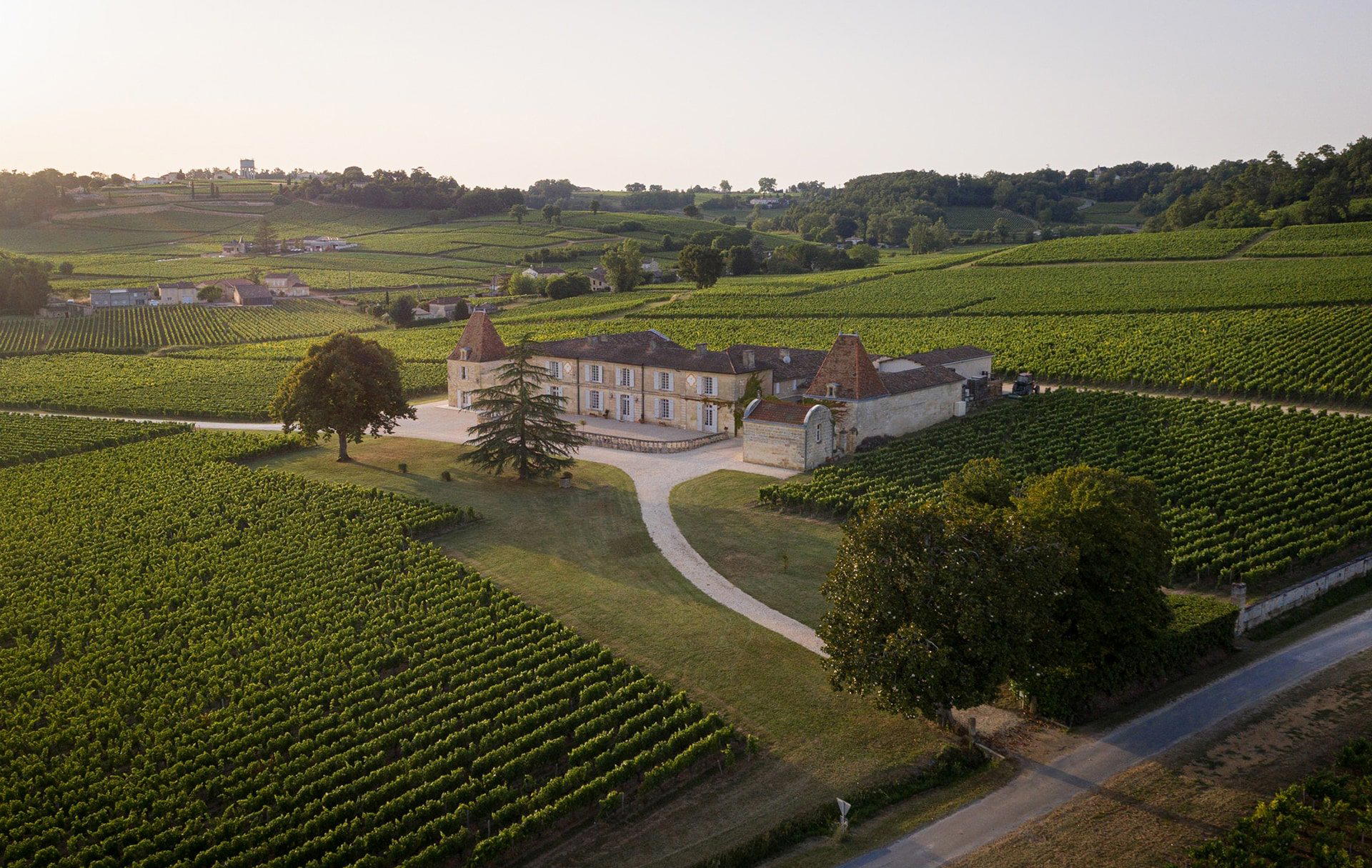
Château Lassègue
Saint Hippolyte, France
Château Lassègue is a sensible Saint Hippolyte pick for a composed Libournais winery visit, especially for couples, clients, or small celebrations. Book it when ease and a Falstaff-listed trust signal matter more than chasing a packed tasting schedule or comparing several producers in one afternoon.
Decordi
Motta Baluffi, Italy
Book Decordi if you want a practical look at a Lombardy family winery that has grown from a 1921 tavern into a modern, sustainability-minded producer. The draw is production context and Italian portfolio breadth, not a luxury tasting ritual. Falstaff Listed in 2026, it suits wine travelers who care about traceability, certifications, and how regional tradition scales.
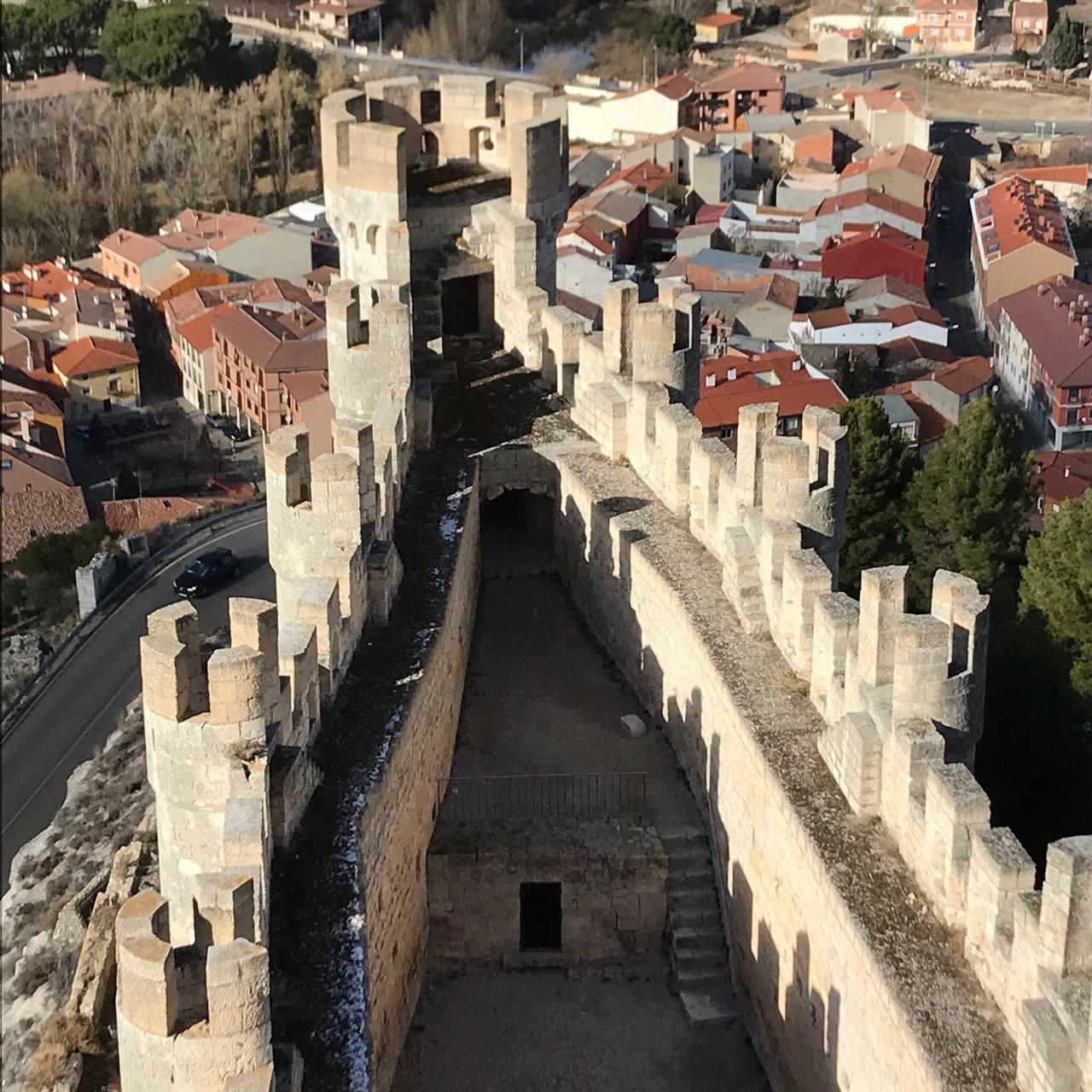
Bodegas Hijos de Antonio Polo
Peñafiel, Spain
Book Bodegas Hijos de Antonio Polo for a relaxed, family-run Ribera del Duero tasting with a clear Tempranillo focus and countryside feel. It suits couples or small groups who want a quieter Peñafiel winery visit; travelers looking for a large visitor centre or a highly structured public tasting should choose a bigger cellar experience instead.
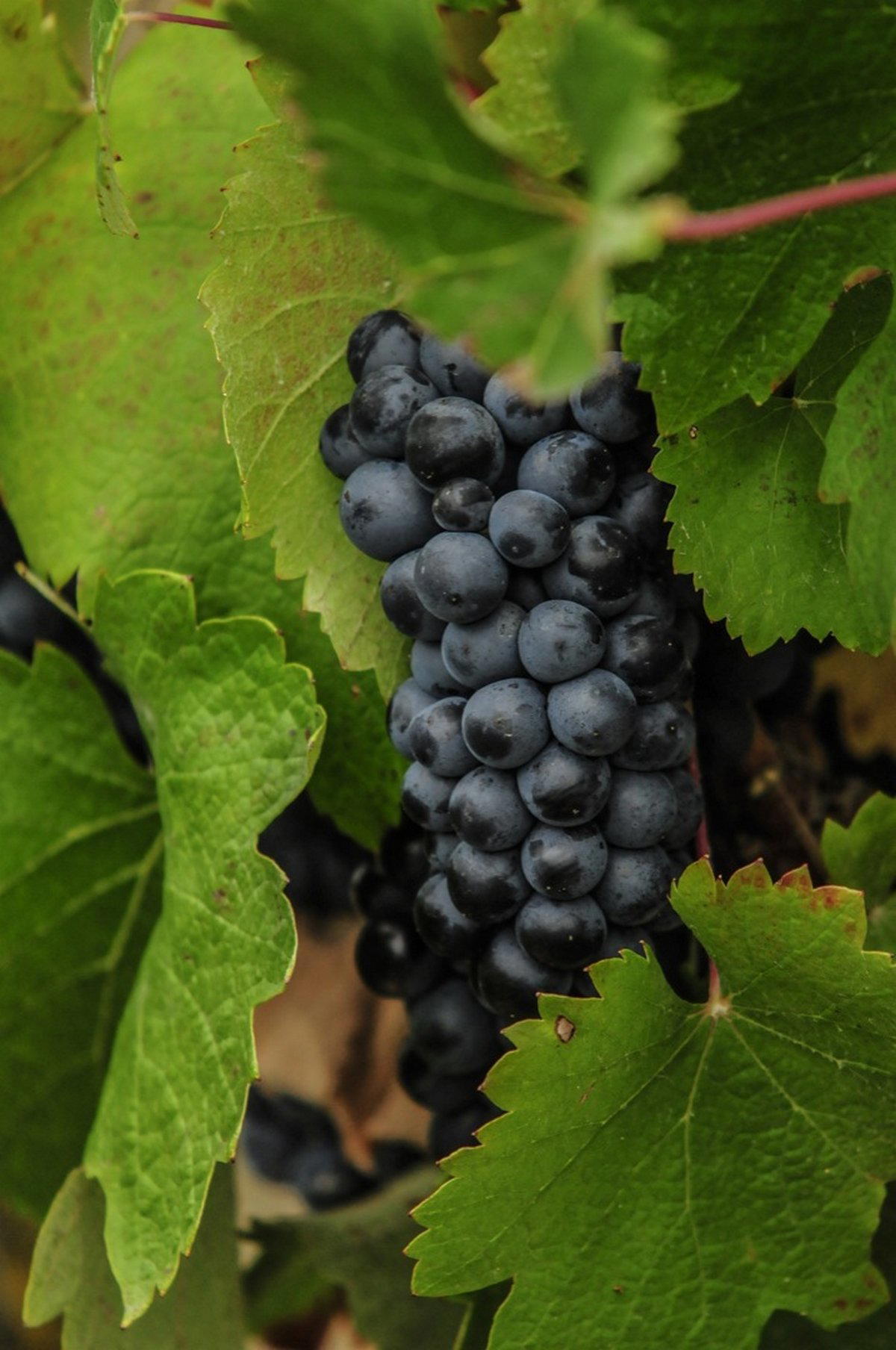
Château Clamens
Fronton, France
Château Clamens is worth booking if you want a focused Fronton tasting built around Négrette rather than a showy destination-winery experience. The appeal is the estate’s historic family-vineyard identity, 25 hectares of vines, and clear South West France character, especially for couples or small groups planning a wine-led stop.
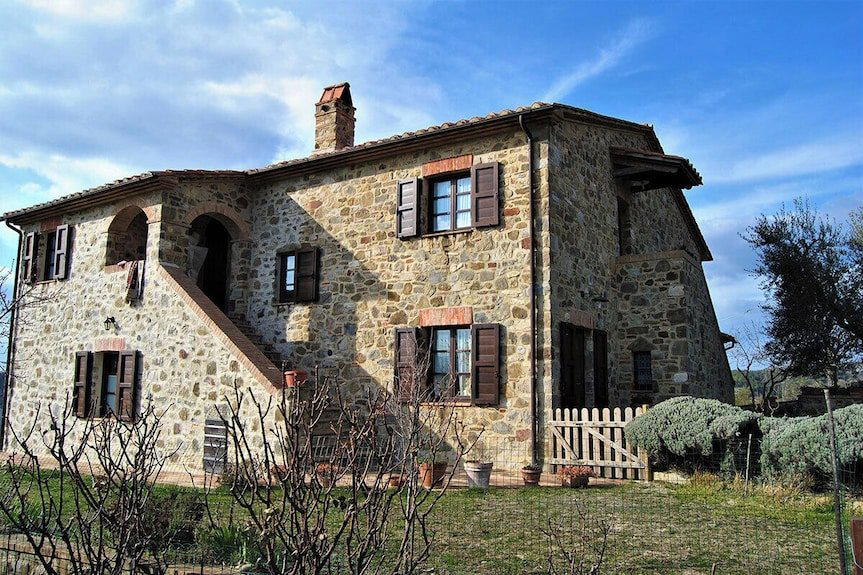
Bellaria
Montalcino, Italy
Bellaria is worth booking if you want a personal Brunello tasting with family-estate context rather than a high-design winery stop. The $$$ positioning makes sense for visitors focused on Sangiovese, cellar aging, and producer detail, with Falstaff listing in 2026 adding a useful recognition signal.
Garbole
Tregnago, Italy
Appointment-led and collector-facing, Garbole is worth prioritizing if the goal is a serious Veronese wine encounter centered on rarity, native-vine recovery, and its limited-edition Hurlo bottling. It is less suited to casual drop-ins or large-group tasting plans; treat it as a focused private-style visit that needs planning.
Château Liversan
Saint Sauveur, France
Château Liversan works if you want Haut-Médoc structure and cru bourgeois credibility without chasing a Pauillac label. The value case rests on its 51-hectare single-block vineyard, gravel-limestone site, Falstaff listing, and documented sustainability work rather than a heavily promoted tasting experience.
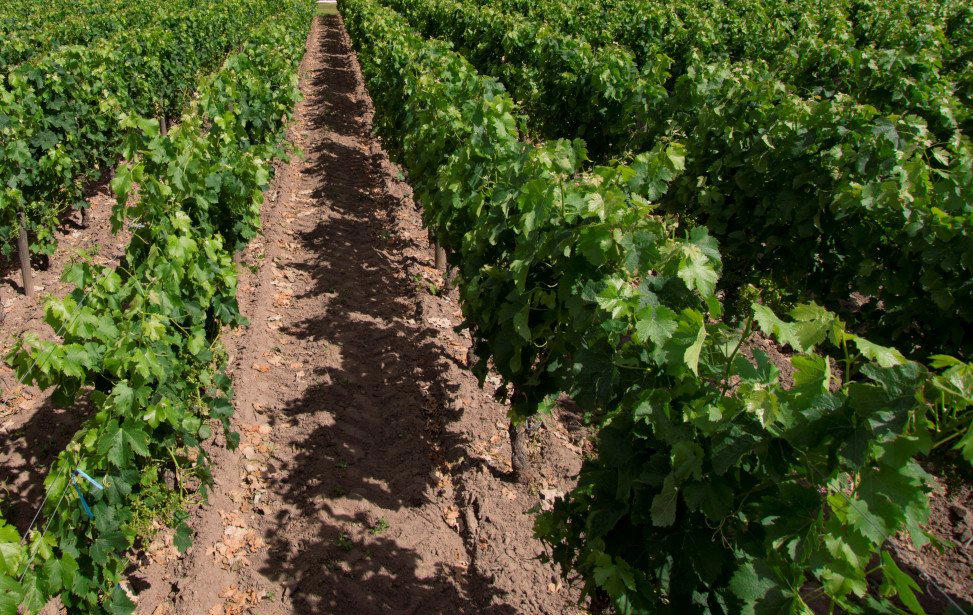
Château d'Aiguilhe Querre
Pomerol, France
A focused choice for wine-focused Right Bank visitors who want Castillon-Côtes de Bordeaux context rather than grand-estate spectacle. Château d'Aiguilhe Querre is strongest for Merlot-led reds, small-scale production, and clay-limestone terroir; casual groups looking for a broad hospitality program may be happier elsewhere.
Château Laurence
Montussan, France
Château Laurence is worth booking if you want a small, appointment-led Bordeaux tasting focused on value rather than show. The draw is Merlot-centered Bordeaux Supérieur from an 8-hectare Montussan estate with 2026 Falstaff Listed recognition and a personal, rustic feel. Skip it if you need a polished visitor center or broad hospitality amenities.
Château La Cardonne
Blaignan, France
A worthwhile Blaignan winery stop for classic Médoc structure, château architecture, and vineyard views rather than a high-production tasting show. Choose it for a calm special-occasion visit with serious regional context, especially if Cabernet-led Bordeaux is the point of the day.
Bioweinbau Claudia & Dieter Schnabl
Retz, Austria
A good Retz booking for wine travelers who care about organic farming, low-histamine production, vegan-friendly bottles, and a quieter family-winery feel. The value is strongest if the tasting leads to bottle buying; do not treat it as an allocation-status play. Falstaff Listed in 2026, with a $$ price signal.
Domaine Denis Fauquex
Bourg En Lavaux, Switzerland
Book Domaine Denis Fauquex if the priority is a quiet, producer-led Lavaux tasting built around Chasselas d’Epesses rather than a polished visitor centre. It suits repeat Bourg-en-Lavaux visitors who want a traditional carnotzet or terrace setting, appointment-only pacing, and a clearer read on Epesses through a family-run vigneron-encaveur.
François Lurton
La Seca, Morocco
François Lurton is a better fit for wine-focused travelers than casual groups: the draw is a working winery setting and a serious white-wine orientation, not a highly staged hospitality experience. At $35 per person and Falstaff Listed in 2026, it has enough credibility to consider if the priority is producer context over amenities.
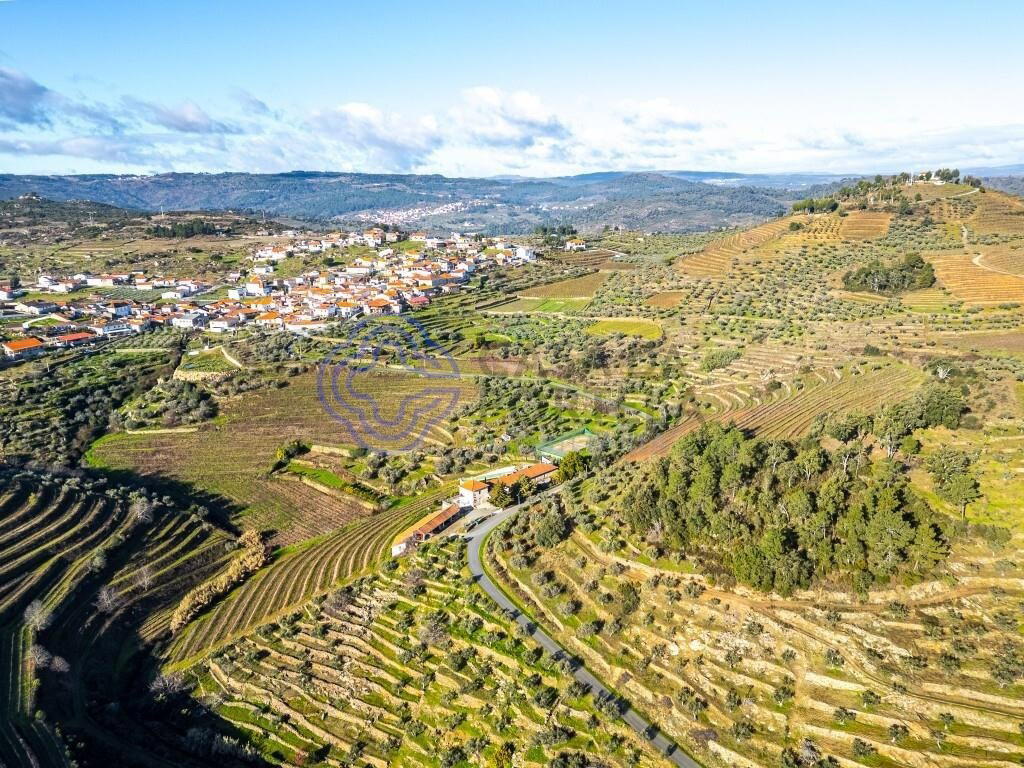
Barros Almeida & Cia - Vinhos SA
Vila Nova de Gaia, Portugal
A good fit for wine travelers who want fortified-wine context in Vila Nova de Gaia rather than a scenery-led estate visit. Barros Almeida & Cia - Vinhos SA is strongest on Port and Douro DOC heritage, with a Falstaff Listed 2026 signal and a documented 1999 Grande Escolha Tinto Douro DOC reference.
Dr. F. Weins-Prüm
Bernkastel-Wehlen, Germany
A good pick for a quiet, traditional Mosel winery stop in Bernkastel-Wehlen, especially for first-timers who want a family-run estate feel rather than a polished pairing format. The value is strongest for small groups focused on wine and place; it is weaker if food programming, large-party logistics, or detailed pre-planning matter.
Domaine Bonnet du Fou
Twann, Switzerland
Domaine Bonnet du Fou is worth targeting if you want a small, personal Twann winery experience centered on regional grapes rather than a polished tourism setup. It is a better fit for couples, compact celebrations, and serious wine drinkers than for large groups needing fixed logistics.
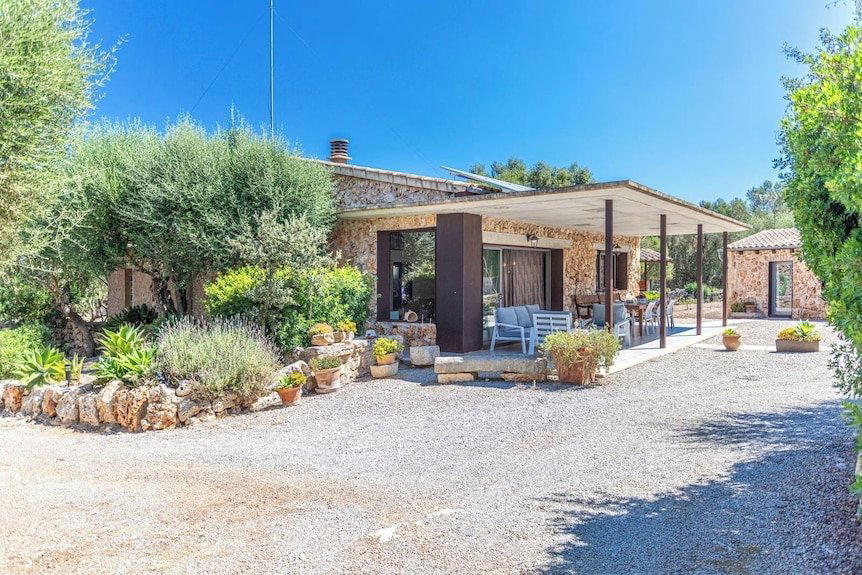
Apolonia Viticultors
Felantix, Spain
Apolonia Viticultors is worth booking if the priority is serious Mallorcan wine context rather than a polished estate afternoon. Go for the connection to local grapes, the 4 Kilos orbit, and a functional production-led atmosphere; skip it if food, views, or resort-style hospitality are the main reason for the visit.
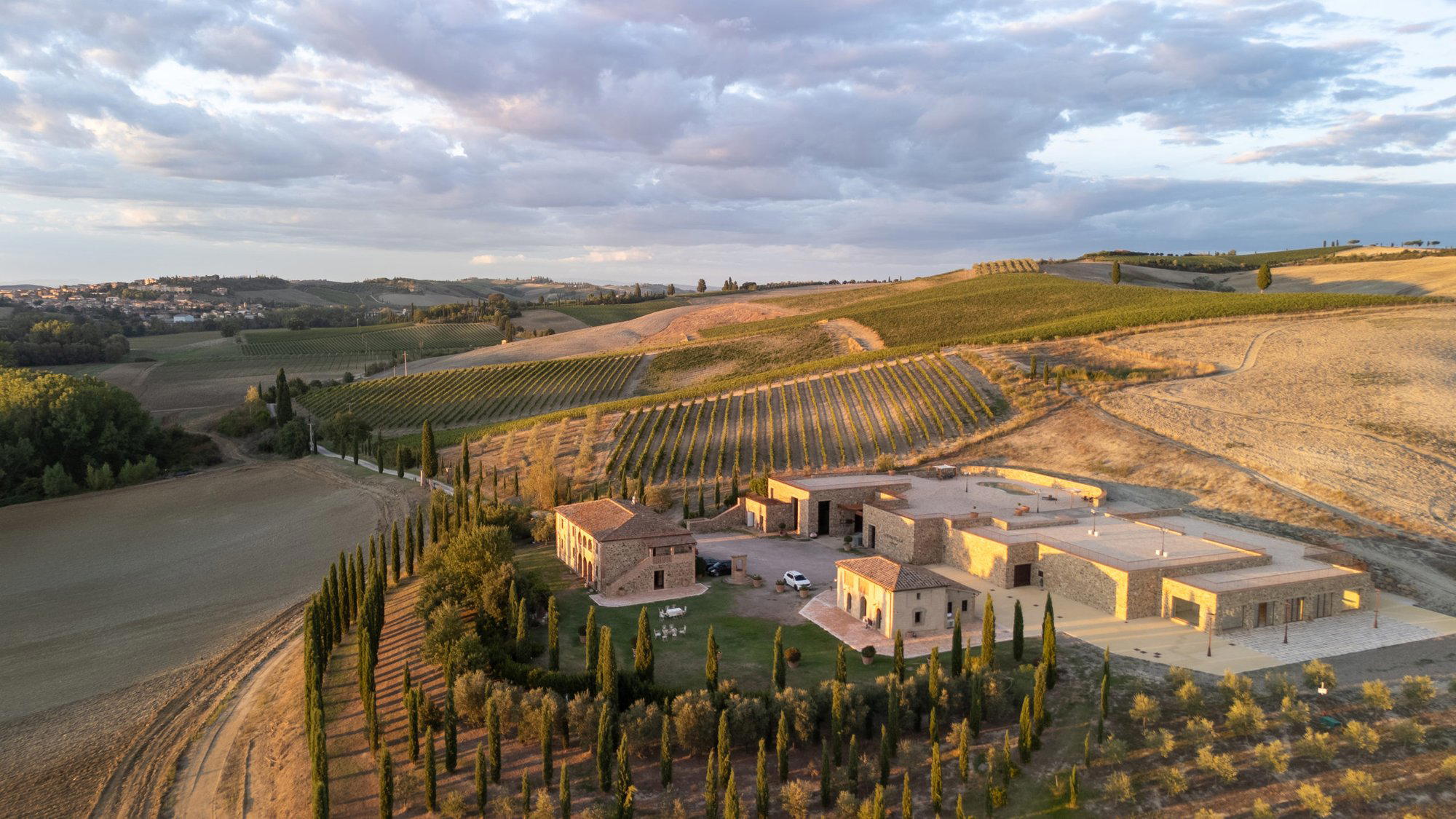
Cordella
Montalcino, Italy
Cordella works for a Montalcino itinerary if the priority is Brunello-focused wine depth with a current Falstaff listing behind it. It is a better fit for allocation-minded travelers and winery explorers than for readers seeking a restaurant, hotel, or broad hospitality experience.
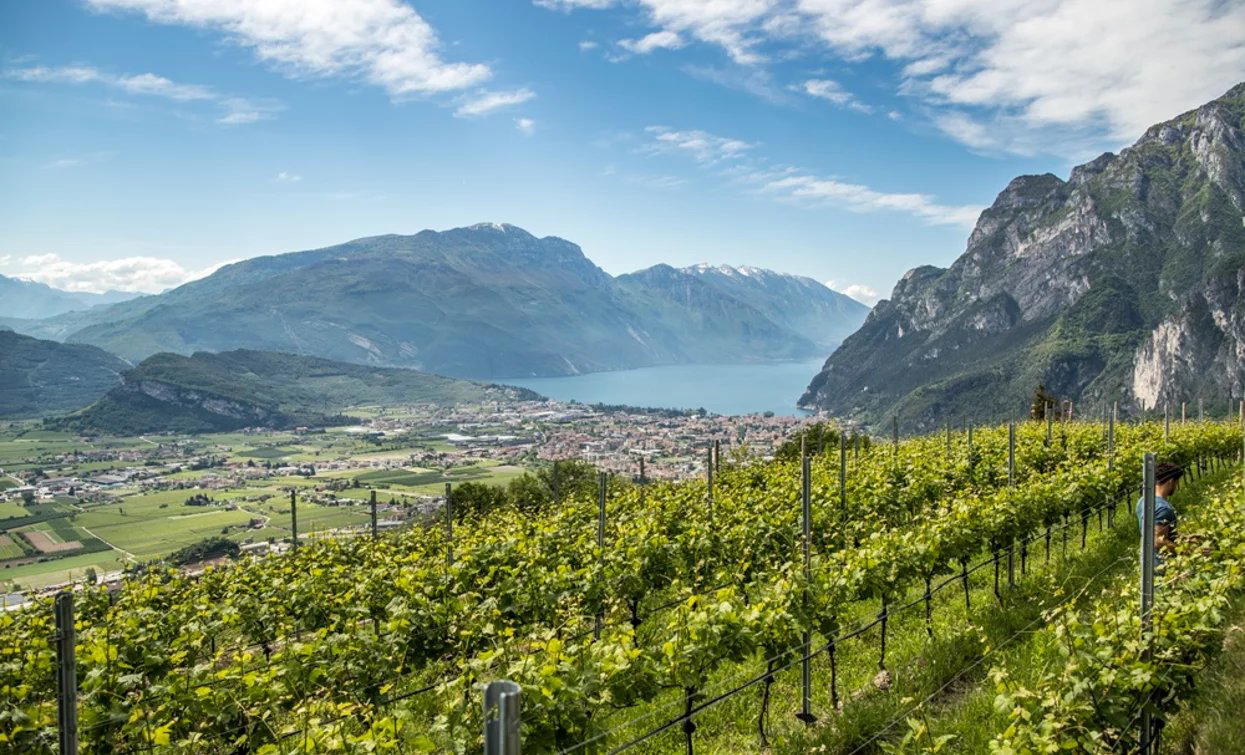
Cantina Furletti
Riva del Garda, Italy
Cantina Furletti works as a flexible Riva del Garda wine stop, mainly because of its Falstaff Listed (2026) recognition. Treat it as an explorer pick rather than a fully mapped destination: the value case is strongest for travelers who want a locally recognized producer and do not need confirmed food, shipping, or group details before planning.
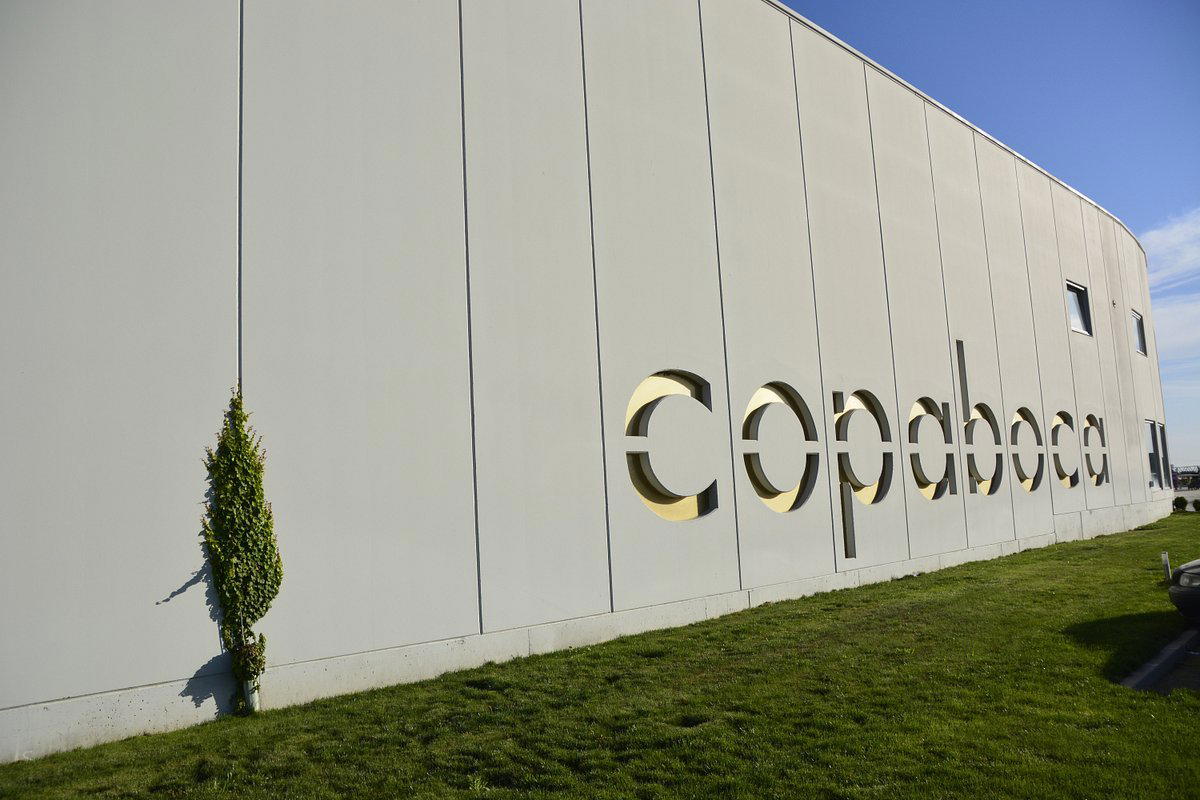
Bodegas Copaboca
Tordesllas, Spain
A good choice for wine travelers who want breadth over winery theatre: Bodegas Copaboca works across five Spanish DOs and is strongest as an educational, production-focused stop. Book the upgraded or private format only if it includes a guided comparison across Verdejo, Crianza reds, sparkling wine, and the wider portfolio.
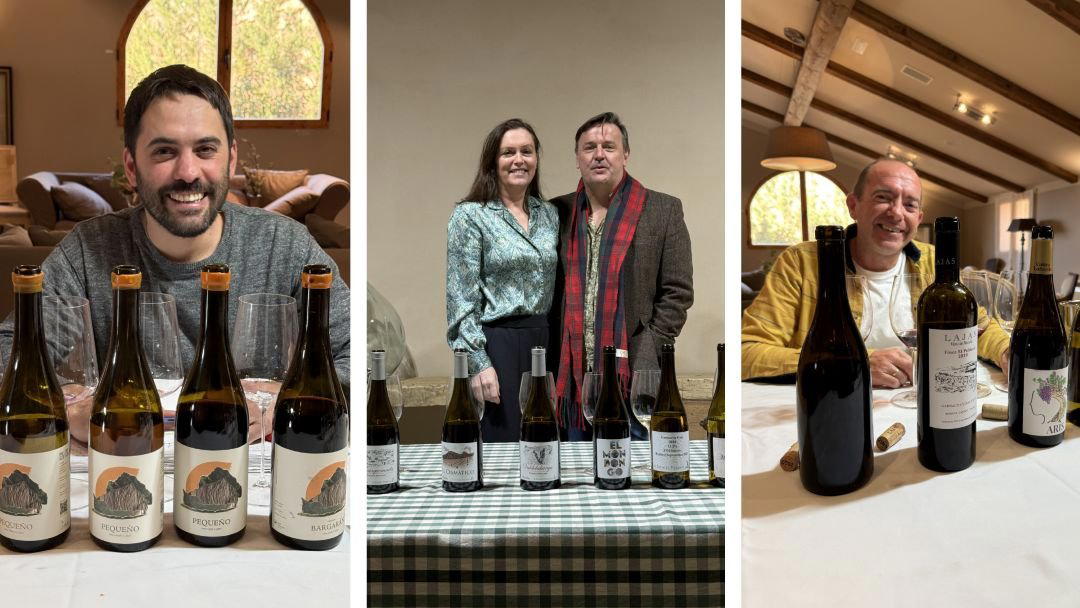
Bodegas y Viñedos Artazu
Artazu, Spain
Worth considering if Navarra is already on the route and the goal is a wine-focused stop rather than a polished hospitality day. Bodegas y Viñedos Artazu has 2026 Falstaff recognition, but sparse visitor details mean it suits travelers comfortable planning around a producer first and amenities second.
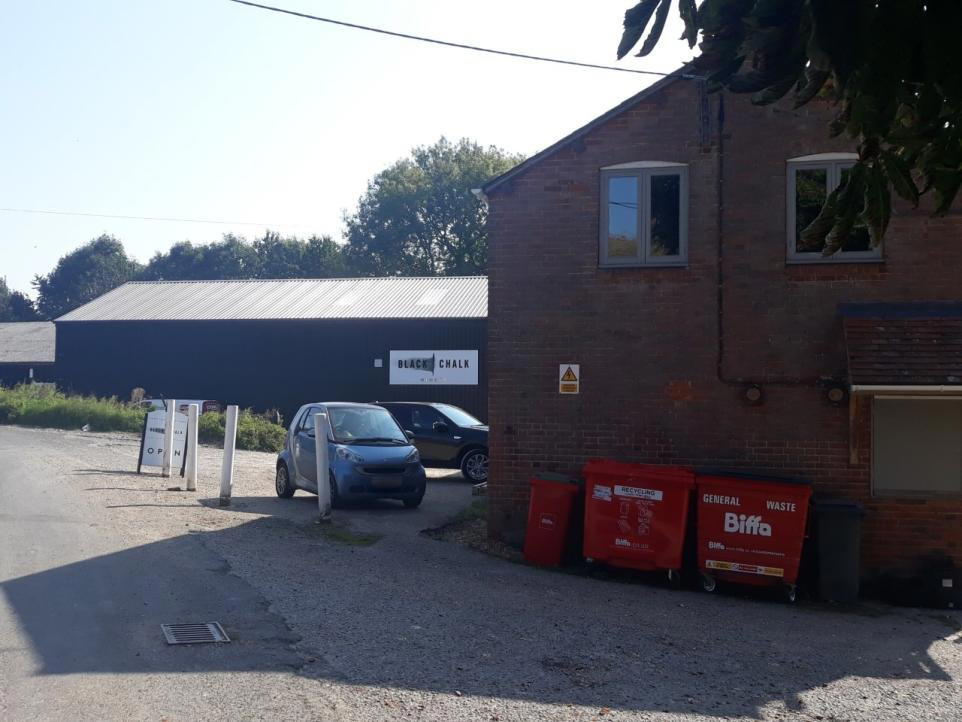
Black Chalk
Andover, United Kingdom
Black Chalk is a sensible Andover pick for a focused English-wine visit, backed by a Falstaff Listed 2026 recognition signal. Treat it as a wine-led stop rather than a full restaurant-style plan, and confirm the visit format before building a group itinerary around it.
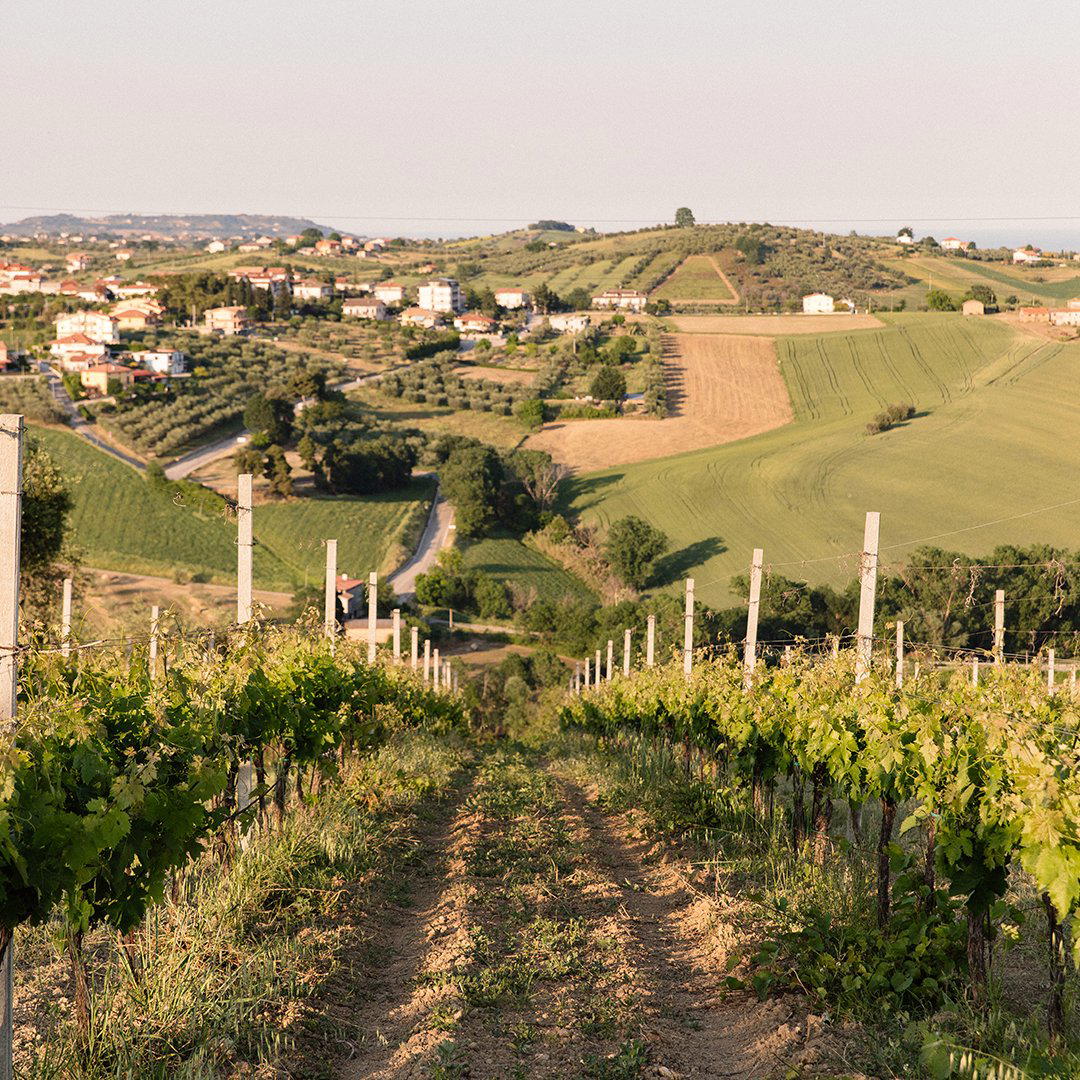
Cantina Strappelli
Torano Nuovo, Italy
A worthwhile Abruzzo winery stop if the priority is native grapes, hillside setting, and a family-owned feel rather than a highly formal tasting room. Cantina Strappelli is strongest for Montepulciano d'Abruzzo context, organic viticulture, and regional character, with Falstaff listing in 2026 adding a useful recognition signal.
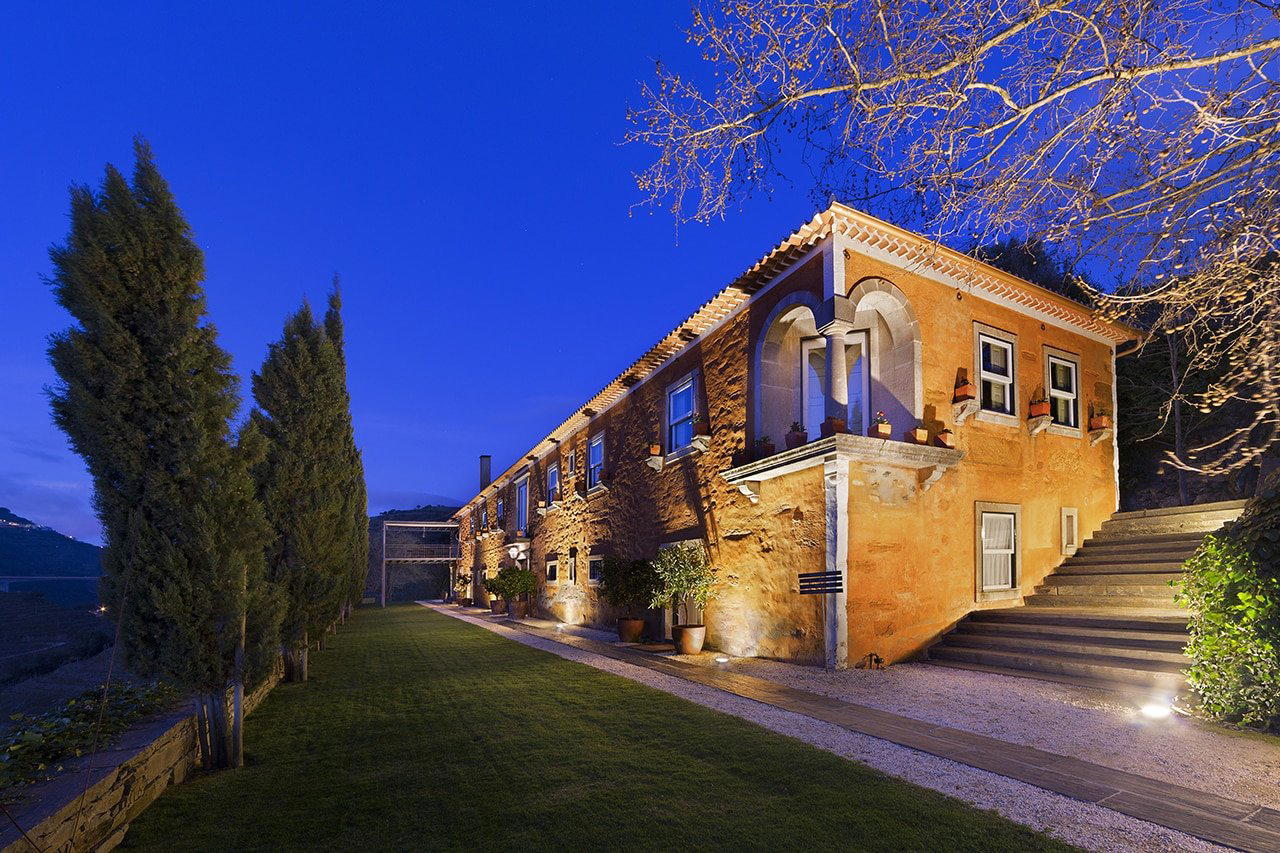
Quinta do Vallado
Peso da Régua, Portugal
Quinta do Vallado is worth prioritising for a Douro itinerary if the goal is an estate-led winery visit with recognised credentials, not just a quick tasting. It suits wine-focused travelers who want grounds, regional context, and a producer with serious external validation near Peso da Régua.
Château Mayne Lalande
Listrac-Médoc, France
Choose Château Mayne Lalande if the goal is a focused Listrac-Médoc wine stop, not a full hospitality experience. Its Falstaff Listed 2026 recognition gives it a useful trust signal for bottle-focused planning, especially for visitors deciding what merits luggage space or shipping after a Médoc tasting day.
Château Pontac Monplaisir
Villenave D Ornon, France
A good fit for travelers who want a quieter Pessac-Léognan tasting with family-estate context and both red and dry white Bordeaux in play. Château Pontac Monplaisir is better for pairing-minded wine exploration than for a heavily programmed château experience, so plan it as a focused appointment within a broader Villenave d’Ornon wine day.
Castell Colindres
Jumilla, Spain
Castell Colindres works for a focused Jumilla tasting built around Reserva and Gran Reserva reds, especially if Monastrell and structured Spanish blends are the point of the trip. It is appointment-only, so it suits planned couples or small-group visits better than casual drop-ins. Treat food as something to arrange around the tasting, not the core offer.
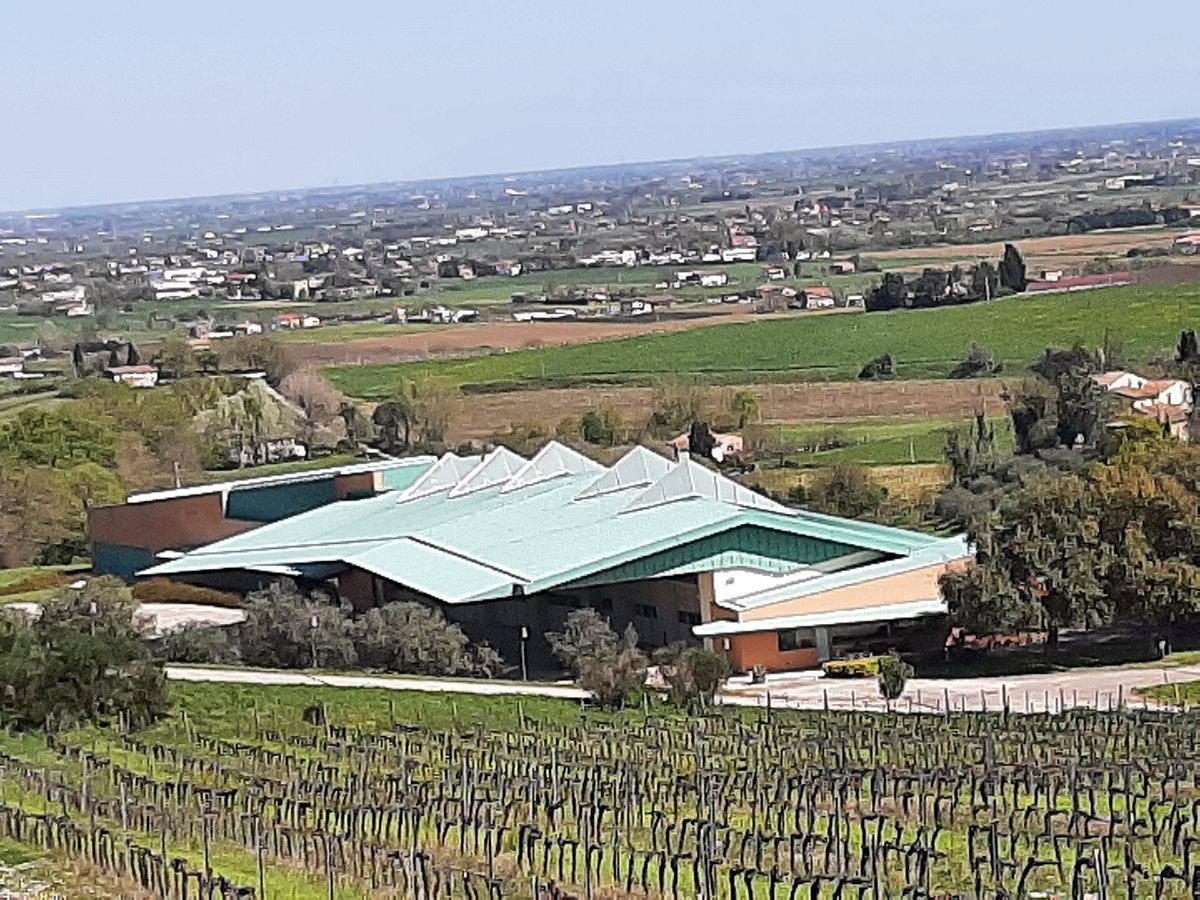
Bissoni
Bertinoro, Italy
Bissoni is the right Bertinoro pick for a quiet, organic winery visit focused on Sangiovese, Albana, and hillside terroir. It suits couples or small celebrations better than large groups or restaurant-led occasions, and works well as the calm anchor of a broader Romagna wine day.
Domaine Donatsch
Malans, Switzerland
Domaine Donatsch is worth prioritizing if the goal is a serious Malans wine visit with strong recognition, including Falstaff 5 Stars for 2026. Treat it as the anchor of the day rather than a casual stop: access is difficult, and the smarter plan is to arrange this first, then build nearby food, hotel, and winery plans around it.
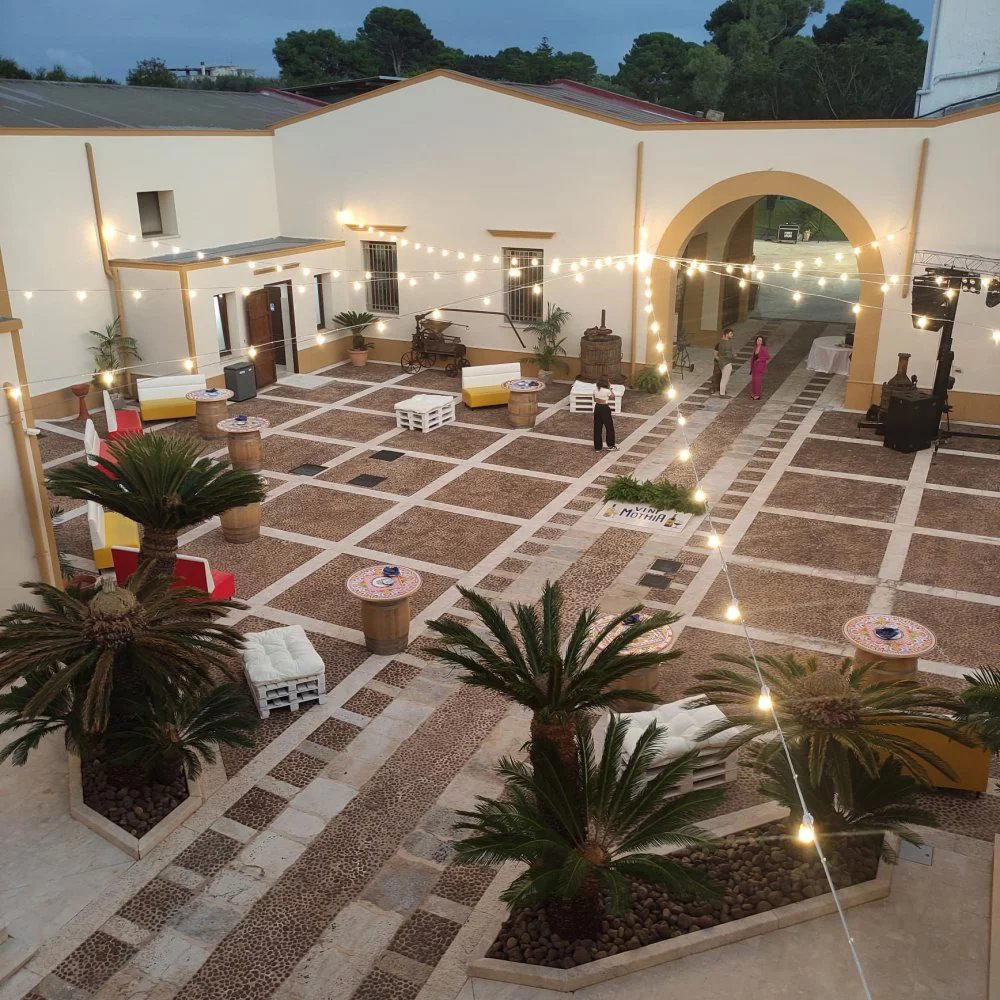
Cantine Mothia
Marsala, Italy
Book Cantine Mothia if you want a focused Marsala winery visit with historic-baglio atmosphere, native Sicilian varieties, and a reservation-led format that feels manageable rather than formal. The value is strongest for travelers who want regional context and a cellar experience, not a luxury tasting production.
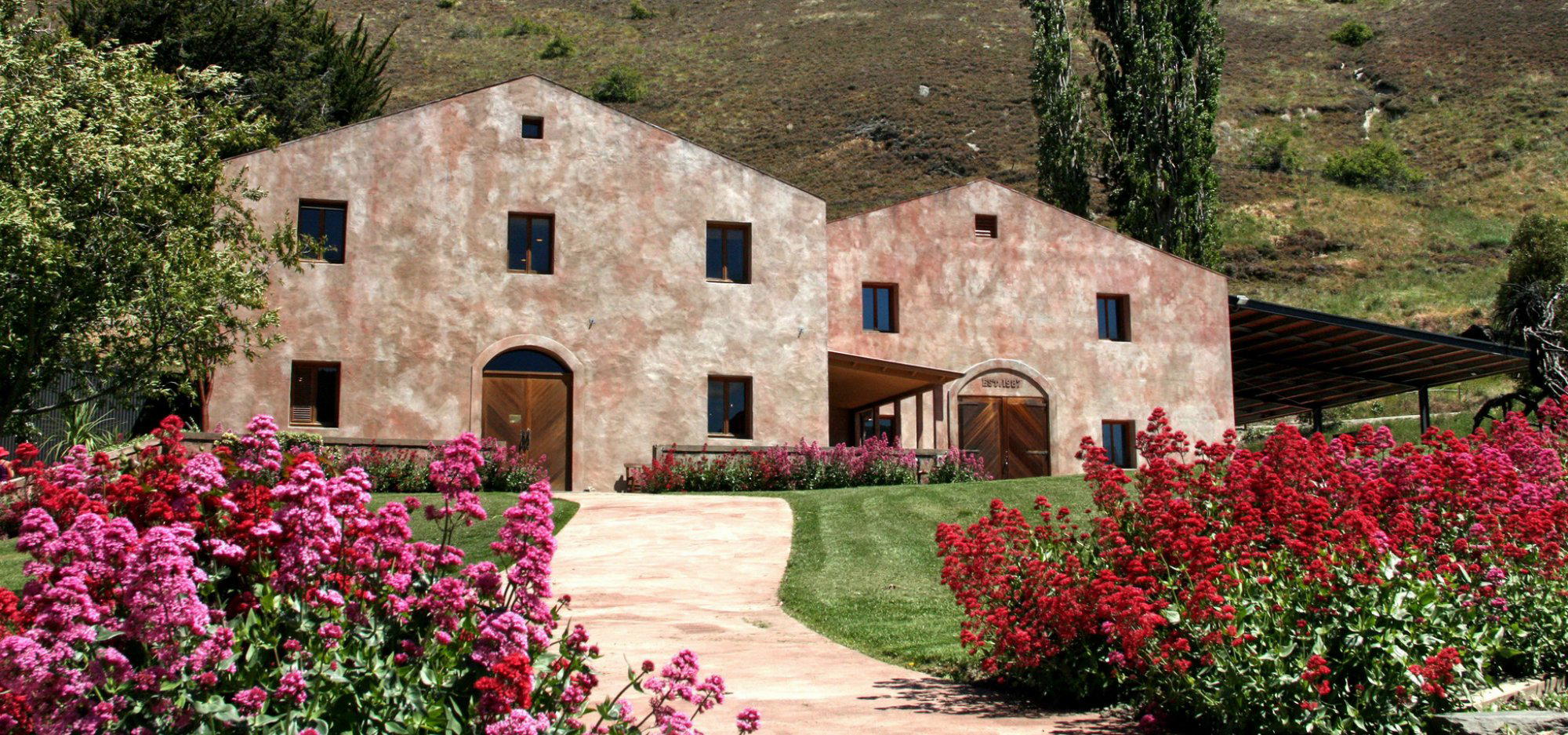
Chard Farm
Queenstown, New Zealand
Book Chard Farm if the priority is Central Otago Pinot Noir with real site context, not a glossy winery lunch. The NZ$12 tasting fee is easy to justify for a family-run producer with estate vineyards across Gibbston and Cromwell, especially if single-vineyard bottles are on the shopping list.
How many of these have you visited?
Find out on Pearl and keep score across every place in 2026 Falstaff Winery Guide.