

2026 Falstaff Winery Guide: The Ultimate Wine Authority — Page 55
Falstaff's 2026 Wineries guide.

Venues on this list
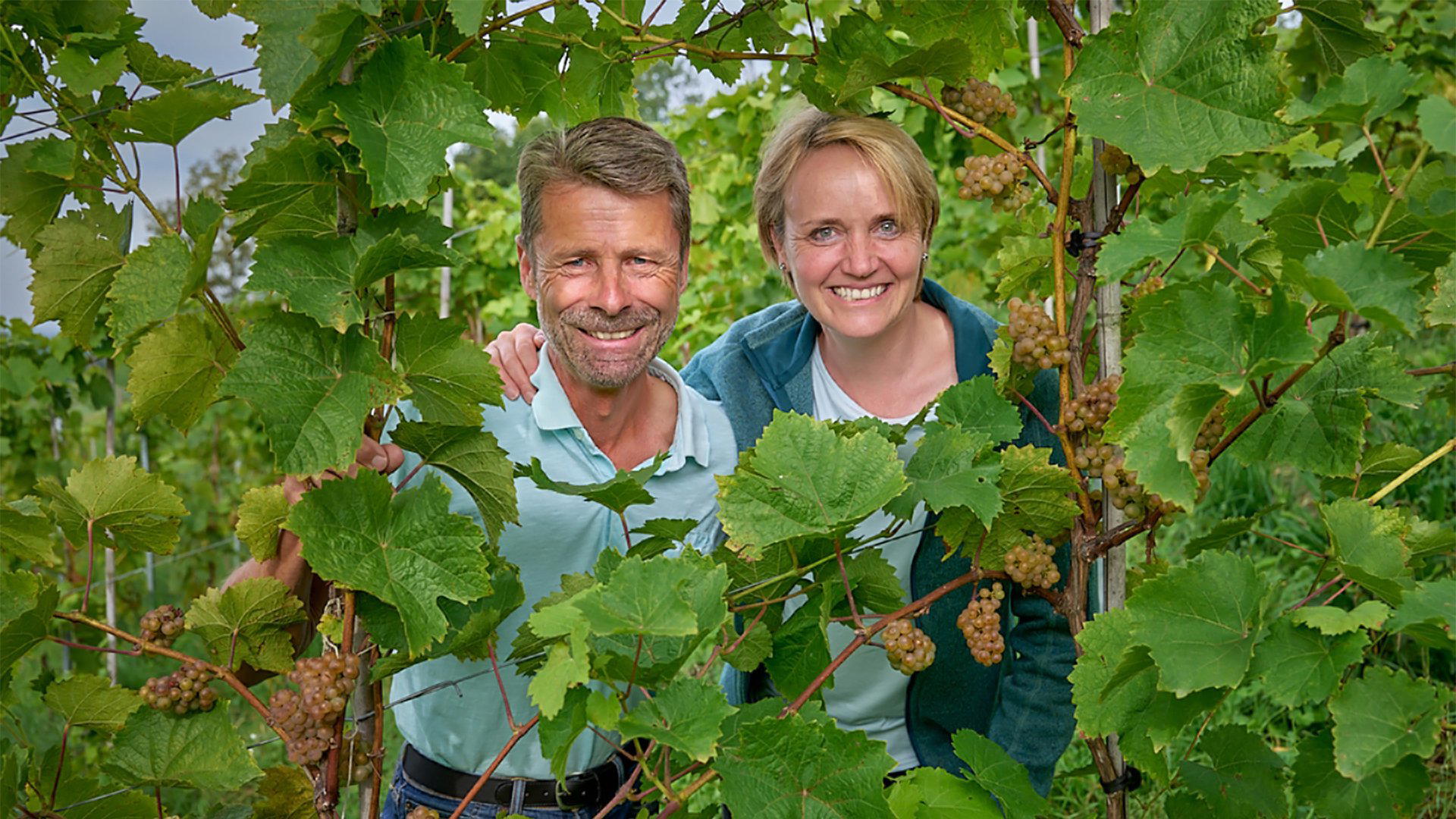
Bioweingut Roland und Karin Lenz
Uesslingen, Switzerland
Book Bioweingut Roland und Karin Lenz if the draw is biodynamic farming, PIWI grape varieties, and a rural Thurgau winery experience with substance. It is better for focused tastings, sustainability-minded wine drinkers, and private groups than for casual drop-ins seeking a polished design-led venue.
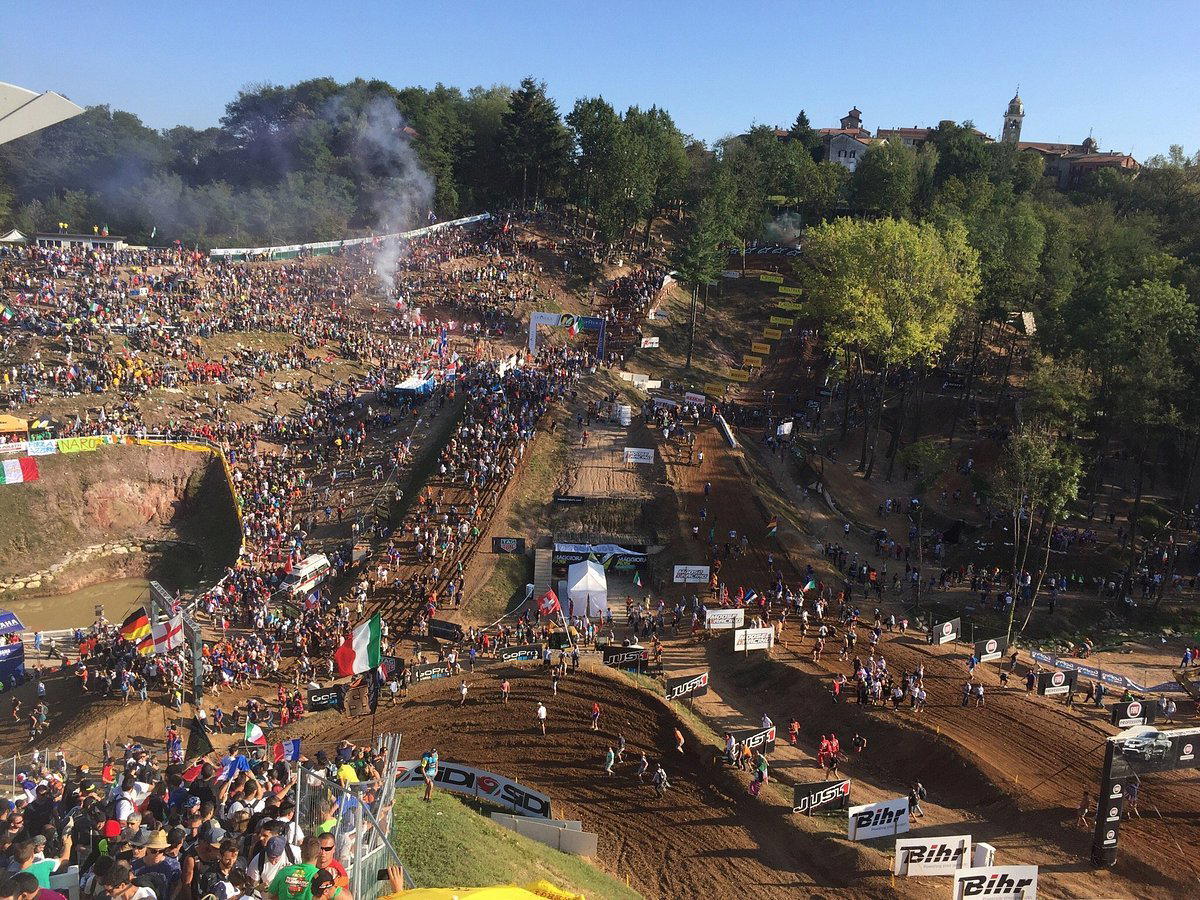
Antonio Vallana
Maggiora, Italy
Book Antonio Vallana if you want an informal, family-scale Alto Piemonte tasting centered on Spanna, the local name for Nebbiolo. It is better for regional understanding than luxury hospitality: expect a relaxed appointment, historic context, traditional production cues, and a useful counterpoint to better-known Langhe wine routes.
Château Maison Raymond
Saint Laurent Du Bois, France
Château Maison Raymond is a good fit if the draw is organic Bordeaux in a quiet Entre-Deux-Mers setting rather than a polished tasting-room production. The estate’s strength is its family history, certified organic scale, and AOC Bordeaux range; first-timers should arrange access in advance and treat it as a focused winery stop, not a food-led outing.
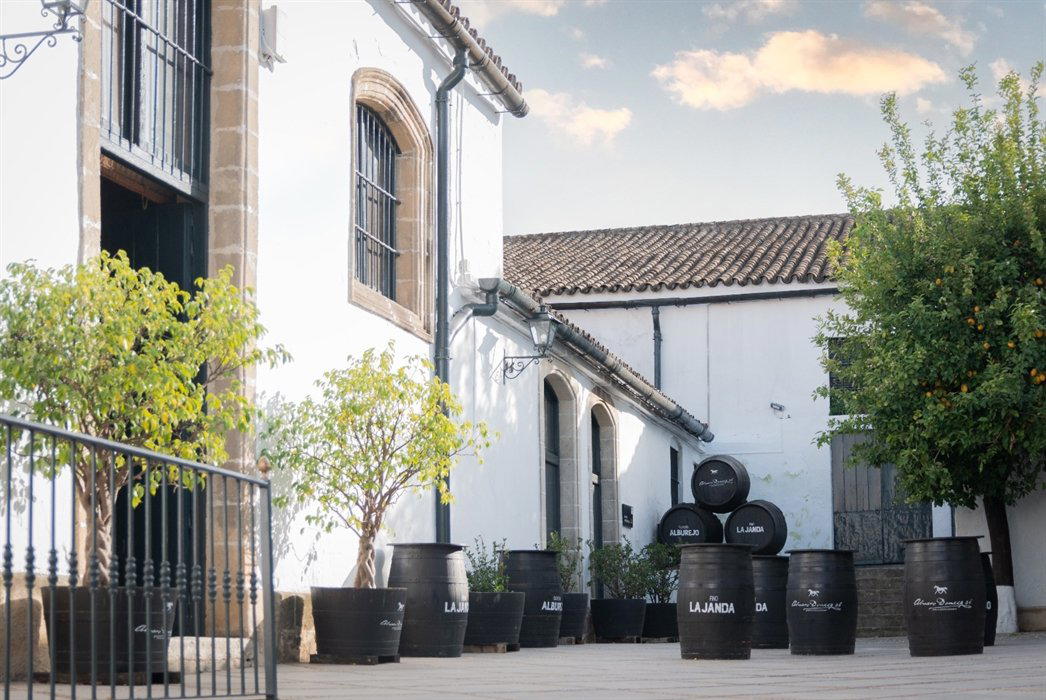
Alvaro Domecq
Jerez de la Frontera, Spain
Alvaro Domecq is a sensible Jerez pick for someone who has already done the basic sherry introduction and wants a more focused producer stop. The Falstaff Listed 2026 recognition gives it a useful trust signal, but plan conservatively: confirm tasting format, group fit, food, and retail details before building the day around it.
Château Rolland-Maillet
Pomerol, France
Château Rolland-Maillet is a sensible Pomerol shortlist pick for wine travelers who want appellation depth rather than a broad hospitality stop. The 2026 Falstaff listing gives it a useful trust signal, but plan it as part of a tighter right-bank wine day, not as the only anchor for food, lodging, or group logistics.
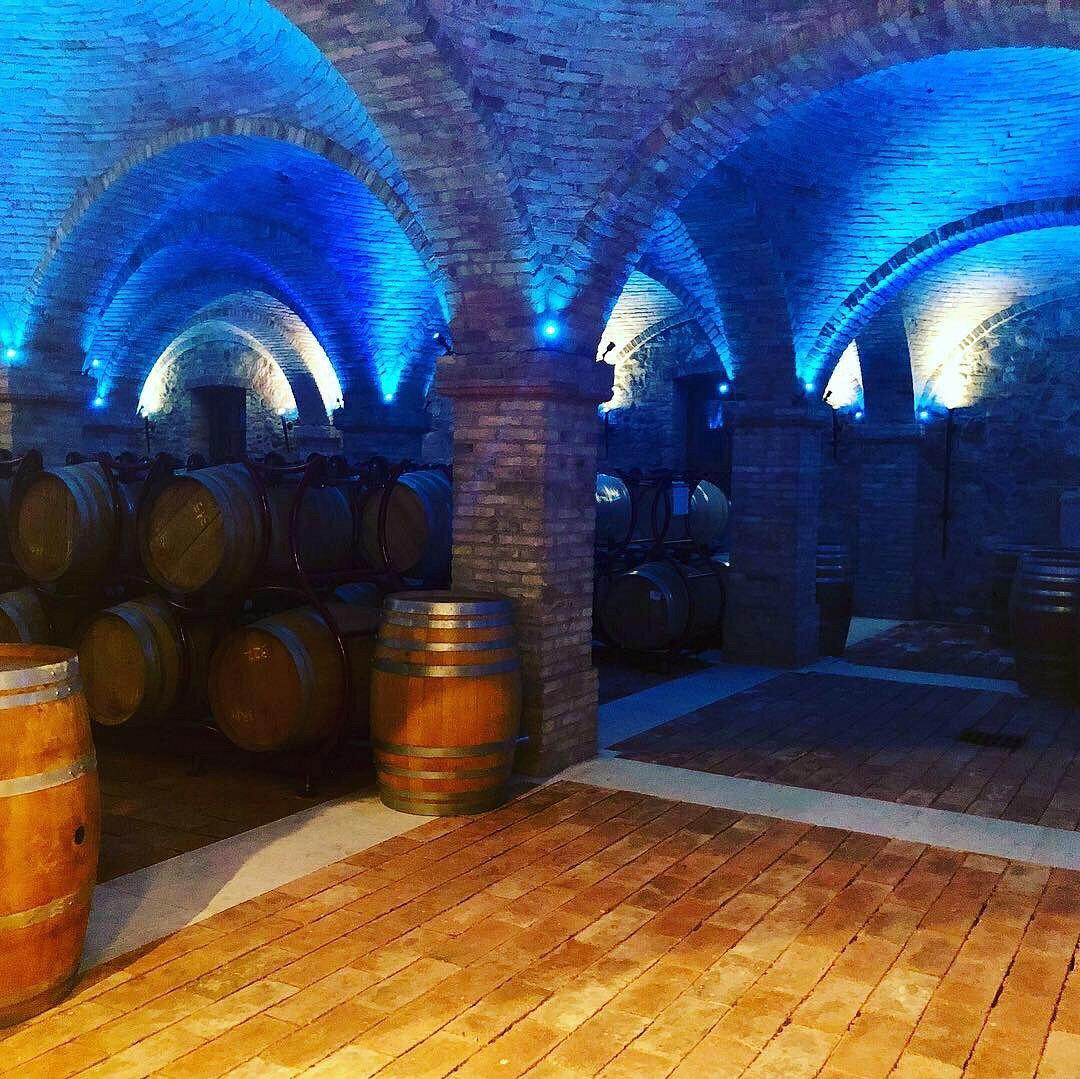
Borgo La Caccia
Pozzolengo, Italy
Borgo La Caccia works for a slower Pozzolengo wine visit built around Lugana, Pinot Nero, and local food pairings. The draw is the estate format: vineyard setting, picnic-style products from the Lake Garda morainic hills, and a portfolio broad enough to go beyond one white wine. Falstaff listing adds a useful quality signal.
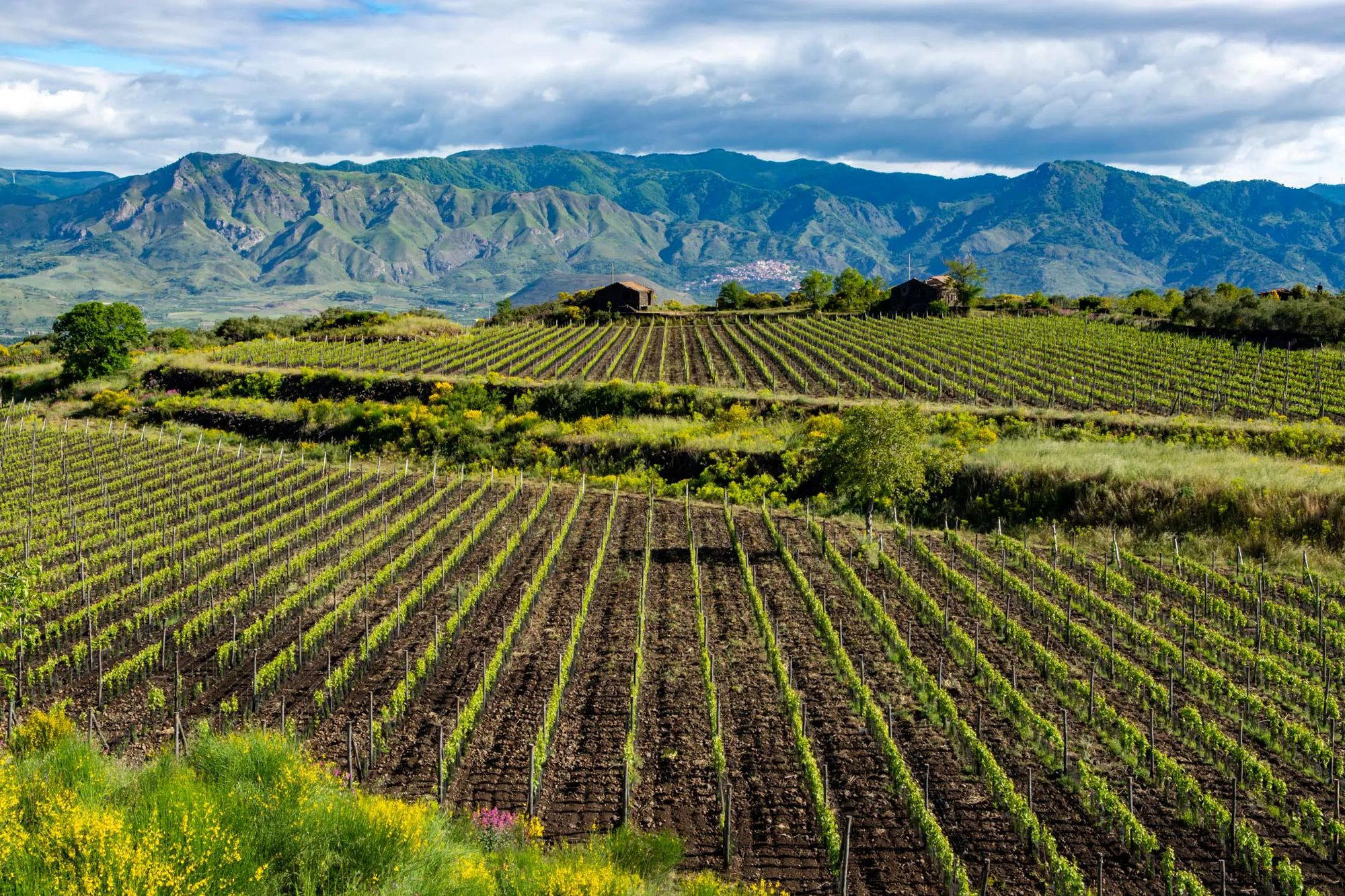
Graci
Passopisciaro, Italy
Graci is a strong pick for wine-focused travellers building a serious Etna itinerary around Passopisciaro. It is less suited to casual drop-ins or large, logistics-heavy groups because public practical details are thin and access should be treated as difficult. Prioritise it when Etna context matters more than convenience.
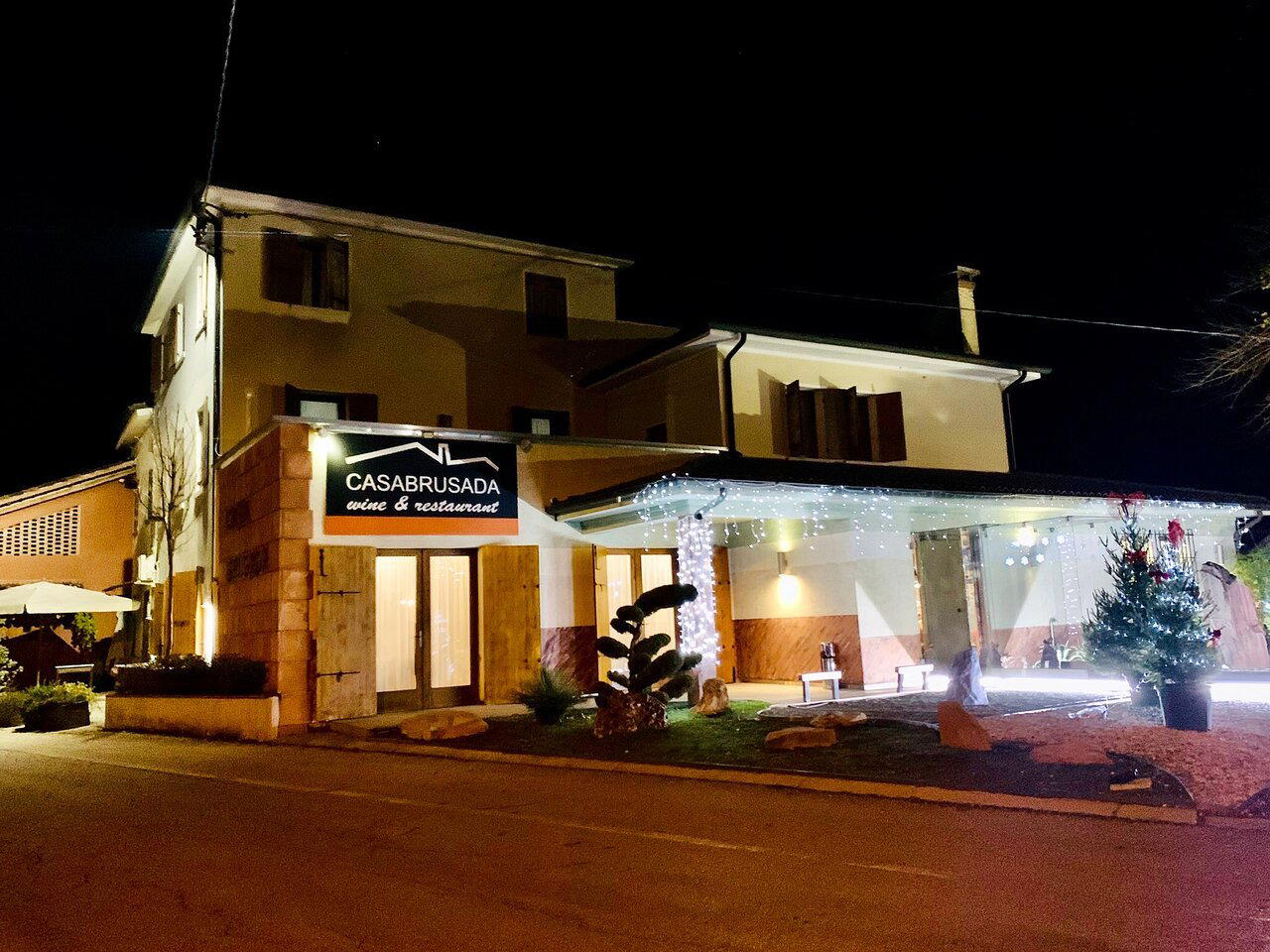
Casa Gheller
Crocetta Del Montello, Italy
Casa Gheller works for a Prosecco-focused stop in Crocetta del Montello, especially if you want to compare DOC, DOCG, rosé and Frizzanti styles rather than taste across many Italian regions. The strongest anchor is its Prosecco Treviso DOC Brut, rated 91 points by Falstaff in 2025.
Chanton Weine
Visp, Switzerland
Fresh, citrus-edged rare Valais varieties are the reason to prioritise Chanton Weine. This is a family-run Visp cellar for drinkers who want education, indigenous grapes, and a modest setting over polished wine-tourism production. Falstaff 3 Stars in 2026 adds a useful quality signal, but the main draw is access to grapes many visitors will not encounter elsewhere.
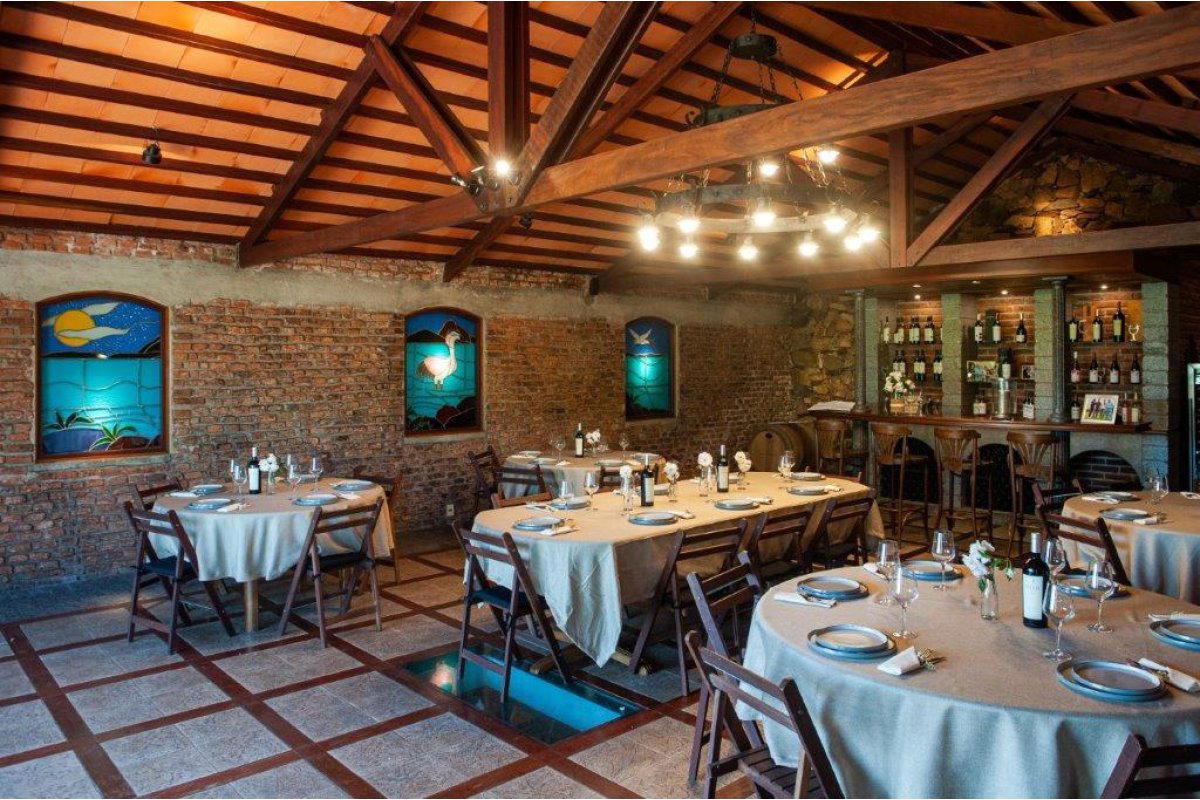
Antigua Bodega Stagnari
Canelones, Uruguay
Antigua Bodega Stagnari is worth prioritizing for a wine-focused Canelones visit, especially if the occasion is built around Uruguayan wine rather than a guaranteed dining format. Booking looks difficult, so it suits planners more than spontaneous travelers. Cross-shop Bodega Bouza for a broader hospitality feel and Bodega De Lucca or Viña Progreso for alternative Canelones routes.
Eger & Wein, Franz Georg Eger
Oestrich-Winkel, Germany
A good fit for Riesling-focused visitors who want a small, family-run Rheingau winery rather than a polished hospitality production. Book ahead, especially for a special occasion, and treat the visit as a wine-first stop; food, private tasting formats, and flagship bottlings are not the reason to choose it.
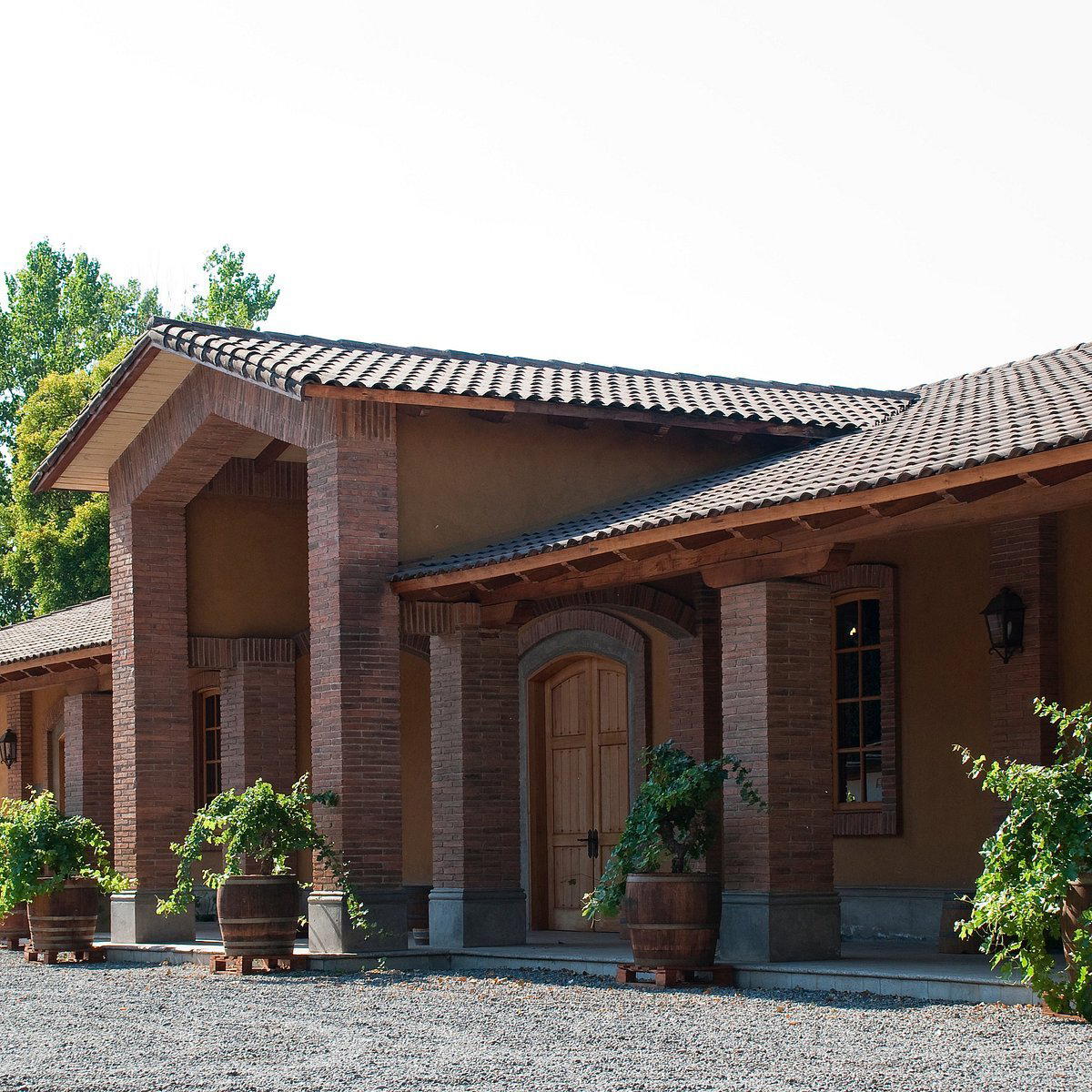
Viña De Martino
Isla de Maipo, Chile
Viña De Martino is the Isla de Maipo pick for travelers who want a serious, planned winery visit rather than a casual tasting stop. Prioritize it if wine depth matters more than ease; compare Viña Santa Ema or Viña Tarapacá if the day needs a simpler, more flexible route.
Cellier des Dauphins
Tulette, France
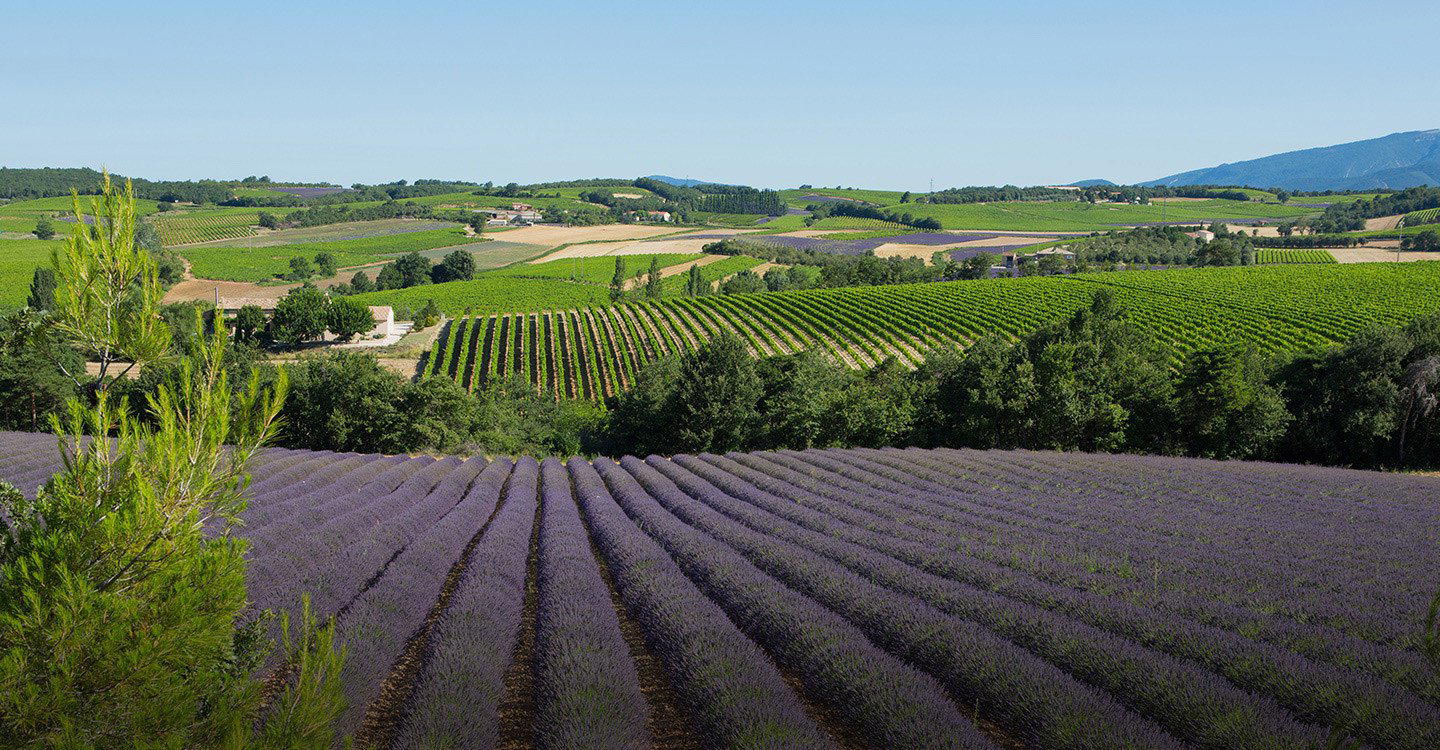
Cellier des Dauphins is worth booking if you want a practical, production-led look at Côtes du Rhône rather than a small-estate special occasion. The $$ price signal and easy booking make it a sensible Tulette wine stop, especially for visitors evaluating Rhône value or wine-club usefulness. Skip it if the priority is an intimate luxury tasting.
Fritsch & Gottwald
Kirchberg am Wagram, Austria
Fritsch & Gottwald is a worthwhile Wagram stop for travelers planning a wine-first day around Kirchberg am Wagram. The Falstaff 3 Stars recognition in 2026 gives it a clear quality signal, but the smart move is to organize the visit as part of a tighter local route rather than treating it as a casual walk-in stop.
Johner Estate
East Taratahi Masterton, New Zealand
Johner Estate is a better fit for a quiet, scenery-led wine-country stop than for a heavily structured tasting itinerary. Book it for a relaxed rural visit near Masterton, especially as a couple or small celebration group, but confirm food, tasting format and group suitability before building the whole day around it.
Duorum Vinhos
Vila Nova de Foz Côa, Portugal
Duorum Vinhos is worth planning for wine travelers who want a production-led Douro Superior stop with serious regional context. The draw is the two-region model linking Cima Corgo and Douro Superior, backed by the João Portugal Ramos and José Maria Soares Franco collaboration, rather than a casual tasting-room visit.
Flädie Mat & Vingård
Bjarred, Sweden
A strong choice for a relaxed Skåne wine-country outing, especially if tasting, food and an overnight stay in one place are more useful than a quick cellar-door stop. Flädie Mat & Vingård suits couples and wine-curious travelers who want context, rural calm and easy access from the Lund–Bjärred area.
Clavadetscher Bio Weine
Malans Gr, Switzerland
A practical Malans winery stop for travelers already planning a Grisons wine route. Clavadetscher Bio Weine carries Falstaff listing recognition for 2026, so it is worth considering, but the smarter play is to pair it with other nearby producers and confirm the visit format before shaping the day around it.
Borga Since 1940
Chiarano, Italy
Borga Since 1940 is worth targeting if you want a modern, flexible read on Veneto wine rather than a formal estate experience. The appeal is the mix of local grapes, international varieties, colorful label design, and four-generation family context; it suits curious drinkers building a Treviso-area wine day more than prestige hunters.
Château La Rame
Sainte Croix Du Mont, France
Château La Rame is worth booking if the goal is a quiet Sainte-Croix-du-Mont estate visit with real context behind the wines. The hillside setting, cellar focus, sweet-white heritage, and multilingual visits make it stronger for curious wine travelers than for anyone seeking a restaurant-style winery stop.
Querciavalle - Losi
Castelnuovo Berardenga, Italy
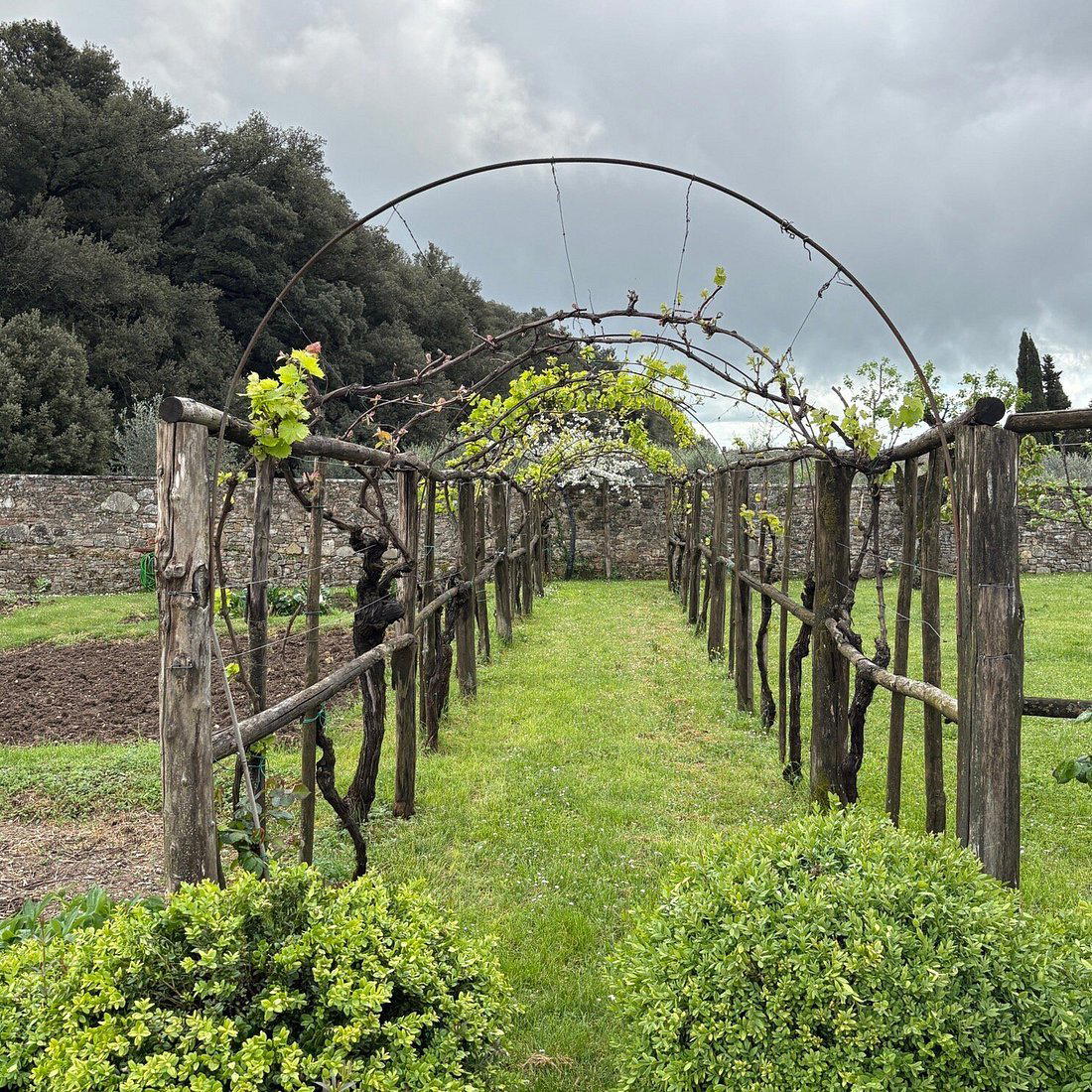
Agricola Losi is a sensible Chianti Classico stop for travelers already spending time in Castelnuovo Berardenga and looking for a credible estate visit rather than a heavily packaged experience. Falstaff Listed recognition for 2026 is the key trust signal; plan it as part of a broader wine day, not as the sole anchor for a tightly scheduled group itinerary.
Feudo Solarìa
Rodi Milici, Italy
Feudo Solarìa works if the priority is a family-run Sicilian winery with roots dating to 1887, organic-leaning farming claims, and a broad still-wine range. It suits a low-key Rodi Milici or Milazzo-area wine stop better than a high-ceremony tasting built around formal pairings or named prestige bottles.
Domaine Dominique Gallois
Gevrey-Chambertin, France
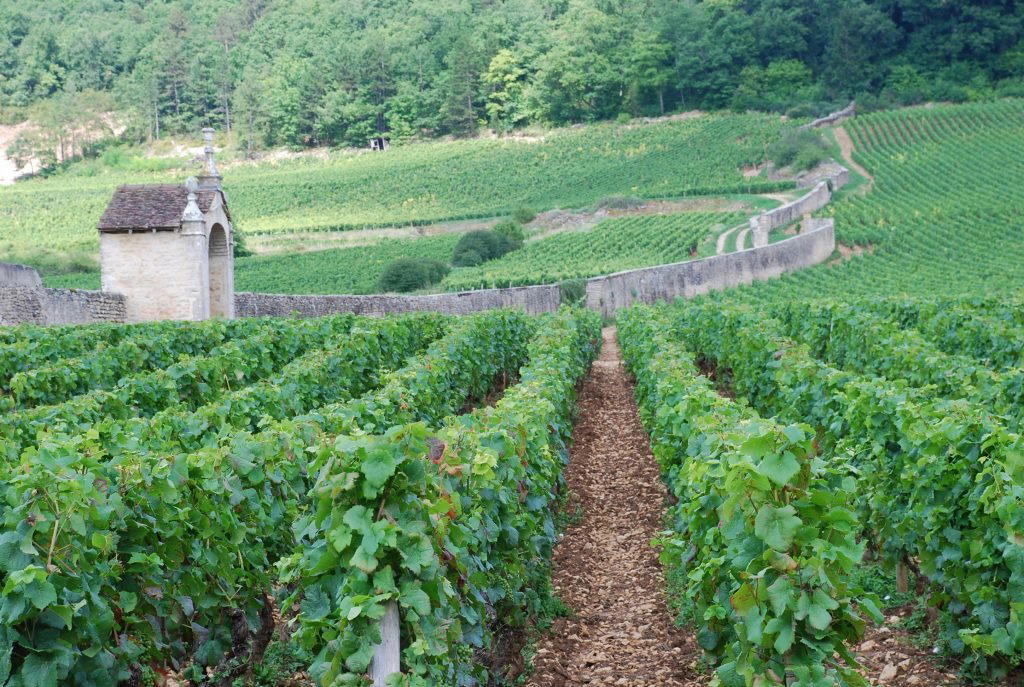
A strong pick for Burgundy travelers who want a focused Gevrey-Chambertin tasting built around Pinot Noir, vineyard hierarchy, and small family production. Do not book it for a food pairing program or polished visitor experience; book it if Premier Cru, Grand Cru, and cellar-worthy village wines are the point of the trip.
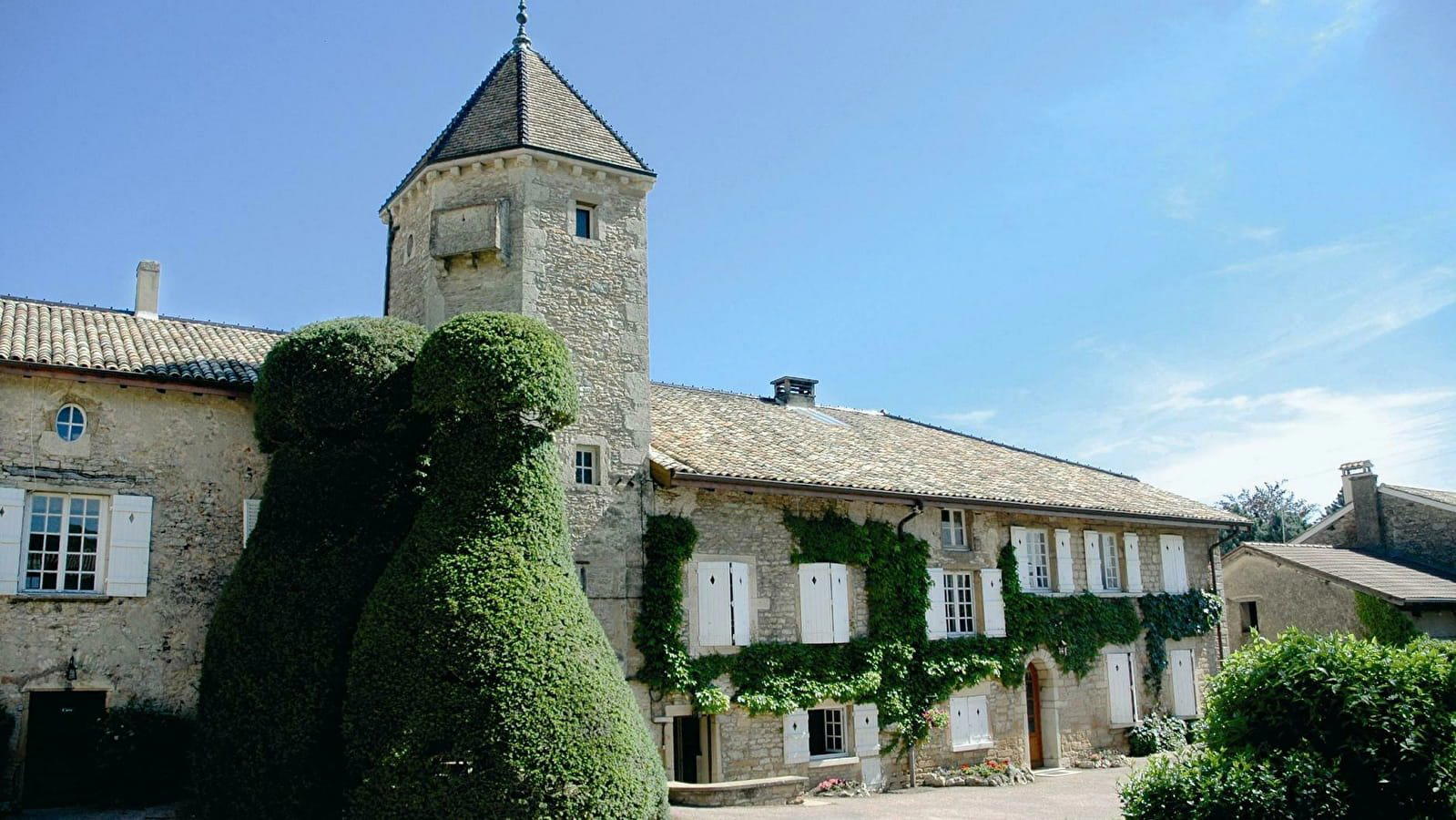
Château de Fuissé
Fuissé, France
Château de Fuissé is the right call for a first-time Fuissé wine visit if the goal is a serious village producer rather than a casual tasting-room stop. Plan ahead, treat access as limited, and build meals or backup winery options separately.
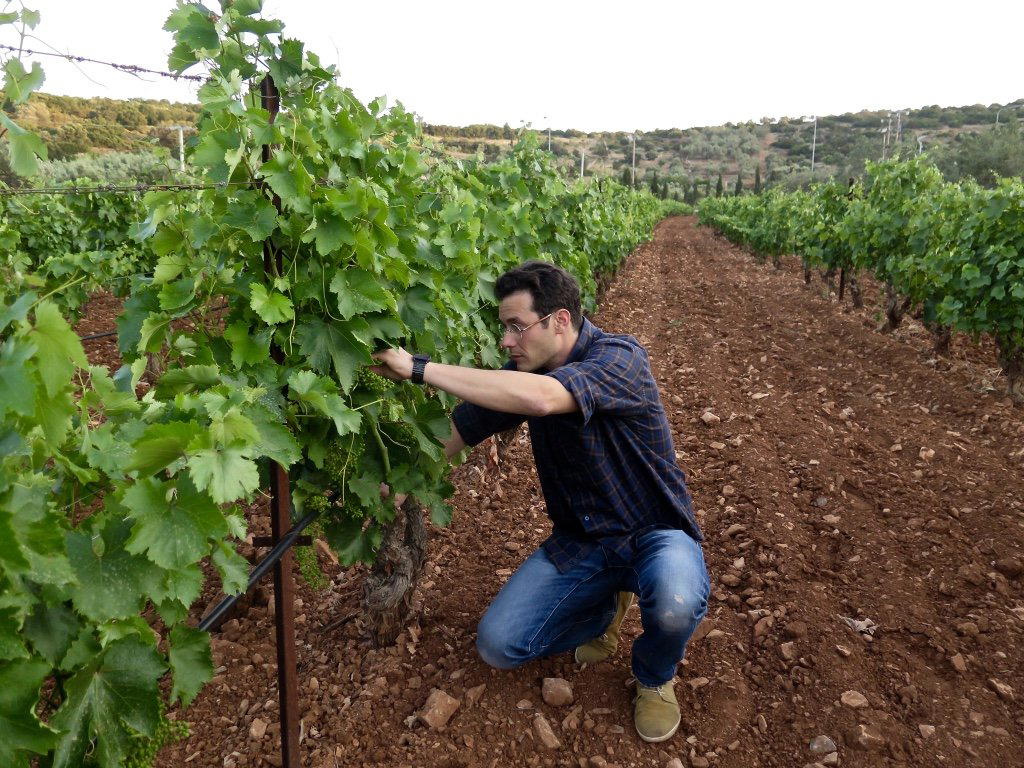
Aoton Winery
Peania, Greece
Aoton Winery is a strong choice for a planned Peania wine stop, especially if the visit is about tasting rather than a full meal. Its Pearl 2 Star Prestige recognition gives it a clear quality signal, but guests should confirm food, group, and visit details before going.
Château La Chapelle aux Moines
Saint-Christophe-des-Bardes, France
Book or buy here if you want a classic Saint-Émilion Grand Cru with family continuity, a Merlot-led blend, and pricing that can be approachable for the category. The smarter play is bottle-first: use the estate for right-bank context and vintage exploration rather than expecting a broad visitor program.
Domaine de L'Évêché
Saint Denis De Vaux, France
A good Côte Chalonnaise stop for Burgundy drinkers who want cellar context, old estate architecture, and small-production wines rather than a glossy tasting-room experience. The $$ positioning and documented recognition make it worth considering, especially if access to limited bottlings matters more than luxury hospitality.
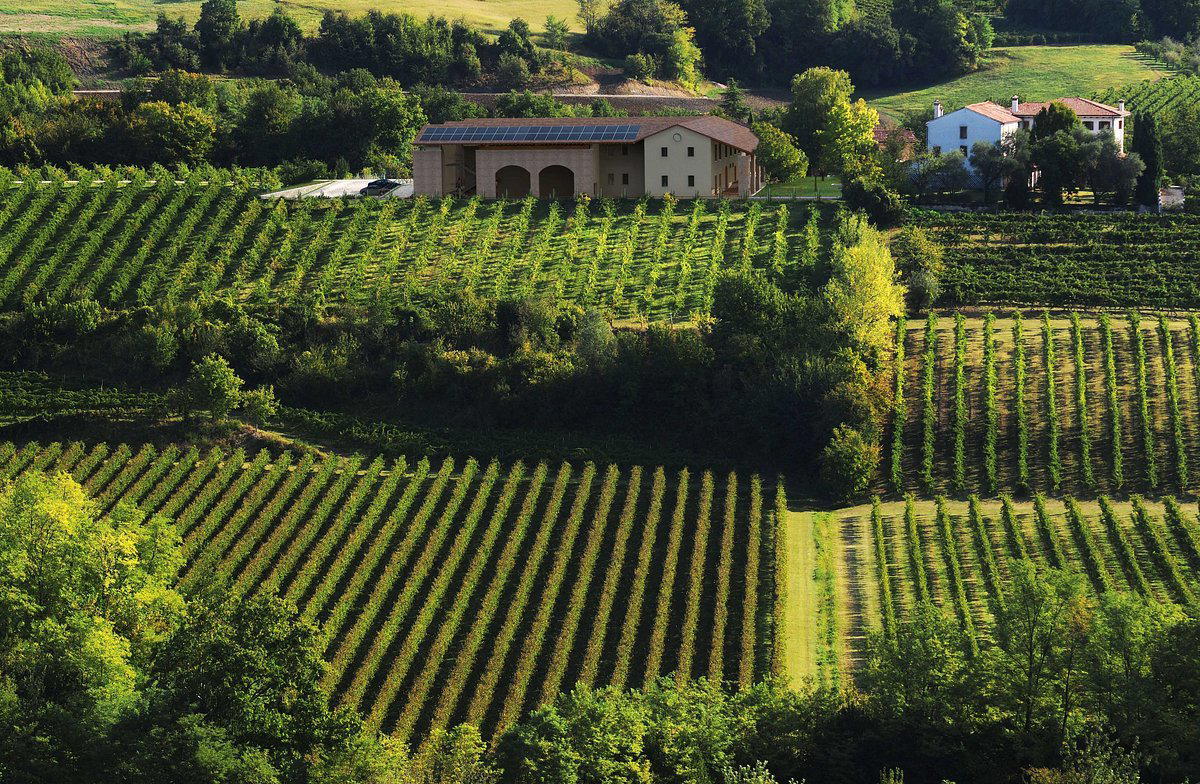
BiancaVigna
Conegliano, Italy
BiancaVigna is a sensible Conegliano pick for travelers planning a wine-led stop in Prosecco country, especially if the visit is confirmed before the rest of the day is built. Falstaff 3 Stars in 2026 gives it a clear credential, but first-timers should verify tasting access, group suitability, shipping, and food expectations before shaping the itinerary around it.
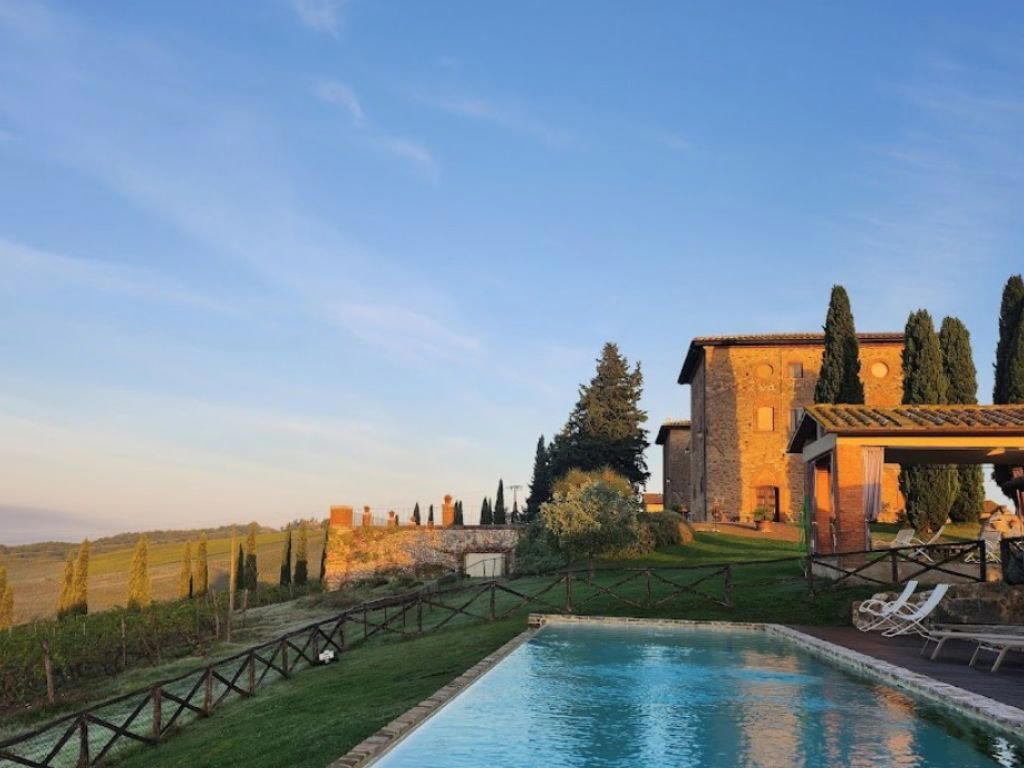
Casale dello Sparviero
Castellina in Chianti, Italy
A strong choice for a relaxed Chianti Classico tasting where the former monastery-and-farmhouse setting adds real value. Casale dello Sparviero suits couples, small celebrations, and travelers who want organic Sangiovese-led wines with a scenic countryside feel rather than a glossy, formal cellar experience.
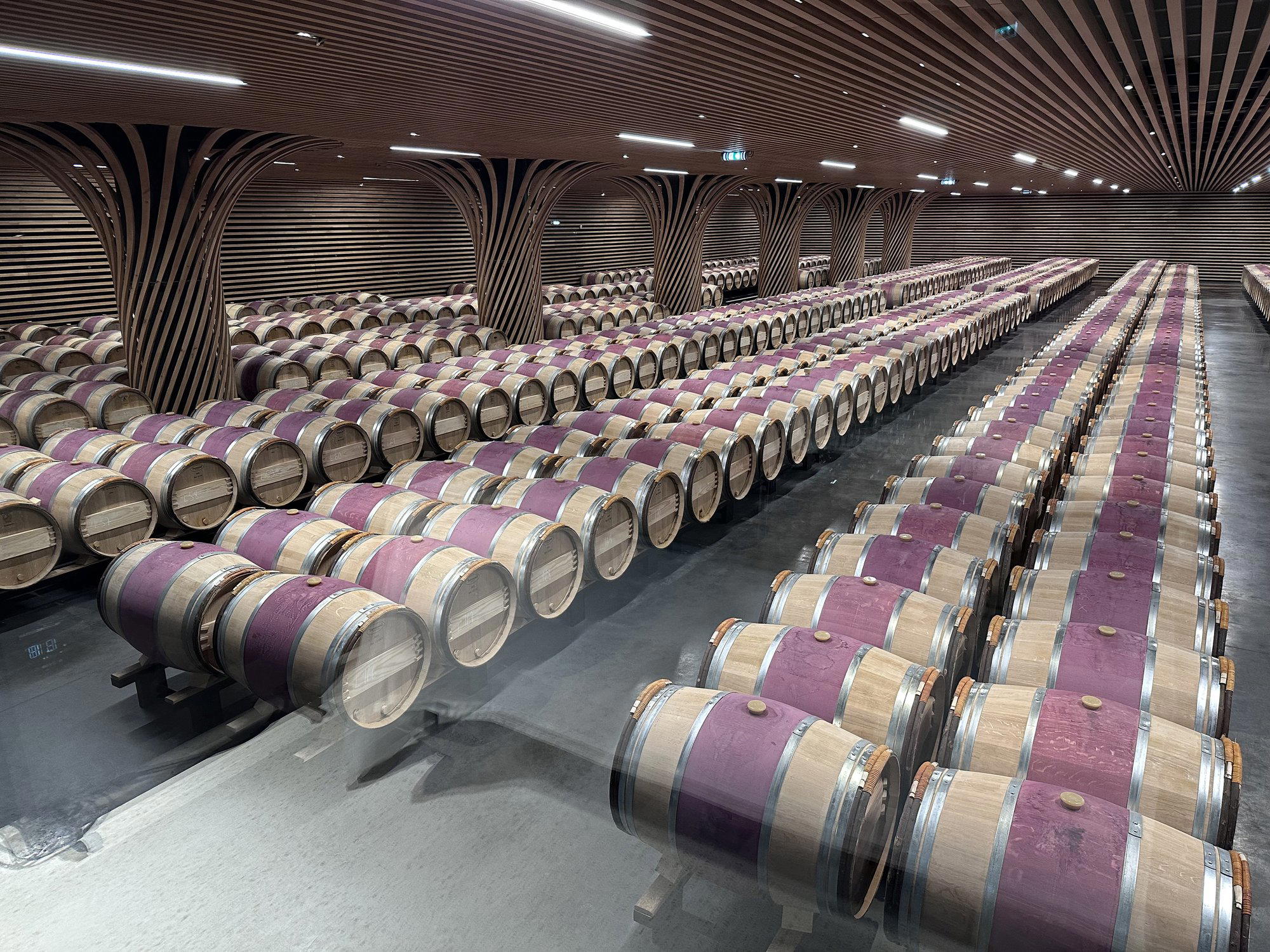
Bioweingut Anita Goldenits
Tadten, Austria
Book Bioweingut Anita Goldenits if you want a quiet, organic Burgenland winery visit with real Seewinkel context. It is better for serious wine travelers than casual drop-ins: the value is in the personal, appointment-led format, estate-grown wines, and farming detail rather than a polished tourism setup.
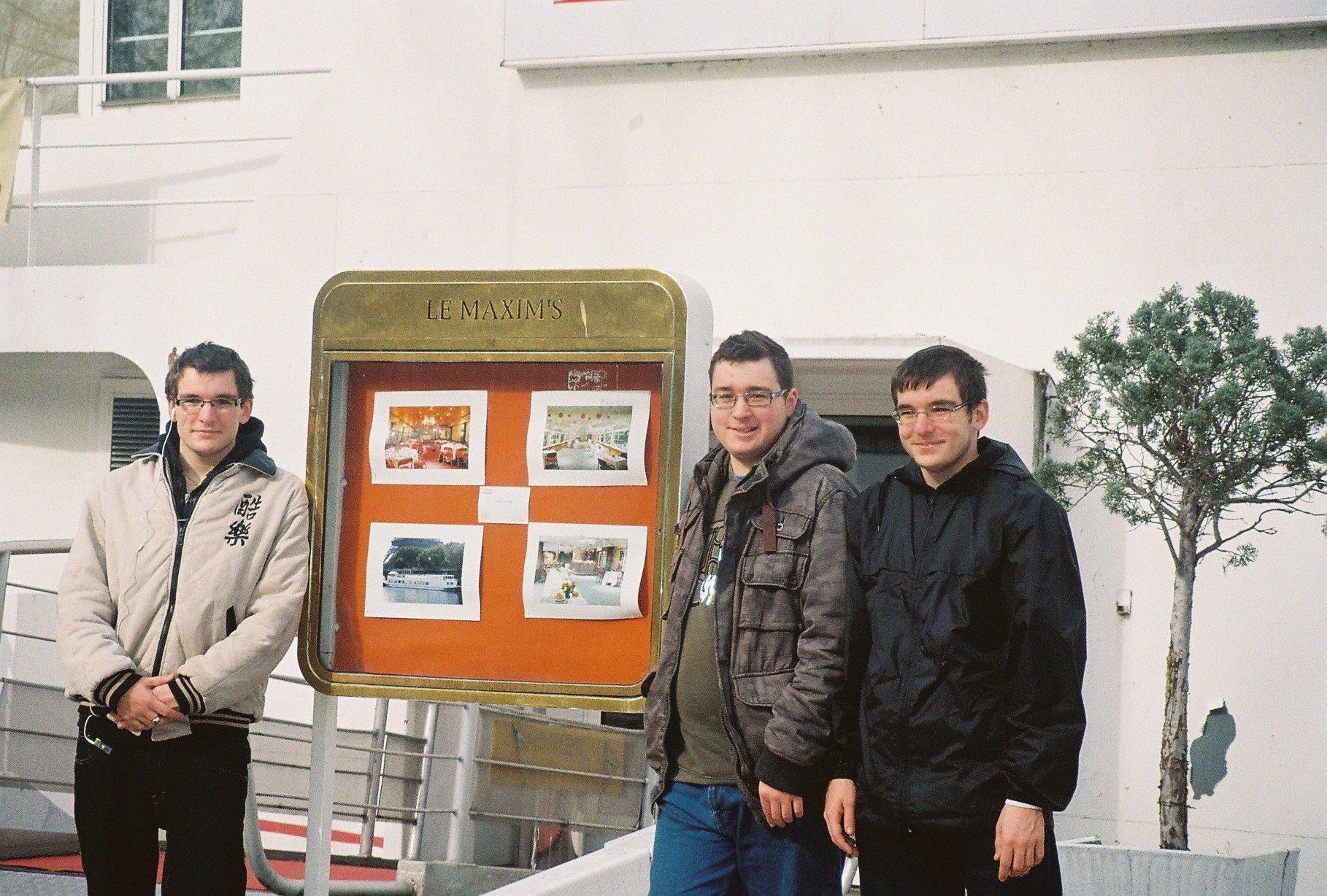
Champagne Maxim's
Paris, France
Book Champagne Maxim's if the goal is a polished Paris Champagne moment tied to Maxim’s de Paris heritage, not a technical grower tasting. The stronger fit is a celebratory drink, gift-minded bottle, or pre-dinner occasion; wine obsessives wanting vineyard-level detail may prefer a more producer-led Champagne visit elsewhere.
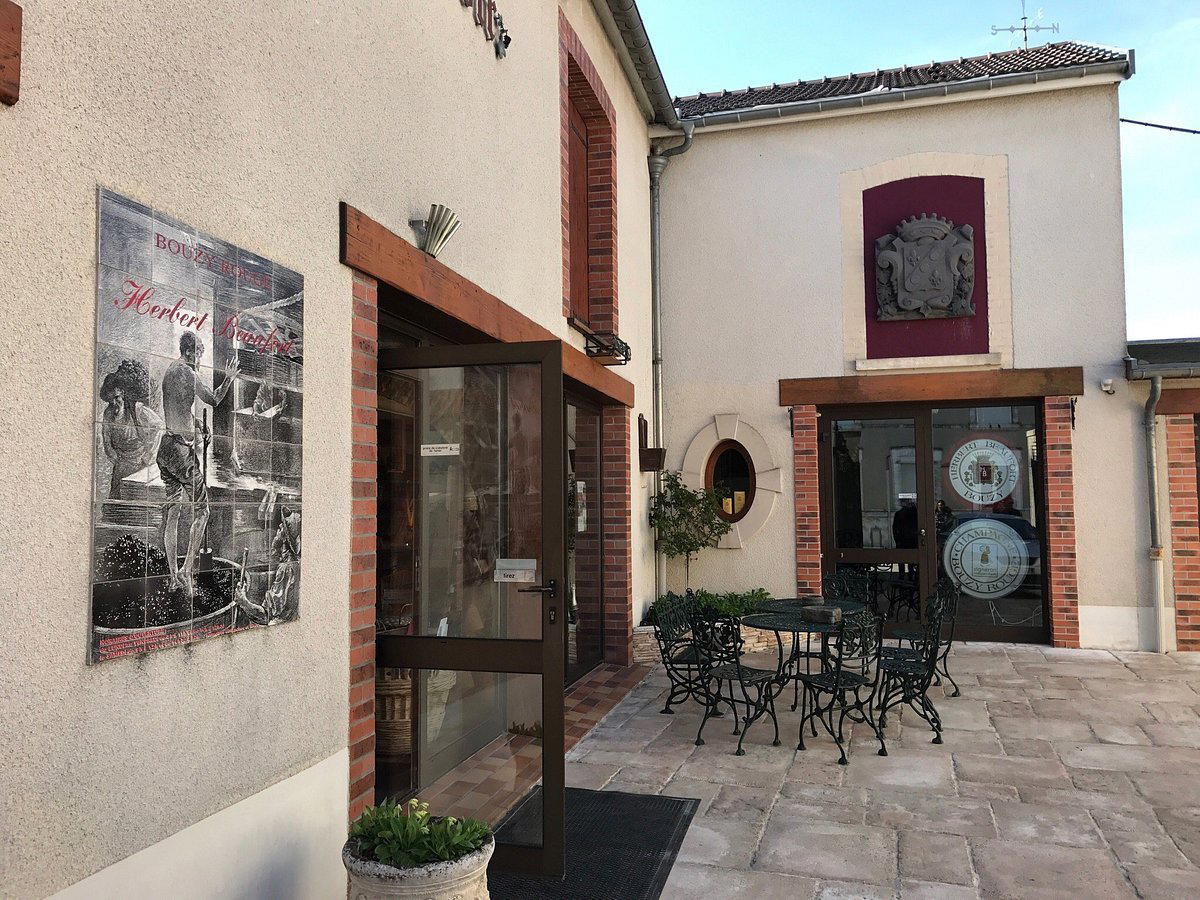
Champagne Lamiable
Tours-sur-Marne, France
Champagne Lamiable is a better fit for travelers who want a producer-led Champagne stop than for anyone needing a fully documented visitor experience. The 2026 Falstaff listing gives it credibility, but plan conservatively around reservations, food, and group logistics until details are confirmed through the venue’s own channels.
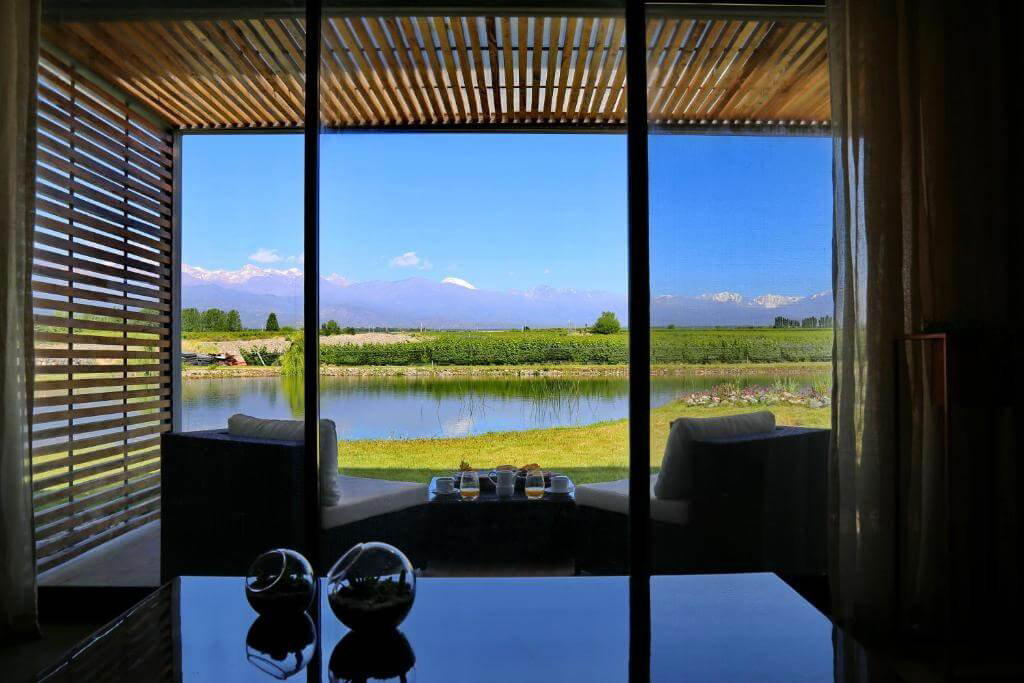
Casa Petrini
Villa Angela, Argentina
Casa Petrini is worth booking when the winery visit is part of a slower celebration, not a quick tasting stop. The private tasting is the stronger choice for couples or small groups who want a more personal read on the estate’s Malbec-focused Uco Valley style, with the added pull of lodging, restaurant, and spa facilities.
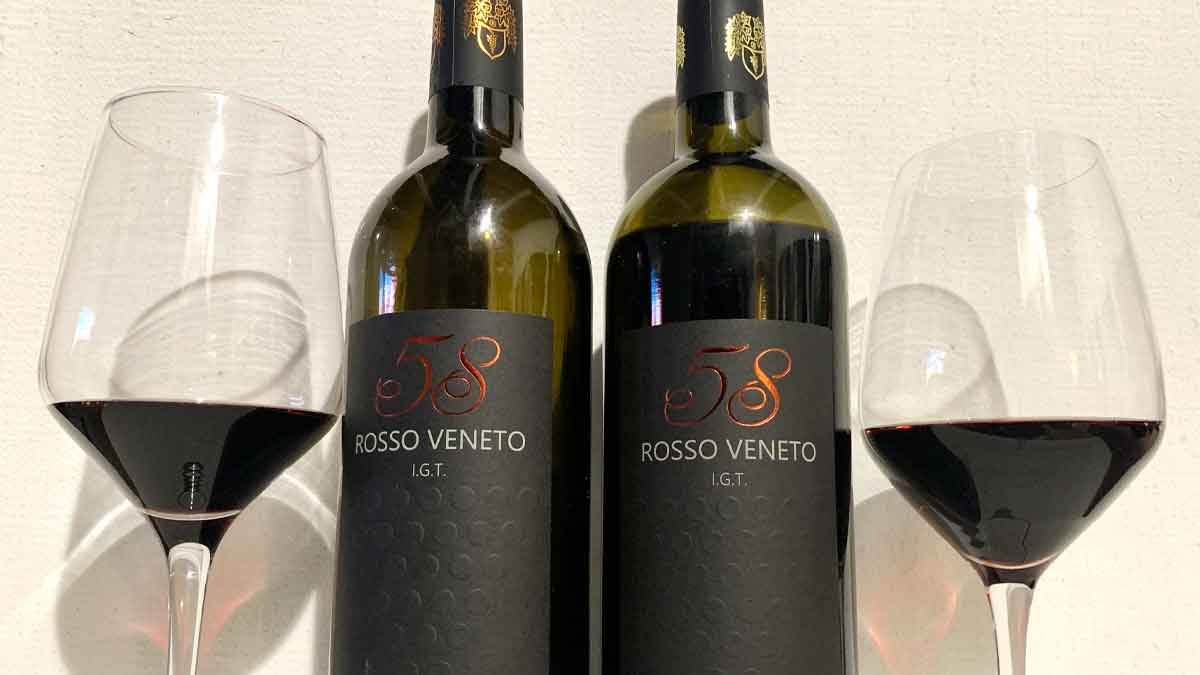
Cantina Commendator Pozzobon
Volpago Del Montello, Italy
A sensible Volpago del Montello winery stop for flexible Veneto wine travelers, especially if the visit is part of a wider Montello route. The recognition signal is useful, but club or allocation value should be judged only after clear terms on bottles, shipping, pricing, and cancellation are explained.
Domaine du Coulet – Matthieu Barret
Cornas, France
Book Domaine du Coulet – Matthieu Barret if the trip is centered on Cornas and northern Rhône Syrah. Falstaff listing in 2026 gives it a credible quality signal, but the stronger reason to go is the village-and-slope context. It is better for wine-focused travelers than for visitors seeking a full dining or leisure stop.
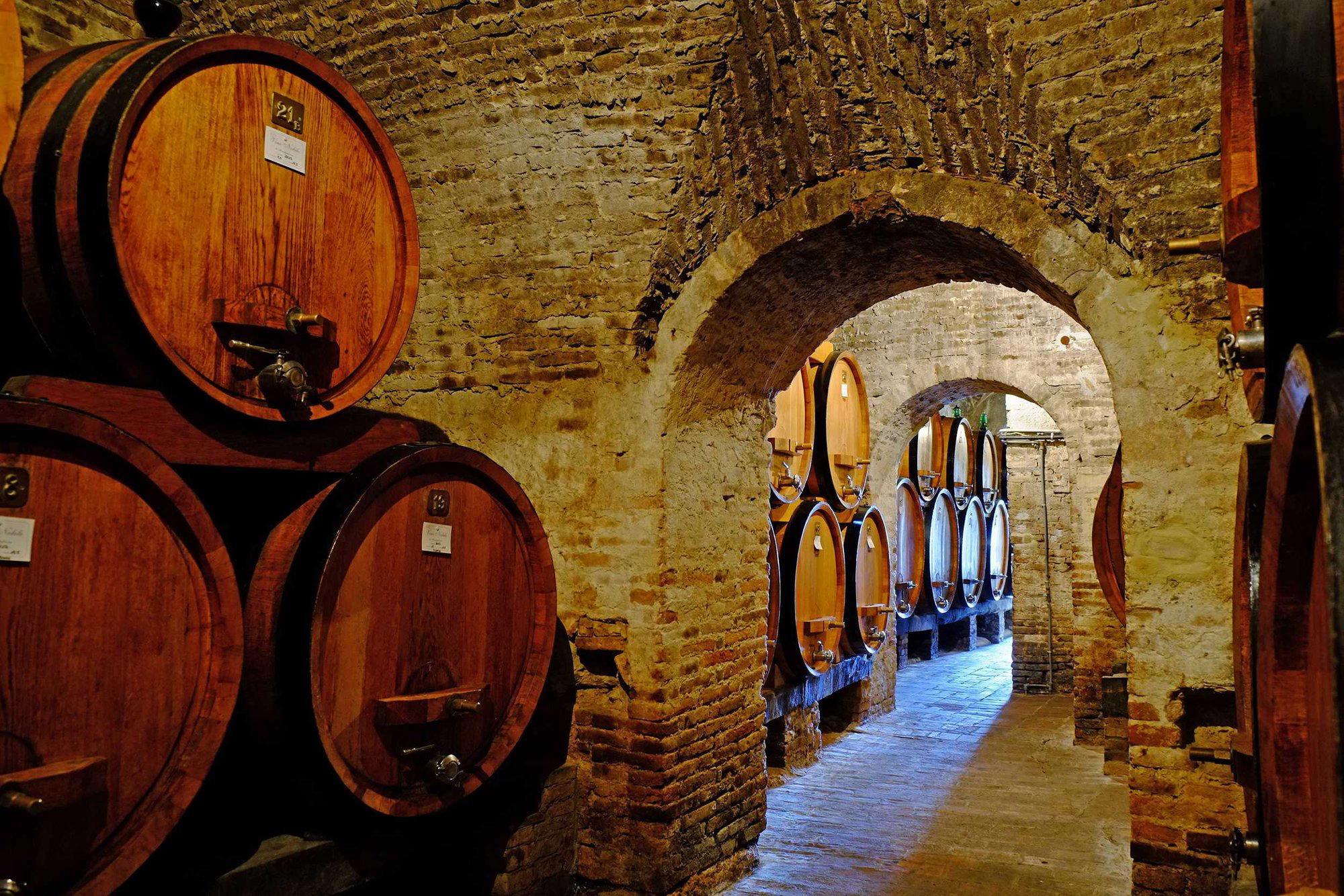
Contucci
Montepulciano, Italy
Contucci is worth booking if the aim is to understand Vino Nobile di Montepulciano through a historic, family-run producer rather than a polished luxury tasting format. Focus on the Vino Nobile range first, especially if buying bottles to take home, and treat the palazzo-and-cellar setting as the main reason the stop feels better than a simple tasting bar.
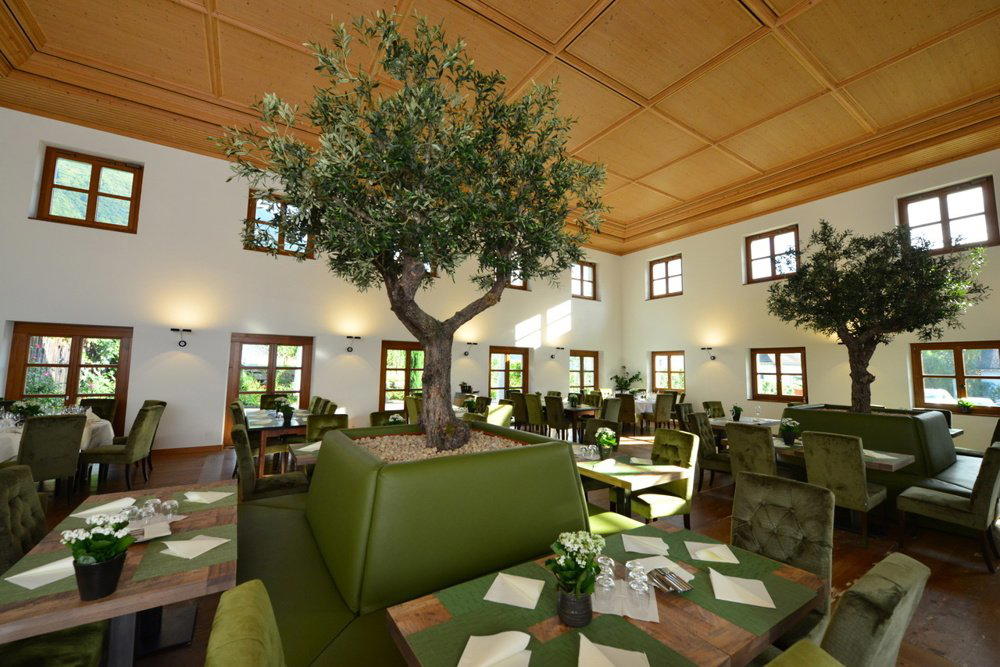
Hofkellerei Vaduz
Vaduz, Liechtenstein
Hofkellerei Vaduz works as a wine-focused daytime stop in Vaduz, not as a substitute for a full restaurant reservation. For a meal-led occasion, Torkel or Marée are clearer choices; for a lower-commitment local wine stop, this is the more practical fit.
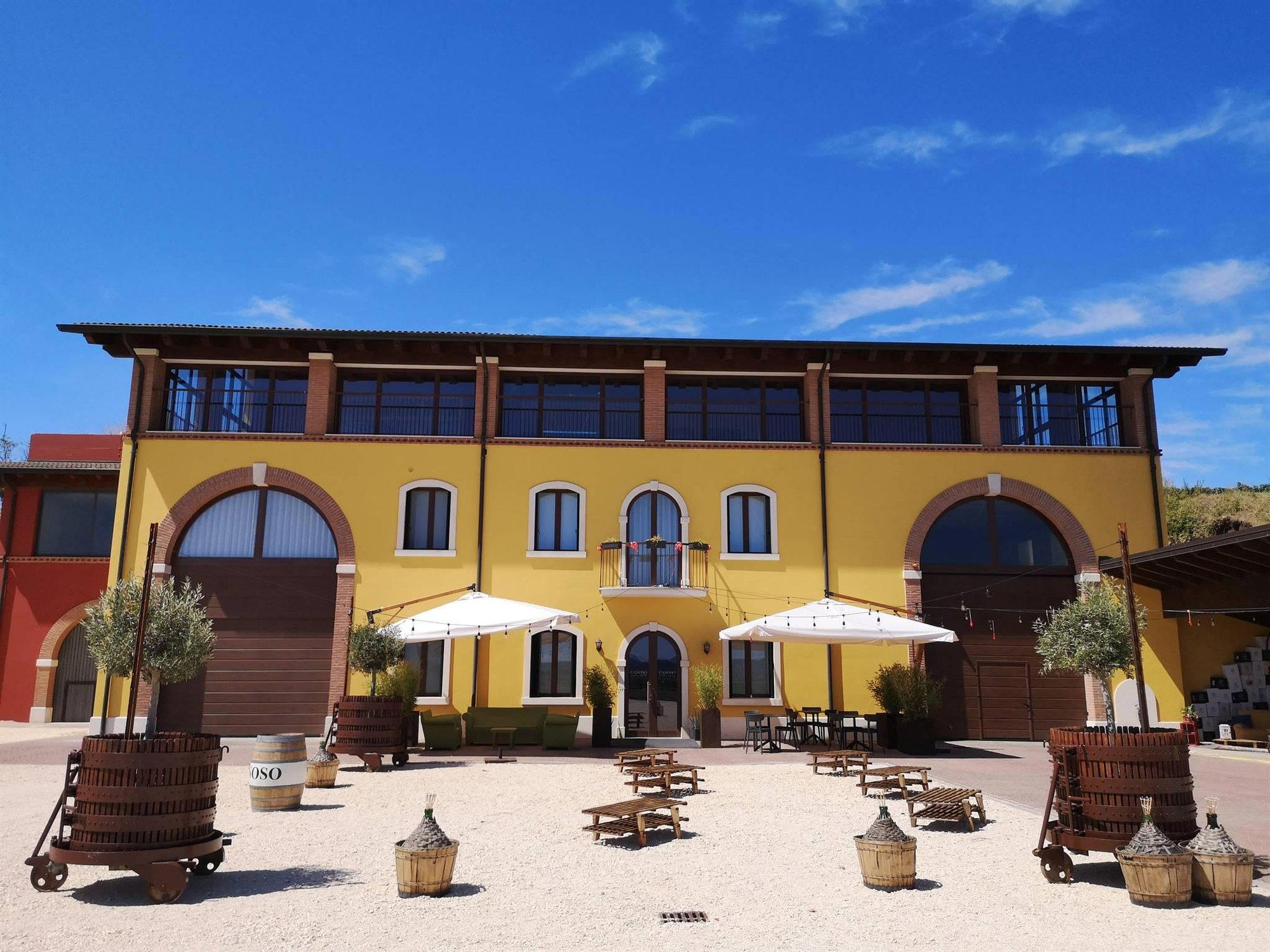
Canoso
Monteforte d'Alpone, Italy
Canoso is worth booking if the goal is a focused Soave Classico tasting in the volcanic hills above Monteforte d'Alpone. The appeal is Garganega, family-scale production, low-impact vineyard work, and a Falstaff Listed 2026 recognition signal, not luxury extras or a broad Italian wine survey.
Château Valoux
Cadaujac, France
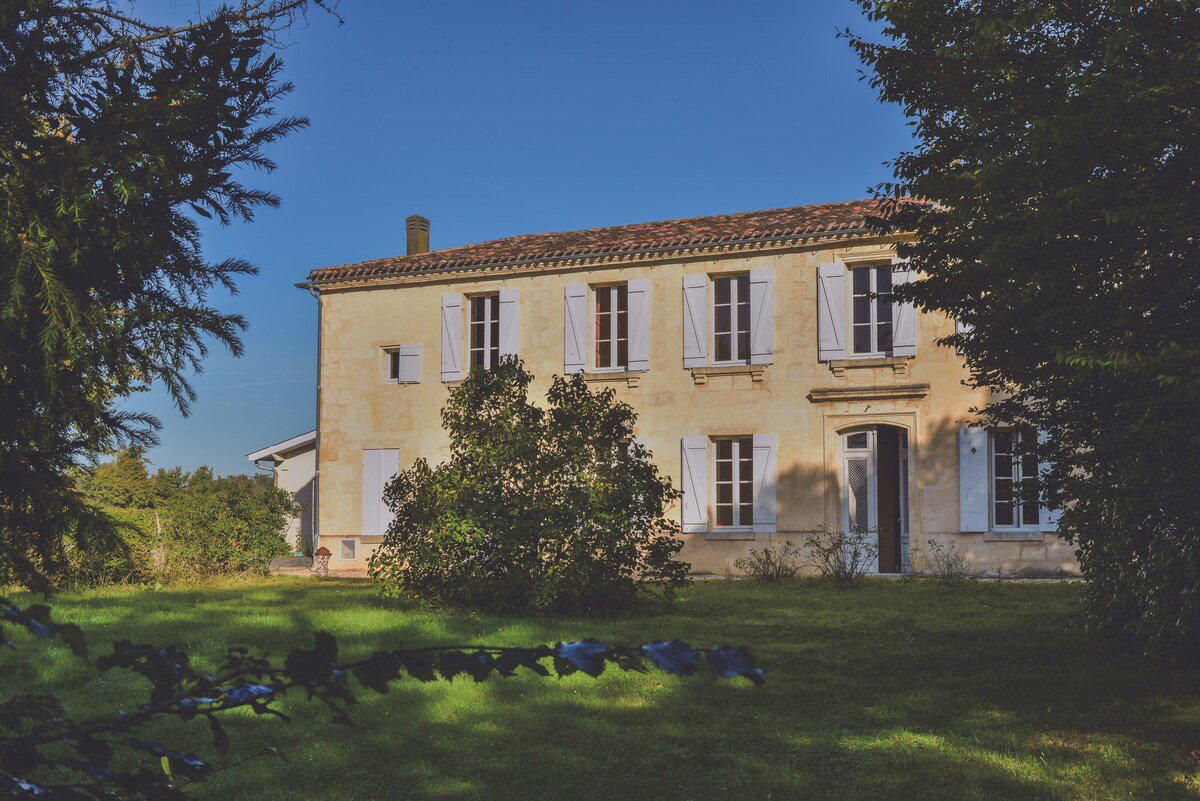
Château Valoux is worth booking if you want a quiet Pessac-Léognan country-house stay with real vineyard context rather than a highly programmed tasting stop. The 18th-century chartreuse, small estate scale, and Cadaujac location make it strongest for wine travellers using it as a calm Bordeaux base.
Domaine de Sarraux-Dessous
Begnins, Switzerland
Worth booking if you want a quiet, traditional Vaud wine-estate visit rather than a glossy tasting room. Domaine de Sarraux-Dessous is strongest for travelers interested in La Côte, Chasselas context, and simple food pairing during open-house style visits; less ideal for anyone seeking a fully staged hospitality experience.
Corra Wines
Napa, United States
Corra Wines is a wine-first Napa pick, better for focused tasting plans than a dining-led visit. Its 2026 Falstaff listing gives it a useful trust signal, but travelers should plan meals, hotels, bars, and activities separately rather than treating the winery as a full-day hospitality anchor.
Domaine Giuliani
Bédarrides, France
Book Domaine Giuliani if you want a quiet, terroir-focused Châteauneuf-du-Pape visit rather than a polished hospitality production. The draw is the family-run Bédarrides setting, 50-year average vine age, clay-limestone and rolled-pebble soils, and a compact portfolio led by Châteauneuf-du-Pape reds and the white “Flora.”
Balassa Winery
Tokaj, Hungary
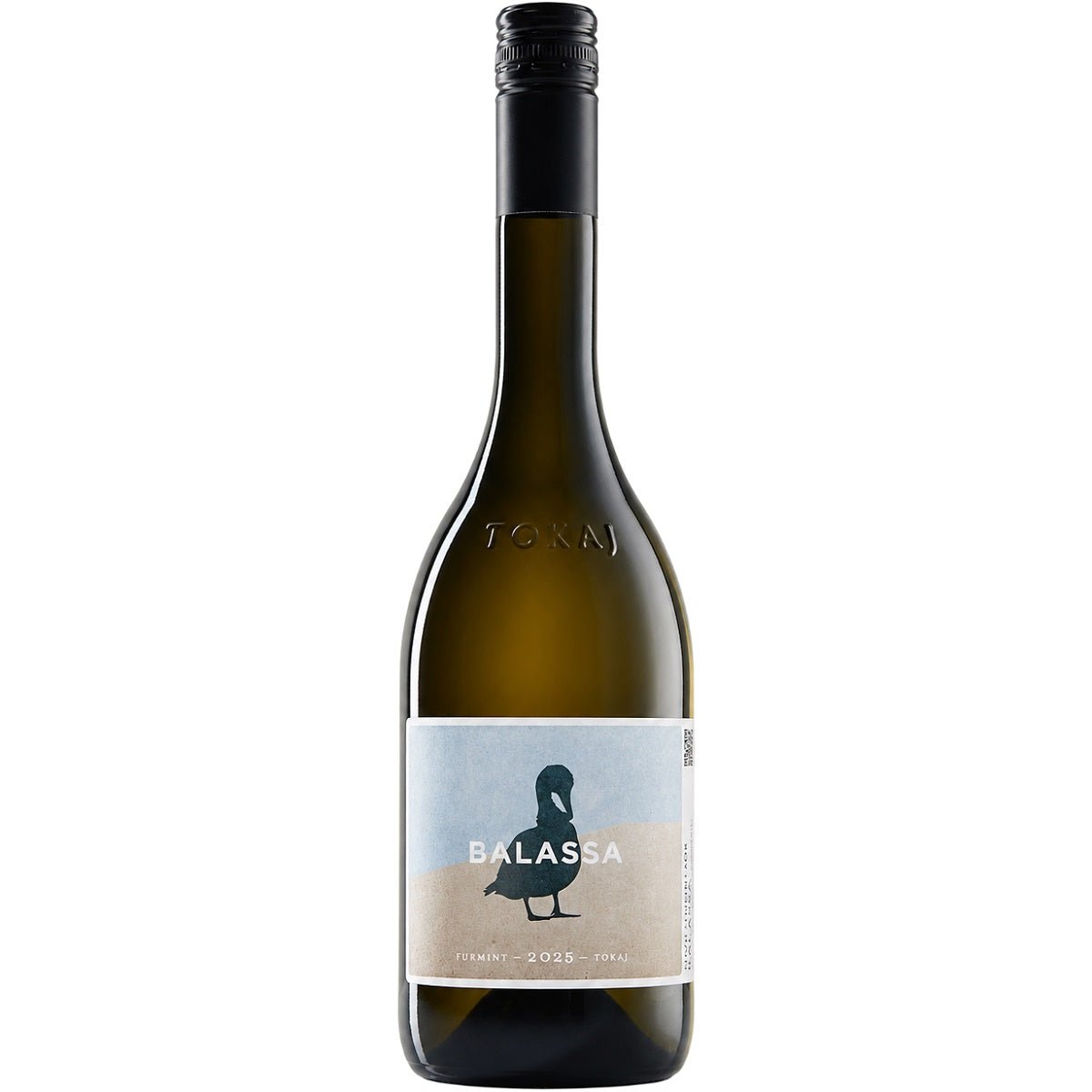
Balassa Winery is worth targeting for a planned Tokaj wine occasion, not a casual drop-in. The Near Impossible booking signal makes it a fit for readers who can build the day around a confirmed visit; if timing is loose, compare Hímesudvar, Erzsébet Pince, Dobogó Pincészet, Tokaj Hétszőlő, and Demeter Zoltán Winery first.
Viña Cousiño-Macul
Santiago, Chile
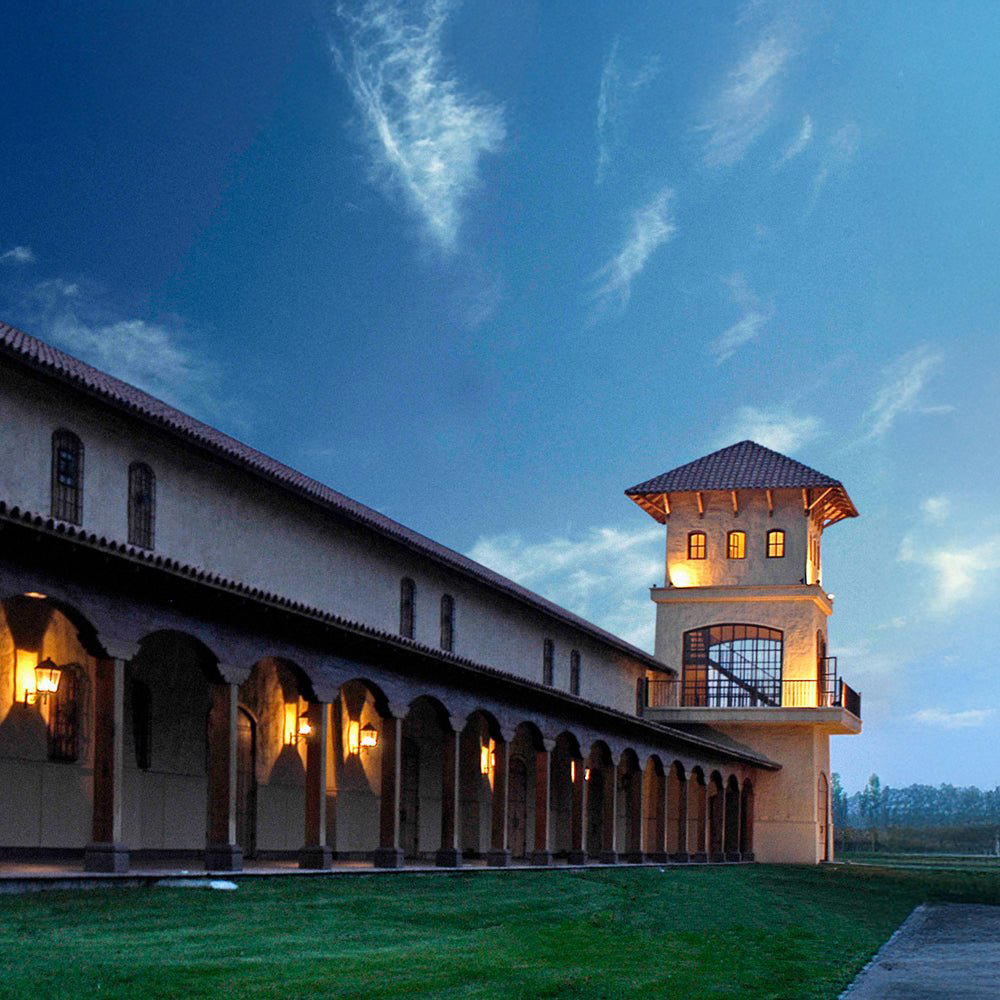
Prioritize Viña Cousiño-Macul if you want a Santiago winery visit where the estate setting is part of the value. It is better for a planned, wine-focused afternoon than a casual drop-in or food-led outing, and groups should treat access as competitive during busy travel periods.
Cantina Spada
San Pietro In Cariano, Italy
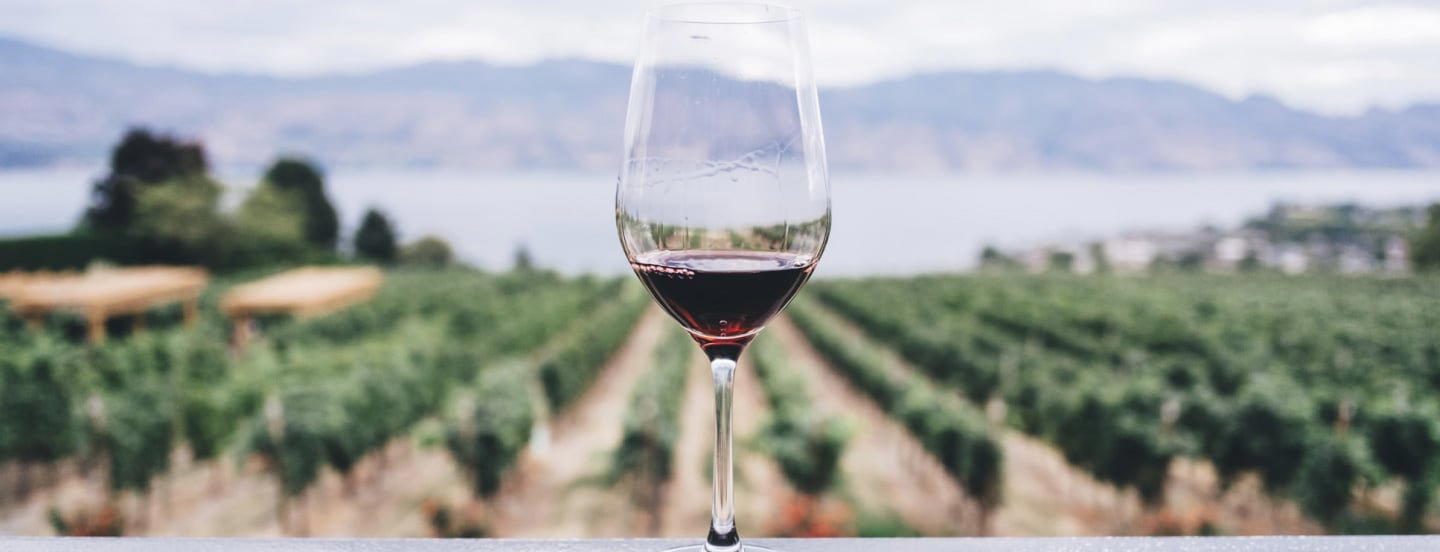
Book Cantina Spada if you want a mid-range, intimate Valpolicella tasting with a clear Amarone focus rather than a large-format winery visit. Its Falstaff Listed 2026 recognition adds a useful quality signal, and the family-run format makes it better for couples, small groups, and quiet celebrations than for casual drop-ins or large parties.
Château De Montguéret
Nueil Sur Layon, France
Choose Château De Montguéret if you want a quiet Haut-Layon wine stop with historic Loire character and a useful spread across dry, sparkling, rosé, and sweet styles. It is especially strong for first-time visitors trying to understand Chenin Blanc without committing to a formal, high-friction tasting itinerary.
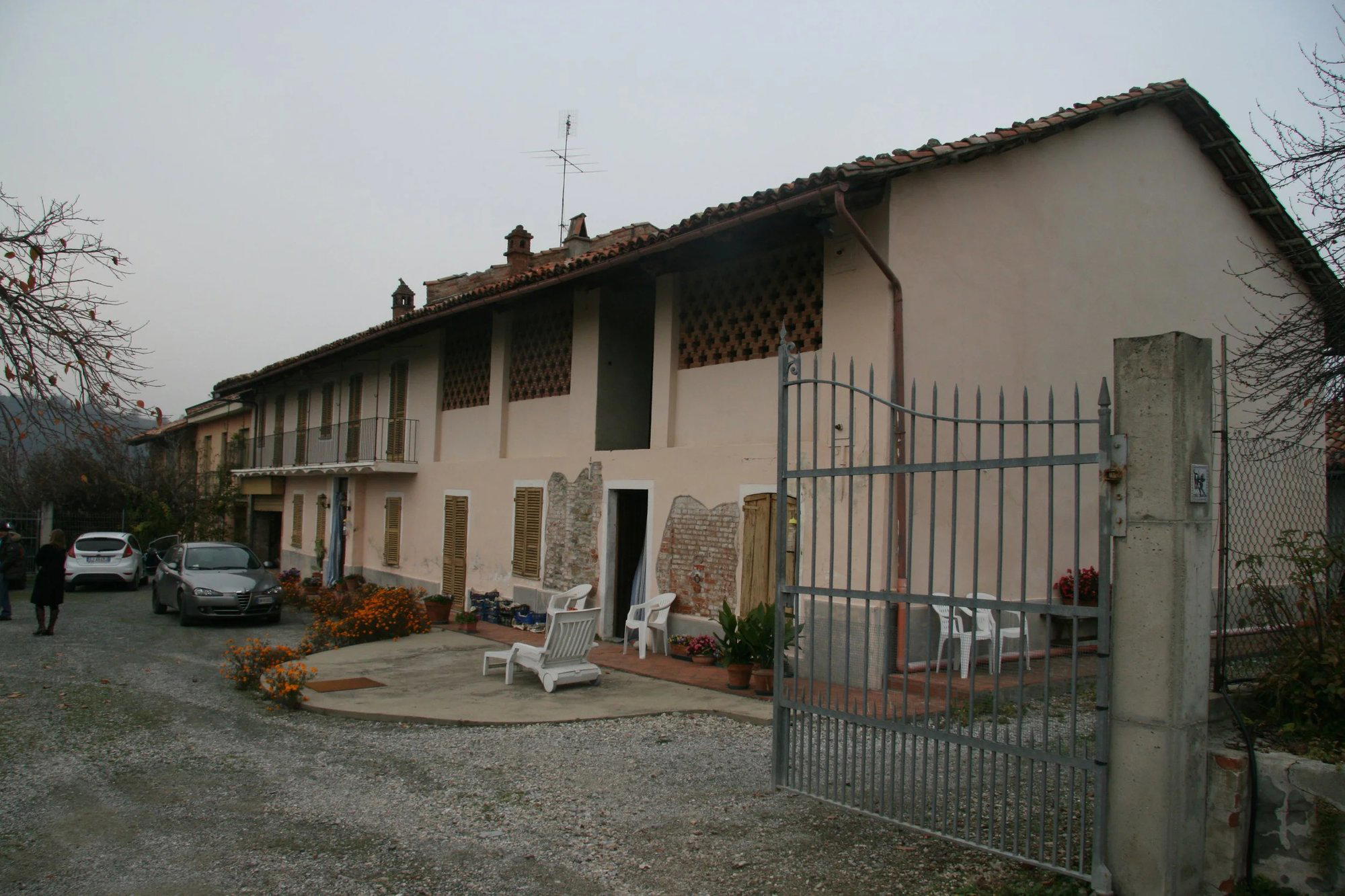
Attilio Ghisolfi
Monforte d'Alba, Italy
Book Attilio Ghisolfi if the goal is a serious Monforte d’Alba Barolo tasting with Bussia context, family-estate character, and a clear Nebbiolo focus. It is better for wine travelers seeking depth than for groups wanting a broad hospitality experience or a tasting built around food pairings.
How many of these have you visited?
Find out on Pearl and keep score across every place in 2026 Falstaff Winery Guide.