
Aoton Winery
Peania
Winery in Peania, Greece
 Book with Pearl
The Read
Eastern Attica Terroir Expression
Why go
Aoton Winery is a strong choice for a planned Peania wine stop, especially if the visit is about tasting rather than a full meal. Its Pearl 2 Star Prestige recognition gives it a clear quality signal, but guests should confirm food, group, and visit details before going.
About Aoton Winery
Aoton Winery is a winery in Peania with a casual dress code and Pearl 2 Star Prestige (2025) recognition. For planning, check details such as pricing, visit format, food service, group capacity, and schedule directly with the venue.
Use Aoton Winery as a Peania winery stop after checking the details that matter for your visit directly with the venue. If you need a particular tasting format, food component, timing, or group arrangement, ask before building the day around the winery.
Plan this as a wine-first Peania stop, not a meal replacement
Aoton Winery can be considered for travelers specifically looking at a winery in Peania, but do not count on a meal-focused experience, a particular tasting structure, or walk-in availability without checking ahead. Keep expectations simple: it is a winery, and details beyond that should be arranged in advance.
The dress code is casual, so the planning emphasis should be on logistics rather than formality. For dining before or after the visit, compare other Peania dining options generically rather than assuming Aoton Winery itself will cover the full meal portion of the day.
For a second visit, compare the wider beverage map
If you are comparing Aoton Winery with other beverage-focused venues, keep the comparison factual and broad. Aoton Winery is the Peania option, while Brettos Distillery, Gikas Winery, Polykala Distillery, Roots Spirits (Finest Roots), and Tsiperoglou Distillery may be useful reference points for travelers considering different winery or distillery visits.
The decision should stay simple: choose Aoton Winery if you want a Peania winery with Pearl 2 Star Prestige (2025) recognition and a casual dress code. For any specific service, tasting, food, pricing, or scheduling detail, check directly before you go.
Planning details
- Location
- Ioannou Chatzikiriakou 13, Peania 190 02
- Website
- aoton.gr
- Phone
- +302106642347
The take
The Take
The Vibe
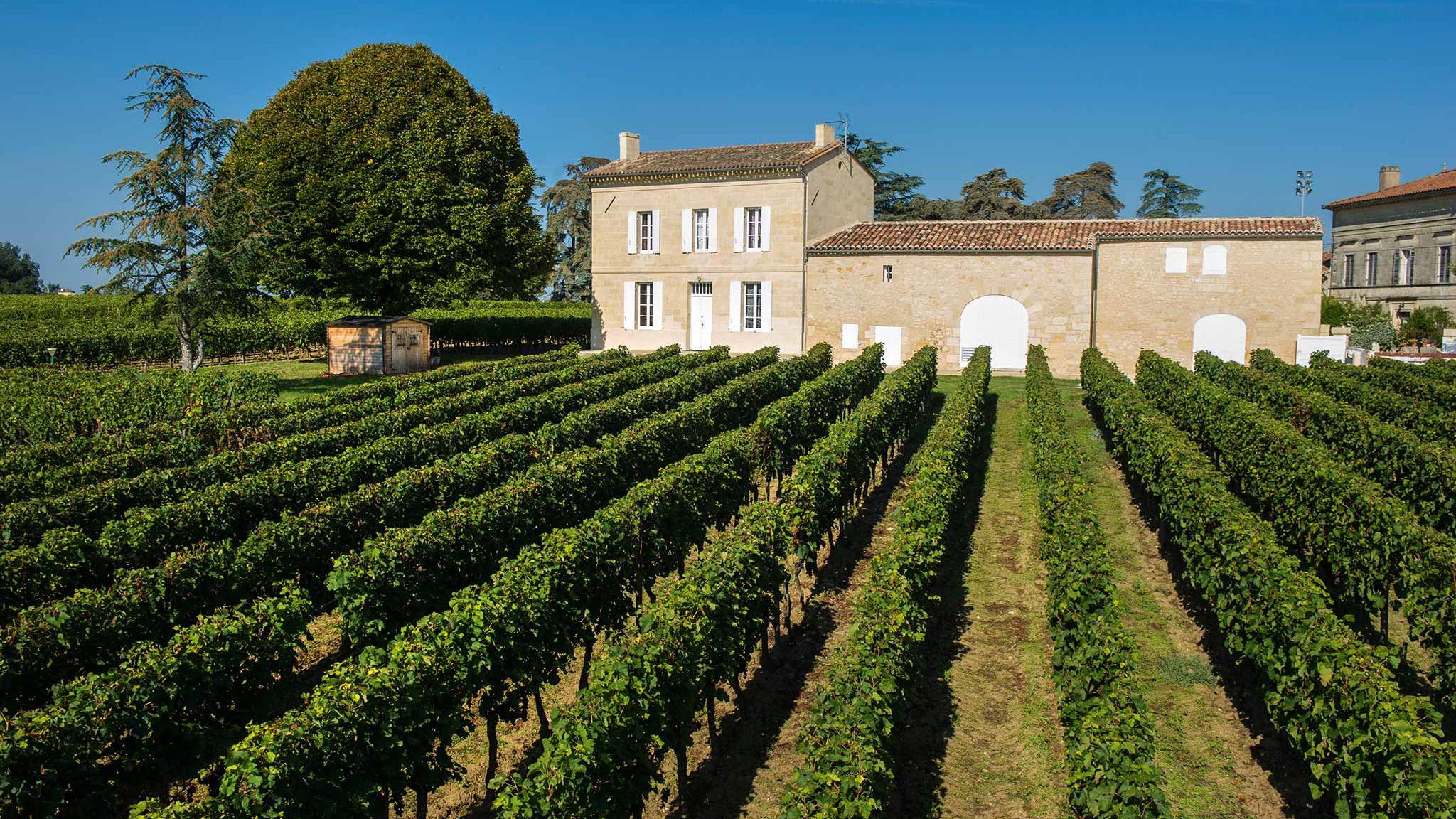
Aoton Winery presents a thoughtful, terroir-forward presence on the eastern slopes of Hymettus. The copy leans into geology and climate—limestone soils, drier winds and an elevation shift—that create a distinct Attica expression, and a recent Pearl 2 Star Prestige recognition signals a level of craft beyond casual local production. The overall tone is measured and informed, favoring precision over flourish: visitors encounter a producer that reads like a regional argument made physical. The experience feels scenic and quietly sophisticated, rooted in place and in the longer, historical arc of winemaking around Athens.
Best For
Aoton is best for visitors focused on understanding place and production: students, sommeliers, and curious individuals who value terroir context over spectacle. The profile emphasizes Peania's eastern-mountain microclimate and structured fruit, so tastings here are most rewarding for people who want to probe geology, elevation effects and how Attica differs from island expressions. It also suits solo explorers who prefer smaller, credible producers rather than large-volume operations. The winery's recent recognition makes it a logical stop for those mapping contemporary Greek quality tiers.
Tasting Tips
When you visit, center questions on terroir and recent recognition rather than broad stylistic claims. Ask about the Pearl 2 Star Prestige mention and which releases or vintages earned that distinction. Inquire how the limestone soils and the eastern-slope microclimate influence ripeness and acidity, and request wines that demonstrate the region's noted "spine" and structural focus. The narrative also invites conversation about Attica's grape history—ask how local varieties are handled today—to get a clearer sense of how Aoton situates its wines within the basin's long winemaking story.
Venue details
Ambiance
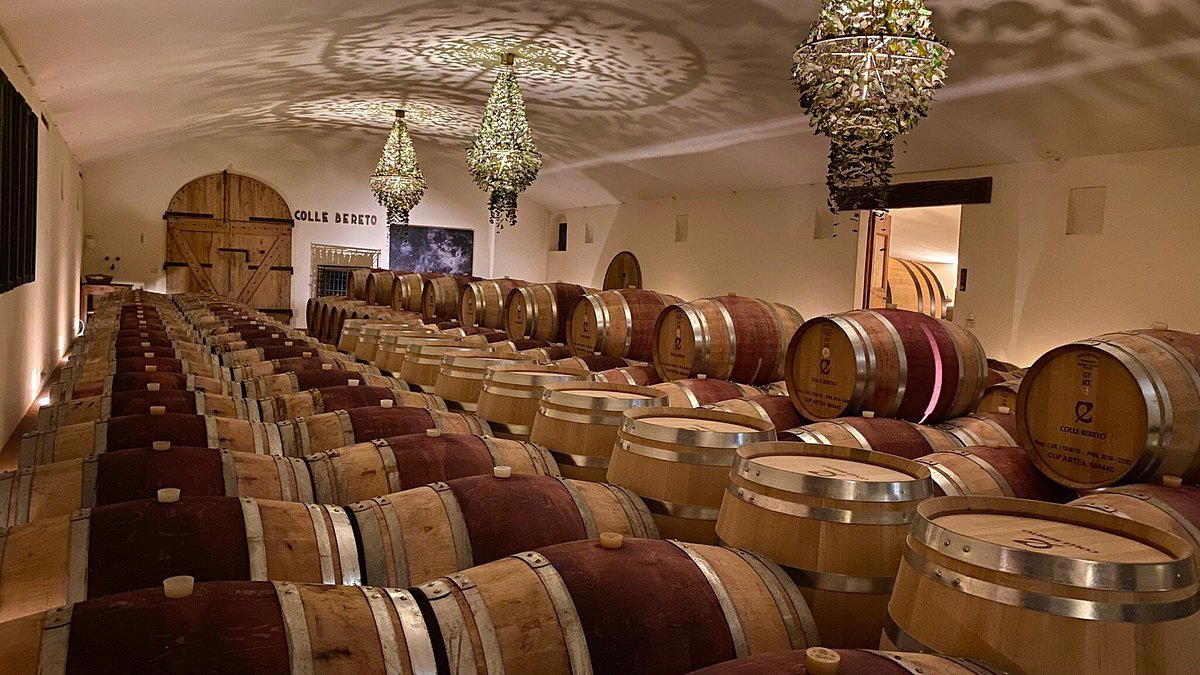
Cozy and authentic atmosphere bridging ancestral heritage and contemporary craftsmanship in a historic family winery setting.
Tags
Vibe
Best For
Experience
Sourcing
View
At the Vineyard
- Appellation
- PGI Mesogaia Attica
- Varietals
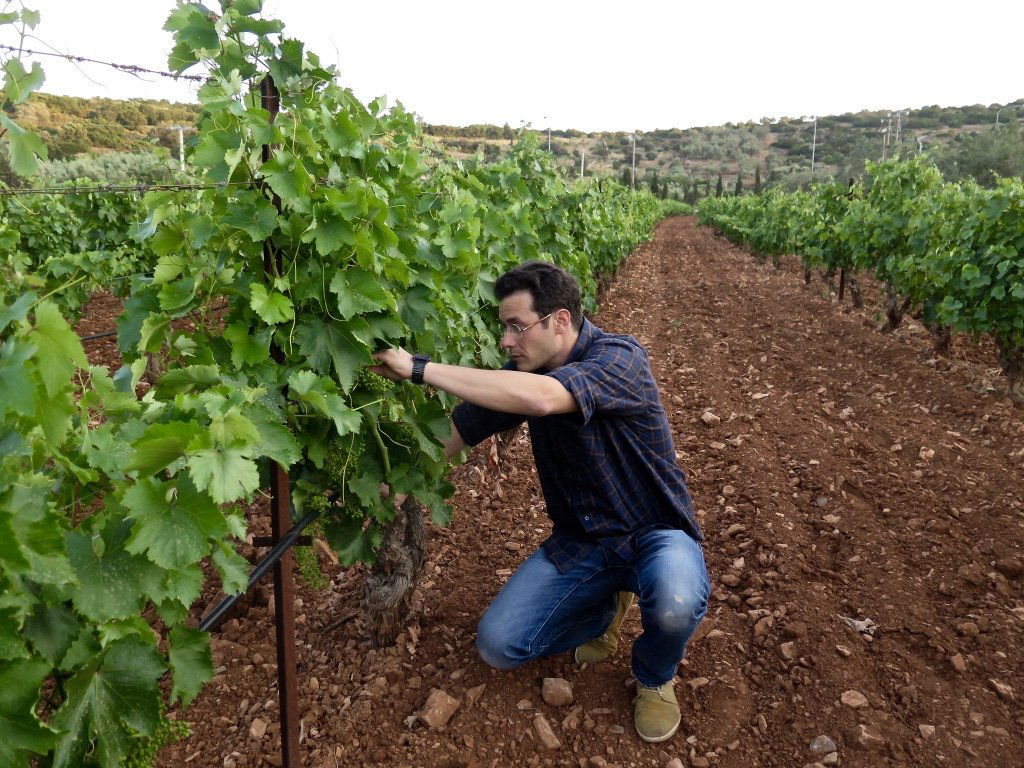
- Savatiano, Mandilaria, Roditis, Cabernet Sauvignon, Malagouzia
- Visits
- By reservation
- Farming
- Organic
- Production
- Small producer
- Wine Styles
- Still White, Still Rose
- Wine Club
- Not available
Know before you go
Know Before You Go
- Getting there
- Ioannou Chatzikiriakou 13, Peania 190 02
Planning details
Location
Recognition and awards

Also consider
Where to look if this does not fit
If the goal is still wine, start with Gikas Winery. If the group is split or wants spirits instead, Roots Spirits (Finest Roots) is the cleaner alternative.
Winery context
How it compares in Peania
Aoton Winery is the pick if the priority is a wine-led Peania visit with a clearer prestige signal. Gikas Winery is the more direct alternative for readers who want another winery comparison, while Roots Spirits (Finest Roots) shifts the decision toward spirits rather than wine.
If ambiance matters more than wine focus, Brettos Distillery, Tsiperoglou Distillery, and Polykala Distillery are better cross-shops for a distillery-style outing. Aoton is the better fit for a winery brief; the distilleries make more sense when the group wants spirits, a shorter tasting format, or a less wine-specific plan.
On value, the deciding factor is not published price but certainty. If food pairing, group size, or timing needs to be locked down, confirm those details before committing. If the group is flexible and wants the wine-focused option, Aoton is the more natural first choice among this set.
Explore Peania
Around this place
Discover more on Pearl
Unlock the full Aoton Winery guide in Pearl, including awards, comparisons, FAQs, planning details, and nearby places.
Compare Aoton Winery
| Venue | Location | Awards |
|---|---|---|
| Aoton Winery | Peania | 2026 Falstaff Winery Guide |
| Gikas Winery | Spata | 2026 Falstaff Winery Guide |
| Roots Spirits (Finest Roots) | Athens | No published awards |
| Brettos Distillery | Athens | No published awards |
| Tsiperoglou Distillery | Athens | No published awards |
| Polykala Distillery | Athens | No published awards |
How Aoton Winery Peania compares with similar nearby venues.
FAQ
Frequently Asked Questions
Can Aoton Winery handle large groups?
Aoton Winery is in Peania and carries Pearl 2 Star Prestige (2025) recognition. For large-party arrangements, contact the venue directly before planning around them.
Does Aoton Winery ship wine?
Do I need a reservation at Aoton Winery?
Contact Aoton Winery directly before going to check reservation requirements, visit formats, and schedules.
Does Aoton Winery have repeat-purchase programs?
If Aoton Winery offers any repeat-purchase or membership program, evaluate the terms directly with the venue before deciding.