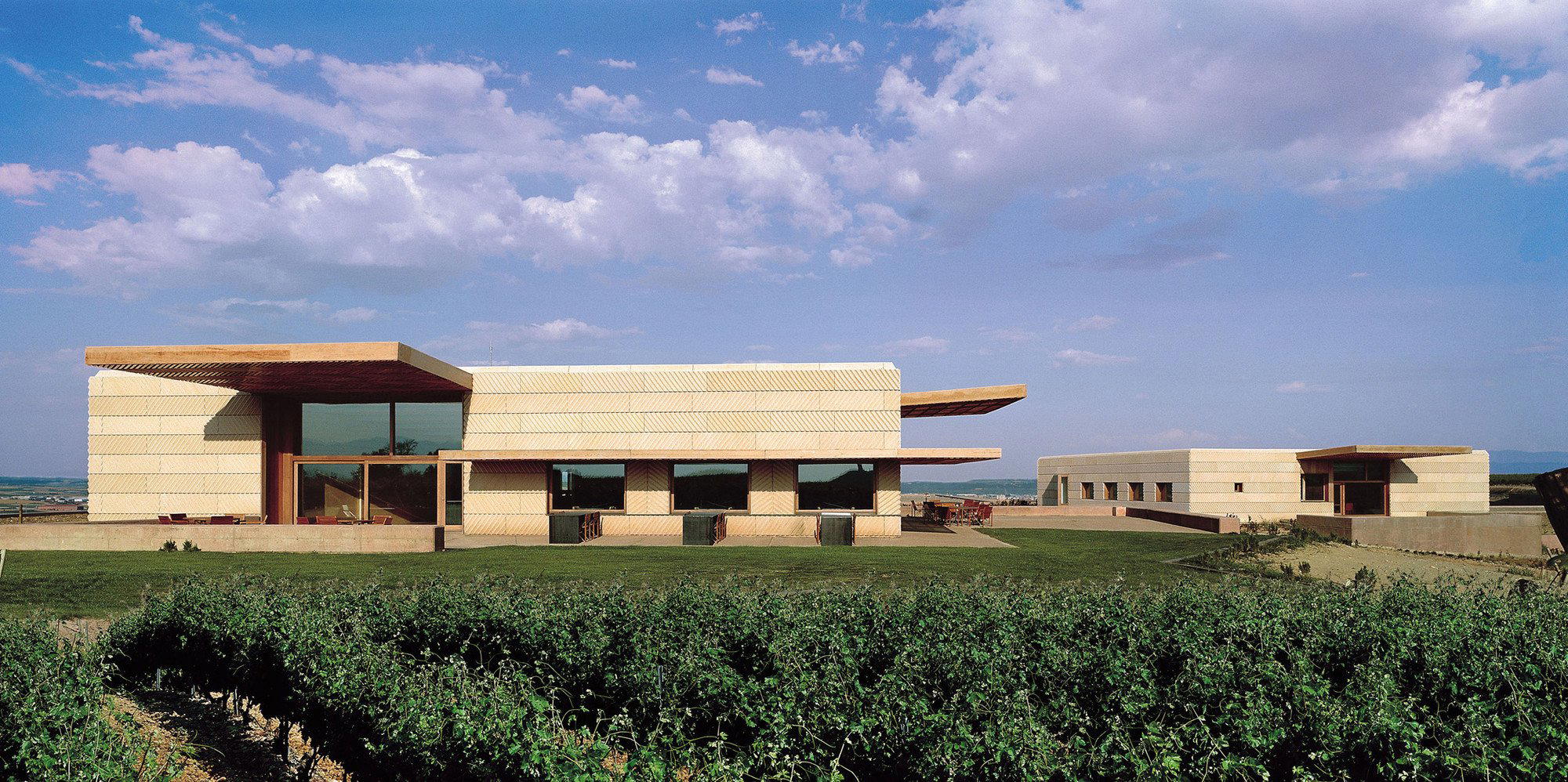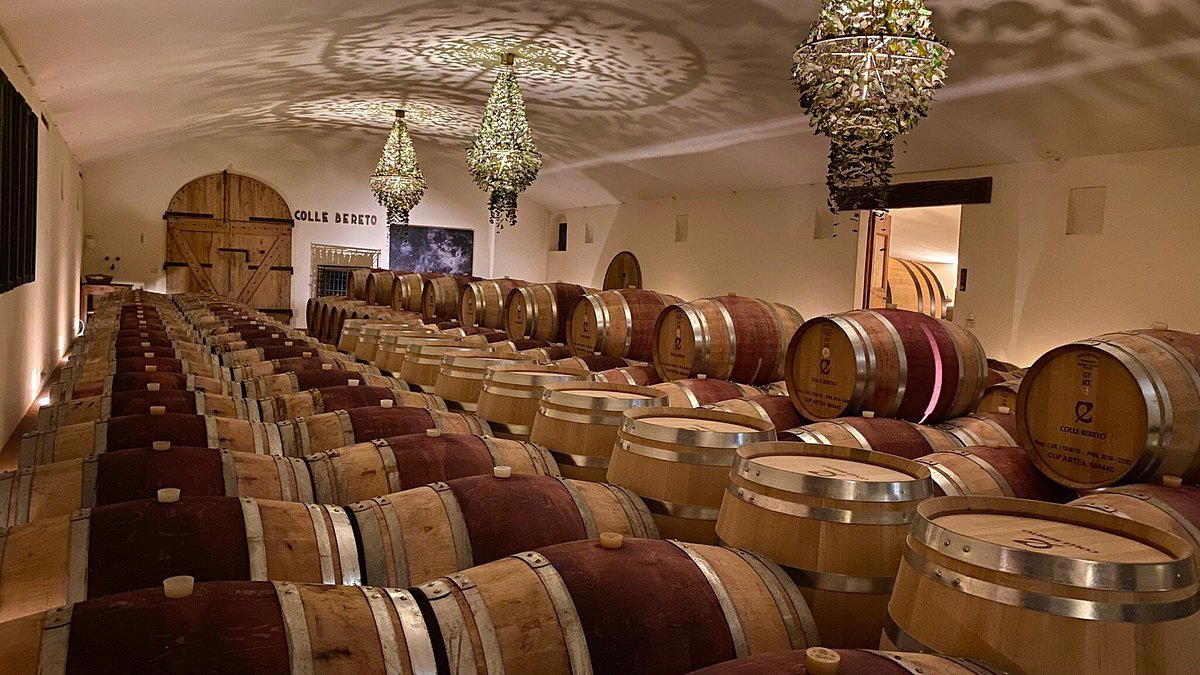

Balassa Winery
Tokaj
Winery in Tokaj, Hungary
 Book with Pearl
The Read
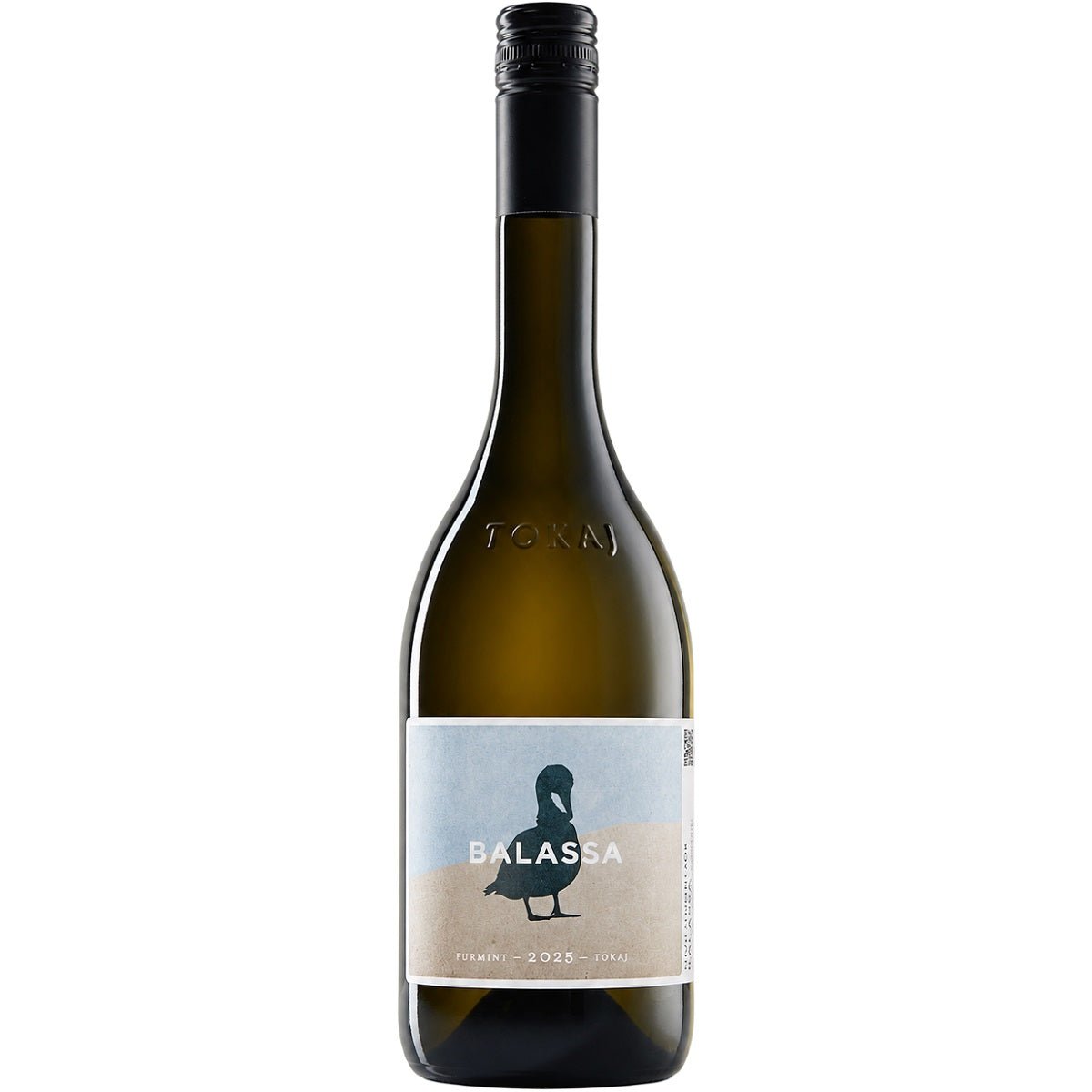
Volcanic-Terroir Furmint
Why go
Balassa Winery is worth targeting for a planned Tokaj wine occasion, not a casual drop-in. The Near Impossible booking signal makes it a fit for readers who can build the day around a confirmed visit; if timing is loose, compare Hímesudvar, Erzsébet Pince, Dobogó Pincészet, Tokaj Hétszőlő, and Demeter Zoltán Winery first.
About Balassa Winery
Balassa Winery is a Tokaj venue with a clearly Pearl 2 Star Prestige recognition for 2025. Beyond that accolade and a casual dress code, the supplied venue data is limited, so it is best presented as a Tokaj winery to research directly before building a trip around specific services, formats, or availability.
Use this page as a cautious planning note rather than a promise of a particular tasting style, menu, schedule, or cellar format. If the visit matters to a Tokaj itinerary, confirm the current arrangements with the winery before you go.
Choose this for a Tokaj winery with recognition
Balassa Winery stands out in the available data because of its Pearl 2 Star Prestige recognition in 2025. That is the strongest confirmed reason to place it on a shortlist.
If you are comparing options for a wine-focused trip, consider Balassa Winery alongside Demeter Zoltán Winery, Dobogó Pincészet, Erzsébet Pince, Hímesudvar, and Tokaj Hétszőlő. The best choice depends on the kind of visit you can confirm directly, since the supplied data does not verify opening hours, tasting formats, food service, pricing, or reservation rules.
The setting is Tokaj; confirm the details before planning around it
Balassa Winery is in Tokaj. That makes it relevant for travelers building a Tokaj wine-focused itinerary, but the specific logistics should be checked with the venue rather than assumed. Use Our full Tokaj restaurants guide, Our full Tokaj hotels guide, and Our full Tokaj bars guide to plan the rest of the trip around confirmed details.
For wine-focused alternatives, compare names such as Demeter Zoltán Winery, Dobogó Pincészet, Erzsébet Pince, Hímesudvar, and Tokaj Hétszőlő before deciding where to spend your time.
Quick reference: choose Balassa Winery if you want a Tokaj winery with Pearl 2 Star Prestige recognition; confirm practical details directly before relying on them.
Planning details
- Location
- Tokaj, Hegyalja u. 37, 3910
- Website
- balassabor.hu
- Phone
- +36 30 331 7227
The take
The Take
The Vibe
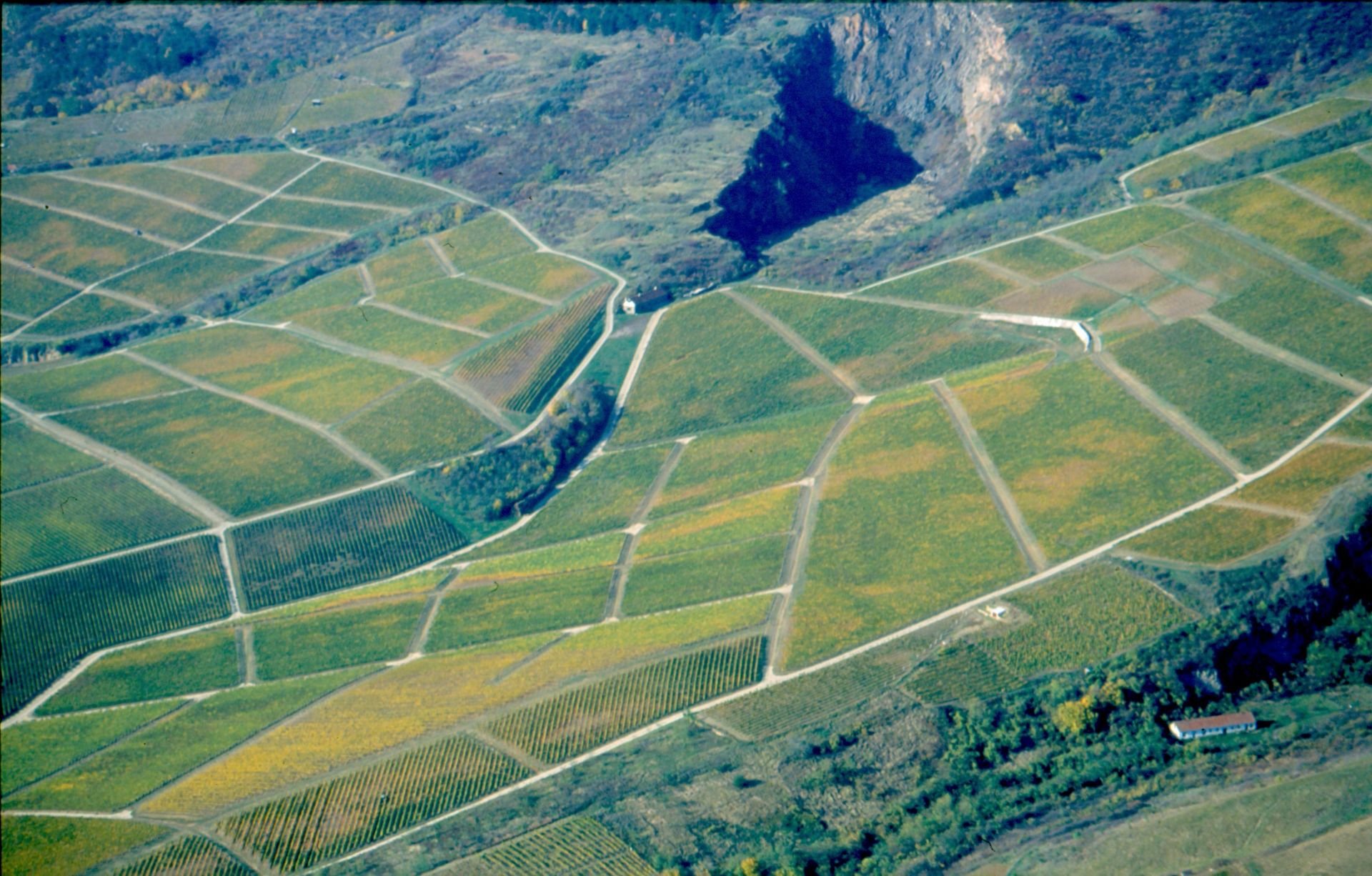
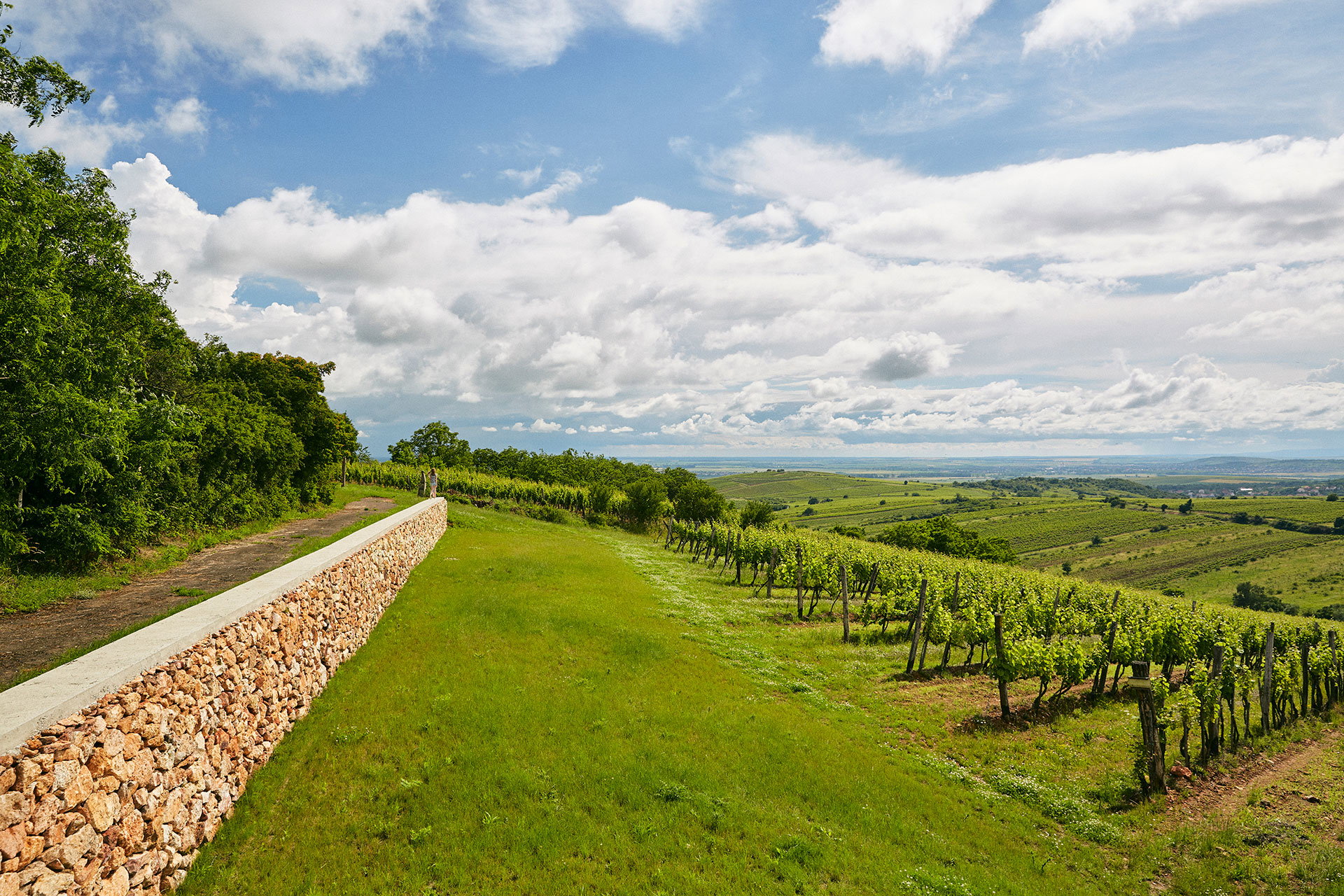
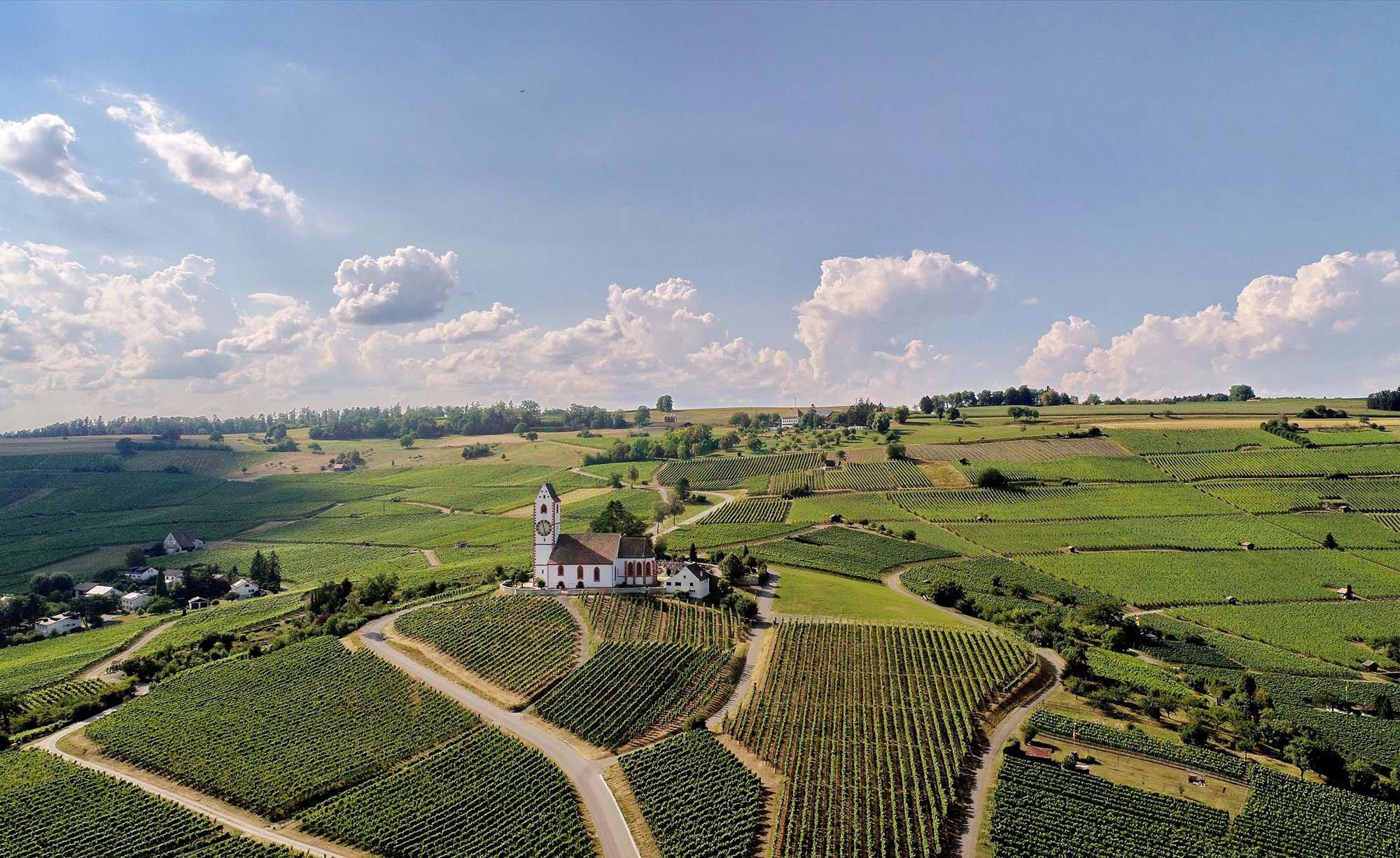
Balassa Winery reads as a focused, terroir-first producer rooted in the unique geology of Tokaj. The copy frames a visit less as a casual tasting and more as a study of volcanic rhyolite tuff, andesite and loess soils and the fog-driven Botrytis that defines the region’s signature sweet wines. Recognition such as the 2025 Pearl 2 Star Prestige award underscores a commitment to quality and a measured seriousness of purpose. Expect an experience that is sober, thoughtful and sophisticated—one geared toward people who want to understand why these vineyards produce wines that age and develop over decades.
Best For
Balassa is best for visitors focused on wine education and solo exploration who want to read the landscape through the bottle. The write-up stresses the winemaking relationship to local geology and the role of noble rot in late-harvest wines, so it suits curious tasters, students of terroir and small groups that prioritize tasting notes and vineyard context over nightlife or large celebrations. Travelers who enjoy quiet, contemplative tasting sessions and who want to learn how climate and soils shape Tokaj’s structure will get the most from a visit.
Tasting Tips
Prioritize wines that show the region’s signature botrytised late-harvest character and vineyard-designated bottlings that speak to soil differences; the description makes clear that those elements define Balassa’s appeal. Ask staff about the specific hillside parcels, the role of autumn mist and how vintages preserve acidity. If available, request a walk or overview of the vineyard sites so you can connect tasting impressions to geology. Bring a notebook and taste with an eye toward acid balance and concentration rather than immediate fruitiness.
Venue details
Tags
Vibe
Best For
Experience
View
At the Vineyard
- Appellation
- Tokaj
- Varietals
- Furmint, Zéta
- Visits
- By appointment only
- Wine Styles
- Still White, Dessert
- Food Pairing
- Offered
- Wine Club
- Not available
Know before you go
Know Before You Go
- Getting there
- Tokaj, Hegyalja u. 37, 3910
Planning details
Location
Recognition and awards

Also consider
Also Consider
- Tokaj Hétszőlő, Notable alternative
- Dobogó Pincészet, Notable alternative
- Hímesudvar, Notable alternative
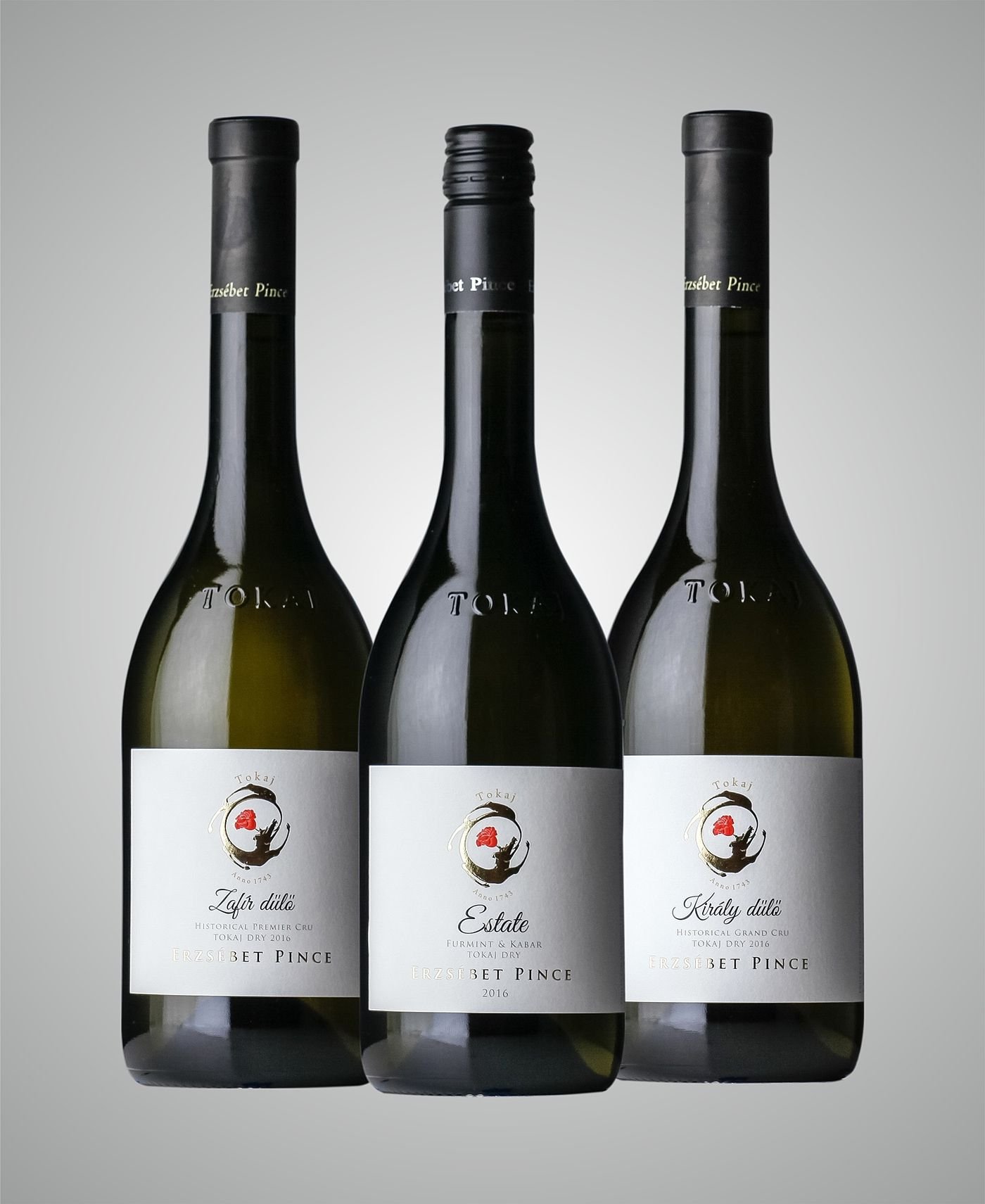
- Erzsébet Pince, Notable alternative
- Demeter Zoltán Winery, Notable alternative
Winery context
How it compares in Tokaj
Balassa Winery is the high-commitment choice in this Tokaj set. With booking difficulty marked Near Impossible, it suits readers planning a celebration, date, or hosted wine stop where the winery visit is the main event. Tokaj Hétszőlő is the better cross-shop for a broader estate-style feel, while Hímesudvar is the safer fallback when flexibility matters more than exclusivity.
Compared with Dobogó Pincészet and Demeter Zoltán Winery, this is less of a casual add-on and more of a fixed appointment to build around. That makes it appealing if the trip is centered on Tokaj wine rather than general sightseeing. If availability becomes the issue, those two are the right alternatives to check before downgrading the whole plan.
Erzsébet Pince is the practical backup for readers who want to stay in the Tokaj orbit but avoid over-engineering the schedule. Pick Balassa Winery when the occasion can justify the planning burden; pick Erzsébet Pince or Hímesudvar when the group needs a lower-friction wine stop.
Explore Tokaj
Around this place
Discover more on Pearl
Unlock the full Balassa Winery guide in Pearl, including awards, comparisons, FAQs, planning details, and nearby places.
Compare Balassa Winery
| Venue | Location | Awards |
|---|---|---|
| Balassa Winery | Tokaj | 2026 Falstaff Winery Guide |
| Tokaj Hétszőlő | Tokaj | 2026 Falstaff Winery Guide2025 World's 50 Best Vineyards · #58 |
| Dobogó Pincészet | Tokaj | No published awards |
| Hímesudvar | Tokaj | No published awards |
| Erzsébet Pince | Tokaj | No published awards |
| Demeter Zoltán Winery | Tokaj | 2026 Falstaff Winery Guide |

How Balassa Winery Tokaj compares with similar nearby venues.
FAQ
Frequently Asked Questions
When is the best time to visit Balassa Winery?
Balassa Winery is in Tokaj and has Pearl 2 Star Prestige recognition for 2025, so it is worth checking directly if you want to plan a visit around current availability.
Is the wine club at Balassa Winery worth joining?
The supplied venue data does not verify whether Balassa Winery has a wine club or what any membership benefits would include. If a club or allocation program matters to you, confirm the current details with the winery before making a decision.
Do I need a reservation at Balassa Winery?
Treat Balassa Winery as a Tokaj venue worth contacting in advance, especially if the visit is important to your itinerary, but do not assume a specific booking policy without checking directly.
What is the flagship wine at Balassa Winery?
The supplied venue data does not identify a flagship wine. The confirmed takeaway is that Balassa Winery is in Tokaj and holds Pearl 2 Star Prestige recognition for 2025. If you want a visit focused on a particular bottle, confirm that directly with the winery.